
There are no direct commercial flights from Kigali (KGL) to the Serengeti (SER or any bush airstrip). Because the Serengeti is a protected national park serviced only by small, light aircraft bush flights, you cannot fly directly from Rwanda. To connect these two destinations, you must first fly from Kigali International Airport to a major Tanzanian hub—typically Kilimanjaro International Airport (JRO) or Arusha Airport (ARK)—and then take a secondary, dedicated bush flight into the Serengeti. This transit usually requires a full day of travel. We recommend planning your itinerary with at least one night of buffer time in Tanzania before heading into the bush to account for flight schedules and potential delays.
Combining a gorilla trekking experience in Rwanda with a classic Serengeti safari is an ambitious and rewarding way to see East Africa. However, the geography of the region makes this journey more complex than a standard point-to-point flight. Many travelers assume that because both countries are major tourism hubs, there must be a simple flight connection between the two. The reality is that the “Kigali to Serengeti” route is actually a two-stage journey that bridges international air travel with specialized bush aviation.
The Two-Stage Reality: Kigali to Serengeti
When you look at a map, the distance between Kigali and the Serengeti seems manageable, but the infrastructure dictates the route. International flights from Kigali (KGL) primarily connect to Kilimanjaro (JRO) or sometimes Dar es Salaam. For a safari starting in the Serengeti, Kilimanjaro International Airport is your primary gateway. From there, the second stage begins: the bush flight.
Bush flights are not like standard commercial jets. They operate on smaller Cessna Grand Caravans, often flying low over the landscape. These flights do not have fixed schedules in the same way as international carriers; they are often “bush hops” that stop at multiple airstrips within the Serengeti (such as Seronera, Kogatende, or Lobo) depending on the passengers on board. This is why you cannot book a single ticket from Kigali to a Serengeti airstrip.
Why You Need a Buffer Day
Because international flight schedules from Rwanda do not always perfectly align with the daily bush flight departures from Arusha or Kilimanjaro, we almost always advise travelers to include a buffer day. Arriving in Tanzania in the late afternoon often means you have missed the morning bush flight departure window. Attempting to fly from Kigali to JRO and then immediately catching a bush flight is risky; if your international flight is delayed by even a few hours, you will likely miss your connection, and bush flights do not wait for delayed passengers.
Comparing Transit Hubs
When planning your Kigali to Serengeti connection, you are essentially choosing between two primary entry points in Tanzania. Each has specific pros and cons regarding convenience and cost.
| Route Hub | Pros | Cons |
|---|---|---|
| Kilimanjaro (JRO) | Main international hub; more flight options; easier connection for international carriers. | Further from the city center; requires a transfer to Arusha if your bush flight departs from there. |
| Arusha (ARK) | Closer to many safari lodges; often the primary departure point for many bush flight operators. | Limited international flight arrivals; often requires a connection via JRO or Nairobi. |
Understanding Safari Bush Flight Costs
One of the most frequent questions we receive involves the cost of these flights. Unlike international routes where pricing follows a traditional yield-management system (prices fluctuate based on demand), bush flight pricing is generally more stable but higher per kilometer. When you book a connection from a hub like Kilimanjaro to the Serengeti, you are paying for the operational cost of a small aircraft, landing fees in the park, and the convenience of bypassing a 7-8 hour drive.
The price you see for a bush flight includes:
- The flight itself: A seat on a light aircraft.
- Park landing fees: These are often bundled into the ticket price for bush flights in Tanzania.
- Baggage handling: Specialized handling for small aircraft.
Note on Baggage: This is the single most important factor for travelers flying from Kigali to the Serengeti. Bush flights have strict weight limits, typically 15kg (33 lbs) per person in soft-sided bags. If you are coming from a gorilla trek in Rwanda, you likely have heavy hiking gear, boots, and extra layers. You will need to arrange for luggage storage in Arusha or Kilimanjaro before heading into the bush, or ensure your bags are compliant before leaving Kigali.
The Itinerary Flow: Rwanda to Tanzania
A well-structured trip typically follows a logical sequence. We often assist travelers who want to maximize their time by moving from the dense, humid forests of Volcanoes National Park in Rwanda to the open plains of the Serengeti. The standard sequence looks like this:
- Departure from Kigali: Morning flight to Kilimanjaro (JRO).
- Transit: Transfer from JRO to Arusha (if your bush flight departs from Arusha Airport) or stay in the JRO area.
- The Bush Flight: Early morning departure from Arusha/JRO to your designated Serengeti airstrip.
- The Safari Start: Your guide meets you at the airstrip in the Serengeti, ready for your first game drive.
This sequence allows you to land in the Serengeti by mid-morning, giving you the entire afternoon for your first game drive, which is a far better experience than arriving in the late evening after a long drive from Arusha.
Visa and Border Logistics
Because you are crossing from Rwanda to Tanzania, you are effectively leaving the East African Community’s single-country zone and entering another. While the East African Tourist Visa was designed to facilitate this, travelers should always verify their specific visa requirements for both countries well in advance. Having your documentation organized for the transit through Kilimanjaro airport is essential. Even though you are just transiting, you will pass through immigration, so ensure your passport has sufficient blank pages and your visas are valid for entry.
How Climb 4 Africa Manages Your Connection
We specialize in Tanzania safari tours and handle the complex logistics of connecting international hubs to remote bush airstrips. We do not just book your safari; we help you coordinate the entire travel sequence. If you are coming from Kigali, we need to know your flight arrival details to ensure we align your bush flight departure correctly.
When you contact us, we can provide a realistic overview of the current flight schedules and help you determine whether it makes sense to fly directly into Arusha or Kilimanjaro based on your total travel plan. We also provide guidance on where to store your non-essential luggage if you are carrying gear from your Rwanda leg that isn’t suitable for the bush.
To start planning your connection, send us your tentative travel dates and your flight arrival details for Kigali (if you have already booked them). You can reach us via:
- WhatsApp: +255 747 477 898
- Email: climb4africa@gmail.com
- Backup Email: info@climb-4-africa.com
We can help you compare different bush flight operators to ensure you get the most reliable service for your specific itinerary.
Frequently Asked Questions
- Can I fly from Kigali to Serengeti in one day? Technically, yes, if you find a perfect flight connection, but it is risky. We strongly suggest an overnight stay in Arusha or Kilimanjaro to avoid missing the once-a-day bush flight departures.
- What is the baggage limit for Serengeti bush flights? Most operators strictly enforce a 15kg (33 lbs) limit in soft-sided bags. Hard-shell suitcases are generally not permitted on small bush planes.
- Do I need a new visa for Tanzania if I arrive from Rwanda? Yes, Tanzania and Rwanda have separate entry requirements. Ensure you have your visa for Tanzania ready before arrival at JRO.
- Is it cheaper to drive or fly from Arusha to the Serengeti? Flying is significantly more expensive than driving, but it saves you 8-10 hours of travel time on bumpy roads. For a short trip, flying is almost always the better choice to maximize your time in the park.
- Can you book my international flights from Kigali? We focus on the safari and bush flight portions of your trip. We recommend booking your international flights (Kigali to JRO) through a travel agent or directly with the airline, and then letting us handle the ground logistics and bush flights in Tanzania.
Planning a trip that spans two major African destinations requires careful coordination. The key is to avoid rushing the connection. By treating the Kigali-to-Serengeti route as two distinct parts—the international transit and the bush safari—you can ensure your transition is smooth and your focus remains on the experience, not the logistics. Whether you are aiming for the Great Migration or a quiet game drive in the central Serengeti, getting the flight connections right is the first step toward a successful safari.


Navigating the Gear Transition: From Rainforest to Savannah
One of the most overlooked aspects of the Kigali-to-Serengeti route is the physical transition between two vastly different ecosystems. Travelers often focus so heavily on the flight logistics that they neglect the gear management required to move from the high-altitude, rainforest environment of Rwanda to the sun-drenched, dusty plains of Tanzania. Successfully bridging these two legs requires a strategic approach to packing and equipment management.
The Climate Paradox: Packing for Two Extremes
Gorilla trekking in Volcanoes National Park demands gear that is fundamentally different from what you need for a Serengeti game drive. In Rwanda, you are dealing with high humidity, potential rain, and dense, muddy vegetation. This necessitates heavy-duty waterproof hiking boots, gaiters, long-sleeved trousers, and layers for cool morning temperatures. Conversely, the Serengeti is characterized by intense UV exposure, dry heat, and fine, pervasive dust.
The challenge arises when you realize that your heavy, damp hiking boots and specialized trekking clothing are dead weight once you reach the Serengeti. Carrying these items into the bush adds unnecessary bulk and weight, which is a critical issue given the strict limits imposed by light aircraft operators. When planning your transition, aim for a modular packing strategy. Use a lightweight, packable duffel for your safari-specific clothing—breathable, neutral-toned fabrics—and separate your trekking gear into a distinct, collapsible bag that can be easily stored or left behind. Do not assume you can wear your trekking boots on the bush plane; swap them for comfortable, lightweight walking shoes that serve double duty for travel days and light walking in the Serengeti.
The Physics of Bush Flight Luggage
The restriction on “soft-sided luggage only” for bush flights is not a suggestion; it is a physical requirement dictated by the cargo holds of aircraft like the Cessna Grand Caravan. These planes do not have rectangular, rigid cargo bays. The storage space is often a flexible, contoured area that requires bags to be squished, molded, and stacked to fit. A hard-shell suitcase, regardless of its size, cannot be manipulated into these spaces. If you arrive at an Arusha or Kilimanjaro airstrip with a rigid suitcase, you will likely be forced to leave it behind or pay for an expensive, separate cargo transfer, if one is even available.
When transitioning from Kigali, ensure your primary luggage for the Tanzania leg is a soft-sided duffel. If your international luggage is a hard-shell case, you must plan to offload its contents into a soft bag before you attempt to board your bush flight. Many travelers use a hybrid approach: they bring a large, hard-shell suitcase for their international flights (which remains in a secure storage facility in Arusha or at their hotel) and transfer only the necessary items into a soft-sided duffel for the safari portion of the trip. This “base camp” strategy is the most effective way to manage the logistics of a multi-country, multi-ecosystem safari.
Strategic Storage Solutions
Because you are unlikely to need your gorilla trekking gear in the Serengeti, the most efficient logistics plan involves arranging storage in Tanzania before your bush flight. If you are flying into Kilimanjaro (JRO) or Arusha (ARK), most reputable safari operators or partner lodges can arrange secure storage for your non-essential luggage. This service is typically included if you have booked your safari through a full-service provider, but it is essential to coordinate this in advance.
When you land in Tanzania, you should ideally have a clear separation between your “safari kit” and your “transit/trekking kit.” Upon arrival, you can leave the bulkier items at your overnight hotel in Arusha or with your ground handler. This allows you to board your bush flight with only the essentials—camera gear, light clothing, and personal items—ensuring you stay well under the 15kg (33 lbs) weight limit. Attempting to drag your entire Rwanda-to-Tanzania inventory into the Serengeti is a recipe for logistical frustration and potential excess baggage fees, which, on remote bush routes, are charged at a premium and subject to space availability.
Choosing the Right Serengeti Airstrip
One of the most critical logistical decisions in your Kigali-to-Serengeti journey occurs after you have secured your international flight to Tanzania. Many travelers mistakenly assume that “Serengeti” is a single, monolithic destination. In reality, the Serengeti National Park covers nearly 15,000 square kilometers, and the airstrip you choose determines whether your safari begins with a ten-minute transfer or a three-hour game drive. When booking your bush flight from Arusha (ARK) or Kilimanjaro (JRO), you must align your arrival airstrip with the location of your specific safari lodge or tented camp.
The Serengeti is served by several distinct airstrips, including Seronera (the central hub), Kogatende (northern sector), Lobo (northeast), Grumeti (western corridor), and Kusini (southern plains). If you land at the Seronera airstrip but your lodge is located in the Kogatende sector, you are looking at a substantial, multi-hour transit across the park. While this can technically serve as a game drive, it is an exhausting way to start your trip after a long day of international travel from Rwanda. Always confirm the nearest airstrip with your lodge operator before finalizing your bush flight booking. Because the Great Migration moves seasonally, many luxury camps are seasonal as well, meaning the “correct” airstrip for your camp may change depending on the time of year you visit.
The “Bus Route” Reality of Bush Aviation
When you book your bush flight connection from a Tanzanian hub, it is vital to understand that these aircraft rarely fly direct, point-to-point routes. Unlike commercial jets that operate on a city-pair basis, bush aircraft operate on a “hub-and-spoke” or “bus route” model. A single Cessna Grand Caravan may depart from Arusha, stop at Manyara or Tarangire, continue to Seronera in the central Serengeti, and then terminate at Kogatende in the north.
This operational reality has two primary impacts on your transit. First, your flight time may be longer than the distance on a map suggests. A flight that looks like a 45-minute hop might take two hours if the aircraft is servicing other airstrips along the way. Second, the pilot may change planes or crews at intermediate stops. You must remain attentive during these stops; unlike commercial flights where you stay on the plane, you may be required to disembark, collect your luggage, and wait on the tarmac while the aircraft is reloaded or while you are transferred to a connecting light aircraft. This is standard procedure, not a delay, and is a normal part of the East African safari experience.
Arrival Protocols and Ground Transfers
Upon landing at your designated Serengeti airstrip, the transition from “transit mode” to “safari mode” is immediate. Most bush airstrips in the Serengeti are simple gravel or dirt runways with minimal infrastructure—often just a small hut or a shade tree. There are no jet bridges, baggage carousels, or arrival halls. Your safari guide or lodge representative will typically be waiting for you directly at the aircraft side.
Before you board your bush flight in Arusha, ensure you have shared your flight number and arrival time with your lodge. Because there is no central flight information display at these remote airstrips, your driver relies on flight manifests provided by the aviation company. If your flight is delayed or rerouted due to weather or operational changes, the communication chain relies entirely on the pilot updating the ground operations center, which then relays the information to your lodge. Having a reliable ground handler or booking agent who monitors these real-time flight changes is the single best insurance against being left waiting at a remote airstrip.
The Return Journey: Serengeti to Kigali Logistics
While most travelers focus heavily on the inbound logistics of connecting Kigali to the Serengeti, the return journey often presents a distinct set of operational challenges that require careful planning. When your safari concludes, you are essentially reversing the complex transit chain, but with the added pressure of international flight departures. Unlike the start of your trip, where a delay might simply mean a longer wait at a lodge, a delay on your return journey can result in missing your international connection back to Rwanda or your home country.
The return sequence typically begins with a bush flight from your Serengeti airstrip back to Arusha (ARK) or Kilimanjaro (JRO). Because bush flights operate on the aforementioned “bus route” model, your departure time from the airstrip is often flexible and determined by the airline’s routing for that day. It is standard practice for the airline to confirm your exact flight time only 24 hours in advance. This can create anxiety for travelers with tight connections. To mitigate this, we strongly recommend that your return flight from Tanzania to Kigali is booked for the late afternoon or evening. This provides a significant window of safety should your bush flight be delayed due to weather, wildlife on the runway, or unexpected routing adjustments.
Furthermore, if you are transiting through Arusha (ARK) to reach Kilimanjaro (JRO) for your international departure, you must account for the ground transfer time between the two airports. Arusha Airport is located within the city, while Kilimanjaro International is approximately 50 kilometers away. Traffic between these two points can be unpredictable. Do not attempt a “tight” connection where you land at ARK and have less than four hours to reach JRO. The most reliable strategy is to treat your return as a full-day travel event, ensuring you have ample time to clear security and check into your international flight with composure.
Related Guides and Packages
Check Availability for Kigali To Serengeti Flights: Prices & Safari Connections
Ready to compare dates, prices, and the best option for your group? Send the package name and travel month so the team can reply with a clear quote, availability, and what is included.
Entebbe To Serengeti Safari: Flight Connections & Cost Planning
A practical guide to connecting your Entebbe-based travel with a Serengeti safari, covering flight routes, airport choices, baggage constraints, and cost factors for 2026-2027.
View package detailsSerengeti Great Migration Fly-In Safari: Flight And Lodge Prices ()
A deep look at the logistical and financial considerations of planning a Serengeti Great Migration fly-in safari, focusing on how flight routes and seasonal lodge locations dictate your...
View package details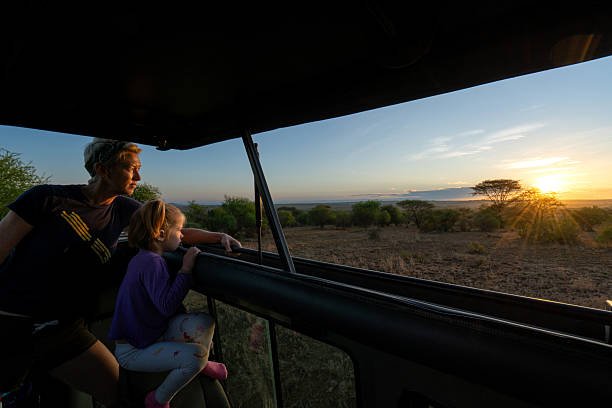
Luxury Serengeti Fly-In Safari: Private Packages & Prices ( Guide)
A detailed guide to luxury fly-in safaris in the Serengeti, focusing on private logistics, pricing structures for 2026-2027, and maximizing your time in the bush.
View package details
2-Day Serengeti Fly-In Safari From Arusha: Understanding Package Prices
A practical guide to the costs, logistics, and planning realities of a 2-day fly-in safari to the Serengeti from Arusha.
View package details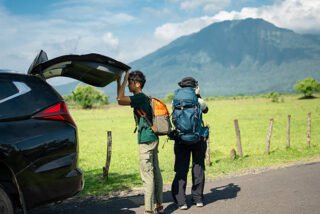
How Much Luggage Is Allowed On Serengeti Safari Flights? A Planning Guide
Learn the precise luggage requirements for Serengeti bush flights, including weight limits, the mandatory soft-bag policy, and how to safely store your extra gear.
View package details
Kilimanjaro Climb And Serengeti Safari: Flight & Transfer Planning
Kilimanjaro Climb and Serengeti Safari: Flight & Transfer Planning.
View package details
Serengeti Flight Prices During The Great Migration Season: A Practical Guide
Planning a safari during the Great Migration? Here is how to navigate Serengeti flight prices, seasonal demand, and the logistical realities of bush travel.
View package detailsFly-In Safari From Dar Es Salaam: Serengeti, Ruaha & Nyerere Packages
A professional guide to organizing fly-in safaris from Dar es Salaam, covering the logistical advantages of accessing Nyerere, Ruaha, and the Serengeti by air.
View package details5-Day Serengeti & Ngorongoro Fly-In Safari: Complete Package Costs
5-Day Serengeti & Ngorongoro Fly-In Safari: Complete Package Costs.
View package details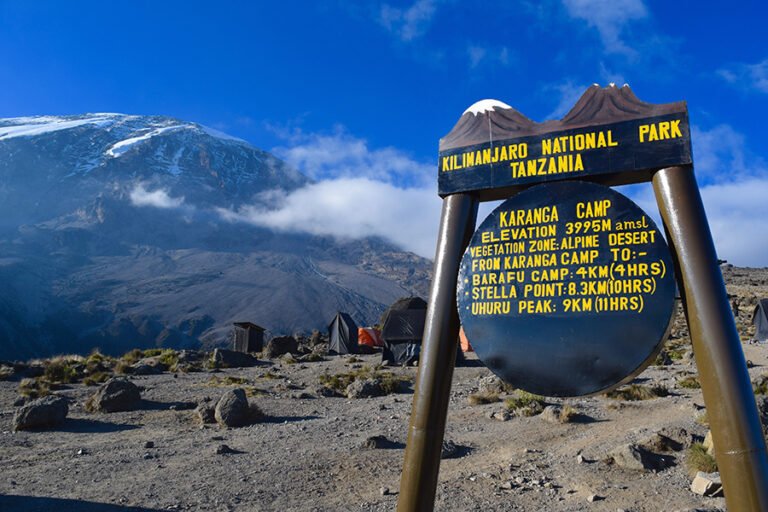
Christmas Kilimanjaro Climb And Serengeti Wildlife Safari Package: Planning
A comprehensive guide to planning a combined Christmas Kilimanjaro climb and Serengeti wildlife safari, covering route selection, seasonal logistics, and expert booking advice for 2026-2027.
View package detailsDec 27, – 4 Day Serengeti Migration Group Safari: Plan Your Trip
A deep look at planning your 4-day Serengeti migration group safari departing December 27, 2026, including itinerary logistics, group benefits, and seasonal expectations.
View package detailsSerengeti To Kigali Flights: Ticket Prices & Travel Guide
Connecting the Serengeti to Kigali requires a strategic two-stage flight plan. Understand the logistics, baggage limits, and booking considerations for your 2026-2027 itinerary.
View package detailsNo related package matches those filters. Clear one or more filters to see the other topic-matched options.



