
When flying into the Serengeti on a bush aircraft, the standard luggage allowance is strictly 15 kilograms (33 pounds) per person. This limit includes your hand luggage. Because these flights utilize smaller aircraft like the Cessna Grand Caravan, weight and balance are critical safety factors, and the storage compartments are significantly more restricted than those on commercial international jets.
If you are planning your 2027 safari with Climb 4 Africa, understanding these logistical constraints is one of the most important steps in your preparation. The weight limit is not a suggestion; it is a rigid operational requirement enforced by the bush flight operators to ensure safety during takeoff and landing on short, remote bush airstrips.
Why the 15kg Limit Exists
It is easy to compare your bush flight experience to a standard flight from London, New York, or Doha, where you might be accustomed to checking 23kg or even 30kg. However, a bush flight into the Serengeti is a completely different logistical operation. The aircraft used for these transfers—typically Cessna Grand Caravans—are designed for versatility and short-field performance, not for hauling heavy, oversized luggage.
Every kilogram on these planes is calculated. When you arrive at an airstrip like Seronera or Kogatende, the pilot is responsible for the weight and balance of the aircraft. If every passenger brings a heavy, rigid suitcase, the plane simply cannot take off safely or maintain the fuel reserves required for remote flying. Therefore, the 15kg limit is the industry standard across all major domestic carriers in Tanzania, including Coastal Aviation, Auric Air, and Regional Air.
The “Soft Bag” Mandate: Why Shape Matters
Beyond the weight, the type of bag you bring is just as critical as its mass. You must use a soft-sided bag. This is a non-negotiable rule for almost all safari flight operators.
The cargo pods on these small planes are shaped differently than the cavernous holds of a Boeing or Airbus. A hard-shell suitcase, even if it weighs under 15kg, often cannot be manipulated into the aircraft’s cargo hold. Rigid corners and fixed frames make it impossible for the ground crew to pack the plane efficiently. If you arrive at the Arusha or Zanzibar airport with a hard-shell roller suitcase, you risk being denied boarding or being forced to leave your bag behind until it can be transported by road—a process that could take days.
What qualifies as a soft bag? Think of a duffel bag, a heavy-duty canvas kit bag, or a flexible sports bag. It should have no frame, no wheels, and no rigid shell. It should be malleable enough to be squeezed into a tight, irregular space.
Managing Excess Luggage for Your 2027 Safari
Most travelers combining a Kilimanjaro climb with a wildlife safari often find themselves with more than 15kg of gear. You might have trekking boots, heavy jackets, and specialized equipment that you do not need while out on game drives in the Serengeti.
You do not need to discard these items. The most practical solution, which we frequently assist our clients with at Climb 4 Africa, is the “storage strategy.”
- Leave it at your base hotel: If you are starting your trip in Arusha, most reputable hotels will store your excess luggage securely while you are away on your fly-in safari.
- The “Safari-Only” Bag: Pack a separate, soft-sided duffel bag specifically for your safari portion. When you check out of your hotel for the flight to the Serengeti, leave your main suitcase (with your non-essential gear) with the hotel concierge.
- Operator Support: If your logistics are complex—for example, if you are flying from the Serengeti directly to Zanzibar and won’t return to your starting hotel—coordinate this with us well in advance. We can often arrange for your excess luggage to be transferred to your next destination by road, ensuring your heavy gear meets you when you arrive at your final stop.
For more specific details on how this works, read our guide on Baggage Rules for Domestic Flights in Tanzania.
Can You Pay for Extra Weight?
You might be tempted to simply pay for an extra seat or excess baggage fees to bring your full allowance. While some airlines do offer an “excess baggage” option, it is rarely guaranteed.
In the high season, flights are often fully booked. If the plane is full, the pilot cannot add weight, even if you are willing to pay for it. The aircraft’s maximum takeoff weight is fixed. If you have essential gear that exceeds the limit—such as professional camera equipment—you must declare this at the time of booking. We can then discuss the possibility of booking an “extra seat” (known as a freight seat) for your gear. This ensures that the weight is accounted for in the flight manifest and prevents any surprises at the airstrip.
Special Considerations for Photographers
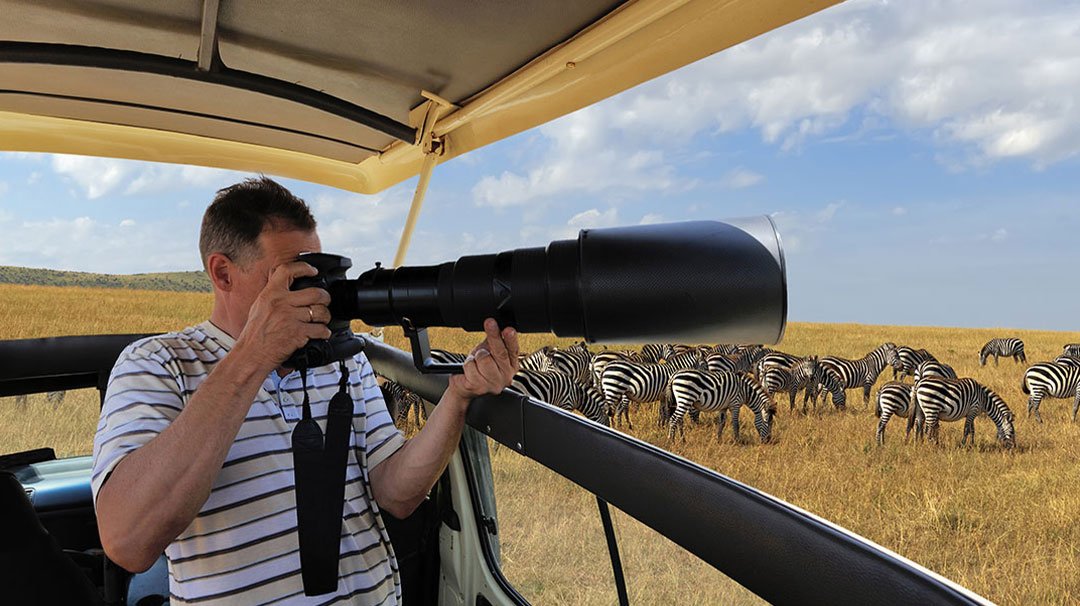
If you are carrying significant camera gear, your tripod, long lenses, and camera bodies can easily push you over the 15kg limit. For professional photographers, we recommend a high-quality, padded soft bag for your equipment. Do not pack your camera bodies in your checked luggage; carry them on the plane with you. The 15kg limit is a total allowance, meaning it covers both what you check into the cargo hold and what you carry into the cabin.
Always verify your total weight before heading to the airport. If you are near the 15kg threshold, consider wearing your heaviest items—such as your safari boots and heavy fleece—during the flight to reduce the weight of your bag.
Logistics: From Arusha or Zanzibar to the Serengeti
When you book your trip through a specialist operator, the baggage logistics are part of the broader itinerary planning. For instance, if you are flying from Zanzibar, remember that safari flights from Zanzibar are subject to the same strict limits as those originating in Arusha. The transition from a tropical beach environment to the bush requires careful packing.
If you are curious about the route logistics, our guide on how long the flight is from the Serengeti to Zanzibar provides insight into the transit times that influence how you should pack. When your flight path includes multiple stops—for example, flying from Arusha to a bush airstrip, then to another lodge, and finally to Zanzibar—your luggage needs to be consistently compliant with these 15kg rules at every single leg of the journey.

Practical Steps Before You Fly
To ensure your travel day is stress-free, follow these steps:
- Weigh your bag at home: Do not guess. Use a portable luggage scale.
- Verify your bag type: If it has wheels or a hard frame, find a soft-sided alternative.
- Consolidate: If you are traveling as a couple, you can sometimes pool your weight allowance (total 30kg for two people), but the bags must still be soft-sided and easily stowed. Check with your operator if this is permitted by the specific airline on your ticket.
- Communicate with your operator: If you are carrying specialized gear, inform us immediately. We can check the load factor for your specific flight date.
If you need assistance planning your itinerary, including coordinating luggage storage or booking internal flights, please reach out to our team. You can contact us via WhatsApp at +255 747 477 898 or email us at climb4africa@gmail.com. We are here to help you navigate the complexities of Tanzanian travel logistics, ensuring your 2027 safari is smooth from the moment you land.
Frequently Asked Questions About Safari Flight Luggage
What happens if my bag is over the weight limit?
If your bag exceeds the 15kg limit, the pilot may refuse to load it due to safety regulations. In some cases, if there is space on the plane, you may be charged an excess baggage fee. However, this is never guaranteed. If the flight is full, your excess luggage will be left behind and will have to be sent by road, which incurs a significant delay and cost.
Can I bring a camera bag in addition to my 15kg luggage?
Generally, no. The 15kg limit includes all baggage, including your carry-on or camera bag. If you have significant camera equipment, you must factor this into your total weight or arrange for an extra seat booking in advance.
Are there any exceptions for Kilimanjaro climbers?
No, the flight operators do not make exceptions for Kilimanjaro climbers. The physics of the plane remain the same. The best strategy is to arrange for luggage storage in Arusha before you fly to the Serengeti.
Is the luggage limit the same for all domestic airlines?
Yes, the 15kg limit is standard across almost all bush flight operators in Tanzania (e.g., Coastal Aviation, Auric Air, Regional Air). Always check your specific ticket, but plan for 15kg to be safe.
Can I bring a hard-shell suitcase if it is very small?
It is strongly discouraged. Even small hard-shell cases are difficult to fit into the cargo pods of a Cessna Grand Caravan. A soft, flexible bag is the only way to guarantee your luggage will be accepted without hassle.
Strategic Packing: How to Stay Under 15kg Without Sacrifice
Staying under the 15kg limit for your Serengeti bush flight does not require you to sacrifice comfort or hygiene. The primary reason travelers exceed this limit is the misconception that they need a fresh outfit for every day of their safari. In reality, the “Safari Capsule” approach is the gold standard for experienced travelers in East Africa. By shifting your mindset from “what I might need” to “what is essential,” you can easily manage your luggage weight while remaining comfortable in the bush.
The Laundry Advantage
The single most effective way to keep your luggage weight low is to utilize the laundry services provided by almost all lodges and tented camps in the Serengeti. Because these properties are often remote, they are well-equipped to handle guest laundry. In most cases, you can hand over your worn safari clothes in the morning, and they will be returned to you clean, dry, and folded by the evening or the following morning. Because of this, you only need to pack enough clothing for three to four days, regardless of the length of your entire safari. Packing for a 10-day trip is unnecessary when you can wash your items regularly.
The “Wear It, Don’t Pack It” Strategy
When you are boarding your bush flight, the weight limit applies to your luggage, not to what you are wearing. Use this to your advantage. If you are traveling with heavy items like hiking boots, a fleece jacket, or a heavier pair of trousers, wear these on the plane. Even if the weather in Arusha is warm, the temperature on the plane can be cool, and you will be much more comfortable wearing your heaviest gear than trying to fit it into your soft-sided bag. This strategy alone can save you 2–3 kilograms of precious allowance.
Prioritizing Technical Fabrics
Avoid heavy cottons like denim jeans or thick sweatshirts. Denim is exceptionally heavy and dries very slowly if it gets damp. Instead, prioritize lightweight, quick-dry technical fabrics designed for outdoor activities. These materials are not only lighter in weight but also pack down into a much smaller volume, leaving more room in your bag for essential items. A moisture-wicking shirt weighs a fraction of a cotton t-shirt and provides better temperature regulation during the heat of the midday game drives.
Toiletries and Personal Care
Toiletries are often a hidden source of excess weight. Liquids are heavy. Instead of packing full-sized shampoo bottles, conditioner, and body wash, use solid toiletries (shampoo bars, soap bars, solid deodorant). These are lightweight, leak-proof, and take up minimal space. Furthermore, almost every reputable safari camp in the Serengeti provides high-quality, eco-friendly toiletries in the bathrooms. Check with your accommodation provider ahead of time to see what is provided; you may find you don’t need to pack these items at all.
Footwear Selection
Footwear is frequently the heaviest item in a traveler’s luggage. For a Serengeti safari, you rarely need more than two pairs of shoes. Wear your sturdy, closed-toe walking shoes or boots on the flight, and pack one pair of lightweight sandals or sneakers for relaxing at the camp in the evenings. You do not need multiple pairs of heavy hiking boots or formal shoes. By limiting your footwear to what is absolutely necessary for game drives and camp relaxation, you can significantly reduce the strain on your 15kg allowance.
Navigating Luggage Transfers Between Camps
One of the most frequently overlooked aspects of safari logistics is not just the flight into the Serengeti, but the movement of luggage between lodges once you are already in the park. Travelers often assume that their luggage will simply follow them wherever they go, but the reality of remote bush logistics is more nuanced. If your itinerary involves a “fly-in” safari where you visit multiple camps—for example, starting in the Central Serengeti and moving to the Northern Serengeti—your luggage transfer logistics can become a point of friction if not handled with foresight.
When you move between lodges via light aircraft, your baggage is subject to the same strict 15kg limit on every single leg of the journey. A common mistake is assuming that because you have already arrived in the Serengeti, the rules relax. They do not. If you purchase extra items, curios, or gifts at one lodge or a Maasai market, you must account for that additional weight before your next flight. Bush pilots are consistent; they will weigh your bags at every airstrip departure, not just at your initial point of entry.
The “Split-Luggage” Strategy for Multi-Camp Safaris
If you are planning an extended trip that requires multiple bush flights, consider the “split-luggage” strategy. This involves traveling with two bags: a primary soft-sided duffel that meets the 15kg requirement for your flights, and a smaller, secondary “day bag” or “go-bag” that stays with you in the safari vehicle during game drives. By keeping your essential camera gear, binoculars, and medications in a bag that never leaves your side, you reduce the risk of critical items being misplaced during the rapid turnarounds that characterize bush flight schedules.
Furthermore, if you find that your luggage has grown during the trip—perhaps due to purchasing local crafts or souvenirs—you have limited options. You cannot simply “check” a second bag on these small aircraft. You must either ship the items home directly from a lodge that offers courier services (which can be expensive and logistically complex in remote areas) or be prepared to leave non-essential items behind. This is why experienced safari-goers often pack a collapsible, lightweight duffel bag inside their main luggage. If you find yourself over the limit on your return leg, you can transfer some items into this secondary bag and potentially pay for a seat upgrade if the flight is not full, or simply prioritize what is essential to carry on your lap if the pilot permits.
Managing Valuables and Medications
Because bush flights involve frequent handling of bags—often by multiple ground staff and pilots at various remote airstrips—it is imperative that you never pack valuables, medication, or irreplaceable items in the luggage that goes into the cargo pod. While the cargo pods are secure, they are not accessible during the flight. If you have a prescription that must be taken at a specific time, or if you are carrying high-value optics, these items must remain in your hand luggage.
However, remember the rule: your 15kg total weight includes everything you carry on board. There is no “carry-on allowance” separate from the checked luggage allowance on these flights. If your camera bag is heavy, it counts against your 15kg. This is why photographers and those with medical requirements often find themselves needing to be the most ruthless with their clothing choices. Every gram allocated to your camera lens is a gram taken away from your wardrobe. When preparing for your 2027 safari, audit your “carry-on” needs first, then allocate the remaining weight to your clothing. This “top-down” approach to packing is the only way to ensure you are not left scrambling at a remote airstrip with an overweight bag.
The Airstrip Check-in Process: What to Expect on Departure Day
Unlike major international hubs where luggage is handled behind the scenes through automated systems, the “check-in” for a bush flight is a transparent, hands-on experience. When you arrive at a remote airstrip in the Serengeti—such as Seronera, Lobo, or Kogatende—do not expect conveyor belts or digital kiosks. Instead, you will typically be greeted by your pilot or a ground representative who handles the loading process directly at the side of the aircraft.
The luggage scale is often a simple, portable hook scale. The pilot will weigh each bag individually. This is the moment where the 15kg limit becomes a tangible reality. If you are traveling as a group, pilots will often calculate the total weight for the entire party rather than strictly enforcing the 15kg limit per individual bag, provided the aggregate weight does not exceed the aircraft’s maximum payload for that specific flight leg. However, do not rely on this “group pooling” as a guaranteed policy; it is entirely at the pilot’s discretion based on the specific aircraft model, the number of passengers, and the prevailing flight conditions.
Be prepared for the pilot to ask for your body weight as well. This is standard, non-negotiable procedure for small aircraft. It is not a personal inquiry but a critical calculation for the plane’s center of gravity and safety margins. Being accurate about your weight and your luggage weight is essential for a safe takeoff. If the flight is near capacity, the pilot may need to shift seating arrangements to balance the aircraft properly. The process is quick and informal, but it requires your full cooperation. If you have been diligent with your packing, this process will take only a few minutes, allowing you to focus on the transition from the bush to your next destination rather than worrying about baggage logistics.
Related Guides and Packages
Check Availability for How Much Luggage Is Allowed On Serengeti Safari Flights? A Planning Guide
Ready to compare dates, prices, and the best option for your group? Send the package name and travel month so the team can reply with a clear quote, availability, and what is included.
Entebbe To Serengeti Safari: Flight Connections & Cost Planning
A practical guide to connecting your Entebbe-based travel with a Serengeti safari, covering flight routes, airport choices, baggage constraints, and cost factors for 2026-2027.
View package details
Kilimanjaro Climb And Serengeti Safari: Flight & Transfer Planning
Kilimanjaro Climb and Serengeti Safari: Flight & Transfer Planning.
View package details
Fly-In Safari From Dar Es Salaam: Serengeti, Ruaha & Nyerere Packages
A professional guide to organizing fly-in safaris from Dar es Salaam, covering the logistical advantages of accessing Nyerere, Ruaha, and the Serengeti by air.
View package detailsSerengeti Great Migration Fly-In Safari: Flight And Lodge Prices ()
A deep look at the logistical and financial considerations of planning a Serengeti Great Migration fly-in safari, focusing on how flight routes and seasonal lodge locations dictate your...
View package details
Luxury Serengeti Fly-In Safari: Private Packages & Prices ( Guide)
A detailed guide to luxury fly-in safaris in the Serengeti, focusing on private logistics, pricing structures for 2026-2027, and maximizing your time in the bush.
View package details
5-Day Serengeti & Ngorongoro Fly-In Safari: Complete Package Costs
5-Day Serengeti & Ngorongoro Fly-In Safari: Complete Package Costs.
View package details2-Day Serengeti Fly-In Safari From Arusha: Understanding Package Prices
A practical guide to the costs, logistics, and planning realities of a 2-day fly-in safari to the Serengeti from Arusha.
View package details
Christmas Kilimanjaro Climb And Serengeti Wildlife Safari Package: Planning
A comprehensive guide to planning a combined Christmas Kilimanjaro climb and Serengeti wildlife safari, covering route selection, seasonal logistics, and expert booking advice for 2026-2027.
View package detailsDec 27, – 4 Day Serengeti Migration Group Safari: Plan Your Trip
A deep look at planning your 4-day Serengeti migration group safari departing December 27, 2026, including itinerary logistics, group benefits, and seasonal expectations.
View package details
Serengeti Flight Prices During The Great Migration Season: A Practical Guide
Planning a safari during the Great Migration? Here is how to navigate Serengeti flight prices, seasonal demand, and the logistical realities of bush travel.
View package detailsSerengeti To Entebbe Flights: Prices & Travel Options
Serengeti to Entebbe Flights: Prices & Travel Options.
View package details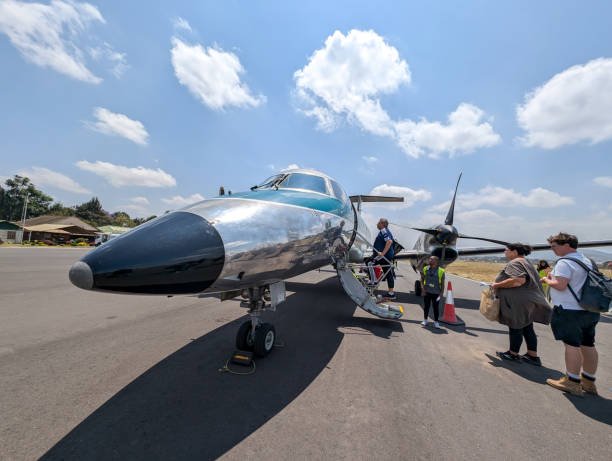
How Much Is A Flight From Zanzibar To Serengeti?
How Much Is a Flight From Zanzibar to Serengeti?
View package detailsNo related package matches those filters. Clear one or more filters to see the other topic-matched options.



