
A Serengeti Great Migration fly-in safari is the most time-efficient way to witness one of nature’s most dynamic spectacles. By bypassing the long, often dusty drive from Arusha, you gain precious hours in the bush—time that is better spent tracking the herds. However, this convenience comes with a specific set of logistical requirements and pricing structures that differ significantly from standard overland tours. Understanding these factors is essential for planning a successful trip in 2026 or 2027.
When you opt for a fly-in safari, you are not just paying for a flight; you are purchasing access to remote airstrips that place you minutes away from the action. The price of your trip is inextricably linked to the seasonal location of the Great Migration. Because the herds are constantly moving—from the Southern Serengeti plains in early months to the Northern Serengeti river crossings later in the year—your lodge selection is the primary driver of both your itinerary and your final budget.
The Realities of Migration Logistics
The Great Migration is not a single location; it is a cycle. If you book a lodge in the Central Serengeti (Seronera) during a time when the herds are crossing the Mara River in the North, you will not see the Migration. This is why we insist on reviewing your travel dates before finalizing any flight or lodge bookings. We align your airstrip arrival with the current location of the herds to ensure your fly-in safari actually achieves its goal.
Understanding the Cost Components
When requesting a quote for a Serengeti Great Migration fly-in safari, you will notice that prices are broken down differently than overland packages. The cost is generally split between three core pillars:
- Regional Airfare: These are scheduled bush flights from Arusha, Kilimanjaro, or Zanzibar to specific Serengeti airstrips (such as Kogatende, Seronera, or Kusini). Prices fluctuate based on fuel surcharges, seasonality, and demand.
- Lodge Tier & Seasonality: The Serengeti has a distinct pricing hierarchy. High-end luxury tented camps situated directly on the migration path command a premium, especially during peak river-crossing months (July to October).
- Park & Concession Fees: Because you are flying into private concessions or specific park zones, these fees are often higher than standard park entrance fees, as they grant you exclusive access to quieter, wildlife-rich areas.
It is important to note that “budget” fly-in safaris are rare because the cost of the flights themselves is fixed. To manage costs, travelers often choose to combine a fly-in arrival with a multi-day stay at a mid-range camp, rather than hopping between multiple expensive lodges.
Fly-In Safari vs. Drive-In Safari: A Comparison
Deciding between flying and driving is the most critical decision for your safari itinerary. The table below outlines the practical differences to help you decide which style suits your travel goals.
| Feature | Drive-In Safari | Fly-In Safari |
|---|---|---|
| Time Efficiency | Low (long transit days) | High (direct access) |
| Cost | More economical for groups | Higher (flight premiums) |
| Experience | Scenic, varied terrain | Exclusive, rapid access |
| Luggage Limits | Generous (vehicle capacity) | Strict (typically 15kg soft bags) |
| Best For | Budget-conscious, longer trips | Short stays, luxury seekers |
If you have limited time—for example, a 5-day Serengeti & Ngorongoro fly-in safari—the flight is non-negotiable. It is the only way to make the itinerary feasible. Conversely, if you have 10+ days, a mix of driving and flying can offer the best of both worlds.
The Critical Role of Luggage and Packing
One of the most frequent points of confusion for travelers is the luggage allowance on bush flights. Unlike international carriers, domestic safari flights operate on smaller aircraft where weight and balance are safety priorities. You are generally restricted to 15kg in soft-sided bags. Hard suitcases are strictly prohibited because they cannot be easily maneuvered into the cargo holds of these small planes.
We strongly recommend reviewing our guide on how much luggage is allowed on Serengeti safari flights well before you start packing. If you are arriving from a Kilimanjaro climb or a long international trip, we can arrange for secure luggage storage in Arusha, allowing you to fly into the Serengeti with only what you need for the safari portion of your journey.
How to Coordinate Your Flights and Lodges
A common mistake is booking flights and lodges independently. The timing of your flight must align with the lodge’s transfer schedule. Most bush flights land at remote airstrips, and the lodge’s safari vehicle must be there to meet you. If your flight is delayed, the lodge needs to be notified immediately to adjust the pickup time.
As a local operator, we handle the full coordination. We ensure that:
- Your flight times are optimized to minimize waiting at airstrips.
- The lodge is chosen based on where the Great Migration is predicted to be during your specific dates.
- Your transfers are confirmed with the camp’s ground team.
If you are considering how to structure your trip, we can help you compare options. Whether you are looking for a luxury Serengeti fly-safari or a more streamlined approach, we can provide a transparent breakdown of costs and inclusions. You can reach out to us via WhatsApp at +255 747 477 898 or email climb4africa@gmail.com to discuss your preferred travel dates.
Frequently Asked Questions About Fly-In Safaris
Can I book international flights and safari packages together?
While we focus on the ground and domestic air arrangements, we can certainly advise on how to coordinate your international arrival into Kilimanjaro (JRO) or Zanzibar (ZNZ) to ensure a smooth connection. See our tips on booking international flights and safari packages together.
What happens if my flight is delayed?
Domestic bush flights in Tanzania are subject to weather conditions and operational changes. In the event of a delay, our team monitors the situation and coordinates directly with the airstrip and your lodge. We have established protocols for handling these scenarios, which you can read more about in our guide on what happens if my Tanzania safari flight is delayed.
Is a fly-in safari safe?
Yes. The domestic carriers operating within the Serengeti and the broader Northern Circuit are highly experienced with bush operations. For more peace of mind, review our article on are Tanzania safari flights safe and reliable.
Planning Your 2026-2027 Safari
The best time to book your Serengeti Great Migration fly-in safari is 6 to 12 months in advance, especially if you are traveling during the peak months of July, August, or September. These dates see the highest demand for both the best camps (which fill up quickly) and the most convenient flight slots.
When you contact us, please provide the following details so we can give you an accurate, tailored proposal:
- Your preferred travel dates (or a range).
- The number of travelers in your party.
- Your priority: is it maximum wildlife density (Migration), luxury accommodation, or a balance of both?
- Your starting point (e.g., Arusha, Zanzibar, or after a Kilimanjaro climb).
By providing these details, we can move beyond generic pricing and provide a clear, actionable plan that puts you in the right place at the right time. Whether you are looking for a 4-day Tanzania fly-in safari or a longer, more in-depth journey, our team at Climb 4 Africa is ready to handle the logistics, leaving you to focus on the experience of a lifetime.
For any urgent planning questions or to request a custom quote, please don’t hesitate to reach out to our team at info@climb-4-africa.com. We are here to ensure your safari planning is as smooth as the flight into the Serengeti plains.


Navigating the Hidden Costs: Park Fees, Concessions, and Private Vehicle Hire
When reviewing a quote for a Serengeti fly-in safari, it is common for travelers to focus primarily on the airfare and the nightly rate of the lodge. However, these two elements rarely represent the full financial picture. To avoid surprises, you must understand the “hidden” operational costs that are mandatory for any safari within the Serengeti ecosystem. These costs are often bundled into your final proposal, but they are distinct from the luxury experience of the lodge itself.
The 24-Hour Park Fee Structure
Unlike a hotel stay where you pay per night, Serengeti National Park operates on a strict 24-hour entry permit system. When you fly into an airstrip like Kogatende or Seronera, your park fees are activated the moment you enter the park boundary. A common point of confusion is how this affects your final day. If your bush flight departs at 10:00 AM, but your entry permit was stamped at 2:00 PM the previous day, you are technically still within your 24-hour window. However, if your flight departs at 4:00 PM, you will likely be charged for an additional 24-hour permit. Understanding this cycle is vital because park fees are significant and non-negotiable; they are set by the Tanzania National Parks Authority (TANAPA) and are subject to change, often increasing annually. Your operator will include these in your quote, but it is helpful to ask if your itinerary is optimized to minimize the number of 24-hour blocks you are paying for.
Public vs. Private Concessions
The location of your lodge dictates more than just your proximity to the Great Migration; it also determines the “concession fee” structure. Lodges located inside the Serengeti National Park pay standard park fees. However, many high-end camps are situated in private concessions—designated buffer zones bordering the national park. These concessions often charge a separate, higher conservation or concession fee. While this increases the cost of your stay, it offers distinct advantages: fewer vehicles, the ability to conduct night game drives, and off-road driving capabilities that are strictly prohibited within the national park boundaries. When comparing two similar-looking lodges, always check if one is in a private concession; the price difference is usually a reflection of this exclusive access rather than just the quality of the tent or the food.
Shared vs. Private Safari Vehicles
This is the most significant variable in your daily safari budget. Most fly-in packages are quoted based on “shared” game drives. This means you will be in a 4×4 vehicle with other guests from the same lodge, following a set schedule determined by the lodge manager and the general interest of the group. If you are a serious photographer, a family with young children, or someone who prefers a specific pace, a shared vehicle may feel restrictive. Opting for a private vehicle and a dedicated guide is an additional daily cost, but it provides total flexibility. You decide when to leave camp, how long to watch a leopard, and when to return for lunch. If you choose to upgrade to a private vehicle, ensure your operator confirms this in writing, as it is a premium service that must be reserved well in advance of your arrival.
Understanding “All-Inclusive” Terminology
In the context of a Serengeti fly-in safari, “all-inclusive” usually covers your accommodation, all meals, and scheduled game drives. However, it rarely includes everything. Items such as premium spirits, laundry services, hot air balloon safaris, and gratuities for your guide and lodge staff are typically excluded. Furthermore, if you are flying between different regions—for example, moving from the Northern Serengeti to the Ngorongoro Crater—you may incur additional transfers or “hop” fees that are not part of the standard lodge rate. Always request a clear breakdown of what is included in your “all-inclusive” price to ensure you are not caught off guard by incidental charges at the end of your stay.
Managing Disruptions: Weather, Technical Delays, and Flight Re-routing
While the fly-in model is the most efficient way to navigate the Serengeti, it is inherently susceptible to the variables of remote aviation. Unlike major international airports with redundant infrastructure, bush airstrips are essentially unpaved clearings in the savannah. When booking a fly-in safari, it is imperative to understand that your schedule is at the mercy of factors that ground pilots cannot control, most notably visibility, heavy rain, and unexpected mechanical issues with the light aircraft.
Visibility is the primary constraint. During the green season or periods of heavy mist, pilots may be unable to land at specific airstrips. If your flight is canceled or significantly delayed due to weather, the ripple effect on your itinerary can be complex. In these instances, the operator’s ground handling team becomes your most valuable asset. They are responsible for communicating with the bush airline, re-routing flights, or, in extreme cases, arranging an emergency road transfer to the nearest accessible airstrip. This is why booking through a reputable operator who has a physical presence on the ground in Arusha or the Serengeti is vital; they have the network to pivot quickly when the sky dictates a change in plans.
Mechanical delays are less common but still a reality. Light aircraft undergo rigorous maintenance, but remote operations mean spare parts are not always readily available. If a plane is grounded for technical reasons, you may face a delay of several hours while a replacement aircraft is dispatched from Arusha or another hub. Travelers should always carry essential items—medications, chargers, and a change of clothes—in their carry-on luggage. Never pack these in your checked bag, as a flight delay might result in your luggage arriving on a different aircraft than the one you eventually board.
Navigating Gratuities and Tipping Expectations
One of the most frequent questions regarding the final cost of a Serengeti safari concerns gratuities. While “all-inclusive” packages cover your stay, meals, and standard game drives, tipping is a separate, culturally expected component of the Tanzanian safari experience. Because this is not usually included in your initial quote, it is a “hidden cost” that requires careful budgeting prior to your departure.
Tipping in the Serengeti is typically divided into two distinct categories: the guide and the lodge staff. Your safari guide is your host, teacher, and navigator throughout the day. It is standard practice to tip your guide at the end of your stay at each lodge, or at the end of your entire safari if you have been with the same guide throughout. While there is no fixed mandatory percentage, a common guideline is to provide a daily amount in US Dollars or Tanzanian Shillings. The amount often scales with the level of service, the number of guests in the vehicle, and the complexity of the tracking required to find elusive wildlife.
The lodge staff tip is generally handled differently. Most high-end camps maintain a “general staff tip box.” This ensures that the “invisible” staff—the chefs, housekeepers, laundry attendants, and security guards—are recognized for their contribution to your stay. It is recommended to contribute to this communal fund rather than attempting to tip individuals separately, as this promotes equity among the team. When planning your budget, we advise setting aside a dedicated envelope of cash for these gratuities. While some luxury lodges may accept credit card tips, cash remains the preferred and most direct method to ensure your appreciation reaches the staff immediately. Always verify with your lodge manager upon arrival if they have a preferred system for gratuities, as some camps have specific policies to ensure fair distribution.
The Final Day: Managing the Bush-to-International Transition
One of the most overlooked aspects of a fly-in safari itinerary is the logistics of your final day. Because the Great Migration is dynamic and your lodge may be located deep within the Serengeti, your departure day often requires careful synchronization to avoid a stressful conclusion to your trip. Standard lodge check-out times are typically between 10:00 AM and 11:00 AM, yet most international flights departing from Kilimanjaro (JRO) or Dar es Salaam do not leave until late in the evening. This creates a significant time gap that requires proactive planning.
A common strategy used by experienced travelers is the booking of a “day-use” room in Arusha or near the airport. Unlike a full overnight stay, a day-use room provides you with access to a hotel room for a limited block of time—usually until 6:00 PM or 7:00 PM. This is particularly valuable if you have spent the morning on a final game drive and have been traveling in the bush for several days. It allows you to shower, repack your luggage, and rest in a comfortable environment before your international flight. Without this, you may find yourself waiting in the departure terminal or a hotel lobby for six to eight hours, which can be exhausting after the rigors of a safari.
When coordinating your final bush flight, it is critical to prioritize a significant buffer window between your arrival at the domestic terminal and your international flight departure. While bush flights are generally reliable, they are subject to the same weather and operational constraints discussed earlier. A flight that lands at JRO only two hours before your international departure is high-risk. We strongly recommend scheduling your bush flight to land at least four to five hours before your international flight is slated to board. This buffer accounts for potential delays in the bush, the transfer time between the domestic and international terminals, and the mandatory check-in procedures for international carriers, which often close earlier than domestic ones.
Finally, consider the logistics of your luggage during this transition. If you are flying into a small airstrip, you will have been restricted to soft-sided bags. When you arrive at your transit hub, you may be tempted to consolidate items or reorganize your gear. Ensure that your day-use hotel or airport transfer service has a secure area to store your luggage if you plan to spend your final afternoon exploring the local town or visiting a cultural center. Do not assume that the airport will hold your bags for the entire day; utilizing a booked day-use room is the safest way to ensure your belongings are secure while you finalize your departure preparations.
Check Availability for Serengeti Great Migration Fly-In Safari: Flight And Lodge Prices ()
Ready to compare dates, prices, and the best option for your group? Send the package name and travel month so the team can reply with a clear quote, availability, and what is included.
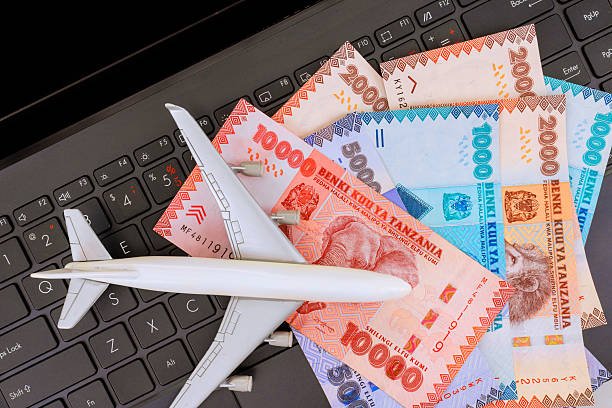
Serengeti Flight Prices During The Great Migration Season: A Practical Guide
Planning a safari during the Great Migration? Here is how to navigate Serengeti flight prices, seasonal demand, and the logistical realities of bush travel.
View package detailsDec 27, – 4 Day Serengeti Migration Group Safari: Plan Your Trip
A deep look at planning your 4-day Serengeti migration group safari departing December 27, 2026, including itinerary logistics, group benefits, and seasonal expectations.
View package details
Entebbe To Serengeti Safari: Flight Connections & Cost Planning
A practical guide to connecting your Entebbe-based travel with a Serengeti safari, covering flight routes, airport choices, baggage constraints, and cost factors for 2026-2027.
View package details
Kilimanjaro Climb And Serengeti Safari: Flight & Transfer Planning
Kilimanjaro Climb and Serengeti Safari: Flight & Transfer Planning.
View package details
Luxury Serengeti Fly-In Safari: Private Packages & Prices ( Guide)
A detailed guide to luxury fly-in safaris in the Serengeti, focusing on private logistics, pricing structures for 2026-2027, and maximizing your time in the bush.
View package details
2-Day Serengeti Fly-In Safari From Arusha: Understanding Package Prices
A practical guide to the costs, logistics, and planning realities of a 2-day fly-in safari to the Serengeti from Arusha.
View package details
How Much Luggage Is Allowed On Serengeti Safari Flights? A Planning Guide
Learn the precise luggage requirements for Serengeti bush flights, including weight limits, the mandatory soft-bag policy, and how to safely store your extra gear.
View package detailsFly-In Safari From Dar Es Salaam: Serengeti, Ruaha & Nyerere Packages
A professional guide to organizing fly-in safaris from Dar es Salaam, covering the logistical advantages of accessing Nyerere, Ruaha, and the Serengeti by air.
View package details5-Day Serengeti & Ngorongoro Fly-In Safari: Complete Package Costs
5-Day Serengeti & Ngorongoro Fly-In Safari: Complete Package Costs.
View package details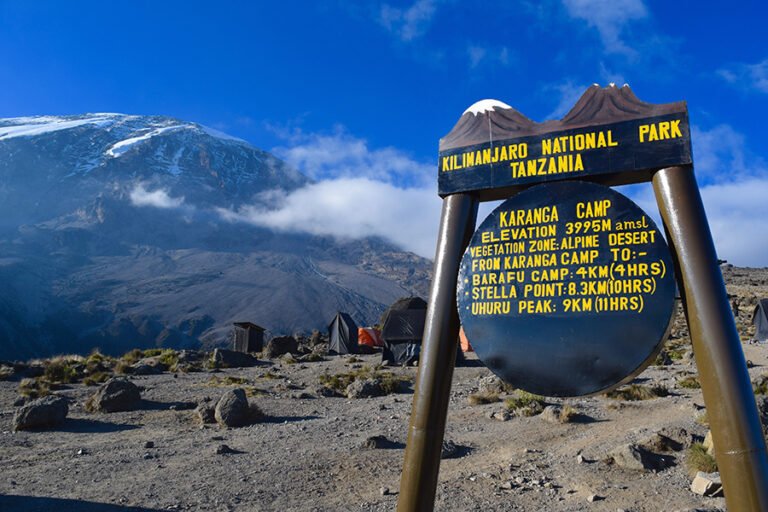
Christmas Kilimanjaro Climb And Serengeti Wildlife Safari Package: Planning
A comprehensive guide to planning a combined Christmas Kilimanjaro climb and Serengeti wildlife safari, covering route selection, seasonal logistics, and expert booking advice for 2026-2027.
View package details3 Day Serengeti And Ngorongoro Group Safari: Planning For December 4,
A detailed guide on planning a 3-day group safari to the Serengeti and Ngorongoro Crater for December 4, 2026, covering route expectations, group logistics, and essential planning steps.
View package details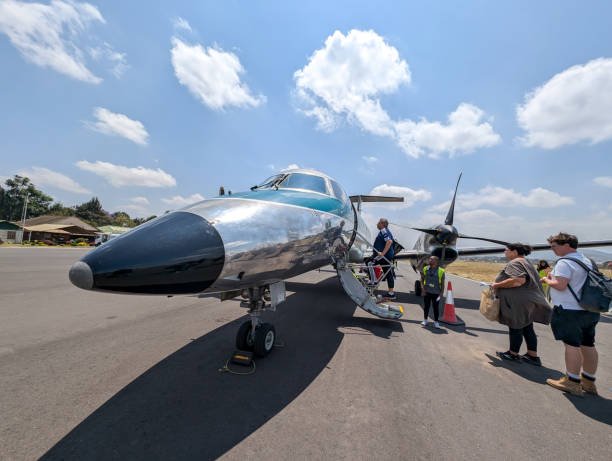
Tanzania Flight Prices September : Serengeti And Zanzibar Planning
Expert advice on navigating domestic flight logistics, seasonal pricing, and the crucial 'bush-to-beach' connection for your September 2027 Tanzania itinerary.
View package detailsNo related package matches those filters. Clear one or more filters to see the other topic-matched options.



