
A 2-day Serengeti fly-in safari from Arusha is the most efficient way to experience the world’s most famous wildlife destination if you are short on time. Unlike road-based tours that require 8 to 10 hours of driving each way, a fly-in safari cuts travel time to approximately one hour. Because of the significant cost of bush flights, park entrance fees, and the necessity of private logistics, these packages are priced at a premium compared to overland group tours. When budgeting, expect the price to reflect the convenience of air travel, the exclusivity of a short-duration itinerary, and the high operational costs of maintaining a vehicle and guide in the Serengeti specifically for your arrival.
Why Choose a 2-Day Fly-In Over a Road Safari?
The primary driver for choosing a 2-day fly-in package is time management. When you look at the map, the Serengeti seems accessible from Arusha, but the road journey involves navigating heavy traffic out of the city, potentially long stops in Ngorongoro transit zones, and rough terrain. A round-trip drive can easily consume two full days just for travel, leaving you little time for actual game viewing.
By flying, you reclaim nearly 16 hours of your vacation time. You arrive at an airstrip like Seronera (central Serengeti) or Kogatende (north) and are usually in the middle of the wildlife action within minutes. This makes the 2-day format not just possible, but highly productive. If you are balancing a Kilimanjaro climb or a short business trip with a desire to see the Big Five, this is the most logical route.
Understanding the Package Price Structure
Travelers often ask why a 2-day fly-in costs significantly more than a 2-day road trip. The price is not arbitrary; it is built on several fixed costs that cannot be reduced regardless of the tour operator you choose. When reviewing quotes for your 2026 or 2027 trip, look for these specific line items to understand what you are paying for:
- Bush Flight Costs: Domestic flights in Tanzania are operated by smaller carriers. These tickets are often the single largest variable in your package. They are priced per seat and are subject to availability.
- Serengeti Park Fees: These are daily levies charged by TANAPA (Tanzania National Parks Authority). Even for a short stay, you are paying the daily entry fee, which is structured to cover 24-hour periods.
- Vehicle & Guide Logistics: Even though you fly, you still need a dedicated 4×4 safari vehicle and a professional driver-guide waiting for you at the airstrip. This vehicle must be positioned in the park, which often involves an empty-leg drive for the driver to reach your location.
- Accommodation Standards: Most fly-in packages utilize lodges or tented camps that offer full board (meals included). Because you are in a remote area, the logistical cost of getting supplies to these camps is factored into the room rate.
What to Clarify Before You Book
To avoid hidden costs, always ask your operator to confirm if the following are included in the price:
- Airport Transfers: Are you being picked up from your Arusha hotel and dropped off at the airport?
- Flight Taxes: Are the aviation taxes included in the flight quote?
- Concession Fees: Some lodges inside the park charge additional concession fees on top of standard park entry fees.
- Luggage Limits: Bush flights have strict weight restrictions. Check how much luggage is allowed on Serengeti safari flights before packing.
Typical 2-Day Itinerary Expectation
While every tour is tailored, a 2-day fly-in generally follows a high-intensity schedule. You are not there to rest; you are there to see the park.
Day 1: Arrival and Afternoon Game Drive
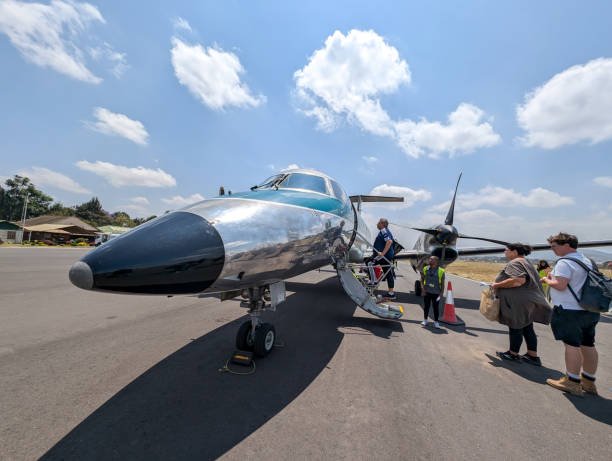
Your journey begins at Arusha Airport (ARK). You will board a bush plane, enjoying an aerial view of the Rift Valley and the Ngorongoro Highlands. Upon landing at a Serengeti airstrip, your private guide will meet you at the aircraft. You will head straight into a game drive, focusing on the central Serengeti (Seronera area) where resident wildlife is abundant year-round. You will spend the night at a lodge or tented camp, enjoying dinner under the stars.
Day 2: Morning Game Drive and Departure
An early start is essential. You will head out for a sunrise game drive while predators are still active. After a morning of tracking big cats or herds, you will return to the airstrip for your return flight to Arusha. By late afternoon, you are back in the city, concluding your safari.
If you have more time or want to compare this to longer, more relaxed options, see our Serengeti & Ngorongoro Safari Packages to see if a 3 or 4-day trip better fits your wildlife goals.
Comparison: Fly-In vs. Road Safari
Choosing between flying and driving is the biggest decision for your short safari. Use this table to weigh the trade-offs.
| Feature | Fly-In Safari | Road Safari |
|---|---|---|
| Travel Time | ~1 hour (each way) | 8-10 hours (each way) |
| Comfort | High; minimal fatigue | Low; can be physically demanding |
| Cost | Higher (Flight premiums) | Lower (Fuel & time trade-off) |
| Views | Aerial perspective of the park | Close-up ground view of the transition |
| Flexibility | Limited by flight schedules | More flexible stopovers |
Logistics and Planning for 2026-2027
When planning for future travel, keep in mind that the Serengeti is massive. A 2-day trip limits you to a specific sector of the park. Most fly-in packages target the Seronera (Central) area because it offers the highest density of wildlife throughout the year, making it the safest bet for a short trip. However, if you are traveling during the Great Migration months, you might want to fly into the North (Kogatende) or South (Ndutu). Always discuss your travel dates with us so we can align the flight destination with the current wildlife movement.
If you are coordinating this with a Kilimanjaro climb or other travel, ensure your flight times are buffered. Delays can happen in bush aviation due to weather or technical maintenance. Never book your international flight out of Kilimanjaro International Airport (JRO) for the same evening you return from a 2-day Serengeti safari; always give yourself a 24-hour cushion.
Getting a Quote
Because flight prices fluctuate based on season and booking lead time, we do not provide generic price tables. We prefer to provide you with a real-time quote based on your specific travel dates. To get an accurate estimate, send us the following details:
- Your preferred travel dates (or month of travel).
- The number of travelers in your group.
- Your hotel preference (Mid-range or Luxury).
- Any other activities you are combining this with (e.g., Kilimanjaro, Zanzibar).
You can reach our team directly at WhatsApp +255 747 477 898 or email us at climb4africa@gmail.com or our backup address at info@climb-4-africa.com. We provide transparent breakdowns so you know exactly where your budget is going, covering flights, park fees, vehicle, and accommodation.
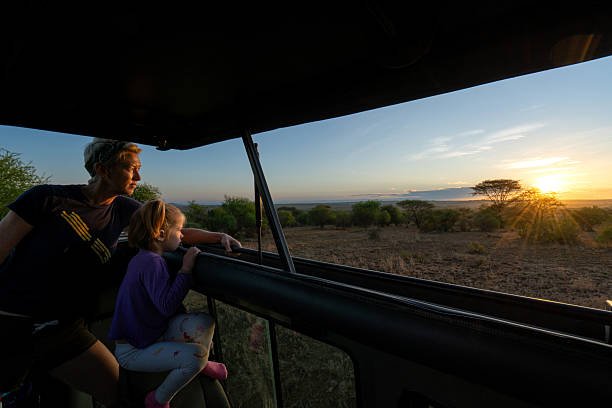
Frequently Asked Questions
Is a 2-day safari enough time?
It is short, but it is enough to get a meaningful experience of the Serengeti. Because you fly in, you eliminate travel fatigue, meaning both days are fully dedicated to game drives rather than sitting in a vehicle on the road.
Can I book this as a solo traveler?
Yes, but be aware that the cost of the vehicle and guide is fixed. You will bear the full cost of the private vehicle. If you are looking to save, we often have group departures for longer safaris, but 2-day fly-in trips are almost exclusively private.
What if my flight is canceled?
Bush flight operators are reliable, but weather can cause delays. We monitor these logistics and, as your local operator, we assist in rebooking and adjusting your itinerary on the ground if a delay occurs. This is why booking through an operator with local support in Arusha is crucial.
Do I need a visa for the Serengeti?
You need a visa to enter Tanzania, but there are no additional permits required for the Serengeti beyond the standard park fees, which are included in your package price.
Selecting Your Serengeti Accommodation Tier
The single most significant variable influencing the final price of your 2-day fly-in safari, beyond the flight costs themselves, is the classification of the accommodation selected. Unlike road safaris where you might stay in mid-range lodges outside the park gates, a 2-day fly-in typically requires staying inside the park to maximize your limited time. Understanding the distinction between these tiers is crucial for budget planning.
Mid-Range Tented Camps
Mid-range options often consist of permanent or semi-permanent tented camps. These are not basic camping setups; they feature en-suite bathrooms, comfortable beds, and full dining services. They are designed to provide an authentic “bush” experience while maintaining essential comforts. In the Serengeti, these camps are often located in prime wildlife areas, such as the Seronera Valley. Choosing this tier allows you to allocate more of your budget toward the private vehicle and guide, which are the non-negotiable components of your safari experience. These camps are ideal for travelers who prioritize the safari activity itself over luxury amenities.
Luxury Lodges and Exclusive Camps
At the upper end of the spectrum, luxury lodges and exclusive mobile camps offer a different value proposition. These properties focus on high-end service, gourmet dining, and often feature unique architectural designs that blend into the landscape, such as elevated decks overlooking the plains. When you book a luxury tier for a 2-day trip, you are paying for the exclusivity of the location and the high staff-to-guest ratio. For a short 2-day trip, these properties can enhance the experience significantly by providing a relaxing, high-comfort environment that contrasts with the dusty, high-intensity game drives. However, it is important to note that because you are only spending one night, the “return on investment” for a ultra-luxury property is lower than it would be on a longer trip.
The Impact of Location on Price
The location of your accommodation relative to the airstrip also dictates your final package price. If you choose a camp that is far from the Seronera airstrip, you will incur additional fuel and time costs for the transfers. Most efficient 2-day packages utilize camps within a 30-to-45-minute drive of the arrival airstrip. When requesting a quote, ask your operator to confirm the drive time from the airstrip to the camp. A camp that is two hours away effectively cuts into your afternoon game drive on Day 1 and your morning game drive on Day 2, negating the primary benefit of the fly-in safari.
Navigating Seasonal Price Fluctuations
While the accommodation tier is the most significant variable, the timing of your safari—specifically the calendar month—exerts a massive influence on the final cost of your 2-day fly-in package. Serengeti safari operators operate on a tiered pricing model that divides the year into Low, Mid, High, and Peak seasons. Understanding these brackets is vital for managing your budget, as the price difference for the exact same 2-day itinerary can vary by hundreds of dollars depending on when you choose to land in the park.
Low Season: April and May
During the “long rains” of April and May, demand for safari services drops significantly. Many camps offer reduced rates to encourage bookings, and flight operators may occasionally run promotional fares. This is the most cost-effective time to book a 2-day fly-in. While you might encounter wetter conditions and taller grasses, the park is less crowded, and you may find that you have a private vehicle and guide at a lower total package price compared to the rest of the year. If budget is your primary concern, this is the window to look for value.
Mid-Season: January, February, March, June, and November
These months act as the shoulder seasons. Prices are moderate, reflecting a balance between demand and availability. February is particularly popular due to the wildebeest calving season in the southern Serengeti, while June marks the beginning of the dry season. Packages in these months are priced at standard rates. Operators have less flexibility to discount because flight costs remain fixed, and park entry fees are consistent throughout the year. You are paying for the reliability of the weather and the predictability of the wildlife movements.
High and Peak Season: July through October and December
The dry season, particularly from July to October, coincides with the Great Migration and peak international tourism. During these months, the demand for light aircraft seats and top-tier accommodation is at its highest. You will likely pay the “rack rate” for all services. Furthermore, some camps implement minimum stay requirements or peak-season supplements. For a 2-day fly-in, this means your package price will be at its annual maximum. Booking well in advance—often 6 to 12 months out—is not just about securing a spot; it is about ensuring you are not forced to upgrade to a more expensive accommodation tier simply because the more affordable camps are fully booked.
The Hidden Cost of Flight Logistics
A common mistake in budgeting for a 2-day fly-in is treating the flight as a simple “transportation” line item. In reality, the flight logistics are the most rigid part of your package. Unlike a road safari where a guide can adjust the start time by an hour to save on costs, bush flights operate on strict, fixed schedules. If you miss your flight due to a delay in arriving in Arusha, you are often looking at the cost of a private charter flight to catch up, which can cost thousands of dollars. Always ensure your package includes a buffer. If you are flying into Arusha on the same morning your safari begins, you are at high risk. A professional operator will almost always insist that you are in Arusha the night before to ensure you can make the early morning bush flight. The cost of that extra night in an Arusha hotel is a necessary “insurance policy” for your 2-day itinerary.
Decoding Your Quote: The Fine Print of Inclusions
When reviewing a 2-day fly-in safari quote, the bottom-line price is rarely the most important metric. Because these short-duration trips are highly condensed, the difference between a high-value experience and a frustrating one often lies in the fine print. Understanding exactly what is included—and what is hidden—is the most effective way to protect your budget and your expectations. Most operators will provide a breakdown, but you must actively verify these four critical categories to ensure your quote is an apples-to-apples comparison.
Private Versus Shared Game Drives
In the context of a 2-day fly-in, the vehicle arrangement is the single most significant factor influencing your flexibility and overall experience. A private safari means you have the vehicle and the driver-guide to yourself for the duration of the trip. You choose when to leave the camp in the morning, how long to spend observing a leopard, and when to head back for lunch. A shared game drive, while often cheaper, forces you to adhere to the schedule of other travelers who may have different priorities or fitness levels. For a trip as short as 48 hours, sharing a vehicle can significantly reduce your effective game-viewing time. Always confirm in writing that your quote is for a private vehicle. If a quote seems suspiciously low, check if it assumes a shared vehicle, as this is a common way to lower the barrier to entry for shorter, budget-conscious packages.
Navigating Park Fees and Conservation Levies
Tanzania National Park Authority (TANAPA) fees are non-negotiable and represent a substantial portion of your total cost. These fees are typically calculated per 24-hour period. Because a 2-day fly-in spans two days, you are generally charged for two full 24-hour cycles. A common point of confusion is whether these fees are included in the ‘package price’ or quoted as a ‘supplement.’ Some operators quote the safari base price and add park fees at the bottom to make the initial number appear lower. Furthermore, verify if the quote includes the ‘Concession Fee’ for the specific area of the Serengeti where you are staying. If you are staying in a luxury camp within the park boundaries, this fee is often higher than if you were staying at a property on the periphery. Ensure your quote explicitly states ‘All park entrance and concession fees included’ to avoid being presented with an unexpected invoice upon arrival at the park gate.
Full Board vs. All-Inclusive: What You Are Actually Drinking and Eating
The distinction between ‘Full Board’ and ‘All-Inclusive’ can be the difference between a smooth experience and a series of awkward transactions at the end of your stay. Full board typically covers your accommodation, three meals a day, and sometimes bottled water. However, it often excludes alcoholic beverages, sodas, and laundry services. In the remote Serengeti, purchasing a glass of wine or a beer at a luxury lodge can carry a significant premium. If your package is ‘Full Board,’ you should budget extra for these incidentals. Conversely, ‘All-Inclusive’ packages usually cover everything, including house wines, spirits, and laundry. For a 2-day trip, the cost difference between these two might seem negligible, but knowing exactly what is covered allows you to relax without constantly checking your bill. If your itinerary includes a ‘bush lunch’ or a ‘sundowner’ experience, clarify if these unique dining setups are included or if they incur an extra service charge.
Understanding Tipping and Gratuity Expectations
While tipping is technically discretionary, it is a deeply embedded part of the safari industry culture in Tanzania and should be factored into your travel budget before you leave home. Most quotes will not include tips, which can lead to last-minute stress. As a general guideline for a 2-day fly-in, you should account for tips for your driver-guide and the lodge staff. While there is no ‘official’ rate, the industry standard for a private driver-guide is typically between $20 and $30 per day, depending on the quality of service. For lodge staff, there is often a communal tip box at the reception, or you may choose to tip individuals who provided exceptional service. By calculating these amounts in advance and setting aside the cash in local currency or US dollars, you avoid the logistical headache of finding an ATM or currency exchange in the bush, where such services simply do not exist.
Related Guides and Packages
Check Availability for 2-Day Serengeti Fly-In Safari From Arusha: Understanding Package Prices
Ready to compare dates, prices, and the best option for your group? Send the package name and travel month so the team can reply with a clear quote, availability, and what is included.

Serengeti Great Migration Fly-In Safari: Flight And Lodge Prices ()
A deep look at the logistical and financial considerations of planning a Serengeti Great Migration fly-in safari, focusing on how flight routes and seasonal lodge locations dictate your...
View package detailsLuxury Serengeti Fly-In Safari: Private Packages & Prices ( Guide)
A detailed guide to luxury fly-in safaris in the Serengeti, focusing on private logistics, pricing structures for 2026-2027, and maximizing your time in the bush.
View package detailsEntebbe To Serengeti Safari: Flight Connections & Cost Planning
A practical guide to connecting your Entebbe-based travel with a Serengeti safari, covering flight routes, airport choices, baggage constraints, and cost factors for 2026-2027.
View package details
Kilimanjaro Climb And Serengeti Safari: Flight & Transfer Planning
Kilimanjaro Climb and Serengeti Safari: Flight & Transfer Planning.
View package details
Serengeti Flight Prices During The Great Migration Season: A Practical Guide
Planning a safari during the Great Migration? Here is how to navigate Serengeti flight prices, seasonal demand, and the logistical realities of bush travel.
View package details
Fly-In Safari From Dar Es Salaam: Serengeti, Ruaha & Nyerere Packages
A professional guide to organizing fly-in safaris from Dar es Salaam, covering the logistical advantages of accessing Nyerere, Ruaha, and the Serengeti by air.
View package details
5-Day Serengeti & Ngorongoro Fly-In Safari: Complete Package Costs
5-Day Serengeti & Ngorongoro Fly-In Safari: Complete Package Costs.
View package detailsHow Much Luggage Is Allowed On Serengeti Safari Flights? A Planning Guide
Learn the precise luggage requirements for Serengeti bush flights, including weight limits, the mandatory soft-bag policy, and how to safely store your extra gear.
View package detailsHow Long Is The Flight From Arusha To Serengeti? A Planning Guide
A detailed look at flight durations between Arusha and the Serengeti, including airstrip differences, luggage constraints, and the strategic choice between flying and driving.
View package details
Christmas Kilimanjaro Climb And Serengeti Wildlife Safari Package: Planning
A comprehensive guide to planning a combined Christmas Kilimanjaro climb and Serengeti wildlife safari, covering route selection, seasonal logistics, and expert booking advice for 2026-2027.
View package detailsDec 27, – 4 Day Serengeti Migration Group Safari: Plan Your Trip
A deep look at planning your 4-day Serengeti migration group safari departing December 27, 2026, including itinerary logistics, group benefits, and seasonal expectations.
View package detailsTanzania Flight Prices September : Serengeti And Zanzibar Planning
Expert advice on navigating domestic flight logistics, seasonal pricing, and the crucial 'bush-to-beach' connection for your September 2027 Tanzania itinerary.
View package detailsNo related package matches those filters. Clear one or more filters to see the other topic-matched options.



