
The most effective strategy for a Kilimanjaro climb and Serengeti safari is to treat the Kilimanjaro International Airport (JRO) as your singular hub. Most logistical failures occur when travelers attempt to book multi-city flights into Dar es Salaam or Nairobi without accounting for the significant ground travel required to reach the mountain or the northern safari circuit. For a successful 2026-2027 itinerary, prioritize flights directly into JRO, use Arusha as your central logistics base, and plan for a minimum of one buffer day between your mountain descent and your safari departure to ensure you have the physical recovery time and flexibility needed for potential flight delays.
Planning a trip that combines the physical rigor of a Kilimanjaro climb with the expansive travel required for a Serengeti safari demands a clear understanding of Tanzania’s geography. Many travelers treat these two experiences as separate vacation modules, but in practice, they are deeply interconnected through a web of regional flights, road transfers, and logistical constraints. Coordinating these elements is not just about booking transport; it is about managing energy levels, luggage, and timing.
The Airport Strategy: Why JRO is the Only Logical Choice
For almost every itinerary involving a mountain climb and a safari, Kilimanjaro International Airport (JRO) is your primary access point. While some travelers initially look at flights into Dar es Salaam (DAR) or Nairobi (NBO) due to perceived cost savings, these options almost always introduce unnecessary risk and complexity. A flight into Nairobi requires a cross-border shuttle bus, which can be unpredictable, while a flight into Dar es Salaam necessitates an additional domestic connection to reach the north.
By flying directly into JRO, you land within an hour’s drive of both Moshi (the standard base for Kilimanjaro climbs) and Arusha (the gateway to the Serengeti). This proximity minimizes the risk of lost luggage during domestic transfers and eliminates the exhaustion of long-haul travel extensions. When you are looking at your flight tickets to Kilimanjaro, prioritize arrivals that land before 2:00 PM. This gives you enough time to clear customs, meet your transfer driver, and reach your hotel for a briefing without the stress of night-time driving on rural roads.
Sequencing Your Adventure: Climb First or Safari First?
The sequence of your trip significantly impacts your logistical planning. There is no single “correct” answer, but there are distinct trade-offs that every traveler should weigh.
Option A: The Mountain-First Approach
This is the most popular choice for dedicated hikers. You arrive, acclimatize, and head straight to the mountain. The primary advantage is physical; you tackle the climb while your legs are fresh and your motivation is at its peak. The logistical downside is the transition. After descending from the summit, you will be physically depleted. Jumping immediately into a safari vehicle for a 4-to-6-hour drive to the Serengeti can be grueling. If you choose this route, we strongly recommend a “recovery day” in Arusha or at a lodge near the park gates before starting your game drives. This allows for laundry, gear reorganization, and essential rest.
Option B: The Safari-First Approach
Some travelers prefer to start with the safari. This acts as a “warm-up” for your trip. You experience the wildlife, the lodge comforts, and the rhythm of the Tanzanian landscape before the intensity of the climb. Logistically, this can be easier because you are often flying directly from Arusha (ARK) or even JRO to an airstrip in the Serengeti, saving you the long drive. However, you must be careful not to exhaust yourself. If you are planning a strenuous climb on the Machame Route, you do not want to start the trail with safari fatigue. If you choose this path, ensure you have a full day of rest between your last game drive and your first day of trekking.
Logistics of the Transfer: Road vs. Air
Once you are on the ground, the connection between the Kilimanjaro region and the Serengeti is the most critical logistical hurdle. You essentially have two choices: the road or the air.
The Road Transfer
A private 4×4 transfer is the standard for most travelers. It is cost-effective, reliable, and provides a chance to see the landscape transition from the coffee plantations of the mountain foothills to the savanna. However, the distances are deceptive. The drive from Arusha to the Serengeti Seronera region can take 6 to 8 hours depending on road conditions and park entry procedures. When planning this, treat it as a travel day, not a sightseeing day. You will need to coordinate your vehicle departure early in the morning to avoid late-afternoon park entry fees or arriving at your lodge after dark.
The Internal Bush Flight
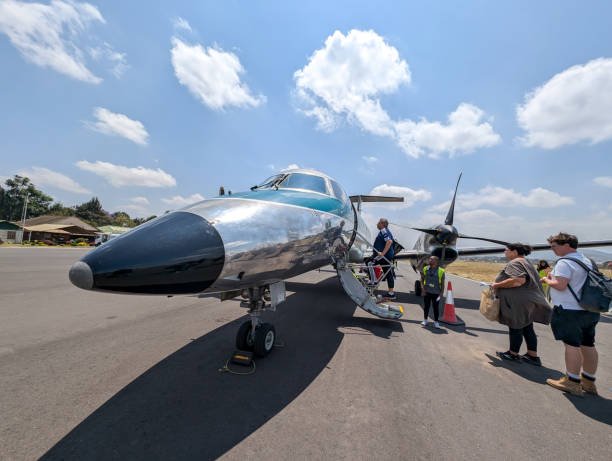
For those looking to maximize time, flying is the superior option. Small bush planes operate daily from Arusha Airport (ARK) or JRO directly to various airstrips inside the Serengeti (such as Seronera, Grumeti, or Kogatende). This reduces an 8-hour drive to a 45-minute flight. While the cost is higher, the time saved is substantial. If you are on a tight schedule, this is the best investment you can make. You can find more details on the logistics of this in our guide on private Tanzania safaris with internal flights.
Luggage Management: The Hidden Challenge
Luggage is the most common point of friction for climbers who are also going on safari. Kilimanjaro climbs have strict weight limits (usually 15kg for the porter-carried duffel), and safari bush flights have even stricter limits (often 15kg total, including carry-on, in soft-sided bags). You cannot simply drag your entire suitcase up the mountain, nor can you easily fly into the Serengeti with a massive, hard-shell expedition case.
The Solution: Use your base hotel as a storage hub. Most reputable hotels in Moshi or Arusha will store your excess luggage while you are on the mountain or in the park. You will need to pack two separate bags: one for the mountain (technical gear) and one for the safari (casual, lightweight clothing). Before you leave for your trek, ensure your safari bag is packed and ready to be left in secure storage. For specific advice on these weight restrictions, refer to our guide on luggage allowances on Serengeti safari flights.
Booking and Coordination: How Climb 4 Africa Helps
Coordinating a climb and a safari involves syncing multiple vendors: the mountain crew, the safari driver, the lodge managers, and the bush flight operators. Doing this independently is possible but prone to communication gaps, especially when travel plans change due to weather or flight delays.
When you book with a local operator like Climb 4 Africa, we handle the chain of custody for your logistics. If your international flight is delayed, we adjust the transfer. If the bush flight schedule changes, we update the safari itinerary. We provide the ground support that connects these disparate experiences into one smooth journey. We can advise on the best time to visit based on your specific goals, whether that is the Great Migration or a clear-sky summit attempt.
If you are in the initial planning phase for 2026 or 2027, the best approach is to reach out with your rough dates and your primary interests—whether you are leaning toward a more technical climb or a relaxed, lodge-based safari. We can then outline the specific logistical sequence that fits your timeline. You can reach our team via WhatsApp at +255 747 477 898 or email us at climb4africa@gmail.com for a custom itinerary consultation. We also maintain a backup line at info@climb-4-africa.com for all planning inquiries.

Frequently Asked Questions About Transfers
- Should I book my internal flights myself? It is generally better to have your tour operator handle the internal bush flights. Operators have access to block-booked seats and can ensure that flight times align perfectly with your safari itinerary, reducing the risk of missing connections.
- Can I store my mountain gear during the safari? Yes. Most hotels in the Arusha/Moshi area are accustomed to this. Always confirm this service with your accommodation provider or your tour operator before arriving.
- What happens if my flight to JRO is delayed? If you have booked your transfers through your tour operator, they will track your flight. Providing your flight number upon booking is essential for this. We adjust the pick-up time automatically, so you don’t need to worry about being stranded at the airport.
- Are park fees included in my transfer? If you are driving from Arusha to the Serengeti, your entry fees are typically part of your safari package. However, ensure you clarify whether your package includes the “transit” fees or if it is a full-entry safari package to avoid confusion at the park gate.
Final Planning Checklist
To ensure your 2026-2027 trip is smooth, use this checklist as your final review before confirming your bookings:
- Confirm your international flight arrival time: Ensure you land at JRO with enough time to reach your first hotel before dark.
- Review your luggage plan: Do you have a soft-sided bag for the safari and a separate duffel for the mountain? Have you arranged storage?
- Check your buffer days: Do you have at least one full day of rest between your mountain descent and your safari start?
- Verify your visa requirements: Check if you need a single-entry or multiple-entry visa, especially if your travel involves crossing borders or exiting and re-entering the country.
- Share your flight details: Send your confirmed flight itinerary to your operator at least 30 days before arrival to finalize transfer logistics.
By treating your Kilimanjaro climb and Serengeti safari as a single, integrated logistical puzzle rather than two separate trips, you will spend far less time stressing about transfers and more time focused on the experiences themselves. Whether you are aiming for the summit or the wildlife of the plains, the planning is the foundation of the adventure.
“,
“faq_schema”: [
{
“question”: “Should I book my internal flights myself for my Serengeti safari?”,
“answer”: “It is generally better to have your tour operator handle the internal bush flights. Operators have access to block-booked seats and can ensure that flight times align perfectly with your safari itinerary, reducing the risk of missing connections.”
},
{
“question”: “Can I store my mountain gear during the safari?”,
“answer”: “Yes. Most hotels in the Arusha/Moshi area are accustomed to this. Always confirm this service with your accommodation provider or your tour operator before arriving.”
},
{
“question”: “What happens if my flight to JRO is delayed?”,
“answer”: “If you have booked your transfers through your tour operator, they will track your flight. Providing your flight number upon booking is essential for this. We adjust the pick-up time automatically, so you don’t need to worry about being stranded at the airport.
Navigating the Arusha Gateway: The Critical Buffer Day
While the article has addressed the mechanics of transfers, one critical logistical component often underestimated by travelers is the role of Arusha as the mandatory “pivot point” of your Tanzanian adventure. Whether you are descending from the slopes of Kilimanjaro or preparing for your initial safari departure, Arusha serves as the essential decompression zone. It is not merely a stopover; it is the logistical buffer that protects your entire itinerary from the volatility of travel.
Many travelers, eager to maximize their vacation days, attempt to schedule their bush flight to the Serengeti or their international departure flight immediately following their mountain descent. This is a significant tactical error. After five to eight days on the mountain, your body is in a state of extreme physical depletion. You are likely dehydrated, suffering from minor altitude-related fatigue, and carrying the accumulated dust and grime of the trail. Attempting to board a small bush plane or sit in a 4×4 for eight hours immediately after leaving the national park gate is not just uncomfortable—it is a recipe for medical and logistical complications.
The Importance of the Decompression Period
The transition from the mountain environment—characterized by extreme cold, low oxygen, and spartan living conditions—to the safari environment—defined by heat, savanna dust, and lodge luxury—is jarring. A buffer day in Arusha allows you to bridge this gap. This time is best utilized for three specific purposes: equipment recovery, health monitoring, and administrative finalization.
First, consider the state of your gear. After your climb, your mountain kit will be soaked, muddy, and potentially damaged. You need a dedicated 24-hour window to drop your gear at your hotel for professional cleaning or drying services, organize what stays in storage, and pack your separate safari bag. If you are rushing to a flight, you lose the ability to properly sort your equipment, often leading to the frustration of arriving at a luxury safari camp with a bag full of damp, high-altitude technical gear.
Second, health monitoring is non-negotiable. While altitude sickness typically resolves rapidly upon descent, symptoms can linger. A buffer day allows you to ensure that your recovery is stable. If you experience unexpected health issues post-climb, being in Arusha—which has the best medical facilities in the region—is far safer than being in the remote Serengeti, where emergency evacuation can take hours or even days due to weather or distance.
Third, administrative finalization involves meeting your safari guide. Even if you have booked everything online, meeting your driver-guide in person at your hotel in Arusha the day before your safari begins is invaluable. You can discuss the current wildlife movements, verify the vehicle’s condition, and confirm the park entry permits. This face-to-face interaction often results in a more personalized safari experience, as the guide can tailor the start of your trip based on your energy levels and interests.
Selecting Your Arusha Base
Because Arusha is the hub for both mountain operations and safari departures, the choice of where to stay during your buffer day matters. You should aim for a hotel that understands the specific “climb-to-safari” transition. Look for properties that offer specialized services such as mountain gear storage, laundry facilities with quick turnarounds, and direct transport links to both Arusha Airport (ARK) and JRO.
Avoid staying in the center of the city if you are seeking rest. The traffic in central Arusha can be intense, and the noise levels are high. Instead, opt for lodges located on the outskirts of town, particularly those situated on coffee estates or near the foothills of Mount Meru. These locations provide a quiet, green environment that facilitates true recovery. Furthermore, these lodges are often better equipped to handle the logistics of “split-stays,” where you might store half your luggage at the property while you are on the mountain, only to retrieve it and swap your gear before heading out on safari.
Managing the “Arusha Pivot” Logistics
To execute this transition effectively, coordinate with your tour operator to ensure your transport is booked as a “closed loop.” This means the same operator who manages your climb should ideally manage your transfer to the hotel, your storage, and your subsequent safari departure. This prevents the common issue of “handoff failure,” where different vendors fail to communicate about your arrival time, leading to missed pickups or lost luggage. By centralizing your logistics through one operator, you ensure that your transition in Arusha is smooth, allowing you to move from the peak of Kilimanjaro to the plains of the Serengeti with confidence.
The Operational Handover: Transitioning Between Service Teams
The most overlooked aspect of your transition is the shift between two entirely different service teams. Your mountain crew—the guides, porters, and cooks who shepherded you through sub-zero temperatures—operate with a different rhythm and set of priorities than your safari driver-guide. Managing this “handover” requires more than just meeting a new face in a lobby; it requires a structured approach to your gear, your finances, and your expectations.
Tipping and Financial Logistics
One of the most common sources of stress during the transition day is the logistical handling of gratuities. Because your mountain crew and safari team are often distinct entities—or at the very least, distinct departments within a large operator—you must prepare two separate tipping allocations. Do not wait until the morning of your safari departure to realize you have exhausted your local currency or small-denomination USD notes. Calculate and seal your mountain crew tips before you leave the mountain gate or at your hotel immediately upon arrival. This ensures that when your lead mountain guide arrives to say their final goodbye, you are focused on gratitude and closure rather than scrambling for cash or currency conversion. Having these envelopes ready allows you to close the “mountain chapter” of your trip mentally before the safari begins.
The Gear Reconciliation
The “gear reconciliation” is the physical manifestation of your trip’s two halves. You will likely arrive at your Arusha hotel with a mountain duffel filled with technical gear, heavy boots, and soiled clothing, and a separate bag (or empty space) for your safari wardrobe. Use your buffer day to conduct a thorough audit. This is the moment to separate items that must be stored (such as your heavy-duty sleeping bag, trekking poles, and mountain boots) from the items that will accompany you into the Serengeti. Most reputable lodges in the Arusha area are accustomed to this; ask your hotel reception specifically for “storage lockers” or secure luggage rooms rather than leaving bags in your room. Ensure that your safari luggage is packed in soft-sided bags, as rigid suitcases are often prohibited on the light aircraft used for bush flights, and even on 4×4 vehicles, they are difficult to stow in the limited cargo space.
The Final Debrief
Before your mountain guide departs, use the transition day to conduct a final, brief debrief. While you may be physically exhausted, this is the best time to share feedback on your climb. A professional operator will use this session to bridge the gap to your safari. They can communicate any specific physical limitations or preferences you developed during the climb—such as a need for more frequent hydration stops, a specific dietary requirement that proved effective, or a preference for photography-focused drives—directly to your incoming safari guide. By facilitating this communication, you ensure that your safari driver is not starting from zero, but is instead equipped with the context of your recent physical journey, allowing for a more tailored and considerate experience from the very first game drive.
Related Guides and Packages
Check Availability for Kilimanjaro Climb And Serengeti Safari: Flight & Transfer Planning
Ready to compare dates, prices, and the best option for your group? Send the package name and travel month so the team can reply with a clear quote, availability, and what is included.
Christmas Kilimanjaro Climb And Serengeti Wildlife Safari Package: Planning
A comprehensive guide to planning a combined Christmas Kilimanjaro climb and Serengeti wildlife safari, covering route selection, seasonal logistics, and expert booking advice for 2026-2027.
View package detailsFlights To Moshi Tanzania: Nearest Airports & Travel Costs Guide
A professional guide to navigating air travel for your Kilimanjaro climb or safari, comparing airport options, transfer logistics, and cost factors for 2026-2027.
View package details
Tanzania Flight Prices August : Kilimanjaro & Safari Travel Guide
A deep-dive guide into managing airfare costs and travel logistics for your August 2027 Kilimanjaro climb and Tanzania safari, including expert tips on timing, booking windows, and regional...
View package detailsAfcon Kilimanjaro Safari And Zanzibar Package: Expert Planning Guide
A comprehensive guide to coordinating your AFCON 2027 travel, including Kilimanjaro trekking, Northern Circuit safaris, and Zanzibar relaxation, with expert logistical advice.
View package details
Affordable Kilimanjaro Group Joining Safari And Trekking Packages December
A practical guide to booking affordable, reliable group joining treks on Kilimanjaro and wildlife safaris in Tanzania for December 2026, focusing on logistics, shared costs, and travel...
View package detailsKilimanjaro Vs Arusha Airport: Which Should You Use For Your Trip?
A practical guide to choosing between Kilimanjaro International Airport (JRO) and Arusha Airport (ARK) for your Tanzania safari or Kilimanjaro climb.
View package detailsTanzania Flight Prices March : Airfare & Seasonal Guide
A practical guide to understanding flight pricing for Tanzania in March 2027, covering seasonal trends, booking windows, and logistics for safari and Kilimanjaro itineraries.
View package details
How Early Should I Arrive For A Serengeti Bush Flight? ( Planning Guide)
A practical guide on timing your arrival for Serengeti bush flights, covering airstrip logistics, transfer planning, and why bush flight operations differ from standard commercial travel.
View package details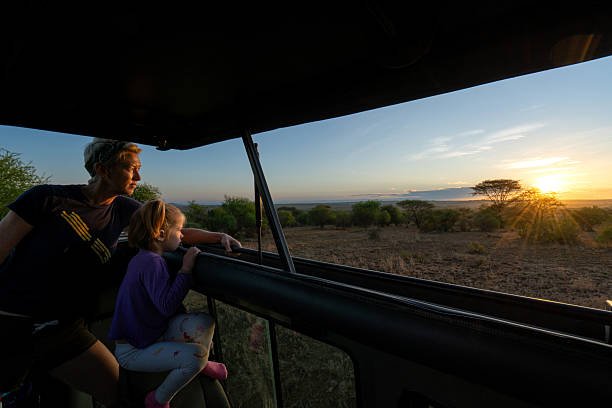
Entebbe To Tanzania Flights: Ticket Prices And Route Guide
A comprehensive guide for travelers planning flights from Entebbe to Tanzania, covering ticket price factors, route options for Kilimanjaro and safari tours, and essential booking logistics...
View package details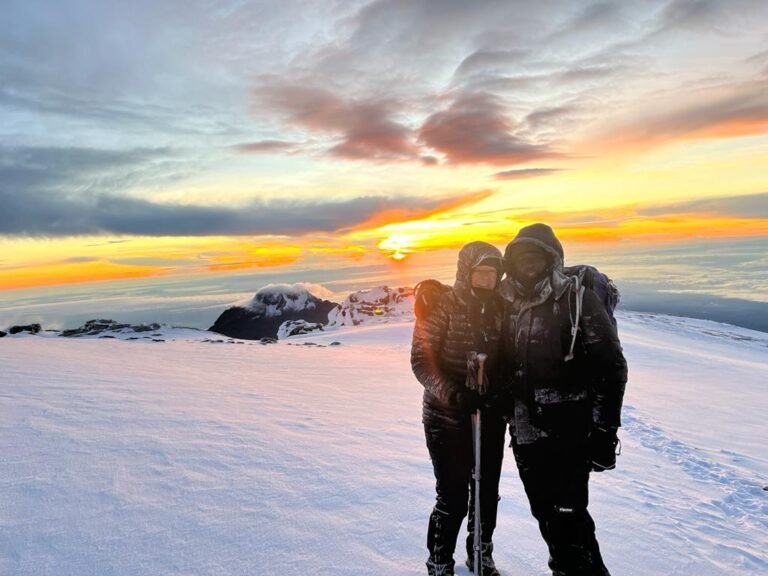
Budget Kilimanjaro Trek With Airport Pickup And Hotel Accommodation: A Planner
A practical guide to securing a reliable, value-driven Kilimanjaro climb that includes essential airport transfers and comfortable hotel stays, ensuring your adventure starts smoothly.
View package details
Entebbe To Serengeti Safari: Flight Connections & Cost Planning
A practical guide to connecting your Entebbe-based travel with a Serengeti safari, covering flight routes, airport choices, baggage constraints, and cost factors for 2026-2027.
View package detailsBest Flights For Kilimanjaro Climbing And Zanzibar Holidays: A Planning Guide
A professional guide to optimizing your international and domestic flight strategy for a combined Kilimanjaro trek and Zanzibar beach holiday in 2026-2027.
View package detailsNo related package matches those filters. Clear one or more filters to see the other topic-matched options.



