
Combining a Christmas Kilimanjaro climb and Serengeti wildlife safari package is perhaps the most ambitious and rewarding way to spend the year-end holidays in East Africa. For many travelers, the goal is to balance the physical challenge of standing on the Roof of Africa with the classic, grounding experience of a Tanzanian safari. Because this window falls during a peak travel season, the success of your trip depends heavily on logistical coordination—specifically, how you sequence your acclimatization on the mountain with your game drives in the national parks.
When you book with Climb 4 Africa, we often emphasize that this is not a “one-size-fits-all” itinerary. A Christmas trip requires a precise strategy: you are dealing with high demand for flights and accommodation, the specific weather patterns of the short rains (which typically taper off by late December), and the physical exhaustion that follows a multi-day trek. The most effective approach is to treat your mountain climb as the primary focus, followed by a safari that allows for recovery rather than an immediate, high-paced schedule.
The Strategic Advantage of Combined Packages
Why book your climb and safari together? The primary benefit is synchronization. Kilimanjaro treks are strictly scheduled around specific gate entry times and mountain crew availability. If you book your climb independently and then attempt to arrange a safari on the ground, you risk logistical gaps—such as missing connecting transfers or failing to secure park permits for the Serengeti during the busy Christmas week.
By coordinating your private Kilimanjaro climbing tours for Christmas holidays 2026 with a wildlife safari, you ensure that your transport, guides, and accommodation are handled by a single operations team. This eliminates the “transfer stress” that often plagues travelers who try to piece together separate bookings. For advice on how to structure your specific dates, please reach out to us via WhatsApp at +255 747 477 898 or email climb4africa@gmail.com.
Selecting Your Kilimanjaro Route for the Holidays
Not all routes are equally suited for the Christmas season. If you are aiming for a summit on or around December 25th, your route choice determines your experience of the mountain’s crowds and your acclimatization profile.
Route Comparison for December Climbs
- Lemosho Route (8 Days): This is our top recommendation for the holidays. It is longer, which provides superior acclimatization, and it approaches from the west, offering the most scenic views of the Shira Plateau. It is less crowded than the popular southern routes, which is a significant advantage during the busy festive period. You can find more details in our 8 Days Lemosho Route Christmas Climbing Package December 2026.
- Machame Route (6-7 Days): Known as the “Whiskey Route,” it is visually stunning but consistently popular. If you choose this, expect more company on the trails. It is a faster, more intense ascent. We provide specific guidance for those who want to book the December 6 Days Machame Route Kilimanjaro Climb.
- Rongai Route (7 Days): This is the only route that approaches from the north. It is drier and often preferred by those who want to avoid the rain shadow of the mountain, though it is less diverse in terms of terrain compared to Lemosho or Machame. See our 7 Days Rongai Route Kilimanjaro Holiday Climb December 2026.
Safari Integration: The Post-Climb Recovery
The most common mistake travelers make is scheduling a grueling, high-mileage safari immediately after their descent. You will be tired, your muscles will be sore, and your body will be adjusting to a lower altitude. We strongly suggest a “recovery-first” safari approach.
For a Christmas package, we recommend starting with a shorter, more relaxed safari in the Ngorongoro Crater or Tarangire National Park. These locations are closer to the Kilimanjaro/Arusha area, minimizing the amount of time spent in a 4×4 vehicle immediately after your trek. Once you have regained your energy, you can proceed to the Serengeti. The Serengeti is vast, and during late December, the wildlife is often concentrated in the southern plains (Ndutu area) as the migration begins to move. This is a spectacular time to see herds of wildebeest and predators in the open grasslands.
If you are looking for all Tanzania safaris and group departures, contact our team to see how these align with your specific trekking dates.
Planning Timeline for 2026-2027
Planning for a December trip should begin 8 to 12 months in advance. The reason is twofold: flight availability and park permits. Mount Kilimanjaro National Park and the Serengeti have limited capacity for lodges and campsites. During the Christmas week, these facilities often book out completely. If you are set on a specific lodge or a particular camping style, acting early is not just a suggestion; it is a necessity.
When you contact us at info@climb-4-africa.com, please include the following details so we can give you an accurate assessment:
- Total number of travelers in your party.
- Preferred trekking route and duration (e.g., 7-day Lemosho vs 6-day Machame).
- Safari focus: Do you want a luxury lodge experience, or are you looking for a more rugged, mid-range tented camp experience?
- Arrival/Departure dates: Are these flexible? (Flexibility often helps us secure better availability).
Practical Logistics: What to Expect
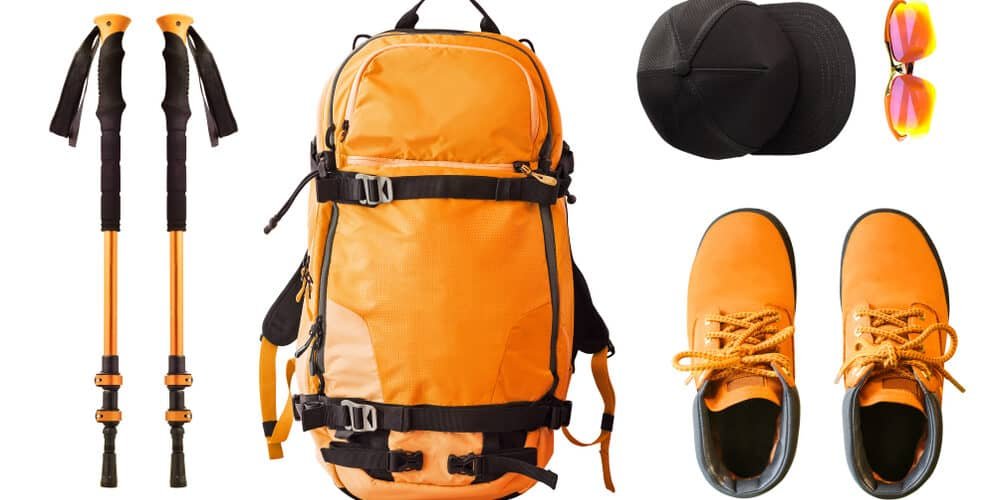
Tanzania in late December is warm, but the mountain remains cold. You must pack for two entirely different climates. Your safari gear should be light, breathable, and neutral-colored (khaki, olive, tan) to avoid attracting insects and to blend into the environment. Your mountain gear, however, must be highly technical and capable of handling sub-zero temperatures at the summit.
One of the logistical benefits of booking with a local specialist like Climb 4 Africa is that we provide a secure storage service. You can leave your safari luggage and city clothes at our base in Moshi/Arusha while you are on the mountain. When you return from your climb, your clean safari gear will be waiting for you, and your safari vehicle will be ready to depart, saving you the hassle of hauling unnecessary weight up the mountain.
Acclimatization and Safety
Regardless of the season, the mountain does not change. Altitude sickness remains a risk. When you choose a Christmas climb, do not be tempted by “fast” 5-day itineraries just to fit more safari time into your schedule. The extra day on the mountain (the 7th or 8th day) significantly increases your chances of reaching the summit and, more importantly, doing so safely. We prioritize slow, steady ascents. We often recommend that climbers review our Mount Kilimanjaro weather guide for December to understand the specific trail conditions they might face.
Customizing Your Experience
Every traveler has a different definition of the “perfect” Christmas trip. Some want a quiet, intimate climb with a private crew, while others prefer the social atmosphere of a group departure. We cater to both.
If you are part of a couple, we have specific resources for private Kilimanjaro climbs. If you are a student or traveling on a budget, we also offer cost-effective group joining options. The goal is to provide a package that respects your budget while ensuring the safety and quality of your climb. We do not use “guaranteed” marketing language because we know that the mountain and the wildlife are unpredictable; instead, we focus on providing the best possible support, experienced guides, and reliable logistics.
When you are ready to move from planning to booking, reach out to us directly. We don’t use automated booking engines for these complex trips because we prefer to speak with you to understand your fitness level, your expectations for the safari, and your travel style. This human-to-human connection is how we ensure that your Christmas Kilimanjaro climb and Serengeti wildlife safari package is as smooth as possible.
You can reach our team at any time via WhatsApp at +255 747 477 898 or email us at info@climb-4-africa.com to start building your 2026-2027 itinerary. We look forward to helping you reach the summit and explore the Serengeti.
Sample Itinerary Structure: The 12-Day Arc
While the previous sections emphasized the logic behind your choices, visualizing the actual flow of a Christmas-season trip is essential for managing your energy levels. A well-constructed 12-day itinerary for a Kilimanjaro and Serengeti package is not merely a list of activities; it is a calculated transition from extreme physical exertion to observational relaxation. When you combine these two experiences, the sequence is non-negotiable: the mountain must always come first. Your body needs the adrenaline of the climb while you are fresh, and the post-climb fatigue requires a safari environment that prioritizes comfort over distance.
Phase 1: The Mountain Ascent (Days 1–8)
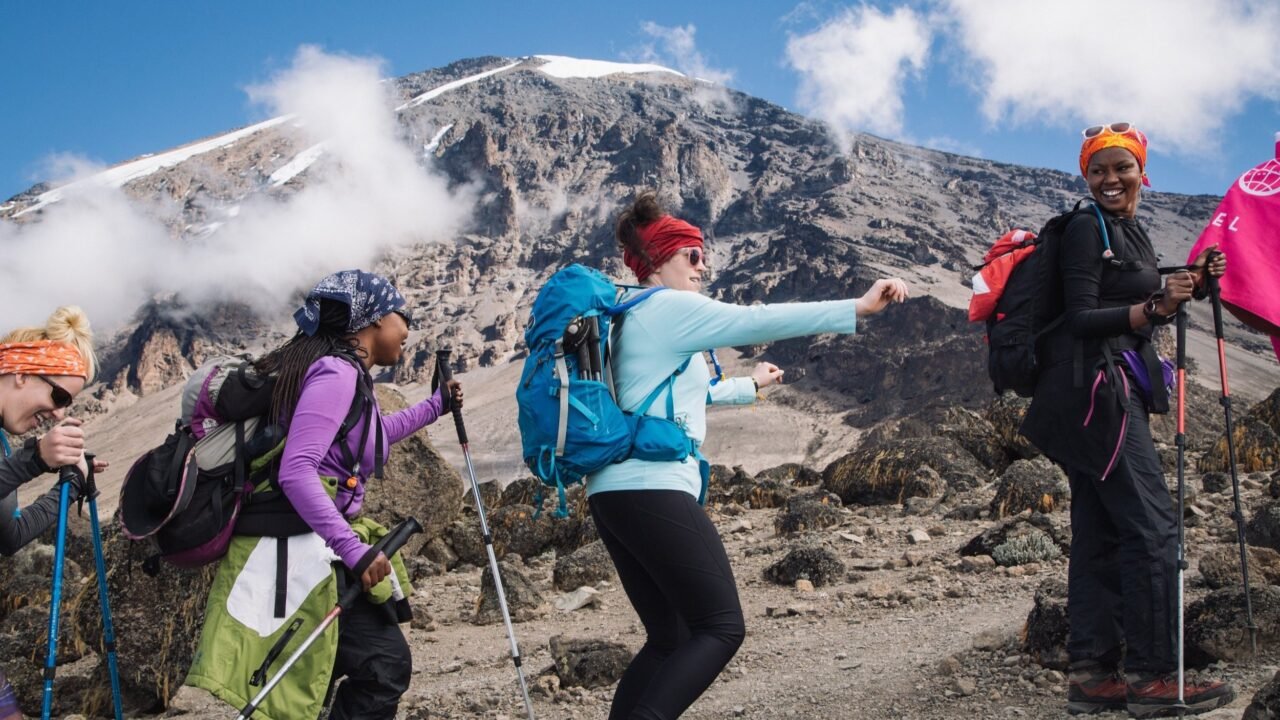
Your journey begins with a dedicated focus on the Lemosho or similar high-success routes. The first two days are often dominated by logistics: arrival, gear checks, and the final briefing. Once you hit the trail, the days follow a predictable rhythm: waking up to mountain air, trekking for 4 to 6 hours, and settling into camp by mid-afternoon. During the Christmas period, you will notice the temperature shift significantly; you start in the humid, lush rainforest and ascend into the stark, sub-zero alpine desert. This phase is about discipline. You are not a tourist here; you are an athlete. Your guides will manage your pace to ensure you reach the summit—often timed for the early hours of the morning—before descending to a lower, more breathable altitude.
Phase 2: The Critical Buffer Day (Day 9)
This is the most overlooked component of a successful Kilimanjaro-Safari combo. Never schedule a safari game drive on the same day you finish your descent. After 7 or 8 days of trekking, your muscles will be inflamed, your gait may be compromised, and your body will be craving hydration and sleep. Day 9 should be your “Buffer Day.” This is typically spent in a lodge in the Moshi or Arusha area. It is a day of transition. You will be reunited with your safari luggage, enjoy a hot shower that lasts longer than a mountain bucket wash, and perhaps indulge in a celebratory meal. Use this time to process the physical achievement of the summit before shifting your mindset to the wildlife experience. Attempting to skip this recovery day often results in travelers being too exhausted to enjoy the safari, turning a highlight of the trip into a chore.
Phase 3: The Safari Transition (Days 10–12)
Once you are recovered, the safari begins. Because you are already in the region, you have the advantage of starting closer to the parks. A logical progression often starts with the Ngorongoro Crater. This is an ideal first stop because it is a contained ecosystem; you can see a high density of wildlife without spending 8 hours in a vehicle. It allows you to ease into the “safari rhythm”—sitting, watching, and photographing—without the physical demand of trekking. From there, you move into the Serengeti. By this stage of your trip, your mountain fatigue should have subsided, leaving you with the energy to appreciate the vast landscapes. The game drives are designed to be flexible; if you feel tired, you can return to your lodge or tented camp for lunch and a rest, heading out again in the late afternoon when the light is best for photography. This is the ultimate reward: trading the vertical challenge of the mountain for the horizontal expanse of the African savanna.
Practical Considerations for the Transition
The transition between the mountain and the safari requires specific logistical adjustments. When you leave the mountain, your gear will be dusty, damp, and potentially worn. Your safari operator should facilitate the cleaning of this gear or provide secure storage for it. Do not attempt to bring your heavy mountain boots or trekking poles on the safari vehicle; they consume valuable floor space and are unnecessary for game drives. Instead, focus on “safari-ready” clothing—lightweight, breathable fabrics in neutral tones. The shift in environment is dramatic: you are moving from a high-altitude, freezing climate to the warm, dusty plains of the Serengeti. Your packing strategy should be distinct for each half of the trip, ensuring that you are not hauling unnecessary weight through the national parks.
Navigating the Social and Environmental Nuances of the Holiday Season
Choosing a December window for your Kilimanjaro and Serengeti expedition introduces variables that extend beyond simple logistics. You are not merely booking a trip; you are stepping into a specific cultural and ecological moment in East Africa. Understanding the interplay between the holiday spirit, the unique weather patterns of the “short rains,” and the etiquette of seasonal travel will significantly elevate the quality of your experience.
The Human Element: Celebrating Christmas on the Mountain
One of the most profound aspects of a December Kilimanjaro climb is the shared sense of occasion between the climbing party and the mountain crew. For the local guides, cooks, and porters, this is a significant time away from their own families. When you are on the mountain on December 24th or 25th, the atmosphere shifts. It is common for the crew to organize a small, festive celebration at camp, often involving traditional song and dance or a specially prepared meal that defies the limitations of mountain cooking. Acknowledging this sacrifice is part of the experience. Many climbers choose to bring small, lightweight gifts—such as quality headlamps, warm socks, or even photos from home—to share with their crew. These gestures are not required, but they transform a professional service relationship into a genuine human connection, which is often cited by travelers as the most memorable part of their Christmas journey.
The Serengeti in the “Green Season”: Why December Delivers
Travelers often fear the “short rains” of November and December, assuming they will be trapped in mud or unable to see wildlife. This is a misconception that overlooks the ecological beauty of the region during this time. December in the Serengeti is known as the “Green Season.” The landscape transforms from the arid, golden-brown hues of the dry season into a vibrant, lush mix of grasses and wildflowers. This shift has a direct impact on your safari experience: the dust, which can be pervasive in the dry months, is settled, making for clearer skies and better photography conditions. Furthermore, the short rains trigger the beginning of the migration cycle, as animals begin to move toward the short-grass plains of the southern Serengeti and the Ngorongoro Conservation Area in anticipation of the calving season. For the wildlife enthusiast, this is a period of high activity, with excellent birdwatching opportunities as migratory species arrive, and predator-prey dynamics becoming more visible against the backdrop of new growth.
Holiday Gratuity Protocols for Mountain and Safari Staff
Gratuity, or tipping, is a standard and essential component of the Tanzanian tourism economy, but the holiday season requires a more thoughtful approach. Because your crew is working through the Christmas and New Year period, it is standard practice to adjust your gratuity expectations slightly upward to reflect the festive season. However, there is a distinct difference between the mountain and the safari. On the mountain, tipping is typically pooled and distributed according to a set hierarchy (guides, cooks, porters), and it is best handled on the final morning at the park gate. For the safari, tipping is usually directed to your driver-guide at the end of the journey. In both cases, the most respectful approach is to have these funds prepared in crisp, clean, and newer-issue US Dollar bills or local Tanzanian Shillings, placed in separate, clearly marked envelopes. Avoid the urge to distribute cash haphazardly throughout the trip; centralized, end-of-service tipping ensures fairness among the entire support team and allows you to express your gratitude for the collective effort that made your holiday expedition possible.
Managing Dietary Transitions: From Mountain Fuel to Safari Dining
The physiological shift from the mountain to the safari is often underestimated. On Kilimanjaro, your dietary intake is strictly functional: high-carbohydrate meals are prioritized to provide sustained energy, aid in oxygen transport, and accommodate a suppressed appetite common at high altitudes. Your body adapts to this predictable, simple regimen over seven to eight days. Upon transitioning to a safari lodge, you are immediately presented with a drastically different culinary environment, often featuring rich, multi-course meals, diverse protein sources, and potentially alcohol. This sudden shift can lead to gastrointestinal distress if approached without caution.
We advise a “buffer phase” during your first 24 hours post-climb. Prioritize hydration with electrolytes—rather than just water—to continue flushing out the metabolic byproducts of high-altitude exertion. Opt for lighter, easily digestible meals at the lodge initially, such as soups, fresh fruits, and grilled vegetables, before transitioning to the heavier, protein-rich dishes common in safari dining. Furthermore, be mindful of the change in water sources; while luxury lodges provide purified water, ensure you maintain the same rigorous standards of hygiene you practiced on the mountain to avoid unnecessary stomach upsets that could ruin your wildlife viewing days.
The Final Exit: Navigating Departure Logistics
Exiting the Serengeti requires as much strategic planning as entering it. Depending on the location of your final safari lodge, you are likely several hundred kilometers from Kilimanjaro International Airport (JRO). Travelers often overlook the sheer scale of the Serengeti; it is not a small park, and the drive back to civilization can take between seven to nine hours depending on road conditions, which are notoriously variable during the December rainy season.
You essentially face a binary choice for your departure logistics: the bush flight or the road transfer. A bush flight from a local airstrip (such as Seronera or Kogatende) directly to Arusha or JRO offers the most efficient exit. This option saves you a full day of travel, allowing you to maximize your time in the bush and avoid the physical toll of a long, bumpy transit on muddy roads. However, this convenience comes at a premium and is subject to baggage weight restrictions, which can be challenging if you are carrying bulky mountain gear. Alternatively, a private road transfer allows you to continue your safari experience as you drive through the Ngorongoro Conservation Area or the Great Rift Valley, turning your departure day into an extended game drive. If you choose the road, ensure your operator has accounted for the extra fuel and the potential for slower travel times due to the green season conditions. Regardless of your choice, confirm your transfer logistics at least 48 hours before leaving the park to ensure your flight connection remains synchronized with your departure from the bush.
The Logistics of Dual-Environment Gear Management
One of the most complex aspects of a combined Kilimanjaro and Serengeti expedition is the management of two distinct, high-performance gear sets. You are essentially preparing for two different worlds: the sub-zero, high-altitude alpine environment of the mountain and the hot, dusty, insect-prone savannah of the Serengeti. The logistical challenge lies in the transition between these two environments, specifically how you handle the storage, cleaning, and transport of equipment that is often damp, dirty, or bulky upon your return from the summit.
The “Base Hotel” Strategy
The most effective way to manage this transition is by utilizing your base hotel in Arusha or Moshi as a secure, long-term storage facility. Most reputable operators provide this service, but you must be proactive in your organization. Upon arrival, you should divide your luggage into three categories: your mountain duffel, your safari daypack, and your “storage” suitcase. The storage suitcase remains at the hotel and should contain your clean, light safari clothing, extra toiletries, and any electronics or documents not required on the mountain. By keeping these items separate, you avoid the common error of carrying unnecessary weight up the mountain or, conversely, arriving at your safari lodge with only your dirty, sweat-soaked climbing gear.
The Post-Climb Gear Hand-off
The day you return from the mountain is a critical logistical window. Your mountain gear will likely be saturated with moisture from mountain humidity and your own perspiration. Do not simply throw these items into your safari bag. Your operator should facilitate an immediate “gear hand-off.” This involves moving your mountain duffel to a dedicated drying area or storage locker while simultaneously retrieving your clean safari bag. If you are staying at the same hotel, ensure that your laundry service is scheduled for the morning of your return. Many hotels in the region are accustomed to this “mountain-to-safari” turnaround and can offer expedited laundry services. If you do not prioritize this, you risk spending the first two days of your safari dealing with the discomfort of damp boots, mildewed clothing, or the inability to find essential items buried beneath your climbing equipment.
The Physiological Transition: Navigating the Post-Summit Slump
Beyond the logistical gear swap, travelers often underestimate the physiological toll of transitioning from extreme altitude to low-altitude wildlife viewing. This transition is not instantaneous; your body requires a period of recalibration. Experienced climbers often refer to the 24 to 48 hours following a descent as the “post-summit slump,” a period where the initial adrenaline of success wears off, revealing the cumulative fatigue of the climb.
Recognizing Altitude Rebound Symptoms
Even after you have descended to the comfort of a hotel or a safari lodge, you may experience residual symptoms of altitude exposure. These can include mild headaches, disrupted sleep patterns, and a lingering sense of lethargy. This is a normal physiological response to the rapid change in barometric pressure. It is vital to recognize these symptoms as part of the recovery process rather than signs of illness. During this phase, your body is working to stabilize your oxygen saturation levels and repair the muscle tissue damaged by the intense, multi-day ascent. Forcing yourself into a high-activity schedule—such as a full-day game drive with early morning starts and late evening finishes—can exacerbate this fatigue and prevent you from fully enjoying the safari experience.
The Shift in Hydration and Circulatory Needs
On the mountain, your hydration protocol is aggressive to prevent altitude sickness. Once you reach the safari phase, your hydration needs change, but they do not disappear. The Serengeti is often significantly warmer than the mountain, and the risk of dehydration shifts from a high-altitude threat to a heat-related one. Furthermore, the vasodilation that occurs as you return to lower altitudes can lead to a sudden drop in blood pressure, causing dizziness or lightheadedness when standing up quickly. To mitigate this, transition your hydration strategy from “pure water” to “electrolyte-balanced fluids.” Continue to prioritize salt and mineral replenishment, as your body has likely depleted these reserves during the climb. This simple adjustment helps regulate your blood pressure and energy levels, allowing you to transition from the physical intensity of the mountain to the sustained, sedentary observation required for wildlife viewing.
Mental Transitioning: From High-Intensity Ascent to Low-Intensity Observation
Finally, consider the psychological shift required for a successful transition. Kilimanjaro is a goal-oriented, high-intensity endeavor where your focus is narrowed to the next step, the next breath, and the summit. A safari, by contrast, is an exercise in patience and stillness. Many travelers find this transition jarring. You are moving from a state of constant physical exertion to one of quiet, observational waiting. To prepare for this, schedule your first safari day as a “soft entry.” Instead of aiming for the most remote corners of the Serengeti, start with a location that offers high-density wildlife viewing with shorter drive times. This allows you to ease into the rhythm of the safari without the pressure of long, bumpy road transfers, ensuring that your mental state remains aligned with the serene, observational nature of the wildlife experience.
Check Availability for Christmas Kilimanjaro Climb And Serengeti Wildlife Safari Package: Planning
Ready to compare dates, prices, and the best option for your group? Send the package name and travel month so the team can reply with a clear quote, availability, and what is included.

Afcon Mount Kilimanjaro And Serengeti Package
AFCON 2027 Mount Kilimanjaro and Serengeti Package.
View package details
Affordable Kilimanjaro Group Joining Safari And Trekking Packages December
A practical guide to booking affordable, reliable group joining treks on Kilimanjaro and wildlife safaris in Tanzania for December 2026, focusing on logistics, shared costs, and travel...
View package detailsAfcon Kilimanjaro Safari And Zanzibar Package: Expert Planning Guide
A comprehensive guide to coordinating your AFCON 2027 travel, including Kilimanjaro trekking, Northern Circuit safaris, and Zanzibar relaxation, with expert logistical advice.
View package details
Three Day Serengeti Safari During AFCON 2027
Mwongozo wa kiutendaji kwa safari ya siku tatu ya Serengeti wakati AFCON 2027, ukijumuisha mwelekeo wa maeneo, ratiba ya siku, na ushauri wa ubashiri wa kupanga pamoja na jinsi ya...
View package detailsI Land At Kilimanjaro Airport—Can I Join A Safari The Next Day? ( Planning
A practical guide to the logistics of starting your Tanzania safari immediately after landing at Kilimanjaro International Airport, including arrival times, visa tips, and itinerary...
View package detailsCan I Join A Safari Group Directly From Kilimanjaro Airport? Logistical Guide
A practical guide to coordinating your arrival at Kilimanjaro International Airport (JRO) with a scheduled group safari, including logistical requirements and booking tips.
View package details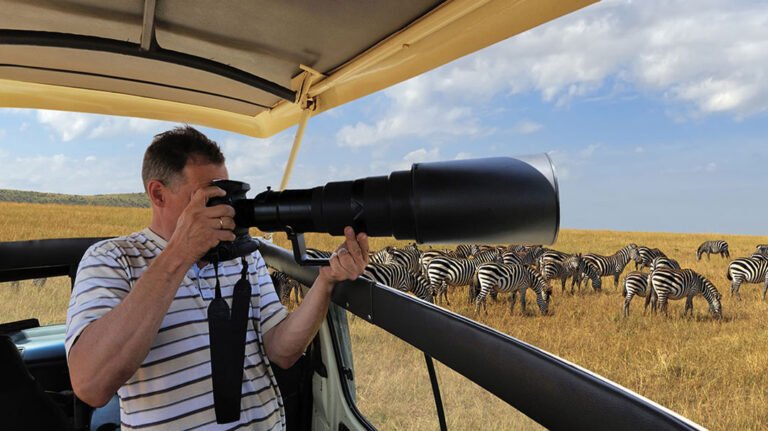
Kilimanjaro Safari And Afcon Final Package
Kilimanjaro Safari and AFCON Final Package.
View package detailsAfcon Tanzania Football Kilimanjaro And Safari Tour
AFCON 2027 Tanzania Football Kilimanjaro and Safari Tour.
View package detailsAFCON 2027 Safari from Kilimanjaro Airport
Mwongozo wa kina wa AFCON 2027 Safari starting from Kilimanjaro Airport, ukiruhusu kupanga ratiba, usafiri, mapumziko ya kambi, na maeneo ya kuzunguka ili kuonyesha wanyama na mandhari ya...
View package details
Kilimanjaro to Nairobi AFCON Travel Package
Mpango wa safari wa Kilimanjaro hadi Nairobi kwa AFCON unaowezesha kushuhudia milima na miji miwili mikubwa ya Afrika pamoja na mechi za AFCON kwa njia salama na ya kipekee.
View package details
AFCON 2027 Safari from Moshi: Safari ya Afrika Mashariki kwa Mashabiki wa Soka
Safari ya kipekee ya AFCON 2027 inayochukua mji wa Moshi kuwa kituo cha kuanzia kwa mbuga ya wanyamapori na milima ya Kilimanjaro, ikijumuisha uhifadhi wa ndani na mwongozo wa kiusimamizi...
View package details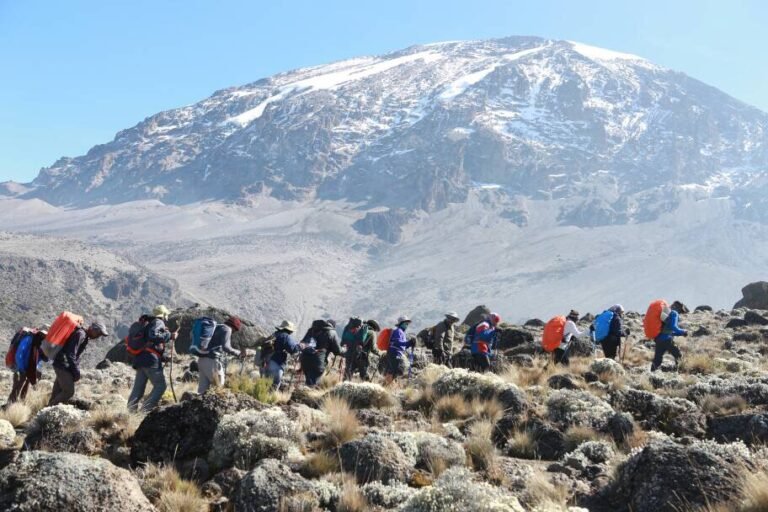
How Much Does A Christmas Kilimanjaro Climb Cost In And ? 2026
A detailed guide on the factors influencing the price of a Christmas Kilimanjaro climb, including park fees, route selection, and operator standards for 2026 and 2027.
View package detailsNo related package matches those filters. Clear one or more filters to see the other topic-matched options.



