
Planning private Kilimanjaro climbing tours for Christmas holidays 2026 requires more than just picking a date on the calendar. Because the holiday season is a peak travel time in Tanzania, securing a private arrangement allows you to bypass the constraints of group-joining schedules, giving you full control over your route, your daily pace, and your summit attempt strategy. When you book a private trip with an operator like Climb 4 Africa, you are essentially purchasing flexibility—the ability to adjust your itinerary based on how your body acclimatizes to the altitude, rather than adhering to a rigid group schedule.
For those aiming for a December summit, the timing is strategic. The “short rains” in Tanzania typically taper off by mid-December, often leaving the mountain with clearer skies and slightly more stable conditions before the peak of the dry season. However, because this is a popular time for international travelers, the mountain can be busy. A private tour ensures that your experience remains personal, quiet, and centered on your specific goals.
The Advantage of Private vs. Group Departures
The primary difference between joining a group and opting for a private tour is the decision-making authority you retain on the mountain. In a group setting, the pace is dictated by the slowest member or the collective schedule of the group. On a private climb, your lead guide is accountable only to you and your party.
This is particularly critical on summit night. If you require an extra 30 minutes of rest at Barafu or Kibo Hut before pushing for the crater rim, a private guide can accommodate that without the pressure of a group waiting for you. For Christmas 2026, we anticipate high demand for qualified lead guides and experienced support crews. By booking a private package, you ensure that you are assigned a dedicated team that is focused exclusively on your group’s health, safety, and summit success.
If you are considering your options, you might want to compare the logistical differences between our 6-day Machame route, which is faster and more demanding, versus longer, more acclimatization-friendly options like the 8-day Lemosho route. A private tour allows you to select the route that matches your physical fitness rather than the route that happens to fit the group’s departure schedule.
Selecting Your Route for a December Summit
December weather on Kilimanjaro is generally favorable, but it is not predictable. You should choose your route based on your acclimatization needs rather than the shortest duration. The “Christmas summit” is the goal, but the journey to get there is where most climbers struggle.
Route Comparison Factors
- Lemosho Route (8 Days): Widely considered the best for acclimatization. It approaches from the west, offering stunning, remote scenery and a gradual ascent profile. This is our top recommendation for private groups who want to maximize their success probability.
- Machame Route (6-7 Days): Known as the “Whiskey Route.” It is physically demanding but offers diverse ecosystems. On a private tour, we can extend this to 7 days to give you an extra day for acclimatization, which significantly boosts your odds of reaching Uhuru Peak.
- Northern Circuit (9 Days): The most comprehensive route. It circles the north side of the mountain, providing unparalleled solitude and the best possible acclimatization profile. If you have the time and want to avoid the crowds that build up near the Christmas holiday, this is your best choice.
For a detailed look at the itinerary differences, you can review our 9-day Northern Circuit options. When you contact us to discuss your private 2026 trip, we will walk you through these choices based on your previous trekking experience and fitness level.
Logistics: The Christmas Holiday Window
Travel to Tanzania during late December is high-season. This affects more than just the mountain; it affects your entire travel chain. Flights into Kilimanjaro International Airport (JRO) tend to be more expensive, and accommodation in Moshi or Arusha fills up quickly.
Key logistical steps for your 2026 holiday climb:
- Flight Booking: Aim to arrive at least 48 hours before your climb starts. This allows for buffer time in case of lost luggage or flight delays—a common occurrence during the busy holiday travel season.
- Hotel Coordination: We handle the logistics of getting you from the airport to your hotel and then to the mountain gate. On a private tour, these transfers are entirely on your schedule.
- Gear Check: We conduct a mandatory gear check the day before your climb. For a Christmas departure, temperatures at the summit will be sub-zero, while the base will be warm and humid. Proper layering is essential.
If you have specific questions about your travel itinerary, please reach out via WhatsApp at +255 747 477 898 or email us at climb4africa@gmail.com. We can help you align your arrival dates with our guide availability for late 2026.
Financial Considerations and Booking
When you book a private tour, the cost structure is different from a group-joining tour. You are paying for the entire support crew (guides, porters, cook, and camp staff) regardless of whether you are one person or a group of four. This is why private tours are often more expensive per person than shared group departures.
However, the value is in the customization. You choose your hotels (within our approved network), your meal preferences (to an extent), and your daily departure times. We do not publish fixed prices for private tours because they depend on the route, the number of days, the number of climbers, and your choice of accommodation before and after the climb. We provide a transparent, itemized quote after you define these variables.
To receive an accurate quote for your December 2026 climb, please provide us with:
- The number of climbers in your party.
- Your preferred route (or ask us to recommend one based on your experience).
- Your preferred level of pre-climb and post-climb accommodation (standard vs. luxury).
- Any specific dietary requirements or medical conditions our team needs to be aware of.
You can send these details to info@climb-4-africa.com to get the conversation started. We recommend finalizing your booking at least 6 to 9 months in advance for the December period, as this ensures we can secure the best guides for your specific dates.
Preparing for the Summit Night
The final push to the summit is the climax of your Christmas holiday. On a private tour, you dictate the start time. While most groups depart for the summit at midnight to reach the peak by sunrise, your guide can discuss an alternative strategy with you based on your energy levels and the weather forecast.
Safety is non-negotiable. Our lead guides are trained in mountain rescue and altitude sickness management. On a private climb, they are observing only you. They monitor your oxygen saturation levels, your hydration, and your mental state continuously. If you are struggling, they have the authority to advise a change in pace or, if necessary, a descent. This one-on-one attention is the greatest safety feature of a private climb.
Frequently Asked Questions
Can I customize the itinerary for my private Christmas climb?
Yes. That is the primary benefit of a private tour. While we must adhere to National Park regulations regarding campsites and routes, we can adjust daily hiking distances and acclimatization days within the scope of the route regulations.
What happens if the weather is bad during the holidays?
Mountain weather is unpredictable. Our guides are experienced in reading the conditions. If the weather makes the summit attempt unsafe, the guide will advise accordingly. Safety is always the priority over reaching the peak.
Do I need to carry all my gear?
No. On a standard private climb, our porters carry the bulk of your equipment, including tents, food, and cooking gear. You will only carry a daypack with your water, rain gear, camera, and personal items. If you require extra porter support for personal items, we can arrange that.
How do I handle tipping on a private tour?
Tipping is customary but voluntary. We provide guidelines on fair tipping practices for your mountain crew (guides, assistant guides, cook, and porters) before you start. We encourage you to tip based on the quality of service you receive throughout the trip.
Next Steps for Your 2026 Expedition
Planning for December 2026 is best done well in advance. By securing your dates now, you ensure that you get your preferred route and, most importantly, the lead guide you want for your holiday adventure. We are here to handle the logistics so you can focus on your physical training and preparation.
If you are ready to start planning, please contact us. You can send a direct inquiry to climb4africa@gmail.com or reach out to our team on WhatsApp at +255 747 477 898. Let us know if you are interested in combining your climb with a wildlife safari or a trip to Zanzibar afterward—we specialize in full Tanzania travel experiences and can build a comprehensive itinerary that covers your entire holiday.
For those still researching, feel free to browse our Tanzania safari resources or our main climbing homepage to see how we manage our operations on the ground. We look forward to helping you reach the roof of Africa in 2026.
Post-Summit Recovery: Transitioning from the Mountain to Holiday Relaxation
After the intensity of a December summit, the transition from the rugged environment of Kilimanjaro to the holiday atmosphere in Moshi or Arusha can be physically and mentally jarring. On a private tour, you have the unique advantage of controlling the pace of your descent and your post-climb itinerary, which is a significant luxury during the peak Christmas period when transport and accommodation logistics are stretched thin.
Many climbers mistakenly schedule their flights home for the day immediately following their descent. We strongly advise against this. After a multi-day trek, your body will be dehydrated, your muscles fatigued, and your immune system potentially compromised. For a Christmas 2026 trip, consider booking at least one full day of “buffer time” at a lodge before your departure. This allows you to shower properly, have your gear professionally cleaned, and celebrate your success without the stress of rushing to Kilimanjaro International Airport.
The Value of a Private Post-Climb Celebration
Because you are on a private tour, your operator can arrange a bespoke celebration that matches your preferences. Whether you want a quiet, private dinner in a garden setting, a visit to a local coffee plantation to learn about the region’s famous exports, or a cultural tour of the surrounding villages, you are not bound by the schedule of a larger group. During the Christmas season, local lodges often host festive dinners and cultural performances. By having a private arrangement, you can ensure your post-climb celebration is integrated into your travel itinerary seamlessly.
Managing Your Gear Post-Expedition
One often overlooked logistical hurdle is managing your mountain gear after the climb. You will likely have bulky items—sleeping bags, trekking poles, and heavy boots—that you do not want to lug around on a safari or a trip to Zanzibar. On a private tour, you can often arrange for your operator to store your excess gear at their base office in Moshi or Arusha. This service is invaluable if you are continuing your holiday elsewhere in Tanzania. Ensure you clarify this arrangement during your booking phase so that your operator can tag your bags and secure them while you are away.
Health Considerations for the Post-Climb Period
Altitude sickness symptoms, such as headaches or nausea, typically vanish within hours of descending below 3,000 meters, but the “Kili cough”—a persistent dry throat and cough caused by the dry, dusty air on the mountain—can linger for several days. Staying in a well-ventilated, clean environment immediately after the climb is essential. Avoid swimming in chlorinated pools for the first 24 hours to let your respiratory system stabilize. If you are planning a safari immediately after, remember that safari vehicles are also dusty; ensure you have a clean buff or bandana to protect your throat during game drives.
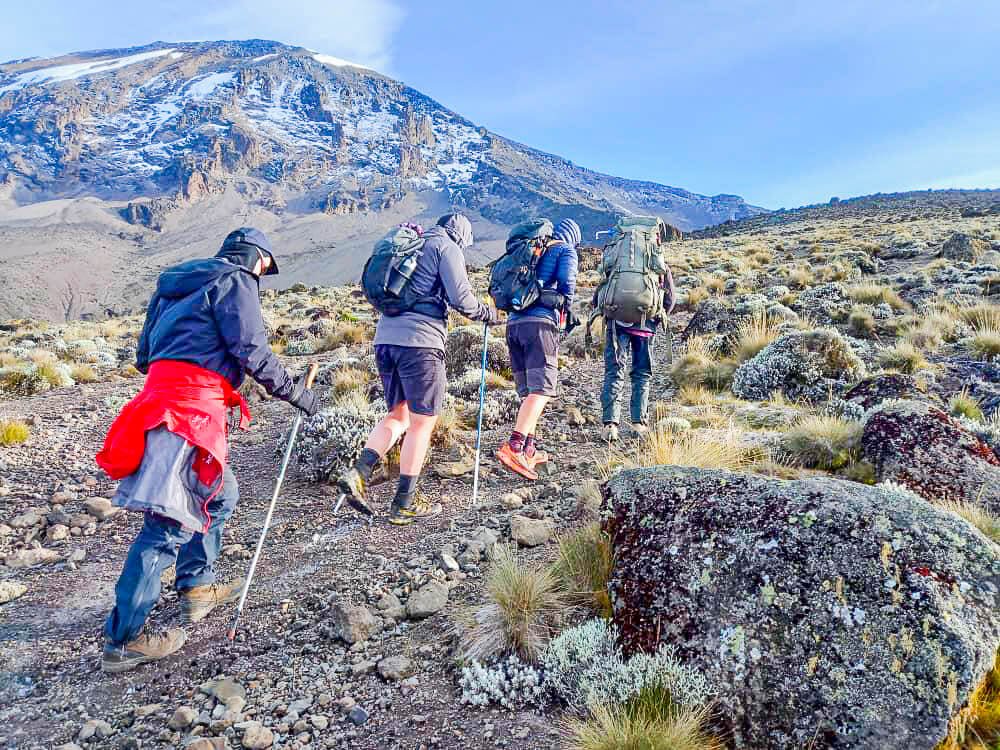
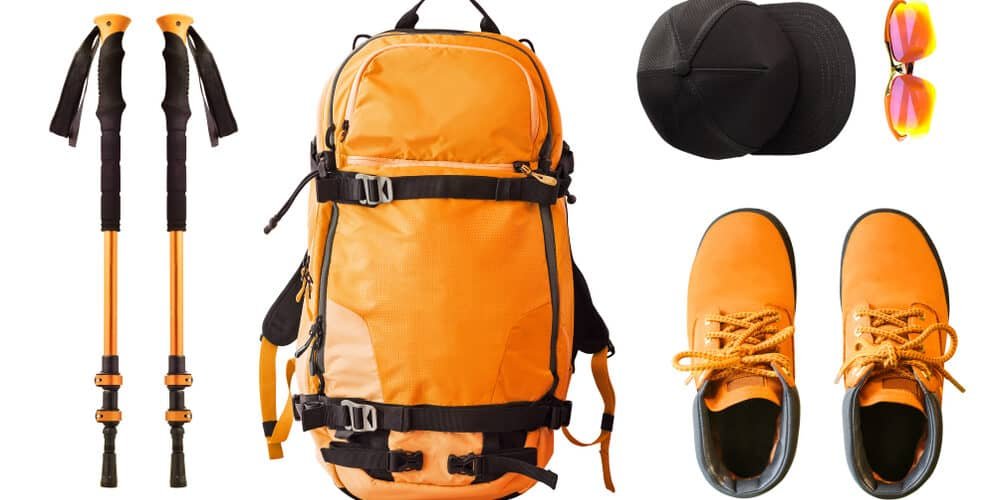
Culinary and Cultural Considerations for a Holiday Expedition
One of the most profound, yet often overlooked, aspects of booking a private Kilimanjaro climb during the Christmas season is the cultural and culinary experience. Because you are not tethered to a large group’s rigid meal plan, a private tour allows for a more personalized approach to your nutrition and interaction with your support team. When trekking during the holidays, the mountain experience becomes a unique intersection of your personal challenge and the local culture of your Tanzanian guides and porters.
On a private tour, you have the flexibility to coordinate with your operator regarding dietary preferences and even festive inclusions. While mountain food is designed for high-calorie intake and easy digestion, private operators are often willing to accommodate special requests for your Christmas Eve or Christmas Day meals. Whether you are looking for specific dietary accommodations—such as gluten-free, vegan, or allergy-sensitive options—or you wish to incorporate local Tanzanian delicacies like fresh, locally grown coffee or seasonal fruits, your private chef can often source these items if arranged well in advance. This level of customization transforms your dining experience from a functional necessity into a highlight of your holiday adventure.
Furthermore, the holiday season offers a unique opportunity for cultural exchange. Your crew members are often away from their own families during this time. A private tour allows for a more intimate, respectful atmosphere where you can engage with your guides and porters on a personal level. Many climbers choose to bring small, lightweight gifts—such as quality headlamps, warm socks, or team memorabilia—to express gratitude for the crew’s hard work during the holiday period. Because you are in a private group, these interactions feel authentic rather than performative, allowing for a genuine connection that enriches your understanding of the local culture and the significance of the mountain to the Tanzanian people.
Strategic Physical Conditioning for a Late 2026 Ascent
With the target date of December 2026, you have a distinct advantage: time. Many climbers make the mistake of beginning their training regimen only three or four months before their departure. However, a successful Kilimanjaro summit, especially one attempted during the high-demand Christmas window, is best supported by a long-term conditioning phase that builds a robust aerobic base and structural resilience.
For a December 2026 summit, your training should shift from ‘getting fit’ to ‘mountain preparedness.’ This means moving beyond simple gym cardio and focusing on eccentric leg strength and load-bearing endurance. Since you will be walking for 5 to 8 hours daily, your training should prioritize ‘time on feet.’ If you have access to hiking trails or uneven terrain, incorporate weekend hikes carrying the approximate weight you will have in your daypack (typically 5-8 kilograms). This prepares your joints, specifically your knees and ankles, for the repetitive stress of the descent, which is where most fatigue-related injuries occur.
Because you have the luxury of time, you can also implement a periodized training schedule. Spend the first half of 2026 focusing on building your VO2 max through high-intensity interval training (HIIT) and cardiovascular endurance. As you approach the latter half of the year, transition into sport-specific training—hiking with a weighted pack and gradually increasing your elevation gain. This systematic approach reduces the risk of injury and ensures that when you arrive in Tanzania, your body is not just capable of reaching the summit, but is sufficiently conditioned to enjoy the experience rather than merely enduring it. Consulting with a sports physiotherapist or a trainer familiar with altitude sports can help you tailor this progression to your current fitness level, ensuring you reach the start of your 2026 expedition at your peak physical readiness.
The Psychology of a Holiday Ascent: Managing Expectations and Traditions
Embarking on a Kilimanjaro expedition during the Christmas season is a profound departure from the conventional holiday experience. While most of the world is engaged in the frenetic pace of year-end festivities, gift exchanges, and social gatherings, you will be navigating the stark, silent, and physically demanding environment of the mountain. This contrast can be mentally jarring if not properly framed. The psychology of a holiday ascent requires a deliberate shift in perspective: you are not “missing” Christmas; you are recontextualizing it. By choosing a private tour, you have the autonomy to manage this transition in a way that aligns with your personal comfort and emotional needs.
For many, the most challenging aspect of a December 25th summit or trek is the departure from familiar domestic traditions. On the mountain, there are no fireplaces, no traditional holiday meals, and no easy access to family or friends. To mitigate the potential for feelings of isolation, experienced climbers often prepare small, packable “traditions” that bridge the gap between their life at home and their life on the trail. This might be as simple as carrying a small, lightweight ornament to hang in your tent, a specific holiday treat that survives the climb, or a pre-recorded message from loved ones to listen to on Christmas morning. Because your tour is private, you can communicate these small, personal requests to your lead guide in advance. They are accustomed to facilitating these moments and can often help create a sense of occasion, even at high altitude.
It is also essential to manage your expectations regarding the “holiday spirit” on the mountain. Christmas Day on Kilimanjaro is, first and foremost, a workday for your support crew. While they will undoubtedly be aware of the date and may offer warm greetings, they are also navigating the physical toll of the climb alongside you. The most respectful and rewarding way to engage with the holiday is to recognize the shared experience. You and your crew are both away from your families during a significant time of year. This shared sacrifice often fosters a unique, deep-rooted camaraderie that is rarely replicated in larger, transient groups. Engaging with your guides about their own holiday traditions in Tanzania provides a cultural richness that far exceeds the superficial comfort of a traditional holiday celebration back home.
The Digital Disconnect: Navigating the Holiday FOMO
The modern holiday season is inextricably linked to social media, constant connectivity, and the pressure to document every moment. On Kilimanjaro, you will likely face intermittent or non-existent cellular service, which serves as a forced, and often necessary, digital detox. For some, this triggers a mild anxiety—a “Fear of Missing Out” (FOMO) regarding holiday updates from friends and family. However, this disconnection is perhaps the most valuable gift you can give yourself during a 2026 expedition.
To navigate this, treat the lack of connectivity as an intentional boundary rather than a technical failure. Before you depart for the mountain, inform your circle that you will be “off-grid” for the duration of the climb. This relieves you of the pressure to check for messages or post updates. When you reach the summit—or even just a particularly beautiful campsite—the urge to immediately share the image with the world often detracts from the visceral experience of being there. By committing to a digital-free holiday, you allow yourself to be fully present in the landscape. The mental clarity that comes from this silence is one of the primary benefits of a late-December climb; it provides a rare, uninterrupted space to reflect on the year past and set intentions for the year ahead, free from the digital noise that dominates the holiday season in most parts of the world.
Managing Photography and Electronics in the Cold
While we advocate for a digital detox, most climbers still wish to document their Christmas summit. The technical reality of high-altitude photography during the transition from the short rains to the dry season requires specific, practical strategies. Cold temperatures significantly accelerate battery depletion, and the rapid changes in altitude can cause condensation issues inside camera lenses or smartphone sensors when moving between the frigid night air and the warmth of your sleeping bag or dining tent.
To protect your devices, keep your batteries and camera bodies close to your body heat at all times. A common mistake is storing electronics in an outer pack pocket overnight; the sub-zero temperatures at camps like Barafu or Kibo will drain a fully charged battery in minutes. Instead, keep your batteries in an internal pocket of your jacket or inside your sleeping bag at night. If you use a smartphone for photography, consider a rugged, insulated case, and avoid changing lenses in dusty or damp conditions, as the fine volcanic dust of Kilimanjaro is notorious for infiltrating sensitive equipment. By preparing your gear for these specific environmental challenges, you ensure that your focus remains on the climb, not on troubleshooting dead batteries or malfunctioning equipment when you reach the most critical points of your journey.
Managing Altitude Acclimatization in the Holiday Window
While the allure of a Christmas summit often centers on the festive dates themselves, the biological reality of ascending Kilimanjaro remains fixed. The most common pitfall for climbers attempting a holiday ascent is the tendency to rush the schedule to fit within a tight end-of-year work break. Because you are booking a private tour, you have the rare opportunity to prioritize physiological safety over calendar convenience. The “pole pole” (slowly, slowly) philosophy is not just a slogan; it is the most effective tool you have against the rapid onset of Acute Mountain Sickness (AMS). On a private trek, you are not bound by the group’s collective desire to reach the summit by a specific date, which allows for crucial “climb high, sleep low” excursions that are often skipped on more aggressive, group-joining itineraries.
When planning your December 2026 expedition, consider adding an extra acclimatization day at a mid-altitude camp, such as Barranco or Karanga, rather than compressing your ascent. This strategy is particularly valuable during the holiday season because the mountain is often crowded. By choosing a schedule that diverges from the standard “rush” of group itineraries, you can effectively stagger your time at the camps. This means you might arrive at a campsite just as the larger groups are departing, or vice versa, providing a quieter, more serene experience that aligns with the spirit of a holiday retreat. This buffer day also acts as an insurance policy; should you experience mild symptoms of altitude sickness, you have the flexibility to rest for an additional 24 hours without the pressure of needing to “catch up” to a pre-set group schedule.
Furthermore, the physical toll of high altitude is compounded by the dehydration that naturally occurs in cold, dry air. On a private tour, your dedicated guide team can monitor your hydration levels more closely. They can adjust your daily water intake and electrolyte consumption based on your specific sweat rate and energy levels, rather than enforcing a one-size-fits-all fluid intake rule. This personalized monitoring is a significant advantage. During the holiday season, when your body is already adjusting to potential jet lag from international travel, this granular level of care can be the difference between a successful, enjoyable summit and a miserable experience characterized by fatigue and headaches.
The Role of Nutrition in Sustaining Your Ascent
Your dietary needs on the mountain change as you gain elevation. As you climb higher, your appetite often suppresses, yet your caloric expenditure increases significantly. In a private setting, your personal chef can tailor your menu to ensure you are consuming nutrient-dense, easily digestible foods that align with your preferences and help combat the loss of appetite. If you find that the standard high-carb mountain diet is unappealing at 4,000 meters, your private crew can pivot to alternatives that you find more palatable, ensuring you maintain the energy reserves required for the final push. This level of culinary customization is rarely possible in larger, group-based operations where the menu is finalized weeks in advance for the entire cohort.
Related Guides and Packages
Check Availability for Private Kilimanjaro Climbing Tours For Christmas Holidays 2026
Ready to compare dates, prices, and the best option for your group? Send the package name and travel month so the team can reply with a clear quote, availability, and what is included.
Planning Your Private Kilimanjaro Climb Over Christmas: A Guide For Couples
A detailed guide for couples planning a private Kilimanjaro trek during the Christmas season, covering route selection, logistical planning, and booking considerations.
View package details
Vip Kilimanjaro Expedition With Private Mountain Crew December 2026
A detailed guide to planning a bespoke, high-support Kilimanjaro expedition for December 2026, focusing on private crew logistics, route selection, and safety.
View package details
Exclusive Kilimanjaro Christmas Trek With Premium Support Team 2026
An in-depth guide to securing a private, high-support Kilimanjaro expedition for the holiday season. We cover route selection, team ratios, and planning for 2026-2027.
View package details
Kilimanjaro Small Group Climbing Tours Before Christmas 2026
Planning a Kilimanjaro summit before the holidays? Explore the logistics, route choices, and small group benefits for December 2026 climbs.
View package details
Join A Kilimanjaro Christmas Climbing Group In December 2026
A guide to securing your spot on a Kilimanjaro Christmas group climb for 2026, including route advice, group logistics, and essential planning steps.
View package details
Private 8 Days Lemosho Route With Personalized Mountain Guide For 2026
A deep look at why the 8-day Lemosho route is the premier choice for Kilimanjaro success, how our personalized guide system works, and how to plan your 2027 climb.
View package details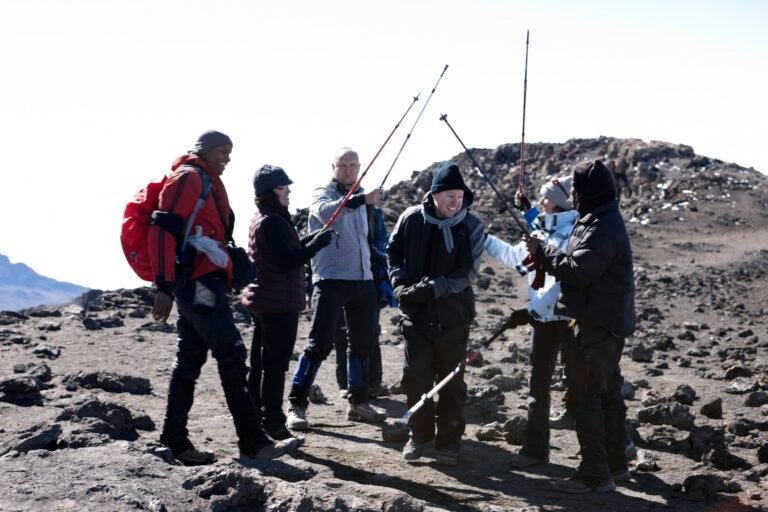
Romantic Kilimanjaro Summit Adventure For Couples December : Planning Your
A detailed guide for couples planning a Kilimanjaro summit in December 2026, focusing on route selection, acclimatization, and the benefits of private trekking arrangements.
View package details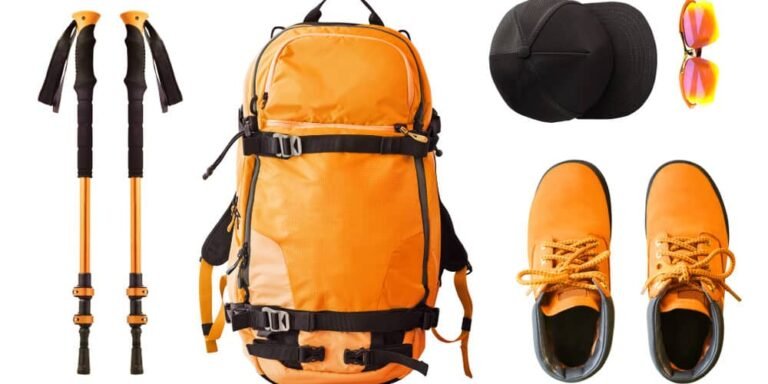
Kilimanjaro Honeymoon Climbing And Zanzibar Beach Holiday: December Planning
A practical guide for couples planning a Kilimanjaro climb and Zanzibar beach holiday in December 2026, focusing on route selection, recovery logistics, and planning timelines.
View package details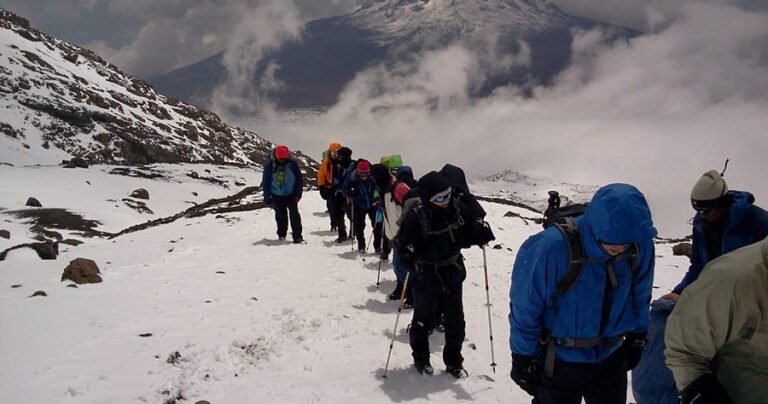
Best Kilimanjaro Routes For A Christmas Summit In 2026
A guide to selecting the optimal Kilimanjaro route for a Christmas 2026 ascent, balancing acclimatization needs, crowd dynamics, and the specific logistics of the holiday season.
View package detailsShira Route Kilimanjaro Climbing Itinerary For December : Expert Guide 2026
A deep look at the Shira Route for December 2026, covering the unique high-start logistics, acclimatization advantages, and step-by-step itinerary planning.
View package detailsBest Kilimanjaro Group Climbing Packages For December : A Practical Guide 2026
A practical guide to selecting Kilimanjaro group climbing packages for December 2026, focusing on route logistics, weather considerations, and cost-sharing benefits.
View package details
No related package matches those filters. Clear one or more filters to see the other topic-matched options.



