
Planning a private Kilimanjaro climb over Christmas is an excellent way for a couple to celebrate the holidays. December is one of the most popular windows for climbing, offering generally stable weather and a festive atmosphere on the mountain. However, because it is a peak travel period, the logistics—from accommodation bookings to securing experienced guides—require a different level of planning compared to a standard group departure.
When you choose a private climb, you are not just buying a tour; you are securing a dedicated support team focused entirely on your pace, your comfort, and your specific goals for the summit. This is particularly valuable for couples who may want to prioritize acclimatization, take extra time for photography, or simply enjoy the solitude of the trail without the constraints of a larger group.
Why Couples Choose Private Climbs: A private arrangement removes the pressure of keeping up with a group. If one of you is feeling the altitude, a private guide can adjust the day’s itinerary or pace instantly. This flexibility is the single biggest factor in summit success for couples.
Choosing the Right Route for a Christmas Trek
Not all routes are created equal, especially when you are planning a private trip. For a couple, we typically recommend routes that offer better acclimatization profiles, as your goal is to enjoy the journey rather than just rush to the top. The Machame Route is iconic, but during the busy Christmas season, it can get crowded. If you prefer a quieter experience, we often point couples toward the Lemosho or Northern Circuit routes.
| Route | Duration | Suitability for Couples | Key Advantage |
|---|---|---|---|
| Lemosho | 7-8 Days | High | Superior acclimatization; quieter trails. |
| Machame | 6-7 Days | Moderate | Scenic, classic experience; more social. |
| Northern Circuit | 9 Days | High | Maximum success rate; complete isolation. |
For a Christmas climb, the 8-day Lemosho itinerary is often the sweet spot. It provides a gradual ascent through the rainforest and Shira Plateau, allowing your bodies to adapt to the altitude naturally. By the time you reach the higher camps, you will be well-acclimatized, making the final push to Uhuru Peak significantly more manageable.
The Itinerary Logic: A Day-by-Day View
When you book a private trip, your itinerary can be customized, but the fundamental physics of Kilimanjaro climbing remains the same. A standard 8-day Lemosho private climb typically follows this structure:
- Days 1-2: These are about establishing your rhythm. You will move through the lush forest zones. In a private group, you set the start time each morning, which is a major advantage.
- Days 3-4: Moving onto the Shira Plateau. This is where the landscape opens up. We use these days to practice ‘pole pole’ (slowly, slowly) hiking. A private guide will watch your heart rate and oxygen levels closely here.
- Day 5: The Barranco Wall. On a private climb, we often time your start to avoid the congestion of larger tour groups, meaning you can navigate the wall with more space and less waiting.
- Day 6: Karanga Valley to Barafu. This is a shorter day, intentionally designed to keep you rested before the summit night.
- Day 7: The Summit. You leave around midnight. Because it is just the two of you and your guides, you have complete control over how many breaks you take.
- Day 8: Descent. A gentle walk out through the Mweka gate.
If you have specific dates in mind, please reach out to us at climb4africa@gmail.com or our backup address info@climb-4-africa.com, and we can map this out against your flight schedule.
Pricing Factors for Private Climbs
A common question is why a private climb costs more than a group joining tour. The pricing for a private Kilimanjaro climb over Christmas is driven by fixed costs that don’t scale down for smaller groups. When you are a party of two, the cost of the guide team, the cook, the porters, the transport to and from the mountain, and the park entry fees must be covered by just two people.
Key elements included in your quote will typically cover:
- Park Entry & Camping Fees: These are non-negotiable fees paid to the Kilimanjaro National Park Authority (KINAPA).
- Mountain Crew Wages: Even for a couple, you require a full team (head guide, assistant guide, cook, and porters) to ensure safety and comfort.
- Logistics: Private airport transfers from Kilimanjaro International Airport (JRO) and accommodation before and after the climb.
- Equipment: High-quality mountain tents, mess tents, and safety gear (pulse oximeters, emergency oxygen).
We do not use ‘hidden’ costs. When you receive a quote from us, it is transparent and reflects the full support required to keep you safe and comfortable on the mountain.
Managing Christmas Logistics
Visiting Tanzania during the holidays is wonderful, but it requires advance planning. The weeks surrounding Christmas and New Year’s are the busiest of the year for tourism in Tanzania. Not only is Kilimanjaro popular, but many travelers also combine their climb with a wildlife safari or a beach trip to Zanzibar.
If you are planning to extend your trip, we recommend booking your internal travel and accommodation well in advance. For those looking to add a safari, you might find our guide on choosing a Christmas safari helpful. It is entirely possible to coordinate a private climb followed by a private safari, provided we have the availability confirmed early.
Regarding your arrival: If you land at Kilimanjaro Airport, we will arrange for your transfer to your hotel in Moshi or Arusha. We generally suggest arriving at least one full day before your climb starts. This allows for a gear check, a briefing with your lead guide, and a chance to rest after your international flight.
How to Request Your Itinerary and Quote
To provide you with an accurate itinerary and price for your private Kilimanjaro climb over Christmas, we need a few specific details from you. Please send an inquiry to us via WhatsApp at +255 747 477 898 or email us at climb4africa@gmail.com with the following information:
- Target Dates: When do you plan to arrive in Tanzania?
- Preferred Route: Are you looking for the scenic Lemosho, the popular Machame, or something else?
- Previous Experience: Have you hiked at altitude before? This helps us advise on the best duration for your climb.
- Post-Climb Plans: Are you interested in a safari or beach extension, or are you flying home immediately?
Once we have these details, we can build a day-by-day plan that matches your fitness level and your goals. We pride ourselves on offering practical, honest advice. If we believe a certain route is too ambitious or not the best fit for your timeframe, we will tell you upfront.
Remember, a private climb gives you the best chance of success because it is tailored to you. There is no need to rush, and no need to wait for others. You are in control of your Christmas adventure. We look forward to hearing from you and helping you plan this journey.
Detailed Day-by-Day Progression: The Lemosho 8-Day Experience
When you book a private expedition, your itinerary becomes a tactical tool designed to maximize your physiological adaptation to altitude. While many group tours attempt to compress the Lemosho route into 6 or 7 days, the 8-day version is widely considered the gold standard for couples who prioritize summit success and physical comfort over speed. By spreading the ascent over an additional day, you significantly reduce the daily elevation gain, which is the most effective way to prevent altitude-related illness.
The Eight-Day Ascent Profile
Day 1: Londorossi Gate to Mti Mkubwa (Big Tree Camp)
Your journey begins with a drive to the western side of the mountain. You will register at the gate and begin your hike through the lush, pristine rainforest. This is a gentle introduction, allowing you to establish your rhythm with your private guide. The forest provides a canopy that keeps the temperature moderate, making it a pleasant start to your Christmas trek.
Day 2: Mti Mkubwa to Shira 1 Camp
As you leave the rainforest, the landscape transitions into the heather and moorland zone. This day is about steady, consistent movement. By the time you reach Shira 1, you will have a clear view of the Shira Plateau. Because you are on a private schedule, you can stop for photos or take extra breaks without worrying about keeping pace with a larger group of strangers.
Day 3: Shira 1 to Shira 2
This is a crucial acclimatization day. The hike across the Shira Plateau is relatively flat, offering expansive views of the mountain. The goal here is to spend time at altitude without pushing your heart rate too high. Your guide will monitor your oxygen saturation levels, ensuring you are adjusting well before the steeper sections begin.
Day 4: Shira 2 to Barranco Camp via Lava Tower
This is the famous “climb high, sleep low” day. You will hike up to the Lava Tower (4,600m) for lunch. This significant gain in altitude forces your body to produce more red blood cells. After lunch, you descend to the Barranco Camp, located at a lower elevation. This strategic descent is what makes the 8-day itinerary so successful for couples; it allows your body to recover while still having experienced the thin air of the higher zones.
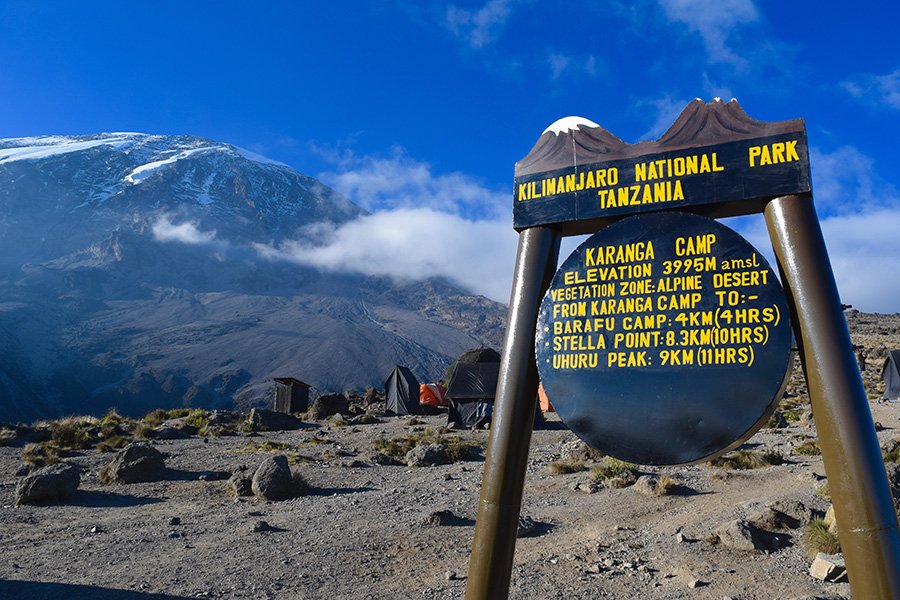
Day 5: Barranco to Karanga Camp
You will start the day by navigating the Great Barranco Wall. While it looks intimidating, it is a fun, non-technical scramble that requires only steady footing. Your private guide will be right by your side, providing assistance where needed. After the wall, the trail undulates through the alpine desert before reaching the Karanga Valley, where you will spend the night. This is often the most scenic camp on the mountain.
Day 6: Karanga to Barafu Camp
This is a shorter, steady ascent toward the high-altitude base camp. Reaching Barafu (4,600m) by early afternoon allows you to rest, hydrate, and prepare your gear for the final push. Because you are in a private group, you can have dinner earlier or later depending on your energy levels, and your guide will conduct a final gear check to ensure you are ready for the summit night.
Day 7: Summit Night and Descent to Mweka
The summit day begins around midnight. This is the most demanding part of the climb. You will trek through the night to reach Stella Point by sunrise, followed by the final stretch to Uhuru Peak. After celebrating your achievement, you will begin the long descent back to Barafu for a brief rest, then continue down to Mweka Camp. It is a long day, but having a private guide means you can descend at your own speed, which is much safer for tired knees.
Day 8: Mweka Camp to Mweka Gate
The final morning is a gentle walk through the forest back to the gate. You will sign out, receive your summit certificates, and meet your transfer vehicle for the drive back to your hotel for a long-awaited shower and a celebratory Christmas meal.
Why This Structure Matters for Couples
The primary advantage of this 8-day itinerary is the “acclimatization buffer.” In a private setting, if one of you feels fatigued or requires a slower pace on any given day, your guide can immediately adjust the schedule or the day’s departure time. You are not beholden to the slowest member of a large group, nor are you forced to move faster than your body allows. This flexibility turns a grueling physical challenge into a shared journey, allowing you to focus on the experience, the scenery, and each other, rather than the logistics of the climb.
Preparing for the Holiday Mountain Experience: Gear, Health, and Celebration
When you book a private Kilimanjaro climb during the Christmas season, your preparation shifts from standard group readiness to a more tailored approach. Because you are not restricted by the shared weight limits or the gear requirements of a larger group, you have the freedom to customize your packing list and prioritize comfort in ways that group travelers cannot. However, the unique nature of the holiday window—often characterized by specific weather patterns and the festive spirit of the Tanzanian crew—means your preparation should be intentional.
Curating Your Gear List for a Private Expedition
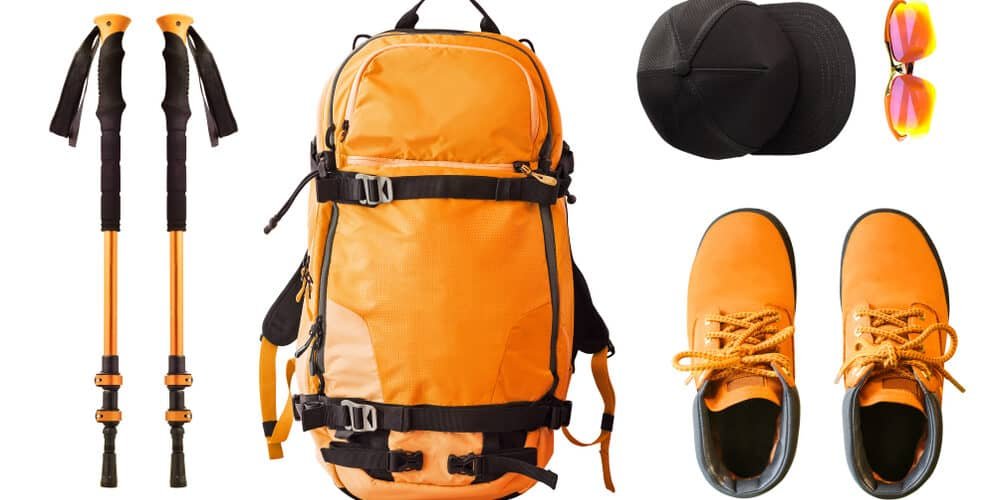
In a private setting, the conversation about gear changes significantly. While you must still adhere to the fundamental requirements of high-altitude mountaineering—layering, thermal regulation, and waterproof protection—you have more latitude regarding “comfort items.” Since you are paying for a dedicated team, you can discuss with your operator the possibility of bringing additional camera equipment, personal reading materials, or specialized snacks that would otherwise be impractical in a group setting.
For a Christmas climb, your gear list should focus on the transition from the humid, warm rainforest at the base to the sub-zero temperatures of the summit. Because you are a couple, consider a “shared resource” strategy. While you each need your own primary sleeping bag and personal clothing, you can share items like a high-quality camera, a solar charger, or a comprehensive medical kit. This reduces the overall load on your porters and allows for a more streamlined camp setup. Ensure that your daypacks are optimized for the specific weather of late December, which can occasionally bring unexpected afternoon showers; a high-quality rain cover is non-negotiable, even if you are hoping for clear, dry skies.
Health and Safety Protocols for Couples
The most significant advantage of a private climb is the personalized health monitoring provided by your guide. In a group, a guide must split their attention among 10 to 15 people. When you are a couple, your guide’s entire focus is on your two physiological responses to altitude. This allows for a more granular approach to acclimatization. If one of you is struggling with a minor headache or fatigue, your guide can immediately implement a slower pace, extend a rest break, or adjust the daily ascent profile before a minor issue becomes a summit-ending problem.
Before you depart, discuss the medical kit with your operator. While reputable companies carry standard emergency supplies, as a private party, you may want to ensure the kit includes specific items you are comfortable using, such as blister care, hydration salts, and personal medications. Furthermore, ensure your guide is briefed on your specific fitness backgrounds. A private guide can tailor their monitoring—checking pulse oximetry and heart rate more frequently—to ensure you are both within safe parameters. This level of “bespoke” safety is the primary reason private couples often report higher summit success rates than those in large, impersonal groups.
Celebrating Christmas at Altitude
One of the most common questions couples have is what Christmas actually looks like on the mountain. It is important to manage expectations: you are in a remote, high-altitude environment, not a luxury resort. However, the Tanzanian mountain crew is renowned for their hospitality and spirit. It is common for the team to make an effort to mark the occasion, especially if you communicate your preferences ahead of time.
In many cases, the cook will prepare a special celebratory meal on Christmas Eve or Christmas Day. While the ingredients are limited by what can be carried up the mountain, the “Christmas dinner” is often a point of pride for the kitchen staff, who may prepare a special cake or decorate the mess tent. You might consider bringing small, lightweight gifts for your guide and assistant guides, or perhaps a festive touch for your own camp setup, such as battery-operated string lights or a small, lightweight holiday ornament. These small gestures are deeply appreciated by the crew and can turn a standard, grueling mountain day into a memorable, shared holiday experience. Remember that for the porters and guides, this is their workplace; approaching the holiday with gratitude and respect for their labor is the best way to ensure a positive, festive atmosphere for everyone involved.
The Post-Summit Transition: From Tent to Comfort
For many couples, the focus of the trip is entirely consumed by the summit push, leaving the final days—the descent and the immediate return to civilization—as an afterthought. However, how you manage the transition from the high-altitude, rugged environment of the mountain back to the comforts of a hotel is crucial for your overall well-being and the enjoyment of the remainder of your holiday.
Managing the Final Descent
The descent from the summit (Uhuru Peak) and the subsequent walk down to Mweka Gate is physically taxing in a different way than the ascent. Your muscles are fatigued, and your joints—particularly your knees—will be under significant stress. In a private setting, your guide will manage this final stretch with the same level of care as the ascent. You are not required to keep pace with a larger group, which allows you to take the descent at a pace that protects your knees and allows you to process the magnitude of what you have just achieved. Use this time to communicate with your guide about your energy levels; if you need more frequent breaks, the private structure accommodates this without the pressure of a group schedule.
The Tipping Ceremony: A Moment of Shared Gratitude
On your final night on the mountain, or upon arriving at the gate, you will participate in the tipping ceremony. For a private climb, this is a significant and deeply personal event. Unlike group climbs where tips are often pooled or handled via a tour leader, a private expedition allows you to engage directly with the crew who supported you. This is your opportunity to express gratitude to the specific individuals who helped you succeed. It is standard practice to tip the guide, assistant guides, cook, and porters separately. Prepare your tips in advance, placing them in individual envelopes. This ceremony is not just a financial transaction; it is a moment to recognize the immense labor—carrying your gear, preparing your meals, and ensuring your safety—that made your Christmas achievement possible.
Re-entering Civilization: The First 24 Hours Post-Climb
The shock of returning to civilization after eight days in the wild is genuine. You will likely feel a sense of disorientation when you return to your hotel in Arusha or Moshi. The primary goal for the first 24 hours post-climb should be recovery. Prioritize a long shower, a comfortable bed, and hydration. Avoid the temptation to immediately jump into a high-intensity safari or a long flight. Your body is still recovering from extreme altitude and physical exertion; your immune system is temporarily compromised, and your metabolism is adjusting. Plan for at least one full day of rest in a comfortable hotel environment before transitioning to the next phase of your Christmas vacation. This rest period is often when the physical fatigue truly sets in, and having the luxury of a private room where you can relax without a schedule is invaluable.
Planning Your Post-Mountain Transition
If you are planning to combine your Kilimanjaro climb with a safari, schedule the safari to begin at least 48 hours after you descend from the mountain. This buffer ensures that you are recovered enough to enjoy the game drives. Furthermore, coordinate with your tour operator to ensure your luggage is stored securely at your hotel while you are on the mountain. Knowing that your clean clothes, toiletries, and post-climb attire are waiting for you at the hotel provides significant peace of mind. For couples, this transition is the perfect time to review photos, reflect on the shared challenge, and enjoy a celebratory meal that marks the official end of the mountain portion of your holiday.
Navigating the Relational Dynamics of a High-Altitude Climb
Beyond the physical demands of trekking, a private Kilimanjaro climb introduces a unique psychological landscape for couples. When you are confined to the mountain environment for eight days, the stresses of altitude, sleep deprivation, and physical exertion can impact your communication and patience. It is common for high-altitude fatigue to manifest as irritability or a temporary decline in cognitive sharpness—often referred to as ‘summit brain.’ In a group setting, this can lead to friction with strangers, but in a private setting, the pressure is often redirected toward your partner.
To mitigate this, treat your relationship as a team unit with a specific protocol. Establish a ‘no-blame’ policy before you reach the trailhead: if one partner is struggling, the other is not ‘holding them back,’ and the struggling partner is not ‘failing the trip.’ Your private guide is not just a navigator; they are a facilitator of your team dynamic. If you feel tension rising, communicate this to your guide early. They are trained to identify when a couple is becoming fatigued or frustrated and can suggest a ‘reset’—such as an extra tea break, a change in hiking order, or simply a moment of silence to appreciate the scenery. Utilizing your guide as a neutral third party can prevent minor annoyances from escalating, ensuring your shared memory of the climb remains a positive, bonding experience rather than a test of endurance.
The Private Mess Tent: Customizing Your Daily Rhythm
One of the most under-discussed benefits of a private climb is the autonomy you have over your daily rhythm, particularly regarding camp life. In a group expedition, your schedule is dictated by the collective: you eat when the group eats, you wake up when the group wakes up, and your downtime is spent in a shared mess tent with strangers. On a private trip, your mess tent is your sanctuary.
This means your meal times are flexible. If you have had a particularly grueling day and need an extra hour of sleep, you can negotiate a later breakfast without disrupting a larger group’s departure schedule. Conversely, if you prefer to get an early start to beat the afternoon clouds, you can request breakfast at 5:30 AM. Furthermore, the menu can be tailored more closely to your preferences. While mountain logistics limit the availability of fresh ingredients, having a private cook allows for specific requests—such as extra carbohydrates for recovery, specific hot beverages, or the exclusion of certain foods that might trigger digestive issues. This level of control over your caloric intake and sleep schedule is a significant, yet often overlooked, variable in your overall summit success rate.
Managing ‘Hangry’ and Dietary Preferences at 4,000 Meters
Appetite suppression is a very real physiological response to altitude. Many climbers find that their desire for food vanishes, even as their body demands more energy than ever. In a group, you might feel compelled to finish a meal because it is ‘group time.’ In your private mess tent, you can manage this differently. If you are struggling to eat, your private cook can prepare smaller, more frequent, and more palatable snacks rather than forcing a large, heavy meal.
Before you begin the climb, spend time with your lead guide to discuss your ‘comfort foods’ and dietary red flags. If you know that heavy, greasy foods cause you nausea at altitude, or if you find that a specific type of soup helps settle your stomach, communicate this explicitly. Because you are the only two guests, your crew can dedicate their efforts to preparing dishes that you will actually consume. This personalized approach to nutrition is vital. By treating your dietary intake as a strategic component of your ascent—rather than just a scheduled event—you maintain the energy reserves necessary for the final push to Uhuru Peak. Having a private space to eat also allows you to focus on the act of hydration and refueling without the social performance required in a group setting, allowing for genuine, restorative downtime.
Related Guides and Packages
Check Availability for Planning Your Private Kilimanjaro Climb Over Christmas: A Guide For Couples
Ready to compare dates, prices, and the best option for your group? Send the package name and travel month so the team can reply with a clear quote, availability, and what is included.
Romantic Kilimanjaro Summit Adventure For Couples December : Planning Your
A detailed guide for couples planning a Kilimanjaro summit in December 2026, focusing on route selection, acclimatization, and the benefits of private trekking arrangements.
View package details
Exclusive Kilimanjaro Christmas Trek With Premium Support Team 2026
An in-depth guide to securing a private, high-support Kilimanjaro expedition for the holiday season. We cover route selection, team ratios, and planning for 2026-2027.
View package details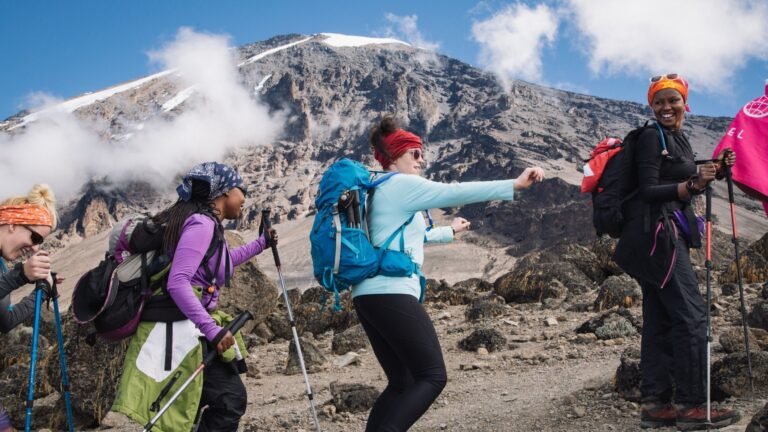
Join A Kilimanjaro Christmas Climbing Group In December 2026
A guide to securing your spot on a Kilimanjaro Christmas group climb for 2026, including route advice, group logistics, and essential planning steps.
View package details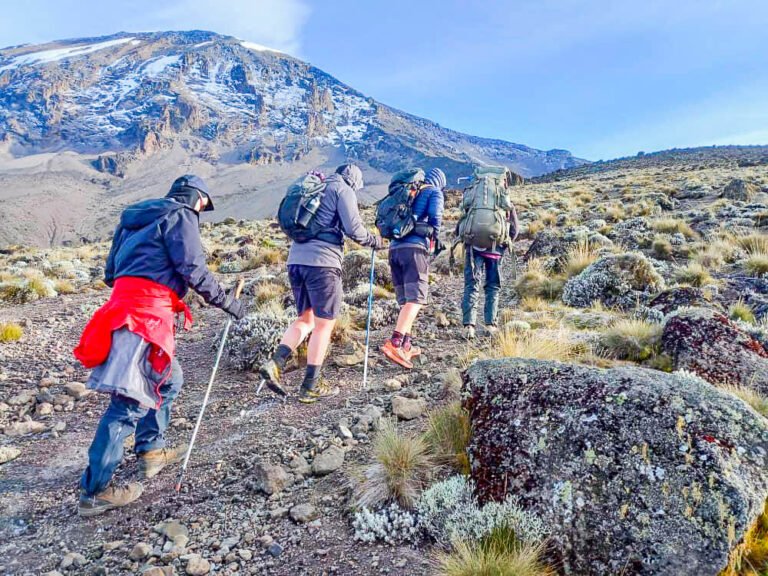
Private Kilimanjaro Climbing Tours For Christmas Holidays 2026
A deep-dive guide for planning your private Kilimanjaro expedition for the 2026 holiday season, focusing on route selection, acclimatization, and logistics.
View package details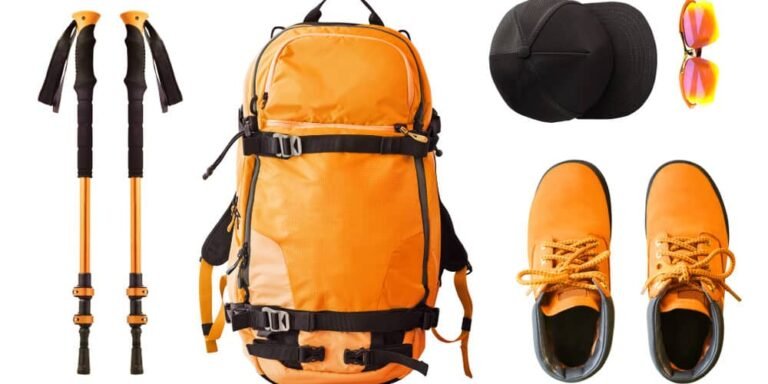
Kilimanjaro Honeymoon Climbing And Zanzibar Beach Holiday: December Planning
A practical guide for couples planning a Kilimanjaro climb and Zanzibar beach holiday in December 2026, focusing on route selection, recovery logistics, and planning timelines.
View package details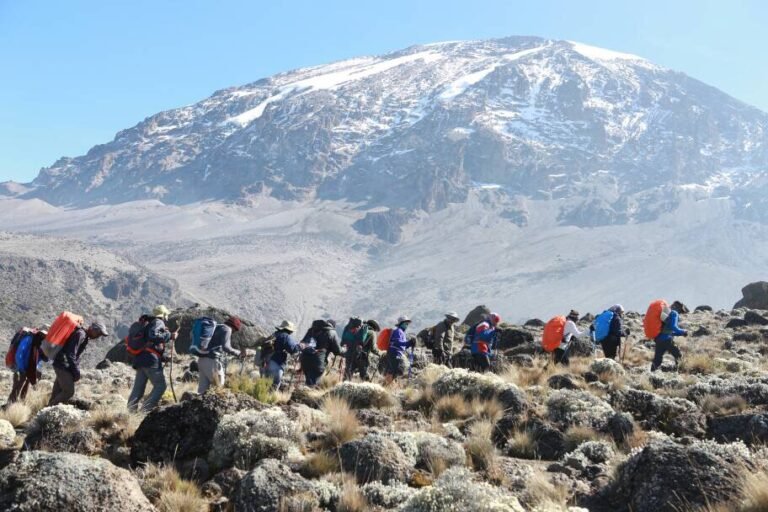
Private 8 Days Lemosho Route With Personalized Mountain Guide For 2026
A deep look at why the 8-day Lemosho route is the premier choice for Kilimanjaro success, how our personalized guide system works, and how to plan your 2027 climb.
View package details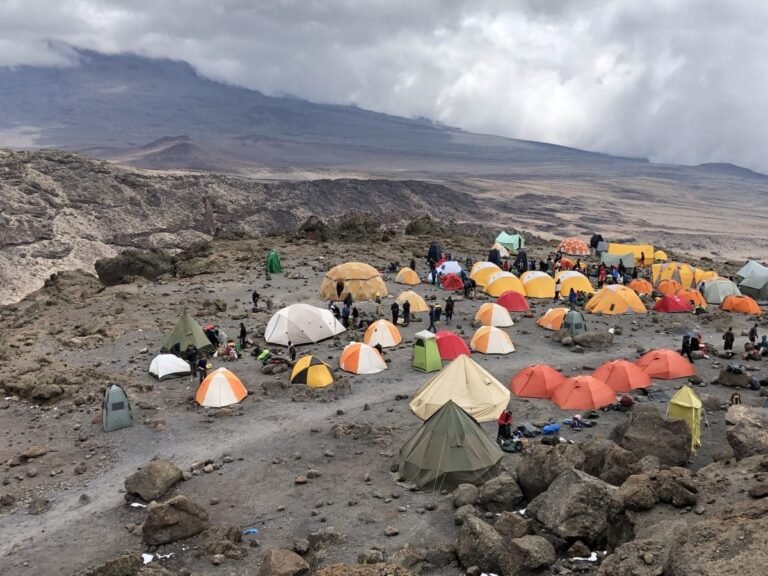
7 Days Rongai Route Kilimanjaro Holiday Climb December : Expert Guide 2026
A deep look at the 7-day Rongai Route for December 2026 climbers, focusing on route logic, acclimatization benefits, and practical planning for your holiday expedition.
View package detailsBook December , 6 Days Machame Route Kilimanjaro Climb: Expert Guide 2026
A deep look at the logistics, physical demands, and planning steps for a 6-day Machame Route Kilimanjaro climb in December 2026.
View package details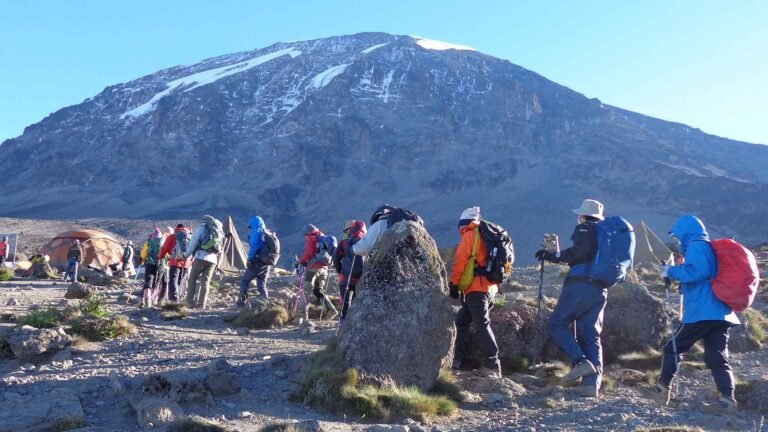
Last Minute Kilimanjaro Group Joining Deals December : Planning Your Climb
Looking for last-minute Kilimanjaro group joining deals in December 2026? Discover how to secure your spot, understand the route trade-offs, and plan your mountain ascent with expert local...
View package details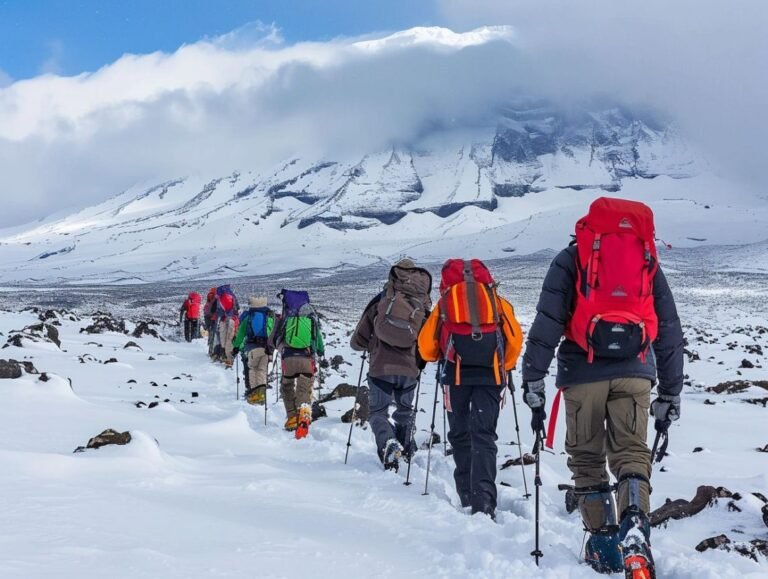
December Kilimanjaro Group Departures For Solo Travelers: Planning Your Climb
A practical guide for solo travelers planning to climb Kilimanjaro in December 2026, covering group joining benefits, route selection, and booking logistics.
View package detailsKilimanjaro Group Joining Tours December : Planning, Routes, And Availability
A detailed guide on planning your Kilimanjaro group joining climb for December 2026, including route comparisons, logistics, and how to secure your spot with Climb 4 Africa.
View package details
Kilimanjaroo Climb After AFCON 2027
Mwongozo wa kina wa kupanda Kilimanjaro baada ya AFCON 2027: njia zinazofaa, ratiba inayoakisi acclimatization, na vidokezo vya kupanga pamoja na namna ya kuwasiliana na Climb 4 Africa kwa...
View package detailsNo related package matches those filters. Clear one or more filters to see the other topic-matched options.



