
Planning a Romantic Kilimanjaro Summit Adventure for Couples in December 2026 requires more than just booking a date. December is one of the most sought-after months for climbing due to the favorable weather conditions and the unique opportunity to celebrate a milestone at the roof of Africa during the festive season. As a couple, your primary decisions revolve around route selection, the choice between a private or group departure, and managing the physical demands of high altitude together. For direct planning assistance, feel free to reach out via WhatsApp at +255 747 477 898 or email climb4africa@gmail.com.
Why December 2026 is Ideal for a Couples’ Summit
December sits squarely in the short dry season in Tanzania. While no month guarantees perfect weather, the weeks leading up to and including the end of December typically offer clearer skies, lower chances of heavy rain, and daytime temperatures that are comfortable for trekking. For couples, this weather reliability is a major advantage; it reduces the stress of trekking through mud and constant precipitation, allowing you to focus on the experience and each other.
Many couples choose this time for a celebratory ascent—perhaps to mark an anniversary, a life milestone, or simply a shared challenge to cap off the year. The atmosphere on the mountain in late December is often festive, with other climbers sharing the spirit of the season at the high-altitude camps. However, because it is a popular time, securing your preferred route and dates well in advance is essential. If you are looking for a more private experience during this busy window, booking a luxury Kilimanjaro trekking package can provide a more intimate support structure.
Selecting the Right Route for Two
The route you choose dictates your daily pace, your acclimatization profile, and the level of scenery you will enjoy. For a romantic adventure, the trade-off is often between the most efficient path to the summit and the most scenic, quiet trail.
- The Lemosho Route: Widely considered the best choice for couples who value scenery and better acclimatization. It approaches from the west, offering stunning vistas and a more gradual ascent. Because it takes 7 to 8 days, it gives you more time to adjust to the altitude, significantly increasing your summit success rate. It is less crowded than the Marangu or Machame routes, providing more quiet moments on the trail.
- The Northern Circuit: If you have the time, this is the ultimate route for privacy and success. It circles the north side of the mountain, keeping you away from the heavier foot traffic of the southern routes. It is a longer, more contemplative climb—perfect for couples who want to truly disconnect and focus on the trek without feeling rushed.
- The Machame Route: Often called the ‘Whiskey Route,’ this is a popular choice for those who enjoy a more social atmosphere. It is physically demanding, typically done in 6 or 7 days. If you and your partner are fit and enjoy the camaraderie of a busy trail, this can be an excellent, high-energy option.
For those interested in exploring the specifics of these paths, our guide on the best Kilimanjaro routes for a Christmas summit in 2026 provides a detailed breakdown of what to expect on each.
Private vs. Group Departures: The Couple’s Decision
One of the first questions we hear from couples is whether to join a group or book a private climb. Both have distinct advantages depending on your personality and travel style.
Private Climbs
A private climb is tailored entirely to your pace. If one of you needs to move slower to manage altitude better, or if you simply want to stop for photos without feeling like you are holding up a group, this is the superior choice. You have your own dedicated guide and crew, meaning the focus is entirely on your safety and comfort. For couples who want a more intimate experience, a private trek is the standard recommendation.
Group Departures
Joining a group can be more cost-effective and provides a built-in social network. You will meet people from all over the world, which can add a fun, communal element to your evenings at camp. If you enjoy sharing the triumph of the summit with others, a group departure is a great way to do it. We often host group departures in December that are welcoming to couples, though it is vital to confirm the group size and the expected level of fitness of other participants.
Logistics and Preparation
A successful summit is 50% physical preparation and 50% logistics. For couples, we recommend training together. It builds a shared commitment to the goal and helps you understand each other’s pace. Focus on hiking with weighted packs, stair climbing, and general cardiovascular endurance.
Regarding logistics, Climb 4 Africa handles the permits, mountain crew, food, and equipment. You should focus on your gear. While we provide essential equipment, having your own broken-in boots, high-quality base layers, and a comfortable sleeping system is non-negotiable. Remember, the mountain is cold at night, regardless of how warm the days are.
Extending Your Trip: Beyond the Summit
Many couples treat the Kilimanjaro climb as the ‘main event’ of a longer Tanzanian vacation. December is a fantastic time for wildlife viewing in the northern circuit parks like the Serengeti and Ngorongoro Crater. The short rains have usually refreshed the landscape, making the bush lush and vibrant, and it is a peak time for birdwatching. Alternatively, finishing your trip with a few days on the beaches of Zanzibar is the perfect way to recover. We can help arrange these safari and beach extensions to ensure your travel itinerary is smooth from start to finish.
Planning Your 2026 Booking
We recommend starting your planning process at least 6 to 9 months before your intended departure. This allows us to secure the best guides, ensure your permits are processed without issue, and help you refine your training plan. When you contact us, please let us know:
- Your preferred dates for December 2026.
- Your previous high-altitude experience (if any).
- Whether you prefer a private or group climb.
- Any specific post-climb interests (e.g., a 3-day safari or beach relaxation).
For any questions, you can reach out directly to our team at info@climb-4-africa.com or send a message via WhatsApp to +255 747 477 898. We are here to help you navigate the logistics of your Romantic Kilimanjaro Summit Adventure for Couples in December 2026 and ensure that your time in Tanzania is as smooth and rewarding as possible. Whether you are seeking the challenge of the Northern Circuit or the camaraderie of a Machame group, we will provide the support you need to make your shared dream a reality.
If you are still deciding if this is the right trip for your relationship, you might find our article on the best bucket-list trips for couples helpful for context. Every couple brings a unique dynamic to the mountain, and our goal is to ensure the logistics never interfere with the experience you are there to share.
Navigating the Emotional Dynamics of a Shared Ascent
While the physical training for Kilimanjaro is a well-documented necessity, the emotional and relational preparation is often overlooked by couples. The mountain is an equalizer; high altitude, sleep deprivation, and physical exertion strip away the social veneers we wear in daily life. For a couple, this can be an incredibly bonding experience, but it requires intentional management of your shared dynamic to ensure the challenge strengthens rather than strains your relationship.
The ‘Altitude Delta’: Respecting Individual Paces
One of the most common friction points for couples is the ‘altitude delta’—the reality that one partner may acclimatize more easily than the other. You may arrive at a camp feeling energized, while your partner is battling a headache or nausea. It is vital to discuss this possibility before you leave. Agree beforehand that the faster climber will not push the slower one, and that the slower climber will not feel pressured to ‘keep up’ to avoid being a burden. The mountain rewards the pole-pole (slowly-slowly) pace, and your guides are trained to monitor both of you. If you are on a private climb, your team can often manage this by having one guide walk with each of you, allowing you to maintain your own physiological rhythm while still meeting up for meals and camp time. This removes the guilt of ‘holding someone back’ and replaces it with a shared commitment to reaching the summit together, regardless of who sets the pace.
Communication Strategies Under Extreme Fatigue
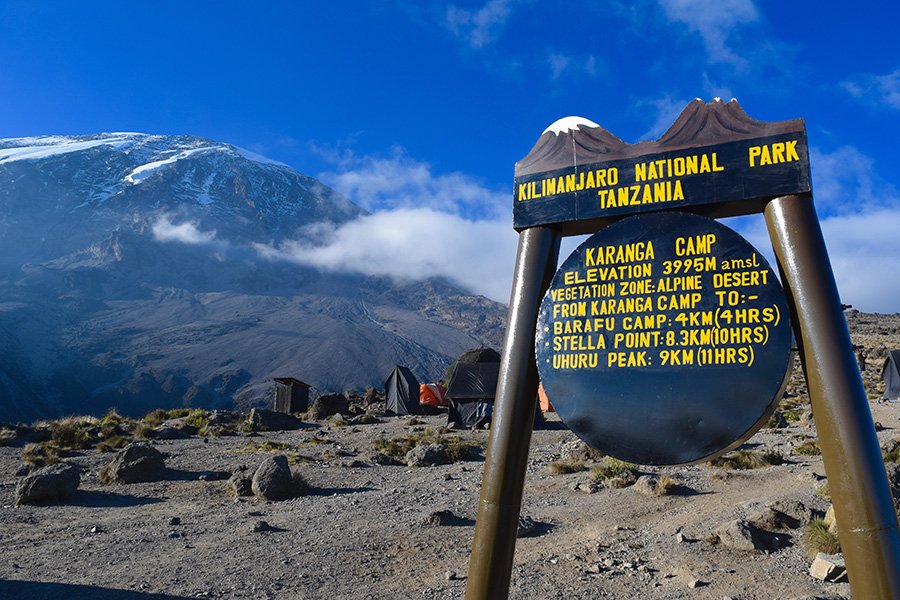
By the time you reach the higher camps like Barafu or School Hut, communication often becomes brief and non-verbal. Fatigue can make even simple tasks feel monumental. Couples who succeed in maintaining their romantic connection during the climb often rely on non-verbal cues. A squeeze of the hand, a shared look, or simply sitting together in silence while watching the sunset above the clouds can communicate more support than words. Avoid the temptation to ‘problem solve’ each other’s discomfort. If your partner is struggling, they likely do not need a lecture on hydration or breathing techniques—they need to know you are present. Agreeing on a ‘signal of distress’—a simple phrase or gesture that means ‘I need a moment to breathe’ or ‘I need to slow down’—can prevent frustration from boiling over when you are both too tired to articulate your needs clearly.
Strategic Gear Organization for Pairs
Managing gear for two people can quickly become chaotic in a cramped mountain tent. While your porters carry the bulk of the weight, you are responsible for your daypacks and the items you need immediate access to. Efficiency in your tent is a form of mutual care; it reduces stress and allows you to focus on rest.
The ‘Zone’ Approach to Tent Living
Assign specific roles for the items inside your tent. One person should be responsible for the ‘warmth zone’ (managing sleeping bags, liners, and hot water bottles), while the other manages the ‘logistics zone’ (organizing batteries, headlamps, cameras, and snacks). When you arrive at camp, having a pre-agreed system prevents the ‘where is my headlamp?’ arguments that occur in the dark. Keep your shared items, such as a power bank or a single tube of sunscreen, in a designated ‘neutral’ pouch that stays in the middle of the tent. By minimizing the time spent searching for gear, you maximize your time to rest, recover, and connect at the end of a long trekking day.
Shared Comforts and Morale
Small touches of home go a long way in sustaining morale. Discuss what ‘luxury’ items you both want to prioritize. Perhaps it is a shared journal to record the day’s thoughts, a specific type of high-calorie treat you both enjoy, or even a pre-downloaded playlist to listen to during long, slow afternoons at camp. These items are not just ‘extras’; they are tools for maintaining your morale and the romantic spirit of your trip. Deciding on these shared comforts together is part of the planning process that builds anticipation and reinforces your partnership before you even set foot on the mountain.
The Summit Night: A Shared Crucible
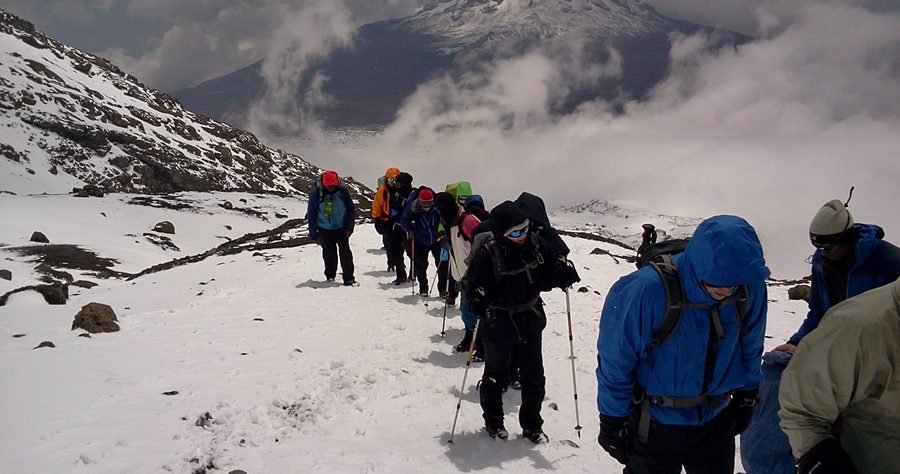
The final ascent to Uhuru Peak is distinct from any other day on the mountain. It begins in the middle of the night, often around midnight, in a state of semi-consciousness and extreme cold. For couples, this is the most testing phase of the entire expedition. The darkness, the narrow beam of your headlamp, and the biting wind create a sensory-deprived environment where it is incredibly easy to feel isolated, even when walking side-by-side. The temptation during these hours is to retreat entirely into your own internal struggle—focusing solely on your breath, your next step, and the burning in your lungs.
To maintain your connection during the summit push, we recommend the ‘tethering’ technique. You do not need to speak; in fact, talking is often discouraged as it wastes precious oxygen and energy. Instead, establish a non-verbal rhythm. This might involve walking at a pace where you can consistently hear your partner’s breathing or footsteps behind you, or checking in with a simple touch on the shoulder every twenty minutes. If you find yourself pulling ahead, consciously shorten your stride to match theirs. This is not just about physical proximity; it is about signaling that you are still a team, even when the mountain makes you feel like an individual.
When you finally reach the summit, the adrenaline and relief can be overwhelming. Many couples feel an immediate, intense urge to take a photo and begin the descent to escape the cold. Resist this for a few minutes. The summit is a massive accomplishment, but the ‘summit moment’ is fleeting. Take five minutes to step away from the crowd, look at each other, and acknowledge the journey you just completed together. This shared moment of stillness, amidst the chaos of other climbers and the thin air, is often what couples remember most vividly years later.
Managing the Descent: The Often-Overlooked Emotional Low
While the summit night is the physical crux of the climb, the descent is often the emotional ‘come-down.’ By the time you reach the summit and begin the long walk back down to camp, the adrenaline that fueled your climb begins to evaporate, leaving behind profound fatigue, sore joints, and a sense of deflation. This is the period where couples are most vulnerable to irritability and miscommunication.
Recognize that the ‘summit high’ is temporary. As you descend, your body will start to register the full extent of the physical toll. Your knees may ache, your toes may feel bruised from the steep decline, and the excitement of the peak will be replaced by the monotony of the trail. It is crucial to manage expectations for this final phase. You may find that your partner becomes quieter or less patient than they were on the ascent. This is not a reflection of your relationship or the trip; it is a physiological reaction to the sudden drop in altitude and the depletion of your energy reserves.
Use the descent to practice active patience. If your partner is struggling with the impact on their knees, offer to carry their daypack for an hour, or simply adjust your pace to be slower. The descent is not a race to get back to the hotel; it is the final act of your shared adventure. Approaching this phase with the same level of care and mutual support you used during the ascent will ensure that you leave the mountain with the memory of a partnership that held firm, even when the excitement had faded and the physical exhaustion was at its peak.
Re-entry: The ‘Hotel Shock’ and Managing the Post-Climb Transition
The moment you arrive back at your hotel in Moshi or Arusha, you will experience what many climbers call ‘hotel shock.’ After seven or eight days of living in a tent, relying on a bucket of warm water for hygiene, and measuring your day by the rhythm of the trail, the sudden return to luxury—hot showers, soft beds, and electricity—can be surprisingly disorienting. For couples, this transition is a delicate phase. You have spent the last week in a high-stakes, high-stress environment where your primary focus was survival and forward momentum. Now, you are suddenly faced with the return of ‘normal’ life: checking emails, choosing dinner menus, and navigating the social expectations of being a tourist again.
It is common for one partner to feel an immediate, overwhelming need to celebrate, while the other may simply want to sleep for fourteen hours. This discrepancy in energy levels is normal. Do not force a romantic celebration on your first night back if your bodies are screaming for rest. Acknowledge that you are both processing the immense physical and mental effort of the last week. The most romantic thing you can do for each other is to protect your recovery time. Agree beforehand that the first 24 hours back at the hotel are ‘no-pressure’ zones. If one of you wants to order room service and stay in bed, the other should support that without resentment. This phase is about decompression, not performance.
The Tipping Conversation: Aligning Expectations as a Couple
One of the most frequent, yet rarely discussed, sources of friction for couples on Kilimanjaro is the tipping process. While your climb fee covers the operator’s costs, tipping the crew—your guides, porters, and cook—is a distinct, personal, and culturally significant aspect of the experience. It is vital to discuss your tipping budget and philosophy long before you reach the final day of the trek. Because the tipping ceremony often happens at the park gate on the final morning, it is a high-stress, high-emotion moment. If you haven’t agreed on the amount or the division of labor, it can lead to awkward arguments in front of the crew.
We recommend treating the tip as a joint venture. Research the standard, ethical tipping ranges for Kilimanjaro crews well in advance and set a budget that feels generous and appropriate for the level of service you received. Prepare your cash in envelopes before you even leave home. When you are on the mountain, keep a small, separate ‘tip stash’ accessible but secure. On the final morning, present the tips together as a unit. This reinforces the idea that you were a team on the mountain and that you are unified in your gratitude for the crew who supported your journey. Avoid having one partner handle the money while the other watches; this can create an unintended power dynamic that undermines the equality of your shared achievement.
Celebrating the Achievement: Low-Pressure Reconnection
Once the dust has settled and you have recovered from the initial exhaustion, you will naturally want to celebrate your summit. December 2026 will be a busy time in the region, with many other climbers finishing their treks, creating a vibrant, shared sense of accomplishment in the local cafes and lodges. However, resist the urge to immediately jump into a high-energy, packed itinerary. Your bodies have undergone extreme stress; your immune systems are suppressed, and your muscles are recovering from significant inflammation.
Instead, choose a celebration that emphasizes connection over activity. A quiet dinner at a lodge with a view of the mountain you just climbed can be far more profound than a crowded party. Use this time to look through your photos, share the stories that only the two of you experienced—the funny moments in the tent, the shared struggles on the trail, and the specific, quiet triumphs that didn’t make it into your journal. This is the time to solidify the ‘mountain memory.’ By anchoring your relationship in the shared history of the climb, you transform the experience from a mere vacation into a foundational moment for your partnership. Whether you choose to book a massage, visit a local coffee plantation, or simply lounge by a pool, prioritize activities that allow you to be together without the ticking clock of a summit schedule.
Maintaining Dignity and Hygiene: The Intimacy of Care
While the logistical organization of your tent is essential for survival, the management of your personal hygiene and physical dignity is the true test of intimacy on Kilimanjaro. When you are seven days into a climb, without a shower, and battling the physical fatigue of high altitude, the romantic ideal of the trip can be challenged by the stark reality of the wilderness. Reframing these unglamorous necessities as acts of mutual care—rather than mere chores—can transform your experience from a test of endurance into a deepening of your partnership.
The Ritual of the Daily Cleanse
In the absence of running water, the ‘bucket wash’ provided by your crew becomes the centerpiece of your evening routine. Instead of rushing through this task to simply get warm, treat it as a shared ritual. This is one of the few moments in the day where you can slow down and intentionally care for your partner. Assisting each other with a warm water basin is a vulnerable, grounding act that strips away the social veneers we often maintain. It requires patience and a gentle touch, reinforcing the idea that you are there to support one another’s well-being, not just to reach a summit. Embrace the limitations; there is a unique kind of vulnerability in being seen in your most unrefined state, and sharing that experience creates a level of comfort that few other travel experiences can replicate.
The Vulnerability of Physical Maintenance
Beyond hygiene, the physical maintenance of your bodies—specifically foot care and skin protection—should be a collaborative effort. On the mountain, a small blister can quickly become a debilitating injury if ignored. Do not wait for your partner to complain of pain; make it a habit to check in on each other’s physical state every evening. Taking the time to help your partner tape a heel, apply moisturizer to wind-chapped skin, or check for signs of cold-induced irritation is an act of profound intimacy. It signals that you are attuned to their needs even when you are exhausted yourself. This ‘medical check-in’ should be normalized early in the trip, so it becomes a standard part of your routine rather than a source of frustration or ‘nagging.’
Navigating the ‘Unspoken’ Realities
High altitude and changes in diet are notorious for causing digestive distress. For many couples, the fear of ‘mountain stomach’ or the lack of privacy when using long-drop toilets is a source of significant anxiety. The key to maintaining a romantic connection through these moments is radical transparency and humor. If you feel unwell, communicate it immediately. Attempting to hide physical discomfort to ‘save face’ or avoid inconveniencing your partner only increases your own stress and creates a barrier between you. If you can navigate the reality of shared digestive challenges with grace and humor, you will find that the most uncomfortable parts of the climb actually serve to remove the last remaining barriers of your relationship. When you can laugh about the indignities of the mountain, you are building a foundation of resilience that will serve your partnership long after you have descended to the comforts of home.
Psychological Hygiene and the ‘Dirty’ Mindset
It is common for climbers to experience a dip in self-esteem simply because they feel ‘dirty’ or unkempt. This can lead to a withdrawal from physical affection. Combat this by bringing small, non-essential comforts that make you feel like yourself—a favorite scent, a specific brand of lip balm, or a clean, dry set of clothes reserved strictly for the sleeping bag. When you feel a bit more human, you are more likely to engage with your partner in a way that feels romantic rather than merely functional. Remember that your partner is likely feeling the exact same way; a simple, genuine compliment or a moment of focused attention amidst the grit of the mountain can be more powerful than any fancy dinner back at sea level. Your goal is not to pretend you are at a spa, but to find the beauty in the raw, authentic reality of the climb.
Check Availability for Romantic Kilimanjaro Summit Adventure For Couples December : Planning Your
Ready to compare dates, prices, and the best option for your group? Send the package name and travel month so the team can reply with a clear quote, availability, and what is included.
Kilimanjaro Honeymoon Climbing And Zanzibar Beach Holiday: December Planning
A practical guide for couples planning a Kilimanjaro climb and Zanzibar beach holiday in December 2026, focusing on route selection, recovery logistics, and planning timelines.
View package details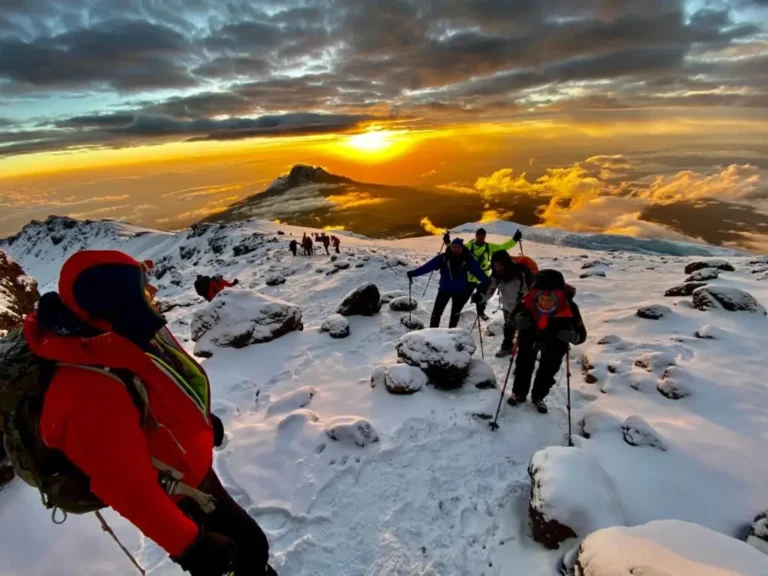
Kilimanjaro New Year Summit Group Departures December : Planning Your Ascent
Planning a New Year summit on Kilimanjaro requires specific logistics. Learn how to join a group departure for December 2026, choose the right route, and prepare for your climb.
View package details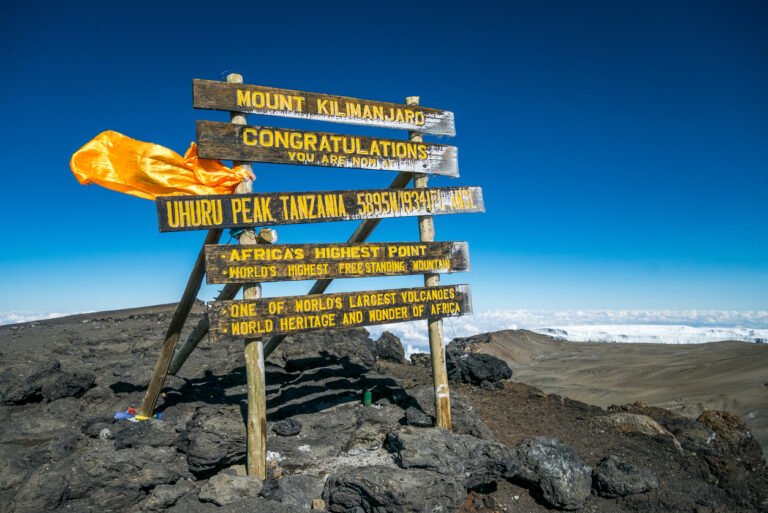
Vip Kilimanjaro Expedition With Private Mountain Crew December 2026
A detailed guide to planning a bespoke, high-support Kilimanjaro expedition for December 2026, focusing on private crew logistics, route selection, and safety.
View package details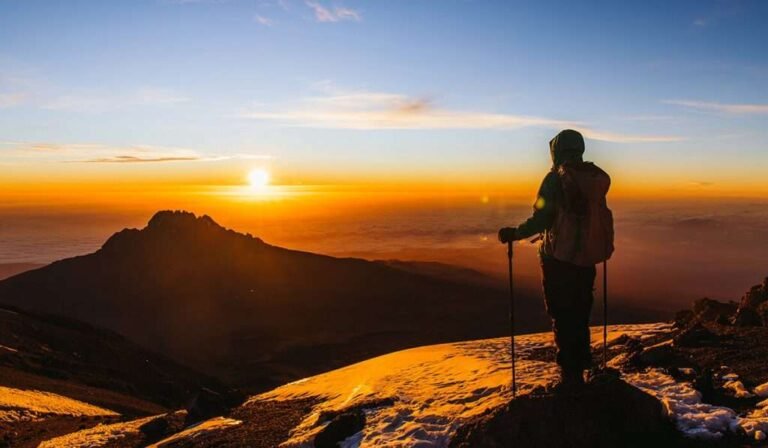
Luxury Mount Kilimanjaro Trekking Packages December : Planning Your Premium
A detailed guide to booking luxury Kilimanjaro trekking packages for December 2026, covering route selection, premium service standards, and planning essentials.
View package detailsShira Route Kilimanjaro Climbing Itinerary For December : Expert Guide 2026
A deep look at the Shira Route for December 2026, covering the unique high-start logistics, acclimatization advantages, and step-by-step itinerary planning.
View package details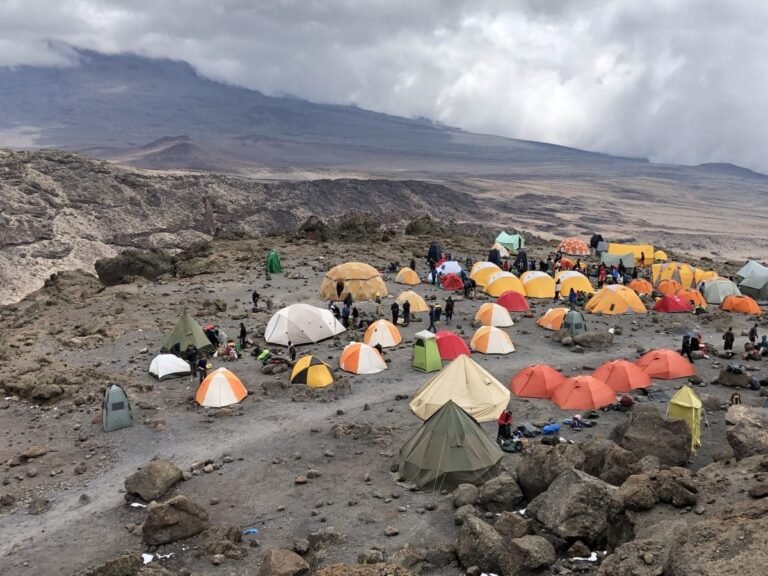
7 Days Umbwe Route Kilimanjaro Challenge: Planning Your December Ascent 2026
A deep-dive guide into the 7-day Umbwe Route, the most challenging and direct path up Kilimanjaro, perfect for those seeking a quiet, steep, and rewarding December 2026 expedition.
View package details
9 Days Northern Circuit Kilimanjaro Trek December : The Ultimate
A comprehensive guide to the 9-day Northern Circuit route for December 2026, focusing on acclimatization, route advantages, and logistical planning.
View package details7 Days Rongai Route Kilimanjaro Holiday Climb December : Expert Guide 2026
A deep look at the 7-day Rongai Route for December 2026 climbers, focusing on route logic, acclimatization benefits, and practical planning for your holiday expedition.
View package details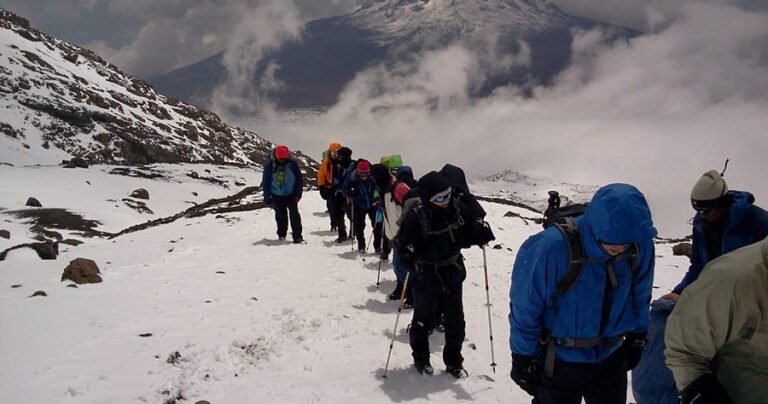
5 And 6 Days Marangu Route Kilimanjaro Hut Tours December : Planning Your
Deciding between the 5-day and 6-day Marangu Route for your December 2026 Kilimanjaro climb is a decision that impacts both your summit success and your comfort on the mountain.
View package detailsBook December , 6 Days Machame Route Kilimanjaro Climb: Expert Guide 2026
A deep look at the logistics, physical demands, and planning steps for a 6-day Machame Route Kilimanjaro climb in December 2026.
View package details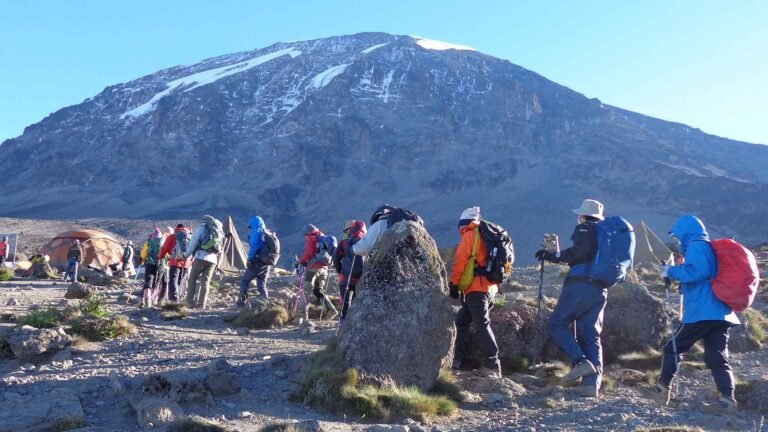
Last Minute Kilimanjaro Group Joining Deals December : Planning Your Climb
Looking for last-minute Kilimanjaro group joining deals in December 2026? Discover how to secure your spot, understand the route trade-offs, and plan your mountain ascent with expert local...
View package details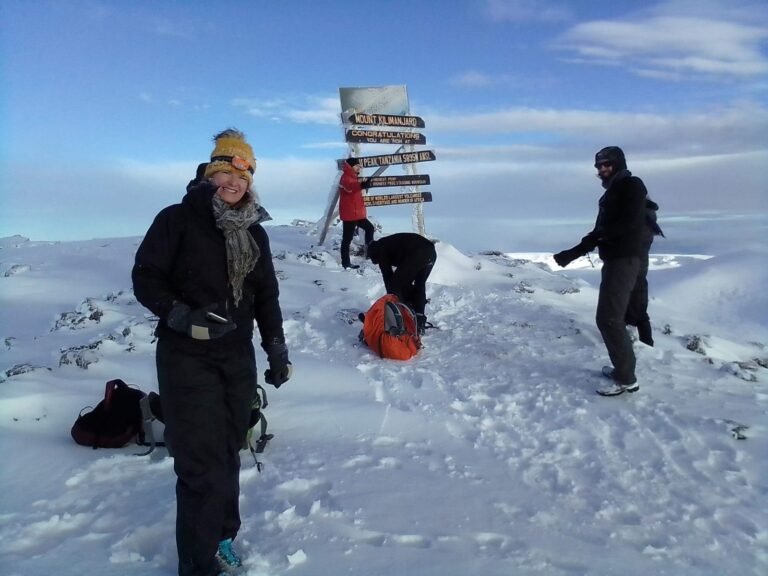
Affordable Kilimanjaro Group Joining Safari And Trekking Packages December
A practical guide to booking affordable, reliable group joining treks on Kilimanjaro and wildlife safaris in Tanzania for December 2026, focusing on logistics, shared costs, and travel...
View package detailsNo related package matches those filters. Clear one or more filters to see the other topic-matched options.



