
The Shira Route is a premium choice for climbers aiming for a December 2026 ascent because it starts at a significantly higher altitude than other routes, bypassing the lower rainforest zones via a 4×4 drive. This unique entry point provides an immediate, albeit challenging, acclimatization advantage. For a successful summit, we recommend an 8-day itinerary to maximize your body’s adjustment to the thin air. Planning for December requires booking well in advance, as this is a popular window for Christmas and New Year summits. If you are ready to start planning your 2026 trek, you can reach out to our team via WhatsApp at +255 747 477 898 or email us at climb4africa@gmail.com to discuss your specific group requirements.
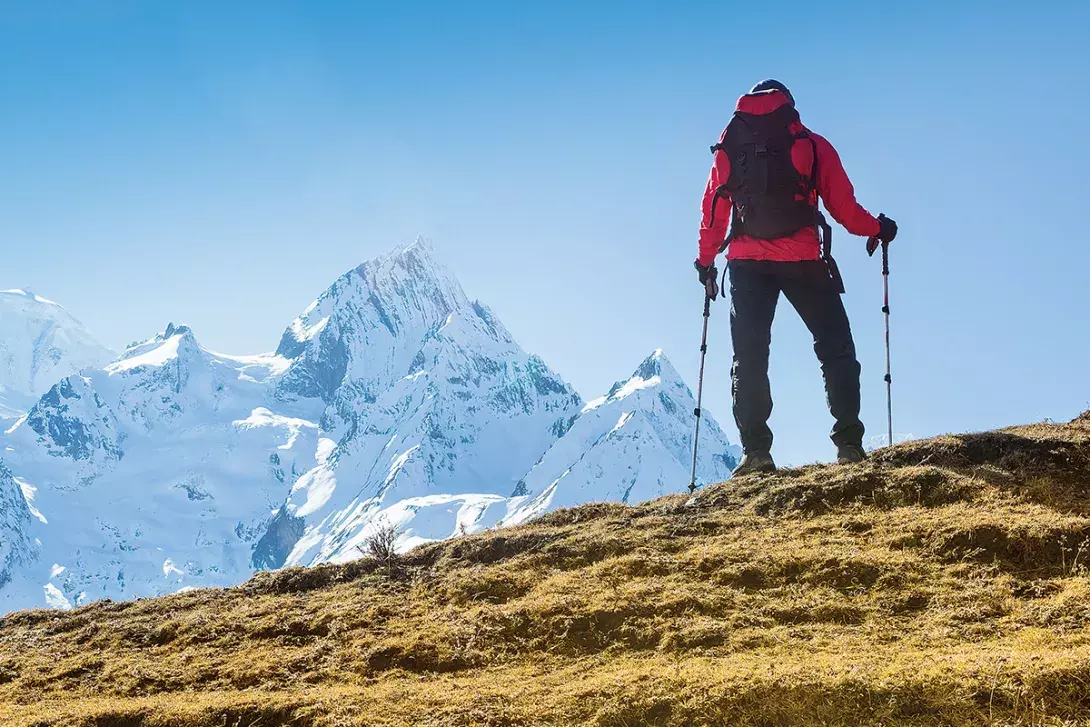
Choosing the right path up Mount Kilimanjaro is the most critical decision you will make for your 2026 expedition. The Shira Route is often misunderstood; it is frequently compared to the Lemosho Route, yet it possesses a distinct character that appeals to specific types of hikers. When you opt for the Shira Route in December, you are selecting a path that prioritizes an earlier transition into high-altitude terrain, which can be both a benefit and a test of physical readiness.
December in Tanzania sits at the tail end of the short rainy season. While you may encounter afternoon showers in the lower regions, the weather on the mountain itself is typically clearer and warmer compared to the intense cold of June or July. This makes the Shira Plateau—one of the highest plateaus on earth—a particularly rewarding place to spend a few days.
Why the Shira Route is a Strategic Choice for December 2026
The primary draw of the Shira Route is the vehicular approach. Unlike routes that require a two-day trek through dense, humid rainforest, the Shira Route transports you directly to the Shira Gate (or further up by 4×4, depending on park road conditions). You begin your trek at a higher starting elevation, often around 3,500 meters. This is a significant jump.
For climbers, this means you are immediately in the alpine moorland zone. You skip the initial, often muddy, rainforest trek, but you must be prepared for the rapid change in altitude. This is why we insist on an 8-day itinerary rather than a 6 or 7-day version. The extra day allows for a critical acclimatization walk, which dramatically increases your success rate. In December, when the mountain can be busy, the Shira Route offers a sense of space that is harder to find on the more congested Marangu or Machame paths.
The 8-Day Shira Route Itinerary
This itinerary is structured to provide the best balance of physical exertion and altitude adjustment. Please note that exact camp locations can vary based on National Park regulations and current trail conditions, which our team monitors closely.
Day 1: Arrival and Preparation
Your journey begins in Moshi or Arusha. Spend this day finalizing your gear check with our lead guides. This is the time to ensure your boots, layers, and personal items are in order. We will conduct a thorough briefing on safety, the use of pulse oximeters, and the specific pace of the Shira Route.
Day 2: Londorossi Gate to Shira Camp 1
We transfer by 4×4 to the Londorossi Park Gate. From here, we continue the drive to the Shira Plateau. You will start trekking from a high base, walking through gentle terrain. The air is thinner here, so the pace is intentionally slow. Overnight at Shira Camp 1.
Day 3: Shira Camp 1 to Shira Camp 2
This is a day for exploration. We traverse the plateau, heading east. The landscape is lunar-like and desolate, offering incredible views of Kibo peak. This day is shorter in distance but crucial for acclimatization. You will sleep at a higher altitude, allowing your body to begin its physiological adaptation.
Day 4: Shira Camp 2 to Moir Hut
We continue across the plateau, gradually gaining elevation. We move away from the main trails toward Moir Hut, a quieter, secluded site tucked beneath the massive walls of the Shira cone. This is a vital day for avoiding the crowds that might be converging from other routes.
Day 5: Moir Hut to Barranco Camp
We climb towards the Lava Tower (4,600m) for lunch. This is the “climb high, sleep low” principle in action. After lunch, we descend into the beautiful Barranco Valley. The scenery shifts from alpine desert to the famous giant groundsels. This is often cited as the most scenic day of the entire trek.
Day 6: Barranco Camp to Karanga Camp
We tackle the Barranco Wall. While it looks intimidating, it is a fun scramble rather than a technical climb. We then traverse rolling hills and valleys to reach Karanga Camp. This shorter day helps conserve energy for the summit push.
Day 7: Karanga Camp to Barafu Camp
We trek to Barafu (the base camp). This is a shorter day, allowing you to rest in the afternoon, organize your summit gear, and hydrate thoroughly. You will have an early dinner and attempt to sleep before the midnight start.
Day 8: Summit Day and Descent
The longest day. We wake around midnight to begin the ascent to Uhuru Peak. After celebrating at the summit, we descend to Mweka Camp for your final night on the mountain. The following day, we descend to the gate for your transfer back to Moshi.
Comparison: Shira vs. Other Kilimanjaro Routes
To help you decide if Shira is the right fit for your December 2026 trip, compare it against other common options. This table summarizes the logistical differences.
| Route | Duration | Acclimatization Quality | Scenery | Difficulty |
|---|---|---|---|---|
| Shira | 8 Days | Excellent | High plateau/Alpine | Moderate to Challenging |
| Lemosho | 8 Days | Excellent | Varied/Forest to Alpine | Moderate |
| Machame | 7 Days | Good | Steep/Dramatic | High |
| Marangu | 5-6 Days | Fair | Forest/Hut-based | Moderate |
Note: All durations listed are our recommended minimums for safety. We do not recommend attempting the Shira route in fewer than 7 days.
Planning for December 2026
December is a high-demand month. Many climbers want to be on the mountain for Christmas or New Year’s Eve. If you are planning a group joining tour, you should aim to book your slot at least 8-10 months in advance. For private climbs, we have more flexibility, but the sooner you book, the better we can secure the best guides and support crew.
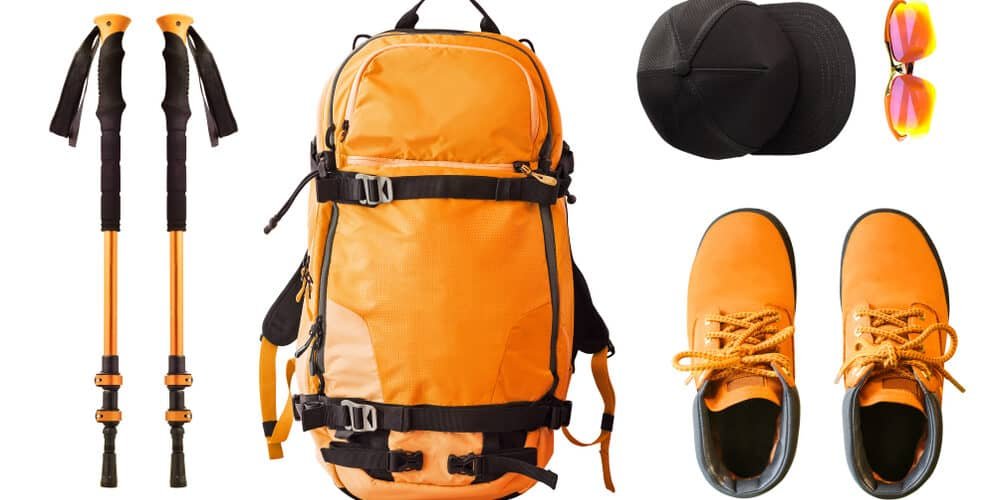
The weather in December is generally pleasant. You will likely experience clear mornings and potential afternoon clouds or light rain. It is not as cold as the peak winter months, but the summit night remains frigid. Packing layers is essential: a high-quality base layer, a warm mid-layer, and a reliable waterproof outer shell are mandatory. We provide a detailed packing list upon booking.
Acclimatization and Health
The Shira route’s biggest risk is the rapid ascent on Day 2. Because you are driven to a high starting point, some climbers feel the altitude immediately. We mitigate this by incorporating a strict “pole-pole” (slowly, slowly) pace. Our guides are trained to monitor your oxygen saturation levels daily using pulse oximeters. If you feel symptoms of altitude sickness—headaches, nausea, or loss of appetite—you must communicate this to your lead guide immediately. It is not a sign of weakness; it is a vital part of the safety protocol.
We also emphasize hydration. You should aim to drink 3-4 liters of water daily. It is often easy to forget to drink when it is cold, but hydration is the single most effective way to help your body cope with altitude.
How to Secure Your Spot
Climb 4 Africa specializes in tailor-made experiences. Because every climber has a different fitness level and set of expectations, we encourage a conversation before you finalize your plans. When you contact us, please include the following details so we can provide a relevant proposal:
- Your preferred start date in December 2026.
- The size of your group (solo travelers, couples, or larger groups).
- Any previous high-altitude experience.
- Whether you are interested in a private climb or joining an existing group.
You can reach our team at any time via WhatsApp at +255 747 477 898 or email us at climb4africa@gmail.com. If you encounter any issues, our backup contact is info@climb-4-africa.com. We are here to help you navigate the complexities of mountain logistics, from airport transfers to post-climb relaxation on the beaches of Zanzibar.
If you are still weighing your options, you might also be interested in our 8 Days Lemosho Route Christmas Climbing Package December 2026, which shares similar high-altitude benefits to the Shira route, or you can explore our full list of Kilimanjaro Group Joining Tours December 2026 if you prefer a shared experience.
Remember, the mountain does not change; your preparation does. By choosing the Shira route, you are already giving yourself a significant advantage. The rest comes down to pacing, hydration, and the expertise of your support team. We look forward to helping you reach the Roof of Africa in 2026.
Physical Preparation for the Shira Route’s Unique Profile
The Shira Route presents a distinct physical challenge compared to other Kilimanjaro paths. Because you bypass the lower rainforest zones and start your trek at a significantly higher elevation on Day 2, your body does not have the luxury of a slow, multi-day ascent through the humid, oxygen-rich lower slopes. This “Shira Shock” requires a specific training regimen that goes beyond standard cardiovascular fitness. To arrive in December 2026 prepared, your training should shift focus from gym-based cardio to functional, mountain-specific endurance.
The “Time on Feet” Principle
Many climbers make the mistake of focusing solely on treadmill speed or high-intensity interval training (HIIT). While these build heart health, they do not prepare your joints and muscles for the reality of 6-to-8-hour days on uneven, volcanic terrain. Your training plan should prioritize back-to-back long hikes. Aim to complete two or three hikes per weekend, carrying a daypack loaded with 10–15 kilograms (22–33 lbs). This mimics the load you will carry on the mountain and helps condition your stabilizers—the smaller muscles around your ankles, knees, and hips that prevent fatigue-induced injuries.
Eccentric Strength for the Descent
While the summit push captures most of the attention, the most common point of failure for climbers is not the ascent—it is the descent. The walk from Barafu Camp to the Mweka Gate involves thousands of feet of elevation loss over two days. This places immense eccentric load on your quadriceps and knees. To prepare, incorporate “step-downs” into your routine. Find a sturdy box or bench (about 12–18 inches high) and perform controlled, slow step-downs. Focusing on the lowering phase of the movement builds the specific muscular resilience needed to protect your joints during the long trek down the mountain. If your legs are not conditioned for this, you risk severe muscle soreness or knee issues that could compromise your final days.
Core Stability and Posture
On the Shira Plateau, you will encounter sections of loose scree and rocky paths that require constant micro-adjustments to your balance. A strong core acts as the anchor for your body, allowing you to maintain an efficient, energy-conserving gait. Incorporate planks, dead bugs, and bird-dogs into your routine three times a week. A stable core also prevents lower back pain, which is common among climbers who spend long hours hiking with a pack. By strengthening your midsection, you ensure that your energy is directed into forward momentum rather than stabilizing your torso.
December Gear Management: Moisture Control
December is part of the “short rains” season. While you are unlikely to experience the sustained, torrential downpours of the long rainy season (April-May), you must prepare for high humidity and occasional afternoon showers. The Shira Plateau is exposed; if you get wet, the wind chill can drop your body temperature rapidly. Your gear preparation should focus on moisture management rather than just warmth. Ensure your waterproof shell is breathable (look for GORE-TEX or similar high-performance membranes) to prevent sweat buildup, which can freeze later in the day. Invest in high-quality gaiters; they are essential for keeping mud and moisture out of your boots, especially on the lower sections of the trail. Furthermore, practice your “layering system” before you leave home. You should be able to add or remove layers without stopping for long periods, as standing still in the damp air of the plateau will sap your body heat faster than the movement of climbing.
Mental Readiness and the “Pole-Pole” Pace
Physical fitness is only half the battle. The Shira Route requires a mental shift to the “pole-pole” (slowly, slowly) pace. Because the start is at high altitude, your instinct may be to rush to get to lower ground or to push hard to finish the day. This is counterproductive. Your guides will set a pace that feels frustratingly slow—this is intentional. It is the most effective way to keep your heart rate in an aerobic zone, allowing for better oxygen utilization. Practice this slow pace during your training hikes. If you find yourself breathing heavily or needing to stop frequently, you are moving too fast. Train your mind to be comfortable with a slow, rhythmic, and steady cadence; this patience will be your greatest asset when you reach the high-altitude zones on Day 4 and beyond.
Life on the Mountain: Nutrition, Hydration, and Camp Logistics
While your training focuses on physical conditioning, the reality of life on the Shira Route involves managing your body’s needs in an environment where your systems are under constant stress. For an 8-day expedition, your success depends as much on how you manage your downtime as it does on your summit push. Understanding the nuances of high-altitude living will help you maintain energy levels and mental clarity.
The High-Altitude Appetite Paradox
It is a common phenomenon for climbers to experience a significant loss of appetite once they pass the 3,500-meter mark. This is a physiological response to altitude; your body diverts blood flow away from the digestive system to prioritize oxygen delivery to the heart and brain. However, you must fight this instinct. You are burning between 3,000 and 5,000 calories per day, and failing to replace those calories will lead to rapid fatigue and weakened immune responses.
To combat this, treat eating as a task rather than a pleasure. Do not wait until you are hungry to eat. Instead, prioritize calorie-dense, easily digestible foods. Complex carbohydrates are your best fuel source at altitude. Bring along a stash of your favorite high-calorie snacks—such as nut butters, dried fruits, or specific energy bars—that you know you can tolerate even when you feel nauseous. If the main camp meals feel overwhelming, focus on eating the soup and carbohydrate portions first, as these are the easiest to process.
Hydration: The Invisible Acclimatization Tool
Hydration is the single most effective tool for preventing altitude sickness. At high altitudes, your body loses water rapidly through respiration because the air is exceptionally dry. You should aim to consume 3 to 4 liters of water daily. However, plain water is often insufficient. As you sweat and breathe heavily, you lose critical electrolytes, which can lead to cramping and headaches.
Utilize electrolyte powders or tablets in your water bottles every day. These not only encourage you to drink more by improving the taste but also help maintain your sodium and potassium levels. A pro-tip for the Shira Route: keep your water bottles inside your sleeping bag at night. In the freezing temperatures of the high-altitude camps, water left outside will freeze solid by morning, leaving you without hydration for your early start.
Navigating Camp Life: Hygiene and Rest
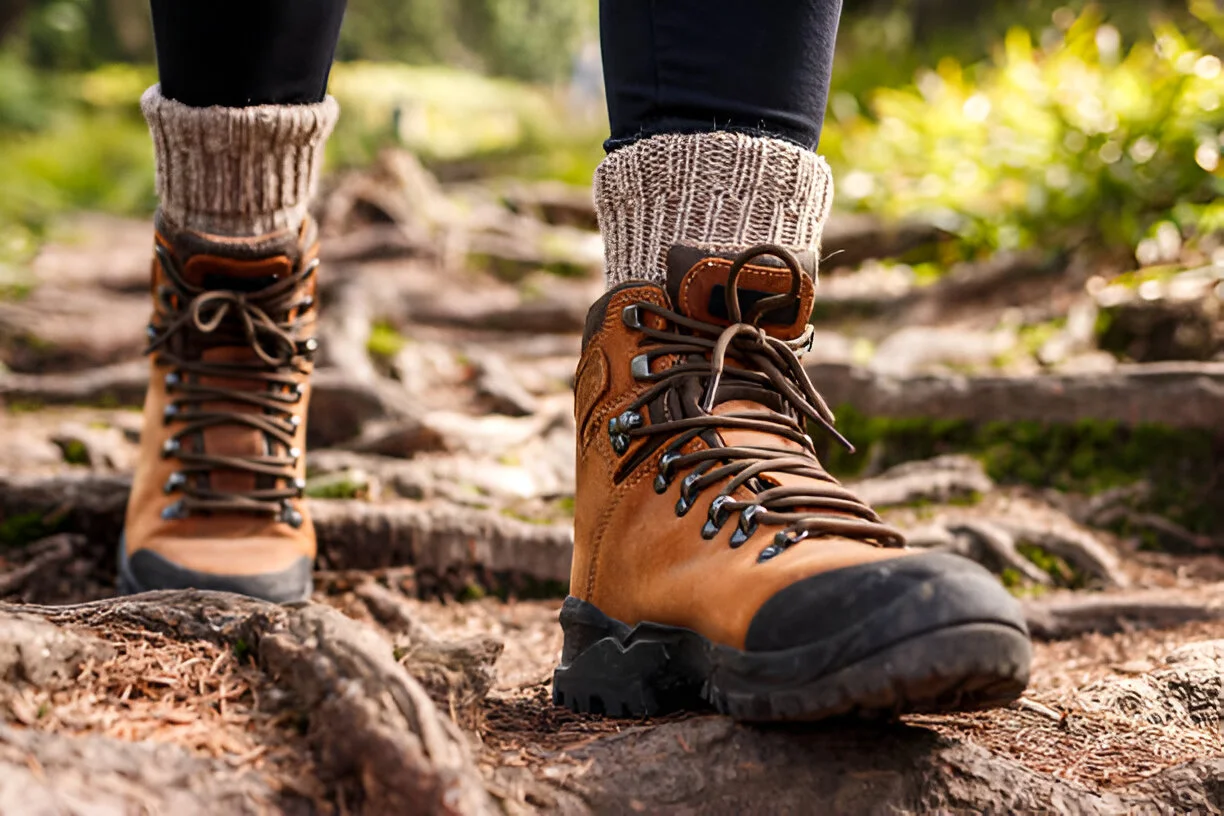
Camp life is characterized by minimalism. You will have access to warm water for washing, often referred to as a ‘bucket bath,’ once per day. Use this time to clean your face, feet, and underarms. Keeping your skin clean is vital for preventing infections from minor scrapes or blisters. Pay special attention to your feet; after a long day, remove your boots and socks immediately to let your feet breathe. This prevents the moisture buildup that leads to ‘trench foot’ or fungal issues.
Inside your tent, organization is key. Your tent is your sanctuary. Keep your sleeping bag dry at all costs—never enter it with damp clothes. If you have been hiking in the rain, change into dry base layers immediately upon arriving at camp. Use a compression sack for your sleeping bag and keep your gear organized in dry bags. A cluttered, damp tent creates unnecessary mental stress; a clean, organized space allows you to recover properly for the next day’s trek.
Respecting the Support Crew
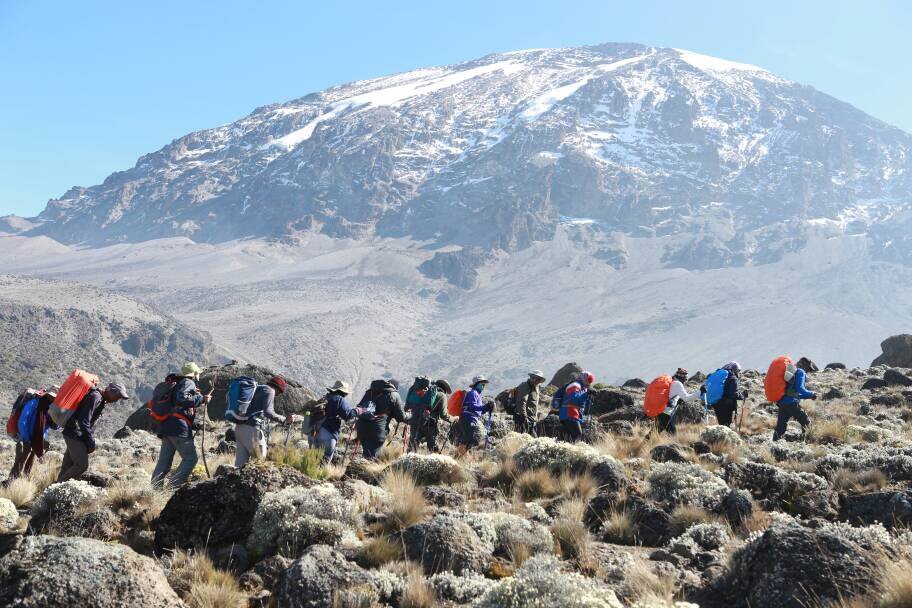
Your support crew—the guides, cooks, and porters—are the backbone of your expedition. They are working in the same harsh conditions as you, but with the added strain of carrying heavy loads. A respectful, cooperative relationship with your crew significantly improves the team dynamic. Follow the ‘leave no trace’ principles strictly; do not leave trash in your tent or on the trail. When the crew prepares your meals, show appreciation. Their morale directly impacts the service they provide, and a happy, cohesive team is far more capable of handling emergencies or difficult weather changes on the mountain.
The Post-Summit Transition: From Uhuru Peak to Civilization
While the summit day is the climax of your Kilimanjaro expedition, the period immediately following your descent is a distinct phase that requires its own level of logistical and physiological management. Many climbers prepare extensively for the ascent but overlook the reality of the final 24 to 48 hours on the mountain. Understanding this transition is essential for ensuring your safety and maximizing your recovery before returning to the lowlands.
The Final Descent: Mweka Camp to Mweka Gate
After your summit day (Day 8) and the overnight stay at Mweka Camp, the final day of your trek involves a descent through the dense, humid rainforest zone. This is a stark contrast to the alpine desert you navigated for the previous week. The terrain on this final stretch is steep and often slippery, particularly if there has been recent rainfall. Your trekking poles are not just optional accessories here; they are essential for protecting your knees from the repetitive impact of descending thousands of feet.
As you descend, you will experience a rapid change in temperature and humidity. You will likely start the morning in your thermal layers, but within a few hours, you will need to shed these layers as the air becomes thicker and warmer. This rapid transition can be dehydrating. Even though you are descending to oxygen-rich air, your body is still processing the stress of the previous week. Continue to hydrate consistently. The psychological shift of leaving the “mountain world” can also be disorienting; the silence of the high-altitude plateau is quickly replaced by the sounds of the rainforest, including monkeys and birdlife, which signals the end of your high-altitude isolation.
The Physiological “Summit Comedown”
Once you reach the Mweka Gate and sign out of the National Park, you may experience what many climbers call the “summit comedown.” This is a physiological and psychological reaction to the sudden release of the adrenaline and cortisol that sustained you during the summit push. As your blood oxygen levels normalize, you may feel an overwhelming sense of fatigue. This is normal; your body is transitioning from a survival state back to a recovery state.
During this time, your appetite will likely return with a vengeance. After days of managing the high-altitude appetite paradox, you will find that you can suddenly eat solid, calorie-dense foods again. However, avoid the temptation to overindulge in heavy, greasy foods or alcohol immediately. Your digestive system has been dormant or stressed for over a week; reintroduce complex carbohydrates and lean proteins gradually to avoid gastrointestinal distress as you transition back to a normal diet.
Navigating the Final Logistics: Tipping and Recognition
The final afternoon, usually spent back at your hotel in Moshi or Arusha, is the time for the formal conclusion of your expedition. This typically involves the final interaction with your support crew. On Kilimanjaro, tipping is a standard and expected practice, as it forms a significant portion of the income for the hard-working porters, cooks, and assistant guides who made your climb possible.
Rather than viewing this as a generic transaction, approach it as a meaningful conclusion to your team’s effort. Most reputable operators provide guidelines for tipping, but the process is best handled as a group. Gather your climbing team to present the tips collectively. This is also the time to return any rented gear and complete the official mountain register. If you have any feedback regarding your experience, this is the appropriate moment to share it constructively with your lead guide. A respectful, appreciative closing ceremony honors the labor of the crew and provides closure for your own journey, allowing you to mentally process the achievement before you transition back to your daily life.
Frequently Asked Questions About the Post-Summit Period
The Shira Cathedral: A High-Altitude Detour
For climbers traversing the Shira Plateau—typically occurring on Day 3 or Day 4 of your expedition—there exists a unique, optional excursion known as the Shira Cathedral. This massive, jagged rock formation is the remnant of an ancient volcanic vent and stands as one of the most striking geological features on the entire mountain. While it is not a mandatory part of the trail, many guides encourage physically fit climbers to undertake this short, steep scramble to gain a deeper perspective on the mountain’s volcanic origins.
Geological Context and the “Roof of Africa”
The Shira Cathedral is essentially a vertical rock spire that rises dramatically from the relatively flat, windswept plains of the Shira Plateau. Geologically, it represents the heart of the original Shira volcano, which collapsed long before the current Kibo and Mawenzi peaks were formed. When you stand at the base of these towering spires, you are essentially standing in the caldera of a prehistoric eruption. The rock is brittle, volcanic in origin, and carved by centuries of wind and ice erosion, creating a landscape that feels more like the surface of Mars than an African mountain range.
For those who choose to make the ascent, the reward is an unparalleled 360-degree view of the plateau. On a clear December day, you can look backward toward the west, where the plateau drops off into the lush, distant valleys, and forward toward the east, where the massive, snow-dusted Kibo peak dominates the skyline. It provides a rare moment of perspective, allowing you to visualize the scale of the massive volcanic system you are currently traversing.
The Decision Matrix: To Climb or Not to Climb?
Because the Shira Cathedral requires a non-technical but physically demanding scramble, it is a significant energy expenditure. You must decide whether to attempt it based on your current physical state. The “pole-pole” (slowly, slowly) philosophy that governs your entire trip applies here as much as it does on the summit day.
You should consider the following factors before committing to the detour:
- Current Acclimatization Status: If you are experiencing mild headaches or significant fatigue, skip the climb. The Cathedral sits at an elevation where every extra step consumes vital oxygen. Your primary goal is reaching the summit, not conquering every side-peak along the way.
- Energy Reserves: The Shira Route is an endurance challenge. If you feel strong and are recovering well during the evenings at camp, the climb is a fantastic way to stimulate your muscles and heart rate. However, if you are struggling to keep pace, prioritize resting at the base camp site.
- Weather Conditions: December weather on the plateau can shift rapidly. If the clouds are low or high winds are present, the scramble can become slippery and dangerous. Always defer to your lead guide’s assessment of the conditions; if they advise against it, do not push the issue.
Ultimately, the Shira Cathedral serves as a “litmus test” for your summit readiness. If you find the scramble manageable and enjoyable, it is a positive indicator that your body is adapting well to the altitude. If, however, you find yourself gasping for air or feeling dizzy, take it as a clear signal that you need to slow down, increase your hydration, and conserve your remaining energy for the grueling days ahead. The mountain will still be there, and the memories of the plateau itself—without the added strain of the scramble—are equally rewarding.
Related Guides and Packages
Check Availability for Shira Route Kilimanjaro Climbing Itinerary For December : Expert Guide 2026
Ready to compare dates, prices, and the best option for your group? Send the package name and travel month so the team can reply with a clear quote, availability, and what is included.
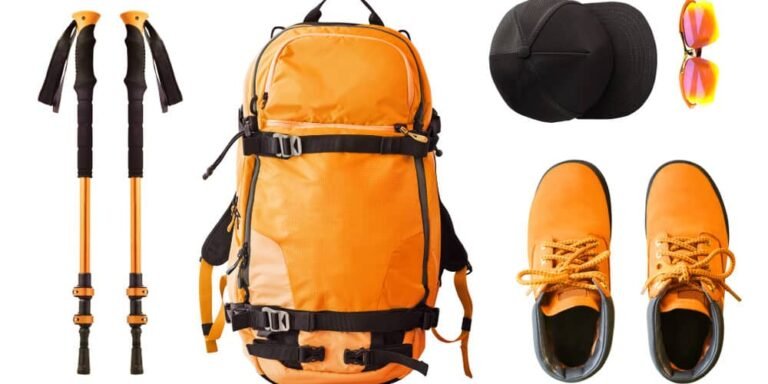
Kilimanjaro Honeymoon Climbing And Zanzibar Beach Holiday: December Planning
A practical guide for couples planning a Kilimanjaro climb and Zanzibar beach holiday in December 2026, focusing on route selection, recovery logistics, and planning timelines.
View package details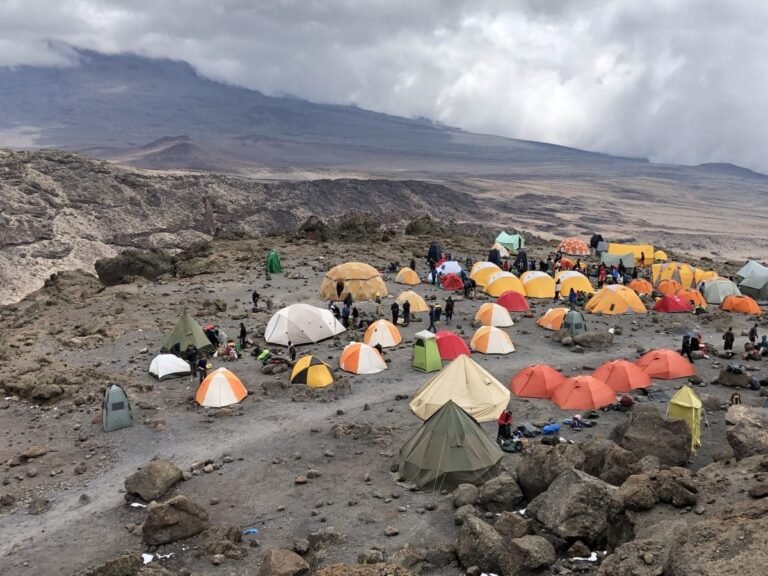
7 Days Umbwe Route Kilimanjaro Challenge: Planning Your December Ascent 2026
A deep-dive guide into the 7-day Umbwe Route, the most challenging and direct path up Kilimanjaro, perfect for those seeking a quiet, steep, and rewarding December 2026 expedition.
View package details7 Days Rongai Route Kilimanjaro Holiday Climb December : Expert Guide 2026
A deep look at the 7-day Rongai Route for December 2026 climbers, focusing on route logic, acclimatization benefits, and practical planning for your holiday expedition.
View package details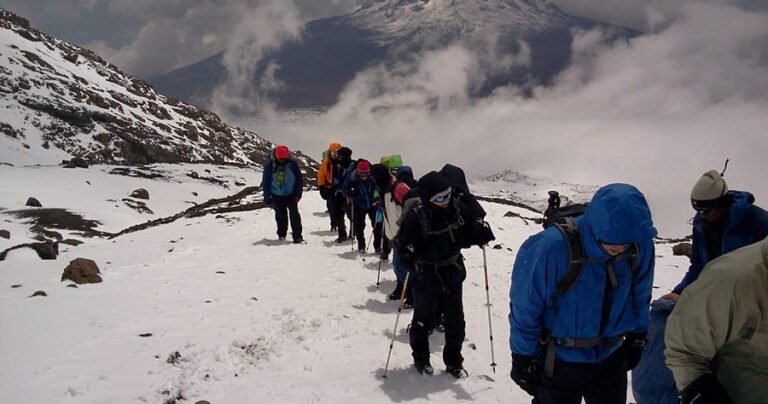
5 And 6 Days Marangu Route Kilimanjaro Hut Tours December : Planning Your
Deciding between the 5-day and 6-day Marangu Route for your December 2026 Kilimanjaro climb is a decision that impacts both your summit success and your comfort on the mountain.
View package detailsBook December , 6 Days Machame Route Kilimanjaro Climb: Expert Guide 2026
A deep look at the logistics, physical demands, and planning steps for a 6-day Machame Route Kilimanjaro climb in December 2026.
View package details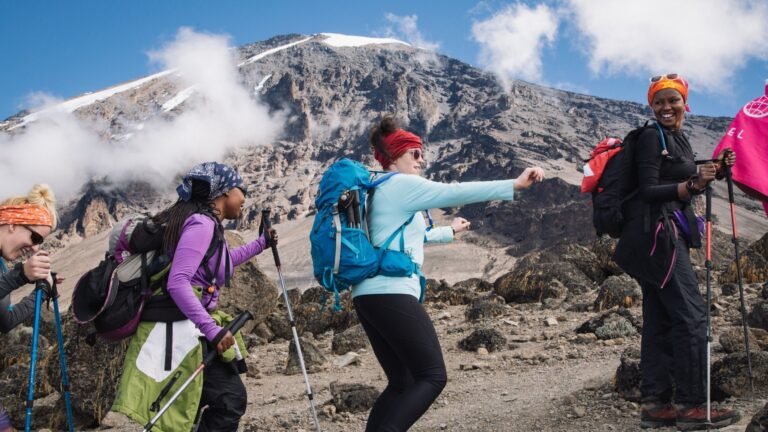
Join A Kilimanjaro Christmas Climbing Group In December 2026
A guide to securing your spot on a Kilimanjaro Christmas group climb for 2026, including route advice, group logistics, and essential planning steps.
View package details
Best Kilimanjaro Group Climbing Packages For December : A Practical Guide 2026
A practical guide to selecting Kilimanjaro group climbing packages for December 2026, focusing on route logistics, weather considerations, and cost-sharing benefits.
View package details
Kilimanjaro Group Joining Tours December : Planning, Routes, And Availability
A detailed guide on planning your Kilimanjaro group joining climb for December 2026, including route comparisons, logistics, and how to secure your spot with Climb 4 Africa.
View package details
Traveling Alone To Kilimanjaro In December: Can You Join A Machame Route 2026
A practical guide for solo travelers planning a December Kilimanjaro climb. Discover how group joining works on the Machame Route, the realities of cost-sharing, and how to prepare for your...
View package details
Vip Kilimanjaro Expedition With Private Mountain Crew December 2026
A detailed guide to planning a bespoke, high-support Kilimanjaro expedition for December 2026, focusing on private crew logistics, route selection, and safety.
View package details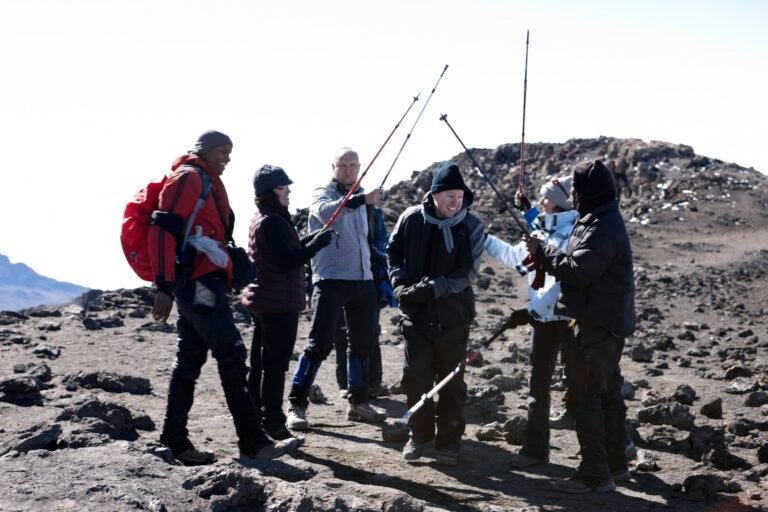
Romantic Kilimanjaro Summit Adventure For Couples December : Planning Your
A detailed guide for couples planning a Kilimanjaro summit in December 2026, focusing on route selection, acclimatization, and the benefits of private trekking arrangements.
View package details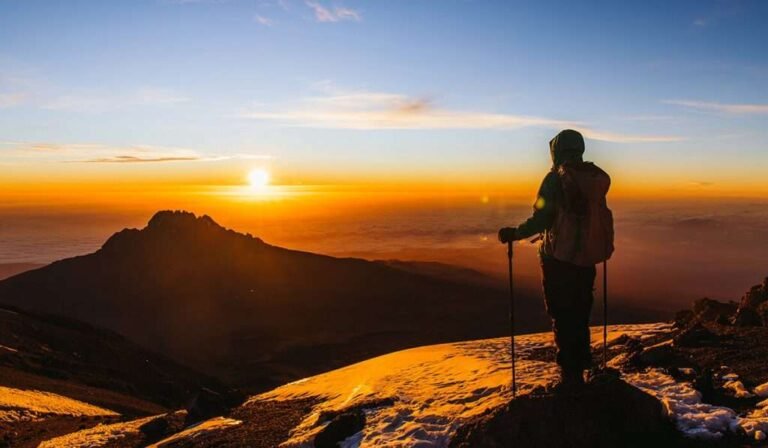
Luxury Mount Kilimanjaro Trekking Packages December : Planning Your Premium
A detailed guide to booking luxury Kilimanjaro trekking packages for December 2026, covering route selection, premium service standards, and planning essentials.
View package detailsNo related package matches those filters. Clear one or more filters to see the other topic-matched options.



