
When planning a Kilimanjaro climb for December 2026, you are targeting a transitional window in the mountain’s climate. December typically marks the tail end of the “short rains,” meaning you might encounter mist and moisture on the lower slopes, followed by clearer, colder, and more stable conditions as you ascend toward the summit. Because December is a peak period for international travel—thanks to the holiday season—securing a spot on a high-quality group departure requires advanced planning. At Climb 4 Africa, we define a “group package” not as a generic tour, but as a cost-sharing model where climbers with similar schedules align their dates to make the logistics more efficient and affordable.
If you are traveling solo or as a small pair, joining an existing group is almost always the most practical way to reduce costs while maintaining the support of a full professional team. By sharing the fixed expenses—such as vehicle transfers, guide salaries, and equipment porterage—you gain the benefits of a private climb at a fraction of the cost.
Understanding the December Climbing Environment
The weather in December can be unpredictable. You might experience the lush, green lower rainforest trails with occasional showers, while the summit zone remains dry and crisp. This environment requires specific preparation. Unlike the dry months of July or August, your gear needs to be capable of handling moisture during the first two days of your trek. Waterproofing your internal gear bags is not just a recommendation; it is a necessity.
When reviewing group packages, pay close attention to the route duration. In December, we strongly advise against the 5-day routes. The extra day provided by 7-day or 8-day itineraries is not just for leisure; it is critical for acclimatization, especially if the trail conditions are muddy or the weather is damp, which can drain your energy faster than in dry, sunny conditions.
Comparing Routes for December Departures
Choosing the right route is the most significant decision you will make. For December, certain trails offer better protection from the elements or more reliable infrastructure.
| Route | Duration | Best For | December Consideration |
|---|---|---|---|
| Machame (Whiskey) | 6-7 Days | Scenery & Socializing | Popular, can be crowded during the holidays. Great for group joining. |
| Lemosho | 7-8 Days | Acclimatization | Less traffic, allows more time to adjust to potential damp conditions. |
| Rongai | 6-7 Days | Dryer Side | Approaches from the north, which is generally drier in December. |
The Machame Route remains our most popular choice for group joining because it offers a perfect balance of scenery and challenge. If you are specifically looking for a group to join, you will find the highest density of fellow climbers on this route. However, if you prefer a quieter trail, the Rongai route is a smart alternative for December because it starts on the northern side of the mountain, which often sees less rainfall during the transition period.
How Group Joining Works with Climb 4 Africa
Many travelers assume that group joining means you are stuck with a massive, impersonal tour group. Our model is different. We keep our groups small—typically capped at a size that ensures personal attention from your lead guide. The “joining” aspect is essentially a financial arrangement. By coordinating with other climbers who have confirmed their intent to climb on specific dates, we pool the logistics.
To join a group, follow these steps:
- Check availability: Contact us via WhatsApp at +255 747 477 898 or email us at climb4africa@gmail.com with your preferred dates.
- Verify the group size: Ask us how many people are currently confirmed for that departure.
- Confirm inclusions: Ensure your package covers park fees, rescue fees, camping equipment, all meals on the mountain, and airport transfers.
- Finalize the deposit: Once you are matched with a group, a deposit locks in your spot.
If you cannot find a date that fits your specific schedule, we can often open a new “group joining” window. If you are the first person to request a specific start date, we list that date on our site, and other solo travelers will join you. This is how most of our successful December groups are formed.
Logistics: Gear, Health, and Preparation
Whether you join a group or climb privately, the physical demands of Kilimanjaro do not change. However, in December, your packing list must be adjusted. You need reliable, high-quality rain gear for the lower altitudes. Once you pass the 3,000-meter mark, the climate shifts drastically. Many climbers make the mistake of over-packing for the heat and under-packing for the freezing summit temperatures.
We provide a detailed packing list once your booking is confirmed. Key items to prioritize for a December climb include:
- High-quality waterproofs: A durable shell jacket and trousers are non-negotiable.
- Synthetic layers: Avoid cotton entirely, as it stays wet and cold if you get caught in a light shower.
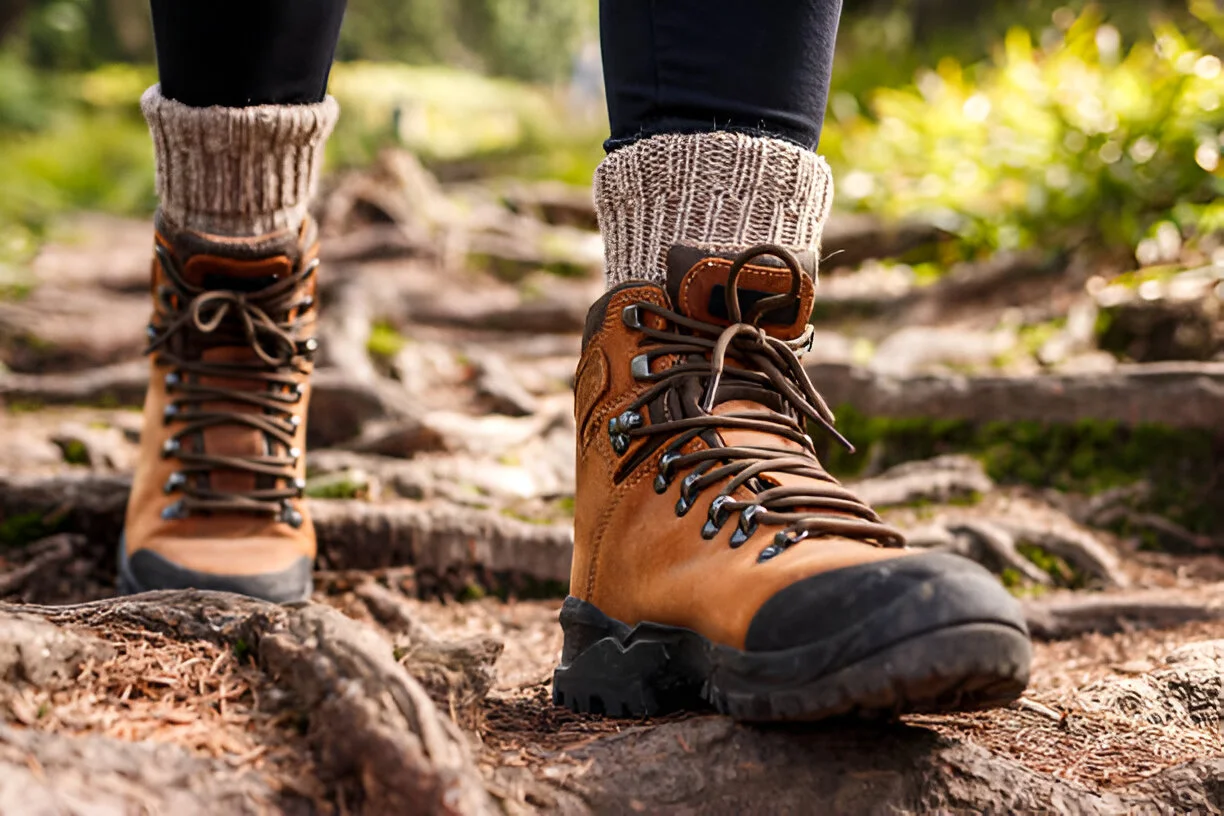
- Well-broken-in boots: Do not break in new boots on the mountain. You need footwear that has already proven it won’t give you blisters.
- Trekking poles: Essential for stability, especially on the descent if the paths are slick from recent rains.
Health and altitude safety are the priorities of our guides. In a group setting, your lead guide is responsible for monitoring the health of every participant. They will conduct daily pulse-oximeter checks and health assessments. If one person in the group needs to descend early due to altitude sickness, the group itinerary is designed so that the rest of the team can continue safely, provided the guide-to-climber ratio is maintained. This is why we never over-stretch our guide teams.
Extending Your Trip: Safari and Zanzibar
Since you are already traveling to Tanzania for your Kilimanjaro climb in December 2026, many of our climbers choose to add a wildlife safari or a beach stay in Zanzibar. The timing is excellent; the short rains usually bring lush greenery to the Serengeti, which makes for spectacular photography. A 3-day or 5-day safari is a common add-on after the physical exhaustion of the climb. It provides the perfect recovery environment: sitting in a vehicle, observing wildlife, and sleeping in comfortable lodges rather than tents.
You can view our shared safari departures to see if there is a group safari that aligns with your post-climb dates. Combining your climb and safari into one logistics plan with Climb 4 Africa is generally more efficient, as it simplifies your airport transfers and internal connections.
Common Questions About December Group Climbs
Is Christmas Day on the mountain?
Yes, it is possible. Many groups time their summit attempt to coincide with Christmas or New Year’s. It is a unique experience to celebrate the holidays at altitude, but be aware that mountain staff availability can be tighter, so booking early is essential.
What is the typical age range for your groups?
Our groups are diverse. We have students, working professionals, and retirees. There is no “typical” age. The common thread is a shared goal and a moderate level of physical fitness.
What happens if the group size is too small?
We do not cancel climbs just because a group is small. If you are the only person booked on a departure, we will offer you the option to proceed as a private climb (usually with a slight adjustment to the cost) or to transfer your booking to a date where other climbers have already confirmed. We communicate these options transparently well before your departure.
If you are ready to start planning your December 2026 climb, the best first step is to get in touch. Send us your rough travel window, your preferred route, and any questions about group joining. We can provide you with the most current availability and help you navigate the logistics of your Tanzania trip. Reach out to us at info@climb-4-africa.com or message us directly on WhatsApp at +255 747 477 898 to discuss your options.
Navigating Social Dynamics and Group Synergy
Choosing a group package for December 2026 is as much about the people you will be with as it is about the mountain itself. Because the holiday season draws a specific, often festive, and international crowd, the social dynamic of a December climb is distinct from a mid-year expedition. When you join a group, you are entering a temporary community that exists in a high-stress, high-reward environment. Understanding how to manage these social layers before you arrive in Tanzania can significantly improve your experience.
The Reality of Camp Life
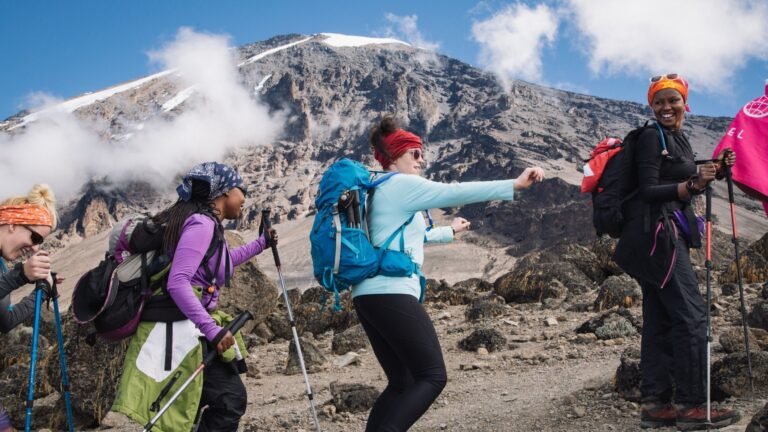
On a group climb, your interaction extends far beyond the trail. You will share dining tents, navigate the daily routine of washing up with basin water, and manage the evening temperature drops together. The December season often fosters a sense of camaraderie, as many climbers are celebrating personal milestones or the end of a calendar year. However, it is important to recognize that everyone reacts to altitude differently. Some climbers may become quieter as they adjust to the thinning air, while others find energy through conversation. Respecting these variations in energy levels is the unspoken rule of a successful group.
Managing Pace and Personality Differences
A common concern for first-time group climbers is the fear of holding the team back or, conversely, feeling held back by others. On Kilimanjaro, this is mitigated by the pole pole (slowly, slowly) philosophy. Our guides enforce a pace that is designed for the slowest member of the group, which paradoxically helps the faster climbers acclimatize better. If you are an experienced hiker, view the group pace not as a limitation, but as a physiological advantage. If you are worried about your speed, remember that group joining is about mutual support; the social contract of the group is to ensure everyone reaches the summit, not to race to the top.
The Role of the Lead Guide in Group Morale
Your lead guide acts as the mediator and the barometer for the group’s health. In December, when fatigue can set in alongside the holiday excitement, the guide’s role shifts from navigation to morale management. They are trained to identify when a climber is struggling—not just physically, but mentally. If you feel that the group energy is dipping or that you are struggling to integrate, speak to your lead guide during the mid-day break. They can often facilitate small adjustments, such as rearranging seating in the mess tent or offering specific encouragement, to help re-align the group dynamic.
Pre-Trip Communication
To ease the transition of meeting strangers, we encourage our climbers to engage in the pre-trip briefing process. While we prioritize privacy and do not share personal contact details without consent, we can facilitate introductions among group members who wish to connect before arriving in Moshi. Sharing a WhatsApp group or an email thread prior to departure allows you to discuss gear, share training tips, or even coordinate shared airport transfers. This small step often breaks the ice and turns a group of individuals into a cohesive team before you even step foot on the trail.
Securing Your Spot: The Mechanics of Booking and Availability
When planning a Kilimanjaro expedition for December 2026, the logistical timeline differs significantly from climbing during the mid-year dry seasons. Because December coincides with the holiday peak, the demand for high-quality guides, reliable equipment, and premium campsites creates a bottleneck that requires strategic booking. Understanding how to secure your spot in a group departure is essential to ensure you are not left scrambling for last-minute, lower-quality alternatives.
The process of joining a group for a December climb starts with a clear assessment of your own flexibility. Most group departures are built around specific start dates that align with flight schedules into Kilimanjaro International Airport (JRO). If you are targeting the Christmas or New Year’s window, you should be prepared to commit your deposit at least 10 to 12 months in advance. This is not a marketing tactic to create urgency; it is a reflection of the limited number of high-quality, government-licensed mountain crews available during the festive period. When you see a group departure listed as “available,” it typically means the operator has already secured the necessary park permits for that specific route and start date. Verifying these permits is the most critical step in your booking process.
Evaluating Group Departure Integrity
Not all group departures are created equal. When researching your options for December 2026, you should look for transparency regarding how the operator manages “minimum group sizes.” Some companies will advertise a group departure but reserve the right to cancel it if a minimum number of participants—often four or six—is not met. This can leave you in a difficult position, forcing you to either pay a significant “private supplement” fee to keep the date, or scramble to find another operator entirely. A reputable operator will clearly state their policy on this. Look for companies that guarantee departures once a certain threshold is reached, or those that explicitly state they do not cancel group climbs due to low numbers. Asking, “Is this a guaranteed departure, and what happens if I am the only one booked?” should be the first question you ask during your initial inquiry.
The Financial Structure of Group Joining
The cost-sharing model of a group climb is designed to be efficient, but it is important to understand what is included in your package versus what is excluded. Most standard group packages for December will cover park entrance fees, camping fees, rescue fees, guide and porter wages, food, and tents. However, the variations often lie in the “hidden” costs that can surprise climbers. Check if your package includes the mandatory airport transfers, hotel accommodation in Moshi before and after the climb, and, crucially, the tipping guidelines. In December, tipping expectations can be higher due to the holiday season, and it is helpful to have a clear, pre-trip breakdown of what is expected so you can budget accordingly.
Furthermore, ensure your quote distinguishes between the “climb cost” and the “equipment rental cost.” If you are bringing your own specialized gear—which is highly recommended for the colder December summit nights—you should not be paying for rental gear you won’t use. Conversely, if you are renting, ensure the operator provides a detailed list of the brands and quality of the gear. Renting a sleeping bag or a down jacket in Moshi for a December climb is common, but you need assurance that the gear is rated for sub-zero temperatures, as the summit night will be significantly colder than the rainforest start.
Verifying Operator Credentials for Peak Season
December is a high-traffic month, which unfortunately attracts “fly-by-night” operators looking to capitalize on the surge in tourism. To protect your investment and, more importantly, your safety, verify that your operator is a member of the Kilimanjaro Porters Assistance Project (KPAP). KPAP membership is the gold standard for ethical treatment of mountain staff. It ensures that porters are paid fair wages, provided with adequate food and shelter, and protected from exploitation. In the busy December season, when the temptation to cut corners to maximize profit is highest, choosing a KPAP-partnered operator is your best guarantee that your mountain crew is well-supported, motivated, and professional.
Additionally, ask for the ratio of guides to climbers. The national park regulations require one guide for every three climbers, but for a safer and more enjoyable experience—especially in a group setting where individuals may have different needs—a ratio of one guide for every two climbers is superior. This allows the team to split if necessary, such as if one climber needs to descend early while the rest of the group continues. During the busy December period, having that extra layer of personnel ensures that the group’s progress isn’t hindered by a single individual’s health issue.
Availability Request Table
Since we do not provide pre-set, fixed-price departures, use the following checklist to evaluate the responsiveness and transparency of any operator you contact for December 2026.
| Evaluation Criteria | What to Ask the Operator | Why It Matters |
|---|---|---|
| Guaranteed Departure | “Is this group departure guaranteed to run regardless of the final group size?” | Prevents last-minute cancellations or surprise surcharges. |
| KPAP Membership | “Are you a current partner of the Kilimanjaro Porters Assistance Project?” | Ensures ethical treatment of staff, which directly impacts morale and safety. |
| Guide-to-Climber Ratio | “What is the maximum guide-to-climber ratio on this group trip?” | Higher ratios allow for better support and flexibility if a climber needs to descend. |
| Inclusion Clarity | “Does the package price include airport transfers and pre-climb hotel nights?” | Avoids unexpected “add-on” costs that inflate the final price. |
| Emergency Protocols | “What is your specific evacuation protocol for this route?” | December weather can cause delays; you need to know they have a plan for rapid descent. |
Navigating the Post-Summit Transition and Holiday Transit
For climbers targeting a December 2026 expedition, the journey does not conclude at the Mweka Gate. The transition from the high-altitude, communal environment of a Kilimanjaro group climb back into the hectic reality of global holiday travel is a logistical hurdle often overlooked during the planning phase. Because your descent will likely occur during the peak holiday travel window—often between December 22nd and December 28th—the pressure on Kilimanjaro International Airport (JRO) and regional transport infrastructure is at its annual zenith.
The Importance of the Buffer Day
We strongly advise against scheduling your international flight home for the same day you exit the park. After seven or eight days on the mountain, your body is in a state of deep recovery. You will be physically fatigued, and your immune system may be temporarily compromised. Attempting to navigate the chaotic check-in lines at JRO immediately after a dusty, strenuous descent is a recipe for stress. We recommend a minimum of one “buffer day” in Moshi or Arusha. This time allows you to properly shower, organize your gear, and, most importantly, re-acclimatize to lower altitudes and higher oxygen levels before subjecting your body to the pressurized environment of a long-haul flight.
Managing the Holiday Travel Surge
Late December is the busiest time for Tanzanian tourism. Flights are frequently overbooked, and ground transfer services are stretched to capacity. When booking your group package, ensure your operator has a confirmed plan for your post-climb transfer. Do not rely on finding a taxi or shuttle on the fly. Confirm that your transfer is pre-arranged and that your driver is aware of potential holiday traffic delays between the mountain gates and your accommodation. If you are flying out on December 26th or later, anticipate longer-than-usual security lines at JRO. Arriving at the airport three hours before your flight is standard, but in the peak December season, four hours is safer.
Psychological Re-entry
The contrast between the silence of the mountain and the noise of holiday travel can be jarring. Many climbers report a “post-summit low” where the intense social bonding of the group climb abruptly ends. This is perfectly normal. Use your buffer day to process the achievement. Many of our December groups choose to share a final celebratory meal in Moshi, which serves as a vital transition point. It allows the group to decompress, share contact information, and shift from the “team mindset” back to individual travel. This shared closure is often the most memorable part of the trip, providing a sense of completion before you head home to your own holiday festivities.
Navigating Summit Night Congestion in Peak Season
The summit push on Kilimanjaro is the climax of your expedition, but for climbers targeting December 2026, it presents a unique logistical challenge: high-volume traffic. Unlike the shoulder seasons, where you might experience stretches of the trail in relative solitude, the holiday window sees a convergence of hundreds of climbers all aiming for the same goal on the same nights. This creates a specific, crowded environment that requires both mental preparation and strategic management from your guide team.
The “Human Chain” Phenomenon
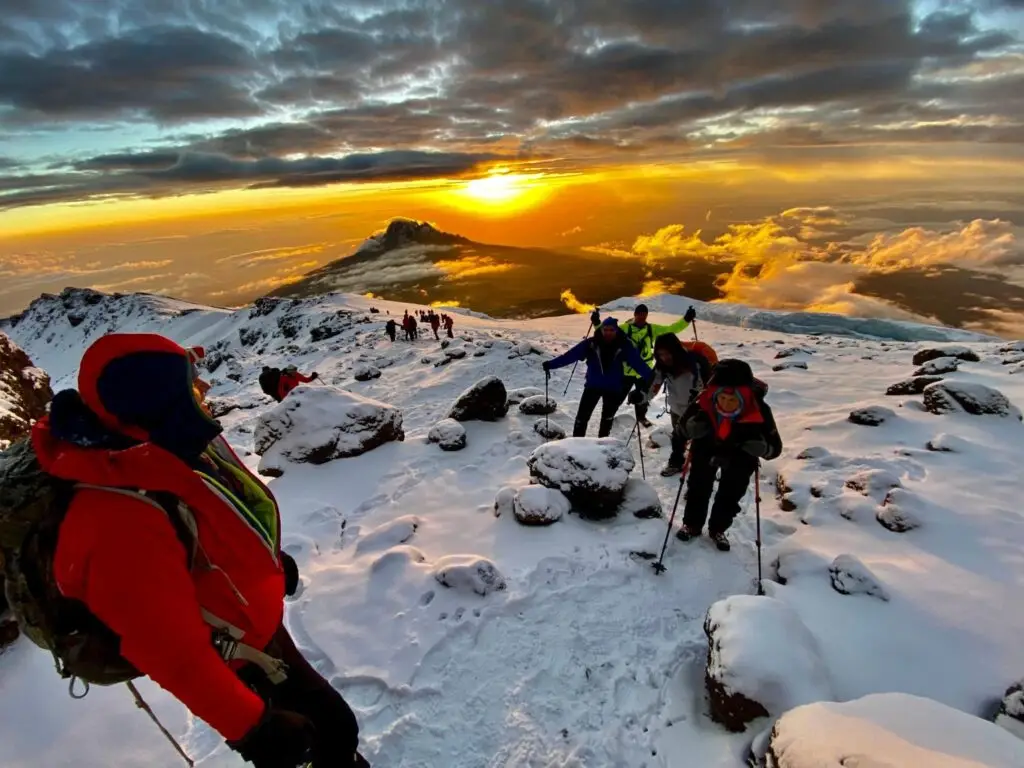
As you ascend from Barafu or Kibo Huts toward the crater rim, you will likely encounter the “human chain”—a continuous, winding line of headlamps stretching both above and below you. For many, this can be psychologically overwhelming. The visual spectacle of hundreds of climbers is undeniably impressive, but it can also induce a subtle, subconscious pressure to speed up or compete with other groups for trail space. In a group package setting, this is where your lead guide’s experience is paramount. They understand that the trail is narrow, particularly near the switchbacks leading to Stella Point. A professional guide will actively manage your group’s position within this flow, knowing when to let faster groups pass and when to maintain a steady, unhurried pace that keeps your team together without getting caught in the stop-and-start rhythm of the crowd.
Strategic Pacing and Start Times
One of the most critical advantages of booking a high-quality group package is the guide’s ability to manipulate your start time to mitigate congestion. While standard protocols often suggest a midnight departure, your guide may adjust your exit time based on real-time observations of the traffic flow from the camp. Departing slightly earlier or later than the “standard” wave can sometimes place your group in a quieter pocket of the trail. However, this is a delicate balance; departing too early risks arriving at the summit before dawn in extreme, wind-exposed cold, while departing too late risks missing the sunrise. Your guide’s familiarity with the specific nuances of the December 2026 peak season—such as knowing which routes are likely to be most congested on specific dates—is a crucial asset that independent climbers or budget-tier group tours often lack.
Managing Group Cohesion in the Dark
The summit night is the ultimate test of group synergy. In the darkness and cold, communication becomes difficult, and the physical strain is at its peak. When navigating a crowded trail, there is a risk of your group becoming fragmented if members have different stamina levels. A cohesive group package ensures that the team remains a single unit. Your guides will employ “rhythmic pacing,” which involves constant, low-volume communication to ensure that the person at the front and the person at the back are moving at the same speed. They will also manage the “pass-through” protocol, signaling to other groups when your team is ready to overtake or when it is safer to hold position. This prevents the frustration of being constantly interrupted by other parties and helps maintain the internal morale of your group. By viewing the summit night not as a race to the top, but as a collective movement through a busy environment, you reduce the stress of the crowd and increase your chances of a successful, enjoyable summit experience.
Related Guides and Packages
Check Availability for Best Kilimanjaro Group Climbing Packages For December : A Practical Guide…
Ready to compare dates, prices, and the best option for your group? Send the package name and travel month so the team can reply with a clear quote, availability, and what is included.
Join A Kilimanjaro Christmas Climbing Group In December 2026
A guide to securing your spot on a Kilimanjaro Christmas group climb for 2026, including route advice, group logistics, and essential planning steps.
View package details
Kilimanjaro New Year Summit Group Departures December : Planning Your Ascent
Planning a New Year summit on Kilimanjaro requires specific logistics. Learn how to join a group departure for December 2026, choose the right route, and prepare for your climb.
View package details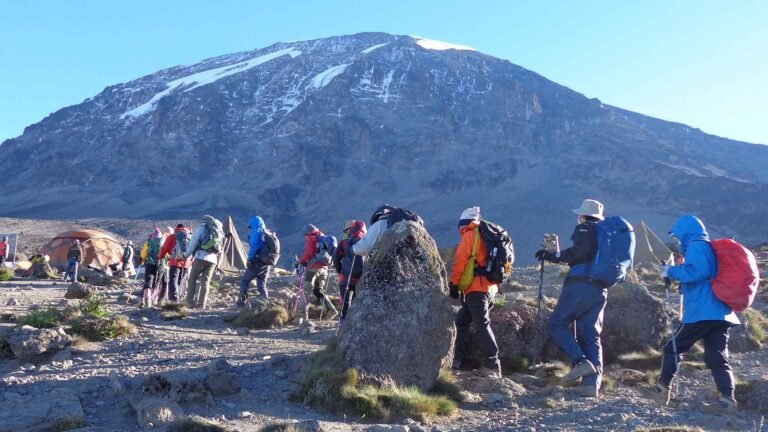
Last Minute Kilimanjaro Group Joining Deals December : Planning Your Climb
Looking for last-minute Kilimanjaro group joining deals in December 2026? Discover how to secure your spot, understand the route trade-offs, and plan your mountain ascent with expert local...
View package details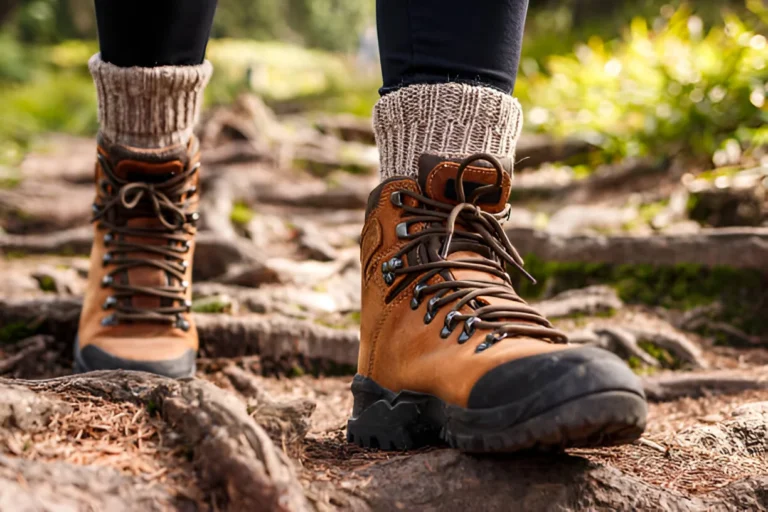
Kilimanjaro Small Group Climbing Tours Before Christmas 2026
Planning a Kilimanjaro summit before the holidays? Explore the logistics, route choices, and small group benefits for December 2026 climbs.
View package details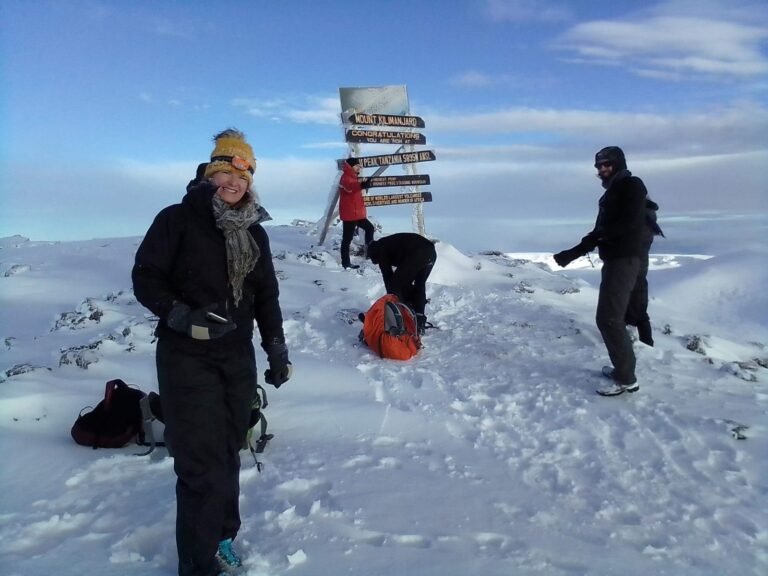
Affordable Kilimanjaro Group Joining Safari And Trekking Packages December
A practical guide to booking affordable, reliable group joining treks on Kilimanjaro and wildlife safaris in Tanzania for December 2026, focusing on logistics, shared costs, and travel...
View package details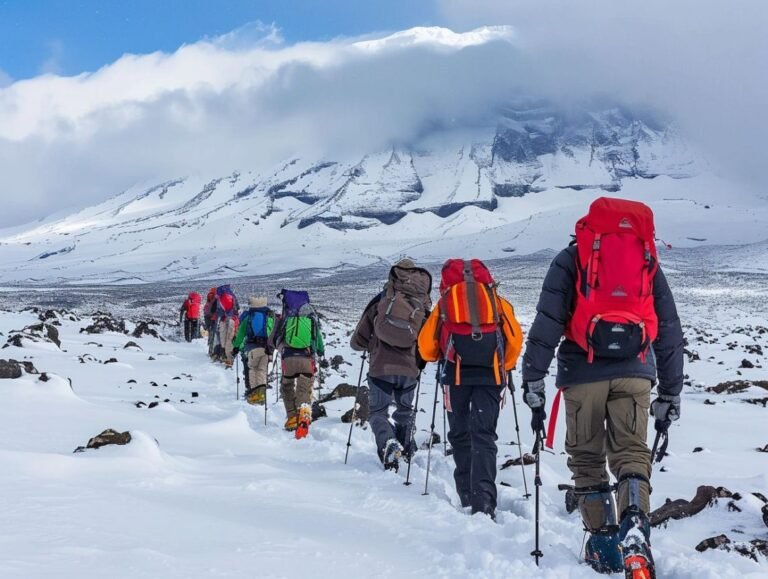
December Kilimanjaro Group Departures For Solo Travelers: Planning Your Climb
A practical guide for solo travelers planning to climb Kilimanjaro in December 2026, covering group joining benefits, route selection, and booking logistics.
View package detailsKilimanjaro Group Joining Tours December : Planning, Routes, And Availability
A detailed guide on planning your Kilimanjaro group joining climb for December 2026, including route comparisons, logistics, and how to secure your spot with Climb 4 Africa.
View package detailsTraveling Alone To Kilimanjaro In December: Can You Join A Machame Route 2026
A practical guide for solo travelers planning a December Kilimanjaro climb. Discover how group joining works on the Machame Route, the realities of cost-sharing, and how to prepare for your...
View package detailsKilimanjaro Group Joining Climbs: December Planning Guide 2026
Planning your Kilimanjaro adventure for December 2026? Find out how group joining climbs work, why December is a prime time to summit, and how to secure your spot with our expert team.
View package details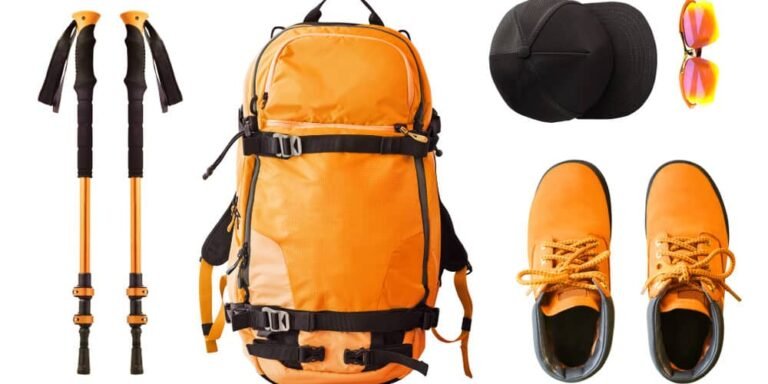
Kilimanjaro Honeymoon Climbing And Zanzibar Beach Holiday: December Planning
A practical guide for couples planning a Kilimanjaro climb and Zanzibar beach holiday in December 2026, focusing on route selection, recovery logistics, and planning timelines.
View package detailsShira Route Kilimanjaro Climbing Itinerary For December : Expert Guide 2026
A deep look at the Shira Route for December 2026, covering the unique high-start logistics, acclimatization advantages, and step-by-step itinerary planning.
View package detailsCan I Join A Safari Group Directly From Kilimanjaro Airport? Logistical Guide
A practical guide to coordinating your arrival at Kilimanjaro International Airport (JRO) with a scheduled group safari, including logistical requirements and booking tips.
View package detailsNo related package matches those filters. Clear one or more filters to see the other topic-matched options.



