
Yes, Kilimanjaro group joining climbs for December 2026 are actively being planned and scheduled. Because December is one of the most popular months for summiting due to the favorable weather window, these groups fill up months in advance. To join a group, you do not need to assemble your own team; instead, you pay a share of the expedition costs alongside other travelers. Availability is dynamic, so we recommend contacting our team directly via WhatsApp at +255 747 477 898 or emailing climb4africa@gmail.com to get the most current list of confirmed departure dates for late 2026.
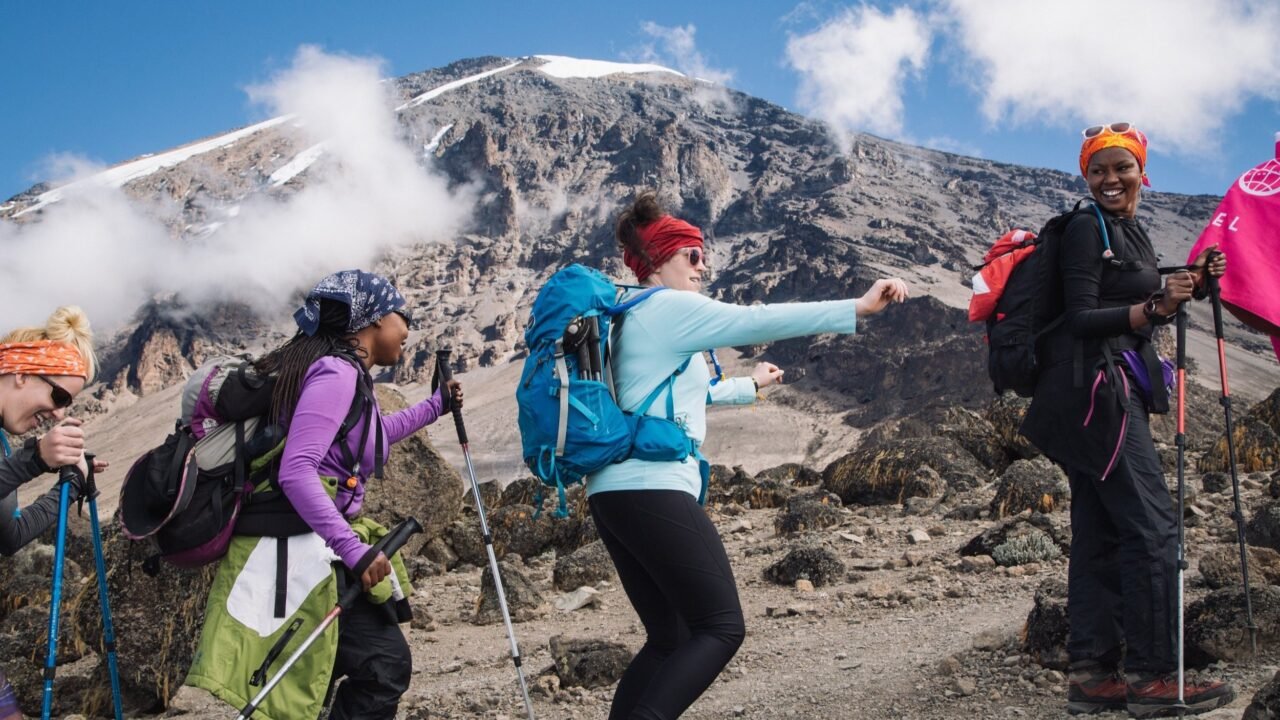
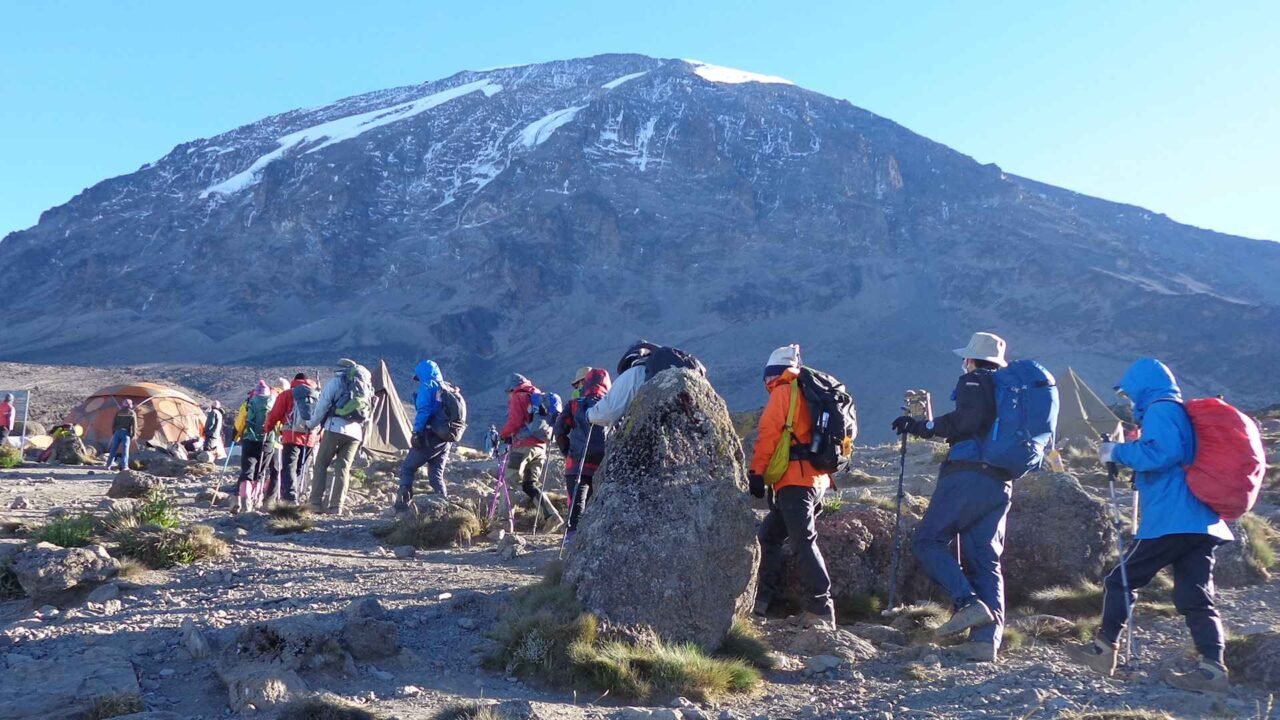
When you start looking at Kilimanjaro group joining climbs for December 2026, you are essentially looking at the most strategic way to tackle Africa’s highest peak without the premium cost of a private expedition. Group joining works by pooling resources with other climbers who share your start date, which lowers the cost per person while maintaining the same high standard of support, safety, and guiding that we provide on private tours.
The December 2026 Planning Window
December is a unique time to climb. It sits right at the end of the short rains and marks the beginning of the dry season. For many international travelers, it is the perfect window to combine a summit attempt with a Christmas or New Year safari. Because of this, the mountain is busier than in other months.
If you are aiming for December 2026, do not wait until the last minute. While we can often accommodate last-minute requests for private climbs, group joining slots are limited by the size of the team we assemble for safety and logistical reasons. Securing your spot at least 6 to 9 months in advance is the standard practice for travelers who want to ensure they get their preferred route and specific dates.
Why Choose a Group Joining Climb?
The primary benefit of a group joining climb is the shared cost structure. On a private climb, you cover all the fixed costs—porters, guides, food transport, and park fees—entirely on your own. When you join a group, these costs are distributed among the participants. Beyond the budget, many of our climbers find that the group dynamic is a major highlight. You meet people from all over the world, share the physical challenge of the trail, and often form lasting friendships that continue long after you descend from the summit.
However, it is important to understand the trade-offs. In a group, you move at the pace of the team. We always prioritize the safety of the group, which means the pace is set by the slowest member to ensure everyone has the best chance of reaching Uhuru Peak. If you have specific, rigid time constraints or a very unique training schedule, you might find that a private climb offers more flexibility, but for most, the group experience provides the essential support and camaraderie needed for a successful summit.
Selecting Your Route for December
Not all routes are equally suited for group joining. We generally focus our shared departures on routes that offer the best balance of success rates and scenery. You can explore our specific Machame route Kilimanjaro group departures and dates here to see if the “Whiskey Route” fits your plans.
- Machame Route (6-7 Days): This is the most popular route for group joining. It offers excellent acclimatization and beautiful, varied scenery. It is a camping-style route, meaning you will sleep in tents, which is a core part of the Kilimanjaro experience.
- Lemosho Route (7-8 Days): If you have extra time, this is often the better choice for those concerned about altitude. It allows for a more gradual ascent, which statistically increases your chances of reaching the summit. We occasionally organize group departures for Lemosho during the peak December season.
If you are unsure which route suits your fitness level or your timeline, reach out to us at info@climb-4-africa.com. We can walk you through the day-by-day differences so you don’t book a trek that doesn’t match your expectations.
Logistics: What Happens After You Book?
Once you have identified a potential group departure for December 2026, the process is straightforward. We handle the local logistics entirely. This includes:
- Airport Transfers: We arrange your pick-up from Kilimanjaro International Airport (JRO) and transfer you to your hotel in Moshi or Arusha.
- Briefings: Before you head to the mountain, you will have a detailed briefing with your head guide. They will check your gear, explain the itinerary, and answer any last-minute questions.
- Support Staff: Your group will be supported by a professional team of guides, assistant guides, porters, and a cook. You do not need to worry about the logistics of camp setup or meal preparation.
- Safety: On all our group climbs, we carry medical kits and maintain communication with our base office. Our guides are trained to monitor your oxygen saturation and acclimatization levels daily.
If you are planning to extend your trip beyond the mountain, many of our climbers choose to add a safari. If you are interested in this, you can look at our guide on which group safari is available for Christmas to coordinate your travel dates perfectly.
Managing Expectations for Shared Treks
When you join a group, you are joining a team that has already been vetted by our local staff. We keep our groups to a manageable size to ensure that the guide-to-climber ratio remains high. This ensures that if one person needs to descend due to altitude sickness, the rest of the group is not compromised, and the remaining climbers can continue safely.
We also advise that you consider the post-climb period. After 6 or 7 days on the mountain, you will be tired. Many of our clients prefer to have a day or two of rest in a hotel in Moshi or Arusha before flying out or heading on a safari. If you are looking for other travelers to join, or if you are interested in our wider range of shared experiences, you can view all Tanzania safari group departures and dates here.
How to Get Started
To secure your place on a December 2026 group joining climb, follow these steps:
- Contact Us: Use the WhatsApp number +255 747 477 898 or send an email to climb4africa@gmail.com.
- Specify Your Needs: Let us know your preferred dates, how many people are in your party, and your preferred route (or ask for our recommendation).
- Receive the Itinerary: We will send you the current availability for December 2026, including the full day-by-day itinerary and what is included in your package.
- Confirm Your Spot: Once you are ready, we will guide you through the booking process to lock in your spot.
We are a local Tanzania-based team. We know these trails, the weather patterns, and the logistics of the Kilimanjaro National Park better than anyone. By booking directly with Climb 4 Africa, you are cutting out the middleman and working with the operators who will actually be running your climb. If you have any questions at all about the mountain, the gear you need, or how to handle the altitude, please do not hesitate to reach out. We are here to help you make your December 2026 climb a reality.
Frequently Asked Questions
Are group joining climbs cheaper than private ones?
Yes, generally speaking, the costs for park fees, transport, and guide services are shared across the group, making the per-person price lower than a private, solo-traveler expedition.
What is the minimum group size for a departure?
We often require a minimum number of participants to confirm a group departure. If a group is too small, we may offer you a private climb at a adjusted rate or help you join a different departure date.
Can I join a group if I am a solo traveler?
Absolutely. Many of our group participants are solo travelers. It is a fantastic way to meet like-minded people from around the world.
Is December a good time to climb?
Yes, it is a very popular time. The weather is generally warm and stable, though you should always be prepared for rain on the lower slopes, regardless of the season.
Preparing Your Gear and Physical Conditioning for a December Summit
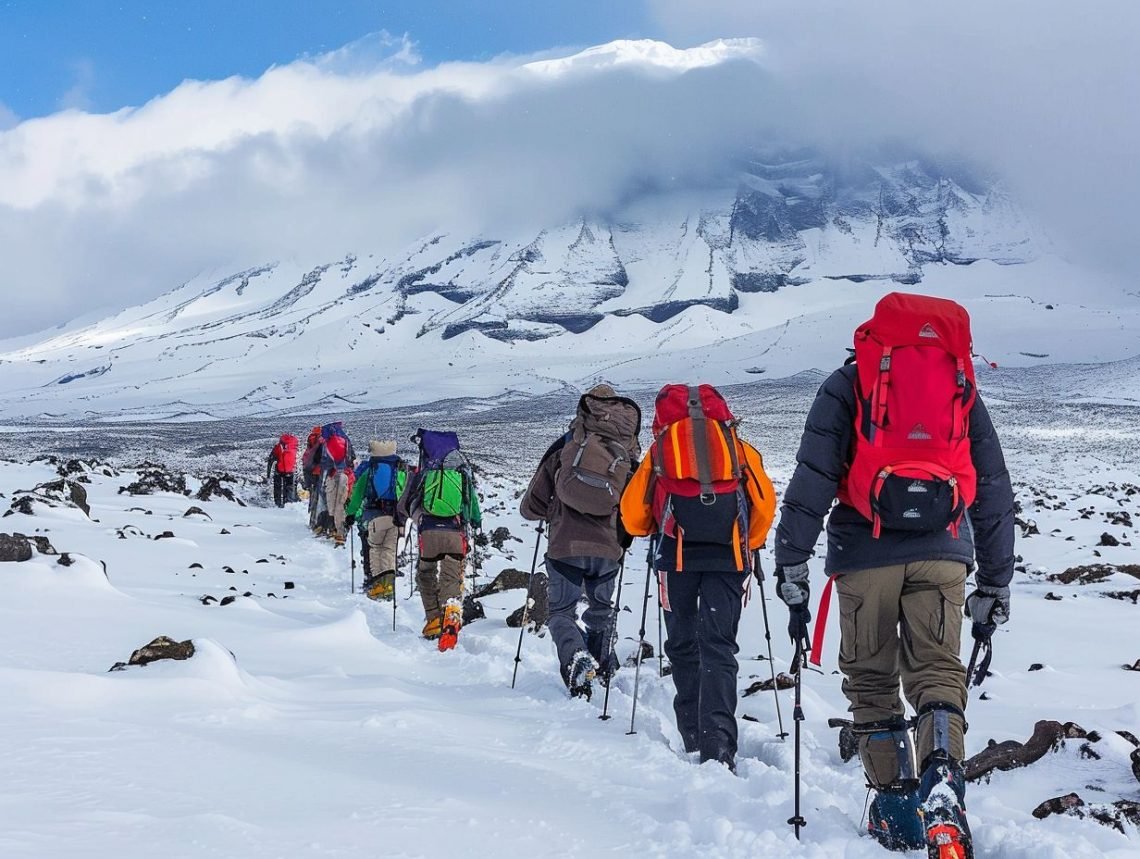
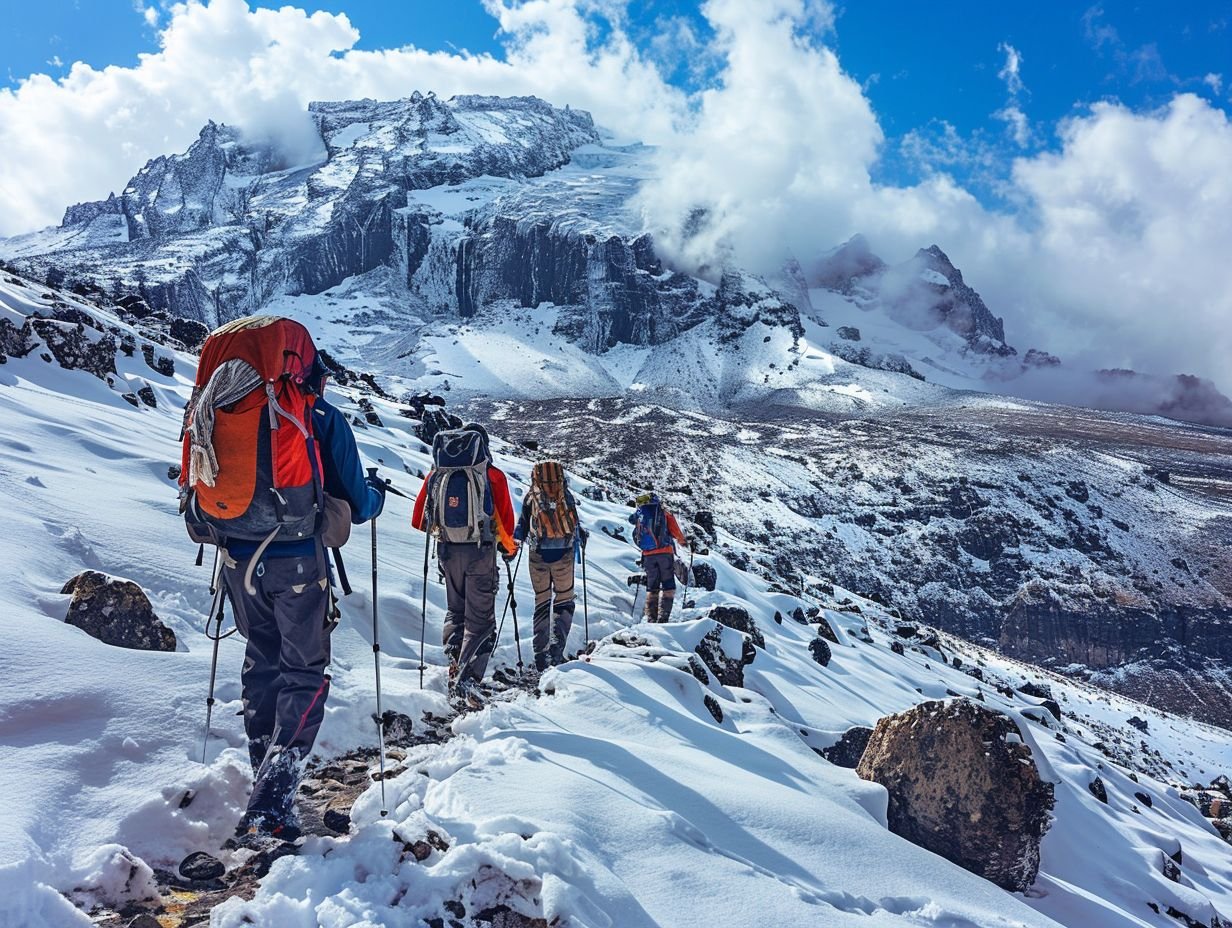
While the logistics of booking your December 2026 climb are critical, your physical and technical preparation is what will ultimately determine your success on the mountain. December is a transitional month; you may experience dry, sunny conditions on the lower slopes, but the higher camps often see erratic weather patterns, including sudden temperature drops and potential snow at the summit. Preparing for this variance is essential for a safe and enjoyable experience.
Physical Training: Beyond the Treadmill
Many climbers make the mistake of focusing solely on cardiovascular endurance. While having a strong “engine” is vital for the long, slow ascent, Kilimanjaro is a trekking peak that demands significant lower-body strength and joint stability. You are not just walking; you are hiking for 5 to 8 hours a day with a daypack, navigating uneven, rocky terrain. Your training should prioritize:
- Eccentric Strength: Focus on exercises that strengthen your quads and calves during the lengthening phase of movement. Step-downs, lunges, and calf raises are more beneficial than leg extensions. This protects your knees during the long, steep descents, which is when most injuries occur.
- Pack-Weighted Hiking: Replicate the experience by wearing your hiking boots and a loaded backpack (starting at 5kg and working up to 10kg) during your weekend training hikes. This conditions your shoulders and back to the weight and helps you identify any “hot spots” in your footwear before you arrive in Tanzania.
- Core Stability: A strong core acts as a stabilizer on the mountain, especially when you are fatigued and your gait begins to falter. Incorporating planks and rotational exercises into your routine 3-4 times a week will significantly improve your balance on rocky trails.
The Layering System for December Variability
The biggest challenge for December climbers is the extreme temperature range. You will start your trek in the humid, tropical rainforest zone, where temperatures can reach 25°C (77°F), and finish at the summit in sub-zero temperatures that can drop to -10°C (14°F) or lower, exacerbated by wind chill. You do not need to pack everything you own; instead, focus on a modular layering system.
The Three-Layer Rule
- Base Layer: Moisture-wicking synthetic or merino wool. Avoid cotton at all costs, as it retains moisture, stays cold against your skin, and will not dry out on the mountain. You need a set for hiking and a clean, dry set specifically for sleeping.
- Mid Layer: This is your insulation. A fleece jacket or a lightweight down “puffy” sweater works best. This layer traps body heat and is easy to take off or put on as you move between the heat of the lower slopes and the cooling air of the alpine desert.
- Outer Shell: A high-quality, waterproof, and windproof jacket. Even if the forecast looks dry, Kilimanjaro creates its own microclimate. A reliable shell protects you from the wind on the summit night and keeps you dry during the inevitable afternoon showers in the forest or heath zones.
Altitude Acclimatization: The “Pole Pole” Philosophy
No amount of physical fitness can guarantee immunity from Acute Mountain Sickness (AMS). The most effective tool you have is your pace. In Swahili, the mantra is “pole pole”—slowly, slowly. On a group joining climb, the pace is set by the head guide to ensure the group stays together and maintains a sustainable rhythm. Do not be tempted to rush ahead to the next camp; your body needs time to adjust to the decreasing oxygen levels at higher elevations. Drinking at least 3-4 liters of water daily is non-negotiable, as dehydration often masks or exacerbates the symptoms of altitude sickness. If you feel a headache or nausea, communicate this to your guides immediately. They are trained to monitor your vital signs and will make the necessary adjustments to keep you safe.
Navigating Group Dynamics: The Social Component of Your Summit
While the technical and physical aspects of your December 2026 climb are paramount, the social environment is the hidden variable that defines the success of a group joining expedition. When you book a spot on a shared departure, you are not merely purchasing logistics; you are entering a temporary community. December is a peak month for international travel, meaning your group will likely consist of people from diverse backgrounds, all converging on Tanzania to celebrate the holidays or ring in the New Year from the Roof of Africa. This unique timing often creates a distinct camaraderie that is absent during quieter months.
The “Summit Family” effect is real. Within 48 hours of leaving the trailhead, the social barriers often dissolve. You are all facing the same thin air, the same early mornings, and the same physical fatigue. This shared vulnerability is a powerful equalizer. However, successfully navigating this environment requires a degree of emotional intelligence. The most successful groups are those that practice active listening and patience. On the trail, you will find that the pace is dictated by the slowest member of the group to ensure everyone remains safe and acclimatized. This is not a race; it is a collective endeavor. If you are a faster hiker, use the extra time at checkpoints to rest, hydrate, or engage with your fellow climbers rather than pushing the guide to move faster.
Fostering Cohesion on the Trail
The dining tent serves as the heartbeat of your group. In the evenings, this is where the day’s triumphs are celebrated and the challenges are processed. We encourage climbers to use this time to unplug from devices and engage with the team. Sharing stories from home or discussing the day’s landscape is the best way to build the trust necessary for the final push to Uhuru Peak. If you are a solo traveler, do not worry about feeling like an outsider; our guides are trained to facilitate group introductions and ensure that no one feels isolated.
Communication is the bridge between a good experience and a great one. If you are struggling—whether it is with a blister, a specific gear issue, or mild altitude symptoms—inform your guide immediately. Do not hide these issues to “keep up appearances” in front of the group. Transparency helps the guides manage the group’s tempo and safety. Conversely, if you notice a teammate struggling, a simple word of encouragement or offering to carry a bit of their extra gear can solidify the group bond. Remember, the mountain does not care about your individual ego; it responds to the strength of the collective unit.
Managing Pacing and Individual Needs
One of the most common concerns for prospective group climbers is the fear of being “too slow” or “too fast.” On our December departures, we mitigate this by maintaining a high guide-to-climber ratio. This allows for flexibility. If a group is large, we may split into smaller sub-groups during the hike, each with its own lead guide, while still operating under the same umbrella logistics. This ensures that the “pole pole” pace remains personalized to the group’s average capability. You will never be forced to walk at a pace that is unsafe, nor will you be left behind. Your role is simply to focus on your own rhythm, stay hydrated, and trust the expertise of the mountain crew who have managed these group dynamics for years.
The Anatomy of a Typical Group Joining Itinerary
While every group joining climb is tailored to the specific route chosen—such as the Machame or Lemosho—the structural “rhythm” of the expedition remains consistent across all shared departures. Understanding this flow helps you mentally prepare for the transition from the lowlands to the high-altitude desert and finally the arctic summit zone. A standard group joining itinerary is designed not just for movement, but for progressive physiological adaptation.
The Arrival and Briefing Phase
Your journey effectively begins the day before the climb. For group joining participants, this is a crucial window. You will typically be met at Kilimanjaro International Airport (JRO) and transferred to a base hotel in Moshi or Arusha. This is where you will meet your lead guide for a mandatory pre-climb briefing. This session is the most important administrative step: your guide will inspect your gear, ensure your hydration bladder is functional, and verify that your layering system is adequate for the December summit temperatures. It is also the first time you will see your fellow group members. Use this time to establish rapport; knowing who you are walking with—and understanding their motivations for the climb—can significantly ease the social pressure on the trail.
The Daily Trekking Rhythm
Once on the mountain, the daily routine becomes your new normal. A typical day starts early, often with a wake-up call at 6:00 AM or 6:30 AM, followed by a hot breakfast in the mess tent. This is a critical time for group cohesion; the guides will brief the team on the day’s profile, including the expected altitude gain, terrain type, and any specific challenges like steep ridges or scree slopes.
The trekking portion usually begins around 8:00 AM. In a group joining format, you are rarely walking in a single, rigid line. Instead, the team moves at the pace of the group’s slowest member, with guides dispersed throughout the line—one at the front, one or more in the middle, and a sweep guide at the back. This ensures that no one is left alone. Lunch is typically a packed meal enjoyed on the trail or a hot meal at camp, depending on the route. Upon reaching the next camp, the afternoon is reserved for rest, hydration, and, crucially, short “acclimatization walks” to slightly higher elevations before returning to camp to sleep. This “climb high, sleep low” strategy is the bedrock of summit success.
The Summit Night Logistics
The final ascent is the most distinct part of any group joining itinerary. Unlike the previous days, the summit push usually begins shortly before midnight. Because you are in a group, this is when the “collective unit” philosophy becomes most apparent. You will be walking in the dark, illuminated by headlamps, with the temperature at its lowest. The guides will be monitoring each climber’s vitals and mental state closely. If a member of your group needs to turn back, the high guide-to-climber ratio ensures they are escorted safely to a lower camp without forcing the entire group to abandon their summit attempt. This specific logistical support is the primary advantage of booking a group joining climb over a budget-private tour, where a single guide might be forced to choose between escorting one person down or abandoning the group.
Understanding the “Shared” Costs vs. Hidden Expenses
When reviewing group joining quotes for December 2026, it is vital to understand what is truly included. Because you are pooling resources, the base price usually covers the “expedition essentials,” but there are distinct items that are often excluded to keep the group price competitive and flexible. Being aware of these will prevent last-minute logistical friction.
Inclusions to Verify
Most reputable group joining packages include the following as standard. If a quote does not explicitly list these, it is a red flag:
- Park Fees and Rescue Fees: These are non-negotiable government costs. In a group, these are paid by the operator on your behalf, but you should confirm they are included in your initial quote.
- Mountain Crew Salaries: This covers the head guide, assistant guides, porters, and cooks.
- Camping Equipment: Shared high-quality four-season tents and the mess tent setup.
- Meals on the Mountain: All meals prepared by the camp cook, designed for high-calorie intake.
Commonly Excluded Costs
To keep the group joining price accessible, the following are often handled individually by climbers:
- Tipping: This is the most significant “hidden” cost. Tipping is customary on Kilimanjaro and is done at the end of the climb. It is best to discuss the recommended daily tipping pool with your operator well before you arrive.
- Personal Gear Rentals: If you realize your sleeping bag is not rated for -15°C, you can usually rent one, but this is an out-of-pocket expense.
- Visas and Travel Insurance: You are responsible for obtaining your Tanzanian visa and ensuring your travel insurance covers high-altitude trekking (up to 5,895 meters).
- Post-Climb Accommodation: While the hotel before the climb is often included, the night after your descent is sometimes left to the climber to arrange, allowing for flexibility in travel plans.
Vetting Your Operator for December 2026
With the surge in demand for December 2026, the market for Kilimanjaro expeditions becomes significantly more crowded. As you evaluate potential group joining providers, it is essential to distinguish between professional, established operators and temporary agencies that may outsource your climb to the lowest bidder. Because you are entrusting your safety and your limited vacation time to a team, the vetting process is your most critical pre-departure task. Do not rely solely on the price tag; instead, investigate the operational standards that define a successful, high-quality expedition.
The Ethical Standard: KPAP Certification
The most reliable indicator of a reputable Kilimanjaro operator is their status with the Kilimanjaro Porters Assistance Project (KPAP). This independent organization monitors the treatment of mountain crews, ensuring that porters receive fair wages, proper clothing, adequate food, and appropriate load limits. When you join a group, you are responsible for a portion of the crew’s welfare. Booking with a KPAP-partnered operator guarantees that your expedition supports ethical employment practices. If an operator cannot provide their current KPAP certification status or is defensive when asked about their porter welfare policies, it is a significant red flag. In the high-volume month of December, where competition for staff is fierce, ethical operators are the ones who retain the most experienced, loyal, and capable teams.
Medical and Emergency Protocols
On a group joining climb, safety protocols are not just a formality; they are the baseline for your survival at altitude. When communicating with potential operators, move beyond generic promises of “safety” and ask specific questions about their equipment and training. A professional operator should be able to confirm that their guides are certified in Wilderness First Responder (WFR) training or equivalent high-altitude medical certification. Furthermore, verify that the group will be equipped with a comprehensive medical kit, including pulse oximeters for daily monitoring of blood oxygen saturation levels, and reliable communication devices—such as satellite phones or high-range radios—to coordinate emergency evacuations if necessary. In December, when the mountain is busy, the ability to coordinate a swift, professional descent is vital.
Avoiding the ‘Middleman’ Trap
A common pitfall for international travelers is booking through a third-party “adventure aggregator” or travel agency that does not actually operate climbs. These agencies often sell your spot to a local operator only once they have collected enough bookings. This creates a disconnect between the company you paid and the team that will actually guide you. To ensure accountability, ask your contact directly: “Do you own and operate your own climbs, or are you an agency?” You want to be in direct contact with the company that employs the guides, holds the mountain permits, and manages the logistics on the ground. This direct line of communication ensures that if there is a scheduling change or a specific requirement for your December 2026 group, you are speaking to the people who can actually make the decision, rather than a sales representative who may be thousands of miles away.
Verifying Equipment Standards
While you are responsible for your personal gear, the group’s collective comfort depends on the quality of the shared equipment. Inquire about the age and brand of the tents provided for the group. For a December climb, where you may encounter the tail end of the short rains, high-quality, four-season mountain tents are non-negotiable. Furthermore, ask about the dining setup. A spacious, clean mess tent with adequate lighting and comfortable seating is essential for group cohesion. If an operator is unwilling to share photos of their current inventory or provide details on their tent maintenance schedule, it suggests a lack of investment in the very infrastructure that will house you for a week.
Related Guides and Packages
Check Availability for Kilimanjaro Group Joining Climbs: December Planning Guide 2026
Ready to compare dates, prices, and the best option for your group? Send the package name and travel month so the team can reply with a clear quote, availability, and what is included.
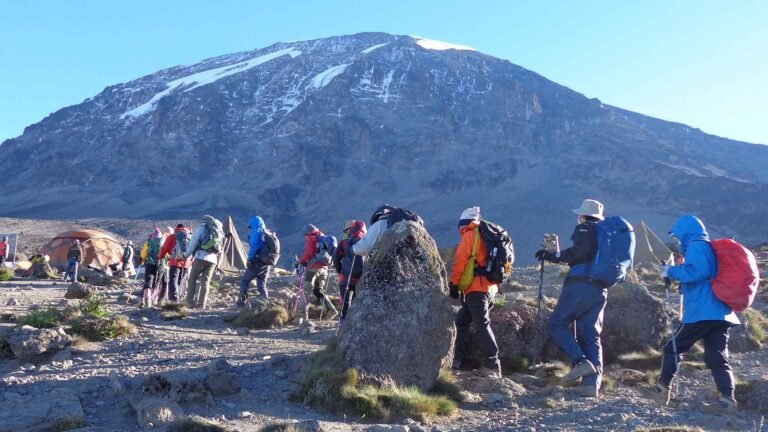
Last Minute Kilimanjaro Group Joining Deals December : Planning Your Climb
Looking for last-minute Kilimanjaro group joining deals in December 2026? Discover how to secure your spot, understand the route trade-offs, and plan your mountain ascent with expert local...
View package details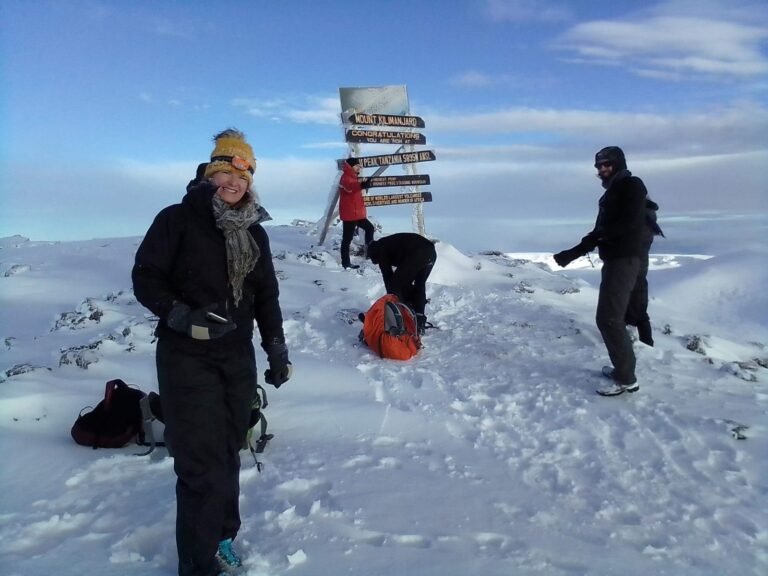
Affordable Kilimanjaro Group Joining Safari And Trekking Packages December
A practical guide to booking affordable, reliable group joining treks on Kilimanjaro and wildlife safaris in Tanzania for December 2026, focusing on logistics, shared costs, and travel...
View package detailsKilimanjaro Group Joining Tours December : Planning, Routes, And Availability
A detailed guide on planning your Kilimanjaro group joining climb for December 2026, including route comparisons, logistics, and how to secure your spot with Climb 4 Africa.
View package details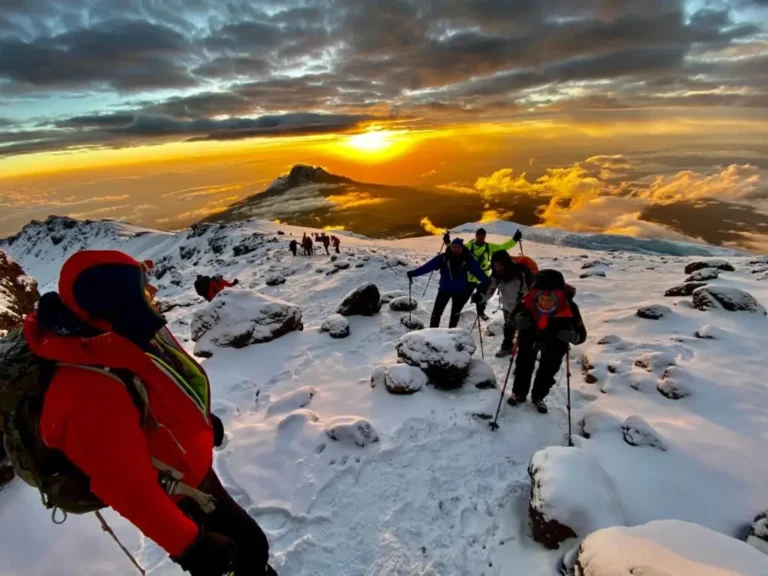
Kilimanjaro New Year Summit Group Departures December : Planning Your Ascent
Planning a New Year summit on Kilimanjaro requires specific logistics. Learn how to join a group departure for December 2026, choose the right route, and prepare for your climb.
View package details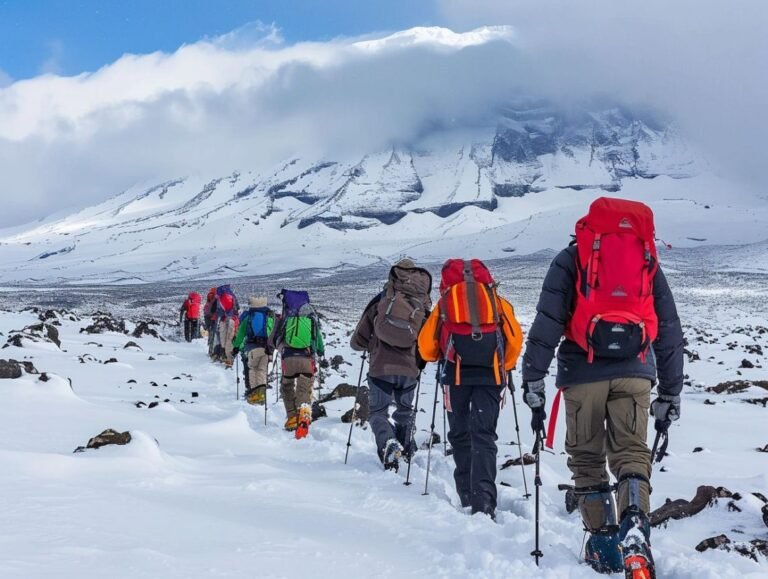
December Kilimanjaro Group Departures For Solo Travelers: Planning Your Climb
A practical guide for solo travelers planning to climb Kilimanjaro in December 2026, covering group joining benefits, route selection, and booking logistics.
View package details
Join A Kilimanjaro Christmas Climbing Group In December 2026
A guide to securing your spot on a Kilimanjaro Christmas group climb for 2026, including route advice, group logistics, and essential planning steps.
View package details
Best Kilimanjaro Group Climbing Packages For December : A Practical Guide 2026
A practical guide to selecting Kilimanjaro group climbing packages for December 2026, focusing on route logistics, weather considerations, and cost-sharing benefits.
View package detailsTraveling Alone To Kilimanjaro In December: Can You Join A Machame Route 2026
A practical guide for solo travelers planning a December Kilimanjaro climb. Discover how group joining works on the Machame Route, the realities of cost-sharing, and how to prepare for your...
View package details
Kilimanjaro Small Group Climbing Tours Before Christmas 2026
Planning a Kilimanjaro summit before the holidays? Explore the logistics, route choices, and small group benefits for December 2026 climbs.
View package detailsCan I Join A Safari Group Directly From Kilimanjaro Airport? Logistical Guide
A practical guide to coordinating your arrival at Kilimanjaro International Airport (JRO) with a scheduled group safari, including logistical requirements and booking tips.
View package details
Shira Route Kilimanjaro Climbing Itinerary For December : Expert Guide 2026
A deep look at the Shira Route for December 2026, covering the unique high-start logistics, acclimatization advantages, and step-by-step itinerary planning.
View package details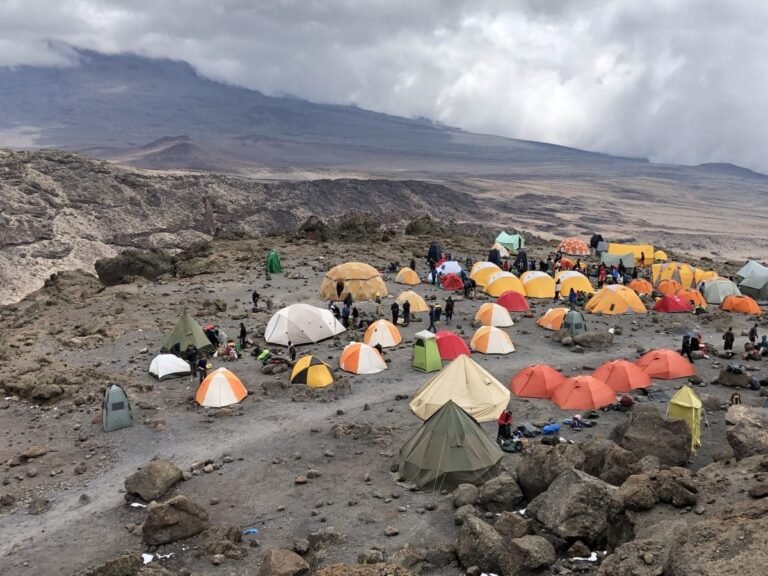
7 Days Umbwe Route Kilimanjaro Challenge: Planning Your December Ascent 2026
A deep-dive guide into the 7-day Umbwe Route, the most challenging and direct path up Kilimanjaro, perfect for those seeking a quiet, steep, and rewarding December 2026 expedition.
View package detailsNo related package matches those filters. Clear one or more filters to see the other topic-matched options.



