
Securing Last Minute Kilimanjaro Group Joining Deals for December 2026 requires a focus on flexibility and early communication. Because December is a peak season due to favorable weather and the holiday window, “last minute” typically refers to booking 4 to 8 weeks before your intended departure, rather than days. To increase your chances of finding an open slot, prioritize routes with higher daily traffic like the Machame or Lemosho, and be prepared to join established groups that may already have 2–4 confirmed climbers. Contact Climb 4 Africa via WhatsApp at +255 747 477 898 or email us at climb4africa@gmail.com to verify current availability for specific December dates.
December is a memorable time to climb Kilimanjaro. You are moving through the tail end of the short rains, often resulting in lush, green lower slopes and clearer, drier weather as you approach the summit. For many, this is the ideal window for an end-of-year challenge. However, because this is a popular time for international travelers, finding a last-minute spot in a group joining package can be competitive. Success in securing a place depends heavily on how you approach the booking process and which routes you target.
Understanding the Group Joining Dynamic
Group joining tours are not simply cheaper versions of private climbs; they are a different logistical model. In a group joining scenario, you are essentially buying a “seat” in a pre-planned departure. The operator has already secured the necessary park permits, allocated the mountain crew, and arranged the logistics for a specific itinerary. When you join, you are leveraging the economies of scale—sharing the cost of the mountain guide, assistant guides, porters, and equipment transport with other climbers.
The primary advantage for a last-minute traveler is the ability to bypass the long lead times required to organize a private expedition. Since the infrastructure is already in place, the “last-minute” hurdles are reduced to verifying permit availability and flight alignment. However, this also means you must be willing to align with the group’s pre-set schedule. If a group is departing on December 15th for a 7-day Machame route, your flights must land in Tanzania at least one day prior to ensure acclimatization and a smooth start.
Which Routes Offer the Best Last-Minute Availability?
Not all routes are created equal when it comes to group joining. Routes with higher traffic frequency, such as the Machame Route and the Lemosho Route, are your best bets for finding available spots in December.
The Machame Route is often called the “Whiskey Route.” It is the most popular choice for group joining because it offers a perfect balance of acclimatization and scenery. Because of its popularity, operators like Climb 4 Africa run consistent, regular departures throughout December. If you are looking for a shorter, more intense climb, Machame is frequently the default choice for group departures.
Conversely, the Lemosho Route is a longer, more scenic alternative. It is excellent for those who have a few extra days and prioritize a higher success rate through better acclimatization. While you might find fewer “last-minute” openings here compared to Machame, the groups are often smaller and more cohesive. If you are aiming for a specific date, reach out to us at info@climb-4-africa.com to check if there is an existing Lemosho group that you can slot into.
Comparison: 6-Day vs. 7-Day Itineraries
When reviewing group joining deals, you will often see variations in duration. Understanding the trade-off is critical:
- 6-Day Itineraries: These are faster and more physically demanding. They involve longer daily hiking hours and less time for the body to adjust to altitude. These are often cheaper, but they carry a slightly higher risk of altitude sickness.
- 7-Day (or longer) Itineraries: These are highly recommended by local experts. The extra day allows for a “climb high, sleep low” approach, which significantly increases your summit success rate. In December, when weather can still be unpredictable, that extra day of acclimatization is an investment in your safety and enjoyment.
Logistics for December 2026 Travelers
December is a busy month in Tanzania. Beyond the mountain, you have the Serengeti and Ngorongoro Crater, which are prime safari destinations. Many travelers choose to combine their Kilimanjaro trek with a 3-to-5-day safari. If you are booking a last-minute Kilimanjaro spot, consider how this affects your post-climb plans. Will you have the energy for a safari immediately after, or do you need a day of rest in Moshi or Arusha?
We often help travelers coordinate these transitions. If you join a group that finishes on December 28th, you might want to look for a safari that departs on the 29th. Our team can help synchronize these dates, ensuring your mountain crew and your safari guide are aligned. You can find more details on our Tanzania group safari departures here.
What to Verify Before You Book
When you find a potential last-minute group joining deal, do not rush to pay the deposit. A legitimate operator should be able to provide clear answers to these four questions:
- What is the minimum and maximum group size? A group of 4 is very different from a group of 12. Larger groups move at the pace of the slowest member.
- What is included in the “joining” price? Ensure this includes park fees, rescue fees, camping fees, mountain crew wages, food, and tents. Some “deals” exclude essential items like sleeping bags or even park fees, which creates a huge hidden cost.
- Who is the lead guide? Even in a group, the quality of your lead guide is the single biggest factor in your safety. Ask about the experience level of the team assigned to that specific group.
- What is the cancellation policy for group joining? Since you are joining an existing group, the operator’s flexibility is often lower. Understand the risks if you have to cancel your flight or if the group does not reach the minimum number of participants required to run the climb.
Planning for the Holiday Window
Climbing Kilimanjaro over Christmas or New Year’s is a bucket-list experience for many. If your dates fall between December 20th and January 1st, expect the mountain to be busier than in early December. This is great for social dynamics—you will meet people from all over the world—but it means campsites can be crowded. If you are looking for a more secluded experience, aim for the first two weeks of December. You can explore options for joining a Christmas climbing group specifically if that is your target window.
How to Secure Your Spot
Because these spots are limited, the most effective way to secure a place is to be decisive. Once you identify a departure date that fits your flight schedule, reach out to us with the following details:
- Your preferred route (Machame, Lemosho, or Rongai).
- Your preferred dates for arrival in Tanzania.
- Your fitness level and previous trekking experience (this helps us ensure you are placed in the right group).
- Whether you intend to add a safari or Zanzibar extension.
By providing this information upfront, we can immediately check our roster and confirm if a spot is available or if we can open a new group for those dates. You can contact us directly via WhatsApp at +255 747 477 898 or via our primary email at climb4africa@gmail.com. We are here to help you navigate the logistics so you can focus on the climb.
Remember, the mountain is a challenge that demands respect, regardless of whether you book a year in advance or a few weeks out. The key to a successful December 2026 climb is preparation, the right team, and a flexible mindset. We look forward to helping you reach the Roof of Africa.
The Daily Rhythm of a Group Joining Trek
When you sign up for a last-minute group joining departure, you are stepping into a pre-established rhythm. Unlike a private climb where you dictate the daily schedule, a group joining itinerary follows a set structure designed to maximize the success rate of the entire team. Understanding this daily cycle helps you integrate into the group dynamic quickly, which is essential when you are joining a team that may have already finalized their internal group chat or introductions.
The Morning Routine and Briefing
Your day typically begins around 6:00 or 6:30 AM. In a group setting, this is a synchronized operation. You will be woken by the camp crew with a hot washbasin and a cup of tea or coffee delivered to your tent. This is a critical time for last-minute joiners to check their gear one final time. Because you are part of a larger group, breakfast is communal. This is where the lead guide provides the morning briefing—a vital update that details the terrain, the expected duration of the hike, and any specific hydration or clothing requirements for the day. Listening closely here is not just for information; it is your first opportunity to bond with your fellow climbers and establish the camaraderie that often defines the Kilimanjaro experience.
The Hiking Pace and Group Dynamics
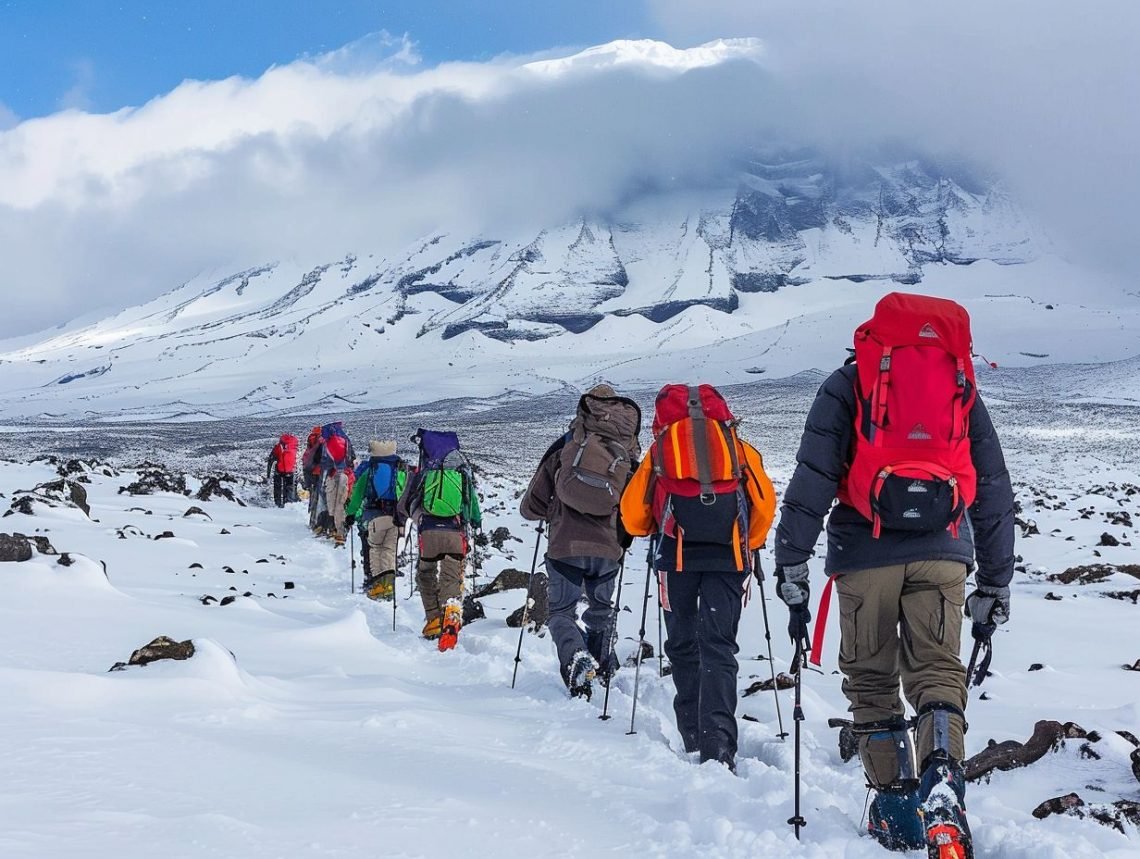
A common misconception about group joining is that you will be forced to hike in a rigid, single-file line all day. In reality, the “pole pole” (slowly, slowly) philosophy allows for natural spacing. The group is supported by a ratio of guides—typically one lead guide, an assistant guide, and a “sweep” guide who stays at the very back. This structure allows the group to spread out based on individual energy levels. If you are a faster hiker, you can move ahead with the assistant guide, while those who need more time can walk with the sweep. The group will naturally regroup at designated rest stops or lunch spots. This flexibility is a hallmark of well-managed group climbs and ensures that no one feels pressured to rush or held back by others.
Afternoon Decompression and Acclimatization
Arrival at camp is usually between 2:00 PM and 4:00 PM, depending on the route and the day’s distance. Once you reach the site, your tent will already be pitched by the porters. This is the period of “active recovery.” For many, this involves changing into dry base layers, hydrating with tea, and perhaps taking a short acclimatization walk if the altitude gain for the day was significant. This is the best time to socialize. Because you joined the group last-minute, this downtime is your opportunity to ask your tent-mates about their preparations or share your own motivations for the climb. The social bond formed during these quiet afternoon hours is often what carries climbers through the more difficult, high-altitude days.
The Evening Briefing and Dinner
Dinner is the centerpiece of the group social experience. It is served in the mess tent, which acts as the living room of the mountain. The lead guide will deliver the evening briefing, which is the most important communication of the day. They will recap the day’s performance, monitor any signs of altitude sickness, and provide the plan for the next morning. This is also when the group dynamic solidifies. You will find that even if you arrived as a stranger, by the second or third night, the shared challenge of the mountain creates a unique sense of unity. If you are joining as a solo traveler, this structure ensures you are never truly alone, providing both social support and the logistical comfort of a guided team.
Managing the Post-Summit Descent and Departure Logistics
While the summit day is the climax of your Kilimanjaro experience, the logistical reality of the descent and your subsequent departure is often where last-minute joiners face the most friction. Because you have likely joined a group of strangers, the post-summit phase requires a shift from collective hiking to individual travel planning. Understanding this transition is essential to ensuring your exit from the mountain is as smooth as your ascent.
The final night on the mountain—usually spent at Mweka Camp or similar—is a time of celebration, but it is also the moment when the group dynamic begins to dissolve. In a group joining scenario, this is when you must coordinate the tipping protocol. Tipping is a standard and expected practice on Kilimanjaro, and in a group setting, it is best handled collectively. Before you descend, the lead guide will often facilitate a meeting to discuss the gratuity pool. As a last-minute joiner, ensure you have your portion of the tips prepared in US Dollars (typically printed after 2009 to meet Tanzanian banking standards). Being proactive about this prevents the awkwardness of last-minute currency exchanges or calculation disputes among group members who may have different budget expectations.
On the final morning, the descent to the park gate is a hurried affair. You will likely be eager to return to civilization, but remember that the descent is taxing on the knees. Once you reach the Mweka Gate, you will sign out of the park and receive your summit certificate. This is a critical logistical juncture. If you have booked your post-climb hotel or airport transfer independently, ensure you have clearly communicated your arrival time at the gate to your transfer provider. Group joining operators often provide a shuttle back to a base hotel in Moshi or Arusha, but if your flight schedule deviates from the rest of the group, you may need to arrange a private transfer from the gate.
Finally, consider the “post-climb blues” and the sudden shift from constant group interaction to solitude. After days of being surrounded by the same team, the transition back to a hotel room can feel jarring. Many last-minute climbers find it helpful to book at least one buffer day in Tanzania before their international flight. This allows you time to shower, organize your gear, and decompress. If you are continuing your travels—perhaps to a safari or Zanzibar—use this time to verify your onward logistics. Your mountain guide is an excellent resource for local travel advice, but do not rely on them for flight rebooking or hotel issues; ensure you have your own digital copies of all onward travel documents, as the mountain environment is not the place to resolve logistical errors.
Navigating the Gear Dilemma for Last-Minute Joiners
When you book a last-minute group joining spot for December 2026, you face a unique challenge: the gear acquisition window is significantly compressed. Unlike climbers who have spent months researching and testing equipment, you may have only a few weeks to finalize your kit. The most critical advice for the last-minute traveler is to prioritize the ‘non-negotiables’ that you must bring from home, while leaning on the operator’s rental ecosystem for the high-volume, technical gear.
Never attempt to break in brand-new, heavy leather trekking boots on the mountain. This is a common mistake that leads to blisters and, in severe cases, the inability to summit. If you are booking within the 4-to-8-week window, use your remaining time to walk in your boots daily. If you cannot secure comfortable, broken-in footwear, consider renting high-quality, pre-worn boots from your operator in Moshi or Arusha, provided they offer professional-grade rental gear. When you arrive, allow ample time—at least 24 hours before your climb starts—to test every piece of rented equipment. Check the zippers on the sleeping bags, the locking mechanism on trekking poles, and the waterproofing of the mountain parka. In a group joining scenario, the lead guide will often host a ‘gear check’ session at the hotel the evening before departure. Do not skip this; it is your final opportunity to swap out a faulty item before you are on the trail.
The Compressed Training Reality
If you are booking a December trek on short notice, you likely do not have the luxury of a six-month training block. However, you can still maximize your physical readiness in a condensed timeframe. Stop worrying about heavy gym lifting; instead, focus entirely on aerobic conditioning and eccentric strength. The most effective training for Kilimanjaro is hiking while carrying a weighted pack. If you have access to stairs or a local trail, spend your remaining weekends doing back-to-back long hikes. This builds the specific musculature required for the descent, which is often where climbers experience the most fatigue. Because you are joining a group, you must be honest about your current fitness level with your lead guide during the pre-climb briefing. They need to know if you are a slower hiker so they can optimize the group’s pace or assign an extra assistant guide to ensure you are never left behind.
Managing Group Dynamics with Strangers
The most significant variable in a group joining trek is the people you are sharing the mountain with. Because you did not choose your teammates, you will be entering a dynamic that is already partially formed or entirely new. The most successful last-minute joiners are those who arrive with a mindset of ‘radical inclusion.’ On the first day, the group may feel like a collection of strangers, but the shared adversity of the mountain environment acts as a rapid bonding agent. Avoid the temptation to isolate yourself in your tent during the afternoons; the mess tent is where the group culture is built. This is where you will share stories, discuss the day’s challenges, and, most importantly, where the guides will provide the critical briefing for the next day. By engaging early and often, you create a support network that becomes vital during the final, grueling push to Uhuru Peak. If you find yourself in a group with varying fitness levels, remember that the ‘pole pole’ (slowly, slowly) pace is mandatory for everyone. Do not be intimidated by faster climbers; the mountain rewards those who pace themselves, not those who sprint.
Navigating the Pre-Trek Transition and Tipping Etiquette
For the last-minute joiner, the period between touching down at Kilimanjaro International Airport (JRO) and arriving at the trailhead is often the most anxiety-inducing. Because you have bypassed the months of email threads and group planning that characterize private expeditions, you are essentially stepping into a pre-existing logistical machine. Successfully integrating into your group requires a proactive approach to the ‘pre-trek phase’—the 24 to 48 hours before you actually start hiking.
The Arrival and Initial Integration
When booking a last-minute spot for December 2026, you will likely arrive in Moshi or Arusha with less context than your teammates. Upon arrival at your designated hotel, your first priority is to locate the ‘Climbing Notice Board’ or the hotel reception desk, where your operator will have left instructions. In peak December, hotels are often at capacity, and the lobby will be a hive of activity. Do not assume your name is on a list at the front desk; always have your booking confirmation, the name of your lead guide, and the contact details of your operator saved offline on your phone.
The pre-trek briefing at the hotel is your most critical window for integration. This is usually held the evening before departure. As a late addition, you may feel like an outsider, but the briefing is the great equalizer. This is where you will meet your teammates, verify your gear, and confirm your dietary requirements. If you are arriving late due to flight delays, communicate this to your operator immediately. A last-minute joiner who misses the briefing is a liability; if you cannot make the scheduled time, request a private, condensed briefing with the lead guide before you head to the trailhead the next morning.
Decoding the Tipping Protocol in Group Joining Climbs
Perhaps the most uncomfortable topic for last-minute joiners is the tipping culture. In a private climb, you and your travel companions have weeks to discuss the ‘kitty’ or the tipping strategy. In a group joining scenario, you are arriving into a mix of people with potentially different cultural expectations regarding gratuities. Understanding the local expectation is essential to avoiding awkwardness on the final day.
On Kilimanjaro, tipping is not a suggestion; it is the primary income for the mountain crew. The standard industry practice is to calculate the tip as a group rather than individually. However, because you are a last-minute addition, you may not know if your group has already decided on a collective strategy. On the first day of the hike, or during the hotel briefing, it is perfectly acceptable—and encouraged—to ask the lead guide or your fellow climbers: ‘How are we handling the gratuity pool?’
Most groups will designate one person to collect the total tip amount and distribute it to the crew during the final ceremony at the gate. If you find that your group has not discussed this, initiate the conversation. A professional approach is to suggest a group meeting on the second-to-last night of the trek. By addressing this before the final descent, you avoid the ‘scramble’ at the Mweka or Marangu gate where everyone is exhausted and emotions are high. Keep in mind that for December 2026, you should have your tips prepared in crisp, clean USD bills (printed after 2013) or Tanzanian Shillings, as the crew will be unable to accept worn or damaged currency. Having the correct denominations ready before you leave the hotel will save you from having to scramble for change at the bottom of the mountain.
The Post-Climb ‘Handover’
The transition from the mountain back to civilization is abrupt. You will go from the silence of the high-altitude camps to the noise of the trailhead in a matter of hours. As a group joiner, your departure logistics are often tied to the group’s transport. If you have booked a separate flight or a different post-climb safari, ensure that your operator has confirmed your transfer from the gate to your hotel or the airport well in advance. Do not assume that your hotel transfer is automatically included in the ‘group’ plan if you are staying at a different property. Confirm your post-trek transport during the morning briefing on your final day on the mountain; this ensures that when you reach the gate, your logistics are smooth, allowing you to focus on the post-summit celebration rather than hunting for a taxi.
Related Guides and Packages
Check Availability for Last Minute Kilimanjaro Group Joining Deals December : Planning Your Climb
Ready to compare dates, prices, and the best option for your group? Send the package name and travel month so the team can reply with a clear quote, availability, and what is included.
Affordable Kilimanjaro Group Joining Safari And Trekking Packages December
A practical guide to booking affordable, reliable group joining treks on Kilimanjaro and wildlife safaris in Tanzania for December 2026, focusing on logistics, shared costs, and travel...
View package details
Kilimanjaro Group Joining Tours December : Planning, Routes, And Availability
A detailed guide on planning your Kilimanjaro group joining climb for December 2026, including route comparisons, logistics, and how to secure your spot with Climb 4 Africa.
View package details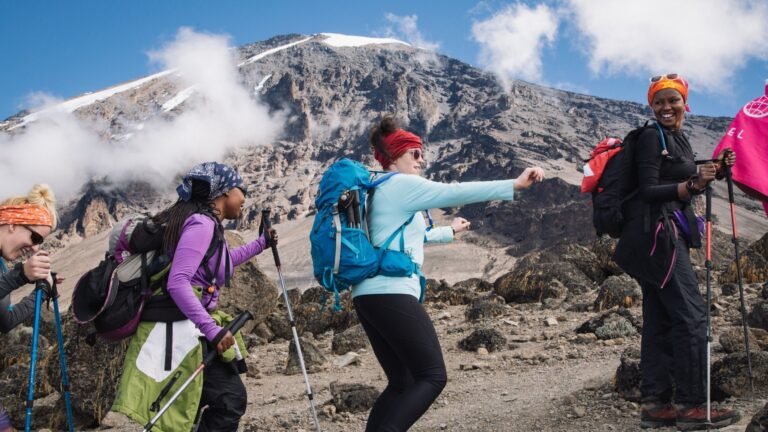
Kilimanjaro Group Joining Climbs: December Planning Guide 2026
Planning your Kilimanjaro adventure for December 2026? Find out how group joining climbs work, why December is a prime time to summit, and how to secure your spot with our expert team.
View package details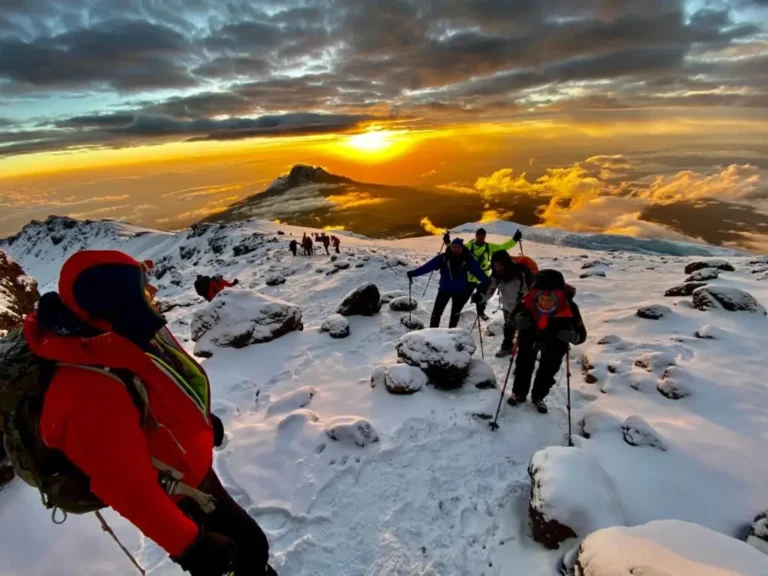
Kilimanjaro New Year Summit Group Departures December : Planning Your Ascent
Planning a New Year summit on Kilimanjaro requires specific logistics. Learn how to join a group departure for December 2026, choose the right route, and prepare for your climb.
View package details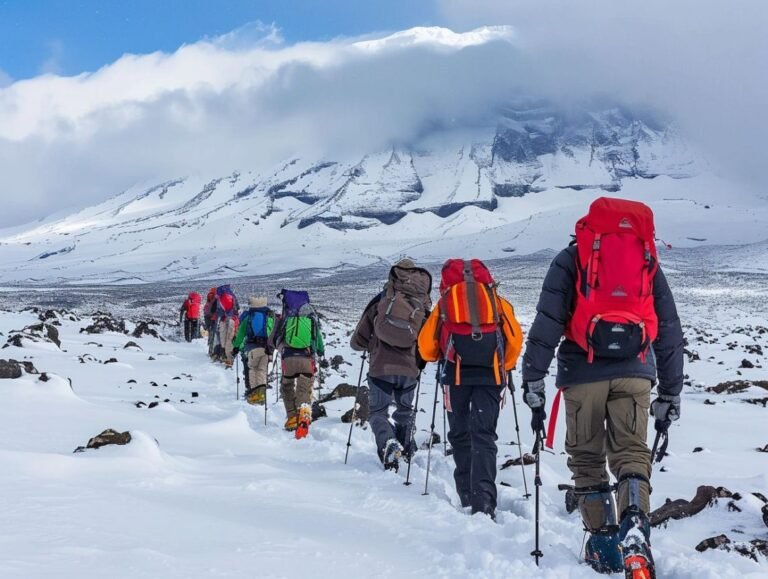
December Kilimanjaro Group Departures For Solo Travelers: Planning Your Climb
A practical guide for solo travelers planning to climb Kilimanjaro in December 2026, covering group joining benefits, route selection, and booking logistics.
View package detailsJoin A Kilimanjaro Christmas Climbing Group In December 2026
A guide to securing your spot on a Kilimanjaro Christmas group climb for 2026, including route advice, group logistics, and essential planning steps.
View package details
Best Kilimanjaro Group Climbing Packages For December : A Practical Guide 2026
A practical guide to selecting Kilimanjaro group climbing packages for December 2026, focusing on route logistics, weather considerations, and cost-sharing benefits.
View package detailsTraveling Alone To Kilimanjaro In December: Can You Join A Machame Route 2026
A practical guide for solo travelers planning a December Kilimanjaro climb. Discover how group joining works on the Machame Route, the realities of cost-sharing, and how to prepare for your...
View package details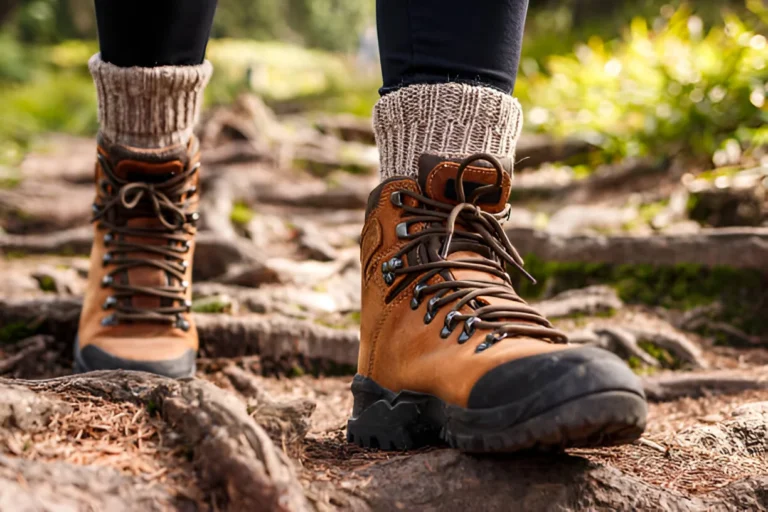
Kilimanjaro Small Group Climbing Tours Before Christmas 2026
Planning a Kilimanjaro summit before the holidays? Explore the logistics, route choices, and small group benefits for December 2026 climbs.
View package detailsCan I Join A Safari Group Directly From Kilimanjaro Airport? Logistical Guide
A practical guide to coordinating your arrival at Kilimanjaro International Airport (JRO) with a scheduled group safari, including logistical requirements and booking tips.
View package details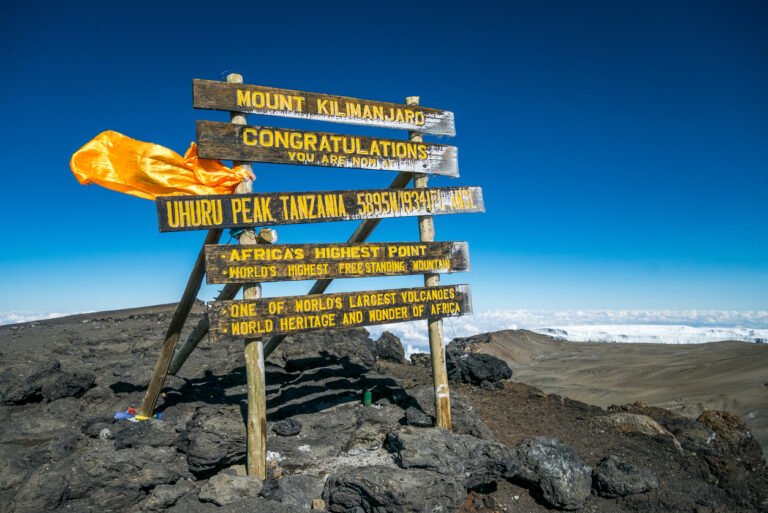
Vip Kilimanjaro Expedition With Private Mountain Crew December 2026
A detailed guide to planning a bespoke, high-support Kilimanjaro expedition for December 2026, focusing on private crew logistics, route selection, and safety.
View package details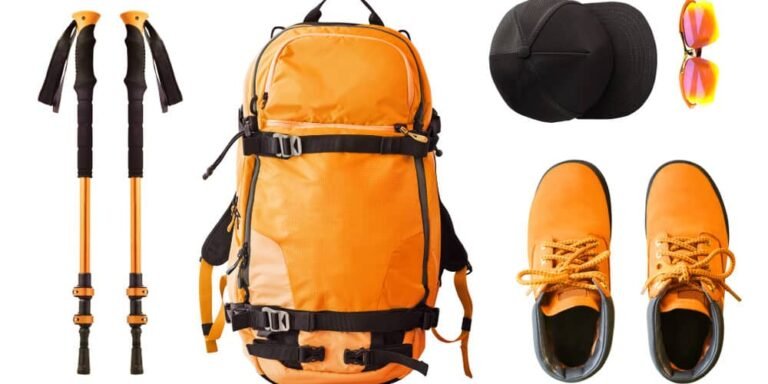
Kilimanjaro Honeymoon Climbing And Zanzibar Beach Holiday: December Planning
A practical guide for couples planning a Kilimanjaro climb and Zanzibar beach holiday in December 2026, focusing on route selection, recovery logistics, and planning timelines.
View package detailsNo related package matches those filters. Clear one or more filters to see the other topic-matched options.



