
Combining a Kilimanjaro climb with a Zanzibar beach holiday is a classic Tanzanian itinerary, but for a honeymoon, it requires a specific approach to logistics and pacing. December is one of the most popular months for travel to Tanzania, offering warm weather, clear skies, and a vibrant atmosphere. However, the physical demands of climbing Mount Kilimanjaro mean that your honeymoon cannot be planned like a standard vacation. The success of your trip depends on how you bridge the gap between the high-altitude exertion of the mountain and the necessary recovery time on the coast.
Planning Strategy for December 2026: The period around Christmas and New Year is a peak season for both Kilimanjaro and Zanzibar. Flights, mountain permits, and top-tier beach accommodation fill up months in advance. For a December 2026 departure, you should aim to finalize your route and accommodation choices no later than 9 to 12 months prior to your travel date. This ensures you secure the specific mountain guide team you prefer and the best room categories on the Zanzibar coast.
The Strategic Contrast: Mountain vs. Ocean
The primary challenge in planning a Kilimanjaro honeymoon is the physical transition. Climbing Kilimanjaro is not a leisurely walk; it is a multi-day high-altitude trek that pushes your body to its limits. After reaching the summit, your body will be fatigued, dehydrated, and likely in need of significant rest. If you head directly to a packed resort or a high-energy activity schedule in Zanzibar, you risk missing the relaxation you actually traveled for.
We generally recommend a minimum of 24 to 48 hours of “buffer time” between finishing your climb and boarding your flight to Zanzibar. This allows for a final shower, a proper meal, and the chance to settle your travel fatigue. Zanzibar is not just a single destination; it is a collection of distinct coastal experiences. The northern beaches (Nungwi and Kendwa) are known for their consistent swimming conditions and nightlife, while the east coast (Pongwe, Michamvi, Paje) offers a more secluded, boutique feel, which is often better suited for couples.
Choosing the Right Kilimanjaro Route for Couples
For a honeymoon, the route you choose dictates your daily experience. You are not just choosing a mountain trail; you are choosing your environment for 6 to 8 days. While the 6-day Machame Route is a popular choice for its scenic beauty, it is also one of the busiest trails. If you prefer solitude, quiet evenings, and a more intimate experience, you should look toward routes that offer better acclimatization and fewer crowds.
The 8-day Lemosho Route is frequently cited as the superior choice for couples. It begins on the western side of the mountain and provides a gradual ascent, which is critical for health and enjoyment. A slower ascent means you are less likely to suffer from severe altitude sickness, allowing you to actually enjoy the scenery and the company of your partner rather than just focusing on survival. The Northern Circuit is another excellent option, offering even more time on the mountain and a unique view of the quieter, northern slopes.
Why Acclimatization Dictates Your Honeymoon Success
Many couples make the mistake of choosing a shorter 5 or 6-day itinerary to “save time” for the beach. This is a common planning error. A 6-day climb is significantly harder than an 8-day climb. If you spend your first three days in Zanzibar recovering from severe altitude sickness, or if you fail to reach the summit because you rushed your acclimatization, the entire trip may feel compromised. Prioritize the longer, more gradual routes. Your future selves will thank you for the extra time on the mountain, which increases your summit success rate and ensures you arrive at the beach feeling accomplished rather than exhausted.
The Zanzibar Transition: From Trails to Tides
Once you descend from Kilimanjaro, you will typically transfer from the mountain gate to a hotel in Moshi or Arusha for a final night. The next day, you have a flight to Zanzibar. It is essential to understand that domestic flights in Tanzania are subject to timing changes. Do not book a tight connection. Give yourself a relaxed morning in Arusha or Moshi before your flight.
When selecting your Zanzibar accommodation, consider the “vibe” you want. If you want to walk out of your room directly into the ocean, look at the northern tip of the island. If you prefer long, quiet stretches of sand and boutique, intimate villas, the east coast is your best bet. Because this is a honeymoon, we often suggest a “split stay”: spend a few days in a quiet, romantic boutique hotel on the east coast, and then move to a more vibrant area if you want to explore Stone Town or engage in water sports like kite-surfing or dhow cruises.
Sample Itinerary Flow for December 2026
While every itinerary is tailor-made, a logical structure for a 14-day trip looks like this:
- Day 1: Arrival at Kilimanjaro International Airport (JRO). Transfer to your hotel in Moshi.
- Day 2: Gear check, final briefing, and rest.
- Day 3-10: The Kilimanjaro Trek (Using an 8-day route like Lemosho or Northern Circuit).
- Day 11: Descent, transfer to hotel, and celebration dinner.
- Day 12: Domestic flight to Zanzibar. Transfer to your beach resort.
- Day 13-16: Zanzibar relaxation, Stone Town tour, spice farm visit, or snorkeling trips.
- Day 17: Departure from Zanzibar International Airport (ZNZ).
This structure allows for a clear separation between the “work” of the climb and the “reward” of the beach. It minimizes stress and maximizes the enjoyment of both distinct environments.
Practical Planning and Logistics
Traveling in December means you are entering the short dry season. While showers can occur, they are generally brief. The weather is warm, but the summit of Kilimanjaro remains freezing. You will need a comprehensive packing list that covers both extreme cold and tropical humidity. Your operator should provide a detailed gear list, but focus on quality layering—especially your base layers and a high-quality down jacket for summit night.
Regarding visas and health: Ensure your passports are valid for at least six months beyond your travel date. Tanzania requires a visa for most international travelers, which can be handled online or on arrival, but checking the latest requirements for your specific nationality 3 months before your trip is standard practice. If you are planning to visit multiple areas, discuss your safari and honeymoon options with us early, as adding a safari into this mix requires careful routing to avoid excessive time in vehicles.
Booking Your December 2026 Adventure
For a December honeymoon, the “when” is just as important as the “how.” The best guides and the most sought-after lodges in Zanzibar are booked early by experienced travelers. We recommend starting your conversation with us well in advance to discuss your preferences for privacy, luxury levels, and the specific pace of your trek.
To start your planning, we need to know a few things: your preferred travel dates, your general fitness level, and the type of beach experience you prefer (e.g., quiet boutique vs. active resort). This allows us to craft a proposal that fits your specific needs rather than pushing a generic package.
If you are ready to start planning your Kilimanjaro honeymoon and Zanzibar beach holiday, please reach out directly. You can contact our team via WhatsApp at +255 747 477 898 or send an email to climb4africa@gmail.com. For detailed inquiries or to request a custom itinerary, you can also reach us at info@climb-4-africa.com. We look forward to helping you coordinate a smooth and memorable experience for December 2026.
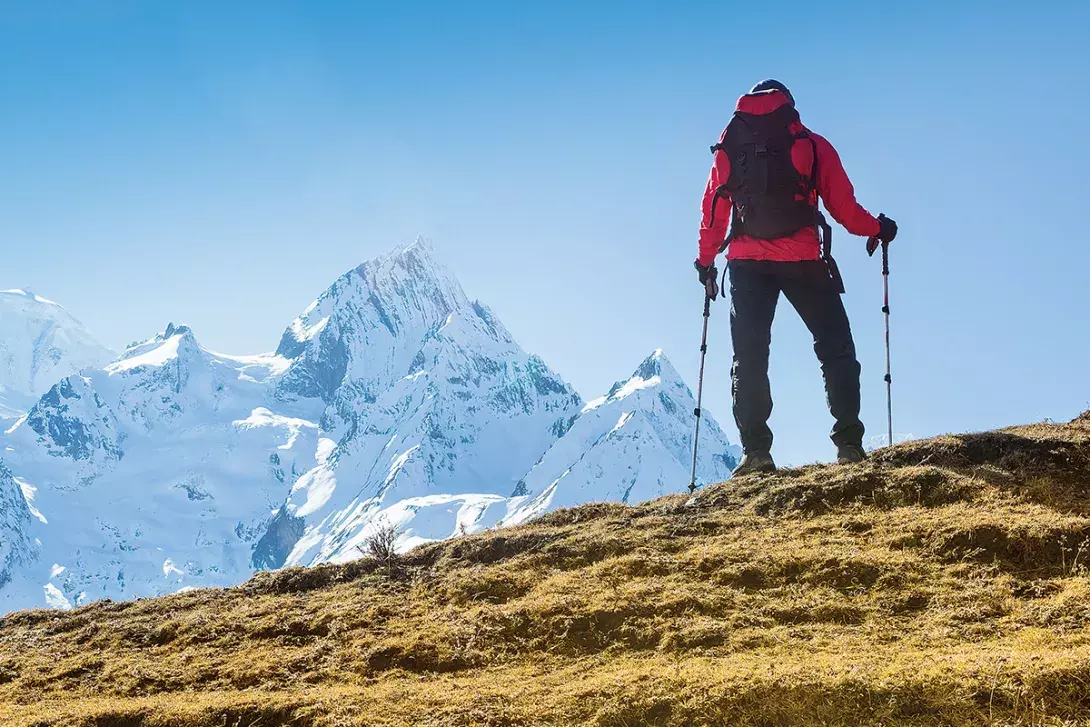
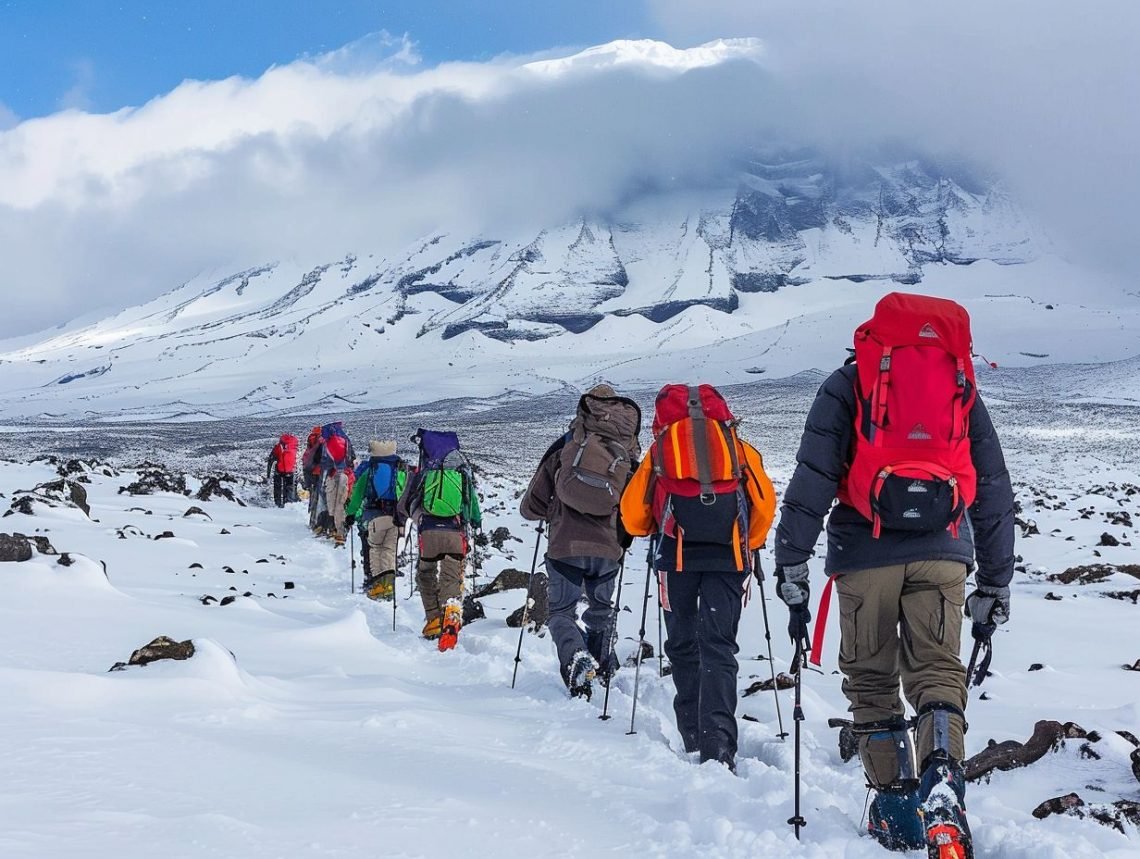
Selecting Your Zanzibar Coastal Vibe: East vs. North vs. South
Once you have successfully descended from the slopes of Kilimanjaro, the Zanzibar portion of your honeymoon offers a dramatic shift in pace. However, Zanzibar is not a monolithic destination; it is an island of distinct micro-climates and coastal behaviors. Choosing your base is not just about the hotel star rating, but about how the geography of the coastline aligns with your post-climb recovery needs.
The North: Nungwi and Kendwa
The northern tip of the island, encompassing Nungwi and Kendwa, is generally considered the most “all-weather” beach destination. Because of its geography, this area is less affected by the dramatic tidal swings that characterize the rest of the island. If your primary goal is to walk straight from your room into the ocean at any hour of the day without navigating long, exposed reef flats, this is your optimal choice. The atmosphere here is vibrant, with a higher density of beach bars, restaurants, and sunset dhow cruises. For a couple recovering from the silence and isolation of the mountain, this area offers a gentle re-entry into social life and activity.
The East Coast: Matemwe, Paje, and Michamvi
The East Coast represents the classic “tropical postcard” aesthetic, featuring expansive, white-sand beaches and turquoise lagoons. However, you must be aware of the tidal cycle. At low tide, the water can recede hundreds of meters, revealing the coral reef. While this offers incredible opportunities for guided reef walks and exploring tide pools, it means swimming is restricted to high-tide windows. If you choose a resort here, ensure you review the tide charts for your specific December 2026 dates. This region is also the hub for kite surfing and water sports. It is best suited for couples who want a “barefoot luxury” experience and are comfortable adjusting their daily schedule to the rhythm of the ocean rather than a rigid clock.
The South and Fumba Peninsula
For couples seeking total seclusion, the South and the Fumba Peninsula offer a quieter, more rugged experience. This area is less developed than the North or East, providing a more intimate connection to nature. It is the gateway to the Menai Bay Conservation Area, making it ideal for marine safaris, dolphin spotting, and private boat trips to sandbanks. If your post-climb preference is to avoid crowds entirely and simply focus on quiet dinners and sunset views, the South provides the highest degree of privacy. Note that transfer times from the airport or Stone Town are longer here, so factor this into your post-climb transit plan to avoid excessive travel fatigue.
Tidal Considerations for Your Recovery
When selecting your accommodation, consider your physical state post-climb. If you are prone to muscle soreness or fatigue, the East Coast’s long walks to reach the deep water at low tide can be surprisingly taxing. Conversely, a resort in the North allows for immediate, effortless access to the water. Do not underestimate the value of “passive” relaxation—sometimes the best honeymoon choice is a location that requires the least amount of logistical effort to enjoy the sea.
Stone Town: The Essential Romantic Bridge
While the urge to rush from the Kilimanjaro airport directly to the white sands of Zanzibar is understandable, many couples overlook the value of Stone Town as a vital, romantic interlude. Treating Stone Town merely as a transit point or a place to grab a quick lunch before a taxi ride to the coast is a missed opportunity to transition from the rugged endurance of the mountain to the relaxation of the beach. For a December 2026 honeymoon, where the coastal resorts will be operating at peak capacity, spending 24 to 48 hours in this UNESCO World Heritage site offers a necessary change of pace.
Stone Town provides a sensory “reset.” After spending a week on the mountain where your primary stimuli were rocks, ice, and the limited diet of a trail kitchen, the vibrant, chaotic, and historic atmosphere of Stone Town is a profound contrast. It is a place to celebrate your summit success with a level of culinary sophistication that is difficult to find on the remote beaches. The city’s rooftop restaurants, often housed in restored merchant mansions, offer sunset views over the Indian Ocean that are distinct from the beach horizon. Booking a table at one of these historic venues—where you can enjoy fresh seafood and spiced local dishes—serves as an ideal “summit celebration” dinner before you commit to the isolation of your beach resort.
From a logistical standpoint, staying in Stone Town acts as a buffer. December travel in Tanzania can be subject to delays; by staying in the city, you avoid the pressure of immediate, long-distance transfers to the North or East coasts upon arrival. It allows you to explore the labyrinthine alleys, the bustling Darajani Market, and the historic dhow harbors at a leisurely pace. Taking a private sunset dhow cruise from the Stone Town harbor is a quintessential honeymoon experience that is far more intimate than the larger boat tours offered at the beach resorts. It allows you to see the coastline from the water, providing a sense of scale to the island you are about to explore.
Finally, consider the psychological shift. The transition from the mountain directly to a beach lounger can sometimes feel jarring. Stone Town offers a bridge—it is neither the physical exertion of Kilimanjaro nor the total inactivity of a beach resort. It is a cultural, historic, and culinary experience that marks the “middle chapter” of your honeymoon. By integrating this stop, you ensure that your arrival at your final beach destination feels like a reward for your cultural exploration, rather than just the final leg of a transit journey. For couples who value both adventure and comfort, this brief stay in the island’s capital adds a layer of depth to your itinerary that standard “mountain-to-beach” packages often ignore.
Managing the Gear Transition: From Alpine Technicality to Tropical Ease
One of the most overlooked aspects of a Kilimanjaro-to-Zanzibar honeymoon is the logistical burden of your gear. You are essentially packing for two completely different worlds: the sub-zero, high-altitude environment of the mountain and the humid, tropical climate of the Indian Ocean. For many couples, the transition between these two phases can become a source of unnecessary stress if not managed with a clear strategy before you leave home.
The “Two-Trip” Storage Strategy
The most effective way to manage your luggage is to treat your honeymoon as two distinct trips. You do not need to haul your beach wardrobe up the mountain, nor do you want to drag your muddy, heavy trekking gear onto the pristine white sands of a Zanzibar resort. Almost all reputable Kilimanjaro operators provide secure storage at their base hotel in Moshi or Arusha. This is your “basecamp” for the duration of your climb. You should arrive with two bags: a rugged duffel for the mountain (often provided by your operator) and a suitcase or travel bag for your beach holiday. By separating these, you ensure that your resort attire remains fresh, wrinkle-free, and ready for your arrival on the coast, rather than being crushed under sleeping bags and trekking poles.
The Post-Mountain Laundry Dilemma
After seven or eight days on the mountain, your trekking gear will be dusty, likely damp, and certainly not something you want to carry into a luxury beach property. Upon descending to your Moshi hotel, your immediate priority should be a professional laundry service. Many hotels in the Moshi/Arusha area cater specifically to returning trekkers and offer rapid turnaround times. Do not attempt to pack dirty trekking clothes to be cleaned in Zanzibar; the humidity on the island can make drying thick synthetic fabrics difficult, and many high-end resorts do not offer the heavy-duty industrial cleaning required for trekking gear. By cleaning your gear in Moshi before your flight, you can either ship it home or pack it away in your storage bag, allowing you to arrive in Zanzibar with a clean slate.
Footwear and Luggage Efficiency
Hiking boots are the single most space-consuming item in your luggage. If you are flying from Kilimanjaro (JRO) to Zanzibar (ZNZ), you are subject to domestic flight weight limits, which are often stricter than international carriers—sometimes capped at 15kg or 20kg per person. Wear your heaviest hiking boots on the plane during your international arrival and your internal flight to Zanzibar. This frees up significant space and weight in your luggage. For your Zanzibar portion, prioritize lightweight, breathable fabrics. December is warm, and you will find that a capsule wardrobe of linen and cotton is far more practical than the heavy, technical layers you relied on for the summit. When selecting your luggage, opt for soft-sided bags rather than hard-shell suitcases, as they are easier to maneuver on the smaller, often crowded transfer vehicles that navigate the narrow roads of Zanzibar.
Managing the “Mountain-to-Beach” Transition Day
The day you fly to Zanzibar is a buffer day, not a travel day to be rushed. If your flight arrives in the afternoon, do not plan an elaborate evening activity. Your body will be recovering from altitude and the physical exertion of the descent. Treat this day as a “gear decompression” phase. Use the time to organize your Zanzibar-specific items, finalize your transfers, and perhaps enjoy a quiet dinner in Stone Town. By treating the gear transition as a planned part of your itinerary rather than an afterthought, you ensure that your arrival at your beach resort is marked by relaxation rather than the frantic unpacking of mixed-up bags.
Navigating the Post-Summit Physical and Social Reset
The transition from the high-altitude, high-exertion environment of Kilimanjaro to the humid, leisurely pace of a Zanzibar beach holiday is more than a logistical challenge; it is a physiological and social shift that requires intentional management. Many couples arrive at their beach resort in a state of ‘summit exhaustion,’ which, if not managed correctly, can detract from the relaxation that a honeymoon demands. Your recovery strategy should be as carefully planned as your ascent.
Nutritional Recovery and Digestive Health
After seven or eight days of consuming high-carbohydrate, mountain-specific rations, your digestive system will be uniquely sensitive. The sudden shift to the diverse, rich, and spice-heavy cuisine of Zanzibar can often lead to digestive distress if you are not careful. Upon arrival in Zanzibar, prioritize hydration with oral rehydration salts or high-quality electrolyte replacements for the first 24 hours, rather than jumping immediately into heavy, protein-rich buffet meals or alcohol. The humidity in December can exacerbate dehydration, even if you feel you are drinking enough water. Opt for fresh, locally sourced fruits—such as papaya, mango, and pineapple—which are abundant in December and provide necessary natural enzymes to help settle your stomach. Avoid raw salads or unpeeled fruits in the first 48 hours to minimize the risk of bacterial exposure while your immune system is still recovering from the physical stress of the climb.
The Etiquette of Gratitude: Tipping and Cultural Considerations
For a Kilimanjaro honeymoon, the tipping culture is not merely a gesture of thanks; it is the primary income for your mountain support crew. As you prepare for your December 2026 trip, you must budget for this separately from your tour package. A common mistake is waiting until the final morning on the mountain to calculate tips. Because you will be physically exhausted and likely emotional after the summit, this is the worst time to handle complex math and currency exchanges. Prepare your tips in sealed envelopes—clearly labeled for the lead guide, assistant guides, cook, and porters—before you even leave home. Carry these envelopes in your daypack. This ensures that you can distribute them with clarity and gratitude immediately upon reaching the final camp or the gate, rather than scrambling for cash or trying to find change at the trailhead.
Furthermore, remember that Zanzibar is a culturally distinct, predominantly Muslim island. While the tourist resorts are relaxed, the local villages and Stone Town operate under conservative social norms. During the festive period of December, you may see an influx of visitors, but this does not change the local expectation of modesty. When you leave your resort for excursions, spice farm tours, or a visit to Stone Town, ensure your shoulders and knees are covered. This small sign of respect is deeply appreciated by the local community and will often lead to a more authentic, welcoming interaction. Dressing appropriately is not just a cultural courtesy; it is a way to navigate the island with greater ease and fewer unwanted attention points.
The Reality of December Travel: Managing Expectations
December is the peak of the short dry season, and it is also the peak of the holiday rush. You will likely encounter more crowds in Stone Town and at popular snorkeling spots than you would in the shoulder seasons. If your honeymoon coincides with Christmas or New Year’s Eve, anticipate that your resort may host gala dinners or specific festive events. While these can be romantic, they can also be loud and crowded. If you crave absolute privacy, communicate this with your resort management well in advance. Ask for a room located away from the main entertainment area or the primary beach bar. By proactively managing your environment, you ensure that your honeymoon remains a retreat rather than just another busy tourist experience.
Curating Your Post-Summit Tempo: Low-Impact Honeymoon Experiences
The most common error in planning the Zanzibar portion of a Kilimanjaro honeymoon is the “activity hangover.” After the intense physical exertion of the mountain, many couples arrive on the island with a desire to “make up for lost time” by booking back-to-back excursions, snorkeling trips, and cultural tours. This is a recipe for exhaustion. Your body is still recovering from altitude-induced fatigue, oxidative stress, and the cumulative impact of several days of poor sleep. The most successful honeymoons are those that prioritize restorative, low-impact activities, allowing you to re-enter the world of comfort at a pace that honors your recent physical achievement.
The Sunset Dhow Cruise: Passive Romance
For your first or second evening in Zanzibar, consider a private sunset dhow cruise. Unlike high-energy excursions that require early starts and physical stamina, a dhow cruise is entirely passive. You board a traditional wooden sailing vessel, typically departing from Stone Town or Nungwi, and spend the evening drifting along the coastline as the sun sets over the Indian Ocean. This experience is inherently romantic, quiet, and requires zero physical effort. It provides a perfect transition from the silence of the mountain to the rhythmic, soothing sounds of the sea, allowing you to celebrate your summit success without leaving your comfort zone.
Sensory-Focused Spice Farm Tours
While some travelers rush to visit the most famous snorkeling reefs immediately, consider a spice farm tour instead. These tours are generally conducted at a leisurely walking pace, often shaded by canopy trees, and are highly sensory. You are not just looking at sights; you are smelling, tasting, and learning about the history of the island’s famous cloves, vanilla, and cinnamon. Because these farms are located inland, they offer a cool, shaded environment that is a welcome relief after the exposed, high-altitude slopes of Kilimanjaro. It is a culturally enriching experience that feels active without being demanding on your cardiovascular system.
The Essential Post-Climb Spa Protocol
Do not underestimate the necessity of a professional massage or spa treatment within the first 48 hours of your arrival. Your muscles will be tight, and your body will be holding tension from the descent. Many luxury resorts in Zanzibar specialize in post-travel recovery treatments, often utilizing local ingredients like coconut oil, seaweed, and sea salt. Schedule this for the afternoon of your arrival day or the following morning. Treating your body to recovery is not an indulgence; it is a vital part of your honeymoon itinerary that ensures you are physically capable of enjoying the rest of your trip. If you are staying at a property that does not have an on-site spa, ask your concierge to recommend a reputable local therapist who can perform treatments in the privacy of your villa or room.
The “Buffer Day” Philosophy
Finally, adopt a strict “buffer day” philosophy for your first 24 hours on the island. Do not plan anything—no dinner reservations, no guided tours, and no early morning activities. Simply exist in your new environment. Use this time to unpack your gear, organize your mountain clothes for cleaning, and adjust to the tropical humidity. By intentionally leaving your schedule blank, you remove the pressure to perform or be “on” for your partner. You have just completed one of the most challenging physical feats of your life; giving yourself permission to do absolutely nothing is the ultimate luxury for a post-summit honeymooner.
Related Guides and Packages
Check Availability for Kilimanjaro Honeymoon Climbing And Zanzibar Beach Holiday: December Planning
Ready to compare dates, prices, and the best option for your group? Send the package name and travel month so the team can reply with a clear quote, availability, and what is included.
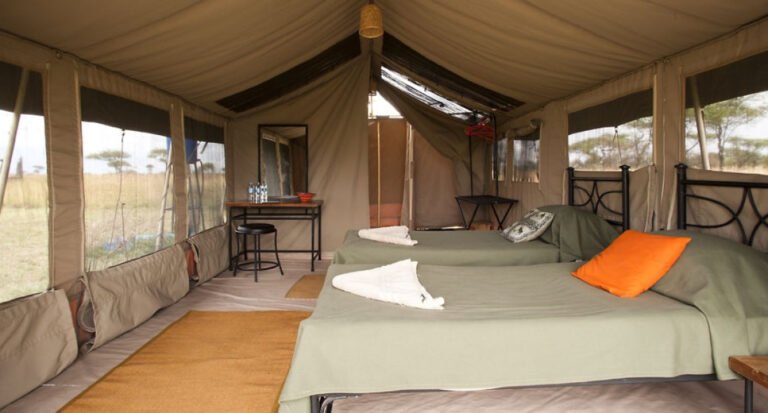
Afcon Kilimanjaro Ngorongoro And Zanzibar Holiday
AFCON 2027 Kilimanjaro Ngorongoro and Zanzibar Holiday.
View package detailsAfcon Kilimanjaro Safari And Zanzibar Package: Expert Planning Guide
A comprehensive guide to coordinating your AFCON 2027 travel, including Kilimanjaro trekking, Northern Circuit safaris, and Zanzibar relaxation, with expert logistical advice.
View package detailsAfcon Honeymoon Safari And Zanzibar Package: Expert Planning Guide
A detailed guide for couples planning a Tanzania trip during the 2027 AFCON tournament, focusing on logistics, safari privacy, and Zanzibar beach selection.
View package detailsAfcon Zanzibar Beach Holiday Packages: Planning Your Post-Match Escape
Practical guide to combining football excitement with a Zanzibar beach vacation during the 2027 tournament, including logistics, beach selection, and transport tips.
View package detailsAfcon Football Safari And Zanzibar Holiday: Expert Planning Guide
A guide to combining the AFCON 2027 football tournament with a Tanzanian safari and Zanzibar beach holiday, focusing on logistics, timing, and travel planning.
View package detailsTen Day Afcon Tanzania Safari And Zanzibar Holiday: Planning Guide
Planning a ten-day trip for AFCON 2027? This guide covers the ideal itinerary, logistics for combining a Northern Circuit safari with a Zanzibar beach holiday, and how to manage your travel...
View package details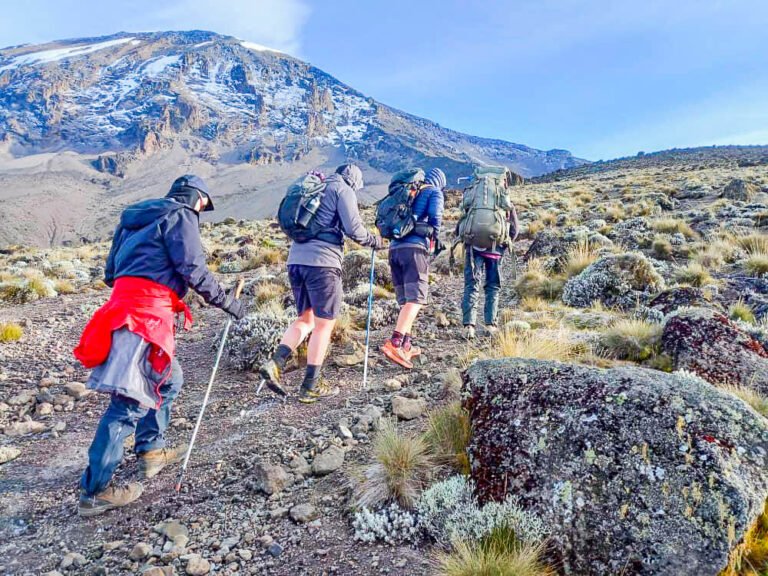
Private Kilimanjaro Climbing Tours For Christmas Holidays 2026
A deep-dive guide for planning your private Kilimanjaro expedition for the 2026 holiday season, focusing on route selection, acclimatization, and logistics.
View package details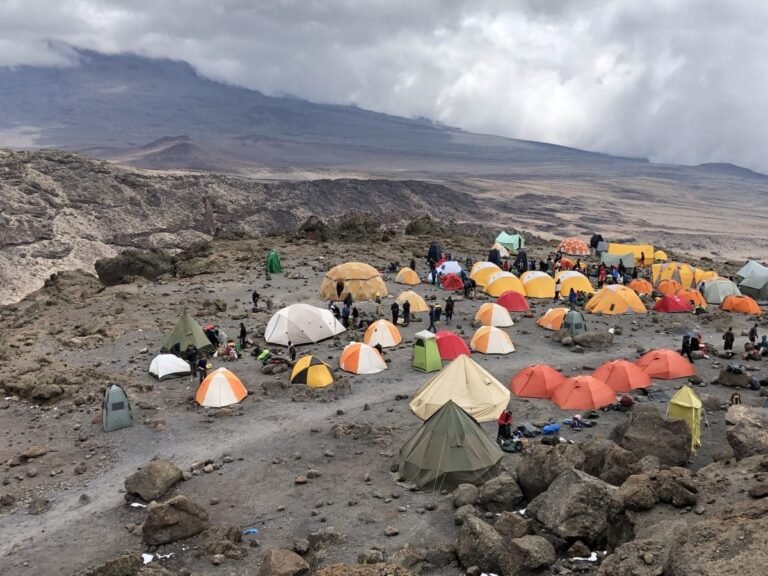
7 Days Umbwe Route Kilimanjaro Challenge: Planning Your December Ascent 2026
A deep-dive guide into the 7-day Umbwe Route, the most challenging and direct path up Kilimanjaro, perfect for those seeking a quiet, steep, and rewarding December 2026 expedition.
View package details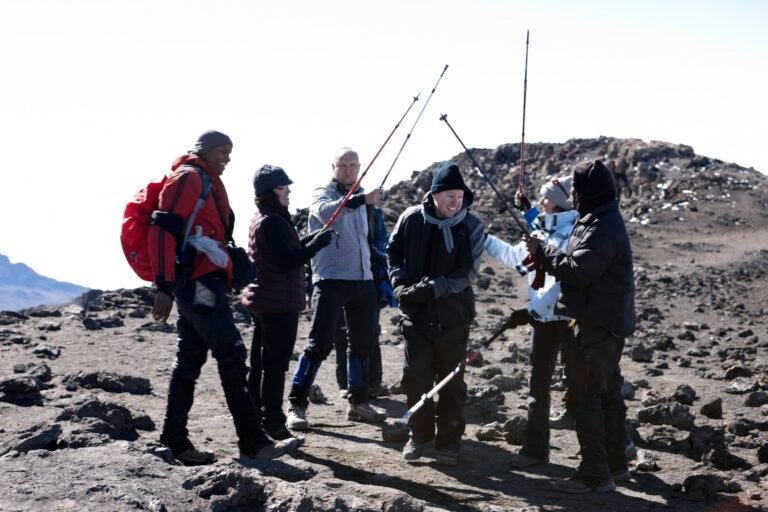
Romantic Kilimanjaro Summit Adventure For Couples December : Planning Your
A detailed guide for couples planning a Kilimanjaro summit in December 2026, focusing on route selection, acclimatization, and the benefits of private trekking arrangements.
View package detailsDar Es Salaam Afcon Match And Zanzibar Package: Expert Planning Guide
A professional guide to coordinating your AFCON 2027 match schedule in Dar es Salaam with a relaxing Zanzibar beach holiday, covering transfers, logistics, and planning.
View package details
Shira Route Kilimanjaro Climbing Itinerary For December : Expert Guide 2026
A deep look at the Shira Route for December 2026, covering the unique high-start logistics, acclimatization advantages, and step-by-step itinerary planning.
View package details7 Days Rongai Route Kilimanjaro Holiday Climb December : Expert Guide 2026
A deep look at the 7-day Rongai Route for December 2026 climbers, focusing on route logic, acclimatization benefits, and practical planning for your holiday expedition.
View package detailsNo related package matches those filters. Clear one or more filters to see the other topic-matched options.



