
When you commit to an Exclusive Kilimanjaro Christmas Trek with a Premium Support Team, you are moving beyond the standard tourism model. A Christmas climb is not just about the summit; it is about the logistics of managing a high-altitude expedition during the busiest travel window of the year. For travelers aiming to reach Uhuru Peak in December 2026 or 2027, the difference between a standard experience and an exclusive one lies entirely in the operational depth of your support team.
At Climb 4 Africa, we operate on the principle that the mountain crew is the single most important factor in your summit success. A premium support team does not just carry bags; they are professionals trained in medical emergency response, high-altitude nutrition, and camp management. When you choose an exclusive, private departure, you are purchasing the flexibility to set your own pace, avoid the bottleneck of large group queues at Barranco Wall, and ensure that your health is monitored by senior guides with years of experience.
What Defines a Premium Support Team?
In the trekking industry, the term “premium” is often overused. On Kilimanjaro, it must be quantifiable. A true premium support team is defined by three specific pillars: crew-to-climber ratios, medical expertise, and logistical independence.
- Crew Ratios: On a standard group climb, you might see a ratio of 1 guide to 5-7 climbers. Our premium, exclusive departures prioritize a ratio closer to 1 guide for every 2-3 climbers. This allows for personalized pacing, which is critical for acclimatization.
- Medical Competence: Every lead guide on our premium teams is certified in Wilderness First Aid (WFA) or higher. They are equipped with pulse oximeters, supplementary oxygen, and established emergency evacuation protocols that are tested regularly.
- Logistical Independence: A premium team operates independently of the large, noisy public campsites. We prioritize site locations that offer more privacy and better sanitation facilities, ensuring that your rest periods are not interrupted by the logistics of larger, less-organized groups.
Choosing the Right Route for an Exclusive Christmas Climb
The route you choose dictates your interaction with the “Christmas crowd.” During the late December peak, the Machame and Marangu routes can experience heavy traffic. If your goal is an exclusive, private experience, we steer clients toward routes that offer a more remote, scenic, and gradual ascent.
The 8-day Lemosho route is widely regarded as the gold standard for premium climbers. It begins on the western side of the mountain, traversing the Shira Plateau—one of the most beautiful and least crowded areas of Kilimanjaro. This longer duration provides a more comfortable acclimatization profile, which significantly boosts your statistical chance of reaching the summit.
For those looking for something even more remote, the 9-day Northern Circuit is the ultimate choice. It circumnavigates the mountain, offering unparalleled views of the northern slopes and keeping you away from the main traffic until the final summit push. This route requires a higher investment of time but provides the highest level of exclusivity available on the mountain.
A Representative 8-Day Lemosho Christmas Itinerary
This itinerary is an example of a high-end, private, slow-paced climb. Each day is structured to maximize safety and enjoyment rather than just speed.
- Day 1: Arrival & Briefing. Arrive in Moshi/Arusha. Our team conducts a thorough gear check. We do not rush this; it is the foundation of your safety.
- Day 2: Lemosho Glades to Mti Mkubwa. Entering the montane forest. The trail is quiet and lush.
- Day 3: Mti Mkubwa to Shira 1 Camp. You emerge from the forest into the moorland. The transition is dramatic.
- Day 4: Shira 1 to Shira 2. A steady trek across the plateau. We prioritize a “pole pole” (slowly, slowly) pace here to aid blood oxygen levels.
- Day 5: Shira 2 to Barranco Camp. You cross the Lava Tower (4,600m) for acclimatization before descending to Barranco. This “climb high, sleep low” strategy is essential.
- Day 6: Barranco to Karanga. The famous Barranco Wall. A premium team manages your ascent of the wall with individual attention, ensuring you are comfortable on the scramble.
- Day 7: Karanga to Barafu. A shorter day to ensure you reach the high camp with enough energy for the summit night.
- Day 8: Summit & Descent. The final push. We plan your summit window to avoid the main rush of climbers, aiming to reach Uhuru Peak as the sun rises.
The Logistics of a Christmas Summit
Planning for late December requires an understanding of mountain logistics. While the weather is generally favorable, afternoon clouds and occasional light precipitation can occur. A premium support team handles the “invisible” work: drying out your gear in the tents, preparing fresh, high-calorie meals that account for appetite loss at altitude, and managing the morale of the team during the toughest days.
When you book an exclusive trek, you aren’t just paying for a guide; you are paying for the entire support infrastructure. This includes the porters who carry the heavy gear, the camp crew who set up your dining tent, and the cook who manages the specialized menu. We ensure that our staff are treated fairly, with competitive wages and proper equipment, which reflects directly in the service you receive on the mountain.
Planning for 2026-2027
If you are looking at the 2026 or 2027 calendar, the time to start the conversation is now. High-end, private departures are limited by the availability of our most experienced senior guides. We do not overbook our teams; we cap our departures to maintain the quality of service.
When you contact us, we don’t just send a generic price list. We want to know your trekking history, your fitness level, and what kind of experience you are hoping for. Are you looking for a pure wilderness experience, or do you want the comfort of a more established, luxury-style camp setup? We can tailor the private Kilimanjaro climbing tours for Christmas holidays to fit your specific needs.
How to Initiate Your Booking
The first step in planning an exclusive Kilimanjaro Christmas trek is a direct consultation. We avoid automated booking systems for our premium packages because every climber’s situation is unique.
To start your planning, send us a message with your preferred dates, your group size, and any specific route preferences you have researched. You can reach our team directly:
- WhatsApp: +255 747 477 898
- Email: climb4africa@gmail.com
- Backup Email: info@climb-4-africa.com
By reaching out directly, you ensure that you are speaking with someone who understands the current mountain conditions and our internal availability. We can discuss the pros and cons of different routes, explain the best Kilimanjaro routes for a Christmas summit based on your specific fitness goals, and help you structure a trip that combines the climb with a relaxing safari or Zanzibar getaway if you have additional time.
Remember, a premium Kilimanjaro experience is not about luxury in the sense of five-star hotels; it is about the reliability of the human element. It is about having a guide who knows exactly when to tell you to stop, when to push, and when to adjust the plan to ensure your safety and success. That is the value of a premium support team.
Elevating the Christmas Experience: Nutrition and Morale
While the physical logistics of a Kilimanjaro climb—gear, route, and support—are the backbone of your success, the “premium” nature of your trek is perhaps most felt in the subtle management of nutrition and morale during the holiday period. Climbing Kilimanjaro over Christmas presents a unique psychological challenge: you are physically removed from your support network, family, and traditional holiday comforts. A premium support team is trained to recognize this emotional shift and manage it alongside your physiological needs.
The Nutritional Strategy at Altitude
At high altitudes, appetite suppression is a common physiological response. Your body redirects energy away from the digestive system to prioritize vital functions. A standard trekking service might provide generic, high-calorie meals that are difficult to consume when you are nauseous or struggling with the thin air. In contrast, a premium service focuses on “palatable density.” This means sourcing fresh, high-quality ingredients that are easier to digest—such as fresh fruits, vegetables, and soups—rather than relying heavily on processed, dehydrated rations. Your head chef on a premium team is tasked with monitoring your intake. If you are struggling to eat, they do not just accept it; they adjust the menu in real-time, offering hydration-rich foods and snacks that are medically appropriate for high-altitude digestion.
Balancing Celebration and Recovery
Christmas on the mountain is a delicate balance. You want the experience to feel special—a recognition of the holiday—without compromising the strict sleep and recovery protocols required for a successful summit bid. Premium teams handle this by integrating small, meaningful gestures that do not disrupt the circadian rhythm. This might involve a special, lightweight festive meal on Christmas Eve or a quiet, reflective moment at camp that acknowledges the significance of the date. The goal is to boost morale, which is a critical, often overlooked, factor in summit success. High morale reduces the perception of physical exertion, helping climbers push through the fatigue of the Barranco Wall or the final ascent to Uhuru Peak.
The Role of the Guide as a Cultural Mediator
Your lead guide on a premium departure acts as more than a navigator; they are a cultural mediator. During the holiday season, the mountain is a melting pot of international climbers. A premium team ensures your experience remains private and exclusive, insulating you from the noise of large, commercial groups while still allowing you to appreciate the shared camaraderie of the mountain. They manage the camp environment to ensure that your “Christmas” remains personal to your group, shielding you from the chaotic atmosphere that can sometimes develop in public campsites during peak season. This level of curation allows you to focus entirely on your personal challenge, safe in the knowledge that the holiday spirit is being managed with the same precision as your oxygen levels and hydration schedules.
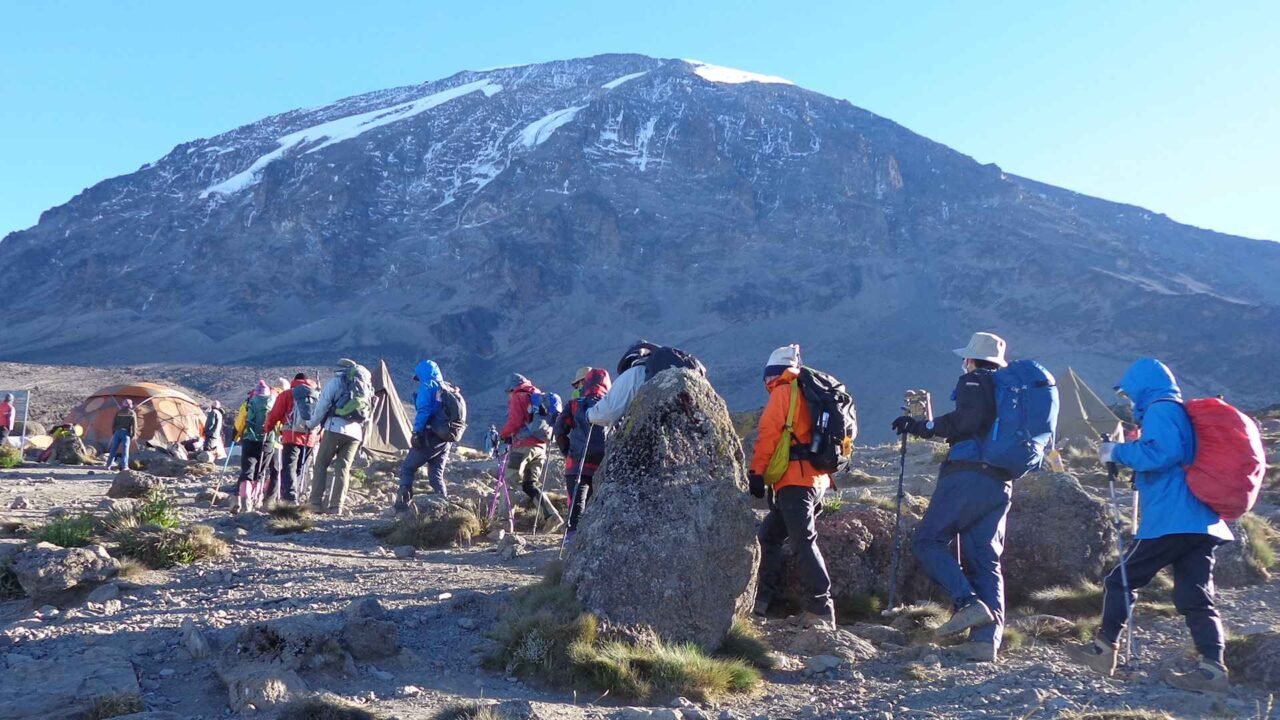
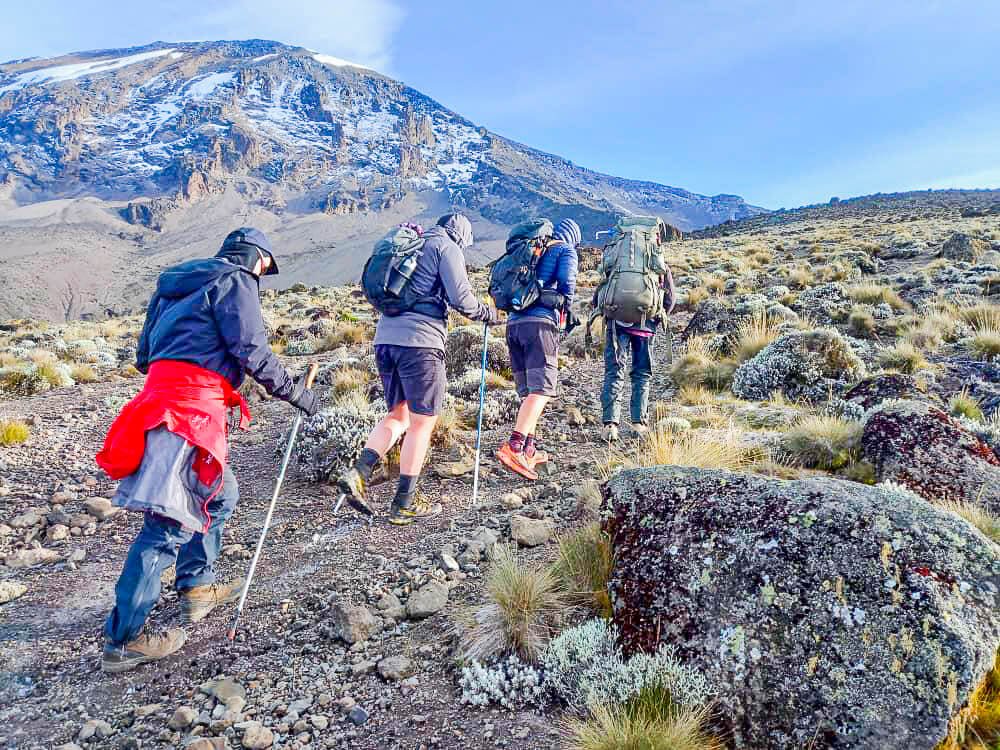
The Physiological and Gear Preparation Cycle for a Holiday Ascent
While the operational aspects of a premium support team handle the ‘on-mountain’ experience, the success of your Christmas trek is fundamentally anchored in the preparation phase that occurs in the months leading up to December. The holiday season presents a unique challenge for the aspiring Kilimanjaro climber: the paradox of maintaining a rigorous high-altitude training regimen during a period characterized by social obligations, travel, and seasonal distractions. A premium approach to your trek includes guidance on how to navigate this ‘pre-holiday training gap’ to ensure you arrive at the trailhead in peak physical condition rather than relying on fitness gained earlier in the autumn.
Managing the Holiday Training Paradox
Most Kilimanjaro expeditions require a consistent, four-to-six-month training cycle. When your summit date falls in late December, your peak training intensity naturally coincides with the onset of the holiday season—a time when gym access may be irregular, work schedules are compressed, and the temptation to de-prioritize physical conditioning is high. To mitigate this, a premium preparation strategy emphasizes ‘functional consistency’ over ‘intensity spikes.’ Instead of aiming for long, multi-hour weekend hikes that may conflict with family or professional commitments in December, we advocate for high-intensity, short-duration sessions that mimic the muscular demands of the mountain.
Focus your final weeks on eccentric loading exercises—such as step-ups with a weighted pack or downhill treadmill training—which prepare your quadriceps for the descent from the summit. This type of training is time-efficient and can be performed even with limited access to facilities. Furthermore, the psychological preparation for a Christmas summit involves recognizing that your training volume will naturally fluctuate. The goal is to avoid the ‘all-or-nothing’ mentality; maintaining 70% of your peak training volume during the final two weeks of December is infinitely more effective for acclimatization and summit endurance than attempting a sudden, high-intensity push that leaves you fatigued before you even board your flight to Tanzania.
Technical Gear Calibration for the December Window
The weather on Kilimanjaro in late December is transitional. You are often climbing on the heels of the ‘short rains’ (the vuli), which typically conclude in early December. While the mountain is generally drier, the transition from the base of the mountain—where temperatures can be tropical and humid—to the arctic conditions of the summit zone is sharp. A premium gear strategy for this specific window focuses on modularity. Standard rental gear is often sufficient for basic needs, but for an exclusive, private trek, your personal gear should be calibrated for rapid temperature shifts.
We recommend a ‘three-zone’ layering strategy. Zone 1 (Rainforest/Heath) requires highly breathable, moisture-wicking synthetic layers to manage the humidity of the lower slopes. Zone 2 (Alpine Desert) requires wind-resistant, insulating layers that can be quickly added or removed as cloud cover shifts. Zone 3 (Arctic/Summit) requires a specialized, high-fill down jacket that is lightweight yet capable of maintaining warmth in temperatures that can plummet well below freezing. For a Christmas climb, prioritize gear that you have tested in cold conditions prior to departure. Do not bring brand-new, unworn boots or technical apparel to the mountain; the holiday window does not offer the luxury of a ‘break-in’ period on the trail.
Post-Summit Recovery and Physiological Integration
One of the most overlooked aspects of an exclusive Kilimanjaro trek is the immediate transition post-summit. Many climbers, eager to return home for the remainder of the holiday season, attempt to fly internationally within 24 to 48 hours of descending. This is medically ill-advised. Your body has just undergone significant physiological stress, including fluid shifts and potential mild altitude sickness, even if you felt ‘fine’ on the summit. A premium support team will guide you in planning a buffer period—ideally a minimum of 48 hours—in Moshi or Arusha post-descent.
This buffer serves two purposes: it allows your body to rehydrate and normalize its oxygen saturation levels, and it provides a necessary mental ‘decompression’ phase. The emotional high of reaching Uhuru Peak on or around Christmas Day can lead to a ‘summit crash’ once you are back at sea level. By scheduling this time, you ensure that your return to your home environment is not marred by the physical exhaustion that often accompanies rapid descent. Utilizing this time for light movement, proper nutrition, and rest is the final, crucial step in ensuring that your exclusive Kilimanjaro experience remains a highlight of your year rather than a physical burden.
Sustainable Stewardship in High-End Expeditions
When selecting a premium support team for a Kilimanjaro Christmas trek, the evaluation often extends beyond the comfort of your tent or the quality of your meals. For the modern, discerning traveler, the “exclusive” nature of an expedition is inextricably linked to its ethical footprint. A truly premium support team distinguishes itself not merely through service, but through a rigorous commitment to environmental stewardship and, more importantly, human sustainability.
On a standard commercial trek, the focus is often purely on the client’s experience. In contrast, a premium operation recognizes that the mountain’s integrity is the product being sold. This manifests in a “Leave No Trace” philosophy that goes far beyond the basic park regulations. Premium teams invest in advanced waste management systems, ensuring that all non-biodegradable waste—including gray water and human waste—is meticulously packed out rather than buried or left in temporary latrines. For a Christmas trek, where the mountain is at its most crowded, this commitment to environmental hygiene is not just responsible; it is essential for maintaining the pristine nature of the high-altitude camps.
Furthermore, the ethical treatment of the support crew is the litmus test for any premium operator. A high-end departure assumes responsibility for the welfare of the porters, cooks, and assistant guides who make the trek possible. This includes transparent wage structures that exceed the standard industry minimums, the provision of high-quality, weather-appropriate gear for the crew, and strict adherence to weight limits. When you book an exclusive Christmas climb, you are often paying for the assurance that your summit success does not come at the expense of the well-being of the local team. Inquire specifically about the operator’s involvement with the Kilimanjaro Porters Assistance Project (KPAP) or similar ethical monitoring bodies. A premium team will be eager to demonstrate their protocols, as these ethical standards are a core component of their operational identity.
The Psychological Arc of the Christmas Summit Night
The “Summit Night”—typically the final push from your high camp (usually Barafu or Kibo) to Uhuru Peak—represents the most significant psychological challenge of the entire expedition. During the holiday season, this challenge is compounded by the mental dissonance of the calendar. You may have spent Christmas Eve in a relatively festive, albeit subdued, camp environment, only to be roused from sleep at 11:00 PM or midnight to begin the ascent. Managing this transition from holiday cheer to extreme endurance is where the expertise of a premium guide team becomes most apparent.
The primary danger during the summit night is the “holiday distraction.” Climbers often arrive on the mountain with the lingering energy of the festive season, which can lead to a premature expenditure of physical and emotional energy. A premium guide team manages this by enforcing a strict “summit focus” protocol starting the moment you return from your Christmas Eve dinner. This includes minimizing unnecessary conversation, ensuring complete darkness and silence in the sleeping quarters, and facilitating a structured, almost ritualistic, preparation process.
Your guide will act as a psychological anchor during the long, dark hours of the ascent. As the temperature drops and the trail steepens, the physical fatigue of the previous days begins to manifest. A premium guide does not merely pace you; they monitor your cognitive state. They look for signs of “summit fever”—the reckless desire to rush the final ascent—and use subtle, tactical pauses to force recovery. They are trained to identify the specific moment when a climber’s morale begins to fracture under the weight of the cold and altitude. By utilizing personalized motivational techniques—reminding you of your specific goals, managing your hydration intervals, and maintaining a consistent, slow rhythm—they ensure that the emotional weight of the holiday does not turn into a burden. The goal is to reach Uhuru Peak not just as a physical feat, but as a controlled, deliberate conclusion to your holiday expedition, allowing you to experience the summit with clarity rather than exhaustion.
The Post-Summit Transition: Managing the Holiday Aftermath in Tanzania
The conclusion of an exclusive Kilimanjaro Christmas trek does not end the moment you step off the trail at Mweka Gate. For many, the true logistical and psychological challenge begins in the 48 to 72 hours following the descent. Because your summit window typically falls between December 26th and December 28th, you are exiting the mountain directly into the absolute peak of the Tanzanian tourist season. This period is characterized by high occupancy in regional hotels, crowded transit hubs, and a general festive intensity that can be jarring after the isolation and silence of the high-altitude environment.
A premium support team’s responsibility should extend to this transition phase. The most significant mistake climbers make is failing to curate their immediate post-summit environment. You are returning from a state of acute physical exertion and oxygen deprivation; your body is in a catabolic state, breaking down muscle tissue, and your immune system is temporarily compromised. Placing yourself in a high-traffic, loud, or chaotic tourist hotel in Arusha or Moshi during the height of the holiday season can exacerbate physiological stress and delay recovery. A premium operator will prioritize “de-escalation” logistics—ensuring your post-climb accommodation is quiet, private, and capable of facilitating the specific recovery needs of a high-altitude athlete, rather than just a standard tourist.
When planning your post-summit days, consider the “Active Recovery” versus “Passive Recovery” paradox. There is a common urge to immediately start a multi-day safari or a cultural tour to maximize the holiday time. However, the physical reality of having just spent eight days at altitude requires a period of recalibration. Your cardiovascular system and joints require 24 to 48 hours of low-impact movement and high-quality nutrition before engaging in further rigorous travel. If your itinerary includes a safari, ensure there is a clear buffer day between your descent and the start of your next journey. This buffer is not just for rest; it is for hygiene, gear sanitation, and the mental decompression required to transition from the “summit mindset” back to the holiday vacation mindset.
Furthermore, the social dynamic shifts significantly. On the mountain, you are part of a tight-knit, mission-oriented unit. Upon returning to civilization, you are suddenly thrust into a bustling, international holiday crowd. This abrupt change can cause a sense of “re-entry shock.” Discuss this transition with your lead guide before you leave the mountain. They can offer insights into the best ways to reintegrate into the holiday environment—whether that means finding a quiet, secluded lodge for a celebratory meal or identifying low-impact cultural activities that do not require significant travel time. By treating the post-summit period as a deliberate phase of your expedition rather than an afterthought, you ensure that the sense of accomplishment from your Christmas summit is preserved rather than diluted by travel fatigue and logistical stress.
Navigating Gratuity and Cultural Reciprocity on a Private Holiday Expedition
While the operational costs of your premium Kilimanjaro trek are settled well in advance, the act of tipping remains one of the most delicate and culturally significant aspects of the expedition. On a standard group climb, tipping is often treated as a transactional, mathematical formula. However, on an exclusive Christmas departure, this process shifts into an act of cultural reciprocity. You are spending the most significant holiday of the year with a team that has chosen to sacrifice their own family time to facilitate your summit. This creates a unique human bond that warrants a more thoughtful approach to gratuities than the standard industry guidelines.
The Logistical Preparation of Gratuities
The most common error high-end travelers make is arriving at the mountain gate unprepared for the logistical reality of tipping. You cannot rely on digital transfers, credit cards, or ATM access once you leave the base hotels in Arusha or Moshi. To execute this properly, you must secure your gratuity funds in advance. It is strongly advised to carry your tips in crisp, clean, and relatively recent US Dollar bills (post-2009 series are generally required by local banks) or the equivalent in Tanzanian Shillings. Having these funds pre-sorted into envelopes before you even start the trek allows you to focus entirely on the mountain experience rather than scrambling for change or currency exchange at the end of the journey.
The Ceremony of Recognition
In a premium, private expedition, the tipping process should be treated as a ceremony rather than a simple hand-off. The “Tipping Ceremony” typically occurs on the final morning at the Mweka Gate or during the last dinner at the final camp. Because you are the only client, you have the luxury of time. Avoid simply handing a lump sum to the lead guide to distribute. While the lead guide is responsible for overall management, the premium nature of your trip allows for a more personal touch. If you feel compelled, taking a moment to address the team, acknowledging their specific contributions—whether it was the chef’s ability to provide a Christmas meal at 15,000 feet or a porter’s assistance during a difficult stretch—is deeply appreciated. This verbal recognition carries as much weight as the financial component.
Managing the Holiday Multiplier
Discerning travelers often ask if there is a “holiday multiplier” for tips. While there is no industry-mandated increase for Christmas, the spirit of the season often leads climbers to be more generous. If you choose to increase your gratuity, view it as an acknowledgement of the team’s sacrifice. Your crew is away from their own children, spouses, and holiday traditions. A modest increase is not an obligation, but rather a gesture of solidarity. However, ensure that your generosity does not disrupt the established hierarchy of the team. Always consult with your lead guide regarding the appropriate distribution methods to ensure that the porters, cooks, and assistant guides—who do the heavy lifting out of sight—are included fairly in the recognition. By handling this with discretion, preparation, and genuine gratitude, you turn a financial transaction into a lasting, respectful conclusion to your expedition.
Check Availability for Exclusive Kilimanjaro Christmas Trek With Premium Support Team 2026
Ready to compare dates, prices, and the best option for your group? Send the package name and travel month so the team can reply with a clear quote, availability, and what is included.
Luxury Mount Kilimanjaro Trekking Packages December : Planning Your Premium
A detailed guide to booking luxury Kilimanjaro trekking packages for December 2026, covering route selection, premium service standards, and planning essentials.
View package details
9 Days Northern Circuit Kilimanjaro Trek December : The Ultimate
A comprehensive guide to the 9-day Northern Circuit route for December 2026, focusing on acclimatization, route advantages, and logistical planning.
View package details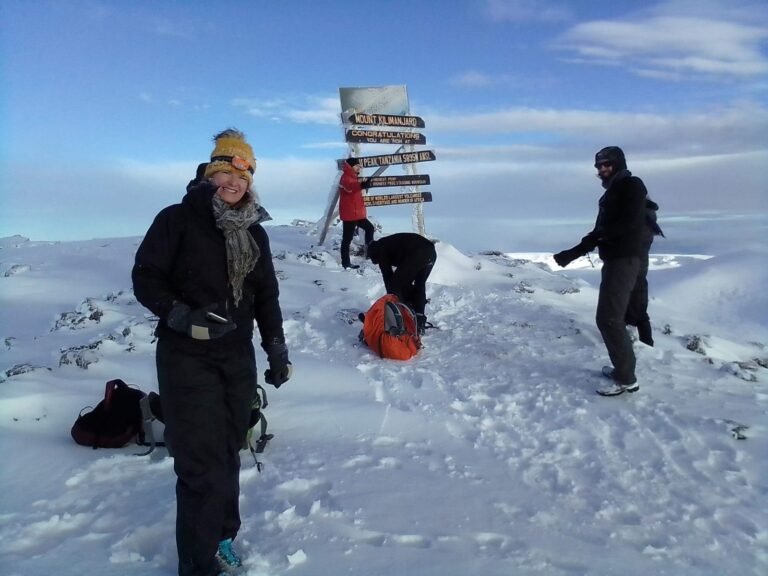
Affordable Kilimanjaro Group Joining Safari And Trekking Packages December
A practical guide to booking affordable, reliable group joining treks on Kilimanjaro and wildlife safaris in Tanzania for December 2026, focusing on logistics, shared costs, and travel...
View package details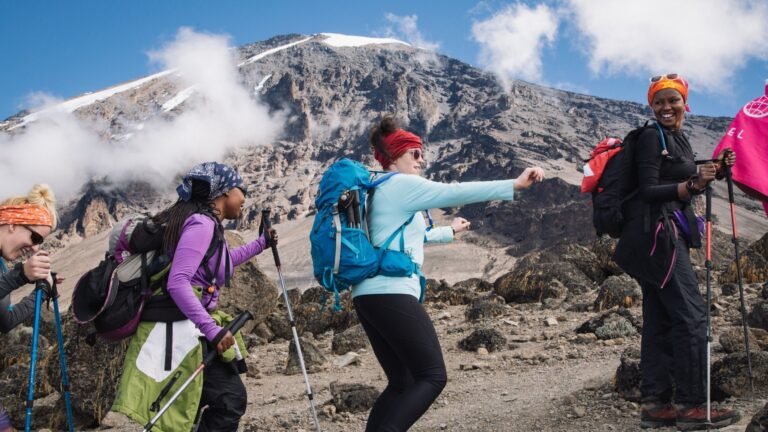
Join A Kilimanjaro Christmas Climbing Group In December 2026
A guide to securing your spot on a Kilimanjaro Christmas group climb for 2026, including route advice, group logistics, and essential planning steps.
View package details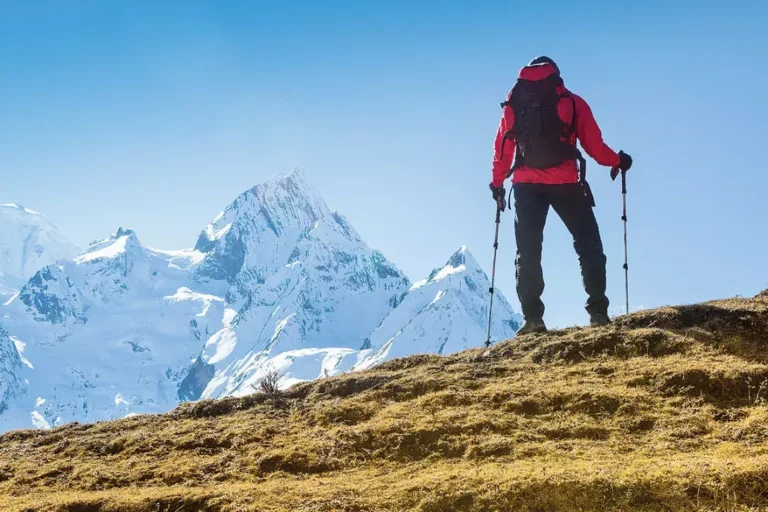
Planning Your Private Kilimanjaro Climb Over Christmas: A Guide For Couples
A detailed guide for couples planning a private Kilimanjaro trek during the Christmas season, covering route selection, logistical planning, and booking considerations.
View package details
Kilimanjaro Honeymoon Climbing And Zanzibar Beach Holiday: December Planning
A practical guide for couples planning a Kilimanjaro climb and Zanzibar beach holiday in December 2026, focusing on route selection, recovery logistics, and planning timelines.
View package details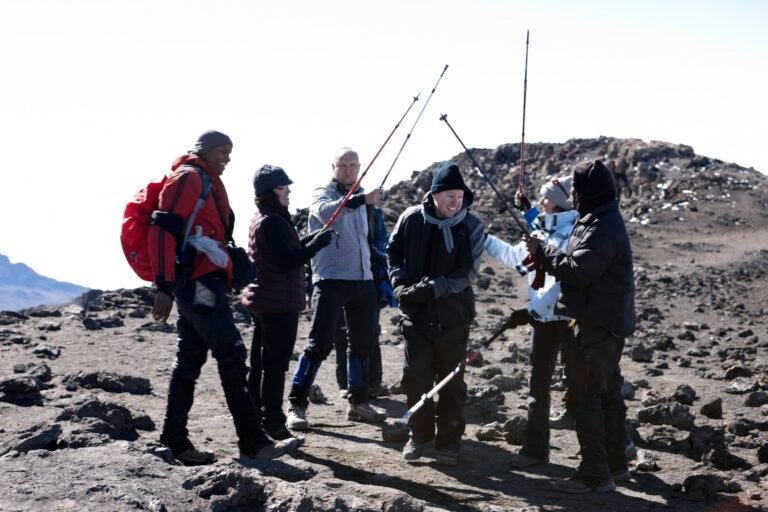
Romantic Kilimanjaro Summit Adventure For Couples December : Planning Your
A detailed guide for couples planning a Kilimanjaro summit in December 2026, focusing on route selection, acclimatization, and the benefits of private trekking arrangements.
View package details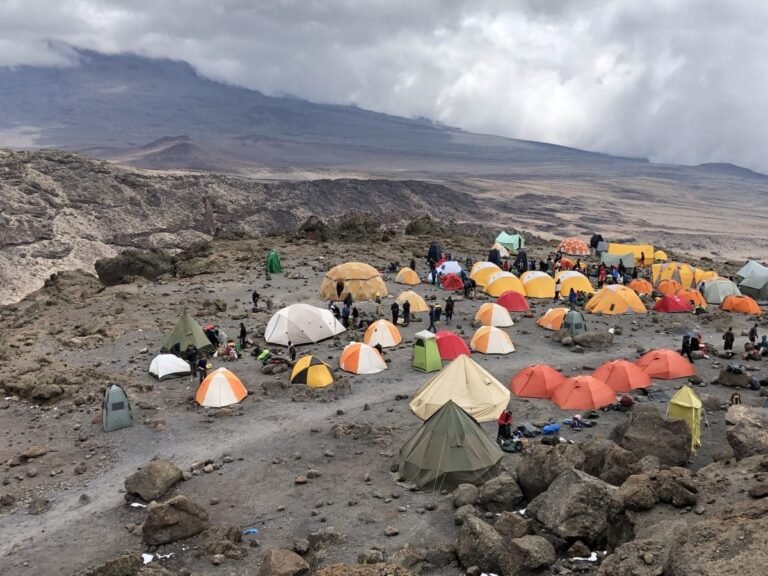
7 Days Rongai Route Kilimanjaro Holiday Climb December : Expert Guide 2026
A deep look at the 7-day Rongai Route for December 2026 climbers, focusing on route logic, acclimatization benefits, and practical planning for your holiday expedition.
View package details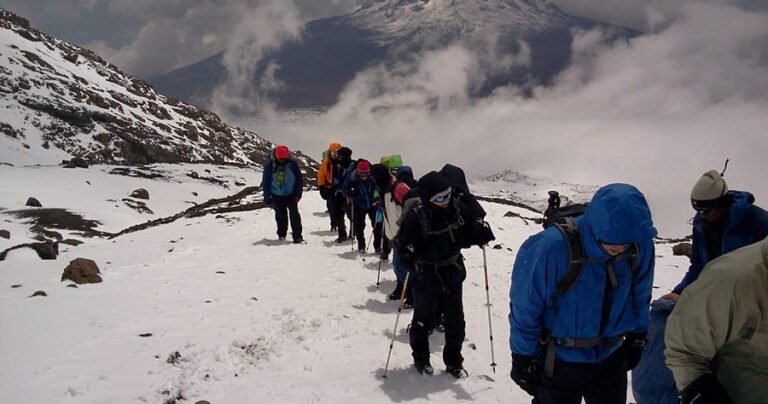
5 And 6 Days Marangu Route Kilimanjaro Hut Tours December : Planning Your
Deciding between the 5-day and 6-day Marangu Route for your December 2026 Kilimanjaro climb is a decision that impacts both your summit success and your comfort on the mountain.
View package detailsBook December , 6 Days Machame Route Kilimanjaro Climb: Expert Guide 2026
A deep look at the logistics, physical demands, and planning steps for a 6-day Machame Route Kilimanjaro climb in December 2026.
View package details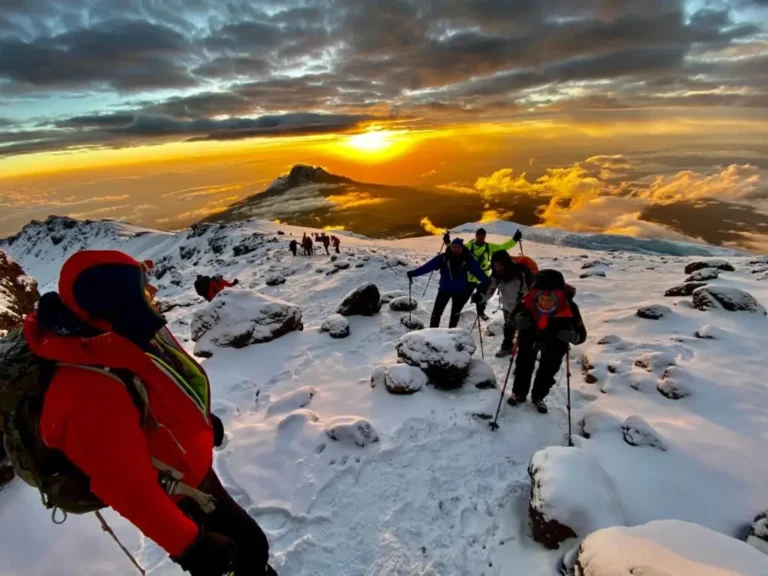
Kilimanjaro New Year Summit Group Departures December : Planning Your Ascent
Planning a New Year summit on Kilimanjaro requires specific logistics. Learn how to join a group departure for December 2026, choose the right route, and prepare for your climb.
View package details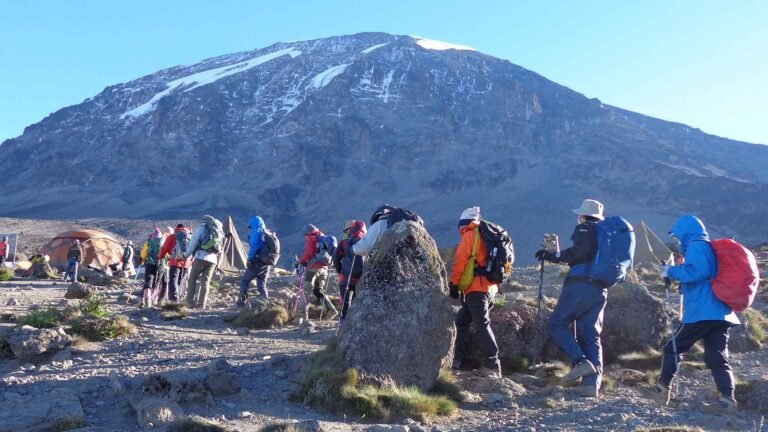
Last Minute Kilimanjaro Group Joining Deals December : Planning Your Climb
Looking for last-minute Kilimanjaro group joining deals in December 2026? Discover how to secure your spot, understand the route trade-offs, and plan your mountain ascent with expert local...
View package detailsNo related package matches those filters. Clear one or more filters to see the other topic-matched options.



