
Choosing between the 5-day and 6-day Marangu Route for a December 2026 Kilimanjaro climb centers on one critical factor: acclimatization. While both itineraries follow the same path—the only route on Kilimanjaro offering permanent dormitory-style hut accommodation—the 6-day itinerary includes an essential extra night at Horombo Hut. This additional day significantly increases your chances of reaching Uhuru Peak by allowing your body to adjust to the thinning air. For most trekkers, especially those coming from lower altitudes, the 6-day program is the safer, more sustainable choice for a successful December summit.
The Marangu Route, often referred to as the “Coca-Cola” route, remains a favorite for travelers who prefer the security of built structures over traditional camping. In December, which marks a peak season for Kilimanjaro due to the holiday period and favorable weather, the huts provide a warm, dry refuge from the mountain’s unpredictable climate.
The 5 vs. 6 Day Decision: Understanding the Trade-off
The difference between these two durations is not just one day; it is the difference between a high-exertion, fast-paced ascent and a measured, safer climb. When you contact us to discuss your December 2026 plans, we will often steer you toward the 6-day option unless you have significant high-altitude experience.
| Feature | 5-Day Marangu Route | 6-Day Marangu Route |
|---|---|---|
| Acclimatization | Aggressive; less time for adjustment. | Better; includes extra day at Horombo. |
| Success Rate | Lower due to faster ascent. | Higher; recommended for most. |
| Difficulty | High; physically demanding. | Moderate; more sustainable. |
| Best For | Experienced hikers at altitude. | First-time high-altitude trekkers. |
The extra day on the 6-day route is spent at Horombo Hut (3,720m). This is not a rest day in the sedentary sense; you will likely take a short hike toward Mawenzi Peak to climb higher and sleep lower, a fundamental principle of altitude physiology. This simple act drastically reduces the risk of altitude sickness before you push to the final Kibo Hut and the summit.
The Marangu Hut Experience
One of the primary reasons climbers choose Marangu is the hut system. Unlike other routes where you sleep in tents, the Marangu Route provides A-frame wooden huts. At Mandara and Horombo, these huts feature bunk beds with mattresses. At Kibo Hut, the final stop before the summit push, you will find stone-walled dormitories. These structures provide a psychological boost, offering a sense of stability and warmth that is highly valued during the cold December nights.
It is important to manage expectations: these are mountain huts, not hotels. They are basic, functional, and shared with other climbers. You will need a high-quality sleeping bag rated for sub-zero temperatures, as the huts do not have central heating.
Detailed Itinerary: The 6-Day Marangu Path
When planning your December 2026 trip, understanding the daily flow helps in your physical and mental preparation. Below is the standard progression for the 6-day climb.
- Day 1: Marangu Gate (1,860m) to Mandara Hut (2,700m). You begin through the lush rainforest. The humidity can be high, and the trail is well-maintained. You arrive at Mandara in the afternoon.
- Day 2: Mandara Hut to Horombo Hut (3,720m). Leaving the forest, you enter the moorland zone. The landscape opens up, and you get your first clear views of Kibo and Mawenzi peaks.
- Day 3: Acclimatization Day at Horombo Hut. This is the key difference. You will spend the day hiking toward Mawenzi, gaining elevation, then returning to Horombo to sleep. This is vital for your summit bid.
- Day 4: Horombo Hut to Kibo Hut (4,700m). You cross the “Saddle,” a vast alpine desert between the two peaks. It is a steady, slow climb. You reach Kibo Hut in the afternoon, where you will rest and prepare for the midnight summit push.
- Day 5: Summit Day (5,895m) and descent to Horombo. You start at midnight. It is a long, grueling ascent to Gillman’s Point and then Uhuru Peak. After celebrating, you descend all the way back to Horombo Hut for a well-earned rest.
- Day 6: Horombo Hut to Marangu Gate. A long descent through the moorland and rainforest brings you back to the gate, where you receive your summit certificate and transfer back to your hotel.
The 5-day itinerary essentially removes Day 3, forcing you to hike from Mandara directly to Horombo and then on to Kibo, skipping the vital acclimatization hike.
Why December 2026 is a Strategic Choice
December is one of the most popular times to climb Kilimanjaro. The weather is generally clearer, and the holiday season allows many travelers to take time off. However, this popularity means that hut space at Mandara, Horombo, and Kibo can fill up months in advance. If you are planning for December 2026, we strongly recommend initiating your booking process early to secure your spot in the hut system.
For those traveling solo or in small groups, you might consider joining our scheduled departures. You can review our Kilimanjaro Group Joining Tours December 2026 to see if a pre-arranged group fits your schedule, or if you prefer a private experience, we can tailor the logistics to your specific dates.
Practical Logistics for Your Climb
Beyond the route and the duration, your success depends on logistical preparation. When you climb with us, we handle the park permits, hut bookings, and the expert team of guides and porters who make the climb possible.
Essential Planning Checklist
- Gear: Ensure your sleeping bag is rated for at least -10°C (14°F) or colder. The huts are cold, and the summit night is freezing.
- Health: Consult your doctor about altitude sickness medication. Our guides are trained in wilderness first aid and carry oxygen for emergencies.
- Booking: December is high season. Confirm your climb at least 6-9 months in advance to ensure space in the huts.
- Fitness: While Marangu is considered the most “walkable” route, it is still a high-altitude trek. Focus on cardiovascular fitness and endurance training in the months leading up to December.
If you are looking for more options, you might be interested in our Kilimanjaro Christmas Climbing Group departures, which are perfect for those wanting to spend the holidays on the mountain. For couples or private groups, we can organize a custom itinerary that aligns with your exact arrival date in Tanzania.
Questions to Ask Before You Book
Before you commit to a 5-day or 6-day Marangu climb, ensure you have clarity on what is included. Many operators present a price that excludes essential items. When you contact Climb 4 Africa, we provide a transparent breakdown of what is covered:
- Park fees, rescue fees, and camping/hut fees.
- Professional mountain guides, cooks, and porters.
- All meals on the mountain.
- Transfers to and from the mountain gate.
- Tents for base camp (if needed) and all logistical support.
If you have specific questions about your fitness or the route, do not hesitate to reach out. We are here to help you plan a safe and rewarding experience. You can contact us directly via WhatsApp at +255 747 477 898 or email us at climb4africa@gmail.com or our backup address info@climb-4-africa.com. Let us know your preferred dates for December 2026, and we will provide a detailed, no-pressure itinerary tailored to your group.
The 5-Day Marangu Itinerary: A Condensed Ascent
While the 6-day itinerary is the gold standard for acclimatization, the 5-day Marangu route remains a common choice for trekkers with limited time or those with significant high-altitude experience. It is important to understand that the 5-day program is not merely a shorter version; it is a more physically taxing endeavor because it removes the crucial acclimatization day at Horombo Hut. When you choose the 5-day option, your schedule is compressed, leaving less margin for error should you experience symptoms of altitude sickness.
Day-by-Day Breakdown of the 5-Day Path
- Day 1: Marangu Gate (1,860m) to Mandara Hut (2,700m). The trek begins with a steady ascent through the montane forest. The distance is roughly 8 kilometers, typically taking 3 to 4 hours. You will spend the night in the A-frame huts, allowing your body to begin the initial adjustment to the altitude.
- Day 2: Mandara Hut (2,700m) to Horombo Hut (3,720m). Leaving the forest, you enter the heath and moorland zone. This section involves a significant gain in elevation. You arrive at Horombo by mid-afternoon. On the 5-day itinerary, you will sleep here, but unlike the 6-day plan, you will not have an extra day to hike toward Mawenzi Peak for acclimatization.
- Day 3: Horombo Hut (3,720m) to Kibo Hut (4,700m). This is the most challenging day of the 5-day itinerary. You traverse the “Saddle,” a vast alpine desert between the peaks of Mawenzi and Kibo. Because you did not acclimatize at Horombo, you will likely feel the effects of the thinning air more acutely as you approach Kibo Hut. You arrive in the afternoon, with just enough time to prepare your gear for the summit push before attempting to sleep.
- Day 4: The Summit Push and Descent to Horombo. You depart Kibo Hut around midnight. This is a long, grueling push to Gillman’s Point (5,681m) and then across to Uhuru Peak (5,895m). After taking photos at the summit, you immediately begin the descent. You will return to Kibo Hut for a brief rest, then continue down to Horombo Hut to sleep. This is a very long day, often totaling 12 to 15 hours of trekking.
- Day 5: Horombo Hut (3,720m) to Marangu Gate (1,860m). The final day is a long descent through the moorland and rainforest. You will pass back through Mandara Hut for lunch before reaching the gate, where you receive your summit certificate and meet your vehicle for the transfer back to your accommodation.
The Summit Night: From Kibo to Uhuru
Regardless of whether you choose the 5-day or 6-day itinerary, the summit night on the Marangu Route follows a specific, rigorous protocol. You will wake up at Kibo Hut around 11:00 PM or midnight. The temperature inside the hut and outside on the mountain will be well below freezing. After a light meal—usually tea and biscuits—you begin the ascent in the dark. The climb from Kibo Hut to Gillman’s Point is steep and loose, consisting largely of scree (loose volcanic rock). This is often considered the most mentally demanding section of the entire climb. You will be walking in a slow, rhythmic pace, often referred to locally as pole pole (slowly, slowly). Reaching Gillman’s Point at dawn is a major milestone, but the summit, Uhuru Peak, remains another 1.5 to 2 hours of walking along the crater rim. The reward is the sunrise over the African plains, a sight that makes the previous days of exertion worthwhile.
The Marangu Descent: The Long Walk Back
The Marangu Route is unique because it is the only path on Kilimanjaro where you ascend and descend the same trail. This has specific implications for your trek. While the descent is significantly faster than the ascent, it is notoriously hard on the knees and quadriceps. Because you are descending nearly 4,000 meters in a short span of time, you must manage your pace to avoid injury. Trekking poles are highly recommended for this section. You will pass through the familiar landscape of the moorland and the rainforest in reverse, which offers a different perspective on the vegetation zones you walked through on your first day. By the time you reach the Marangu Gate, the change in temperature and oxygen levels will be palpable, marking the successful conclusion of your December 2026 expedition.
Life in the Huts: Managing Comfort and Hygiene at Altitude
While the Marangu route is frequently celebrated for its unique hut system, the reality of living in these structures for five or six days requires a specific mindset. Unlike a trekking lodge or a hotel, the A-frame huts at Mandara, Horombo, and Kibo are functional, communal, and sparse. Understanding how to navigate this environment is essential for maintaining your morale and physical well-being throughout your December 2026 expedition.
Navigating Communal Spaces
The huts are communal dormitory-style buildings. You will be sharing your sleeping space with other trekkers from your group and potentially other climbing parties. Because these structures are made of wood and metal, they offer excellent protection from the wind and rain, but they provide minimal soundproofing. The ambient noise of a busy hut—zippers, rustling sleeping bags, and the occasional cough—is inevitable. Bringing high-quality earplugs and an eye mask is not just a luxury; it is a critical piece of gear for ensuring you get the sleep necessary for recovery.
Organization is your best defense against the chaos of shared quarters. Since floor space is limited, keep your duffel bag packed tightly. Use dry bags to separate your clothing layers, ensuring that your sleeping gear remains distinct from your damp, sweaty trekking clothes. Never leave wet items inside your sleeping bag; the moisture will make you colder as the night temperatures plummet, particularly at Horombo and Kibo huts.
Hygiene and Sanitation Protocols
One of the most frequent questions from prospective climbers concerns personal hygiene. It is important to set realistic expectations: there are no showers on the Marangu route. Sanitation facilities consist of dedicated toilet blocks, which are generally separate from the sleeping huts. While these are maintained by the park staff, their cleanliness can vary depending on the volume of traffic, especially during the peak December season.
For your personal hygiene, rely on a combination of biodegradable wet wipes and hand sanitizer. A small, lightweight plastic basin—which your porters can fill with warm water upon your arrival at camp—is a standard amenity provided by reputable operators. This allows for a basic “bird bath” to clean the dust and sweat of the day from your face and hands. Remember that water is a precious resource on the mountain, often carried up by the support team, so conserve it strictly.
The Dining Hut Experience
The dining hut is the social heart of the Marangu route. It is here that you will spend your evenings, sheltered from the mountain air, bonding with your guides and fellow trekkers. The atmosphere is usually warm and communal, providing a necessary mental break from the physical strain of the climb. Your meals, prepared by the camp cook, are specifically designed to be high in carbohydrates and easy to digest, which is crucial for altitude acclimatization.
Do not be surprised if your appetite fluctuates. At higher altitudes, such as Kibo Hut, many climbers experience a suppressed appetite. Regardless of how you feel, it is vital to keep eating and, more importantly, drinking. Hydration is the single most effective tool against altitude sickness. Your guides will constantly remind you to drink water; treat this as a non-negotiable task. If the water tastes unpleasant to you, consider bringing electrolyte powders or flavor enhancers to mask the taste and encourage intake.
Temperature Management Inside the Huts
The huts offer a reprieve from the elements, but they are not heated. In December, while the lower rainforest zone is humid, the temperature inside the huts at Kibo (4,700m) will drop well below freezing at night. Your strategy for warmth should be layered. Do not rely solely on your sleeping bag. Wear your thermal base layers inside your bag if you are cold, and keep your clothes for the next morning inside the bag with you so they are warm when you dress. This simple trick prevents the shock of putting on freezing-cold clothing at 11:00 PM when it is time to begin your summit push.
Managing Your Energy Reserves for the December Peak
While the physical itinerary of the Marangu Route is fixed, your energy management strategy is variable and crucial for a successful summit in December 2026. The peak season brings warmer temperatures at the base, but this can lead to a false sense of security. Many climbers overexert themselves during the first two days, energized by the lush rainforest and the relative ease of the lower trails. Because the Marangu Route is a return-trip path, you will see the same scenery on the way down, which can be mentally taxing if you have exhausted your reserves on the ascent.
To conserve energy, adopt a “pole-pole” (slowly, slowly) pace from the very first hour at Marangu Gate. In December, the humidity in the rainforest zone (2,700m) can be high. Walking too fast leads to sweating, which then cools rapidly once you stop moving or gain altitude. Damp clothing is the primary cause of early-trip chills. Change into dry, breathable layers the moment you arrive at Mandara or Horombo Huts, even if you feel warm. Your goal is to keep your core temperature stable, not just to reach the next hut quickly.
The Psychology of the “Pole-Pole” Pace
The Marangu Route is often mistakenly viewed as the “easiest” path, which can lead to a psychological trap. Climbers may feel they can “power hike” to the huts to arrive earlier. However, Kilimanjaro is not a race, and the altitude gain is unforgiving regardless of the route. The 6-day itinerary is specifically designed to counteract the body’s natural tendency to rush. By forcing a slower pace, you allow your blood oxygen levels to stabilize more effectively.
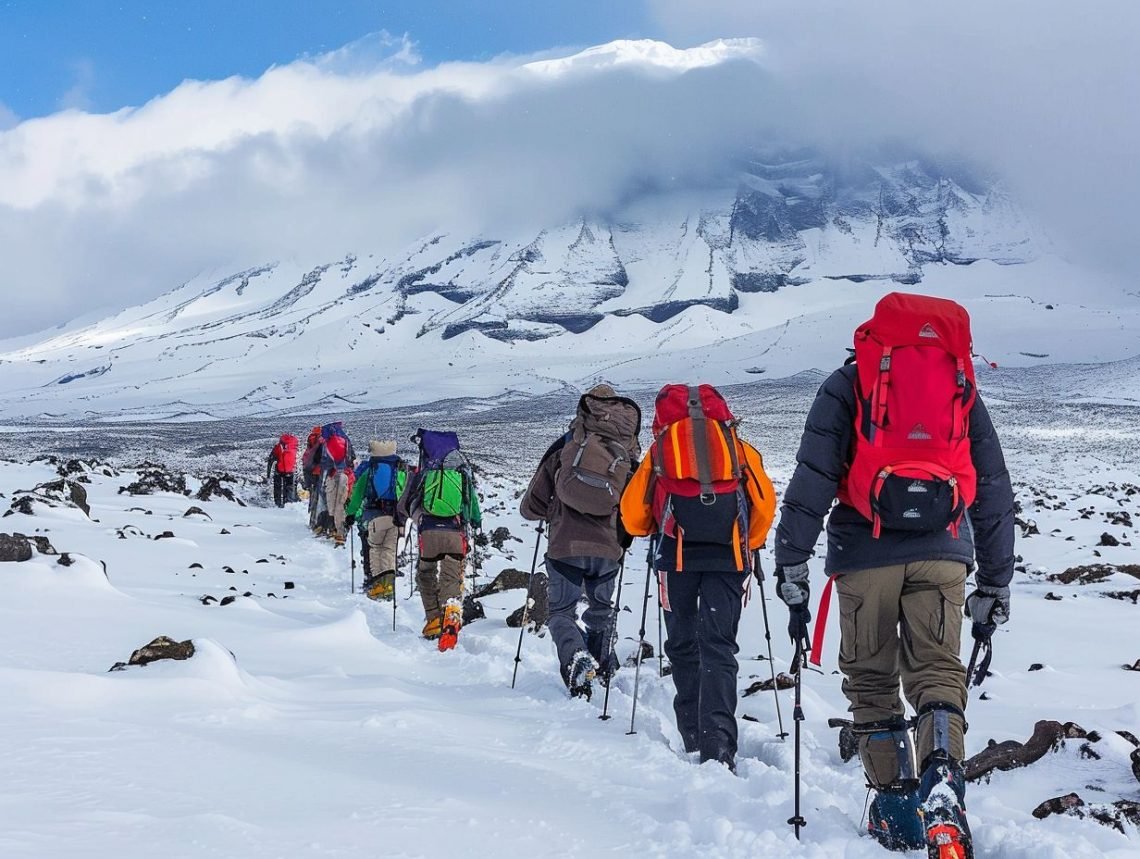
During your December climb, you will likely encounter larger groups due to the holiday season. It is common to feel pressured to keep up with faster hikers or to match the pace of others on the trail. Resist this urge. Your guides are trained to monitor your heart rate and oxygen saturation. If they tell you to slow down, do so immediately, even if you feel perfectly fine. The onset of altitude sickness is often deceptive; you may feel energetic one moment and experience a sudden, debilitating headache the next. Adhering to a steady, rhythmic gait is the single most effective way to protect your summit chances.
Nutrition and Fluid Logistics at Altitude
Maintaining caloric intake is perhaps the most difficult logistical challenge on the Marangu Route. As you ascend toward Kibo Hut (4,700m), your metabolism changes, and the high-altitude environment naturally suppresses appetite. Many climbers find that their favorite snacks become unappealing, and even the nutritious meals provided in the dining huts can feel like a chore to eat.
For your December 2026 trip, plan your food strategy around variety. Do not rely solely on one type of energy bar or gel. Bring “comfort foods” that you know you can tolerate even when you feel slightly nauseous—salty crackers, dried fruit, or hard candies are often effective. Furthermore, fluid intake is tied directly to your ability to digest food. Dehydration thickens the blood, making it harder for your body to transport oxygen and process nutrients. Aim for 3 to 4 liters of water per day. If you struggle with plain water, electrolyte tablets are essential, not just for hydration but to improve the palatability of the water, which encourages you to drink more frequently.
Post-Summit Recovery: The Descent Strategy
The descent from Uhuru Peak back to Horombo Hut is often underestimated. After the emotional and physical high of reaching the summit, the descent can feel like an anticlimax, but it is physically demanding. You are effectively walking down thousands of meters of elevation in a single day. This puts immense strain on the knees and toes.
Use trekking poles religiously on the descent. They act as shock absorbers, transferring weight from your joints to your arms and shoulders. Many climbers suffer from “toe-bang” on the way down, where their toes repeatedly hit the front of their boots. Ensure your boots are laced tightly around the ankle to lock your heel in place, preventing your foot from sliding forward. If you feel hotspots developing on your feet, stop immediately to apply moleskin or tape before they turn into blisters. The descent is not the time to be a hero; it is the time to be methodical and protective of your body.
Strategic Gear Management for the Marangu Hut System
While the Marangu route is often marketed as the “easiest” Kilimanjaro path, the reality of living in the hut system for five or six days requires a more nuanced approach to gear management than camping routes. Because you are moving between fixed structures, you are not hauling a tent, but you are also not in a hotel where you can spread out your belongings. The A-frame huts are compact, and in December, they can become crowded with the gear of multiple climbing parties. Your ability to organize your kit within these limited confines will directly impact your daily comfort and your ability to recover between stages.
The most common mistake climbers make is treating their duffel bag as a single, disorganized storage unit. In the Mandara and Horombo huts, where you share sleeping quarters with others, you will not have the luxury of dumping your gear across the floor. Develop a “hut routine” starting on Day 1. Use internal dry bags or color-coded compression sacks to separate your items: one for sleepwear, one for clean base layers, one for electronics, and one for toiletries. This prevents the “yard sale” phenomenon where you end up searching through your entire bag for a single pair of dry socks while your bunkmates are trying to sleep.
Optimizing Your Sleeping System for December Hut Temperatures
Even though December is a warm month at the base of Kilimanjaro, the temperature inside the huts at Horombo (3,720m) and Kibo (4,700m) can drop to near or below freezing. The huts are unheated, and the thin walls offer little insulation against the mountain air. Your sleeping bag is your primary defense. A bag rated to -10°C (14°F) is the absolute minimum requirement. Do not rely on the mattresses provided by the huts; they are functional but thin and often cold. Bring a high-quality, insulated sleeping pad to create a thermal barrier between your body and the bunk bed surface. This simple addition is often the difference between a restless, shivering night and the deep, restorative sleep necessary for the next day’s ascent.
Inside the hut, keep your “summit night” gear separate from your daily trekking gear. On the final night at Kibo, you will be waking up in the dark, in a cramped, frigid environment. Having your thermal layers, headlamp, batteries, and socks organized and ready to grab without needing to fumble through your main bag is a critical stress-reducer. Many experienced climbers lay out their summit gear in a specific order on their sleeping pad before they go to sleep, ensuring that the pre-dawn transition is as automated and efficient as possible.
Managing Wet Gear in a Shared Environment
The Marangu route traverses the rainforest zone, and in December, you may encounter afternoon showers or mist. The huts at Mandara are located in a humid forest environment where gear does not dry easily. If you arrive at the hut with wet clothing, do not leave it in your bag. Hang wet items on the rafters or designated hooks in the communal dining area, where the collective body heat of the group and the cooking stoves provide a slightly warmer, drier microclimate. However, be mindful of space; do not monopolize the limited drying areas. If your boots are damp, stuff them with newspaper or dry socks overnight to absorb moisture; this is far more effective than hoping they will air-dry in the cold, damp mountain air.
The Reality of Kilimanjaro Hut Sanitation
The sanitation facilities on the Marangu route consist of communal toilet blocks located a short walk from the sleeping huts. It is vital to manage your expectations regarding these facilities. They are basic, functional, and heavily used. By the time you reach Kibo Hut, these facilities are often at their most basic level. Do not expect running water, soap, or paper. You must carry your own supply of hand sanitizer, wet wipes, and toilet paper. Plan to have enough for the entire duration of your trek, plus a small buffer. Disposing of waste properly is a strict park regulation; everything you bring up must be managed by your team or carried out. When using these facilities, especially at night, always use a headlamp—the paths between the huts can be uneven and rocky, and the temperature drop makes a quick trip outside a significant ordeal if you are not prepared.
Related Guides and Packages
Check Availability for 5 And 6 Days Marangu Route Kilimanjaro Hut Tours December : Planning Your
Ready to compare dates, prices, and the best option for your group? Send the package name and travel month so the team can reply with a clear quote, availability, and what is included.
Book December , 6 Days Machame Route Kilimanjaro Climb: Expert Guide 2026
A deep look at the logistics, physical demands, and planning steps for a 6-day Machame Route Kilimanjaro climb in December 2026.
View package details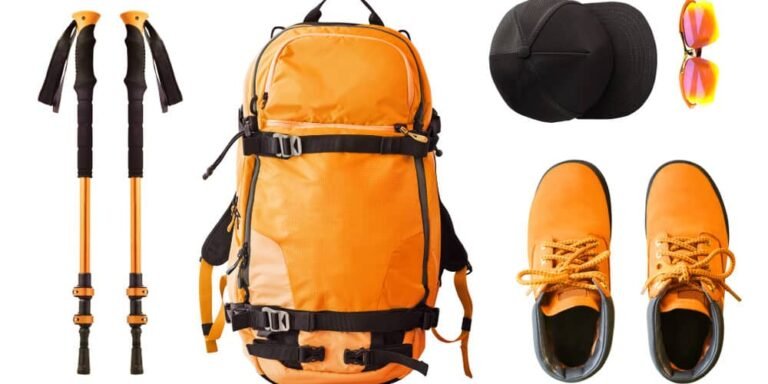
Shira Route Kilimanjaro Climbing Itinerary For December : Expert Guide 2026
A deep look at the Shira Route for December 2026, covering the unique high-start logistics, acclimatization advantages, and step-by-step itinerary planning.
View package details7 Days Umbwe Route Kilimanjaro Challenge: Planning Your December Ascent 2026
A deep-dive guide into the 7-day Umbwe Route, the most challenging and direct path up Kilimanjaro, perfect for those seeking a quiet, steep, and rewarding December 2026 expedition.
View package details7 Days Rongai Route Kilimanjaro Holiday Climb December : Expert Guide 2026
A deep look at the 7-day Rongai Route for December 2026 climbers, focusing on route logic, acclimatization benefits, and practical planning for your holiday expedition.
View package details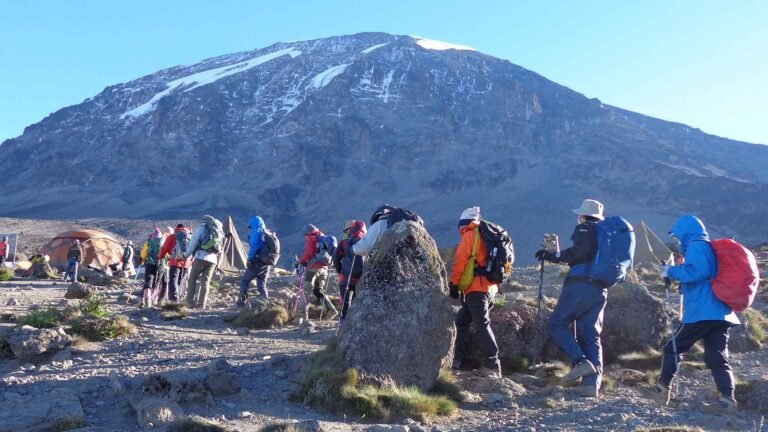
Kilimanjaro Group Joining Tours December : Planning, Routes, And Availability
A detailed guide on planning your Kilimanjaro group joining climb for December 2026, including route comparisons, logistics, and how to secure your spot with Climb 4 Africa.
View package details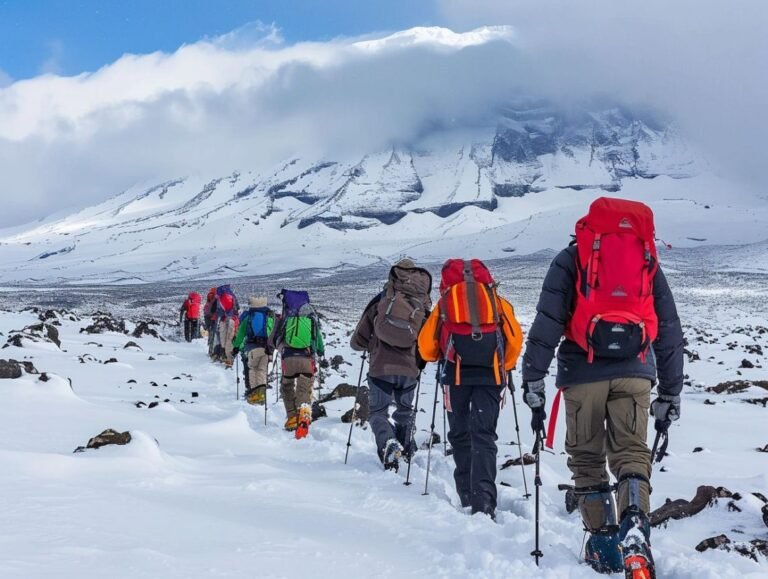
Traveling Alone To Kilimanjaro In December: Can You Join A Machame Route 2026
A practical guide for solo travelers planning a December Kilimanjaro climb. Discover how group joining works on the Machame Route, the realities of cost-sharing, and how to prepare for your...
View package details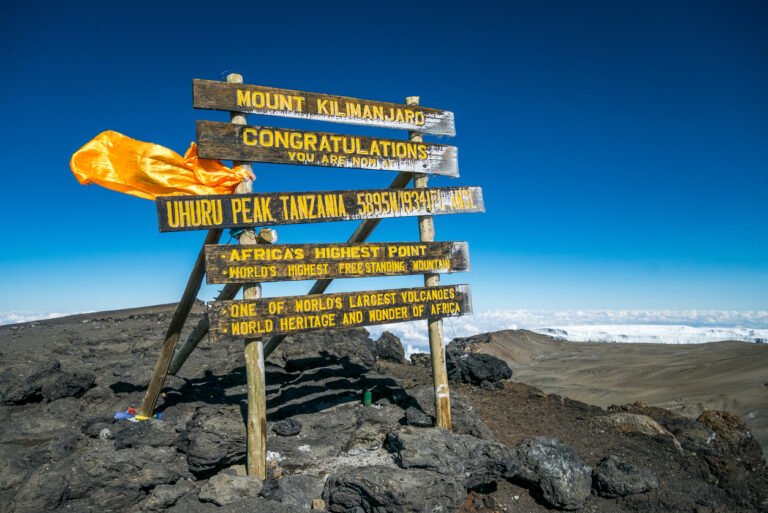
Vip Kilimanjaro Expedition With Private Mountain Crew December 2026
A detailed guide to planning a bespoke, high-support Kilimanjaro expedition for December 2026, focusing on private crew logistics, route selection, and safety.
View package detailsKilimanjaro Honeymoon Climbing And Zanzibar Beach Holiday: December Planning
A practical guide for couples planning a Kilimanjaro climb and Zanzibar beach holiday in December 2026, focusing on route selection, recovery logistics, and planning timelines.
View package details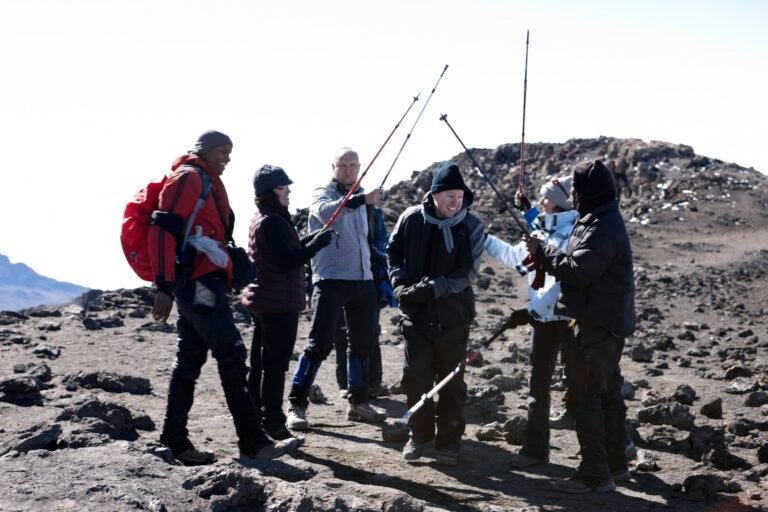
Romantic Kilimanjaro Summit Adventure For Couples December : Planning Your
A detailed guide for couples planning a Kilimanjaro summit in December 2026, focusing on route selection, acclimatization, and the benefits of private trekking arrangements.
View package details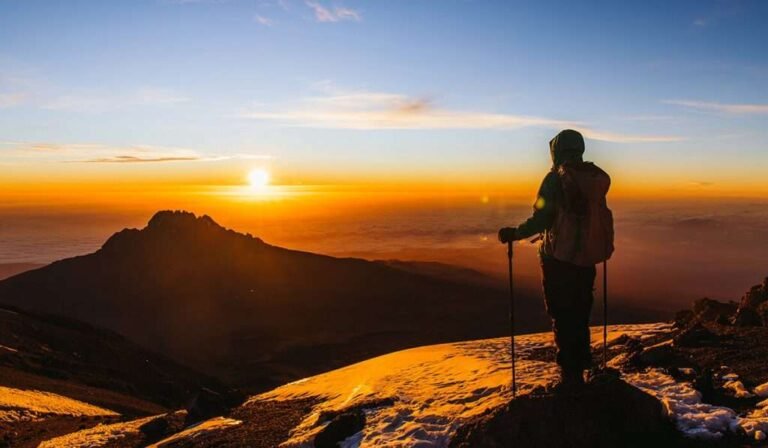
Luxury Mount Kilimanjaro Trekking Packages December : Planning Your Premium
A detailed guide to booking luxury Kilimanjaro trekking packages for December 2026, covering route selection, premium service standards, and planning essentials.
View package details
9 Days Northern Circuit Kilimanjaro Trek December : The Ultimate
A comprehensive guide to the 9-day Northern Circuit route for December 2026, focusing on acclimatization, route advantages, and logistical planning.
View package details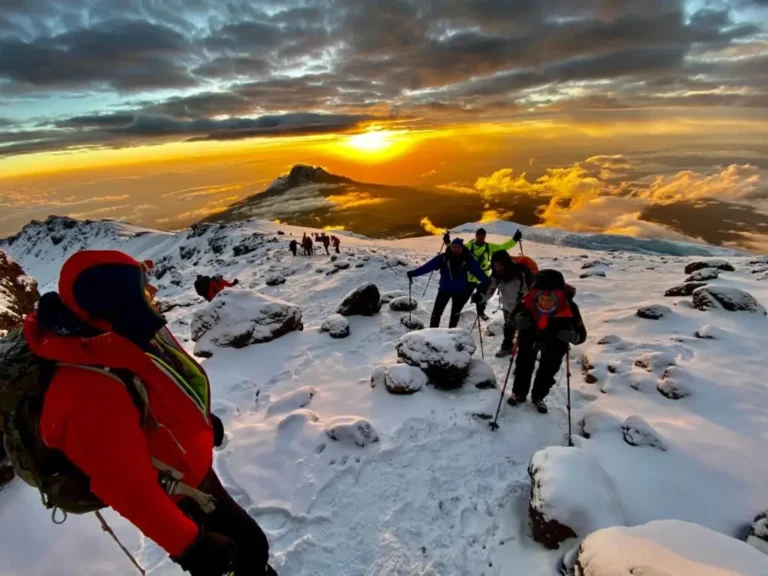
Kilimanjaro New Year Summit Group Departures December : Planning Your Ascent
Planning a New Year summit on Kilimanjaro requires specific logistics. Learn how to join a group departure for December 2026, choose the right route, and prepare for your climb.
View package detailsNo related package matches those filters. Clear one or more filters to see the other topic-matched options.



