
If you are currently researching group joining safaris from Zanzibar for November or December 2026, the most important logistical fact to understand is that group safaris do not originate on the island itself. While Zanzibar is a primary destination for relaxation, the wildlife-rich Northern Circuit—which includes the Serengeti, Ngorongoro Crater, and Tarangire—is located on the Tanzanian mainland.
As an expert operator, we frequently receive inquiries about whether a safari can be joined directly from the beach. The reality is that your safari begins in Arusha or Moshi. To make this work, you must bridge the gap between the island and the mainland. This article explains exactly how to coordinate your Zanzibar holiday with a mainland group joining safari, the logistical realities of November and December travel, and how to ensure your 2026 trip runs smoothly.
The Geography of Your Safari
It is helpful to visualize your trip as two distinct hubs. Zanzibar is your coastal hub, while Arusha/Moshi serves as your gateway hub for the mountains and parks. Because group joining safaris require a set meeting time (usually early morning on Day 1), you cannot reliably arrive from Zanzibar on the same morning your safari starts. We always advise flying to the mainland the day before your safari begins.
Logistics: Connecting Zanzibar to Your Safari
When you join a safari group, the vehicle, guide, and fellow travelers are already positioned in Arusha. Your task is to arrive at the meeting point—typically a pre-arranged hotel in Arusha or Moshi—in time for the pre-safari briefing.
For travelers coming from Zanzibar, the standard procedure is as follows:
- Flight Connectivity: There are frequent daily flights from Zanzibar International Airport (ZNZ) to Arusha Airport (ARK) or Kilimanjaro International Airport (JRO). Arusha Airport is closer to the city center and often more convenient for safari departures.
- Timing: Do not book a flight that arrives on the morning of your safari departure. If your flight is delayed, you risk missing the group’s departure time. Always aim to arrive in Arusha at least one full day before your safari start date.
- Transfers: Once you land on the mainland, you will need a transfer to your hotel. At Climb 4 Africa, we can coordinate these transfers as part of your overall itinerary, ensuring you are exactly where you need to be to meet your group.
If you are curious about how these group logistics compare to private options, read our guide on Is a Group Joining Safari Cheaper Than a Private Safari? to help you decide which style suits your budget and travel preferences.
Traveling in November vs. December 2026
The time of year you choose significantly impacts your experience. November and December offer very different environments in Tanzania.
November: The Short Rains
November is characterized by the ‘short rains.’ This does not mean it rains all day, every day. Instead, you can expect short, refreshing afternoon showers that clear quickly. The landscape transforms, becoming lush and green, which is excellent for photography. Because this is considered a shoulder season, you may find more availability in group joining safaris, and the parks are generally less crowded. If you prefer a quieter experience and slightly lower costs, November is a strategic choice.
December: The Peak Festive Season
December, particularly the latter half, is one of the busiest times in Tanzania. The weather is generally dry and warm, perfect for game drives. However, this high demand means that group joining slots fill up months in advance. If you are planning for December 2026, particularly around Christmas and New Year, it is vital to secure your spot early. You can see specific holiday-themed departures in our update on the 5 Day Christmas Tanzania Group Joining Safari.
How to Choose the Right Group Safari
Not all safaris are created equal. When browsing options for late 2026, focus on the route and the parks included. A group joining safari is an efficient way to see the Northern Circuit, but you need to ensure the itinerary matches your expectations.
For instance, some travelers prioritize the Serengeti, while others want a mix of Tarangire and Ngorongoro. Before you commit to a date, ask yourself:
- Which parks are non-negotiable? If you want to see the Great Migration or specific landscapes, ensure the itinerary includes sufficient time in those areas.
- What is the group size? Smaller groups are often more flexible and offer a better experience.
- What is the vehicle type? A pop-up roof 4×4 land cruiser is standard, but comfort matters on long driving days.
If you are unsure about which route is best, our guide on Which Tanzania Group Safari Includes All Northern Circuit Parks? provides a clear breakdown of the most comprehensive routes available.
Planning Your 2026 Itinerary
Planning a trip to Tanzania involves multiple moving parts. By treating your Zanzibar holiday and your safari as two connected chapters, you can create a smooth vacation. Here is a suggested planning sequence:
- Define your dates: Decide if you prefer the quieter atmosphere of November or the vibrant energy of December.
- Inquire about availability: Reach out to us at climb4africa@gmail.com or via WhatsApp at +255 747 477 898 to check current group joining slots for your preferred week in 2026.
- Confirm the safari first: Because group joining safaris have limited capacity, confirm your spot on the safari before you finalize your international or domestic flights.
- Book your domestic connections: Once the safari is confirmed, book your flights from Zanzibar to Arusha.
- Finalize your Zanzibar accommodation: We can assist with recommendations that fit your post-safari relaxation needs.
If you are traveling solo and worried about the social aspect, it is common to join a group without knowing anyone. Read our article on Can I Join a Tanzania Safari Group Without Travelling With Friends? to understand why this is a very popular way to see the country.
Practical Considerations for Your Trip
When preparing for your safari, remember that you will be moving between different climates—from the humid, tropical heat of Zanzibar to the cooler, higher altitudes of the Ngorongoro Crater and the Serengeti plains.
Pack layers. Even in November and December, mornings in the Ngorongoro Crater can be chilly. A light jacket or fleece is essential. For the safari itself, neutral colors (khaki, olive, tan) are recommended to blend in with the environment and avoid attracting insects. Most importantly, keep your luggage manageable, especially if you are taking small domestic flights between Zanzibar and Arusha.
If you are looking for specific departures, we maintain up-to-date schedules for various routes. For example, if you are interested in a shorter, high-impact trip, you might look at our 2 Day Tarangire and Ngorongoro Group Joining Safari. For those with more time, a 4-day or 5-day itinerary allows for a deeper exploration of the Serengeti.
Why Contact Climb 4 Africa?
At Climb 4 Africa, we specialize in the practical realities of Tanzania travel. We do not just book tours; we help you coordinate the logistics that make or break a trip. Whether it is advising on the best flight times from Zanzibar, explaining the difference between lodge and camping safaris, or ensuring your group joining safari matches your pace, we provide the local support you need.
If you have questions about specific dates in November or December 2026, or if you need help deciding which route offers the best wildlife viewing for those months, get in touch. We are here to help you plan a trip that is realistic, enjoyable, and well-organized. You can email us at info@climb-4-africa.com or reach out directly on WhatsApp at +255 747 477 898. Let us help you navigate the logistics so you can focus on the experience.
A Typical 4-Day Northern Circuit Itinerary: What to Expect
For travelers connecting from Zanzibar, understanding the rhythm of a standard group joining safari is essential for managing your expectations. While itineraries can vary slightly depending on the operator and the specific season, a 4-day Northern Circuit route is the most common format for those with limited time. This itinerary is designed to maximize wildlife viewing while balancing the long distances between parks. Understanding this daily flow helps you decide whether to book a flight out of Kilimanjaro or Arusha on the evening of your final day.
Day 1: Arusha to Tarangire National Park
Your safari begins with an early morning briefing at your hotel in Arusha. This is the moment you meet your guide and fellow travelers. Because this is a group joining safari, punctuality is critical; the vehicle has a set departure time to ensure you reach the park gates before the mid-morning heat. The drive to Tarangire takes roughly two to three hours, passing through local villages and the bustling outskirts of Arusha. Upon arrival, your first game drive begins immediately. Tarangire is famous for its massive elephant herds and iconic baobab trees. You will spend the entire afternoon traversing the park’s diverse landscapes. Lunch is typically a packed picnic served at a designated site inside the park, allowing you to stay in the field longer. You will spend the night at a lodge or camp located near the park entrance, where you can rest after the initial day of travel.
Day 2: The Ngorongoro Crater
Day two is often the highlight of the trip. You will depart early—often before sunrise—to reach the Ngorongoro Crater rim. The descent into the crater floor is a unique experience, as you navigate the steep, forested walls to reach the caldera floor, which is home to one of the highest concentrations of wildlife in Africa. As part of a group, your vehicle will follow a set route that allows for maximum game viewing opportunities. You will spend roughly five to six hours on the crater floor, tracking lions, hyenas, and potentially the rare black rhino. Because of the strict regulations regarding time spent in the crater, your group will exit in the early afternoon, heading toward the Karatu area or the outskirts of the Serengeti for your overnight stay. This day is physically demanding due to the elevation and the bumpy nature of the crater floor, so expect a quieter evening.
Day 3: Serengeti National Park
This day involves the longest transit time. You will travel from the Ngorongoro Conservation Area into the vast plains of the Serengeti. The journey itself is a game drive, as you pass through the Naabi Hill Gate and enter the endless plains. The Serengeti is immense, and your group will focus on the Central Serengeti (Seronera area), which is known for its high density of big cats. In a group setting, your guide will coordinate with other drivers to share information on wildlife sightings, which significantly increases your chances of spotting elusive leopards or cheetahs. You will spend the entire day exploring the savannah, with a picnic lunch served in the bush. You will spend the night at a tented camp or lodge within or near the Serengeti, allowing you to fall asleep to the sounds of the African wilderness.
Day 4: The Return to Arusha
The final day is a mix of a morning game drive and the return journey. You will start early for a final sunrise drive in the Serengeti, hoping to catch predators before they retreat into the shade. After brunch, the drive back to Arusha begins. This is a significant journey, often taking six to eight hours depending on road conditions and traffic. You will pass through the Ngorongoro Highlands and the town of Mto wa Mbu. Your guide will drop you off at your hotel in Arusha or directly at Kilimanjaro International Airport (JRO). If you are flying back to Zanzibar, we strongly advise booking a flight that departs after 8:00 PM to account for any delays on the road. Do not attempt to catch an afternoon flight, as the road traffic between the Serengeti and Arusha is unpredictable.
The Dynamics of a Shared Vehicle
Joining a group safari requires a degree of flexibility that a private safari does not. You are sharing a vehicle—typically a 4×4 Land Cruiser with a pop-up roof—with other travelers. This means the pace of the trip is set by the group, not by you individually. If the group decides to spend more time photographing a lion pride, you stay; if the group wants to move on, you move on. This social dynamic is often one of the most rewarding parts of the trip, as you share the experience with people from all over the world. However, it also means you must be mindful of your luggage. Space in these vehicles is limited; we recommend soft-sided duffel bags rather than hard-shell suitcases, which are difficult to stow in the back of the safari vehicle. Before you board, ensure you have all your essential gear—camera, binoculars, charging cables, and water—easily accessible, as you will be spending hours in the vehicle each day.
Related Guides and Packages
Check Availability for Are There Group Joining Safaris From Zanzibar In Nov And Dec ?
Ready to compare dates, prices, and the best option for your group? Send the package name and travel month so the team can reply with a clear quote, availability, and what is included.
I Am Staying In Zanzibar—Can I Join A Mainland Safari Group?
A practical guide for travelers staying in Zanzibar who want to add a group safari to their itinerary, covering logistics, regional differences, and planning tips.
View package details
Dec 13, – 2 Day Nyerere Fly-In Group Safari From Zanzibar 2026
A detailed guide to the December 13, 2026 group fly-in safari from Zanzibar to Nyerere National Park, covering the itinerary, logistics, and planning for your trip.
View package details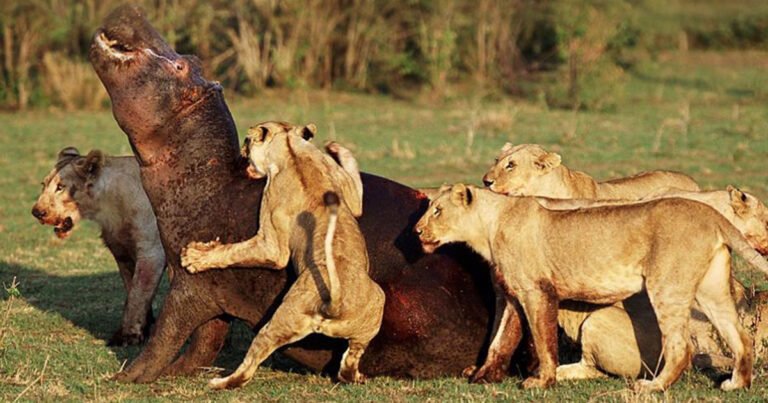
Dec 5, – 1 Day Mikumi Fly-In Group Safari From Zanzibar 2026
A practical guide to the December 5, 2026, group fly-in safari to Mikumi National Park. Learn about the itinerary, group logistics, and how to book your seat.
View package details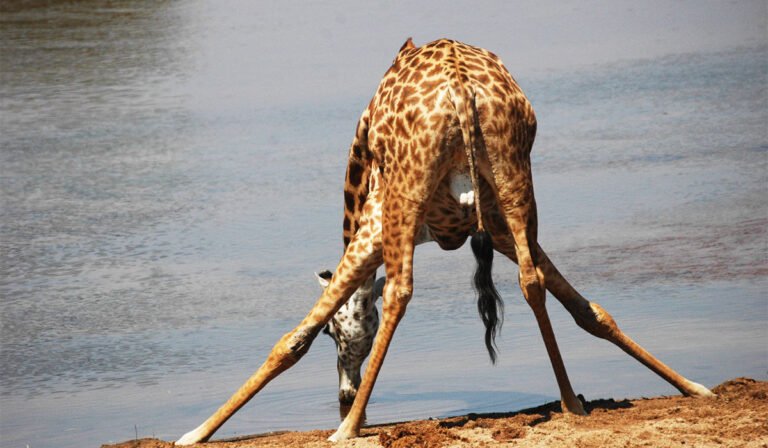
Nov 15, – 2 Day Mikumi Fly-In Group Safari From Zanzibar 2026
A practical guide and booking overview for the November 15, 2026, group fly-in safari to Mikumi National Park, departing from Zanzibar.
View package details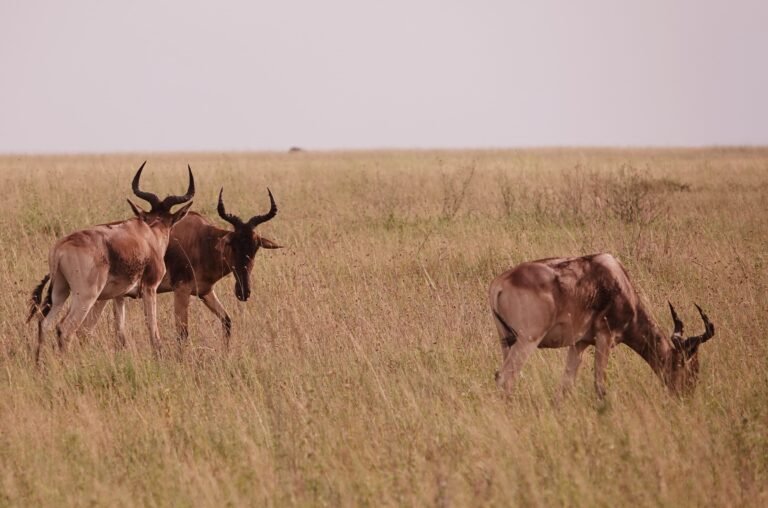
Oct 25, – 1 Day Nyerere Fly-In Group Safari From Zanzibar 2026
Secure your spot for the October 25, 2026, group fly-in safari to Nyerere National Park. A professional, time-efficient wildlife experience from Zanzibar.
View package details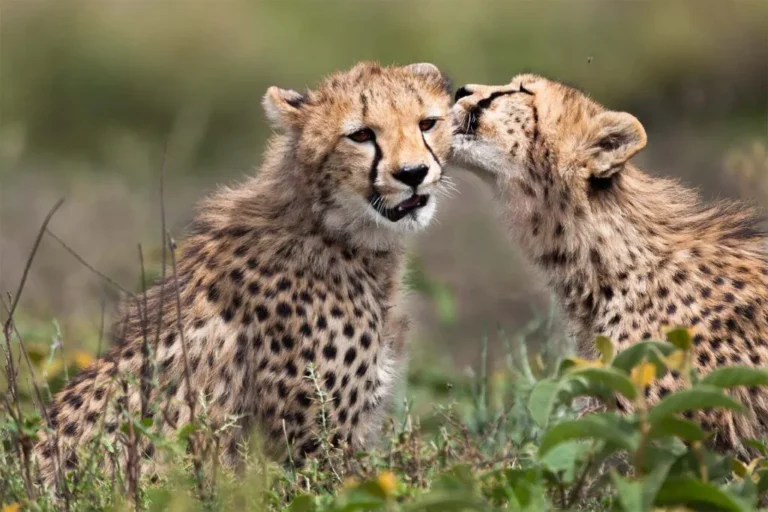
Nov 28, – 3 Day Fly-In Serengeti Group Safari From Zanzibar 2026
A detailed look at the 3-day fly-in Serengeti group safari departing November 28, 2026, including logistics, itinerary highlights, and travel tips for your Tanzania adventure.
View package detailsAfcon Zanzibar Beach Holiday Packages: Planning Your Post-Match Escape
Practical guide to combining football excitement with a Zanzibar beach vacation during the 2027 tournament, including logistics, beach selection, and transport tips.
View package detailsAfcon Honeymoon Safari And Zanzibar Package: Expert Planning Guide
A detailed guide for couples planning a Tanzania trip during the 2027 AFCON tournament, focusing on logistics, safari privacy, and Zanzibar beach selection.
View package detailsTen Day Afcon Tanzania Safari And Zanzibar Holiday: Planning Guide
Planning a ten-day trip for AFCON 2027? This guide covers the ideal itinerary, logistics for combining a Northern Circuit safari with a Zanzibar beach holiday, and how to manage your travel...
View package detailsSeven Day Afcon Safari And Zanzibar Package
Seven Day AFCON Safari and Zanzibar Package.
View package detailsAfcon Kilimanjaro Safari And Zanzibar Package: Expert Planning Guide
A comprehensive guide to coordinating your AFCON 2027 travel, including Kilimanjaro trekking, Northern Circuit safaris, and Zanzibar relaxation, with expert logistical advice.
View package detailsCan I Book A One Day Safari From Zanzibar In Dec ?
Can I Book a One Day Safari from Zanzibar in Dec 2026?
View package detailsNo related package matches those filters. Clear one or more filters to see the other topic-matched options.



