
The Oct 25, 2026, 1-day Nyerere Fly-In Group Safari from Zanzibar is a structured, shared-cost excursion designed for travelers who want to experience mainland Tanzania’s wilderness without spending days on the road. By utilizing light aircraft, this trip bypasses the long travel times associated with overland routes, placing you in the heart of Nyerere National Park (formerly Selous) for a full day of game drives. This itinerary is specifically optimized for efficiency, starting early from your Zanzibar hotel and returning in the evening, ensuring you maximize your limited time in the bush.
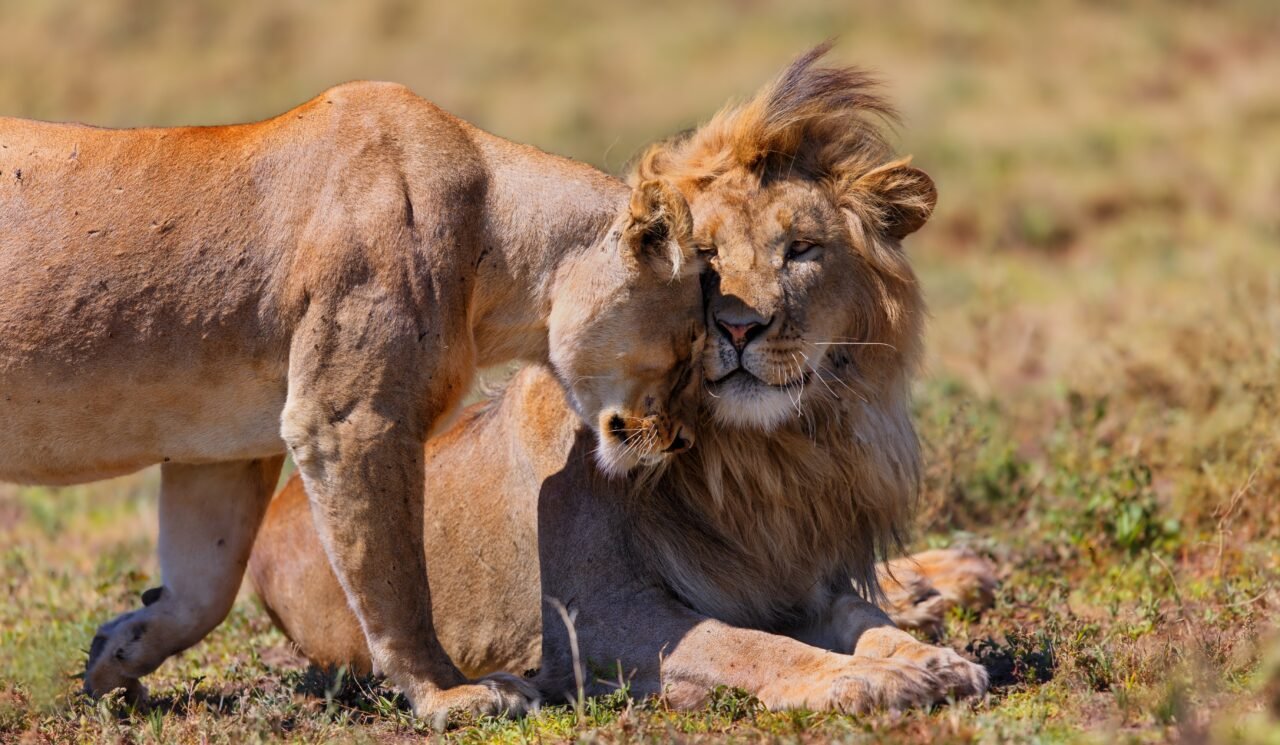
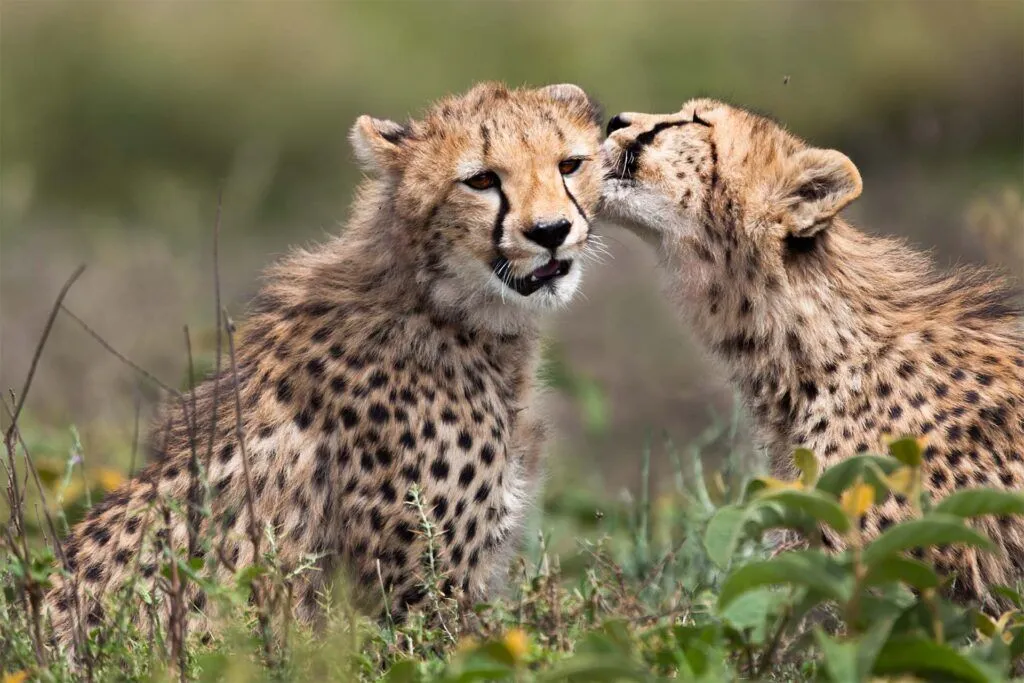
For many visitors to Zanzibar, the prospect of seeing big game feels distant, often requiring multi-day journeys to the Northern Circuit parks like the Serengeti. However, Nyerere National Park is geographically closer to the coast, making it the only viable option for a true, high-quality 1-day safari experience. Our October 25, 2026, group departure is curated to provide a balanced wildlife experience—covering the Rufiji River basin, expansive plains, and diverse animal populations—while handling all the complex logistics of bush flights, park permits, and 4×4 transport.
Why Nyerere National Park for a 1-Day Safari?
When you have limited time, your choice of destination dictates your experience. We prioritize Nyerere National Park for 1-day trips for several logistical and biological reasons:
- Proximity to the Coast: Unlike the Northern Circuit, which requires significantly longer flight times or grueling road transfers, Nyerere is a short hop from Zanzibar. This minimizes time in the air and maximizes time on the ground.
- Wildlife Density: Nyerere is part of the Selous ecosystem, one of the largest protected wildlife areas in Africa. It is renowned for high concentrations of elephants, lions, giraffes, and the rare African wild dog.
- Riverine Landscapes: The Rufiji River flows through the park, creating a unique habitat that attracts wildlife, especially during the dry season in October.
By choosing a group departure, you share the costs of the charter aircraft and the private 4×4 vehicle, making this one of the most cost-effective ways to see the mainland. For more information on how we structure these shared trips, visit our Tanzania group departures page.
The Itinerary: October 25, 2026
This itinerary is subject to the standard operational flow of bush aviation. Because this is a group trip, punctuality is essential to ensure the aircraft departs on time.
Morning: The Transit
Your day begins well before sunrise. We coordinate a transfer from your Zanzibar hotel to the airport. You will board a light aircraft—typically a Cessna Caravan or similar bush plane—for a scenic flight across the channel to the Nyerere airstrip. The flight itself is an experience, offering aerial views of the coastline and the vast, untamed bushveld.
Mid-Morning to Afternoon: The Game Drive
Upon arrival at the airstrip, your professional guide and 4×4 safari vehicle will be waiting. You will head immediately into the park. October is in the heart of the dry season; water sources are scarce, which forces animals to congregate around the remaining riverbanks and waterholes. This creates some of the most reliable wildlife viewing conditions of the year. We focus on the areas surrounding the Rufiji River, where hippos, crocodiles, and elephants are frequently spotted.
Lunch: In the Bush
We break for a picnic-style lunch within the park boundaries. This is not a rushed meal at a lodge, but a strategic pause that allows you to remain in the game-viewing area, reducing the time spent driving to and from entry gates.
Evening: The Return
After a final afternoon game drive, we return to the airstrip for your return flight to Zanzibar. You can expect to be back at your hotel by early evening, tired but having experienced the mainland’s wilderness.
Understanding the “Group Joining” Experience
A group joining safari is distinct from a private tour. It is designed for solo travelers, couples, or small groups of friends who want to share the high overhead costs of a private fly-in safari. On October 25, 2026, you will be traveling with other like-minded individuals.
Benefits of this group format include:
- Shared Costs: The most significant expense of a fly-in safari is the private charter of the aircraft. By joining a group, this cost is split among all participants.
- Social Dynamic: You meet fellow travelers from around the world, often sharing stories and experiences throughout the day.
- Reliability: We operate these departures based on confirmed interest. Because we handle the logistics, you don’t need to coordinate flight bookings, park fees, or vehicle rentals separately.
If you prefer a more exclusive experience where the itinerary is entirely dictated by your personal pace, you may want to compare this with our private luxury fly-in safari packages. However, for most, the group experience provides the perfect balance of quality and value.
Logistics and Planning for Your Safari
Planning for a 1-day safari requires a different mindset than planning for a week-long expedition. Your goal is to be mobile, prepared, and ready for a full day of activity.
What to Pack
Space on light aircraft is strictly limited. Avoid large hard-shell suitcases. A soft-sided daypack is ideal. Bring your camera, binoculars, sunscreen, a hat, and a light jacket (the early morning flights can be cool). We provide bottled water and meals, but bringing your own snacks is always a good idea.
Flight Timing and Weather
In Tanzania, weather dictates aviation. While October is typically dry and stable, the schedules for bush flights can shift slightly based on wind or runway conditions. We monitor these factors closely. Your primary responsibility is to be ready for your transfer at the designated time. Any delay at the hotel can impact the entire group’s schedule, so we advise being ready 15 minutes before your scheduled pickup.
Is this suitable for you?
This trip is fast-paced. If you have mobility issues or struggle with early mornings, you might find a longer, more relaxed safari more enjoyable. You can read more about the differences in our 2-day Nyerere safari options if you decide you want more time in the park.
Frequently Asked Questions
How many people are in the group?
Group sizes vary depending on the aircraft capacity and the number of bookings for that specific date. We typically limit our groups to fit comfortably within the 4×4 safari vehicle and the assigned aircraft, ensuring everyone has a window seat for game viewing.
Is the game viewing guaranteed?
No ethical safari operator can guarantee wildlife sightings. However, Nyerere National Park is one of the most wildlife-rich areas in East Africa. October is an excellent time to visit because the dry conditions make wildlife easier to spot near water sources.
Can I book this if I am staying in Nungwi?
Yes, we arrange transfers from all major areas in Zanzibar. Please provide your hotel name and location when you inquire so we can coordinate your pickup time correctly.
What if the flight is canceled?
Flight cancellations due to weather are rare but possible. If a flight cannot operate, we work with our partners to reschedule or provide a refund based on our cancellation policy. We will always communicate any changes to your itinerary as soon as they arise.
Booking Your Oct 25, 2026 Departure
This group departure requires coordination of flight seats and vehicle space, which is why early booking is highly recommended. To secure your place for October 25, 2026, we suggest initiating the process as soon as your travel dates are set.
How to proceed:
- Contact us: Reach out via WhatsApp at +255 747 477 898 or email us at climb4africa@gmail.com (or info@climb-4-africa.com).
- Provide details: Let us know how many people are in your party and your hotel location in Zanzibar.
- Confirmation: We will provide the current availability and the booking process to lock in your seat.
We are a local Tanzania-based team with deep expertise in managing these specific fly-in logistics. We don’t just book your seat; we manage the ground support, the pilot communications, and the park entries to ensure your day runs smoothly from the moment you leave your hotel to the moment you return.
For those interested in exploring other options, feel free to browse our safari blog or view our other 1-day Nyerere safari details to see if a different date better fits your Zanzibar holiday schedule.
The Ecological Significance of October in Nyerere
Choosing October 25 for your Nyerere fly-in safari places you at the climax of the Tanzanian dry season. This timing is not merely a matter of calendar convenience; it is a strategic advantage for wildlife viewing. By late October, the landscape of Nyerere National Park has undergone a dramatic transformation. The seasonal pans and smaller tributaries that sustain the interior of the park during the wet months have largely evaporated, forcing the resident wildlife to converge on the Rufiji River and the park’s larger, permanent lakes.
For the visitor, this concentration of water creates a natural “bottleneck” effect. Animals that are typically dispersed across vast, hidden territories during the rainy season are now forced into predictable corridors. You are effectively narrowing the search area for your guide, increasing the statistical likelihood of high-quality sightings. Furthermore, the vegetation has thinned significantly. The tall, golden grasses of the savannah have died back, providing much clearer lines of sight for spotting camouflaged predators like lions and leopards, which often use the shade of the riverine forests to escape the midday heat.
Specifically, October is a period of high activity for the park’s elephant populations. As the heat intensifies, these massive herds spend the majority of their day near the riverbanks, allowing for intimate viewing opportunities from the safety of your 4×4 vehicle. Additionally, Nyerere is a global stronghold for the African Wild Dog. By late October, the packs are often highly active as they move through the drying landscape, and the lack of dense foliage makes it easier to track their movements across the plains.
The Bush-to-Beach Transition: A Sensory Shift
One of the most profound aspects of a 1-day fly-in safari is the rapid transition between two distinct worlds: the arid, dusty, and intense wilderness of the mainland and the cool, humid, tropical environment of Zanzibar. When you return to the Zanzibar airport in the evening, you will experience a sensory shift that is quite jarring. You will have spent the day in a landscape defined by earth tones, intense sun, and the scent of dry soil and acacia, only to be transported back to an island defined by sea air, salt spray, and lush palm forests.
To manage this transition effectively, consider the following practical adjustments for your return flight:
- Hydration and Recovery: The dry heat of the bush can be dehydrating even if you do not feel thirsty. Ensure you drink plenty of water provided during your safari. By the time you land in Zanzibar, your body may be craving electrolytes.
- Managing the Dust: The Nyerere interior is notoriously dusty in October. While your vehicle will be open-sided for the best views, you will inevitably accumulate dust on your skin and clothes. Most travelers appreciate a quick shower and a change of clothes immediately upon returning to their hotel.
- The Sunset Shift: The light on the mainland at 5:00 PM is golden and sharp, casting long shadows across the plains. The light on the Zanzibar coast at the same time is often softer and diffused by the ocean mist. Be prepared for this change in light quality if you plan to capture photographs during your flight back.
This contrast is exactly why many travelers choose this specific itinerary. It allows you to experience the “Big Five” ecosystem without sacrificing your beach holiday. You are essentially trading one day of sunbathing for a day of discovery, returning to your resort by evening with the wilderness still fresh in your memory.
Current Availability Status for October 25, 2026
Because this itinerary relies on shared bush-plane capacity, seats are allocated on a first-come, first-served basis. We update our internal flight logs daily to reflect current availability.
| Category | Status | Action Required |
|---|---|---|
| Group Aircraft Seats | Available | Inquire to lock in current rate |
| 4×4 Safari Vehicle | Available | Requires 48-hour pre-booking |
| Park Permit Allocation | Open | Process upon deposit |
| Zanzibar Transfer | Open | Provide hotel name for coordination |
Wildlife Behavior and Photographic Dynamics in Late October
Choosing October 25th for your fly-in safari places you in the final, most intense phase of the dry season. For the wildlife of Nyerere National Park, this is a time of extreme resource management, and for you, it is the most advantageous time for photography. As the seasonal pans and smaller tributaries dry up, the animal populations are forced into a predictable bottleneck along the Rufiji River and the few remaining permanent waterholes. Understanding this dynamic helps you prioritize what to look for and how to frame your expectations for a single-day excursion.
The “Waterhole Magnet” effect is the primary driver of your game drive route. By late October, vegetation is sparse, and the grasses have died back, significantly increasing visibility. While this makes spotting predators easier, it also means the animals are more skittish. You will likely find that your guide spends less time “searching” and more time “positioning.” In the morning, focus your attention on the edges of the riverbanks where herbivores—impala, waterbuck, and zebra—come to drink before the heat of the day intensifies. Predators, particularly lions, are often found in the shade of the thickets immediately adjacent to these drinking spots, waiting for the inevitable arrival of thirsty prey.
For the photographer, the late October light provides a distinct challenge and opportunity. The morning light is golden and soft, perfect for portraits, but the midday sun is harsh and creates high-contrast shadows that can wash out details in animal fur. Because you have only one day, you cannot wait for the “perfect” light. Instead, prioritize shutter speed. The dust in Nyerere during October is fine and pervasive; it will settle on your equipment quickly. Use a lens cover when not actively shooting and ensure your camera is set to a high shutter speed to capture movement—whether it is a giraffe drinking in an awkward stance or a troop of baboons crossing the track—without motion blur caused by the vehicle’s vibration.
Regarding specific species, October is a prime time for elephant sightings. As water becomes scarce, you will often witness “dust bathing” behavior, where elephants kick up dry earth to protect their skin from insects and the sun. This creates dramatic, dusty silhouettes against the low sun. Furthermore, keep your binoculars ready for the African wild dog. Nyerere is one of their last strongholds. While they are nomadic, the dry season concentrates their movements near water, and your guide will be actively scanning for their distinctive rounded ears in the tall grass or under the shade of acacia trees.
Finally, manage your “hit list” with a focus on quality over quantity. A 1-day safari is a snapshot, not a comprehensive survey. It is common for visitors to feel pressure to see the “Big Five” (lion, leopard, rhino, elephant, and buffalo) in a single day. In Nyerere, you have a high probability of seeing four of these, but the black rhino is notoriously elusive and rare. Rather than measuring your day’s success by a checklist, focus on the unique behaviors of the season: the tension at the waterhole, the heat-haze over the plains, and the raw, unmanicured nature of the bush. By observing the interactions rather than just ticking boxes, you will get a far more authentic experience of the ecosystem.
Navigating the Bush Aviation Experience
For many travelers, the concept of a “fly-in” safari conjures images of commercial airports and jet bridges. In Nyerere National Park, the reality is far more intimate and immediate. Understanding the mechanics of bush aviation is crucial for managing your expectations, especially when you are part of a shared group departure on October 25, 2026. This is not merely a transit; it is the first act of your wilderness experience.
The Arrival: Life on the Airstrip
When your light aircraft touches down on the Nyerere airstrip, you will quickly realize that this is not an airport in the conventional sense. There are no terminals, security queues, or baggage carousels. The “runway” is typically a strip of compacted earth or gravel, cut directly into the savannah. Upon landing, the pilot will taxi to a designated parking area—often just a small patch of cleared ground near a rudimentary shelter or a shaded tree.
The turn-around time for these aircraft is remarkably efficient. Because the flight schedule is tightly coordinated to maximize your time in the park, the pilot will offload passengers and cargo swiftly. As you step out of the cabin, the first thing you will notice is the sudden shift in sound. The high-pitched drone of the aircraft engine will fade, replaced by the ambient, vast silence of the African bush. Take a moment to acclimate; the air here is drier and warmer than on the coast, and the transition from the cool, pressurized cabin to the unfiltered heat of the Tanzanian interior can be sharp.
The Handoff: From Aircraft to 4×4
Your safari guide will likely be waiting at the edge of the airstrip before your wheels even touch the ground. This “handoff” is a choreographed moment. Your guide will identify the group, assist with the transfer of your soft-sided bags, and direct you to the waiting 4×4 safari vehicle. This vehicle will be your home for the remainder of the day.
Unlike standard tour buses, these vehicles are purpose-built for the terrain, featuring open sides or pop-up roofs to facilitate 360-degree wildlife viewing. The transition from the plane to the vehicle is the moment your safari officially begins. Do not be surprised if the guide immediately begins scanning the surrounding bush as you load your gear; in Nyerere, the game viewing often starts within meters of the airstrip. It is common to spot impala or even elephants grazing near the runway perimeter, so have your cameras ready and accessible from the moment you disembark.
Essential Ground Etiquette in Nyerere
Operating in a group setting within a wilderness environment requires a specific code of conduct to ensure safety and enjoyment for everyone. The most critical rule is simple: stay within the immediate vicinity of your vehicle and guide. While the airstrip may feel like a safe, open space, you are in an unfenced wildlife area. Never wander off to take photographs of the airstrip or the surrounding trees without explicit permission from your guide.
Furthermore, because you are sharing the day with others, punctuality is the primary currency of your experience. Your guide has a planned route that aims to hit specific waterholes and riverbanks during the hours when animal activity is highest. If members of the group linger too long at the airstrip or during bathroom breaks, that time is subtracted from your actual game-viewing hours. Respect the schedule, listen closely to your guide’s safety briefings—especially regarding how to behave if you encounter wildlife near the vehicle—and maintain a low profile to avoid startling the animals. By adhering to these simple logistical realities, you ensure that the entire group gets the maximum possible time in the heart of the park.
Understanding the Nyerere Ecosystem: Riverine vs. Woodland Habitats
To truly appreciate your single day in Nyerere National Park, it is helpful to understand that you are traversing two distinct ecological zones, each requiring a different “eye” for spotting wildlife. Your guide will likely split the day between the riverine belts and the dense Miombo woodlands, and knowing the difference can help you manage your expectations and your camera settings.
The Rufiji River Basin: The Lifeblood of the Park
By October 25th, the interior of Nyerere has been without significant rainfall for months. The Rufiji River and its complex network of oxbow lakes and channels become the absolute center of gravity for the park’s wildlife. This is where you will spend the majority of your time. Because the surrounding bush is parched, water-dependent species—specifically elephants, buffalo, and various antelope—must visit the riverbanks to drink and wallow. The riverine environment is characterized by open vistas, mudflats, and thickets of palm trees. Here, the challenge is not finding animals, but rather selecting which “scene” to observe. You may find yourself watching a herd of elephants cooling off in the shallow channels, while just a few meters away, crocodiles bask on the exposed sandbanks. The activity here is constant, and the visibility is generally excellent.
The Miombo Woodlands: The Hidden World
In contrast to the open riverbanks, the Miombo woodlands cover the vast majority of the park. This is a denser, more enclosed environment defined by tall, deciduous trees and thick undergrowth. While the river is about “quantity”—seeing large herds and high concentrations of animals—the woodlands are about “quality” and patience. This is where you are more likely to find the elusive predators, such as lions or leopards, seeking shade during the heat of the day. Spotting game in the Miombo requires a much more disciplined approach; you must look for movement, the flick of a tail, or the outline of a shape against the dappled light. Your guide will often kill the engine here to listen for alarm calls from birds or monkeys, which are often the first indicators that a predator is nearby. Do not be discouraged if your drive through the woodlands feels quieter than the riverfront; it is simply a different, more subtle form of safari, and it is often where the most rewarding, intimate sightings occur.
Maximizing Your Wildlife Photography in the Dry Season
Because your 1-day safari is compressed into a single, high-intensity window, your approach to photography must be strategic. You do not have the luxury of returning to the same spot the next morning if the light was poor or the animal was obscured. On October 25th, the sun will be harsh by mid-morning, creating high-contrast shadows that can be difficult for sensors to manage. To capture the best images, prioritize “shutter speed over aperture” when shooting from a moving vehicle. Even on relatively smooth tracks, the constant vibration of the 4×4 can introduce micro-blur into your shots. If you are using a telephoto lens—essential for Nyerere—ensure your shutter speed is at least 1/1000th of a second, even if it means bumping up your ISO. Furthermore, communicate with your guide about your photographic goals. If you are part of a group, there is often a democratic process regarding how long to stay at a sighting. If you are the only one interested in a particular bird or a detail shot, advocate for your group’s time, but be prepared to move on if the majority wants to search for the “Big Five.” Remember that in the dry season, the dust is prevalent; keep your camera gear protected in a sealed bag between sightings to prevent fine silt from infiltrating your lens mechanisms or sensor.
Navigating Group Dynamics in a Shared Vehicle
While the “group joining” concept is a logistical solution for sharing costs, it also creates a unique social environment. For the duration of your October 25, 2026, safari, you are part of a mobile team. The success of your day depends not just on the wildlife, but on the unspoken social contract within your 4×4. Unlike a private tour where you dictate the pace, a group safari requires a degree of flexibility and collective decision-making.
The most important factor in this dynamic is the role of your guide as a mediator. From the moment you board the vehicle, your guide will typically conduct a brief “alignment” conversation. This is your opportunity to voice your priorities. Are you a passionate photographer who needs longer stops for lighting and composition? Or are you a casual observer who wants to see as many different species as possible? Being transparent about these preferences early in the morning allows the guide to balance the itinerary effectively. If the group has conflicting interests, the guide will often rotate priorities throughout the day, ensuring that everyone gets a segment of the drive that aligns with their specific goals.
Embrace the “shared eye” advantage. One of the greatest benefits of a group safari is the number of eyes scanning the bush. In Nyerere, where camouflage is the primary defense for many predators, having four or five people scanning the tree lines or riverbanks significantly increases your chances of spotting a leopard in a tree or a lion in the tall grass. Treat your fellow travelers as allies in the hunt. If you spot something, communicate it clearly and calmly. Avoid shouting, which can startle animals; instead, point out the location relative to the vehicle’s position (e.g., “at two o’clock, near the base of the acacia”). This collaborative approach often leads to a more rewarding experience than a solitary one, as you benefit from the combined observational power of the group.
The “Safari Hangover”: Managing Your Return to Zanzibar
Returning to Zanzibar after a full day in Nyerere is a jarring transition. You will spend the day in a high-intensity, dusty, and hot environment, only to be deposited back into the humid, tropical, and relaxed atmosphere of the island by early evening. Many travelers underestimate the physical toll of this transition, often referred to as the “safari hangover.”
By the time you land back in Zanzibar, you will likely be physically exhausted. The combination of early morning wake-up calls, the vibration of the 4×4 on unpaved roads, the intense sun exposure, and the sheer volume of sensory input from the day’s wildlife viewing can leave you feeling drained. It is common to feel a sense of “sensory overload” upon returning to your hotel.
We strongly advise against scheduling high-energy activities for the evening of October 25th. Do not book a late-night dinner reservation, a beach party, or an intensive excursion for that night. Your best plan is to prioritize a slow, quiet evening. Allow yourself time to shower off the dust of the bush—which is a distinct, red-earth silt that clings to everything—and enjoy a relaxed meal at your resort. This “decompression” time is essential for processing the experience. If you are staying in a remote area like Nungwi or Kendwa, ensure your transfer back from the airport is pre-arranged so you do not have to navigate local logistics while tired. Use this evening to review your photos, share stories with your travel companions, and sleep early. You will find that the memories of the day are much more vivid when you have allowed your body and mind the time to recover from the intensity of the mainland wilderness.
The Anatomy of a Bush Lunch: Dining in the Wild
For many travelers on a 1-day fly-in safari, the lunch break is more than just a pause for sustenance—it is a distinct, in-depth part of the Nyerere experience. Unlike the structured, air-conditioned dining environments of a Zanzibar resort, a bush lunch in Nyerere National Park is designed to be an extension of the safari itself. Because your group is operating on a tight schedule, the logistics of this meal are highly efficient, yet they offer a rare opportunity to step out of the vehicle and engage with the environment from a different perspective.
Typically, these lunches are served at designated picnic sites or, in some cases, at a lodge located within the park boundaries. When weather permits and safety protocols are met, some operators provide a “picnic-style” setup. This is not a formal dining event, but rather a curated experience meant to keep you within the heart of the wilderness. You might find yourself eating under the shade of a massive baobab or tamarind tree, listening to the distant calls of hippos or the rustling of the bush, which provides a vivid, sensory contrast to the quiet, controlled environment of your hotel dining room.
It is important to manage your expectations regarding the menu. Because the food must be transported and kept fresh in a remote, off-grid environment, the offerings are typically consistent, high-energy, and practical. Expect a spread that usually includes a mix of grilled meats, fresh salads, fruits, and bread. Dietary restrictions—such as vegetarian, vegan, or gluten-free requirements—are standard, but they *must* be communicated during the booking phase. Because the logistics of delivering specialized ingredients to a bush camp are complex, last-minute requests on the day of the safari are rarely possible. Please ensure your operator has your dietary profile at least 72 hours before your October 25th departure.
The Role of the Picnic Site as a Wildlife Observation Point
The location of your lunch is rarely chosen at random. Experienced guides select spots that offer a balance of safety and visibility. Often, these sites are situated near the banks of the Rufiji River or its tributaries. This is a strategic choice; it allows you to continue your wildlife viewing even while you eat. It is not uncommon to spot crocodiles basking on the riverbank or elephants moving through the thicket while you are enjoying your meal. These moments are often the highlights of the day, as they offer a static, grounded view of the park that you cannot get while moving in a vehicle.
However, this proximity to nature requires strict adherence to guide instructions. Even in designated picnic areas, you are still in a wild, unfenced environment. You must remain within the immediate vicinity of the picnic area as defined by your guide. Never wander off to take photos of a distant animal without explicit permission; the bush can be disorienting, and wildlife behavior is unpredictable. The “dining area” is a safe zone precisely because of the presence of the vehicle and the guide. By respecting these boundaries, you ensure that the lunch break remains a relaxing, safe interlude rather than a source of stress for your group.
Hydration and Heat Management
The heat in Nyerere by late October can be significant. By midday, temperatures often climb, and the dry air can lead to rapid dehydration. While your safari vehicle will be stocked with ample bottled water, the lunch break is your primary opportunity to rehydrate properly. Do not wait until you feel thirsty to drink. The combination of the early morning flight, the adrenaline of the game drive, and the midday heat makes hydration critical for preventing the fatigue that often sets in during the afternoon. Many travelers find that switching to an electrolyte-rich drink or simply consuming more water during the lunch hour significantly improves their energy levels for the final game drive of the day.
Additionally, the lunch hour serves as a necessary “reset” for your equipment. If you are using digital cameras, the dust and heat can be taxing on both the hardware and the memory cards. Use this time to check your settings, wipe down your lenses with a microfiber cloth, and swap batteries if needed. The quiet of the lunch break is the perfect time to ensure you are ready for the afternoon, when the light begins to soften and the wildlife often becomes more active again.
The Importance of Choosing the Right Safari Operator for Nyerere
While the logistics of a 1-day fly-in safari from Zanzibar appear straightforward on paper—transfer to airport, flight, game drive, return flight—the operational reality is far more complex. Because you are essentially condensing a multi-day experience into a single, high-intensity day, the quality of your safari hinges entirely on the coordination between your ground handler in Zanzibar, the aviation partner, and the safari operator in Nyerere National Park. Choosing the right partner for your October 25, 2026, departure is not just about price comparison; it is about risk management.
A reputable operator does more than just book a seat; they manage the “chain of custody” for your time. This begins with the reliability of your pickup in Zanzibar. Because bush flights are scheduled to maximize daylight hours, a delay in your hotel pickup can result in a missed flight, which in turn can lead to a domino effect of lost game drive hours. An experienced operator will have a dedicated logistics team that monitors local traffic patterns, flight manifests, and weather conditions in real-time, ensuring that your transition from your hotel to the aircraft is smooth.
Defining Operator Reliability in a Remote Environment
When evaluating who to book with for this specific date, consider how they handle the “handoff” at the airstrip. In Nyerere, there is no central hub or office for all tour companies. Each operator must have their own vehicles, guides, and, crucially, a reliable radio or satellite communication link. You should look for operators who prioritize:
- Dedicated Vehicle Maintenance: A breakdown in the middle of a 4-hour game drive is not just an inconvenience; it can end your safari. Reputable companies perform rigorous pre-departure checks on their 4x4s, focusing on tires, cooling systems, and radio communication, specifically for the harsh, dusty conditions of the dry season in late October.
- Guide Expertise: Your guide is the single most important factor in your wildlife success. A good guide in Nyerere does not just drive; they read the landscape. They track predator spoor, listen for alarm calls from impala or baboons, and communicate with other guides in the area to triangulate sightings. Ensure that your operator employs guides who are long-term residents of the area and understand the specific seasonal behavior of animals in the October heat.
- Transparent Communication Channels: If a flight is delayed due to unexpected weather or if there is a mechanical issue with a vehicle, how will you be informed? A professional operator will have a clear, proactive communication protocol. You should never be left wondering about the status of your day.
The Difference Between “Group Joining” and “Shared Vehicle”
It is important to clarify the terminology used in booking your Oct 25, 2026, trip. “Group joining” often implies that you are joining a group of strangers for the entire day, including the game drive. This is the most cost-effective method for a 1-day trip. However, you should confirm the maximum capacity of the vehicle. Some operators might squeeze guests into larger vehicles to maximize profit, which can severely limit your ability to stand up and take photos, especially if you are seated in the middle row. A high-quality operator will cap the group size at a number that ensures every guest has a window seat or, at the very least, easy access to a viewing hatch.
Before confirming your booking, ask the operator specifically: “What is the maximum number of passengers in the vehicle, and is every seat guaranteed a window view?” If the answer is vague, or if they suggest that the vehicle might be full to capacity, you may want to look for an operator that prioritizes guest comfort and photographic access over sheer volume. Your experience in Nyerere is defined by your ability to see and capture the wildlife; if you are fighting for space, the value of the trip diminishes rapidly.
Managing Expectations: The Reality of “Big Five” Expectations in a Single Day
One of the most common pitfalls for travelers booking a 1-day fly-in safari to Nyerere is the pressure to “check off” the Big Five (lion, leopard, elephant, buffalo, and rhino). Because Nyerere is a vast, untamed wilderness—far larger and more rugged than the manicured parks of the Northern Circuit—it is vital to approach your October 25th departure with a mindset of exploration rather than a checklist. The Big Five concept is a historical hunting term, not a biological guarantee of a successful day, and focusing solely on these five species can lead to missing the true magic of the Selous ecosystem.
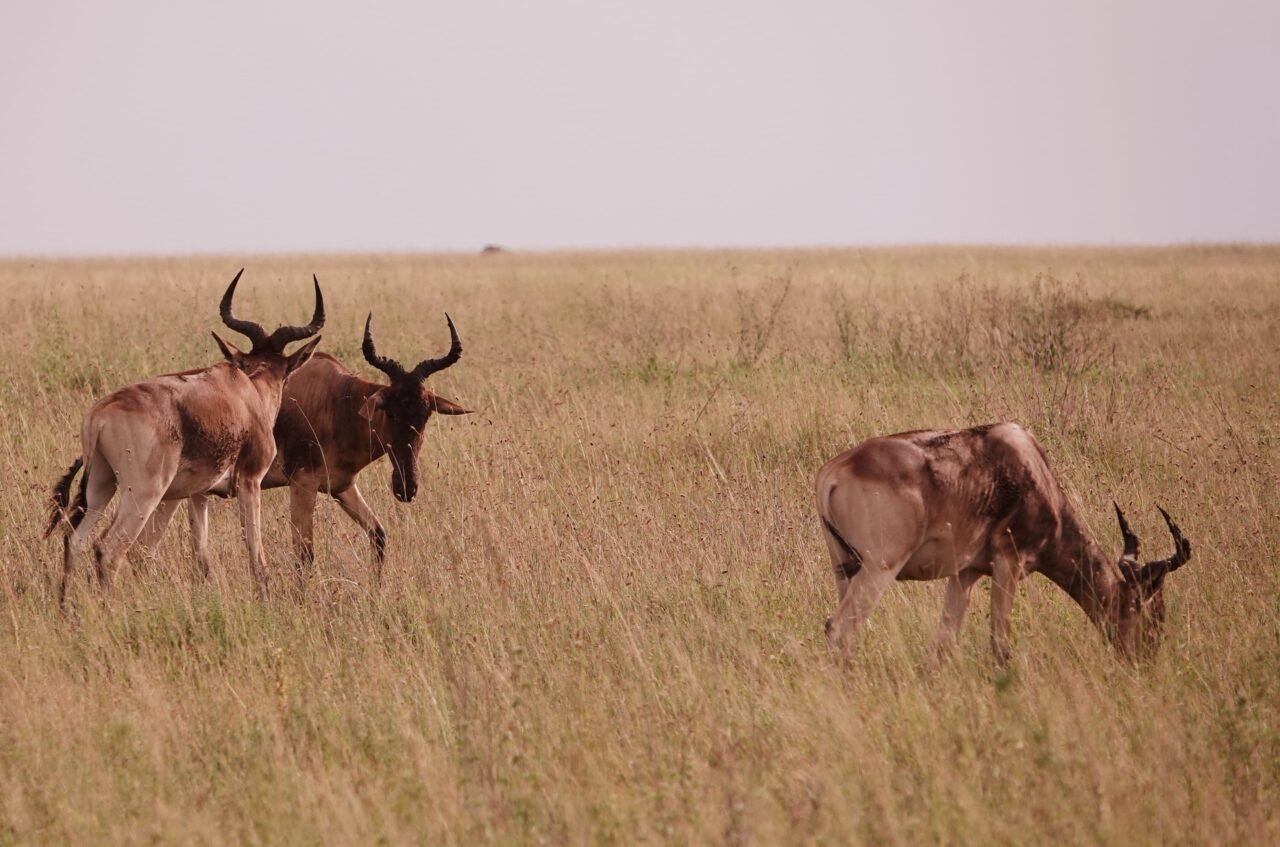
In the heat of late October, animal behavior is dictated by the search for water and shade. You are more likely to encounter massive herds of elephants congregating at the riverbanks or pods of hippos crowded into the shrinking pools of the Rufiji than you are to spot a leopard, which is notoriously elusive and well-camouflaged in the Miombo woodlands. If you spend your game drive scanning only for predators, you will likely overlook the incredible birdlife, the majestic sable antelopes, or the fascinating social dynamics of the baboon troops that define the Nyerere experience. A successful safari is measured by the quality of the encounters, not the quantity of specific species.
The Role of the Guide as a Wildlife Interpreter
Your safari guide is not just a driver; they are the bridge between you and the wilderness. In a group-joining scenario, it is easy to assume the guide is merely there to transport you from A to B, but their value lies in their ability to “read” the bush. On a single-day trip, your guide is under pressure to find wildlife efficiently. However, the best guides are those who stop to explain the tracks in the dust, the alarm calls of the birds, or the way the vegetation changes as you move from the riverine forest to the open plains. When you board your vehicle on October 25th, encourage your guide to share these details. Asking questions about the ecosystem rather than just asking “where are the lions?” often leads to a more rewarding and educational experience.
Understanding the “Fly-In” Pace: Why Less is More
The 1-day format is inherently fast-paced. You are landing, transferring, driving, eating, and departing in a compressed timeframe. It is natural to feel the urge to cover as much ground as possible, but in Nyerere, “covering ground” is often counterproductive. The most memorable wildlife sightings happen when a vehicle remains stationary, allowing the animals to become comfortable with your presence. If your group is constantly moving to the next location, you are essentially chasing sightings rather than observing them. If you find your group is in a prime location—perhaps near a waterhole where elephants are bathing—it is perfectly acceptable to suggest staying there for a while. Patience is the ultimate tool in the safari photographer’s kit, and even thirty minutes of stationary observation can yield better images and memories than three hours of driving in search of the “next big thing.”
The Subtle Art of Sound and Silence
In the controlled environment of a city or a resort, we are used to constant noise. In the Nyerere bush, silence is a tool for observation. When you are on a game drive, especially when the vehicle is stopped for a sighting, maintaining a low volume of conversation is critical. The sounds of the bush—the distant call of a fish eagle, the rustle of leaves, the snap of a branch—are often the first indicators that wildlife is nearby. Loud talking, music, or even the rustling of snack wrappers can mask these subtle cues and cause animals to retreat into the thickets before you even see them. By embracing the silence of the wilderness, you become an active participant in the search, often spotting wildlife long before it is pointed out by your guide.
The Anatomy of Your Safari Vehicle
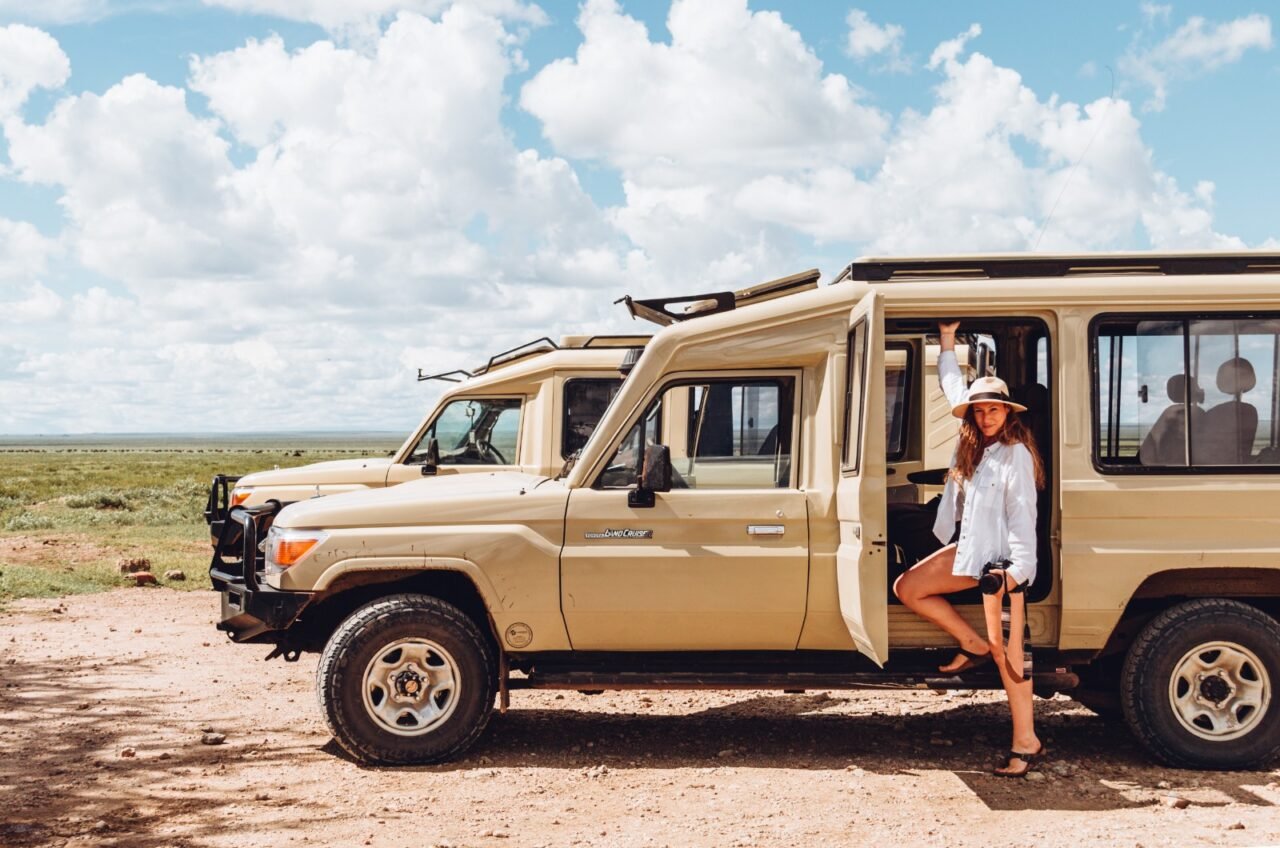
For your October 25th departure, the vehicle you will inhabit is not a standard touring van, but a ruggedized 4×4 safari-converted Land Cruiser. Understanding the design of this vehicle is essential for maximizing your comfort and photographic opportunities. Most operators utilize vehicles with open sides and a pop-up canvas roof. This design is not merely for aesthetics; it is a functional necessity for the Nyerere environment. The open sides allow for an unobstructed 360-degree view, which is critical when tracking wildlife in the dense Miombo woodlands or scanning the riverbanks. However, this also means you are exposed to the elements—specifically the dust and the sun. On a full-day excursion, your vehicle serves as your base of operations. It is where you will store your water, snacks, camera gear, and layers of clothing. Keeping your personal footprint small is vital; because the vehicle is shared with other travelers, there is limited floor space for large bags or excessive equipment. Keeping the aisle clear is not just a matter of courtesy, but a safety requirement to ensure you can move quickly from one side of the vehicle to the other when a sighting occurs on the opposite flank.
The Logistics of Shared Seating
In a shared group-joining scenario, seating arrangements can be a point of friction if not managed proactively. While most operators assign seats randomly or on a first-come, first-served basis upon arrival at the airstrip, it is widely considered best practice to rotate seating throughout the day. If you find yourself in a middle seat or a less-than-ideal position for the first hour, speak with your group members during the first stop. A simple, polite agreement to rotate seats after every major sighting or at the lunch break ensures that everyone gets a fair turn at the prime window seats. This collaborative approach significantly improves the social dynamic of the group and ensures that no single traveler feels disadvantaged by their position in the vehicle.
The Pop-Top Roof: When to Stand and When to Sit
The defining feature of your safari vehicle is the pop-up roof. When the vehicle is moving between sightings, the roof is typically closed to minimize dust intake. Once you reach a wildlife area or a specific sighting, the guide will lift the roof. This is your cue to stand up. Standing provides a superior vantage point, allowing you to see over the tall grasses and scrub that often obscure wildlife from a seated position. However, there is a protocol to this: always ensure your camera strap is secure around your neck or wrist before standing, and communicate with those sitting behind you to ensure you are not blocking their view. If you are tall, try to position yourself in a way that minimizes your footprint, or consider taking turns standing to ensure the person behind you can also get a clear shot.
Managing Your Gear: The Dust and The Light
By late October, Nyerere is exceptionally dusty. This is a critical factor for anyone bringing photography equipment. Fine, silt-like dust will infiltrate everything. If you are bringing a DSLR or mirrorless camera, do not leave it exposed on the seat when the vehicle is moving. Use a dedicated camera bag or a simple pillowcase to cover your equipment while driving between locations. Avoid changing lenses in the open air; the dust in Nyerere is abrasive and can damage sensors and lens elements. If you must change a lens, do it inside the vehicle with the windows closed, or better yet, do it during your lunch break at a stationary, sheltered location. A simple microfiber cloth and a blower bulb should be part of your daily kit, as you will likely need to wipe down your equipment at least once during the day.
Zanzibar Airport and Luggage Constraints
One of the most common oversights for travelers on a 1-day fly-in safari is the luggage policy on bush aircraft. Unlike commercial flights where you may be accustomed to generous weight allowances, bush planes are small, weight-sensitive aircraft where every kilogram matters. You are generally restricted to a maximum of 15 kilograms (33 lbs) of total luggage, and this must be in a soft-sided bag. Hard-shell suitcases are strictly prohibited because they cannot be squeezed into the aircraft’s cargo hold. If you are staying at a resort in Zanzibar, plan to leave your main luggage at the hotel reception or in a secure locker. Only bring the essentials for your day trip: your camera, a light jacket, a hat, sunscreen, and your personal documents. Attempting to bring a large suitcase to the airport on the morning of October 25th will likely result in a logistical crisis, as the flight crew may refuse to load it due to weight and balance safety regulations.
The Mechanics of the Return Flight: Navigating Late-Day Fatigue
By the time you reach the Nyerere airstrip for your return flight on the afternoon of October 25th, the adrenaline of the morning’s game drive will likely be giving way to a profound, dusty fatigue. This transition is a critical, often overlooked aspect of the 1-day itinerary. Understanding how this final leg of your journey operates helps prevent the common “traveler’s slump” that can occur when the excitement of the bush meets the reality of airport logistics.
Unlike your arrival, which was defined by anticipation and fresh energy, the departure is defined by timing and rhythm. Your guide will aim to position the vehicle within a manageable distance of the airstrip roughly 30 to 45 minutes before your scheduled takeoff. This buffer is not just a safety margin for traffic or unexpected wildlife sightings on the road; it is a necessary “de-escalation” period. The bush planes are strictly scheduled, often serving multiple lodges or groups in a single circuit. Missing your slot is not merely an inconvenience; it can cascade into flight delays for other passengers and potentially impact your connection back to your hotel in Zanzibar.
Expect the return process to be stripped-down and functional. There are no lounges or waiting areas. You will likely find yourself standing in the shade of a nearby acacia tree or waiting in the vehicle until the aircraft approaches. This is the moment to perform a final check of your belongings. In the rush of the game drive, it is remarkably common to leave behind a hat, a pair of sunglasses, or a lens cap on the floor of the 4×4. Take five minutes before the plane arrives to inventory your gear—ensure your camera bag is zipped, your water bottle is empty or stowed, and your personal documents are easily accessible. The aircraft pilot will be focused on a quick turnaround, and you want to be ready to board immediately upon their signal.
Transitioning from Bush to Beach: The Evening Arrival
The flight back to Zanzibar is often the most reflective part of the day. As the plane climbs above the Nyerere ecosystem, you will see the Rufiji River basin shrink into a sprawling ribbon of green, a stark contrast to the vast, arid Miombo woodlands that dominate the landscape. This aerial perspective is a unique reward for the fly-in traveler, offering a final, silent overview of the terrain you spent the day traversing.
Upon landing at Zanzibar International Airport (ZNZ) in the late afternoon or early evening, the sensory shift will be immediate. You are moving from a dry, silent, and wild environment back into the humid, vibrant, and populated atmosphere of the island. This transition can be jarring. You may feel a sense of sensory overload as you exit the small, quiet bush plane and step into the bustling terminal environment of Zanzibar. It is advisable to have your ground transport pre-arranged. Whether you are taking a taxi back to Nungwi, Stone Town, or Paje, knowing exactly where your driver is waiting will spare you from navigating the airport’s “meet and greet” chaos while you are still coated in a layer of fine, red safari dust.
Once you return to your resort, the “Safari Hangover” mentioned earlier often manifests as a deep, physical exhaustion. You have spent the better part of ten hours in a 4×4, exposed to heat, wind, and vibrations. Plan for a low-key evening. Avoid scheduling dinner reservations or activities immediately upon your return. The best way to process the day is to shower off the dust, enjoy a quiet meal at your hotel, and perhaps review the photos you captured. By the next morning, the exhaustion will fade, but the specific, compressed memories of your 1-day Nyerere expedition will remain far more vivid than if you had spent the day lounging by the pool.
Managing Expectations: The Reality of “Group Joining” vs. “Private” Returns
A frequent point of confusion for travelers booking this date is how the return logistics differ between a “group joining” safari and a private charter. In a group setting, your return time is dictated by the collective schedule. If one member of your group has a later flight, or if there is a logistical delay with the aircraft rotation, the entire group is tethered to that timeline. This is the trade-off for the shared cost.
If you find yourself in a group where someone is significantly delayed, patience is your best asset. The bush aviation network is complex, and pilots are managing weight, fuel, and weather constraints across multiple remote airstrips. Getting frustrated at the airstrip serves no purpose, as the pilot’s authority regarding safety and flight times is absolute. Embrace the wait as an extension of the safari; you are still in the park, and even the airstrip environment itself—with its scrubby trees and distant bird calls—is part of the wilderness experience. If you require absolute control over your departure time, this is the primary reason to consider a private charter, though it comes at a significantly higher price point. For the vast majority of travelers, however, the group-joining return is a standard, reliable procedure that successfully bridges the gap between the wild and the island without incident.
The Pre-Departure Ritual: Navigating the Domestic Terminal at Dawn
For your October 25th departure, the most critical phase of your journey often occurs before you ever see a lion or an elephant: the pre-departure process at the Zanzibar domestic terminal. Travelers frequently conflate the procedures for international flights with those of light aircraft bush charters. Understanding the rhythm of the domestic terminal at dawn is essential for starting your day without unnecessary stress.
Unlike the sprawling, multi-gate international terminal where you might arrive three hours early, the domestic terminal operates on a more intimate, manual, and time-sensitive basis. Your operator will likely instruct you to arrive between 5:30 AM and 6:00 AM. This is not a suggestion; it is a logistical necessity. Because bush aircraft are weight-sensitive, the flight manifest is often finalized in real-time. If you are late, you are not just missing a seat; you are potentially disrupting the weight-and-balance calculations the pilot has performed for the specific aircraft assigned to your flight.
Upon arrival, you will find the domestic terminal is significantly quieter and more utilitarian than the international side. There are no expansive duty-free shops or luxury lounges. Instead, you will find a small, open-plan check-in area where various airline representatives manage the morning rush. Your primary task is to locate your specific operator’s desk or representative. Do not assume that all flights to Nyerere are handled by a single entity; multiple airlines operate these routes, and they often share the same terminal space. Keep your passport and booking confirmation readily available; you will be asked for these multiple times—first at the initial entry point, then at the check-in desk, and finally at the security checkpoint.
The security process here is manual and straightforward. Expect your bags to be inspected by hand or passed through a scanner, and be prepared for a brief, informal questioning process. This is the moment to ensure you have your camera batteries, chargers, and any necessary medications in your carry-on rather than your checked luggage. Once through security, you enter the holding area. This is a simple, often crowded space where passengers for various bush destinations congregate. There is limited seating, and the atmosphere is one of collective anticipation. Use this time to grab a coffee or a bottle of water if you haven’t already, as facilities in the bush are non-existent until you reach your lunch stop.
The most crucial aspect of this pre-departure ritual is the transition to the tarmac. Unlike commercial flights where you walk through a jet bridge, boarding a bush plane is an active process. When your flight is called, you will walk directly onto the apron. Stay close to your group and follow the instructions of the ground crew explicitly. They will guide you to your specific aircraft. Do not wander toward other planes, even if they look similar. The apron is an active, noisy, and potentially dangerous environment. Wait for the pilot or ground handler to signal that it is safe to approach the aircraft. This short walk from the terminal door to the plane is your first real step into the safari experience—the air is cooler, the smell of jet fuel mixes with the salt air, and the realization that you are about to be transported from an island to a vast wilderness becomes tangible.
The Psychology of the Single-Day Safari
Embarking on a 1-day fly-in safari is a unique psychological exercise. You are essentially compressing a high-value, multi-day experience into a single, twelve-hour window. This creates a specific “compressed urgency” that can impact your enjoyment if not managed correctly. Many travelers arrive with a subconscious checklist of “must-sees,” which can lead to frustration if the wildlife is elusive in the morning hours. It is vital to adopt a mindset of “active observation” rather than “active hunting.” When you are constantly scanning the horizon for the next big cat, you miss the subtle beauty of the Miombo woodlands, the intricate behavior of birdlife, or the way the light shifts over the Rufiji River. By shifting your focus to the environment as a whole, you ensure that even if the “Big Five” prove elusive, you still walk away having experienced the profound, raw nature of Nyerere.
The Economic Trade-offs of the Group-Joining Model
While the group-joining safari is the most accessible financial entry point for a 1-day Nyerere experience, it is essential to understand that this model relies on a “subsidized efficiency” structure. You are not merely paying for a seat in a vehicle; you are opting into a logistical ecosystem where the operator’s primary goal is to maximize the utilization of assets. This trade-off manifests in several ways that can impact your day, and being aware of them beforehand is the key to maintaining a positive experience.
The “Waiting Game”: The Hidden Time-Sink
The most significant, yet rarely discussed, aspect of the group-joining model is the synchronization of arrival times. In a private safari, the vehicle is waiting for you at the airstrip the moment your wheels touch down. In a group-joining scenario, your vehicle may be tasked with collecting passengers from multiple light aircraft arrivals, which are often spaced 30 to 60 minutes apart. This means that if you are on the first flight of the morning, you may find yourself waiting at the airstrip or in the vehicle for the remaining group members to arrive. Conversely, if you are on the last flight, you may find your departure for the game drive delayed. This “waiting game” is an inherent feature of the cost-sharing model, not a sign of poor service, and it is crucial to factor this into your expectations for the morning.
Route Standardization and the “Efficiency Loop”
In a private safari, you can dictate the pace and direction of the game drive. In a group-joining context, the guide must adhere to a “standardized loop.” This route is designed to maximize the probability of sightings for the largest number of people, which usually involves hitting the most reliable waterholes and the primary riverbanks of the Rufiji first. While this is statistically the best way to see animals in a short time, it means the guide has limited flexibility to deviate from the main track if you personally want to spend an hour watching a specific bird or waiting for a predator to wake up. The guide is effectively balancing the collective desire of the group, which usually prioritizes seeing “more” over seeing “one thing for a long time.”
Vehicle Age and the Reality of High-Utilization Fleets
Group-joining vehicles in Nyerere are workhorses. They are often older, high-mileage Land Cruisers that have been ruggedized for the bush. Because these vehicles run daily game drives throughout the dry season, they may exhibit more wear and tear—such as stiffer suspension, dust-caked windows, or functional-but-worn upholstery—compared to the newer vehicles often reserved for high-end private lodges. This is not a reflection of safety, as Tanzanian bush aviation and safari operators are strictly regulated, but it is a reflection of the “utility” nature of the booking. When you book a group-joining safari, you are trading the luxury of a pristine, private vehicle for the utility of a shared, cost-effective platform.
The Social Dynamic of Variable Pacing
Finally, consider that a group-joining safari brings together people with vastly different interests. You may be paired with serious wildlife photographers who want to spend forty minutes waiting for a lion to move, while other group members may be casual tourists who want to move on to the next sighting after five minutes. The guide is the mediator in this dynamic. They will typically try to accommodate the majority, but they must also keep the vehicle moving to ensure the group returns to the airstrip in time for the afternoon flight. Understanding that you are part of a mobile collective, rather than an independent explorer, will significantly reduce the frustration that can arise when the vehicle’s pace does not perfectly align with your own.
Navigating Tipping Etiquette on a Group Safari
One of the most frequent points of anxiety for travelers on a group-joining safari is the unspoken protocol surrounding gratuities. In a private safari, the tipping dynamic is straightforward: you and your party provide a tip to your guide at the end of the day. In a shared group-joining environment, this dynamic becomes more complex. You are likely sharing a vehicle with strangers, and there is no universal rule on whether to tip as a collective unit or as individuals. The most common and effective approach is to consider your tip as a personal expression of gratitude for the service you received, rather than a group obligation. If the group has bonded well throughout the day, it is sometimes suggested to pool resources for a collective tip, but this should never be forced or expected. If you choose to tip individually, do so discreetly at the end of the safari, typically when you are dropped off at the Nyerere airstrip before boarding your flight back to Zanzibar.
When determining an appropriate amount, remember that your guide has managed a complex logistical day, navigating the park’s terrain, interpreting wildlife behavior, and ensuring the group’s safety. While there is no fixed industry rate, most travelers opt for a gratuity that reflects the high-touch nature of the day. Carry your tips in small denominations of Tanzanian Shillings or US Dollars (ensuring the bills are in good condition and dated 2009 or later). If you feel compelled to tip, do so directly to the guide. If there are other support staff—such as the team that may have set up your lunch—they are often part of a separate logistical chain, and separate tipping is rarely expected or necessary, as your safari fee covers these operational costs.
Communication and Connectivity: Understanding Bush Isolation
For the modern traveler, the transition from the hyper-connected environment of a Zanzibar resort to the Nyerere bush involves a significant shift in communication accessibility. It is vital to manage your expectations regarding connectivity: once you leave the airstrip and head into the deeper sectors of the park, cellular signal is often non-existent or highly intermittent. Do not rely on mobile data to navigate, check emails, or coordinate post-safari plans while you are on the game drive. The bush is, by design, an area of disconnection.
Your primary line of communication is the guide, who maintains contact with the park headquarters and other vehicles via a VHF radio system. This is the lifeline of the operation. In the unlikely event of a mechanical issue or a medical concern, this radio is how the operator coordinates support or evacuation. Because of this, it is crucial that you do not interfere with the guide’s use of the radio unless it is an emergency. If you are traveling with family or friends and need to be reachable, inform your hotel in Zanzibar that you will be incommunicado until the evening. The “digital detox” that results from this lack of signal is often cited by travelers as one of the most rewarding aspects of the Nyerere experience, forcing a level of presence and observation that is impossible in a connected world.
Related Guides and Packages
Check Availability for Oct 25, – 1 Day Nyerere Fly-In Group Safari From Zanzibar 2026
Ready to compare dates, prices, and the best option for your group? Send the package name and travel month so the team can reply with a clear quote, availability, and what is included.

Dec 13, – 2 Day Nyerere Fly-In Group Safari From Zanzibar 2026
A detailed guide to the December 13, 2026 group fly-in safari from Zanzibar to Nyerere National Park, covering the itinerary, logistics, and planning for your trip.
View package details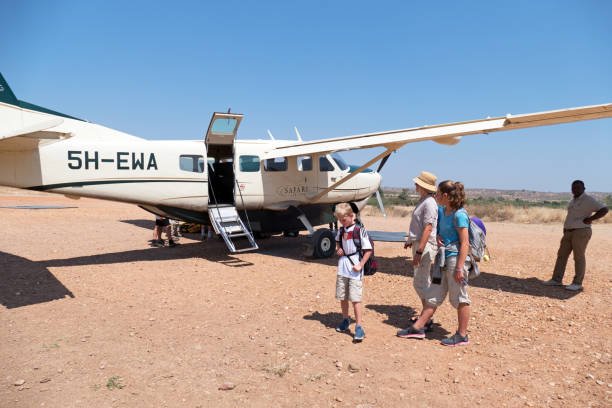
1-Day Nyerere National Park Safari From Zanzibar By Flight: 2026-2027
Planning a one-day fly-in safari to Nyerere from Zanzibar? Understand the logistics, travel times, and wildlife expectations for a 2026 or 2027 trip.
View package details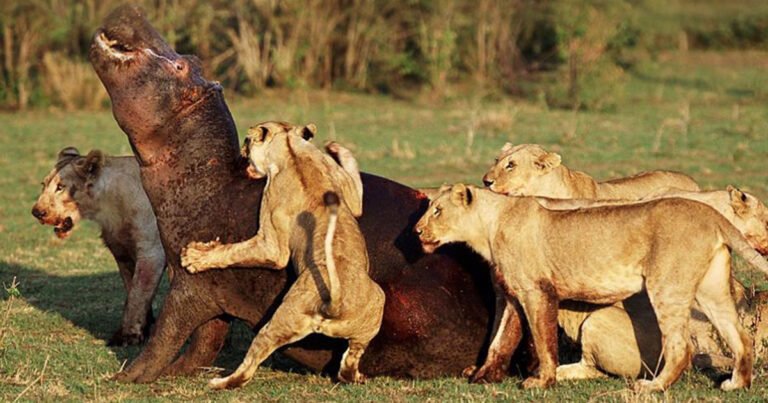
Dec 5, – 1 Day Mikumi Fly-In Group Safari From Zanzibar 2026
A practical guide to the December 5, 2026, group fly-in safari to Mikumi National Park. Learn about the itinerary, group logistics, and how to book your seat.
View package details2-Day Nyerere Safari From Zanzibar: Flight-Inclusive Package Prices 2026-2027
An expert guide to planning a 2-day Nyerere safari from Zanzibar, covering flight-inclusive package structures, cost drivers, and the practical rhythm of a short-stay wildlife adventure.
View package details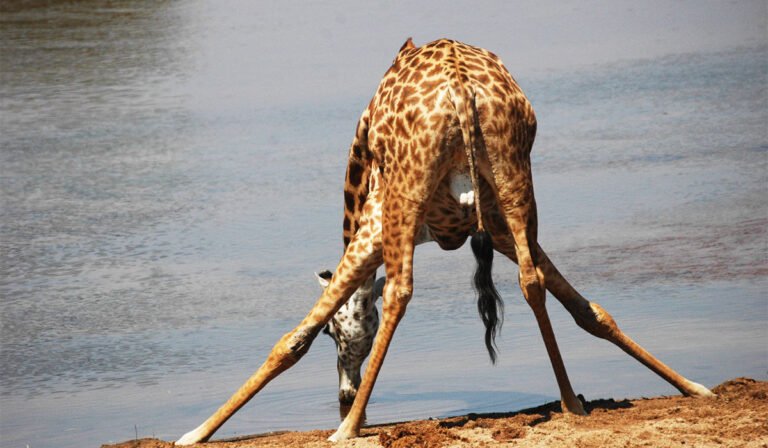
Nov 15, – 2 Day Mikumi Fly-In Group Safari From Zanzibar 2026
A practical guide and booking overview for the November 15, 2026, group fly-in safari to Mikumi National Park, departing from Zanzibar.
View package details
Nov 28, – 3 Day Fly-In Serengeti Group Safari From Zanzibar 2026
A detailed look at the 3-day fly-in Serengeti group safari departing November 28, 2026, including logistics, itinerary highlights, and travel tips for your Tanzania adventure.
View package details1-Day Serengeti Safari From Zanzibar By Flight: Cost & Itinerary 2026-2027
Is a 1-day Serengeti safari from Zanzibar feasible? Get the expert breakdown on the flight logistics, cost factors, and how to manage your expectations for this intense, one-day wildlife...
View package details2-Day Serengeti Safari From Zanzibar By Flight: Price & Booking Guide
A practical guide to booking a 2-day Serengeti safari from Zanzibar by flight, covering itinerary logistics, cost considerations, and how to maximize your short time in the bush.
View package details
Luxury Fly-In Safari From Zanzibar: Private Packages For 2026-2027
Experience the ultimate Tanzanian getaway with a luxury fly-in safari from Zanzibar. Discover private, all-inclusive packages tailored for smooth wildlife encounters.
View package detailsBudget Fly-In Safari From Zanzibar: Best Packages & Prices 2026-2027
Discover how to plan a budget-friendly fly-in safari from Zanzibar to Tanzania's top parks without sacrificing the quality of your wildlife experience.
View package detailsZanzibar To Ruaha National Park Fly-In Safari: Prices & Booking Guide
A practical guide to planning a fly-in safari from Zanzibar to Ruaha National Park, covering flight logistics, itinerary choices, and how to book with Climb 4 Africa.
View package detailsZanzibar To Mikumi Safari By Flight: Prices & Travel Options 2026-2027
A practical guide to the logistics, costs, and planning steps for flying from Zanzibar to Mikumi National Park.
View package detailsNo related package matches those filters. Clear one or more filters to see the other topic-matched options.



