
The 1 Day Mikumi Fly-In Group Safari from Zanzibar, scheduled for December 5, 2026, is a streamlined, efficient travel option for visitors who want to experience mainland Tanzania’s wildlife without the time commitment of a multi-day drive. By flying directly from Zanzibar (ZNZ) to the Mikumi airstrip, you maximize your time on the ground for game drives rather than spending hours on the road and ferry. This group departure allows you to share the costs of the charter flight and the 4×4 safari vehicle, making it one of the most practical ways to see lions, elephants, and giraffes in a single day.


When you are based in Zanzibar, the biggest challenge to reaching mainland national parks like Mikumi is the travel time. A traditional road safari requires an early morning ferry to Dar es Salaam followed by a four-to-five-hour drive. This eats into your vacation time significantly. The 1 Day Mikumi Fly-In Group Safari solves this by utilizing light aircraft, turning a full day of travel into a one-hour flight. For our December 5, 2026, departure, the focus is on maximizing your time in the park while maintaining the logistical efficiency that group travel offers.
Why Choose the December 5th Group Departure?
Choosing a group departure for your safari is often about more than just the cost. While it is true that splitting the costs of the aircraft and the safari vehicle makes the trip more budget-friendly, it also offers a shared social experience. On December 5, you will be traveling with like-minded individuals who are also looking to balance their beach holiday with a quick, impactful wildlife adventure.
We structure these departures to ensure that the group size remains manageable. A smaller group means faster loading, more flexibility in the vehicle, and a more personalized experience with your driver-guide. Unlike private safaris, which can be expensive for a single traveler or a couple, our group joining tours for December 2026 are designed to provide the same high-quality service at a shared price point.
For those interested in comparing this to other options, you can explore our full list of Tanzania safari group departures to see if other dates or destinations better fit your Zanzibar itinerary.
The Logistics of the 1-Day Fly-In Itinerary
A one-day safari is an exercise in timing. Because you are flying in and out on the same day, every hour counts. Here is how the typical flow of the December 5th, 2026, trip looks:
- Early Morning Transfer: You will be picked up from your Zanzibar hotel early in the morning to reach the airport well before your flight departure.
- The Flight: The flight from Zanzibar to Mikumi takes approximately 45 to 60 minutes. It offers a unique vantage point of the Tanzanian coastline and the transition from the Indian Ocean to the rugged interior.
- Arrival & Game Drive: Upon landing at the Mikumi airstrip, your 4×4 safari vehicle will be waiting. You will immediately begin your game drive. Mikumi is famous for its open grasslands, which make spotting wildlife—such as zebras, wildebeests, and buffalo—much easier than in dense forest parks.
- Lunch: Lunch is typically served at a lodge or a designated picnic site inside the park, allowing you a moment to rest and discuss the morning’s sightings with your guide.
- Afternoon Safari: The afternoon is dedicated to exploring different sectors of the park, often focusing on the Mkata Floodplain, where wildlife concentrations are highest.
- Return Flight: You will be driven back to the airstrip for your late afternoon flight, ensuring you are back in Zanzibar by the evening, usually in time for dinner.
For more specific details on flight-based logistics, our Zanzibar to Mikumi Safari by Flight guide provides a deeper look at what to expect from the aviation side of this trip.
Pro-Tip: Managing Expectations for a 1-Day Trip
It is important to remember that a one-day safari is a “taster” experience. You will see incredible wildlife, but you won’t have the luxury of time that a 2-day or 3-day safari provides. You will be in the park for roughly 6 to 7 hours of active game viewing. We recommend this trip for travelers who want to see the savanna but have limited time or a fixed schedule in Zanzibar. If you find that you want more time, you might consider our 2-Day Mikumi Fly-In Group Safari, which allows for an overnight stay and a much more relaxed pace.
Mikumi National Park in December
December in Tanzania marks the beginning of the short rains (the “vuli”). While the term “rainy season” might sound daunting, in the context of Mikumi, it usually translates to brief, refreshing afternoon showers that clear the dust and revitalize the landscape. The park becomes lush and green, which is a fantastic backdrop for photography. Wildlife remains active, and because it is the start of the season, the park is generally less crowded than in the peak months of July and August.
You can expect to see large herds of elephants, which are a hallmark of Mikumi. Lions and leopards are present, though, as with all wildlife, sightings are never guaranteed. The key to a successful day is the expertise of your driver-guide. At Climb 4 Africa, we prioritize guides who know the specific habits of the Mikumi wildlife and can navigate the park to find the best viewing spots regardless of the weather.
Comparing Group vs. Private Safaris
When planning your trip for December 2026, you may be weighing the benefits of a group departure against a private tour. The following comparison can help you decide which fits your travel style best.
| Feature | Group Safari (Dec 5) | Private Safari |
|---|---|---|
| Cost | Lower, shared expenses | Higher, full cost of vehicle/plane |
| Flexibility | Fixed schedule, set timing | Highly flexible, custom stops |
| Social | Meet other travelers | Private for you/your party |
| Availability | Based on departure dates | Available on demand |
If you prefer a bespoke experience where you can dictate the start times and the specific areas of the park you wish to visit, a Private Fly-In Safari is the better choice. However, if you are looking for an accessible, well-planned excursion that handles all the logistics for you, the group departure is the most sensible option.
Practical Preparation and Booking
Because this is a flight-based safari, there are specific logistical requirements you need to keep in mind. We operate our trips with practical support to ensure you don’t run into issues.
What to Pack
Since you are only gone for one day, pack light. You do not need large suitcases. A small daypack is sufficient. Essential items include:
- Sun Protection: Sunglasses, hat, and high-SPF sunscreen. The equatorial sun is strong.
- Clothing: Light, breathable clothing. Neutral colors (khaki, beige) are best for safari. Avoid bright colors or dark blue/black, which can attract tsetse flies in some areas.
- Camera Gear: Bring extra batteries and memory cards. You will take more photos than you expect.
- Documentation: Have a digital or printed copy of your booking confirmation.
Booking Your Seat
As this is a group departure for a specific date (December 5, 2026), space is limited by the capacity of the aircraft and the safari vehicle. We do not overbook our departures. To secure your spot, we recommend reaching out to us as early as possible.
When you contact us, please provide the following details:
- The number of people in your party.
- Your hotel in Zanzibar (so we can coordinate the pickup transfer).
- Any specific dietary requirements for lunch.
You can reach our team directly to request a quote or ask about availability:
- WhatsApp: +255 747 477 898
- Email: climb4africa@gmail.com
- Backup Email: info@climb-4-africa.com
We are a local Tanzania travel company, and our support team is on the ground. When you book with us, you are getting local knowledge and direct support, not a third-party agency. We handle the flight bookings, the park permits, the vehicle arrangements, and the transfers, so you can simply focus on the wildlife.
Common Questions About the December 5th Departure
Is the flight included in the price? Yes, our fly-in safari packages are comprehensive. They include the return flights from Zanzibar, all ground transfers, park entrance fees, the 4×4 vehicle, the guide, and lunch. We aim for transparency in what you are paying for.
What happens if the flight is delayed? Weather can occasionally affect flight schedules in Tanzania. Because we manage the logistics, we maintain constant contact with the flight operators. In the rare event of a schedule change, we will communicate with you immediately and adjust the itinerary to ensure you still get the best possible safari experience.
Can I book this if I am traveling solo? Absolutely. Group departures are excellent for solo travelers. It is a safe, social, and cost-effective way to see the park without paying the premium for a private charter.
Are park fees included? Yes. All our packages include the necessary government park fees and taxes. You will not be asked for hidden payments at the park gate.
If you are looking for a longer experience, we also offer multi-day options such as our 3-Day Mikumi and Udzungwa Group Safari, which provides a more comprehensive look at the Southern Circuit. However, for a quick, impactful trip, the December 5th one-day fly-in remains a favorite for visitors looking to combine the best of Zanzibar’s beaches with Tanzania’s wild heart.
Navigating the Mkata Floodplain: The Heart of Your Safari
When you land at the Mikumi airstrip, you are immediately positioned at the edge of the Mkata Floodplain. This area is the centerpiece of the park and the primary reason why a one-day fly-in safari is so effective. Often referred to as ‘Little Serengeti,’ the Mkata Floodplain is a vast, open basin that acts as a natural amphitheater for wildlife. Because the terrain is relatively flat and lacks the dense, impenetrable bushveld found in other parts of the Southern Circuit, your field of vision is significantly wider.
For the one-day visitor, this geography is an immense advantage. You do not spend your limited hours navigating thick forests where animals can easily hide. Instead, as soon as your 4×4 vehicle pulls away from the airstrip, you are in the heart of the action. The floodplain is characterized by expansive grasslands that are dotted with acacia trees and termite mounds, which serve as lookout points for lions and other predators. This landscape design allows for ‘easy spotting’—a term often used by safari guides to describe the high probability of seeing large mammals within a short distance of the main tracks.
Wildlife Behavior and Observation in December
December, falling within the ‘Vuli’ or short rainy season, brings a distinct dynamic to the Mkata Floodplain. While many travelers worry about the rain, the actual impact on your game viewing experience is usually positive. The brief, refreshing afternoon showers trigger a cycle of new growth, turning the plains a vibrant, lush green. This flush of vegetation attracts large herds of herbivores, which in turn draws the predators.
During your December 5th visit, you will likely notice the concentration of animals near the waterholes and in the open grasslands. Elephants are particularly active during this time, often seen in family units moving across the plains. Giraffes, which are iconic to Mikumi, are frequently spotted browsing the acacia trees, their height making them visible from great distances. Zebras and wildebeests tend to congregate in larger, more visible herds as the grass becomes more palatable. For the birdwatcher, the short rains also mark the arrival of migratory species, adding a layer of color and activity to the trees that you would not see during the peak of the dry season.
Strategic Game Viewing: How Your Guide Maximizes Your Time
The success of a one-day safari relies heavily on the strategy employed by your driver-guide. Because your time is compressed into a 6 to 7-hour window, your guide acts less like a driver and more like a tactical coordinator. The moment you enter the park, they are listening to radio communications from other vehicles in the area. This ‘bush telegraph’ is vital; if another guide spots a pride of lions or a leopard near a specific thicket, your guide will adjust your route immediately to ensure you get a sighting.
Your guide will typically balance the drive between the open plains—where large herbivores are easily spotted—and the riverine areas, where animals gather to drink. In a one-day itinerary, there is a temptation to drive fast to cover as much ground as possible. However, the most successful game drives are those that allow for ‘slow tracking.’ This means spending time at a specific location, observing animal behavior rather than just ticking off species. For example, if you encounter an elephant herd, your guide will often position the vehicle to allow you to watch the social interactions between the calves and the matriarchs. This approach provides a much deeper, more memorable experience than simply driving past wildlife at speed.
Additionally, your guide will factor in the sun’s position. In the morning, when the air is cooler, predators like lions are more active and easier to find before they seek shade for the midday heat. Your lunch break is strategically planned to coincide with the hottest part of the day, usually at a designated picnic site or a lodge with a view, allowing the wildlife to continue their natural patterns while you refresh. This rhythm ensures that you are back on the game drive routes just as the afternoon activity begins to pick up, maximizing your exposure to the park’s wildlife throughout the entire day.
The Zanzibar Departure Experience: From Beach to Bush and Back
Your safari begins long before you reach the Mkata Floodplain. The journey starts in the pre-dawn hours of December 5th in Zanzibar. Because the flight schedule is tightly coordinated with the safari itinerary, your transfer from your Zanzibar hotel to Abeid Amani Karume International Airport (ZNZ) is a critical link. You will typically be collected by a driver well before the sun fully rises over the Indian Ocean. This early start is intentional; it ensures you clear security and boarding procedures early, allowing the aircraft to take off with the first light of day.
The aircraft used for these group charters are typically light bush planes, such as the Cessna Caravan. Unlike commercial airliners, these aircraft fly at a lower altitude, offering a unique perspective of the channel and the transition from the turquoise waters of Zanzibar to the dusty, expansive plains of the mainland. The flight duration is generally short, usually around one hour, but the experience of landing on a bush airstrip is distinct. There are no jet bridges or baggage claims; you step directly from the aircraft onto the gravel or grass runway, where your safari vehicle and guide will be waiting to meet you.
The return leg of the journey is equally important for managing your energy levels. After a full day of game viewing, the flight back to Zanzibar provides a quiet period of reflection. Most guests find that the transition back to the island is smoother than expected. As you descend toward Zanzibar, the view of the coastline at dusk offers a stark, beautiful contrast to the inland terrain you explored hours earlier. By the time you land and complete your transfer back to your hotel, you will have completed a full, high-intensity day of exploration, returning to the comfort of your beach accommodation in time for a late dinner.
Practical Flight Considerations
Because you are traveling on a light aircraft, the logistical environment differs from international commercial travel. These flights prioritize efficiency and safety. Your pilot will provide a brief safety orientation before takeoff, which is essential to pay attention to, as the cabin configuration is more intimate than a standard passenger jet. Furthermore, because these are shared group charters, punctuality at the Zanzibar pickup point is the most important factor in ensuring the day runs on schedule. If one passenger is delayed, it impacts the entire group’s time in the park, so please ensure your transfer is ready to depart at the exact time communicated by your operator.
Understanding the Mid-Day Experience: Lunch and Park Logistics
A common point of confusion for first-time safari travelers is how the midday period functions during a single-day excursion. In a multi-day safari, you might retreat to a lodge for a siesta or a swim, but on the December 5th fly-in itinerary, your time is finite. The midday break is not merely a pause; it is a strategic logistical pivot designed to keep you within the wildlife-rich zones of the Mkata Floodplain while ensuring you remain refreshed for the afternoon drive.
The Lunch Venue: Dining in the Bush
Lunch on your one-day Mikumi safari is typically hosted at a designated lodge or tented camp located within or on the immediate periphery of the park. These facilities are specifically chosen for their proximity to the game viewing areas, minimizing the time spent driving to and from the airstrip. Dining in the bush is an experience in itself; even a simple meal takes on a different quality when you are seated in an open-air dining area, listening to the sounds of the African savannah rather than city traffic.
Because you are part of a group departure, the lunch service is pre-coordinated. This means you do not need to spend time reviewing menus or waiting for individual orders to be processed. The kitchens are prepared for the group’s arrival, ensuring that you have sufficient time to eat, use proper restroom facilities, and stretch your legs before the afternoon game drive commences. This efficiency is critical; a delayed lunch would directly cut into your wildlife observation window.
Restroom Facilities and Park Infrastructure
Travelers often express concern about the availability of facilities in remote areas. Within Mikumi National Park, the infrastructure is surprisingly well-developed for a wilderness area. While you will not find public restrooms scattered across the open plains, the park headquarters, designated picnic sites, and the lodges used for your lunch stop are equipped with standard, functional facilities. Your guide will know exactly where these are located and will build in stops as needed. It is important to utilize these opportunities when they arise, as there are no facilities once you are out on a game drive in the deeper sections of the park.
Afternoon Strategy: Shifting Focus
Once lunch concludes, your guide will pivot the afternoon strategy based on the morning’s sightings. If the group spent the morning focusing on the open plains of the Mkata Floodplain, the afternoon might shift toward the wooded areas or the edges of the park where wildlife tends to seek shade during the heat of the day. December afternoons in Mikumi can be warm, and animals are often less active, moving toward water sources or under the canopy of acacia trees. Your guide will use this time to track predators that may be resting or to locate herds that are beginning their late-afternoon migration toward the grasslands to graze as the temperature drops. This second half of the day is often where the most patient wildlife viewing occurs, as the park becomes quieter and the light begins to soften, offering the best conditions for photography before your transfer back to the airstrip.
The Return Leg: Transitioning from Bush to Beach
The journey back to Zanzibar is as significant as the flight out, though it carries a completely different emotional weight. As your afternoon game drive draws to a close—typically timed to ensure you reach the Mikumi airstrip with sufficient daylight—you will notice a shift in the atmosphere. The heat of the day begins to dissipate, and the golden hour light transforms the Mkata Floodplain into a photographer’s dream. This is the moment to put the camera down, even if just for a few minutes, to absorb the scale of the landscape you have just traversed.
The return flight is usually scheduled to depart shortly after the final game drive, aiming to get you airborne before the light fades completely. This return leg is often quieter than the morning flight; the initial excitement of the departure has been replaced by the reflective, slightly dusty contentment of a successful day in the bush. As the aircraft gains altitude, look out for the transition in the landscape: the dense, dry scrub of the mainland slowly gives way to the coastal mangroves and the turquoise expanse of the Indian Ocean. Seeing Zanzibar from the air as the sun begins to dip is a unique perspective that few beach-only travelers get to experience.
Managing the Post-Safari Fatigue
While a one-day fly-in safari is remarkably efficient, it is undeniably a long day. You will likely be active for 12 to 14 hours, starting well before dawn and arriving back at your Zanzibar accommodation in the early evening. It is common for travelers to feel a significant drop in energy levels upon returning to the island. We strongly advise against planning demanding evening activities, such as late-night tours, elaborate dinner reservations, or long walks, immediately upon your return to your hotel.
The contrast between the arid, dusty environment of the national park and the humid, tropical environment of the Zanzibar coast can be jarring to the system. Most travelers find that a simple, quiet dinner and an early night are the best way to process the day. The “safari high”—the adrenaline of seeing big game—often masks fatigue until you are back in the comfort of your room. Plan for a relaxed following morning; you will appreciate the extra sleep and the chance to reflect on your sightings without the pressure of a packed itinerary.
Understanding Operational Flexibility in Remote Aviation
One aspect of the fly-in experience that occasionally causes concern for first-time safari-goers is the operational flexibility required by small aircraft. Unlike commercial airlines operating out of major international hubs, bush aviation is highly responsive to real-time conditions. While our December 5th itinerary is planned with precision, the exact timing of your return flight can be subject to minor adjustments based on weather patterns, air traffic control at smaller strips, or even the logistics of the ground transfer to the airstrip.
These adjustments are almost always made in the interest of safety and operational efficiency. If your pilot suggests a slight change in departure time, it is usually because they are optimizing for the best flying conditions or coordinating with the ground team to ensure no one is left behind. We ask that you maintain a flexible mindset. The goal of the flight is to get you back to Zanzibar safely and efficiently, and our partners prioritize this over strict adherence to a minute-by-minute schedule. By staying patient and trusting the expertise of your pilot and ground crew, you ensure that the final leg of your journey is as smooth as the first.
Navigating the Shared Safari Vehicle: Etiquette and Dynamics
Because the December 5th fly-in safari is a group departure, the experience is inherently social. Unlike a private safari where you dictate every stop and movement, you will be sharing your 4×4 vehicle with other travelers. While this is a primary driver of the cost-efficiency mentioned earlier, it also requires a baseline of “safari etiquette” to ensure the day remains enjoyable for everyone. Managing the dynamics of a shared vehicle is not just about politeness; it is about maximizing the quality of the sightings for the entire group.
The Mechanics of Seating Rotations
Most reputable operators utilize a rotation system within the safari vehicle to ensure that no single guest is permanently relegated to the “worst” seat. Even in a vehicle where every seat has a view, there are nuances—some seats have better angles for photography, while others offer more legroom or proximity to the guide. In a group setting, it is standard practice to rotate positions after each major stop (such as after a mid-morning coffee break or lunch). If your group size is small, this rotation happens organically. If you find that the rotation isn’t being managed automatically by the guide, do not hesitate to politely suggest a switch during a pause. This ensures that everyone gets a fair chance to view the Mkata Floodplain from different angles, which is crucial when wildlife appears on one specific side of the track.
Photography Etiquette in Close Quarters
Photography is often the biggest friction point in shared safari vehicles. You are operating in a confined space, and your equipment can easily impact the experience of the person sitting next to you. If you are using a large telephoto lens, be mindful of the “swing space” your lens requires. Avoid resting your camera on the shoulder of the person in front of you, and be conscious of the shutter noise if you are using a high-burst mode; while capturing the action is exciting, a constant “machine-gun” shutter sound can be distracting to others trying to listen to the guide’s commentary or simply enjoy the silence of the bush.
Furthermore, if you are a serious photographer, communicate this to your group early in the day. Often, groups are composed of a mix of casual observers and dedicated photographers. If the group is aware that you are trying to frame a specific shot, they are usually happy to accommodate a few extra seconds of stillness. However, remember that you are part of a group; if you spend 20 minutes photographing a single antelope, you are effectively “spending” the group’s limited time. Balance is key.
The Value of “Safari Silence”
One of the most profound aspects of a safari is the sensory experience—the sounds of the bush, the wind in the grass, and the distant calls of wildlife. In a shared vehicle, there is often a temptation to chat, especially when the vehicle is moving between sightings. However, try to keep conversation levels low. Loud talking or frequent phone notifications can alert wildlife to your presence before you are in position, potentially causing animals to retreat into the brush. Moreover, many of your fellow travelers are there to escape the noise of their daily lives. Respecting the quiet is a universal courtesy that enhances the atmosphere for everyone.
Managing Divergent Interests
It is common for group members to have different priorities. Some guests may be “Big Five” hunters, only interested in lions, elephants, and leopards. Others may be avid birders or interested in the smaller details of the ecosystem, such as termite mounds or specific flora. On a one-day trip, your guide will prioritize the most significant sightings, but if you have a specific interest, share it with the guide and the group early on. Often, these interests can be balanced. If the group is driving toward a known lion pride, it is acceptable to ask the guide to make a quick, brief stop for a unique bird sighting along the way, provided it doesn’t compromise the primary objective. The most successful groups are those that communicate their preferences early and remain flexible, allowing the guide to curate a “best of” experience that satisfies everyone’s curiosity.
The Guide as the Final Arbiter
Ultimately, your driver-guide is the captain of the ship. They are responsible for the safety of the vehicle and the adherence to park regulations. If a dispute arises regarding vehicle movement or time spent at a sighting, defer to the guide. They are balancing multiple factors—the time of day, the location of other vehicles, the behavior of the animals, and the return flight schedule. Trusting their judgment is essential. If the guide says it is time to move on, it is usually because they have assessed that the current sighting is fading or that the group needs to reach the next area to maximize the remaining hours. By working with your guide rather than against them, you ensure that the group dynamic remains positive, which is one of the most underrated factors in having a successful and memorable day in Mikumi.
The Psychological Transition: Navigating the ‘Safari Brain’ Phenomenon
Returning to your Zanzibar accommodation on the evening of December 5th, you will likely experience a phenomenon many travelers call ‘safari brain.’ After spending six to seven hours in a high-alert state—scanning the horizon for movement, identifying shapes in the long grass, and listening for the alarm calls of birds—your nervous system does not simply ‘switch off’ the moment you land. You may find yourself instinctively scanning the palm trees at your resort for leopards or twitching at the sound of a distant engine, expecting to see a safari vehicle emerge from the sand.
This is a natural neurological response to the intensity of the bush. To manage this transition, we advise against booking dinner reservations or activities immediately upon your return. The sensory shift from the dust, heat, and visual clutter of the Mkata Floodplain to the manicured, quiet, and salty air of the Zanzibar coastline is jarring. Allow yourself at least two hours of ‘decompression time’ upon arrival. A quiet meal at your hotel, preferably somewhere with a wide, open view of the ocean, helps to ground you. The vastness of the sea provides a necessary visual counterpoint to the enclosed, focused world of the safari vehicle. Understanding that this feeling of restlessness is temporary will help you appreciate the transition rather than fighting it.
Interpreting the ‘Little Serengeti’ Landscape: A Structural Reality
The term ‘Little Serengeti,’ often applied to the Mkata Floodplain, is more than a marketing phrase; it is a structural reality that dictates why this specific one-day itinerary is so successful. For a traveler with only a few hours on the ground, the geography of the park is your greatest ally. Unlike the dense, riverine forests found in other parts of Tanzania—where wildlife can remain hidden for hours—the Mkata Floodplain is characterized by open, short-grass savannahs interspersed with acacia woodlands.
This layout creates ‘hard edges’ in the landscape. These edges are the ecotones where the open plains meet the wooded thickets. For a predator like a lion or a leopard, these edges are the perfect hunting ground. For you, the visitor, this means that wildlife is often forced into the open as they move between the shade of the trees and the grazing areas of the plains. When your guide maneuvers the vehicle, they are not just driving; they are ‘reading’ these edges. Understanding that the park’s topography is designed for visibility is key to your enjoyment. You aren’t just driving through a field; you are moving through a highly efficient biological corridor. When you see your guide stop the engine and look toward a distant treeline, they are likely observing a shift in the light or a change in the behavior of impala or zebra, which often act as sentinels for larger predators.
The ‘Edge Effect’: Maximizing Your Observation Time
To get the most out of your limited time, it helps to understand the ‘Edge Effect.’ In ecology, this refers to the increased diversity of life in the area where two habitats meet. Because the Mkata Floodplain is a mosaic of different vegetation types, it is the most biologically productive part of the park. Your guide will spend the vast majority of the day navigating these specific zones. If you feel like the vehicle is moving slowly or pausing frequently, it is usually because the guide has identified a high-value ‘edge’ area where the probability of a sighting is exponentially higher.
Do not be tempted to ask to drive deeper into the dense, uniform Miombo woodlands. While these areas are beautiful, they are notoriously difficult for short-term game viewing. The visibility is low, and animals are widely dispersed. By staying within the floodplain and its immediate borders, you are statistically maximizing your chances of seeing the ‘Big Five’ and other iconic species. Trust that the guide’s reluctance to head into the deep bush is a tactical decision based on the specific constraints of a one-day fly-in trip. They are keeping you in the ‘sweet spot’ where the density of animal activity is at its peak.
Managing the Evening After Your Safari
The evening of December 5th should be treated as a recovery period. You have effectively traveled across two vastly different ecosystems in under 12 hours. The most common mistake is to plan a late-night excursion or a high-energy activity for that evening. Your body will have absorbed a significant amount of sun, wind, and vibration from the 4×4 vehicle. Even if you feel energized by the excitement of the sightings, physical fatigue often hits suddenly once you settle down.
Instead, prioritize hydration and a calm environment. The ‘safari hangover’ is real, and it manifests as a mild, dehydration-induced headache or general lethargy. Zanzibar’s humidity can feel heavier after the dry, inland heat of Mikumi. Plan for a light dinner, avoid heavy alcohol consumption, and aim for an early night. You will find that the adrenaline of the day—the images of elephants at the waterhole or the stillness of the lions—will provide enough mental stimulation without the need for additional evening plans. By the next morning, the ‘safari brain’ will have faded, and you will be left with the lasting memories of the day rather than the lingering fatigue.
Navigating Zanzibar’s ‘Last Mile’: Pre-Dawn and Post-Dusk Logistics
One of the most overlooked aspects of the December 5th fly-in safari is the ‘last mile’ of your Zanzibar transit. While the flight itself is the centerpiece, the reliability of your transfer to and from Abeid Amani Karume International Airport (ZNZ) dictates the success of your morning. Zanzibar is deceptively large; the drive from the popular northern beaches of Nungwi or Kendwa to the airport can take anywhere from 75 to 90 minutes, even in the absence of daytime traffic. When your flight is scheduled for an early morning departure to ensure you reach Mikumi by mid-morning, you are likely looking at a 4:30 AM or 5:00 AM pickup time.
Do not rely on ad-hoc taxi arrangements for this specific date. Because you are adhering to a strict group departure schedule, your transfer needs to be synchronized with the pilot’s arrival time. If you are staying at a remote boutique hotel or a villa, ensure your transfer provider is familiar with the specific terminal or hangar used by charter operators, which is often separate from the main international arrivals building. Always confirm your pickup time the evening before, and ask your hotel reception to prepare a ‘breakfast box’ or coffee, as hotel kitchens are rarely fully operational at that hour. On the return leg, fatigue can make the post-flight transfer feel longer than it is; having a pre-arranged driver waiting at the arrivals gate—rather than negotiating a fare after landing—is essential for maintaining the comfort of your post-safari state.
Verifying Your Spot on the December 5th Group Safari
Booking a seat on a specific group departure date like December 5th requires a slightly different approach than booking a private tour. Because the economics of the flight are predicated on a shared charter cost, the viability of the departure often depends on reaching a minimum number of passengers. When you initiate your booking inquiry, your primary goal should be to verify the status of the ‘manifest.’ Ask the operator specifically: ‘Is this a confirmed group departure, or is it pending minimum numbers?’
A transparent operator will be able to tell you exactly how many seats are currently filled and what the threshold is for the flight to proceed. This is vital information. If you are booking months in advance, you are essentially committing to a slot that will be confirmed once the group reaches the necessary capacity. Ensure that your booking documentation explicitly states the refund or rebooking policy should the group size fail to materialize for that specific date. By securing your place early, you not only guarantee your seat but also help the operator reach the threshold faster, which stabilizes the departure for everyone involved. Once your booking is confirmed, request the exact meeting point and time at the airport, as this can change based on the specific light aircraft company contracted for that day.
Managing the Physiological Transition: From Cabin Pressure to Savannah Heat
The transition from the cool, confined environment of a light aircraft to the expansive, high-UV environment of the Mikumi savanna is one of the most physically taxing aspects of a one-day fly-in safari. While most travelers prepare for the wildlife, few prepare for the physiological shift. When you land at the Mikumi airstrip, you are moving from a pressurized or altitude-sensitive cabin environment into an ecosystem where the temperature can rise by 10 to 15 degrees Celsius within an hour. This rapid environmental change often leads to a ‘mid-day slump’ that has nothing to do with the wildlife and everything to do with hydration and thermal regulation.
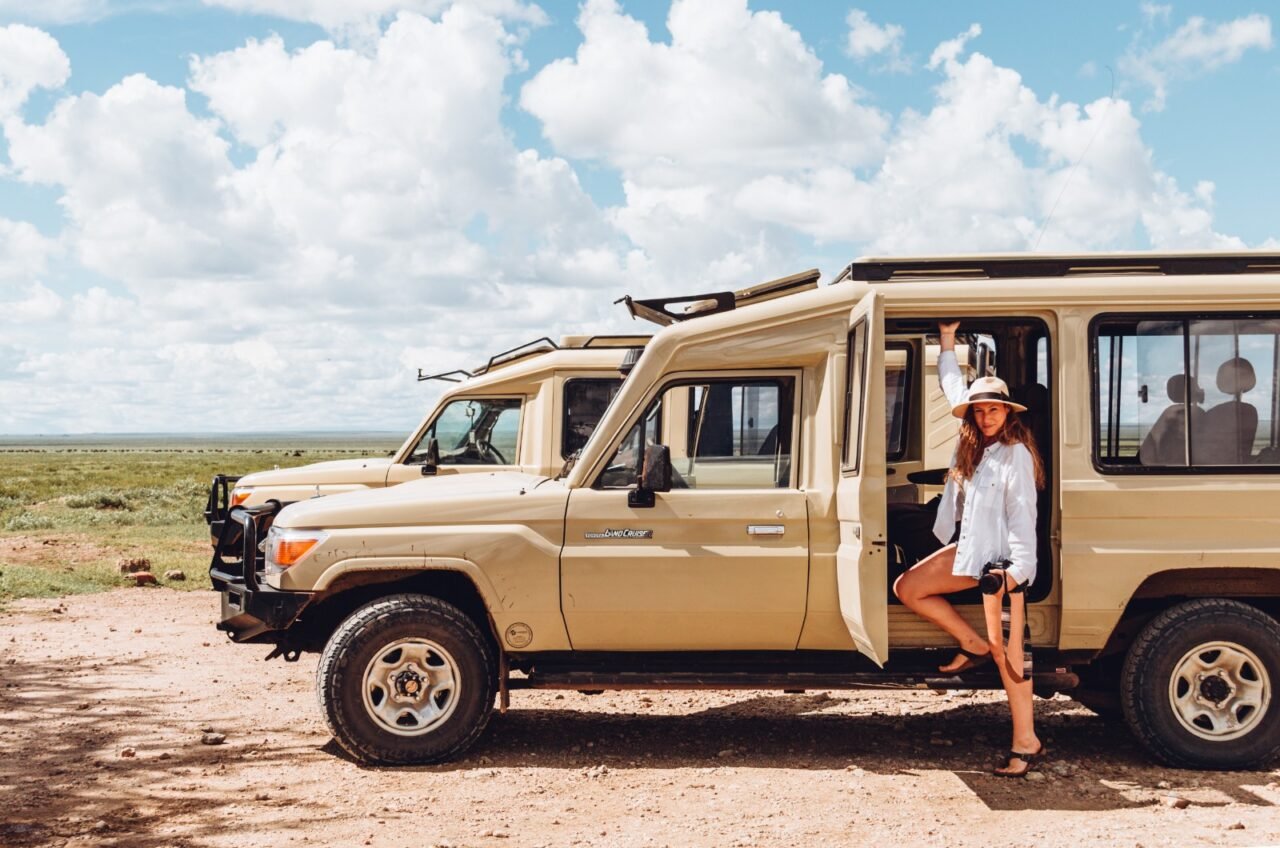
To mitigate this, treat the transition as you would an athletic event. The cabin air in small aircraft is notoriously dry, which causes subtle, rapid dehydration long before you reach the Mkata Floodplain. By the time you step onto the tarmac, your body is likely already in a deficit. Do not rely solely on water; bring electrolyte sachets to add to your water bottle. The mineral loss experienced during the flight, combined with the heat of the safari vehicle, can lead to mild headaches or lethargy by noon. Furthermore, the solar intensity in Mikumi is significantly higher than on the coast. Your body will expend considerable energy just regulating its temperature in the open-sided vehicle. Prioritize high-quality sunglasses and a wide-brimmed hat the moment you step off the plane, as the glare off the floodplain can trigger eye strain that contributes to overall fatigue.

The ‘First Hour’ Strategy: Orienting Yourself Upon Landing
The first hour after your wheels touch the ground at Mikumi is the most critical window for setting the tone of your safari. Many travelers, eager to see the ‘Big Five,’ make the mistake of rushing into the vehicle and demanding an immediate high-speed tour of the park. This is counterproductive. Your guide needs this first hour to calibrate the group’s interests and assess the morning’s wildlife movements, and you need this time to adjust your ‘safari eyes.’
Use the initial drive from the airstrip to the park gate as a sensory reset. This is the time to stow your flight gear, organize your camera batteries, and apply sunscreen. More importantly, use these first 60 minutes to practice ‘scanning’ rather than ‘searching.’ Searching involves looking for a specific animal, which leads to frustration if that animal doesn’t appear. Scanning involves observing the landscape as a whole—noticing the change in light on the grass, the movement of birds, and the behavior of impala herds. By shifting your focus to the entire ecosystem during this first hour, you lower your stress levels and increase the likelihood of spotting camouflaged wildlife that you would otherwise miss if you were only looking for lions or elephants. By the time you reach the deeper sections of the Mkata Floodplain, your brain will have naturally adjusted to the pace of the bush, allowing you to observe with greater patience and clarity.
Navigating the ‘Aviation-to-Safari’ Clothing Paradox
A common mistake on the December 5th fly-in is the ‘one-layer’ approach to clothing. Because you are flying in the early morning, the cabin of the light aircraft will be chilly, often requiring a light jacket or long sleeves. However, Mikumi in December is hot, and the safari vehicle offers no climate control. If you arrive dressed for the flight, you will be uncomfortable within twenty minutes of starting your game drive. The secret to a successful one-day trip is the ‘peel-away’ system. Wear a light, breathable base layer, and keep your heavier layer easily accessible in your daypack—not buried at the bottom of your luggage. When the plane lands, you should be able to strip down to your safari-appropriate clothing in seconds. Avoid heavy fabrics like denim or dark-colored synthetics, which absorb heat and increase your body temperature. Opt for light-colored, moisture-wicking fabrics that protect you from the sun while allowing for airflow. This preparation prevents the ‘overheating cycle’ that often causes passengers in shared vehicles to become irritable or tired by the time the midday lunch break arrives.
Navigating the ‘Sunset Cutoff’: Why Timing Matters on the Return Flight
One of the most critical, yet frequently misunderstood, aspects of the December 5th fly-in safari is the rigid nature of the return flight schedule. Unlike commercial flights that might offer some flexibility for delays, bush aviation in the Mikumi-Zanzibar corridor is strictly governed by Visual Flight Rules (VFR). This means that pilots are legally required to land before sunset. For your return leg, this creates a ‘hard stop’ for your game drive that is non-negotiable, regardless of what wildlife is currently in view.
As your afternoon game drive approaches the late afternoon hours—typically around 3:30 PM or 4:00 PM—you may notice your guide becoming more focused on the distance to the airstrip. This is not because they are tired or eager to end the day; it is because the logistics of the flight path dictate a precise departure window. If you are tracking a pride of lions or observing a herd of elephants, the guide will often have to make the difficult decision to break off the sighting to ensure the vehicle reaches the airstrip with enough time for the pre-flight safety checks and boarding.
This ‘Sunset Cutoff’ creates a unique dynamic during the final hour of your safari. It is the period where the ‘Safari Brain’ phenomenon is most active, as you are likely feeling a mix of exhaustion and the adrenaline of the day’s sightings. It is essential to respect the guide’s decision-making during this phase. Pushing for ‘just five more minutes’ at a sighting can have cascading effects: if the vehicle arrives at the airstrip after the pilot’s safety threshold or if the departure is delayed, the aircraft may be grounded until the following morning. This would necessitate an emergency overnight stay in Mikumi, which, while an adventure, is likely not part of your planned Zanzibar itinerary.
The ‘Airstrip Pre-Check’ Ritual
When you arrive at the Mikumi airstrip, the experience is vastly different from the chaotic, high-energy arrival you had in the morning. The return process is typically quieter and more methodical. You will likely spend 15 to 20 minutes at the airstrip before the plane takes off. Use this time to finalize your notes, check your camera gear for dust, and hydrate. The airstrip environment in the late afternoon is often beautiful, with the golden hour light hitting the surrounding hills, making it a perfect spot for final, stationary photography if the aircraft is not yet ready for boarding.
During this wait, you are effectively transitioning back to ‘civilian’ mode. The guide will handle the necessary park clearance paperwork, and you will be briefed on the boarding process. Because the flight back to Zanzibar is often against the prevailing winds or involves changing light conditions, the pilot will be focused on a prompt takeoff. Avoid wandering away from the designated waiting area near the airstrip; wildlife, including large mammals, can occasionally traverse the runway area, and your safety remains the priority until you are physically inside the cabin.
The 48-Hour Operational Handshake: Finalizing Your Logistics
In the two days leading up to your December 5th departure, the focus of your safari experience shifts from passive anticipation to active operational readiness. This period is often referred to as the ‘Operational Handshake’—the crucial window where you, the operator, and the transport providers synchronize. Many travelers make the mistake of assuming that because their booking is confirmed, all logistics are on autopilot. In reality, this is the time to be proactive. If you are staying at a remote resort in Zanzibar, you must ensure your hotel reception is aware of your pre-dawn pickup time. It is standard practice to re-confirm your pickup location and time with your safari operator at least 48 hours prior. This allows the ground team to adjust their route, ensuring that if multiple group members are staying in different parts of the island, the transfer vehicle can optimize its circuit without risking a delay that could jeopardize your flight slot.
During this 48-hour window, verify your digital and physical documents. While domestic travel within Tanzania is less bureaucratic than international border crossings, you are still required to present your passport or valid government-issued ID for flight manifest verification. Having a digital copy on your phone is helpful, but the original document is the only one the pilot will accept. If you have any last-minute changes to your travel plans—such as a shift in your Zanzibar hotel or a change in your contact number—communicate this immediately. In the context of a group safari, a single guest failing to provide updated contact information can delay the entire group’s morning departure, creating a domino effect that could reduce your time on the ground in Mikumi.
Engaging with the Tanzanian Safari Culture: Beyond the Game Drive
The 1 Day Mikumi Fly-In Group Safari is not merely a sightseeing excursion; it is an immersion into a distinct cultural ecosystem. Your driver-guide is the central figure in this experience, serving as your primary conduit to the Tanzanian bush. To get the most out of your day, it is essential to understand the role of your guide, who is often a professional naturalist with extensive training in ecology, animal behavior, and regional history. Approaching your guide with respect and curiosity, rather than viewing them simply as a driver, will significantly enhance your experience. They are trained to read the bush, and they are also trained to read their guests. By showing genuine interest in the landscape and asking thoughtful questions about the flora and fauna, you encourage them to share deeper, more nuanced insights that they might otherwise withhold from a less engaged group.
Part of this cultural engagement involves navigating the language and social dynamics of the safari vehicle. While your guide will be fluent in English, they are likely a native Swahili speaker. You may overhear them communicating with other guides via radio in Swahili. This is not to exclude you; it is a professional necessity. Radio chatter is the ‘nervous system’ of the safari network, used to share sightings, track animal movements, and coordinate logistics. If you feel comfortable, learning a few basic Swahili phrases—such as ‘Jambo’ (hello) or ‘Asante’ (thank you)—is deeply appreciated and can help break the ice, fostering a more collaborative atmosphere within the vehicle.
The Guide as a Cultural Ambassador
Your guide is also the arbiter of the ‘safari code,’ which dictates how to interact with the environment. This includes staying inside the vehicle, maintaining a respectful distance from wildlife, and keeping noise levels to a minimum. If your guide corrects a behavior, it is not a personal slight; it is a professional obligation to maintain safety and comply with Tanzania National Parks (TANAPA) regulations. Embracing this authority allows you to relax and focus on the wildlife. Many travelers find that the most rewarding moments occur when they stop trying to ‘direct’ the safari and instead allow the guide to lead. Their intuition—honed by years of experience in the Mkata Floodplain—is your greatest asset. When they pause the vehicle for a long, silent observation of a waterbuck or a bird of prey, trust that there is a reason for the stillness. These quiet moments are often where the most profound wildlife encounters happen.
Navigating Dietary Needs in a Remote Environment
A common operational challenge that requires advance communication is the management of dietary requirements. Because the lunch provided on your fly-in safari is prepared in a remote setting—often at a lodge or camp that serves multiple groups simultaneously—the kitchen must manage logistics with precision. If you have specific dietary restrictions, such as vegetarian, vegan, gluten-free, or severe allergies, do not wait until the morning of December 5th to disclose them. This information must be relayed to the operator during the booking process or at least 72 hours before the trip. While the kitchens at Mikumi are accustomed to catering to international travelers, they operate with a limited inventory compared to the large hotels in Zanzibar. By providing advance notice, you ensure that the logistics team can coordinate with the lodge to have the appropriate meals ready, preventing any last-minute stress or the need for the guide to scramble for alternatives during your limited midday break.
The Group Dynamic: Building Rapport
Because you are sharing a vehicle with other travelers, the social dynamic of the group can influence the quality of your day. You will be spending the better part of seven to eight hours in close proximity. A positive group dynamic is not accidental; it is built through small, considerate actions. Be mindful of your physical space, keep your camera gear organized, and be aware of your volume level when the engine is off. The ‘safari silence’ mentioned in previous sections is a collective responsibility. If you find yourself in a group with divergent interests, look for the common ground. Everyone in the vehicle shares the same goal: to see and appreciate the wilderness of Mikumi. By focusing on that shared purpose, you minimize potential friction and maximize the collective enjoyment of the day. Remember that your fellow passengers are also in a high-alert state, likely experiencing the same ‘safari brain’ and sensory overload as you. A little patience and camaraderie go a long way in turning a simple group transit into a memorable, shared adventure.
Navigating the Technical Constraints of Bush Aviation and Park Entry
While the logistical flow of your safari is managed by your operator, the actual mechanics of the Mikumi fly-in are governed by a strict set of technical and regulatory constraints that are rarely explained to the traveler. Understanding these rules provides clarity on why certain aspects of your trip—such as luggage limitations and departure times—are non-negotiable. The operation is primarily dictated by the interaction between the Tanzania Civil Aviation Authority (TCAA) and the Tanzania National Parks Authority (TANAPA), creating a framework that prioritizes safety and environmental preservation over passenger convenience.
The most immediate technical constraint you will encounter is the ‘soft-sided’ baggage requirement. This is not a stylistic preference, but a strict necessity dictated by the airframe of the light aircraft utilized for this route. These bush planes, typically Cessna Caravans or similar models, have cargo holds that are shaped to fit flexible luggage. Rigid, hard-shell suitcases are physically incompatible with the contours of the aircraft’s hold; they cannot be wedged into the space, and attempting to force them can damage the interior lining or compromise the weight distribution of the aircraft. When packing for your December 5th trip, view your bag as an extension of the aircraft’s internal geometry. A soft, malleable duffel bag allows the pilot to distribute weight evenly, which is critical for the short take-off and landing (STOL) capabilities required by the Mikumi airstrip.
Furthermore, bush aviation in this region operates almost exclusively under Visual Flight Rules (VFR). Unlike commercial jets that can navigate through clouds and inclement weather using complex instrument landing systems, your aircraft relies on the pilot’s ability to see the ground and landmarks. This is why the ‘Sunset Cutoff’ mentioned in earlier sections is a regulatory mandate, not just an operator’s preference. If visibility drops below a specific threshold due to sunset or weather, the pilot is legally prohibited from taking off or landing. This regulatory reality is the reason why your return flight is scheduled with a significant buffer; the pilot must ensure that the flight path remains within the daylight window, accounting for potential delays in the park.
Finally, there is the ‘Airstrip Protocol’ which differs significantly from the experience at an international airport like Zanzibar (ZNZ). The Mikumi airstrip is a functional, unpaved or semi-paved landing strip that exists to serve the park’s logistics. There is no terminal building, no security screening for liquids, and no boarding gates. Your interaction here is stripped of all modern infrastructure. The ‘protocol’ involves waiting for the aircraft to land, a brief visual inspection of the runway by the pilot, and a rapid, coordinated boarding process. Because the airstrip is not a controlled environment in the commercial sense, you must remain within the designated ‘safe zone’ as directed by your guide or the ground crew. This is not just for efficiency; it is to prevent accidental encroachment onto the landing path. Understanding that you are moving from a highly regulated international facility at ZNZ to a raw, functional airstrip in the bush will help you adjust your expectations and cooperate seamlessly with the crew during the critical transition phases of your day.
Contingency Management: Navigating Operational Irregularities
While the logistics of a December 5th fly-in safari are designed for smooth execution, the nature of remote-area travel means that even the most well-oiled itineraries can occasionally face operational irregularities. Understanding how these disruptions are managed is vital to maintaining your composure and ensuring that a minor technical hitch does not derail your entire Zanzibar holiday. In the context of bush aviation and remote safari logistics, ‘contingency’ is not a failure of planning; it is a standard component of the operational framework.
The ‘Single-Point-of-Failure’ Reality
The primary difference between a commercial flight from a major hub and a bush flight from Zanzibar to Mikumi is the lack of redundancy. At a major airport, if an aircraft develops a technical issue, the airline can swap it for another, or rebook you on the next flight within hours. In bush aviation, the aircraft you are scheduled to fly on is often the only one available for that specific rotation. If that aircraft experiences an ‘AOG’ (Aircraft on Ground) event—a technical term for a mechanical issue that prevents flight—there is no ‘backup’ sitting at the gate. Understanding this reality is the first step in managing your expectations. If your operator informs you of a delay, it is almost certainly because they are exhausting every possible resource to secure an alternative, which may involve sourcing a plane from a different hangar or waiting for a certified technician to clear a minor fault.
Mechanical Delays and the ‘Bush Mechanic’ Protocol
If you encounter a mechanical delay, whether with the light aircraft or the safari vehicle, you will witness a different style of problem-solving than you are accustomed to in urban environments. In the bush, repairs are often conducted in situ. For a safari vehicle, this might mean the driver-guide performs a field repair, or a secondary vehicle is dispatched from a nearby camp. For an aircraft, it involves specialized maintenance crews. During these periods, patience is your most valuable asset. Do not pressure your guide or the pilot for a ‘guaranteed time of arrival.’ In a remote environment, the variables—such as the availability of parts or the distance a replacement vehicle must travel—are outside the control of the staff on the ground. The most productive way to handle this is to ask, ‘What is the current protocol?’ rather than ‘When will we leave?’ This shifts the dynamic from demanding an impossible timeline to understanding the procedural steps being taken to resolve the issue.
Communication Discipline During Disruptions
Communication in the bush can be intermittent. When a disruption occurs, you may find that your guide or the flight coordinator becomes quiet. This is rarely a sign of negligence; it is usually a sign of intense, focused coordination. They are often balancing multiple satellite calls with the hangar, the park authorities, and the lodge management to re-route your lunch or adjust your return transfer. Constantly interrupting them for updates can actually hinder their ability to resolve the problem. Establish a ‘check-in’ rhythm: ask for an update every 30 or 45 minutes, or wait for them to approach you with the next steps. By giving your guide the space to manage the logistics, you increase the likelihood of a faster, more effective resolution.
Maintaining Perspective During Unforeseen Changes
The most significant psychological challenge during an operational irregularity is the feeling of a ‘lost’ safari day. If a delay eats into your game viewing time, it is easy to succumb to the frustration of a perceived loss. However, it is essential to remember that even a truncated day in the Mkata Floodplain is a rare privilege. If your flight is delayed by two hours, you may lose two hours of game viewing, but the remaining hours are still spent in one of Tanzania’s most accessible and wildlife-rich environments. The ‘safari brain’ you have cultivated—the ability to scan, observe, and appreciate the bush—does not require a full 8-hour window to function. Even if the day does not go exactly to the itinerary, the experience of being in the Tanzanian bush remains intact. Focus on the wildlife you are seeing *now*, rather than the time you have ‘lost.’ This mental pivot is what separates the seasoned traveler from the stressed tourist.
The Role of the Ground Handler in Recovery
Behind your safari, there is a complex network of ground handlers and coordinators who are essentially your ‘safety net.’ If a flight is cancelled due to weather or a major mechanical failure, these handlers are the ones who manage the ‘recovery’—which might involve rearranging your Zanzibar hotel transfers, notifying your dinner reservations, or coordinating with the airline for a refund or rebooking. You do not need to manage these logistics yourself. Your primary responsibility is to provide them with your contact information and remain reachable. If you are part of a group, designate one person as the ‘liaison’ to communicate with the operator; this prevents the operator from being overwhelmed by multiple, identical queries and ensures that information is disseminated to the group accurately and efficiently.
The ‘Tarmac-to-Tarmac’ Efficiency: Understanding Your Time Budget
One of the most common misconceptions for travelers booking the December 5th fly-in is the calculation of ‘actual’ time spent in the park versus ‘transit’ time. While the flight from Zanzibar to Mikumi is approximately one hour, your total time budget is governed by the ‘tarmac-to-tarmac’ rule. This refers to the period between your wheels touching down on the gravel strip in Mikumi and the moment the aircraft engines spool up for your departure. Understanding this distinction is vital for managing your expectations regarding game viewing volume.
On a standard one-day itinerary, you are effectively buying a 6-to-7-hour window of exploration. This window is not continuous; it is segmented by the realities of park entry gates, the necessity of a midday lunch break, and the mandatory return to the airstrip before sunset. When you view your day as a sequence of three distinct ‘game drive blocks’—morning, midday, and afternoon—the pace becomes much clearer. The first block, immediately after landing, is typically the most productive, as animals are often still active before the midday heat sets in. The second block is usually shorter, often focusing on areas near the lunch venue, while the third block is a focused push to reach the airstrip for your departure.
Optimizing Your ‘Game Drive Blocks’
To maximize these blocks, avoid the urge to request ‘long-distance’ drives to the far corners of the Mkata Floodplain. Because you are on a fixed-wing schedule, your driver-guide must balance the distance traveled against the fuel and time required to return to the airstrip. If you push for a distant sighting—such as a specific pride of lions reported near the park’s edge—you are effectively borrowing time from your return buffer. Seasoned travelers on this route prioritize depth over breadth; they prefer spending 45 minutes observing a single elephant herd or a giraffe family at a relaxed pace rather than spending those same 45 minutes driving to find a distant leopard that may have already moved.
Furthermore, remember that the ‘tarmac-to-tarmac’ window includes the mandatory check-in at the park gate. While your ground handler works to expedite this, park regulations are rigid. By staying flexible and allowing your guide to manage the route based on real-time radio reports from other vehicles, you ensure that your ‘game drive blocks’ remain focused on high-probability wildlife areas rather than transit routes.
The Digital Hygiene of the 1-Day Safari
Because your December 5th itinerary is compressed into a single, high-intensity window, the ‘digital hygiene’ of your safari—how you manage your photography equipment and data—becomes a critical operational factor. Unlike a multi-day lodge-based safari where you can return to a room to charge batteries, offload memory cards, and clean lenses, your fly-in day is a closed loop. Once you leave the airstrip, you are entirely dependent on what you carry with you.
First, address the dust. The Mkata Floodplain is characterized by fine, silty soils that become airborne with the slightest vehicle movement. If you are using a DSLR or mirrorless system, assume that your equipment will be exposed to significant particulate matter within the first hour. Do not swap lenses outside the vehicle, and if possible, keep a dedicated ‘dust cover’ or a simple microfiber cloth in a sealed bag. If you are using a smartphone, ensure your case provides adequate port protection, as fine dust can infiltrate charging ports and microphone inlets, potentially causing intermittent connectivity issues that you won’t notice until you are back on the plane.
Second, manage your power. There are no charging facilities in the field. Your ‘power budget’ for the day must be managed before you leave your Zanzibar accommodation. Ensure that all primary and secondary batteries are at 100% capacity the night before. If you are relying on a power bank, ensure it is fully charged and capable of handling the high-drain environment of a smartphone or camera being used constantly for video. During the game drive, keep your devices out of direct sunlight when not in use; the high temperatures of the Mikumi savanna can cause thermal throttling in modern electronics, leading to sudden shutdowns or sluggish performance exactly when you are trying to capture a sighting.
Finally, adopt a ‘pre-flight clearing’ protocol for your storage media. It is a common mistake to head out on a safari with near-full memory cards, only to find yourself frantically deleting old photos during a prime wildlife encounter. Treat your memory card as a fresh slate; format it completely the evening before your departure. This prevents ‘write errors’ and ensures you have maximum capacity for the high-resolution burst modes often required for wildlife photography. By treating your digital gear with the same logistical discipline you apply to your travel documents, you ensure that your focus remains on the landscape rather than on troubleshooting technical failures.
Check Availability for Dec 5, – 1 Day Mikumi Fly-In Group Safari From Zanzibar 2026
Ready to compare dates, prices, and the best option for your group? Send the package name and travel month so the team can reply with a clear quote, availability, and what is included.

Nov 15, – 2 Day Mikumi Fly-In Group Safari From Zanzibar 2026
A practical guide and booking overview for the November 15, 2026, group fly-in safari to Mikumi National Park, departing from Zanzibar.
View package details
Oct 25, – 1 Day Nyerere Fly-In Group Safari From Zanzibar 2026
Secure your spot for the October 25, 2026, group fly-in safari to Nyerere National Park. A professional, time-efficient wildlife experience from Zanzibar.
View package details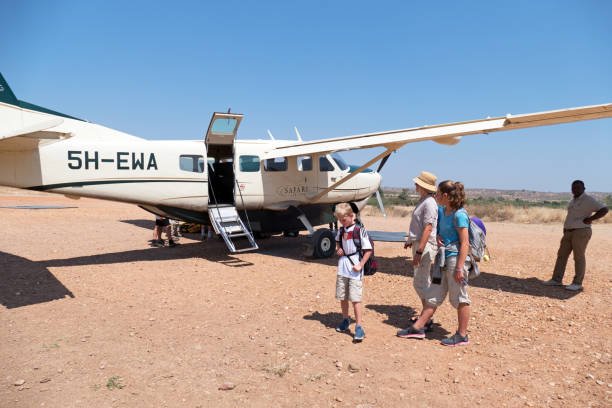
Zanzibar To Mikumi Safari By Flight: Prices & Travel Options 2026-2027
A practical guide to the logistics, costs, and planning steps for flying from Zanzibar to Mikumi National Park.
View package details
Dec 13, – 2 Day Nyerere Fly-In Group Safari From Zanzibar 2026
A detailed guide to the December 13, 2026 group fly-in safari from Zanzibar to Nyerere National Park, covering the itinerary, logistics, and planning for your trip.
View package details
Nov 28, – 3 Day Fly-In Serengeti Group Safari From Zanzibar 2026
A detailed look at the 3-day fly-in Serengeti group safari departing November 28, 2026, including logistics, itinerary highlights, and travel tips for your Tanzania adventure.
View package details1-Day Nyerere National Park Safari From Zanzibar By Flight: 2026-2027
Planning a one-day fly-in safari to Nyerere from Zanzibar? Understand the logistics, travel times, and wildlife expectations for a 2026 or 2027 trip.
View package details1-Day Serengeti Safari From Zanzibar By Flight: Cost & Itinerary 2026-2027
Is a 1-day Serengeti safari from Zanzibar feasible? Get the expert breakdown on the flight logistics, cost factors, and how to manage your expectations for this intense, one-day wildlife...
View package details2-Day Serengeti Safari From Zanzibar By Flight: Price & Booking Guide
A practical guide to booking a 2-day Serengeti safari from Zanzibar by flight, covering itinerary logistics, cost considerations, and how to maximize your short time in the bush.
View package details
Luxury Fly-In Safari From Zanzibar: Private Packages For 2026-2027
Experience the ultimate Tanzanian getaway with a luxury fly-in safari from Zanzibar. Discover private, all-inclusive packages tailored for smooth wildlife encounters.
View package detailsBudget Fly-In Safari From Zanzibar: Best Packages & Prices 2026-2027
Discover how to plan a budget-friendly fly-in safari from Zanzibar to Tanzania's top parks without sacrificing the quality of your wildlife experience.
View package detailsZanzibar To Ruaha National Park Fly-In Safari: Prices & Booking Guide
A practical guide to planning a fly-in safari from Zanzibar to Ruaha National Park, covering flight logistics, itinerary choices, and how to book with Climb 4 Africa.
View package details2-Day Nyerere Safari From Zanzibar: Flight-Inclusive Package Prices 2026-2027
An expert guide to planning a 2-day Nyerere safari from Zanzibar, covering flight-inclusive package structures, cost drivers, and the practical rhythm of a short-stay wildlife adventure.
View package detailsNo related package matches those filters. Clear one or more filters to see the other topic-matched options.



