
A 2 Day Tarangire and Ngorongoro Group Joining Safari on December 2, 2026, is a pre-scheduled, shared-cost expedition designed to deliver high-density wildlife viewing in two of Tanzania’s most iconic parks without the premium expense of a private vehicle. This itinerary is specifically optimized for travelers who want to experience the elephant herds of Tarangire and the unique, self-contained ecosystem of the Ngorongoro Crater within a short, 48-hour timeframe.
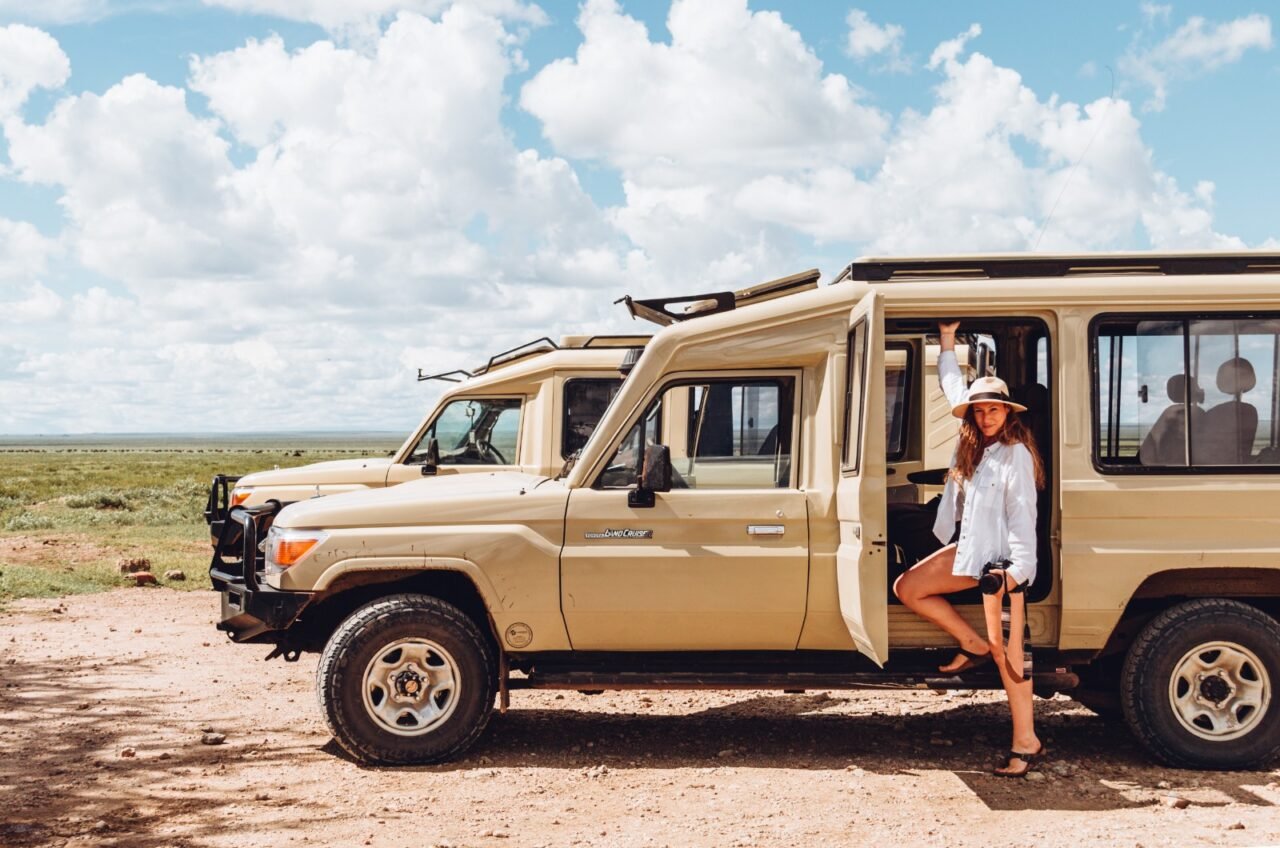
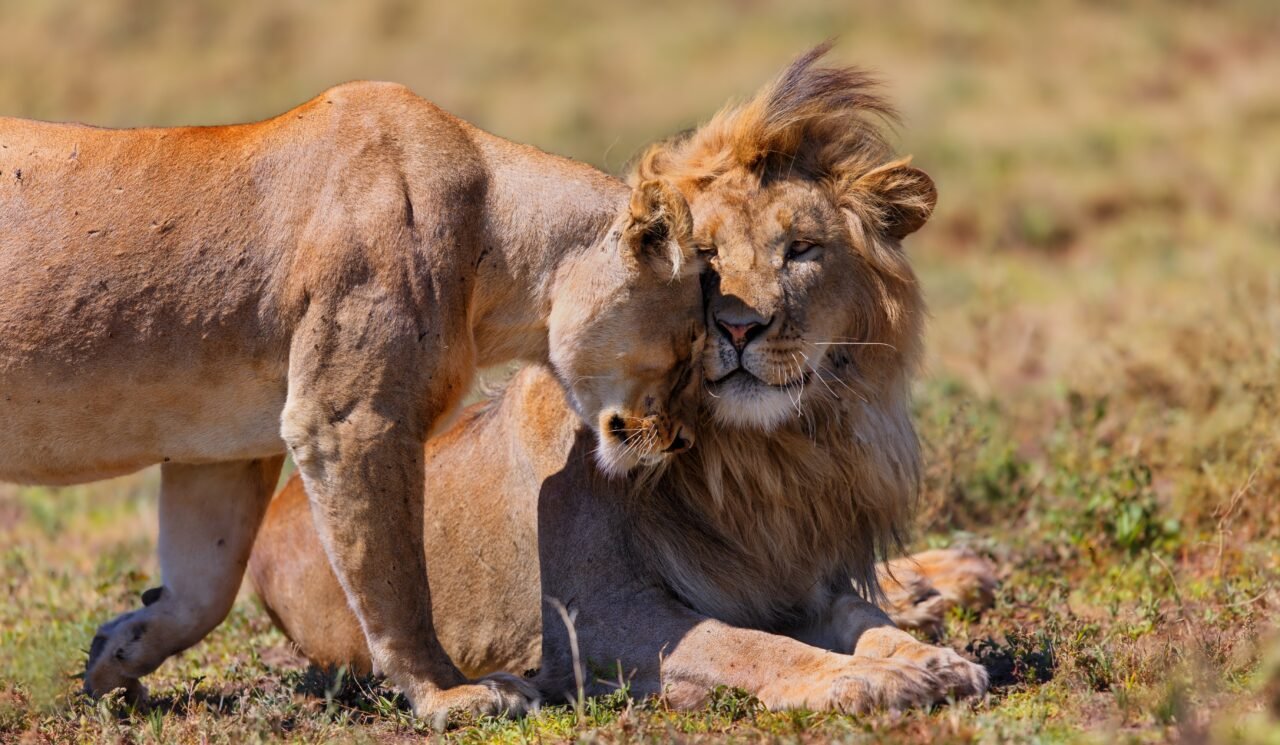
The decision to book a group joining safari for December 2, 2026, is often driven by a desire for efficiency and social engagement. Unlike private safaris, which provide total control over the itinerary, a group joining tour is about collaboration—sharing the vehicle, the guide, and the logistical costs with like-minded travelers. This format is particularly popular for solo adventurers, couples, and small groups who prefer the structure of an organized tour but seek the affordability that comes with shared transport.
By choosing this specific 2-day route, you are effectively condensing the Northern Circuit highlights. You start by accessing the diverse landscapes of Tarangire—famous for its ancient baobab trees and large elephant populations—and conclude with the “Eighth Wonder of the World,” the Ngorongoro Crater, where the sheer volume of resident wildlife guarantees sightings regardless of the season.
Understanding the Group Joining Model
When you book a group joining safari, you are purchasing a seat on a vehicle that has already been scheduled. For the December 2, 2026, departure, this means the logistical groundwork—vehicle maintenance, park permits, fuel, and accommodation reservations—is already in progress. The benefit to you is significant: you avoid the individual costs associated with renting a private 4×4 Land Cruiser and hiring a private guide for just one or two people.
However, this model requires flexibility. You are traveling with others, which means departure times and game drive paces are managed to balance the group’s needs. We ensure that our group sizes are kept at a level that maintains comfort and visibility, typically utilizing custom-built safari vehicles with pop-up roofs for optimal photography angles. If you prefer a more tailored experience, you might consider our longer circuit tours, but for a 2-day trip, the group joining format is the gold standard for efficiency.
The Itinerary Breakdown
This 2-day expedition is structured to minimize transit time and maximize time in the field. Because Tarangire and Ngorongoro are geographically distinct, the flow of the trip is essential.
Day 1: The Baobab Landscapes of Tarangire
Your journey begins in the morning, departing from Arusha or Moshi. Tarangire National Park is the first stop. By December, the park landscape is shifting. While the “short rains” typically occur around November, early December often sees the landscape turning lush, though the Tarangire River remains a vital lifeline for wildlife.
The primary draw here is the sheer number of elephants. Tarangire is renowned for having some of the largest herds in Northern Tanzania. In addition to the elephants, you will likely encounter giraffes, zebras, and impalas moving through the iconic baobab-studded plains. Because this is a group trip, your guide will manage the game drive loop to ensure you cover the key waterholes where wildlife congregates, allowing for the best photographic opportunities without rushing.
Day 2: The Ngorongoro Crater
On the second day, the focus shifts to the Ngorongoro Conservation Area. We typically depart early to reach the crater floor as it opens. The Ngorongoro Crater is a self-contained ecosystem, and December offers a unique visual experience as the caldera floor becomes vibrant and green. This is one of the best places in Africa to spot the “Big Five” in a single day.
The descent into the crater is an experience in itself, with views spanning the entire caldera floor. Once on the floor, you will spend the day tracking lions, hyenas, and—if you are fortunate—the endangered black rhino. The density of wildlife here is unparalleled, and because the crater walls act as a natural barrier, the animals are residents, not migrants, making sightings more predictable than in the expansive Serengeti plains.
Planning for December Travel
Traveling in early December, specifically around the 2nd, places you in a transitional period. Tanzania’s “short rains” are typically subsiding, leading to a period of lush, green landscapes that are excellent for photography. The dust levels are lower than in the peak dry season, and the migratory birds are often present, adding a layer of color to the savanna.
However, planning requires foresight. Because this is a shared tour, availability is limited by the number of seats on the vehicle. We strongly recommend checking our December 2026 group joining safari dates and prices page to understand how these departures fill up. If you are debating between durations, we also offer variations such as the 4-day Tarangire, Serengeti and Ngorongoro group safari, which offers a broader look at the Northern Circuit for those with more time.
Comparing Your Safari Options
Not all safaris are built the same. When deciding if this 2-day trip is right for you, compare it against your total time in Tanzania. A 2-day trip is a “taster”—it is intense, action-packed, and physically demanding due to the amount of time spent in the vehicle. It is perfect for:
- Travelers on a tight schedule, such as those visiting for a conference or a quick business trip.
- Those who have already completed a Kilimanjaro climb and want a short wildlife break afterward.
- Budget-conscious travelers who want to see the main highlights without the price tag of a 5- or 6-day lodge safari.
If you have more than 48 hours, consider that adding a day often dramatically changes the experience. For instance, our 3-day Tarangire, Lake Manyara and Ngorongoro group safari allows for a more relaxed pace and the addition of Lake Manyara, famous for its tree-climbing lions and flamingos. You can compare these options directly against the 2-day itinerary to see which fits your travel rhythm best.
Practical Logistics and Booking
Booking a group joining safari with Climb 4 Africa is straightforward, but it requires clear communication. Because these are scheduled departures, we need to ensure your arrival and departure times align with the group’s logistics. We generally recommend arriving in Arusha or Moshi at least one day before the safari starts.
What is typically included in our group joining packages:
- Professional English-speaking guide.
- 4×4 Land Cruiser with pop-up roof.
- All park entry fees for Tarangire and Ngorongoro.
- Accommodation (camping or lodge, depending on the specific group tier).
- Bottled drinking water throughout the safari.
- All meals as specified in the itinerary.
What you should prepare:
- Visas: Ensure your Tanzanian entry visa is sorted before arrival.
- Health: Check vaccination requirements for Tanzania, including Yellow Fever if you are arriving from a high-risk country.
- Packing: Bring layers. Early mornings in Ngorongoro can be surprisingly chilly, while the afternoons in Tarangire can be hot.
- Communication: If you have specific dietary requirements or mobility concerns, please let us know at the time of booking so we can accommodate you within the group setting.
For those looking for a shorter, singular experience, we also manage specialized departures like the 1-day Tarangire group joining safari, which is an excellent option if you are extremely time-constrained. However, the 2-day option remains the most popular choice for balancing the distinct ecosystems of the savanna and the crater.
Why Choose Climb 4 Africa?
As a locally-based operator, Climb 4 Africa understands that a safari is more than just a drive through a park; it is about the reliability of the support system. We manage our own fleet, which means we aren’t relying on third-party vehicles that might have mechanical issues. Our guides are local experts who know the seasonal movements of the herds, which is critical when you only have two days to maximize sightings.
We prioritize transparency. When you inquire about the December 2, 2026, trip, we will provide you with the most up-to-date availability and a clear breakdown of what the shared costs cover. We don’t believe in hidden fees or surprise surcharges.
If you are ready to secure your spot or have specific questions about the group size for this date, please reach out to our team. You can contact us directly via WhatsApp at +255 747 477 898 or send an email to climb4africa@gmail.com. For any urgent backup inquiries, feel free to use info@climb-4-africa.com. We are here to help you plan a smooth transition from your arrival in Tanzania to the heart of the bush.
Remember, group joining safaris operate on a first-come, first-served basis regarding the vehicle capacity. We suggest confirming your interest well in advance of December 2026 to ensure you get the itinerary that perfectly matches your travel goals.
Navigating Shared Spaces: Gear and Vehicle Etiquette
When you join a group safari, the safari vehicle becomes your primary home for the duration of the two-day expedition. Unlike private travel where you dictate the pace and organization of the cabin, your comfort in a group setting relies heavily on collective cooperation and adherence to shared space norms. The most critical factor is luggage management. Because the vehicle must accommodate equipment and personal items for multiple travelers, hard-shell suitcases are strictly discouraged. You should opt for soft-sided duffel bags that can be compressed, stacked, and tucked into the rear storage compartment without hindering the vehicle’s maneuverability or the guide’s ability to access the roof hatch.
Regarding power and connectivity, keep in mind that while most safari Land Cruisers are equipped with charging ports, these are shared resources. Relying solely on the vehicle’s electrical system can lead to logistical bottlenecks if multiple passengers attempt to charge camera batteries and mobile devices simultaneously. Bringing a compact, high-capacity power bank is the most reliable strategy to ensure your electronics remain functional without tethering you to the vehicle’s internal power supply. This allows you to charge your devices while on the move, keeping your gear ready for the moment you arrive at the Ngorongoro Crater rim or the Tarangire plains.
Finally, embrace the unwritten rule of the ‘rotation policy.’ In professional group joining safaris, it is standard practice to rotate seating arrangements periodically throughout the two days. This ensures that every passenger, regardless of where they sit initially, has a fair opportunity to occupy a window seat for photography and wildlife viewing. If you are traveling as a couple or a small group, be prepared to occasionally split up or move seats to maintain this group dynamic. Maintaining a collaborative spirit regarding window access, noise levels, and storage space is the single most effective way to ensure a harmonious and productive experience for everyone on board.
Wildlife Photography Protocols in Shared Vehicles
Capturing the perfect image during a 2-day group safari in Tarangire and Ngorongoro requires a different mindset than solo travel. Because you are sharing the vehicle with others, the primary constraint is the physical space available for equipment and the shared nature of the viewing angles. In Tarangire, where elephants often emerge from the dense bush, the action can be sudden and fleeting. If you are fumbling with a bulky tripod or switching lenses while your seatmate is trying to capture the same scene, you risk missing the shot and causing frustration. For a 2-day trip, prioritize a versatile telephoto zoom lens—typically in the 100-400mm range—which allows you to adjust your focal length instantly without needing to change glass in the dusty environment of the safari vehicle.
The concept of “shutter discipline” is vital in a group setting. While it is tempting to fire off hundreds of rapid-fire frames, the mechanical noise of a high-speed burst can be distracting to other passengers who are trying to enjoy the silence of the bush or listen to the guide’s commentary. Before you start shooting, communicate with your fellow travelers. If you see a specific behavior, such as a lion pride moving or a bird taking flight, a quick, quiet heads-up to the group is standard etiquette. Furthermore, avoid standing up and blocking the view of passengers in the rows behind you. Most safari Land Cruisers are designed with pop-up roofs that allow for standing, but always be mindful of your silhouette against the skyline, as this can spook wildlife, particularly in the more sensitive areas of the Ngorongoro Crater floor.
Managing your equipment’s physical footprint is just as important as your technical settings. Avoid bringing large, rigid camera bags into the cabin. Instead, utilize a small, padded camera insert or a dedicated camera harness that keeps your gear secure on your body. This prevents your equipment from sliding off the seats when the vehicle navigates the rough terrain between the Tarangire plains and the crater ascent. If you are using a beanbag for stabilization—which is highly recommended over a tripod in a vehicle—ensure it is filled with a lightweight material like polystyrene beads rather than heavy grains, making it easier to transport and maneuver between the various windows of the vehicle as the group rotates seats.
Managing the 48-Hour Pace: Physical and Social Dynamics
A 2-day group joining safari to Tarangire and the Ngorongoro Crater is fundamentally an exercise in high-intensity travel. Because you are condensing two of Tanzania’s most significant wildlife destinations into a 48-hour window, the pacing is significantly faster than a longer, multi-day expedition. Understanding how to manage your physical stamina and social expectations is as important as packing the right camera gear. This segment of your trip requires a shift in mindset: you are not merely a tourist; you are an active participant in a shared expedition that demands flexibility, patience, and a high degree of situational awareness.
The Fatigue Factor
The most common oversight for travelers on a 2-day circuit is underestimating the cumulative effect of the vehicle time and the early starts. To maximize sightings, departure times are often set for the early morning—frequently before 6:00 AM—to ensure you are at the park gates as they open. This allows you to witness the morning wildlife activity before the heat of the day sets in. By midday, particularly in the open plains of Tarangire or the exposed caldera floor of Ngorongoro, the combination of sun exposure, engine noise, and the constant vibration of the vehicle on unpaved roads can lead to significant physical fatigue.
Mitigating this fatigue begins with your own preparation. Hydration is non-negotiable; while the air may feel cool in the early morning, the Tanzanian sun is intense, and the arid environments of Tarangire can be dehydrating. Furthermore, the terrain between these two locations involves significant transit time. While the roads are scenic, they are not smooth. If you are prone to motion sickness, ensure you have appropriate remedies packed and accessible before the vehicle departs. Do not wait for symptoms to begin; taking preventative measures before the journey starts is standard practice for seasoned safari travelers.
Navigating Social Pacing
In a group joining environment, the vehicle is a shared social space. You will be spending nearly every waking moment of these two days in close proximity to your fellow travelers. The success of the trip often depends on the group’s ability to reach a consensus on pacing. For instance, some travelers may prefer to spend hours observing a single pride of lions, while others may want to cover more ground to see a greater variety of species. Your guide is trained to balance these competing interests, but you can assist by being communicative and observant.
Respect the “group rhythm.” If the vehicle stops for a sighting, avoid loud conversations that might disturb the animals or your seatmates. If you feel you are not getting enough time at a specific location, address this calmly with the group or the guide during a break, rather than disrupting the flow of the drive. Remember that everyone has paid for the same experience, and patience is the most valuable asset you can bring to the vehicle. If you find yourself needing a break from the social interaction, use the designated lunch stops—typically at picnic sites within the parks—as an opportunity to stretch your legs and step away from the vehicle to recharge in solitude.
The Reality of In-Between Moments
Because this is a 2-day itinerary, there is very little “down time.” The transitions between the park entrance, the game viewing areas, and the overnight accommodation are functional rather than leisurely. Lunch is usually served as a packed box at a designated picnic site. These sites are often unfenced, which is an exhilarating part of the experience, but it also means you must remain vigilant and follow the guide’s instructions regarding safety and waste disposal. There are no hotel buffets or long, multi-course meals during the daylight hours; the focus remains entirely on maximizing the time spent in the field.
Finally, recognize that the “in-between” moments—the drives between the Tarangire gate and the Ngorongoro Conservation Area—are part of the safari. While they may not offer the high-density wildlife viewing of the parks themselves, they provide a rare glimpse into the rural Tanzanian landscape, passing through villages and local markets. Use this time to observe the daily life of the region, ask your guide questions about the geography or the culture, and save your energy for the next wildlife encounter. By approaching the 48-hour window as an intense, focused expedition rather than a relaxing vacation, you will find the experience far more rewarding.
Financial Etiquette and Tipping in a Shared Safari Group
A frequently overlooked aspect of the group joining model is the management of shared financial responsibilities. Unlike private safaris where you have total control over the budget, a group joining safari requires a degree of coordination regarding tipping and optional expenses to avoid awkward social friction. Managing these expectations early ensures that the focus remains on wildlife viewing rather than logistical disagreements.
Coordinating the Driver-Guide Gratuity
In Tanzania, tipping the driver-guide is a standard industry practice, reflecting the high level of service, safety, and expertise provided during your two-day expedition. In a group joining environment, the most efficient approach is to discuss the gratuity as a collective on the second day. Pooling the tip allows for a single, substantial presentation to the guide rather than a series of smaller, individual envelopes, which can be logistically cumbersome and less impactful. Aim for a consensus early in the trip; this prevents the “last-minute scramble” and ensures that everyone feels comfortable with the amount contributed. It is helpful to have this conversation during a lunch break or while the vehicle is stationary, ensuring all passengers are on the same page.
Navigating Optional Expenses and “Hidden” Costs
While your group joining booking covers the primary costs—park entrance fees, vehicle hire, and accommodation—it rarely covers personal incidentals or optional excursions. The most common “extra” on the route between Tarangire and the Ngorongoro Conservation Area is the invitation to visit a traditional Maasai village. These visits are optional and involve an additional entrance fee paid directly to the village elders. Because this is a group vehicle, it is essential to communicate your preferences clearly. If half the group wishes to visit and the other half prefers to rest at the vehicle, the guide will need to manage this split. Being transparent about your budget and interests before you depart for the day helps the guide manage the schedule without causing frustration among the participants.
Handling Personal Purchases
During the two-day circuit, you will stop at various points—picnic sites, park gates, or lodge restaurants—where you might wish to purchase bottled water, sodas, or local handicrafts. These are strictly individual expenses. To keep the group moving efficiently, carry a small amount of local currency (Tanzanian Shillings) or small-denomination US dollars. Relying on the group to “cover” you for a soda or a snack creates unnecessary accounting at the end of the trip. By managing your own incidental spending, you maintain your independence while participating in the shared logistics of the group.
Packing for the 48-Hour Sprint: The Luggage Constraint
When participating in a 2-day group joining safari, the logistical reality of the vehicle’s storage capacity is a critical factor that often surprises first-time travelers. Because you are sharing a 4×4 Land Cruiser with other passengers—typically between four and six people—the physical space in the trunk is finite. Unlike a private safari where you might have the luxury of spreading out, a group vehicle requires a disciplined approach to luggage. For the December 2, 2026, departure, this means prioritizing efficiency over volume.
The most important rule for this 48-hour itinerary is to utilize soft-sided duffel bags rather than rigid, hard-shell suitcases. Hard-shell luggage is notoriously difficult to stack in the limited, often irregular, cargo spaces of safari vehicles. Soft bags can be compressed, maneuvered, and tucked into corners, allowing the driver-guide to maximize the available space without compromising the safety or comfort of the passengers. If you are traveling with a large suitcase, you should arrange to leave it at your hotel in Arusha or Moshi. Most reputable accommodations provide secure luggage storage for guests on short safari excursions, and this is the standard expectation for anyone joining a group tour.
Beyond the trunk space, consider what you need to keep with you inside the cabin. Your “day pack” should be the only item that occupies the space at your feet or on the seat beside you. Because the schedule is fast-paced, you will not have time to retrieve items from the main luggage compartment while in the park. Your day pack should contain your camera gear, binoculars, sunscreen, insect repellent, and your layers. In December, the temperature differential is significant: Tarangire is often warm and dusty, while the Ngorongoro Crater rim can be surprisingly chilly, especially in the early morning. Wearing your bulkier items, like a fleece or light jacket, allows you to save precious bag space while ensuring you are prepared for the micro-climates of the Northern Circuit.
Finally, address the “power struggle” before it begins. Most safari vehicles are equipped with charging ports, but these are shared resources. With multiple passengers needing to charge smartphones, cameras, and tablets, the limited number of outlets can become a point of friction. To avoid dependency on the vehicle’s power supply, carry a fully charged power bank. This ensures your devices remain operational for the duration of the two days without requiring you to compete for a port or worry about the vehicle’s battery drain during long game drives. By treating your luggage and power needs as a self-contained unit, you minimize your reliance on the group’s shared infrastructure and ensure a smoother, more independent experience.
Managing Health and Dietary Needs in a Shared Vehicle
Managing the physical realities of a 2-day safari often takes a backseat to the excitement of the wildlife, yet it is a critical factor for maintaining your stamina during this 48-hour window. In a shared vehicle, your physical needs—hydration, dietary requirements, and motion comfort—intersect directly with the logistics of the group. Understanding these parameters before departure ensures that your experience is defined by the wildlife sightings rather than preventable physical discomforts.
The Hydration-Stop Paradox
The most common friction point in a group safari vehicle is the conflict between hydration and the availability of restrooms. While it is essential to stay hydrated, especially given the dust and heat of the Tanzanian savannah, you must manage your intake strategically. Park gates and designated picnic sites are the only locations where you can reliably access clean, established restroom facilities. Between these points, you are in the open wilderness. While your driver-guide will accommodate emergency stops where the terrain and park regulations allow, these are not always private or comfortable. The best practice is to hydrate consistently but moderately, prioritizing small, frequent sips of water rather than consuming large volumes at once. Use the designated morning and lunch breaks at park facilities as your primary opportunities to refresh, rather than relying on the hope of frequent stops along the game drive routes.
Communicating Dietary Requirements for Group Catering
On a group joining safari, meals are typically pre-arranged by the operator to ensure efficiency. Whether it is a packed lunch for the Tarangire picnic site or dinner at a lodge near the Ngorongoro Conservation Area, the kitchen staff prepares food for the group as a single unit. This logistical model does not allow for last-minute requests. If you have specific dietary restrictions—such as severe allergies, celiac disease, or strict vegan requirements—you must communicate these to your operator at the time of booking, not upon arrival. Kitchens in remote areas often have limited inventory; requesting a specialized meal when you are already in the vehicle is often impossible to fulfill. Confirm that your dietary needs are noted on your booking voucher well before your December 2, 2026, departure date to ensure the logistical team has time to source the necessary ingredients or alert the lodge chefs in advance.
Navigating Motion Sickness and Cabin Comfort
The roads leading to and within the Northern Circuit parks vary significantly in quality. While main roads are paved, the access roads to park gates and the tracks within the parks themselves are often corrugated, uneven, and bumpy. If you are prone to motion sickness, the confined space of a safari vehicle can exacerbate these symptoms. Because you are sharing the vehicle, you cannot unilaterally request that the driver change the speed or route to suit your comfort. The most effective strategy is to prepare your own preventative measures. Consult with your physician before your trip regarding non-drowsy motion sickness medication and carry it with you in your day pack. Additionally, try to secure a seat that offers the most stability—typically, seats closer to the center of the vehicle experience less sway than those positioned directly over the rear wheels. If you feel unwell, communicate this to your driver-guide early; they are trained to handle these situations, but they cannot assist if you remain silent until the symptoms become unmanageable.
Personal Hygiene and Sanitation
In a 48-hour sprint, you will be exposed to significant amounts of dust, particularly in Tarangire, where the soil is fine and easily kicked up by vehicle tires. Maintaining personal hygiene in these conditions requires a proactive approach. Pack a dedicated supply of high-quality hand sanitizer, wet wipes, and a small pack of tissues in your day bag. These items are indispensable not just for personal cleanliness before eating, but for managing the fine layer of dust that will inevitably coat your hands, camera gear, and face. Do not rely on the vehicle to provide these supplies; while some operators may have them, having your own ensures you are never caught without them at a picnic site or during a long stretch of driving. By treating your personal hygiene as a self-contained requirement, you ensure that you remain comfortable throughout the intensive 2-day schedule without needing to disrupt the group’s flow.
Cultural Engagement: Navigating Maasai Village Visits
On many 2-day itineraries connecting Tarangire and the Ngorongoro Conservation Area, a stop at a Maasai village is often included as an optional cultural experience. While these visits provide insight into the traditional lifestyle of the Maasai people, they also introduce a unique set of social and logistical dynamics within a group joining safari. Because you are traveling with others, the visit requires a collective approach to time management and respectful engagement.
The primary friction point in these visits is the disparity in interest levels. Some group members may wish to spend significant time engaging with the community, asking questions about livestock management or beadwork techniques, while others may prefer a brief walk-through. Before the vehicle pulls into the village, take a moment to briefly gauge the group’s intent with your driver-guide. If you are the only person interested in a lengthy interaction, be mindful that you are holding up the group’s progress toward the crater or back to the main road. Conversely, if you are not interested in the visit, remain polite and patient; these stops are part of the broader, pre-arranged itinerary, and your cooperation is essential to maintaining the group’s schedule.
Regarding photography, the etiquette is strict: always ask for explicit permission before photographing individuals, especially children or elders. In a group setting, it is easy to inadvertently create a wall of cameras, which can be intimidating or disrespectful. Coordinate with your fellow travelers to take turns capturing images rather than overwhelming the hosts. Furthermore, if you plan to purchase handicrafts, be prepared with small denominations of local currency. Attempting to negotiate prices or manage change for high-value notes can consume precious time at the end of the stop, delaying the vehicle’s departure and potentially pushing your arrival at the next destination past the desired hour.

The Final Leg: Managing the Return to Arusha or Moshi
The conclusion of your 2-day safari on December 2, 2026, is often the most overlooked phase of the planning process. By the late afternoon of the second day, you will be departing the Ngorongoro Conservation Area for the return drive to Arusha or Moshi. This journey typically covers 150 to 200 kilometers and can take between three to five hours, depending on traffic, road conditions, and the specific drop-off locations of your fellow group members. Recognizing that this is the final, often tiring stretch of the trip is crucial for managing your own expectations and onward travel plans.
Post-Safari Drop-off Logistics
In a group joining model, the vehicle will make multiple stops to drop off passengers at various hotels or lodges. This is a multi-point delivery process, not a direct taxi service. If you are staying at a lodge on the outskirts of town or a hotel that requires navigating through heavy evening traffic, be aware that you may be the last person dropped off. It is standard practice to confirm your specific drop-off location with the Climb 4 Africa operations team at least 48 hours before the trip begins. Do not assume the driver knows your hotel name; provide the exact address and, if possible, a Google Maps pin or booking confirmation to ensure the driver can navigate efficiently without having to make multiple phone calls during the final leg of the drive.
Managing Onward Travel Plans
A common mistake for travelers on a 2-day circuit is booking onward transportation—such as a flight from Kilimanjaro International Airport (JRO) or a bus to the coast—for the evening of the second day. Given the unpredictability of road traffic, potential mechanical delays, or the time spent dropping off other group members, attempting to make a flight on the same evening is high-risk. We strongly recommend scheduling your onward travel for the following day. If you absolutely must depart on the evening of December 2, ensure that your flight is scheduled for late in the night, ideally after 10:00 PM, and explicitly inform your operator of this constraint during the booking process. Even then, be prepared for the possibility of delays; the safari experience is inherently tied to the pace of the bush, and rushing the final transition back to the urban center can turn a memorable trip into a stressful race against the clock.
Navigating Connectivity and Digital Disconnection
One of the most significant, yet frequently overlooked, aspects of a high-intensity 2-day group joining safari is the management of digital connectivity. Travelers often arrive expecting smooth mobile coverage throughout the Northern Circuit, only to find that the bush environment presents a unique set of challenges that can impact both your ability to stay connected and your overall safari experience. Understanding the reality of connectivity in Tarangire and the Ngorongoro Conservation Area is essential for managing your expectations, particularly if you are attempting to balance this short-duration trip with ongoing work commitments or family communication.
The Reality of Signal Strength in the Bush
While Tanzania has expanded its telecommunications infrastructure significantly, the terrain of the Northern Circuit is not uniform. In Tarangire National Park, cell towers are sparse, and signal strength fluctuates wildly depending on your location within the park. In low-lying valleys and dense acacia woodlands, you may experience complete signal loss. Conversely, when the safari vehicle ascends to higher ridges or approaches park gates, you might find a fleeting, intermittent 3G or 4G connection. Do not rely on mobile data for critical tasks—such as banking, urgent video calls, or real-time work updates—during your game drives. The priority of the driver-guide is wildlife spotting, and the vehicle will rarely stop simply to accommodate a passenger’s need for a stronger signal.
Managing Power and Charging in Shared Vehicles
In a shared group joining vehicle, access to power is a finite resource. Most safari-modified 4×4 Land Cruisers are equipped with cigarette lighter-style power ports or, in newer models, USB charging points. However, these are often limited in number. If you are sharing a vehicle with five or six other travelers, you cannot assume you will have constant access to a charging port. If you are a heavy user of digital cameras, smartphones, or power-hungry tablets, you must bring your own power bank. Relying on the vehicle’s battery while the engine is off is generally discouraged, as it puts unnecessary strain on the vehicle’s electrical system, which is critical for starting the engine in remote areas. Plan to charge your devices fully at your lodge or hotel the night before departure, and treat your power bank as your primary lifeline for the 48-hour duration.
The Etiquette of Digital Usage in a Shared Space
Beyond the technical limitations, there is a social dimension to using technology in a shared vehicle. A 2-day safari is an in-depth experience. When you are in the vehicle, the sound of a notification ping, the glow of a screen in a darkened lodge, or a loud phone conversation can be disruptive to the group dynamic. If you must use your phone, follow these social guidelines to maintain group harmony:
- Silence Your Devices: Ensure all sounds, including keyboard clicks and notification alerts, are muted before entering the vehicle.
- Avoid Calls During Drives: If you receive a call, do not answer it while the vehicle is in motion. The engine noise and the proximity of other passengers make private conversations impossible, and it distracts from the shared experience of wildlife viewing.
- Limit Screen Brightness: If you are reviewing photos or checking messages during the evening or early morning, keep your screen brightness low to avoid disturbing those around you.
- The “Disconnect” Mindset: Embrace the limited connectivity as part of the safari experience. The 2-day format is short; the ability to fully disconnect from your digital obligations allows you to focus on the environment, the animals, and the group interaction, which are the true values of the trip.
Planning for Data-Heavy Tasks
If you anticipate needing to transfer large files, such as high-resolution video clips or batches of photographs, wait until you return to your hotel in Arusha or Moshi. Attempting to upload large files over mobile data networks in the park is not only unreliable but will also drain your battery and data allowance rapidly. Use the game drive time to capture content, and reserve the administrative work of sorting, editing, and uploading for the stable Wi-Fi environments of your urban accommodation. If you are on a strict deadline, communicate this to your group at the start of the trip; while they cannot change the network coverage, they may be more understanding if you need to quickly check a message at a designated stop or gate, provided it does not delay the group.
Navigating Park Entry Protocols and Permit Logistics
While the excitement of a 2-day safari focuses on the wildlife, the administrative reality of entering Tanzania’s protected areas is a significant component of your 48-hour itinerary. Whether you are entering the Tarangire National Park gates or the Ngorongoro Conservation Area Authority (NCAA) entry points, the process is not merely a quick drive-through; it is a formal regulatory procedure. Understanding this process helps mitigate the frustration that can arise when you see your driver-guide disappear into a series of park offices while the vehicle sits in a queue.
The Administrative Gate Process
Every entry into a national park or conservation area requires the validation of permits. In the Tanzanian system, these permits are often pre-arranged by your operator, Climb 4 Africa, but the physical verification must occur at the gate. Your driver-guide is responsible for presenting the vehicle’s logbook, passenger manifests, and the digital or paper permits that authorize your entry. During this time, park rangers may conduct a visual inspection of the vehicle to ensure it meets safety standards and that the passenger count matches the permit.
This process is essential for park management. It allows authorities to track visitor numbers, monitor vehicle traffic, and ensure that all conservation fees are accounted for. In a group joining safari, this process is multiplied by the number of passengers and the specific documentation required for each individual, which is why your guide may be away from the vehicle for 15 to 30 minutes, or longer during peak times.
Managing Wait Times and Group Expectations
December is a high-traffic month for the Northern Circuit. When you arrive at a park gate, you may find yourself behind a line of other safari vehicles. This is the moment where group dynamics are tested. Instead of viewing the wait as “lost time,” treat it as a necessary pause in the itinerary. The gate area is often the only place where you have access to formal facilities, such as restrooms and small kiosks, before heading into the wild.
Use these intervals to perform your own “pre-flight” check: ensure your camera batteries are accessible, apply your sunscreen, and organize your layers. If you must step out of the vehicle, do so only in designated areas. Never wander into the bush surrounding the gate, as wildlife is often present even in these transit zones. If the queue is exceptionally long, your guide may ask the group to remain in the vehicle to ensure a quick departure once the permits are stamped. Following these instructions promptly is critical to maintaining the group’s schedule; any delay at the gate directly impacts the amount of time you will have for afternoon game viewing in Tarangire or the crater floor descent in Ngorongoro.
Documentation Requirements
While your operator handles the heavy lifting of the permit processing, you are still required to carry your original passport or a valid, government-issued photo ID. Park officials may conduct random spot checks to verify that the names on the permits match the individuals in the vehicle. If you fail to produce your identification, the entry process can be halted, potentially jeopardizing the entire group’s schedule. Keep your passport in a secure, easily accessible daypack rather than buried in your main luggage, which is likely stored in the back of the vehicle and difficult to reach once the trip has commenced.
The Art of Spotting: Maximizing Wildlife Encounters in a Shared Vehicle
In a 2-day group joining safari, the efficiency of your wildlife viewing is heavily dependent on the collective attentiveness of the passengers. While the driver-guide is the primary professional spotter, they are operating a vehicle from a specific vantage point, often focused on the road ahead and the broader landscape. You and your fellow travelers are, in effect, a secondary team of spotters. Mastering the etiquette of how to communicate what you see—and how to manage the collective focus of the vehicle—can significantly enhance the quality of your 48-hour experience.
The Clock-Face Communication Protocol
The most common error in a shared safari vehicle is the use of vague directional language, such as “over there,” “to the left,” or “look at that tree.” In a moving vehicle, these descriptions are useless. The industry-standard method, which you should adopt immediately upon boarding, is the clock-face system. The front of the vehicle is 12 o’clock, the back is 6 o’clock, the driver’s side is 9 o’clock, and the passenger side is 3 o’clock.
When you spot movement, keep your description concise: “Movement at 2 o’clock, halfway up the acacia tree.” This allows the driver to instantly orient the vehicle and provides your fellow passengers with an immediate target for their binoculars or cameras. Avoid shouting or sudden movements, as the sound of a human voice inside the cabin can carry significantly further than you might expect, potentially startling sensitive wildlife before the vehicle has fully positioned itself for a viewing.
Navigating the “Big Five” Pressure
On a 2-day itinerary, the pressure to see the “Big Five” (lion, leopard, elephant, buffalo, and rhino) is often intense. It is common for one or two members of a group to become fixated on checking these specific animals off a list. However, in a shared vehicle, this singular focus can lead to friction. If the group spends three hours aggressively tracking a leopard that has long since vanished into the thicket, you lose valuable time that could have been spent observing the diverse birdlife, the interactions of smaller mammals, or the impressive scenery of the Ngorongoro Crater floor.
The most successful groups are those that adopt a “democratic spotting” philosophy. Agree early on that if a specific animal is proving elusive, the group will move on after a reasonable period (typically 15 to 20 minutes) to find the next sighting. This flexibility prevents the frustration of a “wild goose chase” and keeps the itinerary moving. Remember that the Ngorongoro Crater is a contained ecosystem; the density of wildlife is high, but it is not a zoo. Forcing your driver to drive off-road or at excessive speeds to chase a specific predator is not only against park regulations but also ruins the experience for everyone else in the vehicle.
The Silent Safari Discipline
While the social aspect of a group joining safari is a highlight, there is a time and place for conversation. When the vehicle stops for a sighting, the cabin should ideally fall silent. The “Silent Safari” discipline is a critical, yet often ignored, component of responsible game viewing. Loud conversations, laughter, or the rustling of snack wrappers can alert animals to your presence, causing them to retreat into the bush or change their behavior. If you are in the middle of a discussion when the driver slows down to approach a pride of lions, pause mid-sentence. You will find that the animals are far more likely to remain stationary—or even approach the vehicle—if the environment is quiet and calm.
Managing the Pop-Up Roof Hierarchy
Most safari Land Cruisers are equipped with a pop-up roof that allows passengers to stand and view wildlife from an elevated position. In a shared vehicle with six or more passengers, you cannot all stand at the same time without crowding the space and shaking the vehicle. The best approach is to establish a rotation system. If you are at the front of the vehicle, you have a clear view of the road; if you are in the middle or back, your visibility is often obscured by the roof supports or the heads of other passengers. Be mindful of those behind you. If you have been standing for 20 minutes, offer your spot to someone else. This small gesture of spatial awareness prevents the “elbowing” that can sometimes occur when a rare sighting, such as a cheetah or rhino, is announced.
The Binocular Blind Spot
Many travelers become so reliant on their binoculars that they develop a “binocular blind spot,” where they focus exclusively on the magnified image and lose all context of the animal’s behavior or location. In a shared vehicle, this can be problematic. If you are staring through binoculars, you are not scanning the periphery for other wildlife. Use your binoculars to identify the animal, but then put them down to observe the scene with the naked eye. This allows you to better understand the animal’s interaction with its environment—is it stalking prey? Is it scanning for danger? This broader awareness makes you a more engaged participant in the safari, and you are much more likely to spot the “secondary” sightings that others might miss, such as a vulture circling in the distance or a smaller predator hiding in the tall grass.
Navigating Mechanical and Medical Contingencies in the Bush
While the 2-day Tarangire and Ngorongoro circuit is a well-traveled route, it is important to acknowledge that you are operating in a remote, rugged environment. Even with rigorous preventative maintenance, the combination of extreme heat, fine dust, and corrugated road surfaces puts immense strain on safari vehicles. Understanding how to handle mechanical and medical contingencies is a vital part of your preparation, ensuring that if the unexpected occurs, you remain a calm and cooperative member of the group rather than a source of added stress.
The Reality of Vehicle Breakdowns in Remote Areas
Safari Land Cruisers are robust, custom-engineered machines, but they are not immune to the harsh Tanzanian bush. A mechanical failure, such as a blown tire, a cooling system issue, or an electrical fault, can happen. In a group joining safari, the logistical backup system is already in place to handle this. Your driver-guide is equipped with radio communication and, in many areas, mobile connectivity to contact the operator’s base in Arusha. If a breakdown occurs, the priority is to signal for support. This might involve dispatching another vehicle to collect the group or bringing a mechanic to the site. Do not assume that your safari is ruined; rather, view it as a logistical pivot. The most important action you can take as a passenger is to remain inside the vehicle and follow the driver’s instructions explicitly. The vehicle provides protection from wildlife and the elements, and it is the only safe place to wait for assistance.
Maintaining Group Morale During Unexpected Delays
In a shared vehicle, the emotional atmosphere during an unexpected delay can shift rapidly from excitement to frustration. As a participant in a group joining safari, your reaction to a breakdown significantly influences the group’s collective morale. If the vehicle is stationary for repairs or waiting for a replacement, resist the urge to complain or micromanage the driver. The driver is already under pressure to resolve the situation and maintain the schedule. Use this time to engage with your fellow passengers, share stories, or observe the immediate surroundings—often, some of the best birdwatching or insect photography happens when the vehicle is stationary. By maintaining a positive and patient demeanor, you help preserve the group’s energy, making the eventual resumption of the safari much more pleasant for everyone involved.
Safety Protocols During Roadside Incidents
The cardinal rule of any safari, whether in Tarangire or the Ngorongoro Conservation Area, is to never exit the vehicle unless you are in a designated, secure area like a park gate, a lodge, or a marked picnic site. If your vehicle breaks down on a game drive track, do not be tempted to step out to stretch your legs, take a photo, or inspect the engine. Even if you cannot see animals, you are in their habitat. Predators and large herbivores can be remarkably silent and well-camouflaged. Your vehicle is your designated ‘safe zone.’ If you must stand up to look out of the pop-up roof while stationary, ensure you are not creating a disturbance, but remain within the confines of the vehicle’s footprint. If the driver determines it is safe for the group to exit—perhaps during a long wait for a replacement vehicle in a designated safe zone—wait for their clear, verbal confirmation before moving.
Understanding Medical Evacuation and Support
While your driver-guide is trained in basic first aid and carries a standard-issue medical kit for minor issues like scrapes, headaches, or small cuts, it is important to understand the scope of their responsibility. They are not medical professionals. If a passenger experiences a serious medical issue, the operator’s established protocol is to contact the base, which will then coordinate with professional medical evacuation services, such as the Flying Doctors (AMREF) or local emergency medical teams. This is why having your own comprehensive travel insurance—which explicitly covers medical evacuation—is non-negotiable. Ensure that your insurance details are saved on your phone and, ideally, printed on a physical card in your wallet. In the unlikely event of an emergency, being able to provide your policy number and emergency contact information to your driver or the lodge staff will expedite the coordination of necessary care. Do not rely on the expectation that the safari operator will cover the costs of a specialized medical intervention; that is the role of your personal insurance policy.
Managing the Ecosystem Transition: From Tarangire’s Dust to Ngorongoro’s Altitude
The 2-day itinerary connecting Tarangire National Park and the Ngorongoro Conservation Area presents a unique logistical challenge: you are moving between two radically different climatic and ecological zones in under 48 hours. Tarangire, situated at a lower elevation of approximately 1,000 to 1,200 meters, is defined by its arid, dusty plains and iconic baobab-studded landscapes. In contrast, the Ngorongoro Crater floor sits at roughly 1,700 meters, while the rim—where most overnight lodges are located—climbs to over 2,300 meters. This rapid shift in altitude is not merely a change in scenery; it is a significant environmental transition that impacts your physical comfort, gear maintenance, and wildlife viewing experience.
The most immediate effect of this transition is the thermal shock. By mid-afternoon on your first day in Tarangire, temperatures are typically high, and the environment is dry. You will likely be wearing light, breathable clothing. However, as you ascend the road toward the Ngorongoro Conservation Area in the late afternoon or evening, the temperature drops precipitously. The Crater rim is frequently shrouded in mist and can be genuinely cold, particularly during the early morning hours of your second day. Travelers who do not account for this shift often find themselves unprepared, relying on a single jacket that is insufficient for the near-freezing temperatures sometimes experienced on the rim. The key to managing this is a modular approach to clothing: lightweight, moisture-wicking layers for the Tarangire heat, and a robust, windproof outer layer or fleece that is easily accessible in your daypack for the transition to the Crater.
Equipment Care in Shifting Environments: Dust and Humidity
Your camera and electronic equipment face two distinct threats during this 2-day sprint. In Tarangire, the primary adversary is fine, red volcanic dust. This dust is pervasive; it coats everything, seeps into bag zippers, and settles on camera sensors. During your Tarangire game drives, you must be hyper-vigilant about protecting your gear. Keep your camera inside a sealed bag when not actively shooting, and avoid changing lenses while the vehicle is moving or when the dust is being kicked up by other safari cars. Use a microfiber cloth to wipe down your equipment at the end of the first day, before you head to your accommodation.
Once you reach the Ngorongoro Conservation Area, the threat shifts from dust to humidity and condensation. The Crater rim acts as a catchment for clouds and mist. If you leave your camera equipment in a cold vehicle overnight or keep it in a bag that has been sitting in a cold, damp room, condensation can form inside the lens elements or on the sensor when you bring it out into the warmer morning air. To mitigate this, store your camera gear in a dry, stable environment overnight. If possible, keep your camera bag in the sleeping area of your lodge rather than leaving it in the vehicle, where temperature fluctuations are more extreme. This simple adjustment prevents the internal fogging that often ruins the first hour of photography on the Crater floor.
Wildlife Viewing Strategy: From Tracking to Observation
The wildlife viewing experience in these two parks requires a fundamental shift in your observational mindset. Tarangire is a park of “tracking.” Because the terrain is vast and the wildlife is often dispersed, your driver-guide will spend significant time actively searching, scanning the horizon for the tell-tale movement of elephant herds or the distinct shape of a baobab tree where a leopard might be resting. In Tarangire, your role as a passenger is to remain alert and patient, as sightings often require covering ground and waiting for animals to emerge from the dense thickets.
Conversely, the Ngorongoro Crater is a high-density, “closed” ecosystem. The wildlife here is concentrated within the caldera, meaning you do not need to “track” animals in the same way. The challenge in Ngorongoro is not finding the animals, but managing the sheer volume of sightings. You may find yourself with a pride of lions, a crash of rhinos, and a herd of wildebeest within the same field of view. The strategy here shifts from active searching to selective observation. In a shared vehicle, this is where the “Silent Safari” discipline becomes most critical. Because the density of animals is so high, the vehicle will often stop for extended periods. Resist the urge to constantly demand the driver move to the next sighting. The Ngorongoro experience is best enjoyed by watching the interactions between species—the way zebras graze alongside wildebeest or how a lion pride reacts to the proximity of other predators. By adopting this “observation-first” mindset, you minimize the chaotic feeling of trying to rush from one animal to the next, which is the most common cause of fatigue on the second day of the trip.
Navigating the “Short Rains” Terrain and Road Conditions
December 2, 2026, falls within the period locally known as the vuli, or short rains. While these rains are typically intermittent—often arriving as brief, intense afternoon showers rather than days of continuous downpour—they introduce specific variables to a 2-day safari itinerary that differ significantly from the dry season. Understanding these dynamics is essential for managing your expectations regarding transit times, vehicle behavior, and the flow of your 48-hour schedule.
The Impact of Black Cotton Soil on Tarangire Tracks
Tarangire National Park is characterized by a mix of sandy soils and areas of “black cotton” soil. While the sandy sections drain quickly, the black cotton soil is notorious for its clay-like consistency when wet. It becomes incredibly slick, acting almost like grease under the tires of a heavy safari Land Cruiser. During your December visit, you may notice your driver-guide taking more deliberate, slower routes through the park. This is not a lack of urgency; it is a calculated decision to avoid getting bogged down in areas where the soil has turned into a quagmire. In a group joining vehicle, which is often fully loaded with passengers and gear, the weight distribution makes the vehicle more prone to sliding on these tracks. If you see your guide avoiding certain off-road loops that look promising for wildlife, trust their judgment. The goal is to maintain momentum; once a vehicle loses traction in black cotton soil, extraction can take hours, effectively ending your game drive for the day.
Descent and Ascent Dynamics in the Ngorongoro Crater
The Ngorongoro Conservation Area presents a different set of challenges during the short rains. The access roads leading down into the crater and back up to the rim are steep and winding. When these roads are damp, the risk of wheel spin increases significantly. On your second day, you will likely notice that the descent into the crater is handled with extreme caution. The park authorities often designate specific “up” and “down” roads to manage traffic flow, but during the rainy season, these routes can become treacherous. Your driver-guide will likely shift into low-range 4×4 mode earlier than usual. As a passenger, you may feel the vehicle lurching or hear the engine working harder as the guide navigates the mud-slicked inclines. This is a standard safety protocol. During the ascent, which typically happens in the afternoon as you head back toward the rim, the vehicle’s speed will be dictated entirely by the condition of the road. It is common for the ascent to take 20 to 30 minutes longer than it would in the dry season. Do not pressure your guide to speed up; the safety of the ascent is the final, critical hurdle of your 2-day circuit.
Adjusting Expectations for Vehicle Speed and Itinerary Flow
The most significant impact of the December short rains on your group joining safari is the compression of time. Because the roads are slower and the vehicle must be driven with greater care, the “buffer time” in your itinerary—the time typically reserved for impromptu stops or extended wildlife viewing—may be reduced. In the dry season, a vehicle might cover 60 kilometers of track in three hours; in wet conditions, that same distance might take four or five hours. This requires a shift in your mindset. You are no longer on a schedule that allows for “covering as much ground as possible.” Instead, the rainy season demands a “quality over quantity” approach. If the vehicle is moving slowly, use that time to scan the immediate surroundings rather than looking toward the horizon. Often, the best wildlife encounters during the rainy season happen along the main tracks, as animals prefer to walk on the firmer, compacted dirt rather than the muddy bush. By accepting that your pace will be dictated by the terrain, you remove the frustration of perceived delays and allow yourself to engage more fully with the landscape, which, thanks to the rains, will be vibrant, lush, and teeming with life that remains hidden during the parched months of the year.
Navigating the Overnight Transition: Lodge vs. Tented Camp Expectations
The overnight stay between your first day in Tarangire and your second day in the Ngorongoro Conservation Area is the pivotal logistical bridge of your 48-hour itinerary. In the context of a group joining safari, this accommodation is typically pre-booked by the operator to ensure proximity to the next day’s entry point. Understanding the nature of this stay is essential, as the infrastructure in the bush differs significantly from urban hotels in Arusha or Moshi. You will likely encounter one of two primary types of accommodation: a permanent lodge or a luxury tented camp. Both offer distinct experiences that influence your comfort and readiness for the following morning.
The Architectural Reality of the Bush Stay
Permanent lodges are typically constructed from stone, concrete, or timber, offering a more conventional hotel experience with thick walls that provide insulation against the nocturnal temperatures of the Ngorongoro highlands. Because the Ngorongoro rim sits at a high altitude—often exceeding 2,300 meters—the nights in December can be surprisingly chilly, even if the days are warm. The stone walls of a lodge help retain the day’s heat, making them a preferred option for those sensitive to temperature drops.
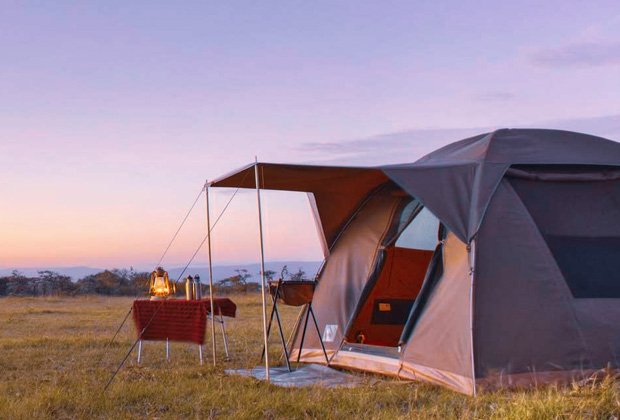
Conversely, tented camps are a hallmark of the Tanzanian safari experience. Do not confuse these with recreational camping; these are semi-permanent structures featuring canvas walls mounted on concrete or wooden platforms, complete with en-suite bathrooms, hot showers, and proper beds. Staying in a tented camp offers a more in-depth auditory experience—you will hear the wind, the rustle of the surrounding bush, and potentially the distant calls of wildlife. While this is an authentic way to experience the ecosystem, the canvas walls offer less thermal insulation than a lodge. If your group joining itinerary places you in a tented camp, ensure you have a light jacket or fleece available for the evening and early morning hours.
Power Management and the Generator Schedule
A critical aspect of the overnight transition that often catches first-time safari-goers off guard is the power supply. Many lodges and tented camps in remote areas of the Northern Circuit rely on solar power or diesel generators rather than a continuous connection to a national grid. Consequently, many establishments operate on a ‘generator schedule.’ This means electricity may be available only during specific hours—typically in the early morning, during dinner, and for a few hours in the evening.
In a shared group setting, this impacts your ability to charge cameras, phones, and power banks. Do not wait until you are in your room to start charging; prioritize your essential devices the moment you arrive at the accommodation. If the camp uses a generator that shuts down at 10:00 PM, you will be left without power until the morning. Furthermore, some camps may restrict the use of high-draw appliances like hair dryers or electric kettles to prevent overloading the system. Being mindful of these constraints is not just a matter of convenience; it is a courtesy to the entire group and the facility’s management.
Managing the Early Morning Departure
The success of your second day in the Ngorongoro Crater is inextricably linked to the efficiency of your morning departure from the overnight location. Because the Crater is a high-demand destination, your driver-guide will aim to reach the Loduare Gate or the Seneto Crater entrance early to beat the mid-morning rush of vehicles. This often requires a wake-up call as early as 5:30 AM or 6:00 AM.
In a group joining vehicle, the morning timeline is rigid. If the vehicle is scheduled to depart at 6:30 AM, this time is non-negotiable. Being late impacts the entire group’s ability to secure a favorable position in the queue at the park gate. Use the evening before to pack your bags completely. Ensure your camera batteries are swapped, your memory cards are cleared, and your day bag is organized. By having your gear ready the night before, you avoid the frantic, disorganized scramble that can lead to leaving items behind or delaying the group’s departure. The transition from the lodge to the vehicle should be smooth, allowing you to maximize the cool, productive hours of the early morning for wildlife viewing.
Check Availability for Dec 2, – 2 Day Tarangire And Ngorongoro Group Joining Safari 2026
Ready to compare dates, prices, and the best option for your group? Send the package name and travel month so the team can reply with a clear quote, availability, and what is included.
Oct 26, – 2 Day Tarangire And Ngorongoro Group Joining Safari 2026
Oct 26, 2026 – 2 Day Tarangire and Ngorongoro Group Joining Safari.
View package detailsOct 28, – 3 Day Tarangire, Lake Manyara And Ngorongoro Group Safari 2026
A detailed guide to our 3-day group joining safari departing October 28, 2026. Explore the logistics, wildlife highlights, and why this specific route is ideal for travelers looking to...
View package detailsDec 6, – 3 Day Tarangire, Lake Manyara And Ngorongoro Group Safari 2026
Dec 6, 2026 – 3 Day Tarangire, Lake Manyara and Ngorongoro Group Safari.
View package details
Dec 8, – 4 Day Tarangire, Serengeti And Ngorongoro Group Safari 2026
A detailed guide to our December 8, 2026 group joining safari, covering the itinerary, logistics, and what to expect during this 4-day wildlife adventure in Tanzania.
View package details
Dec 12, – 6 Day Serengeti, Ngorongoro, Tarangire And Manyara Group Safari 2026
Dec 12, 2026 – 6 Day Serengeti, Ngorongoro, Tarangire and Manyara Group Safari.
View package detailsNov 10, – 4 Day Serengeti, Ngorongoro And Tarangire Group Safari 2026
Join our group safari on November 10, 2026, for an intensive 4-day tour of Tanzania's Northern Circuit. Perfect for those with limited time who want to experience the best of the Serengeti...
View package detailsOct 31, – 6 Day Serengeti, Ngorongoro, Tarangire And Manyara Group Safari 2026
A detailed look at the 6-day Northern Circuit group safari departing October 31, 2026, covering Tarangire, Manyara, Serengeti, and Ngorongoro Crater.
View package detailsOct 29, – 4 Day Tarangire, Serengeti And Ngorongoro Group Safari 2026
Plan your October 2026 Tanzania adventure. This 4-day group safari covers Tarangire, Serengeti, and Ngorongoro Crater with reliable local support.
View package details
2-Day Tarangire & Ngorongoro Safari From Zanzibar: Flight Package Cost 2026
A detailed guide on the logistics, cost factors, and itinerary realities for a 2-day fly-in safari from Zanzibar to Tarangire National Park and the Ngorongoro Crater.
View package detailsDec 14, – 7 Day Complete Tanzania Northern Circuit Group Safari 2026
Planning for December 2026? Join our 7-day complete Tanzania Northern Circuit group safari. A deep look at the Serengeti, Ngorongoro, and Tarangire with expert, locally-led logistics.
View package detailsOct 25, – 1 Day Tarangire Group Joining Safari From Arusha 2026
Planning a trip for October 25, 2026? Join our group safari to Tarangire National Park for a day of wildlife viewing, departing from Arusha.
View package detailsNov 18, – 7 Day Serengeti And Ngorongoro Group Joining Safari 2026
A detailed guide to the 7-day group joining safari departing November 18, 2026, covering Serengeti, Ngorongoro, and the logistical advantages of shared travel.
View package detailsNo related package matches those filters. Clear one or more filters to see the other topic-matched options.



