
The Oct 26, 2026 – 2 Day Tarangire and Ngorongoro Group Joining Safari is a concise, high-impact wildlife journey designed to give you a taste of Tanzania’s diverse ecosystems—the massive elephant herds of Tarangire National Park and the spectacular biodiversity of the Ngorongoro Crater—all within a shared, group travel framework.
This rapid itinerary focuses heavily on maximizing game viewing time in both locations, offering a focused experience ideal for travelers with limited time who want to see two of Tanzania’s most iconic safari destinations without the commitment of a longer journey.
Planning a safari, especially one with specific dates like October 26, 2026, requires more than just booking a flight; it demands a deep understanding of the logistics, the wildlife dynamics of the parks, and how a “group joining” structure affects the travel experience. When combining Tarangire and Ngorongoro into a tight 2-day schedule, the pace is necessarily fast, but the payoff in terms of diverse scenery and animal encounters is significant. As a practical travel specialist, my goal here is to lay out exactly what this trip entails, what trade-offs you should be aware of, and how to prepare for the experience.
Understanding the Logistics of a Rapid Tarangire-Ngorongoro Safari
The term “Group Joining Safari” means you are joining a pre-organized group tour. This structure is inherently efficient and economical, which is a major draw for budget-conscious travelers or those seeking a social travel experience. However, it dictates the rhythm of the trip: transfers are scheduled, meals are shared, and the itinerary is fixed. For a short 2-day trip, the logistics of moving between these two distinct parks are paramount.
Tarangire and Ngorongoro are not adjacent; they are separated by significant driving distances, which means the actual game viewing time each day is tightly managed. The operator must balance the need for travel time with the park entry fees and the optimal time of day for wildlife activity. Because this is a short package, the focus is on getting you into the core viewing areas quickly and efficiently.
The Trade-Offs of a Short, Two-Park Itinerary
It is important to approach a 2-day safari with realistic expectations. You are not embarking on a deep, multi-week exploration. Instead, you are receiving a concentrated dose of Tanzanian wildlife. The main trade-offs include:
- Pace vs. Depth: The pace is quick. You will spend less time relaxing or exploring peripheral areas of the parks compared to a 5- or 7-day safari.
- Focus vs. Variety: You are choosing two specific, powerful experiences (Tarangire’s elephants and Ngorongoro’s caldera), rather than experiencing the vast regional diversity of the Serengeti or Lake Manyara.
- Group Dynamic vs. Privacy: The group joining nature means sharing vehicles and guides, which offers a social aspect but lacks the personalized attention of a private safari.
For the traveler whose primary goal is to tick off two of Tanzania’s most impressive wildlife spectacles within a short window, this package delivers high value and intense viewing opportunities. If, however, you prefer a slower, more in-depth, less structured exploration, a longer safari duration would be a better fit. It is always best to discuss these specific trade-offs with your tour operator before booking.
The Itinerary Blueprint: What to Expect on October 26, 2026
While exact timing and accommodation names must be confirmed directly with Climb 4 Africa, the general flow of a 2-Day Tarangire and Ngorongoro Group Joining Safari is highly predictable. The itinerary is designed to be a logical progression of travel and wildlife viewing.
Day 1: Arriving and Exploring Tarangire National Park
Day one typically begins with the transfer from your entry point (often Arusha or a nearby airport) to Tarangire National Park. Tarangire is famous for its colossal baobab trees and its incredibly high concentration of elephants. The safari begins shortly after arrival, allowing the group to settle into the safari camp or lodge before the first game drive.
The focus of the afternoon is the game drive within Tarangire. You will be looking for the iconic large elephant herds, but the park also offers excellent opportunities to spot various antelopes, giraffes, and even some predators. The late afternoon drive is often highly rewarding as the animals become more active before dusk. After the game drive, the group will return to the accommodation for the evening.
Day 2: Tarangire to Ngorongoro Crater and Departure
Day two is a journey day, beginning early. The group will depart Tarangire and travel towards the Ngorongoro Conservation Area. This drive itself is scenic, offering glimpses of the vast Tanzanian landscape.
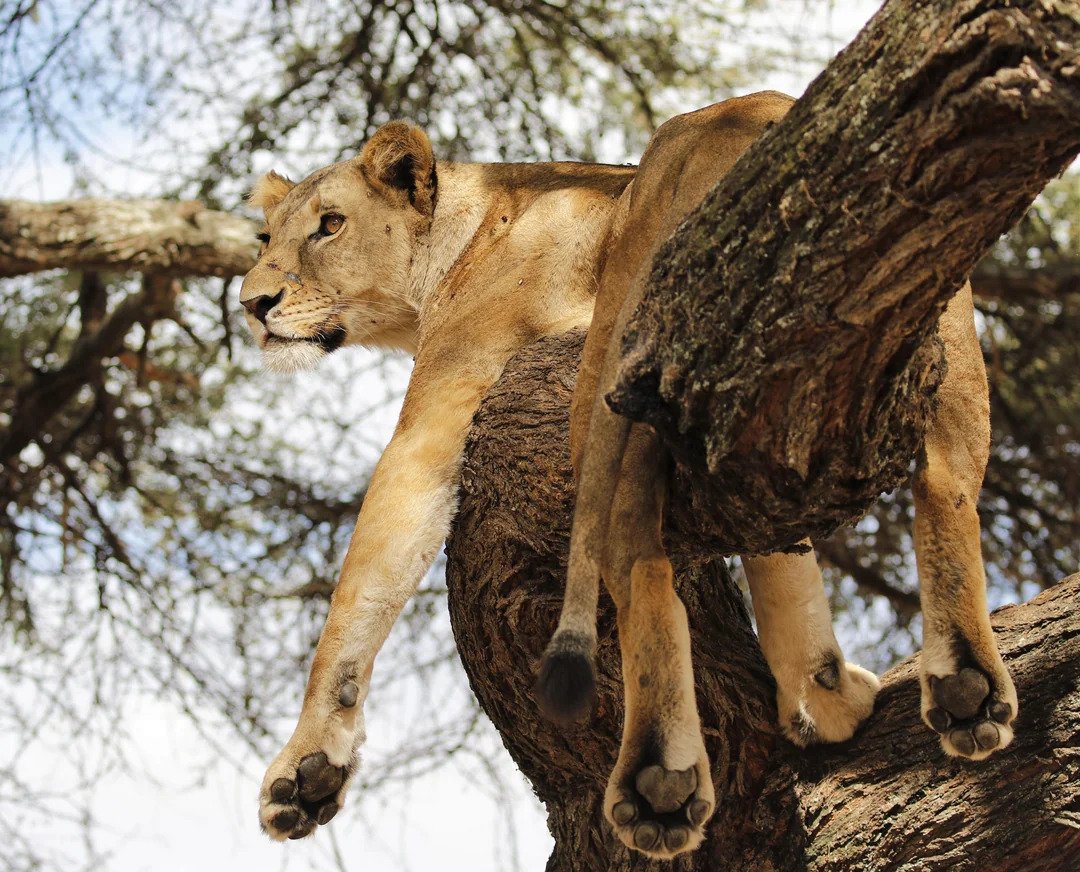
The main event of Day 2 is the descent into the Ngorongoro Crater. This caldera is a unique ecosystem, essentially a giant natural bowl teeming with life. The morning game drive inside the crater is legendary, offering unparalleled density of wildlife—including the endangered black rhino, lions, and various species of antelope—all within a contained, dramatic landscape. The crater drive typically lasts several hours, depending on the required viewing time and park regulations.
After the crater drive, the group will conclude the safari experience. Depending on the onward travel plans, the itinerary will conclude with a transfer back towards a major transport hub for your departure.</p
This structured flow ensures you experience two radically different, yet equally stunning, environments in a short period. Tarangire offers open plains and massive herds; Ngorongoro offers drama, density, and the unique confines of a massive caldera.
Choosing the Right Group Safari Experience
When booking a group joining safari, travelers need to weigh the benefits of shared travel against the desire for specific accommodations or viewing comfort. Since the operator is managing a specific date (Oct 26, 2026), the group size will be determined by the available bookings for that window.
If you are looking for a shared, budget-friendly experience, a group joining safari is perfect. You gain access to high-quality park permits and guides at a reduced cost. However, if privacy, flexibility, and the ability to dictate your own daily schedule are critical, a private safari is the alternative. The private option allows for customized pacing and vehicle access, but naturally comes at a higher investment.
What to Confirm Before Booking the Oct 26, 2026 Trip
Given the fixed date and the tight itinerary, there are critical points to clarify with Climb 4 Africa to ensure your trip meets your expectations. Do not assume standard inclusions cover everything. You must confirm:
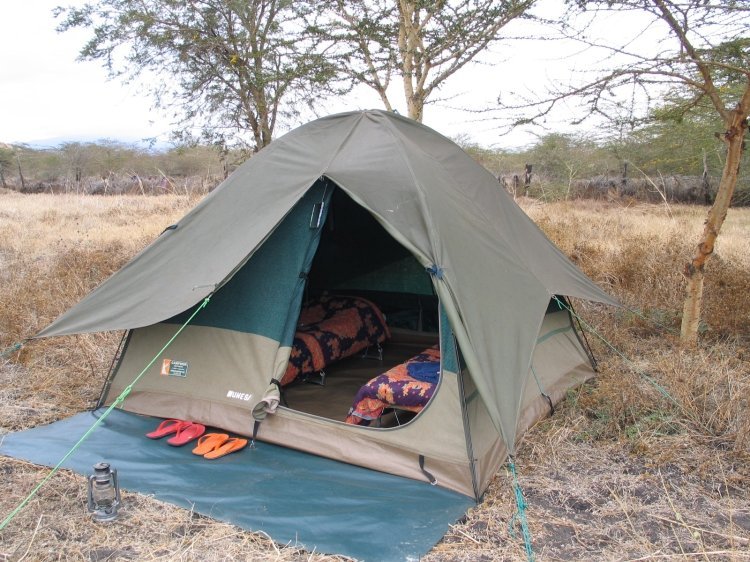
- Accommodation Style: Are the camps budget-friendly tented camps, or are they mid-range lodges? This drastically impacts the comfort level after a long day of driving and game viewing.
- Transfer Details: Is the transfer from your arrival city (e.g., Arusha) included? Are there specific airport pick-up/drop-off points?
- Inclusions/Exclusions: Confirm exactly what is covered (park fees, internal transfers, guiding, accommodation, meals). Often, international flights or specific drink packages are excluded.
- Group Size: Ask for an estimate of the group size for the October 2026 departure. This gives you a sense of the social dynamic you will be entering.
Practical Planning Details: Packing and Health Considerations
The environmental conditions in Tarangire and Ngorongoro in late October are generally excellent—the dry season is progressing, meaning game is often concentrated around water sources, but the weather is still warm.
What to Pack for the Safari
Packing for a Tanzanian safari is about layers and durability. You are not hiking; you are sitting in a vehicle, but you will be spending long hours outdoors.
- Clothing: Neutral, earth-toned clothing (khaki, olive, brown). Avoid bright white or highly saturated colors, as these can stand out in the bush. Pack long-sleeved shirts and trousers for sun protection and insect defense.
- Footwear: Comfortable walking shoes or sturdy sandals for camp use. You will not need heavy hiking boots.
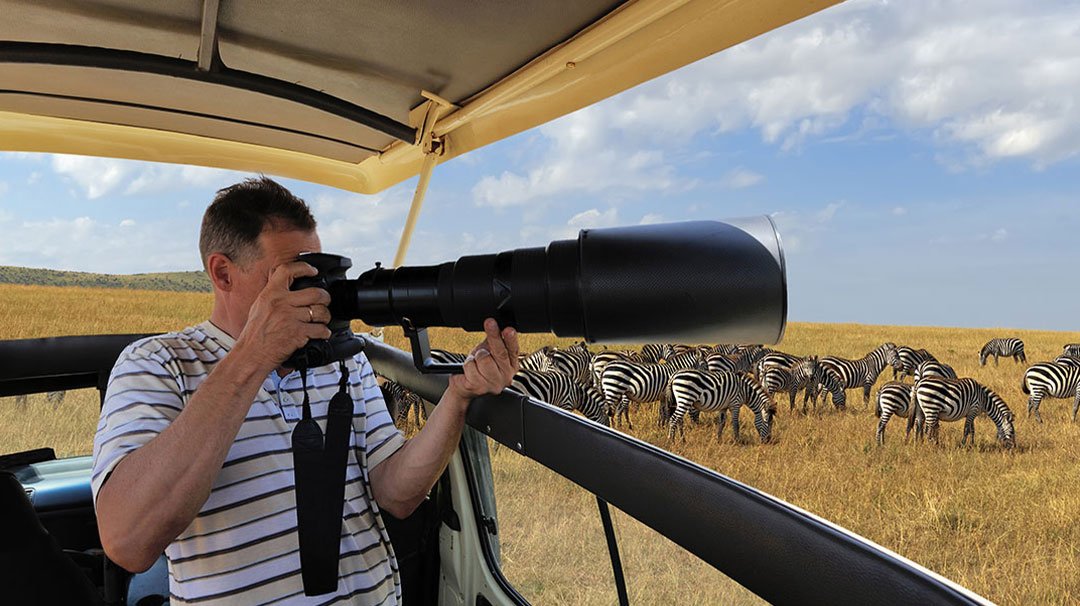
- Essentials: A good camera with a zoom lens is non-negotiable. Binoculars are essential for spotting wildlife from a distance.
- Sun Protection: Wide-brimmed hat, high-SPF sunscreen, and quality sunglasses.
- Health: Anti-malarial medication, as advised by your doctor, and any personal medications.
Health and Safety Protocols
While Tanzania is generally safe for tourists, standard travel precautions must be taken. The parks are managed with high safety standards, but the risk of wildlife encounters is always present, which is why professional guides are mandatory. Regarding health, ensure all routine vaccinations are up-to-date. The local guides and operators are well-versed in managing the environment and are your primary resource for local safety advice.
Comparing Safari Options: The 2-Day vs. Alternatives
Because you are interested in this specific 2-Day package, it helps to understand what other options exist if the pace or duration is a concern. While we are focusing on the Oct 26, 2026 departure, knowing the alternatives helps frame the value of this specific choice.
If the 2-day itinerary feels too rushed, a 4-day or 5-day safari would allow for a more leisurely pace. For instance, a longer trip could include a stop in the Serengeti, allowing you to see the migration patterns in a different context than the concentrated populations of the Ngorongoro Crater. Conversely, if the budget is extremely tight, a 1-day safari might be available, focusing solely on one park, though this limits the breadth of the experience.
When comparing different group offerings, always check the park access. Some shorter packages might limit access to certain areas of the park for logistical or permit reasons. A good operator, like Climb 4 Africa, will provide a clear breakdown of what areas are covered in the itinerary you choose.
How to Move Forward with Your Booking for 2026
The logistics for a specific date like October 26, 2026, require timely confirmation. Safari availability changes, and group sizes are managed based on booking timelines. The best approach is to reach out to Climb 4 Africa directly. They can provide the precise, up-to-date details regarding accommodation options, current group size estimates for that departure, and the full cost breakdown.
When contacting the team, be clear that you are interested in the Oct 26, 2026 – 2 Day Tarangire and Ngorongoro Group Joining Safari. Providing your travel dates and preferred travel style (budget, mid-range) will allow them to provide the most accurate and relevant quote. You can connect with them via WhatsApp at WhatsApp +255 747 477 898 or by email at climb4africa@gmail.com. For backup inquiries, you can use info@climb-4-africa.com. This direct conversation is the only way to confirm pricing and the exact daily schedule.
By engaging with the local experts at Climb 4 Africa, you ensure that the logistics of your rapid, two-park journey are handled with the practical, ground-level knowledge necessary to maximize your time in these spectacular national parks. This initial planning phase—understanding the pace, the trade-offs, and the specific requirements of the Oct 26, 2026 date—is the most critical step toward a successful safari experience.
“faq_schema”: [
{
“question”: “Is the 2-Day Tarangire and Ngorongoro Safari suitable for first-time safari-goers?”,
“answer”: “Yes, this short package is highly suitable for first-time safari-goers who want a concentrated, high-impact introduction to Tanzanian wildlife. The itinerary is fast-paced, focusing on two of the country’s most famous and accessible parks, making it an efficient way to experience the safari environment.”
},
{
“question”: “What is the biggest challenge of a 2-day safari covering two parks?”,
“answer”: “The biggest challenge is the limited time. Because Tarangire and Ngorongoro are separated by a drive, the time allocated for game viewing each day is shorter compared to a multi-week safari, meaning the pace is quick and focused.”
},
{
“question”: “Do I need to arrange my own flights for the Oct 26, 2026 departure?”,
“answer”: “For group joining safaris, transfers from the nearest major airport (typically Arusha) are usually part of the package, but you must confirm if your international flights are included. It is always best to clarify the exact flight logistics with Climb 4 Africa when requesting a quote.
Wildlife Dynamics in Late October: The Seasonal Advantage
Choosing October 26 for your 2-day safari places you at the tail end of Tanzania’s long dry season, a period that is widely considered the optimal window for wildlife viewing in both Tarangire and the Ngorongoro Conservation Area. In Tarangire, the Tarangire River serves as the primary lifeline for the park’s resident wildlife. As the surrounding landscape dries out, migratory herds—particularly elephants—are forced to congregate along the riverbanks. This concentration makes spotting large mammals significantly easier than during the wetter months when water is abundant and animals disperse into the dense bush. For a short, 2-day trip, this predictability is a major advantage; you spend less time searching for wildlife and more time observing them in high-density areas.
Similarly, the Ngorongoro Crater benefits from the dry season’s lack of tall, dense vegetation. While the Crater floor is a permanent ecosystem where wildlife is resident year-round, the sparse, dry grass of late October offers superior visibility. Predators, such as lions and hyenas, are often easier to track against the shorter, golden grasses, and the dustier conditions often drive animals toward the remaining marshlands and waterholes on the crater floor. For the traveler, this means that even with limited time, the probability of seeing the “Big Five” or large herds is statistically higher than in the shoulder or wet seasons.
Navigating Post-Safari Logistics and Departure Timing
A critical, often overlooked aspect of the 2-day itinerary is the logistical reality of the return journey on the second day. Following the Ngorongoro game drive, the return trip to Arusha is not instantaneous. The drive from the Ngorongoro Conservation Area back to Arusha typically takes between 3 to 4 hours, depending on traffic, road conditions, and the specific exit gate used. When planning your international flight or onward travel from the region, it is essential to build in a significant buffer.
Most group joining safaris are designed to arrive back in Arusha in the late afternoon, usually between 5:00 PM and 6:30 PM. Attempting to catch an evening flight out of Kilimanjaro International Airport (JRO) on the same day as your return is high-risk. International flights often require check-in three hours prior to departure. If your safari vehicle encounters unforeseen delays—such as heavy traffic near the Arusha city outskirts or potential vehicle issues—you may find yourself in a stressful situation. It is strongly recommended that travelers book their departure flights for the following day or, at the very least, late in the evening with a minimum five-hour window between your expected arrival in Arusha and your flight’s scheduled departure. If you must fly out on the evening of the second day, discuss these precise timing constraints with Climb 4 Africa during the booking process to see if the group schedule can accommodate an earlier exit from the Crater, though this may compromise your final game viewing hours.
Navigating Social Dynamics and Vehicle Etiquette on a Shared Safari
Participating in a group joining safari for your October 26, 2026, adventure introduces a social element that is absent in private tours. While the primary goal is wildlife viewing, the reality of being confined to a 4×4 vehicle with strangers for two days requires a degree of group etiquette to ensure the experience remains enjoyable for everyone. Because you are sharing the cost and the space, your conduct directly influences the quality of the trip for your fellow travelers.
The Unspoken Rules of Shared Vehicle Space
The most successful group safaris are those where the passengers establish a cooperative rhythm early on. The most critical component of this is the rotation of seating. Most reputable operators will rotate seats daily, ensuring that those who spent Day 1 in the middle or back rows have an opportunity to sit near the windows or pop-top roof on Day 2. If your guide does not initiate this, it is perfectly acceptable and professional to suggest a rotation schedule during your first briefing. This simple act of fairness prevents friction and ensures that everyone gets an equal chance to photograph the wildlife.
Furthermore, noise discipline is paramount. When the vehicle stops for a wildlife sighting—particularly for elusive predators like leopards or cheetahs—the engine is cut, and the vehicle becomes silent. Any movement or conversation inside the vehicle can startle the animals, causing them to retreat into the bush. Keep voices low, and avoid sudden movements or standing up too quickly when the roof is popped open, as this can block the view of other passengers. If you are using a professional camera, be mindful of the space you occupy and avoid “hogging” the best viewing angle for extended periods.
Cultural Sensitivity and Tipping Norms for Group Travelers
As you traverse the landscape between Tarangire and the Ngorongoro Conservation Area, you will pass through various regions inhabited by local communities, including the Maasai. It is essential to approach these interactions with respect. Never take photographs of individuals, their homesteads, or their children without explicit permission. In many cases, if you stop at a craft market or a cultural boma, the expectation is that you will purchase a small souvenir or provide a modest donation if you wish to take photos. Always clarify these expectations with your guide before engaging, as they serve as the cultural bridge between you and the local communities.
Regarding tipping, this is often a point of confusion for international travelers on group tours. In Tanzania, tipping is not mandatory but is deeply ingrained in the service culture. For a 2-day safari, it is customary to tip your driver-guide. Because you are in a group, it is highly recommended to discuss the tipping pool with your fellow passengers on the final day. Rather than individual tips, which can vary wildly and create awkwardness, the group often collects a total amount to present to the guide at the conclusion of the trip. This gesture is not only a sign of appreciation for their expertise and safe driving but is also a significant contribution to their livelihood. A standard guideline is to consider a total amount per day for the vehicle, which is then divided among the passengers, rather than a per-person percentage of the tour cost. If you feel the service was exceptional, you may choose to tip slightly above the group consensus, but ensure the primary driver receives the bulk of the gratuity, as they are responsible for your safety and the success of the game drives.
Managing Power and Connectivity in Remote Safari Zones
While the focus of your two-day safari is on wildlife, the practical reality of maintaining your devices—cameras, smartphones, and tablets—is a frequent point of frustration for travelers who arrive unprepared. On a group joining safari, the vehicle is a shared space, and the infrastructure is designed for durability and accessibility, not necessarily for individual digital connectivity. Most 4×4 safari vehicles used for these group tours are equipped with cigarette-lighter style power outlets or, in some cases, USB ports. However, these are often limited to the front cabin or shared among the entire group. Do not assume you will have dedicated, constant access to power while the vehicle is in motion; if you have critical equipment, carrying a high-capacity power bank is the only reliable solution.
Furthermore, lodge power in the remote areas near Tarangire and the Ngorongoro Conservation Area is frequently managed by generators or solar arrays. It is standard for many mid-range lodges to switch off their generators during the middle of the day or late at night to conserve fuel and minimize noise pollution. This means that if you plan to charge your camera batteries or power banks overnight, you must confirm the lodge’s power schedule upon arrival. If the power is only available during specific hours, you may find yourself unable to charge your equipment when you most need it. Always bring a universal adapter, as lodge outlets may vary between British-style three-pin plugs and European two-pin plugs.
Connectivity is similarly unreliable. While cellular signals have improved significantly across Tanzania, you should expect “dead zones” throughout the drive, especially deep within the Ngorongoro Conservation Area or in the bush-heavy sections of Tarangire. Do not rely on cloud-based photo backups or real-time social media posting while in the parks. Download your maps, travel documents, and necessary offline entertainment before you depart Arusha. Treating this two-day window as a digital detox is not just a suggestion; it is a practical necessity for ensuring your focus remains on the wildlife rather than on searching for a signal or an outlet.
Understanding the Mechanics of Wildlife Observation in High-Traffic Zones
While the broader logistics of a group safari are often discussed in terms of transport and accommodation, the actual mechanics of wildlife observation—specifically how to maximize your viewing opportunities within a shared vehicle—are rarely detailed. In a two-day itinerary spanning Tarangire and the Ngorongoro Crater, you are not just a passive observer; you are part of a mobile unit that must navigate the “safari traffic” typical of late October. By late October, the dry season has concentrated wildlife around remaining water holes, which paradoxically concentrates safari vehicles in the same locations. Understanding how to manage your position within the vehicle and your interaction with the guide can significantly alter the quality of your experience.
In Tarangire, the landscape is defined by vast, open savannahs punctuated by dense clusters of baobab trees. When a pride of lions or a herd of elephants is spotted, the instinct is to immediately reach for your camera. However, in a shared group joining vehicle, you must be mindful of the “blind spots” created by the vehicle’s frame and the physical presence of your fellow travelers. If you find yourself seated on the side of the vehicle facing away from the primary action, do not hesitate to politely communicate with your seatmates. A common, unwritten rule of group safari etiquette is the temporary shifting of positions—if the action is on the left, those on the right might shift slightly to allow for better sightlines, provided it doesn’t disrupt the vehicle’s balance or the driver’s ability to maneuver. Always coordinate these movements with the guide first; sudden shifts in weight can distract the driver or spook sensitive wildlife.
The Ngorongoro Crater presents a different set of challenges. Because the crater floor is a contained ecosystem, vehicle density can be exceptionally high. You will often find yourself in a line of vehicles waiting for a turn to view a specific sighting, such as a rhino or a cheetah. This is where the guide’s expertise—and your patience—becomes paramount. A skilled guide will not just rush to the back of the queue. They will often position the vehicle at an angle that provides a clear view of the subject without obstructing others or requiring the vehicle to be moved unnecessarily. Resist the urge to press your guide to “get closer.” In the Ngorongoro Conservation Area, strict regulations govern off-road driving to protect the fragile ecosystem. Pushing for a closer view is not only unethical but can lead to fines for your operator and can jeopardize the entire group’s standing within the park. Trust that the guides communicate via radio; they often coordinate to ensure that everyone in the vicinity gets a fair, rotating window of viewing time.
Maximizing Photographic Opportunities in a Shared Setting
Photography on a group safari requires a distinct set of compromises. You are not on a dedicated photographic tour with a private vehicle where you can dictate the stopping duration or the exact positioning of the 4×4. Instead, you are balancing the needs of the group. To ensure you walk away with high-quality images, preparation must happen before the engine starts.
First, optimize your gear for rapid response. In the dusty, dry conditions of late October, swapping lenses in the field is a recipe for disaster—sensor dust is a major concern. Aim to use a versatile zoom lens (such as a 100-400mm or equivalent) that covers both the wide-angle landscapes of the Tarangire plains and the medium-range shots of wildlife in the crater. If you have two camera bodies, keep them ready with different focal lengths, but keep them secured when the vehicle is moving over rough terrain. The vibration of a safari vehicle can be intense; a beanbag is often more effective than a tripod for stabilizing a camera on the window frame or the pop-up roof rim. Many seasoned safari-goers bring a small, empty beanbag (which can be filled with beans or rice upon arrival in Arusha) to create a stable, vibration-dampening rest for their lens.
Second, manage your shooting angles relative to your seat. If you are stuck in the middle seat, your vertical range is limited. Focus on capturing “environmental portraits” or wider shots that don’t require the precise framing of a distant, moving subject. If you are positioned near the pop-up roof, communicate with those below you. A simple, “I’m going to stand up for a moment to get a shot of the elephants,” goes a long way in preventing heads from popping up simultaneously and blocking everyone’s view. Finally, accept that you will miss some shots. The nature of a group safari means the vehicle will move on when the group or the guide decides. Developing the ability to “shoot and move”—taking a few well-composed frames rather than hundreds of mediocre ones—will make you a more efficient and less stressed traveler.
The Reality of Dust and Environmental Exposure
It is impossible to overstate the impact of dust on a two-day safari in October. As the dry season reaches its peak, the roads in Tarangire and the crater track are essentially fine, powdery dirt. When vehicles move, they kick up clouds of this fine dust, which infiltrates everything: your camera sensors, your clothing, your luggage, and your lungs. Even if you are not prone to allergies, the fine particulate matter can be an irritant.
Protecting your equipment is not just about keeping it clean; it is about preservation. Use rain covers or dedicated camera bags that are dust-sealed. When the vehicle is moving between sightings, keep your gear inside a closed bag. Do not leave cameras resting on the seat or the floorboards; the dust will settle on them, and the vibration will work it into the mechanical components. For your personal comfort, a buff or a lightweight scarf is an essential piece of gear. When the vehicle is driving along dusty tracks, pulling a buff over your nose and mouth will significantly improve your comfort levels. Additionally, bring a small pack of wet wipes or a microfiber cloth to wipe down your hands and face before eating or handling your camera gear. These small, practical habits ensure that you remain focused on the wildlife rather than the discomfort of the environment.
Navigating the Transition Between Park Fees and Conservation Regulations
While much of the logistical focus on a 2-day safari centers on vehicle movement and wildlife, a frequently misunderstood aspect of the Tarangire and Ngorongoro itinerary is the financial and regulatory structure of park entry. Because you are joining a group, these fees are typically bundled into your package price, but understanding how they function is crucial for maintaining realistic expectations about your itinerary’s flexibility.
Both Tarangire National Park and the Ngorongoro Conservation Area operate on a 24-hour entry permit system. This is a critical detail for a 2-day trip. When you enter Tarangire on the morning of October 26, your permit is valid for a full 24-hour cycle. However, the nature of a 2-day group joining safari means you will rarely utilize the full duration of that permit for game viewing because you must physically transit to the Ngorongoro region to be ready for the next morning’s activities. This is not a “waste” of your permit; it is a calculated logistical trade-off. To maximize the value of your entry fees, ensure that your group departure time from Arusha is as early as possible—ideally before 8:00 AM. Arriving at the park gate later in the morning forces you to spend your limited permit hours in transit rather than observing wildlife.
The Ngorongoro Conservation Area (NCA) operates with distinct regulations compared to standard national parks. Because it is a “multiple land-use area” where indigenous Maasai pastoralists live alongside wildlife, the entry protocols are stricter. Specifically, the crater floor—the primary destination for your second day—requires a separate “crater service fee” in addition to the standard conservation area entry fee. When booking your October 26, 2026, trip, verify that these specific entry costs are clearly itemized as included. Because these fees are non-negotiable government taxes and subject to change, operators may sometimes list them as “excluded” to keep the base advertised price lower. Being caught off guard by these mandatory government fees on the morning of your departure is a common source of friction in group settings.
Furthermore, the 24-hour rule creates a “hard stop” on your second day. If you entered the Ngorongoro Conservation Area at 10:00 AM on the second day, your permit effectively expires at 10:00 AM the following day. However, for a 2-day itinerary, your game drive will conclude well before this limit to allow for the return drive to Arusha. Understanding this “use it or lose it” dynamic helps you appreciate why your guide may push for an early start on Day 2. The guide is not just trying to get you to the animals first; they are managing the strict temporal constraints of the permit system to ensure you get the maximum possible “active” game viewing time before the mandatory exit window begins.
Navigating Dietary Requirements and Hydration Logistics
A frequently overlooked aspect of a 2-day group joining safari is the management of food and water. Unlike a private safari where you might have greater control over your meal schedule, a group itinerary is strictly governed by the timing of game drives. Because you are traveling between Tarangire and the Ngorongoro Conservation Area, you will rarely return to your lodge or camp for lunch. Instead, you will be provided with “packed lunches” prepared by the lodge staff, which are designed for efficiency rather than culinary variety.
It is crucial to understand that these packed lunches are typically prepared in bulk for the entire group. If you have specific dietary requirements—such as vegetarian, vegan, gluten-free, or halal—you must communicate these to your booking agent well in advance of your October 26 departure. Do not assume that the lodge staff will be able to accommodate a last-minute request on the morning of your departure. Because the logistics chain is tight, there is often no buffer time to rectify errors once the vehicle has left the base camp.
Hydration is another critical factor. While your safari vehicle will be stocked with bottled water, it is highly recommended that you bring your own reusable, insulated water bottle. This serves two purposes: it helps minimize the significant plastic waste generated by tourism in these delicate ecosystems, and it keeps your water cool during the heat of the day. In the arid environment of Tarangire, dehydration can set in quickly, and relying solely on the vehicle’s supply can sometimes lead to shortages if the group consumes more than anticipated.
Finally, be aware that while your base package likely includes meals, it rarely covers beverages beyond water. Soft drinks, sodas, and alcoholic beverages at your overnight accommodation are almost always considered “extras” and must be paid for out-of-pocket. These lodges are remote, and credit card machines are often unreliable due to intermittent connectivity. Always carry a small amount of Tanzanian Shillings or small-denomination US Dollars to settle these incidental tabs before checking out on the morning of Day 2.
The Geographic Transition: Leaving Tarangire for the Highlands
The journey from Tarangire National Park to the Ngorongoro Conservation Area on the second day of your October 26, 2026, safari is more than just a drive; it is a rapid transition through distinct climatic and ecological zones. Leaving the arid, baobab-studded plains of Tarangire, you will move toward the Great Rift Valley escarpment. This transit segment is often underestimated by travelers who focus solely on the game drives, but it provides essential context for the Tanzanian landscape.
As your group vehicle ascends from the valley floor toward the town of Karatu and the highlands, you will notice a marked shift in vegetation and temperature. The dusty, golden grasses of the lowlands give way to lush, coffee-producing hillsides and cooler, mist-prone air. This change is vital for your comfort; the Ngorongoro Conservation Area sits at a significantly higher altitude than Tarangire. By the time you reach the crater rim, the temperature can be 10 to 15 degrees Celsius lower than it was in Tarangire the previous day. This rapid change in climate often catches travelers off guard, making it essential to have your layers—specifically a fleece or light jacket—easily accessible in your day bag before you leave your overnight accommodation.
The Regulatory Mechanics of the Ngorongoro Crater Floor
Once you arrive at the Loduare Gate—the primary entrance to the Ngorongoro Conservation Area—you are entering one of the most strictly regulated wildlife zones in Africa. Understanding these regulations is key to managing your expectations for the Day 2 game drive. Unlike Tarangire, where the park is vast and open, the Crater is a contained caldera, which necessitates a rigid set of operational rules to prevent overcrowding and protect the fragile ecosystem.
First, be aware of the “six-hour rule.” Due to the immense popularity of the Crater, the Ngorongoro Conservation Area Authority (NCAA) often enforces a permit system that limits the duration a vehicle can spend on the crater floor. For a group joining safari, this means your time is finite. Your guide will not have the luxury of spending hours waiting for a single predator to move; they must balance the group’s desire for sightings with the strict exit deadline mandated by your entry permit. This is not a lack of effort on the guide’s part, but a compliance requirement that keeps the safari industry functioning within the park.
Second, the “designated picnic site” rule is absolute. In the Crater, you are strictly prohibited from exiting your vehicle anywhere except at designated, fenced-in picnic sites, such as the Ngoitoktok Springs area. These sites are often frequented by curious monkeys and birds, which can be entertaining, but they are also the only places where you can stretch your legs or use the restroom. Attempting to exit the vehicle elsewhere is a severe violation of park rules and can result in heavy fines for your operator and potentially the expulsion of the group from the park. Respecting these boundaries is a fundamental part of the safari etiquette that your guide will expect the group to follow.
Finally, be prepared for “one-way” traffic protocols on certain narrow tracks. During peak hours, the NCAA may designate specific paths as one-way to prevent gridlock. This can occasionally mean you are unable to backtrack to a previous sighting if a vehicle ahead of you has already passed the turn. While this can be frustrating if you miss a specific animal, it is a necessary mechanism to manage the high volume of traffic within the caldera. Viewing wildlife in the Crater is a collaborative, high-density experience, and your patience in waiting for a clear line of sight is essential for a harmonious group dynamic.
The Hidden Cost of Speed: What’s Left Out in a 2-Day Safari
While the Oct 26, 2026 – 2 Day Tarangire and Ngorongoro Group Joining Safari promises a condensed yet rich experience, the true cost of its rapid pace is not just in time, but in the subtle elements of the journey that are necessarily sacrificed. This isn’t a failure of the operator or the itinerary—it’s a direct consequence of compressing two of Tanzania’s most ecologically distinct parks into a single, tightly scheduled window. What travelers often overlook is that the real value of a safari isn’t just in seeing animals, but in the rhythm of the wild: the silence before dawn, the slow approach to a waterhole, the unscripted moment when a lioness pauses mid-stride. In a two-day group setup, these moments are often the first casualties of the schedule.
For instance, in Tarangire, the early morning light casts long shadows across the savanna, illuminating dust motes and revealing the intricate details of elephant tusks or the patterns on a giraffe’s coat. A private safari might linger at a herd of elephants drinking at the Tarangire River for 45 minutes, allowing time to observe social dynamics and even hear low-frequency rumbles. On this group itinerary, such moments are reduced to 10–15 minutes at best—enough to photograph, but rarely enough to truly absorb. The same applies to the Ngorongoro Crater floor, where the interplay of light and terrain creates dramatic silhouettes at sunrise. However, due to the strict six-hour permit limit, the group must often begin its descent into the crater at first light and be out by mid-afternoon, leaving little room for extended observation of the crater’s complex ecosystem.
Even more overlooked is the absence of spontaneous exploration. In a longer safari, a guide might deviate from the planned route to follow a rare bird sighting, investigate a fresh footprint, or wait for a hyena clan to emerge from a den. On this 2-day itinerary, such deviations are not permitted. The group must adhere to a fixed schedule that prioritizes park entry and exit windows over wildlife behavior. This means that while you may see the expected highlights—the elephants in Tarangire, the big cats in Ngorongoro—you may miss the quieter, less predictable encounters that define the soul of a true safari: a lone warthog with a baby on its back, a family of vervet monkeys stealing food from a picnic site, or a kori bustard taking flight at the edge of a dry lake bed.
Another hidden cost is the emotional toll of constant movement. The transition from Tarangire to Ngorongoro involves a 140-kilometer drive across shifting terrain, with no opportunity to pause for reflection. Unlike a multi-day safari, where you might spend a night in a lodge with a view of the Serengeti plains, here, the only downtime is during meals or brief stops. There’s no time to journal, no time to simply sit and listen to the wind. The psychological effect of this relentless pace—what safari experts call ‘safari fatigue’—can diminish the emotional impact of the experience, even if the sightings themselves are impressive.
Finally, the group structure itself, while economical and social, limits personal agency. You cannot request a specific seat, a longer stop, or a different route. The guide must balance the needs of 6–8 travelers, not just one. This means that if one person wants to focus on birds and another on predators, the group moves at the pace of the slowest interest. While this fosters a shared experience, it also means that individual curiosity is often deferred. The trade-off is clear: you gain efficiency and affordability, but you sacrifice the depth of personal connection with the landscape and its inhabitants.
The Logistics of the Final Return: Managing Onward Connections
While the focus of your two-day safari is understandably on the wildlife encounters within Tarangire and the Ngorongoro Crater, the most critical logistical phase for many travelers occurs after the game drive ends on Day 2. Because you are participating in a group joining safari, the return journey is not a direct, private transfer. It is a shared logistical operation that often catches travelers off guard, particularly those who have booked onward travel for the evening of October 26, 2026.
The Reality of Shared Drop-Offs
Unlike a private safari vehicle that is dedicated solely to your party, a group joining vehicle is essentially a shuttle service for the final leg of the trip. When the safari concludes in the Ngorongoro Conservation Area or at the crater rim, the vehicle must return to Arusha. However, the occupants of your vehicle will likely be staying at different hotels, lodges, or hostels scattered across Arusha and its outskirts. The guide is responsible for dropping each passenger off in a logical, efficient sequence. If your accommodation is the last stop on the list, you could easily spend an additional 60 to 90 minutes inside the vehicle simply navigating the city’s drop-off circuit after the long drive from the crater.
The Arusha Traffic Bottleneck
Travelers often underestimate the difficulty of entering Arusha during the late afternoon and early evening. The main road connecting the Ngorongoro Conservation Area to Arusha passes through several bustling towns, including Karatu and Mto wa Mbu, before reaching the outskirts of Arusha. By the time your group reaches the city, it is often during peak traffic hours. Road infrastructure in this region is limited, and congestion is a standard occurrence. What appears as a manageable distance on a map can take significantly longer than anticipated due to road conditions, local traffic, and the sheer volume of vehicles entering the city center at the same time.
Why Same-Day Flight Departures are High-Risk
Given the unpredictability of the return journey, booking a flight out of Kilimanjaro International Airport (JRO) on the evening of October 26 is strongly discouraged. A standard 2-day group joining safari typically aims to have guests back in Arusha by late afternoon, but “late afternoon” is a fluid concept in Tanzanian safari logistics. Mechanical issues, heavy traffic, or unforeseen delays in the crater—such as a vehicle getting stuck or a slow-moving herd blocking the exit route—can push your arrival time back significantly. If you miss your flight, rebooking is complicated and costly. The standard “best practice” for this specific 2-day itinerary is to plan for an overnight stay in Arusha on the evening of the 26th and schedule your onward travel for the following morning. This provides a necessary buffer and allows you to transition out of the “safari mindset” before embarking on the next leg of your journey.
Managing Expectations with Your Operator
When you finalize your booking with your operator, explicitly state your onward travel plans. While the operator cannot guarantee an exact arrival time due to the variables inherent in group travel, they can provide a realistic estimate based on the typical drop-off sequence for that specific date. If you have a critical commitment, such as a bus departure or a meeting, communicating this in advance allows the operator to potentially sequence your drop-off earlier in the route, though this is never guaranteed in a shared vehicle setting. Ultimately, viewing the final hours of the trip as an extension of the safari experience—rather than a race to the airport—will significantly reduce the stress associated with the return journey.
Understanding Vehicle Configurations and Viewing Access
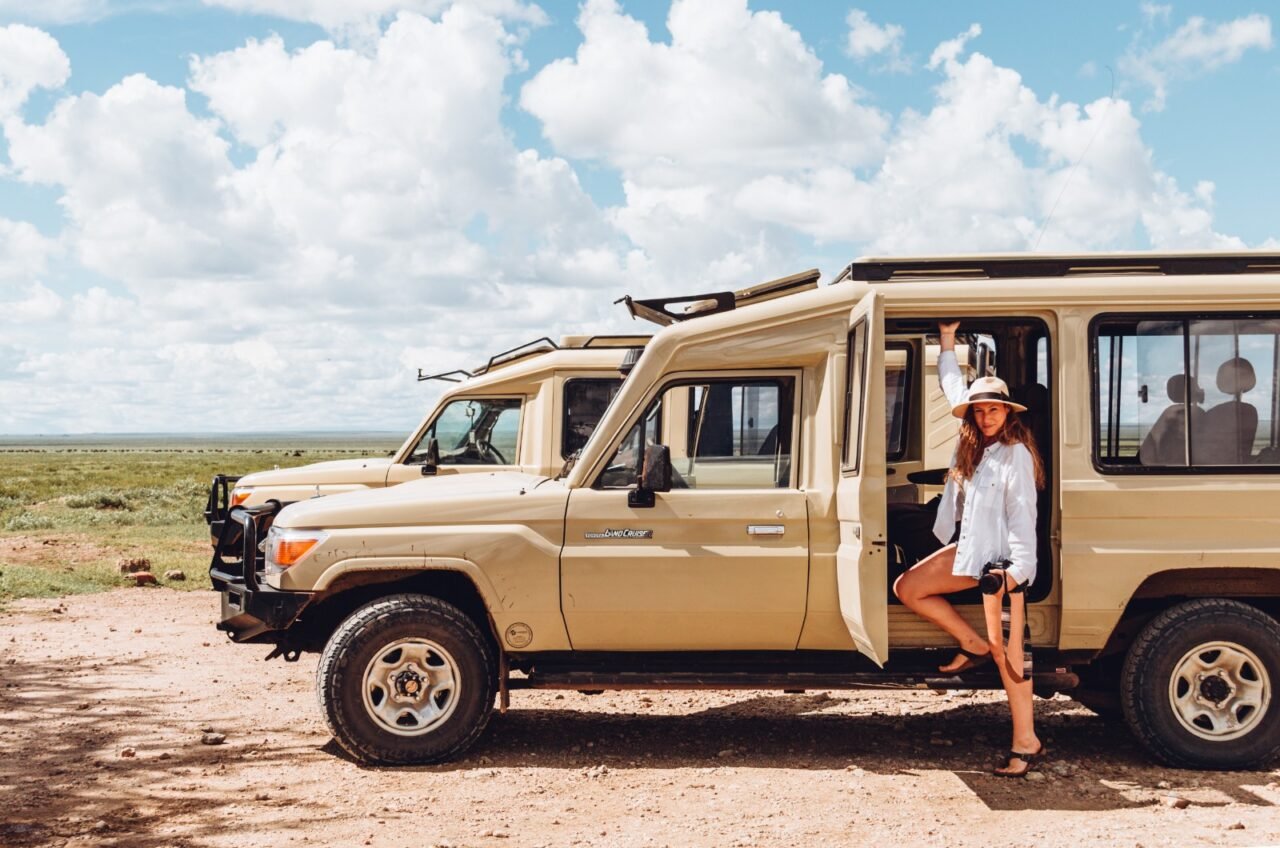
When you book a group joining safari for October 26, 2026, the vehicle itself serves as your primary interface with the Tanzanian wilderness. While operators frequently market their services with generic terms like “custom-built 4×4,” the physical configuration of these vehicles varies significantly, and these technical differences will directly dictate your ability to photograph and observe wildlife effectively during your two-day journey.
Before finalizing your reservation, it is worth asking your operator to clarify the specific build of the vehicle assigned to your group. The most critical features to confirm include:
- Roof Accessibility: The gold standard for game viewing is a pop-up roof, which allows passengers to stand and scan the horizon 360 degrees. Some budget-tier group operators may utilize closed-roof vehicles with standard sliding windows. While these are safer in inclement weather, they drastically limit your field of vision and make high-quality photography nearly impossible in the dense scrub of Tarangire.
- Seating Orientation: Vehicles are typically fitted with either forward-facing bucket seats or bench-style seating. Forward-facing seats generally offer better stability on the rough, corrugated tracks you will encounter between parks, whereas bench seating can feel significantly more cramped when the vehicle is at full passenger capacity. Because you will be spending hours in transit, the difference in legroom and structural support is substantial.
- Charging Infrastructure: While most safari vehicles are equipped with inverters, the number of available power points is often limited. In a shared group setting, you cannot assume you will have exclusive access to a charging port. Clarify if the vehicle has a multi-port USB hub or if you should bring your own high-capacity power bank to ensure your cameras and smartphones remain operational throughout the two-day trip.
- Window and Dust Management: Verify whether the windows are sliding or removable. In the arid, dusty conditions of late October in Tarangire, the ability to control airflow versus dust ingress is a constant balancing act. A vehicle with well-sealed, easy-to-operate windows allows you to maintain a clean environment for your gear while still allowing for quick wildlife spotting.
By treating the vehicle configuration as a specific line item in your planning—rather than an assumed standard—you manage your own expectations regarding comfort and photographic potential. If you discover that a specific operator uses vehicles that do not align with your viewing priorities, it is often better to seek an alternative before you are committed to the group, as changing your seating or vehicle once the safari has commenced is rarely an option.
The Overnight Transition: Navigating the Mid-Safari Stay
The bridge between your Day 1 exploration of Tarangire and the Day 2 descent into the Ngorongoro Crater is the overnight stay. This period is not merely a hotel check-in; it is a critical logistical pivot point that defines your readiness for the second day. Most 2-day group joining safaris utilize accommodation hubs in the Mto wa Mbu area or, more commonly, the town of Karatu. Understanding the dynamics of this overnight stay is essential, as it is where many travelers encounter the most significant environmental and logistical shifts of the entire trip.
The most profound change you will experience during this overnight transition is the rapid shift in altitude and temperature. Tarangire National Park sits at a lower elevation, characterized by arid, savannah conditions where daytime temperatures are consistently hot. As you travel toward the Ngorongoro Conservation Area, you are moving into the highlands. The town of Karatu and the Ngorongoro Crater rim sit at significantly higher elevations—often exceeding 2,000 meters. By the time you arrive at your accommodation in the evening, the air temperature will have dropped sharply compared to the heat of the Tarangire plains. Many travelers make the mistake of assuming the warm weather of the day persists through the night; however, the highlands can become genuinely cold, particularly in late October, as the evenings transition into the night. Your evening attire should account for this, as you will likely be moving from a vehicle environment to an open-air lodge or tented camp setting.
The logistical reality of the overnight stay is also highly compressed. Because the group must maximize daylight hours for game viewing, arrival at the lodge is often late in the afternoon or early evening, and departure the next morning is typically at dawn. This leaves a very narrow window for the accommodation staff to manage check-ins, dinner service, and morning breakfast preparations for a group of travelers arriving simultaneously. Do not expect a leisurely hotel experience. The evening meal is often a set menu designed to be served quickly to ensure everyone can retire early for the morning start. If you have specific dietary requirements, ensure these were communicated well in advance, as the kitchen staff in these remote locations often operate with limited inventory and cannot accommodate last-minute requests.
Furthermore, the overnight stay is the only time you will have reliable access to stationary power and, in some locations, stable Wi-Fi before the second day of the safari. This is your primary window to charge all camera batteries, power banks, and smartphones for the high-intensity photography session in the Ngorongoro Crater the following morning. Do not rely on the vehicle’s inverter for a full charge; use this evening to ensure every device is at 100%. If your accommodation uses solar power or a generator that shuts off at a specific hour, confirm this at check-in so you are not left with partially charged equipment when the power cuts out.
Finally, the transition to the overnight location is the moment where the “group” aspect of your safari is most visible. You will be sharing dining spaces and common areas with your vehicle mates. This is an excellent, informal time to calibrate expectations for the next day, such as confirming the departure time with your guide or discussing the early morning wake-up call. Because the schedule for Day 2 is rigid—often requiring you to be at the Loduare Gate as early as possible to secure a favorable position in the crater queue—the morning routine is not flexible. Respecting the collective timeline set by the operator is crucial; a delay in the morning by one or two group members can have a cascading effect on the entire day’s wildlife viewing potential.
Navigating the Financial Mechanics of Group Joining Safaris
While the broader logistics of your October 26, 2026, safari are often focused on the movement between parks and the wildlife you hope to see, a critical area of confusion for many participants is the financial structure of a group joining tour. Understanding how your costs are distributed helps manage expectations regarding the service level and inclusions. In a group joining model, the operator pools the costs of the vehicle, fuel, driver-guide, and park entry fees across the total number of confirmed passengers. This is fundamentally different from a private safari, where you absorb these overheads entirely.
Because you are booking a specific 2-day window, it is vital to understand that the “all-inclusive” price typically covers the high fixed costs of the Ngorongoro Crater entry fees. These fees are significantly higher than those for Tarangire National Park, and they are charged per vehicle and per person. When you see a price quote, a substantial portion is non-negotiable government revenue that the operator must pay to the Tanzania National Parks Authority (TANAPA) and the Ngorongoro Conservation Area Authority (NCAA). This explains why, even in a shared group setting, the price floor for a 2-day trip remains relatively high; the operator has very little flexibility to discount these mandatory regulatory fees.
Furthermore, be aware of what is often categorized as “excluded” in group joining packages. While your transport, guide, and accommodation are typically covered, items such as park entry fees for specific optional activities, tips for the lodge staff, and drinks beyond standard bottled water are frequently not included. On a 2-day trip, these “small” costs can add up. It is advisable to carry a reserve of Tanzanian Shillings or US Dollars (ensuring bills are dated 2009 or later, as older notes are often rejected by banks and businesses) to cover these incidentals. Attempting to pay for small expenses with a credit card at remote lodges or park gates is often impossible due to connectivity issues, and relying on the group leader to cover your costs is unfair to the logistical flow of the trip.
The Criticality of Pre-Trip Communication with Your Operator
The success of a 2-day group joining safari often hinges on the quality of communication you establish with your operator in the weeks leading up to your October 26 departure. Because this is a high-speed, high-turnover itinerary, your operator is managing a complex schedule of incoming and outgoing guests. They are not merely booking a vehicle; they are orchestrating a multi-leg transport chain. Providing your operator with precise arrival details—such as your flight number, hotel name, and local contact number in Arusha—is not just helpful; it is essential for the smooth execution of the pickup process.
Many travelers make the mistake of assuming that the operator has “automatic” access to their travel itinerary. In reality, the logistics team often operates separately from the sales team. If you have changed your hotel or arrival time, you must proactively update the operator. A failure to communicate a change in your pickup location can result in the vehicle leaving without you, or a significant delay that forces the guide to cut your time in Tarangire to compensate for the lost hours. In the context of a 2-day trip, losing two hours at the start of Day 1 is a permanent loss of wildlife viewing time that cannot be recovered.
Additionally, use this pre-trip window to clarify the “Group Size” expectations. While you may have booked a group joining tour, there is a massive difference between a vehicle with four passengers and one with seven or eight. While operators will rarely “guarantee” a specific group size unless you pay for a private upgrade, asking about the projected group size for your specific date can help you calibrate your expectations regarding legroom, window access, and the overall pace of the trip. If the operator mentions that the vehicle is fully booked to its maximum capacity, prepare yourself for a tighter, more intimate experience where patience and cooperation with your fellow travelers will be the primary determinants of your enjoyment.
Navigating the Specificity of Vehicle Maintenance and Breakdown Protocols
While most travelers focus on the wildlife and the scenery, the reality of a 2-day group joining safari includes the mechanical vulnerability of the vehicles used. On the rugged, dusty, and often corrugated roads between Arusha, Tarangire, and the Ngorongoro Conservation Area, vehicle strain is significant. When you are part of a group joining safari, you are reliant on a single vehicle’s mechanical health. Unlike a private tour where a backup vehicle might be more readily available or the operator has more flexibility to swap cars, a group joining tour often operates on a tighter margin of resources.
It is prudent to understand how your operator handles mechanical delays. In the context of a short 2-day trip, a breakdown that lasts three or four hours can effectively ruin 25% or more of your total game-viewing time. Ask your operator during the booking phase: What is the contingency plan if the vehicle suffers a mechanical failure? A reputable operator will have a network of partner vehicles in the area or a rapid-response mechanic team stationed in Arusha or Karatu. While they cannot guarantee immunity from mechanical issues, knowing that they have a protocol—such as a backup vehicle that can intercept your group—provides peace of mind.
Furthermore, observe the vehicle’s condition during your initial pickup. While you are not a mechanic, signs of neglect—such as bald tires, excessive smoke from the exhaust, or a dashboard lit up with warning lights—are red flags. A vehicle that is poorly maintained is more likely to suffer a breakdown on the remote stretches of road leading to the Ngorongoro Crater, where support is harder to reach. If you notice persistent mechanical issues on Day 1, raise them with your guide immediately. It is better to address a concern while you are still near the main road or in Tarangire than when you are deep within the Ngorongoro Conservation Area, where the logistics of rescue become exponentially more complex.
The Psychology of the ‘Group Joining’ Pace
A 2-day safari is not a leisurely experience; it is a high-intensity, time-compressed immersion. The psychological aspect of this, particularly for a group of strangers, is often underestimated. You will be moving from a state of anticipation to high-alert observation, then to the fatigue of a long driving day, and finally to the early-morning start required for the Ngorongoro crater descent. This rhythm can create friction if expectations are not aligned.
For example, some participants may want to spend an hour watching a single pride of lions, while others may be eager to move on to find elephants or zebras. In a group joining setting, the guide will generally make the final call, but they are balancing the collective “wish list.” The most successful travelers in these environments are those who practice flexibility. If you have a specific “must-see” animal, communicate it early, but accept that the group’s collective experience takes precedence. If the group is generally happy with a specific sighting, pushing to leave early to “find something else” can create social tension within the vehicle. Recognize that the 2-day duration is designed to hit the highlights, not to deep-look at specific animal behaviors, and adjusting your mindset to appreciate the “luck of the draw” regarding what you see will significantly improve your overall satisfaction.
The Physicality of the 2-Day Grind: Managing Fatigue and Recovery
While the administrative and logistical hurdles of an October 26, 2026, safari are often the primary focus of pre-trip planning, the physical toll of a compressed 2-day itinerary is frequently underestimated. You are not merely observing wildlife; you are subjecting your body to a high-intensity, multi-environment transition that begins with the arid heat of Tarangire and ends with the high-altitude, dust-heavy environment of the Ngorongoro Crater. For many travelers, the “safari hangover”—a combination of physical exhaustion, dehydration, and the lingering effects of road vibration—is a reality that sets in the moment the vehicle engine cuts out in Arusha.
The primary physical stressor on this itinerary is the suspension and road surface. Tanzanian roads, particularly those connecting the parks to the main highways, are often corrugated. Over the course of two days, your body absorbs significant micro-vibrations from the 4×4 vehicle. This is not a smooth highway commute; it is a repetitive, jarring motion that can leave you feeling surprisingly drained by the end of the second day. To mitigate this, prioritize hydration that includes electrolytes, not just plain water, especially as October temperatures in the Tarangire basin can be intense. The dry heat accelerates water loss, and the excitement of wildlife viewing often causes travelers to ignore thirst signals until they are already experiencing fatigue or mild headaches.
Furthermore, the transition from the “safari bubble” back to urban life requires a deliberate recovery protocol. Upon returning to your accommodation in Arusha, the most effective strategy is to treat your arrival as a hygiene reset. The fine, powdery dust of the dry season will have permeated your clothing, hair, and skin. Do not delay your shower or attempt to repack your gear before cleaning up. A thorough rinse is not just about comfort; it is about removing the particulate matter that can irritate skin and airways overnight. If your onward travel involves a flight the following morning, use the evening hours to organize your luggage while you are still fresh, rather than leaving it until the morning of your departure when fatigue may impair your judgment regarding flight regulations or weight limits.
Finally, recognize that the “high” of the safari experience often masks physical exhaustion. Adrenaline keeps you alert during the game drives, but as soon as the vehicle hits the paved roads back to Arusha, that adrenaline dissipates. Plan for a “low-energy” evening on October 27th, the day after your safari concludes. Avoid booking late-night activities or early-morning departures if possible. Giving your body a 12-hour buffer to recover from the physical rigors of the 2-day circuit will ensure that your onward journey is marked by clarity and comfort rather than the lingering lethargy of an overly ambitious travel schedule.
Managing Security and Personal Belongings in a Shared Vehicle Environment
One of the most frequently overlooked aspects of a group joining safari is the security of your personal belongings while the vehicle is stationary. Unlike a private safari where your vehicle is essentially a locked, private locker for your gear, a group joining safari involves sharing space with strangers. When you step out of the vehicle for a game walk, a picnic lunch, or even to stretch your legs at a viewpoint within the Ngorongoro Conservation Area, your belongings often remain inside the 4×4. While theft is statistically rare within the reputable operator networks, the sheer volume of people passing by or the open-air design of the safari vehicles creates a vulnerability that requires proactive management.
To mitigate risk, adopt a strategy of keeping your most critical valuables—passports, cameras, and cash—on your person at all times, ideally in a secure, cross-body daypack that you can carry with you whenever you exit the vehicle. Do not leave expensive electronics or documents loose on the seats or in pockets of the vehicle where they might be visible to passersby during stops in high-traffic areas like the Loduare Gate or park picnic sites. Treat the vehicle as a shared public space rather than a private hotel room; while the driver is technically responsible for the vehicle, their attention is often divided between managing the group, coordinating with other guides, and handling park paperwork.
Finally, communicate clearly with your group and your guide regarding the security of the vehicle when everyone is out. It is a standard, yet often unspoken, expectation that the driver will lock the vehicle or remain within sight of it, but confirming this with your guide at the start of Day 1 sets a clear boundary. If you are traveling with significant camera equipment, ensure you have a dedicated, padded bag that can be tucked securely beneath your seat or in a designated storage compartment, rather than leaving it exposed on the seat where it is susceptible to both theft and the pervasive dust of the Tanzanian dry season.
Related Guides and Packages
Check Availability for Oct 26, – 2 Day Tarangire And Ngorongoro Group Joining Safari 2026
Ready to compare dates, prices, and the best option for your group? Send the package name and travel month so the team can reply with a clear quote, availability, and what is included.

Nov 4, – 2 Day Tarangire And Ngorongoro Group Safari From Arusha 2026
A detailed guide to the November 4, 2026, group joining safari, covering Tarangire National Park and the Ngorongoro Crater, with logistics for travelers starting from Arusha.
View package detailsOct 28, – 3 Day Tarangire, Lake Manyara And Ngorongoro Group Safari 2026
A detailed guide to our 3-day group joining safari departing October 28, 2026. Explore the logistics, wildlife highlights, and why this specific route is ideal for travelers looking to...
View package detailsNov 8, – 3 Day Tarangire, Lake Manyara And Ngorongoro Group Safari 2026
Planning for a 3-day group safari in Tanzania? Our November 8, 2026, departure offers a structured, cost-effective way to explore Tarangire, Lake Manyara, and the Ngorongoro Crater.
View package details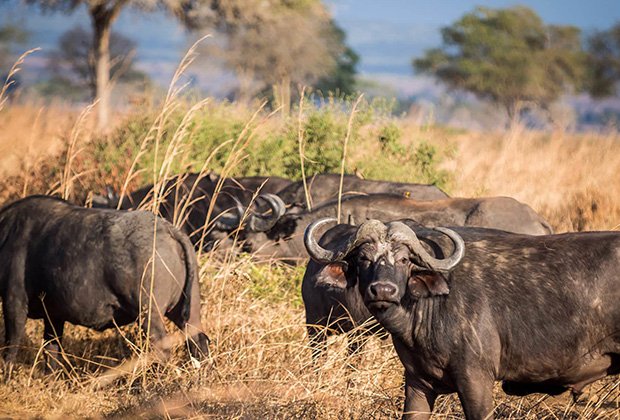
Nov 10, – 4 Day Serengeti, Ngorongoro And Tarangire Group Safari 2026
Join our group safari on November 10, 2026, for an intensive 4-day tour of Tanzania's Northern Circuit. Perfect for those with limited time who want to experience the best of the Serengeti...
View package details
Oct 31, – 6 Day Serengeti, Ngorongoro, Tarangire And Manyara Group Safari 2026
A detailed look at the 6-day Northern Circuit group safari departing October 31, 2026, covering Tarangire, Manyara, Serengeti, and Ngorongoro Crater.
View package detailsOct 29, – 4 Day Tarangire, Serengeti And Ngorongoro Group Safari 2026
Plan your October 2026 Tanzania adventure. This 4-day group safari covers Tarangire, Serengeti, and Ngorongoro Crater with reliable local support.
View package details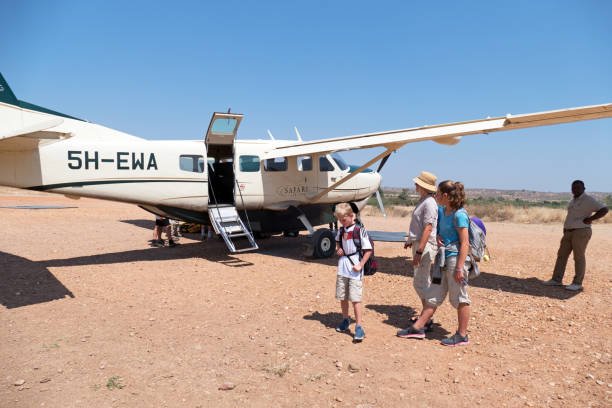
2-Day Tarangire & Ngorongoro Safari From Zanzibar: Flight Package Cost 2026
A detailed guide on the logistics, cost factors, and itinerary realities for a 2-day fly-in safari from Zanzibar to Tarangire National Park and the Ngorongoro Crater.
View package detailsNov 18, – 7 Day Serengeti And Ngorongoro Group Joining Safari 2026
A detailed guide to the 7-day group joining safari departing November 18, 2026, covering Serengeti, Ngorongoro, and the logistical advantages of shared travel.
View package detailsOct 25, – 1 Day Ngorongoro Crater Group Safari From Moshi 2026
A detailed guide to organizing a one-day group safari to the Ngorongoro Crater starting from Moshi, specifically focusing on the logistics for October 25, 2026.
View package details
3-Day Serengeti & Ngorongoro Safari From Zanzibar By Flight 2027
3-Day Serengeti & Ngorongoro Safari From Zanzibar by Flight is explained with current 2027 planning, price, itinerary and booking information.
View package details
Zanzibar To Tarangire Safari By Flight: Prices & Travel Options 2026-2027
A detailed breakdown of the logistics, flight connections, and road transfers required to travel from Zanzibar to Tarangire National Park for a safari.
View package detailsFly-In Safari To Ngorongoro And Serengeti: Flights & Transfer Costs 2026-2027
Discover the logistics and cost breakdown for a fly-in safari to Ngorongoro and the Serengeti, including airstrip transfers, baggage limits, and vehicle positioning.
View package detailsNo related package matches those filters. Clear one or more filters to see the other topic-matched options.



