
A 1 Day Ngorongoro Crater Group Safari from Moshi is an intensive, high-reward day trip that requires a very early start—typically departing Moshi around 4:30 AM or 5:00 AM—to cover the roughly 3.5 to 4-hour drive to the Loduare Gate. For the specific date of October 25, 2026, joining a group is the most efficient way to manage costs, as it allows you to share the expense of the 4×4 safari vehicle, fuel, and park entry fees with other travelers, making a single-day visit to this UNESCO World Heritage site logistically feasible and budget-friendly.
The Ngorongoro Crater is often described as the ‘Eighth Wonder of the World,’ and for good reason. It is a self-contained ecosystem, a massive volcanic caldera that acts as a natural enclosure for thousands of animals. When you choose a 1-day group safari from Moshi, you are essentially compressing a massive experience into a single, high-impact day. Because Moshi is located at the base of Mount Kilimanjaro, it is geographically separated from the Ngorongoro Conservation Area, necessitating a long transit time. Understanding this transit is the first step in planning a successful trip.
Logistics of the Moshi to Ngorongoro Drive
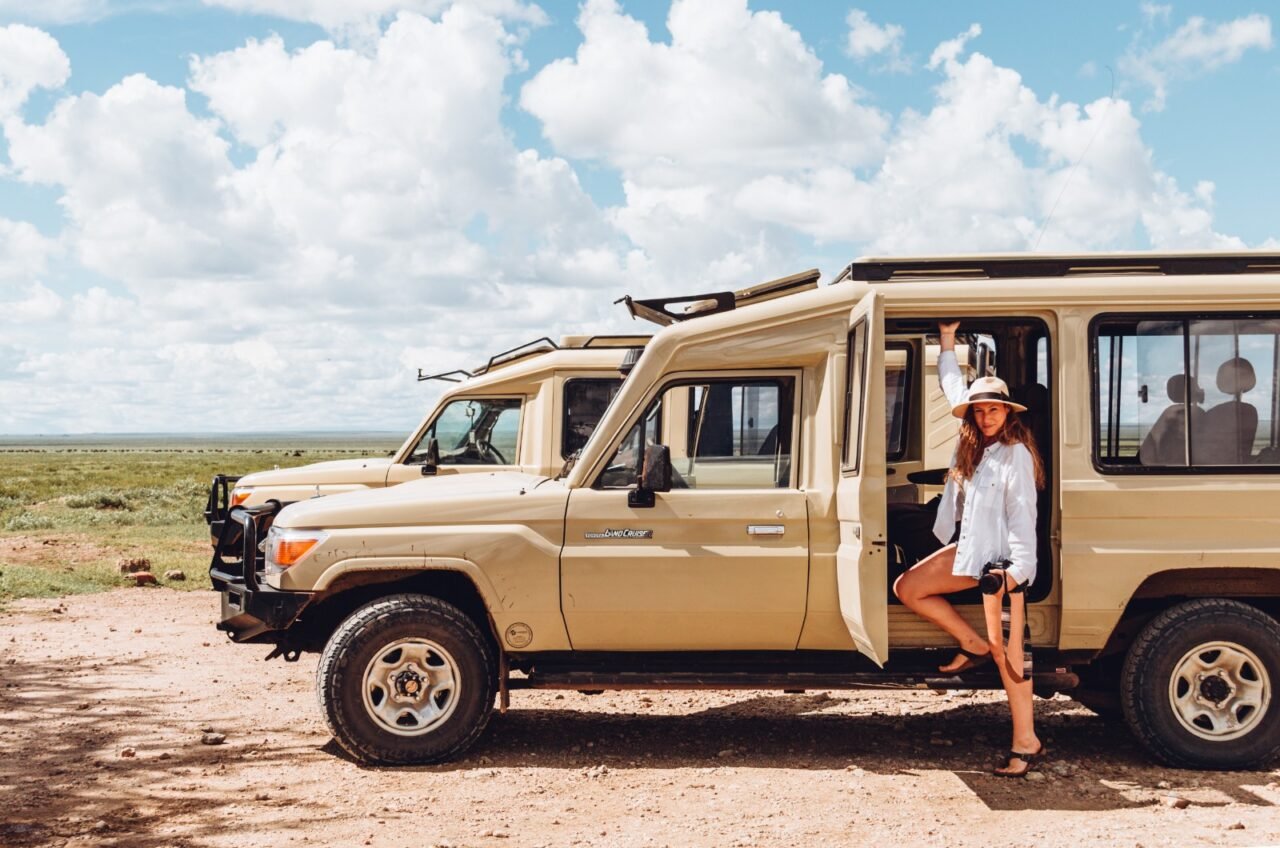
The journey from Moshi to the Loduare Gate (the main entrance to the Ngorongoro Conservation Area) is not a short hop. It is a drive of approximately 180 to 200 kilometers, depending on traffic through Arusha and the road conditions. In a group setting, you are likely traveling in a customized 4×4 Land Cruiser with a pop-up roof.
Why does the departure time matter so much? The crater floor has strict entry and exit regulations. You want to be at the gate as early as possible to maximize your time inside the caldera. By departing Moshi at 5:00 AM, you arrive at the gate around 8:30 AM or 9:00 AM, leaving you with roughly 5 to 6 hours of game viewing before you must begin the drive back. This is tight, but for travelers with limited time who are already based in Moshi—perhaps after a Kilimanjaro climb or before a flight—it is the only way to see the Crater without spending days on the road.
We strongly recommend coordinating your pickup details with our local team at WhatsApp +255 747 477 898 well in advance. Since this is a group departure, the vehicle will have specific pickup points in Moshi. Being ready at the designated time ensures the entire group stays on schedule, which is critical for maximizing your wildlife viewing hours.
What to Expect on October 25, 2026
October is a transitional month in Northern Tanzania. You are approaching the end of the long dry season, and the ‘short rains’ are often just beginning to threaten the horizon. From a wildlife perspective, this is a fantastic time to visit.
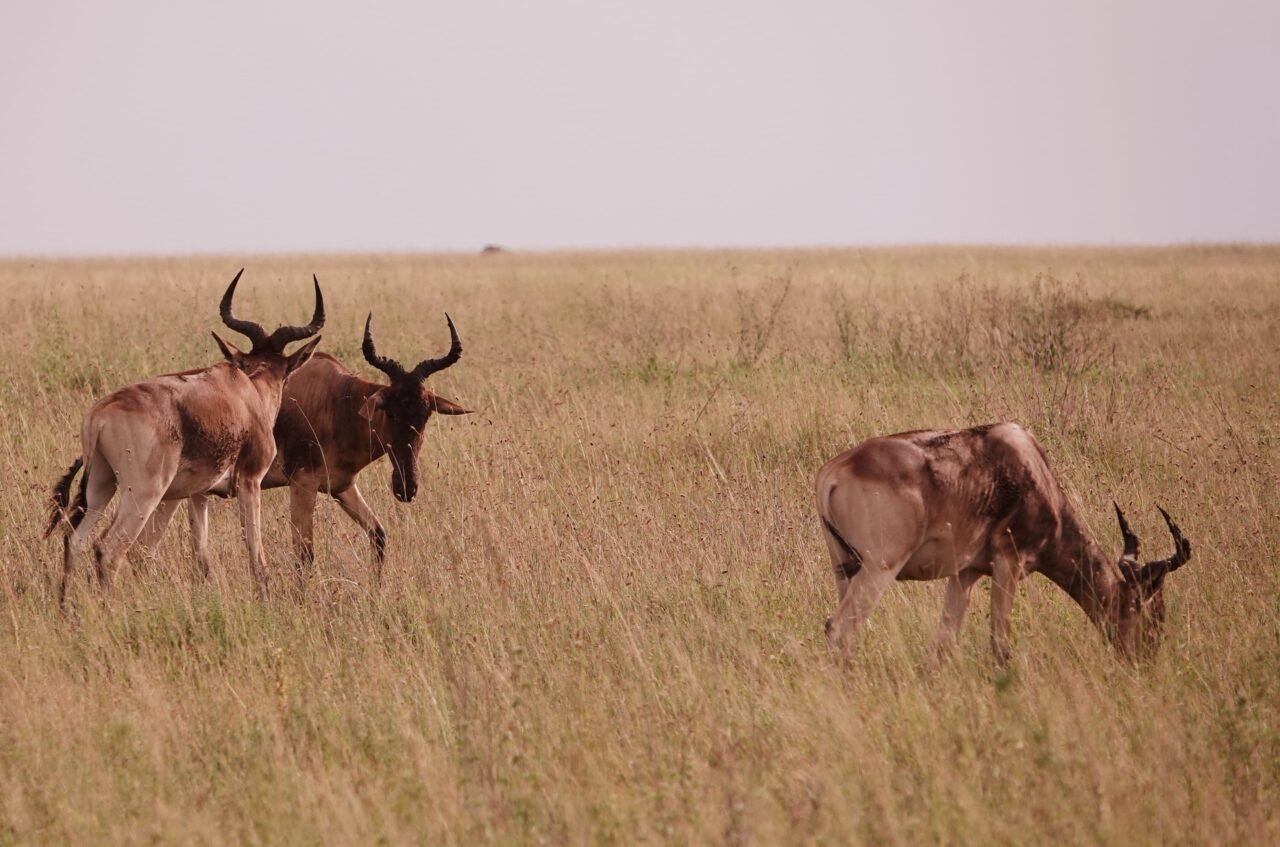
The vegetation is generally sparse, which makes spotting animals easier. Predators like lions, hyenas, and leopards are often found near the remaining water sources in the crater. Because the water holes are drying up, the animal concentration is very high. You aren’t searching for wildlife; you are observing it in high density. The temperature on the crater floor can be quite cool in the early morning, especially at the rim (which sits at over 2,000 meters), but it warms up significantly by midday. Dressing in layers is essential for your comfort.
If you are looking for broader context on how these group departures function, you can review our shared Tanzania safari tours to understand the standard of our shared experiences.
The Group Safari Experience
Joining a group for a 1-day Ngorongoro safari offers distinct advantages beyond just cost-sharing. You are traveling with like-minded individuals, and the energy in the vehicle is often part of the fun. Our guides are experienced in managing the dynamics of a shared vehicle, ensuring that everyone gets a fair chance to view the wildlife from the pop-up roof.
When you book a spot on a group departure, you are opting for a pre-planned route. The vehicle will typically drive directly to the crater floor, spend the day navigating the circuits—the Lerai Forest, the Ngoitokitok Springs, and the central plains—and then exit in the late afternoon. Lunch is usually a picnic style, enjoyed at a designated site like the hippo pool, where you can watch the animals while you eat. It is a structured, efficient way to see the park.
However, the trade-off is flexibility. In a private safari, you can choose to stay longer at a specific sighting. In a group, the guide must manage the time for everyone. We find this works perfectly for a 1-day trip, as the day is already packed with logistics.
Inclusions and Planning Checklist
When you book your seat for October 25, 2026, it is vital to know exactly what is included so you can prepare your budget. Generally, a comprehensive group safari package with Climb 4 Africa includes:
- Transport: 4×4 safari vehicle with a professional driver-guide.
- Fees: Ngorongoro Crater entry fees and conservation fees (which are significant).
- Meals: A packed lunch and bottled drinking water.
- Logistics: Pick-up and drop-off in Moshi.
What is typically not included, and what you should budget for, includes:
- Tips: It is standard practice to tip your driver-guide at the end of the day.
- Personal items: Any extra snacks, camera batteries, or specialized gear you might want.
- Travel Insurance: Always ensure you have comprehensive coverage for your travels in Tanzania.
If you are still finalizing your travel dates, you might want to look at other options in our October 2026 group joining departures to see if a different duration or park combination better suits your schedule.
Booking Your Spot for October 2026
Because October 25, 2026, is a specific date, we advise reaching out to us well in advance. Group sizes are limited to ensure everyone has a comfortable seat and a clear view. To secure your place, you should send an inquiry to climb4africa@gmail.com or our secondary contact at info@climb-4-africa.com.
When you reach out, please provide the following details so we can expedite your booking:
- The exact number of people in your party.
- Your accommodation details in Moshi (for pickup planning).
- Any dietary restrictions for the packed lunch.
- Whether you have already secured your Tanzania visa or need guidance on that process.
We do not use an automated system that confirms bookings instantly because we prioritize the quality of the group and the logistics of the transport. Once you contact us, we will confirm the availability for that specific date and guide you through the reservation process. We take pride in our local support; if you have questions about whether this 1-day trip is right for you, or if you should consider a longer 2-day or 3-day itinerary, just ask. Sometimes, travelers realize that a 1-day trip is too rushed and prefer to add a night in Karatu to break up the travel.
Frequently Asked Questions
Is the 1-day safari too much driving?
It is undeniably a long day. You will spend about 7 to 8 hours total in the vehicle for the round trip, plus the time spent inside the crater. However, for many travelers, the opportunity to see the Ngorongoro Crater—even for a few hours—is worth the road time. If you have the flexibility, adding an extra day to stay in Karatu makes the experience much more relaxed.
What happens if it rains in October?
October marks the transition to the short rains. If it rains, it is usually in short, heavy bursts rather than all-day downpours. The crater floor remains accessible, and the rain actually makes the scenery greener and the dust settle. Your driver-guide is experienced in navigating these conditions.
Can I join a group if I am a solo traveler?
Yes, that is the primary purpose of our group joining safaris. You will be paired with other travelers to share the vehicle costs. It is a cost-effective and social way to experience the crater.
What gear should I bring for the crater?
Bring a good pair of binoculars, a camera with a decent zoom lens, sunscreen, a hat, and a light jacket for the early morning cold. Even if the day gets hot, the crater rim is at a high altitude and can be chilly before the sun fully rises.
Planning a trip to Tanzania requires attention to detail, especially when coordinating logistics from a base like Moshi. By choosing a group departure for your 1-day Ngorongoro Crater visit, you are opting for a balanced, practical, and exciting way to witness one of the world’s most incredible wildlife habitats. We look forward to helping you make the most of your October 2026 travels.
Navigating the Crater Floor: A Wildlife Immersion
Once your vehicle descends the steep, winding road from the crater rim to the caldera floor—a drop of roughly 600 meters—the environment shifts dramatically. You are entering a self-contained ecosystem that serves as a massive natural bowl for wildlife. Understanding how to navigate this space during your limited time on October 25, 2026, is essential for a high-quality experience. The floor itself is a mosaic of different habitats, and your driver-guide will likely move between them to maximize your chances of spotting the diverse array of species that call this UNESCO World Heritage site home.
The Descent and Initial Orientation
The journey down into the crater is an experience in itself. As you descend through the mist-shrouded forests of the rim, the air temperature rises, and the vegetation thins out to reveal the open grasslands of the crater floor. This transition takes about 20 to 30 minutes, depending on traffic. Once on the floor, the landscape opens up into a vast, flat expanse. Your guide will typically begin by scanning the horizon. In late October, the grass is generally short, which is a significant advantage for spotting smaller mammals or camouflaged predators like lions or cheetahs that might otherwise be hidden.
Understanding the Micro-Habitats
The Ngorongoro Crater is not a uniform plain; it contains distinct micro-habitats that support different animal behaviors. The Lerai Forest, located on the crater floor, is a yellow-barked acacia forest that is often a prime spot for elephants, particularly the large ‘tuskers’ that the crater is famous for. If your guide steers the vehicle toward the forest, keep your camera ready for these giants. Conversely, the central salt lake, Lake Magadi, is a magnet for flamingos and other water birds. In October, as water sources elsewhere in the crater begin to dry up, the lake becomes a focal point for herbivores, making it an excellent place to observe the interaction between prey species and the predators that stalk them.
The Picnic Lunch Tradition
A hallmark of the 1-day Ngorongoro experience is the midday break. Because you are on a strict schedule to maximize game viewing, you will not leave the park for lunch. Instead, you will head to a designated picnic site, most commonly the Ngoitokitok Springs. This area is situated near a swampy marsh where hippos are almost always present. Eating your lunch here is a unique experience—you are literally surrounded by the sights and sounds of the wild. However, it is important to exercise caution. The area is home to opportunistic birds, such as kites and eagles, that are well-accustomed to human presence and will not hesitate to swoop down for food. Always keep your lunch secure and follow your guide’s instructions regarding where you can and cannot walk.
Wildlife Viewing Etiquette and Park Regulations
The Ngorongoro Conservation Area Authority enforces strict rules to protect both the wildlife and the visitors. Understanding these before you arrive ensures you have the best possible day. First and foremost, you must remain inside the vehicle at all times, except at designated picnic sites or restrooms. Off-roading is strictly prohibited; the vehicles must stick to the established tracks to prevent soil erosion and habitat destruction. While it can be tempting to ask your driver to move closer to a lion or a rhino, remember that the guides are trained to read animal behavior. If a guide maintains a distance, it is for the safety of the group and the animal. Respecting these boundaries allows the wildlife to behave naturally, which provides a much more authentic and rewarding viewing experience than trying to force a close encounter.
Finally, keep in mind that the crater floor is a shared space. During the peak hours of the day, you may encounter other safari vehicles near major sightings. Patience is key. If a group of vehicles has already gathered around a specific animal, your driver may choose to wait for a turn or move to a quieter part of the crater. This strategic approach often results in better, less crowded sightings, allowing you to enjoy the majesty of the crater without the feeling of being in a traffic jam.
Wildlife Dynamics in Late October
Visiting the Ngorongoro Crater on October 25th places you at the very end of the long dry season. This timing is significant for wildlife viewing because it dictates the movement and concentration of animals. Unlike the wet season, when wildlife disperses across the vast plains of the Serengeti and the surrounding conservation area, the crater floor acts as a reliable, year-round sanctuary. However, in late October, the ecosystem is under stress due to the lack of rainfall, which actually works to the advantage of the safari-goer.
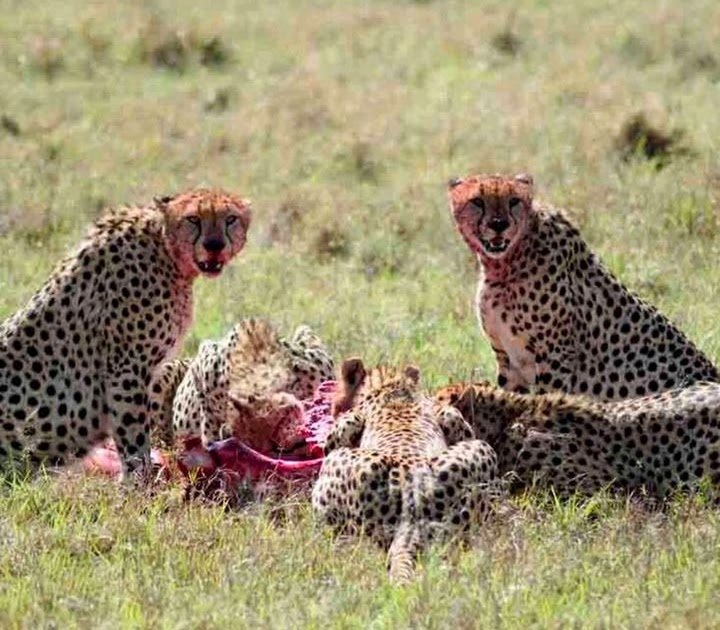
The primary phenomenon you will observe is the ‘concentration effect.’ As smaller watering holes outside the crater dry up and the grass on the crater floor becomes shorter and sparser, animals are forced to congregate around the few remaining permanent water sources. The most prominent of these is Lake Magadi, the soda lake at the center of the caldera. During your visit, you can expect to see high densities of wildebeest, zebra, and gazelle lining the shores of the lake. This concentration is a magnet for predators. Lions, which are frequently spotted in the crater, often patrol the periphery of these grazing herds, waiting for opportunities. Because the vegetation is thinned out by the dry weather, spotting a pride of lions or a solitary hyena becomes significantly easier than it would be during the lush, overgrown months of the year.
The Search for the Black Rhino
The Ngorongoro Crater is one of the few places in East Africa where the critically endangered Black Rhino can be reliably spotted. October is arguably the best month to search for them. Rhinos are browsers, not grazers, and they prefer dense bush; however, during the dry season, they are often pushed into more open areas to access specific types of vegetation or to reach water. Because the tall grass that usually hides them is withered and low, their grey, bulky silhouettes stand out against the landscape. While no sighting can ever be guaranteed, your driver-guide will likely focus on the areas near the Lerai Forest or the open scrublands where rhinos are known to forage during the dry season. If you are keen on spotting this elusive animal, October offers a higher probability of success compared to the months immediately following the rains.
Health and Physical Considerations for a High-Altitude Day Trip
A 1-day safari from Moshi to Ngorongoro is a physically demanding endeavor that involves a significant change in elevation. Moshi sits at approximately 800 meters (2,600 feet) above sea level, while the Ngorongoro Crater rim reaches an elevation of over 2,300 meters (7,500 feet). This rapid ascent, combined with the long hours spent inside a 4×4 vehicle, requires careful attention to your physical well-being to ensure you remain alert and comfortable throughout the day.
Managing Elevation and Motion Sickness
The most common physical challenge on this trip is the altitude change. While 2,300 meters is not high enough to cause severe altitude sickness for most people, it is sufficient to cause mild headaches, fatigue, or shortness of breath, especially if you have arrived in Moshi from a low-lying area only a day or two prior. To mitigate this, hydration is critical. The air in the crater is dry, and the sun at this altitude is intense. Drink significantly more water than you think you need, even if you do not feel thirsty. Avoid excessive caffeine in the early morning, as it acts as a diuretic and can exacerbate dehydration.
Furthermore, the descent from the crater rim to the floor involves a winding, steep road that can be jarring. If you are prone to motion sickness, take preventative measures before leaving Moshi. Do not wait until you are already on the descent to address nausea. Sit in the front seat if the group configuration allows, or choose a seat that provides a clear view of the horizon rather than looking down at the ground or focusing on a camera screen. The bumpy nature of the crater floor tracks, combined with the winding access road, can make even the most seasoned traveler feel off-balance. Maintaining a stable posture and avoiding reading or using your phone while the vehicle is in motion can help keep your equilibrium intact.
The Fatigue Factor of the ‘Safari Spine’
Spending 6 to 8 hours in a 4×4 vehicle is a test of endurance. Safari vehicles are designed for visibility and durability, not necessarily ergonomic comfort. The suspension is firm to handle rough terrain, and the seats are upright. To protect your back and neck during the long drive, consider bringing a small travel pillow or a lumbar support cushion. During game drives, you will frequently stand up through the pop-up roof to get a better view. While this is the best way to see the wildlife, it can be tiring for your legs. Alternate between sitting and standing, and take advantage of the designated picnic stops to stretch your legs, walk around the immediate vicinity of the picnic site, and perform some light stretching. This will help maintain circulation and keep your energy levels up for the return drive to Moshi.
Navigating Group Dynamics and Photography Etiquette
When you start a 1-day group safari from Moshi to the Ngorongoro Crater, you are entering a shared space that requires a delicate balance between individual ambition and group cohesion. Because the vehicle is your home for the entire 12 to 14-hour day, understanding how to manage your footprint, your gear, and your expectations is essential for a successful experience. A 4×4 Land Cruiser typically seats between five and seven passengers, and while the vehicle is designed for game viewing, it is not a private photography platform.
The most common point of friction on group safaris is the seating arrangement. To ensure fairness, most reputable operators implement a rotation system. If you start the morning in the back, you will likely move forward after the picnic lunch or at designated stops. It is important to clarify this policy with your driver-guide before departing Moshi. Do not assume you will have a window seat for the entire duration. If you find yourself in a middle seat, recognize that you still have a 360-degree view through the pop-up roof; the middle position often offers better stability when standing, as you can lean against the seat backs for support while tracking a moving animal.
Regarding photography, your equipment choice matters significantly. Large, bulky tripods are generally impractical and discouraged in a shared vehicle. They take up valuable floor space, create trip hazards, and are difficult to set up when the vehicle is moving or when other passengers are shifting positions. Instead, consider using a beanbag or a specialized car-window mount. A beanbag can be draped over the roof hatch frame or the window edge, providing a stable, vibration-dampening rest for your camera lens without encroaching on your neighbor’s space. If you are using a telephoto lens, be mindful of the ‘elbow room’—a long lens protruding into the aisle or across a neighbor’s field of vision can cause frustration. Keep your gear organized in a small, soft-sided bag that fits easily under your seat or at your feet.
The pop-up roof is a shared resource, not an exclusive perch. When a significant sighting occurs—such as a lion pride or a rhino—the roof hatch will become crowded. Establish a ‘one-in, one-out’ or ‘take turns’ etiquette early in the day. If you have captured your shot, step down to allow another passenger the same opportunity. This mutual respect prevents the tension that can arise when one person monopolizes the best viewing angle. Similarly, communicate clearly with your driver-guide. If you are unable to see a specific animal due to the angle of the vehicle, politely inform the driver. They are trained to reposition the vehicle, but they often prioritize the collective view; if everyone in the group is looking at a leopard, and you are looking at a zebra, you may need to wait for the group to finish their viewing before asking to reposition.
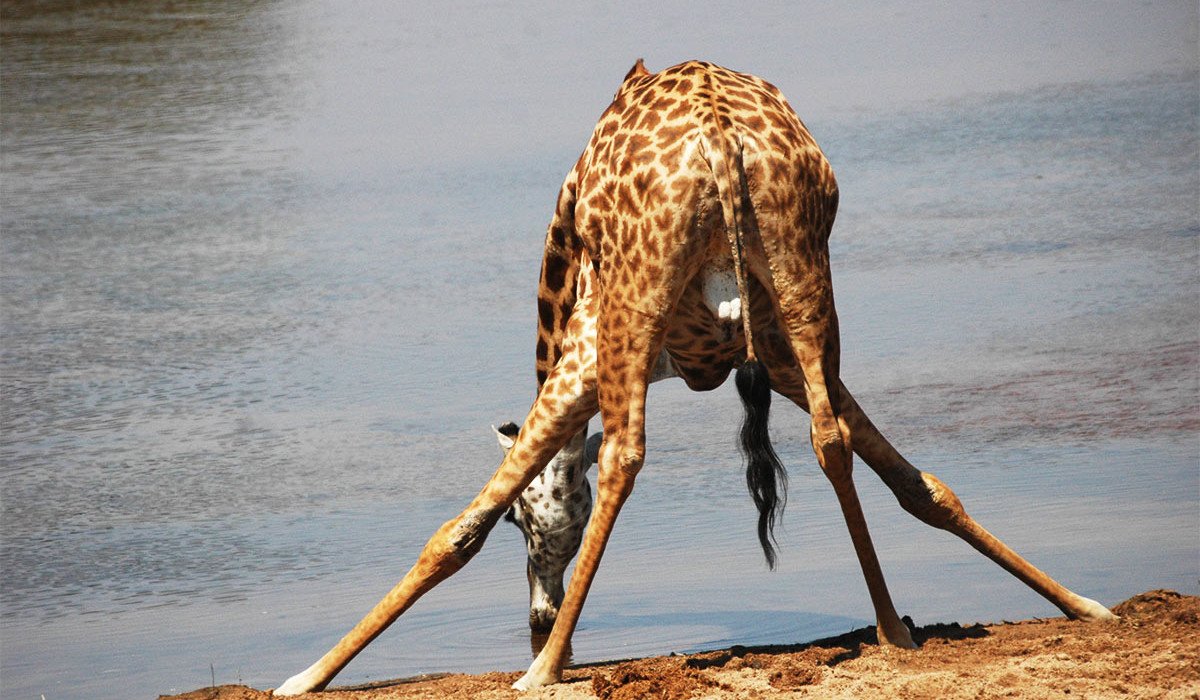
Finally, recognize that the time constraints of a 1-day trip mean the vehicle cannot stop for every single animal. If you are in a group, you must accept that the group’s interests may differ from your own. You might want to spend 20 minutes photographing a giraffe, while others want to move on to find the black rhino. Respect the driver’s decision to keep the vehicle moving; they are managing the schedule to ensure you exit the crater before the gate closes, a critical logistical requirement for a day trip starting from Moshi. By adopting a mindset of flexibility and shared purpose, you transform a potentially stressful transit into a collaborative wildlife adventure.
The Ascent and Exiting the Crater: Timing the Departure
While the descent into the Ngorongoro Crater is filled with anticipation and the thrill of discovery, the ascent back to the rim marks the conclusion of your safari day. Timing this final leg is perhaps the most critical logistical task your driver-guide faces. Because you are on a strict 1-day itinerary, you cannot linger on the caldera floor until sunset. The gates of the Ngorongoro Conservation Area, specifically the Loduare Gate, operate on a schedule that necessitates being clear of the park boundaries by evening.
The drive from the crater floor back to the rim takes approximately 45 to 60 minutes, depending on the specific exit route and the condition of the road. Unlike the descent, which is often done in the cool, crisp air of the morning, the ascent occurs during the late afternoon. This is a time when the light begins to change, often casting long, dramatic shadows across the caldera walls. It is your final opportunity to scan the steep, forested slopes for wildlife you might have missed earlier, such as Sykes’ monkeys or, occasionally, a leopard moving through the canopy.
Navigating the Exit Logistics
The exit process is not merely about driving out; it involves mandatory check-out procedures. Your driver-guide must stop at the exit gate to log the vehicle’s departure and ensure all park fees have been accounted for. During peak season or busy days, there can be a queue of vehicles at the gate. A seasoned guide will anticipate this bottleneck and aim to reach the ascent road slightly ahead of the final cut-off time to avoid being caught in a line of traffic. This is why, even if you are in the middle of a fantastic wildlife sighting, your guide may insist on packing up and heading toward the exit ramp.
Once you reach the crater rim, you are technically exiting the caldera, but the journey to Moshi is far from over. The drive from the rim back to the main gate and eventually onto the main highway toward Arusha and Moshi involves a significant transition. You will notice the temperature drop as you climb out of the crater, and the landscape shifts from the acacia-dotted plains of the floor to the lush, high-altitude montane forest of the rim.
The Transition Back to Moshi
The final stretch of the journey—the drive from the Ngorongoro Conservation Area back to Moshi—is often a quiet time in the vehicle. The adrenaline of the morning has usually faded, replaced by the fatigue of a long day. This return trip typically takes another 3.5 to 4 hours. It is important to remember that road conditions outside the park can vary. Traffic near Arusha can be unpredictable, especially as you return during the evening rush hour. Your driver-guide will be navigating this with the goal of getting you back to your accommodation in Moshi by late evening, usually between 7:00 PM and 9:00 PM.
Use this time to review your photos, share experiences with your group, or simply rest. The transition from the wild, isolated environment of the crater back to the bustling streets of Moshi can be jarring. It is a reminder of the sheer scale of the landscape you have just traversed. By the time you reach Moshi, you will have completed a round trip of nearly 400 kilometers, a testament to the intensity of a 1-day group safari.
Practical Realities of the Long-Distance Group Safari
While the logistics of the Ngorongoro Crater drive and the wildlife experience are often the primary focus of trip planning, there are two distinct, practical elements that frequently cause uncertainty for travelers on a 1-day group safari: vehicle reliability and the social etiquette of tipping. Because this is a high-mileage day trip covering roughly 400 kilometers in total, understanding these realities helps manage expectations and ensures a smoother experience.
Contingency Planning and Vehicle Reliability
The transit from Moshi to the Loduare Gate involves a mix of well-maintained tarmac and, depending on the route taken, sections of road that can be rough or under construction. A 1-day group safari relies entirely on the mechanical integrity of the 4×4 Land Cruiser. Reputable operators conduct a rigorous pre-departure inspection, checking tires, cooling systems, and communication equipment before the 4:30 AM or 5:00 AM departure. However, even with the best maintenance, the rugged terrain of the Northern Circuit can occasionally lead to minor mechanical setbacks, such as a flat tire or a cooling system issue.
In a group setting, contingency planning is handled by your driver-guide. Professional operators maintain a network of support vehicles and radio contact with other guides in the area. If a mechanical issue occurs, the priority is guest safety and minimizing the impact on your game-viewing time. While a breakdown is rare, it is helpful for travelers to understand that the schedule includes a small ‘buffer’ window. This buffer is designed to absorb minor delays, such as road traffic or the time taken to change a tire, without compromising the core experience of descending into the crater. If you are traveling on a strict timeline, it is always advisable to communicate any urgent onward travel plans—such as a flight out of Kilimanjaro International Airport—to the operator at the time of booking, so they can ensure the most reliable vehicle is assigned to your group.
Tipping Etiquette in a Group Environment
Tipping is a standard practice in the Tanzanian tourism industry, yet it remains one of the most frequently asked questions by travelers joining a group safari. Because you are sharing the vehicle and the driver-guide’s services with other participants, the approach to gratuities is slightly different than on a private tour. Tipping is entirely at your discretion and should reflect the quality of service provided, particularly the guide’s effort in spotting wildlife, their driving safety, and their ability to manage the group’s needs throughout the long day.
In a group setting, it is common for the group to collectively decide on a tip, or for individuals to tip according to their own budget. There is no fixed percentage, but a widely accepted guideline for a full-day safari is approximately $10 to $20 USD per person, though this can vary based on group size and the level of satisfaction. It is generally best to hand the tip directly to the driver-guide at the end of the trip, either when you are dropped off at your accommodation in Moshi or just before exiting the park if you are splitting up. When tipping, use local currency (Tanzanian Shillings) or clean, crisp US Dollar bills printed after 2009, as older notes are often rejected by local banks and exchange bureaus. Avoid feeling pressured to tip beyond your comfort level; the primary goal of the gratuity is to express appreciation for a safe and informative journey.
Navigating Connectivity and Communication During Your Safari
A frequent point of friction for travelers on a 1-day group safari is the sudden drop in digital connectivity once you leave the urban centers of Moshi and Arusha. As you transition from the paved highways into the Ngorongoro Conservation Area, cellular coverage becomes notoriously spotty. Understanding how to manage your communication needs for this specific day is essential, especially if you have urgent work commitments, family obligations, or simply need to coordinate your onward travel plans after the safari.
While modern roaming agreements have improved significantly, the crater floor itself acts as a natural signal dead zone due to the steep caldera walls. You should not rely on consistent 4G or 5G data access once you descend from the rim. If you are expecting an important call or need to finalize travel logistics, it is best to handle these tasks before you leave Moshi or during the brief stops at the Loduare Gate, where signal strength is generally more reliable. Most safari operators, including those managing your group departure, carry satellite phones or long-range radios in their vehicles. These are strictly for emergency use—such as medical issues or severe vehicle breakdowns—and are not available for personal communication. Informing your contacts that you will be effectively ‘off the grid’ for 8 to 10 hours is the most effective way to manage expectations and reduce anxiety during the day.
The Importance of Hydration and Dietary Management on the Crater Floor
The intensity of a 1-day safari often leads travelers to overlook basic biological needs, particularly hydration. The environment inside the crater is deceptively dry, especially in late October as the dry season reaches its peak. Combined with the high altitude and the dust kicked up by safari vehicles, dehydration can set in faster than you might anticipate. While your group package will include bottled water, it is common for travelers to underestimate how much they need to drink. A good rule of thumb is to consume at least 500ml of water for every two hours spent on the crater floor. Do not wait until you feel thirsty; constant, small sips are more effective for hydration than gulping down a full bottle during your lunch break.
Dietary management is equally important. Many travelers, out of excitement, skip breakfast or eat a very light meal in Moshi, assuming they will eat a large lunch later. However, the picnic lunch provided on the crater floor is often served later in the day, sometimes as late as 1:00 PM or 2:00 PM. To avoid the ‘safari slump’—a combination of low blood sugar and physical fatigue—pack high-energy, non-perishable snacks like nuts, dried fruit, or energy bars. These are easy to consume while in the vehicle without creating a mess. If you have specific dietary restrictions, such as being vegan, gluten-free, or having severe allergies, you must communicate these to your safari operator at the time of booking. Because the picnic lunch is often prepared in bulk for the group, last-minute dietary requests are difficult for the kitchen staff to accommodate once you are already on the road.
Managing Expectations Regarding Wildlife Photography
For many participants, the primary goal of the October 25th trip is to capture high-quality wildlife photography. However, a group safari presents unique challenges that differ significantly from a private photography expedition. In a shared vehicle, you are subject to the collective interests of the group. If the group votes to move on to look for lions, you cannot stay behind to photograph a specific zebra herd. Managing your own expectations is the key to enjoying the experience.
To get the best results, use a camera strap to secure your equipment whenever the vehicle is in motion, as the terrain can be bumpy. If you are using a DSLR or mirrorless camera, bring a beanbag or a specialized car-window mount, as tripods are virtually impossible to use inside a crowded 4×4. Furthermore, understand that the best light for photography is during the early morning hours, which you will spend driving toward the crater. By the time you reach the crater floor, the sun will be higher, creating harsher shadows. Focus on capturing animal behavior rather than just portraits; the interaction between species or the way animals navigate the dry October landscape often makes for more compelling images than a standard close-up shot.
The Unique Status of the Ngorongoro Conservation Area
It is a common misconception among first-time visitors that the Ngorongoro Crater is a standard National Park. In reality, it is a designated Multiple Land Use Area (NCA), a distinction that fundamentally separates it from other wildlife sanctuaries in Tanzania. Unlike national parks, where human habitation is strictly prohibited, the NCA allows for the co-existence of wildlife and the Maasai people, who have grazed their cattle on these lands for centuries. As you drive from the Loduare Gate toward the crater rim, you will likely notice Maasai herdsmen guiding livestock through the scrubland. This is not a tourist demonstration; it is a way of life that has been protected by international agreements.
Understanding this status is vital for your October 25th trip because it sets the tone for your interaction with the environment. The presence of the Maasai is an integral part of the crater’s history and ecological management. However, it also means that the conservation area is a living, working landscape rather than a sterilized exhibit. You may encounter cattle herds near the crater rim or along the transit roads. While this can be jarring for travelers expecting a pristine, untouched wilderness, it serves as a reminder of the complex balance between conservation and traditional livelihoods in East Africa.
The Maasai Coexistence and Cultural Sensitivity
Because the Maasai are a permanent fixture of the landscape, you may feel an urge to engage with local communities or photograph the traditional bomas (homesteads) that dot the landscape. It is imperative to approach this with cultural sensitivity. The Maasai are not part of the ‘wildlife’ viewing experience. If you are passing through an area where you see community members, do not treat them as subjects for your camera without explicit permission. In many cases, if you are visiting a designated cultural site or a ‘tourist boma,’ there is an expected protocol involving a donation or a fee, which helps support the community. Always consult your driver-guide before attempting to interact with or photograph local people; they are the best intermediaries to ensure that your curiosity does not cross into exploitation.
Evaluating the ‘Boma’ Visit on a One-Day Schedule
A frequent dilemma for travelers on a 1-day group safari is whether to include a visit to a Maasai cultural boma. While these visits offer an educational glimpse into traditional architecture, beadwork, and social structures, they come with a significant logistical cost: time. A proper visit to a boma typically requires 60 to 90 minutes. When you are operating on a strict 1-day itinerary from Moshi, every hour spent outside the crater is an hour lost on the crater floor.
If you are part of a group, the decision is rarely yours alone. Most group itineraries prioritize the maximum possible time inside the crater because the wildlife viewing is the primary objective of the trip. If your group is unanimous in wanting to visit a boma, the driver may be able to incorporate it, but be prepared for a shortened game drive. If you are a solo traveler or a small group, you must clarify with your safari operator before departure whether the itinerary includes a cultural stop. If the tour is marketed strictly as a ‘Crater Wildlife Safari,’ do not assume a cultural visit is included or even possible. The transit from Moshi is already long; adding a cultural stop can turn a 12-hour day into a 14-hour day, increasing fatigue for both the driver and the passengers.
Mastering the Pre-Departure Collection Process in Moshi
For a 1-day Ngorongoro Crater safari, the success of your day is often determined before the engine even starts. In Moshi, the pre-departure phase is a logistical puzzle. Unlike a private safari where you are the sole passengers, a group safari requires the driver to navigate multiple hotel pickups across the town. Understanding this process helps manage your expectations and reduces early-morning anxiety.
You will typically be given a pickup window rather than a precise minute. If your operator suggests a 5:00 AM departure, it is standard practice to be ready in the hotel lobby with your gear packed by 4:45 AM. The driver is likely collecting passengers from several locations; if one group is delayed, the entire schedule shifts. Being ready ensures you are not the reason for a cascading delay that could ultimately shorten your time on the crater floor, as the park gates have strict operational hours.
Communication is your primary tool during this phase. Ensure you have the contact number for your driver-guide or the safari office saved in your phone the night before. If the vehicle is 15 or 20 minutes past the agreed time, do not assume you have been forgotten. Traffic patterns, minor mechanical checks, or difficulty locating a specific hotel entrance are common in the early morning hours. A quick, calm inquiry to the operator is far more effective than waiting in the lobby in a state of mounting frustration.
Finally, utilize the night before to streamline your departure. Most hotels in Moshi are accustomed to early safari departures and can arrange a ‘breakfast box’ for you. Confirm this with the reception desk the evening prior, as relying on the hotel kitchen to prepare it on the spot at 4:30 AM will almost certainly lead to delays. By having your gear, water, and breakfast box staged and ready, you transform the chaotic early start into a smooth transition from your bed to the 4×4 vehicle.
Navigating the Evening Return to Moshi
The final leg of your 1-day Ngorongoro Crater safari is often the most overlooked aspect of the itinerary. After a day of intense sensory stimulation, wildlife tracking, and the physical vibration of the 4×4 vehicle, the return journey to Moshi is a period of rapid decompression. Realistically, you should expect to arrive back in Moshi between 7:30 PM and 9:00 PM, depending on traffic congestion near Arusha and the exact exit time from the crater. Arriving in the dark requires a shift in mindset compared to the high-energy departure you experienced at 5:00 AM.
The primary logistical challenge upon your evening return is the state of the town and your own physical exhaustion. Moshi is a bustling town, but it is not a 24-hour metropolis. By the time you return, many of the popular cafes and restaurants catering to tourists may have limited their kitchen operations. It is highly advisable to coordinate with your hotel reception the night before your safari. Ask them specifically if they can guarantee a meal upon your late arrival or if they can recommend a reliable, late-night dining option that is within walking distance of your accommodation. Do not rely on finding a high-quality meal on the spur of the moment after a 14-hour day; the fatigue will make the search frustrating and counterproductive to your recovery.
Furthermore, the ‘Safari Spine’ fatigue factor will be at its peak during this final transition. You will likely be covered in a fine layer of dust from the caldera, and your body will be stiff from hours of sitting. This is the moment when travelers are most prone to leaving personal items behind in the vehicle. Because it is dark, and because you are eager to reach your room, it is easy to forget a jacket, a pair of sunglasses, or a camera battery charger tucked into the seat pocket. Establish a routine: before you open the vehicle door to exit, perform a final, methodical sweep of your seating area. Use the light from your phone to check the footwell and the pockets in front of you. Once you step out of the Land Cruiser, the driver will likely be eager to finalize the drop-offs and head to the garage, making it difficult to retrieve items left behind.
Finally, prepare for the psychological transition. The Ngorongoro Crater is a place of immense scale and silence, broken only by wildlife sounds. Returning to Moshi involves re-entering an environment of urban noise, traffic, and lights. This contrast can be jarring. Plan to have a quiet evening. Avoid scheduling meetings, complex travel planning, or social obligations for the night of your return. Your body will need hydration, a shower, and rest to process the high-altitude day trip. If you are traveling solo, ensure your phone is charged so you can easily contact your hotel if you need assistance finding the entrance in the dark, as some of the smaller boutique lodges in Moshi can be tucked away down unlit side roads.
Navigating the Financial Mechanics of Group Safari Bookings
While the logistical and physical aspects of a 1-day safari are frequently discussed, the financial structure of group bookings often leaves travelers with lingering questions about transparency and value. When you book a seat on a shared vehicle for October 25, 2026, you are entering into a cost-sharing agreement that relies on a minimum number of participants to remain economically viable for the operator. Understanding these mechanics can prevent last-minute cancellations and ensure you aren’t caught off guard by fluctuating costs.
In the context of a 1-day trip from Moshi, the primary cost drivers are fixed: the vehicle hire (which includes fuel and the driver’s daily wage), the Ngorongoro Conservation Area entry fees, the crater service fee, and the mandatory vehicle transit fee. Unlike a multi-day safari where these costs are amortized over several days, a single-day trip concentrates these expenses. Most reputable operators calculate their per-person rate based on a vehicle occupancy of four to six passengers. If you are the only person who has booked for a specific date, the operator may offer you three choices: pay a significant supplement to cover the empty seats, join a larger group if one is available, or cancel the trip entirely. It is standard practice to clarify the “minimum booking requirement” at the moment of reservation. Do not assume that your booking alone guarantees departure.
The Transparency of Fee Structures
When reviewing quotes, look for a clear breakdown of what is included. A professional operator will distinguish between the “safari package” (vehicle, driver, lunch, water) and the “park entry fees.” The latter are set by the Ngorongoro Conservation Area Authority (NCAA) and are non-negotiable. These fees are typically quoted in US Dollars, even for residents or citizens, because they are tied to international tourism standards. Be wary of quotes that lump everything into a single, vague “total cost” without itemization. A transparent quote should clearly state the cost per person, the number of participants required to hit that price point, and the policy regarding what happens if that minimum is not met.
Furthermore, be aware of the “VAT and service charge” inclusion. Tanzania applies a Value Added Tax on tourism services. Some operators quote a “net” price that excludes these taxes, only to add them at the final payment stage. Always confirm if the price you see is the final, “all-inclusive” amount. For a 1-day trip, there should be no “hidden” costs beyond potential optional extras like tips for the driver or renting specialized equipment like long-lens cameras, which are rarely included in standard group packages.
Managing Payment and Cancellation Risks
The financial commitment for a 1-day safari is usually lower than a multi-day expedition, but it still requires careful handling. Most operators will request a deposit—often 20% to 50%—to secure your seat. Given that you are traveling on a specific date (October 25, 2026), you are competing with other travelers for limited space in the 4×4 vehicles that depart from Moshi. Ensure that your payment method provides a paper trail, such as a bank transfer or a secure online payment gateway. Avoid paying via informal cash transfers or unverified mobile money accounts, as these offer no recourse if the operator fails to show up on the morning of your safari.
Finally, confirm the cancellation policy well in advance. Since this is a high-demand route during the dry season, operators are often strict. If you cancel within 48 hours of the departure, you may lose the entire deposit, as the operator has already committed the vehicle and driver to your slot. Conversely, if the operator cancels due to insufficient group numbers, ensure you have a written guarantee that your deposit will be refunded in full. Clarifying these terms before you finalize your booking transforms the process from a point of anxiety into a standard, professional transaction.
The Arusha Hub: Managing the Transfer and Group Merging Process
A significant, yet rarely discussed, logistical reality of a 1-day group safari originating from Moshi is the "Arusha Hub" transition. Many travelers operate under the assumption that the vehicle which picks them up at their Moshi hotel at 4:30 AM is the same 4×4 Land Cruiser they will spend the entire day in. In practice, this is rarely the case. To optimize operational costs and ensure vehicles are fully occupied, most reputable tour operators utilize a hub-and-spoke model. Your journey typically begins in a transfer vehicle—often a smaller shuttle or minibus—that transports you from Moshi to a central staging area in Arusha. This transit takes approximately 1.5 to 2 hours.
Upon arrival at the Arusha staging point, you will undergo the group merging process. This is the moment where travelers from various hotels and potentially different booking channels are consolidated into the specific 4×4 safari Land Cruiser that will enter the Ngorongoro Conservation Area. This transition is a critical point in your day. It is often the time when gear is transferred, final passenger counts are verified, and the driver-guide performs a final mechanical check of the vehicle. For the traveler, this phase requires patience and organization. Keep your day-pack—containing your camera, sunscreen, water, and extra layers—strictly with you. Do not leave your personal belongings in the transfer shuttle, as these vehicles often return to other duties or loop back to different routes.
The efficiency of this merge determines your arrival time at the Loduare Gate. If the Arusha hub is busy, you may experience a 30-minute delay. While this may feel like wasted time, it is an inherent part of the group safari economic structure that allows for the lower per-person price point. Use this time to confirm your seat preference if you have not already, and verify that your lunch box has been loaded into the vehicle. Once the group is assembled and the vehicle is cleared, the true safari begins, transitioning from the paved transit roads to the rugged terrain of the conservation area.
Emergency Response and Safety Protocols in the Crater
Because the Ngorongoro Crater is a self-contained, high-altitude environment, understanding the safety and emergency protocols is essential for your peace of mind. When you are on the crater floor, you are effectively in a remote wilderness area where standard cellular connectivity is nonexistent. In the event of a mechanical failure or a medical emergency, you are entirely reliant on your driver-guide and the internal communication network of the park.
All professional safari vehicles are equipped with high-frequency radio systems, allowing drivers to communicate with the park headquarters, other drivers, and their base offices in Arusha or Moshi. If your vehicle experiences a breakdown—such as a flat tire or engine trouble—the standard protocol is to remain inside the vehicle. The crater floor is home to apex predators, and the wildlife has become habituated to the presence of vehicles, viewing them as inanimate objects rather than threats. Stepping out of the vehicle, even for a moment, is strictly prohibited and dangerous. Your driver-guide is trained to handle minor mechanical issues on the spot. In the rare event of a major failure, they will radio for assistance, and another vehicle from the same operator or a partner company will be dispatched to transfer the group, ensuring you are not stranded.
Medical emergencies, while rare, require a different approach. If a passenger suffers from severe altitude sickness, dehydration, or an injury, the driver-guide’s primary responsibility is to exit the crater as quickly as possible. The ascent out of the crater is steep and time-consuming, so early recognition of symptoms is vital. If you feel unwell, do not wait for the end of the game drive to inform your guide. Early communication allows the guide to adjust the itinerary, perhaps heading toward the ascent road earlier than planned to ensure you reach the rim where medical facilities or higher-tier transport can be accessed. By being proactive about your physical state, you protect not only your own health but also the integrity of the group’s experience.
The Reality of Shared Space: Managing Personal Comfort
When you join a group safari, you are sharing a confined space with strangers for 12 to 14 hours. The 4×4 Land Cruisers used for these trips are rugged, designed for off-road durability rather than luxury. They typically feature bench-style seating or individual seats with varying legroom. In a group of six to seven passengers, the interior can become quite cramped, especially when everyone has camera bags and jackets. Maintaining personal boundaries is key to a harmonious trip. Be mindful of your elbow room, especially when the vehicle is traversing rough patches, and avoid spreading your gear across empty seats that may be reserved for other group members.
Furthermore, the "safari spine" fatigue mentioned earlier is exacerbated by the lack of personal space. If you are seated in the middle or back rows, you will have less visibility than those near the pop-up roof or the front window. It is common practice in many groups to rotate seating positions periodically, perhaps after the picnic lunch. If you feel that your view is being obstructed, a polite, respectful request to rotate is usually well-received by fellow travelers. However, avoid being overly demanding. Remember that everyone has paid for the same experience, and the goal is to balance individual desire for the perfect photo with the collective enjoyment of the group.
Navigating the ‘Gate-to-Gate’ Time Constraints
A critical, often underestimated logistical reality of the 1-day Ngorongoro Crater safari is the rigid enforcement of ‘gate-to-gate’ time limits. While many travelers focus on the drive time from Moshi to the Loduare Gate, the actual time spent on the crater floor is governed by strict regulations established by the Ngorongoro Conservation Area Authority (NCAA). For a single-day permit, you are generally allocated a maximum of six hours within the crater itself. This is not a suggestion; it is a hard limit designed to manage vehicle density and minimize the environmental impact of tourism on the caldera’s fragile ecosystem.
This six-hour window begins the moment your driver-guide processes the entry paperwork at the Loduare Gate and descends the winding road to the floor. It concludes when the vehicle passes back through the exit gate. In practical terms, this means that every minute spent navigating the crater floor is a strategic trade-off. If your group decides to spend an hour observing a pride of lions near the Mandusi Swamp, that is an hour less you have to search for black rhinos near the Lerai Forest or to traverse the open plains toward the southern salt pans. Your driver-guide is constantly performing a silent, high-stakes calculation: balancing the group’s desire for specific wildlife sightings against the ticking clock of the permit.
This pressure is particularly acute in late October. As the dry season reaches its peak, wildlife congregates around the few remaining water sources. This makes game viewing spectacular, but it also creates massive vehicle congestion at popular spots. When you encounter a significant sighting—such as a leopard in the trees or a rhino near the track—there will likely be dozens of other vehicles vying for position. Your driver-guide must weigh the benefit of waiting for a turn to get a better view against the reality that ‘waiting’ consumes your limited six-hour allocation. Understanding this dynamic helps manage expectations; if your guide chooses to move on from a crowded sighting, it is rarely due to a lack of interest, but rather a professional necessity to ensure you see a variety of animals before the permit expires.
The ‘Lunch-in-the-Wild’ Logistical Trade-off
The picnic lunch is a cornerstone of the 1-day safari experience, but it represents a significant logistical pivot point. Within the crater, there are only a few designated picnic sites, such as the Ngoitokitok Springs. These sites are the only places where visitors are permitted to exit their vehicles. Because you are on a strict time budget, the decision of *when* and *where* to stop for lunch is a tactical choice. Stopping at peak wildlife viewing hours (typically midday when animals are active near water) can feel counterintuitive, but skipping the break entirely is not an option for most drivers due to mandatory rest requirements and the need to manage passenger fatigue.
Most experienced guides will aim to reach a picnic site shortly after the midday mark. However, if the group has had a particularly slow morning with few sightings, a guide might suggest a ‘packed lunch in the vehicle’ approach to keep moving and maximize game viewing time. While this sounds like an efficient strategy, it can be physically draining. Eating a packed lunch while bouncing along the crater floor tracks is not comfortable, and it limits your ability to stretch your legs. When your guide offers a choice between a stop at the designated site or a quick, mobile lunch, consider the collective energy level of the group. If everyone is feeling the ‘safari spine’ fatigue, the 30-minute break at a picnic site—even if it costs you prime viewing time—is often the difference between an enjoyable afternoon and a miserable one.
Managing Hotel Logistics and Luggage Storage for the Early Departure
Because the 1-day Ngorongoro Crater safari necessitates a departure time as early as 4:30 AM, your interactions with your Moshi-based hotel staff are just as critical as the safari itself. Many travelers mistakenly assume that their hotel’s standard operating procedures will naturally align with the rigorous schedule of a crater day trip. However, proactive communication is the only way to ensure that your early start does not result in missed meals, logistical friction, or unnecessary stress before your vehicle even arrives.
Securing Your Breakfast Box and Early Morning Access
Most hotels in Moshi are well-versed in the demands of safari tourism and are accustomed to guests departing before the standard breakfast service begins at 7:00 AM. However, assuming that this service is automatic is a common error. You must explicitly request a “breakfast box” at least 24 hours in advance. This is not a suggestion; it is a vital logistical step. When you make this request, be specific about your departure time. A breakfast box is typically a pre-packed collection of items such as fruit, a boiled egg, a sandwich, juice, and perhaps a pastry or yogurt. Because you will be in the vehicle for several hours before reaching the Loduare Gate, this meal is your primary source of energy until the picnic lunch in the crater.
Furthermore, ensure you clarify how you will access your breakfast box on the morning of October 25th. Will it be left at the reception desk? Is there a night porter who will hand it to you? Confirming these details avoids the scenario where you are left waiting at the reception area at 4:30 AM while the night staff is asleep or unaware of your early departure. If you have any specific dietary requirements, communicate these during the check-in process or at least two days prior to the safari, as the kitchen staff will need to source specific items.
Luggage Strategy for One-Day Transit
One of the most significant, yet frequently overlooked, logistical decisions for a 1-day group safari is what to do with your luggage. Since you are returning to Moshi in the evening, you should not bring your main suitcase or travel pack on the safari vehicle. The Land Cruisers used for group safaris are optimized for passenger capacity and visibility, not for cargo. Filling the footwell or the limited space behind the rear seats with your luggage is not only inconsiderate to other passengers but also a safety hazard and a significant source of discomfort during the long drive.
The standard procedure is to leave your main luggage at your hotel. Most reputable hotels in Moshi provide secure storage rooms for this purpose. When you check in, ask specifically about their luggage storage policy for guests going on safari. Ensure that your belongings are locked and that you have a receipt or a verbal confirmation from the manager on duty regarding where your bags will be kept. Do not leave valuables, electronics, or travel documents in your luggage while it is in storage; these should always remain with you in a secure daypack that stays on your person throughout the day.
Communicating with Hotel Staff for the Evening Return
The return to Moshi is often unpredictable. While the schedule aims for an arrival back at your hotel between 7:00 PM and 9:00 PM, traffic, road conditions, or delays within the Ngorongoro Conservation Area can easily push this later. It is highly advisable to inform your hotel front desk that you are on a full-day safari and may have a late return. This is particularly important if your hotel has a security gate that is locked at night or if the reception desk is not staffed 24/7. Providing them with your driver-guide’s contact information—or at least the name of the tour operator—can be a useful safeguard, allowing the hotel staff to coordinate with the driver if there is a significant delay.
Additionally, if you are planning to dine at the hotel upon your return, check if the restaurant kitchen has limited operating hours. Returning to Moshi at 9:30 PM only to find that the kitchen has closed can be a disappointing end to an otherwise exhilarating day. By flagging your late arrival in advance, you give the hotel an opportunity to perhaps set aside a meal for you or inform you of alternative late-night dining options in the vicinity.
The Role of the ‘Pre-Departure Briefing’
Consider the evening of October 24th as your “pre-departure briefing” night. Regardless of how much you have coordinated online, a final, face-to-face check at the front desk is essential. Confirm your pickup time, confirm your breakfast box arrangement, and re-confirm the luggage storage plan. This minimizes the cognitive load on the morning of the 25th, allowing you to focus entirely on the upcoming journey. By treating these hotel logistics with the same level of attention as the safari itself, you ensure that the only thing you have to worry about when you wake up at 4:00 AM is whether you have your camera, binoculars, and layers of clothing ready for the crater rim.
Related Guides and Packages
Check Availability for Oct 25, – 1 Day Ngorongoro Crater Group Safari From Moshi 2026
Ready to compare dates, prices, and the best option for your group? Send the package name and travel month so the team can reply with a clear quote, availability, and what is included.

Oct 26, – 2 Day Tarangire And Ngorongoro Group Joining Safari 2026
Oct 26, 2026 – 2 Day Tarangire and Ngorongoro Group Joining Safari.
View package details
Zanzibar To Ngorongoro Crater Safari By Flight: Price & Travel Options 2027
A deep look at the logistics, costs, and planning decisions required for flying from Zanzibar to start your Ngorongoro Crater Safari, designed for the experienced traveler.
View package details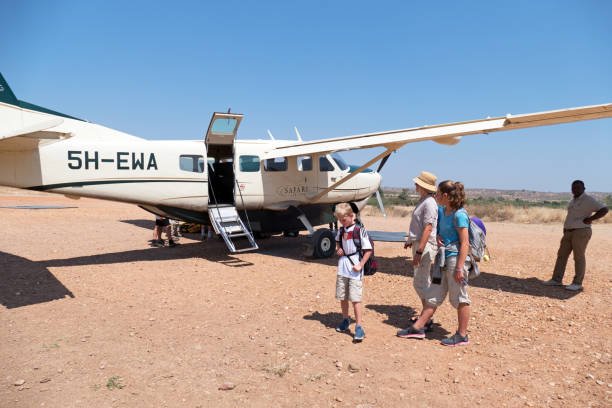
2-Day Tarangire & Ngorongoro Safari From Zanzibar: Flight Package Cost 2026
A detailed guide on the logistics, cost factors, and itinerary realities for a 2-day fly-in safari from Zanzibar to Tarangire National Park and the Ngorongoro Crater.
View package details
Nearest Airport To Ngorongoro Crater: Logistics & Planning For 2026-2027
A practical guide to reaching the Ngorongoro Conservation Area, covering the vital difference between international gateways and local airstrips for your 2026-2027 safari itinerary.
View package details
Fly-In Safari To Ngorongoro And Serengeti: Flights & Transfer Costs 2026-2027
Discover the logistics and cost breakdown for a fly-in safari to Ngorongoro and the Serengeti, including airstrip transfers, baggage limits, and vehicle positioning.
View package details3-Day Serengeti & Ngorongoro Safari From Zanzibar By Flight 2027
3-Day Serengeti & Ngorongoro Safari From Zanzibar by Flight is explained with current 2027 planning, price, itinerary and booking information.
View package detailsIs Serengeti Or Ngorongoro Better For A First Tanzania Safari? 2027
Is Serengeti or Ngorongoro Better for a First Tanzania Safari? is explained with current 2027 planning, price, itinerary and booking information.
View package details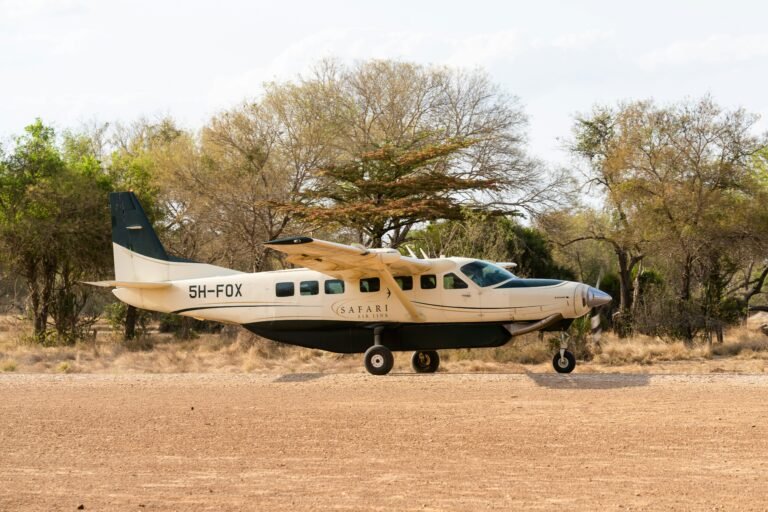
Lake Manyara Airstrip Vs Arusha Airport: Which Is Best For Ngorongoro In ?
Deciding between Lake Manyara Airstrip and Arusha Airport for your Ngorongoro Crater safari? We compare the transfer times, costs, and travel styles to help you choose the right gateway for...
View package detailsConfirmed Tanzania Group Safari Departures From Arusha And Moshi: How To Join
A practical guide to joining confirmed Tanzania safari departures from Arusha and Moshi. Understand the shared-cost model, route options, and how to coordinate your 2026-2027 travel dates.
View package details
Zanzibar To Ngorongoro Crater: Flight And Road Transfer Costs ( Guide)
A detailed guide on navigating the logistical chain between Zanzibar and the Ngorongoro Crater, covering flight options, airport choices, and the cost variables involved.
View package detailsHow To Fly To Ngorongoro Crater: Nearest Airports & Transfer Prices 2026-2027
Planning a trip to the Ngorongoro Crater? Discover the reality of air access, why there is no airstrip inside the crater, and how to coordinate your ground transfers.
View package detailsOctober To December Tanzania Group Safari Departure Calendar 2026
A comprehensive guide to planning your Tanzania group safari between October and December 2026, focusing on wildlife migration patterns, weather considerations, and group joining logistics.
View package detailsNo related package matches those filters. Clear one or more filters to see the other topic-matched options.



