
December 2026 is a prime window for Tanzania safaris, often characterized by lush, post-rain landscapes and the beginning of the calving season, making it an excellent time for wildlife viewing. Group joining safaris are the most cost-effective way to experience the Northern Circuit, allowing travelers to split vehicle and guide costs while meeting fellow adventurers. While specific departure dates for December 2026 are subject to seasonal demand and operator schedules, we typically organize shared departures throughout the month, with higher frequency during the holiday period. Pricing is determined by the number of days, the level of accommodation, and vehicle occupancy. To secure your place, we recommend contacting us at Climb 4 Africa via WhatsApp at +255 747 477 898 at least 6 to 9 months in advance, especially for travel around the late December holiday peak.
Planning a safari for late 2026 requires balancing the desire for wildlife encounters with the logistical realities of Tanzania’s tourism calendar. December is unique—it sits at the tail end of the “short rains,” which transforms the arid plains of the Serengeti into a vibrant green landscape. For travelers looking for the social and financial benefits of a group joining safari, this month offers a distinct experience compared to the peak dry season of July or August.
When you opt for a group joining tour, you are essentially purchasing a seat on a pre-planned itinerary rather than commissioning a bespoke private vehicle. This model is ideal for solo travelers, couples, or small groups who want to minimize costs without sacrificing the core safari experience. By sharing the vehicle, fuel, and guide fees, you can access premium destinations like the Ngorongoro Crater or Tarangire National Park at a fraction of the cost of a private expedition.
Understanding the December Safari Ecosystem
The primary concern for many travelers planning for December is the weather. Tanzania experiences what locals call the “vuli” or short rains. However, these are rarely continuous downpours. Typically, you will see short, refreshing afternoon showers followed by bright sunshine. This weather pattern has a direct impact on wildlife behavior.
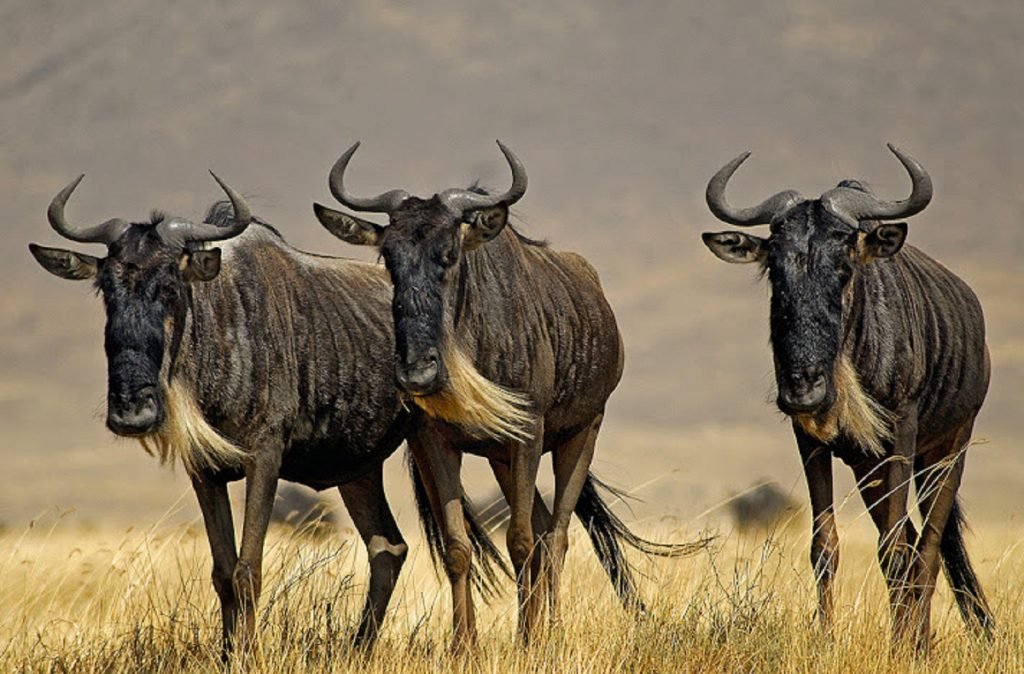
By December, the migratory herds are often moving toward the southern Serengeti plains, drawn by the new grass. This is also the beginning of the calving season for many ungulates, which in turn attracts predators. For the wildlife enthusiast, this is a period of high activity. The landscape is lush, photography conditions are often excellent due to the clear air following the rain, and the dust is significantly lower than in the dry season. From a logistical standpoint, the roads can be wetter, but our vehicles are equipped to handle the terrain. It is a time of transition that offers a more verdant, “lush” Africa than the scorched yellow plains of mid-year.
Pro Tip: If you are planning for the end-of-year holidays (December 20th to January 5th), demand for accommodation and park permits surges. We strongly advise finalizing your booking early. If your dates are flexible, early December often provides better value and more availability than the Christmas and New Year’s week.
Group Joining vs. Private Safari: Choosing Your Format
Deciding between a group joining safari and a private tour is the first major decision in your planning process. This choice affects your budget, your schedule, and your overall experience. Use the following comparison to see which model aligns with your travel style.
| Feature | Group Joining Safari | Private Safari |
|---|---|---|
| Cost | Lower (costs shared among participants) | Higher (you pay for the entire vehicle) |
| Flexibility | Fixed itinerary and departure dates | Fully customizable to your pace |
| Social Aspect | High; meet travelers from around the world | Low; private time with your group |
| Vehicle | Shared (usually 4–6 passengers) | Private; you control the stops |
| Best For | Solo travelers, couples, budget-conscious | Families, photographers, luxury seekers |
At Climb 4 Africa, we find that group joining safaris are highly popular for the 3-day to 5-day Northern Circuit loops. If you want to see the Serengeti, Ngorongoro, and Tarangire, a group joining tour provides the most efficient logistics. For those who want more control—perhaps to spend an extra hour watching a lion pride or to adjust the morning departure time—a private tour is the better investment. You can view our current range of shared tours here to see how we structure these group experiences.
Typical December Itinerary Flows
While every group joining departure is subject to the specific needs of the travelers booked on it, most Northern Circuit itineraries follow a proven path. A standard 4-day group joining safari in December typically covers:
- Day 1: Arusha to Tarangire National Park. Known for its giant baobab trees and massive elephant herds. In December, the park is particularly green and beautiful.
- Day 2: Serengeti National Park. Traveling through the Ngorongoro Conservation Area, you descend into the Serengeti. This is the heart of the safari experience.
- Day 3: Serengeti to Ngorongoro. A morning game drive in the Serengeti before heading to the rim of the Ngorongoro Crater for an overnight stay.
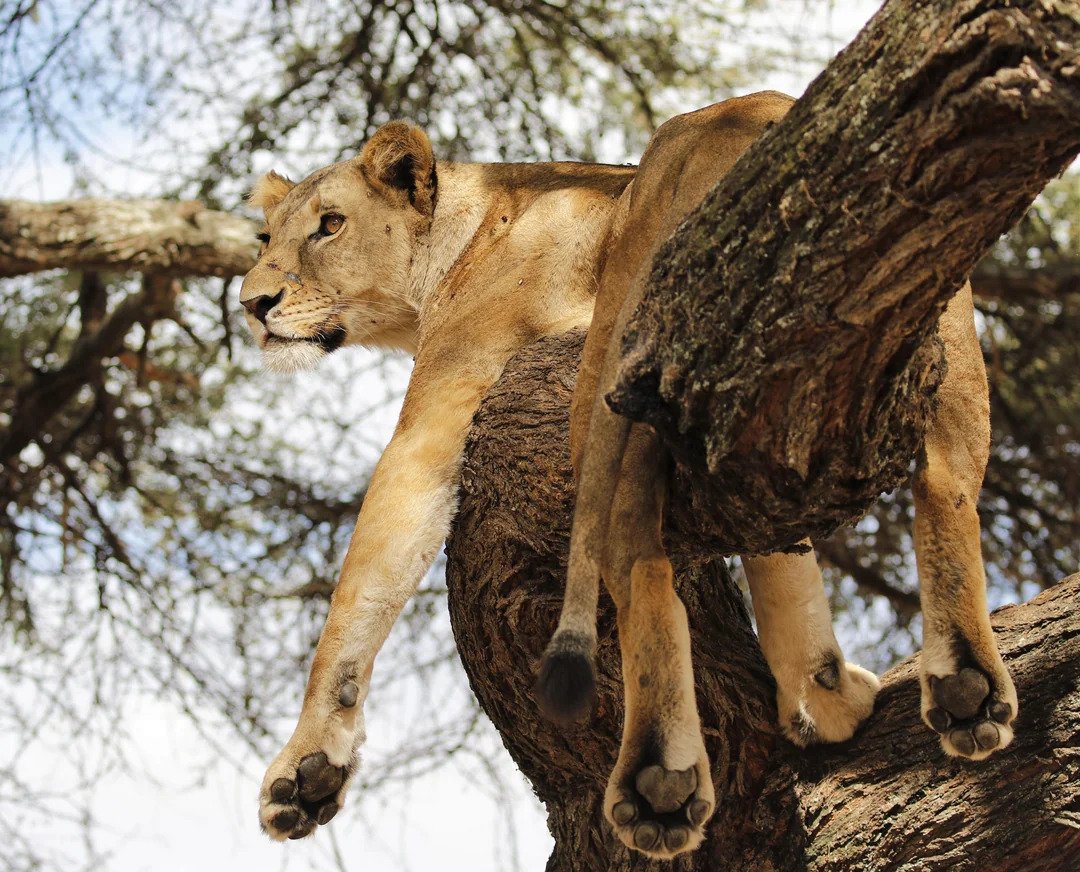
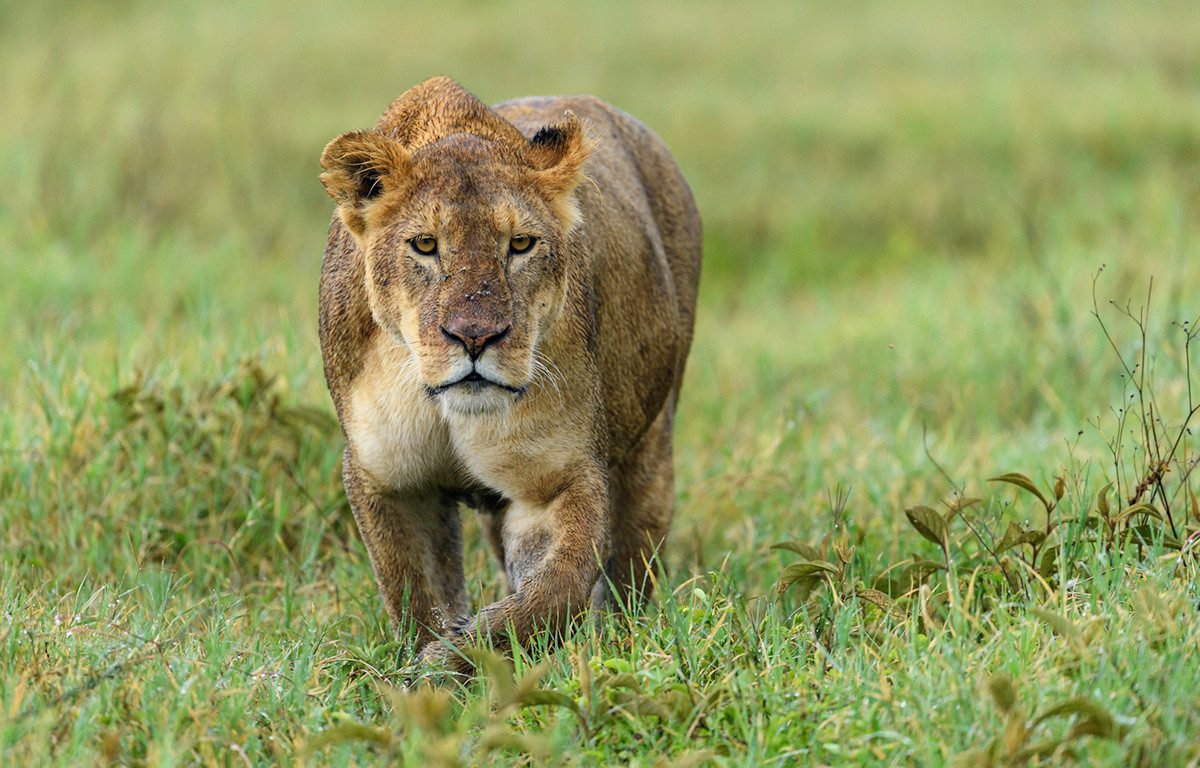
- Day 4: Ngorongoro Crater Tour. A full morning of game viewing inside the caldera, the best place in Tanzania to spot the Big Five, before returning to Arusha.
These itineraries are designed to maximize time in the parks. Because we manage the logistics, you don’t need to worry about park entry permits, vehicle maintenance, or booking campsites—we handle all of that. If you are looking to combine your safari with a mountain climb, we also offer integrated Kilimanjaro and Serengeti Safari holidays that can be planned around your December dates.
Pricing Factors for December 2026
When you ask about prices for December 2026, you will find that costs are influenced by several non-negotiable factors. Understanding these helps you see why a price might vary between operators or departure dates.
- Park Fees: These are set by the Tanzania National Parks Authority (TANAPA) and the Ngorongoro Conservation Area Authority. They are per-person, per-day costs and are usually the largest component of your safari price.
- Accommodation Tier: Whether the group is booked into mid-range tented camps or budget-friendly lodges makes a significant difference. In December, “mid-range” is often the sweet spot for comfort and value.
- Vehicle Occupancy: A vehicle with 6 passengers is cheaper per person than a vehicle with 3 passengers. This is the core benefit of the group joining model.
- Holiday Surcharges: If your dates fall between December 24th and January 1st, many lodges apply a mandatory festive season supplement. We always disclose these clearly in our quotes so there are no surprises.
If you are debating whether to book from a hub like Arusha or Zanzibar, it is worth reading our guide on whether it is cheaper to book a Tanzania safari from Arusha or Zanzibar. Often, booking directly with an operator based in Arusha—the gateway to the Northern Circuit—provides more transparency and better direct support.
Practical Planning for December Travel
December travel in Tanzania requires a bit of specific preparation. Since you are traveling during a shoulder season, your packing list should be adaptable. Bring layers. The early mornings on the crater rim can be chilly, even in December, while the afternoons in the Serengeti will be warm.
Regarding flights, many travelers arrive via Kilimanjaro International Airport (JRO). If you are flying in from overseas, we suggest booking your flights as soon as your safari dates are confirmed. For those arriving from other parts of Tanzania or Zanzibar, we can help coordinate your transfers. We have detailed information on Arusha to Serengeti flight times and baggage allowances if you decide to fly into the park to save time.
We also recommend that you check your visa requirements and health protocols well in advance. Tanzania has specific entry requirements that can change, and being prepared ensures your arrival is smooth. Our team is always available via email at info@climb-4-africa.com or climb4africa@gmail.com if you have specific questions about your itinerary or need assistance with your travel planning.
How to Secure Your Spot
Because group joining safaris rely on reaching a minimum number of participants to be viable, we operate on a “first-come, first-served” basis for confirmed spots. Once you contact us, we can provide you with our current, up-to-date departure schedule for December 2026.
To get the most accurate information, please include the following details in your inquiry:
- Your approximate travel dates in December 2026.
- The number of people in your party.
- Your preferred safari duration (e.g., 3, 4, 5, or 6 days).
- Any specific parks you are determined to visit (e.g., Serengeti is a must).
By providing these details, we can match you with a group that fits your schedule or advise you on the best dates to ensure your tour is confirmed. We pride ourselves on transparent communication—if a specific date is looking light on participants, we will tell you honestly and suggest alternatives.
Remember, the goal of a group joining safari is to experience the majesty of the Tanzanian wilderness with the convenience of an organized tour. Whether you are chasing the Big Five or simply want to see the plains of the Serengeti, we are here to ensure your 2026 trip is well-planned, safe, and memorable. Reach out to us today, and let’s start mapping out your December adventure.
Frequently Asked Questions
Is December a good time for a safari in Tanzania?
Yes, December is an excellent time for a safari. It is part of the “short rains” season, which makes the landscape lush and green. It is also the start of the calving season, which is a fantastic time for wildlife viewing, particularly in the Serengeti.
What is the benefit of a group joining safari?
The primary benefit is cost-sharing. By joining a group, you share the costs of the vehicle, fuel, and guide with other travelers, making the safari significantly more affordable than a private tour. It is also a great way to meet like-minded travelers.
How far in advance should I book my December 2026 safari?
For December, which is a popular travel time, we recommend booking 6 to 9 months in advance. This ensures you get your preferred dates and helps us coordinate group sizes effectively.
What happens if the group joining safari doesn’t reach the minimum number of participants?
We monitor our bookings closely. If a specific departure date does not reach the minimum number required, we will contact you well in advance to discuss options, such as moving to a different date or upgrading to a private safari at a adjusted rate.
Are park fees included in the price?
Yes, for all our standard group joining packages, we include the necessary park fees, accommodation, guide, and vehicle costs. We provide a clear breakdown of what is included so you know exactly what you are paying for.
Navigating Vehicle Logistics and Comfort Standards
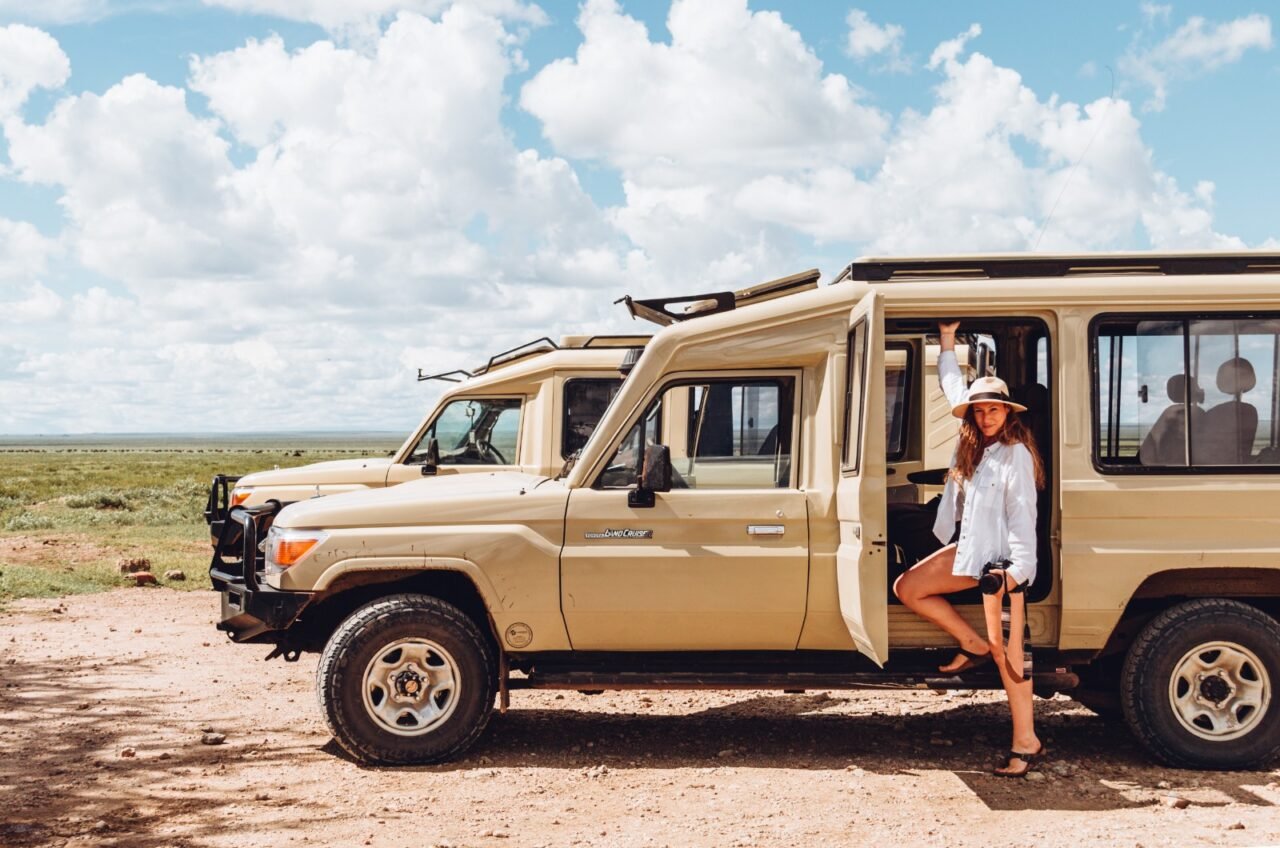
One of the most significant variables in a group joining safari that often goes overlooked until the day of departure is the specific configuration of the safari vehicle. In December, when the landscape is lush and the short rains may have left tracks muddy, the quality and maintenance of your transport are not just about comfort—they are about reliability and the ability to reach prime wildlife viewing spots. For group joining departures in 2026, you will almost exclusively encounter modified 4×4 Land Cruisers. Understanding what to expect inside these vehicles helps manage your expectations for the long hours you will spend traversing the Northern Circuit.
Most standard group joining vehicles are designed to accommodate between six and seven passengers, ensuring that every traveler has a window seat. This is a critical detail. When you book your spot, confirm with your operator that their policy guarantees a window seat for every participant. In a full vehicle, the seating arrangement typically features three rows of seats behind the driver. The pop-up roof, a hallmark of the Tanzanian safari experience, is a shared asset. During game drives, the roof is raised, allowing passengers to stand up and gain a 360-degree view of the savanna. Because you are sharing this space with others, the group dynamic—specifically the willingness to rotate seating or share the best vantage points—becomes part of the safari etiquette.
Communication systems and power supply are other technical aspects that vary between operators. While most modern vehicles are equipped with in-vehicle charging ports (usually USB or standard cigarette lighter sockets), these are often limited. If you are traveling with multiple devices—cameras, phones, and power banks—bring a portable power bank that is fully charged before you leave your accommodation. Furthermore, verify whether your vehicle is equipped with a long-range radio or satellite communication device. While your driver will be in constant contact with other guides to track wildlife movements, having reliable communication is also a vital safety feature for remote areas like the Serengeti plains.
Regarding the “short rains” in December, your vehicle’s condition is paramount. Muddy tracks can be challenging, and a well-maintained vehicle with appropriate tires and a knowledgeable, experienced driver is the difference between a smooth excursion and a delayed one. Do not hesitate to ask your operator about their vehicle maintenance schedule. A reputable company will be transparent about their fleet’s age and the frequency of their safety inspections. Remember that in a group setting, you are reliant on the collective patience of your vehicle-mates. If a vehicle gets stuck or requires a tire change, it is an accepted part of the adventure. Approaching these minor logistical hurdles with a positive attitude is the hallmark of a seasoned safari traveler.
Selecting Your Accommodation Tier in a Group Setting
Group joining safaris are categorized by the tier of accommodation included in the package. Because you are part of a larger group, you cannot easily switch hotels mid-trip; the entire group must stay at the same property. Therefore, the accommodation tier is a pre-determined factor based on the specific package you book. For December 2026, these tiers generally fall into three distinct categories: Budget Camping, Mid-Range Lodges/Tented Camps, and Luxury/High-End Lodges.
Budget Camping safaris are the most cost-effective way to experience the Northern Circuit. You will sleep in large, canvas tents provided by the operator, typically set up in designated public campsites inside or near the national parks. These sites have shared ablution blocks with running water and basic toilet facilities. This option is ideal for those who want to be as close to nature as possible and are comfortable with a more rustic experience. The price differential here is significant, as you are not paying for the overhead of hotel infrastructure.
Mid-Range options, which are the most popular for group joining, utilize permanent tented camps or lodges. These offer en-suite bathrooms, comfortable beds, and often a dining area where meals are served. In December, these camps are excellent because they are often located in prime wildlife corridors, allowing you to hear the sounds of the African night from the safety of your tent. The food quality at this level is generally high, with buffet-style meals that cater to various dietary requirements, provided you inform your operator in advance.
Luxury or High-End packages are less common for traditional group joining tours because they require a higher level of coordination and higher per-person costs. However, they do exist for travelers who want the social aspect of a group but the comfort of a lodge with swimming pools, personalized service, and gourmet dining. Regardless of the tier, always confirm the specific list of accommodations included in your package before confirming your booking. If you have specific dietary needs—such as vegan, gluten-free, or halal requirements—ensure these are communicated during the booking process so your operator can coordinate with the lodges and the camp cook well ahead of your December arrival.
Managing Dietary and Health Requirements in a Shared Environment
When participating in a group joining safari, the logistical reality of dining and health management differs significantly from a private tour. Because you are traveling with a group of strangers, your operator must coordinate with various lodges, tented camps, and bush cooks to ensure that every passenger’s specific needs are met. Unlike a private safari where the guide can make last-minute stops or adjustments for a single traveler, group dynamics require advanced preparation. If you have specific dietary restrictions, such as severe allergies, veganism, or gluten intolerance, it is imperative to communicate these at the time of booking—ideally months before your December 2026 departure.
In the context of the Northern Circuit, most mid-range and luxury lodges are accustomed to international travelers and can accommodate dietary requests if they are notified in advance. However, in budget camping settings or remote tented camps, the kitchen staff relies on pre-purchased supplies brought in from Arusha or Karatu. If your operator is not informed early, they cannot adjust the supply list for your specific vehicle. Always follow up with a written confirmation of your dietary needs at least 30 days prior to your trip. Do not assume that your guide will be able to source specialty items, such as specific non-dairy milks or gluten-free bread, once the safari has commenced.
Health management is equally critical in a group setting. While standard first-aid kits are mandatory in all safari vehicles, they are designed for general emergencies and minor injuries. They do not contain personalized medications. If you require specific prescription medication, bring a sufficient supply for the entire duration of your trip, plus a few extra days in case of travel delays. Keep these in your carry-on luggage, not in your checked bags, to ensure they are always accessible. Furthermore, if you have any pre-existing medical conditions that could require attention during the trip, inform your group leader discreetly before departure. This ensures that the guide knows how to assist you if needed and understands the necessary protocols for reaching the nearest medical facility, which may be several hours away from the parks.
Understanding the Role of the Safari Guide in Group Dynamics
The safari guide is the single most important factor in the success of your group joining experience. In a private safari, the guide is your personal host, but in a group joining model, they are a facilitator, a mediator, and a wildlife expert for a diverse group of individuals. Understanding their role helps manage expectations. A guide’s primary responsibility is the safety of the group and adherence to the itinerary. They must balance the interests of multiple passengers, which may include differing preferences for early morning starts, photography time, or breaks.
During the short rains of December, the guide’s expertise becomes even more vital. Muddy tracks and changing road conditions require a high level of driving skill and decision-making. A professional guide will know when it is safe to proceed and when to take a detour to avoid getting stuck. In a group setting, it is essential to trust their judgment. If the guide advises against a specific route or suggests an earlier departure time to beat the afternoon rains, they are making these decisions based on experience and the collective safety of the group.
Communication is a two-way street. While the guide manages the logistics, they also rely on the group to be punctual. In a group joining tour, one person running late for breakfast or the morning game drive impacts the entire day’s schedule. This can result in missing prime wildlife viewing hours or arriving at the next destination after dark. Respecting the agreed-upon timings is not just a matter of courtesy; it is a fundamental requirement for the smooth operation of the tour. If you find the pace of the group is not matching your personal energy levels, have a polite, private conversation with the guide early in the trip rather than allowing frustration to build.
Tipping Etiquette and Financial Expectations on the Ground
While the cost of your safari is settled before you arrive, tipping is an integral part of the culture and economy of the Tanzanian tourism industry. For group joining safaris, many travelers are unsure how to handle gratuities when they are part of a larger group. It is common practice for the group to pool their tips at the end of the safari, though this is entirely voluntary. If you choose to tip individually, ensure you have enough small denominations of US Dollars (printed after 2009) or Tanzanian Shillings.
Tipping is generally expected for the guide, the cook (on camping safaris), and the lodge staff. For a standard group joining safari, a common guideline is to tip the guide approximately $15 to $20 USD per vehicle, per day, to be shared among the group members. For camping safaris, the cook typically receives a separate tip, often around $10 to $15 USD per day, per vehicle. If you are staying in lodges, there is usually a communal tip box at the reception for the staff. It is helpful to carry a mix of smaller bills so that you can contribute your share without needing to break large notes, which can be difficult in remote areas.
Remember that these figures are guidelines, not mandatory service charges. Tipping should reflect your appreciation for the service provided. If your guide went above and beyond to find elusive wildlife or handled a difficult situation with professionalism, it is appropriate to tip at the higher end of the scale. Conversely, if you feel the service was lacking, you are not obligated to tip the maximum amount. However, in the context of a group, try to discuss the tipping plan with your fellow travelers early in the trip to avoid awkward situations at the end of the safari.
Navigating Social Dynamics and Photography Priorities in a Shared Vehicle
Beyond the logistical coordination of accommodation and meals, the most significant challenge—and often the most rewarding aspect—of a group joining safari is the management of the shared space inside the safari vehicle. For 4 to 6 days, your safari vehicle becomes your living room, your dining area, and your viewing platform. Because you are sharing this limited square footage with strangers, understanding the unspoken etiquette of vehicle dynamics is essential for a harmonious experience.
The Mechanics of Vehicle Rotation
Most reputable operators utilize a strict daily rotation system for seating. In a standard 4×4 safari Land Cruiser, seating is usually arranged in three rows behind the driver. The front seat next to the driver offers the best view of the road but is often too low for game viewing; the middle row offers good visibility but requires climbing; the back row offers the most elevation but can be bumpy. To prevent resentment from building, the industry standard is to rotate seats every morning or every half-day. Do not wait for the guide to enforce this; if you are the first to board, take a seat in the back or middle, and be prepared to move forward or backward as the group decides. This simple act of proactively rotating ensures that every participant, regardless of who booked first or who is the most vocal, gets an equal opportunity to experience the different vantage points of the vehicle.
The Photographer’s Compromise
A frequent source of tension on group safaris arises when one passenger is a dedicated wildlife photographer while others are casual observers. A photographer may want to spend forty-five minutes waiting for a leopard to emerge from a tree, while others may want to move on to see elephants at the watering hole. In a private safari, you dictate the pace; in a group setting, you must negotiate. Before the safari begins—or during the first morning briefing—it is helpful to gauge the group’s interests. If you are the photographer, be upfront about your needs but be prepared to compromise. The best strategy is to agree on “photography stops” versus “scenic drives.” If you see a subject, ask the group, “Is everyone okay if we spend ten minutes here?” If the group says no, respect that decision. Conversely, if you are the casual observer, understand that a photographer’s patience can yield incredible rewards for the whole group if the guide manages to capture a rare sighting. The guide will ultimately have the final say, but a group that communicates their preferences early is far less likely to experience friction.
Managing Personal Gear and Vehicle Real Estate
Space in a safari vehicle is at a premium. While you may be tempted to bring every piece of equipment you own, the reality of a shared vehicle dictates a minimalist approach. Large, hard-shell camera cases, bulky tripods, and excessive daypacks can quickly turn the cabin into an obstacle course. Use soft-sided bags that can be easily tucked under seats or in the limited storage space behind the back row. Avoid “gear creep,” where your belongings slowly migrate into your neighbor’s footwell. Furthermore, be mindful of the dust. In the dry conditions of the Serengeti or the dusty tracks of Tarangire, opening a camera bag to change lenses frequently can fill your equipment—and your neighbor—with fine, red dust. Practice changing lenses or batteries during stops at lodges or picnic sites rather than while the vehicle is in motion.
Communication Strategies for Group Harmony
The success of your group dynamics often rests on how you handle the “micro-conflicts” that naturally occur in close quarters. If a fellow traveler is speaking too loudly, blocking your view, or consistently running late, address it with grace. If the issue is minor, often the best approach is to let it go; travel fatigue affects everyone differently, and a bad mood is often temporary. However, if a behavior is impacting the group’s ability to enjoy the safari, the best person to mediate is your guide. Guides are trained to handle group dynamics and can often steer the group toward a solution without singling out an individual. For example, if the group is running behind schedule, the guide might say, “To ensure we make it to the crater rim before sunset, we need to be packed and in the car by 7:00 AM sharp,” rather than pointing fingers at a specific latecomer. Always remember that you are part of a collective; your flexibility and patience are just as important to the group’s success as the guide’s expertise.
Post-Safari Transitions: Connecting from the Northern Circuit
As your group joining safari concludes, typically at an airport or a designated hotel in Arusha, you are often left with a logistical gap: how to transition from the intensity of the safari environment to your next destination. Unlike a private tour where your vehicle remains at your disposal until you are checked into your flight, a group joining safari ends the moment the vehicle returns to the operator’s base or drops you at your final accommodation. For many travelers planning for December 2026, this transition requires careful consideration of timing and local transport constraints.
Most group joining safaris aim to return to Arusha between 4:00 PM and 6:00 PM on the final day. If you have an international flight departing from Kilimanjaro International Airport (JRO) on that same evening, you face a significant risk. Traffic entering Arusha during the late afternoon, combined with the one-hour drive from the city center to the airport, creates a tight window. It is strongly advised to book your outbound flight for the following day or for a late-night departure that allows for a buffer. If you must fly out on the same day, communicate this to your operator during the booking phase; while they cannot hold the entire group back for your flight, they can sometimes arrange a private transfer from the point where the group safari ends, allowing you to bypass the group’s final drop-off schedule.
Furthermore, consider your post-safari recovery needs. After four to six days of bumpy roads, early morning game drives, and communal living, you may find that a simple hotel room in Arusha is insufficient. Many travelers choose to extend their December trip by adding a few days of relaxation in Zanzibar or on the slopes of Mount Meru. If you plan to head to Zanzibar, remember that this is a separate logistical leg involving a domestic flight or a bus-and-ferry combination. Domestic flights from Arusha Airport (ARK) are often more convenient than returning to Kilimanjaro (JRO) for these connections. Ensure your post-safari plans are booked independently of your safari package, as group joining operators generally do not manage inter-island travel or secondary excursions.
Understanding the ‘Holiday Surcharge’ Phenomenon
While the article has touched on pricing factors, it is critical to address the specific financial reality of late December. Between December 20th and January 5th, Tanzania enters its peak festive season. During this window, many lodges and tented camps implement ‘holiday supplements’ or ‘festive season surcharges.’ These are not arbitrary price hikes; they cover mandatory gala dinners, staff bonuses, and the increased operational costs of maintaining high service levels during the busiest time of the year.
When you receive a quote for a group joining safari that spans the Christmas or New Year period, do not be surprised if the daily rate is higher than the same itinerary in early December. This is a standard industry practice. When comparing quotes from different operators, verify whether these supplements are already included in the ‘all-inclusive’ price or if they will be added as a separate line item. A transparent operator will provide you with a detailed invoice that clearly separates the base safari cost from any seasonal supplements. Always clarify this before paying your deposit to avoid unexpected financial adjustments closer to your travel date.
Contingency Planning and Emergency Protocols in Group Safaris
While the planning phase of your December 2026 safari often focuses on itineraries and pricing, understanding how operators manage contingencies is critical for a stress-free experience. When traveling in a group, a mechanical issue or a medical emergency is not just an individual problem; it becomes a group logistical challenge. Reputable operators in the Northern Circuit maintain strict maintenance schedules, but the rugged terrain of the Serengeti and Ngorongoro Crater can be unpredictable. If a vehicle experiences a mechanical failure, the standard industry protocol is for the operator to dispatch a secondary vehicle from Arusha or a nearby lodge hub. While this may result in a delay to your game drive schedule, it is a safety necessity. In these moments, the group’s collective patience is the most valuable asset; your guide will work with the company’s dispatch team to minimize downtime, but travelers should remain flexible, understanding that off-road environments do not allow for the rapid service response times found in urban settings.
Medical emergencies require a higher level of preparation. It is an industry standard for safari operators to be affiliated with emergency evacuation services, such as the AMREF Flying Doctors. However, your safari package typically covers the logistical coordination of an evacuation, not the medical costs themselves. You are strongly advised to secure comprehensive travel insurance that specifically covers ‘safari activities’ and ’emergency medical evacuation’ prior to your arrival in Tanzania. Before your departure, confirm with your operator whether they require a copy of your insurance policy and emergency contact information. Having this data on file allows your guide to act immediately should an incident occur, providing essential information to medical teams without delay. Do not assume that your standard health insurance will cover international emergency airlifts; verifying this policy detail is a non-negotiable step in your December travel preparation.
Finally, manage your expectations regarding communication during these contingencies. While most lodges provide Wi-Fi, connectivity in the remote bush is intermittent at best, and cellular signals can drop entirely between park gates. If you are traveling with a group, ensure that your family or emergency contacts are aware that you may be offline for extended periods. If a significant delay occurs due to weather or vehicle maintenance, your guide will prioritize the safety of the group and the security of the vehicle, which may mean moving to a secure location rather than staying stationary to wait for assistance. Trusting the guide’s decision-making in these moments is essential, as they are trained to navigate the specific risks of the Tanzanian wilderness.
Managing Optional Excursions and Group Consensus
One of the most frequent friction points in a group joining safari arises when the itinerary includes optional activities—such as a visit to a Maasai village, a guided walking safari, or a hot air balloon flight. Because you are sharing a single vehicle and a single guide, your group must function as a cohesive unit. When you book a group joining safari, you are buying a seat on a pre-determined route; however, these ‘add-on’ experiences often require a unanimous decision from the passengers. If half the group wishes to visit a Maasai village while the other half prefers to spend that time game viewing, you face a logistical impasse. The vehicle cannot be in two places at once, and the guide cannot split their attention.
To navigate this, the best practice is to discuss optional activities with your tour operator during the booking phase, weeks before you arrive in Arusha. If you have non-negotiable interests, ask if your departure date is already attracting like-minded travelers. Once on the ground, use the first evening—often the pre-safari briefing—to establish a consensus. If a split is inevitable, operators may sometimes offer to drop a portion of the group at a lodge or a specific scenic spot while the others proceed to the activity, provided the location is safe and within the park’s operational rules. Be aware, however, that this is rarely guaranteed and depends entirely on the specific park regulations and the guide’s discretion. Approaching these decisions with a spirit of compromise is essential to maintaining group harmony.
The Hidden Daily Budget: Expenses Beyond the Base Price
While your group joining safari package covers the major costs like vehicle, guide, park fees, and accommodation, many travelers are caught off guard by the ‘hidden’ daily expenses that arise during the trip. Understanding these costs is vital for your December 2026 planning to ensure you have the correct currency and budget available.
First, clarify your lodge’s policy on beverages. Most standard group joining packages include meals but exclude alcoholic beverages and sometimes even bottled water or soft drinks, depending on the tier of accommodation. In the remote bush, these items are significantly more expensive than in city centers due to the logistical cost of transporting supplies to remote locations. Do not assume your all-inclusive package covers a nightly glass of wine or a soda at lunch.
Second, consider the ‘convenience’ costs. Laundry services are available at most lodges but are often charged per item and can be quite costly. Charging your electronic devices is another factor; while most lodges have power, they may not have an outlet next to every bed. Bringing a high-quality multi-plug power strip or a universal travel adapter is a small, essential investment that prevents you from having to negotiate with roommates for outlet space. Furthermore, do not rely on lodge Wi-Fi for heavy data tasks. Connectivity in the Serengeti and Ngorongoro is notoriously unreliable and often restricted to public areas. If you require consistent internet, purchasing a local Tanzanian SIM card at the airport upon arrival is a far more reliable solution than expecting the lodges to provide high-speed access.
Finally, prepare your cash denominations carefully. While larger purchases can often be made with a credit card, many local vendors, small park shops, and cultural centers prefer cash. Carry a mix of crisp, post-2009 US Dollars for major tips or park-related fees, and Tanzanian Shillings for smaller, everyday transactions. Having a stash of small denominations (1,000, 2,000, and 5,000 TZS notes) is invaluable for buying snacks, small souvenirs, or paying for minor services where change for large bills is rarely available.
Mastering the Arrival and Departure Windows for Group Departures
One of the most critical logistical components of a group joining safari that often causes anxiety for first-time visitors is the rigidity of the arrival and departure schedule. Unlike a private safari, where the itinerary can be adjusted to accommodate a delayed flight or a late-night arrival, a group joining safari operates on a strict, synchronized timetable. Because your vehicle is shared with other travelers, the departure time from Arusha is non-negotiable. If the group is scheduled to leave at 8:00 AM, the vehicle will depart at 8:00 AM, regardless of whether a participant is still navigating customs or retrieving lost luggage.
To mitigate this risk, it is standard industry practice to arrive in Arusha or at Kilimanjaro International Airport (JRO) at least one full day before your safari start date. Attempting to land on the morning of your safari is highly discouraged and often impossible for group tours. Even a minor flight delay of two hours can result in a missed departure, forcing you to either forfeit the first day of your safari or pay for an expensive private transfer to catch up with the group in the field. By arriving the night before, you ensure that you are rested, oriented, and ready to meet your guide and fellow travelers at the designated briefing time.
Similarly, the return schedule requires careful flight planning. Most group joining safaris conclude in Arusha between 3:00 PM and 5:00 PM on the final day. Because you are traveling back from the Northern Circuit—which can involve several hours of driving—traffic, road conditions, or extended game viewing on the final morning can push your arrival time back. Booking an international flight that departs before 8:00 PM or 9:00 PM on your final safari day is a significant risk. If your flight is earlier, you may be forced to leave the group early, missing the final game drive or the return journey, which is often a highlight of the experience. Always confirm the expected return time with your operator and factor in a buffer for potential delays.
Luggage Storage and Vehicle Real Estate
Managing your belongings is another aspect of the group joining experience that requires foresight. Safari vehicles, while rugged and capable, have limited storage space, particularly when filled with four to six passengers and their respective luggage. Most operators will provide a secure location at their Arusha office or your base hotel to store the bulk of your luggage. You should plan to pack a separate, soft-sided duffel bag for the safari portion of your trip, containing only what you need for the duration of the tour.
Hard-shell suitcases are generally unsuitable for safari vehicles; they are difficult to stack, prone to damage, and consume precious floor space that should be reserved for your feet or camera gear. By utilizing a soft-sided bag and leaving your main luggage in secure storage, you not only make the vehicle more comfortable for yourself and your fellow travelers, but you also simplify the daily routine of loading and unloading. When you return from the safari, you can retrieve your stored luggage at the same location where you finish the tour, ensuring a smooth transition to your post-safari plans.
The Strategic Timing of the Ngorongoro Crater Descent
For many travelers joining a group safari in December, the Ngorongoro Crater represents the highlight of the Northern Circuit. However, the logistical reality of visiting this UNESCO World Heritage site is heavily governed by the Ngorongoro Conservation Area Authority (NCAA), which imposes strict entry and exit regulations that directly impact your group’s experience. In December, the influx of visitors—combined with the lush, green landscape that draws wildlife toward the crater floor—creates a unique pressure on vehicle management that differs significantly from the dry season.
The most critical constraint is the six-hour permit window. Every vehicle entering the crater is allocated a specific time slot, and exceeding this duration results in heavy fines for the operator. In a group joining setting, this means the itinerary is non-negotiable. You cannot simply ask the guide to stay longer if the group is enjoying a specific sighting of a black rhino or a pride of lions. The timing is orchestrated by the operator well in advance to ensure the vehicle is at the descent gate at the optimal hour, usually at dawn to avoid the worst of the mid-morning traffic.
This scheduling creates a cascading effect on your daily routine. To secure a prime entry slot, your group will often need to depart the lodge or campsite on the crater rim well before sunrise. This requires a synchronized effort: luggage must be packed, breakfast must be consumed, and the vehicle must be prepped in the dark. For participants who are not early risers, this can be a shock, but it is a necessary trade-off. The alternative—a mid-morning descent—often places you in the middle of a convoy of vehicles, which can significantly diminish the quality of your wildlife viewing and photography opportunities.
Furthermore, because December is a month of transition, the crater floor can be muddy. The descent and ascent roads are steep and can become slippery after the short rains. In a group joining vehicle, the weight distribution and the driver’s ability to navigate these tracks are paramount. While the guide manages the technical driving, the group’s cooperation in staying seated and keeping the vehicle balanced is essential for safety. Understanding that your guide is balancing park regulations, traffic congestion, and road conditions will help you appreciate why the crater itinerary is managed with such rigid precision.
Navigating the ‘Gate Rush’ and Wildlife Congestion
The entrance gates to the Ngorongoro Crater often experience a ‘gate rush’ in December. As multiple tour operators attempt to get their groups into the crater as early as possible, the queue can be substantial. For the group joining traveler, this is where the operator’s reputation and the guide’s experience become evident. A seasoned guide will know how to position the vehicle to minimize waiting time or navigate the permit verification process efficiently. It is common for groups to experience a slight delay at the gate; maintaining patience during this phase is crucial for the overall harmony of the group. Once on the crater floor, the sheer density of vehicles can be overwhelming. Your guide will often prioritize moving away from the main cluster of vehicles to find quieter pockets, even if it means sacrificing a view of a more ‘popular’ animal. Trusting your guide’s decision to prioritize a peaceful, high-quality sighting over the ‘check-the-box’ tourism approach is the hallmark of a successful group safari experience.
Navigating the Return to Arusha: Managing Post-Safari Logistical Fatigue
As your group joining safari draws to a close, usually on the final afternoon of the itinerary, the transition from the in-depth, high-intensity environment of the national parks back to the bustling urban center of Arusha can be jarring. This period, often referred to as the post-safari decompression phase, is frequently overlooked in planning but is critical for a smooth end to your December 2026 trip. Unlike private tours, where the driver can drop you directly at your specific hotel or a remote airport terminal at a time of your choosing, group joining departures are bound by the shared schedule of the entire vehicle. You will likely arrive at a central drop-off point or a specific hotel that serves as the tour operator’s hub. It is vital to manage your expectations regarding this arrival time; traffic on the route from the Northern Circuit into Arusha can be unpredictable, especially in December when holiday travel increases the volume of local vehicles on the road.
For travelers with international flights departing late in the evening on their final day, this shared return schedule can create anxiety. Most group safaris conclude in the late afternoon, often between 4:00 PM and 6:00 PM. If your flight is scheduled for 9:00 PM or 10:00 PM, you will be operating on a very tight timeline. We strongly advise against booking a flight that departs within four hours of your scheduled group arrival time. Instead, consider booking a night of accommodation in Arusha or at a lodge near Kilimanjaro International Airport (JRO). This buffer allows you to clean up, enjoy a final dinner, and process your safari experience without the pressure of a looming flight. Furthermore, if you are planning to connect to a beach holiday in Zanzibar or a trek on Mount Kilimanjaro immediately following your safari, ensure your onward travel arrangements are flexible enough to accommodate potential delays in the return journey.
The Reality of Shared Airport Transfers
Many group joining packages include a shared airport transfer as part of the total cost. However, in a group setting, this service is optimized for efficiency rather than individual convenience. You may find yourself waiting at the drop-off point for other group members to collect their luggage, or you might be grouped into a shuttle that makes multiple stops at different hotels before reaching yours. If you have specific requirements, such as a need for an immediate private transfer to catch a connecting flight, it is often better to opt out of the provided group transfer and arrange a private taxi or ride-share service independently. This small, out-of-pocket expense can significantly reduce the stress of the final hours of your trip, allowing you to reclaim control over your departure timeline.
Managing Valuables and Logistics During the Final Day
The final day of a group joining safari often involves a mix of transit and a short, final game drive. This creates a unique logistical challenge: your luggage remains in the vehicle while you are out viewing wildlife. Ensure that your most valuable items—passports, cameras, and electronics—are stored in a secure daypack that you keep with you at all times, rather than leaving them in the main luggage compartment. Because you are sharing space with others, and the vehicle may be left briefly while you visit a viewpoint or restroom, maintaining vigilance over your personal gear is a standard, necessary practice. By planning for these final logistics in advance, you ensure that the conclusion of your December 2026 safari is as organized and stress-free as the journey itself.
Navigating Visa and Entry Protocols for December Arrivals
While your safari logistics—vehicles, guides, and accommodation—are managed by your operator, the legal entry into Tanzania remains your individual responsibility. For travelers arriving in December 2026, it is essential to distinguish between the various visa types to ensure a smooth entry at Kilimanjaro International Airport (JRO). Most international visitors require an Ordinary Visa (often referred to as a tourist visa) for entry. While the e-Visa system is the standard, official portal for Tanzania, the processing time can fluctuate during the peak holiday season. We strongly recommend applying for your e-Visa at least one month before your departure date. Do not wait until you arrive at the airport to secure your visa, as the ‘Visa on Arrival’ window can be subject to long queues, particularly during the high-traffic weeks of late December when holiday travelers and safari groups are arriving simultaneously.
When completing your e-Visa application, ensure that the information matches your passport exactly, including middle names and passport expiration dates. Tanzanian immigration authorities require your passport to be valid for at least six months beyond your date of departure from the country. If your passport is nearing its expiration date, renew it well before your December 2026 trip. Furthermore, ensure you have a digital or printed copy of your visa approval grant notice. While immigration officers can access the system, having the document on hand prevents delays if there is a temporary system outage or a discrepancy in the database.
Health and Vaccination Compliance for the Northern Circuit
Traveling in a group joining safari environment involves close contact with other travelers and local communities, making health compliance a matter of group safety. Tanzania has specific requirements regarding vaccinations, most notably the Yellow Fever certificate. If you are transiting through a country with a risk of yellow fever transmission—even for a short layover—you are required to present a valid Yellow Fever vaccination certificate upon entry to Tanzania. This requirement is strictly enforced at the border, and failure to provide the certificate can result in denied entry or mandatory vaccination on the spot, which can derail your group’s departure schedule.
Beyond mandatory vaccinations, consider the prophylactic measures recommended for the Northern Circuit in December. While the risk of malaria is present throughout the year, the post-rain landscape in December can see an increase in mosquito activity in certain regions. Consult your local travel clinic or physician regarding anti-malarial medication at least six weeks before your trip. Because you will be in a shared vehicle, it is courteous to maintain personal hygiene standards; pack a comprehensive personal first-aid kit that includes rehydration salts, antiseptic wipes, and basic over-the-counter medications for stomach upsets or headaches. While your guide will carry a standard vehicle first-aid kit, having your own supplies ensures you do not have to rely on the shared stock for minor personal ailments, keeping the group’s medical resources reserved for genuine emergencies.
The Digital Divide: Managing Connectivity on Safari
One of the most frequently asked questions regarding group safaris in December 2026 is the availability of reliable internet. While many lodges and tented camps in the Northern Circuit now offer Wi-Fi in common areas, connectivity can be intermittent and is rarely sufficient for high-bandwidth tasks like video streaming or large file uploads. In a group joining environment, you are often moving between remote areas where signal strength is dictated by proximity to cell towers rather than the quality of the lodge. Do not rely on constant connectivity to manage work obligations or stay in touch with home during the day.
To navigate this, consider purchasing a local Tanzanian SIM card upon your arrival at Kilimanjaro International Airport. Local providers offer data packages that are significantly cheaper than international roaming. However, be aware that even with a local SIM, coverage is non-existent within the depths of the Serengeti or the floor of the Ngorongoro Crater. Manage expectations with your friends and family back home: inform them that you will be ‘off the grid’ for the duration of your game drives. This not only reduces the pressure on you to be constantly available but also allows you to be fully present in the group dynamic, which is essential for the social harmony of your safari.
Navigating the Single Supplement and Roommate Matching
The financial architecture of group joining safaris is fundamentally built on the assumption of double occupancy. Most advertised rates for December 2026 are calculated based on two travelers sharing a tented camp or lodge room. This model allows operators to keep costs lower by maximizing the utilization of accommodation inventory. If you are a solo traveler, you will encounter the ‘single supplement’—an additional fee required to cover the cost of a room that would otherwise be occupied by a second person. This supplement can be substantial, often increasing the total trip cost by 20% to 50%, depending on the tier of accommodation.
Before confirming your booking, it is essential to clarify your operator’s policy on roommate matching. Many reputable agencies offer a ‘roommate matching’ service, where they will pair you with another solo traveler of the same gender to avoid the single supplement. While this is a practical solution for budget-conscious travelers, it requires a degree of flexibility and social tolerance. You will be sharing intimate living quarters with a stranger for the duration of the trip. If you are a light sleeper, have specific requirements for room temperature, or value absolute privacy, the financial trade-off of paying the single supplement is often worth the investment.
If you choose the roommate matching route, understand that the operator’s ability to pair you is contingent on another solo traveler of the same gender booking the same dates. If, at the time of your departure, no suitable roommate is available, you may be required to pay the single supplement retrospectively. Always ask your operator for their specific protocol regarding this ‘last-minute’ scenario. Additionally, inquire whether the single supplement guarantees a private room at every stop; in some remote, high-demand lodges during the December peak, availability may be so constrained that even if you pay the supplement, the property may struggle to provide a single-occupancy room. Early communication regarding your preference for privacy versus cost-saving is the most effective way to prevent logistical friction upon your arrival in Tanzania.
Navigating the ‘Cultural Exchange’ of Shared Dining and Evening Socials
While the focus of a group joining safari is undeniably the wildlife, the social reality of the experience is anchored in the shared meals and downtime at the end of each day. In a private safari, your evenings are often spent in relative isolation with your travel companions. In a group joining setting, you are thrust into a communal dining environment that can be one of the most rewarding—or challenging—aspects of the trip. Understanding the unspoken etiquette of these shared evenings is crucial for maintaining the harmony of your December 2026 experience.
Most lodges and tented camps in the Northern Circuit, particularly those catering to mid-range and budget group tours, organize communal seating for dinner. This is not merely a logistical convenience for the kitchen staff; it is an intentional part of the safari experience. You will likely find yourself seated with your vehicle mates, and occasionally, members of other groups. Navigating these interactions requires a balance of openness and personal boundary management. If you are an introvert, the prospect of forced social interaction after a long, dusty, and exhausting day in the field can be daunting. However, reframing these dinners as a ‘debriefing session’ can change your perspective. Use this time to share highlights of the day, compare notes on wildlife sightings, and discuss the upcoming itinerary. This collective processing of the day’s events often builds a sense of camaraderie that makes the vehicle dynamics the next morning much smoother.
It is also important to recognize the cultural diversity of your group. In December, you will be traveling with people from all over the world. Conversations may span a wide range of topics, from politics and religion to environmental conservation and personal travel history. If you find a conversation topic becoming contentious, the best strategy is to pivot back to the shared experience: the wildlife. Ask your fellow travelers about their favorite moment of the day or what species they are most hoping to spot tomorrow. This neutral ground helps maintain group cohesion without suppressing individual personalities. Furthermore, be mindful of the volume and duration of your conversations. After a full day of game driving, many travelers, including your guide, will be physically drained. Keeping the evening social dynamic relatively low-key ensures that everyone gets the rest they need to be alert and safe for the next day’s early start.
The Logistics of ‘Charging and Connectivity’ in Shared Camps
A frequently overlooked friction point in group joining safaris is the competition for power and space in shared accommodation. In December 2026, as you move between tented camps and lodges, you will quickly realize that power outlets are a precious commodity. Many remote eco-camps in the Serengeti or Tarangire rely on solar power, which means electricity is often limited to specific hours or restricted to the main lodge area. In a group joining environment, where four to six travelers are sharing a common space or, in some cases, a tented camp with limited charging points, this can lead to subtle tensions.
To navigate this, bring a high-capacity power bank that can charge your phone and camera batteries independently. Do not rely on the expectation that you will have access to a wall outlet for the duration of the night. If your accommodation tier includes ‘charging stations’ in the main area, be respectful of others who are also trying to power up their devices. Avoid ‘camping’ at the charging station for hours while your devices are fully charged; rotate your equipment so others have a turn. If you have multiple devices—a phone, a mirrorless camera, a tablet, and a GoPro—prioritize what is essential. In the field, a dead camera battery is a missed opportunity, whereas a dead tablet is merely a minor inconvenience.
Furthermore, be prepared for the ‘voltage variation’ that can occur in remote areas. Some camps use inverters that may not handle high-wattage appliances like hair dryers or travel kettles. Avoid bringing these items entirely, as they are not only impractical in the bush but can also trip the circuit breakers for the entire camp, causing frustration for both the staff and your fellow guests. If you have specific medical equipment that requires continuous power—such as a CPAP machine—you must disclose this to your operator at the time of booking. Do not assume that standard lodge power will be sufficient or reliable. Your operator will need to confirm with each specific property on your itinerary that they can accommodate your needs, potentially requiring a specific type of tent or a backup power source. Addressing this months in advance is the only way to ensure your health and comfort are not compromised by the logistical realities of the Tanzanian wilderness.
Managing the Micro-Climate of the Shared Safari Vehicle
Beyond the logistical coordination of photography and seating rotations, the most immediate physical challenge in a group joining safari is managing the micro-climate inside your shared 4×4 Land Cruiser. In December, the Northern Circuit experiences a complex transition period where the landscape is lush and green, yet the air remains warm and, depending on recent rainfall, often quite dusty. This creates a persistent tension point: the debate over whether to keep windows open for game viewing or closed for comfort and dust mitigation.
In a private safari, you dictate the airflow. In a group joining vehicle, you are subject to the collective tolerance of your passengers. A traveler sitting in the back row may be overwhelmed by the dust kicked up from the road, while someone in the middle row may prioritize the breeze and the ability to photograph without glass obstruction. This dynamic requires a level of social negotiation that often goes unspoken until a conflict arises. To manage this gracefully, establish a ‘window protocol’ with your group on the first day. A common, successful approach is to agree that windows remain closed during long transit stretches on dusty roads—when game viewing is minimal—and open only when the vehicle slows down for active wildlife spotting. This simple agreement prevents the accumulation of red dust on your gear and lungs, which is a significant factor in December travel.
Furthermore, managing the vehicle’s internal temperature is often misunderstood. Many travelers assume that safari vehicles are equipped with climate control comparable to a modern passenger car. While many operators have upgraded to newer vehicles with effective air conditioning, the system is often strained by the extreme heat of the Tanzanian midday and the strain of driving through deep sand or mud. If you are particularly sensitive to heat, communicate this to your guide early. However, be aware that the guide must prioritize the health of the engine; if the AC is running, the engine works harder, and in remote areas, this can lead to overheating. If the cabin becomes stifling, the most effective solution is often to utilize a light, breathable neck gaiter or ‘buff’ to filter out dust when windows are down, rather than demanding the AC run at maximum capacity for the entire group.
Finally, consider the ‘shared space’ aspect of vehicle hygiene. When you are sharing a cabin for 8 to 10 hours a day, the accumulation of dust, crumbs, and discarded wrappers is inevitable. As a courtesy to your fellow travelers, treat the vehicle as a shared living room. Avoid leaving personal items in the footwells where they can be stepped on or covered in dust, and be proactive in clearing your immediate area before exiting for a game drive. This small measure of consideration significantly reduces the ‘cabin fever’ that can develop after several days on the road, ensuring that the group dynamic remains focused on the wildlife rather than on the frustrations of the shared environment.
Related Guides and Packages
Check Availability for December Tanzania Group Joining Safari Dates And Prices: A Planning Guide…
Ready to compare dates, prices, and the best option for your group? Send the package name and travel month so the team can reply with a clear quote, availability, and what is included.

November Tanzania Group Joining Safari Dates And Prices: Expert Planning Guide
A practical guide to planning a shared safari in November 2026, covering seasonality, cost-saving benefits, and how to coordinate your trip dates with Climb 4 Africa.
View package detailsOctober To December Tanzania Group Safari Departure Calendar 2026
A comprehensive guide to planning your Tanzania group safari between October and December 2026, focusing on wildlife migration patterns, weather considerations, and group joining logistics.
View package details24–31 October Tanzania Group Joining Safari Departures: 2026
A detailed guide to navigating group-joining safari departures in Tanzania for late October 2026, focusing on wildlife patterns, logistical planning, and booking best practices.
View package detailsChristmas And New Year Tanzania Group Joining Safaris –: Planning Guide 2026
A guide for planning your Christmas and New Year Tanzania safari in 2026–2027, focusing on group joining logistics, cost savings, and the best time to book.
View package detailsOct 26, – 2 Day Tarangire And Ngorongoro Group Joining Safari 2026
Oct 26, 2026 – 2 Day Tarangire and Ngorongoro Group Joining Safari.
View package detailsConfirmed Tanzania Group Safari Departures From Arusha And Moshi: How To Join
A practical guide to joining confirmed Tanzania safari departures from Arusha and Moshi. Understand the shared-cost model, route options, and how to coordinate your 2026-2027 travel dates.
View package details
Private Safari Vs. Group In Tanzania: Which Is Right For You? 2027
Choosing between a private and group safari in Tanzania involves weighing flexibility, cost, and the desired travel experience. A private safari offers ultimate customization and...
View package detailsOct 25, – 1 Day Ngorongoro Crater Group Safari From Moshi 2026
A detailed guide to organizing a one-day group safari to the Ngorongoro Crater starting from Moshi, specifically focusing on the logistics for October 25, 2026.
View package details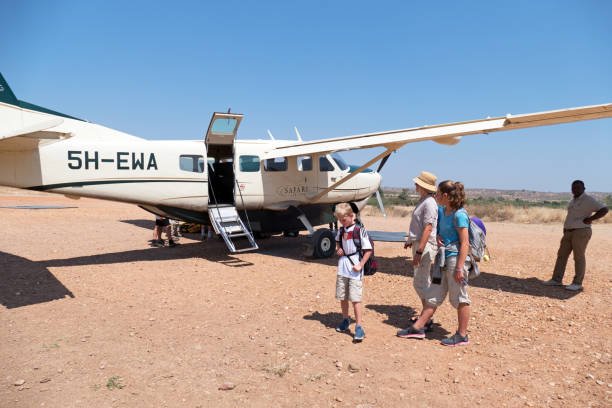
Budget Fly-In Safari From Zanzibar: Best Packages & Prices 2026-2027
Discover how to plan a budget-friendly fly-in safari from Zanzibar to Tanzania's top parks without sacrificing the quality of your wildlife experience.
View package detailsZanzibar To Ruaha National Park Fly-In Safari: Prices & Booking Guide
A practical guide to planning a fly-in safari from Zanzibar to Ruaha National Park, covering flight logistics, itinerary choices, and how to book with Climb 4 Africa.
View package details2-Day Nyerere Safari From Zanzibar: Flight-Inclusive Package Prices 2026-2027
An expert guide to planning a 2-day Nyerere safari from Zanzibar, covering flight-inclusive package structures, cost drivers, and the practical rhythm of a short-stay wildlife adventure.
View package detailsZanzibar To Mikumi Safari By Flight: Prices & Travel Options 2026-2027
A practical guide to the logistics, costs, and planning steps for flying from Zanzibar to Mikumi National Park.
View package detailsNo related package matches those filters. Clear one or more filters to see the other topic-matched options.



