
Flying from Arusha to the Serengeti is the most efficient way to maximize your safari time, typically taking between 45 to 90 minutes depending on the number of stops your bush plane makes. While flight prices fluctuate based on seasonality and demand for the 2026-2027 seasons, passengers must strictly adhere to a 15kg total baggage limit in soft-sided bags. Booking your flight as part of a comprehensive package is recommended to align landing times with your specific lodge location and game drive schedule.
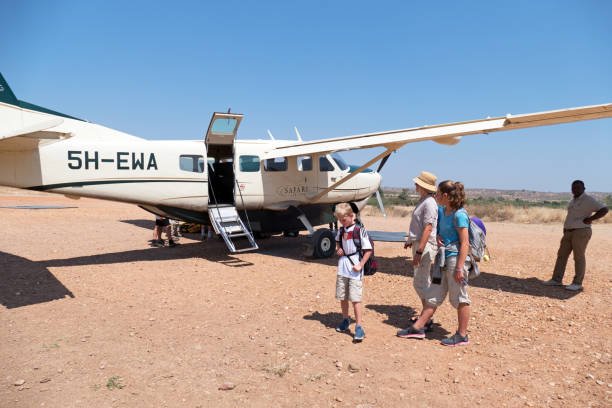
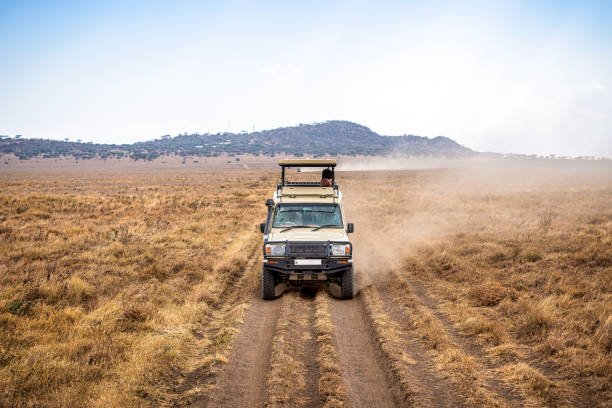
For many travelers planning a trip to Tanzania, the decision to fly from Arusha to the Serengeti is driven by one primary factor: time. Driving from Arusha to the central Serengeti can take anywhere from eight to ten hours, much of which is spent on transit rather than game viewing. By choosing a light aircraft flight, you trade those hours on the road for a swift aerial view of the Rift Valley and the Ngorongoro Highlands, landing directly in the heart of the park.
However, bush aviation in Tanzania operates differently than commercial travel. Understanding these nuances—specifically the flight routing, the reality of luggage limits, and the cost structure—is essential for a smooth arrival at your safari destination.
Understanding Flight Time and Routing
When you look at a flight itinerary from Arusha (ARK) to the Serengeti, you will often see a flight time listed as “45 to 90 minutes.” It is rarely a direct, non-stop flight. Most bush airlines, such as Coastal Aviation, Auric Air, or Regional Air, operate a “milk run” service. This means your flight may touch down at one or two other airstrips (such as Lake Manyara or Ngorongoro) before reaching your final destination in the Serengeti.
This is not a delay; it is the standard operating model for safari aviation. These small Cessna Caravan aircraft are designed for short-field takeoffs and landings, allowing them to access remote airstrips. When booking, ask your operator if your flight is direct or multi-stop. A multi-stop flight allows you to see more of the landscape from the air, but it does add time to your travel day. If you are on a tight schedule, private charters can be arranged to provide a direct, non-stop service, though this comes at a premium cost.
Flight Logistics Checklist
- Departure Point: Most flights depart from Arusha Airport (ARK), not Kilimanjaro International Airport (JRO). Ensure your transfer is booked to the correct airport.
- Arrival Airstrips: The Serengeti has multiple airstrips (Seronera, Kogatende, Lobo, Grumeti, etc.). Always verify which airstrip is closest to your lodge to avoid long, costly ground transfers.
- Weather Delays: While rare, bush flights are subject to visual flight rules (VFR). If weather conditions are poor, departures may be delayed.
Pricing Factors for 2026-2027
There is no single “fixed price” for an Arusha to Serengeti flight. Prices are dynamic and influenced by several factors. Because these flights are operated by smaller companies with limited seat inventory, prices tend to rise as the plane fills up. We strongly advise clients to finalize their flight bookings at least four to six months in advance, particularly for peak travel months like July, August, and September.
When you receive a quote for your safari, the flight is often listed as a separate line item or bundled into the total package. The cost typically covers:
- The seat on the light aircraft.
- Airport departure taxes and fuel surcharges.
- The convenience of a synchronized arrival with your safari vehicle.
If you are traveling during the “Green Season” (typically November through May), you may find more availability and occasionally lower fares compared to the peak migration months. For the most accurate, up-to-date pricing for your specific dates, please email us at climb4africa@gmail.com or reach out via WhatsApp at +255 747 477 898 with your preferred travel window. We can check real-time availability and secure the best routing for your itinerary.
Baggage Allowance and Restrictions
This is the most common point of confusion for safari travelers. Because the planes used for these flights are small, payload capacity is strictly managed for safety reasons. The standard baggage allowance is 15 kilograms (33 lbs) per person, and this includes your carry-on items.
Beyond the weight limit, the type of bag matters significantly. You must use a soft-sided bag (such as a duffel). Hard-shell suitcases cannot be easily manipulated into the cargo hold of a Cessna Caravan. If you arrive at Arusha airport with a hard-shell suitcase, you may be forced to leave it behind or pay for an extra seat to accommodate it—an expensive and avoidable mistake.
If you are combining your safari with a Kilimanjaro climb or a longer stay in Tanzania, you may have extra luggage. We assist our guests by arranging secure storage for excess bags in Arusha. You can leave your large suitcase with us, take your soft-sided bag to the Serengeti, and retrieve your luggage upon your return. This is a standard service for our clients, so please mention your total luggage volume when we discuss your trip logistics.
Selecting the Right Airstrip
The Serengeti is massive—nearly 15,000 square kilometers. Landing at the wrong airstrip can mean a three-hour drive to reach your lodge, effectively wasting your first afternoon of game viewing. When planning your Serengeti airstrip transfer, we prioritize the airstrip closest to your accommodation.
- Seronera Airstrip: Ideal for central Serengeti lodges. It is the most frequent arrival point for general safaris.
- Kogatende Airstrip: Essential if you are visiting the Northern Serengeti, particularly during the Great Migration river crossings.
- Grumeti or Sasakwa Airstrips: Often used for luxury lodges in the Western Corridor.
The choice of airstrip is not just about convenience; it is about cost. Some remote airstrips may have higher landing fees or require private vehicle transfers that add to the overall price. When you inquire about your trip, we will outline the specific airstrip options for your chosen lodges so you know exactly what the transit time and cost will look like.
Why Book Through a Local Operator?
While it is possible to book flights directly through airline websites, doing so often leads to logistical gaps. A flight booking is only one piece of the puzzle. You need a vehicle waiting at the airstrip, a guide who knows where to find you, and a plan that accounts for potential delays.
When you book through Climb 4 Africa, we manage the entire sequence. If a flight is delayed, our team on the ground is alerted and will adjust your fly-in safari pickup time accordingly. You avoid the stress of coordinating multiple service providers. Whether you are interested in a 3-day safari or a longer expedition, having a single point of contact for your flights, park fees, and accommodation ensures that your focus remains on the wildlife, not on logistical coordination.
Frequently Asked Questions
Are there weight limits for carry-on bags?
Yes. The 15kg total limit includes everything you bring on the plane. Camera equipment can be heavy, so if you are a professional photographer, please let us know in advance. We can sometimes arrange to purchase an extra seat for additional gear, though this must be confirmed well before your travel date.
Can I fly from Arusha to the Serengeti and return to a different location?
Absolutely. Many travelers choose to fly into the Serengeti from Arusha and then fly out to Zanzibar or Dar es Salaam at the end of their safari. We handle these multi-leg logistics regularly, ensuring your flight path makes sense for your total itinerary.
What happens if my international flight arrives late in Arusha?
If your international flight into Kilimanjaro (JRO) is delayed, causing you to miss your connecting bush flight to the Serengeti, we will work to rebook you on the next available flight. This is why we generally recommend having a buffer day in Arusha if possible, or ensuring your international arrival time leaves a generous margin for customs and transfer to the domestic airport.
Ready to start planning your 2026 or 2027 safari? We have the local expertise to navigate flight schedules, airstrip logistics, and baggage requirements for you. Contact us today to discuss your travel dates and get a clear, transparent quote for your Tanzanian adventure. You can reach our team via email at info@climb-4-africa.com or connect with us directly on WhatsApp at +255 747 477 898.
Life Inside a Bush Plane: What to Expect In-Flight
The aircraft typically utilized for the Arusha to Serengeti route are single-engine turboprops, most commonly the Cessna Grand Caravan. Unlike the commercial jets that likely brought you to Tanzania, these planes offer a very different flying experience. Because these aircraft are unpressurized and fly at lower altitudes, you will experience a much more intimate connection with the landscape below. You will be able to see the Rift Valley escarpment, the volcanic craters, and the vast plains of the Serengeti in vivid detail, effectively turning your transfer into a scenic game viewing flight.
However, the smaller size of the cabin means there are no flight attendants, no beverage service, and, crucially, no onboard lavatories. The cabin is also significantly louder than a commercial airliner, as you are sitting in close proximity to the engine. Most operators provide ear protection, but many travelers prefer to bring their own noise-canceling headphones to make the journey more comfortable. The seating is generally arranged in a single row or a narrow aisle configuration, meaning every seat is essentially a window seat, providing unobstructed views.
Managing the Airport Transfer Gap
A frequent point of confusion for international travelers is the distinction between Kilimanjaro International Airport (JRO) and Arusha Airport (ARK). While they serve the same region, they are located approximately 50 to 60 kilometers apart. JRO is the primary gateway for international carriers, whereas ARK is the dedicated hub for domestic bush aviation. If your international flight lands at JRO, you must account for a ground transfer of roughly 60 to 90 minutes to reach Arusha Airport, depending on traffic conditions in Arusha town.
It is vital not to underestimate this transfer. Even if your flight schedule looks theoretically possible, a delay in customs or baggage claim at JRO can easily cause you to miss your bush flight. We strongly advise that you do not attempt to book a domestic flight that departs less than three hours after your international arrival time. If your schedule is tight, the safest option is to clear immigration, collect your luggage, and have a pre-arranged private vehicle waiting to whisk you directly to Arusha Airport. Relying on taxis or public transport at the airport can introduce unnecessary variables and stress before your safari has even begun.
Airstrip Safety and Arrival Protocols
Arriving at a bush airstrip in the Serengeti is a stark contrast to landing at a major international airport. These airstrips are often simple, unpaved runways carved out of the savannah. Upon landing, safety is the primary concern. Passengers must remain seated until the pilot explicitly signals that it is safe to disembark. When exiting the aircraft, you must walk directly to the designated waiting area, usually a small hut or a collection of chairs under a tree, and never walk behind the aircraft or toward the propeller area.
Because these airstrips are remote, there is rarely a permanent terminal building. Your ground team—usually your safari guide or a representative from your lodge—will be waiting at the side of the airstrip with a 4×4 vehicle. Do not be alarmed if you do not see anyone immediately upon landing; in the Serengeti, vehicles often wait just out of sight to avoid disturbing wildlife. Your pilot will typically communicate with your lodge via radio as they approach, ensuring that your ground transport is positioned and ready for your arrival. Once you have greeted your guide and loaded your luggage, your safari begins the moment you step into the vehicle, often with a short game drive on the way to your accommodation.
Operational Realities: Shared Flights vs. Private Charters
When booking your transit to the Serengeti, you are generally choosing between two distinct service models: the scheduled “seat-in-plane” service and the private charter. Understanding the difference is vital for managing your expectations regarding flexibility and cost.
The vast majority of safari travelers utilize the scheduled service. In this model, you are purchasing a single seat on an aircraft that follows a pre-set loop of airstrips. This is the most economical method, as the operational costs of the flight are shared among several passengers. However, this model requires you to adhere to the airline’s schedule. If your flight is routed through three different airstrips before reaching your destination, you must remain on the plane for each takeoff and landing. You do not have the authority to request a direct flight or a different departure time.
Private charters, by contrast, offer a bespoke aviation experience. By booking an entire aircraft, you gain control over the flight schedule. This is particularly advantageous for large families, professional film crews with extensive equipment, or travelers who have a very specific, tight itinerary that does not align with the standard “milk run” loops. A private charter can fly directly from Arusha to your specific lodge’s airstrip without intermediate stops, potentially saving hours of transit time. However, this convenience comes at a significant premium, as you are essentially paying for the entire capacity of the aircraft, regardless of how many seats you occupy. For most travelers, the scheduled service is perfectly adequate, but for those with specific time constraints or large groups, the charter option provides a level of control that scheduled flights cannot match.
Navigating Weather and Flight Disruptions
Bush aviation in Tanzania is governed by Visual Flight Rules (VFR). Unlike large commercial jets that utilize sophisticated instrument landing systems to navigate through heavy cloud cover or storms, bush planes require the pilot to maintain visual contact with the ground and landmarks at all times. This creates a unique operational reality: weather is the final arbiter of your flight schedule.
During the rainy seasons, or even during localized storms in the Serengeti, flight schedules can be disrupted rapidly. If visibility drops below a safe threshold—often due to low-hanging clouds over the Ngorongoro Highlands or heavy rain at the airstrip—flights may be delayed or cancelled. It is important to approach this possibility with a realistic mindset. Airlines prioritize safety above all else; a delay is an inconvenience, not a failure of service. If your flight is grounded, the operator will typically rebook you on the next available flight once conditions clear. In rare instances of prolonged bad weather, they may coordinate with ground transport to move you to your destination, though this will significantly extend your travel time. We strongly recommend that travelers keep this variable in mind when scheduling their itinerary. Do not plan a high-stakes meeting or a time-sensitive activity for the afternoon of your arrival day in the Serengeti.
The Geometry of Luggage: Why Soft-Sided Bags are Non-Negotiable
The requirement for soft-sided luggage is not merely a suggestion; it is a physical necessity dictated by the design of the bush plane. The aircraft most frequently used for these routes, such as the Cessna Grand Caravan, utilize a specialized external cargo pod located underneath the fuselage. This pod is relatively narrow and has a specific, rigid shape designed for aerodynamics and weight distribution.
Hard-shell suitcases, even those that fit within the 15-kilogram weight limit, are often physically impossible to load into these cargo pods. A hard suitcase cannot be compressed or maneuvered into the tight corners of the pod. If you arrive at Arusha Airport with a hard-shell suitcase, you may be denied boarding, or you may be required to leave the bag at the airline’s office in Arusha to be stored or sent on a later flight—at your own expense and risk. Soft-sided duffel bags, however, are malleable. They can be pushed, folded, and squeezed into the cargo space, allowing the ground crew to maximize the available volume for all passengers on the flight. When selecting your luggage, prioritize high-quality, collapsible duffel bags. Avoid suitcases with rigid frames, internal pull-out handles that take up space, or bulky wheels that protrude. By adhering to this simple gear requirement, you ensure that your baggage travels with you, rather than being left behind on the tarmac.
The Weight-and-Balance Protocol: Why Body Weight Matters
For many travelers accustomed to commercial aviation, the request for body weight during the booking process can feel intrusive or unnecessary. However, in the context of bush aviation, this is a fundamental safety requirement. Unlike large commercial airliners that operate with significant margins for error, the Cessna Grand Caravan and similar bush aircraft operate with strict Maximum Take-Off Weight (MTOW) limitations. Every kilogram—whether it is passenger weight, fuel, or cargo—is factored into the pilot’s pre-flight calculation. This is not a matter of airline policy; it is a matter of physics and flight safety.
When you book your flight, you are typically asked to provide your body weight. This is not for a manifest that is checked for social reasons, but for a critical load sheet. If a plane is nearing its weight capacity, the pilot must make operational decisions, such as reducing the fuel load (which requires a stop for refueling) or offloading cargo. If passengers have significantly underestimated their weight, it can force a last-minute re-calculation of the aircraft’s balance. In extreme cases, if a plane is over its safety limit, the pilot may be forced to leave passengers or luggage behind. Being accurate and honest when providing your weight is the best way to ensure your flight departs on time and that your luggage accompanies you. If you are traveling with heavy camera equipment or specialized gear, disclose this as ‘extra cargo’ rather than lumping it into your personal weight allowance. This allows the operator to plan for the aircraft’s center of gravity, which is particularly sensitive in smaller planes.
The Last Mile: Coordinating Your Airstrip Meet-and-Greet
Once you touch down on the dusty, unpaved runway of a Serengeti airstrip, your journey is not yet complete. The transition from the aircraft to your safari vehicle is a specialized operation that requires a smooth hand-off between the airline and your lodge. Because these airstrips are often remote and lack permanent terminal buildings, there is no ‘arrival hall’ or signage to guide you. The coordination of this ‘last mile’ is a critical component of your safari logistics.
Typically, the lodge or ground operator is responsible for monitoring your flight’s progress. Most bush airlines provide a daily manifest to lodge managers. When your flight is confirmed, the airline updates the lodge on your estimated time of arrival (ETA). However, bush flight schedules are fluid; headwinds, weather, and passenger delays can shift your landing time by 30 to 60 minutes. Your lodge driver is usually tracking these updates via radio or mobile communication with the airstrip manager or the airline’s ground staff. When you exit the plane, you should look for a driver holding a sign with your name or your lodge’s name. This is standard practice, but it relies on clear communication. Ensure that your lodge has your correct flight number and the specific airstrip where you are landing. If you arrive and do not see your driver, do not panic. The airstrip manager or the pilot will often have radio contact with local lodges. The pilot will typically wait until they are certain you have been greeted before departing, as they are responsible for ensuring that passengers are not left unattended on an open, remote airstrip.
Communication Loops and Operational Delays
The efficiency of your arrival depends on a ‘closed-loop’ communication system. The pilot receives updates from the operations center, the operations center communicates with the lodge, and the lodge communicates with the driver. When this loop is broken—often due to poor mobile reception or last-minute flight changes—delays occur. If you have booked your flights and ground transfers through different entities, you are responsible for ensuring that the lodge has your flight itinerary. If you book through a single local operator, they manage this loop for you, ensuring that if your flight is diverted or delayed, the driver is notified immediately. Travelers who arrive at an airstrip to find no one waiting should stay near the aircraft or the designated ‘waiting’ area (often just a small shaded structure). The pilot is your best resource in this scenario; they are in direct contact with the regional dispatch and can often expedite the arrival of your driver by alerting them that you are on the ground.
Navigating the Arusha Airport (ARK) Departure Terminal
While much of the logistical planning for a Serengeti safari focuses on the bush flight itself, the experience at Arusha Airport (ARK) warrants specific attention. Unlike Kilimanjaro International Airport (JRO), which functions as a standard, large-scale commercial hub, Arusha Airport is a compact, regional facility designed primarily for light aircraft traffic. Travelers expecting the amenities, lounges, and duty-free shopping of a major international terminal will find a starkly different environment here.
The Reality of Pre-Flight Security and Amenities
Security protocols at Arusha Airport are manual and highly personalized. Because the terminal lacks the massive X-ray conveyor systems found at major international airports, security personnel often perform physical inspections of luggage. This is not an indication of suspicion, but a standard operating procedure to ensure compliance with the strict weight and safety requirements of small aircraft. You should anticipate opening your bags for inspection and having your carry-on items scanned or physically checked before you are cleared to walk onto the tarmac.
Regarding amenities, the airport is limited. There is a small coffee shop and basic seating, but you should not plan to purchase significant supplies, gear, or high-end snacks here. If you require specific medication, snacks for the flight, or extra water, secure these items in Arusha town before heading to the airport. The waiting area is often an open-air or semi-enclosed space, which is part of the charm of bush aviation but means you should dress comfortably for the ambient temperature rather than relying on climate-controlled lounges.
Optimizing Your Arrival Time
A common mistake is applying international airport “arrival rules” to Arusha Airport. Arriving three hours before your flight—standard advice for international travel—is unnecessary and often counterproductive at ARK. Because the terminal is small and the check-in process is streamlined, arriving 60 to 90 minutes before your scheduled departure is the “sweet spot.” This timeframe allows ample space for check-in, the manual security check, and a brief orientation with your pilot, without forcing you to spend excessive time waiting in a facility with limited services.
If you arrive significantly earlier than this, you may find that the airline staff is still busy managing incoming flights or that your pilot has not yet arrived to prepare the aircraft. Conversely, arriving less than 45 minutes before departure can be risky; even though the airport is small, bush airlines often aim to depart slightly ahead of schedule if all passengers are present, and a late arrival can result in missing your slot entirely, potentially disrupting your entire safari itinerary.
Mastering the Bush Airstrip Departure
While much of the logistical focus is placed on the arrival in the Serengeti, the departure process from a remote bush airstrip requires a different set of expectations. Unlike Arusha Airport, which functions as a formal, albeit small, transportation hub, a Serengeti airstrip is essentially a stretch of compacted earth or gravel. There are no departure lounges, no boarding gates, and no security personnel to guide you. The responsibility for a smooth departure rests on a unique, collaborative effort between the lodge staff, the pilot, and the passengers.
When you are scheduled to depart the Serengeti, your lodge will typically drive you to the airstrip 30 to 45 minutes before the flight’s estimated time of arrival. This buffer is critical because bush planes often operate on a fluid schedule. If the aircraft arrives early, the pilot may want to depart immediately to stay ahead of weather patterns or to accommodate other scheduled stops. Upon arrival at the airstrip, you will notice the absence of infrastructure. You will likely wait in the shade of a nearby acacia tree or inside your safari vehicle. It is essential to remain near the vehicle until the aircraft is fully parked and the engines are powered down. The airstrip is not a secure zone; wildlife, particularly elephants or warthogs, can wander onto the runway at any time.
The pilot is the ultimate authority during this phase. Before you are cleared to approach the aircraft, the pilot will conduct a visual sweep of the runway. If wildlife is present, the pilot or ground crew will use the vehicle to safely encourage the animals to move. Do not attempt to walk onto the tarmac until you have received a direct, verbal signal from the pilot. Once the runway is confirmed clear and the aircraft is ready for boarding, the loading process is swift. Because these planes are small, there is no formal boarding order. You will be asked to place your soft-sided bags into the designated cargo hold—often an external pod or a rear compartment—and then board the cabin. Always ensure your hat, sunglasses, and personal items are secured before you step out of the vehicle, as the prop wash from a taxiing plane can be surprisingly powerful.
In-Flight Cabin Dynamics and Passenger Etiquette
The interior of a Cessna Grand Caravan or similar bush aircraft creates a communal environment that is vastly different from commercial air travel. With usually fewer than 12 seats, you are sitting in close proximity to fellow travelers and the pilot. Understanding the unspoken rules of this environment can significantly improve the comfort and efficiency of your flight.
The most common point of friction involves seat selection. In commercial aviation, you have a pre-assigned seat; in bush aviation, the pilot acts as the gate agent and weight-and-balance officer. The pilot will often request that specific passengers sit in specific seats to ensure the aircraft is balanced for takeoff. If you are asked to move to the back or to a specific side, comply immediately without negotiation. This is not a request based on preference but a fundamental safety requirement for the aircraft’s center of gravity. Do not attempt to swap seats mid-flight or during the boarding process without explicit permission from the pilot.
Regarding the flight experience itself, the cabin is loud. The engine noise is constant and high-pitched, which makes conversation difficult. While some operators provide noise-canceling headsets, this is not guaranteed on every flight. Bringing your own high-quality earplugs or noise-canceling headphones is highly recommended, especially if you are sensitive to engine drone. Furthermore, because these flights are often short and the aircraft lacks a pressurized cabin with modern amenities, there are no lavatories on board. Ensure you utilize the facilities at your lodge or the airstrip’s designated (and very basic) restroom before boarding. Once the aircraft is airborne, you are committed to the duration of the flight, which may include multiple stops.
Photography is a major highlight of these flights, and pilots are generally accommodating. However, there is a protocol to follow. Do not lean over the pilot’s shoulder or obstruct their view of the instruments. If you wish to take photos, do so from your seat. Avoid using flash, as it can cause glare against the plexiglass windows and distract the pilot. If you are seated next to a window, be mindful of your fellow passengers; if you notice someone across the aisle has a better angle for a specific landmark, such as the Ngorongoro Crater rim, it is customary to offer a quick swap or share the view. Remember that the primary purpose of the flight is transit, not a scenic tour, so maintain a respectful distance from the cockpit at all times.
Finally, be prepared for the ‘temperature swing.’ These aircraft have limited climate control. On the ground, the cabin can become stiflingly hot while the pilot completes pre-flight checks. Once you reach cruising altitude, the cabin temperature drops significantly. Dressing in layers is the most effective strategy. A light jacket or fleece that you can easily put on or take off without unbuckling your seatbelt is the ideal attire for a bush flight.
Navigating Inter-Camp Transfers within the Serengeti
While the initial flight from Arusha to the Serengeti is the most widely discussed segment of safari travel, many itineraries involve secondary flights—often called “inter-camp” or “bush-to-bush” transfers. Because the Serengeti spans nearly 15,000 square kilometers, travelers often split their stay between different regions, such as the Central Serengeti for big cat sightings and the Northern Serengeti (Kogatende) for the Great Migration river crossings. Understanding how these internal hops function is critical to preserving your time.
Inter-camp flights differ from the Arusha-to-Serengeti route in their operational structure. While the Arusha leg is a high-volume, scheduled service, inter-camp flights are often “on-demand” or part of a “circuit” that changes daily based on passenger manifests. When you book a multi-camp itinerary, your bush flight acts as a shuttle between remote landing strips. It is common for these flights to involve multiple stops, where the aircraft serves as a bus of the skies, dropping off guests at one lodge’s airstrip before taxiing to another to pick up new passengers. This process is smooth but requires passengers to be ready at their lodge reception at the exact time provided by the camp manager, as these pilots operate on tight, variable schedules.
There is also the “Game Drive Transfer” alternative to consider. If your two camps are within a reasonable distance—for instance, between two lodges in the Central Serengeti—you may be offered a game drive transfer instead of a flight. This is not merely a taxi ride; it is a guided game drive that moves you from one location to another. While a flight is faster, a game drive transfer allows you to continue viewing wildlife during the transition. When booking your inter-camp logistics, ask your operator whether the distance between your lodges is best bridged by air or by land; sometimes, the flight time saved is negligible once you factor in the check-in and boarding processes at remote bush airstrips.
Deciphering the Hidden Costs: Landing Fees and Concession Levies
When reviewing quotes for bush flights, you will often notice a discrepancy between the “base fare” advertised online and the final invoice provided by your tour operator. This is rarely a sign of hidden markups; rather, it reflects the complex fee structure inherent to Tanzanian bush aviation. Beyond the seat cost, there are mandatory government and park-level fees that must be accounted for.
First, there is the “Landing Fee,” which is a charge levied by the specific airstrip operator to maintain the runway. Because these airstrips are located in remote wilderness areas, maintaining a flat, safe, and clear surface for Cessna Caravans requires significant resources. These fees are per-landing, meaning if your flight itinerary includes multiple stops (the “milk run” mentioned previously), you may see these fees aggregated into your total. Second, there are “Concession Fees” or “Park Entry Fees” associated with the aircraft entering protected Serengeti airspace. These are distinct from the park fees you pay for your safari game drives.
When comparing prices, always clarify whether the quoted rate is “all-inclusive” of these taxes and fees. A lower advertised ticket price that excludes these levies can quickly balloon to match or exceed a higher, all-inclusive quote. Furthermore, these fees are subject to change by the Tanzania Civil Aviation Authority (TCAA) and the Tanzania National Parks Authority (TANAPA). If you are booking your travel for the 2026-2027 season, ensure that your operator has confirmed the inclusion of these specific levies in your contract to avoid unexpected surcharges upon arrival at the airstrip.
Accessibility and Physical Mobility Considerations
For travelers with mobility challenges or those traveling with medical equipment, the transition from commercial aviation to bush aviation requires significant forethought. Unlike major international airports that utilize jet bridges, lifts, or ramps, bush airstrips are essentially raw patches of ground. Boarding a Cessna Grand Caravan—the workhorse of the Tanzanian safari industry—involves a physical climb. The cabin door is located on the side of the fuselage, and passengers must ascend a high, narrow step (or a portable stool) to reach the threshold. There are no handrails or automated assistance systems once you are inside the aircraft.
If you have limited mobility, a recent injury, or balance issues, it is imperative that you communicate this to your tour operator at the time of booking, not at the airstrip. While the bush airline staff and your lodge transfer drivers are generally helpful and accustomed to assisting passengers, they are not medically trained caregivers. In some cases, the airline may need to assign a specific seat—typically the one closest to the door—to minimize the distance you need to walk inside the cabin. Furthermore, if you are traveling with a foldable wheelchair or a walker, you must confirm that the aircraft has the cargo capacity to store it. Because the baggage hold is often filled to capacity with the standard luggage of other passengers, your mobility aid must be factored into the weight-and-balance calculations of the pilot well in advance.
The Physiological Reality of Unpressurized Bush Flight
Most commercial travelers are accustomed to the pressurized cabins of large jets, which maintain an artificial environment equivalent to an altitude of 6,000 to 8,000 feet, regardless of the actual cruising altitude. Bush planes, however, are unpressurized. They typically cruise at much lower altitudes, often between 5,000 and 10,000 feet above sea level, depending on the terrain and weather conditions. While this is low enough that oxygen masks are not required, it does have physiological implications that can affect your comfort.
The primary concern for many passengers is ear pressure changes. Because the pilot may need to ascend or descend rapidly to navigate around localized weather fronts or to follow the most efficient flight path over the Ngorongoro Highlands, you may experience more frequent or intense ear popping than on a standard commercial flight. Additionally, the cabin environment can be significantly warmer or cooler than the outside air depending on the season and the sun’s position. Ventilation in these small aircraft is managed via manual overhead air vents; if you are sensitive to temperature fluctuations, dress in layers that can be easily adjusted while seated. Finally, if you are prone to motion sickness, be aware that the lower altitude means you are more susceptible to the thermal currents and wind shear common over the African savannah. Unlike a jet that flies above the weather, a bush plane flies through the air currents near the ground, which can result in a bumpier ride. If you are prone to air sickness, it is advisable to take your preferred preventative medication at least 30 to 60 minutes before departure, as these aircraft do not carry medical supplies for motion sickness.

Insurance and Emergency Evacuation Protocols
A critical, yet frequently overlooked, aspect of booking a bush flight is the distinction between standard travel insurance and medical evacuation coverage. Many travelers assume that their comprehensive travel insurance policy covers all aspects of their trip, but standard policies often contain exclusions for “remote area travel” or “adventure aviation.” You must verify that your policy explicitly covers travel on light, single-engine aircraft operated by non-commercial carriers.
In the event of a medical emergency in the Serengeti, you are not minutes away from a hospital. You are hours away from the nearest medical facility, and that journey often requires an emergency flight. This is why membership with an organization like the AMREF Flying Doctors is highly recommended—and sometimes mandatory—for safari travelers. This service is not a replacement for medical insurance; rather, it is a specialized emergency transport service that coordinates the logistics of getting you from a remote bush airstrip to a hospital in Arusha or Nairobi. When booking your Serengeti flight, ask your operator if they coordinate with these services or if you are expected to hold an independent membership. Relying on the pilot to coordinate an emergency evacuation is a dangerous gamble; having a pre-existing arrangement with an evacuation provider ensures that the “last mile” of your safety is managed by professionals who understand the geography of the bush.
The Protocol for Delayed or Bumping Luggage
One of the most anxiety-inducing scenarios for a safari traveler is arriving at a remote Serengeti airstrip only to discover that their checked luggage did not make it onto the flight. In the context of bush aviation, this is rarely due to airline negligence or lost tags; it is almost exclusively a result of the strict weight-and-balance protocols required for safe flight operations. Because these small aircraft have a limited payload capacity, the pilot or operations team may be forced to leave bags behind if the total weight of passengers and gear exceeds the safety limit for the specific weather conditions or runway length on that day.
Why Bags are Sometimes Left Behind
When the aircraft reaches its maximum payload capacity—a limit that can fluctuate based on air density, temperature, and runway conditions—the airline must prioritize. Safety regulations dictate that the aircraft cannot be overloaded. If the flight is full or if passengers weigh more than the estimated averages provided during booking, the pilot may have to offload luggage to ensure the plane can safely take off. This is a standard, albeit inconvenient, operational necessity. You are not being singled out; the bags are simply the first items to be prioritized for removal to ensure the safety of the flight.
The Recovery Process for Delayed Luggage
Unlike commercial international airlines, which have centralized lost-and-found departments and automated tracking systems, bush airlines operate on a more manual, localized recovery system. If your luggage is offloaded, it is not “lost”; it is tagged and placed on the next available flight to your destination airstrip, often arriving later that same day or early the following morning. The airline operations team coordinates directly with your lodge or camp to ensure the bag is delivered. Because the lodge staff are accustomed to this process, they act as the primary point of contact. They will track the flight arrival, collect your bag from the airstrip, and deliver it to your tent. This is why it is critical to ensure that your luggage is clearly labeled with your name and the name of the lodge where you are staying; this information is essential for the ground crew to route your bag correctly.
Essential Carry-On Strategy
Given that luggage can occasionally be delayed, the most effective strategy is to pack a “survival kit” in your carry-on bag. This should include all essential medications, a change of clothes, basic toiletries, and any critical camera equipment or lenses you cannot afford to be without for 24 hours. Because the baggage allowance is strict (15kg total), you must be disciplined about what goes into your carry-on. Avoid the temptation to pack non-essential items in your primary bag if you are traveling during peak season or in a group, as larger groups are statistically more likely to trigger payload limitations that result in bumped bags.
Balancing Final Game Drive Logistics with Flight Departure
For many safari-goers, the final morning in the Serengeti is filled with a specific type of anxiety: the desire to squeeze in one last game drive while simultaneously ensuring a timely arrival at the airstrip for the flight back to Arusha. This tension between maximizing wildlife viewing and meeting strict aviation schedules is a classic safari dilemma. Because bush flights operate on tight, interconnected schedules—often visiting multiple airstrips before returning to Arusha—they do not operate like commercial flights that can simply hold the gate for a late passenger. If you miss your slot, the flight leaves without you, and rebooking can be complicated, especially if that flight was your connection to an international departure.
The most common cause of missed flights is what guides often call ‘sighting drift.’ You may be watching a pride of lions or a leopard in a tree, and while the experience is mesmerizing, it is easy to lose track of the time required to navigate the park’s terrain. Serengeti roads are unpaved, uneven, and often require slow, careful driving, particularly if there has been recent rain. A distance that looks like 20 kilometers on a map can easily take an hour to traverse in a safari vehicle. You must establish a ‘hard stop’ time with your guide the night before. This time should be calculated by working backward from your flight departure: if your flight is at 10:00 AM, you should aim to be at the airstrip by 9:30 AM. If the drive from your lodge to the airstrip is 45 minutes, your hard stop must be 8:45 AM, accounting for a 15-minute buffer for unforeseen obstacles like a herd of elephants blocking the road or a vehicle breakdown.
Furthermore, it is important to communicate your flight schedule clearly to your lodge manager upon arrival. Lodge staff are experienced in the ‘rhythm’ of bush aviation; they know which flights are typically full and which are prone to early departures due to weather. If they suggest an earlier departure from the lodge, do not view it as a curtailment of your safari, but as a necessary logistical safeguard. The goal is to arrive at the airstrip calm and collected, rather than racing down a bumpy track with the pilot already prepping the engines. Arriving 30 to 45 minutes early at a bush airstrip is not ‘wasted time’; it allows you to use the restroom, organize your hand luggage for the flight, and watch the small aircraft land—a spectacular experience in itself that serves as a perfect, tranquil conclusion to your Serengeti adventure.
Managing High-Value Photography Gear on Bush Flights
For professional photographers and serious hobbyists, the 15kg total baggage limit on bush flights presents a significant logistical hurdle. When your camera body, multiple lenses, and tripod head already weigh 8 to 10 kilograms, you are left with minimal allowance for clothing and personal items. Unlike commercial airlines, where you might pay an excess baggage fee to accommodate heavy gear, bush flights often have hard limits due to the aircraft’s center of gravity and payload capacity. If your equipment exceeds these limits, it may be offloaded regardless of its value, forcing you to choose between your clothes or your glass.
The most effective strategy for managing this is the ‘wearable luggage’ approach. Bush airlines weigh your checked luggage, but they rarely weigh the person or what the person is wearing. Invest in a high-quality photography vest or a jacket with oversized, reinforced pockets. You can safely transfer heavy lenses, battery packs, and even smaller camera bodies into these pockets during the check-in process. Once you have cleared the weighing station, you can redistribute your gear back into your camera bag. This maneuver effectively bypasses the weight scale while keeping your sensitive equipment under your direct supervision.
Furthermore, consider the physical environment of the aircraft. The cargo pods on Cessna Grand Caravans are external and subject to extreme temperature fluctuations and significant vibration during takeoff and landing on unpaved runways. High-end lenses and sensors are susceptible to micro-fractures and calibration shifts caused by this consistent, high-frequency vibration. Always pack your gear in a dedicated, shock-absorbent camera bag that provides structural rigidity. Avoid ‘soft’ wraps alone; use hard-shell, foam-padded inserts. If you are traveling with a tripod, ensure it is broken down into its smallest configuration and wrapped in protective padding; the metal legs can easily puncture the soft-sided bags required for these flights, leading to equipment damage or bag rejection by the pilot.
The Regulatory Reality of Drones and Lithium Batteries
A critical, often misunderstood aspect of flying in the Serengeti is the strict regulation regarding drones and lithium-ion batteries. Tanzania has implemented severe restrictions on the use of Unmanned Aerial Vehicles (UAVs) within National Parks. Bringing a drone into the Serengeti without a specialized, pre-approved permit from the Tanzania Civil Aviation Authority (TCAA) and the Tanzania National Parks Authority (TANAPA) is not merely a logistical error; it can lead to the confiscation of your equipment and significant legal penalties. If you are not a professional filmmaker with a pre-arranged permit, it is strongly advised to leave your drone at home or in a secure storage facility at your hotel in Arusha. Bush pilots are required to report unauthorized drone possession if discovered, and the risk of disruption to your safari far outweighs any potential footage.
Regarding power, lithium-ion batteries—which are essential for modern camera gear—are strictly prohibited in the cargo hold of all bush aircraft. This is a non-negotiable safety regulation driven by the risk of thermal runaway. All spare lithium batteries must be carried in your cabin baggage. Because bush planes are unpressurized and the cabin temperature can fluctuate rapidly, ensure that your batteries are stored in fire-resistant pouches. This not only complies with safety protocols but also protects the battery cells from extreme temperature-induced degradation. When packing your carry-on, ensure that all battery terminals are taped or individually bagged to prevent short-circuiting, which is a significant fire hazard in the confined, communal space of a small bush plane.
Understanding the Impact of Seasonal Airstrip Closures
While flight schedules are generally consistent, the operational reality of flying from Arusha to the Serengeti is heavily dictated by the seasonal viability of specific bush airstrips. Unlike major airports that operate regardless of the weather, bush airstrips are primitive infrastructure. During the height of the long rains—typically spanning from April through May—many airstrips in the Serengeti become waterlogged, creating hazardous conditions for the light aircraft utilized by bush operators. This leads to a phenomenon known as ‘airstrip closure,’ which can force your airline to reroute your arrival to a different landing strip, sometimes hours away from your original destination.
When an airstrip is declared unsafe due to mud or standing water, the airline’s operations center will redirect your flight to the nearest all-weather airstrip. It is critical to understand that this is a safety-first decision made by the pilot and regional aviation authorities. While it may seem like a significant inconvenience, landing on a waterlogged runway risks the aircraft becoming mired in mud, which can result in days of downtime for the plane and potentially dangerous off-runway excursions. If your flight is rerouted, your lodge will be notified, and they will adjust the ground transfer accordingly. However, this often adds significant time to your journey, as the lodge must then coordinate a longer vehicle transfer from the alternative airstrip to your camp.
To mitigate the impact of these seasonal closures, travelers should prioritize lodges that offer flexible transfer options or those located near all-weather, gravel-surfaced airstrips. These strips are engineered with better drainage and structural integrity, making them less susceptible to the seasonal rains. When booking your travel for the shoulder seasons, ask your operator specifically about the ‘all-weather’ status of the airstrip serving your lodge. If you are traveling during the wet season, factor in an extra two to three hours of transit time in your itinerary to account for potential rerouting. This buffer ensures that even if your flight lands at a distant airstrip, you are not rushing to meet an evening game drive or missing a crucial check-in window.
Managing the ‘Weight-and-Balance’ Manifest for Group Travel
For families or groups traveling together, the weight-and-balance protocol takes on a different dimension. When a group of four or more individuals books seats on a shared bush flight, the airline treats the group’s total weight as a single variable in the aircraft’s load sheet. This is where many groups encounter unexpected logistical hurdles. If the cumulative weight of your group, combined with your luggage, exceeds the flight’s safety margin for that specific day—which can fluctuate based on air temperature and the altitude of the destination airstrip—the airline may be forced to split your group across two separate flights or offload a portion of your luggage to a later service.
This is not a reflection of poor planning, but a rigid adherence to physics. As temperatures rise in the Serengeti, air density decreases, which reduces the lift generated by the aircraft’s wings. Consequently, the plane can carry less weight than it would on a cool morning. If your group is large, the airline will often require individual weights for every passenger at the time of booking to ensure the flight manifest is within legal safety limits. Providing accurate, honest weights is the only way to avoid ‘bumping’ at the airstrip. If you estimate low, you risk the pilot refusing to board your entire party, which can delay your arrival by several hours while they source an additional aircraft or wait for a lighter flight window.
If you are traveling with children, do not assume they are exempt from these calculations. Even small children contribute to the total payload. For group travelers, the most effective strategy is to consolidate your luggage. If one person in your group is carrying very little, they can potentially carry some of the weight for another member who is closer to the limit, provided the total group weight remains within the booked allocation. However, this must be coordinated with the airline in advance. Never attempt to redistribute weight at the check-in desk; the pilot requires a pre-calculated load sheet to ensure the center of gravity is correct for the specific aircraft configuration.
Navigating the ‘Interline’ Connection: When Your International Flight and Bush Flight Are Not Linked
A frequent source of anxiety for travelers is the disconnect between the booking of an international flight (arriving at Kilimanjaro International Airport – JRO) and the separate booking of a domestic bush flight (departing from Arusha Airport – ARK). Because these two segments are rarely booked on a single ticket, they do not share the same “interline” protections found in global commercial aviation. If your international flight is delayed, the bush airline is under no contractual obligation to hold the aircraft or provide a free rebooking, as your bush flight is treated as a separate, point-to-point service.
To mitigate this risk, it is critical to understand the concept of “buffer time.” Standard industry practice suggests a minimum of four to five hours between your scheduled international arrival at JRO and your bush flight departure from ARK. This timeframe must account for the 45-to-60-minute drive between JRO and ARK, potential immigration queues, and the domestic check-in requirement. If you book a bush flight with only a two-hour gap, you are operating on a razor-thin margin that leaves zero room for the reality of international travel delays, such as luggage carousel bottlenecks or visa-on-arrival processing speeds.
The Financial Implications of a ‘No-Show’
If you miss your scheduled bush flight due to an international delay, your ticket is typically marked as a “no-show.” In the context of bush aviation, this often results in the total forfeiture of the fare. Unlike major airlines that may rebook you on the next available flight for a nominal fee, bush airlines operate with limited daily frequencies. If you miss your morning departure, there may not be another flight to your specific Serengeti airstrip until the following day. This not only incurs the cost of a new ticket but also triggers a cascade of secondary costs: the need for an overnight stay in Arusha, potential late-cancellation fees at your safari lodge, and the loss of a pre-paid game drive.
Mitigation Strategies for Disconnected Itineraries
To protect your investment, consider three specific strategies:
- The ‘Meet-and-Greet’ Concierge: Many high-end safari operators offer a dedicated “transfer concierge” service. This is not just a driver; it is a point of contact who monitors your inbound flight status in real-time. If your flight is delayed, they can proactively communicate with the bush airline to notify them of your status, potentially securing a seat on a later flight if one is available.
- The ‘Day-Room’ Buffer: If your international flight arrives late in the afternoon or evening, do not attempt a same-day transfer to the bush. Book a night in an Arusha hotel. This eliminates the stress of the JRO-to-ARK transfer and ensures you are rested and ready for the first morning flight, which is statistically less likely to be delayed by the cumulative “milk run” disruptions that can affect afternoon flights.
- Travel Insurance with ‘Missed Connection’ Coverage: Ensure your travel insurance policy explicitly covers “missed connection” scenarios for separate-ticket travel. Standard policies often only cover missed connections if the flights are on the same itinerary. You need a policy that provides coverage for the non-refundable costs of the bush flight and the additional accommodation required if you are delayed.
The Reality of ‘Wait-Listing’
In the event of a missed flight, you may find yourself placed on a “wait-list” for the next available aircraft. It is important to realize that in the Serengeti, priority for these seats is not always chronological. It is often determined by the airline’s logistical need to balance the load across their fleet. If you are wait-listed, remain in constant contact with your booking agent or the bush airline’s ground representative at the Arusha terminal. Do not wander far from the terminal, as bush flight schedules are dynamic and can be adjusted with very little notice based on passenger manifests and weather conditions.
The ‘Lost Day’ Phenomenon: Managing Arrival and Departure Expectations
A common friction point for travelers planning a Serengeti safari is the discrepancy between the “flight time” (typically 60 to 90 minutes) and the “travel day” (which often consumes the better part of a full day). It is a frequent misconception that because the flight is short, the transition from an international airport to a remote bush camp can be treated as a minor, mid-day logistical task. In reality, the logistics of bush aviation necessitate treating both your arrival and departure days as dedicated travel days, rather than extensions of your game-viewing schedule.
The Buffer Logic: Why Same-Day International Connections Are High-Risk
The most dangerous scheduling error a traveler can make is attempting to connect an international flight arriving at Kilimanjaro International Airport (JRO) with a bush flight departing from Arusha Airport (ARK) on the same day, particularly if the international flight lands after 11:00 AM. While the distance between JRO and ARK is roughly 50 kilometers, the transfer requires clearing customs, navigating ground traffic, and re-checking luggage. Even if your flight is on time, the “cushion” required for customs clearance can be unpredictable. If your international flight is delayed by even two hours, you effectively miss the last viable bush flight of the day. Because bush airlines operate on a fixed-wing schedule that relies on daylight, there are no “late night” flights to the Serengeti. A missed connection here almost invariably results in a forced overnight stay in Arusha, effectively “losing” your first night at the lodge and disrupting the lodge’s pre-arranged game drive schedule.
The ‘Cascading Delay’ Effect on Afternoon Schedules
Travelers often gravitate toward afternoon bush flights, assuming they allow for a leisurely morning in Arusha. However, afternoon flights are statistically the most vulnerable to the “cascading delay” effect. Because bush planes operate as a “milk run”—stopping at multiple airstrips to pick up and drop off passengers—a single delay at the first or second stop ripples through the entire day’s schedule. A weather delay at a remote airstrip in the early morning can push the aircraft’s arrival back by an hour, which then forces the pilot to rush subsequent turnarounds, potentially leading to the offloading of luggage to meet weight-and-balance requirements. By the time the aircraft reaches the final legs in the afternoon, the probability of schedule disruption is at its peak. Whenever possible, prioritize the earliest morning flight slot. These flights are the most reliable because they start with a clean slate, unaffected by the cumulative delays of the preceding hours.
Strategic Buffer Planning for Outbound Journeys
The return journey—from the Serengeti to Arusha—requires a similar “buffer” mindset. Many travelers attempt to schedule their international flight home for the same evening as their bush flight. This is a high-risk strategy that fails to account for the reality of bush aviation. If a bush flight is grounded due to weather or technical issues, there is rarely a secondary commercial option to get you back to Arusha in time for a late-evening international departure. The standard professional recommendation is to schedule your bush flight to arrive in Arusha at least six to eight hours before your international flight is scheduled to depart. This provides a safety margin for the “last mile” of your journey, allowing for potential delays in the bush, a relaxed transfer to JRO, and the necessary time to clear the standard international check-in procedures.
The Impact of Aircraft Type on Payload and Comfort
While the “15kg baggage allowance” is the industry standard for bush flights from Arusha to the Serengeti, it is vital to understand that this limit is not arbitrary; it is dictated by the specific aircraft assigned to your route. Safari operators primarily utilize the Cessna Grand Caravan, a rugged, high-wing aircraft capable of carrying up to 12 or 14 passengers. This is the workhorse of the Serengeti, and its payload capacity is designed to accommodate the standard weight of passengers plus their soft-sided luggage. However, on certain routes or during periods of lower demand, operators may deploy smaller aircraft, such as the Cessna 206 or the Cessna 210. These light, single-engine planes have significantly lower payload capacities than the Caravan.
When you are booked on one of these smaller aircraft, the weight-and-balance protocol becomes much more restrictive. In these instances, the 15kg limit is strictly enforced, and the pilot may even request your body weight at the time of booking to ensure the aircraft remains within its safe operational envelope. Unlike the Grand Caravan, which has a dedicated rear cargo pod for luggage, smaller planes store luggage inside the cabin or in restricted compartments, meaning there is no flexibility for “oversized” soft bags. If you find your itinerary includes a transfer on a smaller light aircraft, it is essential to prioritize weight reduction even further, as these planes are more sensitive to the ‘density altitude’—a combination of high heat and high elevation—which reduces engine performance and dictates how much weight can safely lift off from a remote bush strip.
Strategic Routing: The Arusha Hub vs. Point-to-Point Transfers
A frequent point of confusion for travelers is the decision to return to Arusha between safari legs versus attempting a direct “bush-to-bush” transfer. Arusha (ARK) functions as the central nervous system of Tanzanian safari aviation. It is the “Hub” in the hub-and-spoke model. Because most bush airlines maintain their maintenance hangars, pilot bases, and refueling infrastructure at Arusha Airport, almost all flights are routed back through this central point. This is why, even if you are moving from the Serengeti to another park like Ruaha or Selous, you will often find yourself routed through Arusha.
Understanding this hub-and-spoke model is critical for managing your expectations regarding flight times. While a direct flight might look possible on a map, the operational reality of the bush airline network prioritizes efficiency by funneling aircraft back to the hub for crew changes, refueling, and aircraft cleaning. If you are offered a direct “point-to-point” flight—where you fly directly from the Serengeti to a secondary destination without stopping in Arusha—this is often a specialized charter or a specific high-volume scheduled route. While these direct flights save time, they are often priced at a premium because they remove the airline’s ability to consolidate passengers at the hub. When planning your Serengeti itinerary, weighing the cost-savings of the hub-and-spoke model against the time-savings of a direct point-to-point transfer is one of the most effective ways to optimize your travel budget and overall safari experience.
The Dynamics of ‘Airstrip Hopping’ and Multi-Stop Routing
While the hub-and-spoke model explains why most flights route through Arusha, the actual experience of flying from Arusha to the Serengeti often involves an operational sequence known as “airstrip hopping.” For many first-time travelers, the flight itinerary looks deceptively like a simple point-to-point journey. However, because bush airlines operate on a dynamic schedule, your flight may be tasked with picking up or dropping off passengers at multiple airstrips—such as Seronera, Grumeti, or Kogatende—before reaching your final destination. This multi-stop routing is the primary reason why flight durations are rarely static. Understanding how these stops are managed can significantly reduce the anxiety of “are we there yet?” and help you better prepare for the flight.
When you book a seat, you are purchasing a ticket to a specific destination, but you are not necessarily purchasing a direct flight. The airline’s manifest is fluid. On the morning of your departure, the flight dispatcher calculates the most efficient route based on current passenger loads, weather conditions across the Serengeti, and aircraft availability. If the aircraft is full, the pilot may proceed directly to your destination. If the plane is partially empty, it is common to make “technical stops” at other airstrips. These stops are typically brief—often less than 15 minutes—where the engines may remain running while passengers disembark or board. These stops are essential for the economic viability of bush aviation, allowing airlines to maximize the utility of every flight leg.
Managing Expectations During Technical Stops
During these technical stops, passengers are usually required to remain on board unless the pilot directs otherwise. It is important to treat these moments with the same protocol as a commercial layover, albeit in a much more informal setting. Keep your seatbelt fastened until the pilot confirms that it is safe to move, and be mindful of your carry-on items. If you are sitting near the door, you may be asked to briefly assist by clearing the aisle so that arriving passengers can reach their seats. This communal cooperation is part of the “bush flying” culture. Furthermore, these stops provide a unique opportunity to view the Serengeti from different angles as the plane descends and ascends multiple times, offering a “mini-game drive” from the air.
The Impact of ‘Load Factors’ on Flight Routing
The routing of your flight is heavily influenced by the “load factor”—the percentage of available seats filled on a given leg. If a specific lodge in the Northern Serengeti has a high volume of departures on a particular day, the airline will prioritize a direct flight to that area to accommodate the demand. Conversely, if demand is low, your flight may be combined with a service to the Western Corridor or Central Serengeti. This “dynamic routing” means that your actual flight path can change even 24 hours before departure. This is why flight itineraries provided by tour operators often include a disclaimer that flight times are subject to change. It is not an error in your booking; it is a feature of the flexible, responsive nature of bush aviation. Travelers who embrace this unpredictability often find that the extra time in the air, spent hopping between airstrips, offers a more comprehensive view of the landscape than a direct, high-altitude flight would provide.
Related Guides and Packages
Check Availability for Arusha To Serengeti Flight Time, Prices & Baggage Allowance Guide ()…
Ready to compare dates, prices, and the best option for your group? Send the package name and travel month so the team can reply with a clear quote, availability, and what is included.
Arusha To Serengeti One-Way Flight Ticket Prices: Planning Guide 2026-2027
A detailed guide to understanding the costs, logistics, and planning considerations for flying from Arusha to the Serengeti National Park.
View package details
Fly From Arusha To Serengeti For A 3-Day Safari: Flights & Package Prices 2027
Discover the most efficient ways to fly from Arusha to the Serengeti for a concentrated 3-day safari. This guide breaks down airstrip choices, flight costs, and package structures for 2027.
View package details
Arusha To Northern Serengeti Flight Prices & Booking Guide () 2027
A comprehensive guide detailing the logistics, costs, and best practices for flying from Arusha to the Northern Serengeti for your 2027 safari.
View package details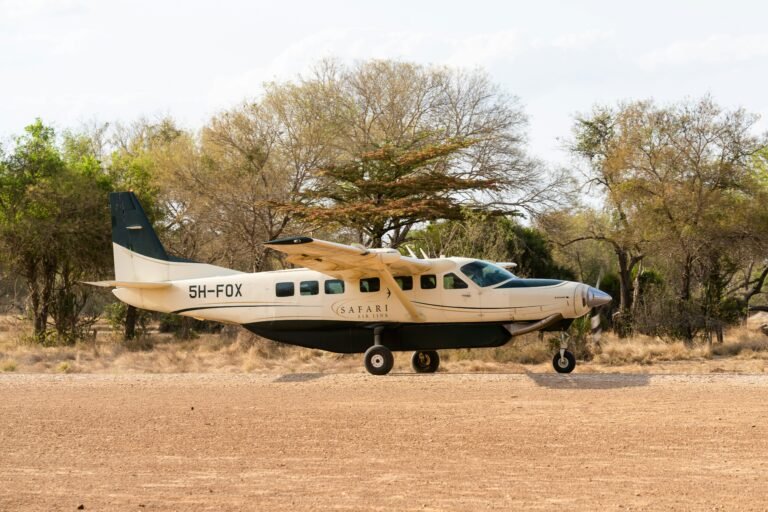
Cheap Flights From Arusha To Serengeti: Prices & Booking 2027
Cheap Flights From Arusha to Serengeti: Prices & Booking is explained with current 2027 planning, price, itinerary and booking information.
View package detailsFly From Arusha To Serengeti For A 2-Day Safari: Understanding Flight Costs
Discover how to budget and plan a fast-paced 2-day safari to the Serengeti, starting from Arusha. We break down flight costs, transfer options, and what to expect from a short, focused trip.
View package details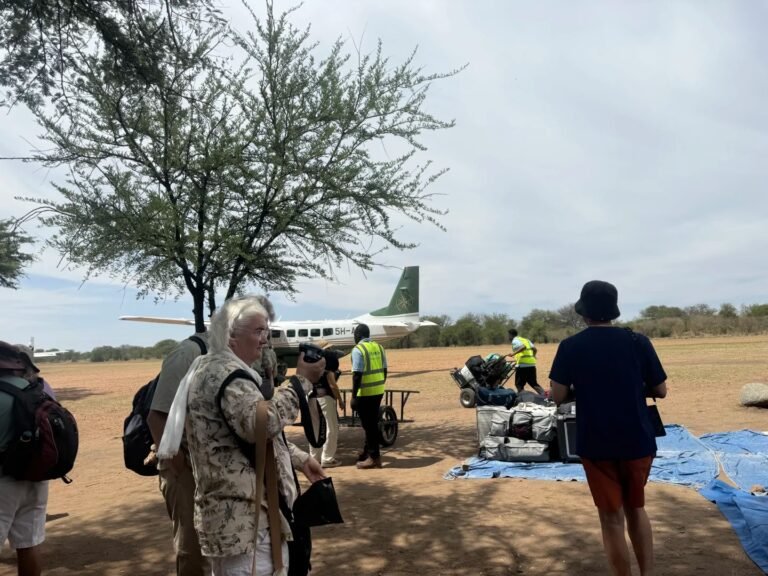
Arusha To Serengeti Direct Flights: Costs, Schedule, And Travel Planning Guide
A deep look at planning the direct flight from Arusha to Serengeti, covering costs, schedules, airline options, and essential safari logistics for 2027.
View package details
How Much Is A Flight From Arusha To Serengeti? 2027
How Much Is a Flight From Arusha to Serengeti? is explained with current 2027 planning, price, itinerary and booking information.
View package detailsArusha To Serengeti Flight Price : Tickets & Safari Airstrips 2027
Arusha to Serengeti Flight Price 2027: Tickets & Safari Airstrips is explained with current 2027 planning, price, itinerary and booking information.
View package details
Arusha To Serengeti Return Flights: Airfare & Booking 2027
Arusha to Serengeti Return Flights: Airfare & Booking is explained with current 2027 planning, price, itinerary and booking information.
View package detailsArusha To Serengeti Flying Safari Vs Road Full Cost Comparison 2027
Arusha to Serengeti Flying Safari vs Road Safari: Full Cost Comparison is explained with current 2027 planning, price, itinerary and booking information.
View package detailsZanzibar To Serengeti Safari By Flight: Prices & Packages 2026-2027
A practical guide to booking a Zanzibar to Serengeti safari by flight in 2027, covering route options, baggage logistics, and how to choose the right itinerary length.
View package details
Singita Serengeti Airstrip Flights: Charter Prices And Expert Booking Guide
Planning your journey to Singita Serengeti requires careful flight planning. This guide details charter options, cost considerations, and the booking process for a smooth 2027 luxury safari.
View package detailsNo related package matches those filters. Clear one or more filters to see the other topic-matched options.



