
A 2-day safari to the Serengeti flying from Arusha is a highly focused, rapid wildlife viewing experience designed for travelers with limited time. The flight cost itself is only one part of the total package; the overall expense depends heavily on whether you choose domestic bush flights (more flexible, higher cost) or a combined package with ground transfers, and the level of accommodation desired.
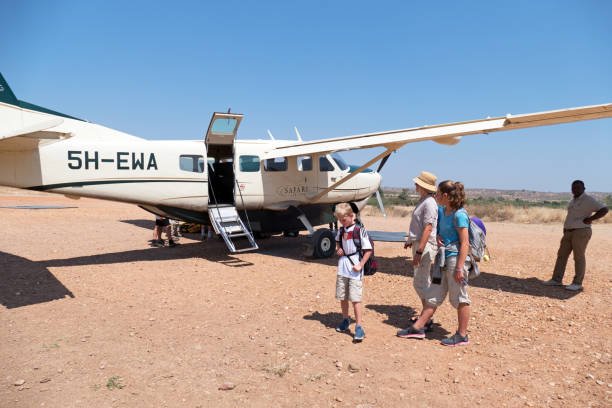
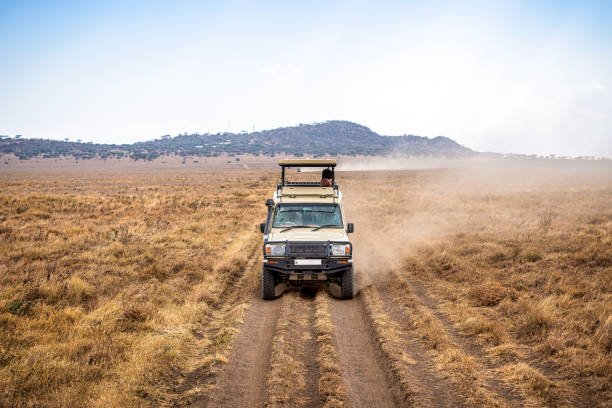
When planning a short, intense adventure like a 2-day safari to the Serengeti, the initial focus on the flight cost can often obscure the total investment required. It is crucial to understand that the flight from Arusha (ARK) to a Serengeti airstrip (such as Kogatende or Lamai) is merely the transportation component. The true cost is bundled with park fees, game drives, accommodation, and all required transfers. For a quick 48-hour trip, every logistical decision—from which airstrip you land at to the type of safari vehicle you use—has a direct impact on your budget and the quality of the experience.
Deconstructing the Cost of Flying to the Serengeti
Because there is no single, fixed price for a flight from Arusha to the Serengeti, we must break down the variables that drive the cost. The pricing structure is dynamic, influenced by several key factors:
Domestic Flight vs. Road Transfer Cost Trade-Offs
The most immediate decision affecting the budget is the mode of transport. Flying is generally faster and offers greater flexibility, allowing you to maximize your time within the park, which is critical on a 2-day schedule. However, flying is significantly more expensive than driving.
Flying (The Expedited Route): Domestic bush flights are designed to bypass the long road journeys between parks. For a 2-day itinerary, this efficiency is invaluable. The cost of the flight (typically a small charter flight operated by local carriers) must be factored into the overall safari package. These flights are often included in high-end safari packages because they save precious time that would otherwise be spent driving. You can review general comparisons between flying and road safaris to understand the time and cost trade-offs involved.
Driving (The Budget Route): While less practical for a strict 2-day window, a road safari can be cheaper. However, a 2-day trip would likely involve extensive driving time, significantly reducing the actual time spent game viewing. If you are looking at a more relaxed, multi-day trip, the road transfer may be a better fit, but for a compressed 2-day experience, flying is the industry standard for efficiency.
Seasonal and Timing Factors
Like all premium travel, the cost is heavily influenced by when you travel. The peak migration seasons, especially when the Great Migration is actively crossing the Serengeti, command the highest prices. Conversely, the shoulder seasons offer better value while still providing excellent wildlife viewing opportunities. For planning in 2026 or 2027, it is wise to inquire about seasonal rate variations when requesting a quote, as a difference of a few weeks can mean a significant change in the total package cost.
Understanding What the ‘Flight Cost’ Actually Covers
When you inquire about the ‘flight cost,’ remember that you are generally looking at a component of a larger safari package. The flight cost usually covers:
- Airfare: The domestic flight from Arusha (ARK) to the specific Serengeti airstrip (e.g., Kogatende, Lamai).
- Park Fees: Entry permits for the Serengeti National Park.
- Safari Transfers: The transfer from the airstrip to your lodge or camp.
- Game Drives: The activities conducted during the two days.
It rarely covers the accommodation itself unless you are booking an all-inclusive package. Therefore, when comparing prices, ensure you are comparing the full package, not just the airfare.
Structuring the 2-Day Serengeti Safari Itinerary
A 2-day itinerary is a sprint, not a marathon. The logistics must be tight to ensure you spend maximum time in the field. Here is a typical flow for a short, flying safari, which helps frame the costs:
- Day 1 Morning: Transfer from Arusha to Kilimanjaro International Airport (JRO) or a local charter point. Flight from Arusha/ARK to the designated Serengeti airstrip. Immediate transfer to the camp/lodge. Afternoon game drive.
- Day 2 Morning: Early morning game drive (often the best time for activity). Mid-morning return flight from the airstrip back to Arusha/ARK. Afternoon transfer back to Arusha for onward travel.
This rapid transit style means that accommodation is usually in mobile camps or lodges situated close to the major wildlife areas, minimizing time spent traveling between points. This efficiency is what makes the short trip possible, but it is also what dictates the necessary use of internal flights.
Choosing the Right Airstrip for Your Short Trip
The Serengeti is vast, and the choice of airstrip determines which part of the park you access and, consequently, the experience you have. For a 2-day trip, you must align the airstrip with the current migration patterns, which changes seasonally.
- Kogatende Airstrip: Often the gateway to the Northern Serengeti, especially during the migration season.
- Lamai Airstrip: Provides access to specific areas of the Central or Northern Serengeti.
- Other Airstrips: Depending on the season, different airstrips may be closer to specific predator hotspots or grazing grounds.
It is essential to consult with a local expert, such as those at Climb 4 Africa, who can advise on the most strategically located airstrip based on your travel dates in 2026 or 2027. The flight time and logistics are dependent on this strategic choice.
What Determines the Final Budget: Comparison of Safari Styles
To make a clear financial decision, it helps to compare the different levels of service and transport options. This table outlines the primary differences in what you are paying for when considering a quick trip.
| Safari Style | Primary Transport | Flexibility/Time Efficiency | Typical Cost Implication | Best Suited For |
|---|---|---|---|---|
| Flying Safari (2-Day Focus) | Domestic Charter Flights | Very High (Maximizes park time) | Highest (Due to air costs) | Time-constrained travelers, luxury seekers |
| Road Safari (Multi-Day) | Private 4×4 Vehicle | Moderate (Long transit times) | Moderate (Lower transport cost, higher lodging cost) | Leisurely travelers, those with 5+ days |
| Shared Group Safari | Shared 4×4 Vehicle & Flights | High (Efficient logistics) | Mid-Range (Cost-sharing reduces per-person rate) | Budget-conscious, social travelers |
For your specific query—Fly From Arusha to Serengeti for a 2-Day Safari—the flying safari option is the only practical choice for maximizing game viewing time. While the initial cost is higher, the value lies in the sheer amount of time you gain in the park. If you are interested in comparing different safari structures, you might find our guide on the Arusha to Serengeti Flying Safari vs Road Safari Cost Comparison helpful.
Beyond the Flight: Practical Logistics and Hidden Costs
A practical local guide always warns that the advertised ‘flight cost’ is just the beginning of the financial picture. There are several logistical and financial elements you must confirm before committing to a booking.
Park Fees and Conservation Contributions
These are non-negotiable governmental fees. The Serengeti National Park charges significant entry and conservation fees. These rates are subject to change and vary based on your nationality and the specific time of year. These fees are typically included in a full safari package but must be explicitly confirmed by your operator.
Accommodation Style: Tents vs. Lodges
The type of accommodation you select dramatically affects the budget. In the Serengeti, you generally choose between:
- Luxury Tented Camps: Offers high-end amenities (private verandas, luxury bathrooms) but maintains the authentic safari feel. This is the premium option.
- Mid-Range Camps/Lodges: Provides comfortable, well-located accommodation at a moderate price point.
- Budget Camps: Simple, functional, and geared towards maximizing wildlife time on a tighter budget.
Since your trip is only 2 days, the quality of the accommodation directly impacts the comfort level during short, intense periods of travel. Decide early what level of comfort is essential for you.
Travel Insurance and Contingency Planning
Because you are engaging in high-travel activities across international borders and within a remote national park, robust travel insurance is non-negotiable. This should cover medical emergencies, cancellations, and potential flight delays. While not part of the flight cost, it is a critical part of the overall travel planning budget.
Before Booking Your 2-Day Serengeti Flight: Checklist
- Confirm 2026/2027 Availability: Always check the operator’s calendar for your preferred dates.
- Define Accommodation Tier: Budget, Mid-Range, or Luxury? This is the biggest variable after the flight itself.
- Identify Airstrip: Ensure the chosen airstrip aligns with the current migration patterns for the season.
- Review Inclusions: Verify exactly what the package includes (e.g., meals, drinks, park fees, transfers) and what it excludes.
How to Request a Precise Quote from Climb 4 Africa
Given the complexity and dynamic nature of the flight and safari costs, the only way to receive an accurate price is through a detailed, tailored request. Do not rely on generic online price calculators for this type of specialized travel.
When you contact Climb 4 Africa, be prepared to provide the following details. The more precise your input, the more accurate the quote will be, saving you time and frustration:
- Desired Travel Window: Specify the month or season you plan to travel in 2026 or 2027.
- Traveler Count: The number of adults and children.
- Accommodation Preference: State clearly if you prefer a luxury tented camp, a comfortable mid-range lodge, or a budget-friendly option.
- Flexibility: Note if you have any flexibility regarding the specific airstrip, allowing the operator to choose the most logistically sound option.
The team at Climb 4 Africa is equipped to handle the specific logistics of these quick, high-impact trips. You can reach them directly via WhatsApp at +255 747 477 898 or via email at climb4africa@gmail.com. Providing these details allows them to source the most current flight and camp rates for you.
If you are also considering other African adventures, such as climbing Kilimanjaro, Climb 4 Africa provides expert support across all regions of Tanzania. For a broader look at their offerings, visit their Tanzania Safari Tours Blog.
Planning for a Short Safari: What to Expect Day-to-Day
Because the trip is so short, the focus must be on efficiency and quality of experience. Here is a deeper look at the daily rhythm of a 2-day flying safari, beyond just the travel segments:
The Safari Drive Experience
In the Serengeti, the game drives are not just about seeing animals; they are about witnessing the ecosystem in action. With only 48 hours, you must be prepared for early mornings (often starting before sunrise) and late afternoons. These are the prime times when wildlife is most active. The guide’s knowledge of the local terrain and animal movements is paramount, and a high-quality operator ensures you have experienced local specialists guiding your game drives.
Logistical Considerations for Short Trips
Packing and preparation must be streamlined. Since you are moving quickly between Arusha and the bush, minimizing luggage is advisable. Ensure your gear is suitable for varying weather conditions, as the Serengeti climate can shift rapidly. Furthermore, since the pace is fast, pre-planning your internal transfers and flight schedules with the operator is vital to avoid unnecessary waiting time at airstrips.
For those planning a more extensive trip, whether a 3-day or longer experience, understanding the nuances of flying vs. driving becomes even more important. For example, if you are looking at a longer experience, check out the details on the Fly From Arusha to Serengeti for a 3-Day Safari to see how adding an extra day changes the dynamics of the itinerary and cost.
In essence, the cost of a 2-day flying safari from Arusha is a premium price for maximum access and minimum transit time. By understanding the variables—the accommodation choice, the season, and the level of service—you can budget effectively and secure a highly impactful wildlife experience in the Serengeti for 2026 or 2027.
Understanding Luggage Restrictions on Serengeti Bush Flights
One of the most frequently overlooked “hidden” costs and logistical hurdles when flying from Arusha to the Serengeti involves baggage policy. Because you are traveling on small, light aircraft—typically Cessna Caravans or similar bush planes—the operational constraints are vastly different from commercial international flights. Travelers who arrive at Arusha Airport with standard, hard-shell suitcases often find themselves facing unexpected fees or, in some cases, the requirement to purchase an extra seat just to accommodate their luggage.
Bush flights prioritize weight distribution for safety. Every kilogram matters, and pilots must calculate the total payload before takeoff. As a result, domestic carriers in Tanzania enforce strict baggage limits, usually capped at 15 kilograms (approximately 33 pounds) per passenger. Crucially, this limit almost always includes your hand luggage. If your total weight exceeds this allowance, you may be charged per kilogram for excess baggage, provided there is space on the plane. If the flight is full, excess luggage might be left behind at the Arusha hangar, creating a significant disruption to your 2-day itinerary.
The Necessity of Soft-Sided Luggage
Beyond weight, the shape and material of your luggage are critical. Hard-shell suitcases are notoriously difficult to stow in the small, irregularly shaped cargo holds of bush planes. They do not compress, making it challenging for ground crew to “tuck” them into tight spaces alongside other passengers’ gear. Most reputable operators and flight companies mandate the use of soft-sided duffel bags. These bags can be molded into the contours of the cargo bay, allowing for efficient packing that respects the aircraft’s center of gravity.
If you arrive with a hard-shell suitcase, you may be asked to transfer your belongings into a soft bag at the airport, or your luggage may be refused. Investing in a high-quality, lightweight, soft-sided duffel bag is not just a suggestion; it is a practical requirement for a smooth 2-day safari. Consider this an essential “pre-trip” cost. While it may seem like a minor detail, avoiding baggage issues prevents the stress of last-minute repacking at the Arusha departure terminal, ensuring your short, high-speed trip begins on schedule.
The Impact of Aircraft Type on Your Experience
While the “flight cost” is often quoted as a single figure, it is worth understanding that the type of aircraft operating your route can influence the comfort and, occasionally, the price of your transfer. Most Arusha to Serengeti flights utilize single-engine turboprops, which are the workhorses of the Tanzanian bush. These planes are designed for short-field performance, allowing them to land on remote gravel or dirt airstrips directly within the Serengeti.
However, there is a distinction between “seat-in-plane” (scheduled) flights and “private charter” flights. A seat-in-plane booking is the standard, most cost-effective way to fly. You are purchasing a single seat on a flight that may make multiple stops at different airstrips (e.g., Seronera, then Kogatende, then Lamai) to drop off other passengers. While this is the most economical choice, it means your travel time might be longer than the direct flight distance suggests, as you are essentially on a “bush bus” route. If your 2-day itinerary is tight, you must account for these potential “hop-on, hop-off” stops, which can add an hour or more to your total transit time.
Conversely, a private charter is the ultimate luxury for a short trip. You are booking the entire aircraft, allowing for a direct flight path from Arusha to your chosen airstrip. This eliminates all intermediate stops and allows you to set your own departure time, maximizing your time on the ground. The cost is substantially higher, often triple or quadruple the price of a seat-in-plane ticket, but for a 2-day safari, the time saved can be the difference between a rushed experience and a relaxed one.
Navigating Airstrip Transfers
Your flight cost covers the air transit, but the “last mile” from the airstrip to your lodge or camp is a distinct logistical component. In the Serengeti, airstrips are not serviced by public taxis or ride-share apps. When you land, you are in the middle of a protected wilderness area. Your safari vehicle and guide must be waiting for you at the specific airstrip where you land.
This synchronization is vital. If your flight is delayed due to weather or technical issues, your operator must be notified immediately to adjust the pickup time. Because the Serengeti is vast, a guide might have to drive two hours just to reach your designated airstrip. If you land at the wrong airstrip—a common mistake if bookings are not cross-checked—you could be stranded for hours while your transport navigates the park to find you. Always confirm the exact name of the airstrip (e.g., “Seronera Airstrip” versus “Fort Ikoma Airstrip”) on your flight ticket and ensure your safari operator has this information at least 48 hours before departure. This coordination is the hidden “invisible” service that your safari operator provides, and it is crucial for ensuring your 2-day window is spent watching wildlife rather than waiting at a remote gravel runway.
The Hidden Financial Implications of Airport Selection: JRO vs. ARK
A critical component often overlooked when calculating the total cost of a 2-day flying safari is the distinction between Kilimanjaro International Airport (JRO) and Arusha Airport (ARK). While both serve the northern safari circuit, they are geographically distinct and carry different logistical costs. Most domestic bush flights—the small aircraft that actually take you into the Serengeti—operate primarily out of Arusha Airport (ARK), which is located on the outskirts of Arusha town. If your international flight arrives at Kilimanjaro International Airport (JRO), you are approximately 50 to 60 kilometers away from the departure point for your bush flight.
This distance introduces a ‘hidden’ cost and time variable. You must factor in the price of a private transfer from JRO to ARK, which, depending on the service provider, can add a significant amount to your total travel budget. Furthermore, this transfer requires careful timing. If you land at JRO at 08:00 and your bush flight departs from ARK at 10:00, you are operating on a razor-thin margin. Traffic between the airport and the city can be unpredictable. Consequently, many travelers opt to book a night in Arusha to ensure they are positioned for an early morning departure, which adds the cost of an extra hotel night and additional meals to your 2-day safari budget. Ignoring this transfer requirement in your initial cost estimate can lead to a rushed, stressful start or a missed flight, both of which are costly errors in a 48-hour itinerary.
The Opportunity Cost of Flight Scheduling
When analyzing the ‘flight cost’ for a 2-day safari, it is vital to shift your perspective from the price of the ticket to the ‘value of time’ within the park. In a short, 2-day window, every hour spent in transit is an hour lost on a game drive. Airlines often offer different fare classes or flight times. A lower-priced flight might be scheduled to arrive at your Serengeti airstrip at 14:00, while a slightly more expensive flight might land at 09:00. While the price difference might be nominal, the impact on your safari experience is massive.
If you land at 14:00, you must account for the time it takes to clear the airstrip, meet your guide, and drive to your lodge. By the time you are settled, you may only have a late afternoon game drive remaining for that day. Conversely, landing at 09:00 provides you with a full day of wildlife viewing, including the prime midday and late afternoon windows when predator activity often increases. When budgeting for your flight, calculate the ‘cost per hour of game viewing.’ You may find that paying a premium for an earlier flight is actually the most cost-effective decision, as it prevents you from essentially paying for a day of safari that is spent largely in transit or at an airport lounge. Always ask your safari operator for the arrival time at the airstrip, not just the departure time from Arusha, to ensure you are maximizing the precious time you have purchased.
Navigating the ‘Shared Charter’ vs. ‘Private Charter’ Pricing Model
While most travelers booking a 2-day safari assume they are purchasing a standard commercial seat on a bush flight, the pricing structure is often bifurcated into ‘shared charter’ and ‘private charter’ models. Understanding this distinction is essential for budget management, as the cost difference can be substantial. A shared charter is the standard industry practice: you pay for a seat on a scheduled flight that stops at multiple airstrips within the Serengeti. The airline consolidates passengers from various lodges, optimizing the aircraft’s capacity. This is the most cost-effective way to fly, as the operational costs of the flight are split among several passengers. However, this model dictates your schedule; you are tied to the airline’s fixed departure and arrival times, which may not align perfectly with your desired 2-day itinerary.
Conversely, a private charter involves booking the entire aircraft. While this is rarely the primary choice for a 2-day safari due to the significantly higher price tag, it is a variable that often appears in quotes for small groups or families. If you are traveling as a group of four or more, you should explicitly ask your operator to compare the cost of a private charter against individual seat prices. In some instances, the per-person cost of a private charter can become comparable to a shared seat if the aircraft is full. The primary benefit here is total control: you dictate the takeoff time from Arusha and the departure time from the Serengeti, which can effectively grant you an extra half-day of game viewing that would otherwise be lost to the rigid schedules of shared flights.
The Impact of ‘Circuit’ Routing on Flight Costs
When reviewing your flight quote, you may notice the term ‘circuit’ or ‘loop’ routing. This is a critical factor in how bush airlines price their tickets. Because the Serengeti is vast, aircraft do not simply fly A-to-B; they often follow a circuitous path, landing at multiple airstrips (e.g., Seronera to Kogatende to Grumeti) to drop off and pick up passengers. When you book a seat on these flights, you are effectively paying for the carrier’s efficiency in routing, but this also means your flight duration can fluctuate significantly based on how many stops are scheduled before you reach your destination.
A direct flight from Arusha to your specific airstrip is a premium service that is rarely available as a standard scheduled option. Most ‘flight costs’ you are quoted include the uncertainty of these stops. If your flight is scheduled for a ‘circuit’ route, your travel time might increase by an hour or more as the plane descends, taxis, and takes off at intermediate airstrips. This is not just a comfort issue; it is a time-cost. If your 2-day safari is limited by strict flight departure windows, a circuitous flight path can eat into your game drive time. When requesting a quote, ask your operator if the flight is a ‘direct’ or ‘multi-stop’ service. If the price difference is marginal, opting for a more direct route is often a hidden value-add, as it preserves the limited hours you have available for wildlife viewing.
Financial Vulnerability: Cancellations and Weather-Related Disruptions
A critical, often overlooked aspect of the ‘flight cost’ is the financial risk associated with service disruptions, which are significantly more common for bush flights than for commercial air travel. Unlike major carriers operating out of Kilimanjaro International Airport, bush airlines operating from Arusha (ARK) operate under strict Visual Flight Rules (VFR). This means that if visibility is compromised—due to morning mist, heavy rains, or low cloud cover—the flight cannot legally or safely depart. For a traveler on a compressed 2-day itinerary, this is not merely an inconvenience; it is a profound financial exposure.
When a bush flight is grounded, you are rarely just losing the cost of a plane ticket. You are facing the potential loss of your entire 48-hour investment. Because most safari lodges and camps in the Serengeti have non-refundable deposit policies for short-notice cancellations, a grounded flight can result in the forfeiture of your accommodation costs and pre-paid park entry fees for that day. It is vital to understand that most bush airlines do not provide cash refunds for weather-related cancellations; instead, they typically offer a credit for future flights or, in some cases, a rebooking on the next available slot, which may not align with your 2-day schedule.
To mitigate this financial risk, scrutinize the cancellation policy of the specific airline you are booked on before finalizing payment. Some operators offer a ‘flex-ticket’ or a premium cancellation waiver for an additional fee, which allows for a refund or transfer if the flight is grounded by weather. This is an optional but highly recommended expense for 2-day travelers. If this option is not available, ensure your travel insurance policy specifically includes ‘trip interruption’ coverage that explicitly lists ‘inclement weather preventing commercial or charter transit’ as a covered reason for a claim. General travel insurance often excludes charter flights unless they are part of a pre-packaged tour.
The most effective strategy for protecting your budget is to book your flight as part of a bundled package through a single, reputable safari operator rather than booking the flight independently. When you book your bush flight as a standalone item, you are responsible for the coordination between the airline and the lodge. If the flight is cancelled, you are the one left managing the logistics of rebooking. A single operator, however, manages the entire ecosystem of your trip. They are incentivized to coordinate with the airline and the lodge to move your booking, often with greater leverage than an individual traveler, effectively insulating you from the immediate financial shock of a cancelled flight.
The ‘Last-Game-Drive’ Dilemma: Balancing Departure Times with Safari Time
The most common friction point in a 2-day flying itinerary occurs on the second day. Travelers naturally want to squeeze every possible minute of wildlife viewing out of their brief time, often assuming they can finish a game drive at the same time their flight is scheduled to depart. This is a logistical impossibility that often leads to missed flights and unexpected financial exposure.
Bush airlines operate on strict, non-negotiable schedules. Unlike major international airports where you might arrive 90 minutes before a flight, Serengeti airstrips require you to be at the ‘terminal’—often just a cleared patch of dirt or a small hut—well in advance. Because the Serengeti is vast, the drive from your lodge to the airstrip can take anywhere from 30 minutes to over two hours, depending on the camp’s location relative to the landing strip. This creates a hard stop for your safari activities. If your flight departs at 10:30 AM, your lodge will likely insist on departing for the airstrip by 8:30 AM or 9:00 AM. This effectively ends your final game drive long before the animals are active or before you have reached the prime viewing areas. Trying to push this schedule is not just risky; it is often physically impossible due to the distance involved.
The financial consequences of miscalculating this window are significant. If you miss this connection, you are rarely just rebooked on the next plane for free. You may be forced to book a private charter back to Arusha, which can cost several times the price of a seat on a scheduled bush flight. Furthermore, if you have an international flight departing from Kilimanjaro (JRO) that evening, a missed bush flight could result in missing your international connection, triggering a cascade of expensive rebooking fees for your long-haul tickets. Always plan your flight departure with a three-hour buffer between your final game drive and takeoff to account for these variables. When requesting your quote, explicitly ask your operator for the ‘transit time’ from your specific camp to the airstrip; this is the most accurate metric for determining how much of your final morning can actually be spent in the field.
The ‘Vehicle Occupancy’ Trap: Why Flying Increases Ground Costs
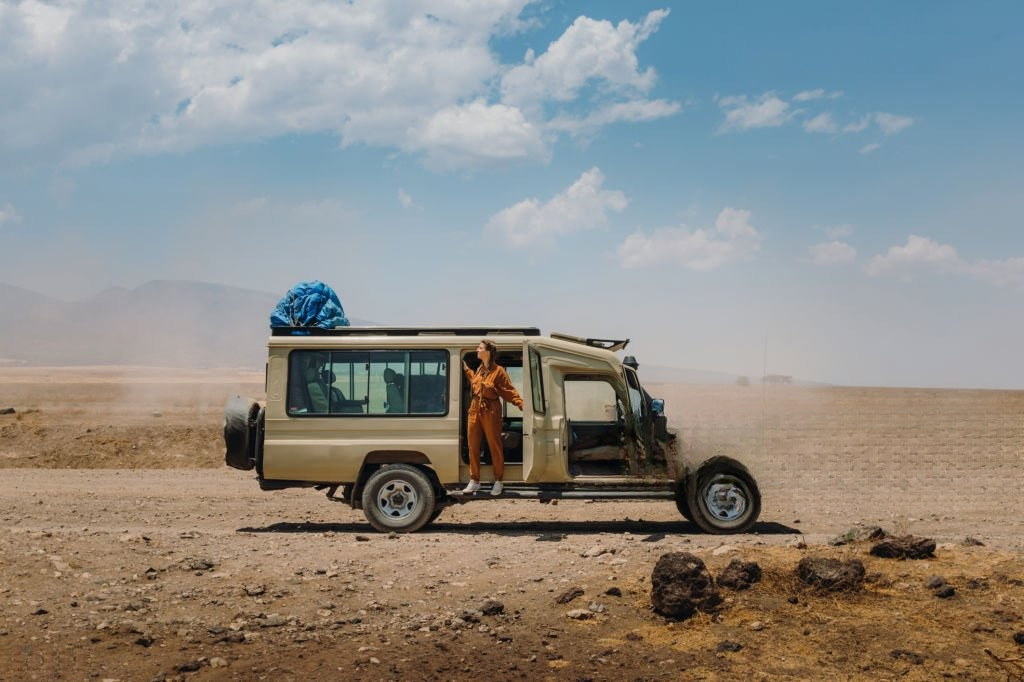
While the flight cost from Arusha to the Serengeti is the most visible line item in your budget, it is frequently the ‘fixed ground costs’ associated with that flight that cause the most significant sticker shock. When you choose to fly, you are implicitly entering into a logistical agreement that differs fundamentally from road-based travel. In a road-based safari, travelers often join larger groups, splitting the costs of the vehicle, fuel, and driver’s time among four to six passengers. However, the 2-day flying itinerary is almost exclusively a private-service model. Because you are only in the park for 48 hours, operators prioritize efficiency, which usually means providing you with a dedicated vehicle and driver waiting for you at the airstrip.
This creates a ‘vehicle occupancy’ trap. The cost of maintaining a 4×4 safari vehicle, paying for the driver’s expertise, and covering the vehicle’s entry fees into the Serengeti is a fixed cost. When you are a party of one or two, you are responsible for 100% of that vehicle’s daily operating cost. This is why a 2-day flying safari, when broken down, often appears disproportionately expensive compared to longer, road-based trips. You are paying for the privilege of having a vehicle ‘on standby’ the moment your wheels touch the tarmac. If you arrive at a remote airstrip like Kogatende, the operator must have a vehicle positioned there specifically for your arrival, often requiring a ‘deadhead’ or empty-leg drive from a nearby camp to pick you up. These logistical costs are rarely itemized; they are simply bundled into the ‘safari package’ price, leading many travelers to mistakenly attribute the high cost to the flight itself, when it is actually the ground support that is driving the total.
The ‘Meet-and-Greet’ and Airstrip Handling Surcharges
Beyond the vehicle, there is the often-overlooked cost of ‘airstrip handling.’ Unlike major commercial airports, Serengeti airstrips are remote, unstaffed landing zones. When you fly into these locations, your operator is responsible for a complex, labor-intensive hand-off. This involves coordinating with the pilot, ensuring the vehicle is at the correct airstrip at the correct time (which is difficult given the frequency of flight delays), and managing the porterage of your luggage from the plane to the vehicle. Many high-end operators include this in their ‘meet-and-greet’ service, but it is a distinct, non-trivial labor cost.
If you are booking through an agency or a remote lodge, check if they are charging a specific ‘transfer fee’ or ‘airstrip handling fee.’ Some operators charge this per person, while others charge per transfer. On a 2-day trip, where you are flying in and flying out, you are paying for two distinct airstrip hand-offs. If your itinerary involves flying into one airstrip (e.g., Seronera) and flying out of another (e.g., Kogatende) to maximize game viewing, you may be hit with ‘one-way’ vehicle repositioning fees. The driver has to drive the vehicle from the first airstrip to the second, often empty, and you are effectively paying for those fuel and driver hours. Always ask your operator if your itinerary involves a ‘one-way’ vehicle transfer, as this is a common, hidden surcharge that can add several hundred dollars to a short 2-day trip.
Strategies to Mitigate Fixed Ground Costs
If the goal is to keep the total cost manageable while still enjoying the speed of a flying safari, you must be proactive about how you structure your ground logistics. First, inquire about ‘seat-in-vehicle’ options. While rare for 2-day, flight-inclusive trips, some larger lodges or centralized safari operators run scheduled game drives for their guests. If you are staying at a lodge that operates its own fleet, they may be able to slot you into a vehicle with other guests who are already at the lodge, rather than forcing you to pay for a private, dedicated vehicle. This can significantly reduce your ground costs.
Second, prioritize staying at a lodge that is physically close to the airstrip you are flying into. Every kilometer of distance between the airstrip and your accommodation translates into more fuel, more driver time, and higher transfer costs. By choosing a camp that is within a 20-30 minute drive of your landing zone, you minimize the ‘transfer’ portion of your bill. Finally, be explicit when requesting a quote: ask the operator to provide a breakdown of the ‘Flight Cost’ versus the ‘Ground Logistics Cost.’ By separating these, you can see exactly what you are paying for in terms of vehicle exclusivity. If the ground portion is prohibitively expensive, you might discover that adjusting your airstrip selection or choosing a lodge with a more centralized location could lower the total price without sacrificing the speed of your 2-day adventure.
The ‘Buffer Night’ Economic Argument: Why Avoiding Arusha Increases Total Trip Costs
When calculating the budget for a 2-day flying safari, many travelers attempt to eliminate the cost of an overnight stay in Arusha by booking a same-day connection from Kilimanjaro International Airport (JRO) to the Serengeti. While this may appear to be a cost-saving measure on paper, it frequently introduces a high-stakes financial risk that can render the entire 2-day investment void. Understanding the economic reality of the ‘buffer night’ is essential for accurate budget planning.
The primary financial risk of a same-day arrival is the ‘missed connection penalty.’ Most international flights arrive at JRO in the afternoon or evening, or they are subject to standard global delays. Domestic bush airlines operate on strict, daylight-dependent schedules; they typically do not fly into the Serengeti after a certain hour, and they certainly do not hold flights for delayed international arrivals. If your international flight arrives behind schedule—even by just two hours—you will likely miss your pre-booked bush flight. At this point, the ‘flight cost’ you already paid is often forfeited, as bush flight tickets are frequently non-refundable or carry significant rebooking penalties.
Beyond the loss of the flight ticket, you face the ‘rescue’ cost. If you miss your scheduled flight, you have two choices: wait until the next morning, which effectively turns your 2-day safari into a 1-day safari, or charter a private plane to catch up. A private charter is significantly more expensive than a shared seat on a commercial bush plane, often costing several times the original ticket price. When viewed through this lens, the cost of a hotel night in Arusha—which includes airport transfers and a reliable sleep—is not a luxury expense but a form of financial insurance. It guarantees that your 2-day safari begins on time, protecting the non-refundable costs of your lodge, park fees, and the original flight.
Furthermore, there is the ‘fatigue factor’ to consider. Arriving at JRO and immediately jumping onto a small, often turbulent bush flight for an hour, followed by an immediate game drive, is physically taxing. Many travelers who attempt this find that the first half of their ‘2-day’ experience is spent in a state of exhaustion rather than exploration. By investing in the buffer night, you ensure that you are alert and ready to maximize every hour of your limited safari time, effectively increasing the ‘value-per-dollar’ of your ground activities.
The Hidden Cost of ‘Tight’ Connections
To quantify this, consider the following breakdown of potential financial exposure when skipping the buffer night:
- Ticket Forfeiture: The cost of the original flight to the Serengeti is lost if you cannot make the check-in time.
- Penalty Fees: Most bush airlines charge a rebooking fee if you miss your flight due to international delays, provided there is even space available on the next day’s rotation.
- Accommodation Waste: You still pay for the first night at your Serengeti lodge, even if you are stuck at the airport in Arusha, because of strict ‘no-show’ policies in remote bush camps.
- Private Charter Surcharge: The emergency cost of private aircraft hire to ‘catch up’ to your itinerary can range from $1,500 to $3,000+, depending on the aircraft type and availability.
When you account for these potential expenses, the cost of a mid-range hotel in Arusha, including the associated ground transfers, is statistically the most effective way to protect your total safari budget.
The 24-Hour Park Fee Cycle: A Financial Trap for Short Stays
One of the most significant, yet frequently misunderstood, financial variables in a 2-day Serengeti safari is the structure of the Tanzania National Parks Authority (TANAPA) entry fees. Travelers often assume that park fees are calculated on a ‘calendar day’ basis—meaning you pay for Day 1 and Day 2. However, the reality is that park fees are strictly governed by a 24-hour entry/exit cycle. For a short, 2-day trip, this distinction can be the difference between a planned budget and an unexpected, mandatory surcharge at the park gate or upon your final departure.
When you enter the Serengeti, the clock begins the moment your vehicle passes through the gate or, in the case of a fly-in safari, the moment your aircraft touches down and you are processed by the park authorities. This permit is valid for exactly 24 hours. If your itinerary is structured such that you land at 11:00 AM on your first day, your 24-hour permit expires at 11:00 AM on the following day. If your departing flight is scheduled for 3:00 PM on the second day, you have technically overstayed your permit by four hours. In the eyes of park enforcement, this is not a ‘partial day’ penalty; it is an automatic triggering of a full, additional 24-hour fee.
This ’24-hour trap’ is particularly dangerous for 2-day itineraries because it penalizes the desire to squeeze every possible minute out of the experience. Many travelers book a late afternoon departure flight to maximize game viewing time, unaware that the cost of those extra four hours in the park is equivalent to an entire extra day of park fees. Because these fees are non-negotiable and collected by the government, they are usually passed directly to the traveler, often appearing as a ‘supplemental fee’ on the final invoice that can catch the unprepared off-guard.
To mitigate this, you must coordinate your flight schedules with your entry time. If you cannot adjust your flight time, you must account for the ‘exit fee’ in your initial budget. A strategic approach is to plan your itinerary so that your departure flight out of the Serengeti airstrip occurs shortly before the 24-hour mark. If your flight must be later, accept that you are effectively paying for a third day of park fees and ensure your operator has included this in the quote. Failure to plan for this cycle leads to friction at the exit gate, where park rangers may delay your departure until the additional fees are settled, potentially causing you to miss your connecting flight from the bush airstrip back to Arusha.
Managing the ‘Exit Window’
When reviewing your itinerary with your operator, explicitly ask for the ‘permit expiry time’ for your specific entry and exit dates. If you are flying into the Serengeti, your entry time is often dictated by the scheduled arrival of the bush plane. If you are flying out, the flight time is often dictated by the airline’s ‘circuit’ schedule. Because you have limited control over these flight times, you are essentially at the mercy of the airline’s timetable. If the airline’s schedule forces an exit that is 25 hours after your entry, you must budget for that extra day. There is no ‘grace period’ for flights delayed by weather or mechanical issues; if the flight leaves after the 24-hour mark, the fee is due. Understanding this mechanism allows you to view the ‘flight cost’ not just as the price of the ticket, but as the primary driver of your park fee liability.
The Hidden Cost of ‘DIY’ Coordination on Short-Duration Safaris
A frequent, yet rarely quantified, financial risk for travelers attempting to organize a 2-day Serengeti safari is the ‘coordination gap’ created by booking the flight and the ground safari as separate, independent components. When you book a bush flight directly with an airline and a safari vehicle directly with a camp, you inadvertently assume the role of the logistics manager. In a standard, multi-week safari, this might save money or offer flexibility; however, in a compressed 48-hour itinerary, this structure introduces significant financial exposure.
Consider the scenario of a flight delay. Bush airlines operate on tight schedules, often flying complex routes that service multiple camps. If your flight from Arusha is delayed due to weather or technical issues—a common occurrence in the Serengeti—the ripple effect on your ground logistics is immediate. If you booked the flight and the ground safari separately, you are responsible for communicating the delay to the lodge, the driver, and the airstrip handling team. If you fail to notify them in time, the driver may leave the airstrip, and you will be liable for a ‘no-show’ fee or a ‘re-deployment’ fee to have them return to the airstrip. In many cases, the cost of this single logistical failure can exceed the savings you initially thought you were making by booking the components independently.
Furthermore, when you book a ‘fly-in’ package through a single operator, the flight and the ground transfer are contractually linked. The operator is responsible for the ‘sync’ between the landing time and the game drive start time. If the flight is delayed, the operator absorbs the logistical headache of rearranging your schedule to ensure you still get your allotted game drive time. When you book independently, you have no such safety net; you are often forced to choose between paying for an extra transfer, skipping a portion of your game drive, or paying for an additional night of accommodation because you missed your connection. For a 2-day trip, where every hour is accounted for, this coordination cost is a hidden, but very real, financial liability.

The ‘Inventory Exhaustion’ Factor: Why Last-Minute Booking Spikes Costs
While most travelers understand that flights generally become more expensive as the departure date approaches, the ‘inventory exhaustion’ factor in Serengeti bush aviation is significantly more aggressive than in commercial aviation. This is a critical driver of the ‘flight cost’ that often catches travelers off guard when they attempt to book a short-notice trip.
Bush airlines utilize very small aircraft, such as the Cessna Caravan, which typically seats between 10 and 14 passengers. On popular routes from Arusha to the Serengeti, these seats are sold on a ‘shared’ basis—meaning you pay for a seat, not the whole plane. However, once the airline reaches a certain threshold of bookings, they effectively ‘close’ the shared availability to prioritize charter requests or because they are managing weight and balance limits. When you search for flights online or through an agent as your travel date nears, you may find that the ‘shared’ seats are sold out. This does not mean the flight is fully booked; it means the ‘shared’ inventory is exhausted.
At this point, you are forced to choose between two expensive alternatives: waiting for a cancellation (which is financially risky) or booking a ‘private charter’ for the remaining seats. The cost difference between a shared seat and a private charter is not incremental—it is exponential. You are essentially paying for the entire aircraft, even if you are a party of two. This is the primary reason why a 2-day safari that appears affordable on a website can suddenly double or triple in price during the final booking stage. To mitigate this, recognize that ‘flight cost’ for a 2-day trip is not a fixed price, but a yield-managed commodity. If your travel dates are flexible, the cost of your flight can fluctuate by hundreds of dollars based solely on the availability of shared seat inventory. For short-duration trips, booking at least 3 to 6 months in advance is not just a recommendation; it is a financial necessity to remain within the ‘shared’ pricing tier.
The ‘Empty Leg’ Financial Risk: Why Point-to-Point Routing Increases Costs
While the article has addressed the general impact of ‘circuit’ routing, there is a distinct financial liability often encountered on 2-day itineraries known as the ’empty leg’ or ‘repositioning’ fee. This is a common point of confusion for travelers who assume that the cost of a flight is strictly calculated on a per-seat basis. In the context of bush aviation, this assumption is often incorrect. When you request a specific, non-standard arrival or departure point—perhaps a remote airstrip closer to a private concession rather than a main hub like Seronera—you may inadvertently force the airline to perform a ‘dead-head’ flight. This occurs when the aircraft must fly empty to your location to pick you up, or fly empty back to its base after dropping you off. Unlike commercial airlines that absorb these operational costs through high-volume traffic, bush operators pass this expense directly to the charterer.
For a 2-day itinerary, this can be devastating to your budget. If your chosen lodge is located at an airstrip that is not part of the standard daily ‘milk run’ (the scheduled circuit), the operator may charge you for the full cost of the aircraft’s movement to and from that location. This is not a per-seat price; it is a per-aircraft price. You are effectively paying for the pilot’s time, fuel, and landing fees for the ’empty’ portion of the flight. When reviewing quotes for a short-duration safari, always ask if the flight path is ‘scheduled’ or ‘custom.’ If it is custom, explicitly inquire about ‘repositioning’ or ‘ferry’ fees. Choosing a lodge located near a primary, high-traffic airstrip is the most effective way to avoid these structural costs, as the aircraft is already scheduled to be in that vicinity for other passengers.
The ‘Baggage-to-Passenger’ Ratio Penalty: Why Excess Weight Can Force an Extra Seat
Beyond the standard weight restrictions discussed in previous sections, there is a critical, often opaque financial threshold in bush aviation: the ‘baggage-to-passenger’ ratio. On the small, single-engine aircraft typically used for Arusha-to-Serengeti flights, the operational limit is not just about the total weight of the plane, but the distribution of that weight. If you arrive at the Arusha airstrip with luggage that exceeds the 15kg soft-sided limit, you may be surprised to find that the airline does not simply charge a ‘per-kilo’ excess fee. Instead, if your luggage is deemed too heavy or too bulky to safely fit within the remaining weight-and-balance allowance of the flight, the airline may require you to purchase an ‘extra seat’ for your baggage.
This is not a penalty fee; it is a requirement based on aircraft safety. When you purchase this ‘extra seat,’ you are paying the full commercial or charter rate for that seat, even though it is occupied by your suitcase rather than a passenger. For a 2-day trip, where you might have packed for a longer international journey, this can instantly add the price of an entire flight ticket to your total safari cost. This risk is highest on ‘shared charter’ flights, where the plane is already nearing its weight capacity with other passengers. To mitigate this, do not assume that ‘paying for extra weight’ is an option. When finalizing your flight booking, confirm the exact baggage allowance for your specific aircraft type and, if you are carrying professional photography equipment or specialty gear, ask the operator to verify if your total luggage volume necessitates an extra seat reservation in advance. Booking the extra seat early is significantly cheaper than being forced to pay for it at the check-in desk on the morning of your departure.
The ‘Contractual Gap’ Risk: Why Separating Flight and Ground Bookings Increases Financial Exposure
A frequently overlooked financial risk in planning a 2-day Serengeti safari is the ‘contractual gap’ that occurs when travelers book their bush flights independently from their ground safari operator. While booking the flight separately—perhaps to utilize credit card points or to secure a lower base fare—might seem like a logical cost-saving measure, it creates a dangerous liability vacuum. On a 2-day itinerary, where every hour is accounted for, this separation is a significant financial vulnerability.
When you book an integrated package, the safari operator assumes responsibility for the entire chain of logistics. If a bush flight is delayed due to weather, a mechanical issue, or air traffic control, an integrated operator is contractually obligated to adjust your ground itinerary, hold your safari vehicle at the airstrip, and reorganize your game drives. Because they manage the full ‘end-to-end’ experience, they absorb the coordination cost of these disruptions. Conversely, when you book the flight and the safari as distinct, independent entities, you become the ‘project manager’ of your own itinerary. If your flight is delayed, the safari operator is under no obligation to hold the vehicle without charging you for ‘waiting time’—a surcharge that can reach hundreds of dollars for a private vehicle. Furthermore, if a significant delay causes you to miss an entire game drive, you have no recourse for a refund, as the operator provided the service exactly as booked, and the failure occurred within the airline’s domain, which is outside their contract.
The Hidden Financial Multiplier of Airstrip-to-Lodge Distance
Beyond the cost of the flight ticket itself, the geographic location of your chosen lodge relative to the assigned airstrip acts as a hidden financial multiplier. Many travelers assume that ‘flying to the Serengeti’ is a singular, uniform experience, but the park is vast, and the distance between an airstrip and a lodge can range from a 10-minute drive to a 4-hour traverse. This distance is not merely a matter of convenience; it is a direct cost driver.
When you book a 2-day safari, the ‘transfer surcharge’ is often buried in the fine print of your ground operator’s quote. If you choose a lodge in a remote sector—such as the far Northern Serengeti (Kogatende) or the deep Western Corridor—but your flight lands at a central hub like Seronera, you are effectively paying for a ‘long-distance transfer.’ This includes the fuel costs for the safari vehicle, the driver’s time, and the wear and tear on the vehicle. On a 2-day trip, a 4-hour drive to reach your lodge is not just an inconvenience; it is a significant portion of your total safari time lost. From a financial perspective, you are essentially paying for a day of ‘deadhead’ driving rather than a day of game viewing. To mitigate this, always prioritize lodges that are located within a 30-to-60-minute drive of the airstrip serving your flight. If you find a lodge that is significantly cheaper but located three hours away, calculate the cost of the ‘private transfer surcharge’ against the savings on the room rate; you will often find that the ‘cheaper’ lodge is, in fact, more expensive once the logistical costs of the transfer are added to your final invoice.
The ‘Regulatory Creep’ and Tax Volatility in Flight Pricing
One of the most frustrating aspects of booking a 2-day flying safari is the discrepancy between the initial flight quote and the final invoice. This often occurs because of ‘regulatory creep’—the accumulation of government-mandated taxes and fees that are frequently excluded from the advertised base fare. In Tanzanian bush aviation, the total cost of a flight is rarely just the price of the seat; it is a composite of the base fare, Value Added Tax (VAT), Civil Aviation Authority infrastructure fees, and, in some cases, specific tourism development levies. Because these taxes are calculated as a percentage of the total, any slight adjustment in the base fare—or, more commonly, a change in government policy regarding aviation tax structures—can cause your final quote to shift upward between your initial inquiry and your final booking.
To protect your budget, you must explicitly ask your operator if the quote provided is ‘all-inclusive’ or ‘plus taxes.’ If you are provided with a quote that is ‘plus taxes,’ you are effectively signing a blank check for the final amount, as you have no visibility into the current, fluctuating tax tables. Furthermore, because these flights are often booked months in advance, a tax increase enacted by the government in the interim will almost always be passed down to the passenger. Always demand a fixed-price contract that includes all statutory fees, or at least a clear cap on the percentage increase allowed due to regulatory changes.
The ‘Fuel Surcharge’ Variable in Bush Aviation
Beyond taxes, the most significant hidden variable in your flight cost is the ‘fuel surcharge.’ Unlike major commercial airlines that hedge fuel costs years in advance, small bush aviation operators in the Serengeti operate with much thinner margins and higher sensitivity to global oil price volatility. Because bush planes—typically Cessna Caravans or Pilatus PC-12s—fly at lower altitudes and perform frequent, energy-intensive takeoffs and landings on short, unpaved strips, their fuel consumption per passenger mile is significantly higher than that of a commercial jet flying a long-haul route.
When global fuel prices spike, bush operators often implement a dynamic fuel surcharge. While this is standard practice, the lack of transparency in how this is applied can be problematic for a 2-day itinerary. Some operators bake this cost into the ticket price, while others list it as a separate line item that can be adjusted up to the day of departure. If you are budgeting for a tight, high-end 2-day trip, this volatility can erode your contingency funds. When requesting a quote, ask specifically if the operator has a ‘fuel price guarantee’ or if the flight price is locked in at the time of deposit. A reputable operator should be able to provide a fixed-price agreement that shields you from fuel price fluctuations, provided you book and pay your deposit within a reasonable timeframe. If an operator refuses to lock in the price, consider this a high-risk factor in your budget planning.
The ‘Booking Channel’ Cost Disparity: Why Third-Party Aggregators Distort Flight Pricing
One of the most persistent financial pitfalls for travelers planning a 2-day Serengeti safari is the attempt to book bush flights through global travel aggregators or mainstream online travel agencies (OTAs). Unlike major commercial carriers operating out of JRO, the small bush aviation companies that service the Arusha-to-Serengeti route—such as Coastal Aviation, Auric Air, or Safari Air Link—do not participate in the global distribution systems (GDS) used by these aggregators. When you see a flight listed on a third-party site, it is often a ‘scraped’ result that may not reflect real-time inventory, or worse, it is a placeholder price that does not account for the specific operational surcharges required for remote airstrip access.
Booking through these channels often leads to a ‘hidden cost’ scenario where the price you pay online is significantly lower than the actual, confirmed fare. Upon arrival at the Arusha terminal, you may find that your booking was never finalized or that the aggregator applied a ‘service fee’ that does not cover the necessary aviation taxes. Consequently, you are forced to pay the difference or purchase a new ticket at the ‘walk-up’ rate, which is invariably the highest price tier. For a 2-day trip where the budget is already compressed, this unexpected cost can represent a significant percentage of your total trip spend. Always source your bush flight pricing directly from the operator’s official portal or through a specialized safari ground operator who has a direct contractual relationship with the airline. This ensures that the price you are quoted is the price you pay, with no intermediary markups or ‘ghost booking’ risks.
The ‘Resident vs. Non-Resident’ Pricing Trap
A critical, often disastrous, financial oversight for international travelers is the ‘resident vs. non-resident’ fare structure. Many Tanzanian bush airlines maintain a two-tier pricing system: a lower, subsidized rate for Tanzanian citizens and residents (who hold a valid residence permit), and a significantly higher commercial rate for international non-residents. Because these booking engines are sometimes poorly localized or confusingly designed, international travelers occasionally, and inadvertently, select the ‘resident’ fare during the online booking process.
This error is rarely caught until the moment of check-in at the Arusha airport. When you present your passport, the airline staff will verify your residency status. If you have booked a resident ticket without the corresponding documentation, you will be denied boarding unless you pay the ‘fare difference’ on the spot. This is not merely a small penalty; it is the difference between the discounted resident fare and the full, last-minute non-resident rack rate. In the context of a 2-day safari, where flight costs are already a major expenditure, this surcharge can effectively double your transportation budget. Furthermore, because these flights are often heavily booked, you may find that the airline cannot simply ‘upgrade’ your ticket if the flight is full, potentially forcing you to miss your scheduled connection entirely. Always double-check your fare class during the booking confirmation process and ensure your travel documents are ready for inspection at the airstrip, as the airline is strictly regulated by the Tanzania Civil Aviation Authority to collect the correct fare based on citizenship/residency status.
The ‘Heavy Passenger’ Policy: When Body Weight Triggers an Extra Seat
While most travelers focus on the weight of their luggage, there is a critical, often uncomfortable, and frequently misunderstood financial variable in bush aviation: the ‘heavy passenger’ policy. Because the aircraft utilized for the Arusha to Serengeti route are typically small, single-engine turboprops—such as the Cessna Grand Caravan—they operate within extremely tight weight and balance parameters. Unlike large commercial jets, where a passenger’s weight is a negligible fraction of the total payload, every kilogram on a bush plane significantly impacts the aircraft’s center of gravity and fuel consumption.
Most bush airlines operating in Northern Tanzania enforce a standard weight limit for passengers, typically capped at 110 kilograms (approximately 240 pounds). If a passenger exceeds this threshold, the airline requires the booking of an ‘extra seat’ to ensure both the safety of the flight and the structural balance of the aircraft. This is not a punitive measure; it is a strict safety regulation enforced by the Tanzania Civil Aviation Authority. However, the financial implications for a 2-day safari are substantial. When you are required to purchase an additional seat, you are essentially paying for two flight tickets to transport one person. This effectively doubles your air transit cost for that leg of the journey.
The financial risk is compounded by the lack of transparency during the booking process. Many online booking portals for bush flights do not explicitly prompt passengers to declare their weight during the checkout phase. Consequently, travelers often arrive at the Arusha airstrip unaware of this policy. This leads to a high-stress scenario at the check-in desk. If the airline staff determines that your weight exceeds the safety threshold, they are legally obligated to deny boarding unless an extra seat can be secured. If the flight is already fully booked—which is common during the high season—the airline may be unable to accommodate you on that specific departure, regardless of your willingness to pay for the extra seat. This forces a rebooking, potential loss of the initial fare, and a catastrophic disruption to your 2-day itinerary.
To mitigate this risk, it is essential to be proactive. If you or any member of your party weighs over 110 kilograms, you must disclose this to your safari operator or the airline at the time of booking. By doing so, the operator can ensure that the aircraft manifest is adjusted to accommodate the extra weight, or they can advise on alternative routing or private charter options that better suit your needs. Do not assume that the airline will ‘overlook’ the weight limit; bush pilots are strictly trained to prioritize safety, and they will perform a weight-and-balance calculation before every departure. Being transparent during the planning phase allows you to budget for the extra seat in advance, preventing the embarrassment and financial volatility of a last-minute surcharge or a rejected boarding pass at the airport.
Related Guides and Packages
Check Availability for Fly From Arusha To Serengeti For A 2-Day Safari: Understanding Flight Costs
Ready to compare dates, prices, and the best option for your group? Send the package name and travel month so the team can reply with a clear quote, availability, and what is included.

Fly From Arusha To Serengeti For A 3-Day Safari: Flights & Package Prices 2027
Discover the most efficient ways to fly from Arusha to the Serengeti for a concentrated 3-day safari. This guide breaks down airstrip choices, flight costs, and package structures for 2027.
View package detailsArusha To Serengeti Flying Safari Vs Road Full Cost Comparison 2027
Arusha to Serengeti Flying Safari vs Road Safari: Full Cost Comparison is explained with current 2027 planning, price, itinerary and booking information.
View package details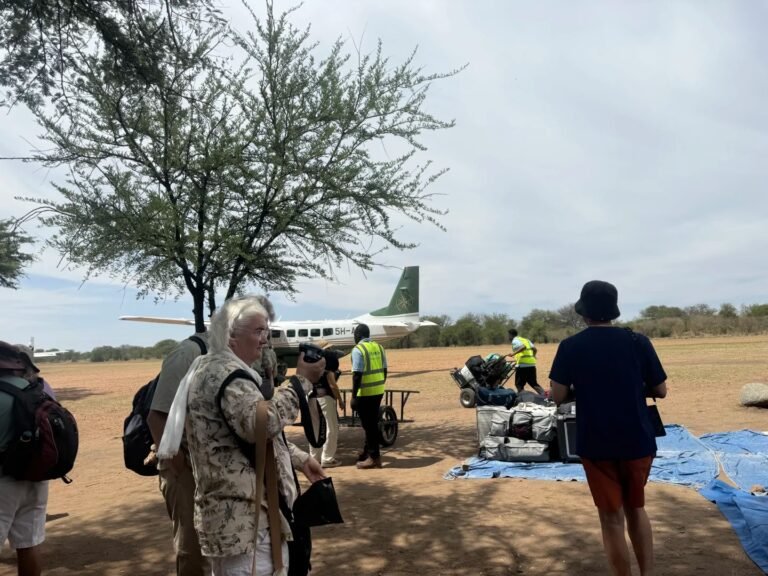
Arusha To Serengeti Direct Flights: Costs, Schedule, And Travel Planning Guide
A deep look at planning the direct flight from Arusha to Serengeti, covering costs, schedules, airline options, and essential safari logistics for 2027.
View package details
Arusha To Serengeti Flight Price : Tickets & Safari Airstrips 2027
Arusha to Serengeti Flight Price 2027: Tickets & Safari Airstrips is explained with current 2027 planning, price, itinerary and booking information.
View package detailsArusha To Serengeti Flight Time, Prices & Baggage Allowance Guide 2026-2027
A practical guide to flying from Arusha to the Serengeti, covering flight durations, luggage restrictions, and booking considerations for your upcoming Tanzania safari.
View package detailsArusha To Northern Serengeti Flight Prices & Booking Guide () 2027
A comprehensive guide detailing the logistics, costs, and best practices for flying from Arusha to the Northern Serengeti for your 2027 safari.
View package details2-Day Serengeti Safari From Zanzibar By Flight: Price & Booking Guide
A practical guide to booking a 2-day Serengeti safari from Zanzibar by flight, covering itinerary logistics, cost considerations, and how to maximize your short time in the bush.
View package details3-Day Serengeti & Ngorongoro Safari From Zanzibar By Flight 2027
3-Day Serengeti & Ngorongoro Safari From Zanzibar by Flight is explained with current 2027 planning, price, itinerary and booking information.
View package details1-Day Serengeti Safari From Zanzibar By Flight: Cost & Itinerary 2026-2027
Is a 1-day Serengeti safari from Zanzibar feasible? Get the expert breakdown on the flight logistics, cost factors, and how to manage your expectations for this intense, one-day wildlife...
View package details
Fly-In Safari To Ngorongoro And Serengeti: Flights & Transfer Costs 2026-2027
Discover the logistics and cost breakdown for a fly-in safari to Ngorongoro and the Serengeti, including airstrip transfers, baggage limits, and vehicle positioning.
View package detailsSerengeti To Zanzibar Vs Arusha To Which Is Better After Safari? 2027
Choosing the right transfer to Zanzibar after a safari—Serengeti to Zanzibar or Arusha to Zanzibar—depends entirely on your safari route, time constraints, and budget. This guide breaks...
View package details3-Day Serengeti Fly-In Safari From Zanzibar: All-Inclusive Package Prices 2027
Plan your ultimate Tanzanian adventure, combining Zanzibar's beaches with the Serengeti's wildlife. This guide details all-inclusive package pricing and logistics for a 3-day fly-in safari...
View package detailsNo related package matches those filters. Clear one or more filters to see the other topic-matched options.



