
The best Serengeti airstrip for your safari is simply the one closest to your chosen lodge or camp. While Seronera is the main hub for central Serengeti, landing in Kogatende is essential for the Northern migration, and Ndutu is the only practical choice for the Southern plains during calving season. Choosing the correct airstrip prevents long, dusty road transfers that can eat into your game-viewing time, so always confirm your specific lodge location with your operator before finalizing your flight booking.
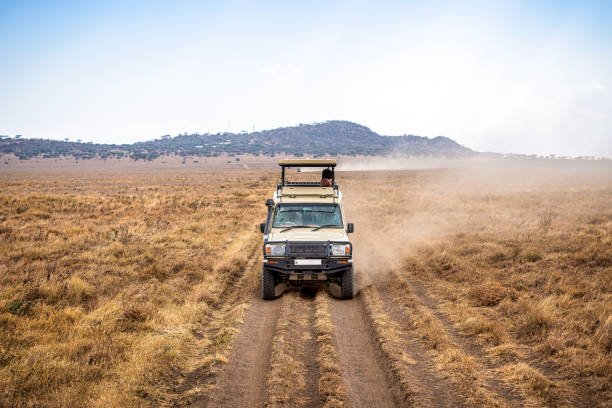
In the vast expanse of the Serengeti, the airstrip you land on is often more important than the airline you choose. Many travelers assume that flying into the Serengeti is a simple matter of booking a ticket to “the park,” but the reality is that the Serengeti covers nearly 15,000 square kilometers. If you land at the Seronera Airstrip but your camp is in the Northern Mara River region, you are looking at a four-hour game drive just to reach your room. That is time you could have spent watching wildlife.
At Climb 4 Africa, we manage logistics for travelers visiting in 2026 and 2027, and we frequently see itineraries where guests have been booked into the wrong airstrip. This creates unnecessary fatigue and reduces the quality of the safari experience. Understanding which airstrip serves your specific area is the first step to an efficient, stress-free trip.
The Core Serengeti Airstrips: A Regional Breakdown
The Serengeti is serviced by several key airstrips, each acting as a gateway to a specific ecosystem or seasonal attraction. Choosing the right one depends entirely on where you are staying and what you want to see.
Seronera Airstrip: The Central Hub
Seronera is the heart of the Serengeti. If your lodge is in the Central Serengeti, this is your entry point. It is the most reliable airstrip for year-round access and serves the highest volume of camps. Because it is centrally located, it offers the most flexibility for game drives in almost any direction. If you are doing a short fly-in safari, you will almost certainly use this strip.
Kogatende Airstrip: The Northern Migration Gateway
If your 2027 itinerary focuses on the Great Migration, specifically the dramatic river crossings of the Mara River, Kogatende is the only logical choice. Located in the Northern Serengeti, this strip places you right in the action during the peak months of July through October. Landing here saves you the grueling multi-hour drive from the central plains, allowing you to maximize your time in the field.
Ndutu Airstrip: The Southern Plains Specialist
Ndutu serves the Southern Serengeti and the Ngorongoro Conservation Area border. This is a seasonal-dependent airstrip. During the green season (typically January to March), when the wildebeest herds congregate for the calving season, Ndutu is the place to be. If you book a lodge here, flying into Seronera instead of Ndutu is a significant logistical mistake, as the drive between the two can be long and slow.
Grumeti & Sasakwa Airstrips: The Western Corridor
These airstrips serve the Western Corridor and the private concessions bordering the park. This area is less crowded than the central plains and offers a distinct landscape featuring the Grumeti River. Accessing these strips usually requires specific charter arrangements or scheduled flights that cater to high-end lodges in the region.
Understanding the Cost Factors
When you look at the cost of your trip, it is easy to view the flight as a single line item. However, the true cost includes the transfer from the airstrip to your lodge. While the flight ticket price is relatively fixed based on the airline and season, the transfer costs vary significantly.
- Scheduled Flights: These are the most cost-effective. They follow a set route (e.g., Arusha to Seronera to Kogatende). The price is fixed, but you are at the mercy of the airline’s schedule.
- Private Charters: If you are traveling in a group or require specific timing, a private charter is an option. While significantly more expensive, it allows you to land at the airstrip closest to your camp, sometimes bypassing the standard hub-and-spoke routes.
- Transfer Logistics: Always verify if your lodge includes the transfer from the airstrip. Some remote camps include a complimentary 4×4 pickup, while others charge a premium for the distance.
If you are comparing flying versus driving, keep in mind that the savings of a road safari are often offset by the time lost in transit. For a 3-day trip, flying is almost always the better investment.
Decision Matrix: Matching Your Itinerary to the Airstrip
This table is designed to help you align your lodge location with the correct airstrip. When discussing your trip with us, use this as a reference point to ensure your logistics are sound.
| Region | Primary Airstrip | Best Time to Visit | Key Attraction |
|---|---|---|---|
| Central | Seronera | Year-Round | Big Cats, General Wildlife |
| North | Kogatende | July – October | Mara River Crossings |
| South | Ndutu | January – March | Wildebeest Calving |
| West | Grumeti | May – July | River Landscapes, Less Crowds |
Note: These are general guidelines. Migration patterns can shift based on rainfall, and lodge availability often dictates where you stay. We strongly recommend checking the most up-to-date seasonal access details before finalizing your bookings.
Planning Your 2026-2027 Safari Logistics
At Climb 4 Africa, we handle the end-to-end coordination of your travel. This means we don’t just book a flight; we ensure the pilot knows your name, the driver is waiting at the correct airstrip, and your camp is notified of your arrival time.
When you reach out to us, please provide the following details so we can advise on the best airstrip for your specific trip:
- Your desired dates: Migration timing changes everything.
- Your budget tier: This helps us determine if a scheduled flight or a private charter is appropriate.
- Your accommodation preferences: If you have already picked a lodge, tell us the name so we can verify the closest access point.
- Your total travel party size: This affects luggage capacity and vehicle requirements for the transfer.
If you are still deciding between locations, we can help you compare options like Serengeti vs. Ngorongoro to see which fits your travel style best. Sometimes, a combination of both—using the airstrips to hop between ecosystems—is the most efficient way to see the most wildlife in a limited timeframe.
Frequently Asked Questions About Serengeti Airstrips
Can I land at any airstrip in the Serengeti?
Technically, yes, if you charter a private plane. However, scheduled commercial bush flights only land at designated airstrips like Seronera, Kogatende, and Ndutu. You cannot simply request a stop at a random location.
What happens if my flight is delayed?
Bush flights are weather-dependent and subject to change. If your flight is delayed, your lodge transfer driver will usually be updated by the operator. At Climb 4 Africa, we monitor your flight status and maintain communication with your lodge to ensure someone is there to meet you, regardless of the arrival time.
Is there a difference in flight duration between the airstrips?
Yes. A flight from Arusha to Seronera is typically around 50-60 minutes, while reaching Kogatende in the North can take up to 90 minutes or more depending on the number of intermediate stops the plane makes to drop off other passengers.
Do I need to pay for the transfer from the airstrip to the lodge?
This depends on your booking. Most all-inclusive luxury lodges include the airstrip transfer in their nightly rate. Budget-friendly or mid-range camps might charge an extra fee. Always confirm this in your quote to avoid surprises on arrival.
Expert Support for Your Tanzania Journey
The logistics of a Serengeti safari can be complex, but they shouldn’t be stressful. Whether you are planning a solo adventure, a romantic getaway, or a family expedition, we are here to handle the details. We provide practical, on-the-ground support to ensure your transport aligns perfectly with your itinerary.
If you are ready to start planning your 2026 or 2027 safari, reach out to us. We can help you navigate the flight schedules, identify the best airstrips for your chosen lodges, and manage your transfers seamlessly.
Contact us today to discuss your itinerary:
- WhatsApp: +255 747 477 898
- Email: climb4africa@gmail.com
- Backup Email: info@climb-4-africa.com
Let’s get your Serengeti experience organized so you can focus on the wildlife, not the logistics.
Navigating Luggage Restrictions on Serengeti Bush Flights
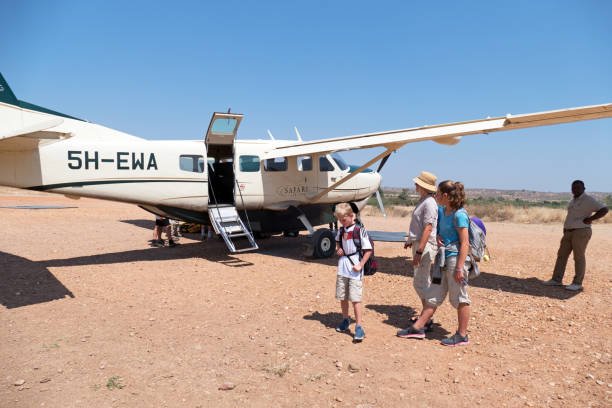
One of the most critical, yet often overlooked, aspects of choosing your Serengeti airstrip is understanding the strict luggage regulations that govern bush flights. Unlike international commercial airlines, where weight allowances are generous, light aircraft operating within the Serengeti—such as the Cessna Caravan—have rigid payload capacities. These restrictions are not merely policy; they are a matter of flight safety. When flying into remote airstrips like Kogatende or Ndutu, the pilot must calculate the total weight of passengers, fuel, and cargo to ensure the aircraft can safely take off from short, unpaved bush runways.
Standard luggage limits for internal bush flights are typically 15 kilograms (33 pounds) per person. Crucially, this limit almost always includes your hand luggage or camera bags. If you arrive at the Arusha or Kilimanjaro airport with a heavy suitcase and a large, bulky camera backpack, you may be asked to pay for an extra seat to accommodate the weight, or worse, leave items behind at the departure lounge. This is a common point of friction for photographers and travelers carrying specialized gear, and it is a logistical hurdle that requires careful preparation before you even leave home.
The type of luggage you bring is just as important as the weight. Hard-shell suitcases are generally prohibited on bush flights. These rigid cases do not fit into the flexible, contoured cargo holds of small aircraft. You must use soft-sided bags, such as duffel bags, that can be squashed and maneuvered into tight spaces. If your luggage is hard-sided, you will likely be asked to transfer your belongings into soft bags provided by the airline or your operator, which can be a stressful and time-consuming process right before departure. Investing in a high-quality, collapsible duffel bag is the single most effective way to streamline your transit between the airstrip and your lodge.
For those carrying expensive camera equipment, the “extra seat” policy is a frequent topic of inquiry. If your gear exceeds the 15kg limit, you have two primary options. The first is to book an additional “freight seat” at the time of your flight reservation. This guarantees that your equipment travels on the same aircraft as you, ensuring you have your lenses and bodies ready the moment you land. The second option, which is less reliable, is to pay for excess baggage at the airport. This is subject to space availability on the day; if the flight is fully booked, the airline may refuse to carry your excess bags, leaving you to arrange for them to be flown on a later, separate cargo flight. For professionals or serious hobbyists, the extra seat is the only way to guarantee your gear arrives when you do.
Another factor to consider is the “hop-on, hop-off” nature of these bush flights. A single flight from Arusha might stop at Seronera, then Grumeti, before finally landing at Kogatende. At every stop, the pilot and ground crew must reorganize the luggage hold to access bags for passengers disembarking. This constant shifting means that if your bag is poorly packed or if you have loose items attached to the exterior of your luggage, they are at a higher risk of being damaged or misplaced. Keeping your belongings contained within a single, durable, soft-sided bag minimizes these risks. Furthermore, ensure that all your essential items—medications, travel documents, and critical camera batteries—are in your carry-on, which should also be a soft-sided bag that can fit under your seat or in the small overhead netting.
Finally, remember that the airstrip environment is rustic. There are no luggage carousels or porters to help you move heavy gear from the plane to the safari vehicle. You will often be expected to carry your own bags a short distance from the tarmac to the waiting 4×4. If you are traveling with family or as part of a group, packing light is not just about adhering to airline rules; it is about maintaining the agility required to move quickly from the landing strip to the game-drive vehicle, maximizing your first hours in the bush.
Public vs. Private Airstrips: How They Alter Your Arrival
While most travelers focus on the destination, the classification of your landing site—whether it is a public-use or a private-concession airstrip—fundamentally changes the quality of your arrival. The Serengeti utilizes a mix of both, and understanding the distinction is vital for setting expectations. Public airstrips, such as Seronera or Kogatende, function as regional hubs. They are managed by the Tanzania National Parks Authority (TANAPA) and serve a high volume of traffic from multiple airlines. When you land here, you are entering a busy, multi-functional environment where pilots coordinate with ground crews from dozens of different lodges simultaneously. The advantage is accessibility; the trade-off is a slightly more chaotic arrival experience where you may need to wait for your specific lodge driver to navigate through a flurry of other vehicles.
Conversely, private airstrips are maintained by specific high-end lodges or exclusive concessions. These strips are often located significantly closer to your camp—sometimes just a five-minute drive away—which drastically reduces the time spent on transit. Because these strips are exclusive to the guests of that specific lodge (or a small cluster of associated camps), the arrival process is intimate and highly personalized. There is no confusion about who is picking you up, and the transfer vehicle is usually waiting on the tarmac the moment the propeller stops spinning. If your itinerary prioritizes privacy and a smooth transition from the air to the bush, inquire specifically whether your lodge utilizes a private airstrip or the nearest public hub.
The Arrival Protocol: Navigating the Tarmac
Landing in the Serengeti is a stark departure from commercial aviation. You will not find terminals, jet bridges, or security screening areas. Instead, you are stepping directly onto a compacted dirt or gravel runway that is often unfenced and located in the middle of active wildlife territory. This environment dictates a very specific set of protocols that all passengers must follow for safety and efficiency.
The most important rule is to remain with your pilot and your luggage until your designated transfer driver has been identified. It is common for pilots to perform a low-altitude “fly-by” before landing, specifically to check the runway for wildlife. If a herd of zebra or a pride of lions is resting on the strip, the pilot will buzz the area to encourage them to move. However, even after landing, the strip is not guaranteed to be clear. Never wander away from the aircraft to take photographs or explore the immediate area; the bush is unpredictable, and you are technically still in an active airfield. Your pilot is the final authority on the ground; follow their instructions regarding where to stand and when it is safe to approach the vehicle.
Furthermore, the “meet and greet” process is manual. Because there are no digital arrival boards, your driver will be looking for the aircraft’s registration number or the airline’s schedule. If you are on a private charter, your driver will have been briefed on your specific flight time. If you are on a scheduled bush flight, the driver will be waiting at the designated parking area near the strip. Always carry your lodge’s contact information in your hand luggage, not your checked bag. In the unlikely event of a communication breakdown between the airline and the lodge, having the ability to make a quick call to the camp manager can save you an hour of waiting in the heat.
The Mechanics of “Bush-Hopping”: Understanding Multi-Stop Flight Routes
Many travelers booking their first safari assume that a flight from Arusha or Zanzibar to a Serengeti airstrip is a direct, point-to-point service. In reality, the vast majority of scheduled bush flights operate on a “bush-hopping” model. Understanding this system is crucial for managing your expectations regarding travel time, aircraft size, and the potential for unexpected delays. Because these flights utilize small Cessna Caravan or similar light aircraft, they rarely fly with a single passenger load from origin to destination. Instead, a single flight number may serve three, four, or even five different airstrips in a single circuit.
When you book your seat, the airline is essentially selling you a flexible route. Your pilot may land at Seronera to drop off two passengers, then continue to Kogatende to pick up three more, before finally heading to a smaller, private strip in the Western Corridor. This operational structure is why flight durations listed on booking sites are often “estimates” rather than guarantees. If you are the first stop on the route, your travel time will be short. If you are the fourth stop, your flight time could easily double as the aircraft descends, taxis, unloads, reloads, and takes off repeatedly.
This multi-stop nature has significant implications for your planning. First, it dictates the aircraft’s weight balance. Pilots are meticulous about weight distribution; you may be asked to change your seat assignment mid-flight or upon boarding to ensure the plane is properly balanced for the next leg of the journey. Second, it affects your schedule. If a previous stop experiences a delay—perhaps due to a long luggage transfer or a slow passenger boarding process—that delay cascades through the entire route. When planning your arrival, always build in a buffer. Do not schedule a late-afternoon game drive for the exact hour your flight is slated to land. A two-hour delay at a prior airstrip is a common occurrence in bush flying and should be factored into your day’s itinerary.
Furthermore, the bush-hopping model impacts the type of aircraft you might experience. On high-traffic routes between major hubs like Arusha and Seronera, you are more likely to be on a larger, 12-to-14-seater aircraft. On routes that include smaller, more remote strips, the operator may use smaller 6-to-8-seater planes. If you are sensitive to motion or prefer larger cabins, inquire about the aircraft type when booking. While you cannot always guarantee the specific plane, choosing a flight that minimizes the number of stops can significantly improve your comfort and reduce the overall time spent in the air.
Managing Flight Connections with International Arrivals
The most common logistical error travelers make is booking an international flight that arrives at Kilimanjaro International Airport (JRO) too late to catch the final bush flight of the day. Most bush flights operate on a “daylight-only” basis. Because Serengeti airstrips lack instrument landing systems (ILS) and runway lighting, they are strictly visual flight rules (VFR) environments. If your international flight is delayed and you miss the connection, you will not be flying into the Serengeti that night. You will be spending the night in a hotel in Arusha or near the airport.
To mitigate this, aim to have your international flight land no later than 10:00 AM or 11:00 AM. This provides a necessary cushion for immigration, customs, and the transfer from JRO to Arusha Airport (ARK), which is the primary hub for domestic bush flights. Attempting a “tight” connection—such as landing at 1:00 PM and expecting to catch a 2:00 PM flight—is a high-risk strategy that rarely pays off given the distance between the two airports and the strict security and check-in procedures required for domestic flights.
The Impact of Seasonal Weather on Runway Viability
While most travelers view Serengeti airstrips as permanent infrastructure, they are, in reality, semi-permanent sites that are highly susceptible to East Africa’s seasonal rainfall patterns. Understanding how weather dictates runway viability is crucial for travelers booking safaris during the transition months, particularly the “long rains” (April and May) and the “short rains” (November and December). Unlike paved international airports, bush airstrips are typically compacted earth, gravel, or murram. When these surfaces become saturated, they can quickly become unsuitable for light aircraft landings, leading to last-minute operational changes.
During periods of heavy rainfall, it is not uncommon for smaller, remote airstrips to be temporarily closed by the Tanzania Civil Aviation Authority or individual airline operators for safety reasons. If your booked airstrip is deemed unsafe due to waterlogging or soft ground, your flight will likely be diverted to the nearest “all-weather” strip. In the Serengeti, Seronera is the primary all-weather airstrip because of its superior maintenance and central drainage, but even it can occasionally face restrictions. If a diversion occurs, your safari operator is responsible for arranging a road transfer from the alternative strip to your lodge. This can add significant time to your travel day—sometimes two to three hours of driving through muddy terrain—so it is vital to have realistic expectations when traveling during the shoulder seasons.
Furthermore, weather impacts visibility, which is the primary constraint for visual flight rules (VFR) operations in the bush. Even if the ground is dry, low cloud cover or heavy mist, particularly in the hilly Northern Serengeti or near the Ngorongoro highlands, can force pilots to ground flights. If you are flying into Kogatende or Lobo during the rainy season, be aware that these flights are more prone to weather-related cancellations than those heading to the central plains. When planning your itinerary, especially if you have a tight connection to an international flight home, always build in a buffer day. Never schedule your bush flight to land at JRO only three hours before your international departure during a rainy month. If the weather grounds your bush flight, you will miss your international connection, and rebooking international flights from remote areas is logistically complex and costly.
Navigating “Dry Season” Dust and Runway Maintenance
Conversely, the dry season presents its own set of challenges for airstrip operations. During the peak of the dry season (July through October), the primary issue is not moisture, but visibility and debris. High winds can whip up dust clouds that obscure the runway, making precision landings difficult. Additionally, the constant traffic of light aircraft can degrade the runway surface, leading to potholes or loose gravel that can cause damage to propellers and landing gear. During these months, airlines may occasionally restrict the number of landings at specific smaller strips to allow for maintenance or to ensure that aircraft are not operating at maximum payload, which requires longer takeoff rolls.
If you are traveling in the peak season, be prepared for potential minor schedule adjustments. Operators might consolidate flights or shift departure times by an hour or two to avoid the worst of the midday heat, which reduces aircraft performance, or to navigate around peak traffic times at busier strips like Seronera. While these adjustments can feel like an inconvenience, they are standard safety protocols designed to ensure that the aircraft can operate within its performance limits on short, unpaved runways. Always maintain open communication with your ground handler or safari operator, as they will receive the most current operational updates from the bush pilots on the ground.
The Anatomy of an Airstrip Transfer: Managing Expectations on the Ground
While the flight itself is the headline event of your journey into the Serengeti, the transition from the aircraft to your safari vehicle is where the logistics often become less predictable. Unlike commercial airports where you exit into a terminal with clear signage and taxi ranks, the Serengeti “arrival experience” is entirely dependent on the specific airstrip you use and the type of accommodation you have booked. Understanding this transition is vital to ensuring your safari begins with excitement rather than confusion.
At major hubs like Seronera, you will often find a flurry of activity. Because this airstrip serves dozens of camps, there is a designated waiting area where guides congregate. Your driver will typically be holding a sign with your name or your lodge’s name. However, in more remote or private airstrips like those in the Western Corridor or deep in the Northern Serengeti, the scene is far more intimate. You may be the only passengers disembarking. In these cases, your driver is often the only vehicle present. If you arrive and do not see your driver, it is rarely cause for alarm—it is common for guides to wait at a slight distance to allow the aircraft to taxi and power down safely before approaching. Never attempt to wander away from the airstrip to look for your vehicle, as these strips are not fenced, and wildlife frequently traverses the runway perimeter.
The Role of the “Meet and Greet” vs. The “Fly-In” Lodge Model
It is crucial to distinguish between two types of transfers: the lodge-provided transfer and the third-party operator transfer. Many high-end, all-inclusive lodges operate their own fleet of vehicles. When you book these, the transfer is smooth because the lodge controls both the arrival and the vehicle. They know exactly when the bush flight is scheduled to land and have internal communication with the pilot or the airline’s operations desk to track real-time delays. In this model, your driver is often an employee of the lodge, and they are essentially an extension of your safari experience from the moment you step onto the tarmac.
Conversely, if you are staying at a camp that does not have its own dedicated vehicle fleet, your transfer might be outsourced to a local ground handler. This is common with mid-range or seasonal tented camps. In this scenario, communication is slightly more fragmented. The airline notifies the ground handler, who then dispatches a driver. While reliable, this adds a layer of separation. If your flight is shifted due to wind or air traffic, the ground handler must be updated immediately. This is why booking your flights and transfers through a single, cohesive operator—rather than booking the flight independently and the camp separately—is the most effective way to prevent “lost” transfers. When one entity manages the entire chain, they are responsible for the handoff.
What to Expect During the “Bush Handoff”
The transfer from the airstrip to your lodge is rarely a simple drive; it is often your first game drive. Depending on the airstrip’s proximity to your accommodation, this journey can take anywhere from 15 minutes to two hours. This is an important distinction to clarify during the booking phase. A “nearby” airstrip is a relative term. In the Serengeti, a lodge might be “near” an airstrip, but the road between them might wind through prime lion territory, turning a 10-kilometer distance into a 90-minute game drive. Do not view this as a commute; view it as an extension of your safari. Ensure your luggage is securely packed in soft-sided bags, as these are the only type allowed on bush flights, and they are also the most practical for the often-bumpy transfer vehicles.
Furthermore, be prepared for the “bush bathroom” reality. Most airstrips in the Serengeti have basic, often primitive, restroom facilities—or none at all. If you have just completed a 60-minute flight, you may need to use the facilities before departing for your lodge. At major strips like Seronera, there are basic structures. At smaller, remote strips, you are in the wild. Your pilot will be able to advise you on the facilities available at your specific landing site. It is always wise to use the restroom at your point of departure (e.g., Arusha or Zanzibar) before boarding your bush flight to avoid any discomfort upon arrival.
Handling Last-Minute Changes and “No-Show” Drivers
In the rare event that you land and do not see your driver, follow these steps to manage the situation calmly:
- Stay with the aircraft or in the designated waiting area: Do not walk into the bush. The pilot will usually remain with the aircraft for a short period while passengers disembark and luggage is unloaded. They are your best immediate point of contact.
- Check your booking documentation: Your itinerary should have the contact number for your ground handler or the lodge manager. Even if you do not have cellular service, the pilot often has a satellite phone or radio and can assist in making a call if there is a genuine emergency.
- Wait for the “Secondary Wave”: Sometimes, a driver is delayed by a vehicle issue or a traffic jam caused by a wildlife sighting on the road. A delay of 15–20 minutes is not uncommon and is often due to the unpredictable nature of safari driving.
- Utilize the Pilot’s Radio: If you are left at an airstrip for more than 30 minutes, ask the pilot to radio the lodge or the ground operator. This is the standard procedure for resolving “missing” transfer scenarios.
By understanding that the airstrip is not just a place to land, but a staging ground for the start of your adventure, you can approach the arrival with the right mindset. It is an unhurried, rugged, and uniquely African experience that requires patience, flexibility, and a sense of adventure.
Navigating Inter-Camp Transfers: Logistics of the Multi-Region Safari
For travelers planning an extended safari, the itinerary often involves visiting multiple regions of the Serengeti—for example, starting in the Central Serengeti to see the big cats, moving to the North for the Great Migration, and finishing in the Western Corridor. This creates a specific logistical requirement: the inter-camp flight. Unlike the initial “fly-in” from Arusha or Zanzibar, which is a straightforward arrival, moving between airstrips within the park is a nuanced operation that requires careful planning.
Inter-camp flights rarely operate as direct, point-to-point charters unless you have specifically paid for a private aircraft. Instead, they function as part of a larger circuit. A bush plane may land at your current airstrip to drop off arriving guests, and then take you on as a passenger to your next destination. This means your flight schedule is dictated by the airline’s daily loop, which is designed to optimize fuel and passenger capacity across the entire Serengeti ecosystem. Consequently, you may find that your flight time is not fixed until 24 to 48 hours before departure, as the operator adjusts the route based on the number of passengers booked for each sector.
A critical, often overlooked aspect of the multi-region safari is “weight creep.” During your first few days, you may purchase souvenirs, wooden carvings, or local artwork at lodge boutiques or village markets. On your initial flight into the Serengeti, your bags were weighed and met the strict 15-kilogram limit. However, by the time you reach your second or third airstrip, those added items can push your luggage over the limit. Because bush aircraft have precise weight and balance requirements, pilots are extremely strict. If you are overweight on an inter-camp flight, you may be forced to leave items behind or pay for an extra seat, which is costly and subject to availability. Always weigh your bags at the lodge before your inter-camp transfer; most high-end camps have luggage scales available for this purpose.
Furthermore, timing is essential. Most inter-camp flights are scheduled in the mid-morning, typically between 10:00 AM and 11:30 AM. This is strategically planned to allow you to complete a morning game drive at your first lodge, enjoy a leisurely breakfast, and then head to the airstrip. It is vital to coordinate this timing with your lodge manager the night before. If your camp is located deep within a concession or a remote area, the drive to the airstrip can take longer than anticipated. Ensure your transfer vehicle departs the lodge with sufficient buffer time to account for potential road closures, wildlife sightings, or the inevitable “bush traffic” that can delay your arrival at the tarmac.
Finally, remember that inter-camp flights are “shared” experiences. You will often be flying with other travelers who are moving between different lodges. This creates a unique social dynamic where you might share a flight with someone who has just spent three days in the North, providing you with real-time, “boots-on-the-ground” intelligence about where the wildlife is currently congregating. Use these short flights as an opportunity to exchange information, which can help you refine your own game-viewing strategy when you arrive at your next destination.
Emergency Protocols and Medevac Capabilities at Remote Airstrips
While the focus of safari logistics is typically on convenience and time-saving, it is essential to understand the safety infrastructure surrounding Serengeti airstrips. Remote bush operations operate under strict safety mandates, but the reality of medical care in the wilderness is distinct from urban environments. Most established airstrips, particularly those in high-traffic regions like Seronera and Kogatende, serve as primary nodes for emergency medical evacuations (Medevac). In the event of a serious injury or sudden illness, these airstrips are the designated landing zones for specialized air ambulance services.
It is important to recognize that not every airstrip is equipped for night operations. While some larger strips may have basic lighting, the vast majority of Serengeti landing sites are strictly “daylight-only.” This means that in the event of an emergency occurring after sunset, a medical evacuation flight may not be able to land until first light. Safari operators and lodge managers are trained to coordinate with the Flying Doctors or similar regional air ambulance services to stabilize patients on-site while waiting for the optimal window for extraction. Travelers with pre-existing medical conditions should always ensure their travel insurance includes comprehensive coverage for “emergency medical evacuation from remote locations,” as the cost of a private charter air ambulance can be significant if not covered by a specific policy.
The Role of Airstrip Communication Systems
Communication at these remote sites is often handled through a combination of VHF radio and satellite telephony. Because cellular signal is notoriously unreliable—and often non-existent—in the deeper parts of the Serengeti, the airstrip manager or the lodge representative on the ground acts as the vital link between the pilot and the outside world. When you arrive at an airstrip, you may notice the staff monitoring a radio; this is not just for flight logistics but serves as part of the safety net. If a flight is delayed or an emergency arises, this radio network is the primary method of relaying information back to the lodge, the airline operations center, and, if necessary, emergency services.
Navigating Wildlife Hazards on the Runway
A unique aspect of Serengeti aviation safety is the management of wildlife on the runways. Unlike commercial airports that utilize massive fencing and patrol vehicles to keep wildlife away, bush airstrips are often unfenced and integrated directly into the ecosystem. It is standard procedure for the pilot to perform a “low pass” or a “fly-over” of the airstrip before landing. This is not for show; it is a critical safety maneuver designed to flush out any animals—such as warthogs, zebras, or even lions—that may be grazing on the grass or sleeping on the runway surface. Do not be alarmed if your pilot circles the strip; they are ensuring the runway is clear of hazards that could cause a catastrophic accident upon landing. Once the pilot confirms the strip is clear, they will bank the aircraft and make the final approach. This process highlights the raw, unpredictable nature of flying into the Serengeti, where the environment dictates the rules of engagement.


The Distinction Between “Park” Airstrips and “Concession” Airstrips
While the broader article categorizes airstrips by region, a critical distinction remains for the discerning traveler: the difference between airstrips located inside the Serengeti National Park (SNP) boundaries and those situated within private concessions. This distinction is not merely administrative; it dictates the rules of your arrival, the privacy of your transfer, and the game-viewing potential the moment your wheels touch the ground.
Airstrips located within the National Park—such as Seronera, Kogatende, and Lobo—are public-use facilities. They are managed by the Tanzania National Parks Authority (TANAPA) and serve as the primary conduits for the high volume of traffic entering the ecosystem. Because these strips are public, you will often find multiple vehicles from different safari companies waiting in designated parking zones. The arrival process here is standardized: you exit the plane, walk to your pre-arranged vehicle, and immediately exit the airstrip area to begin your transit to the lodge. These areas are heavily regulated, and strict “no-off-roading” rules apply as soon as you leave the airstrip perimeter.
Conversely, airstrips located within private concessions—such as those serving the Grumeti Reserve or the Mwiba Wildlife Reserve—operate under a different set of protocols. These are private infrastructure investments maintained by the concession operators themselves. The primary benefit of flying into a concession airstrip is the exclusivity of the arrival. Because the airstrip is effectively part of the private land you are paying to visit, your game drive can technically begin the moment you step off the plane. There are no other safari operators from outside the concession allowed to pick up guests at these strips, meaning the transfer is often handled by your specific lodge’s guide. This eliminates the “wait time” associated with shared transfers or finding your driver in a crowded parking lot.
Furthermore, the location of these private airstrips is strategically chosen to offer immediate immersion in the wilderness. While a public airstrip like Seronera is often situated near administrative buildings or high-traffic junctions, a private concession strip is frequently tucked away near a riverbed or a scenic kopje. This allows for a “soft start” to your safari, where the transfer is not a commute but a genuine game-viewing experience. If your itinerary includes a stay in a private concession, verify whether your flight is scheduled for the private airstrip or the nearest public one; some operators use public strips to save on landing fees, which would negate the exclusivity benefits you paid for when booking a concession-based lodge.
Navigating the “Wait-List” and Seat Allocation on Bush Flights
A frequently misunderstood aspect of Serengeti aviation is the seat allocation process on bush flights. Unlike international carriers, these light aircraft are weight-sensitive, not just passenger-count sensitive. This means that even if you have a confirmed ticket, the airline’s operations team manages the seating chart based on the total weight of all passengers and luggage on that specific flight leg.
When you check in at the Arusha or Zanzibar airport, you may notice the staff weighing passengers alongside their bags. This is standard procedure. In rare instances, if a flight is near its maximum payload, the airline may be forced to leave luggage behind to be ferried on a later flight. To mitigate this risk, always adhere strictly to the soft-sided luggage requirement. Hard-shell suitcases are notoriously difficult to pack into the narrow, irregular cargo holds of bush planes like the Cessna Grand Caravan. If your luggage is soft-sided, it can be compressed and maneuvered into tight spaces, significantly reducing the likelihood of your bags being bumped to a later flight.
Additionally, if you are traveling in a group of four or more, you may find that you are not seated together. The pilot will balance the aircraft by distributing weight across the cabin. Do not request to change seats for a better view or to sit next to a companion until the pilot has explicitly given the “all clear” after takeoff. The balance of the aircraft is paramount for safety, especially when landing on short, unpaved bush runways where precision is required.
The Departure Process: Leaving the Serengeti Bush
While much of the pre-safari planning focuses on the thrill of arrival, the departure process from a Serengeti airstrip is a distinct logistical phase that requires its own set of expectations. Unlike commercial airports where you are guided through security, check-in, and boarding gates, departing from a bush airstrip is a raw, unscripted experience. When your safari concludes, your lodge transfer vehicle will typically drop you off at the airstrip 30 to 45 minutes before the scheduled flight time. It is vital to understand that this is not a terminal; it is often nothing more than a clearing in the savannah.
Upon arrival at the strip, you will find no indoor waiting rooms, cafes, or restrooms. In most cases, you will be waiting in your safari vehicle or perhaps under the shade of a nearby acacia tree. This is the time to finalize your “bush handoff” with your guide. Ensure you have retrieved all your luggage from the vehicle before the guide departs, as they often have to return to the lodge to pick up other arriving guests. Once the guide leaves, you are effectively in the custody of the incoming pilot.
The arrival of your aircraft is your cue to move toward the runway, but only when signaled. The pilot will typically perform a low-altitude pass to check for wildlife on the runway before landing. Once the plane has taxied to a stop and the engines are powered down, the pilot will open the door and conduct a brief manifest check. This is not just a formality; the pilot must verify the weight of the passengers and luggage once more to ensure the flight remains within safety parameters for takeoff. Do not be surprised if the pilot asks to weigh your carry-on bags again at this stage.
Boarding is swift and organized by the pilot to maintain the aircraft’s center of gravity. You will be instructed where to sit, and your luggage will be loaded into the nose or tail compartment. Because there are no baggage handlers, you may be asked to assist in passing your bags to the pilot. Once everyone is buckled in, the pilot will conduct a final safety briefing—which in a bush plane involves pointing out the emergency exits and the location of the fire extinguisher—before taxiing for takeoff. The transition from the tranquility of the bush to the roar of the engine is sudden, marking the final, often bittersweet, moment of your Serengeti journey.
Managing Time Expectations on Departure Day
A common mistake travelers make is assuming their departure flight is fixed to the minute. Bush flights are dynamic; if your flight is the last leg of a multi-stop route, it may arrive earlier or later than the scheduled time depending on how long the pilot spent at previous stops. If your flight is delayed, do not panic. The pilot is in constant communication with the aviation company’s operations center, which in turn coordinates with your lodge. If you are waiting at the airstrip and the flight is significantly delayed, the pilot will typically radio ahead to ensure you are not left stranded without water or support. Always keep your mobile phone accessible, although you should rely primarily on the pilot’s direct updates for the most accurate information regarding your flight’s status.
The Nuances of “Flight-Inclusive” Safari Packages vs. Booking Airstrips Independently
A frequent point of confusion for travelers is the distinction between booking a “flight-inclusive” safari package and managing the logistics of your Serengeti bush flights independently. When you book a high-end, all-inclusive safari package, the cost of the internal bush flights is often bundled into the total price of the trip. This is not merely a convenience; it is a logistical safeguard. When a tour operator or a luxury lodge manages your flight booking, they are responsible for the entire chain of custody. If a flight is canceled due to weather or technical issues, the burden of rebooking, finding alternative transport, or arranging emergency accommodation falls on the operator, not the traveler.
Conversely, booking your own bush flights independently—often done to save on costs or to utilize specific frequent flyer programs—places the entire risk of logistical failure on your shoulders. If you book an independent flight to the Seronera Airstrip and that flight is delayed by four hours, you are responsible for contacting your lodge, updating them on your new arrival time, and ensuring that your transfer driver remains available to meet you. In remote areas like the Northern Serengeti (Kogatende) or the Western Corridor, there is no “taxi stand” or backup vehicle waiting. If you miss your window, you may find yourself stranded at the airstrip with no ground transport, as your lodge’s driver may have already departed to complete other scheduled transfers.
The Financial Implications of Independent Booking
While independent booking might appear cheaper on a spreadsheet, the hidden costs can quickly erode those savings. Many lodges in the Serengeti operate their own private vehicles and employ their own drivers. If you are a guest of the lodge, these transfers are often included in your nightly rate. However, if you arrive on a flight that the lodge did not book or manage, they may classify your transfer as a “third-party arrival.” In some cases, this can lead to additional surcharges for the transfer, or worse, a lack of availability if the lodge’s fleet is fully committed to other guests.
Furthermore, when you book through an operator, you benefit from the “bulk” communication they have with the bush flight companies. Aviation operators in the Serengeti prioritize the needs of high-volume tour operators who provide them with consistent business. During peak seasons, such as the Great Migration in the North, seat availability on bush flights can become extremely tight. An operator with an established relationship with the flight company is far more likely to secure a seat on a preferred flight time than an individual traveler attempting to book online or via a standard travel portal.
Defining Your “Chain of Responsibility”
Before you finalize your booking, clearly define who holds the “chain of responsibility” for your movement between the airstrip and the lodge. Ask your booking agent or lodge reservationist the following questions:
- Who is responsible for notifying the lodge of flight delays? If the answer is “the traveler,” ensure you have the direct emergency contact number for the lodge’s duty manager, not just a general reservations email address.
- Is the airstrip transfer included in my nightly rate regardless of how I book my flight? Some lodges charge a “transfer fee” if you are not arriving on a pre-approved flight schedule.
- What is the contingency plan if my flight is diverted? In extreme weather, flights may be diverted to an alternative airstrip (e.g., from Kogatende to Migori or nearby private strips). Confirm whether the lodge provides rescue transfers from secondary airstrips, or if you will be expected to arrange this yourself.
By understanding whether your logistics are “operator-managed” or “self-managed,” you can better prepare for the realities of Serengeti travel. For most travelers, the peace of mind that comes with an operator-managed itinerary—where the flight, the airstrip transfer, and the lodge stay are integrated into a single, smooth service—is worth the premium over the potential risks of independent booking.
The ‘Bush-Flight’ Weight Penalty: Understanding Aircraft Payload Limitations
While luggage weight restrictions are a standard topic, the more nuanced—and frequently overlooked—aspect of Serengeti aviation is the concept of ‘payload weight’ versus ‘passenger weight.’ Travelers often assume that if they have booked a seat, the aircraft is obligated to carry them and their luggage regardless of the total weight. In reality, bush aircraft—typically Cessna Caravans or similar light turboprops—are governed by strict weight-and-balance calculations that are far more sensitive than those of commercial jets.
When you book your seat, you are often required to provide your actual body weight. This is not for administrative convenience; it is a critical safety requirement. On a flight with a full manifest of passengers, the pilot may be forced to leave bags behind if the combined weight of the passengers exceeds the aircraft’s maximum takeoff weight for the specific runway conditions, such as high-altitude strips or short, soft-earth runways during the rainy season. This leads to the phenomenon of ‘offloading’ luggage, where your bags might arrive on a subsequent flight hours after you have landed.
To mitigate the risk of your luggage being left behind, consider the following logistical strategies:
- The ‘Soft Bag’ Mandate: Rigid, hard-shell suitcases are notoriously difficult to pack into the belly pods or internal cargo holds of bush planes. Always use soft-sided, squishable duffel bags. These can be manipulated into tight spaces, significantly increasing the likelihood that your luggage will be accommodated on the same flight as you.
- Weight Distribution Awareness: If you are traveling as a couple or a family, the operator may distribute your bags across different flights if the aircraft is nearing its payload limit. Do not pack one ‘main’ bag with all your essential gear and another with non-essentials; distribute your critical items (medication, camera batteries, essential clothing) evenly across all your bags so that if one is offloaded, you are not left without necessities.
- The ‘Pre-Flight’ Weight Check: If you are traveling with heavy camera equipment or specialized gear, disclose this at the time of booking. Many operators will charge for an ‘extra seat’—a purchase that essentially reserves the weight capacity of that seat for your gear. While this increases the cost, it guarantees that your equipment travels on the same flight as you, preventing the logistical nightmare of having a $10,000 camera lens stuck at a different airstrip.
Finally, understand that the pilot has the final authority on the runway. If the weather has made a strip muddy or the runway is short, the pilot may reduce the allowable takeoff weight for safety reasons. In such scenarios, your luggage is almost always the first item to be sacrificed. Having a ‘carry-on’ daypack that contains your most valuable items—passports, cameras, and critical medications—is not just a travel recommendation; it is an essential survival strategy for the bush-flight experience.
The ‘Bush-Hopping’ Itinerary: Managing Multi-Stop Flight Logistics
While most travelers understand that bush flights are not point-to-point, the specific logistical burden of the ‘multi-stop’ flight route remains a frequent source of traveler anxiety. When you book a flight from Arusha to a remote Northern Serengeti airstrip like Kogatende, you are rarely on a dedicated shuttle. Instead, your aircraft is likely servicing a circuit, touching down at multiple airstrips—such as Seronera, Lobo, and then Kogatende—to drop off and pick up passengers. Understanding the mechanics of these stops is essential for managing your expectations regarding travel time and potential delays.
During these intermediate stops, the aircraft engines often remain running or are shut down for only a few minutes. You will be expected to remain in your seat or near the aircraft, depending on the pilot’s instructions. This is not the time for a bathroom break or to wander off for photos. The pilot is operating on a tight schedule, often managed by the airline’s central dispatch to ensure that all flights in the network stay within daylight hours. If you are the passenger staying on board, treat these stops as an opportunity to observe the bush from the tarmac, but remain ready for immediate departure.
Minimizing the ‘Connection Fatigue’ on Multi-Leg Journeys
The cumulative effect of three or four short takeoffs and landings in a single day can be physically draining, especially when combined with the heat and altitude. To manage this, consider the following strategies:
- Hydration and Nutrition: Do not rely on finding food or water at intermediate airstrips. Most are simply cleared patches of earth with no amenities. Pack sufficient water and snacks in your carry-on for the entire duration of your flight day.
- The ‘Seat Selection’ Myth: Unlike commercial flights, you cannot pre-select your seat. The pilot determines seating based on aircraft balance and weight distribution. If you have a preference for a window seat, express this politely to the ground crew at the initial departure point, but understand that your request may be denied for safety reasons.
- Monitoring the Manifest: If you are aware of your flight’s stopovers, keep a mental note of your destination. It is surprisingly common for tired travelers to inadvertently step off the plane at the wrong airstrip, especially if the names sound similar or if they are distracted. Always confirm the destination with the pilot before disembarking at any stop that is not your final one.
The ‘Weight-Shuffle’ at Intermediate Stops
A frequently overlooked logistical challenge of the multi-stop route is the ‘weight-shuffle.’ As passengers disembark at intermediate stops, the aircraft’s weight profile changes. In some cases, this allows the pilot to take on more fuel or additional passengers. If you are continuing on the flight, be aware that the cabin environment may change; you might find yourself moving to a different seat or having luggage relocated within the cargo hold to maintain the aircraft’s center of gravity. Cooperating quickly with the pilot’s instructions during these transitions is the single most effective way to ensure your flight remains on schedule.
The ‘Bush-Flight’ Cabin Environment: Navigating Small Aircraft Comfort
While the focus of Serengeti aviation logistics is often on the runway, the airstrip, or the weight limits, travelers frequently overlook the reality of the cabin experience itself. Unlike commercial jets with pressurized cabins, climate control, and flight attendants, light aircraft used for Serengeti bush flights—typically Cessna Caravans or similar single-engine turboprops—offer a starkly different environment. Understanding this environment is essential for managing your physical comfort during what can be a two-to-three-hour journey across multiple stops.
The first factor to consider is the lack of climate control. These aircraft are not pressurized, meaning you will feel the temperature fluctuations as the plane climbs and descends. While the bush can be scorching hot on the ground, the cabin can become surprisingly cool at cruising altitude, especially in the early morning or late afternoon. Dressing in layers is the most practical solution. A light jacket or a fleece that you can easily remove or put on is far more valuable than a heavy coat, which will only consume your limited luggage allowance and take up precious space in the small cabin.
Noise management is another critical, yet often unaddressed, aspect of the flight. These aircraft are loud; the engine noise is constant and significant. While many operators provide basic foam earplugs, they are rarely comfortable for extended periods. If you are sensitive to noise, bringing your own high-quality noise-canceling headphones or earplugs is highly recommended. This is particularly important if you are planning to use the flight time to catch up on sleep or read. Furthermore, because these flights are often ‘bush-hopping’ routes with multiple takeoffs and landings, the constant change in engine pitch and cabin pressure can contribute to fatigue. Staying hydrated is vital, but avoid excessive caffeine, which can exacerbate the dehydration caused by the dry, recycled air and the heat of the savanna.
Managing In-Flight Motion and Visibility
Because bush flights operate at lower altitudes than commercial jetliners, the ride can be significantly bumpier. As the sun heats the ground, thermals—pockets of rising warm air—create turbulence. If you are prone to motion sickness, do not wait until you are airborne to take precautions. Consult your physician about over-the-counter motion sickness remedies before your trip, and take them well in advance of your flight. Choosing a seat toward the middle of the aircraft, near the wings, can sometimes offer a slightly more stable ride compared to the rear, though, as previously noted, you will have limited control over your seating assignment.
Visibility is the primary benefit of flying in a bush plane, turning the transfer into an impromptu scenic flight. However, the windows on these aircraft are often smaller and can become obscured by dust or condensation. If you are hoping to capture aerial photographs of the migration or the Serengeti landscape, wipe the window with a clean cloth before takeoff if possible. Avoid using the flash, as it will simply reflect off the glass and ruin your shot. Keep your camera gear accessible in a small, soft-sided bag at your feet; you will not have access to the main cargo hold once you are in the air, and there are no overhead bins for storage.
The ‘No-Bathroom’ Reality of Bush Aviation
Perhaps the most important logistical reality of Serengeti bush flights is the complete absence of lavatories. This is a non-negotiable fact of light aircraft travel. A flight from Arusha to the Northern Serengeti, including stops, can easily span two to three hours. It is imperative that you utilize the restroom facilities at your lodge, the airport terminal, or the airstrip waiting area before boarding. Do not assume there will be a break at an intermediate stop. These stops are often just a few minutes long, intended only for the swift disembarkation and boarding of passengers. Asking to use a restroom at a remote, unfenced airstrip is not only impractical but often impossible, as there is simply no infrastructure available.
The ‘Soft-Landing’ Strategy: Managing Your First 24 Hours Post-Flight
While the mechanics of bush aviation are well-documented, the physiological impact of transitioning from international travel to a remote Serengeti airstrip is often ignored until it is too late. The ‘soft-landing’ strategy refers to a deliberate pacing of your first 24 hours in the bush to mitigate the dual fatigue of long-haul international flights and the sensory overload of a bush-hopping transfer. When you land at a remote airstrip, you are not merely arriving at a destination; you are entering a high-altitude, high-UV, and often high-heat environment that demands immediate physical adaptation.
The most common error travelers make is scheduling a full-day game drive immediately upon landing. Regardless of how ‘fresh’ you feel after your bush flight, the cumulative effect of low cabin pressure, dehydration, and the jarring nature of small-aircraft travel can leave you prone to heat exhaustion or altitude-related headaches. If your flight lands mid-day—a common occurrence given the daylight-only constraints of Serengeti aviation—the sun will be at its most intense. Instead of pushing for an immediate four-hour game drive, prioritize a ‘slow-start’ approach. Use the first few hours at your lodge to hydrate, acclimatize to the local temperature, and allow your inner ear to stabilize after the turbulent low-altitude flight.
Understanding the ‘Airstrip-to-Lodge’ Micro-Climate
Travelers often assume the weather at the airstrip is identical to the weather at their lodge, but the Serengeti’s geography creates significant micro-climates. Airstrips are typically situated in open, flat, and exposed grasslands to ensure clear sightlines for pilots. In contrast, many lodges are tucked into riverine forests, rocky kopjes, or sheltered valleys. This means that a windy, dusty, and exposed arrival at the airstrip can be followed by a completely different atmospheric experience just twenty minutes away at your accommodation.
When packing your carry-on, do not store your primary outer layer in your main checked luggage. The temperature difference between the open-air tarmac of the airstrip—where you may stand waiting for your vehicle—and the shaded, often cooler environment of a forest-based lodge can be significant. Furthermore, the dust levels at an airstrip can be extreme during the dry season. If you have respiratory sensitivities, keep a buff or light scarf accessible to cover your nose and mouth during the transfer from the plane to the vehicle, as the prop-wash from departing aircraft often kicks up fine particulate matter that can linger on the tarmac for several minutes.
The Psychology of ‘Airstrip Anxiety’
For many, the Serengeti bush flight is the most intimidating part of the journey. The lack of standardized commercial infrastructure—no boarding gates, no announcements, and no flight attendants—can trigger a sense of vulnerability. It is helpful to reframe the airstrip experience not as a chaotic environment, but as a highly personalized, albeit informal, service. The ‘Airstrip Manager’ or ‘Lodge Representative’ you meet on the tarmac is your primary point of contact, and they are accustomed to nervous first-time flyers. If you feel overwhelmed, communicate this clearly. They are trained to manage the transition and can often expedite your movement from the aircraft to the vehicle, allowing you to bypass the often-crowded waiting areas where other travelers are congregating for their own transfers.
Related Guides and Packages
Check Availability for Which Serengeti Airstrip Is Best For Your Safari? Costs & Locations…
Ready to compare dates, prices, and the best option for your group? Send the package name and travel month so the team can reply with a clear quote, availability, and what is included.
Fly From Arusha To Serengeti For A 2-Day Safari: Understanding Flight Costs
Discover how to budget and plan a fast-paced 2-day safari to the Serengeti, starting from Arusha. We break down flight costs, transfer options, and what to expect from a short, focused trip.
View package details
Fly-In Safari To Ngorongoro And Serengeti: Flights & Transfer Costs 2026-2027
Discover the logistics and cost breakdown for a fly-in safari to Ngorongoro and the Serengeti, including airstrip transfers, baggage limits, and vehicle positioning.
View package details
Serengeti Airstrip Transfer Prices: From Plane To Safari Lodge 2027
Serengeti Airstrip Transfer Prices: From Plane to Safari Lodge is explained with current 2027 planning, price, itinerary and booking information.
View package detailsLamai Airstrip Flights: Prices & Northern Serengeti Safari 2027
Lamai Airstrip Flights: Prices & Northern Serengeti Safari is explained with current 2027 planning, price, itinerary and booking information.
View package details
Kogatende Airstrip Flights: Ticket Prices & Northern Serengeti Safari 2027
Kogatende Airstrip Flights: Ticket Prices & Northern Serengeti Safari is explained with current 2027 planning, price, itinerary and booking information.
View package detailsSerengeti To Zanzibar Vs Arusha To Which Is Better After Safari? 2027
Choosing the right transfer to Zanzibar after a safari—Serengeti to Zanzibar or Arusha to Zanzibar—depends entirely on your safari route, time constraints, and budget. This guide breaks...
View package detailsArusha To Serengeti Flight Price : Tickets & Safari Airstrips 2027
Arusha to Serengeti Flight Price 2027: Tickets & Safari Airstrips is explained with current 2027 planning, price, itinerary and booking information.
View package details
Nov 18, – 7 Day Serengeti And Ngorongoro Group Joining Safari 2026
A detailed guide to the 7-day group joining safari departing November 18, 2026, covering Serengeti, Ngorongoro, and the logistical advantages of shared travel.
View package details
Nov 10, – 4 Day Serengeti, Ngorongoro And Tarangire Group Safari 2026
Join our group safari on November 10, 2026, for an intensive 4-day tour of Tanzania's Northern Circuit. Perfect for those with limited time who want to experience the best of the Serengeti...
View package details
Oct 31, – 6 Day Serengeti, Ngorongoro, Tarangire And Manyara Group Safari 2026
A detailed look at the 6-day Northern Circuit group safari departing October 31, 2026, covering Tarangire, Manyara, Serengeti, and Ngorongoro Crater.
View package detailsOct 29, – 4 Day Tarangire, Serengeti And Ngorongoro Group Safari 2026
Plan your October 2026 Tanzania adventure. This 4-day group safari covers Tarangire, Serengeti, and Ngorongoro Crater with reliable local support.
View package details2-Day Serengeti Safari From Zanzibar By Flight: Price & Booking Guide
A practical guide to booking a 2-day Serengeti safari from Zanzibar by flight, covering itinerary logistics, cost considerations, and how to maximize your short time in the bush.
View package detailsNo related package matches those filters. Clear one or more filters to see the other topic-matched options.



