
The Oct 29, 2026 – 4 Day Tarangire, Serengeti and Ngorongoro Group Safari is a structured, shared-vehicle expedition designed to cover the essential highlights of Tanzania’s Northern Circuit within a compact 96-hour window. This itinerary is built for efficiency, beginning in Arusha and moving systematically through Tarangire National Park, the vast plains of the Serengeti, and the Ngorongoro Crater, allowing travelers to maximize wildlife viewing time while sharing vehicle and park entry costs with other international visitors.
When selecting a group safari for late October, timing is a critical factor in your planning. By late October, the dry season is transitioning, meaning wildlife remains concentrated around remaining water sources, yet the landscape may begin to show signs of the upcoming short rains. For a 4-day trip, this is arguably the most efficient way to see the “Big Three” parks without the logistical overhead of private transport.
Why This 4-Day Route is the Northern Circuit Sweet Spot
Many travelers find themselves debating between a 3-day trip and a 5-day excursion. A 4-day itinerary, such as the one departing on October 29, 2026, strikes a balance between intensity and coverage. It allows for a full day in the Serengeti—which is essential—without requiring the lengthy drive-times that can sometimes make a 3-day trip feel rushed.
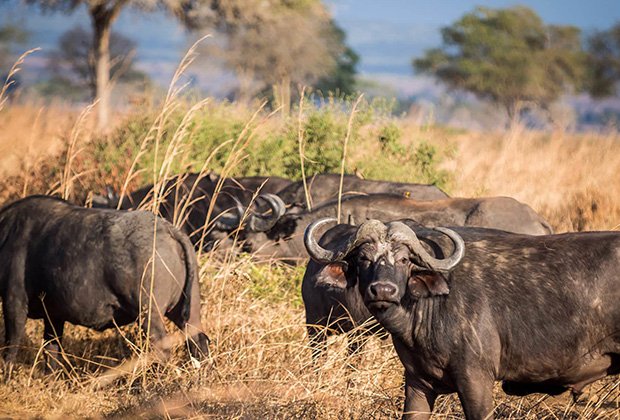
By choosing this specific route, you are committing to a high-density wildlife experience. Tarangire provides the classic savannah feel with its iconic baobab trees and large elephant herds. Moving into the Serengeti gives you the expanse of the central plains, where predator sightings are frequent, and concluding with the Ngorongoro Crater provides a high-probability “Big Five” finish. This sequence is designed to build momentum, saving the most concentrated wildlife density (the Crater) for the final day.
Detailed Itinerary: What Happens on Your 4-Day Expedition
While specific wildlife movements are always unpredictable, the logistical flow of this group safari is consistent and designed to prioritize your time inside the parks.
Day 1: Arrival and The Baobab Plains of Tarangire
Your journey typically departs Arusha in the morning. After a short drive, you enter Tarangire National Park. October is an excellent time to visit this park; because it is the end of the dry season, the Tarangire River becomes a magnet for wildlife. You will spend the day game driving, focusing on the riverbanks where elephant herds congregate in significant numbers. Overnight stays are usually arranged in or near the park boundaries to minimize transit time.
Day 2: The Transit to the Endless Plains
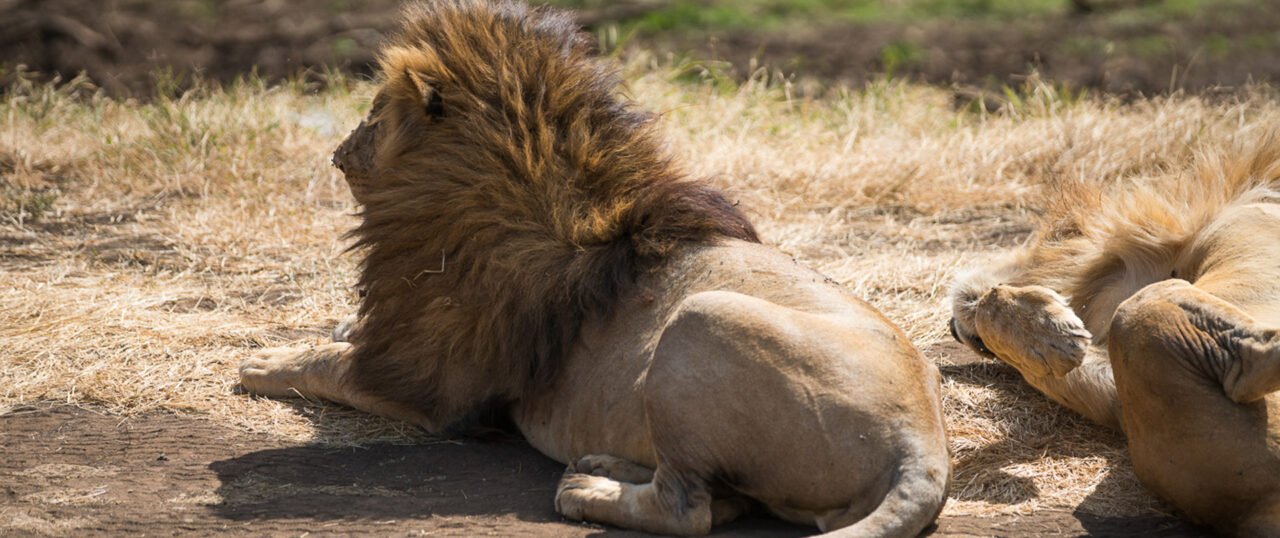
Departing Tarangire, the route takes you through the highlands towards the Serengeti. This is a day of transition. You will traverse the Ngorongoro Conservation Area, gaining elevation as you climb toward the crater rim before descending into the Serengeti plains. This drive offers panoramic views and is an opportunity to spot giraffes and zebras as you enter the park. Afternoon game drives in the Seronera region (Central Serengeti) are standard, as this area is renowned for leopard and lion sightings.
Day 3: Full Day in the Serengeti
This is your primary day for exploration. With the group, you will head out early to catch the predators while they are still active. The focus here is on the central plains. Because this is a group safari, your guide will coordinate with other vehicles to track wildlife movements, which often results in better sighting opportunities than a solo vehicle might manage. You will return to your lodge or tented camp in the evening.
Day 4: The Ngorongoro Crater and Return to Arusha
The final day begins with a pre-dawn departure to reach the Ngorongoro Crater floor as early as possible. This is essential to beat the crowds and see the animals while the air is still cool. The crater is a self-contained ecosystem, and this is your best chance to see the endangered black rhino. After a picnic lunch on the crater floor, you will ascend the steep walls and begin the drive back to Arusha, typically arriving in the early evening.
Understanding the Group Joining Model for 2026
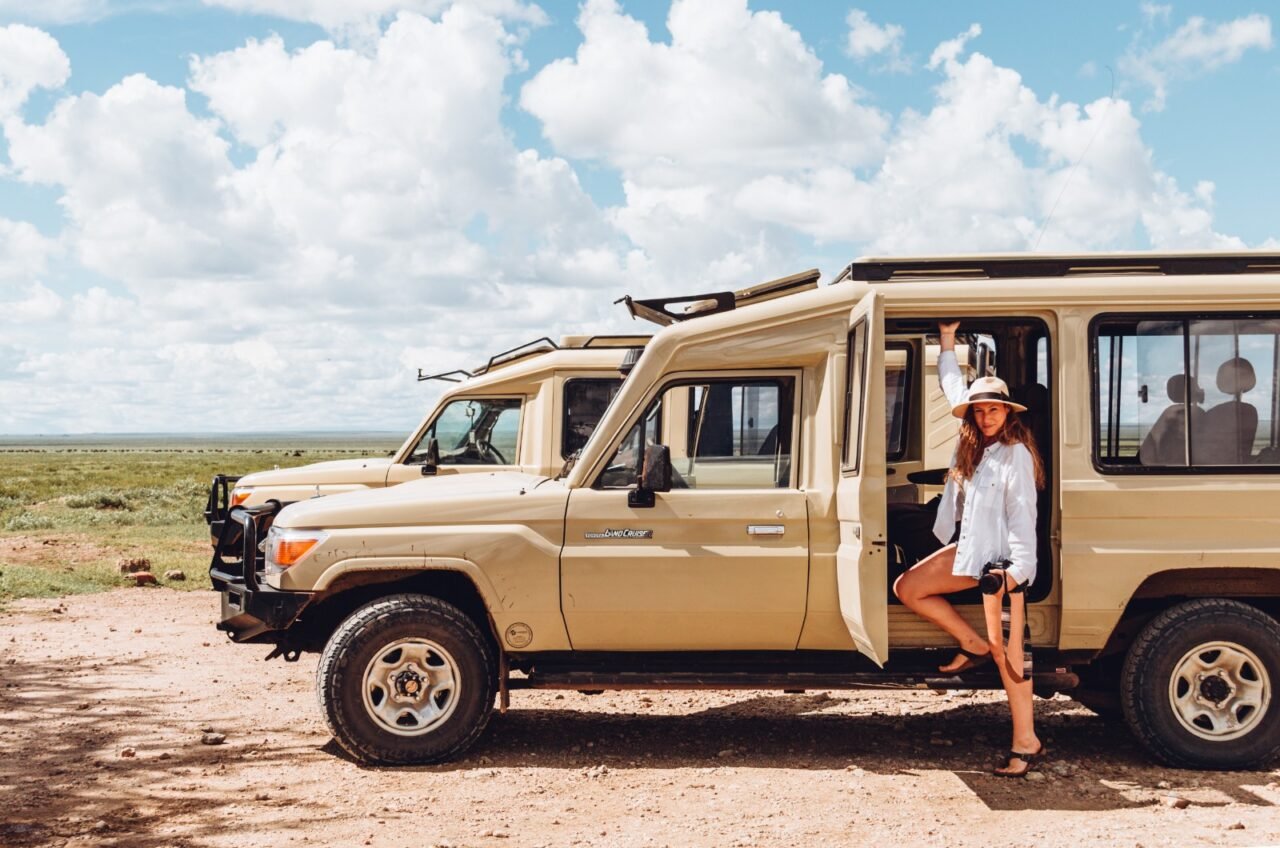
Joining a group safari is not just a cost-saving measure; it is a specific style of travel. For our October 29, 2026, departure, the vehicle will be a 4×4 Land Cruiser, modified for safari with pop-up roofs for 360-degree viewing.
Why travelers choose this model:
- Shared Costs: Fuel, vehicle maintenance, and driver-guide fees are split among the group, making it significantly more affordable than a private tour.
- Social Dynamic: You are traveling with like-minded individuals from around the world. It is common for group members to share stories and photography tips.
- Reliability: Because these departures are scheduled, the logistics are pre-vetted. We ensure that the vehicle, the guide, and the accommodation logistics are confirmed well in advance.
If you are looking for more flexibility or a shorter timeframe, you might consider comparing this against our 3-day Tarangire, Lake Manyara and Ngorongoro group safari, which offers a different pace and landscape focus.
Practical Planning: October Weather and Gear
October in Tanzania is a transition month. The days are generally warm and sunny, with temperatures often ranging from 20°C to 28°C (68°F to 82°F) in the parks. However, the evenings, especially on the rim of the Ngorongoro Crater, can drop significantly, sometimes into the single digits Celsius (low 40s Fahrenheit).
Packing Essentials:
- Layers: Bring a fleece or light jacket for the early morning game drives and evenings at the Crater rim.
- Dust Protection: The roads can be very dusty in late October. A buff or light scarf to cover your nose and mouth during long drives is highly recommended.
- Camera Gear: Ensure you have extra batteries and memory cards. While our vehicles have charging points, having backups is essential.
- Binoculars: While your guide will have a pair, having your own means you don’t have to wait for your turn to see a distant lion or leopard.
Inclusions and Exclusions: What You Need to Know
When booking a group departure, clarity on what is covered is vital to avoid surprises. While specific inclusions can vary based on the package tier (budget vs. mid-range), standard group safaris with Climb 4 Africa typically include:
- Transportation: A 4×4 Land Cruiser with a professional driver-guide.
- Park Fees: All entry fees for Tarangire, Serengeti, and Ngorongoro Conservation Area.
- Accommodation: Full board (breakfast, lunch, and dinner) during the safari days.
- Drinking Water: Bottled water provided in the vehicle throughout the trip.
What is typically excluded:
- Tips/Gratuities: It is customary to tip your guide and lodge staff at the end of the trip.
- Visas and International Flights: These are the responsibility of the traveler.
- Personal Insurance: Always ensure you have travel insurance that covers emergency medical evacuation.
- Alcoholic Beverages: Unless specified in your package, these are an extra cost at the lodges.
If you are flying in from Zanzibar or another location, you may need to arrange for a pre-safari transfer. We can assist with these logistics. For those arriving by air, see our guide on fly-in safari options to understand how to connect your flights to the safari departure point.
Booking Your Spot for October 2026
Group departures are limited by vehicle capacity. We do not overbook our tours to ensure that every participant has a window seat and sufficient space for their gear. If you are interested in the October 29, 2026, departure, the best approach is to initiate contact early to secure your place.
How to proceed:
- Send an inquiry: Use our contact details below. Please specify the number of travelers and any specific dietary requirements or accommodation preferences (e.g., single supplement needs).
- Confirm Availability: We will check the current status of the October 29 group.
- Review the Terms: We provide a clear breakdown of the itinerary and deposit requirements.
- Finalize: Once your deposit is processed, your spot is secured, and we will send you a pre-departure pack with meeting points and packing tips.
For any questions regarding this specific itinerary, or if you need to adjust your travel dates, please reach out to us directly. We are here to help you navigate the logistics of your Tanzania safari.
Contact Climb 4 Africa:
For the fastest response, send a message via WhatsApp at +255 747 477 898. You can also email us at climb4africa@gmail.com or use our backup address at info@climb-4-africa.com.
Frequently Asked Questions
Is 4 days enough to see the Serengeti?
While the Serengeti is massive, 4 days allows you to cover the essential central region. This area has the highest density of predators and resident wildlife, making it the most efficient use of time for a short safari.
What happens if the group is full?
If the October 29, 2026, departure is fully booked, we can offer alternatives on adjacent dates or discuss a private tour option if your budget allows. We prioritize keeping group sizes small for a better experience.
Do I need to be physically fit for this safari?
This is a vehicle-based safari, so it is not physically demanding. You will spend time sitting in the vehicle, but there are opportunities to stretch your legs at picnic sites and your accommodations. You should be able to climb into and out of a 4×4 vehicle.
How do I pay for the safari?
After confirming your booking, we will provide instructions for a secure bank transfer. We do not accept payments via unverified third-party platforms to ensure your financial security.
Understanding Accommodation Styles on Group Safaris
When booking a group safari for late October, the style of accommodation is a significant factor in your overall comfort and daily routine. In Tanzania, group safaris typically fall into two main categories: budget-friendly mobile camping or mid-range tented camps and lodges. Budget group tours often utilize designated public campsites where you stay in pre-erected canvas tents with sleeping mats or cots. These setups provide a more rugged, in-depth experience, though facilities like showers and toilets are frequently shared among the camp occupants. It is important to approach these with a flexible mindset, as facilities in the bush are maintained to be functional rather than luxurious.
Conversely, mid-range group departures often utilize permanent tented camps or lodges. These structures offer more amenities, such as en-suite bathrooms with running hot water and more substantial, permanent bedding. Regardless of the tier, electricity in remote areas like the central Serengeti is often limited. Many camps rely on solar power or generators that run only during specific hours in the morning and evening. It is highly recommended to bring a universal travel adapter and a portable power bank to ensure your cameras and phones remain charged throughout the four-day journey, as relying on in-room outlets may not be possible 24/7.
Tipping Etiquette for Your Safari Crew
Tipping is a standard and appreciated practice in the Tanzanian tourism industry, though it remains entirely discretionary. Because your safari crew—specifically your driver-guide—works long hours to navigate the terrain and ensure you have the best possible wildlife viewing opportunities, it is customary to express your gratitude at the end of the trip. There is no fixed percentage or mandatory fee, but many travelers choose to budget a daily amount per person for the guide. If your group is larger, it is common for the group to pool their tips to present as a single gesture of thanks on the final day.
If your safari package includes a private cook (common on camping-based group itineraries), it is also customary to tip them separately for their work in preparing meals under challenging conditions. Always tip in cash, preferably in Tanzanian Shillings or US Dollars (ensuring bills are crisp, clean, and dated 2009 or newer, as older bills are often rejected by local banks). It is advisable to have these funds ready in an envelope before your final return to Arusha on day four, as you may not have access to an ATM or currency exchange once you depart the park gates.
Navigating Pre-Safari Logistics and Post-Safari Transitions in Arusha
For participants joining the October 29, 2026, group safari, the success of the expedition often hinges on the logistics surrounding the arrival and departure phases. Because this is a group-joining model, the schedule is fixed to accommodate multiple travelers; understanding how to navigate the transition between your international arrival and the start of the drive is essential for a stress-free experience.
The Importance of the Arrival Buffer
Most travelers flying into Tanzania for this safari will land at Kilimanjaro International Airport (JRO). It is strongly advised to schedule your arrival for at least one full day before the October 29 departure date. While it may be tempting to book a flight that lands on the morning of the 29th, the logistical risks are significant. International flights are subject to delays, and luggage mishandling is a reality of long-haul travel. Furthermore, the drive from the airport to Arusha takes approximately one hour, and the safari vehicle typically needs to depart Arusha early in the morning to maximize time in Tarangire. Arriving the day prior allows you to acclimate to the altitude, recover from jet lag, and ensure you are physically and mentally ready for the 8:00 AM or 9:00 AM departure.
The Pre-Departure Briefing Process
On the evening of October 28, the day before your safari begins, your operator will typically conduct a pre-departure briefing. This is a standard procedure for group-joining tours. During this meeting, you will meet your driver-guide and, potentially, other members of the group. This is the time to finalize any outstanding payments, confirm dietary restrictions, and ask specific questions about the vehicle setup. The guide will provide an overview of the route, weather expectations for the specific parks, and safety protocols. It is important to attend this briefing in person rather than relying on digital communication, as it allows you to clarify expectations regarding the group dynamic and ensures everyone is on the same page regarding the itinerary flow.
Managing Your Departure on Day 4
The return to Arusha on the fourth day of your safari is often a subject of concern for travelers booking onward travel. On the final day, your group will be exiting the Ngorongoro Conservation Area after a morning game drive. The drive from the Ngorongoro region back to Arusha is approximately 3 to 4 hours, depending on traffic, which can be unpredictable on the main highway. Consequently, it is highly recommended that you do not book an international flight departing from Kilimanjaro International Airport on the evening of your return. A safe buffer is to book your onward travel for the following day. This prevents the stress of rushing to the airport and allows you to enjoy the final hours of the safari without constantly checking your watch.
Photography Etiquette in a Shared Vehicle
When you are in a shared 4×4 Land Cruiser with other travelers, photography becomes a collaborative effort rather than a solo pursuit. The vehicle is equipped with a pop-up roof that provides 360-degree views, but space is limited. To ensure everyone has a fair chance to capture images, it is standard practice to rotate seating positions periodically throughout the trip. If you are using a large telephoto lens, be mindful of your neighbors’ space. Avoid resting your lens on the shoulders of other passengers, and try to keep your equipment compact. If you notice a fellow traveler has missed a sighting because they were looking in the opposite direction, a quick, quiet heads-up is appreciated. Maintaining a respectful and patient attitude toward the group’s photography needs significantly improves the overall social dynamic of the expedition.
Dietary Logistics and Hydration Strategy for Group Safaris
When participating in a group-joining safari, the logistical management of food and water is often overlooked by travelers until they are already on the road. Unlike a private safari where you might have more flexibility to stop at various cafes or dictate meal times, a group-joining itinerary is built around efficiency. Because you are sharing a vehicle with others, the schedule for meals—particularly lunch—is fixed to ensure the group maximizes time in the parks. Understanding how to manage your dietary needs and hydration within this framework is essential for maintaining your energy levels over the four-day expedition.
Communicating Dietary Requirements Early
The most critical step in managing your nutrition on this safari happens weeks before you arrive in Arusha. Because your safari operator must coordinate with the lodges and the cook (or catering service) that prepares your daily lunch boxes, any dietary restrictions—such as vegetarian, vegan, gluten-free, or specific allergen avoidance—must be communicated at the time of booking. Do not wait until the pre-departure briefing on October 28 to mention a severe allergy. By then, the logistics for the group’s supplies are already locked in. When you communicate your needs, be specific: clearly state if it is a preference (e.g., “I prefer not to eat pork”) or a medical necessity (e.g., “I have a life-threatening nut allergy”). This allows the operator to flag your file for the driver-guide, who will personally verify that your meals are safe and accounted for during the trip.
The Reality of the “Safari Lunch Box”
For the days spent inside Tarangire and the Serengeti, you will rarely return to your lodge for lunch. Instead, you will be provided with a packed lunch. In a group-joining environment, these lunch boxes are standardized for efficiency. They typically consist of a variety of items: a sandwich or wrap, a piece of fruit, a hard-boiled egg, a juice box, and perhaps a muffin or cookie. It is important to temper your expectations: this is functional food designed to be eaten in the field, often at designated picnic sites where you remain inside or near the vehicle for safety. If you have specific cravings or require high-calorie snacks to maintain your energy during long game drives, it is highly recommended that you purchase these in Arusha before the safari begins. The stops at local shops are limited once you enter the conservation areas.
Hydration Management in the Dry Season
October is the tail end of the dry season in Northern Tanzania, meaning the air is often dusty and the sun is intense. Dehydration is the most common cause of fatigue and “safari burnout” on short-duration trips. While your operator will provide bottled water in the vehicle, you should take an active role in managing your intake. A general rule of thumb is to drink more than you think you need, especially while the pop-up roof is open and you are exposed to the sun and wind. Many operators are moving away from single-use plastics to reduce waste in the parks; if your operator provides a large refillable jug in the vehicle, bring your own durable, reusable water bottle. This is not only more environmentally responsible but also ensures you have a consistent supply of water at your seat without needing to ask the driver to reach into the cooler box every time you are thirsty.
Navigating Communal Dining at Lodges
While lunches are in the field, dinners and breakfasts are typically served at the lodge or tented camp. These are usually buffet-style or set-menu affairs. In a group-joining context, you will likely be dining with your fellow safari participants. This is a social time to debrief on the day’s sightings. If you have dietary restrictions, always confirm with the lodge staff upon check-in. Even if your operator has sent a notice, a quick reminder to the head waiter when you arrive at the lodge ensures there is no confusion. If you find that the lodge offerings are limited due to the remote location, remember that the primary goal of these accommodations is to provide sustenance for the next day’s early start; keep your requests practical and focused on the essentials.
Managing Expectations: The Reality of Wildlife Density and Sightings
A recurring point of confusion for travelers on a 4-day group safari is the expectation of “guaranteed” sightings. While the Northern Circuit is world-renowned for its wildlife, it is vital to understand that the Serengeti and Tarangire are not zoos. On a 4-day trip, your wildlife experience is highly dependent on the migration patterns and the specific behaviors of animals during the late October transition period. October is a time when the landscape is dry, which generally makes wildlife easier to spot as animals congregate around permanent water sources like the Tarangire River or the Ngorongoro Crater floor. However, because you are on a fixed 4-day schedule, you do not have the luxury of spending multiple days in one specific area waiting for a lion pride to wake up or for a leopard to descend from a tree.
In a group-joining scenario, your driver-guide must balance the desires of the group with the logistical reality of the park’s size. If the group wants to spend three hours watching a single cheetah, it means less time to explore other areas of the Serengeti. Experienced guides generally employ a “quality over quantity” approach, but they also have a responsibility to show you as much of the park as possible. If you have a specific wildlife “bucket list”—such as seeing a rhino in the Ngorongoro Crater or a large elephant herd in Tarangire—it is helpful to communicate this to your guide early on Day 1. While they cannot control animal movements, they can prioritize certain habitats where those animals are statistically more likely to be found.
The Dynamics of Shared Vehicle Communication
The success of your group safari often relies on the social dynamic inside your 4×4 Land Cruiser. You will be sharing a confined space with other travelers for 96 hours, which requires a degree of social flexibility. The most successful groups are those who establish a rapport early. When you meet your fellow travelers, take a moment to discuss preferences regarding game drive intensity. Some participants may prefer a “hardcore” approach—leaving at dawn and returning at dusk—while others might prefer a more relaxed pace with longer breaks at the lodge. Finding a middle ground early in the trip prevents frustration later.
Furthermore, be mindful of the noise level inside the vehicle. While excitement is natural when spotting a lion or a leopard, excessive shouting or sudden movements can startle the animals, causing them to move away from the vehicle. This is particularly important in the Ngorongoro Crater, where the density of vehicles is high and the animals are accustomed to quiet, respectful observation. A good practice is to use hand signals or quiet verbal cues when you spot something, allowing the driver to position the vehicle appropriately before the group engages in photography. This collaborative approach not only yields better photos but also ensures that everyone in the group has an equal, unobstructed view of the wildlife.
Managing Power, Connectivity, and Digital Expectations
For the modern traveler, the transition from the hyper-connected urban environment of Arusha to the remote wilderness of the Serengeti requires a pragmatic approach to technology. While the 4-day safari is short, the logistical reality of maintaining your devices—cameras, smartphones, and tablets—is a frequent point of frustration for those who are unprepared. Understanding the limitations of the bush will save you from the anxiety of a dead battery during a crucial wildlife sighting.
In-Vehicle Power Constraints
Your 4×4 Land Cruiser is your base of operations for the majority of the 96-hour trip. While most operators equip these vehicles with power inverters or 12V cigarette lighter sockets, these are not universal charging stations. In a group-joining scenario, you are sharing that power source with up to five other travelers. Relying solely on the vehicle to charge your camera batteries or power banks is a high-risk strategy; if multiple passengers plug in simultaneously, the inverter may trip or the charging speed will be negligible. The most effective strategy is to arrive at the start of the safari with all primary devices fully charged and to carry a high-capacity power bank (at least 20,000mAh) that can sustain your gear throughout the day.
The Reality of Lodge Power
Accommodation in the Northern Circuit, particularly in the mid-range tented camps frequently used for group safaris, often operates on a hybrid power system. Many camps utilize solar energy backed by generators that are typically switched off during the night to minimize noise pollution and preserve the tranquility of the environment. This means that electricity may not be available 24/7. Do not assume you can leave your devices charging while you sleep. The standard procedure is to charge everything as soon as you arrive at the lodge in the late afternoon. If you have multiple devices, consider bringing a small, lightweight travel power strip, as rooms often have a limited number of accessible wall outlets.
Connectivity and Mobile Data
If you require consistent internet access for work or family communication, you must adjust your expectations significantly. Wi-Fi at safari lodges is notoriously unreliable; it is often limited to the main lounge area, extremely slow, and prone to outages. If connectivity is a priority, the most reliable solution is to purchase a local Tanzanian SIM card (such as Vodacom or Airtel) before leaving Arusha. While network coverage in the Serengeti is patchy—often dropping out entirely in the valleys or deep in the plains—a local SIM will provide significantly better utility than relying on lodge Wi-Fi or international roaming plans. However, remember that the goal of the 4-day safari is to witness the “Big Five” and the Great Migration; prioritize your digital downtime, as the signal often cuts out exactly when the most spectacular wildlife encounters occur.
Navigating Environmental Health and Park Regulations
The Tsetse Fly Reality in Tarangire and the Serengeti
While the “Big Five” are the primary focus of your 4-day expedition, you must also prepare for the smaller, more persistent residents of the Northern Circuit: tsetse flies. These biting flies are particularly active in certain woodland areas of Tarangire National Park and sections of the Serengeti. In the context of a shared 4×4 vehicle, your clothing choices are not merely a personal preference—they are a collective responsibility. Tsetse flies are scientifically proven to be attracted to dark colors, specifically royal blue and black, as well as metallic surfaces. If you wear these colors inside the vehicle, you effectively turn your seat into a magnet for these flies, which will then swarm the entire cabin, causing significant discomfort for your fellow travelers.
The most effective strategy is to dress in neutral, light-colored clothing—khaki, tan, or beige are the standard for a reason. These colors are less attractive to the flies and help you blend into the safari environment. Furthermore, keep your windows closed when driving through known “hot zones” identified by your guide. While the breeze is pleasant, the flies are fast and can easily enter a moving vehicle. If you are bitten, the sting is immediate and sharp; while the risk of contracting African Sleeping Sickness from a bite in these tourist zones is statistically low, the localized swelling and potential for secondary infection from scratching are very real. Carry a high-DEET repellent or a permethrin-treated clothing spray to apply before entering the park, as standard citronella is largely ineffective against tsetse flies.
Adhering to Park Conduct: Drones, Waste, and Wildlife Disturbance
The Tanzanian National Park Authority (TANAPA) enforces strict regulations to preserve the wilderness, and as a visitor on a group safari, you are expected to comply with these rules to ensure the group does not face fines or expulsion. The most critical rule to note is the absolute ban on drone usage. Bringing a drone into the parks, even if you do not intend to fly it, is a violation of park policy. Security checkpoints at park gates are thorough, and any drone discovered will be confiscated. There are no exceptions for social media content creation or professional photography without highly specialized, expensive, and pre-approved permits that are not applicable to standard group tours.
Additionally, “Leave No Trace” principles are mandatory. Littering, including the disposal of cigarette butts or organic waste like fruit peels, is prohibited. While it may seem harmless to toss an apple core into the bush, it introduces non-native seeds and encourages wildlife to approach roads, which changes their natural behavior and increases the risk of road accidents. Your driver-guide will provide a bin inside the vehicle; utilize it for all trash, including the wrappers from your lunch boxes. Finally, remember that exiting the vehicle is strictly forbidden except at designated picnic sites or lodges. The animals in these parks are wild and accustomed to the shape of a vehicle, but they perceive a human standing on the ground as either a threat or a food source, both of which lead to dangerous encounters.
Medical Preparedness and Insect Protection
For a 4-day trip, your medical kit should be compact but functional. Since you are traveling in a group, you must be self-sufficient regarding minor ailments. Malaria prophylaxis is generally recommended for Northern Tanzania, and you should consult with a travel clinic at least six weeks before your departure to discuss the appropriate medication for your health profile. Beyond malaria, the most common medical issues on short-duration safaris are related to dust inhalation and minor scrapes.
The dry season in October creates significant dust, which can irritate the eyes and respiratory tract. If you wear contact lenses, consider switching to glasses for the duration of the safari, or carry ample rewetting drops. Additionally, bring a supply of antihistamines if you have any sensitivity to dust or pollen, as the savannah air can be quite potent. Finally, ensure you have a basic supply of antiseptic wipes and bandages. While your driver-guide carries a first-aid kit, it is intended for emergencies, not for managing everyday inconveniences like a small cut from a zipper or a blister from walking on uneven ground at a lodge. Being prepared allows you to handle minor issues without disrupting the group’s schedule or relying on the guide to manage your personal health needs.
Navigating Cultural Interactions: The Maasai Village Visit
During the transit between the Serengeti and the Ngorongoro Conservation Area, your itinerary may include a stop at a traditional Maasai boma (village). This is a common feature of Northern Circuit safaris, designed to provide a glimpse into the pastoralist lifestyle of the Maasai people. However, in a group-joining context, these visits can be sources of confusion. It is essential to understand that these are commercialized cultural experiences. While they offer a genuine opportunity to see traditional mud-and-stick architecture and learn about social structures, they are also an income-generating activity for the community.
If your group decides to stop, approach the experience with a clear understanding of the protocol. You will likely be greeted with a welcoming dance and then guided through the village, potentially visiting a school or a home. Photography is permitted, but always ask before taking close-up portraits of individuals. It is standard etiquette to offer a small tip or donation if you take photos of specific individuals, as this is how they supplement their income. Be aware that at the end of the tour, you will be guided through a craft market where residents sell beaded jewelry and wood carvings. You are under no obligation to purchase anything. If you feel uncomfortable with the pressure to buy, a polite but firm ‘no, thank you’ is perfectly acceptable and respected. Do not feel guilty for declining; your presence and the initial entry fee (often paid by the operator) already support the community.
Managing the “Safari Burnout” Cycle
While a 4-day safari is significantly shorter than the two-week expeditions some travelers undertake, the intensity of the schedule often leads to what is colloquially known as “safari burnout.” By the afternoon of the third day, the constant adrenaline of spotting wildlife, combined with the physical toll of navigating rough, washboard roads in a 4×4, can cause fatigue to set in. This is exacerbated by the early wake-up calls—often occurring before 6:00 AM to catch the morning predator activity—and the intense exposure to the sun and wind through the open roof hatch.
Recognizing the onset of this fatigue is key to enjoying the final day in the Ngorongoro Crater. If you find yourself “over-saturated”—where you start to ignore common species like zebras or wildebeest because you have already seen hundreds—take a moment to reset. Use the lunch hour at a picnic site not just to eat, but to sit quietly away from the group if possible. Hydrate aggressively, even if you do not feel thirsty, as the dry air of the Serengeti plateau is deceptive. If the dust has become overwhelming, do not hesitate to ask your driver-guide to close the roof hatch for a transit leg between sightings. Protecting your energy reserves during the transit periods ensures that when you reach the high-density environment of the Ngorongoro Crater on Day 4, you are mentally present and alert enough to appreciate the unique spectacle of the caldera, rather than simply wishing for the trip to end.
The Final Day Transition: Managing the Post-Safari Re-entry
As your 4-day expedition concludes on the afternoon of the fourth day, the transition from the isolation of the Ngorongoro Conservation Area back to the bustling urban environment of Arusha can be jarring. This shift, often referred to as ‘safari withdrawal,’ is a psychological and logistical hurdle that requires preparation. Having spent 96 hours immersed in the rhythm of the savannah—where your primary concerns were predator sightings and the dust levels—returning to a city environment involves a sudden re-exposure to traffic, noise, and connectivity. Many travelers find that the immediate post-safari period is when they feel the most exhausted, not just from the itinerary, but from the sudden cessation of the ‘safari routine’ that your driver-guide has meticulously managed for the past four days.
When you arrive back in Arusha, typically between 4:00 PM and 6:00 PM, you will likely be dropped off at your hotel or directly at the airport if you have a late-night flight. It is crucial to have a plan for this transition. If you are staying in Arusha for the night, do not book an evening activity or a complex dinner reservation. The best approach is to secure a ‘day-use’ room or an extra night at your pre-safari accommodation. This allows you to shower, unpack, and process the experience in a quiet environment before attempting to navigate onward travel. If you are heading straight to the airport, ensure your flight is scheduled for late in the evening (post-9:00 PM) to allow for the unpredictable nature of Arusha traffic, which can significantly delay your transit time from the city center to Kilimanjaro International Airport.
Understanding the ‘Group-Joining’ Exit Strategy
A specific nuance of the October 29 group-joining safari is that the vehicle you have shared for four days is a shared resource. On the final day, the vehicle often has a ‘split’ mission. While the primary goal is returning the group to Arusha, some members of your group may have different exit requirements—such as a direct transfer to a different lodge, a flight from a local airstrip, or a continuation of their trip to another park. It is vital to clarify these logistics during your pre-departure briefing on October 28. If your flight is early, ensure the operator knows this at the start of the trip, as it may influence the route taken on Day 4 to ensure you are dropped off at the most logical point without compromising the experience of the other participants.
Furthermore, the final day often involves settling the ‘group account’ if there were any shared costs incurred during the trip, such as additional water, requested snacks, or specific cultural site entry fees that were not covered in your initial package. While most of these are handled by the operator, there may be minor, on-the-ground adjustments. Having a small amount of local currency (Tanzanian Shillings) or small-denomination US Dollars is helpful for these final logistical pivots, ensuring that you are not left scrambling for change or credit card processing facilities at the very end of your journey.
Navigating Vehicle Seating Protocols and Interior Logistics
In a group-joining safari, the 4×4 Land Cruiser serves as your home, office, and observation deck for the duration of the trip. Because you are sharing this confined space with strangers, the physical logistics of the vehicle—specifically seating and storage—are critical to the overall harmony of the expedition. Most reputable operators implement a mandatory seat rotation policy. This is not merely a suggestion but a structural requirement to ensure that no single traveler is relegated to the ‘middle seat’ or the ‘back row’ for the entire four-day duration. Typically, this involves rotating one seat forward or to the opposite side of the vehicle each morning or after every major game drive segment. It is advisable to confirm this policy during your pre-departure briefing on October 28, as knowing that a fair rotation is in place eliminates the morning anxiety of ‘claiming’ a seat.
Beyond the rotation policy, you must account for the physical constraints of the vehicle interior, particularly regarding luggage. Even if the operator claims the vehicle has a ‘pop-up roof’ and ‘ample space,’ you are sharing this capacity with three to six other people and their equipment. The golden rule for a group safari is the exclusive use of soft-sided duffel bags. Hard-shell suitcases are often impossible to fit in the rear storage compartments of a shared 4×4, and they frequently damage the interior trim of the vehicle. If you arrive with a large, rigid suitcase, you may be asked to leave it at your hotel in Arusha, which can cause significant stress if you have not planned for secure storage. Your day bag—containing your camera, binoculars, sunscreen, and water—should be compact enough to fit at your feet. Attempting to keep a large backpack on the seat next to you effectively reduces the vehicle’s capacity and restricts the movement of your fellow travelers.
Finally, understand the operational mechanics of the pop-up roof. While it is designed to provide 360-degree views, it is not a permanent fixture for all-day use. The roof is usually engaged only when the vehicle is stationary or moving at a very slow crawl for wildlife viewing. Standing while the vehicle is in motion on the main park roads is strictly prohibited for safety reasons, as the vehicle’s center of gravity is altered and the risk of injury from sudden stops or bumps is high. Furthermore, communication with your driver is paramount. If you are standing and need to sit down, or if you need to adjust your position to avoid the sun or dust, signal your driver clearly. In a shared vehicle, the person standing in the roof hatch blocks the view for those sitting below; be mindful of your time in the hatch, and rotate with others in the vehicle to ensure everyone gets a turn at the optimal vantage point.
Managing the Dust and Sun Exposure
The positioning of your seat within the 4×4 also dictates your exposure to the elements, which is particularly relevant during the dry, dusty conditions of late October. The seats located near the windows or the rear of the vehicle are more susceptible to dust ingress when the vehicle is moving across the dry savannah. If you are prone to respiratory sensitivity or allergies, ask your driver to ensure that the windows on your side are closed during long transits between parks, even if others in the group prefer them open. Conversely, the sun moves across the sky throughout the day; if you are seated on the ‘sunny’ side of the vehicle, you will face significant glare and heat. While you cannot always control which seat you are in due to the rotation policy, bringing a high-quality pair of polarized sunglasses and a lightweight, long-sleeved shirt is essential for mitigating the discomfort of direct, unfiltered sunlight hitting your side of the vehicle for hours at a time.
The Sensory and Safety Reality of Your Safari Accommodation
For many travelers joining a group safari for the first time, the term “accommodation” can be misleading. In the context of the Northern Circuit, where your 4-day itinerary covers diverse ecosystems—from the baobab-studded plains of Tarangire to the high-altitude rim of the Ngorongoro Crater—the style of your lodging changes significantly. Because this is a group-joining model, your operator pre-selects the lodges or camps to ensure logistical efficiency. You will likely experience a mix of permanent tented camps and traditional safari lodges, and understanding the distinct physical realities of these two styles is essential for managing your expectations.
The Reality of the ‘Tented Camp’ Experience
A ‘tented camp’ in the Tanzanian bush is rarely what a casual camper would recognize as a tent. These are semi-permanent structures built on raised wooden platforms, featuring canvas walls, zippered entrances, and en-suite bathrooms with hot water showers and flush toilets. However, because the walls are canvas rather than brick, the experience is fundamentally different from staying in a hotel or lodge. The most immediate difference is the acoustic environment. You will hear the bush: the rustle of dry grass, the distant call of a lion, or the whoop of a hyena in the night. For many, this is the highlight of the trip, but for light sleepers, it can be an adjustment.
Furthermore, these camps rely on mesh netting for windows to allow airflow while keeping insects out. During the late October dry season, the dust can be pervasive. Even with the windows zipped shut, fine, red dust from the savannah will inevitably find its way into the room. Keep your camera gear, electronics, and toiletries inside your closed luggage when you are not using them to prevent dust accumulation. Additionally, because these camps are often unfenced to allow wildlife to move freely through the area, security protocols are strict. You will likely be required to have an escort—usually a Maasai guard—walk you from your tent to the main dining area after dark. This is not a suggestion; it is a vital safety measure. Do not attempt to walk around the camp premises at night unaccompanied, regardless of how close your tent appears to be to the main lodge.
The Lodge Infrastructure and Thermal Regulation
In contrast to tented camps, safari lodges are permanent, brick-and-mortar structures. They offer a more traditional “hotel” experience with solid doors, glass windows, and thicker walls, which provide better insulation against both sound and temperature. If your group is assigned to a lodge, you may notice a significant difference in climate control. Lodges often retain heat during the day and stay cooler at night, or vice versa, depending on the construction materials. In the Ngorongoro Conservation Area, where temperatures can drop significantly at night due to the high altitude of the crater rim, a lodge provides a much warmer environment than a tented camp.
However, do not expect the level of climate control found in international city hotels. Even at high-end lodges, air conditioning is rare. Most properties rely on natural ventilation, ceiling fans, or simply the cool night air of the highlands. If you are sensitive to cold, particularly on the third night near the Ngorongoro Crater, ensure you have a warm fleece or light jacket easily accessible in your day bag. The transition from the hot, dusty plains of the Serengeti to the chilly, misty rim of the Crater can be abrupt, and relying on the lodge to provide extra blankets is not always a guarantee during high-occupancy periods in October.
Managing Nighttime Expectations in the Wilderness
Regardless of whether you are in a tented camp or a lodge, the rhythm of your nights will be dictated by the wilderness. Most properties in the Northern Circuit operate on a system where lights and power are dimmed or switched off entirely after a certain hour—usually around 10:00 PM or 11:00 PM—to conserve energy and minimize light pollution. This is the time to ensure your devices are charged and your headlamp or flashlight is within reach. If you wake up in the middle of the night, you will likely be in total darkness. Use your flashlight to navigate your room; even in a lodge, the floors can be uneven, and in a tented camp, the wooden platform edges can be a tripping hazard.
Finally, embrace the “safari wake-up call.” In the group-joining model, your day starts early—often before sunrise—to catch the best wildlife viewing hours. Whether you are in a tent or a lodge, the staff will typically wake you with a knock on the door or a gentle call outside your tent around 5:30 AM or 6:00 AM. This is not a suggestion to rise; it is the start of your scheduled game drive. Being ready on time is critical not just for your own experience, but for the rest of your group. Having your bags packed and your gear organized the night before is the best way to ensure you are not the reason the vehicle is delayed in the morning.
The Dynamics of Tipping and Financial Transactions in the Field
While the initial cost of your 4-day group safari covers the major expenses—park fees, vehicle fuel, accommodation, and meals—it does not account for the customary tipping culture that defines the relationship between guests and their crew. In Tanzania, tipping is not merely a gesture of goodwill; it is an integral part of the compensation structure for drivers, guides, and camp staff. Navigating this during a group-joining safari requires a collective approach to ensure fairness to the staff and clarity for the participants.
The Group-Joining Tipping Protocol
Because you are sharing a vehicle, you will also be sharing a guide. It is standard practice to pool tips for the driver-guide at the end of the 4-day expedition. Before the safari concludes on the fourth day, your group should have a brief, discreet conversation to decide on a total amount. A common guideline for a professional driver-guide in the Northern Circuit is approximately $20 to $30 USD per day, per vehicle. When divided among the group members—typically four to six people—this becomes a manageable expense per person. It is highly recommended to carry crisp, newer US dollar bills (dated 2009 or later) for this purpose, as older notes are often rejected by banks and currency exchanges in Tanzania.
Tipping at Lodges and Tented Camps
Tipping at the accommodation sites is separate from the driver-guide tip. Most lodges and tented camps provide a communal tip box at the reception area. This is the preferred method for ensuring that the kitchen staff, housekeepers, and waitstaff—those who work behind the scenes to prepare your meals and maintain your rooms—receive a fair share of the gratuity. Avoid handing individual tips to staff members unless you have received exceptional, personalized service from a specific individual. Using the communal box ensures that the contributions are distributed equitably according to the property’s internal policy.
Handling Small Cash Transactions
While your safari is pre-paid, you will inevitably encounter situations requiring small amounts of cash. The most common is the purchase of beverages (sodas, beer, or wine) at the lodges, which are rarely included in the group safari package. Additionally, if you plan to purchase souvenirs at a stopover or a Maasai village, you will need Tanzanian Shillings (TZS) or small-denomination USD. Do not rely on credit card machines at remote lodges or roadside stalls, as connectivity issues often render them useless. Always keep a small “emergency stash” of cash in a secure location in your day bag, separate from your main travel funds, to handle these incidental costs without disrupting the group’s schedule.
Navigating Operational Contingencies: The Reality of Mechanical Delays
While your 4×4 Land Cruiser is the lifeline of your expedition, it is also a machine operating under extreme duress. These vehicles traverse hundreds of kilometers of corrugated dirt roads, deep sand, and rocky terrain daily. In the context of a short, 4-day group safari, a mechanical issue—ranging from a flat tire to a more complex engine fault—is a logistical reality that every traveler should anticipate. Understanding how these situations are managed is key to maintaining your composure and ensuring the group dynamic remains positive.
The most important factor to understand is the ‘safari radio network.’ Because mobile phone coverage is non-existent in large swaths of the Serengeti and Tarangire, your driver-guide relies on a VHF radio system to communicate with other vehicles, park rangers, and the operations base in Arusha. In the event of a breakdown, your driver-guide is not alone. The Tanzanian safari community is highly collaborative; if your vehicle experiences a mechanical failure, your guide will immediately signal for assistance. This might involve transferring the group to another vehicle from the same operator, or, in some cases, coordinating with a nearby partner operator to complete the day’s transit. While this can cause a delay of several hours, it is a standard contingency procedure, not a sign of negligence.
For the traveler, the best approach is to embrace the unexpected as part of the wilderness experience. If a mechanical delay occurs, you will likely be moved to a ‘safe zone’—usually a nearby lodge or a designated picnic site—where you can wait in relative comfort. Avoid the urge to pressure your driver-guide to ‘rush’ the repair or push the vehicle beyond its safe operating limits. These professionals are trained to prioritize safety above all else; forcing a vehicle to continue with a mechanical fault in a remote area is a significant safety risk. Patience during these moments is a virtue that preserves the energy of the group for the remaining days of the trip.
Demystifying the Migration: October Wildlife Patterns
A frequent point of confusion for travelers booking a safari for late October is the location and status of the Great Migration. It is a common misconception that the migration is a single, static event that happens in one place. In reality, the migration is a continuous, fluid movement driven by rainfall patterns. By late October, the herds are typically transitioning from the Northern Serengeti, moving south through the central plains in search of the early short rains. For a 4-day group safari that focuses on the Central Serengeti, this timing is actually quite advantageous.
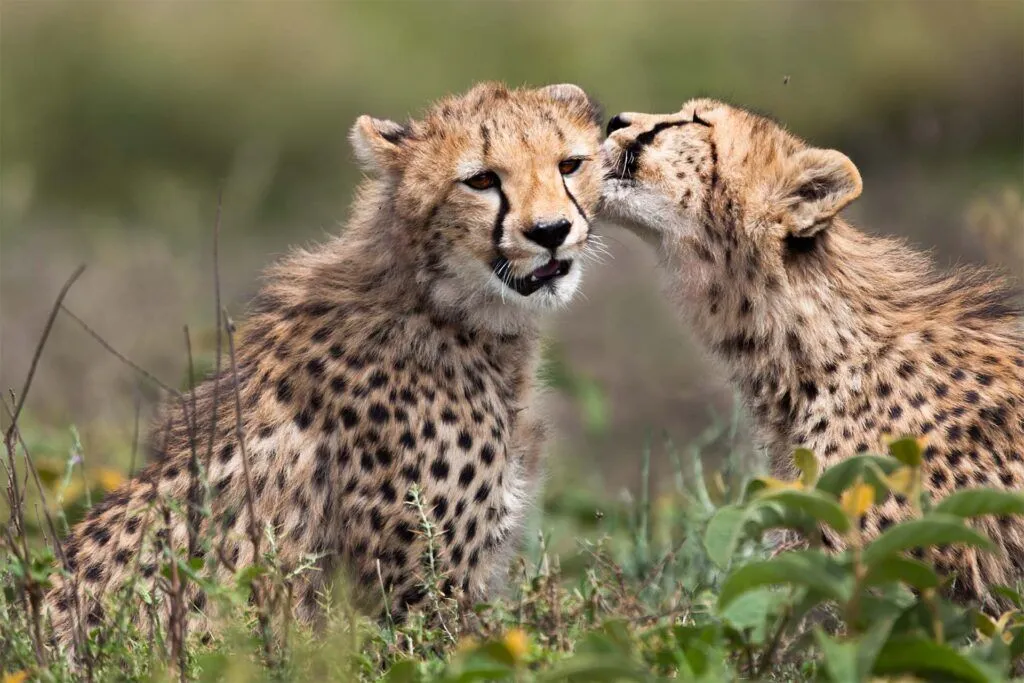
While you may not witness the dramatic river crossings that define the peak of the migration in the north during July and August, late October offers a different, arguably more rewarding experience: the ‘resident game’ phenomenon. Because the dry season is at its peak, wildlife is highly concentrated around the remaining water holes and the Seronera River valley. This makes predator sightings—particularly lions, leopards, and cheetahs—significantly easier to predict. While other tourists might be chasing the vast, moving columns of wildebeest in remote corners of the park, your group will be positioned in the high-density heart of the ecosystem, where resident predators are actively hunting near reliable water sources.
It is crucial to adjust your expectations regarding the ‘mass’ of the herds. If your primary goal is to see tens of thousands of wildebeest in a single frame, you must understand that the migration is unpredictable. However, if your goal is a high-probability ‘Big Five’ sighting list, the October dry season is superior. The sparse vegetation means visibility is at its maximum, and the animals are easier to spot against the golden, dry grass. Do not let the absence of the ‘river crossing’ photos deter you; the intensity of wildlife interactions in the Central Serengeti during late October is often the highlight of the entire Northern Circuit.
The Ethics of Wildlife Spotting: Managing the ‘Radio Traffic’
As you traverse the Serengeti, you will notice that your driver-guide is frequently using the radio. This is not just for mechanical updates; it is the primary tool for locating wildlife. When a leopard is spotted or a hunt begins, this information is broadcast across the park. On a 4-day group safari, this means your vehicle is part of a larger, invisible web of information. You will often see a ‘convoy’ effect, where multiple vehicles converge on a single sighting.
While this might feel like a ‘crowd’ at first, it is the standard operating procedure for maximizing sightings. However, as a participant, you have a role in the ethics of this interaction. If you are at a sighting, be mindful of the noise levels inside your vehicle. Loud conversations or sudden movements can spook animals, particularly shy predators like leopards. Furthermore, respect the ‘distance rule’—even if other vehicles are encroaching, your guide should maintain a respectful distance from the wildlife. If you feel the group is getting too close, or if the interaction feels intrusive, it is perfectly acceptable to suggest to your guide that it is time to move on to a quieter area. This not only benefits the animals but often leads to finding more ‘private’ sightings away from the radio-traffic hotspots.
Luggage Logistics and the ‘Soft Bag’ Imperative in Shared Vehicles
One of the most frequent logistical oversights on a group-joining safari is the choice of luggage. In a 4×4 Land Cruiser designed to accommodate 6 to 7 passengers, the storage space—specifically the rear compartment or the roof rack—is finite. While you might be accustomed to traveling with a rigid, hard-shell suitcase for international flights, these items are functionally incompatible with the constraints of a shared safari vehicle. A hard-shell suitcase does not compress, lacks flexibility, and is difficult to tetris into the irregular, limited cargo space of a Land Cruiser. When six passengers arrive with hard suitcases, the vehicle’s center of gravity can be negatively affected, and the loading process becomes a source of significant delay and frustration for the driver-guide.
The industry standard for a 4-day Northern Circuit safari is the use of soft-sided duffel bags. These bags can be squeezed into the gaps of the vehicle’s storage area, allowing the driver to maximize the use of the available space. If your group is full, space is at an absolute premium. If you arrive with a hard suitcase, you may be asked to leave it at your hotel in Arusha (if you are returning there) or, in worse scenarios, struggle to find space for it, leading to a cramped and uncomfortable cabin. Furthermore, consider the dust. The dry season in October means everything will be coated in a fine layer of red, powdery dust. Soft bags with durable, water-resistant, and dust-resistant materials are superior to expensive leather or delicate fabric luggage. A small, collapsible daypack is also essential for the interior of the vehicle, where you can keep your camera, binoculars, sunscreen, and water bottle within reach, rather than digging into your main bag in the boot every time you need a lip balm.
Negotiating the Daily Game Drive Schedule: The ‘Early Bird’ Conflict
On a 4-day itinerary, time is your most valuable currency. The difference between a successful safari and a mediocre one often comes down to the departure time on your second and third days. In the Serengeti, the most active predator behavior—lions hunting, leopards moving, and cheetahs scanning the horizon—occurs during the ‘golden hours’ of dawn and dusk. This creates a natural tension in group-joining dynamics: the ‘early bird’ versus the ‘vacation mode’ traveler. You will find that some members of your group are eager to be at the park gate the moment it opens at 6:00 AM, while others may prefer a more leisurely breakfast and a 9:00 AM departure.
As a participant in a shared vehicle, you must recognize that your schedule is a collective one. If one person insists on sleeping in, the entire group loses the prime morning wildlife viewing window. The most effective way to navigate this is to establish a ‘consensus schedule’ on the very first evening. Do not assume that everyone shares your rhythm. Discuss the following day’s plan with your group and your driver-guide before you retire for the night. If the group is divided, the driver-guide will typically prioritize the majority vote or, more frequently, the schedule that maximizes wildlife sighting opportunities, as their reputation depends on the quality of the experience provided to the group. If you are the person who prefers a slower pace, be aware that on a 4-day trip, the trade-off for a late start is often a significantly reduced chance of seeing the ‘Big Five’ in action. Embracing the early start is not just about discipline; it is a tactical necessity for maximizing your return on the time and money invested in this specific, condensed itinerary.
Navigating ‘Off-Itinerary’ Requests and Group Consensus
One of the most frequent sources of friction in a 4-day group-joining safari is the tension between the fixed, pre-planned itinerary and the impulsive desires of individual travelers. Because your safari is a shared resource, every minute spent on an unscheduled detour is a minute subtracted from your primary goal: wildlife viewing. In the context of a short, 96-hour expedition, time is non-renewable. When one group member requests an unscheduled stop—whether to photograph a specific tree, inspect a roadside curiosity, or visit a shop not on the original plan—it creates an immediate logistical ripple effect that affects the entire vehicle.
It is crucial to understand that your driver-guide is operating under strict time constraints imposed by both the National Park authorities and the logistical reality of the group’s accommodation bookings. If you are delayed by an unscheduled stop, you risk arriving at your tented camp or lodge after dark, which not only compromises safety but may also mean missing dinner or failing to arrive before the park gates close. Before suggesting a detour, ask yourself: is this stop worth the potential loss of a leopard sighting or a sunset view? The most successful groups are those that operate as a democracy, where all requests for deviations are proposed the night before, rather than demanded in the heat of the moment.
The ‘Souvenir’ Dilemma and Roadside Stops
A specific nuance of the Northern Circuit is the proliferation of roadside curio shops and craft stalls, particularly on the transit routes between Tarangire, the Serengeti, and the Ngorongoro Conservation Area. While it is natural to want to purchase mementos of your Tanzanian experience, these stops are rarely part of the official, time-optimized itinerary. When a passenger requests a stop at a roadside market, it places the driver-guide in an uncomfortable position. They are often pressured to facilitate these stops, but doing so consumes precious daylight hours and can lead to aggressive sales tactics that may make other group members uncomfortable.
If you have a specific interest in purchasing authentic crafts or artwork, the best approach is to communicate this to your guide on the first day. Your guide can then advise if there is a designated, reputable stop included in the transit, or if there is a specific, reliable shop in Arusha where you can browse at your leisure without holding up the rest of the group. Attempting to force a stop at an unplanned roadside stall is generally discouraged; it disrupts the group’s flow, adds unnecessary pressure to the driver, and often leads to disappointment if the group is forced to rush their shopping to maintain the safari schedule. By consolidating your purchasing needs into a dedicated time—or waiting until your return to the more settled environment of Arusha—you preserve the integrity of the group’s game drive experience.
Handling ‘Group-Stall’ Dynamics
If a fellow traveler insists on an off-itinerary request that the majority of the group does not support, the most effective strategy is to defer to the driver-guide’s expertise. Do not engage in a direct confrontation with the individual. Instead, ask the guide: ‘Will this stop impact our ability to reach the park gate before sunset?’ This shifts the focus from a personal conflict to a safety and logistical concern. A professional guide will almost always prioritize the group’s schedule and safety. Respecting their decision to decline an unscheduled stop is vital for maintaining a harmonious atmosphere inside the vehicle, which is the single most important factor in enjoying a 4-day expedition.
Related Guides and Packages
Check Availability for Oct 29, – 4 Day Tarangire, Serengeti And Ngorongoro Group Safari 2026
Ready to compare dates, prices, and the best option for your group? Send the package name and travel month so the team can reply with a clear quote, availability, and what is included.
Nov 10, – 4 Day Serengeti, Ngorongoro And Tarangire Group Safari 2026
Join our group safari on November 10, 2026, for an intensive 4-day tour of Tanzania's Northern Circuit. Perfect for those with limited time who want to experience the best of the Serengeti...
View package details
Oct 31, – 6 Day Serengeti, Ngorongoro, Tarangire And Manyara Group Safari 2026
A detailed look at the 6-day Northern Circuit group safari departing October 31, 2026, covering Tarangire, Manyara, Serengeti, and Ngorongoro Crater.
View package details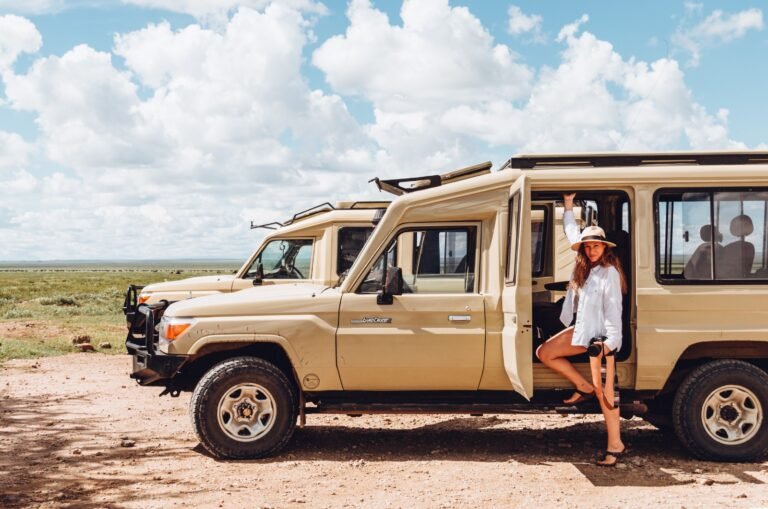
Nov 18, – 7 Day Serengeti And Ngorongoro Group Joining Safari 2026
A detailed guide to the 7-day group joining safari departing November 18, 2026, covering Serengeti, Ngorongoro, and the logistical advantages of shared travel.
View package detailsNov 8, – 3 Day Tarangire, Lake Manyara And Ngorongoro Group Safari 2026
Planning for a 3-day group safari in Tanzania? Our November 8, 2026, departure offers a structured, cost-effective way to explore Tarangire, Lake Manyara, and the Ngorongoro Crater.
View package detailsNov 4, – 2 Day Tarangire And Ngorongoro Group Safari From Arusha 2026
A detailed guide to the November 4, 2026, group joining safari, covering Tarangire National Park and the Ngorongoro Crater, with logistics for travelers starting from Arusha.
View package detailsOct 28, – 3 Day Tarangire, Lake Manyara And Ngorongoro Group Safari 2026
A detailed guide to our 3-day group joining safari departing October 28, 2026. Explore the logistics, wildlife highlights, and why this specific route is ideal for travelers looking to...
View package detailsOct 26, – 2 Day Tarangire And Ngorongoro Group Joining Safari 2026
Oct 26, 2026 – 2 Day Tarangire and Ngorongoro Group Joining Safari.
View package details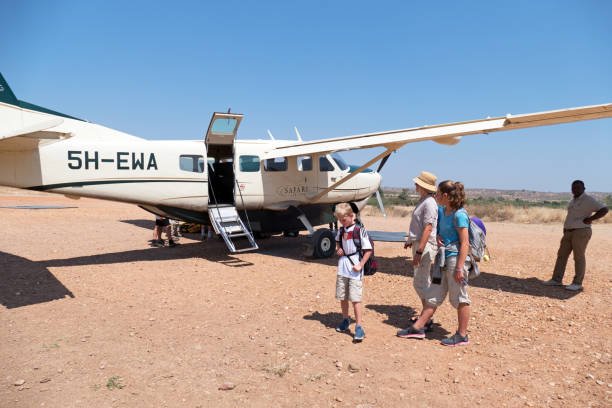
2-Day Tarangire & Ngorongoro Safari From Zanzibar: Flight Package Cost 2026
A detailed guide on the logistics, cost factors, and itinerary realities for a 2-day fly-in safari from Zanzibar to Tarangire National Park and the Ngorongoro Crater.
View package details
Fly-In Safari To Ngorongoro And Serengeti: Flights & Transfer Costs 2026-2027
Discover the logistics and cost breakdown for a fly-in safari to Ngorongoro and the Serengeti, including airstrip transfers, baggage limits, and vehicle positioning.
View package details
3-Day Serengeti & Ngorongoro Safari From Zanzibar By Flight 2027
3-Day Serengeti & Ngorongoro Safari From Zanzibar by Flight is explained with current 2027 planning, price, itinerary and booking information.
View package detailsOct 25, – 1 Day Ngorongoro Crater Group Safari From Moshi 2026
A detailed guide to organizing a one-day group safari to the Ngorongoro Crater starting from Moshi, specifically focusing on the logistics for October 25, 2026.
View package details4-Day Serengeti Safari From Zanzibar With Return Flights: A Planning Guide
A deep look at planning a 4-day fly-in safari from Zanzibar to the Serengeti, covering flight logistics, itinerary structures, and the critical decisions needed for a successful 2026 or...
View package detailsNo related package matches those filters. Clear one or more filters to see the other topic-matched options.



