
The 5-day Tanzania budget camping group joining safari departing on November 12, 2026, is a shared-travel itinerary designed to maximize wildlife viewing across the Northern Circuit—specifically Tarangire, the Serengeti, and the Ngorongoro Crater—while significantly reducing costs by splitting vehicle, fuel, and crew expenses among a small group of travelers. This trip utilizes public campsites within or near national parks, providing an authentic, in-depth experience that focuses on the landscape and wildlife rather than luxury accommodation.
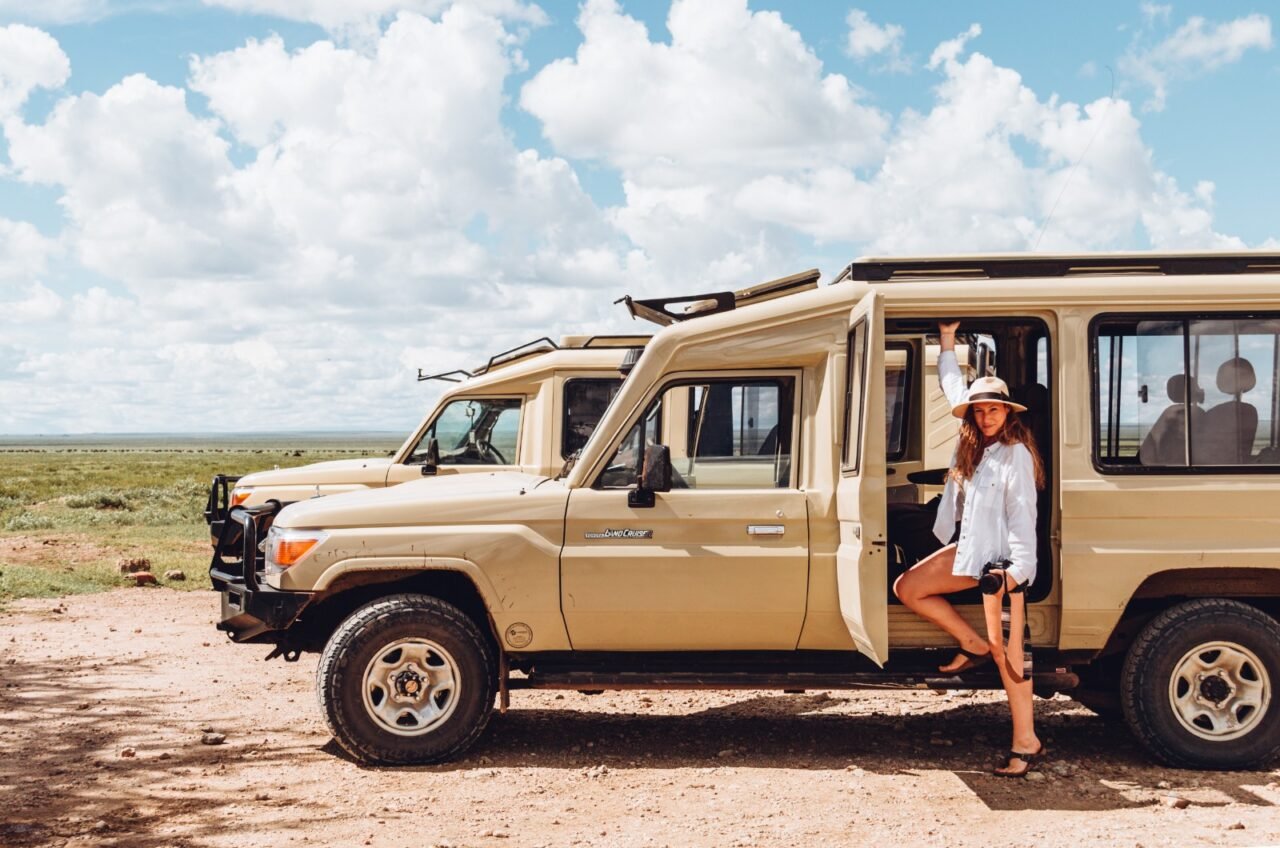
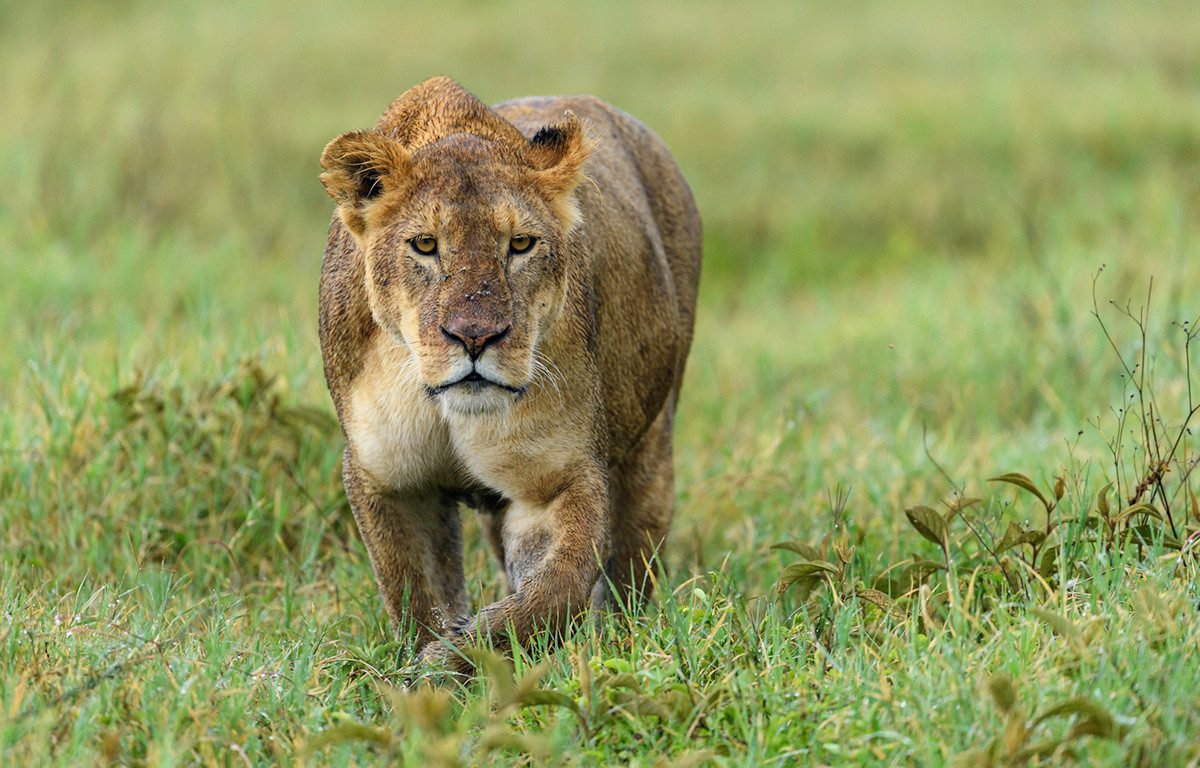
Planning a safari in Tanzania requires balancing your desire for adventure with the reality of logistical costs. For travelers looking to hit the most iconic parks without the premium price tag of a private, lodge-based tour, the group joining model is the standard. Our November 12, 2026, departure is structured to offer a comprehensive Northern Circuit experience in exactly five days, ensuring you see the highlights—the elephant herds of Tarangire, the vast plains of the Serengeti, and the dense wildlife concentration of the Ngorongoro Crater—without unnecessary fluff.
Why Choose a 5-Day Budget Camping Safari for November 2026
The decision to opt for a 5-day duration is often the sweet spot for many travelers. It provides enough time to move between parks without rushing, yet it remains concise enough to fit into a broader East African itinerary that might include climbing Mount Kilimanjaro or relaxing on the beaches of Zanzibar. By selecting a group joining tour, you are essentially pooling resources with other like-minded travelers. This is the single most effective way to lower your per-person daily cost.
November is a transitional month in Tanzania. It marks the beginning of the “short rains,” which often means the landscape begins to transform from the dry, golden hues of October into a lush, vibrant green. While there is a higher chance of a quick afternoon shower, the wildlife viewing remains excellent. The dust settles, the air is clearer, and the park roads are less crowded than during the peak July-August season. For a budget traveler, this timing provides a perfect balance of value and high-quality game viewing.
Understanding the “Budget Camping” Experience
It is important to clarify what “budget camping” means in the context of a Tanzanian safari. You are not roughing it in the wilderness without support. Instead, you are staying at designated, secure public campsites located within or on the periphery of the national parks. These sites have basic facilities, including shared washrooms and showers.
Your tour package includes:
- Professional Safari Cook: A dedicated crew member who travels with your group to prepare three hot meals a day, ensuring you have the energy for long game drives.
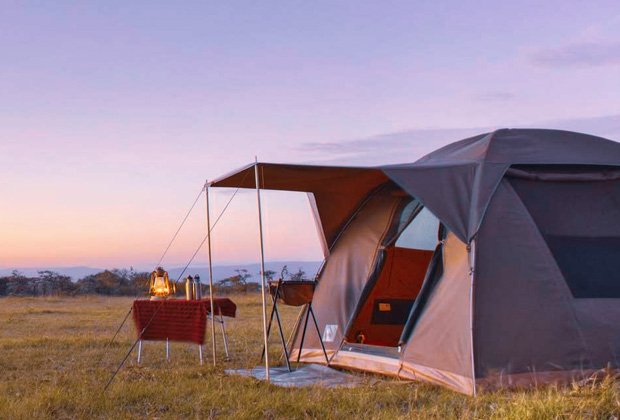
- Camping Equipment: Quality, four-season tents and foam mattresses are provided. You generally need to bring your own sleeping bag, though these can often be rented locally if you prefer not to pack one.
- Safari Vehicle: A 4×4 land cruiser with a pop-up roof, maintained specifically for the rough terrain of the Northern Circuit.
The experience is about proximity. Because you are camping inside or near the parks, you are often closer to the sounds and rhythms of the bush than those staying in distant lodges. You will wake up to the sunrise over the Serengeti plains, often before the day-trippers arrive.
The Typical 5-Day Northern Circuit Logic
While exact itineraries can vary based on park access and wildlife movements, a 5-day circuit is generally optimized to cover the “Big Three” of the Northern Circuit. Here is how the logistics typically flow:
- Day 1: Arusha to Tarangire National Park. After an early departure from Arusha, you head to Tarangire, famous for its massive elephant herds and iconic baobab trees. You will spend the day game driving and camp nearby.
- Day 2: Tarangire to Serengeti National Park. A drive through the highlands and the Ngorongoro Conservation Area brings you to the gates of the Serengeti. The journey itself is scenic, often including stops at viewpoints overlooking the Great Rift Valley.
- Day 3: Full Day in the Serengeti. This is the highlight of the trip. You spend the entire day exploring the central or northern plains, tracking lions, leopards, and the resident herds. Camping is usually inside the park, allowing for an in-depth experience.
- Day 4: Serengeti to Ngorongoro Crater. A morning game drive in the Serengeti before heading toward the Ngorongoro Conservation Area. You will camp on the crater rim or nearby, preparing for the early morning descent.
- Day 5: Ngorongoro Crater to Arusha. An early start to descend into the crater floor for a half-day game drive. This is your best chance to see the endangered black rhino. You then drive back to Arusha, arriving by late afternoon.
If you are looking for a slightly different pace or duration, we also offer a 4-day group safari option or a more extensive 6-day itinerary that includes Lake Manyara. Choosing the right duration depends on how much time you want to spend in transit versus time spent actively game driving.
Comparing Camping vs. Lodge Safaris
When planning your 2026 trip, it is helpful to weigh the trade-offs between a camping safari and a lodge-based package. The following table breaks down the core differences to help you decide which style fits your travel philosophy.
| Feature | Budget Camping Safari | Mid-Range Lodge Safari |
|---|---|---|
| Accommodation | Public campsites (tents) | Tented camps or lodges |
| Facilities | Shared toilets/showers | En-suite private facilities |
| Atmosphere | Adventurous, communal | Comfort-focused, private |
| Cost | Significantly lower | Higher (premium prices) |
| Food | Prepared by your safari cook | Prepared by lodge kitchen |
| Flexibility | Depends on group agreement | More individual control |
For many, the cost savings of the camping safari are the deciding factor, allowing them to extend their trip or allocate budget toward other experiences, such as a Kilimanjaro trek or a flight to Zanzibar.
Logistics of Joining a Group
The “group joining” aspect is more than just a cost-saving measure; it is a way to share the experience. You will typically be in a vehicle with 4 to 6 other travelers. This size is optimal because it ensures everyone has a window seat for game viewing while keeping the group small enough to remain mobile and flexible.
When you book with Climb 4 Africa, we handle the complex coordination of matching travelers with similar interests and schedules. We manage the park permits, the camping fees, the vehicle fuel, and the professional guide assignments. All you need to do is show up in Arusha at the designated time.
What to Confirm Before You Book
Because these are group departures, communication is vital. When you inquire about the November 12, 2026, date, please include the following information so we can provide an accurate quote and confirm space:
- Number of travelers: Are you a solo traveler, a couple, or a larger group?
- Sleeping bag status: Do you need to rent one from us, or are you bringing your own?
- Dietary requirements: We need to know about allergies or specific dietary needs (vegetarian, vegan, etc.) well in advance so our safari cook can prepare.
- Post-safari plans: Are you heading to the airport, or do you need assistance with onward travel to a hotel in Arusha or a flight to Zanzibar?
Practical Tips for Your November Safari
Traveling in November requires a specific approach to packing and mindset. Because you are camping, you are subject to the ambient temperature. Even in the bush, nights can get surprisingly cool, especially on the rim of the Ngorongoro Crater. Pack layers. A fleece or a light jacket is essential for early morning game drives when the wind-chill from the open vehicle roof can be sharp.
Also, remember that you are in a remote environment. While we provide power in the vehicle to charge cameras and phones, electricity at public campsites can be limited or unavailable. Bringing a portable power bank is a smart, low-weight addition to your gear. Finally, keep your camera batteries charged whenever the vehicle engine is running—this is your primary source of power during the day.
For those interested in seeing all our available shared dates, you can browse our full list of Tanzania group departures to find a schedule that aligns with your international flights.
How to Secure Your Spot
Spaces on our group joining safaris are allocated on a first-come, first-served basis. If you have your heart set on the November 12, 2026, departure, the best approach is to reach out to us early. You can contact our team directly to discuss the specifics of this route, ask questions about the camping equipment, or clarify the payment terms.
We are here to support your planning process with transparent, local expertise. You can reach out to us via WhatsApp at +255 747 477 898 or email us at climb4africa@gmail.com. Alternatively, you can use our backup email info@climb-4-africa.com if you prefer. When you contact us, simply mention the date and the 5-day camping itinerary, and we will guide you through the next steps.
Frequently Asked Questions
Is a 5-day safari long enough to see the Big Five?
While no safari can guarantee wildlife sightings, a 5-day itinerary covering Tarangire, the Serengeti, and the Ngorongoro Crater gives you a high statistical probability of seeing the “Big Five” (lion, leopard, elephant, buffalo, and rhino) due to the diversity of ecosystems visited.
What is the typical age range on a group joining safari?
Our group tours attract a diverse mix of travelers, usually ranging from 20s to 60s. The common denominator is a shared interest in wildlife, budget-conscious travel, and an adventurous spirit. We do our best to group compatible travelers together.
Are there private bathrooms at the campsites?
No, public campsites utilize communal washroom facilities. These are basic but functional. If private facilities are a non-negotiable requirement for you, a lodge-based safari would be a more suitable choice.
What happens if it rains in November?
November rains are typically short, afternoon thundershowers. They rarely disrupt game drives for long. In fact, the rain often clears the air and turns the plains a beautiful, lush green, which is excellent for photography.
Can I book this trip as a solo traveler?
Absolutely. Group joining safaris are perfect for solo travelers because they remove the burden of paying for the entire vehicle yourself. We will pair you with other travelers to share the costs.
Life on the Ground: The Daily Rhythm of Your November Safari
While the logistics of the Northern Circuit are often summarized by park names, understanding the actual daily rhythm of a budget camping safari is essential for managing your expectations. Because you are traveling in a group and utilizing public campsites, your day is structured around the movement of wildlife and the practicalities of camp life. On a 5-day itinerary, you will find that the pace is brisk but rewarding, designed to minimize transit time and maximize your hours inside the parks.
Each morning typically begins before sunrise. In the bush, the most active wildlife hours are the early morning and late afternoon, so you will likely be up by 6:00 AM to pack your sleeping gear. Breakfast is prepared by your camp crew, usually consisting of coffee, tea, bread, and eggs, providing the energy needed for the day’s game drives. By 7:30 AM, you are usually on the road, with your pop-up roof vehicle acting as your primary viewing platform. Because you are camping, you will often carry a packed lunch, which allows you to remain in the heart of the national parks throughout the day rather than returning to a lodge, saving hours of driving time.
As you move from Tarangire toward the Serengeti, the landscape changes significantly. You will notice the shift from the dense, baobab-dotted woodlands of Tarangire to the vast, open savannahs of the Serengeti. During your time in the Serengeti, the rhythm involves longer stretches of driving, as the park is immense. Your guide will navigate between the kopjes—rocky outcrops where lions and leopards often rest—and the river valleys. Because it is November, you may encounter short afternoon rain showers; these are usually brief and offer a refreshing break from the heat, often turning the plains a lush, vibrant green that makes for spectacular photography.
Evenings are the highlight of the budget camping experience. Upon arriving at your public campsite—often located within the park or just on the boundary—the crew will assist in setting up the tents. While they prepare dinner, you have the opportunity to relax, recharge your camera batteries, and socialize with your fellow travelers. Public campsites in Tanzania are basic, typically featuring communal washrooms and outdoor dining areas. There is a distinct, communal atmosphere that forms around the campfire, where groups share stories of the day’s sightings. It is a raw, authentic connection to the environment that is entirely absent in a hotel setting, allowing you to hear the sounds of the African night—from the distant roar of a lion to the chirping of insects—right outside your tent zipper.
The final days of the trip, specifically the transition to the Ngorongoro Conservation Area and the crater floor, require the most discipline. The crater rim is at a high altitude, and the temperatures drop significantly at night, particularly in November. You will want to keep your warm layers easily accessible in your day pack. The descent into the crater on your final morning is a high-intensity experience, as the concentration of wildlife in this enclosed ecosystem is unparalleled. By the time you ascend and begin the drive back to Arusha, the pace slows, giving you time to reflect on the landscape you have traversed over the previous five days.
Navigating the Practicalities of Bush Life
While the broader logistics of a 5-day group joining safari are handled by your tour operator, the reality of living in a bush camp requires a degree of self-sufficiency and preparation that differs significantly from a lodge-based holiday. Because you are traveling in a shared vehicle and staying in public campsites, your daily experience relies heavily on the synergy between your group and the support crew. Understanding the unwritten rules of this environment—specifically regarding tipping, power management, and dietary logistics—will ensure a smoother journey.
The Etiquette of Tipping in a Group Setting
Tipping is a cornerstone of the Tanzanian safari industry, yet it remains one of the most frequently asked questions for first-time visitors. In a budget camping group joining scenario, you are not just tipping your driver-guide; you are supporting a team that includes a cook and potentially a camp assistant. Because you are in a group, the tipping process is often handled collectively, though individual contributions remain at your discretion.
The industry standard is to calculate a daily tip per vehicle, rather than per person, which is then divided by the number of travelers in your group. It is highly advisable to carry small denominations of US Dollars (printed after 2009, as older notes are often rejected in Tanzania) or Tanzanian Shillings. While your tour operator may provide guidance on recommended ranges, remember that tipping is a reward for service. In a group setting, it is common to have a brief discussion with your fellow travelers on the final evening or the final morning to pool your contributions, ensuring the crew receives a single, substantial gratuity that reflects the collective appreciation of the group.
Managing Electronics and Connectivity
A common misconception among travelers preparing for their first camping safari is that they will have easy access to wall outlets for charging cameras, phones, and power banks. While most safari vehicles are equipped with in-vehicle charging ports (typically cigarette lighter sockets or USB ports), these are only functional while the engine is running or the ignition is on. During long game drives, this is sufficient to top up your devices, but you should not rely on these ports for high-capacity charging of heavy camera equipment or laptops.
Public campsites, by design, are rugged and focused on the natural environment. They do not offer the amenities of a hotel; you should expect limited to no access to electricity at the campsite itself. To manage this, bring a high-capacity power bank (20,000mAh or higher) that can sustain your devices for several days. Furthermore, consider the “digital detox” reality of the bush: cellular signal is sporadic at best. While you may get a bar or two of service on high ground or near park gates, the Serengeti plains are vast, and you should prepare for periods of complete disconnection. Informing family and friends beforehand that you will be unreachable for the duration of the safari is the best way to avoid unnecessary anxiety.
Culinary Logistics in a Mobile Kitchen
One of the most impressive feats of a budget camping safari is the ability of your crew to produce hot, nutritious meals in the middle of the wilderness. Your cook will be traveling with you, utilizing a mobile kitchen setup—often consisting of gas burners, portable crates of fresh produce, and a cooler box. Because the kitchen is mobile, the menu is dictated by what can be safely stored and transported without refrigeration for several days.
If you have specific dietary requirements—such as vegetarian, vegan, gluten-free, or specific allergies—it is imperative that you communicate these clearly to your operator at the time of booking, not upon arrival. While the crew is adept at accommodating these needs, the remote nature of the camps means they cannot simply “run to the store” to pick up a missing ingredient. A typical menu will feature a mix of local and continental dishes: fresh fruit, eggs, toast, and coffee for breakfast; packed lunches to maximize game viewing time; and hot soups, stews, rice, or pasta for dinner. Understanding that your meals are prepared under field conditions will help you appreciate the effort involved and ensure you are mentally prepared for the rustic, wholesome nature of camp dining.
The Dynamics of Shared Vehicle Travel
Participating in a group joining safari means entering into a temporary, high-intensity social contract. You will be spending the better part of five days inside a 4×4 safari vehicle with a small group of strangers. While this is a fantastic way to meet fellow travelers, it is helpful to understand the social dynamics that make these trips successful. Most reputable operators utilize a rotation system for seating. Because the vehicle is designed with a pop-up roof for 360-degree viewing, the “best” seat isn’t always the one by the window; it is often the one that provides the most comfort during long transits between parks.
A successful group dynamic relies on clear communication, both with your fellow travelers and your driver-guide. If you have a specific interest—such as birdwatching, photography, or a preference for moving quickly between sights versus lingering at a kill—discuss this early on the first morning. Your driver-guide acts as the mediator and the final authority. They are managing the group’s collective goals while adhering to park rules and the overall itinerary. If a conflict arises regarding the schedule or the behavior of others in the vehicle, address it calmly with the guide, who is trained to manage these interactions to ensure the experience remains enjoyable for everyone.
Managing the Physical Toll of Game Drives
It is easy to romanticize the safari experience, but the reality involves significant physical endurance. The roads within the Northern Circuit—particularly the tracks leading into the heart of the Serengeti—are unpaved, corrugated, and often deeply rutted. You should prepare yourself for what is affectionately known in the industry as the “African massage.” The vehicle will bounce, sway, and jolt for hours at a time. For travelers with back issues or limited mobility, this is a critical consideration. While the suspension systems on safari vehicles are heavy-duty, they cannot eliminate the vibration of the terrain.
Dust management is another practical reality of the November season. As the landscape transitions, the roads can be extremely dry and dusty. When the vehicle is moving, especially if you have the windows open, fine particulate matter will coat everything. Bring a high-quality buff or a light scarf to cover your nose and mouth when traveling between wildlife sightings. Additionally, ensure your camera gear is protected in sealed, dust-proof bags. The constant vibration and dust are the two primary enemies of sensitive electronic equipment; keeping your gear packed away when not in use is essential for its longevity.
Finally, hydration and posture are your best defenses against game drive fatigue. The sun can be intense, and the excitement of spotting a leopard or a pride of lions often distracts travelers from the need to drink water. Bring a reusable water bottle that you can refill. During long drives, try to shift your seating position frequently to prevent stiffness. If you feel the onset of exhaustion, do not hesitate to ask the driver-guide for a short break at a designated picnic area or a park gate. A five-day safari is a marathon, not a sprint; pacing yourself physically will ensure you remain alert and engaged for the wildlife viewing opportunities that occur on the final day, just as much as the first.
Understanding Camp Safety and Wildlife Interaction
A frequent source of anxiety for first-time campers in the Northern Circuit is the realization that public campsites within national parks—such as those in the Serengeti or Tarangire—are not fenced. Unlike lodges, which may have physical barriers or perimeter security, public campsites are essentially clearings in the bush. This lack of fencing is intentional, as it allows for the natural movement of wildlife. While the concept of sleeping in a thin-walled tent in an unfenced wilderness may sound daunting, it is a standard, safe practice that thousands of travelers experience annually. The safety protocol is simple: wildlife generally views the camp as a human-occupied space to be avoided rather than a hunting ground.
Your driver-guide and camp cook are your primary safety monitors. They are intimately familiar with the behavior of animals in the immediate vicinity. If a pride of lions or a herd of elephants is known to be frequenting a specific area near the camp, your guide will adjust the group’s location or advise you on specific precautions. The most critical rule is to remain within the campsite boundaries after dark. If you need to visit the ablution block at night, use a flashlight to scan the area and, whenever possible, walk with a companion. Never wander into the tall grass or bush surrounding the camp at night. The wildlife is more active during these hours, and your presence in the dark can startle an animal, leading to defensive behavior.
Sanitation and Hygiene in Public Campsites
Managing expectations regarding sanitation is vital for a successful budget camping safari. Public campsites typically feature communal ablution blocks that are functional but basic. You should be prepared for varying standards of cleanliness and maintenance. In some locations, you may encounter flush toilets and running water, while in more remote areas, the facilities may be more rudimentary. It is standard practice to carry your own supply of toilet paper, hand sanitizer, and wet wipes, as these are not always provided or replenished by park authorities. If you are a germ-conscious traveler, these items will be your best defense against the reality of shared facilities.
The “bucket shower” is a quintessential part of the budget camping experience, particularly in the Serengeti. Because water is a precious resource and electricity is rarely available at these sites, hot water is often provided by the camp crew. This usually involves a large metal container heated over a fire, which is then hoisted into a small, private shower stall. You will be given a bucket to fill with the warm water, which you then use to wash. It is a slow, deliberate process that requires rationing. Learning to manage your water consumption during a shower is a skill that will serve you well throughout the trip. Do not expect the high-pressure, unlimited hot water of a hotel; instead, view the bucket shower as a practical, necessary ritual of life in the bush.
The Nocturnal Reality of Bush Camping
The sounds of the African bush at night are profound and, for many, the highlight of the trip. However, they can also be startling if you are not prepared. The silence of the night is frequently punctuated by the distant roar of a lion, the whoop of a hyena, or the rustling of small mammals near your tent. It is important to understand that these sounds are normal. Your tent serves as a psychological and physical barrier; while it does not stop sound, it effectively keeps insects and small reptiles out. Keep your tent zipped tightly at all times, even when you are just stepping out for a moment, to ensure it remains a secure, private sanctuary.
Mentally preparing for the noise is just as important as packing the right gear. Many travelers find that a pair of high-quality earplugs allows for a more restful sleep, helping to dampen the intensity of the nocturnal chorus. Despite the sounds, remember that you are in a protected area where your guide has deemed the environment safe for overnight stays. The goal of the camping experience is total immersion in the environment; by embracing the sounds of the night rather than fearing them, you move from being a spectator to a participant in the ecosystem.
Strategic Packing for Shared 4×4 Transit
When participating in a 5-day group joining safari, the physical constraints of your transport vehicle are the most significant factor in your packing strategy. You are not simply packing for a trip; you are packing for a shared space where your luggage must coexist with the gear of five other travelers. The standard safari 4×4 Land Cruiser has limited storage capacity, and efficiency is not merely a convenience—it is a courtesy to your fellow passengers.
The Soft Bag Mandate
Hard-shell suitcases are incompatible with the realities of a budget camping group safari. These bags are rigid, heavy, and impossible to compress, making them a logistical nightmare when your driver-guide needs to tetris luggage into the rear storage compartment. Always opt for a soft-sided duffel bag. A soft bag can be squashed, folded, and squeezed into odd-shaped gaps, ensuring that all passengers’ luggage fits securely without obstructing the aisle or the pop-up roof mechanism. If you arrive with a hard suitcase, you may be asked to leave it at your hotel in Arusha, which adds unnecessary complexity to your departure.
The Two-Bag System
To minimize disruption during your five days on the road, adopt the “two-bag system.” Your main luggage should contain everything you do not need until you arrive at the campsite each evening—sleeping clothes, spare outfits, and toiletries. This bag stays in the vehicle’s rear storage and is rarely accessed during the day. Your second bag, a small, soft-sided daypack, should be kept at your feet or on your lap. This is where you keep your camera, binoculars, sunscreen, water bottle, and a light jacket. By keeping your day-to-day essentials separated from your bulk luggage, you prevent the constant, frantic searching through bags that can irritate other group members during game drives.
Dust Mitigation and Gear Protection
Even in November, when the “short rains” may bring sporadic showers, the Northern Circuit remains remarkably dusty. The fine, volcanic soil of the Serengeti and the Ngorongoro Crater acts like talcum powder, infiltrating every zipper, seal, and crevice of your equipment. Protecting your gear is a daily discipline. Do not leave your camera or phone exposed on the seat when the vehicle is moving; the vibration and dust will quickly compromise the mechanisms. Invest in high-quality dry bags or simple, heavy-duty Ziploc bags for your electronics. Before you step out of the vehicle at a campsite, give your daypack a quick brush-off to prevent carrying that dust into your tent. This habit significantly improves your comfort inside the sleeping area.
Clothing Discipline for a 5-Day Loop
Because you are in a mobile group, you must resist the urge to overpack. A 5-day circuit is short enough that you do not need a fresh outfit for every day. Focus on a capsule wardrobe based on neutral, earth-toned colors (khaki, olive, tan) which are less likely to attract tsetse flies than dark blue or black. Since laundry facilities are non-existent at public campsites, pack items that are moisture-wicking and quick-drying. If you sweat through a shirt during a game drive, a quick rinse in the evening will see it dry by morning. Remember that you are in a safari environment, not a fashion show; your group members will be in the same position, and practicality will always be the most respected attribute in your fellow travelers.
Mastering the “Short Rains” Transition in November
While the broader logistics of a November safari are often focused on vehicle dynamics and packing, the specific environmental shift of the “short rains” (vuli) requires a distinct mindset for campers. November is not a time of constant, torrential downpours; rather, it is a period of localized, often brief, afternoon showers that break the heat of the dry season. For the camper, this shift impacts everything from tent setup to game viewing strategy.
The first adjustment is understanding the nature of these rains. They are typically short-lived, often occurring in the late afternoon or early evening. This means your game drives are rarely “rained out” in the way they might be during the long rains of April and May. However, the ground can become slippery, and the dust mentioned earlier turns into a fine, sticky mud. Your driver-guide will be constantly monitoring the condition of the tracks. If you see your guide checking the depth of a puddle or choosing an alternative route, trust their judgment. The black cotton soil of the Serengeti, in particular, becomes incredibly treacherous when wet, and getting stuck in a group vehicle is a delay that impacts everyone’s schedule.
From a camping perspective, the moisture increases the humidity. While your tent is designed to be waterproof, it is not immune to condensation. Keep your sleeping bag away from the edges of the tent walls. If you wake up and the inner wall of the tent feels damp, do not panic; this is usually condensation, not a leak. Shake out your sleeping bag each morning and, if the sun comes out, drape it over the top of the vehicle or a dry branch while you are out on your morning game drive. This simple act of airing out gear is the difference between a comfortable sleep and a clammy, miserable night.
Wildlife Behavior Shifts During the Short Rains
The arrival of the rains in November acts as a trigger for the ecosystem. The dry, brittle grass begins to sprout new, nutrient-rich shoots. This transition fundamentally changes wildlife behavior, which you should anticipate as you move through the parks. Predators, which rely on the cover of tall, dry grass during the peak dry season, find their hunting tactics challenged as the landscape greens up. You may notice that lions and leopards become slightly more elusive or change their hunting grounds to areas with better visibility.
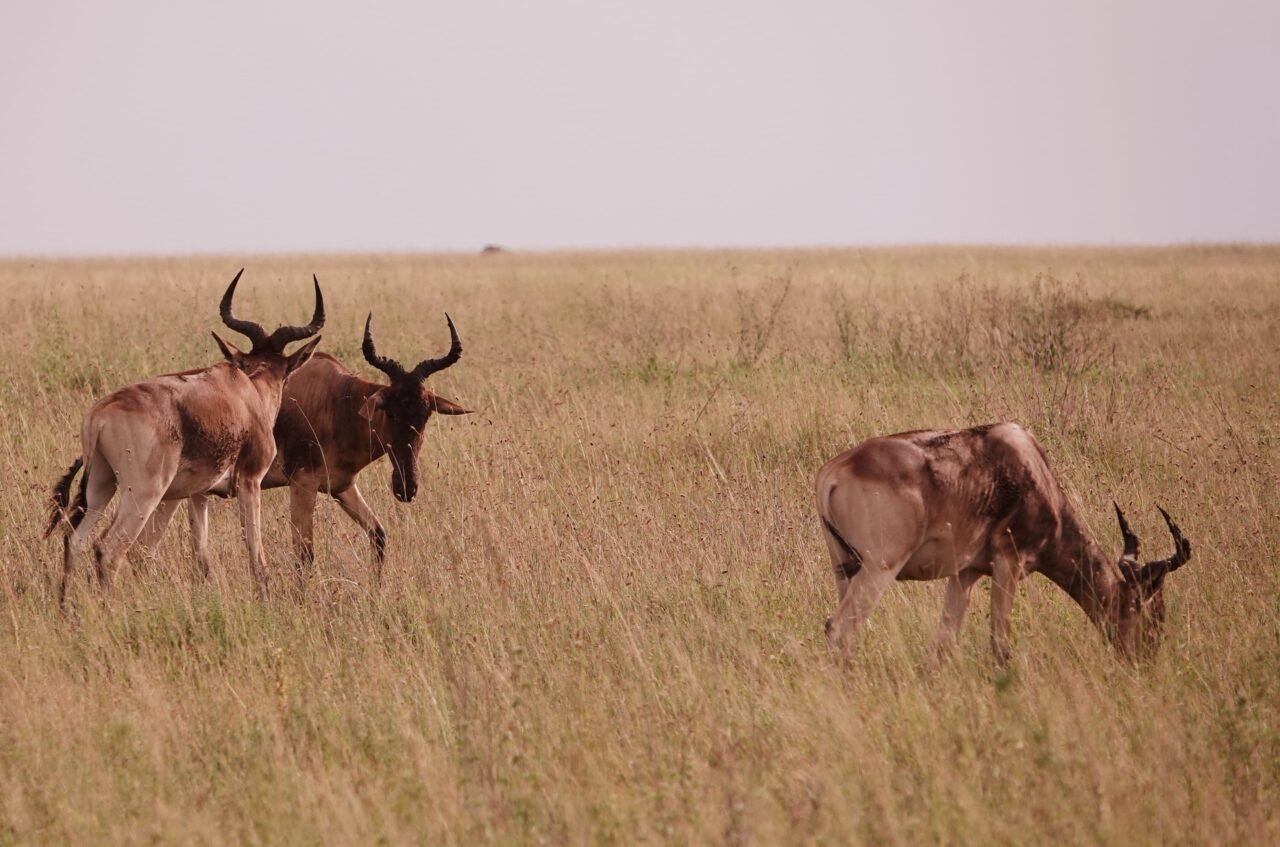
Conversely, the herbivores—wildebeest, zebra, and gazelle—often begin their migration patterns toward the lush, short-grass plains. If you are lucky, you might witness the early stages of the herds moving south. For the photographer in the group, this is a golden opportunity. The dust in the air is washed away, leaving the sky a brilliant, deep blue, and the vegetation becomes a vibrant, saturated green. This provides a stunning contrast for wildlife photography that you simply do not get in the dusty, golden-brown months of August or September.
Be prepared for a change in insect activity as well. The rains bring a temporary increase in mosquito and tsetse fly activity. While your camping gear should include a mosquito net (or your tent should be fully sealed), you must be more vigilant with your repellent. Apply DEET-based repellent in the early morning and late afternoon, the peak times for these insects. Wear light-colored clothing—tsetse flies are notoriously attracted to dark blue and black—and keep your tent zipped tight at all times, even when you are just stepping out for a moment. It is a small price to pay for the lush, rejuvenated landscape you are visiting.
The Social Architecture of the Shared Safari Vehicle
Participating in a 5-day group joining safari is a unique exercise in social adaptability. You are effectively entering a transient community, confined within the footprint of a 4×4 Land Cruiser. While the logistical aspects of the trip—fuel, food, and campsite selection—are managed by your operator, the interpersonal dynamics are managed by you and your fellow travelers. Establishing a healthy social contract within the first two hours of your departure from Arusha is the single most effective way to ensure the trip remains enjoyable for everyone.
Establishing the Rotation Protocol
The most common point of friction on any group safari is the seating arrangement. Because the vehicle is designed with specific window seats and middle seats, there is an inherent disparity in visibility. Do not wait for an awkward silence to address this. On the morning of November 12, 2026, as you load your gear into the vehicle, propose a rotation schedule immediately. A fair system typically involves moving back one row every time the vehicle stops for a lunch break or a major game-viewing session. By the time you reach the Serengeti on day three, everyone should have had equal access to the prime window seats. This removes the “territorial” instinct that can develop when one traveler claims a specific seat for the entire five days.
Negotiating the Photographer’s Pace
In any group, there is often a spectrum of interests: the “casual observer” who wants to see as much as possible, and the “dedicated photographer” who wants to wait thirty minutes for a lion to yawn or a cheetah to shift its gaze. This is the most frequent source of internal conflict. To manage this, establish a group consensus early on. For example, agree that the vehicle will wait for a maximum of 10 to 15 minutes for a specific sighting, unless the entire group votes to stay longer. This empowers the driver-guide to manage the schedule objectively rather than being caught in the middle of a disagreement. Remember, in November, the weather can be humid; sitting stagnant in a vehicle for an hour can lead to irritability, so keep the group’s comfort in mind alongside the pursuit of the perfect shot.
Maintaining “Bush Etiquette” in Close Quarters
The noise level inside the vehicle is a critical component of your shared experience. When you are on a game drive, sound carries in ways you might not expect. The muffled chatter of passengers can disturb the very wildlife you are trying to observe, particularly when the engine is cut. Adopt a “whisper-only” rule when the vehicle is stopped near animals. Furthermore, be mindful of the “digital footprint” of your fellow travelers. While you might be excited to check your phone or share photos, the constant pinging of notifications or the glare of a bright screen can be disruptive to others who are trying to experience themselves in the silence of the bush. Keep devices on silent and brightness dimmed during game drives.
The Final Day: Re-entry into Arusha
The transition from the wild back to civilization is often more jarring than the arrival. On your fifth day, you will likely spend the morning finishing your final game drive—perhaps in the Ngorongoro Crater or the outskirts of the Serengeti—before beginning the long drive back to Arusha. This return journey is a time of reflection, but it is also a time for finalizing the logistics of your departure.
Managing Your Departure Logistics
Because you are in a group, the return trip is not always perfectly synchronized with individual flight schedules. Most group joining safaris aim to arrive back in Arusha between 4:00 PM and 6:00 PM. If you have an international flight departing from Kilimanjaro International Airport (JRO) on the evening of your fifth day, you must communicate this clearly to your operator weeks in advance. Do not assume the vehicle will be able to divert or speed up to accommodate a late-evening flight. If your flight is before 9:00 PM, it is highly recommended that you book an additional night of accommodation in Arusha and fly out the following morning. Attempting to rush from the bush directly to the airport on the final day is a recipe for high stress and logistical failure, especially if the “short rains” have made road conditions slower than anticipated.
As you approach Arusha, the sudden shift from the vast, open plains to the bustling, paved roads of the city can be overwhelming. Take this time to organize your gear one last time. Ensure you have your “two-bag” system sorted: the bag that stayed in the vehicle storage should be separated from your day pack. This is also the moment to settle any final logistical matters with your driver-guide, such as confirming your drop-off point, whether it is a hotel in the city center or a direct transfer to the airport. By managing these final hours with the same level of organization you applied to your first day, you will end your 5-day safari with the same sense of satisfaction and clarity with which you began.
The Mechanics of Post-Safari Recovery and Transition
Returning from a 5-day group camping safari on November 17, 2026, involves more than just checking into a hotel or heading to the airport. The physical and sensory transition from the raw, unfiltered environment of the Northern Circuit to the urban centers of Arusha or the transit hubs of Kilimanjaro International Airport (JRO) is abrupt. After five days of sleeping in a tent, navigating rutted tracks, and adhering to a strict, shared itinerary, your body and mind will require a strategic “re-entry” period. This is often the most overlooked phase of the safari experience, yet it is crucial for ensuring that the fatigue of the trip does not overshadow the memories you have made.
Managing the “Safari Hangover”
The concept of a “safari hangover” is very real. It is a combination of sleep deprivation, physical exhaustion from the constant vibration of the 4×4, and sensory overload. By the time you return to Arusha on your fifth day, you may find that your cognitive pace has slowed significantly. You have been living in a world where the primary concerns were wildlife spotting, meal times, and campsite hygiene. Suddenly being thrust back into a world of emails, flight schedules, and traffic can be jarring. If you have a flight out the same evening, this transition is compressed into a few chaotic hours. To mitigate this, prioritize hydration and simple, easily digestible meals immediately upon your return. The dust of the Serengeti and the Ngorongoro Crater, even if you were diligent with your gear protection, will have permeated your skin and clothes. The first order of business upon reaching your final destination should be a thorough cleaning—not just of your person, but of your electronics and camera lenses, which likely harbor fine, abrasive volcanic dust that can cause long-term damage if left uncleaned for days.
Reconnecting with Digital Realities
For five days, your digital presence was likely minimal, restricted by battery life and the lack of reliable connectivity in remote areas like the central Serengeti. As you re-enter civilization and reconnect to Wi-Fi, the influx of notifications can be overwhelming. Avoid the urge to immediately upload hundreds of photos or answer a backlog of emails. This “digital flood” is a major contributor to post-travel stress. Instead, dedicate your first evening back to “triage.” Back up your memory cards to a hard drive or cloud storage immediately; memory cards are easily lost or corrupted in the transit shuffle. Once your data is secure, disconnect again. Use the evening to process the trip mentally. Write down the names of the species you saw or the specific interactions you had with your group. These details fade faster than you expect, and capturing them while the memory is fresh is far more valuable than doom-scrolling through social media.
Navigating Arusha’s Transit Infrastructure
If you are not flying out immediately, Arusha serves as the primary base for post-safari logistics. Navigating the city after five days in the bush requires a shift in mindset. Arusha is a bustling, energetic hub. If your safari operator drops you off at a hotel, use that space as your staging ground for the next 24 hours. Do not attempt to pack for your onward journey until you have had a full night of sleep in a stationary bed. The “two-bag system” you used on the safari should be fully unpacked and reorganized. Separate your laundry—safari clothes, especially those worn in the dusty conditions of November, will need immediate attention. If you have an onward flight, confirm your transfer details 24 hours in advance. Traffic between Arusha and JRO can be unpredictable, especially with the potential for sudden, heavy showers during the short rains in mid-November. Allow for a buffer of at least two hours beyond the recommended arrival time for your flight. This buffer is not just for traffic; it is for your own peace of mind, allowing you to move through security and check-in without the frantic energy that defined your final game drive.
The Psychological Transition
Finally, acknowledge the social shift. You have spent five days in a high-intensity social contract with strangers. You have navigated seating rotations, shared meals, and negotiated the pace of game drives. Suddenly, you are alone or back with your original travel companions. This can lead to a strange sense of isolation or, conversely, a relief that you no longer need to compromise. Process this shift by recognizing that the group dynamic was a tool for the safari, not a permanent social requirement. If you formed genuine connections, exchange contact information before you part ways at the drop-off point. If the dynamic was challenging, recognize that the “shared vehicle experience” is a temporary, artificial environment, and its conclusion is a natural part of the process. You have successfully navigated the logistical, social, and environmental challenges of the Northern Circuit. Allow yourself the grace to decompress before jumping into the next phase of your travels.
Navigating the Tsetse Fly Challenge in November
While the “short rains” of November bring the Serengeti and Tarangire to life, they also trigger a surge in tsetse fly activity. For travelers on a November 12 departure, this is not merely a nuisance; it is a significant factor that can disrupt your game drives if you are unprepared. Tsetse flies are most active in the dense woodlands and around the water sources that characterize the Northern Circuit during the early rainy season. Unlike common houseflies or mosquitoes, tsetse flies are attracted to movement, heat, and, crucially, specific colors—most notably dark blue and black. Because your group joining safari will rely on a 4×4 vehicle that often travels with open windows for photography, you must be proactive about managing this risk.
The most effective strategy begins with your wardrobe. Avoid any clothing that is dark blue or black, as these colors are scientifically proven to attract tsetse flies more aggressively than lighter shades like khaki, olive, or tan. Furthermore, while standard insect repellent (DEET) is effective against mosquitoes, it is notoriously less effective against tsetse flies. The most reliable defense is physical barrier protection combined with permethrin-treated clothing. If you are traveling in November, consider treating your safari shirts and trousers with permethrin before you arrive in Tanzania. This treatment binds to the fabric and remains effective through several washes, providing a layer of protection that topical sprays cannot match.
Inside the shared safari vehicle, the “tsetse protocol” requires group consensus. If you are passing through a known high-density fly zone—your driver-guide will usually warn you—you must be prepared to roll up the windows and rely on the vehicle’s ventilation or the breeze from the roof hatch. This can be a point of friction if other passengers are desperate for an open window to photograph wildlife. A helpful approach is to educate your group early on day one: explain that a tsetse bite is not just painful (it feels like a sharp pinprick), but that the flies are persistent and will swarm the vehicle if windows remain open in fly-heavy areas. By agreeing to close the windows during transit through these specific zones, you protect the entire group from the frustration of swatting flies, allowing everyone to focus on the game viewing rather than insect defense.
Managing Dietary Requirements in a Shared Group Setting
In a budget camping safari, the “mobile kitchen” operates with a standardized menu designed to feed a group of six or seven efficiently. While your cook is capable of preparing hot, nutritious meals, you must understand the limitations of a shared, remote kitchen environment when it comes to specific dietary needs such as vegan, gluten-free, or severe allergy requirements. Unlike a hotel restaurant where the kitchen is stationary and stocked with a wide variety of pantry items, your safari cook is working out of crates and a gas burner, usually with limited storage for perishables. If you have a strict dietary requirement, your responsibility for managing this starts weeks before your November 12 departure.
First, communicate your needs directly to the booking agent at the time of reservation, not upon arrival in Arusha. Ensure this is noted on your booking voucher. However, do not assume this is enough. On the morning of your departure, personally introduce yourself to your driver-guide and, if possible, the cook. Reiterate your requirements clearly. In a group setting, cross-contamination is a genuine risk. If you have a severe nut allergy or celiac disease, you must be vigilant. Because the kitchen is mobile and small, the cook may be preparing a standard meal for the group alongside your specific dish. If you are concerned about cross-contamination, ask the cook to prepare your portion first, or to use a separate pot if possible. Most Tanzanian safari cooks are incredibly resourceful, but they need explicit, respectful guidance to accommodate you safely without slowing down the entire group’s meal schedule.
Furthermore, be prepared to supplement your own diet if your restrictions are highly specific or complex. While most operators can accommodate vegetarian or basic gluten-free requests, they may struggle to source specialized ingredients like almond milk, specific gluten-free breads, or vegan protein substitutes in remote areas of the Northern Circuit. If your diet requires items that are not standard in the Tanzanian market, pack these with you. Keeping a small “emergency supply” of your own safe, non-perishable snacks ensures that you are never left hungry after a long day of game driving, regardless of the group’s meal plan. This self-reliance not only keeps you healthy but also eases the pressure on the cook, who is already managing the complex logistics of feeding a group in the bush.
Navigating the Financial Mechanics of Group Tipping
While the cost of your 5-day budget camping safari is settled upon booking, the gratuity system remains an unscripted, yet essential, component of your financial planning. In the context of a group-joining safari, tipping is not merely a gesture of appreciation; it is a significant portion of the income for your driver-guide and camp crew. Because you are traveling in a group, the process can become confusing—often leading to awkward “who pays what” scenarios on the final day. To avoid social friction and ensure your crew is fairly compensated, you must standardize the tipping process before the safari concludes.
The standard practice in Tanzania is to pool tips as a group. Discussing this with your fellow travelers on the second or third day—rather than waiting for the final morning—is crucial. Attempting to organize a collection while simultaneously packing your gear and preparing for the drive back to Arusha creates unnecessary stress. By the time you reach the final campsite or the Ngorongoro Crater exit, have a clear plan. Usually, the group designates one person to collect the funds, or each person contributes their share into a single envelope. This collective approach prevents the “under-tipping” scenario that can occur when individuals feel shy or unsure about the appropriate amount.
Regarding the amounts, while there is no official “rule,” standard industry guidelines for a budget camping safari suggest a daily tip per vehicle (not per person) that is shared among the crew. A common benchmark for a group of six is to aim for a total tip of approximately $15 to $25 USD per day for the driver-guide, and $10 to $15 USD per day for the cook. When you divide this by the number of passengers, the individual contribution becomes quite manageable—often ranging between $5 to $10 USD per person, per day. Do not feel pressured to tip beyond your means, but recognize that for a 5-day trip, a total individual contribution of $25 to $50 USD is generally considered generous and well-received.
Crucially, ensure you have your tip money ready in small, crisp US Dollar bills (printed after 2009) or local Tanzanian Shillings before you leave Arusha on November 12. You will not have access to an ATM or a bank once you are in the Serengeti or the bush. If you arrive at the end of the trip with only large, worn bills that the crew cannot exchange, or if you have no cash at all, it creates an uncomfortable power imbalance. If you are part of a group that refuses to tip or disagrees on the amount, you are perfectly within your rights to tip your driver and cook privately. Simply hand your portion directly to them in a sealed envelope, expressing your gratitude for their specific service. This preserves your own conscience and ensures your crew is rewarded for their labor, regardless of the group’s internal dynamics.
The Mechanics of Currency and Denominations
The logistical challenge of tipping is often the currency itself. While many travelers carry large denomination US bills, these are difficult for local staff to break. A $100 bill is often useless to a guide who needs to pay for daily expenses or school fees, as local banks may charge significant commissions or refuse older notes. Prioritize collecting smaller denominations—$5, $10, and $20 notes—well before your departure. If you are using Tanzanian Shillings, ensure you have a mix of notes that allows for easy division. Keeping these funds in a separate, accessible “tipping wallet” throughout the five days will prevent you from scrambling for change during the final, rushed hours of your return to Arusha.
Understanding the “Minimum Number” Clause in Group Joining Safaris
While the logistical focus of your November 12, 2026, safari often centers on packing lists and vehicle etiquette, the most significant risk to your trip occurs long before you step into the Land Cruiser. The group-joining model relies on a delicate balance of economics: operators must fill a vehicle to a certain capacity to cover the fixed costs of fuel, park entrance fees, camping permits, and the wages for your driver and cook. If you are booking a budget camping safari, you must explicitly understand the “minimum number” clause, which is the industry standard for determining whether your specific departure date actually proceeds as planned.
The Economic Reality of the Shared Vehicle
Most budget operators require a minimum of three to four confirmed passengers to make a 5-day Northern Circuit itinerary financially viable. When you book a spot on a November 12 departure, you are entering a contract that assumes the operator will find enough fellow travelers to meet this threshold. In the high season (July through September), this is rarely an issue, as demand outstrips supply. However, November is a shoulder season—the “short rains” are beginning, and visitor numbers are lower. This increases the statistical likelihood that your group may be smaller than the operator’s ideal capacity.
If the operator fails to reach the minimum number by the time your departure date approaches, they are faced with three options, all of which impact you directly. First, they may choose to absorb the loss and run the trip anyway as a “guaranteed departure.” Second, they may ask you to pay a “private supplement” to cover the empty seats, effectively turning your group-joining safari into a private tour. Third, and most commonly, they may attempt to merge your booking with another operator’s group, shifting you into a different vehicle or a slightly altered itinerary to ensure the trip remains profitable.
Decoding “Guaranteed Departure” Policies
When you browse safari listings, you will frequently see the phrase “guaranteed departure.” In the context of a budget camping safari, this term can be misleading. It rarely means the operator is contractually bound to run the trip for one person at the advertised group rate. Instead, it often means the operator has a large enough network—or enough volume—that they can almost always fill a vehicle. However, it does not offer you total immunity from changes.
Before you finalize your booking for November 12, ask your agent for the specific terms regarding minimum numbers. Does their “guaranteed departure” policy cover you if you are the only person booked, or is there a “cancellation threshold” where they reserve the right to call off the trip 14 or 30 days in advance? If they offer a refund in the event of a cancellation, that is a baseline protection, but it does little to help you if you are already in Arusha with non-refundable flights and accommodation booked around those dates. Always clarify if the “guaranteed” status is backed by a written guarantee that the price will not increase if the group size remains small.
Protecting Your Itinerary in the Shoulder Season
Because November 12 falls during a transitional weather period, you should prepare for the possibility of a “merged group.” This is a standard industry practice where Operator A and Operator B realize they both have two clients each and decide to combine them into one vehicle to save costs. While this is efficient, it can lead to confusion regarding the quality of the camping equipment, the menu, or the vehicle maintenance standards, as you are essentially inheriting the standards of the operator who is actually running the vehicle.
To mitigate this, maintain open communication with your booking agent as the date approaches. About three weeks prior to your departure, send a polite inquiry asking for the status of the group. If they indicate the numbers are low, ask them clearly: “If the group remains at this size, will the itinerary proceed as planned, and will the price remain unchanged?” If they suggest a “private supplement,” negotiate. Often, if you are flexible, you can propose a middle ground, such as paying a small, fixed surcharge rather than the full private rate, or agreeing to a slightly modified route that reduces their fuel costs. By engaging with the financial mechanics of your safari early, you move from being a passive participant to an informed traveler, ensuring that when you arrive in Arusha on November 12, your seat in the vehicle is not just a possibility, but a certainty.
Navigating Mechanical Realities and Vehicle Breakdowns
When you commit to a 5-day budget camping safari, you are opting for a rugged, authentic experience that relies on older, high-mileage 4×4 Land Cruisers. These vehicles are the workhorses of the Northern Circuit, but they operate under extreme conditions: constant vibration, deep dust, steep inclines, and deep mud during the November short rains. It is a statistical reality that mechanical issues—ranging from flat tires and overheating to minor electrical faults—can occur. Recognizing this as a potential part of your itinerary, rather than a failure of your operator, is essential for maintaining your composure on the road.
Your driver-guide is, by necessity, a trained bush mechanic. Most carry a standard kit of tools and spare parts and are accustomed to performing roadside repairs that would be handled by a garage in an urban setting. When a breakdown occurs, your first point of action is to trust the process. Do not crowd the driver or offer unsolicited advice unless you are a mechanic yourself. The driver is likely communicating with the operator’s base in Arusha or other drivers in the vicinity to arrange for a replacement vehicle or the necessary parts to be brought to your location. This communication can take time, especially in areas with limited cellular reception, such as the remote sections of the Serengeti.
Passenger conduct during a breakdown is governed by strict safety protocols. If the vehicle stops in the middle of a game park, you must remain inside the vehicle unless the driver explicitly instructs you otherwise. The vehicle acts as your protective shell against wildlife. Even if the breakdown occurs in a “safe” zone, never wander away from the vehicle to stretch your legs or take photos without confirming the perimeter is clear. The bush is unpredictable; what looks like an empty plain can conceal predators in tall grass. Use this downtime to conserve your water and snacks, and keep your personal belongings organized so that if a vehicle transfer becomes necessary, you can move your gear quickly and efficiently.
If a breakdown is significant enough to require a vehicle swap, understand that this is a logistical puzzle. The operator must coordinate the location of another vehicle, the timing of the transfer, and the logistics of moving luggage and camping equipment. This may result in a delayed arrival at your campsite or a slightly condensed game drive. While frustrating, this is the reality of “adventure travel.” Maintaining a flexible attitude is your greatest asset. The “pole pole” (slowly, slowly) philosophy of East Africa applies just as much to mechanical repairs as it does to wildlife viewing. By accepting that the vehicle is a machine subject to the rigors of the Tanzanian wilderness, you prevent a mechanical hiccup from becoming a psychological crisis.
Emergency Protocols and Communication
While minor mechanical issues are common, serious emergencies are rare but planned for. Your operator should have a radio communication system or satellite phone access for deep-bush emergencies. Before you depart Arusha on November 12, ask your guide to point out the communication equipment in the vehicle. Knowing that there is a tether to the outside world provides peace of mind. In the unlikely event of a medical emergency or a total vehicle failure that cannot be repaired in the field, your operator is responsible for activating their emergency evacuation plan, which typically involves coordinating with local park authorities or flying doctors services if the situation warrants. Your role is simply to remain calm, stay hydrated, and follow the direct instructions of your guide, who is trained to prioritize your safety above all else.
Navigating the Specifics of Park Entry Fees and Permit Timing
While your operator manages the administrative heavy lifting, understanding the rhythm of park entry is crucial for a 5-day itinerary. Tanzania National Parks (TANAPA) and the Ngorongoro Conservation Area Authority (NCAA) operate on a 24-hour permit cycle. This is not merely a bureaucratic detail; it dictates the start time of your days. If your group enters the Serengeti at 10:00 AM on day two, your permit is valid until 10:00 AM on day three. This creates a hard deadline for your exit or transition to the next zone. Because you are in a shared vehicle, the group cannot deviate to accommodate a single passenger’s desire to linger longer if it risks expiring the permit or incurring a costly penalty, which the operator will pass on to the group.
For the November 12 departure, be aware that park authorities occasionally adjust fee structures or enforcement protocols. Always ensure your operator has pre-paid these permits before you leave Arusha. A common source of friction on budget safaris is the unexpected request for “top-up” fees at the gate due to miscalculation or last-minute policy changes. By confirming that your quoted price includes all park entry fees, concession fees, and camping fees, you insulate yourself from these mid-safari financial disputes. If a guide asks for cash at the gate, it is a significant red flag that your operator has not fulfilled their contractual obligations.
The Reality of Shared Campsite Facilities
Public campsites in the Northern Circuit, such as those in the Serengeti (Seronera) or near the Ngorongoro Crater rim, are communal spaces. Unlike private campsites, which offer secluded pitches, public sites are shared by dozens of other tour operators and their respective groups. In November, while the “short rains” keep the peak season crowds at bay, these sites remain active hubs. You will be sharing washrooms, shower blocks, and dining areas with travelers from other vehicles. This environment requires a high level of situational awareness regarding personal space and noise.
Expect basic facilities: flushing toilets and showers that may be solar-heated (or cold, depending on the site’s maintenance status). During the November rainy season, the ground in these campsites can become muddy, so your choice of footwear for evening downtime is vital. Bring a pair of slip-on sandals or flip-flops that can handle wet, uneven ground. Furthermore, because these are shared, public facilities, they are not “private” in any sense. Valuables should never be left unattended in the communal blocks. Keep your toiletries in a dedicated, portable washbag that you can easily carry back and forth, as you cannot leave items in the bathrooms.
Related Guides and Packages
Check Availability for Nov 12, – 5 Day Tanzania Budget Camping Group Joining Safari 2026
Ready to compare dates, prices, and the best option for your group? Send the package name and travel month so the team can reply with a clear quote, availability, and what is included.
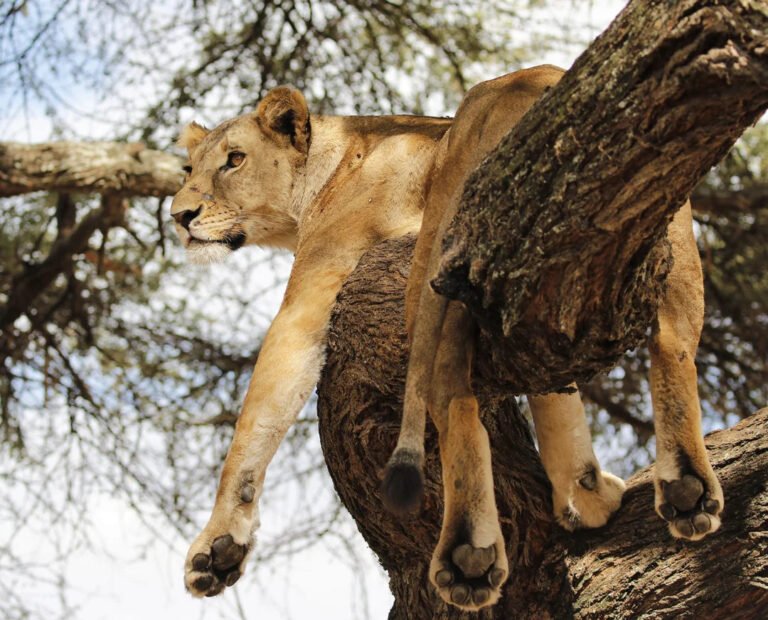
Dec 25, – 5 Day Christmas Tanzania Group Joining Safari 2026
Celebrate Christmas in the heart of the Tanzanian wilderness. Join our 5-day group safari departing December 25, 2026, and experience the iconic Northern Circuit.
View package details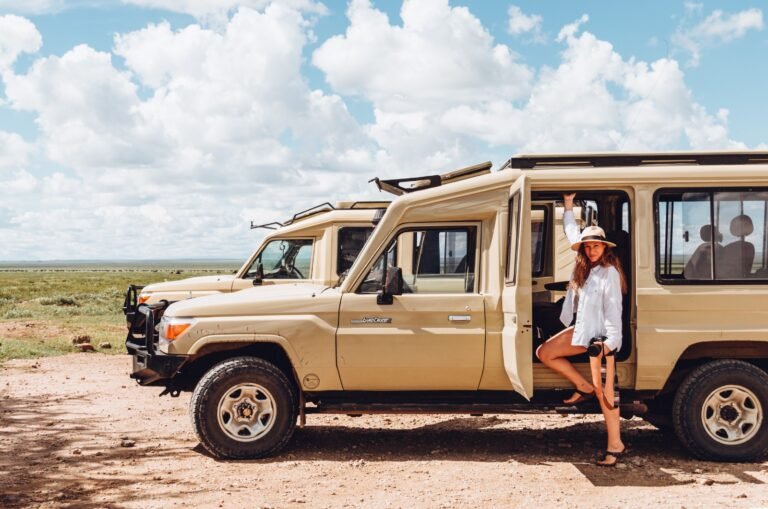
Dec 10, – 5 Day Northern Tanzania Group Joining Safari 2026
A detailed guide to our 5-day Northern Tanzania group joining safari scheduled for December 10, 2026. Learn about the route, group logistics, and how to book your spot.
View package detailsNov 14, – 5 Day Tanzania Lodge Group Joining Safari 2026
Join our November 14, 2026, 5-day Tanzania lodge safari. This group-joining itinerary offers a balanced, cost-effective way to explore the Northern Circuit.
View package detailsOct 30, – 5 Day Tanzania Northern Circuit Group Joining Safari 2026
Oct 30, 2026 – 5 Day Tanzania Northern Circuit Group Joining Safari.
View package detailsNov 26, – 4 Day Nyerere And Mikumi Group Joining Safari 2026
A detailed guide to the November 26, 2026, 4-day group joining safari covering Nyerere National Park and Mikumi National Park, including logistics, wildlife expectations, and booking steps.
View package details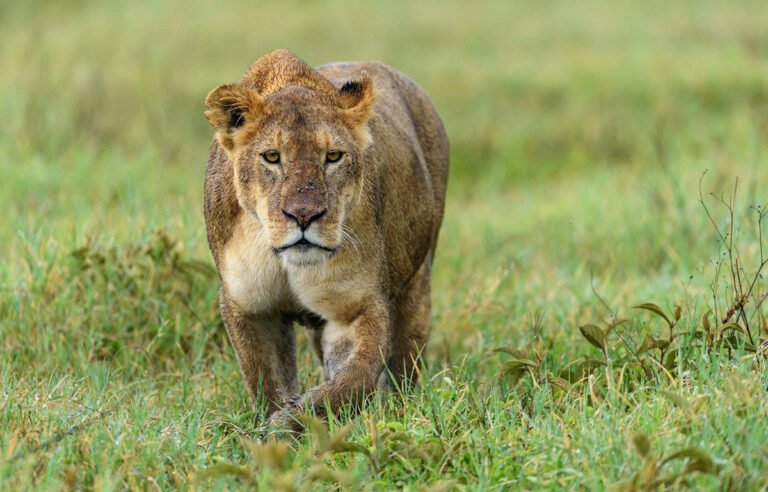
Dec 20, – 10 Day Complete Tanzania Group Joining Safari
Dec 20, 2026 – 10 Day Complete Tanzania Group Joining Safari.
View package details
Dec 30, – 7 Day New Year Tanzania Group Joining Safari 2026
A complete guide to our 7-day group joining safari for the 2026/2027 New Year season, covering the Northern Circuit, wildlife expectations, and how to secure your spot.
View package detailsDecember Tanzania Group Joining Safari Dates And Prices: Best Guide 2026
A detailed guide on planning your December 2026 Tanzania safari, covering group joining logistics, cost considerations, and how to prepare for this peak travel window.
View package details24–31 October Tanzania Group Joining Safari Departures: 2026
A detailed guide to navigating group-joining safari departures in Tanzania for late October 2026, focusing on wildlife patterns, logistical planning, and booking best practices.
View package detailsNov 16, – 6 Day Tanzania Northern Circuit Group Safari 2026
Planning for November 2026? Join our 6-day group safari covering Tanzania's premier Northern Circuit parks. Expert-led, social, and cost-effective wildlife viewing.
View package details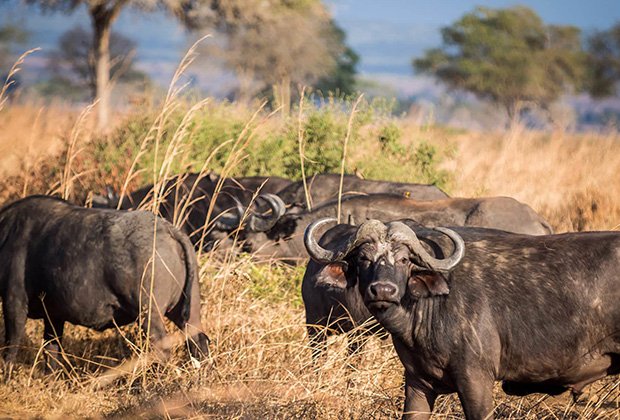
Dec 8, – 4 Day Tarangire, Serengeti And Ngorongoro Group Safari 2026
A detailed guide to our December 8, 2026 group joining safari, covering the itinerary, logistics, and what to expect during this 4-day wildlife adventure in Tanzania.
View package details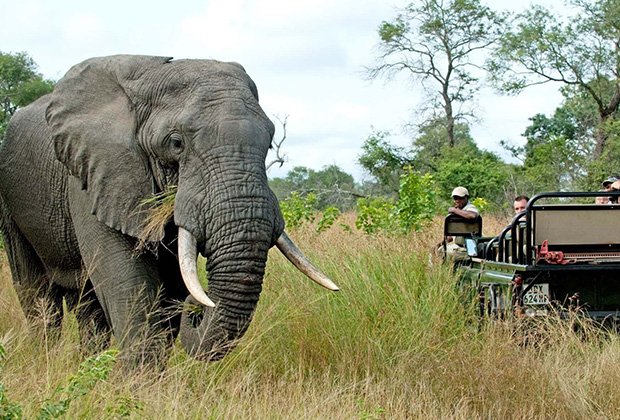
I Am On A Budget—What Is The Cheapest Serengeti Group Safari?
I Am on a Budget—What Is the Cheapest Serengeti Group Safari?
View package detailsNo related package matches those filters. Clear one or more filters to see the other topic-matched options.



