
Dec 20, 2026 – 10 Day Complete Tanzania Group Joining Safari: This specific date and duration signifies a structured, comprehensive journey across Tanzania’s most iconic parks, designed for travelers who prefer the social atmosphere of a group trip while ensuring they cover the country’s major highlights in a single, focused expedition. When you commit to a 10 days, you are moving beyond a quick highlight reel; you are opting for a deep, meaningful exploration of the Northern Circuit and likely including the Great Migration or Southern highlights, depending on the exact route.
As a practical travel specialist, the first thing I advise you to understand is that a “Complete Tanzania” safari over 10 days is a significant undertaking. It allows enough time to appreciate the sheer scale of the wilderness, rather than rushing between gates. The success of this particular trip relies heavily on the logistical flow of the route and the seasonal timing of the wildlife movements.
Here is a practical breakdown of what this specific 10-day group joining experience entails, the decision points you need to consider, and the planning logic behind this particular departure.
Note on Timing: While this itinerary is structured for a December 20, 2020, the specific logistics, group composition, and final price must always be confirmed by the operator, Climb 4 Africa, as group joining schedules can fluctuate.
The following the group.
The Core Offering: The 10-Day Logic
Why 10 days? This duration is the sweet spot for a “Complete” experience in Tanzania. A 5-day safari tends to focus heavily on the Northern Circuit (Arusha, Tarangire, Ngorongoro, Serengeti), while a 7-day trip might add a quick Southern extension. The 10-day package allows for necessary buffer time. This might mean an extra day in the Serengeti for better game viewing, a deeper look at a less-visited park like Selous (if accessible), or perhaps a dedicated cultural component before returning to Arusha. It moves from being a mere checklist of parks to a genuine experience of the ecosystem.
For the traveler joining on December 20th, you should expect a well-paced journey. The group travel. This is not a fast-paced sprint; it is a thorough exploration. The itinerary will typically follow a logical progression from the lush, dense forests and woodland of Tarangire, through the dramatic crater landscape of Ngorongoro, into the vast plains of the Serengeti, and potentially concluding with a short cultural or coastal excursion.
The Strategic Flow of a 10-Day Tanzania Northern Circuit Safari
While specific daily activities are finalized upon booking, the typical route for a comprehensive 10-day journey starting from the main itineraries like the one you are inquiring about usually follows this sequence. This sequence is crucial for logistical efficiency and to maximize game viewing.
- Days 1-2: Arrival & Arusha/Tarangire National Park:
The journey often begins in Arusha, the gateway to the parks. Tarangire is excellent for initial game viewing and provides a good acclimatization period before the larger plains. You’ll see large herds of elephant and kudu here, and the logistics of setting off from the city are handled smoothly.
- Days 3-4: Ngorongoro Conservation Area:
Moving to the Ngorongoro is a must. The Crater provides an unparalleled density of wildlife viewing in a compact area. This is a dramatic change of scenery from the open plains.
- Days 5-9: Serengeti National Park:
The Serengeti is the heart of the safari. A 4 plains safari here is where the Great Migration happens, if timing is right. The 10-day package gives you the time to see multiple distinct habitats—the central plains, the river crossings, and the edges of the forest.
- Day 10: Final Exit and DepartureDeparture
The final day usually involves a return transfer to Arusha or Kilimanjaro International Airport (JRO), concluding the adventure.
This structure provides the deep dive you seek. It is a journey that demands time, and the 10 days is the investment that pays off in comprehensive views and less feeling like you are ticking boxes.
Understanding the Group Joining Dynamic for December 20, 2020
When you look at a “Group Joining” safari, you are purchasing a place within a pre-arranged tour. You are not booking a private convoy solely for your family. This is a crucial distinction that impacts logistics, cost, and experience.
What to Expect on Day 1: The Joining Process
The group joining mechanism is straightforward. Since you are joining on December 20, 26, you will likely meet the tour director and your fellow group members in Arusha (or sometimes a central hub) on the morning of the departure. The group will be assembled, and the briefing on the specific logistics—vehicle, guides, and park entry points—will take place before the transfer to the first park. This is generally a very organized process. The advantage of joining is the lower cost per person, as entry, as the operator has already secured bulk permits and negotiated rates. The trade-off is that your schedule is set by the group’s timeline, and you travel with strangers.
Group Dynamics and Group Size
The group size for a group joining safari on a 10 days can vary significantly, depending on the specific operator’s current availability. For a 10-day trip, groups typically range from 6 to 16 travelers. This size is generally considered optimal for group cohesion and for the guides to maintain a manageable ratio of guests to vehicles. It ensures that the experience remains intimate enough to feel personal, but large enough to provide the social energy and shared experience of a true adventure.
When you inquire about the Dec 20, 26 departure with Climb 4 Africa, you must ask specifically about the expected group size and the vehicle type assigned to your group. This helps you gauge the atmosphere and ensure it aligns with your travel preferences. If you prefer a more private, secluded experience, the cost difference for a private vehicle is substantial, but the freedom is worth the consideration.
Dec 20, 2026 – 10 Day Complete Tanzania Group Safari: Seasonal weather and seasonal considerations
Planning a trip for late December requires a clear understanding of the East African seasonal climate. December falls into the transition period between the “long rains” season and the dry season. This is generally considered one of the most sought-after times to visit, and for good reason.
The Holiday Effect and Wildlife Sightings
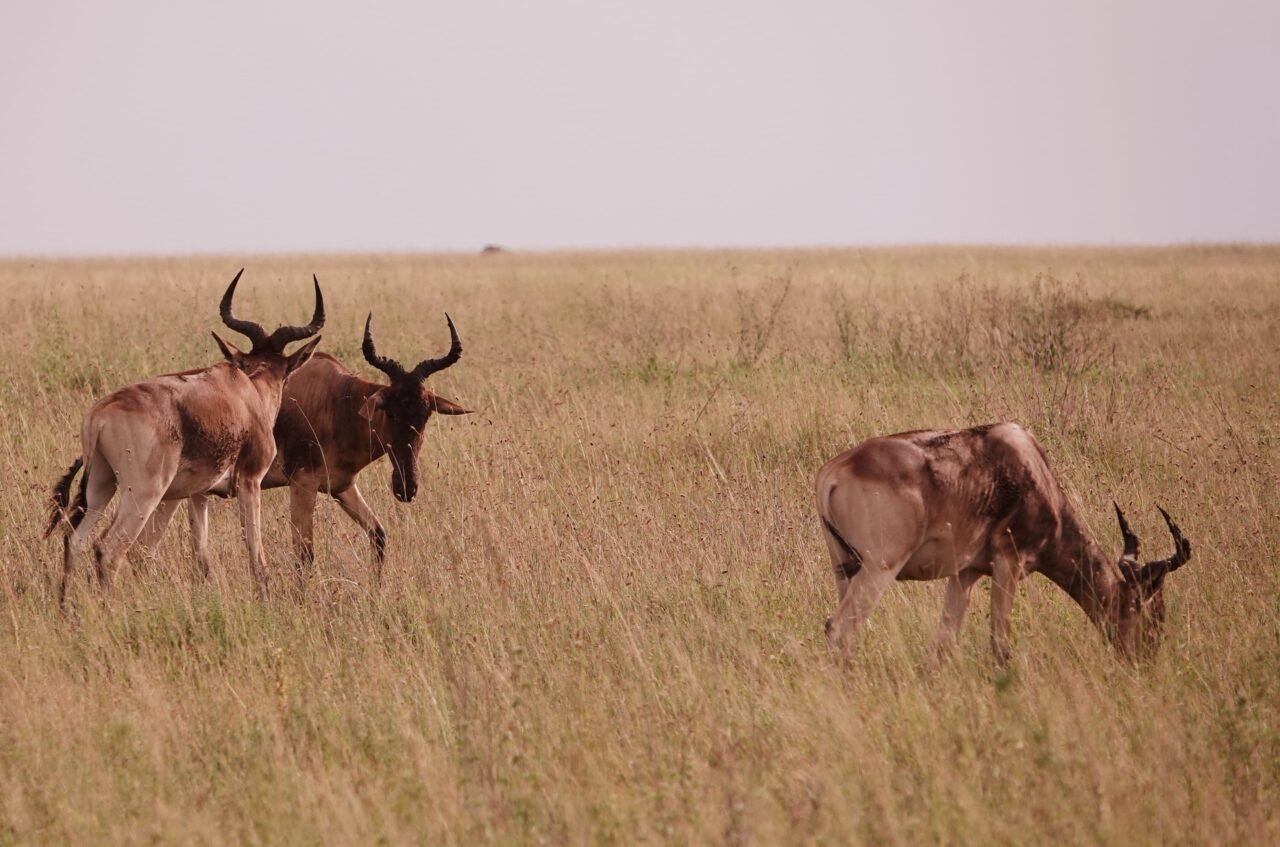
In December, the climate is usually mild, the skies are relatively clear, and the wildlife is often in peak condition. For the Great Migration, the herd is generally still in the process of moving, meaning the Serengeti will be vibrant with activity. The vegetation is a time when the grass is lush, and the landscape is teeming with life. You are not just seeing animals; you are seeing life thriving.
Crowds and Booking Windows
It is important to acknowledge that December is a peak travel month in Tanzania. For a group joining safari, this means that the operator, Climb 4 Africa, will be managing a high volume of travelers. Your group joining on Dec 20th will be part of a busy, but well-managed, operation. The advice I give you is to book with a reputable operator as soon as possible. While you are joining a group joining, securing your spot early ensures your desired package is locked in, especially for this high-demand period.
A late booking might mean a slightly less ideal grouping or a need to accept a slight increase in the final quote due to increased demand. It is always better to contact the team directly via WhatsApp (+255 747 477 898) to check the current availability and ensure you secure the best place in the group.
The Practical Logistics: What to Pack and Expect
A 10-day safari is a physical journey, even if you are not trekking Kilimanjaro. Proper preparation is key to maximizing your enjoyment. Since you are joining a group, you are part of a well-organized machine, but you are the pilot of your own comfort and readiness.
Packing Essentials for a 10-Day Safari
The climate in the Serengeti and Ngorongoro can swing dramatically between the cool mornings and evenings and the hot midday sun. Layering is your best friend. Always pack:
- Lightweight, breathable fabrics (long sleeves and trousers are essential for sun protection and insects).
- A good pair of closed shoes for walking around camp and for the transfer.
- A camera with a good zoom lens—the wildlife is worth the effort.
- Layers like a fleece or light jacket for early morning game drives.
- A high-quality pair of binoculars.
- Sun protection (hat, sunglasses, high-SPF sunscreen).
Health and Health Protocols
Before you leave, ensure you have all necessary vaccinations. Consult a travel doctor regarding Malaria prophylaxis, which is recommended for the areas you will be recommended for most safari areas, especially when staying outside the main camps. For a 10-day safari, it is not worth the risk of illness.
Remember, even though this is a group trip, your health and comfort are paramount. Have your necessary medications packed and easily accessible.
Making the Decision: Group vs. Private Safari Trade-offs
This is perhaps the most important decision point for any traveler looking at a Dec 20, 2026, itinerary. While the group joining safari is an excellent way to experience the culture and the wildlife of Tanzania, understanding the trade-offs is vital.
Group Joining (Dec 20, 2026):
- Pros: Significantly lower cost per person. Social interaction with fellow travelers. The operator handles all the complex logistics (permits, transfers, vehicle management) for you.
- Cons: Less flexibility in itinerary changes. You must adhere to the group’s schedule.
Private Safari:
- Pros: Complete control over pace, destinations, and activities. No need to wait for the group. Complete privacy.
- Cons: Significantly higher cost. All logistical planning and bookings are entirely on you.
If you are traveling as a couple or a small family of four, the group joining Safari on the 10th is a fantastic way to experience the magic without the financial strain of a private charter, while still enjoying the full scope of the country. The decision to join the group is a choice to prioritize the experience and the connection over absolute control.
The Value Proposition of the 10-Day Duration
The 10-day timeframe is not the operator has chosen for this Dec 20, 2026 trip isn’t just arbitrary. It reflects the time needed to properly absorb the Northern Circuit. You won’t be rushing through parks. You will have time for the low-speed drives, the long walks in the Serengeti, the deep look at the conservation of the Serengeti, and the sheer scale of the landscape. It allows you to see the wildlife in their natural
Day-by-Day Breakdown: The 10-Day Journey from Arusha to the Serengeti and Beyond
While the overall route of a 10-day group joining safari in Tanzania is designed to maximize wildlife encounters and minimize travel fatigue, the actual experience unfolds through a carefully balanced sequence of daily stages. For travelers joining on December 20, 2026, the journey begins not with a single park, but with a progression that respects both ecological rhythms and logistical realities. The following is a realistic, experience-driven outline of what each day typically entails—based on standard Northern Circuit itineraries—without guaranteeing specific wildlife sightings or fixed departure times.
Day 2: Arrival in Tarangire National Park – Forests, Elephants, and the First Game Drive
After a morning transfer from Arusha, the group arrives at Tarangire National Park, one of Tanzania’s most ecologically rich and often-overlooked gems. The park is renowned for its dense baobab trees, ancient acacias, and one of the largest elephant populations in East Africa. Travelers spend the afternoon on their first full game drive, usually departing around 2:30 PM to take advantage of cooler temperatures and active wildlife. The focus is on acclimatizing to the safari rhythm—spotting herds of elephants, long-necked giraffes, and a variety of antelope species like impala and greater kudu. The drive typically ends at a camp or lodge situated near a waterhole, where evening relaxation and a welcome briefing occur.
Day 3: Deep look at Tarangire’s Ecosystem – Morning Drive and Cultural Insight
The morning is dedicated to a full sunrise game drive, which is considered the most productive time for wildlife viewing. As the sun rises, predators like lions and leopards become more active, and the park’s vast open grasslands come alive with movement. Guides use their knowledge of animal behavior and seasonal patterns to locate herds and track movement. After a late breakfast at camp, travelers may participate in a short cultural session—often led by a Maasai guide or local conservationist—offering insights into traditional land use, wildlife coexistence, and the role of community conservancies in protecting Tarangire’s boundaries.
Day 4: Transition to Ngorongoro Crater – A Journey Through Volcanic Landscapes
Today marks a significant shift in terrain and ecology. The group departs Tarangire in the early morning, traveling approximately 120 kilometers (75 miles) through rural villages and rolling savannas to reach the Ngorongoro Conservation Area. The drive itself is scenic, with views of the Great Rift Valley escarpment rising in the distance. Upon arrival, the group checks into a camp located on the crater rim, offering panoramic views of the caldera below. The afternoon is reserved for acclimatization and a short orientation walk around the camp, allowing travelers to adjust to the higher altitude (approximately 2,200 meters or 7,200 feet).
Day 5: The Ngorongoro Crater – A Self-Contained Ecosystem
The highlight of the trip unfolds today with a descent into the Ngorongoro Crater, one of the world’s largest unbroken volcanic calderas. The crater floor is a lush, fertile basin teeming with life—home to over 25,000 animals, including the Big Five. The group spends the full day on a guided game drive inside the crater, with a packed lunch served at a designated picnic site. Key wildlife sightings may include lions lounging near the kopjes, black rhinos (a rare but possible encounter), hyenas, and vast herds of wildebeest and zebra. The drive ends at dusk, with the group returning to the rim camp for dinner and a debrief.
Day 6: Morning in Ngorongoro, Afternoon Transfer to Serengeti
After a morning game drive along the crater’s rim and a final chance to spot elusive species like the endangered black rhino or the rare honey badger, the group departs the conservation area. The transfer to the Serengeti National Park takes approximately 4–5 hours, depending on road conditions and the number of stops. The route crosses the Serengeti Highlands, passing through the famous Seronera area. The group arrives at a permanent camp or mobile tented camp in the Seronera region in the late afternoon. The camp is strategically located near the main water sources, making it a prime spot for evening wildlife activity.
Day 7: Serengeti Seronera – The Heart of the Great Migration Corridor
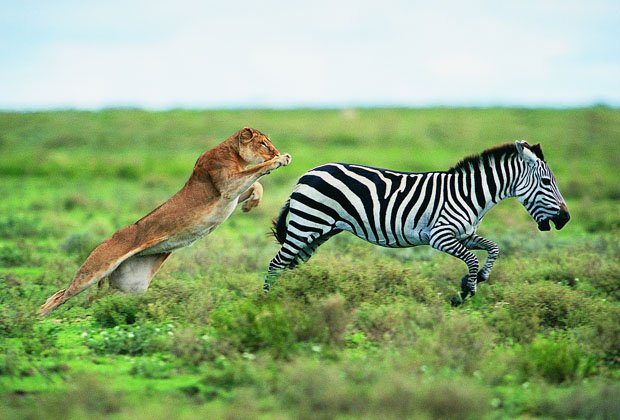
December is a pivotal time for the Great Migration. While the herd may not yet be in the northern Serengeti, it is often still moving through the central and western plains, where the grasses are still green and water sources are abundant. This day is dedicated to exploring the Seronera Valley, known for its high concentration of predators and resident wildlife. Morning and afternoon drives focus on lion prides, cheetahs, and spotted hyenas. Travelers may also encounter warthogs, baboons, and the rare African wild dog if the herd is present. The camp offers a comfortable base with evening storytelling sessions and stargazing opportunities under one of the clearest night skies on Earth.
Day 8: Exploring the Western Serengeti – A Shift in Landscape and Wildlife
The group moves to a new camp located in the western corridor of the Serengeti, often near the Grumeti River or the Mara River tributaries. This shift allows access to different habitats—dense woodlands, riverine forests, and open grasslands—each hosting unique species. The focus today is on the seasonal movements of the migration, particularly the herds that may be preparing to cross into Kenya’s Maasai Mara. Game drives emphasize birdwatching (with over 500 species recorded in the Serengeti), reptiles like monitor lizards and rock pythons, and the complex predator-prey dynamics that define this ecosystem.
Day 9: Final Serengeti Drive and Optional Cultural Encounter
This day offers a mix of flexibility. Depending on the group’s pace and the migration’s progress, the itinerary may include a final full-day game drive or a half-day drive followed by a cultural visit. The latter might involve a visit to a local Maasai village, where travelers learn about traditional crafts, cattle herding, and the role of elders in community decision-making. The experience is respectful and community-led, with proceeds often supporting education or conservation initiatives. The evening is spent at camp, with a farewell dinner and a review of the journey’s highlights.
Day 10: Return to Arusha – Final Reflections and Departure
After a morning breakfast and a final walk around the camp, the group begins the return journey to Arusha, a drive of approximately 200 kilometers (125 miles) that takes 5–6 hours. The route passes through rural farming communities and scenic highlands, offering one last chance to observe local life and landscape changes. The group arrives in Arusha by mid-afternoon, where the tour concludes with a farewell transfer to the airport or a hotel, depending on flight schedules. Travelers receive a digital recap of the journey, including photos and notes from the guides, as a keepsake.
Related Guides and Packages
Check Availability for Dec 20, – 10 Day Complete Tanzania Group Joining Safari
Ready to compare dates, prices, and the best option for your group? Send the package name and travel month so the team can reply with a clear quote, availability, and what is included.

Dec 30, – 7 Day New Year Tanzania Group Joining Safari 2026
A complete guide to our 7-day group joining safari for the 2026/2027 New Year season, covering the Northern Circuit, wildlife expectations, and how to secure your spot.
View package details
Dec 25, – 5 Day Christmas Tanzania Group Joining Safari 2026
Celebrate Christmas in the heart of the Tanzanian wilderness. Join our 5-day group safari departing December 25, 2026, and experience the iconic Northern Circuit.
View package details
Dec 10, – 5 Day Northern Tanzania Group Joining Safari 2026
A detailed guide to our 5-day Northern Tanzania group joining safari scheduled for December 10, 2026. Learn about the route, group logistics, and how to book your spot.
View package detailsNov 14, – 5 Day Tanzania Lodge Group Joining Safari 2026
Join our November 14, 2026, 5-day Tanzania lodge safari. This group-joining itinerary offers a balanced, cost-effective way to explore the Northern Circuit.
View package details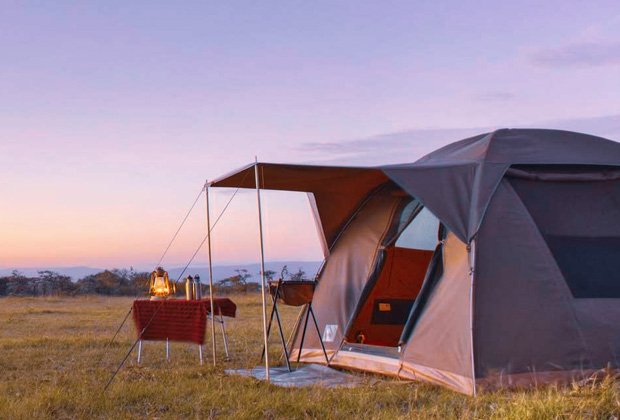
Nov 12, – 5 Day Tanzania Budget Camping Group Joining Safari 2026
A detailed guide to the November 12, 2026, 5-day budget camping group joining safari in Tanzania, covering route logistics, group dynamics, and planning essentials.
View package detailsOct 30, – 5 Day Tanzania Northern Circuit Group Joining Safari 2026
Oct 30, 2026 – 5 Day Tanzania Northern Circuit Group Joining Safari.
View package detailsDecember Tanzania Group Joining Safari Dates And Prices: Best Guide 2026
A detailed guide on planning your December 2026 Tanzania safari, covering group joining logistics, cost considerations, and how to prepare for this peak travel window.
View package details24–31 October Tanzania Group Joining Safari Departures: 2026
A detailed guide to navigating group-joining safari departures in Tanzania for late October 2026, focusing on wildlife patterns, logistical planning, and booking best practices.
View package details
Dec 22, – 3 Day Nyerere Group Joining Safari
Dec 22, 2026 – 3 Day Nyerere Group Joining Safari.
View package detailsDec 2, – 2 Day Tarangire And Ngorongoro Group Joining Safari 2026
Planning a trip for December 2, 2026? Join our 2-day shared safari to Tarangire and Ngorongoro. Perfect for travelers seeking an efficient, cost-effective wildlife experience.
View package detailsNov 2, – 1 Day Lake Manyara Group Joining Safari: Plan & Logistics 2026
A practical guide to the November 2, 2026, group-joining safari to Lake Manyara. Learn about the logistics, the benefits of shared transport, and how to book your spot with Climb 4 Africa.
View package detailsOct 25, – 1 Day Tarangire Group Joining Safari From Arusha 2026
Planning a trip for October 25, 2026? Join our group safari to Tarangire National Park for a day of wildlife viewing, departing from Arusha.
View package detailsNo related package matches those filters. Clear one or more filters to see the other topic-matched options.



