
The 1 Day Tarangire Group Joining Safari on October 25, 2026, is a shared-cost wildlife excursion departing from Arusha that allows travelers to explore Tarangire National Park within a single day. By joining a pre-scheduled group, you share the logistics and vehicle expenses with other travelers, making it a cost-effective way to witness the park’s famous elephant herds and baobab landscapes during the peak of the dry season.
October 25, 2026, falls at a critical point in the Tanzanian safari calendar. As the dry season nears its end, water sources outside the park have largely evaporated, forcing wildlife—particularly the massive elephant herds that Tarangire is famous for—to congregate around the Tarangire River. Choosing a 1-day group joining safari for this specific date is a practical decision for travelers who have limited time but want to maximize their chances of seeing high concentrations of animals without the overhead of a private, custom-chartered vehicle.
The Logistics of a 1-Day Safari from Arusha
When you book a group joining safari, the logistical heavy lifting is managed by the operator, which is the primary benefit of this format. For a trip departing on October 25, 2026, your day will typically begin early, often before 6:30 AM. This is not a casual morning tour; it is a dedicated wildlife-viewing experience. We depart Arusha early to beat the heat and reach the Tarangire park gate by mid-morning, which is when the animal activity is usually at its peak.
The drive from Arusha to the main gate of Tarangire takes approximately two to two-and-a-half hours, depending on traffic and the specific lodge locations of other group members. Once inside, the vehicle becomes your primary viewing platform. Because you are in a group-joining arrangement, you will be sharing the vehicle with other travelers who have also booked this specific date. This means the itinerary is fixed, but the trade-off is a significantly lower cost per person compared to a private safari.
Why Tarangire in October?
Tarangire National Park is often overshadowed by the Serengeti, but in late October, it is arguably the best place in Northern Tanzania for wildlife viewing. The landscape is defined by ancient, towering baobab trees and the winding Tarangire River. Because this river is the only permanent water source in the area during October, the wildlife density is extraordinary. You aren’t just driving through a park; you are driving through a central hub where elephants, zebras, wildebeests, and predators are forced into close proximity.
If you are trying to decide if one day is enough, consider your broader travel plans. If you have more time in the region, you might want to look at a 2 Day Tarangire and Ngorongoro Group Joining Safari, which allows you to extend the experience into the Ngorongoro Crater the following day. However, for a quick, impactful hit of Tanzanian wildlife, the 1-day Tarangire trip is perfectly sufficient to see the “Big Five” potential and the unique elephant migration patterns.
What to Expect in a Group-Joining Vehicle
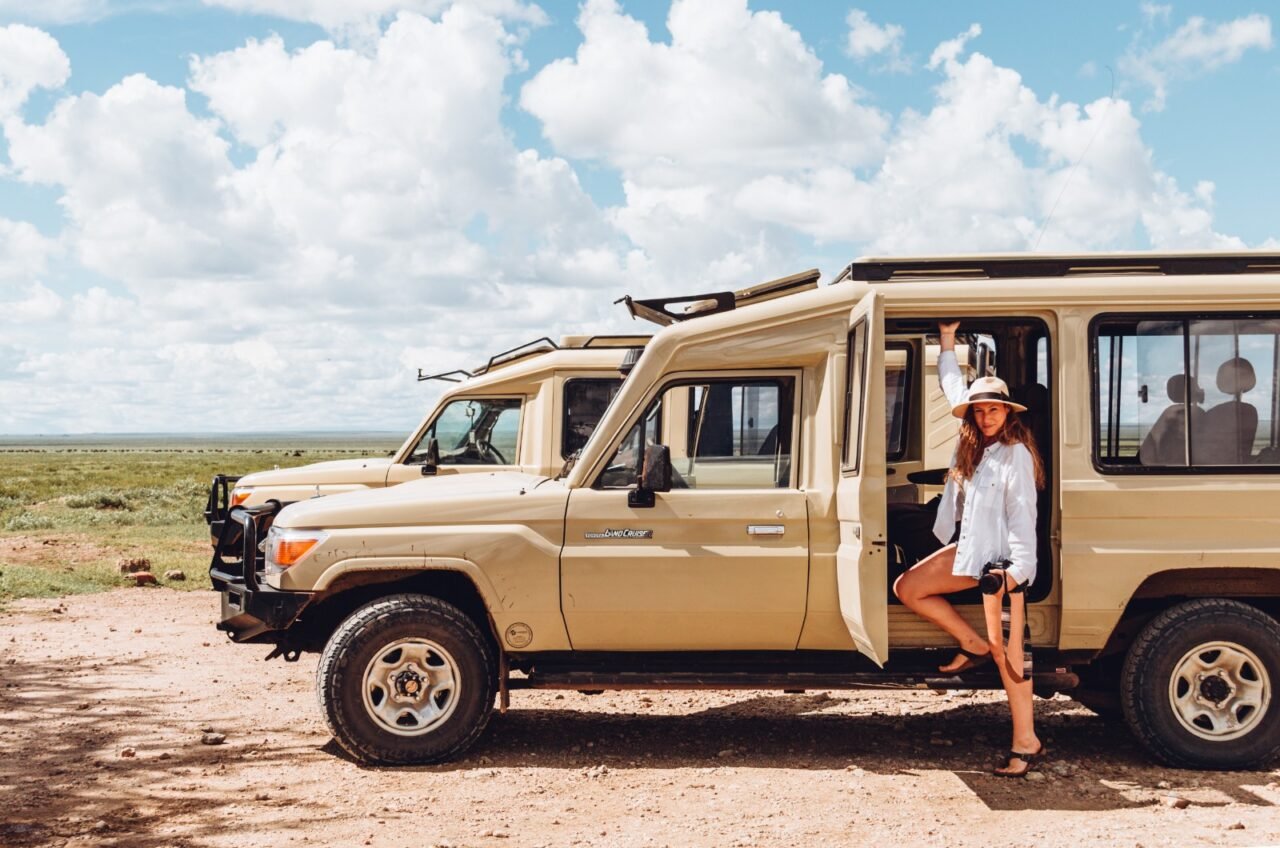
The success of a group-joining safari relies on the compatibility and cooperation of the participants. You will be in a 4×4 Land Cruiser with a pop-up roof, designed for game viewing. While you are sharing the space, the vehicles are spacious enough to ensure everyone has access to a window seat or a clear view of the wildlife. The group dynamic is usually informal and friendly, consisting of other travelers looking for a similar, budget-conscious, and efficient experience. Communication with your driver-guide is key; don’t be afraid to ask for a stop if you see something interesting, but remember that you are part of a group with shared priorities.
Planning Your October 25, 2026 Departure
Preparation is the difference between a stressful day and a smooth safari. Because this is a group trip, the departure time is non-negotiable—the group cannot wait for latecomers. Ensure you are ready at your designated pickup point in Arusha at the time confirmed by our team.
Packing Essentials for Your Day Trip:
- Sun Protection: The sun in late October is intense. Bring high-SPF sunscreen, a wide-brimmed hat, and polarized sunglasses to cut the glare off the savannah.
- Camera Gear: You will want a zoom lens. While animals are often close, a 200mm to 400mm lens is ideal for capturing detail on predators or distant herds.
- Clothing: Dress in layers. It will be chilly in the early morning during the drive from Arusha, but by 10:00 AM, you will be shedding layers as the heat sets in. Neutral colors (khaki, tan, olive) are best for blending into the environment.
- Hydration: While we provide water, having your own reusable bottle is always a good practice.
If you are considering this trip as part of a larger adventure, you might also be interested in our broader Tanzania group joining safari departures. Many of our clients book the 1-day Tarangire trip as a “warm-up” before committing to longer, multi-day expeditions like the 6 Day Serengeti, Ngorongoro, Tarangire and Manyara Group Safari.
Understanding the Costs and Inclusions
When you inquire about the October 25, 2026, date, you will receive a breakdown of what is covered in your fee. Typically, this includes the 4×4 vehicle with a professional driver-guide, park entrance fees, lunch, and bottled water. What is generally not included are tips for your guide, personal travel insurance, and any additional snacks or beverages you might want to bring along.
The pricing for group joining safaris is calculated based on the number of people in the vehicle. Because we fill these spots with other travelers, the cost is significantly lower than a private tour. This is why we encourage early booking—the closer we get to October 2026, the more likely the groups will fill up. If you are a solo traveler, this is the most economical way to enter the park, as you are not responsible for the full vehicle rental cost.
How to Secure Your Spot
Booking a space for October 25, 2026, is a straightforward process, but it does require confirmation to ensure we have a seat available in an existing group. Because our groups are limited in size to ensure comfort and viewing quality, we operate on a first-come, first-served basis.
To start your booking, send us a message via WhatsApp at +255 747 477 898 or email us at climb4africa@gmail.com. Alternatively, you can reach our backup team at info@climb-4-africa.com. When you contact us, please provide:
- The exact date you are interested in (Oct 25, 2026).
- The number of people in your party.
- Your pickup location in Arusha (e.g., your hotel name).
- Any specific dietary requirements for your lunch box.
Once we receive your details, we will confirm the availability of the group and provide the final booking instructions. We do not use automated systems for this; every booking is handled by our local team in Arusha to ensure that your specific needs—like hotel pickups and dietary requests—are managed correctly.
Practical Considerations for the Road
Travel in Tanzania, especially on safari, requires a degree of flexibility. While we aim for a consistent schedule, wildlife movements and road conditions can occasionally shift our plans. Your driver-guide is the expert here; if they suggest staying longer in a specific area because a pride of lions has been spotted, trust their judgment. The goal of the 1-day safari is not to tick off a checklist of locations, but to have the most authentic wildlife experience possible.
If you find that the 1-day trip is not enough, or if you decide you want to see more of the Northern Circuit, remember that we have various options available, such as the 3 Day Tarangire, Lake Manyara and Ngorongoro Group Safari, which offers a more comprehensive look at the region’s diverse ecosystems. We are here to help you plan the right duration based on your schedule and interests.
Frequently Asked Questions
Is lunch provided on the 1-day safari?
Yes, a packed lunch is included in your tour package. We coordinate with our catering team to ensure it is ready for your departure. If you have specific dietary needs, please let us know at the time of booking so we can accommodate you.
How many people are in the group?
We keep our group sizes small to ensure everyone has a window seat. Typically, this means a maximum of 6 to 7 people per vehicle, ensuring that you have plenty of room to move around and take photos.
What happens if it rains?
October is generally dry, but weather in the tropics can be unpredictable. Even if it rains, the animals are still active, and our 4×4 vehicles are fully equipped to handle the terrain. Rain often makes the landscape more vibrant and can lead to spectacular photography opportunities.
Can I change my pickup point?
If you are staying at a hotel within Arusha town, pickup is usually included. If you are staying far outside the city center, there may be an additional transfer cost. Please confirm your exact location when you book so we can arrange the logistics efficiently.
For any further questions about your October 2026 travel plans, don’t hesitate to reach out to our team. We are local experts, and we want to ensure your day in Tarangire is as memorable as possible.
Navigating the Tarangire Landscape: A Wildlife Guide
While the logistics of your October 25, 2026, safari are handled by your driver-guide, understanding the unique ecology of Tarangire National Park will significantly enrich your experience. By late October, the park is in the grip of the late dry season. This period is not merely a seasonal phase; it is a memorable event for the ecosystem. As the rains remain absent, the landscape shifts into a stark, golden palette, and the wildlife behavior becomes highly predictable yet endlessly fascinating.
The centerpiece of your day will undoubtedly be the Tarangire River. During the peak of the dry season, this river ceases to be a flowing waterway and instead becomes a series of fragmented pools and dry, sandy riverbeds. For the wildlife, this is a critical lifeline. You will likely observe large herds of elephants—often numbering in the dozens—congregating along the banks. These herds exhibit remarkable behavior during this time; you may witness them using their trunks and tusks to dig deep into the dry riverbed, searching for subsurface water. This is an essential survival skill, and watching the matriarchs lead their calves to these makeshift wells is one of the most poignant wildlife experiences in East Africa.
Beyond the river, the park is defined by its iconic Baobab trees. These ancient giants, some of which are hundreds of years old, dominate the skyline. In October, their branches are bare, creating a silhouette that is quintessentially African. These trees are not just aesthetic landmarks; they are vital to the ecosystem. Elephants frequently peel the bark of the baobabs to access the moisture within, which is a testament to the harshness of the dry season. As you drive through the woodlands, keep your eyes on the trunks of these trees; you may occasionally spot leopards resting in the shade or rock pythons coiled in the hollows.
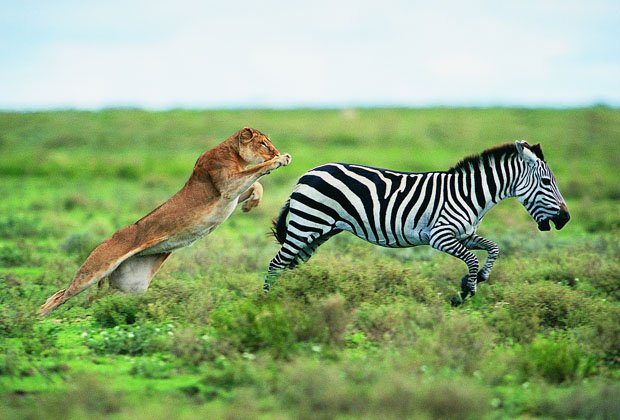
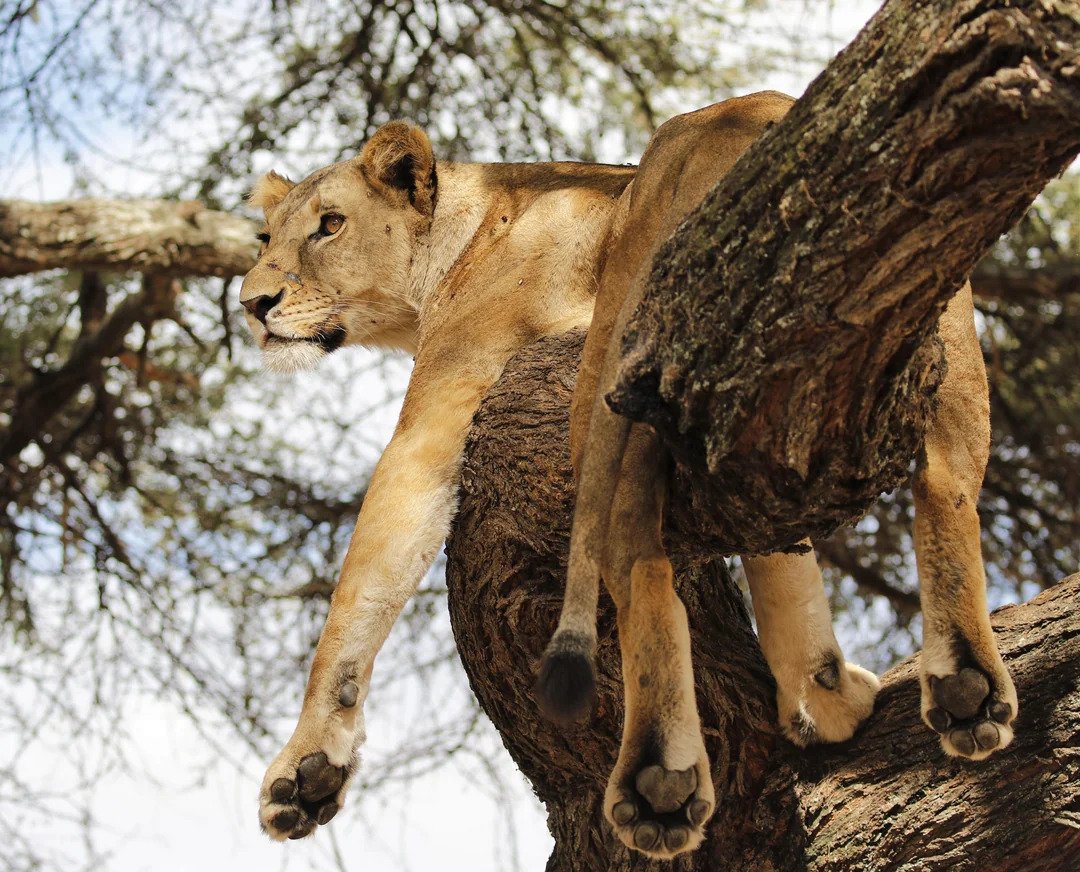
The predator-prey dynamic is also intensified in late October. With water sources limited, herbivores are forced to congregate in specific areas, and the predators know this. The lions of Tarangire, known for their ability to climb trees in some parts of the park, are often found patrolling the riverbanks, waiting for the herds to approach. While sightings are never guaranteed, the concentration of wildlife around the dwindling water sources makes this one of the most rewarding times of the year for game viewing.
Photography and Observation Tips for Late October
The conditions in Tarangire during late October present both opportunities and challenges for photographers and observers alike. The most significant factor is the dust. Because the ground is parched, the movement of vehicles and wildlife kicks up fine, reddish-brown dust that hangs in the air. This can be problematic for camera equipment, so ensure you have a protective cover or a simple cloth to wrap your camera between shots. However, this same dust can create spectacular lighting effects during the early morning and late afternoon, as the sun filters through the haze, casting a warm, ethereal glow over the landscape.
For the best viewing, focus your attention on the transition zones—the areas where the open grasslands meet the dense acacia woodlands. These “edges” are where many species feel most secure. When observing wildlife, remember that patience is your greatest asset. A group-joining vehicle may move from one sighting to another, but when you find a herd of elephants or a pride of lions, try to resist the urge to immediately move on. Watching the subtle interactions within a herd—the greeting rituals, the play of the calves, or the vigilance of the sentinels—provides a much deeper connection to the environment than simply ticking off a list of species.
Finally, keep your binoculars ready even when the vehicle is moving between hotspots. The birdlife in Tarangire is prolific, and October is an excellent time to spot raptors, such as the Bateleur eagle or the Martial eagle, soaring on the thermals created by the rising heat. By remaining observant during the transit portions of your day, you will often find that the journey itself is just as rewarding as the destination.
Navigating Health and Safety in the Bush
While a 1-day safari is a relatively contained experience, the reality of the African bush requires specific health and safety awareness, particularly for a trip scheduled in late October. As the dry season reaches its peak, the environmental conditions change, and being prepared for these shifts is essential for a comfortable day out of Arusha.
The most immediate consideration is hydration and sun protection. In late October, temperatures in Tarangire can climb rapidly by midday. Because you will be in a 4×4 vehicle with a pop-up roof, you are often exposed to direct sunlight for several hours. Even if the vehicle is moving, the intensity of the equatorial sun is significant. Pack high-SPF sunscreen, a wide-brimmed hat that can be secured against the wind, and polarized sunglasses to reduce glare from the parched, reflective landscape. Your tour operator will provide bottled water, but it is wise to bring a reusable bottle to top up, as staying hydrated is the primary defense against heat exhaustion.
Regarding insect-borne illnesses, Tarangire is generally considered a lower-risk area for malaria compared to some of the more humid, swampy regions of Tanzania, but this does not mean you should abandon precautions. The dry season reduces mosquito breeding grounds, yet they remain present, particularly near the riverbanks where you will spend much of your time. Wearing long-sleeved, light-colored clothing made of breathable, natural fabrics like cotton or linen is highly recommended. Not only does this protect you from the sun, but it also minimizes skin exposure to insects. Applying a DEET-based repellent before you leave your accommodation in Arusha and reapplying it during your lunch break is a standard and effective practice.
Safety within the park is strictly managed by your driver-guide. It is critical to understand that you are entering a wild environment. While you may feel safe inside the vehicle, it is imperative to remain inside at all times unless your guide explicitly informs you that you are at a designated safe zone, such as a picnic site or a rest area. Never lean too far out of the windows or stand on the seats while the vehicle is in motion, as the terrain can be uneven and sudden stops are common. If you are taking photographs, keep your elbows inside the vehicle frame to avoid contact with low-hanging acacia branches, which are covered in sharp, long thorns.
Finally, be mindful of your personal belongings. The dust mentioned in previous sections is pervasive, but it is also abrasive. Keep electronic devices like cameras and phones in sealed bags when not in use. If you have any medical conditions, ensure your driver-guide is aware of them before you depart Arusha. They are trained in basic first aid and are in constant radio contact with park rangers and the head office, but they can only provide the best care if they are fully informed of your specific needs.
The Etiquette of Shared Safari Spaces
Participating in a group-joining safari requires a unique social awareness. Because you are sharing a vehicle with strangers for the duration of the day, the quality of the experience often depends on the collective behavior of the passengers. The most successful group days are those where everyone respects the shared objective: seeing as much wildlife as possible without impeding others.
The most common point of friction in a shared vehicle is the rotation of seating. Most operators have a system where passengers rotate seats at designated intervals—often after each major stop or every few hours—to ensure everyone gets a turn in the front seat or near the best viewing windows. If your group does not immediately establish this, feel free to suggest it politely. It prevents resentment and ensures that one person doesn’t monopolize the best photography angle for the entire day.
Noise discipline is another crucial element of safari etiquette. While it is natural to be excited when you spot a herd of elephants or a pride of lions, sudden shouts or loud talking can startle wildlife, causing them to move away before everyone has had a chance to observe them. Keep your voice at a conversational level, and if you are using a camera with a loud shutter or a heavy lens, be mindful of your neighbors’ space. If you are using a mobile phone to record video, avoid holding it up for extended periods in a way that blocks the view of the person sitting behind or beside you.
Lastly, respect the driver-guide’s authority. They are the ones navigating the park’s radio network to find out where the latest sightings are. If they decide to bypass a crowded area to find a quieter, more intimate sighting elsewhere, trust their judgment. A group-joining safari is a cooperative effort; when everyone remains patient and observant, the day becomes far more productive for the entire vehicle.
Returning to Arusha: Post-Safari Logistics and Evening Planning
The return journey from Tarangire National Park to Arusha is a significant, yet often overlooked, component of your October 25, 2026, excursion. While the morning departure is characterized by anticipation and energy, the return trip is defined by the physical reality of a long day in the bush. Understanding what to expect upon your return to the city will help you manage your evening schedule and ensure a smoother transition from the wilderness back to urban life.
As the sun begins to dip, your driver-guide will commence the return drive to Arusha, a journey that typically takes between two and two-and-a-half hours. By this time, you will likely be experiencing ‘safari fatigue.’ The combination of early rising, the constant vibration of the vehicle on gravel roads, and the intense, dry heat of the late October sun can be physically draining. It is important to recognize that the group-joining format means the vehicle must drop off various passengers at different hotels or hostels. This process can add time to your arrival, so avoid scheduling any firm commitments—such as late dinner reservations, theater performances, or meetings—for the evening of your safari.
Upon returning to your accommodation, you will notice that the fine, reddish-brown dust of Tarangire has permeated everything. It will be on your clothes, in your hair, and likely on your camera gear. Plan your evening to allow for a thorough shower and a chance to unpack and clean your belongings. Because the air in Tarangire during October is extremely dry, prioritize hydration immediately upon your return to Arusha; even if you consumed bottled water throughout the day, the cumulative effect of the sun and wind requires rehydration.
The return to Arusha is also the appropriate time to settle any final interactions with your driver-guide. While tipping is entirely at your discretion, it is customary in the Tanzanian safari industry to provide a gratuity for the driver-guide if you felt the service was professional and contributed to a positive experience. This is best handled at the point of drop-off. If you are part of a group, you may wish to coordinate with your fellow passengers beforehand to decide if you are tipping individually or collectively, as this simplifies the process for everyone involved.
Finally, consider your plans for the following day. A 1-day safari is an intense experience that packs a great deal of sensory input into a short window. Many travelers find that they need a slower pace the morning after their safari to process the sights and sounds of the park. Avoid booking early-morning flights or long-distance bus transfers for October 26th if possible, as this allows you the flexibility to recover properly and ensures you are not rushing through your travel arrangements after a high-energy day in the bush.
The Picnic Experience: Dining in the Wild
Because your 1-day safari to Tarangire National Park is focused on maximizing your time in the field, the midday break is not a return to a lodge, but a picnic within the park boundaries. This is a logistical necessity, as driving back to the park gate or a nearby town for lunch would consume hours of precious wildlife-viewing time. Understanding the nature of these picnic sites is essential for a smooth and enjoyable experience, as they offer a rare opportunity to step out of your vehicle and stretch your legs in the heart of the wilderness.
Most designated picnic sites in Tarangire are open-air areas, often situated under the shade of massive acacia or baobab trees. While they provide a welcome respite from the confined space of the 4×4, these sites are not fenced or protected from the local wildlife. This brings you into direct, albeit controlled, contact with the park’s residents—most notably the vervet monkeys and yellow baboons. These animals are highly habituated to human presence and have learned that the arrival of safari vehicles often signals the arrival of food. It is imperative that you maintain a respectful distance and keep your food secure at all times. Even a brief moment of distraction can lead to a monkey snatching a sandwich or a piece of fruit directly from your hand or an open bag.
The etiquette of the picnic site is strict: never feed the wildlife, no matter how engaging or persistent they may seem. Feeding wild animals disrupts their natural foraging behaviors and creates dangerous dependency, often leading to increased aggression toward humans. Keep your food inside your designated lunch box until you are ready to eat, and if you are not actively eating, keep the container closed. If you are seated at a table, do not leave bags or loose items unattended, as opportunistic wildlife will investigate them immediately. Your driver-guide is well-versed in these dynamics and will likely advise you on the best spot to sit to minimize unwanted interactions.
Regarding the lunch itself, expect a standard, portable ‘box lunch’ prepared by your safari operator. Given the logistics of a 1-day trip, these meals are designed for durability and ease of transport rather than fine dining. Typically, you can expect a selection of items such as sandwiches, a piece of fruit, a hard-boiled egg, a small juice box, and perhaps a muffin or a slice of cake. Because refrigeration is not available in the bush, these meals are kept in cooler boxes within the vehicle. If you have specific dietary restrictions—such as being vegetarian, vegan, or gluten-free—it is vital that you communicate these to your operator well in advance of your October 25, 2026, departure, as last-minute adjustments are not possible once you are in the park.
Finally, consider the hygiene aspect of dining in the bush. Picnic sites are remote, and while some may have basic pit latrines or long-drop toilets, they rarely offer running water or soap. You should pack a personal hygiene kit that includes hand sanitizer, wet wipes, and perhaps a small pack of tissues. The combination of the fine, dry dust that characterizes Tarangire in late October and the fact that you will be eating with your hands makes these items essential. By preparing for a rustic, self-contained lunch experience, you ensure that the midday break remains a pleasant interval in your safari rather than a source of stress.
Essential Gear: Preparing Your Day-Bag for a 1-Day Safari
Since your safari is a high-intensity, single-day excursion, your day-bag must be both compact and comprehensive. You will not have access to your hotel room or main luggage until you return to Arusha in the evening, so every item you carry should serve a functional purpose. In late October, the primary environmental factors are the intense, dry-season sun, the pervasive dust, and the temperature fluctuations between the early morning departure and the heat of midday.
Start with a lightweight, breathable daypack that is easy to manage inside the vehicle. Because you are sharing space with others, avoid bulky, rigid suitcases or oversized backpacks that will crowd the floor space or block the aisle. Your bag should be soft-sided and capable of being tucked securely under your seat or in a designated storage area provided by the vehicle.
Strategic Clothing and Sun Protection
The temperature in the Tarangire region can vary significantly. You will likely depart Arusha in the cool, pre-dawn air, requiring a light jacket or a fleece. However, by 10:00 AM, the sun will be intense. The most effective strategy is layering. Wear a base layer of moisture-wicking fabric, and pack a light, long-sleeved shirt that can protect you from both the sun and the dust. A wide-brimmed hat is essential, as the pop-up roof of the Land Cruiser provides shade, but the sun can still hit you from the sides. Ensure your sunglasses are polarized to cut the glare off the dry, reflective landscape, which significantly aids in spotting wildlife.
Dust Management for Electronics and Personal Items
Late October is the peak of the dry season, and the fine, reddish-brown dust of Tarangire is relentless. It will penetrate almost everything. If you are bringing a camera, lenses, or a smartphone, ensure they are stored in dust-resistant cases or sealed Ziploc bags when not in use. Do not rely on your camera bag’s zippers to keep fine dust out; the dust particles are small enough to get into camera sensors and lens mechanisms. Bring a microfiber cloth to wipe down your equipment regularly throughout the day. It is also wise to carry a small pack of wet wipes specifically for cleaning your hands after handling dusty equipment or before eating.
Power and Connectivity
While your safari is a time to disconnect, you will likely be using your phone for photos, navigation, or notes. A full day in the bush, combined with the heat, will drain your battery faster than usual. Carry a fully charged power bank and a charging cable. Do not assume your vehicle will have a functioning charging port, as these can occasionally be faulty or occupied. If you are relying on your phone for photography, ensure it is fully charged the night before and consider putting it in ‘Airplane Mode’ to save battery while you are in areas with weak or non-existent cellular reception.
Currency and Tipping
While your safari package is pre-paid, having a small amount of local currency (Tanzanian Shillings) or small-denomination US Dollars is important for two reasons: tipping your driver-guide and potential incidental costs. Tipping is customary in the Tanzanian safari industry, and it is best to carry these funds in a separate, secure pouch. Avoid carrying large amounts of cash. If you plan to buy a souvenir at the park gate or a rest stop, small denominations make transactions much smoother. Remember that your driver-guide has worked to ensure your safety and comfort throughout the day, and a tip is the standard way to acknowledge their professional service at the end of the journey.
Understanding the Impact of Tsetse Flies in Tarangire
While Tarangire National Park is world-renowned for its high concentration of elephants and ancient baobab trees, travelers planning a visit for late October must be aware of a specific, localized challenge: the presence of tsetse flies. Because your safari takes place during the height of the dry season, the environmental conditions within the park are particularly conducive to these insects. Understanding how to manage encounters with them is a vital part of ensuring your day remains comfortable and focused on wildlife viewing rather than pest avoidance.
Tsetse flies are robust, brownish insects that are slightly larger than a common housefly. They are attracted to movement, heat, and, crucially, specific colors. In the bush, they are most active during the daylight hours, particularly in the warmer parts of the day. Unlike mosquitoes, which are primarily a concern for disease transmission at night, tsetse flies are diurnal, meaning they will be active during your game drive. While the risk of contracting sleeping sickness (trypanosomiasis) from a bite is statistically very low for short-term visitors, the bite itself is notoriously painful—often described as a sharp, stinging sensation—and can cause localized swelling or itching.
Color Psychology and Clothing Choices
The most effective defense against tsetse flies is not a chemical repellent, but rather your choice of clothing. These insects are highly attracted to dark, contrasting colors, specifically deep blues and blacks. They perceive these colors as potential hosts, such as large mammals, which they rely on for blood meals. Conversely, they are significantly less attracted to lighter, neutral tones. When preparing for your October 25, 2026, departure, avoid wearing navy blue, black, or dark denim. Instead, opt for khaki, beige, olive green, or light grey clothing. These colors blend into the environment and make you a much less attractive target for the flies.
Furthermore, the texture of your clothing matters. Tsetse flies have mouthparts designed to pierce through thin fabrics. If you are wearing tight-fitting leggings or thin synthetic materials, the flies can easily bite through the fabric. Choosing slightly thicker, loose-fitting cotton or linen blends provides a physical barrier that makes it difficult for them to reach your skin. Long sleeves and long trousers are strongly recommended, even if the October heat makes you want to wear shorts. The added protection far outweighs the minor discomfort of wearing long pants for a few hours.
Behavioral Management in the Vehicle
When you are inside the 4×4 Land Cruiser during your group-joining safari, your driver-guide will likely have specific protocols for dealing with areas where tsetse fly activity is high. You may notice your guide closing the vehicle windows or deploying the canvas side-flaps if the flies become particularly aggressive. It is crucial to follow their lead and keep the vehicle as sealed as possible when passing through known “hot zones.”
If a fly enters the vehicle, avoid swatting at it wildly, as the movement can attract more flies. Instead, use a calm, controlled motion to brush it away or, if possible, wait for it to land on a surface and then dispose of it. Many experienced guides carry a simple, non-toxic fly swatter or a piece of cardboard for this purpose. If you find yourself frequently targeted, do not be alarmed; it is a common experience in the Tarangire ecosystem during the dry season and is not a reflection of poor vehicle maintenance or a lack of cleanliness.
Chemical Repellents and Their Limitations
Standard insect repellents that contain DEET are highly effective against mosquitoes but have limited efficacy against tsetse flies. While they might provide a marginal deterrent, they should not be your primary line of defense. If you choose to use repellent, look for products containing Picaridin, which has shown some effectiveness in reducing landing rates, but remember that physical barriers—clothing and vehicle windows—remain your strongest line of defense. Avoid using heavily scented perfumes or colognes, as these can inadvertently attract various insects, including tsetse flies, which are sensitive to strong odors.
By prioritizing light-colored, loose-fitting clothing and working in tandem with your driver-guide to manage the vehicle’s environment, you can effectively mitigate the nuisance of tsetse flies. This preparation allows you to keep your attention on the horizon, where the true spectacle of Tarangire—the elephants, lions, and leopards—awaits, ensuring that your October 25th experience is defined by the wildlife you see, not the insects you encountered.
Reading the Landscape: How Geography Dictates Your Safari Route
In a group-joining safari, you are often a passenger to the driver’s tactical decisions. While you might wonder why the vehicle stops at a specific cluster of trees or lingers by a dry riverbed, there is a distinct, logical pattern to these movements. By late October, Tarangire National Park is a landscape of extreme scarcity, and your driver-guide is essentially reading the environment for clues that are invisible to the untrained eye. Understanding these geographical markers will transform your experience from a passive ride into an active observation.
The River Bank as a Wildlife Corridor
The Tarangire River is the lifeblood of the park. In October, as the surrounding savannah turns to dust, the riverbed serves as the central artery for all wildlife activity. Your guide will prioritize routes that parallel the riverbanks because this is where the concentration of life is highest. You will notice that the vehicle spends a disproportionate amount of time in these areas. This is not because the guide is lazy or lacks creativity; it is because the riverbed acts as a funnel. Predators like lions and leopards know that herbivores must eventually come to the water to drink, making the riverbanks the primary hunting ground. When you find yourself parked near the river, you are in the most strategic position for high-action wildlife encounters.
The Baobab Groves as Micro-Habitats
Tarangire is synonymous with its ancient baobab trees, but these massive structures serve a functional purpose beyond their aesthetic value. In the intense heat of late October, baobabs provide critical shade, and their massive trunks can hold moisture that elephants seek out. Furthermore, the base of a baobab often creates a micro-climate where smaller vegetation persists longer than in the open plains. When your driver turns off the engine near a specific grove, they are often looking for “sign”—fresh elephant dung, broken branches, or the specific silence that suggests a predator is resting nearby. Treating these groves as focal points of your observation will help you anticipate where the wildlife might emerge.
Understanding Driver-Guide Positioning Strategy
A significant portion of your day in the vehicle will involve “waiting.” This can be frustrating for travelers who want constant movement, but in the context of a group safari, patience is a tactical advantage. Your driver-guide is listening to the bush—the alarm calls of birds, the sudden silence of baboons, or the distant dust clouds kicked up by moving herds. If the vehicle stops in an area that seems empty, avoid the urge to pressure the driver to move on immediately. A stationary vehicle is often a “blind” that allows wildlife to emerge from the thickets without being spooked by the sound of a moving engine. By remaining quiet and still, you significantly increase the likelihood that the animals will continue their natural behavior, such as drinking or nursing, rather than fleeing into the bush.
Managing Wildlife Expectations: The ‘Big Five’ Reality in Tarangire
As you prepare for your October 25, 2026, excursion, it is crucial to calibrate your expectations regarding the wildlife you are likely to encounter. Many first-time safari-goers arrive in Tanzania with the ‘Big Five’—lion, leopard, elephant, buffalo, and rhinoceros—as their primary metric for a successful trip. However, Tarangire National Park operates on a different biological rhythm than the Ngorongoro Crater or the Serengeti. Understanding this distinction is the key to appreciating the day rather than measuring it against a rigid checklist.
First, it is essential to note that the rhinoceros is not a feature of the Tarangire ecosystem. If your primary goal is to see a black rhino, a 1-day safari in Tarangire will not fulfill that objective. Conversely, while leopards are present in the park, they are notoriously elusive, preferring the dense thickets and the canopy of the acacia trees, which provide excellent camouflage. In the dry conditions of late October, when the vegetation is sparse, you might have a better chance of spotting a leopard than in the wet season, but it remains a rare, high-reward sighting rather than a guarantee.
The true ‘stars’ of Tarangire are the elephants. In late October, the density of elephant herds along the Tarangire River is arguably the highest in Northern Tanzania. When you shift your focus from ‘collecting’ the Big Five to observing the complex social dynamics of these elephant herds—the interactions between matriarchs, the playfulness of calves, and the strategic movement of the group toward water—you will find the experience far more rewarding. By prioritizing behavior over a checklist, you free yourself from the anxiety of ‘missing’ something and allow yourself to engage with the unique, high-density wildlife experience that this specific park offers.
The Art of the Silent Spotter: Effective Communication in a Shared Vehicle
Participating in a group-joining safari means you are part of a mobile team. While the driver-guide is the primary observer, your eyes are a valuable asset. However, the way you communicate a sighting can either facilitate a great viewing opportunity or inadvertently ruin it. Effective communication in the bush is a skill that relies on precision, speed, and silence.
The most effective method for alerting your guide and fellow passengers is the ‘clock system.’ When you spot an animal, avoid pointing with your finger, which can be difficult for others to track, and instead use the front of the vehicle as ’12 o’clock.’ For example, saying, ‘Impala, 2 o’clock, mid-distance, near the base of the baobab,’ provides immediate, actionable information. This allows the driver to align the vehicle and the other passengers to focus their binoculars instantly without having to ask for clarification.
Equally important is the volume and tone of your voice. Sound travels exceptionally well in the dry, flat plains of Tarangire. A sudden shout or a loud gasp can spook an animal, particularly predators like lions or leopards that are sensitive to human presence. When you see something, resist the urge to yell. Keep your voice at a low, controlled whisper. If you are sharing the vehicle with strangers, this level of discipline is appreciated by everyone. It creates an atmosphere of shared focus, where the vehicle operates as a single, quiet unit rather than a collection of individuals. Remember that the animals’ behavior is the spectacle; by keeping your own noise levels to a minimum, you ensure that the wildlife remains undisturbed, allowing for longer and more natural observation periods.
Understanding the Park Gate Dynamics: Managing Entry and Exit Procedures
For a one-day visitor to Tarangire National Park, the park gates represent more than just an entry point; they are the transition from the organized, paved world of Arusha to the unpredictable, untamed environment of the bush. On October 25, 2026, understanding how these checkpoints function will help you manage your expectations regarding time, comfort, and the pacing of your day. The administrative process at the gate is a mandatory step that every vehicle must undergo, and it is a logistical reality that can occasionally cause delays, especially during the peak of the dry season when park traffic is high.
Upon arrival at the Tarangire gate, your driver-guide will be responsible for the formal check-in process. This involves presenting the group’s travel permits, verifying identity documents, and processing payment or verifying pre-paid vouchers. While the driver handles this, you will typically remain inside the vehicle. This is not the time to wander off or search for a restroom, as the area around the gate is a restricted zone. The gate environment can be surprisingly busy, with a mix of safari vehicles, administrative staff, and occasionally, wildlife that has become habituated to the presence of humans near the entrance. Staying within the vehicle ensures your safety and keeps the group together, preventing any unnecessary delays in starting your game drive.
The Role of the Gate in Pacing Your Day
The time you spend at the gate is largely dependent on the number of other vehicles arriving at the same time. In late October, as the dry season draws to a close, Tarangire is a popular destination. It is common to see a queue of Land Cruisers waiting to process their paperwork. While it might be tempting to view this as wasted time, it is actually a crucial period to prepare yourself for the day ahead. Use this time to apply your sunscreen, double-check that your camera batteries are fully charged, and ensure your water bottle is accessible. Once the gate formalities are complete, the safari begins in earnest, and you will want to be fully ready to start scanning the horizon.
Exiting the park in the late afternoon involves a similar, though often more relaxed, procedure. By the time you return to the gate, the park authorities will be logging your exit. This is a critical safety measure, ensuring that all visitors are accounted for before nightfall. It is important to remember that your driver-guide is working within strict time constraints set by the park authority. There is a clear closing time for the park gates, and staying out past this hour is not an option. Your guide’s decision to begin heading toward the exit at a specific time is not a personal choice but a compliance requirement. Respecting these exit timelines is essential for the collective safety of the group and the operational integrity of the safari company.
Navigating Facilities and Amenities at the Entry Point
The main gate area is one of the few places within the park where you will have access to basic amenities, such as restrooms. Because you will be spending several hours in the vehicle once you enter the park, it is highly advisable to use the facilities here before you depart for your game drive. Once you are deep in the park, finding a restroom is not as simple as pulling over to the side of the road. Due to the presence of predators and the potential for dangerous wildlife encounters, you are not permitted to exit the vehicle at your leisure. The restrooms at the gate are generally maintained, but they are high-traffic areas, so it is wise to be prepared with your own tissues or hand sanitizer, as supplies can occasionally run low during the busy season.
Furthermore, the gate area serves as a final point for last-minute adjustments. If you realize you have left something critical in the vehicle or need to reorganize your day-bag, the few minutes spent at the gate are your last chance to do so before entering the wilderness. Once the engine starts and you move past the gate, you are entering a managed ecosystem where the rules of the road—staying on designated tracks, maintaining silence, and respecting the wildlife’s right of way—become paramount. Understanding that the gate is the boundary between the human world and the natural one helps you appreciate the structure of your safari day, allowing you to settle into the rhythm of the bush with patience and awareness.
Navigating Tipping Protocols for 1-Day Excursions
One of the most frequent points of uncertainty for travelers joining a 1-day safari is the etiquette surrounding tipping. Because a group-joining safari is an all-inclusive package, the upfront cost covers the vehicle, fuel, park entry, and the driver-guide’s base professional fee. However, in the Tanzanian safari industry, gratuity is a customary acknowledgment of the service provided, and it forms a significant component of a driver-guide’s income. For a single-day excursion, determining the appropriate amount can feel complex because you are sharing the experience with others.
The standard practice for a 1-day group safari is to tip at the end of the day, once you have returned to your final drop-off point in Arusha. It is rarely expected to tip during the day or at the park gate. When considering the amount, it is helpful to think of the tip as a personal expression of appreciation for the guide’s expertise, safety awareness, and effort in navigating the park to find wildlife. While there is no fixed mandatory rate, a common guideline for a high-quality, full-day safari experience is to budget between $10 and $20 USD per person. This amount is generally paid by each participant individually rather than as a pooled group fund, unless the group has specifically agreed otherwise.
When preparing your tip, ensure you have the cash on hand before you leave your accommodation in the morning. It is highly advisable to carry crisp, clean, and relatively new US dollar bills (post-2009 series are preferred by local banks) or the equivalent in Tanzanian Shillings. If you choose to pay in local currency, ensure you have small denominations to avoid the need for change, as the driver-guide may not have access to cash reserves to break larger notes. Providing the tip in an envelope is a professional and discreet way to handle the transaction, though a direct hand-to-hand exchange is also perfectly acceptable and common in the bush.
Digital Connectivity and Power Management in the Field
As you venture into Tarangire National Park on October 25, 2026, you will find that the digital landscape is as unpredictable as the wildlife. Many travelers arrive with the expectation that they will remain connected to the outside world, but the reality of the bush is that signal strength is highly variable. While major cellular networks in Tanzania have expanded their coverage, Tarangire’s topography—characterized by deep river valleys, dense baobab groves, and rocky outcrops—creates significant “dead zones.”
For the majority of your game drive, you should expect intermittent signal at best. High ground or the park gates often provide enough connectivity for a quick message or a status update, but you should not rely on a stable internet connection for navigation, video calls, or streaming. If you have essential communications to manage, it is best to handle these before you leave Arusha or immediately upon your return. Furthermore, most 4×4 vehicles used for group-joining safaris are not equipped with individual charging ports or USB outlets. While some newer vehicles may have them, you cannot assume their availability. If you plan to use your phone or camera extensively for photography throughout the day, bring a fully charged power bank. The combination of high-intensity photography, GPS usage, and the constant search for a signal can drain your battery significantly faster than in an urban environment.
Beyond the technical limitations, consider the “digital detox” aspect of your safari. The most effective way to engage with the Tarangire environment is to minimize distractions. When you are in the vehicle, the constant urge to check for notifications can detract from the “silent spotting” required to find camouflaged wildlife. If you must use your device, ensure your sounds are muted and your brightness is dimmed, especially when the vehicle is stationary and the engine is off, as sudden noises or bright screens can startle sensitive animals nearby.
The Arusha Pickup Process: Understanding the ‘Hub and Spoke’ Logistics
The early morning departure on October 25, 2026, is often the most logistical challenge of the entire day. Because this is a group-joining safari, your vehicle will not depart from a single central depot; instead, it operates on a “hub and spoke” model. The driver-guide is responsible for collecting participants from various hotels, lodges, or hostels scattered across Arusha. This process is the reason why your pickup time might be a window (e.g., 6:00 AM to 6:30 AM) rather than a precise minute.
Traffic in Arusha can be unpredictable, even in the early hours. When you are waiting for your pickup, it is vital to remain at the designated meeting point—usually the main lobby or the hotel gate—rather than wandering. If the vehicle is running five or ten minutes behind schedule, it is almost certainly due to a delay at a previous pickup point or unexpected morning traffic. Once the vehicle arrives, the driver-guide will confirm your name and booking details. This is the moment to confirm that your “day bag” is accessible and that you have all your necessary items, as you will not be returning to your accommodation until the late afternoon. Understanding that you are one of several stops allows you to approach the morning with patience; the driver is working to consolidate the group efficiently to ensure you reach the park gate while the animals are still active in the cool morning hours.
Vehicle Reliability and Contingency Planning in the Remote Bush
For a traveler embarking on a 1-day group-joining safari to Tarangire on October 25, 2026, the mechanical integrity of your vehicle is the single most critical factor for a successful day. Unlike multi-day expeditions where a half-day delay might be absorbed into a longer itinerary, the 1-day format operates on a razor-thin margin. The terrain of Tarangire—characterized by deep, loose sand, sharp volcanic rocks, and heavily corrugated dirt roads—acts as a relentless grinder on suspension systems, tires, and cooling components. Understanding how your operator manages this reality provides significant peace of mind, transforming what might otherwise be an anxiety-inducing uncertainty into a manageable logistical detail.
The maintenance culture of a reputable 1-day safari operator is proactive rather than reactive. Because the vehicle must return to Arusha on the same evening, there is no ‘downtime’ for major repairs once the trip begins. You will often notice that your driver-guide performs a ‘pre-flight’ check early in the morning—not just checking fuel and oil, but specifically inspecting tire pressure and the integrity of the canvas roof mechanism. In the dry, heat-intensive conditions of late October, tires are particularly vulnerable to the ‘corrugations’ (washboard-like bumps) on park roads, which can cause internal casing fatigue. A professional operator will rotate their fleet, ensuring that the vehicles assigned to Tarangire are those that have recently undergone deep-cycle maintenance.
The ‘Safari Network’ Response System
In the unlikely event of a mechanical failure within the park, you are not truly ‘stranded.’ The safari industry in Tanzania operates on a robust, unspoken network of mutual aid. Because all vehicles in the park are radio-equipped, communication is almost instantaneous. If a vehicle suffers a flat tire or a minor mechanical issue, the driver-guide will immediately alert their base in Arusha and, crucially, any other vehicles from their company—or even partner companies—that are in the vicinity. This ‘Safari Network’ is a vital safety net. It is common practice for a nearby vehicle to stop, check if assistance is required, or even transfer passengers if the issue is significant enough to halt the vehicle’s progress for the day.
This network also dictates the pace of your day. If you see your driver-guide speaking with another guide at a junction, they are often exchanging ‘intelligence’—not just about wildlife sightings, but about road conditions. They share reports on which tracks have become impassable due to deep sand or which areas have experienced recent vehicle incidents. This collective intelligence ensures that your vehicle avoids ‘high-risk’ zones where mechanical strain is most likely to occur, keeping your 1-day itinerary on schedule.
The ‘Stay Inside’ Protocol
Perhaps the most important piece of safety advice for any breakdown scenario is the ‘Stay Inside’ protocol. If your vehicle stops unexpectedly, whether for a mechanical issue or a flat tire, you must remain within the vehicle. This is not merely a suggestion; it is a fundamental safety requirement of Tarangire National Park. The vehicle acts as your ‘safe zone’—a physical barrier that wildlife (including elephants and predators) generally ignores as a non-threatening, inanimate object. As soon as you step onto the ground, you shift from being a ‘passenger’ to a ‘potential threat’ or ‘prey’ in the eyes of the wildlife. Even if the driver needs to step out to change a tire, they are trained to scan the horizon constantly. Your role as a passenger is to remain seated, keep your limbs inside, and allow the driver to manage the situation.
Managing the ‘Lost Time’ Factor
If a mechanical delay does occur, it is important to manage your own expectations regarding the itinerary. A flat tire can take 20 to 30 minutes to resolve in the heat of the day. While this may seem like a significant loss of time, it is a reality of bush travel. Your driver-guide will almost always attempt to recover this time by adjusting the afternoon route or skipping a less productive viewing loop to ensure you still reach the park gate before the mandatory exit time. The most successful passengers are those who treat these minor delays as part of the ‘adventure’ rather than a failure of the service. By maintaining a calm, cooperative attitude, you allow your guide to focus entirely on the technical task at hand, which in turn leads to a faster resolution and a safer continuation of your safari.
Ultimately, the reliability of your day depends on the intersection of the operator’s preventative maintenance and the guide’s situational awareness. By acknowledging that the bush is an unpredictable environment, you can approach your October 25, 2026, excursion with the right balance of confidence in the logistics and respect for the inherent challenges of the African wilderness.
The Dynamics of Multi-Lingual Group Dynamics
When you join a group-joining safari, you are not merely sharing a vehicle; you are entering a temporary micro-community that may be linguistically diverse. On a departure date such as October 25, 2026, it is common for your group to include travelers from multiple countries, each with varying levels of English proficiency. This creates a unique communication environment within the vehicle. Your driver-guide, who typically acts as the primary translator and facilitator, often has to navigate this by simplifying their explanations of the ecosystem, wildlife behavior, and park history. If you are a native English speaker, be aware that your guide may be speaking at a slower cadence or using more universal vocabulary to ensure everyone in the group remains engaged and informed. Practicing patience here is not just polite; it is essential for the cohesion of the group.
Furthermore, if you find yourself in a vehicle where English is the second language for the majority, try to avoid using complex idioms, rapid-fire slang, or highly localized cultural references. Clear, concise communication helps the driver-guide maintain a smooth flow of information. If the guide points out a specific bird or a distant herd of impala, and you notice a fellow traveler looking confused, a brief, simple explanation can go a long way in fostering a positive group atmosphere. This collective effort ensures that the educational value of the safari is accessible to everyone, regardless of their linguistic background, and prevents the creation of ‘knowledge silos’ within the vehicle.
Managing the ‘Sun-Downer’ Transition: Preparing for the Return Drive
While the focus of a 1-day safari is naturally on the mid-day wildlife viewing, the late afternoon period as you prepare to exit Tarangire is a distinct phase of the journey. By late October, the sun begins its descent earlier than in the summer months, and the golden hour provides a final, dramatic opportunity for photography. However, this is also the time when the ‘exit pressure’ builds. Your driver-guide must balance the desire to capture that final perfect shot with the hard reality of the park’s closing time. It is important to respect the guide’s decision to begin moving toward the gate even if there is still light in the sky.
The return drive from the gate to Arusha is often quieter than the morning transit. Travelers are frequently exhausted from the heat, the dust, and the sensory overload of the day. This is a time to reflect on the sightings rather than expecting high-energy interaction. If you have been sharing your binoculars or cameras throughout the day, this is a good moment to finalize any photo exchanges or contact details. The transition from the wild, open plains of Tarangire back into the bustling, paved outskirts of Arusha can be jarring. Being mentally prepared for this shift helps you maintain a relaxed demeanor as you re-enter urban traffic, which can be significantly more congested than the park roads.
The Nuance of ‘Game Drive’ vs. ‘Transit’ Time
A common point of confusion for first-time group-joining travelers is the distinction between ‘game drive’ time and ‘transit’ time. When you book a 1-day safari, the itinerary often lists the total duration, but this includes the drive from Arusha to the park and back. It is vital to understand that your time inside the park is the actual ‘game drive’ portion. On October 25, 2026, as you head toward the park, you may notice the landscape changing from agricultural fields to dry scrubland long before you hit the park gates. While interesting, this is transit time, not game viewing.
Once you are inside the gate, the game drive officially begins. However, even then, the guide must often cover significant distances to reach the areas where the wildlife is currently concentrated—such as the Silale Swamp or the riverbanks. Do not be discouraged if the first 30 to 45 minutes inside the park seem quiet. This is ‘positioning time.’ The guide is navigating the park’s primary arteries to get you into the heart of the habitat. Treating this initial period as a scenic drive rather than a missed opportunity for sightings will help you maintain a positive outlook for the rest of the day. The true density of Tarangire’s wildlife is often found deeper in the park, and the journey to reach those areas is part of the experience.
The Role of Vehicle Maintenance Checks During Lunch
While you are enjoying your picnic lunch at one of the designated sites, your driver-guide is rarely taking a break in the same way. This is their primary window for ‘preventative maintenance.’ You will often see them walking around the vehicle, checking tire pressure, inspecting the underside for any debris caught in the suspension, and monitoring engine fluid levels. This is not a sign of a faulty vehicle; it is a standard, professional safety procedure. In the harsh, dusty, and corrugated conditions of Tarangire in late October, these checks are crucial to ensuring the vehicle remains reliable for the return journey.
If you observe your guide performing these tasks, it is best to give them the space they need to focus. They are ensuring that your group does not face a breakdown in the middle of the bush. If you have questions about the vehicle or the route ahead, wait until they have completed their inspection and are relaxing before approaching them. This allows them to manage the technical aspects of the trip with full concentration, which ultimately protects your safety and the continuity of your safari itinerary.
Related Guides and Packages
Check Availability for Oct 25, – 1 Day Tarangire Group Joining Safari From Arusha 2026
Ready to compare dates, prices, and the best option for your group? Send the package name and travel month so the team can reply with a clear quote, availability, and what is included.
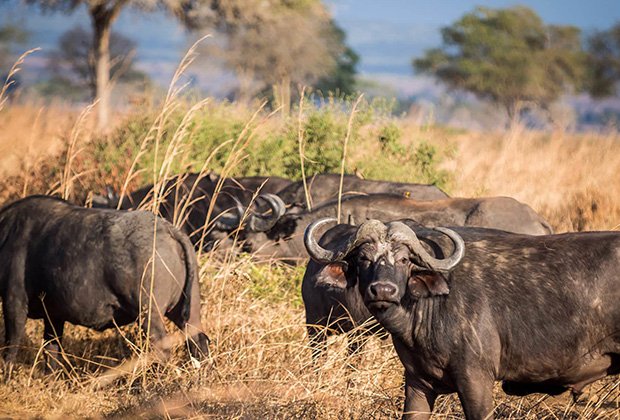
Nov 10, – 4 Day Serengeti, Ngorongoro And Tarangire Group Safari 2026
Join our group safari on November 10, 2026, for an intensive 4-day tour of Tanzania's Northern Circuit. Perfect for those with limited time who want to experience the best of the Serengeti...
View package details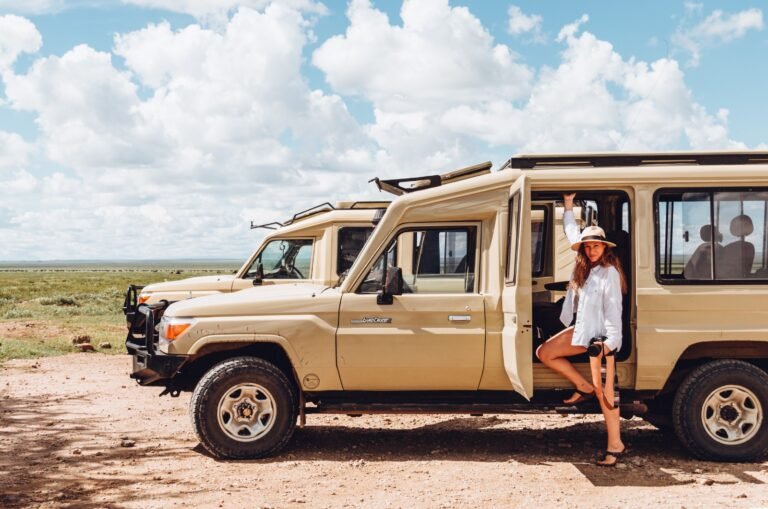
Dec 2, – 2 Day Tarangire And Ngorongoro Group Joining Safari 2026
Planning a trip for December 2, 2026? Join our 2-day shared safari to Tarangire and Ngorongoro. Perfect for travelers seeking an efficient, cost-effective wildlife experience.
View package detailsOct 26, – 2 Day Tarangire And Ngorongoro Group Joining Safari 2026
Oct 26, 2026 – 2 Day Tarangire and Ngorongoro Group Joining Safari.
View package detailsDec 8, – 4 Day Tarangire, Serengeti And Ngorongoro Group Safari 2026
A detailed guide to our December 8, 2026 group joining safari, covering the itinerary, logistics, and what to expect during this 4-day wildlife adventure in Tanzania.
View package detailsOct 28, – 3 Day Tarangire, Lake Manyara And Ngorongoro Group Safari 2026
A detailed guide to our 3-day group joining safari departing October 28, 2026. Explore the logistics, wildlife highlights, and why this specific route is ideal for travelers looking to...
View package details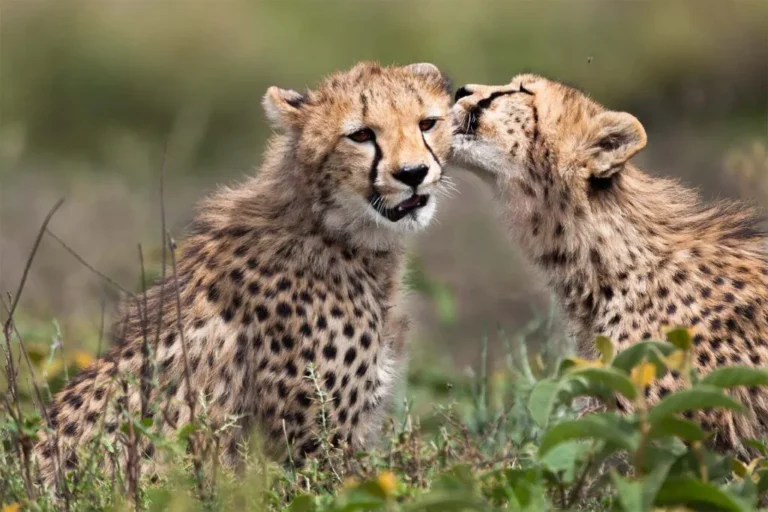
Dec 12, – 6 Day Serengeti, Ngorongoro, Tarangire And Manyara Group Safari 2026
Dec 12, 2026 – 6 Day Serengeti, Ngorongoro, Tarangire and Manyara Group Safari.
View package detailsDec 6, – 3 Day Tarangire, Lake Manyara And Ngorongoro Group Safari 2026
Dec 6, 2026 – 3 Day Tarangire, Lake Manyara and Ngorongoro Group Safari.
View package detailsOct 31, – 6 Day Serengeti, Ngorongoro, Tarangire And Manyara Group Safari 2026
A detailed look at the 6-day Northern Circuit group safari departing October 31, 2026, covering Tarangire, Manyara, Serengeti, and Ngorongoro Crater.
View package detailsOct 29, – 4 Day Tarangire, Serengeti And Ngorongoro Group Safari 2026
Plan your October 2026 Tanzania adventure. This 4-day group safari covers Tarangire, Serengeti, and Ngorongoro Crater with reliable local support.
View package detailsNov 2, – 1 Day Lake Manyara Group Joining Safari: Plan & Logistics 2026
A practical guide to the November 2, 2026, group-joining safari to Lake Manyara. Learn about the logistics, the benefits of shared transport, and how to book your spot with Climb 4 Africa.
View package details
Arusha To Tarangire Fly-In Safari: Flight And Package Costs 2026-2027
Arusha to Tarangire Fly-In Safari: Flight and Package Costs is explained with current 2026-2027 planning, price, itinerary and booking information.
View package detailsDec 14, – 7 Day Complete Tanzania Northern Circuit Group Safari 2026
Planning for December 2026? Join our 7-day complete Tanzania Northern Circuit group safari. A deep look at the Serengeti, Ngorongoro, and Tarangire with expert, locally-led logistics.
View package detailsNo related package matches those filters. Clear one or more filters to see the other topic-matched options.



