
Dec 6, 2026 – 3 Day Tarangire, Lake Manyara and Ngorongoro Group Safari is a fast-paced, highly concentrated introductory tour of Northern Tanzania, designed to provide a diverse taste of the region’s key ecosystems—Tarangire’s elephant herds, Lake Manyara’s unique biodiversity, and the Ngorongoro Crater’s dense wildlife population—all within three action-packed days.
This specific 3-day itinerary focuses on maximizing exposure to diverse habitats without requiring extensive travel time, making it ideal for travelers with limited vacation time who want to experience the iconic Tanzanian safari highlights. It is structured as a group departure, meaning logistics, transport, and accommodations are shared, which generally makes the trip more accessible in terms of cost and planning complexity. Planning for a December 6, 2026 departure requires careful consideration of the busy peak season, ensuring that all park permits and accommodations are secured well in advance.
Understanding the 3-Day Northern Tanzania Rush
A three-day safari that spans three distinct parks—Tarangire, Lake Manyara, and Ngorongoro—is inherently a rapid experience. It is not designed for deep, slow-paced exploration, but rather for efficient, high-impact viewing. The challenge lies in balancing the necessary travel time between these geographically spread-out locations with the desire for meaningful wildlife encounters. Local specialists approach this route by structuring the days to minimize transit time and maximize time spent inside the game reserves.
The benefit of this specific sequence—starting with Tarangire, moving to Manyara, and concluding in Ngorongoro—is that it builds a logical progression from the expansive savannah of Tarangire, through the varied terrain of Manyara, and finally into the concentrated drama of the Ngorongoro Crater. Each park offers a fundamentally different safari experience:
- Tarangire National Park: Known primarily for its massive elephant populations, often congregating around the Tarangire River, and its iconic baobab trees. The landscape is drier, focused on large migratory movements.
- Lake Manyara National Park: Distinguished by its alkaline lake, tree-climbing lions (a rare sight), and diverse birdlife. The terrain is often more varied and less purely savannah than Tarangire.
- Ngorongoro Conservation Area: The crown jewel of the itinerary. The crater floor offers unparalleled wildlife density, allowing for viewing species like the Big Five in a relatively small, contained area.
For travelers booking this specific Dec 6, 2026 departure, understanding this pace is crucial. It is an adventure of variety, not necessarily of extended wilderness immersion.
Detailed Logistics of the December 6, 2026 Group Safari
Since this is a fixed group departure, the logistics are generally well-managed by the tour operator. However, knowing the practical steps helps travelers prepare. The journey typically begins with transfers from Arusha or Kilimanjaro International Airport (JRO) to the first park, Tarangire. The specific flow of the three days is generally structured as follows, though exact timings must be confirmed by the operator:
Day 1: Tarangire National Park
Arrival and check-in. The first day is usually dedicated to exploring Tarangire. Early morning game drives allow viewing elephants and other large mammals in their natural habitat. The late afternoon drive continues to capture the park’s unique landscapes, including the impressive baobab trees. Accommodation is typically within or near the park boundaries.
Day 2: Lake Manyara and Transfer
A morning game drive in Tarangire or an early transfer to Lake Manyara. The drive to Manyara offers a contrast in scenery. The afternoon is spent exploring Lake Manyara, where the unique ecosystem—and the possibility of spotting a tree-climbing lion—is the focus. Depending on the park locations, the second evening might involve a transfer closer to the Ngorongoro Conservation Area, preparing for the crater descent.
Day 3: Ngorongoro Crater Descent and Departure
This is often the most anticipated day. An early start is necessary to reach the Ngorongoro Crater rim. The descent into the crater floor is the main event, providing a concentrated opportunity to view predators and herbivores. After sufficient time exploring the crater floor, the group begins the journey back towards the airport or main exit point, concluding the safari experience.
It is vital to recognize that the transfer times between these parks are significant. A seasoned local operator accounts for road conditions, park entry times, and the need to travel during the most productive hours of the day.
Planning and Preparation for the Tanzania Trip
For a trip planned for December 2026, the planning window is critical. December marks the beginning of Tanzania’s peak dry season, which means wildlife viewing is excellent, but also means high demand for accommodation and park permits. Booking early ensures access to preferred lodging and guarantees your spot on the specific Dec 6, 2026 departure.
Traveler Suitability: This 3-day circuit is best suited for active travelers who enjoy seeing a high volume of varied scenery and wildlife in a short timeframe. It is not ideal for those seeking a slow, deeply reflective safari experience. The group setting provides a sociable atmosphere, which many travelers find appealing for a first-time safari.
Pre-Departure Checklist
- Visas and Documentation: Ensure your Tanzanian visa is secured well before travel.
- Travel Insurance: Comprehensive travel insurance covering medical emergencies and safari cancellations is non-negotiable.
- Packing: Layers are key. December weather can be warm during the day but cool, especially in the mornings and evenings, particularly around the Ngorongoro highlands. Neutral colors are best for game drives.
- Health: Consult a travel doctor regarding necessary vaccinations and anti-malarial medication, especially as you transition between different ecological zones.
- Confirmations: Always confirm the specific inclusions, such as meal plans and park fees, directly with Climb 4 Africa before final payment.
Understanding the Seasonal Factors in December
December is a popular, high-demand time to visit Tanzania. The transition into the dry season means that vegetation is beginning to thin out, concentrating the wildlife around permanent water sources, which benefits viewing opportunities. However, this also means that the landscape is often warmer during the day. The dry season conditions generally lead to easier game drives, as animals are more visible. It is important to note that while the dry season is excellent for viewing, the roads and travel conditions can occasionally be dusty, which is a standard part of the safari experience.
The specific timing of December 6, 2026 means you will be experiencing the peak of this season. This excellent wildlife viewing window justifies the higher booking period demand, emphasizing the need to secure your spot promptly.
Navigating the Parks: A Specialist View
A local expert views this three-park itinerary not just as a collection of stops, but as a strategic sampling of Tanzanian biodiversity. The success of the trip hinges on the variety the parks offer.
Tarangire’s Strengths: Its vastness provides a sense of scale. The sheer number of elephants provides a powerful wildlife spectacle that is often the primary draw. The landscape encourages long, slow drives, perfect for observing herds.
Lake Manyara’s Uniqueness: This park is the outlier, offering an experience distinct from the big savannahs. The proximity to the lake and the possibility of observing unique behaviors like tree-climbing are major selling points for a diverse trip.
Ngorongoro’s Concentration: The crater floor is an ecological pressure cooker. In a small area, the density of life is immense. While the drive up to the crater is scenic, the real value is the contained, high-density wildlife viewing experience, offering a different kind of photographic opportunity compared to the open plains.
The Trade-offs of the 3-Day Circuit
When choosing this specific 3-day route, travelers must be aware of the trade-offs inherent in rapid travel. The primary trade-off is depth for breadth. You will see three different types of landscapes and three different sets of wildlife, but you won’t have the luxury of spending multiple days in one area to track a specific migration or study a particular ecological pattern. For those prioritizing deep immersion in one specific habitat (e.g., a long Serengeti stay), a different itinerary would be more suitable. However, for those prioritizing a quick, diverse introduction to the “best of” Northern Tanzania, this circuit is highly effective.
Crucially, the travel time between parks means that some days will be heavily focused on driving, with game viewing windows constrained by park opening and closing times. This is a logistical reality of the route.
Practical Guidance on Safari Gear and Comfort
Safari comfort is less about luxury amenities and more about practical preparedness for the elements. Since the trip involves various parks and travel, versatility is key. The weather in December is typically pleasant, but the temperature can fluctuate significantly from the heat of the midday sun to the chill of the early morning game drives.
Layering Strategy: Pack multiple layers. Start with moisture-wicking base layers. Mid-layers should be fleece or warm synthetics for the cooler mornings and evenings. An outer shell (light jacket or windbreaker) is essential for protection against dew or unexpected showers.
Clothing Choices: Stick to muted, earth-toned colors (khaki, olive green, brown, grey). Avoid bright white or bold patterns, which can stand out against the natural environment. Comfortable, broken-in walking shoes are useful for any short walks outside the vehicle, though the safari is primarily conducted from the vehicle.
Essential Gear: A good pair of binoculars is perhaps the most valuable piece of gear. A camera with a zoom lens is necessary for capturing the details of the wildlife. A wide-brimmed hat and high-SPF sunscreen are mandatory for sun protection during the long hours spent in the open vehicle.
Making the Booking Decision for December 2026
When deciding to book the Dec 6, 2026 departure, the first step is determining whether a shared group safari meets your travel goals. Group safaris offer excellent value and a pre-set itinerary that handles the complex logistics of park permits and transfers, allowing the traveler to focus purely on the wildlife. For more customization, or if you require a private vehicle, this would necessitate a tailor-made inquiry, which allows for adjustments to pacing and accommodation preferences.
Given the specific date and short duration, contacting a local expert is the most sensible next step. They can provide the current operational details, confirm the specific park lodging arrangements for that period, and ensure the logistical plan is optimized for the December weather and park schedules. At Climb 4 Africa, you can discuss the specifics of this 3-day circuit, including how it compares to other options, such as the longer 4 Day Tarangire, Serengeti and Ngorongoro Group Safari.
To move forward with the Dec 6, 2026 group safari, or to request a detailed quote that includes all necessary inclusions and exclusions, please reach out to Climb 4 Africa. You can connect via WhatsApp at +255 747 477 898, or by email at climb4africa@gmail.com. Our team is prepared to help you structure the perfect Tanzanian adventure.
How This Safari Compares to Longer Options
Travelers often wonder if a 3-day trip is sufficient for Northern Tanzania. While this circuit provides a fantastic taste, it is helpful to understand the trade-off when comparing it to longer offerings. For instance, if you were to extend the trip, perhaps to a 6-day itinerary, the additional time would allow for a deeper look at one park—for example, spending two full days in the Serengeti after visiting Tarangire and Ngorongoro. This allows for tracking specific animal movements or simply enjoying a slower pace of exploration.
The 3-day circuit is inherently a ‘highlights reel’ experience. It prioritizes covering the most iconic locations (Tarangire’s elephants, Manyara’s uniqueness, Ngorongoro’s density) quickly. Longer safaris, such as the 4 Day Serengeti, Ngorongoro and Tarangire Group Safari, allow for more time in the expansive Serengeti plains, which offer a different, more migratory experience compared to the more contained wildlife of the crater.
When making the final decision, consider your available time, your pace preference, and your primary wildlife focus. If the priority is variety and efficiency, the 3-day option is ideal. If the priority is deep immersion in a specific biome, a longer itinerary would be the better choice. Reviewing all available group departure options on our site, such as the all Tanzania safaris group departures, will help clarify which length best suits your travel goals.
By understanding the pace and the strengths of each park, you can confidently decide if the Dec 6, 2026 itinerary is the right fit for your Tanzanian adventure.
Navigating the Social Dynamics of Shared Safari Vehicles
Participating in a fixed group departure for a three-day safari introduces a specific social dynamic that differs from private travel. The most significant element is the shared vehicle, typically a 4×4 Land Cruiser designed to accommodate a small group of travelers. Understanding the operational etiquette of these vehicles is essential for maintaining a positive experience. Most reputable operators implement a daily seating rotation policy, ensuring that all participants have equal access to the window seats and the prime viewing angles offered by the pop-up roof.
The pop-up roof is a defining feature of the Tanzanian safari experience, allowing for standing and unobstructed photography. However, in a shared vehicle, this space must be negotiated respectfully. Communication is key; if you are using a telephoto lens or need a moment of silence to observe a specific animal behavior, signaling this to your fellow travelers is generally welcomed. Because the group size is small, the camaraderie built over these three days often becomes a highlight of the trip, but it requires a degree of flexibility regarding vehicle stops and departure times.
Managing Expectations for the Day 3 Return Journey
While the Ngorongoro Crater descent is the climax of the itinerary, travelers often overlook the logistical reality of the return journey on the third day. After the game drive concludes—usually around mid-afternoon—the vehicle must traverse the winding roads out of the Ngorongoro Conservation Area and back toward Arusha. This transit takes approximately three to four hours, depending on traffic conditions and road maintenance.
For those planning flights for the evening of December 8, 2026, this transit time is a critical consideration. It is rarely advisable to book a flight departing from Kilimanjaro International Airport (JRO) before late evening, as the return drive is non-negotiable and subject to the variable pace of Tanzanian road travel. Travelers should prepare for a long, potentially dusty, but scenic journey back to the city, often arriving at their accommodation or the airport well after sunset. This final stretch is an excellent time to review photos or discuss the highlights of the previous three days with your group, as the energy of the safari begins to wind down.
Navigating Gratuities and Service Etiquette in a Group Setting
A common, yet frequently overlooked, aspect of joining a fixed group safari for a three-day itinerary is the management of gratuities. Unlike private tours where the relationship with the guide is exclusive, a shared vehicle introduces a collective social dynamic. Understanding how to handle tipping gracefully is essential to avoid awkwardness among fellow travelers and to ensure your appreciation for the service is communicated effectively.
In Tanzania, tipping is a standard and expected practice, serving as a significant portion of income for the support staff who make the safari possible. For a three-day group trip, the most common approach is to handle gratuities individually rather than collectively. While it may be tempting to pool funds with your vehicle mates to present a single, larger tip, this often leads to logistical friction regarding who pays what and can sometimes cause confusion for the recipient. It is generally recommended to prepare your own gratuities in advance, keeping them in small, accessible denominations.
When preparing for the December 2026 departure, ensure you have a sufficient supply of cash in either Tanzanian Shillings or US Dollars. If using USD, it is critical that the notes are in pristine condition and printed after 2009; older or damaged bills are frequently rejected by banks and service providers across the country. Distribute these tips on the final day of the safari, typically after the return to Arusha or at the point of departure from the final lodge. While your guide will be the primary point of contact, remember that the safari experience relies on a wider team, including the lodge staff and, in some cases, a dedicated safari cook. A simple, discreet envelope handed to the guide at the conclusion of the trip is the standard method for expressing gratitude, allowing the team to manage their internal distribution protocols.
Navigating Vehicle Logistics and Personal Comfort in a Shared Group
While the social dynamics of a group safari are often discussed in terms of personality and interaction, the mechanical and logistical reality of sharing a 4×4 Land Cruiser for three consecutive days is where most friction occurs. Because this 3-day itinerary covers significant ground—from the dusty plains of Tarangire to the winding crater rim of Ngorongoro—the vehicle becomes your primary “home.” Managing the physical space and your personal logistical needs is as important as the wildlife viewing itself.
The Mechanics of Vehicle Seating and Rotation
In a typical 6-seater safari vehicle, not all seats are created equal. The window seats are highly coveted for photography, while the middle seats offer a restricted view and less legroom. To avoid resentment, experienced group travelers often implement a structured rotation system. It is standard practice to rotate positions at least once or twice a day, or after every major park entry. If your guide does not initiate a rotation schedule, it is perfectly acceptable—and often encouraged—for the group to agree on a rotation plan on the morning of Day 1. This prevents the “squatter’s rights” mentality where one traveler claims the best seat for the entire duration, which can sour the atmosphere of a short, high-intensity trip.
When rotating, consider the “pop-up roof” access. When the roof is open for photography, the person sitting directly beneath the opening has the best access for standing and shooting. If you are sharing the vehicle with avid photographers, discuss how you will trade off “standing time” in the hatch. A common courtesy is to limit “hatch time” to 10–15 minutes per person when the vehicle is stationary near a major sighting, ensuring everyone gets a clear, unobstructed shot without the vehicle becoming overcrowded.
Luggage Discipline and Storage Constraints
One of the most frequent points of conflict on a group safari is luggage. Because the vehicle must accommodate the gear of 4 to 6 people, space is at a premium. Hard-shell suitcases are almost universally discouraged, if not strictly prohibited, by operators for these short, shared departures. The rigid shape of hard luggage makes it impossible to stack efficiently in the rear cargo area or on the roof rack. Soft-sided duffel bags are the industry standard for a reason: they are malleable, easier to stow, and less likely to be damaged by the vibration of off-road driving. If you arrive with a large, rigid suitcase, you may find your guide struggling to fit it, which delays the morning departure. Always clarify your operator’s specific luggage dimensions before you pack, but assume that a soft-sided bag under 15kg is the safe baseline for a 3-day trip.
Power, Connectivity, and Dietary Management
In a shared vehicle, you cannot rely on having exclusive access to power outlets. While many modern safari Land Cruisers are equipped with USB ports or cigarette lighter adapters, they are often limited in number and speed. Relying on the vehicle to charge your camera batteries or phone during a game drive is risky. The best practice is to carry a high-capacity power bank that is fully charged before you leave your lodge each morning. This ensures you are not tethered to a charging port while trying to capture wildlife.
Regarding dietary needs, the group dynamic makes last-minute requests difficult. Because the logistics for a 3-day safari are often pre-booked—including lunch boxes and lodge meals—the kitchens need advance notice. If you have specific allergies or dietary requirements (such as vegan, gluten-free, or halal), communicate these directly to your tour operator at least two weeks before your December 6 departure. Do not wait until you are in the vehicle on Day 1 to inform the guide. While the guide will do their best to accommodate you, the remote nature of the parks means that changing meal plans mid-trip is often impossible. Bringing a small supply of your own preferred snacks—such as protein bars or nuts—is a wise safety net for the long transit stretches between Tarangire and Manyara.
Photographic and Wildlife Observation Conduct in Shared Vehicles
When participating in a group safari, the vehicle becomes a shared sanctuary for both serious photographers and casual observers. The most successful trips are those where passengers establish a silent, mutual understanding of etiquette before the engine even starts. The primary point of friction in a shared vehicle is often the disparity between those who want to spend twenty minutes waiting for a lion to yawn and those who prefer to keep moving to see more diverse species. To mitigate this, acknowledge early on that the vehicle operates on a majority-rule basis, but with a courteous nod to the person who may have traveled across the world specifically for a single, elusive shot.
Physical stability is the most critical aspect of wildlife observation in a 4×4. Safari vehicles are heavy, but they are not immune to the movement of passengers. A common mistake is leaning on the vehicle frame or shifting weight rapidly when an animal appears. Any sudden movement or vibration—even from someone shifting their weight on the bench seat—can cause the vehicle to rock, which is detrimental to anyone trying to capture a telephoto shot. If you are seated in a row with a photographer, treat the vehicle frame as a tripod; avoid resting your arms or equipment on the same metal bar they are using. If you must shift, do so slowly and deliberately, particularly when the vehicle is stationary near a predator or a sensitive sighting.
Sound discipline is equally vital. In the quiet of the Ngorongoro Crater or the vast expanse of Tarangire, sound carries significantly further than you might expect. While modern safari vehicles are robust, they are not soundproof. Avoid loud discussions, rustling plastic bags, or frequent, high-volume conversation when the vehicle is positioned for a sighting. If you need to communicate with the guide, use hand signals if possible, or keep your voice to a low murmur. If you are using a camera with a high-speed burst mode, be mindful that the constant, rapid-fire shutter sound can be distracting to others in the vehicle. While you have every right to capture the moment, consider using a ‘silent shutter’ mode if your camera equipment supports it, or limit your bursts to the most critical moments of action.
Communicating with the driver is a collaborative effort. Do not shout ‘stop’ or ‘go’ from the back of the vehicle. Instead, appoint one person—ideally the one with the clearest line of sight—to be the primary communicator with the guide. If you spot something, point it out calmly. If you need the vehicle to reposition, ask the guide politely if it is possible to shift, rather than demanding it. Remember that the guide is balancing the needs of all passengers; if you are in a prime window seat and have already taken your photos, it is standard etiquette to lean back and offer the space to someone in the middle seat, even if only for a few minutes. This ‘give and take’ approach preserves the social harmony of the group and ensures that everyone leaves with a sense of satisfaction.
Regarding the specific environmental conditions of December, you must account for the ‘short rains.’ While the landscape is lush and green, this season can lead to morning mist and occasional muddy tracks, particularly in the Ngorongoro Crater. This affects wildlife behavior; animals are less dependent on permanent water holes and may be more dispersed. Consequently, sightings may require more patience and longer periods of scanning. For photographers, this means the lighting can change rapidly—moving from overcast to bright, high-contrast sunlight within minutes. Keep your camera settings flexible and be prepared to adjust your ISO and shutter speed frequently. Do not expect the ‘perfect’ lighting conditions of the dry season; instead, embrace the dramatic, moody backdrop that the December rains provide. Protecting your gear from the fine, pervasive dust of the dry season is still necessary, but during December, you must also be prepared for sudden moisture. A simple, waterproof cover for your camera bag is an essential, often overlooked piece of kit that prevents humidity from damaging lenses during transit between the parks.
Finally, avoid the ‘checklist’ mentality. It is tempting to pressure the guide to move quickly from one animal to the next in an effort to see as much as possible. However, the most rewarding experiences in Northern Tanzania often come from simply sitting and watching a single herd of elephants or a pride of lions for an extended period. When you rush a sighting, you miss the subtle behaviors—the social grooming, the play, the territorial displays—that make a safari truly memorable. If the group is divided on whether to stay or move, defer to the guide’s expertise. They have a trained eye for animal behavior and will know when a sighting is likely to yield more action and when it is time to move on to the next location.
The Physicality and Cultural Pacing of the 3-Day Safari
While the logistics of vehicle seating and wildlife photography are critical, the physical toll of a three-day, high-impact circuit is a factor that many travelers underestimate until they are deep into the experience. The 3-day route through Tarangire, Lake Manyara, and Ngorongoro is often jokingly referred to by veteran guides as an ‘African massage,’ but for the uninitiated, the reality of traversing these parks can be physically demanding. The roads, particularly in the transit zones between the parks and the tracks within the crater, are rarely smooth. You will be spending the vast majority of your daylight hours in a 4×4 vehicle that is constantly navigating uneven terrain, which engages your core muscles and joints far more than a typical road trip. Travelers with pre-existing back or neck issues should be particularly mindful of this; it is advisable to bring a small, inflatable lumbar cushion or a travel pillow to provide extra support against the constant vibration and jarring of the Land Cruiser. The physical fatigue is compounded by the early morning starts, which are non-negotiable if you want to catch the wildlife during the cooler, more active hours of the day. This creates a cumulative effect: by the third day, the excitement of the Ngorongoro descent must be balanced against a body that may be stiff and tired. Prioritizing rest during the evenings, even if it means skipping a social drink at the lodge, is a strategic decision that pays dividends in your ability to remain alert and engaged during the final game drive.
Hydration and bathroom management present a unique logistical challenge within the context of a shared group safari. In a private vehicle, you have total autonomy to stop whenever you feel the need; in a group setting, you are beholden to the collective schedule. The temptation is often to drink less water to avoid the need for frequent stops, but this is a dangerous error. The Tanzanian sun, even in December, combined with the dry air and the constant airflow from open vehicle windows, will dehydrate you much faster than you realize. The solution is not to reduce intake, but to time it strategically. Understand that your guide will typically plan ‘comfort stops’ at designated picnic areas or park gates. Learn to synchronize your hydration with these opportunities. If you feel the need for an unscheduled stop, communicate this to the group early rather than waiting until the situation becomes an emergency. Most groups are entirely understanding, but the awareness of the collective time constraints is a sign of a considerate traveler. Furthermore, understand that sanitation facilities at remote park outposts can be rudimentary. Carrying a small personal supply of hand sanitizer, wet wipes, and tissues is not merely a recommendation; it is a fundamental requirement for maintaining hygiene throughout the three days.
Dust management is another often-overlooked aspect of health and comfort that becomes particularly relevant during the December period. As the ‘short rains’ can be inconsistent, the ground remains dry and loose in many areas, and the passage of vehicles kicks up significant amounts of fine, red dust. This dust is pervasive; it will coat your clothes, your camera equipment, and your respiratory passages. For those with sensitive sinuses or asthma, this can be a significant irritant. It is highly advisable to carry a light buff or a scarf that can be pulled over your nose and mouth during transit between wildlife sightings. This is not just for comfort, but to prevent the ‘safari cough’ that many travelers develop by the end of their trip. Additionally, apply a barrier cream or moisturizer to your skin each morning. The combination of dry dust, wind, and sun acts as an exfoliant that can leave skin feeling raw by the end of the second day. Protecting your skin is not vanity; it is essential maintenance for the duration of the trip.
Beyond the physical and health-related aspects, there is the cultural pacing of the trip. Your 3-day itinerary will likely involve stops at roadside markets, cultural bomas, or transit villages where you will interact with local Maasai or other community members. In a group setting, these stops can be a source of tension if not handled with collective awareness. There is often a pressure to ‘get the shot’ or purchase a souvenir quickly, which can lead to hurried interactions that lack genuine connection. When the vehicle stops for these cultural moments, take a breath. Do not treat these interactions as a transaction to be rushed through. If you are interested in photography, always ask for permission before pointing your lens at individuals. A simple, polite gesture or a greeting in Swahili—a ‘Jambo’ or ‘Habari’—goes a long way in establishing rapport. If the group is divided on how long to spend at a market, defer to the guide’s recommendation, as they understand the broader schedule and the need to reach the next destination before sunset. Remember that you are a guest in these communities; your behavior reflects not just on you, but on the entire group. By approaching these cultural interludes with patience and respect, you transform them from mere ‘stops’ into the most human and memorable moments of your safari, providing a necessary mental contrast to the intense focus on wildlife viewing.
Navigating Unforeseen Delays and Vehicle Contingencies
In a compressed 3-day itinerary, the margin for error is razor-thin. Unlike a longer safari where a mechanical issue or a flat tire can be absorbed into a relaxed schedule, this specific circuit through Tarangire, Lake Manyara, and the Ngorongoro Crater operates on a strict timeline. When you are in a shared vehicle, a delay does not just affect your personal schedule; it ripples across the entire group’s departure logistics. Understanding how to handle these interruptions is essential for maintaining the group cohesion that is vital for such a short trip.
Mechanical issues, while relatively rare with well-maintained tour vehicles, are a reality of off-road travel. If your vehicle experiences a breakdown, the initial reaction in a group setting is often frustration. However, in the context of a 3-day safari, the most effective response is immediate, calm cooperation. Your guide is trained to manage these situations, often by coordinating with other vehicles from the same operator that may be in the vicinity. Do not pressure the driver for an immediate fix; instead, focus on clear communication. Ensure the group remains together and that all personal belongings are accounted for if a vehicle transfer becomes necessary. The goal is to minimize the downtime so that the impact on the remainder of your itinerary—particularly the crucial descent into the Ngorongoro Crater—is as negligible as possible.
Furthermore, weather-related delays can occur even in the drier conditions of December. While the “short rains” are typically light, a sudden downpour can make tracks slippery or difficult to navigate, potentially slowing your progress between parks. In these instances, the guide may propose skipping a less critical stop, such as a curio shop or a secondary viewpoint, to ensure you reach the crater rim or your exit point on time. It is vital that the group trusts the guide’s judgment in these moments. The guide has a comprehensive view of the park closing times and the distance to your final destination; attempting to override their decision to “get one more photo” can jeopardize the entire group’s ability to clear the park gate before sunset, which can lead to significant fines or safety issues.
Finally, the most critical contingency planning happens before you ever board the vehicle. A common error for travelers on this 3-day circuit is booking an international flight for the evening of Day 3. Because the Ngorongoro Crater descent is the final major event, and the drive back to Arusha or Kilimanjaro International Airport (JRO) takes several hours, this creates an unnecessary, high-stress deadline. If a mechanical delay or a traffic bottleneck occurs on that final afternoon, you risk missing your flight. Always plan for at least one night in Arusha or near the airport following the conclusion of your safari. This buffer not only protects you from the stress of a missed connection but also allows you to decompress from the intensity of the three-day experience before reintegrating into the pace of international travel.
The Role of the Safari Guide as an Educational and Cultural Bridge
In the compressed timeline of a three-day group safari, the safari guide is frequently undervalued as merely a chauffeur tasked with navigating between Tarangire, Lake Manyara, and the Ngorongoro Crater. However, the success of a short-duration trip relies heavily on the guide’s ability to act as an educator and cultural mediator. Unlike longer, private safaris where relationships develop over a week or more, the 3-day format requires an immediate rapport. Travelers who treat the guide as a passive driver miss out on the most profound aspect of the experience: the ability to interpret the ecosystem in real-time.
To maximize this, travelers should proactively engage the guide with questions that go beyond simple wildlife identification. Ask about the specific behaviors of the animals you are observing, the challenges of anti-poaching efforts in the region, or the guide’s personal history in the tourism sector. A skilled guide is often a wealth of information regarding local flora, birdlife, and the complex conservation politics of Northern Tanzania. By shifting the dynamic from a passive passenger to an active learner, you transform the drive into an interactive seminar. Furthermore, the guide serves as a critical cultural bridge. When stopping at designated viewpoints or passing through local villages on the outskirts of the parks, ask the guide about the customs, the impact of tourism on their home communities, and the daily realities of life in the Arusha or Manyara regions. This dialogue provides context to the landscapes you are traversing, turning a standard sightseeing tour into a more nuanced understanding of the Tanzanian environment.
Financial Realities and Supplemental Spending on Group Safaris
While the “all-inclusive” nature of a booked group safari covers the core costs—transport, park entry fees, and accommodation—travelers often encounter confusion regarding supplemental spending. On a 3-day itinerary, it is a common mistake to assume that every single expense is handled by the initial booking fee. Understanding the specific financial boundaries of your package is essential for a stress-free trip.
First, clarify the beverage policy at your lodges or tented camps. In many standardized group safari packages, accommodation includes meals, but drinks—particularly alcoholic beverages, sodas, and bottled water beyond the initial allowance—are often billed as extras. Check if your package includes mineral water in the vehicle, as dehydration is a real risk in the heat of December, and relying on purchasing water at every stop can become a logistical and financial nuisance. Second, consider the role of cash in rural areas. While credit cards are increasingly accepted in larger lodges and hotels in Arusha, the remote camps and transit stops often operate on a cash-only basis. Having a supply of clean, newer-series US Dollars (typically dated 2009 or later) or Tanzanian Shillings is advisable for small purchases, such as souvenirs at craft markets or incidentals at remote lodges. Avoid the temptation to over-budget for “extra” activities, as the 3-day schedule is so tight that you will rarely have time for unplanned excursions like village walks or extra night drives. Instead, reserve your budget for the essentials: comfortable snacks for the road, potential laundry services if you are continuing your travels elsewhere, and a contingency fund for unforeseen needs.
Navigating Culinary Expectations and Bush Lunch Logistics
In the compressed, three-day timeframe of a Tarangire, Lake Manyara, and Ngorongoro safari, the rhythm of your day is dictated by wildlife movement rather than traditional dining hours. A frequent point of friction for first-time group safari travelers is the transition from the expectation of lodge-based dining to the reality of the “bush lunch.” Understanding how food logistics function within this specific itinerary is essential for maintaining your energy levels and ensuring a smooth group experience.
The Reality of the Safari Boxed Lunch
On a 3-day itinerary, returning to your lodge or tented camp for a midday meal is logistically impossible. Doing so would effectively cut your game viewing time in half, as the distances between the prime wildlife zones and the accommodation are often significant. Consequently, your lunch will almost exclusively be provided as a packed meal, prepared by your lodge in the early morning and stored in the safari vehicle. These lunches typically consist of a variety of items: a sandwich or wrap, a piece of fruit, a hard-boiled egg or chicken drumstick, a muffin, and a juice box. It is important to shift your mindset to view this as functional fuel rather than a culinary experience. The box is designed for portability, durability, and sustained energy, not gourmet dining.
Managing Dietary Restrictions in a Shared Vehicle
One of the most critical logistical tasks you must undertake—ideally weeks before your December 6, 2026 departure—is the explicit confirmation of dietary requirements with your tour operator. In a shared vehicle, the logistics of accommodating special diets (such as gluten-free, vegan, halal, or specific allergy-avoidance) are complex. The kitchen staff at your lodge prepares these meals in the early morning based on a list provided by the office. If you have not clearly communicated your needs, or if the operator has failed to relay them, you may find yourself with a generic meal that you cannot eat. On the first morning of your safari, take a moment to ask your guide directly: “I have requested a vegetarian meal; have you confirmed this with the lodge kitchen?” This proactive step ensures that the guide can double-check the cooler box before you depart for the day’s drive, preventing a situation where you are left without a suitable lunch in the middle of the bush.
Picnic Site Etiquette and Wildlife Interaction
Lunch is typically consumed at designated picnic sites within the national parks. These areas are not merely rest stops; they are part of the ecosystem. In parks like Tarangire and Lake Manyara, these sites are often frequented by opportunist wildlife, particularly vervet monkeys and baboons. These animals have learned that humans carry food, and they can be remarkably aggressive. Never leave your lunch box unattended on the hood of the vehicle or on a picnic table. When eating, keep your food close to your body and be prepared to close your vehicle doors or windows quickly if animals approach. Furthermore, picnic sites often have limited or no waste disposal facilities. The golden rule of the safari is “pack it in, pack it out.” Ensure that no plastic wrappers, fruit peels, or crumbs are left behind. In the arid environment of Tarangire, even small amounts of litter can attract wildlife to roadsides, putting them at risk of vehicle collisions.
The Role of Personal Snacks and Hydration
While your tour operator will provide bottled water—usually in the vehicle—and your meals are covered, the 3-day circuit is physically taxing. The combination of heat, dust, and long hours in a 4×4 vehicle can lead to rapid dehydration and fatigue. Relying solely on the provided water and the provided lunch can leave you feeling depleted by the afternoon. It is highly recommended to bring a personal “snack reserve.” High-protein snacks like nuts, energy bars, or dried fruit are excellent additions to your day bag. These items are compact, do not require refrigeration, and provide a quick energy boost during the long stretches of driving between the Ngorongoro Crater rim and the park gates. Additionally, consider bringing electrolyte replacement powder or tablets. These are invaluable for replenishing salts lost through sweating in the December heat, and they can be easily added to your water bottle during mid-day stops. By maintaining your own hydration and energy levels, you reduce the likelihood of “safari fatigue,” allowing you to remain alert and engaged for the duration of the 3-day journey.
The Logistics of the Post-Safari Return to Arusha
The conclusion of a 3-day safari is rarely a gentle tapering off; it is often a rapid transition from the remote, high-intensity environment of the Ngorongoro Crater back to the bustling urban landscape of Arusha. For many travelers, the psychological and logistical shift that occurs during the final hours of the drive back to the city is underestimated. Understanding this transition is vital to ensuring your trip ends with as much efficiency as it began. Upon exiting the Ngorongoro Conservation Area, the terrain changes quickly, and the road infrastructure improves, but the traffic patterns around the gateway town of Karatu and the outskirts of Arusha can be unpredictable. When joining a group safari, your return time is dictated by the collective pace of the group and the specific drop-off requirements of all passengers. It is essential to recognize that your vehicle may be tasked with dropping off multiple travelers at different hotels or guest houses across the city before heading to the airport or a final central point. This “milk run” approach is standard for shared group departures and can add significant time to your final afternoon.
The Arusha Buffer: Why Flight Timing Matters
A frequent error made by travelers booking a December 6, 2026 departure is scheduling an international flight out of Kilimanjaro International Airport (JRO) too close to the end of the safari. While the drive from the Ngorongoro Crater to Arusha is approximately 3 to 4 hours, road conditions, potential vehicle issues, and the aforementioned multi-stop drop-offs can easily extend this duration. Furthermore, the drive from Arusha to JRO takes an additional 45 to 60 minutes, depending on traffic. To avoid the high-stress scenario of missing a flight, it is strongly advised to avoid booking any departure flight before 8:00 PM on the third day. If your flight is scheduled earlier, the only safe logistical solution is to book an additional night in an Arusha hotel and depart the following morning. This “buffer night” allows you to decompress from the intensity of the safari, shower properly, and organize your luggage without the pressure of a looming flight departure. It also serves as a critical safety net against unforeseen delays, such as mechanical issues on the return road or unexpected heavy traffic on the main Arusha highway.
Post-Safari Hygiene and Comfort
After three days of driving through dusty, arid environments, the final return to civilization is an opportunity to reset. Most group safari operators will drop you off at your accommodation, but they rarely provide access to a “day room” or shower facilities at the end of the trip unless specifically arranged in advance. If you have a late-night flight and are not staying in a hotel, you will be in the same clothes you wore during the final game drive. Travelers should plan accordingly by packing a clean set of comfortable, lightweight clothes in their day bag—not their main luggage—to change into before heading to the airport. This simple act of changing into fresh clothes can significantly improve your comfort during a long international flight. Additionally, ensure you have access to wet wipes or a travel-sized towel in your hand luggage. While you may have access to a lounge at JRO, these facilities are not always available or may be crowded, making personal hygiene management during the final hours in Arusha a matter of self-reliance.
Managing the Final Evening in Arusha
If you choose to stay an extra night in Arusha, you have the benefit of experiencing the city’s hospitality sector, which caters heavily to the post-safari crowd. Arusha is a hub for logistics, and many hotels are well-versed in the needs of travelers returning from the Northern Circuit. When you arrive, communicate clearly with your hotel reception regarding your departure time for the next day. Many hotels offer airport shuttle services that are more reliable and comfortable than local taxis. Use this time to review your photos, organize your gear, and settle any outstanding gratuities if you did not do so when parting ways with your guide. The post-safari evening is also an excellent time to reflect on the specific sightings and experiences of the last three days, providing a moment of closure before you return to your home environment. By treating the return to Arusha as a distinct, planned phase of your trip rather than an afterthought, you ensure that the high of your wildlife encounters is not dampened by the stress of logistical chaos at the very end of your journey.
Mastering Wildlife Photography within Shared Vehicle Constraints
While previous sections have addressed the behavioral etiquette of shared vehicle photography, there is a distinct technical challenge inherent to a 3-day, multi-park circuit that warrants specific attention. Because you are traversing three geographically and ecologically distinct environments—the arid, dusty savannah of Tarangire, the shaded, verdant canopy of Lake Manyara, and the high-contrast, wide-open basin of the Ngorongoro Crater—your camera settings must adapt rapidly. In a group setting, you rarely have the luxury of time to experiment with settings while the vehicle is idling. Success relies on your ability to anticipate the light and habitat changes before the engine starts.
The Variable Light Challenge Across the 3-Day Circuit
The lighting conditions on this 3-day itinerary fluctuate drastically. In Tarangire, particularly during the December period, the sun is harsh and the environment is dusty. This combination creates a high-contrast scenario where shadows under the iconic baobab trees can be deep and unforgiving. To capture detail in the shadows without blowing out the highlights on an elephant’s skin, you must prioritize a fast shutter speed (at least 1/1000s) to compensate for the vibration of the vehicle, while keeping your ISO flexible. Many travelers make the mistake of setting a low ISO to reduce noise, only to find their shots blurred by the engine’s idle vibration or the vehicle’s slight movement.
Conversely, Lake Manyara presents a different challenge: the forest canopy. Here, the light is dappled, filtered, and significantly lower in intensity than in the open plains. If you are using an automatic setting, your camera may struggle to lock focus on a baboon or monkey moving through the branches. Manually adjusting your aperture to its widest setting (lowest f-stop number) is essential here to allow enough light to reach the sensor. Moving from the forest of Manyara to the Ngorongoro Crater floor on Day 3 introduces yet another variable: the glare of the crater floor and the early morning mist. In the crater, the background is often a vast, uniform expanse, which can trick your camera’s light meter into underexposing your subject. Using spot metering or positive exposure compensation is often necessary to ensure your wildlife subjects are not rendered as silhouettes.
Managing the Shared Roof Hatch and Vantage Points
In a shared 4×4, the roof hatch is a finite resource. While it is the most coveted position for photography, you will be sharing it with at least two or three other people. The most effective strategy for capturing high-quality images is to negotiate a rotation schedule with your fellow passengers before the first game drive begins. Do not assume that you can monopolize the hatch when a major sighting occurs. Instead, practice ‘shoulder-shooting’ or shooting from your window seat with your lens resting on a beanbag or a rolled-up jacket. A beanbag is superior to a tripod or monopod in a shared vehicle, as it provides stability without occupying the floor space that other passengers need for their feet.
Furthermore, understand the physical limitations of the vehicle. When the vehicle is stationary, the engine vibration is transmitted through the chassis to the frame of the roof hatch. If you are resting your lens directly on the metal frame, your images will suffer from micro-blur. Always use a soft buffer—a beanbag, a folded sweater, or even your camera bag—between the lens and the vehicle. This simple physical buffer is often the difference between a sharp, professional-grade wildlife portrait and a soft, unusable image.
The Conflict Between ‘The Perfect Shot’ and ‘The Group Pace’
The most common friction point for photographers on a 3-day group safari is the trade-off between the desire to wait for the ‘perfect’ behavior (such as a lion’s yawn or an elephant crossing the road) and the group’s desire to keep moving to see more species. Your safari guide is tasked with balancing the interests of the entire group. If you are the only photographer in a group of six, you cannot expect the guide to park the vehicle for 45 minutes while you wait for the ‘perfect’ light. The most successful approach is to communicate your photographic interests to the guide during the morning briefing. If the guide knows you are interested in birdlife, for example, they may be more inclined to slow down near a cluster of trees, even if the rest of the group is looking for ‘Big Five’ mammals.
Finally, avoid the temptation to constantly check your LCD screen after every shot. In a 3-day itinerary, time is your most precious commodity. Every second you spend reviewing photos is a second you are not observing the environment. Trust your settings, shoot in bursts, and review your images only during the transit time between parks or during the lunch break. This ensures you remain present and engaged, which ultimately leads to better situational awareness and, consequently, better photography.
The Psychological Transition: Leaving the Bush
The conclusion of a 3-day safari is rarely a gentle tapering off; it is often a rapid transition from the remote, high-intensity environment of the Ngorongoro Crater back to the bustling urban landscape of Arusha. For many travelers, the psychological and logistical shift can be jarring. You move from the silence of the savannah—where the only sounds are the rustle of grass or the call of a bird—to the cacophony of traffic, markets, and urban activity. Understanding this transition is vital for maintaining your composure and comfort during the final hours of your journey.
As you descend from the Ngorongoro Highlands, the landscape changes from lush, cool forests to the arid, dusty plains surrounding Arusha. This drive typically takes three to four hours, depending on traffic entering the city. During this time, the adrenaline of the safari begins to wane, and the physical reality of three days in a bouncing 4×4 sets in. It is common to experience a “safari hangover,” characterized by fatigue, dehydration, and a sense of sensory overload. Preparing for this by having a change of clothes readily accessible in your daypack—rather than buried in your main luggage—can make the transition into a hotel lobby or airport terminal significantly more dignified.
Navigating the Post-Safari “Re-entry”
Upon arriving in Arusha, the immediate challenge is often one of hygiene and comfort. After three days of driving through dusty, arid environments, you will likely be covered in a fine layer of red dust. Most group safari operators will drop you off at your accommodation, but they rarely provide access to a “day room” or shower facilities at the end of the trip unless you have specifically booked an extra night. If you are heading straight to Kilimanjaro International Airport (JRO) for a late-night flight, you must plan accordingly. Public restrooms in Arusha or at the airport are not designed for a full “sponge bath” or change of clothes. If your flight is late, consider booking a budget-friendly hotel for a day-use rate, which provides a private bathroom and a space to repack your gear before your long-haul journey home.
Furthermore, be mindful of the “re-entry” culture shock. You are returning from a highly curated, service-oriented environment where your every need—water, meals, navigation—was managed by your guide. In the city, you are suddenly an independent traveler again. This shift requires a quick recalibration of your situational awareness. Keep your valuables close, maintain your transport arrangements for the airport transfer, and avoid the temptation to linger in crowded public areas if you are exhausted and carrying all your camera gear. The final evening in Arusha is best spent in a secure, pre-arranged environment where you can organize your digital files, charge your devices, and process the intensity of the previous 72 hours before your departure.
Navigating the Specifics of Short-Term Entry and Visa Logistics for a 3-Day Trip
For travelers whose entire Tanzanian experience is limited to this 3-day window—arriving just before December 6 and departing immediately after—the administrative burden of entry can feel disproportionately high compared to the duration of the safari. While many long-stay travelers have the luxury of time to sort out visa issues or airport transfers, the compressed schedule of a short-duration group safari leaves zero margin for bureaucratic errors. Securing your entry requirements well in advance is not merely a recommendation; it is a critical component of ensuring you actually make your group departure on the morning of December 6.
The most significant logistical hurdle for short-term visitors is the Tanzanian e-Visa process. While visa-on-arrival remains an option for many nationalities at Kilimanjaro International Airport (JRO), relying on it during the peak December season can introduce significant delays. During the busy holiday period, immigration queues can be lengthy, and processing times for on-arrival visas can easily stretch to two hours or more. If your group safari is scheduled to depart early on the morning of December 6, a late-night arrival on December 5 that gets bogged down in immigration can leave you with insufficient sleep and potentially cause you to miss the group briefing or the vehicle’s departure time. Applying for an e-Visa at least three weeks prior to your trip allows you to bypass the primary queue, providing a crucial time buffer that protects your safari itinerary.
Furthermore, consider the specific requirements for your arrival day. If you are flying into JRO, you are likely landing in the late afternoon or evening. The drive from the airport to Arusha takes approximately 45 to 60 minutes depending on traffic. If you have not pre-arranged your airport transfer through your safari operator or your hotel, you may find yourself navigating complex taxi negotiations at the airport terminal while exhausted. For a 3-day trip, every hour of rest is vital to ensure you have the physical stamina for the early starts required by the safari schedule. Confirming that your operator or accommodation has your flight details and a driver waiting with a placard is a non-negotiable step for a smooth transition into the safari environment.
Finally, address the documentation of your travel itinerary. Because you are entering the country for a very short, specific purpose, immigration officers may ask for proof of your safari booking or your onward flight details. Having a printed copy of your safari voucher, your hotel booking in Arusha, and your return flight ticket readily available in your carry-on luggage can expedite your passage through the airport. Do not rely on digital copies stored on a phone that may run out of battery after a long international flight. By treating the administrative side of your arrival with the same level of preparation as your safari gear, you protect the integrity of your limited 3-day window, ensuring that your first morning in the bush is spent watching wildlife rather than resolving logistical oversights.
Navigating the Specifics of Tipping and Gratuity Culture in a Group Context
While the broader topic of service etiquette has been touched upon, a specific, often misunderstood nuance for a 3-day group safari is the calculation and distribution of tips for the support staff beyond the primary safari guide. On a 3-day circuit, you will interact with various service providers—lodge staff, camp assistants, and occasionally, park rangers or specialized local guides—and the cumulative pressure of tipping can lead to anxiety for travelers who are unsure of local expectations. Because this is a group safari, there is a tendency to look to the most vocal member of the group to set the standard; however, relying on this can be problematic if that individual is either over-tipping to compensate for a lack of cultural knowledge or under-tipping due to a misunderstanding of the local economy.
The primary guide is the centerpiece of your service experience, and the gratuity for them is usually calculated on a per-day, per-vehicle basis. For a 3-day trip, it is standard practice to present this tip at the very end of the journey, ideally in an envelope, upon your return to Arusha or at the final drop-off point. It is crucial to have this amount prepared in local currency (Tanzanian Shillings) or clean, crisp US dollars dated no earlier than 2009, as older notes are frequently rejected by local banks and businesses. Avoid the temptation to tip in small, scattered increments throughout the three days; a consolidated tip at the end allows the guide to manage their own finances and reflects the cumulative effort of the entire trip.
Beyond the guide, the support staff at your overnight accommodations—the cooks, cleaners, and camp attendants—often go unnoticed. In many tented camps or lodges, there is a communal “tip box” located at the reception desk. This is the most efficient and equitable way to ensure that the behind-the-scenes staff, who do not have direct contact with guests, receive their fair share. Do not feel obligated to tip every individual staff member you encounter; instead, contribute to the communal box once at the end of your stay at each location. A general guideline is to contribute a modest amount per night of your stay, which ensures that the cleaning staff and kitchen team are recognized for their work.
There is also the matter of the “safari crew” if you are camping. If your 3-day package includes a dedicated cook who travels with the group, this person is a vital part of your experience. Unlike lodge staff, this individual is effectively your private chef for the duration of the trip. Tipping the cook separately from the guide is standard practice. If you are uncertain about the appropriate amount, a common approach is to consult your guide privately; they are usually comfortable providing a range based on local standards, which removes the guesswork and ensures that your gratuity is both fair and appreciated.
Finally, avoid the common mistake of tipping with excessive amounts of loose change or low-denomination coins that may be difficult for the recipient to exchange. If you find yourself with an excess of small change at the end of the trip, it is often more respectful to donate it to a reputable local charity or school project if the opportunity arises, rather than forcing it into a tip. By approaching gratuities with a structured, informed, and respectful mindset, you remove the social friction that can sometimes arise in group settings, ensuring that your financial contribution directly supports the hardworking staff who make the 3-day Northern Tanzania circuit possible.
Related Guides and Packages
Check Availability for Dec 6, – 3 Day Tarangire, Lake Manyara And Ngorongoro Group Safari 2026
Ready to compare dates, prices, and the best option for your group? Send the package name and travel month so the team can reply with a clear quote, availability, and what is included.
Oct 28, – 3 Day Tarangire, Lake Manyara And Ngorongoro Group Safari 2026
A detailed guide to our 3-day group joining safari departing October 28, 2026. Explore the logistics, wildlife highlights, and why this specific route is ideal for travelers looking to...
View package details
Dec 12, – 6 Day Serengeti, Ngorongoro, Tarangire And Manyara Group Safari 2026
Dec 12, 2026 – 6 Day Serengeti, Ngorongoro, Tarangire and Manyara Group Safari.
View package detailsOct 31, – 6 Day Serengeti, Ngorongoro, Tarangire And Manyara Group Safari 2026
A detailed look at the 6-day Northern Circuit group safari departing October 31, 2026, covering Tarangire, Manyara, Serengeti, and Ngorongoro Crater.
View package detailsDec 2, – 2 Day Tarangire And Ngorongoro Group Joining Safari 2026
Planning a trip for December 2, 2026? Join our 2-day shared safari to Tarangire and Ngorongoro. Perfect for travelers seeking an efficient, cost-effective wildlife experience.
View package detailsOct 26, – 2 Day Tarangire And Ngorongoro Group Joining Safari 2026
Oct 26, 2026 – 2 Day Tarangire and Ngorongoro Group Joining Safari.
View package details
Dec 8, – 4 Day Tarangire, Serengeti And Ngorongoro Group Safari 2026
A detailed guide to our December 8, 2026 group joining safari, covering the itinerary, logistics, and what to expect during this 4-day wildlife adventure in Tanzania.
View package detailsNov 10, – 4 Day Serengeti, Ngorongoro And Tarangire Group Safari 2026
Join our group safari on November 10, 2026, for an intensive 4-day tour of Tanzania's Northern Circuit. Perfect for those with limited time who want to experience the best of the Serengeti...
View package detailsOct 29, – 4 Day Tarangire, Serengeti And Ngorongoro Group Safari 2026
Plan your October 2026 Tanzania adventure. This 4-day group safari covers Tarangire, Serengeti, and Ngorongoro Crater with reliable local support.
View package details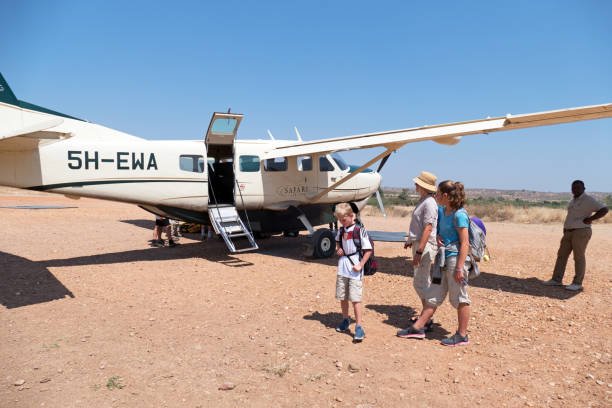
2-Day Tarangire & Ngorongoro Safari From Zanzibar: Flight Package Cost 2026
A detailed guide on the logistics, cost factors, and itinerary realities for a 2-day fly-in safari from Zanzibar to Tarangire National Park and the Ngorongoro Crater.
View package detailsDec 14, – 7 Day Complete Tanzania Northern Circuit Group Safari 2026
Planning for December 2026? Join our 7-day complete Tanzania Northern Circuit group safari. A deep look at the Serengeti, Ngorongoro, and Tarangire with expert, locally-led logistics.
View package details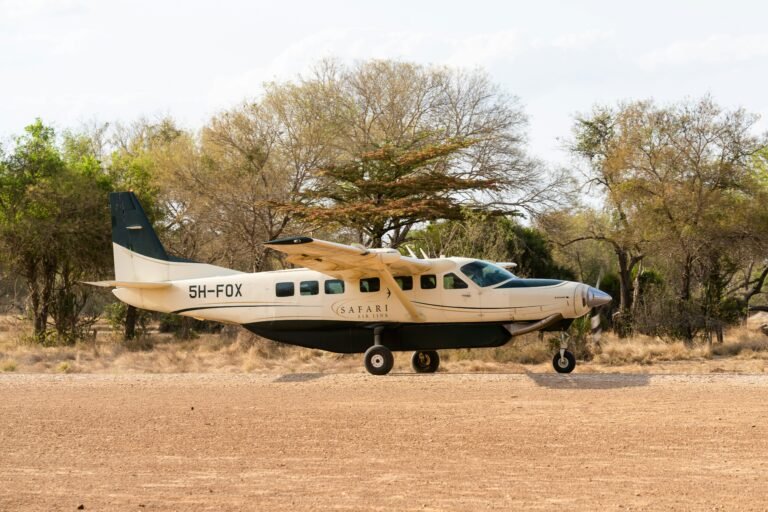
Lake Manyara Airstrip Vs Arusha Airport: Which Is Best For Ngorongoro In ?
Deciding between Lake Manyara Airstrip and Arusha Airport for your Ngorongoro Crater safari? We compare the transfer times, costs, and travel styles to help you choose the right gateway for...
View package detailsNov 6, – 3 Day Serengeti And Ngorongoro Budget Group Safari 2026
A detailed look at our November 6, 2026 group departure for a 3-day Serengeti and Ngorongoro safari, including planning tips and route logistics.
View package detailsNo related package matches those filters. Clear one or more filters to see the other topic-matched options.



