
When you ask for a quotation for an 8 day Lemosho trek with a New Year summit, you are essentially asking for a complex logistical plan. Because I am a digital resource, I cannot generate a binding, real-time commercial quotation for your specific group size or preferred travel dates here. However, I can provide the exact framework you need to understand the costs, the itinerary structure, and the critical planning decisions that will determine the final price of your expedition with Climb 4 Africa.
A New Year summit is one of the most sought-after experiences on Kilimanjaro. It requires early planning because park permits for the busiest week of the year are limited, and accommodation in Moshi fills up rapidly. Below, I break down the core components of your 8-day Lemosho adventure so you can evaluate the investment and know exactly what to ask for when you reach out for your personalized quote.
What Determines Your Kilimanjaro Quotation?
When you request a quote for an 8-day Lemosho trek, your price will fluctuate based on several non-negotiable operational factors. It is helpful to understand these before you inquire so you can identify the best value:
- Group Size: Private climbs are priced differently than group-joining expeditions. A larger private group can sometimes reduce the per-person cost due to shared fixed expenses like park entry fees and vehicle transfers.
- Inclusions: A professional, ethical quote must include park fees, rescue fees, camping fees, professional guide services, quality mountain tents, and nutritious meals. Be wary of quotes that seem significantly cheaper; they often exclude essential safety gear or rely on substandard equipment.
- Accommodation Before/After: Your quote should clarify if it includes hotel nights in Moshi before and after the trek. We typically recommend at least one night of rest before starting to ensure you are fully acclimatized and ready.
- Gear Rental: If you do not have your own specialized high-altitude gear, ensure your quote includes the option to rent professional-grade sleeping bags, trekking poles, and warm-weather apparel.
Why Choose the 8-Day Lemosho Route for New Year?
The Lemosho route is widely considered the superior choice for those prioritizing a high success rate and a scenic experience. Unlike the shorter, crowded routes, the 8-day Lemosho itinerary allows for a more gradual ascent, which is critical for acclimatization.
For a New Year summit, the Lemosho route offers a unique advantage: the approach from the west is less congested than the Machame or Marangu routes. This gives you a quieter, more reflective experience as you move through the rainforest and the heather and moorland zones. By the time you join the main trail, your body is better adapted to the thin air, significantly increasing your chances of standing on Uhuru Peak as the new year begins.
You can read more about our specific group-joining options and planning details in our guide on climbing Kilimanjaro in January.
Logistics of a New Year Summit
Summiting Kilimanjaro on or around January 1st is a logistical feat. The mountain remains open, and the weather is generally favorable, but the park is at its peak capacity. Booking early is not just a recommendation; it is a necessity. For those looking for confirmed group options, we often coordinate departures like our 8-day Lemosho route 2 January group climb, which balances the holiday timing with optimal trekking conditions.
If you are traveling as a couple or a private group, the logistics shift slightly. You have more flexibility in your departure day, which can sometimes help in avoiding the absolute peak of the summit traffic. We have extensive experience managing private Kilimanjaro climbs over Christmas and New Year, ensuring that your specific pace and preferences are met while maintaining the highest safety standards.
Preparation and Safety: Beyond the Quote
A successful climb is about more than just the itinerary. It is about your preparation. When we discuss your quotation, we will also discuss your fitness level and your experience. While the 8-day Lemosho route is designed for success, you should still engage in regular cardiovascular training for several months before your trip.
Safety is the non-negotiable pillar of our operations. Every trek includes:
- Qualified Wilderness First Responder Guides: They are trained to monitor your health, oxygen saturation, and pulse daily.
- Emergency Evacuation Protocols: We have established procedures for rapid descent if altitude sickness symptoms appear.
- Nutritious, High-Energy Catering: Your body needs fuel to perform at altitude. Our menus are designed by experts to be digestible and energy-dense.
If you are wondering about group joining climbs in December, these are excellent ways to share the cost while meeting like-minded trekkers. However, for a New Year specific summit, the group dynamics are often more celebratory, making for an unforgettable transition into the new year.
How to Secure Your Quotation
To move from planning to booking, we need a few specific details from you. This allows us to provide an accurate, transparent, and fair quotation for your 8-day Lemosho trek.
Please prepare the following information before reaching out:
- Exact or approximate number of travelers: Are you solo, a couple, or a larger group?
- Preferred start date: Do you want to be on the summit for the stroke of midnight on January 1st, or are you aiming for a summit just after the New Year?
- Accommodation requirements: Do you need us to book your pre- and post-climb hotel in Moshi?
- Rental gear: Will you need us to provide sleeping bags, poles, or other technical gear?
Once you have these details, you can contact us directly. We are available via WhatsApp at +255 747 477 898, or you can email us at climb4africa@gmail.com or our backup address info@climb-4-africa.com. We take the time to answer every inquiry personally, ensuring you have a clear understanding of the costs and the journey ahead before you commit.
Choosing the right operator is the most important decision you will make for your Kilimanjaro trip. We believe in transparency, safety, and providing an authentic Tanzanian experience. Whether you choose the 8-day Lemosho or another route, we look forward to helping you reach the Roof of Africa.
The 8-Day Lemosho Itinerary: A Day-by-Day Breakdown
Understanding the rhythm of your trek is vital for visualizing your New Year summit. The 8-day Lemosho route is prized because it avoids the rapid ascent profiles of shorter trails, offering a methodical approach to altitude. While specific campsite allocations can occasionally shift due to park management decisions, the following progression represents the standard, scientifically sound itinerary used to maximize acclimatization.
Days 1-2: The Approach and Rainforest Transition
Your journey begins at the Londorossi Gate. On Day 1, you complete park formalities and drive to the trailhead. The hike is relatively short and gentle, winding through the lush, emerald-green montane rainforest. You will spend your first night at Mti Mkubwa (Big Tree) Camp, allowing your body to adjust to the humid, low-altitude environment. Day 2 sees you leaving the rainforest behind as the vegetation thins into moorland. You trek toward the Shira Plateau, a massive volcanic caldera. This day is crucial for your “climb high, sleep low” strategy; you gain significant elevation during the day, which helps prime your body for the higher camps to come.
Days 3-4: The Shira Plateau and Lava Tower Acclimatization
Day 3 is often considered one of the most scenic days on the mountain. You traverse the Shira Plateau, a high-altitude desert that offers panoramic views of the Western Breach and the Shira Cathedral. You camp at Shira 2, which provides a stunning vantage point for sunset. Day 4 is the pivotal acclimatization day. You trek toward the Lava Tower, a massive volcanic plug sitting at 4,630 meters. This is the highest point you will reach before your summit attempt. After lunch at the tower, you descend to the Barranco Valley. This descent is not just for rest; it is a vital physiological reset, moving you from the thin air of the tower down to the lush, protected valley, which significantly improves your chances of avoiding acute mountain sickness.
Days 5-6: Navigating the Barranco Wall and Karanga Valley
Day 5 starts with the famous Barranco Wall—a non-technical but steep scramble that requires focus. Once at the top, you traverse the ridges and valleys, eventually descending into the Karanga Valley. This is your last water stop before the high camps. Day 6 is a shorter trekking day, moving from Karanga to Barafu Camp (the base camp). The goal here is conservation. You arrive at Barafu by early afternoon, leaving ample time to rest, hydrate, and organize your gear for the midnight push. Being at base camp early is essential; it allows you to sleep for a few hours before the summit attempt begins, rather than arriving exhausted.
Days 7-8: The New Year Summit and Descent
Day 7 is your summit day. You wake up shortly before midnight to begin the ascent in the dark, typically reaching Stella Point and then Uhuru Peak as the sun rises. If you have timed your trek for a New Year summit, this is the moment of arrival. After capturing your photos and celebrating, you begin the long, dusty descent back to Mweka Camp. Day 8 is the final trek through the lower rainforest to Mweka Gate, where you sign out of the park and receive your summit certificates before returning to Moshi for a well-deserved shower and celebration.
Why This Itinerary Influences Your Quote
When requesting your quotation, you will notice that the 8-day itinerary is more expensive than a 6 or 7-day version. This is due to the extra park fees for the additional day and the increased logistical support required for your crew. However, the investment is directly proportional to your success rate. By choosing the 8-day Lemosho route, you are paying for the time required to safely adapt to the altitude, which is the most significant factor in whether or not you will actually reach the summit to ring in the New Year.
Deep Dive: The Critical Phases of Your 8-Day Lemosho Trek
While the broader itinerary gives you a roadmap, the true value of your investment lies in the specific, high-stakes days that define the success of a New Year summit. Understanding these days in detail helps you appreciate why professional, experienced mountain crews charge what they do—and why cutting corners here is a risk you cannot afford to take.
Day 3: The Transition to the Shira Plateau
After leaving the Mti Mkubwa camp, Day 3 marks your true entry into the alpine zone. This is where the physical reality of the Lemosho route begins to set in. As you trek toward the Shira Plateau, you will notice the vegetation thinning, shifting from the dense rainforest to the sparse, otherworldly landscape of the heather and moorland zones. This day is crucial for your quote because it requires skilled pacing. A novice guide might rush you through this section to reach camp early, but a premium service prioritizes ‘pole pole’ (slowly, slowly) movement. You are gaining significant altitude, and your body is beginning the complex process of adjusting to lower oxygen levels. The Shira Plateau is expansive and often windy; your crew will be working hard to set up tents in potentially exposed conditions, ensuring that when you arrive, you have a warm, secure shelter. This is the first night you will truly feel the temperature drop, and the quality of the sleeping bags and tent insulation provided by your operator—factors that directly influence your price—will become immediately apparent.
Day 5: Navigating the Barranco Wall and Karanga Valley
Day 5 is often cited as the most exhilarating day of the trek, but it is also a day that demands absolute focus. The Barranco Wall is a 300-meter scramble that serves as a physical gatekeeper to the upper mountain. While not technical in a mountaineering sense, it requires three points of contact and a steady hand. Your guide’s role here is to manage the flow of traffic, as the wall can become congested with other groups. They will identify the safest line for you, helping you navigate the ‘Kissing Rock’ and other narrow sections. After conquering the wall, the traverse toward the Karanga Valley is a test of endurance. You are walking along the ridges, constantly ascending and descending. This is a classic ‘climb high, sleep low’ tactic. By descending into the Karanga Valley rather than pushing straight to the higher, colder Barafu camp, you are effectively training your body for the summit day. The cost of this day includes the extra support required to manage camp logistics in a valley that is often crowded, ensuring you have a dedicated space to recover before the final push.
Day 7: The Logistics of the Midnight Summit
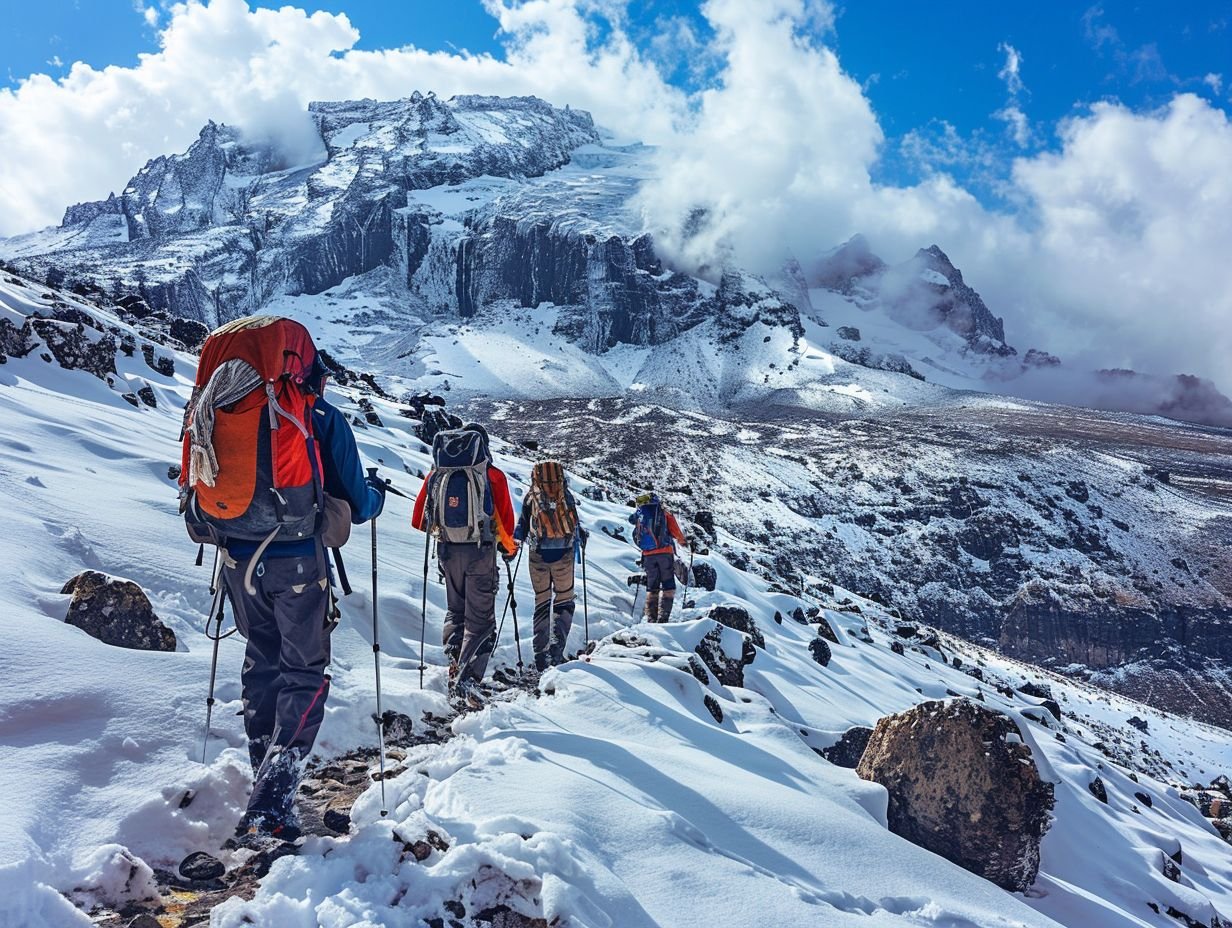
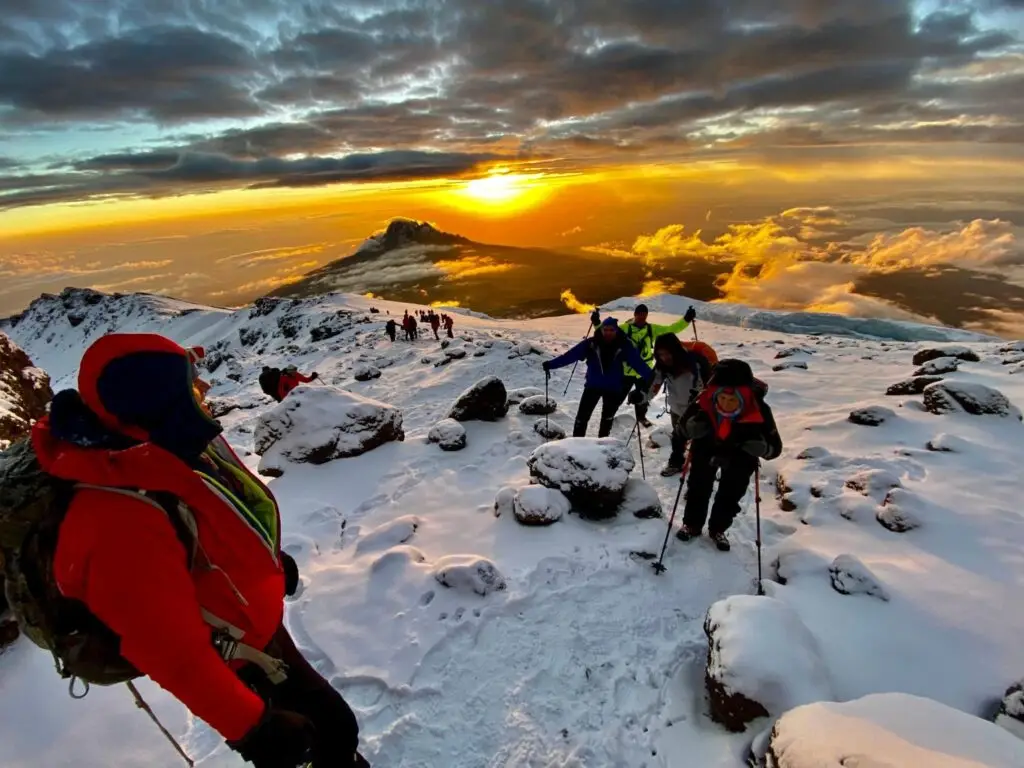
The summit day is the pinnacle of your New Year expedition. The logistics of a midnight start are complex and form the backbone of your quotation. Why midnight? It is not just to see the sunrise; it is to ensure you reach the summit and begin your descent before the afternoon weather patterns—which often bring clouds and precipitation—set in. Your crew will wake you up around 11:00 PM or midnight for a light meal. This is a critical time for your guide to assess your health. They will be checking your oxygen saturation levels and your mental state before you even step out of the tent. The ascent to Stella Point is a grueling, dark, and cold process. Your guide’s job is to keep you motivated and moving at a pace that prevents exhaustion. Once you reach Stella Point, you are on the crater rim. The final push to Uhuru Peak is less about vertical gain and more about mental resilience. After your celebration, the descent is equally important. Many trekkers underestimate the fatigue of the journey back down to Mweka Camp. Your crew is responsible for ensuring you do not slip or injure yourself on the loose scree, a task that requires experienced, well-rested porters who have been properly supported by your expedition’s budget.
Frequently Asked Questions Regarding Your Summit Attempt
The Financial Breakdown: Understanding Your Quotation Components
When you receive a quotation for an 8-day Lemosho trek over the New Year period, the document should be itemized. A professional quotation is not merely a single lump sum; it is a breakdown of the resources required to keep you safe and comfortable in a remote, high-altitude environment. Understanding these line items allows you to compare quotes apples-to-apples, ensuring you are not sacrificing safety for a lower price tag.
Park Fees and Conservation Levies
The largest non-negotiable portion of your quote consists of Kilimanjaro National Park (KINAPA) fees. These are fixed by the Tanzanian government and are the same for every operator. They include park entry fees (charged per 24-hour period), camping fees, and rescue fees. Because the 8-day Lemosho route spends more time on the mountain than shorter routes, your park fees will be higher. When you review your quote, ensure these are clearly stated as “park entry fees” rather than being buried in a vague “service” category. These fees are the lifeblood of the mountain’s preservation, and they are non-negotiable costs that protect the infrastructure you will rely on.
The Human Element: Crew Ratios and Wages
A significant portion of your investment covers the dedicated team that makes a New Year summit possible. For an 8-day trek, your crew size is substantial. A standard ratio typically includes a lead guide, assistant guides, a cook, and a team of porters. The quote must reflect fair wages for these professionals. Be wary of “budget” quotes that seem too good to be true; often, these operators cut costs by underpaying their staff or failing to provide proper mountain gear for their porters. Ethical operators include the cost of fair wages, crew insurance, and high-quality mountain-grade equipment in their base quotation. Ask your operator specifically about their “fair wage policy” to ensure your trek supports the local economy ethically.
Logistics: Transport, Food, and Equipment
Beyond the mountain, your quote covers the logistics of getting you to the trailhead and back. This includes the transfer from Moshi or Arusha to the Londorossi Gate—a significant drive that requires reliable, well-maintained 4×4 vehicles. On the mountain, the food budget is another differentiator. High-altitude trekking requires high-calorie, nutritious, and fresh meals to sustain energy levels. A professional quote accounts for the logistics of transporting fresh produce and safe drinking water up the mountain throughout your 8-day journey. If a quote seems suspiciously low, investigate the meal plan; cheaper operators may rely heavily on dry rations, which can negatively impact your energy and acclimatization success.
Safety Equipment and Emergency Protocols
Finally, your quotation should account for safety equipment that you hope never to use but must have available. This includes pulse oximeters for daily health checks, emergency oxygen cylinders, comprehensive first-aid kits, and the logistics for a potential stretcher evacuation. These items are not just “extras”; they are essential components of a safe Kilimanjaro expedition. When reviewing your quote, look for an explicit mention of safety protocols. If an operator does not detail their emergency response plan or the availability of safety gear in their quote, it is a significant red flag that should prompt further questions before you commit your deposit.
The Hidden Financial Realities: Tipping and Gratuities
When you evaluate your quotation for an 8-day Lemosho trek, you must distinguish between the contracted costs—those paid to the operator—and the customary gratuities, which are paid directly to your mountain crew at the end of the expedition. This is a critical distinction that often catches first-time Kilimanjaro trekkers off guard. While your quote covers the operator’s overhead, logistics, and fair wages for the staff, the tipping culture on Kilimanjaro is a well-established, separate financial expectation that serves as a vital supplement to the livelihoods of your porters, cooks, and guides.
Tipping is not an optional “bonus” for exceptional service; it is a standard industry practice that the entire mountain workforce relies upon. Because this amount is typically not included in your quotation, you must factor it into your total trip budget before you leave home. A common mistake is to arrive with insufficient cash, which can lead to an uncomfortable final day. The tipping ceremony usually takes place on the final morning at the Mweka Gate or the last campsite, where you will present the gratuities to the lead guide, who then distributes them among the team based on the established mountain hierarchy.
To budget effectively, ask your operator for their recommended tipping guidelines. While these can vary, they are usually calculated based on the total number of crew members assigned to your specific climb. Remember that for an 8-day Lemosho trek, you will have a larger crew than on shorter routes to ensure safety and comfort. Do not feel pressured to carry large sums of cash on the mountain; many reputable operators allow you to settle your tips in USD or TZS at their base office in Moshi or Arusha, where they will handle the secure distribution to the crew on your behalf. This is often the safest and most transparent method.
Group Joining vs. Private: Choosing Your Expedition Style for New Year
A major driver of your quotation—and your overall experience—is the choice between a private trek and a group-joining expedition. For a New Year summit, this decision is particularly consequential due to the high demand for limited spots on the mountain. Understanding the trade-offs allows you to select the style that aligns with your personal summit goals.
A private trek offers the ultimate flexibility. You set the pace, you choose your departure date (within the operator’s availability), and the entire itinerary is focused exclusively on you and your companions. If you are a slower hiker or require more frequent stops to acclimatize, a private guide can adjust the daily schedule without the pressure of keeping up with a larger group. For a New Year summit, private treks are often easier to book as they do not rely on filling a minimum quota of strangers, making them a more reliable choice for travelers with strict flight schedules.
Conversely, a group-joining expedition is generally more cost-effective. By sharing fixed costs—such as the vehicle transfer, the lead guide, and the camp support staff—with other travelers, the per-person price is typically lower than a private trek. These groups also provide a unique social environment, which can be incredibly motivating during the challenging final ascent. However, group treks operate on a fixed schedule. If the group has a set pace that does not match your own, you may find the experience stressful. For the New Year period, group spots fill up months in advance. If you opt for this route, you must be prepared to commit early, as there is little room for negotiation once the group roster is closed.
Post-Summit: Celebrating the New Year in Moshi or Arusha
The conclusion of your 8-day Lemosho trek does not end the moment you step off the mountain. If your itinerary is timed for a New Year summit, you will likely return to Moshi or Arusha on December 31st or January 1st. This transition from the stark, oxygen-deprived environment of the summit to the vibrant, warm reality of Tanzanian life is a profound part of the experience.
Most reputable operators include a post-climb hotel night in their quote. This is not just for rest; it is essential for recovery. After 8 days of camping, the luxury of a hot shower, a real bed, and a celebratory meal is unparalleled. If you are in Moshi for New Year’s Eve, expect a lively atmosphere. Many local hotels and restaurants host special events to celebrate the holiday, blending international festivities with local Tanzanian music and cuisine. This celebration is the perfect “decompression” period, allowing you to reflect on your achievement with your fellow trekkers and the guides who helped you reach the summit.
When reviewing your final itinerary, ensure that your post-summit night is confirmed and that your transport from the Mweka Gate back to the hotel is smooth. You will be exhausted, and the last thing you will want to navigate is local logistics. Some travelers choose to book an extra “buffer” day in Moshi after the trek. This provides a safety net for any potential delays in your descent and allows you to enjoy the New Year celebrations without the stress of an immediate flight home. If your budget allows, this extra night is one of the best investments you can make in the quality of your post-summit experience.
Check Availability for Quotation For An 8 Day Lemosho Trek With A New Year Summit: Planning Guide
Ready to compare dates, prices, and the best option for your group? Send the package name and travel month so the team can reply with a clear quote, availability, and what is included.
8 Days Lemosho Route Christmas Climbing Package December : Plan Your Summit
A comprehensive guide to planning your 8-day Lemosho Route climb for December 2026, focusing on acclimatization, route benefits, and logistics for a holiday summit.
View package details
Private 8 Days Lemosho Route With Personalized Mountain Guide For 2026
A deep look at why the 8-day Lemosho route is the premier choice for Kilimanjaro success, how our personalized guide system works, and how to plan your 2027 climb.
View package details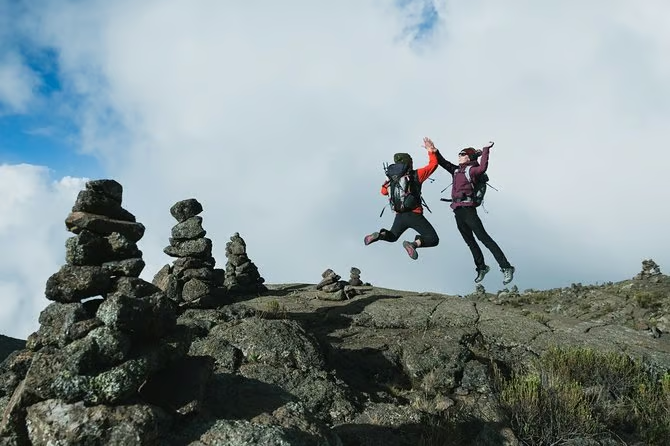
9 Days Northern Circuit Kilimanjaro Trek December : The Ultimate
A comprehensive guide to the 9-day Northern Circuit route for December 2026, focusing on acclimatization, route advantages, and logistical planning.
View package details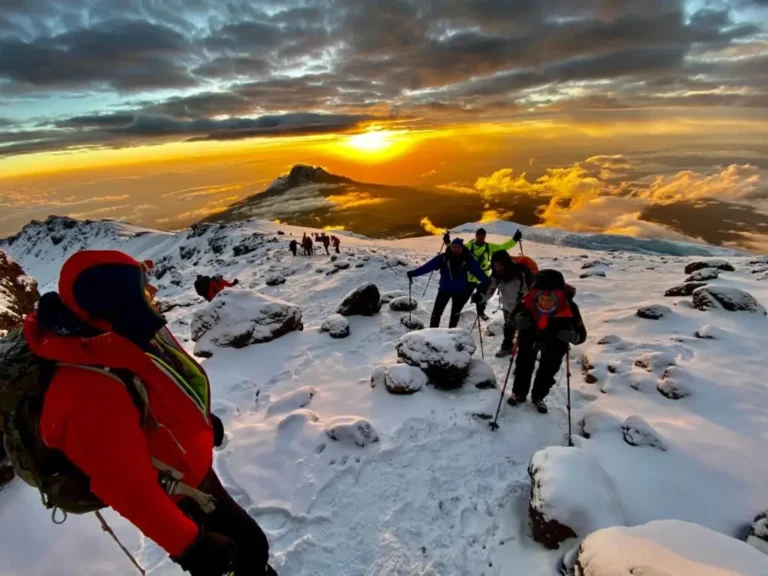
Kilimanjaro New Year Summit Packages: Planning Your December Departure 2026
A practical guide to securing your Kilimanjaro New Year 2027 summit. Learn why starting your climb in late December 2026 is critical for a successful, stress-free ascent.
View package detailsKilimanjaro New Year Summit Group Departures December : Planning Your Ascent
Planning a New Year summit on Kilimanjaro requires specific logistics. Learn how to join a group departure for December 2026, choose the right route, and prepare for your climb.
View package details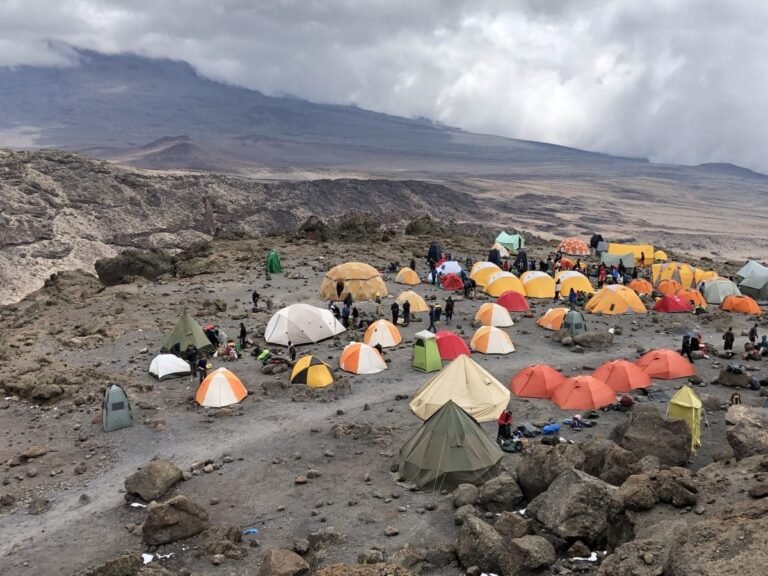
7 Days Rongai Route Kilimanjaro Holiday Climb December : Expert Guide 2026
A deep look at the 7-day Rongai Route for December 2026 climbers, focusing on route logic, acclimatization benefits, and practical planning for your holiday expedition.
View package details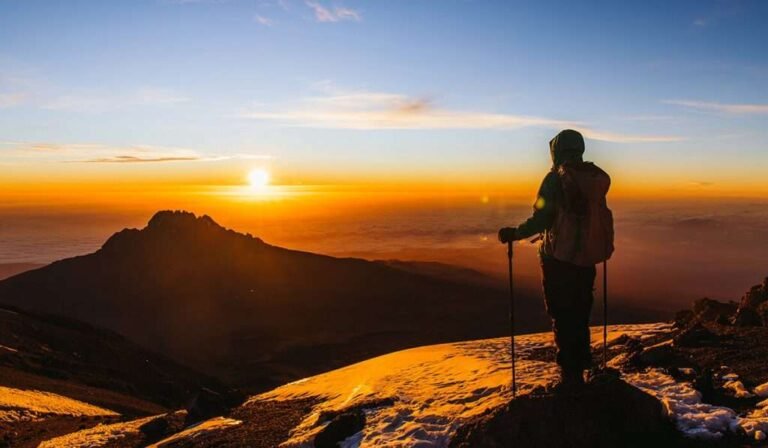
How Early Should I Book A December Kilimanjaro Group Trek? A Planning Guide
Planning a December Kilimanjaro climb? Learn the ideal booking window, why holiday dates fill up fast, and how to secure your spot for 2026-2027.
View package details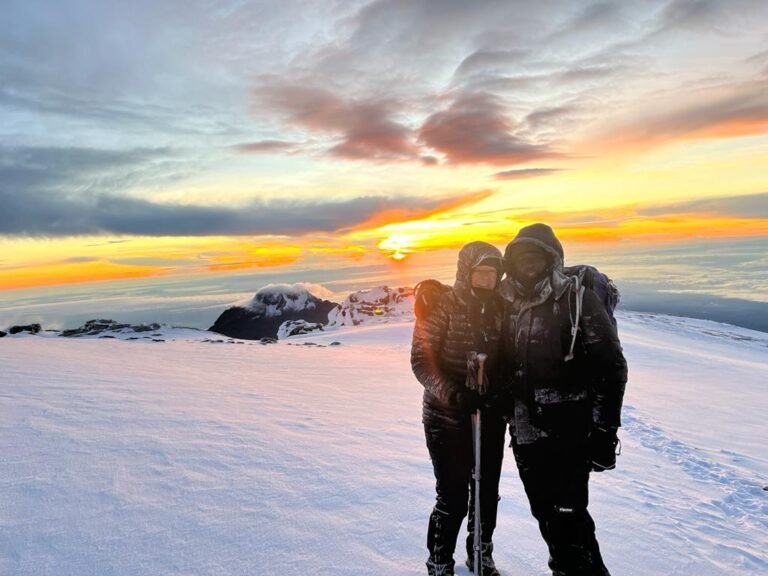
Budget Kilimanjaro Trek With Airport Pickup And Hotel Accommodation: A Planner
A practical guide to securing a reliable, value-driven Kilimanjaro climb that includes essential airport transfers and comfortable hotel stays, ensuring your adventure starts smoothly.
View package details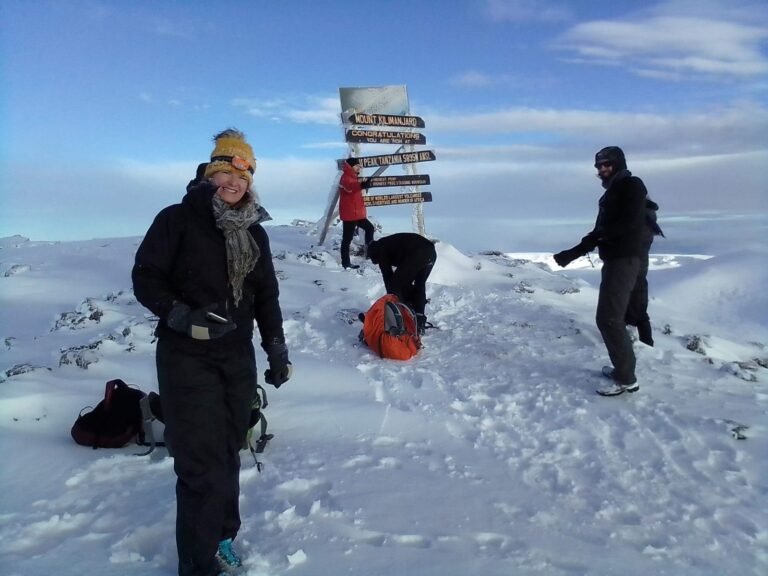
Kilimanjaro Family Christmas Holiday Trekking Packages 2026
Expert guide to organizing a Kilimanjaro family holiday trek, focusing on the best routes, acclimatization strategies, and logistical planning for the December season.
View package details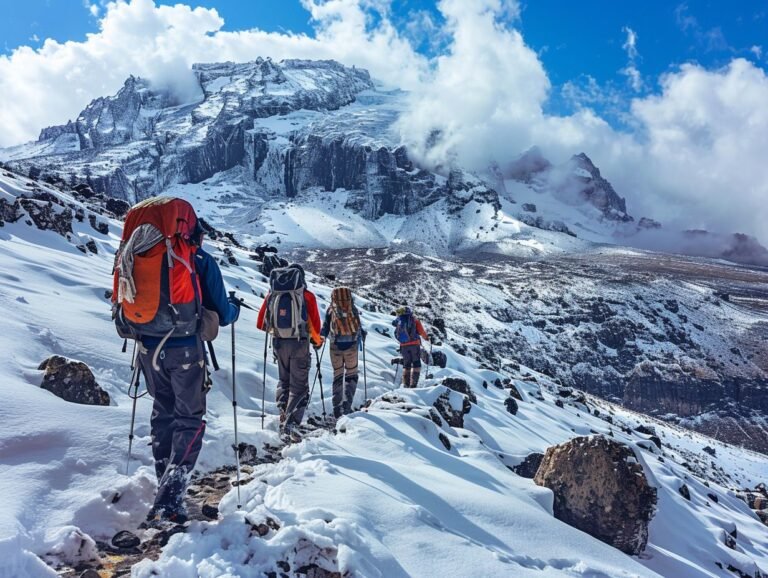
Exclusive Kilimanjaro Christmas Trek With Premium Support Team 2026
An in-depth guide to securing a private, high-support Kilimanjaro expedition for the holiday season. We cover route selection, team ratios, and planning for 2026-2027.
View package details
Romantic Kilimanjaro Summit Adventure For Couples December : Planning Your
A detailed guide for couples planning a Kilimanjaro summit in December 2026, focusing on route selection, acclimatization, and the benefits of private trekking arrangements.
View package detailsLuxury Mount Kilimanjaro Trekking Packages December : Planning Your Premium
A detailed guide to booking luxury Kilimanjaro trekking packages for December 2026, covering route selection, premium service standards, and planning essentials.
View package detailsNo related package matches those filters. Clear one or more filters to see the other topic-matched options.



