
For travelers planning a combined Tanzania safari and Uganda gorilla trekking itinerary, the reality of Tanzania to Uganda flights is that there is no “one-size-fits-all” route. The most efficient connections typically originate from Kilimanjaro International Airport (JRO) or Dar es Salaam (DAR) and arrive at Entebbe International Airport (EBB). While direct flights exist on specific schedules, most travelers will find themselves routing through Nairobi (NBO) or Kigali (KGL). Ticket prices vary significantly based on how far in advance you book and the airline’s hub policy. Because schedule changes are relatively common in East African regional aviation, we strongly advise travelers to treat these flights as a secondary logistical step—book them only after your primary international flights and core safari dates are secured. For assistance with managing these complex regional connections, you can reach us at WhatsApp +255 747 477 898 or email climb4africa@gmail.com.
Linking Tanzania’s vast savannahs with Uganda’s dense, primate-rich forests is a bucket-list itinerary for many, but the logistics of the “middle leg”—the flight between the two countries—often causes the most stress. Unlike domestic flights within Tanzania, where competition is high and schedules are frequent, cross-border flights require careful coordination. Misjudging a connection here doesn’t just mean a lost afternoon; it can jeopardize a pre-booked gorilla permit or a scheduled bush plane departure in the Serengeti.
The Primary Hubs: Kilimanjaro vs. Dar es Salaam
Before you look at ticket prices, you must identify your departure point. Your starting location in Tanzania dictates which routes are available and how much time you will spend in transit.
Kilimanjaro International Airport (JRO): This is the most common departure point for safari travelers. If you have just finished a Kilimanjaro climb or a Northern Circuit safari (Serengeti, Ngorongoro), this is your gateway. Flights from JRO to Entebbe are generally more expensive than those from Dar es Salaam because they often involve a connection, frequently through Nairobi (Kenya Airways) or Kigali (RwandAir). Direct flights from JRO to EBB are rare and subject to seasonal airline schedules.
Dar es Salaam (DAR): If your trip ends with time in Zanzibar or the Selous/Nyerere region, you will likely fly out of Julius Nyerere International Airport. DAR offers more frequent regional connections. You are more likely to find competitive pricing here because of higher traffic volume and more airlines competing for the route. However, adding a flight from your safari location to Dar es Salaam before catching your international connection to Uganda adds cost and time.
Airline Landscape and Route Options
The regional aviation market is dominated by a few key players. Understanding their strengths helps you make the right choice for your travel style.
- Uganda Airlines: As the national carrier, they have expanded their regional footprint. When direct flights between Tanzania and Uganda are available, this is often the carrier operating them. They offer a more streamlined experience, but their frequency can be limited.
- Kenya Airways: Often the most reliable option for connectivity. Even if the price is slightly higher, the frequency of flights through Nairobi means that if you miss a connection, there is usually another flight shortly after. This reliability is a major factor for travelers on tight safari schedules.
- RwandAir: A strong contender for travelers willing to transit through Kigali. The Kigali airport is efficient, and the transfer process is generally smoother than at some larger, busier hubs. If you are looking to balance cost and service, compare their rates against Kenya Airways.
- Precision Air: A Tanzanian staple. While they excel at domestic routes, their regional reach is vital. They are often the best choice for a straightforward, no-frills connection if their schedule aligns with your needs.
Comparison: Regional Route Logistics
Use this table to weigh the trade-offs of your potential flight path. Note that flight durations are estimates and do not include the time spent on the ground during layovers.
| Route | Typical Stopover | Primary Carriers | Best For |
|---|---|---|---|
| JRO to EBB | Nairobi (NBO) | Kenya Airways, Precision Air | Northern Circuit Safari travelers |
| DAR to EBB | Nairobi (NBO) or Direct | Uganda Airlines, Kenya Airways | Coastal/Zanzibar/Southern Safari travelers |
| ZNZ to EBB | Nairobi (NBO) | Kenya Airways | Combining Beach & Gorilla Trekking |
Understanding Ticket Price Fluctuations
Travelers often ask why a flight between two neighboring countries can cost as much as an international long-haul ticket. There are three main factors driving Tanzania to Uganda flight prices:
1. The “Hub-and-Spoke” Effect: Because there is limited demand for direct, point-to-point regional flights, airlines funnel passengers through their hubs. You aren’t just paying for the flight; you are paying for the operational cost of managing a connection in a busy airport like Nairobi or Kigali. This adds landing fees, handling charges, and transit taxes to your ticket.
2. Booking Windows: Unlike domestic Tanzanian bush flights, which are often fixed-price or seasonal, these regional tickets function like international tickets. Prices rise sharply as seats fill up. If you are planning a trip for the peak months (July, August, or December/January), book your regional flights at least 4 to 6 months in advance. Waiting until the last minute is the most common reason for inflated prices.
3. Luggage Allowances: Always check the baggage policy before finalizing your purchase. A “cheap” ticket might only include 7kg of carry-on luggage. If you are carrying safari gear or camera equipment, the cost of adding checked bags can quickly negate any initial savings. We recommend verifying the specific airline’s baggage policy as part of your total cost calculation.
Planning Your Gorilla Safari Connection
One of the most popular reasons to book these flights is to combine a Tanzanian safari with a gorilla trekking experience in Bwindi Impenetrable Forest or Mgahinga. This is a complex logistical move. When you look at your flight options, consider the “arrival buffer.”
We advise our clients to arrive in Entebbe at least one full day before their scheduled transfer to the gorilla parks. The road journey from Entebbe to Bwindi is long (often 8-10 hours), and internal flights within Uganda (Entebbe to Kisoro or Kihihi) are small-plane operations that are highly sensitive to weather. If your regional flight from Tanzania is delayed, you risk missing your connecting bush plane in Uganda. For more on this, read our guide on Tanzania Uganda gorilla safari packages, which explains how we manage these transfers to minimize risk.
Practical Booking Advice for 2026-2027
If you are in the planning stages for 2026 or 2027, keep these three expert tips in mind:
- Check Visa Requirements Early: Tanzania and Uganda are both part of the East African Community, but visa rules can change. Ensure your passport is valid for at least six months beyond your travel date and check if you are eligible for an East African Tourist Visa, which covers both countries.
- Monitor Schedule Changes: Regional airlines are notorious for shifting flight times by an hour or two. If you book a tight connection, a minor schedule change can break your itinerary. We suggest allowing at least 3 hours for any transit connection.
- Consolidate Your Booking: When possible, book your international and regional flights on the same ticket (e.g., if you are flying an airline that offers through-ticketing). This provides better protection if your first flight is delayed and you miss the connection. If you book separate tickets, you are essentially on your own if the first flight is late.


Getting Expert Help
Navigating the flight options between these two nations is more than just a price comparison; it is a risk management exercise. At Climb 4 Africa, we assist our travelers in understanding the trade-offs between cost, convenience, and reliability. We do not operate the airlines, but we do monitor the routes our clients use most frequently. If you are unsure which airport to choose, or if you need to coordinate your safari end-date with a flight to Entebbe, we can help you structure the logistics so the pieces fit together.
For a tailored consultation regarding your upcoming itinerary, feel free to contact us. Whether you are finalizing your 2026 travel plans or just starting to look at dates for 2027, we are here to provide the local context you need. You can reach our team via WhatsApp at +255 747 477 898 or by sending your itinerary details to climb4africa@gmail.com or our backup address at info@climb-4-africa.com. We look forward to helping you bridge the gap between your Tanzania safari and your Uganda adventure.
Navigating the Transit Experience: Nairobi and Kigali Realities
While flight costs and booking windows dominate the planning phase, the actual transit day is where most itineraries face their greatest operational risk. When flying from Tanzania to Uganda, you are rarely on a direct flight. You will almost certainly pass through either Jomo Kenyatta International Airport (NBO) in Nairobi or Kigali International Airport (KGL) in Rwanda. Understanding how these hubs function—and how your baggage is handled within them—is the difference between a smooth journey and a missed connection that could ruin your gorilla trekking schedule.
The “Through-Ticket” vs. Self-Transfer Dilemma
The most critical distinction for any traveler is whether your journey is booked on a single ticket (interlined) or as two separate, independent bookings. If you book your Tanzania-to-Nairobi flight and your Nairobi-to-Entebbe flight on one itinerary, your bags are typically checked through to your final destination. In the event of a delay on the first leg, the airline is obligated to rebook you at no cost.
Conversely, if you “self-transfer” by booking two separate tickets to save money, you are assuming all the risk. In this scenario, you must clear immigration in the transit hub, collect your checked luggage, exit the terminal, and re-check your bags for the next flight. This process requires a minimum of four to five hours between flights. If your first flight arrives late, you will miss your connection, and the second airline is under no obligation to assist you. Given that regional airlines in East Africa often operate on thin schedules, this risk is non-trivial.
The Nairobi (NBO) Transit Experience
Nairobi is the busiest hub in the region. If you are transiting here, expect a high-volume environment. Even if you are on a single ticket, you will likely have to go through a security screening process again before reaching your departure gate. Do not assume that “transit” means you stay in a sterile, untouched zone; the airport layout often forces arriving passengers into the departures area, which involves a secondary security check.
For those forced to self-transfer, Nairobi’s immigration queues can be unpredictable. During peak morning and evening hours, when major international flights arrive and depart, immigration can take over an hour. If you have a tight connection, you will find yourself rushing through a crowded terminal. We strongly advise against any connection in Nairobi under three hours if you are required to collect and re-check bags.
The Kigali (KGL) Transit Experience
Kigali is often cited by seasoned East African travelers as the more manageable alternative to Nairobi. It is significantly smaller, quieter, and generally more efficient in terms of passenger flow. If your route allows for a connection through Kigali, the transit process is usually much faster. The airport is modern and easy to navigate, with clear signage and shorter walking distances between gates. For travelers who are anxious about the “transit stress” of a major hub, opting for a route through Kigali can be a strategic choice to lower the tension of your travel day.
Arrival at Entebbe (EBB) and the “Gorilla-Ready” Check
Once you touch down at Entebbe International Airport, the goal is to exit the airport as quickly as possible to begin your transfer to Bwindi or Mgahinga. However, many travelers make the mistake of packing their essential trekking documentation in their checked luggage. By the time you reach the arrival hall, you should be “Gorilla-Ready.”
This means having your printed gorilla trekking permit, your passport, and your visa documentation in your carry-on luggage. Never leave your permit in a checked bag. If your luggage is delayed—a common occurrence in regional aviation—you could be left without the physical document required to enter the park. While park authorities have digital records, having the hard copy in your hand upon arrival in Uganda eliminates any potential bureaucratic friction at the start of your safari.
Operational Realities: Luggage, Health, and Contingencies
Beyond the logistical coordination of routes and hubs, your flight from Tanzania to Uganda involves specific operational hurdles that can derail your trip before you even reach the boarding gate. These are not just inconveniences; they are procedural barriers that require advance preparation.
The Yellow Fever Certificate: A Non-Negotiable Entry Requirement
While many travelers focus on visas and passports, the most common point of failure for travelers moving between East African nations is the Yellow Fever vaccination certificate. Because you are traveling from a country with a high risk of Yellow Fever (Tanzania) to another (Uganda), border authorities at Entebbe International Airport (EBB) strictly enforce the requirement for a valid International Certificate of Vaccination or Prophylaxis (the “Yellow Card”).
Do not assume that because you are a tourist or have an e-visa that this requirement is waived. You must carry the physical, signed, and stamped card in your carry-on luggage. Digital copies or photos of the card are frequently rejected by ground staff at the departure gate in Tanzania. If you are unable to produce the original document upon arrival in Uganda, you may be denied entry, quarantined, or forced to pay for an on-site vaccination, which can add hours to your arrival process and turn a smooth landing into a bureaucratic nightmare.
The “Weight Mismatch” Trap
One of the most frequent financial shocks for travelers occurs at the check-in counter when they realize their baggage allowance has effectively shrunk. Many travelers arrive in Tanzania on major international carriers (such as KLM, Qatar Airways, or Emirates), which typically allow for 23kg or even 30kg of checked luggage. However, the regional airlines that operate the Tanzanian-Ugandan route often enforce much stricter limits, frequently capping checked baggage at 15kg or 20kg.
This “weight mismatch” is not just a nuisance; it is a significant cost factor. If you show up at a regional check-in desk with your full international-sized suitcase, you will likely be forced to pay excess baggage fees, which are calculated per kilogram and can be exorbitant. Before finalizing your booking, verify the specific baggage allowance for the regional carrier you have selected. If you are traveling with specialized gear—such as camera equipment or trekking boots—you must either consolidate your luggage into one lighter, high-quality bag or factor the cost of excess weight into your total trip budget.
Managing Regional Flight Disruptions: The “Fix-It-Yourself” Mindset
Regional aviation in East Africa is characterized by smaller fleets and tighter schedules, making these routes more susceptible to cascading delays than major international hubs. When a flight is canceled or significantly delayed, you cannot always rely on the automated systems or customer service desks that you might be accustomed to in Europe or North America. Regional airlines may not have interline agreements with other carriers, meaning they cannot simply “put you on the next flight” with a competitor.
To mitigate this risk, adopt a proactive “fix-it-yourself” mindset. First, ensure you have a local SIM card or an active roaming plan as soon as you land; if a flight is canceled, you need the ability to call your ground handler or hotel in Uganda immediately to adjust your transfer. Second, do not wait in line at the airline counter indefinitely. While you are in the queue, use your phone to search for alternative flights on other regional carriers. Often, by the time you reach the front of the desk, the airline staff will have limited options; if you have already identified an alternative flight yourself, you can present it to them as a solution. Finally, always keep your booking reference number and the airline’s local customer service WhatsApp or direct phone number saved in your contacts. Email communication is often too slow during a disruption; a direct phone call is the only way to get real-time assistance.
The Final Leg: Beyond Entebbe International Airport (EBB)
Many travelers make the critical error of viewing their arrival at Entebbe International Airport (EBB) as the conclusion of their travel logistics. In reality, landing in Entebbe is merely the entry point to the country, not the gateway to the gorilla trekking regions. Bwindi Impenetrable Forest and Mgahinga Gorilla National Park are located in the far southwestern corner of Uganda, a significant distance from the airport.
Understanding the “Beyond Entebbe” gap is essential for your flight planning. If you are flying from Tanzania, you will likely arrive at EBB in the late afternoon or evening. Domestic bush flights to the airstrips serving the gorilla parks (typically Kihihi or Kisoro) almost exclusively operate in the morning hours to avoid the unpredictable weather patterns that roll over the mountainous terrain in the afternoon. This means that even if your flight from Tanzania is perfectly on time, you will almost certainly require an overnight stay in Entebbe or Kampala before you can proceed to the trekking regions.
If you attempt to book a connection where you arrive at EBB at 3:00 PM and hope to be in Bwindi that evening, you are setting yourself up for failure. The only way to reach the parks from the airport in a single day is via a private road transfer, which is a grueling 9-to-10-hour drive. After spending time in Tanzania and navigating international transit, adding a full day of driving on Ugandan roads can be physically draining and counterproductive to your safari experience.
When budgeting for your trip, factor in the cost of that mandatory “buffer night” in Entebbe. Do not view this as a wasted expense; it is a vital safety net. It allows you to clear customs, retrieve your luggage, and recover from your regional transit before embarking on the final leg of your journey. Furthermore, if your regional flight from Tanzania faces a delay—which, as previously discussed, is a real possibility—having that buffer night ensures you do not miss your domestic bush flight or your first day of trekking. By planning for this overnight stay, you transform a potentially stressful logistical sprint into a manageable, well-paced transition from the savannahs of Tanzania to the mist-covered forests of Uganda.
Related Guides and Packages
Check Availability for Tanzania To Uganda Flights: Best Routes And Ticket Prices
Ready to compare dates, prices, and the best option for your group? Send the package name and travel month so the team can reply with a clear quote, availability, and what is included.
Entebbe To Tanzania Flights: Ticket Prices And Route Guide
A comprehensive guide for travelers planning flights from Entebbe to Tanzania, covering ticket price factors, route options for Kilimanjaro and safari tours, and essential booking logistics...
View package details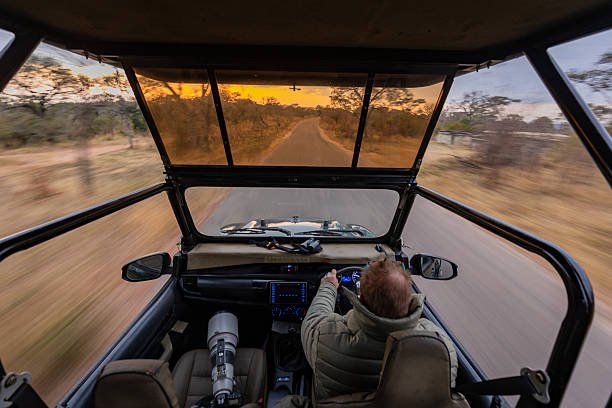
Tanzania Flight Ticket Prices: Economy Vs Safari Bush Flights Explained
A practical guide to understanding the cost and logistical differences between commercial economy flights and private-style bush flights in Tanzania.
View package details
Tanzania Flight Prices May : Ticket & Travel Routes
Planning your Tanzania trip for May 2027? Understand the seasonal flight dynamics, the difference between domestic and international routes, and how to optimize your travel budget during...
View package details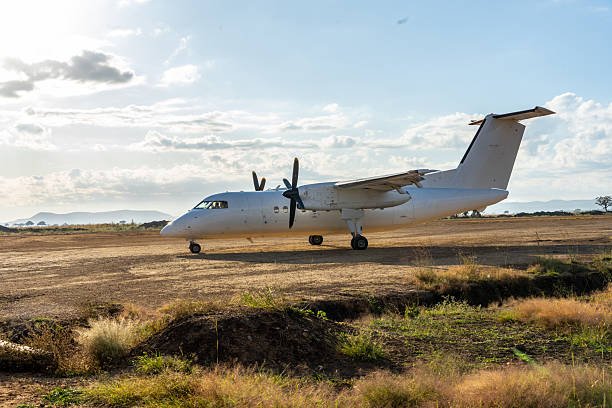
Kenya To Tanzania Safari Flights: Prices & Booking Guide
A practical guide to connecting Kenya and Tanzania by air for your safari. Learn about border logistics, booking realities, and why most travelers choose specific routes over others.
View package details
Serengeti To Kigali Flights: Ticket Prices & Travel Guide
Connecting the Serengeti to Kigali requires a strategic two-stage flight plan. Understand the logistics, baggage limits, and booking considerations for your 2026-2027 itinerary.
View package detailsNairobi To Zanzibar Flights: Ticket Prices & Booking Guide
A comprehensive guide to understanding flight costs, airline choices, and logistics for the popular Nairobi to Zanzibar route.
View package details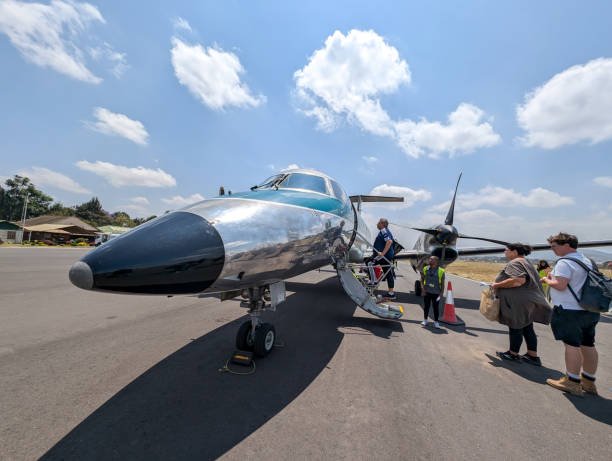
Flights To Mount Kilimanjaro: Ticket Prices & Airport Guide
A comprehensive guide to flying into Kilimanjaro International Airport (JRO) in 2027. Learn how to secure the best flights, what to expect at the airport, and how to align your arrival with...
View package details
Best Time To Book Tanzania Domestic Flights For Lower Prices: Planning Guide
A strategic guide to finding the best value on Tanzania internal flights, balancing early booking windows with seasonal demand.
View package detailsChild Flight Ticket Prices In Tanzania: Airline Fare Rules & Planning Guide
Planning a family trip to Tanzania? Don't assume child discounts apply everywhere. Learn the specific rules for domestic carriers versus bush flights and how to manage your booking.
View package details
Last-Minute Flights In Tanzania: Prices & Expert Booking Tips
Understand why last-minute flight bookings in Tanzania often lead to higher costs and logistical challenges, and learn the best strategies to secure your travel.
View package details
Coastal Aviation Vs Auric Air: Comparing Tanzania Safari Flight Routes &
Deciding between Coastal Aviation and Auric Air for your Tanzania safari? We break down the differences in routes, reliability, and how to manage your bush flight logistics effectively.
View package detailsBest Airlines For Tanzania Safari Flights: Prices & Comparison ()
A guide to navigating Tanzania's domestic airline market for safari travel, covering reliability, baggage constraints, and booking strategies for 2027.
View package detailsNo related package matches those filters. Clear one or more filters to see the other topic-matched options.



