
The 8 Day Lemosho Route – 2 January 2027 Group Climb offers an exceptional opportunity to summit Mount Kilimanjaro with excellent acclimatization and diverse scenery. This specific departure on January 2, 2027, is timed to capitalize on generally favourable weather conditions following the short rainy season and before the peak dry season crowds, making it an ideal choice for those seeking a balance of good trekking conditions and a vibrant group dynamic. The Lemosho route itself is renowned for its high success rates, scenic beauty, and gradual ascent profile, particularly over its longer 8-day duration.
Understanding the 8 Day Lemosho Route for January 2027
The 8 Day Lemosho Route – 2 January 2027 Group Climb is more than just a date on a calendar; it represents a carefully considered trekking plan designed for optimal enjoyment and success on Africa’s highest peak. The Lemosho Route is celebrated for its beauty and its gradual ascent, which significantly aids acclimatization. Opting for the 8-day version over its shorter counterparts provides an extra day for the body to adjust to the increasing altitude, a critical factor for reaching Uhuru Peak. This longer duration allows for a more relaxed pace, more opportunities to appreciate the changing landscapes, and a generally higher probability of success.
When considering a group departure for January 2, 2027, you’re looking at a trek that begins shortly after the New Year celebrations. This period is typically characterized by the start of the dry season in Tanzania, meaning fewer clouds, less rain, and clearer views of Kilimanjaro and its surrounding plains. While it’s a popular time to climb, the 8-day itinerary helps spread trekkers out, and early January departures often offer a slightly less crowded experience compared to the absolute peak of the dry season later in January or February. The specific departure date of January 2, 2027, means you’ll likely start your trek just as the post-holiday lull begins, potentially leading to a more intimate group atmosphere.
The Lemosho Route’s unique advantage is its start on the western side of Kilimanjaro, offering a wilder, more remote feel in the initial days. It crosses the Shira Plateau, a vast, high-altitude moorland, before eventually merging with the more popular Machame Route. This merge point is strategic, as it allows trekkers to benefit from the established infrastructure and support of the busier trails while still enjoying the secluded beginnings of Lemosho. For the 8 Day Lemosho Route – 2 January 2027 Group Climb, this means a journey that is both adventurous and well-supported, offering a comprehensive Kilimanjaro experience.
Choosing a group climb on this date also means sharing the adventure with like-minded individuals. This can be a significant morale booster, providing camaraderie and shared experiences that make the challenging trek more enjoyable. The group dynamic can be particularly beneficial during the demanding summit night. Climb 4 Africa specializes in organizing these group departures, ensuring that each climber receives dedicated attention and support from experienced local guides and crew.
Why Choose the 8 Day Lemosho Route? Pros and Cons
Deciding on the right Kilimanjaro route is paramount, and the 8 Day Lemosho Route stands out for several compelling reasons. However, like any choice, it comes with its own set of advantages and disadvantages.
Pros of the 8 Day Lemosho Route:
- Excellent Acclimatization Profile: The 8-day itinerary follows a “climb high, sleep low” principle more effectively than shorter routes. This gradual ascent over eight days is crucial for the body to adapt to altitude, significantly increasing the chances of reaching the summit. The route includes stages like traversing the Shira Plateau, which are naturally conducive to this acclimatization strategy.
- High Success Rate: Due to its superior acclimatization schedule and the fact that it is generally undertaken by operators committed to safety and success, the 8-day Lemosho Route boasts one of the highest summit success rates among all Kilimanjaro routes. This is particularly relevant for the 8 Day Lemosho Route – 2 January 2027 Group Climb, where a well-structured itinerary supports every climber.
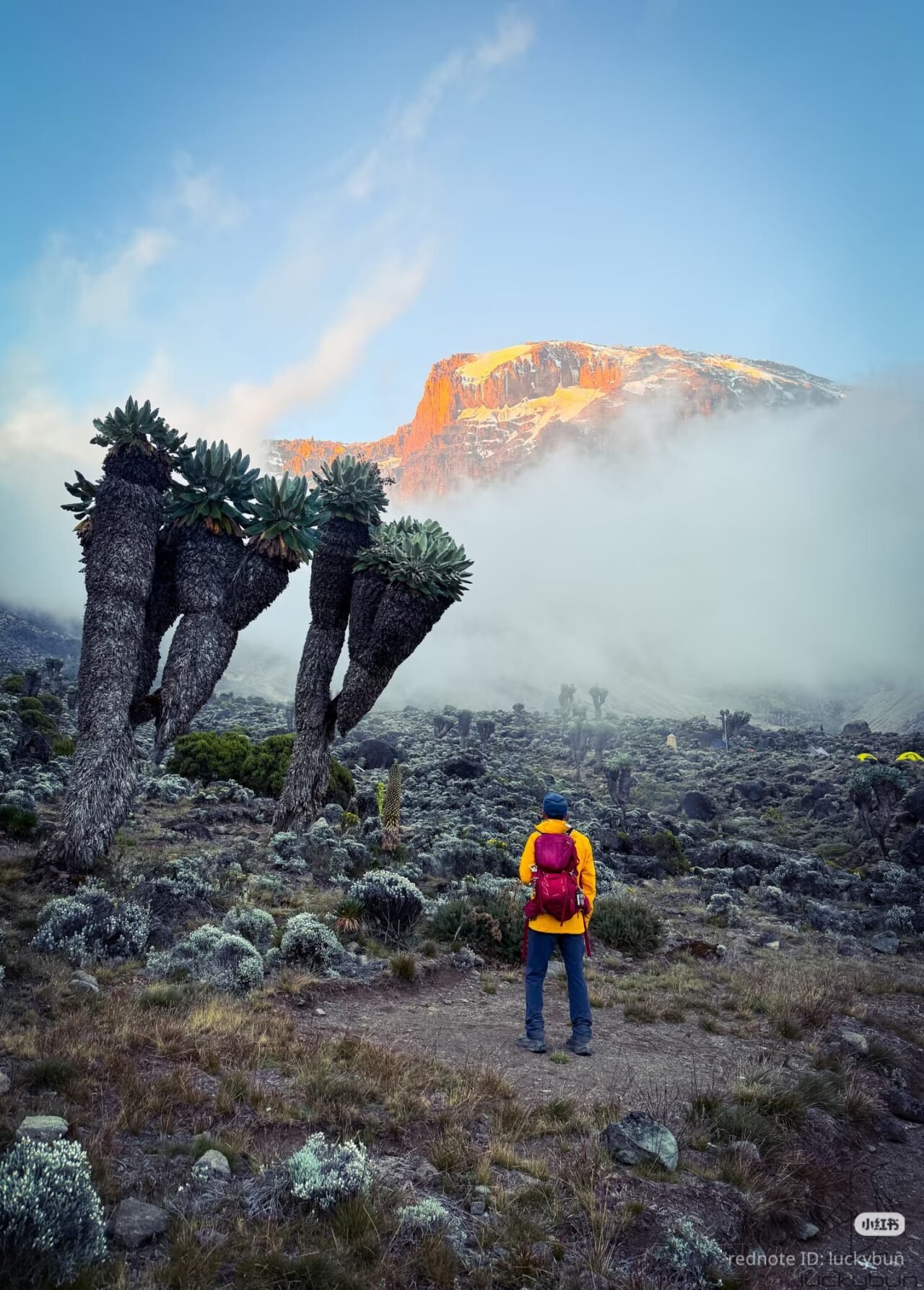
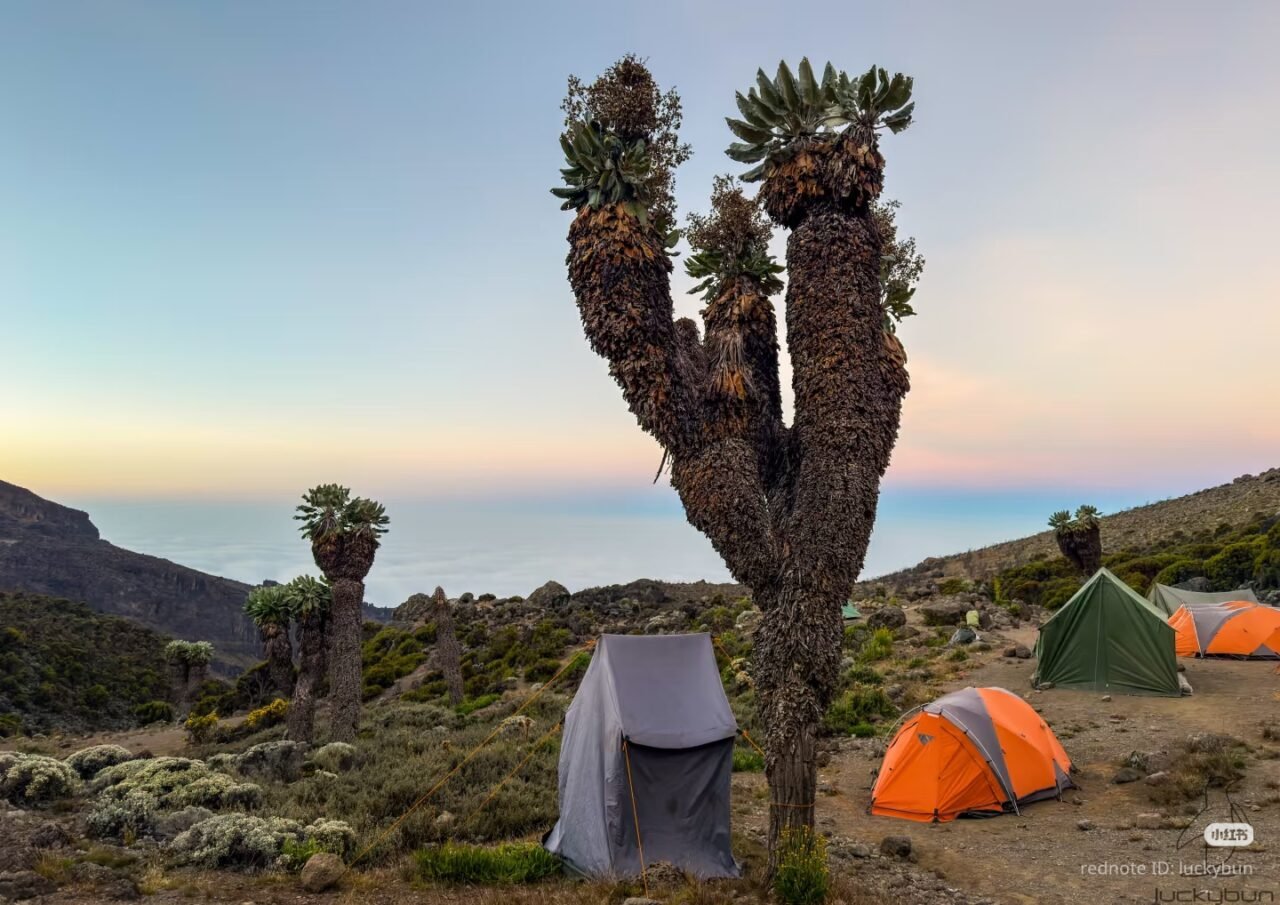
- Scenic Beauty and Diversity: Lemosho is widely considered one of the most beautiful routes. It starts in lush rainforest, transitions through moorland and alpine desert, and finally into the arctic zone. The western approach offers stunning views and a sense of wilderness, especially in the early days, before joining the more popular trails.
- Remote and Less Crowded Start: The initial days of the Lemosho Route are on the less-trafficked western side of the mountain. This offers a more authentic, wilder trekking experience compared to routes that start on the more popular southern or eastern approaches.
- Optimal for Group Climbs: The 8-day duration provides a good balance for group dynamics. It’s long enough to build strong bonds among climbers and crew, yet not so long as to become excessively arduous for the average trekker. The 2 January 2027 departure is a prime example of how group departures leverage this route’s strengths.
Cons of the 8 Day Lemosho Route:
- Cost: Generally, the Lemosho Route is one of the more expensive options. This is due to its longer duration, the need for more logistical support (more days on the mountain means more food, fuel, and staff days), and often higher park fees associated with longer stays. For the 8 Day Lemosho Route – 2 January 2027 Group Climb, expect pricing to reflect these factors, but also the inherent value in its success rates and experience.
- Requires More Time Commitment: An 8-day trek naturally requires more time off work or other commitments compared to 6 or 7-day routes. This is a practical consideration for many potential climbers planning for 2027.
- Can be Colder: As one of the longer routes that ascends higher and traverses more exposed areas like the Shira Plateau, Lemosho can feel colder, especially in the early days and at higher camps. Proper layering is essential.
- Merging with other Routes: While the remote start is a pro, the route eventually merges with the Machame Route (and sometimes the Shira Route). This means you’ll encounter more trekkers from Day 3 or 4 onwards, reducing the feeling of solitude experienced in the initial stages.
For a group climb on January 2, 2027, the pros of the 8-day Lemosho route—particularly its excellent acclimatization and high success rates—tend to outweigh the cons for many trekkers, especially those who prioritize a safe and rewarding summit experience over budget or time constraints.
Comparing Lemosho vs. Machame for Group Climbs
When considering a group climb, especially around the popular New Year period for 2027, the Lemosho and Machame routes are often compared. While both are excellent and popular, they offer distinct experiences.
- Acclimatization: The 8-day Lemosho route is inherently better for acclimatization than the standard 7-day Machame route. While Machame is also good, the extra day on Lemosho provides a significant advantage.
- Scenery: Lemosho’s western start is more scenic and remote initially. Machame, starting on the southern side, offers continuous forest views for longer but feels more “on the beaten path” from the start.
- Crowds: Lemosho has a quieter start. Machame is generally busier throughout. By the time the 8-day Lemosho route merges with Machame, you’ll be part of the general flow of trekkers.
- Cost: Lemosho is typically more expensive than Machame due to the longer duration and logistics.
If your priority for the 8 Day Lemosho Route – 2 January 2027 Group Climb is maximizing your chances of summiting through superior acclimatization and enjoying a more wild start, Lemosho is the superior choice. If budget and time are more pressing concerns, a 7-day Machame route might be considered, though the success rate is statistically lower. For those joining a group on January 2, 2027, the 8-day Lemosho is often the preferred option for a comprehensive experience.
The January 2, 2027 Departure: Timing and Conditions
Climbing Kilimanjaro on January 2, 2027, places you at the cusp of two distinct seasons, offering a unique blend of weather patterns and crowd levels. Understanding these nuances is vital for effective preparation and managing expectations for your 8 Day Lemosho Route – 2 January 2027 Group Climb.
Weather in Early January:
January marks the beginning of Kilimanjaro’s main dry season. This is generally considered one of the best times to climb the mountain. The weather typically features:
- Clear Skies: You can expect long periods of clear skies, offering spectacular panoramic views from the summit and along the trekking routes.
- Low Rainfall: Precipitation is minimal, especially at higher altitudes. While occasional showers can occur, they are infrequent and usually short-lived.
- Cold Temperatures: Despite the sunshine, temperatures at altitude are very cold, especially during summit night and early mornings. Expect sub-zero temperatures, often dropping to -10°C to -20°C (14°F to -4°F) or even lower on the summit.
- Sunshine: Days are often sunny and pleasant, though the sun’s intensity at high altitude is significant.
Crowd Levels:
Early January is a popular time to climb Kilimanjaro due to the favourable weather and the post-holiday travel window. However, the 8 Day Lemosho Route – 2 January 2027 Group Climb offers some advantages:
- Post-Peak Season: While busy, it’s typically just after the absolute peak of Christmas and New Year’s week itself. This can mean slightly fewer trekkers on the trails compared to the very end of December.
- 8-Day Itinerary Spreads Trekkers: The longer duration of the Lemosho route naturally means that groups are spread out over more days on the mountain, reducing the feeling of congestion, especially on the common sections of the route.
- Lemosho’s Remote Start: The initial days on the Lemosho route are on less-travelled paths. While it merges with Machame later, the first few days offer a more exclusive experience.
Planning for this specific departure means packing for cold, dry conditions. The balance of good weather and manageable crowds makes the January 2, 2027, date a strategic choice for many who wish to climb Kilimanjaro.
Detailed Itinerary: Day-by-Day Breakdown
The 8 Day Lemosho Route – 2 January 2027 Group Climb itinerary is meticulously crafted to maximize acclimatization and scenery. Here’s a typical day-by-day breakdown:
Day 1: 2 January 2027 – Arrival and Moshi Briefing
Arrive at Kilimanjaro International Airport (JRO). You’ll be met by a Climb 4 Africa representative and transferred to your hotel in Moshi. This is your chance to relax, acclimatize to the local climate, and attend a pre-climb briefing with your guides. They will go over the itinerary, answer any last-minute questions, and check your gear. You’ll also have the opportunity to rent any necessary equipment.
Day 2: 3 January 2027 – Londorossi Gate to Mti Mkubwa Camp
After breakfast, you’ll be driven to the Londorossi Gate (approx. 2,360m / 7,742ft), the starting point for the Lemosho route. After completing park formalities, you’ll begin your trek through the dense rainforest. The trail is relatively gentle and leads to Mti Mkubwa Camp (approx. 2,820m / 9,252ft). The walk takes about 3-4 hours. Keep an eye out for colobus monkeys and diverse birdlife.
Day 3: 4 January 2027 – Mti Mkubwa Camp to Shira 1 Camp
Today, the path continues through the rainforest before gradually ascending into the moorland zone. You’ll cross the Shira Ridge and descend slightly onto the Shira Plateau. The views open up dramatically here. You will camp at Shira 1 Camp (approx. 3,500m / 11,483ft). This is a significant altitude gain, and the day’s trek takes about 5-6 hours.
Day 4: 5 January 2027 – Shira 1 Camp to Shira 2 Camp
A shorter day designed for acclimatization. You’ll trek across the Shira Plateau, a vast expanse of moorland with stunning views of Kilimanjaro’s Kibo peak. You’ll reach Shira 2 Camp (approx. 3,850m / 12,631ft), situated on the edge of the plateau. The trek is about 3-4 hours, allowing ample time to rest and enjoy the high-altitude environment. This “climb high, sleep low” principle is key.
Day 5: 6 January 2027 – Shira 2 Camp to Barranco Camp
This is a challenging but rewarding day. You’ll ascend towards the Lava Tower (approx. 4,600m / 15,092ft), a prominent volcanic formation. After a break and lunch here, you will descend to Barranco Camp (approx. 3,950m / 12,960ft). This descent is crucial for acclimatization, as you gain significant altitude and then drop to a lower camp. The trek takes about 6-7 hours.
Day 6: 7 January 2027 – Barranco Camp to Karanga Camp
Today involves tackling the famous Barranco Wall, a steep, scramble-like ascent. It’s a highlight for many, offering incredible views and a sense of accomplishment. After overcoming the wall, the path becomes less steep as you make your way to Karanga Camp (approx. 4,030m / 13,222ft). This is another day that utilizes the “climb high, sleep low” strategy. The trek is about 4-5 hours.
Day 7: 8 January 2027 – Karanga Camp to Barafu Camp
The landscape becomes increasingly barren and alpine as you trek towards Barafu Camp (approx. 4,670m / 15,322ft). This camp is situated on a rocky ridge and serves as the base for your summit attempt. You’ll arrive in the early afternoon, allowing time to rest, hydrate, and prepare for the summit push which begins late in the evening. The trek takes about 4-5 hours.
Day 8: 9 January 2027 – Barafu Camp to Uhuru Peak and Mweka Camp
Summit day! You’ll begin your ascent around midnight, trekking in the dark with headlamps. The path is steep and challenging, leading to Stella Point (5,756m / 18,885ft) on the crater rim. From Stella Point, you’ll continue for about an hour to Uhuru Peak (5,895m / 19,341ft), the highest point in Africa. After celebrating your achievement and taking photos, you’ll descend back to Barafu Camp for a short rest before continuing the long descent to Mweka Camp (approx. 3,100m / 10,171ft) in the rainforest. This is a very long and tiring day.
Day 9: 10 January 2027 – Mweka Camp to Mweka Gate and Moshi
After breakfast, you’ll complete the final descent to Mweka Gate (approx. 1,640m / 5,380ft). Here, you’ll receive your climbing certificates. A vehicle will be waiting to transfer you back to your hotel in Moshi for a well-deserved hot shower and celebration dinner.
This itinerary for the 8 Day Lemosho Route – 2 January 2027 Group Climb is designed to give you the best possible experience and a high chance of summit success.
Acclimatization: The Key to Success on Lemosho
Acclimatization is arguably the single most important factor for a successful Kilimanjaro climb, and the 8 Day Lemosho Route excels in this regard. For your 8 Day Lemosho Route – 2 January 2027 Group Climb, understanding how the route facilitates acclimatization will help you prepare and appreciate the pace.
How the 8 Day Lemosho Route Aids Acclimatization:
- Gradual Ascent: Over eight days, the route ascends slowly and steadily. This allows your body more time to adapt to the decreasing oxygen levels at higher altitudes. Shorter routes, while faster, don’t give your body sufficient time to adjust, leading to a higher risk of Acute Mountain Sickness (AMS).
- “Climb High, Sleep Low” Principle: The itinerary actively incorporates this crucial acclimatization strategy. For example, on Day 5, you ascend to Lava Tower (4,600m / 15,092ft), a significant altitude, and then descend to sleep at Barranco Camp (3,950m / 12,960ft). This process of ascending to a higher altitude during the day and then descending to sleep at a lower camp is vital for helping your body acclimatize more effectively.
- Longer Duration: The 8-day duration itself is a primary acclimatization tool. It provides an extra day compared to the more common 7-day routes, allowing for a more leisurely pace, more rest, and reduced physical exertion each day, all of which contribute to better acclimatization.
- Route Profile: The Lemosho route, particularly in its initial stages, avoids extremely rapid ascents. It traverses the Shira Plateau, offering a gentler introduction to higher altitudes before joining the busier routes.
Understanding Altitude Sickness (AMS):
AMS is a collection of symptoms that can occur when ascending too quickly. Symptoms can range from mild headaches and nausea to more severe conditions like High Altitude Pulmonary Edema (HAPE) and High Altitude Cerebral Edema (HACE). The 8 Day Lemosho Route – 2 January 2027 Group Climb aims to minimize this risk by:
- Expert Guides: Your Climb 4 Africa guides are trained to recognize the signs of AMS and will monitor you closely. They will make decisions based on your health and the safety of the group.
- Pace Management: Guides will ensure the group maintains a slow and steady “pole pole” (slowly, slowly) pace, which is critical.
- Hydration and Nutrition: Staying well-hydrated and adequately fueled is essential. Your crew will ensure you have access to water and meals, and guides will encourage you to drink and eat.
- Rest: Adequate rest at camps allows your body to recover and adapt.
By choosing the 8-day duration and the Lemosho route for your January 2, 2027 climb, you are making a proactive choice for superior acclimatization and a more comfortable journey to the roof of Africa.
Essential Preparation: What to Pack and Train For
Successfully undertaking the 8 Day Lemosho Route – 2 January 2027 Group Climb requires thorough preparation, both in terms of physical fitness and the gear you bring. Early January conditions can be extreme, so packing correctly is non-negotiable.
Physical Training:
Kilimanjaro is a demanding trek, not a technical climb, but it requires excellent cardiovascular fitness and leg strength. Focus on:
- Cardiovascular Endurance: Aim for at least 3-4 sessions per week, focusing on activities like hiking (especially with a weighted backpack), running, cycling, or swimming.
- Hiking with a Pack: Train by hiking on varied terrain (hills, stairs) with a backpack weighing 10-15 kg (22-33 lbs). This simulates the conditions on the mountain and strengthens the muscles you’ll use.
- Strength Training: Focus on leg strength (squats, lunges) and core stability.
- Stamina: The most challenging day is summit night, which involves hiking for 12-16 hours. Build up your stamina by doing longer hikes on weekends.
- Practice in Cold Weather: If possible, train in cooler conditions to get used to exercising in layers.
Essential Packing List (for January 2027 conditions):
Layering is key for Kilimanjaro. Temperatures can swing dramatically from warm and sunny in the rainforest to frigid on the summit.
Clothing:
- Base Layers: Moisture-wicking thermal tops and bottoms (merino wool or synthetic). Bring 2-3 sets.
- Mid Layers: Fleece jackets or vests for insulation.
- Outer Layer (Insulated): A warm down or synthetic insulated jacket (parka) is essential for summit night and cold evenings.
- Outer Layer (Waterproof/Windproof): A breathable, waterproof, and windproof jacket and trousers (Gore-Tex or similar).
- Trekking Trousers: 2-3 pairs of comfortable, quick-drying hiking trousers (avoid jeans).
- Hiking Shirts: 3-4 moisture-wicking shirts (long and short-sleeved).
- Gloves: Warm, waterproof outer gloves and thinner liner gloves.
- Hat: A warm wool or fleece hat that covers your ears, plus a sun hat or cap for lower altitudes.
- Socks: 5-7 pairs of warm wool or synthetic hiking socks. Liner socks can help prevent blisters.
Footwear:
- Hiking Boots: Sturdy, waterproof, broken-in hiking boots with good ankle support. This is critical.
- Camp Shoes: Comfortable shoes or sandals for wearing at camp.
- Gaiters: To keep scree and mud out of your boots.
Equipment:
- Backpack: A comfortable daypack (30-40 litres) for carrying essentials during the day (water, snacks, extra layers, camera). Your main duffel bag will be carried by porters.
- Sleeping Bag: A 4-season sleeping bag rated to at least -15°C (5°F) is highly recommended for January.
- Sleeping Bag Liner: Adds warmth and keeps your sleeping bag clean.
- Trekking Poles: Highly recommended for reducing strain on knees, especially on descents.
- Headlamp: With extra batteries. Essential for summit night.
- Water Bottles/Hydration Reservoir: At least 2-3 litres capacity. Insulated covers are useful in cold weather to prevent freezing.
- Sunglasses: High UV protection.
- Sunscreen: High SPF.
- Lip Balm: With SPF.
- Personal First-Aid Kit: Including blister treatment, pain relievers, antiseptic wipes, and any personal medications.
- Toiletries: Biodegradable soap, toothbrush, toothpaste, etc. Wet wipes are very useful.
- Towel: Quick-drying.
- Camera and Extra Batteries/Power Bank: Cold drains batteries quickly.
- Duffel Bag: Waterproof, 80-100 litre capacity for porters.
Documents and Money:
- Passport (with at least 6 months validity)
- Visa (if required)
- Yellow Fever Certificate (if coming from an endemic country)
- Travel Insurance details
- Cash (USD for tips and souvenirs)
Pre-Climb Briefing:
Your briefing in Moshi before the 8 Day Lemosho Route – 2 January 2027 Group Climb is crucial. It’s your last chance to check gear, ask questions, and ensure you’re fully prepared. Climb 4 Africa provides a comprehensive list and assistance with rentals.
The Role of Guides and Support Crew
The success and safety of your 8 Day Lemosho Route – 2 January 2027 Group Climb hinges significantly on the expertise and dedication of your support crew. Climb 4 Africa employs highly trained local guides and porters who are integral to the Kilimanjaro climbing experience.
Your Guides:
- Expertise: Kilimanjaro guides are not just mountaineers; they are trained in wilderness first aid, high-altitude physiology, and Kilimanjaro’s specific routes and environmental conditions. They have extensive experience guiding groups of all levels.
- Safety First: Their primary responsibility is your safety. They constantly monitor climbers for signs of altitude sickness, assess weather conditions, and make critical decisions regarding the group’s progress. They have the authority to turn climbers back if their health is at risk.
- Pace Management: Guides set and maintain the “pole pole” pace, ensuring the group moves at a sustainable rate for acclimatization. They will encourage you, support you, and keep morale high.
- Route Knowledge: They know the Lemosho route intimately, including the best paths, campsites, and potential hazards.
- Cultural Insight: Many guides are also knowledgeable about local culture and the unique flora and fauna of Kilimanjaro, enriching your experience.
The Support Crew (Porters and Cooks):
- Logistics Masters: Porters are responsible for carrying all the equipment, including tents, food, cooking gear, and your personal duffel bags, from camp to camp. They work incredibly hard to ensure you have a comfortable camp waiting for you each evening.
- Culinary Experts: The cooks prepare nutritious and delicious meals at altitude. They are skilled at creating varied menus using fresh ingredients, providing the energy you need for the climb. Expect three hearty meals a day, plus snacks.
- Camp Setup: The crew sets up tents, organizes the mess tent (dining area), and ensures the campsite is tidy and functional.
- Efficiency and Speed: They are remarkably efficient, often reaching the next campsite hours ahead of the trekkers to prepare.
Importance of Tipping:
Tipping is a significant part of the crew’s income and is customary in Tanzania. Climb 4 Africa will provide you with guidelines on recommended tip amounts for guides, assistant guides, cooks, and porters. The 8 Day Lemosho Route – 2 January 2027 Group Climb depends on the collective effort of this team. Ensure you budget for tips, which are typically given in USD at the end of the trek in Moshi.
Climb 4 Africa’s Commitment:
Climb 4 Africa is committed to fair treatment and ethical employment practices for its crew. This means fair wages, adequate food, proper gear, and responsible porter care. Choosing a reputable operator like Climb 4 Africa ensures your crew is well-supported, motivated, and professional, contributing to a safer and more enjoyable trek.
Booking Your 2 January 2027 Group Climb
Securing your spot on the 8 Day Lemosho Route – 2 January 2027 Group Climb is a straightforward process with Climb 4 Africa. Early booking is highly recommended, especially for specific dates like the popular New Year period.
Why Book Early?
- Limited Spots: Group climbs, especially on desirable dates, tend to fill up quickly. Booking in advance ensures you don’t miss out on your preferred departure.
- Planning Time: Early booking gives you ample time for physical training, gear acquisition, and making necessary travel arrangements (flights, visas).
- Price Stability: Booking early can sometimes help lock in current pricing, protecting you from potential price increases closer to the departure date.
- Availability: Climbing permits and park fees are allocated, and booking early guarantees your spot and avoids disappointment.
The Booking Process with Climb 4 Africa:
1. Inquire: Reach out to Climb 4 Africa via their website, email, or WhatsApp to express your interest in the 8 Day Lemosho Route – 2 January 2027 Group Climb.
2. Consultation: A Climb 4 Africa representative will discuss the trip details, answer your questions, and provide a comprehensive quotation.
3. Deposit: A deposit is typically required to secure your place on the climb. The exact amount and payment schedule will be provided. Typical deposit amounts range from $200-$500 USD, depending on the overall package price.
4. Booking Form: You will need to complete a booking form with your personal details, passport information, and emergency contacts.
5. Balance Payment: The remaining balance is usually due 60-90 days before the departure date. Ensure you confirm the exact due date.
6. Pre-Climb Information: Once booked, you’ll receive detailed pre-climb information, including packing lists, training advice, visa guidance, and arrival instructions.
What to Expect in the Price (Inclusions):
While exact package details vary, a typical 8 Day Lemosho Route – 2 January 2027 Group Climb with Climb 4 Africa would include:
- All Kilimanjaro National Park entry fees, camping fees, and rescue fees.
- Professional, experienced, English-speaking guides.
- Support crew (assistant guides, cooks, porters).
- All meals on the mountain (breakfast, lunch, dinner).
- Boiled water, coffee, and tea on the mountain.
- Accommodation in Moshi before and after the climb (typically 2 nights in a comfortable hotel).
- Airport transfers to and from Moshi hotel.
- Campsite accommodation on the mountain.
- Crockery, cutlery, cups, cooking equipment.
- Portable toilet for use at camps.
- Climbing certificates.
- Porters’ wages, food, and transport.
- Emergency oxygen cylinder and comprehensive first-aid kit.
What is Typically Excluded:
- International flights to Kilimanjaro (JRO).
- Visa fees.
- Travel and rescue insurance (mandatory).
- Personal gear (sleeping bag, hiking boots, clothing, etc. – rentals may be available).
- Tips for guides, porters, and cooks (budget approximately $250-$350 USD per climber).
- Lunches and dinners in Moshi (apart from the celebration dinner).
- Drinks (other than water, tea, coffee) and snacks.
- Personal expenses (e.g., souvenirs, laundry).
- Optional activities or extensions.
Pricing Guidance:
For an 8-day Lemosho route, expect pricing to be in the range of $2,200 – $3,000 USD per person. This price reflects the longer duration, higher park fees, and the quality of service provided by a reputable operator. Always ask for a detailed breakdown of inclusions and exclusions. For the specific 2 January 2027 departure, confirm the exact price and what it includes directly with Climb 4 Africa.
Contact Climb 4 Africa:
For inquiries and bookings regarding the 8 Day Lemosho Route – 2 January 2027 Group Climb, don’t hesitate to reach out:
- WhatsApp: +255 747 477 898
- Email: climb4africa@gmail.com
Reaching out early will ensure you secure your place on this fantastic Kilimanjaro adventure.
Beyond the Summit: Post-Climb Experiences
Reaching Uhuru Peak is an incredible achievement, but the journey doesn’t end there. The 8 Day Lemosho Route – 2 January 2027 Group Climb concludes with opportunities to relax, celebrate, and explore more of Tanzania. Your post-climb experience is as much a part of the adventure as the trek itself.
Celebration and Recovery in Moshi:
Upon descending to Mweka Gate on Day 9 (10 January 2027), you’ll be transferred back to your hotel in Moshi. This is a time for:
- Hot Showers and Rest: The simple luxury of a hot shower after days on the mountain is incredibly rewarding. You’ll have time to rest and recover in comfort.
- Celebration Dinner: Climb 4 Africa typically organizes a celebratory dinner for the group, a chance to share stories, reflect on your achievement, and toast your success with your fellow climbers and guides.
- Debriefing: You can discuss your trek experience with your guides and provide feedback.
- Souvenirs: Moshi offers opportunities to purchase local crafts, artwork, and Tanzanite jewelry.
Optional Safari Adventures:
Many climbers combine their Kilimanjaro trek with a safari to witness the incredible wildlife of Tanzania. January is a fantastic time for safaris, often coinciding with the start of the wildebeest calving season in the Serengeti.
- Serengeti National Park: Famous for its vast plains and the Great Migration, the Serengeti offers unparalleled game viewing.
- Ngorongoro Conservation Area: A UNESCO World Heritage Site, the Ngorongoro Crater boasts an exceptionally high density of wildlife, including the Big Five.
- Tarangire National Park: Known for its large elephant herds and baobab trees.
- Lake Manyara National Park: Home to tree-climbing lions and a vibrant birdlife.
Climb 4 Africa can help you arrange customized safari packages, often starting from Arusha or Moshi. A typical 3-5 day safari itinerary can provide an unforgettable glimpse into Africa’s natural wonders.
Cultural Experiences:
Beyond wildlife, Tanzania offers rich cultural experiences:
- Maasai Villages: Visit a traditional Maasai boma to learn about their way of life, customs, and traditions.
- Local Markets: Explore bustling local markets to experience the vibrant daily life and purchase local produce or crafts.
- Coffee Plantations: Learn about the coffee-growing process on a tour of a local plantation.
Relaxation by the Beach:
For ultimate relaxation, consider extending your trip to the exotic island of Zanzibar, just a short flight or ferry ride from the mainland.
- Stone Town: Explore the historic labyrinthine streets, markets, and spice tours of this UNESCO World Heritage site.
- Beaches: Relax on pristine white-sand beaches in Nungwi, Kendwa, Paje, or Matemwe, enjoying turquoise waters and snorkeling or diving opportunities.
Combining your 8 Day Lemosho Route – 2 January 2027 Group Climb with a safari or a Zanzibar extension creates a truly holistic Tanzanian adventure. Climb 4 Africa can assist with all these arrangements, ensuring a smooth transition from mountain conquest to cultural immersion and relaxation.
Frequently Asked Questions (FAQ)
What is the best time of year to climb Kilimanjaro?
The best times are during the dry seasons: January to March and June to October. The 8 Day Lemosho Route – 2 January 2027 Group Climb falls at the beginning of the first dry season, offering excellent conditions with clear skies and minimal rain.
How difficult is the 8 Day Lemosho Route?
The Lemosho route is considered a moderately difficult trek. Its 8-day duration provides excellent acclimatization, which significantly aids in managing the physical demands. The main challenges are the altitude, the sustained effort over multiple days, and the cold temperatures, especially on summit night. The terrain is generally well-maintained but steep in sections.
What is the success rate for the 8 Day Lemosho Route?
The 8-day Lemosho route typically has one of the highest summit success rates, often reported between 85-95%. This is attributed to its superior acclimatization profile and longer duration. However, success ultimately depends on individual fitness, acclimatization, and preparation.
Is the 2 January 2027 departure suitable for solo travelers?
Yes, the 8 Day Lemosho Route – 2 January 2027 Group Climb is ideal for solo travelers. Group climbs offer camaraderie and a supportive environment. You’ll meet like-minded individuals, and the experienced guides and crew ensure everyone is well-looked after.
What is the altitude of Barafu Camp and Uhuru Peak?
Barafu Camp is the base camp for the summit attempt, located at approximately 4,670 meters (15,322 feet). Uhuru Peak, the summit of Kilimanjaro, stands at 5,895 meters (19,341 feet). The ascent from Barafu to Uhuru Peak is the most challenging part of the climb.
Do I need travel insurance for my Kilimanjaro climb?
Yes, comprehensive travel insurance is mandatory for all Kilimanjaro climbs. It must cover high-altitude trekking (up to 6,000 meters) and emergency medical evacuation. Climb 4 Africa can recommend insurance providers.
What vaccinations are required for Tanzania?
It is recommended to consult your doctor or a travel clinic well in advance of your trip. Routine vaccinations should be up-to-date. A Yellow Fever vaccination certificate may be required if you are arriving from, or transiting through, a country with a risk of Yellow Fever transmission. Malaria precautions are also advised.
How much should I tip the crew?
Tipping is customary and greatly appreciated. Climb 4 Africa will provide specific guidelines, but a general recommendation for the 8 Day Lemosho Route – 2 January 2027 Group Climb is approximately $250-$350 USD per climber, distributed among guides, cooks, and porters. This should be budgeted separately.
Can I rent gear in Moshi?
Yes, essential gear such as sleeping bags, trekking poles, and sometimes jackets can be rented in Moshi. Climb 4 Africa can arrange rentals for you. However, it is best to bring your own broken-in hiking boots and personal clothing items.
What happens if I get sick on the mountain?
Your guides are trained to monitor for symptoms of Acute Mountain Sickness (AMS). If symptoms are mild, they may recommend rest, hydration, or descending slightly. If symptoms are severe, or if you develop HAPE or HACE, immediate evacuation will be arranged. This is why comprehensive travel insurance covering emergency evacuation is crucial.
start Your Kilimanjaro Dream in 2027
The 8 Day Lemosho Route – 2 January 2027 Group Climb represents a premier opportunity to conquer Mount Kilimanjaro. It combines the logistical advantages and camaraderie of a group trek with the superior acclimatization and impressive scenery that the Lemosho route is famous for. The timing in early January offers a sweet spot of favourable weather and manageable crowds, setting the stage for a memorable adventure.
From the initial rainforest trek to the challenging summit push and the rewarding descent, every step of the 8-day itinerary is designed for your success and enjoyment. With thorough preparation, the right gear, and the expert guidance of Climb 4 Africa’s dedicated team, you can confidently pursue your dream of standing atop Uhuru Peak.
Don’t miss this chance to be part of a special group climb on a remarkable date. The memories, the achievement, and the unparalleled views await.
Ready to book or have more questions? Contact Climb 4 Africa today:
- WhatsApp: +255 747 477 898
- Email: climb4africa@gmail.com
Related Guides and Packages
Check Availability for 8 Day Lemosho Route – 2 January Group Climb: Your Ultimate Kilimanjaro
Ready to compare dates, prices, and the best option for your group? Send the package name and travel month so the team can reply with a clear quote, availability, and what is included.
Lemosho Route – 16 January Group Joining Kilimanjaro Climb 2026-2027
This page details the Lemosho Route Kilimanjaro climb scheduled for January 16, 2027. It's an 8-day group joining departure, ideal for trekkers seeking a balance of scenic beauty, excellent...
View package details
8 Day Lemosho Route – 7 July Group Departure Kilimanjaro Climb 2027
start an incredible 8-day Lemosho Route trek up Mount Kilimanjaro with the Climb 4 Africa group departure on July 7, 2027. This itinerary offers a fantastic balance of acclimatization...
View package details8 Day Lemosho Route – 4 February Group Climb: Your Definitive Guide 2027
Plan your ascent of Kilimanjaro via the Lemosho Route on our scheduled group climb departing February 4, 2027. This guide details the itinerary, advantages, and what to expect.
View package details
8 Day Lemosho Route – 5 December Kilimanjaro Group Climb 2026
Plan your 8-day Lemosho Route Kilimanjaro group climb for December 5, 2026. Discover why Lemosho is a top choice for success rates and scenery, with practical advice from Climb 4 Africa.
View package details
7 Day Machame Route – 17 July Group Joining Climb 2027
7 Day Machame Route – 17 July 2027 Group Joining Climb is explained with current 2027 planning, price, itinerary and booking information.
View package details
7 Day Machame Route – 7 December Group Departure | Your Kilimanjaro Climb
Plan your Kilimanjaro ascent on the popular 7-day Machame Route with a group departure on December 7, 2026. This guide covers the trek's highlights, challenges, and what to expect when...
View package detailsLemosho Route – 7 August Summer Group Climb: Your Kilimanjaro Adventure 2027
start a memorable Lemosho Route – 7 August 2027 Summer Group Climb up Mount Kilimanjaro. This guide covers the itinerary, acclimatization, and preparation for your ascent.
View package detailsLemosho Route – 28 August Kilimanjaro Group Climb 2027
Lemosho Route – 28 August 2027 Kilimanjaro Group Climb is explained with current 2027 planning, price, itinerary and booking information.
View package detailsLemosho Route – 12 August Kilimanjaro Group Climb With 4 Africa 2027
A detailed guide to the Lemosho Route Kilimanjaro climb for the 12 August 2027 group departure, covering itinerary, acclimatization, challenges, and what to expect with Climb 4 Africa.
View package details
Lemosho Route 12 June – Kilimanjaro Group Climb 2027
Lemosho Route 12 June 2027 – June Kilimanjaro Group Climb is explained with current 2027 planning, price, itinerary and booking information.
View package detailsMachame Route – 20 January Group Climb And Available Spaces 2026-2027
Secure your spot on the popular Machame Route Kilimanjaro climb departing January 20, 2027. This guide details the itinerary, what to expect, and how to book your available space.
View package details7 Day Machame Route – 19 June Kilimanjaro Group Departure 2027
Planning to climb Kilimanjaro on the Machame Route in a group setting? This 7-day departure on June 19, 2027, offers a balanced approach to acclimatization and scenery. Learn what to...
View package detailsNo related package matches those filters. Clear one or more filters to see the other topic-matched options.



