
Achieving a New Year’s Day Kilimanjaro Summit in 2027 is a remarkable way to begin the year, often combined with a preceding Christmas holiday climb. This means departing in mid-to-late December 2026, with your summit push planned for the final night of the year, reaching Uhuru Peak on January 1st, 2027. Selecting the right route, such as the Lemosho or Machame for their acclimatization profiles, and booking with an experienced operator like Climb 4 Africa is crucial for a successful and memorable experience during this popular festive period.
The Allure of a New Year’s Day Kilimanjaro Summit 2027
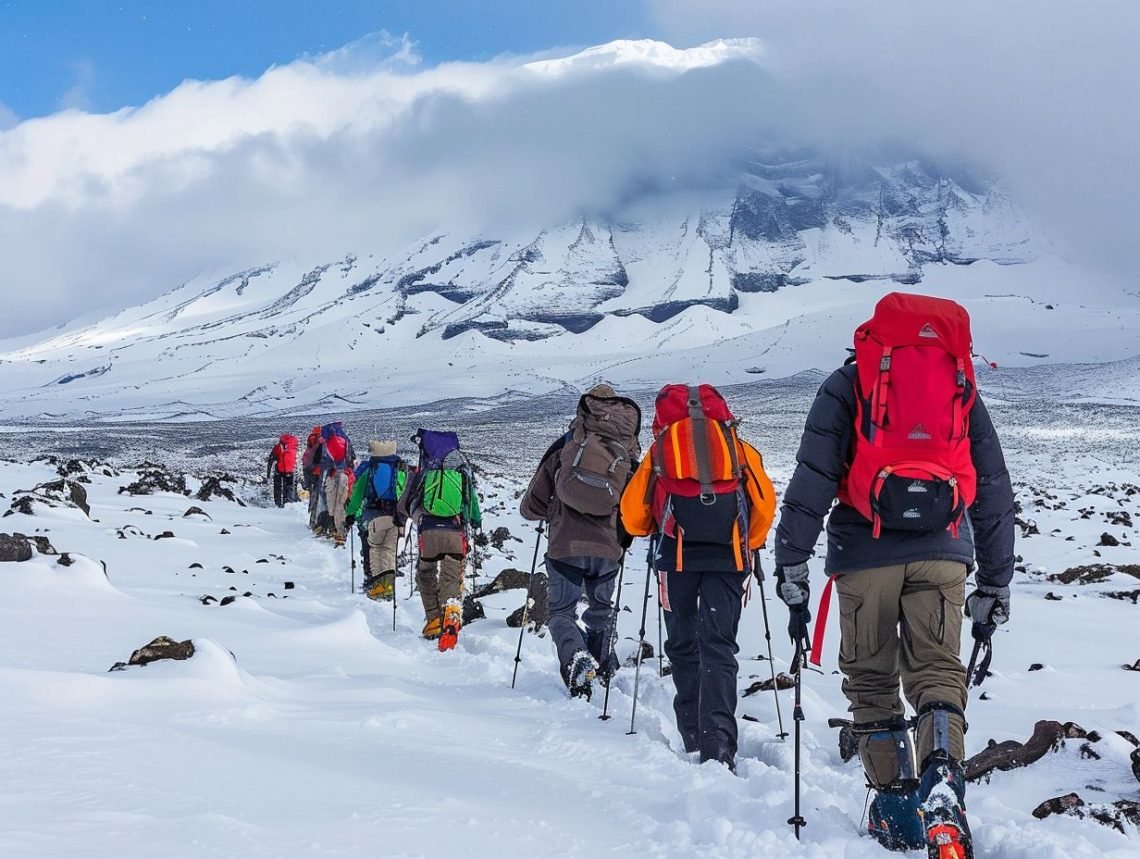
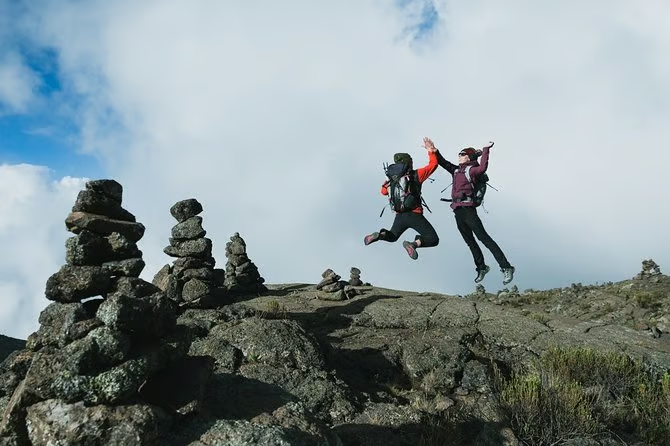
There’s a profound symbolism in greeting the new year from the highest point in Africa, Uhuru Peak on Mount Kilimanjaro. For many, the turn of the year represents a fresh start, a moment of reflection, and an opportunity to set ambitious goals. Combining this with the challenge and majesty of climbing Kilimanjaro elevates the experience into something truly extraordinary. A New Year’s Day Kilimanjaro Summit 2027 offers not just a impressive sunrise, but a profound personal achievement as you stand on the roof of the continent, marking the beginning of a new chapter.
The period around Christmas and New Year is a popular time for travel, as many people have annual leave and seek memorable ways to celebrate the festive season. Kilimanjaro provides an unparalleled alternative to traditional holiday gatherings. Instead of cozy firesides and festive meals, imagine the stark beauty of the alpine desert, the camaraderie of fellow climbers, and the ultimate reward of a summit sunrise. This trek is more than just a physical journey; it’s a mental and spiritual one, culminating in an unforgettable moment that sets the tone for the entire year ahead.
For those considering a New Year’s Day Kilimanjaro Summit 2027, it’s essential to understand that this is a peak travel season. This means booking well in advance is not just recommended, it’s vital. The desire to experience this unique celebration drives many to plan their trips months, even a year, ahead. The atmosphere on the mountain during this time is often electric, a blend of festive spirit and determined focus. The shared goal of reaching the summit by January 1st creates a powerful bond among climbers and guides alike.
Why Choose a Christmas Holiday Climb for a 2027 New Year’s Summit?
Opting for a climb that spans the Christmas holiday period leading up to a New Year’s Day Kilimanjaro Summit 2027 offers several distinct advantages, particularly for those looking to maximize their vacation time or seeking a truly unique festive experience. The most obvious benefit is the ability to celebrate two major holidays in one extraordinary adventure. Many travelers find that traditional Christmas celebrations can become routine. A Kilimanjaro climb offers a dramatic departure, replacing the usual festivities with the profound challenge and beauty of the mountain.
The timing of a Christmas holiday climb naturally aligns with a New Year’s summit. By departing in mid-to-late December 2026, you position yourself perfectly to complete your trek and reach the summit precisely as the new year dawns. This allows you to be part of a group that shares the same ambitious goal, fostering a unique sense of community and shared purpose. Imagine the cheers and congratulations echoing across the crater rim as midnight strikes, or the quiet, profound satisfaction of watching the first sunrise of 2027 from the continent’s highest point.
Furthermore, the weather conditions in December and January are generally favorable for climbing Kilimanjaro. While Kilimanjaro experiences microclimates and can be unpredictable, this period falls within the dry season, offering clearer skies and less rainfall compared to other times of the year. This increases the chances of good visibility and safer climbing conditions, which are paramount for a successful summit attempt, especially on New Year’s Eve and Day. This favorable weather window makes a New Year’s Day Kilimanjaro Summit 2027 particularly attractive.
From a logistical standpoint, many tour operators, including Climb 4 Africa, schedule specific group departures during the Christmas and New Year period. This can sometimes simplify the booking process and may offer opportunities for solo travelers to join like-minded groups, enhancing the social aspect of the trek. The presence of more guides and support staff due to the high season also ensures a robust support system on the mountain. This is a key consideration for any climb, but especially for a significant date like a New Year’s summit.
The festive spirit extends to the mountain itself. While it’s not a traditional Christmas or New Year’s party, there’s a palpable sense of celebration among climbers and crew. Guides often make special efforts to acknowledge the holidays, perhaps with a small festive meal or a special song. This adds a unique layer to the already incredible experience of climbing Kilimanjaro. The memories created during a New Year’s Day Kilimanjaro Summit 2027, shared with new friends and supported by dedicated local guides, will undoubtedly be cherished for a lifetime.
Planning Your New Year’s Day Kilimanjaro Summit 2027: Key Considerations
Successfully summiting Kilimanjaro on January 1st, 2027, especially after starting during the Christmas holiday, requires meticulous planning. This isn’t a trek to be undertaken lightly; it involves understanding the nuances of high-altitude trekking, route selection, and the specific conditions of climbing during a popular holiday window. Careful consideration of several factors will significantly increase your chances of a safe, enjoyable, and successful climb.
Choosing the Right Route for Your 2027 New Year’s Expedition
The choice of route is perhaps the most critical decision. For a New Year’s Day Kilimanjaro Summit 2027, routes that offer better acclimatization profiles are generally preferred. These include the Lemosho and Machame routes, which are longer and allow for a more gradual ascent, significantly increasing your success rate and reducing the risk of altitude sickness. The Lemosho vs Machame comparison is a common starting point for many planning a Christmas or New Year climb.
The Marangu and Rongai routes are shorter and can be more budget-friendly, but they generally have lower success rates due to less optimal acclimatization. However, for a dedicated climber, even these routes can be viable if undertaken with a strong fitness base and careful attention to the body’s signals. The Northern Circuit, being the longest, offers the best acclimatization but requires more time and commitment, which might not suit everyone’s holiday schedule.
Best Departure Dates for a January 1st, 2027 Summit
To stand on Uhuru Peak on January 1st, 2027, your departure date from Moshi or Arusha will depend on the chosen route’s duration. For an 8-day climb, a departure around December 24th-25th, 2026, is typical. A 7-day climb would require a departure around December 25th-26th, 2026. Longer routes like the 9-day Lemosho or the 10-day Northern Circuit would necessitate earlier departures in mid-December 2026. It’s important to consult with your tour operator, like Climb 4 Africa, to pinpoint the exact start dates that align with a New Year’s Day Kilimanjaro Summit 2027. Many operators will have specific “New Year’s Climb” departures already set. For instance, a 8-day Lemosho route starting December 26th, 2026 is a perfect example of such a planned expedition.
Duration: How Many Days Do You Need?
The number of days required for your Kilimanjaro climb directly impacts your acclimatization and, consequently, your success rate. While shorter climbs of 5 or 6 days are possible, they are not recommended, especially for a significant goal like a New Year’s summit. The standard recommendation for a good chance of success is at least 7 days, with 8 or 9 days being even better. For a New Year’s Day Kilimanjaro Summit 2027, aiming for an 8-day or longer itinerary is strongly advised. This provides the necessary time for your body to adapt to the increasing altitude, reducing the risk of Acute Mountain Sickness (AMS) and allowing you to enjoy the trek more.
Acclimatization: The Cornerstone of Success
Acclimatization is paramount for any Kilimanjaro climb, but especially so for a summit attempt on a specific date like New Year’s Day. The principle of ‘climb high, sleep low’ is vital. Longer routes that follow this principle, with gradual ascents and varied daily elevation gains, are superior. The Lemosho, Machame, and Northern Circuit routes excel in this regard. They offer more scenic variety and better opportunities for acclimatization than the shorter, more direct routes. A well-acclimatized climber is a safer and more successful climber. This is a non-negotiable aspect of planning a New Year’s Day Kilimanjaro Summit 2027.
Weather Patterns During the December-January Window
The period between December and February is generally considered a dry season on Kilimanjaro. This means you can expect clearer skies, less rain, and potentially snow at higher altitudes. However, Kilimanjaro is a mountain with its own weather systems, and conditions can change rapidly. Temperatures will be cold, especially on summit night, dropping well below freezing. The summit day itself can be windy, and the equatorial sun, even in winter, can be intense at altitude. Packing appropriate layers is crucial, regardless of the season. The dry season offers a good window for a New Year’s Day Kilimanjaro Summit 2027, but preparedness for cold and wind is essential.
Crowds and Atmosphere
As mentioned, the Christmas and New Year period is peak season. This means the mountain will be busier than at other times of the year. You’ll encounter more trekkers on the trails and at the campsites. While this can mean a more vibrant atmosphere and plenty of fellow trekkers to share the experience with, it can also mean less solitude. Some climbers prefer the quieter months of January (after the New Year rush) or shoulder seasons. However, for those specifically aiming for a New Year’s Day Kilimanjaro Summit 2027, embracing the crowd is part of the experience. Operators like Climb 4 Africa are adept at managing group logistics even during busy periods, ensuring a smooth operation.
Comparing Routes for a Christmas-to-New Year’s Kilimanjaro Climb
When planning a climb that culminates in a New Year’s Day Kilimanjaro Summit 2027, the route selection is paramount. Different routes offer varying acclimatization profiles, scenery, camping experiences, and overall difficulty. For a festive holiday climb, prioritizing routes that enhance your chances of success and enjoyment is key. Here’s a breakdown of the most popular routes and their suitability for a New Year’s expedition.
Lemosho Route: The Premier Choice for 2026-2027 New Year Climbs
The Lemosho route is widely considered one of the best routes on Kilimanjaro, and it’s an excellent choice for a New Year’s Day Kilimanjaro Summit 2027. It offers stunning scenery, particularly in the first few days traversing the Shira Plateau. Its main advantage is its gradual ascent, which provides superior acclimatization, leading to higher success rates. The route typically takes 7 to 8 days, with 8 days being ideal for optimal acclimatization and enjoyment. This extended duration allows for a more relaxed pace and better adaptation to the altitude, making it suitable for the challenging New Year’s summit push. Many groups specifically target the Lemosho for its excellent acclimatization profile, making it a popular choice for the Christmas and New Year period.
Machame Route: The Popular ‘Whiskey Route’ for Festive Treks
Often called the ‘Whiskey Route’ (as opposed to Marangu’s ‘Coca-Cola Route’), Machame is the most popular route on Kilimanjaro. It’s also a fantastic option for a New Year’s Day Kilimanjaro Summit 2027. Like Lemosho, it offers excellent acclimatization due to its ‘climb high, sleep low’ strategy and typically runs for 6 to 7 days. The 7-day Machame itinerary is particularly recommended for its improved acclimatization and higher success rates. The scenery is diverse, passing through various ecological zones, and the camping experience is consistently rewarding. Its popularity means there will be many fellow climbers, adding to the festive atmosphere during the Christmas and New Year window.
Marangu Route: The ‘Coca-Cola’ Route for a Different Pace
Marangu is the oldest and most established route. It’s unique in that it offers dormitory-style accommodation in huts rather than camping, making it a more comfortable option for some. It’s also the shortest route, typically completed in 5 or 6 days. While feasible for a New Year’s Day Kilimanjaro Summit 2027, its shorter duration means less time for acclimatization, resulting in lower success rates compared to Lemosho or Machame. If choosing Marangu, the 6-day option is strongly recommended for better acclimatization. It’s often chosen for its perceived comfort and historical significance.
Rongai Route: An Alternative Approach for the Adventurous
The Rongai route approaches Kilimanjaro from the north, near the Kenyan border. It’s another good option for a New Year’s Day Kilimanjaro Summit 2027, especially during the wetter seasons, as the northern side receives less rainfall. It typically takes 6 or 7 days. The 7-day Rongai itinerary offers better acclimatization. It’s generally considered a less crowded route than Machame or Marangu, which might appeal to some, though during peak season, you’ll still encounter others. The scenery is distinct, starting in drier country before merging with other routes higher up.
Northern Circuit: The Longest and Most Gradual Ascent
The Northern Circuit is the longest route on Kilimanjaro, typically taking 9 or 10 days. This extended duration makes it the route with the best acclimatization profile and consequently the highest success rates. If you have the time and are looking for the most comfortable and safest ascent for a New Year’s Day Kilimanjaro Summit 2027, the Northern Circuit is an outstanding choice. It circumnavigates the mountain, offering incredible views and a truly in-depth experience. The gradual ascent is ideal for acclimatization, minimizing the risk of altitude sickness.
Umbwe Route: The Steepest Challenge
The Umbwe route is the shortest and steepest route on Kilimanjaro. It is considered the most challenging and has the lowest success rate, primarily due to its rapid ascent and poor acclimatization profile. While technically possible to summit on New Year’s Day via Umbwe, it is strongly discouraged, especially for less experienced high-altitude trekkers. The rapid gain in altitude poses a significant risk of severe altitude sickness. It is generally recommended only for very experienced high-altitude climbers with excellent acclimatization. For a New Year’s Day Kilimanjaro Summit 2027, prioritizing safety and success means opting for routes with better acclimatization.
What’s Typically Included in a New Year’s Day Kilimanjaro Summit Package?
When booking a climb for a New Year’s Day Kilimanjaro Summit 2027, understanding what your package includes is crucial for budgeting and preparation. Reputable operators like Climb 4 Africa strive to provide comprehensive packages, but variations exist.
Essential Inclusions for Your 2027 Expedition
A well-rounded Kilimanjaro climbing package for a New Year’s expedition typically includes:
- Park and Camping/Hut Fees: These are significant costs and should always be included. For 2027, expect these fees to cover conservation fees, camping fees, and crew rescue fees.
- Experienced Guides and Support Crew: A team of licensed, trained, and experienced guides (including assistant guides), cooks, and porters. The guide-to-client ratio is often 1:1 or 1:2 for summit night.
- Meals: All meals on the mountain (breakfast, lunch, dinner) are usually provided. This includes snacks and purified drinking water. Meal quality is vital for energy and morale.
- Accommodation: Camping equipment (tents, sleeping mats) or hut accommodation (Marangu route). For New Year’s climbs, ensure your operator provides quality, warm tents.
- Equipment: Mess tents, tables, chairs, cooking equipment, and first-aid kits. Some operators might include sleeping bags or trekking poles, though these are often listed as rentals.
- Transfer: Return transfers from Moshi/Arusha to the Kilimanjaro National Park gate and back.
- Emergency Support: Use of a portable oxygen cylinder and a Gamow bag (portable hyperbaric chamber) for emergencies. A comprehensive medical kit is standard.
- Salaries: Wages for guides, porters, and cooks. Ethical treatment of crew is a hallmark of good operators.
For a New Year’s Day Kilimanjaro Summit 2027, operators may add special touches like a small festive meal or a celebratory drink after the summit, depending on the group and guide’s discretion.
Understanding Exclusions and Additional Costs
It’s equally important to know what’s typically *not* included:
- Flights: International flights to Kilimanjaro International Airport (JRO) and domestic flights within Tanzania are not included.
- Visas: Tanzanian visa fees.
- Travel Insurance: Comprehensive travel and medical evacuation insurance is mandatory. This must cover high-altitude trekking and emergency helicopter rescue.
- Personal Gear: Sleeping bags, trekking poles, clothing, and personal items. These can often be rented.
- Tips for Crew: Tipping the guides, porters, and cooks is customary and expected. This is a significant portion of the crew’s income. Budgets should be set aside for this. Typical tipping guidelines are provided by operators.
- Personal Expenses: Drinks (besides water), snacks, laundry, and souvenirs.
- Accommodation: Pre- and post-climb accommodation in Moshi or Arusha.
- Optional Activities: Day trips or safaris before or after the climb.
- Gratuities: While tips are customary, some packages might exclude these.
Clarifying these inclusions and exclusions with your operator, especially for a specific date like the New Year’s Day Kilimanjaro Summit 2027, will prevent surprises and ensure you are fully prepared financially and logistically.
Preparing for Your New Year’s Day Kilimanjaro Summit 2027
A successful New Year’s Day Kilimanjaro Summit 2027 hinges on thorough preparation. This involves more than just booking; it requires dedicated physical training, acquiring the right gear, understanding altitude sickness, and handling administrative requirements. Starting this preparation well in advance is crucial.
Physical Fitness and Training
Kilimanjaro is a strenuous trek, and while it doesn’t require mountaineering skills, a good level of cardiovascular fitness is essential. Focus your training on:
- Cardiovascular Endurance: Engage in regular aerobic activities like hiking, running, cycling, or swimming for at least 3-4 times a week for several months leading up to your climb.
- Strength Training: Focus on leg strength (squats, lunges) and core strength, which are vital for carrying a daypack and navigating varied terrain.
- Hiking Practice: This is the most important. Undertake long hikes (4-6 hours) on consecutive days, preferably with hills or stairs, carrying a weighted daypack. This simulates the demands of climbing Kilimanjaro, especially if your training hikes mimic multi-day efforts. Practice hiking in conditions similar to what you might expect, including cold weather.
- Altitude Simulation (Optional): If possible, train at higher altitudes to help your body adapt.
For a New Year’s Day Kilimanjaro Summit 2027, start your training at least 3-6 months prior. Consistency is key. Remember that the most critical factor for success is **slow and steady pacing** on the mountain itself, which good fitness allows you to maintain.
Essential Gear and Packing List
Packing correctly is vital for comfort and safety. Layering is the key strategy for managing temperature changes. Essential items include:
- Layering System:
- Base Layers: Moisture-wicking thermal tops and bottoms (merino wool or synthetic).
- Mid Layers: Fleece jacket or insulated vest for warmth.
- Outer Layer: Waterproof and windproof jacket and trousers (Gore-Tex or similar).
- Insulation: A warm, down-filled or synthetic insulated jacket for evenings and summit night.
- Headwear: Warm beanie or hat, sun hat with a wide brim, and a balaclava or neck gaiter for summit night.
- Gloves: Warm, waterproof outer gloves and thinner liner gloves.
- Footwear: Broken-in, waterproof hiking boots with good ankle support. Comfortable camp shoes or trainers for evenings.
- Socks: Several pairs of warm, moisture-wicking hiking socks (wool or synthetic).
- Sleeping Bag: A 4-season (rated to -20°C or -0°F) sleeping bag is essential for the cold nights, especially on summit night.
- Backpack: A comfortable daypack (30-40 liters) for essentials like water, snacks, camera, and extra layers.
- Trekking Poles: Highly recommended to reduce strain on knees and improve stability.
- Headlamp: With extra batteries for summit night and camp use.
- Sun Protection: High SPF sunscreen, sunglasses, lip balm with SPF.
- Personal Items: Toiletries, personal first-aid kit, hand sanitizer, wet wipes, camera, power bank.
- Water Bottles/Hydration Reservoir: At least 2-3 liters capacity. Insulated covers for reservoirs are recommended to prevent freezing.
Refer to your operator’s detailed packing list. For a New Year’s Day Kilimanjaro Summit 2027, ensure your gear is rated for cold temperatures.
Altitude Sickness: Prevention and Management
Acute Mountain Sickness (AMS) is the primary risk on Kilimanjaro. Understanding its symptoms and how to prevent/manage it is critical:
- Ascend Slowly: Choose longer routes (7-9 days) with gradual acclimatization.
- Hydrate Well: Drink plenty of water (3-4 liters per day). Avoid alcohol and caffeine.
- Eat Well: Maintain a good caloric intake, even if appetite is reduced.
- Avoid Overexertion: ‘Pole pole’ (slowly, slowly) is the mantra.
- Communicate: Inform your guide immediately of any symptoms.
- Medication: Discuss Diamox (acetazolamide) with your doctor. It can aid acclimatization but has side effects and requires a prescription.
- Rest: Ensure adequate sleep.
Symptoms of AMS include headache, nausea, dizziness, and fatigue. Severe forms can lead to HAPE (High Altitude Pulmonary Edema) or HACE (High Altitude Cerebral Edema), which are life-threatening. **Prompt descent is the only cure for severe AMS.** Your guides are trained to recognize and manage these conditions. For your New Year’s Day Kilimanjaro Summit 2027, prioritizing acclimatization is paramount.
Travel Insurance and Vaccinations
Travel Insurance: Comprehensive travel and medical evacuation insurance is absolutely mandatory for all Kilimanjaro climbs. Ensure it covers:
- High-altitude trekking up to 6,000 meters.
- Emergency helicopter evacuation (this can be very expensive).
- Medical expenses and repatriation.
Vaccinations: Consult your doctor or a travel clinic 6-8 weeks before your trip. Recommended vaccinations often include Hepatitis A, Typhoid, Tetanus, and potentially others depending on your travel history. Yellow Fever vaccination may be required for entry into Tanzania if arriving from an endemic country, and it’s often recommended even if not strictly required. Malaria prophylaxis is also usually recommended for areas below Kilimanjaro, such as Moshi and Arusha.
Visas and Entry Requirements for Tanzania
Most nationalities require a visa to enter Tanzania. You can typically obtain a visa upon arrival at Kilimanjaro International Airport (JRO), or apply in advance through the Tanzanian embassy or online visa portal. Check the latest requirements for your specific nationality well in advance of your New Year’s Day Kilimanjaro Summit 2027. Ensure your passport is valid for at least six months beyond your intended stay and has at least two blank pages.
Booking Your 2027 New Year’s Day Kilimanjaro Climb with Climb 4 Africa
Choosing the right tour operator is fundamental to a safe, successful, and enjoyable New Year’s Day Kilimanjaro Summit 2027. Climb 4 Africa is a reputable operator with extensive experience in leading climbs during the peak Christmas and New Year season. Their commitment to safety, ethical treatment of porters, and high success rates makes them an excellent choice for this special expedition.
When booking with Climb 4 Africa for a New Year’s Day Kilimanjaro Summit 2027, you can expect:
- Expert Guidance: Experienced guides who are trained in high-altitude medicine and rescue.
- Quality Equipment: Well-maintained tents, sleeping mats, and safety equipment.
- Ethical Operations: Fair wages and treatment for all crew members, adhering to Kilimanjaro Porter Assistance Project (KPAP) standards where applicable.
- Tailored Itineraries: Options for various routes, with a strong emphasis on longer, acclimatization-friendly itineraries like the 8-day Lemosho or 7-day Machame, perfect for New Year’s climbs.
- Customer Support: Assistance with planning, logistics, and pre-climb information.
- Specific New Year Departures: Climb 4 Africa often schedules dedicated group departures for the Christmas and New Year period, offering a great opportunity for solo travelers to join a like-minded group. For example, their 8-Day Lemosho Route starting December 26th is designed precisely for a New Year’s summit.
Booking Advice: For a New Year’s Day Kilimanjaro Summit 2027, it is crucial to book **as early as possible**, ideally 9-12 months in advance. This is a highly sought-after period, and availability for both flights and prime trekking spots fills up quickly. Contact Climb 4 Africa directly to discuss available dates, itineraries, and pricing for their New Year’s expeditions. Their team can provide personalized advice to ensure your chosen climb perfectly matches your goals and experience level.
Contact Climb 4 Africa:
- WhatsApp: +255 747 477 898
- Email: climb4africa@gmail.com
Beyond the Summit: Extending Your Tanzanian Adventure
Reaching Uhuru Peak on January 1st, 2027, is an incredible achievement, but your Tanzanian adventure doesn’t have to end there. Many climbers choose to combine their Kilimanjaro trek with other iconic experiences in the region, creating a truly unforgettable holiday. This is an excellent way to recover from your climb and experience yourself further in the beauty and culture of East Africa.
Consider these popular extensions after your New Year’s Day Kilimanjaro Summit 2027:
- Serengeti Safari: A safari in the legendary Serengeti National Park is a must-do. Witnessing the vast plains teeming with wildlife, including the “Big Five” (lion, leopard, elephant, rhino, buffalo), is a impressive experience. The timing around January often coincides with calving season in the southern Serengeti, offering incredible wildlife viewing opportunities.
- Ngorongoro Crater: Descend into the Ngorongoro Conservation Area, a UNESCO World Heritage Site, often called the “eighth wonder of the world.” This unique caldera boasts an incredibly high density of wildlife in a relatively small area, providing unparalleled game viewing.
- Tarangire National Park: Known for its large elephant herds and baobab trees, Tarangire offers a different safari experience, especially vibrant during the dry season.
- Zanzibar Beaches: For relaxation and a change of pace, head to the spice island of Zanzibar. With its pristine white-sand beaches, turquoise waters, vibrant coral reefs, and rich history (especially in Stone Town), it’s the perfect place to unwind after your demanding climb. You can enjoy snorkeling, diving, spice tours, and soaking up the sun.
- Mount Meru Climb: For experienced trekkers seeking another challenge, a climb of Mount Meru, Kilimanjaro’s smaller neighbor, offers spectacular views and excellent acclimatization practice.
Climb 4 Africa can assist in arranging these post-climb extensions, seamlessly integrating them into your travel plans. Combining your New Year’s Day Kilimanjaro Summit 2027 with a safari or a beach retreat creates a well-rounded and enriching African experience.
Frequently Asked Questions About New Year’s Day Kilimanjaro Climbs
Here are some common questions regarding climbing Kilimanjaro for a New Year’s Day Summit 2027:
Q1: Is it significantly colder on Kilimanjaro during New Year’s compared to other times?
January falls within Kilimanjaro’s dry season, but it is still very cold, especially on summit night. Temperatures at the summit can drop to -15°C to -20°C (-0°F to -4°F), and with wind chill, it can feel even colder. Proper layering and warm gear are essential, regardless of the dry season. You should pack for extreme cold.
Q2: How difficult is it to get a spot on a New Year’s climb?
Due to the popularity of the Christmas and New Year period, spots fill up very quickly. It is highly recommended to book **9-12 months in advance** to secure your place on your preferred route and with your chosen operator for a New Year’s Day Kilimanjaro Summit 2027.
Q3: What is the success rate for New Year’s climbs?
Success rates are generally higher on longer routes like Lemosho (8+ days) and Northern Circuit (9+ days) due to better acclimatization. The overall success rate for Kilimanjaro climbs is around 65-75%, but this can be increased significantly by choosing an appropriate route, training well, and listening to your body. The specific success rate for New Year’s climbs is similar, assuming proper preparation and route selection.
Q4: Will there be many other climbers on the mountain during New Year’s?
Yes, the Christmas and New Year period is peak season. You can expect the mountain to be busy, with more trekkers on the trails and at campsites compared to the low season. This can contribute to a lively atmosphere, but also means less solitude.
Q5: Can I book a private climb for New Year’s 2027?
Yes, most reputable operators, including Climb 4 Africa, offer private climbs. A private climb allows you to choose your dates (within availability), route, and pace. However, booking a private climb for a specific date like a New Year’s Day Kilimanjaro Summit 2027 requires even earlier booking due to limited guide and crew availability during this peak time.
Q6: What are the recommended routes for a New Year’s climb?
For the best chance of success and a more comfortable experience, the **8-day Lemosho route** or the **7-day Machame route** are highly recommended. The 9 or 10-day Northern Circuit offers superior acclimatization but requires more time. These longer routes provide the essential gradual ascent needed for high-altitude success.
Q7: What is the typical cost for a New Year’s Day Kilimanjaro climb?
Costs vary significantly based on the operator, route duration, and inclusions. For a reputable operator like Climb 4 Africa, expect prices to range from approximately $2,000 to $3,500 USD per person for an 7-8 day climb. This typically includes park fees, crew, meals, and transfers. Remember to factor in additional costs like flights, visas, insurance, and tips. New Year’s departures may sometimes carry a slight premium due to high demand.
Q8: What kind of food can I expect on the mountain?
Climb 4 Africa and similar operators provide hearty, nutritious meals prepared by experienced cooks. Typical meals include porridge, eggs, and toast for breakfast; soups, rice, pasta, chicken, or vegetables for lunch and dinner; and snacks like biscuits, fruit, and chocolate. Special dietary requirements can usually be accommodated with advance notice.
Q9: What happens if I get sick on the mountain?
Your guides are trained in first aid and altitude sickness management. They will closely monitor your health. If symptoms of AMS become apparent, the standard procedure is to descend to a lower altitude. For severe emergencies, helicopter evacuation may be necessary, which is why comprehensive travel insurance covering this is mandatory.
Q10: Is it possible to celebrate New Year’s Eve on the mountain?
Yes, if your itinerary is timed correctly, you will be on the mountain on New Year’s Eve. Summit night usually begins around midnight on December 31st. While the focus is on reaching the summit, guides may incorporate small festive elements, and the shared experience of climbing into the New Year is unforgettable in itself. Reaching Uhuru Peak on January 1st, 2027, is the ultimate way to ring in the new year.
Related Guides and Packages
Check Availability for New Years Day Kilimanjaro Summit – Christmas Holiday Climb 2026-2027
Ready to compare dates, prices, and the best option for your group? Send the package name and travel month so the team can reply with a clear quote, availability, and what is included.
Last Minute Kilimanjaro Christmas And New Year Climbs : Secure Your Summit
Dreaming of ringing in the New Year from Africa's rooftop or celebrating Christmas atop Kilimanjaro? Last-minute opportunities for 2026 climbs are still available, blending festive cheer...
View package details
Kilimanjaro Full Moon Christmas Climb : Summit Around December 24Th 2026-2027
Experience the magic of a Kilimanjaro summit under the moonlight during Christmas week. This guide details planning for a December 24th summit, including route options and essential...
View package details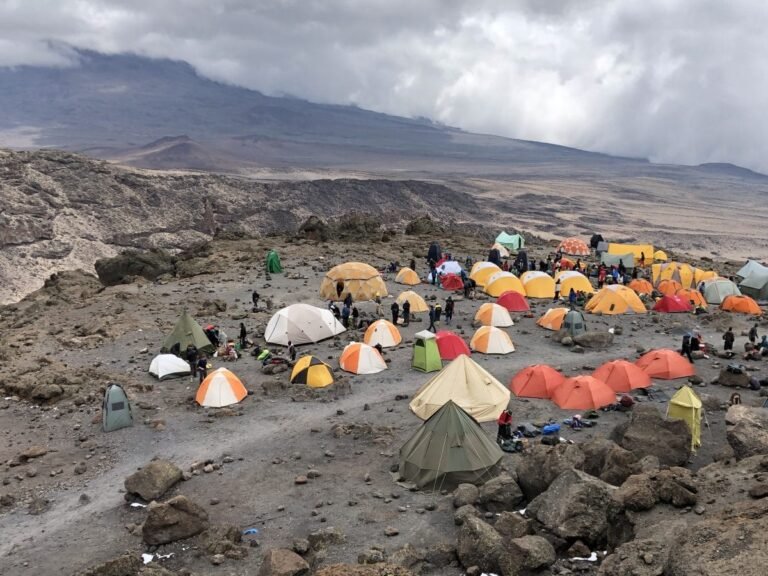
Family Kilimanjaro Climb August : Your Summer Holiday Adventure 2027
start an unforgettable Family Kilimanjaro Climb during August 2027. This guide covers the best routes, essential planning, and tips for a successful summer holiday ascent.
View package details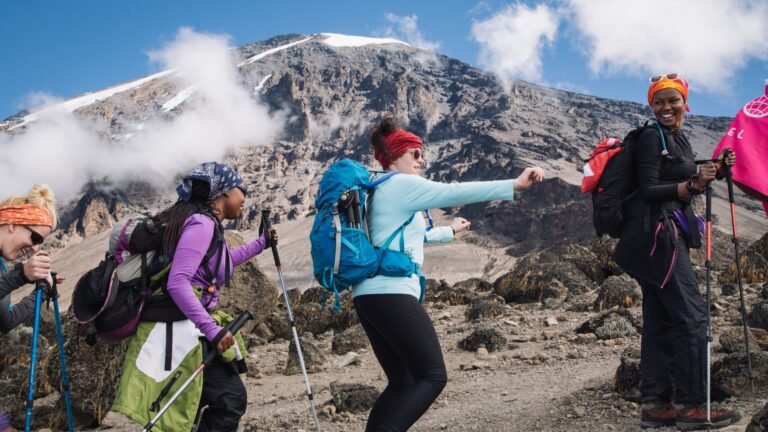
Uk August Bank Holiday Kilimanjaro Climb : Your Peak Season Adventure 2027
Planning a UK August Bank Holiday Kilimanjaro Climb in 2027 offers a prime opportunity to ascend Africa's highest peak during a favourable season. This guide details how to make the most of...
View package details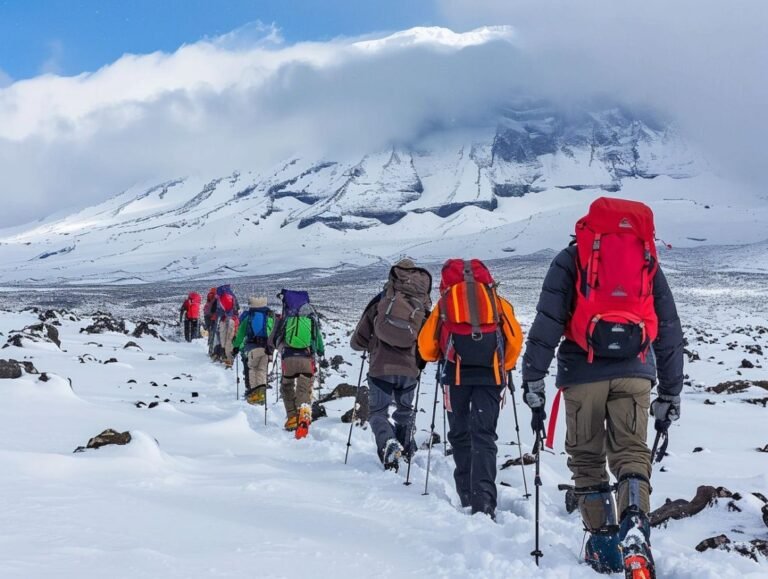
Kilimanjaro Full Moon Climb August – Summit Around 17 2027
start an unforgettable Kilimanjaro Full Moon Climb in August 2027, targeting a impressive summit on or around August 17th. This guide covers optimal routes, August conditions, and essential...
View package detailsFamily Kilimanjaro Climb July : Summer School Holiday Dates 2027
Planning a family adventure to the roof of Africa? Climbing Kilimanjaro during the July 2027 school holidays offers a unique opportunity for families to bond and achieve a shared goal. This...
View package details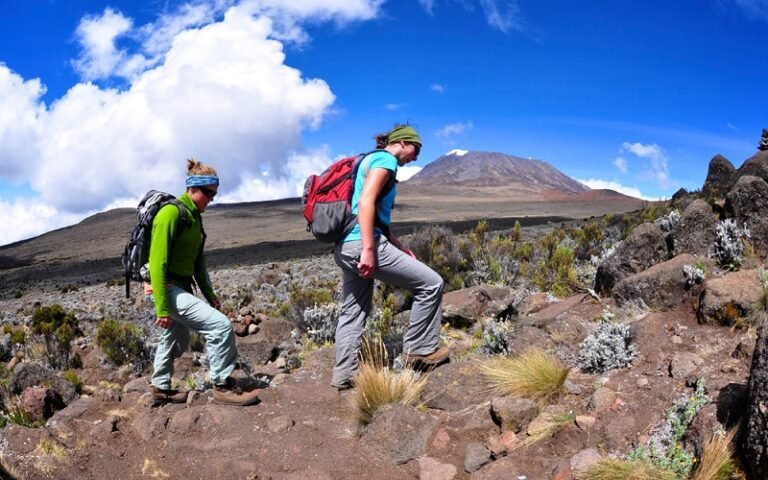
Kilimanjaro Full Moon Climb July – Summit Around 18 2027
start an unforgettable Kilimanjaro full moon climb in July 2027, targeting a summit on or around July 18th. This guide details the unique advantages of a full moon ascent, optimal routes...
View package details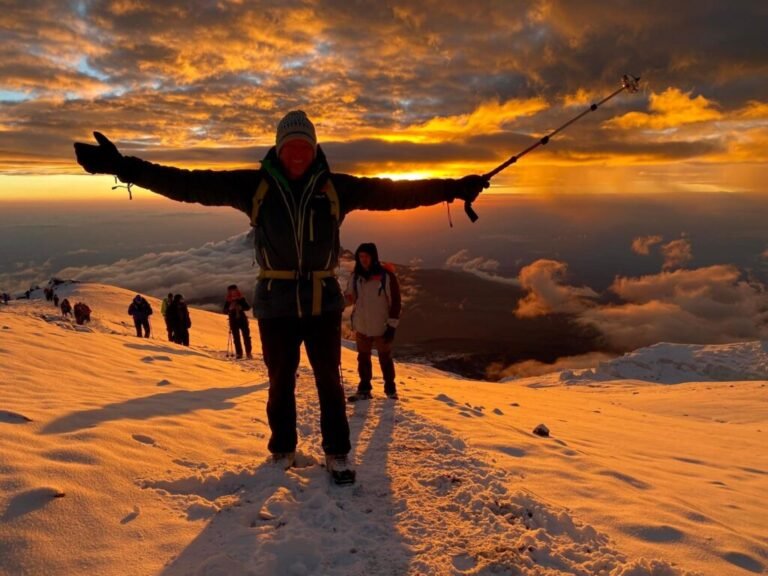
July 4Th Kilimanjaro Climb – Your Us Independence Holiday Trek 2027
Climb Kilimanjaro over the US Independence Day holiday in 2027. This guide covers planning, routes, and what to expect for a memorable July 4th trek.
View package details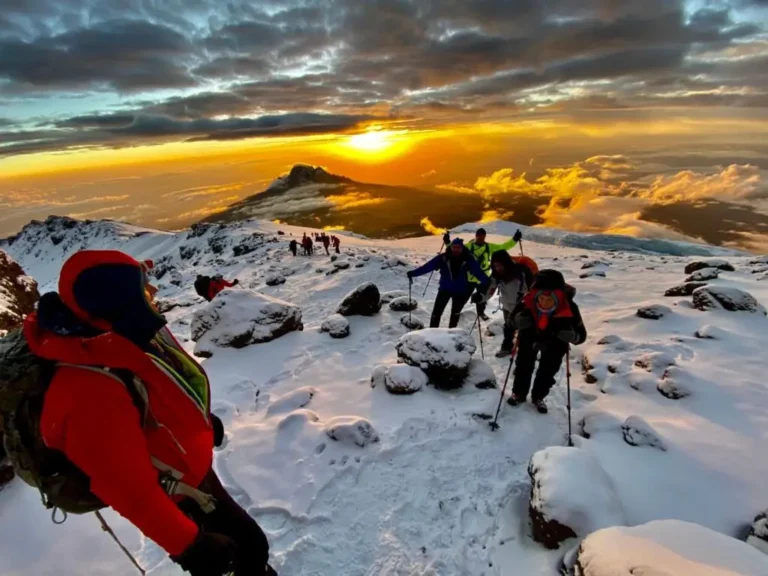
Juneteenth Kilimanjaro Climb – June Holiday Adventure 2027
Juneteenth Kilimanjaro Climb 2027 – June Holiday Adventure is explained with current 2027 planning, price, itinerary and booking information.
View package detailsKilimanjaro Full Moon Climb June : Summiting Under The Moonlight On 19Th 2027
start an unforgettable Kilimanjaro Full Moon Climb in June 2027, with the peak aiming for the night of June 19th. This guide explores the magic of summiting under the full moon, optimal...
View package details
Uk Spring Bank Holiday Kilimanjaro Climb 2027
UK Spring Bank Holiday Kilimanjaro Climb 2027 is explained with current 2027 planning, price, itinerary and booking information.
View package detailsMemorial Day Kilimanjaro Climb – Your Us Holiday Trek Plan 2027
Dreaming of summiting Kilimanjaro on Memorial Day 2027? This guide details how to make your US holiday trek a reality, covering routes, timing, and essential planning with Climb 4 Africa.
View package detailsNo related package matches those filters. Clear one or more filters to see the other topic-matched options.



