
A UK Spring Bank Holiday Kilimanjaro Climb in 2027 refers to trekking to the summit of Mount Kilimanjaro, timed to coincide with the late May bank holiday weekend in the United Kingdom, typically offering a 4-day break. The most practical approach for a 2027 UK Spring Bank Holiday Kilimanjaro climb is to opt for a route that balances acclimatisation with the available time, often requiring an extended trip beyond the bank holiday itself to ensure safety and success. Routes like the Marangu or Machame, usually requiring 6-7 days, are popular choices, but require careful planning to align with the bank holiday timing, potentially involving travel before and after the public holiday.
Understanding the UK Spring Bank Holiday Kilimanjaro Climb 2027
The UK Spring Bank Holiday typically falls on the last Monday in May. For 2027, this would be Monday, May 31st. This provides a long weekend, a valuable bonus for many travellers looking to extend their holiday. However, climbing Kilimanjaro is not a short endeavour; it requires significant time for acclimatisation and the trek itself. A standard Kilimanjaro climb usually spans 5 to 9 days, depending on the chosen route and pace. Therefore, a UK Spring Bank Holiday Kilimanjaro Climb in 2027 necessitates a strategic approach. Most trekkers will need to take additional leave days before or after the bank holiday weekend to complete the climb safely and effectively. This allows for a more relaxed pace, better acclimatisation, and a higher chance of reaching the summit, Uhuru Peak, without compromising health or enjoyment.
When planning a UK Spring Bank Holiday Kilimanjaro Climb 2027, it’s crucial to distinguish between the public holiday itself and the total duration of the expedition. The bank holiday is a catalyst for planning, but the climb itself will likely span a full week or more. This means that while you might depart or return around the bank holiday, the bulk of your trek will fall outside the standard 3-day weekend. Understanding this distinction is the first step towards a successful and enjoyable expedition. The goal is not just to be on the mountain during the bank holiday, but to leverage that period for a rewarding adventure.
Timing Your 2027 Kilimanjaro Adventure Around the Spring Bank Holiday
Aligning your Kilimanjaro ascent with the 2027 UK Spring Bank Holiday requires careful calendar management. The late May period is generally considered part of the shoulder season, transitioning from the wetter months towards the drier, cooler period of June to October. While not as predictably dry as the peak seasons, late May can offer a good balance of fewer crowds and manageable weather. The key is to book a departure date that begins a few days before the bank holiday weekend, allowing you to be well on your way up the mountain as the UK holiday begins, and potentially summiting shortly after the long weekend concludes. Alternatively, you could time your descent to finish around the bank holiday. This strategy maximises the use of your time off while also benefiting from potentially milder conditions.
Consider the travel days to and from Tanzania. Flights from the UK to Kilimanjaro International Airport (JRO) typically involve at least one stop and can take 12-20 hours. Factoring in a day for travel on either side of your trek means that a 7-day climb, for instance, would realistically require 9-10 days away from home. If your bank holiday is May 31st, 2027, a departure around May 26th or 27th would place you on the mountain for the entire long weekend. This approach ensures you are past the most challenging lower altitudes and well into your acclimatisation process by the time the UK’s public holiday arrives. This thoughtful timing is what elevates a standard trek into a well-planned UK Spring Bank Holiday Kilimanjaro Climb 2027.
Best Kilimanjaro Routes for the UK Spring Bank Holiday 2027
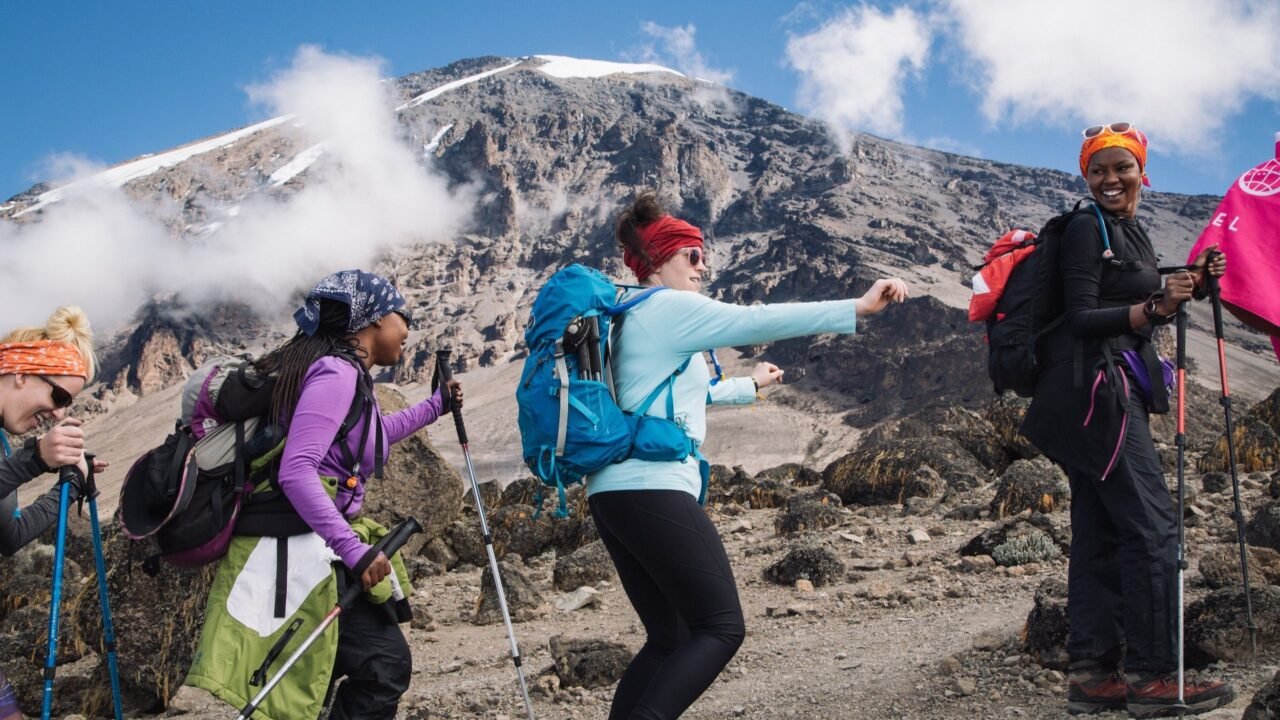
When planning a UK Spring Bank Holiday Kilimanjaro Climb 2027, route selection is paramount. The shorter duration typically associated with a bank holiday break necessitates routes that offer good acclimatisation profiles and are generally considered more reliable in terms of success rates. While the full holiday might only be 3-4 days, a climb requires at least 6 days for safety and success, making it a week-long or longer commitment. The popular Machame Route, often referred to as the ‘Whiskey Route’, is a 7-day trek that provides excellent acclimatisation due to its ‘climb high, sleep low’ strategy. This route is highly recommended for its scenic beauty and good summit success rates. It’s a challenging trek, but rewarding.
The Lemosho Route, particularly the 8-day variation, is another excellent choice. It offers a longer acclimatisation period, a more remote start through pristine forests, and stunning panoramic views. For those aiming to climb around the 2027 Spring Bank Holiday, the 8-day Lemosho Route provides a slightly more relaxed pace, which is beneficial for acclimatisation and overall enjoyment. The Marangu Route, known as the ‘Coca-Cola Route’, is the only route that offers dormitory-style accommodation and can be completed in 5 days. However, its rapid ascent profile means acclimatisation is less effective, leading to lower success rates. For a bank holiday climb, where maximising success is key, the 6-day Marangu option might be considered, but longer routes are always preferable.
Recommended Routes for a 2027 Spring Bank Holiday Climb:
- Machame Route (7 Days): Offers a good balance of acclimatisation, scenery, and success rates. Ideal for those with some trekking experience.
- Lemosho Route (8 Days): Provides superior acclimatisation and a more in-depth wilderness experience. Highly recommended for optimal success.
- Shira Route (8 Days): Similar to Lemosho but starts at a higher altitude. Offers spectacular views from the start.
The UK Spring Bank Holiday Kilimanjaro Climb 2027 is best undertaken on routes that are at least 7 days long. While shorter options exist, they significantly increase the risk of altitude sickness and failure to reach the summit. The extra day or two on the mountain makes a substantial difference in acclimatisation and overall experience. Consider routes like the 8 Day Lemosho Route which, while not directly aligning with the bank holiday dates in this example, illustrates the benefit of longer treks, which can be adapted for your specific 2027 bank holiday timing.
Weather Patterns for a 2027 Spring Bank Holiday Trek
Late May in Kilimanjaro marks a transitional period. The “long rains” of April and May are typically subsiding, but brief showers can still occur, particularly in the lower rainforest zones. As you ascend, the weather becomes more varied. Higher altitudes can experience cold temperatures, strong winds, and even snow near the summit. However, compared to the peak dry seasons (January-February and June-October), late May often offers fewer crowds, which can enhance the trekking experience. The air is generally clearer after the rains, potentially offering excellent visibility. The temperatures can range from pleasantly warm in the lower altitudes during the day to well below freezing at night and on summit day.
For your UK Spring Bank Holiday Kilimanjaro Climb 2027, expect daytime temperatures in the rainforest zone to be around 20-25°C (68-77°F), dropping significantly as you gain altitude. At the summit, temperatures can plummet to -10°C to -20°C (14°F to -4°F), especially with wind chill. While the rains are diminishing, it’s essential to be prepared for all conditions. Waterproof and windproof outer layers are crucial. The landscape in late May is often lush and green due to the recent rains, offering beautiful scenery. This period can be an excellent compromise between reliable weather and avoiding the peak season crowds, making it an attractive option for those looking to plan their 2027 climb.
Physical Preparation for Your 2027 Kilimanjaro Expedition
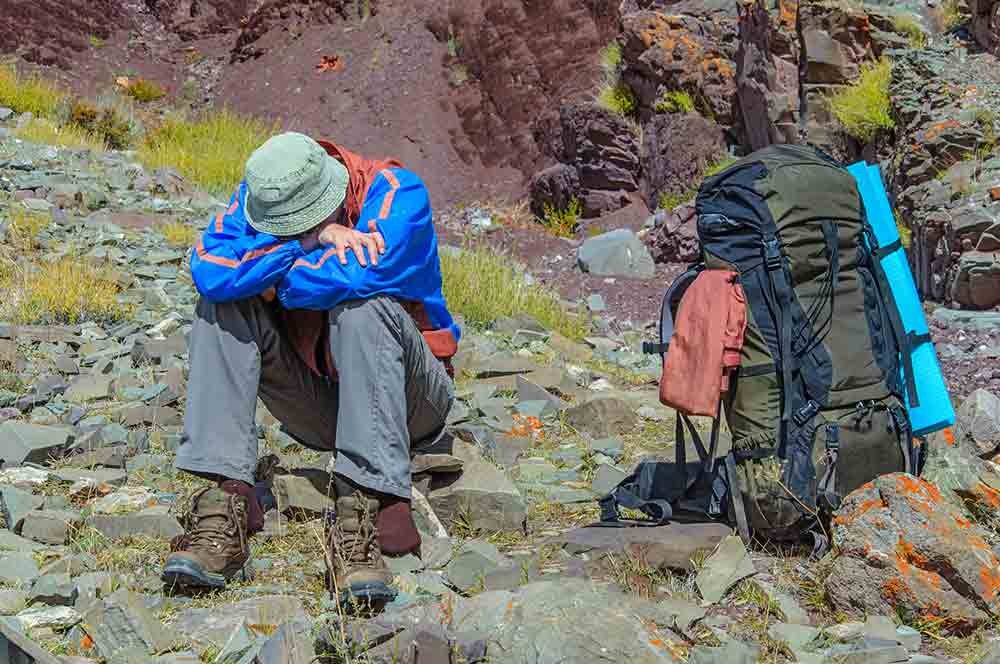
Climbing Kilimanjaro is a significant physical challenge, and adequate preparation is non-negotiable, especially when undertaking a UK Spring Bank Holiday Kilimanjaro Climb 2027. The most critical aspect of preparation is cardiovascular fitness. Aim to incorporate regular aerobic activities into your routine for at least 3-4 months leading up to your climb. This includes hiking, running, cycling, or swimming. Focus on endurance rather than high-intensity bursts.
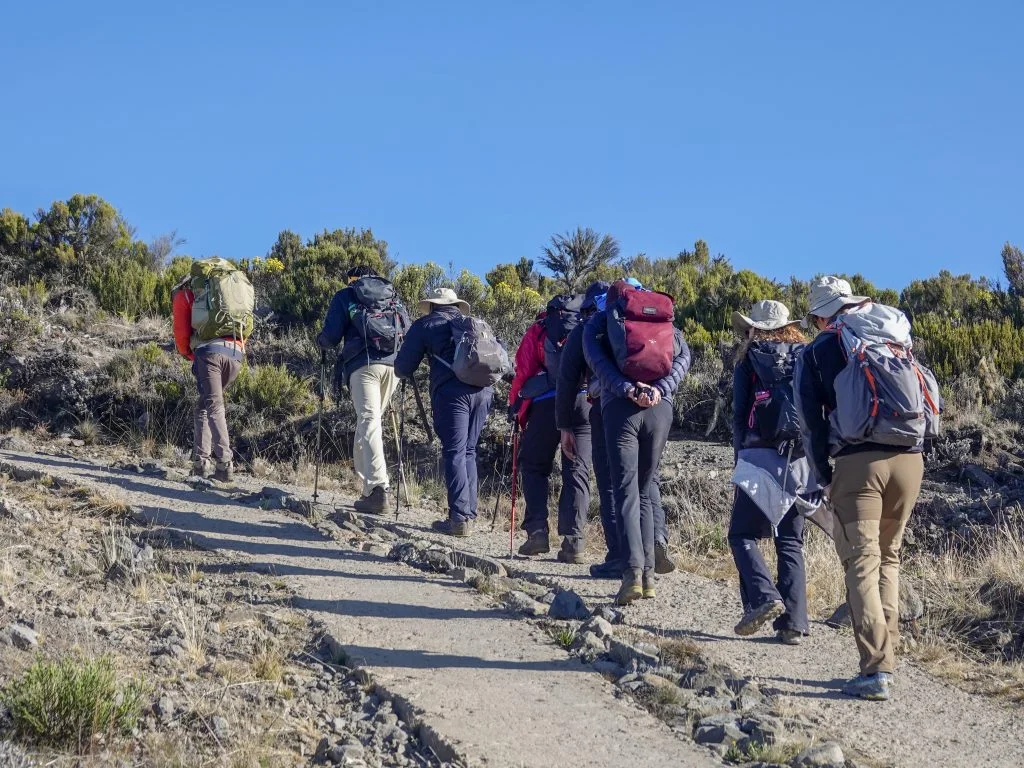
Crucially, your training should include hiking with a weighted backpack, simulating the conditions you’ll experience on the mountain. Practice on varied terrain, including hills and steep inclines, to prepare your leg muscles and joints for the sustained effort. Strength training, particularly for your legs, core, and back, will also be beneficial. Exercises like squats, lunges, and step-ups are excellent choices.
Acclimatisation is the body’s ability to adapt to lower oxygen levels at high altitudes. While no amount of training can fully substitute for proper acclimatisation on the mountain, good physical condition will help your body cope better. Hydration and nutrition are also vital components of your preparation. Ensure you are drinking plenty of water and maintaining a balanced diet. For a UK Spring Bank Holiday Kilimanjaro Climb 2027, start your training regimen early. Don’t underestimate the demands of altitude; it affects everyone differently, regardless of fitness level. The slower you go, the better you feel – ‘pole pole’ is the mantra on Kilimanjaro.
Essential Gear for a Kilimanjaro Climb in 2027
Proper gear is essential for comfort, safety, and success on Kilimanjaro. Packing for a UK Spring Bank Holiday Kilimanjaro Climb 2027 requires a layered approach to handle varying temperatures and conditions. The most critical items include:
- Layering System: Base layers (thermal tops and bottoms), mid-layers (fleece or down jacket), and an outer shell (waterproof and windproof jacket and trousers).
- Footwear: Well-broken-in, waterproof hiking boots are non-negotiable. Bring several pairs of good quality hiking socks, including thermal options.
- Headwear: A warm, insulated hat that covers your ears, a sun hat or cap for daytime, and sunglasses with UV protection. A balaclava or neck gaiter is also highly recommended for summit night.
- Gloves: Warm, waterproof gloves or mittens, and thinner liner gloves for dexterity.
- Sleeping Bag: A 4-season sleeping bag rated to at least -15°C (5°F) is essential.
- Backpack: A comfortable daypack (30-40 litres) for essentials carried during the day, and a larger duffel bag (80-100 litres) for porters to carry.
- Trekking Poles: Highly recommended for reducing strain on knees and improving balance.
- Headlamp: With extra batteries, crucial for summit night and navigating in the dark.
- Water Bottles/Hydration Reservoir: At least 3 litres capacity. Insulated covers are useful to prevent water from freezing.
- Sun Protection: High SPF sunscreen, lip balm with SPF, and insect repellent.
- First-Aid Kit: Personal medications, blister treatment, pain relievers, and altitude sickness medication (consult your doctor).
For a UK Spring Bank Holiday Kilimanjaro Climb 2027, packing smart is key. You’ll be carrying some items yourself, while others will be carried by porters. Ensure your gear is durable and suitable for extreme conditions. Many operators provide a detailed packing list, which should be followed closely. Investing in quality gear can make a significant difference to your comfort and enjoyment on the mountain.
Logistics and Booking Your 2027 Climb
Booking your UK Spring Bank Holiday Kilimanjaro Climb 2027 requires advance planning. Due to the popularity of Kilimanjaro and the need to secure permits and park entries, it’s advisable to book your trek at least 6-12 months in advance, especially if you aim for specific dates like the bank holiday weekend. This lead time ensures availability for your preferred routes and departure dates.
When selecting an operator, look for companies with a strong safety record, experienced guides, and a commitment to ethical treatment of porters. Climb 4 Africa specialises in Kilimanjaro expeditions and offers practical local support, understanding the nuances of climbing this iconic mountain. They can help tailor your trip to align with your bank holiday dates, ensuring you have the best possible experience.
Your booking should typically include park fees, camping or hut fees, guide and porter salaries, meals on the mountain, and transfers. Flights to Tanzania are usually booked separately. It’s essential to understand what is included and excluded in your package. For a UK Spring Bank Holiday Kilimanjaro Climb 2027, confirm the exact departure date and how it aligns with the public holiday. Be prepared for a deposit upon booking and the balance due a few months before departure. Consider travel insurance that covers high-altitude trekking and emergency evacuation.
To begin planning your 2027 climb and secure a spot for the Spring Bank Holiday, contacting Climb 4 Africa is a sensible next step. You can reach them via WhatsApp +255 747 477 898 or Email climb4africa@gmail.com. When you inquire, mention your target date around the 2027 UK Spring Bank Holiday and your preferred route. They can provide detailed itineraries, costings, and answer any specific questions you may have about trekking during this period. This proactive approach ensures you are well on your way to a successful and memorable adventure.
What to Expect on the Mountain During the 2027 Spring Break
Embarking on a UK Spring Bank Holiday Kilimanjaro Climb 2027 means you’ll experience the mountain in a unique transitional season. As the long rains recede, the environment can be incredibly vibrant, with lush vegetation and clear streams. However, be prepared for changeable weather. The rainforest zone will likely be damp, and higher altitudes can still see rain or even hail. Summit night is always challenging, regardless of the season. It begins in the early hours of the morning, typically around midnight, and involves a steep, slow ascent in the dark, often in very cold temperatures.
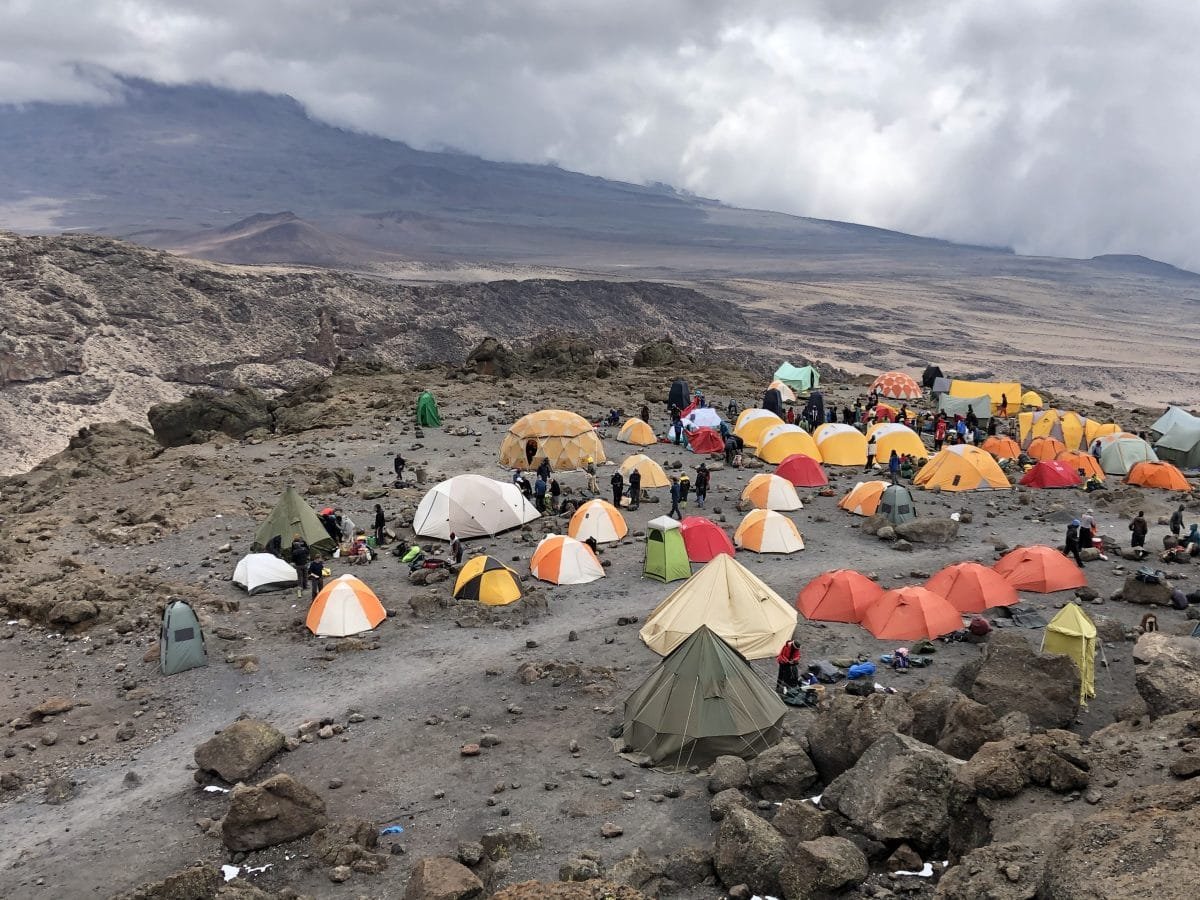
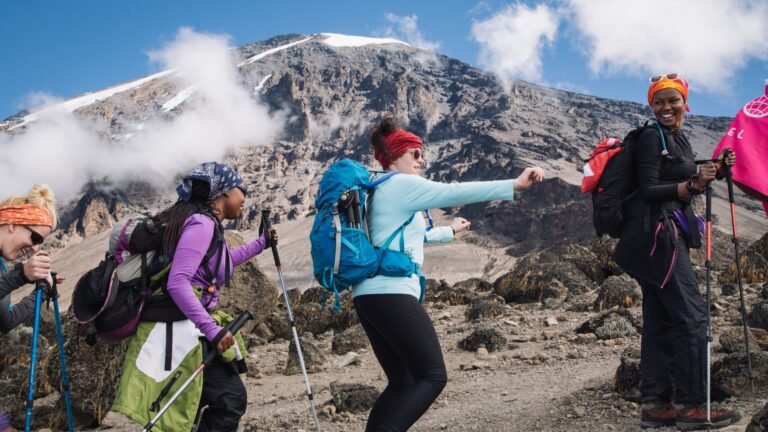
Your guides will lead you ‘pole pole’ (slowly, slowly) to aid acclimatisation. Expect to walk for 6-8 hours on summit night and then another 4-6 hours descending from the crater rim to your next camp. The views from Uhuru Peak at sunrise are legendary, a reward for the immense effort. Throughout the trek, you’ll pass through distinct ecological zones: rainforest, moorland, alpine desert, and arctic zone. Each offers a different landscape and experience.
While the bank holiday might mean slightly fewer international travellers compared to peak season, you will still encounter other trekkers on popular routes. However, the overall atmosphere is usually less crowded than in January/February or July/August. The camaraderie among trekkers and the support from your guide and porter team are significant aspects of the Kilimanjaro experience. For your UK Spring Bank Holiday Kilimanjaro Climb 2027, focus on embracing the journey, staying hydrated, eating well, and listening to your body and your guides. The mountain offers an unparalleled sense of accomplishment, and planning around this specific holiday can make the experience even more special.”,
“faq_schema”: [
{
“question”: “When is the UK Spring Bank Holiday in 2027?”,
“answer”: “The UK Spring Bank Holiday in 2027 is scheduled for Monday, May 31st.”
},
{
“question”: “How long does a Kilimanjaro climb typically take?”,
“answer”: “A Kilimanjaro climb typically takes between 5 and 9 days, depending on the chosen route and acclimatisation pace. For a bank holiday climb, a minimum of 6-7 days is strongly recommended.”
},
{
“question”: “What is the weather like on Kilimanjaro in late May?”,
“answer”: “Late May is a transitional period. The long rains are usually ending, but brief showers are possible. Higher altitudes can be cold, windy, and experience snow. Temperatures vary significantly with altitude.”
},
{
“question”: “Which Kilimanjaro route is best for a bank holiday climb in 2027?”,
“answer”: “Routes offering better acclimatisation, such as the 7-day Machame or 8-day Lemosho, are recommended for a UK Spring Bank Holiday Kilimanjaro Climb 2027 to maximise success and safety.”
},
{
“question”: “How far in advance should I book my 2027 Kilimanjaro climb?”,
“answer”: “It is advisable to book your Kilimanjaro climb at least 6-12 months in advance, especially for specific dates like the 2027 Spring Bank Holiday, to secure permits and preferred departure dates.”
}
]
}
“`
Related Guides and Packages
Check Availability for Uk Spring Bank Holiday Kilimanjaro Climb 2027
Ready to compare dates, prices, and the best option for your group? Send the package name and travel month so the team can reply with a clear quote, availability, and what is included.
Uk August Bank Holiday Kilimanjaro Climb : Your Peak Season Adventure 2027
Planning a UK August Bank Holiday Kilimanjaro Climb in 2027 offers a prime opportunity to ascend Africa's highest peak during a favourable season. This guide details how to make the most of...
View package details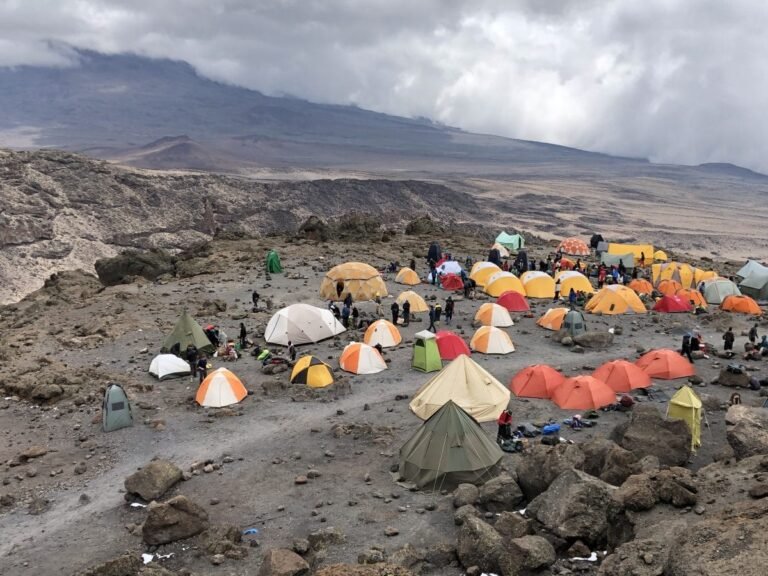
Family Kilimanjaro Climb August : Your Summer Holiday Adventure 2027
start an unforgettable Family Kilimanjaro Climb during August 2027. This guide covers the best routes, essential planning, and tips for a successful summer holiday ascent.
View package detailsFamily Kilimanjaro Climb July : Summer School Holiday Dates 2027
Planning a family adventure to the roof of Africa? Climbing Kilimanjaro during the July 2027 school holidays offers a unique opportunity for families to bond and achieve a shared goal. This...
View package details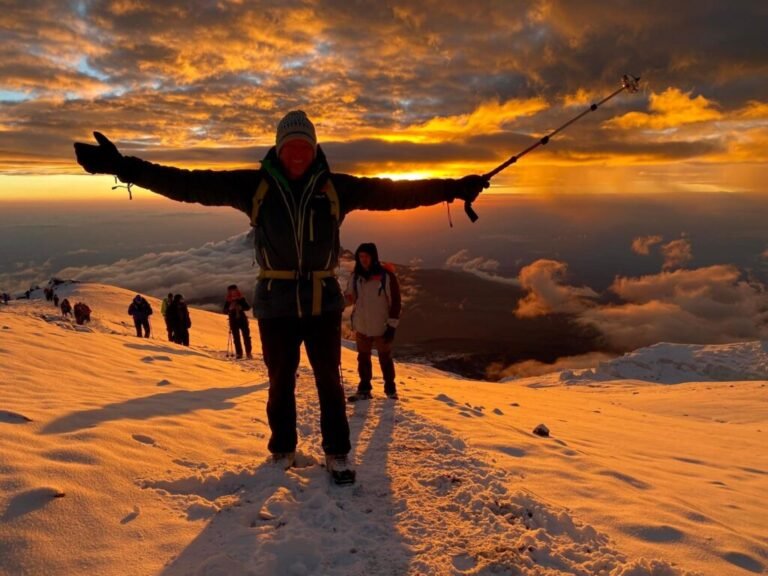
July 4Th Kilimanjaro Climb – Your Us Independence Holiday Trek 2027
Climb Kilimanjaro over the US Independence Day holiday in 2027. This guide covers planning, routes, and what to expect for a memorable July 4th trek.
View package details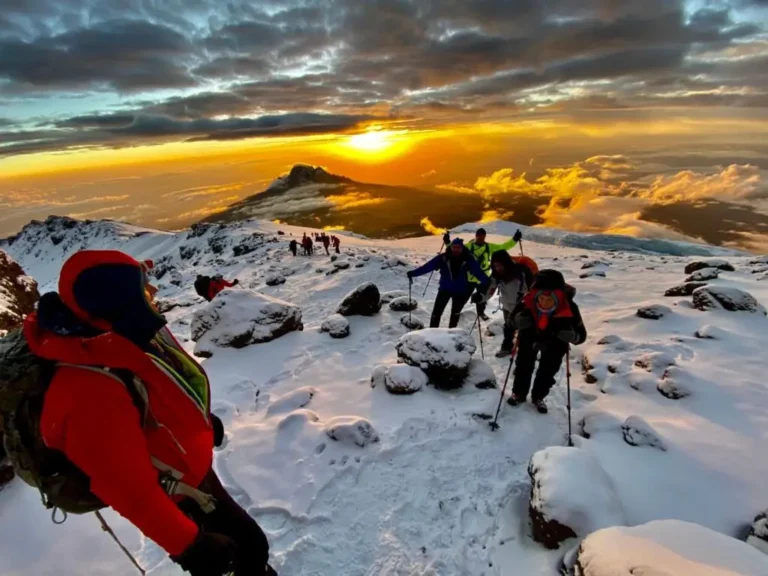
Juneteenth Kilimanjaro Climb – June Holiday Adventure 2027
Juneteenth Kilimanjaro Climb 2027 – June Holiday Adventure is explained with current 2027 planning, price, itinerary and booking information.
View package details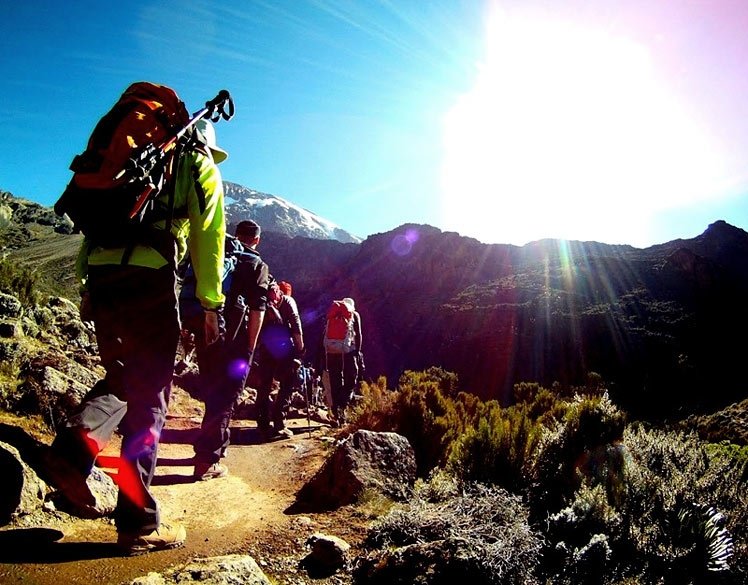
Memorial Day Kilimanjaro Climb – Your Us Holiday Trek Plan 2027
Dreaming of summiting Kilimanjaro on Memorial Day 2027? This guide details how to make your US holiday trek a reality, covering routes, timing, and essential planning with Climb 4 Africa.
View package details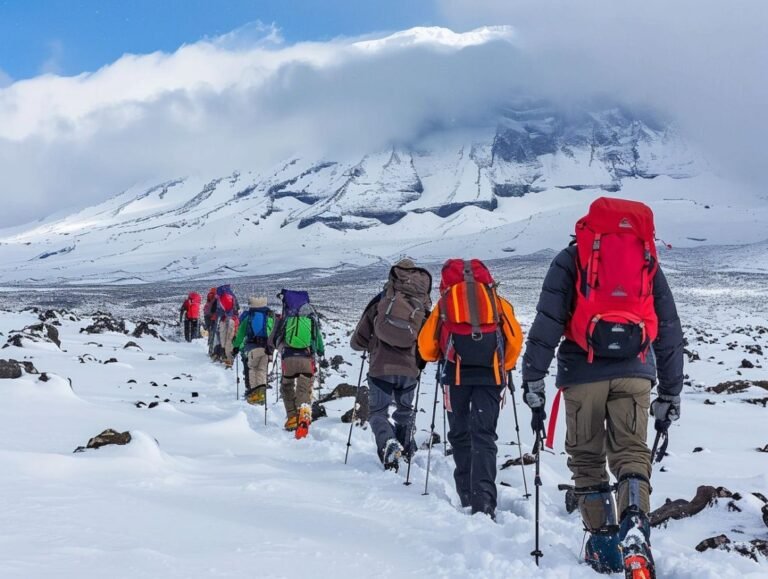
New Years Day Kilimanjaro Summit – Christmas Holiday Climb 2026-2027
start a life-changing journey with a New Year's Day Kilimanjaro Summit in 2027. Combining a Christmas holiday climb with a January 1st summit offers a unique and rewarding way to start the...
View package details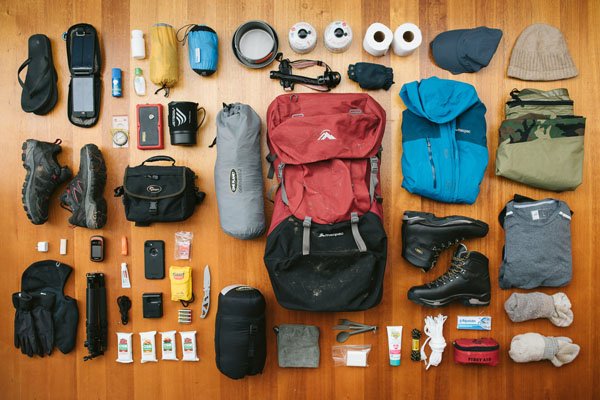
Thanksgiving Kilimanjaro Climb – November Holiday Trek 2026-2027
Thanksgiving Kilimanjaro Climb 2026 – November Holiday Trek is explained with current 2026-2027 planning, price, itinerary and booking information.
View package detailsKilimanjaro Climb July – Peak Dry-Season Group Departures 2027
Kilimanjaro Climb July 2027 – Peak Dry-Season Group Departures is explained with current 2027 planning, price, itinerary and booking information.
View package detailsMarangu Route – 26 June Kilimanjaro Group Climb 2027
Marangu Route – 26 June 2027 Kilimanjaro Group Climb is explained with current 2027 planning, price, itinerary and booking information.
View package details8 Day Lemosho Route – 20 February Kilimanjaro Departure With Climb 4 Africa
This article details the 8-day Lemosho Route Kilimanjaro climb scheduled for February 20, 2027, focusing on planning, itinerary, and what makes this departure a unique opportunity with...
View package detailsKilimanjaro Climb February – Dry Season Groups And Availability 2027
Kilimanjaro Climb February 2027 – Dry Season Groups and Availability is explained with current 2027 planning, price, itinerary and booking information.
View package detailsNo related package matches those filters. Clear one or more filters to see the other topic-matched options.



