
The question of whether late May Kilimanjaro 2027 is better than early May hinges on a trade-off between slightly diminishing rainfall and potentially fewer trekkers. While early May can still experience significant rain, late May often sees these showers lessening, leading to clearer skies and more stable trails, though early May might offer a slightly quieter mountain experience before the main tourist season picks up more momentum. For many, the marginal improvement in weather conditions towards the end of May makes it a slightly more appealing choice for a successful summit attempt, especially if visibility is a priority.
Understanding May’s Weather on Kilimanjaro
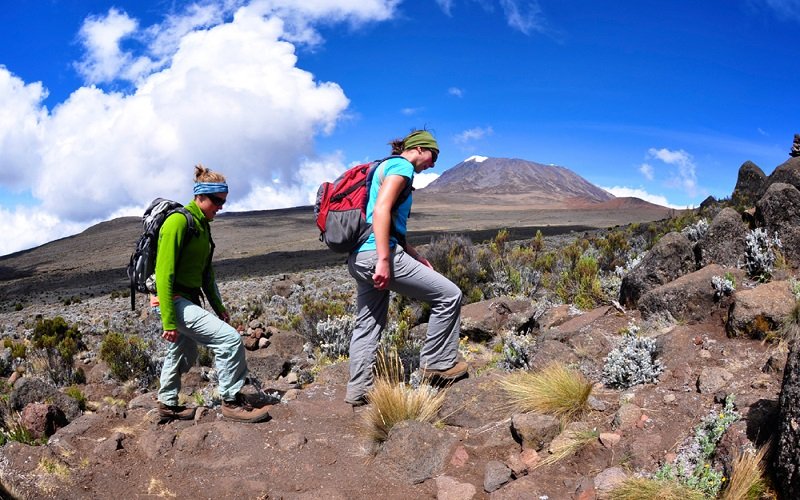
Kilimanjaro’s weather is famously variable, dictated by altitude, season, and microclimates. May sits within the mountain’s secondary rainy season, often referred to as the ‘green season’ due to the lush vegetation it brings. However, the intensity and duration of these rains can fluctuate year to year, making the distinction between early and late May crucial for planning. The overarching trend in May is a gradual decrease in precipitation as the month progresses, transitioning towards the drier June-August period.
Early May: The Heart of the ‘Green Season’ Rains
Climbing Kilimanjaro in early May means embracing the full force of the secondary rains. You can expect frequent rainfall, especially on the lower to mid-slopes. This can manifest as steady downpours or intermittent heavy showers, often accompanied by cloud cover. While the rain can be inconvenient, it also means the mountain is at its most vibrant and green. Trails can become muddy and slippery, requiring careful footing and good waterproof gear. However, early May often sees fewer trekkers compared to the peak dry seasons, offering a more solitary experience. For those who don’t mind the potential for wet conditions and are well-prepared, early May can be a rewarding time, especially if you’re seeking a quieter ascent. Some trekkers also find the lush scenery particularly beautiful during this period. For instance, a small group rainy-season adventure in late April or early May might appeal to those seeking fewer crowds, though the weather is similar.
Late May: Transitioning Towards the Dry Season
As May progresses into its latter half, a noticeable shift often occurs. The frequency and intensity of rainfall typically begin to decrease. While you should still anticipate some rain, the showers tend to become less prolonged and the skies may clear more often, offering glimpses of the summit and surrounding landscapes. This transitional period means trails might be less muddy, and the overall trekking experience can feel more stable. The vegetation remains lush, but the increased chances of clearer days make late May Kilimanjaro 2027 a popular choice for many who wish to balance the ‘green season’ benefits with a better chance of good weather. The period around the late May transition into the June dry season is often ideal for this reason.
Summit Conditions: Temperature and Visibility
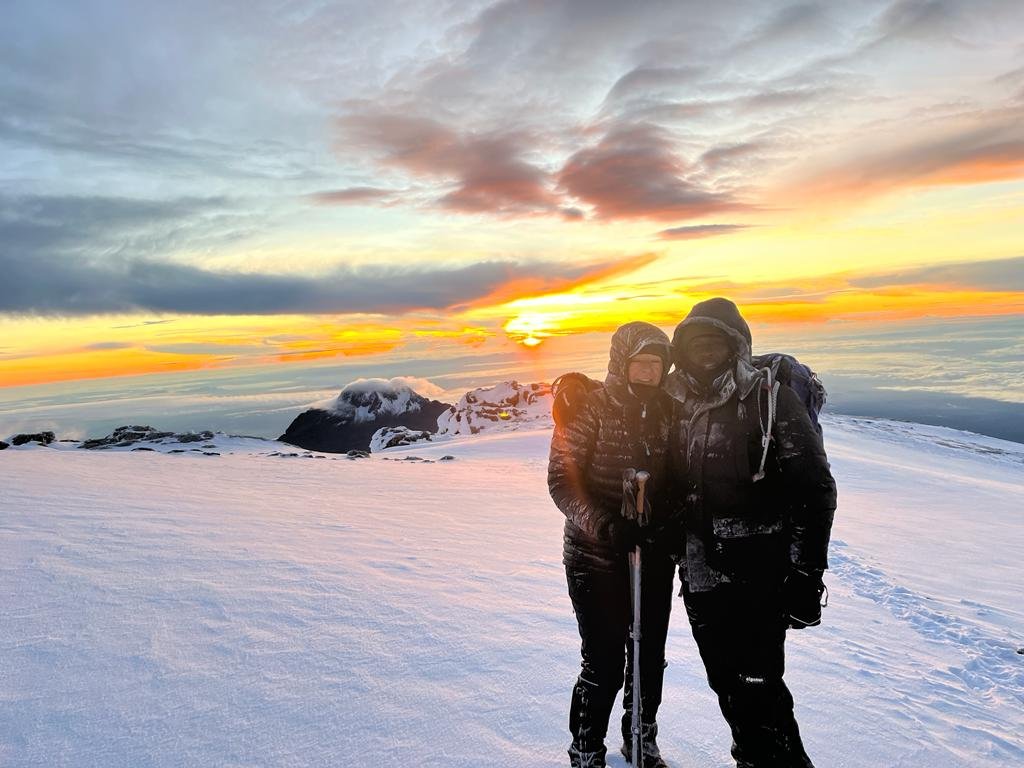
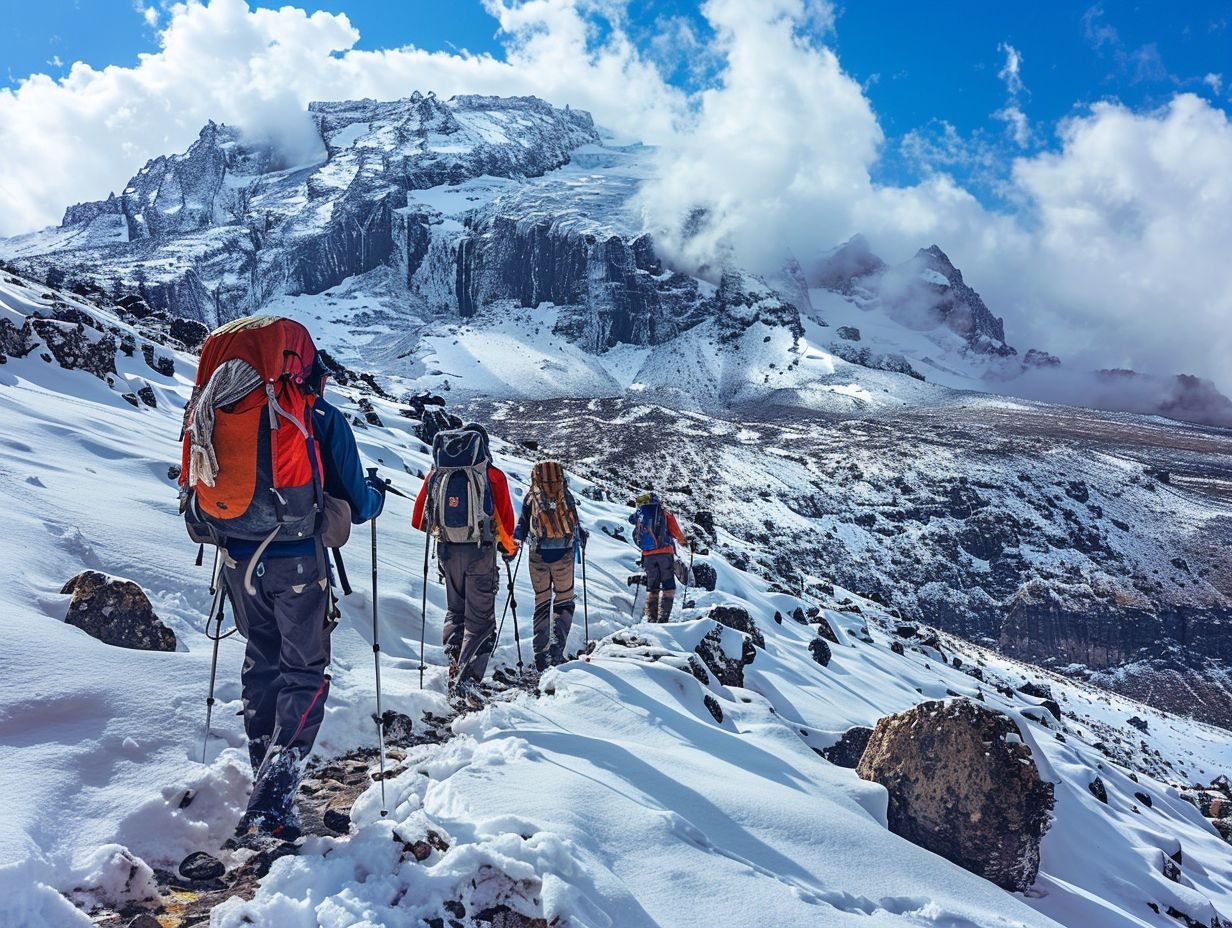
Regardless of whether you climb in early or late May, the summit zone (above Stella Point and towards Uhuru Peak) will be cold. Temperatures can drop significantly, often well below freezing, especially on summit night. However, the primary difference between early and late May regarding summit conditions often comes down to visibility. In early May, persistent cloud cover can obscure views from the summit. Late May, as the rains subside, generally offers a higher probability of clear, starry nights and impressive sunrise views from the roof of Africa. This improved visibility can significantly enhance the psychological experience of reaching the summit. While early May might bring colder, potentially windier conditions due to storms, late May could offer slightly more stable, albeit still frigid, summit weather.
Crowd Dynamics: Early May vs. Late May 2027
Kilimanjaro experiences peak trekking seasons in January-February and June-October. May falls outside these main windows, making it a shoulder season. Generally, both early and late May will be less crowded than the peak dry months. However, there can be subtle differences. Early May, being closer to the end of the primary rainy season (April-May), might attract slightly fewer trekkers overall compared to late May. This can mean quieter campsites and trails, providing a more intimate climbing experience. As late May progresses, particularly towards the end of the month, you might start seeing a slight increase in numbers as trekkers anticipate the approaching dry season and the potential for better weather. For example, the UK Spring Bank Holiday, which often falls in late May, can see a small surge in bookings for that specific period, but generally, May remains a relatively uncrowded month.
Route Considerations for Late May 2027
When planning a Kilimanjaro climb in May, especially a late May Kilimanjaro 2027 trek, the choice of route becomes important. Some routes are better suited to managing the conditions of the green season than others.
Best Routes for Rainy Season Considerations
The Rongai Route is often recommended for May climbs. It approaches Kilimanjaro from the north, a drier side of the mountain, and tends to receive less rainfall than routes approaching from the south (like Machame or Lemosho). While no route is entirely immune to rain in May, Rongai offers a good chance of encountering slightly drier conditions on its initial stages. The Marangu Route, with its hut accommodation, can also be a practical choice during the rainy season, offering shelter from the elements. However, Marangu is a shorter route and generally has a lower success rate due to its steep ascent profile.
Impact on Trekking Experience
Regardless of the route, the rain in May can impact the trekking experience. Trails can be muddy and slippery, especially on the southern routes which traverse more dense rainforest. This requires more careful footing and can slow down progress. Campsites might be wetter, and visibility can be limited, especially on lower sections. However, the lush green scenery can be incredibly beautiful, and the reduced crowds can be a significant plus. Late May might offer slightly more stable trail conditions than early May, making the trek more comfortable. For example, a low-crowd group trek in mid-May could be a good compromise, offering quieter trails with potentially less rain than earlier in the month. The Rongai Route in May 2027 is particularly attractive for those prioritizing fewer people and potentially drier conditions.
Packing Essentials for a May Kilimanjaro Climb
Proper packing is paramount for any Kilimanjaro climb, but it’s especially critical during May due to the unpredictable weather. Prioritizing waterproofing and layering will be your best strategy for both early and late May Kilimanjaro 2027 treks.
Waterproofing is Key
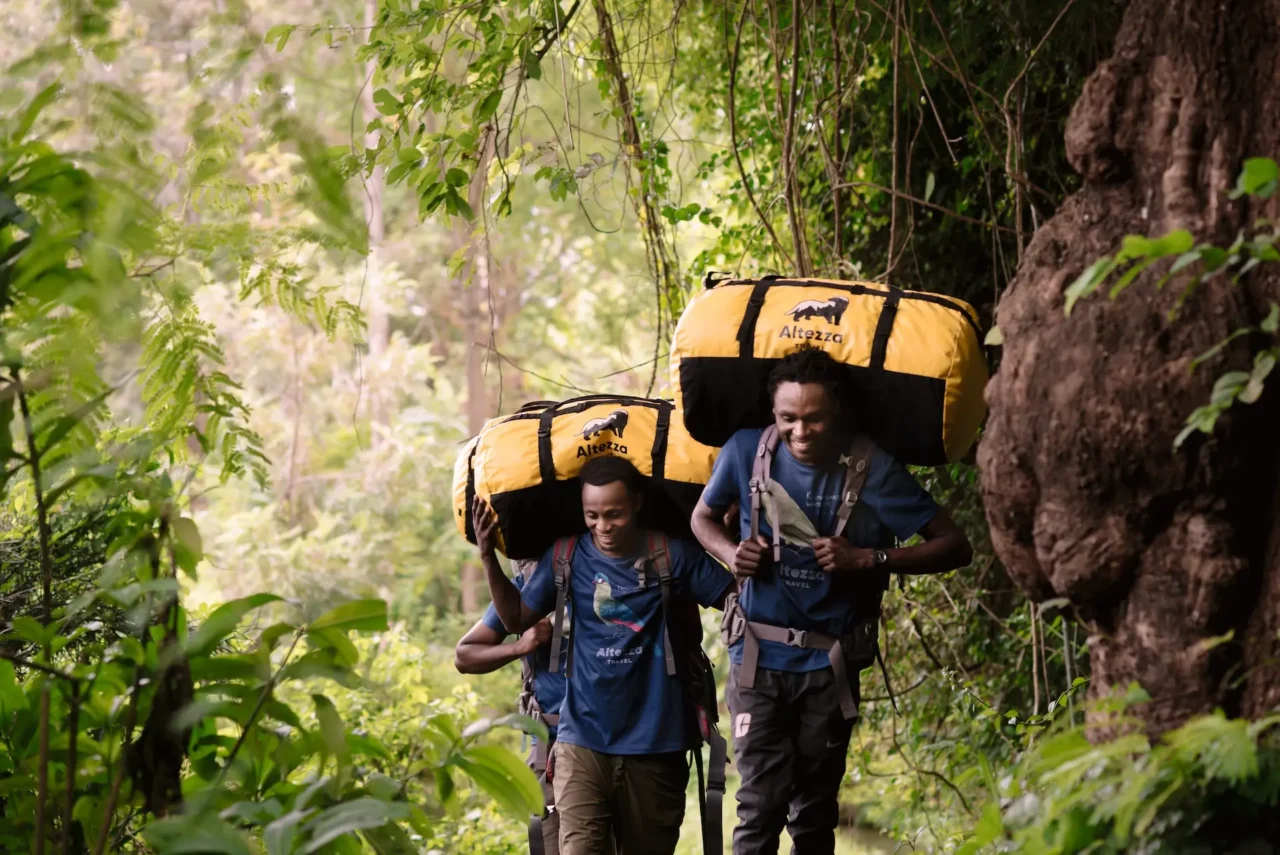
Your outer layers must be fully waterproof and breathable. This includes a high-quality waterproof jacket (hardshell) and waterproof trousers. A waterproof duffel bag for your main gear and a waterproof cover for your daypack are essential to keep your belongings dry. Don’t forget waterproof gloves and gaiters to prevent water from entering your boots.
Layering Strategy
The key to managing temperature fluctuations is layering. You’ll need:
- Base Layers: Moisture-wicking thermal tops and bottoms (merino wool or synthetic).
- Mid Layers: Fleece jackets or insulated vests for warmth.
- Insulation Layer: A warm down or synthetic puffer jacket for colder altitudes and summit night.
- Outer Layer: Your waterproof and windproof hardshell.
This system allows you to adjust your clothing to suit the changing conditions from the humid rainforest to the freezing summit.
Footwear and Traction
Sturdy, waterproof hiking boots are non-negotiable. They should be well broken-in to prevent blisters. Given the potential for muddy and slippery trails in May, good ankle support is crucial. Consider bringing trekking poles with rubber tips; they significantly help with balance on descents and reduce strain on your knees, especially when the ground is wet and uneven. A comprehensive gear list, like the one for Kilimanjaro in April 2027, will be highly relevant for May as well.
Booking Your Late May 2027 Kilimanjaro Trek
Choosing when to book your Kilimanjaro climb is as important as choosing the route or the gear. For a late May Kilimanjaro 2027 trek, booking in advance is advisable, especially if you have specific dates or group preferences. While May is not peak season, popular dates, particularly those coinciding with holidays like the Spring Bank Holiday, can fill up.
Why Choose Climb 4 Africa?
As local experts in Kilimanjaro expeditions and Tanzania travel, Climb 4 Africa offers unparalleled knowledge and support. We understand the nuances of each climbing season, including the subtle differences between early and late May. Our experienced guides and crew are equipped to handle the conditions, ensuring your safety and maximizing your chances of a successful summit. We pride ourselves on providing practical, locally-supported climbs that prioritize your experience. Whether you’re looking for a group trek or a private climb, we can tailor an itinerary to suit your needs for 2027. For instance, a private Kilimanjaro climb in May offers flexibility.
Next Steps for Your Booking
To secure your spot for a late May Kilimanjaro 2027 adventure, or to discuss whether early or late May best suits your priorities, reach out to us. We can provide detailed itineraries, answer specific questions about weather patterns for 2027, and guide you through the booking process. Consider the Kilimanjaro 22 May 2027 group trek as an example of a late May departure.
Contact us via WhatsApp +255 747 477 898 or email us at climb4africa@gmail.com. Let us help you plan an unforgettable journey to the Roof of Africa in 2027.
Comparing May 2027 Options
When weighing late May against early May for your 2027 Kilimanjaro climb, consider these key comparison points:
- Weather: Early May is wetter; late May generally sees diminishing rain and more potential for clearer skies.
- Crowds: Both months are less crowded than dry seasons. Early May might be slightly quieter than late May.
- Scenery: Both offer lush, green landscapes.
- Trails: Early May trails can be muddier and more slippery. Late May may offer more stable conditions.
- Summit Views: Late May generally offers a higher probability of clear summit views compared to early May.
The mid-May Kilimanjaro climb often represents a sweet spot, balancing potentially fewer crowds with improving weather.
Making Your Final Decision
Ultimately, the choice between early and late May Kilimanjaro 2027 depends on your personal priorities. If your absolute top priority is the *slightest* chance of less rain and clearer views, and you are prepared for potentially damp conditions, late May often has a slight edge. If you prefer the idea of a quieter mountain and don’t mind a higher chance of rain, early May is still a viable option. Both periods offer the beauty of Kilimanjaro’s ‘green season’ and fewer crowds than peak times. For those looking for a balance, a trek scheduled around the full moon in late May 2027 could combine good timing with spectacular views, weather permitting. Remember that Kilimanjaro is a serious undertaking, and being well-prepared for variable weather is key, regardless of the specific date in May. Consider your tolerance for rain, your desire for solitude, and your budget when making your final choice for your 2027 adventure.
Check Availability for Late May Kilimanjaro – Is It Better Than Early May? 2027
Ready to compare dates, prices, and the best option for your group? Send the package name and travel month so the team can reply with a clear quote, availability, and what is included.
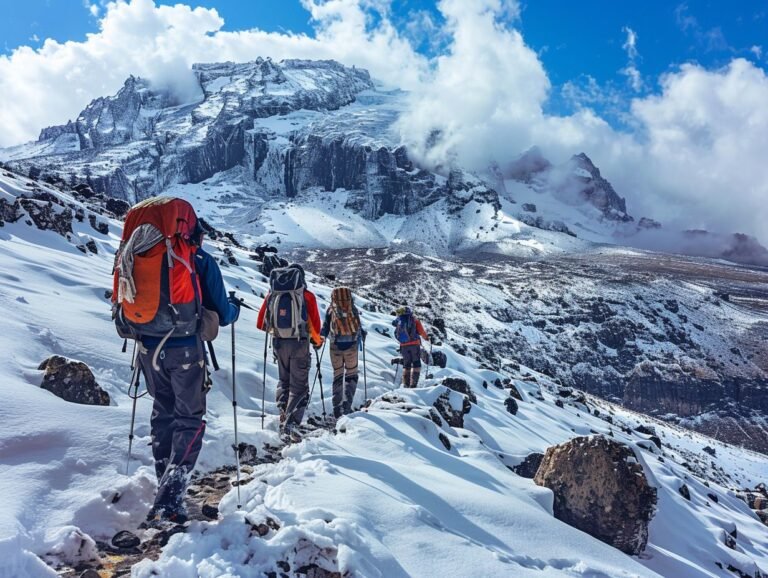
Kilimanjaro 22 May : Your Late-Rainy-Season Group Trek 2027
Planning a Kilimanjaro trek for May 22, 2027? This late-rainy-season group departure offers a different perspective on Africa's highest peak, often with fewer crowds and lush landscapes...
View package details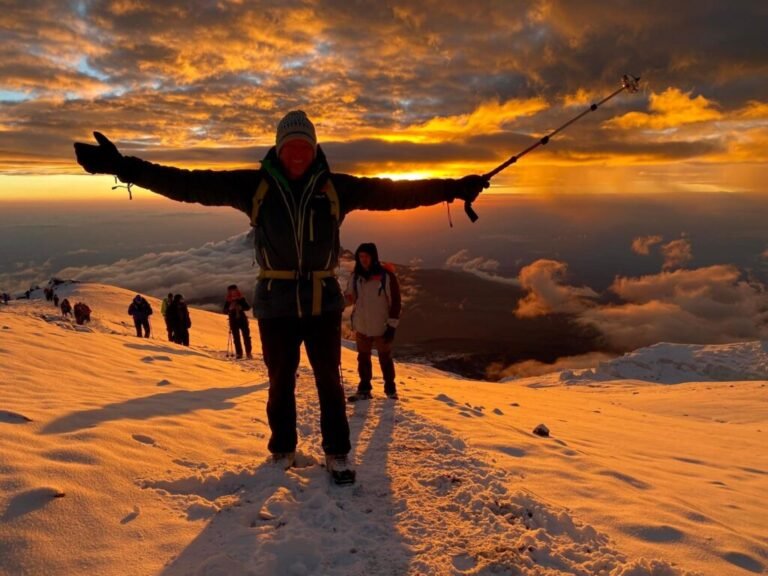
Kilimanjaro 24 April : Late Trek & Weather Expectations 2027
Discover what to anticipate for a Kilimanjaro climb on April 24, 2027. This guide covers late April weather patterns, suitable routes, and essential preparation for your ascent.
View package details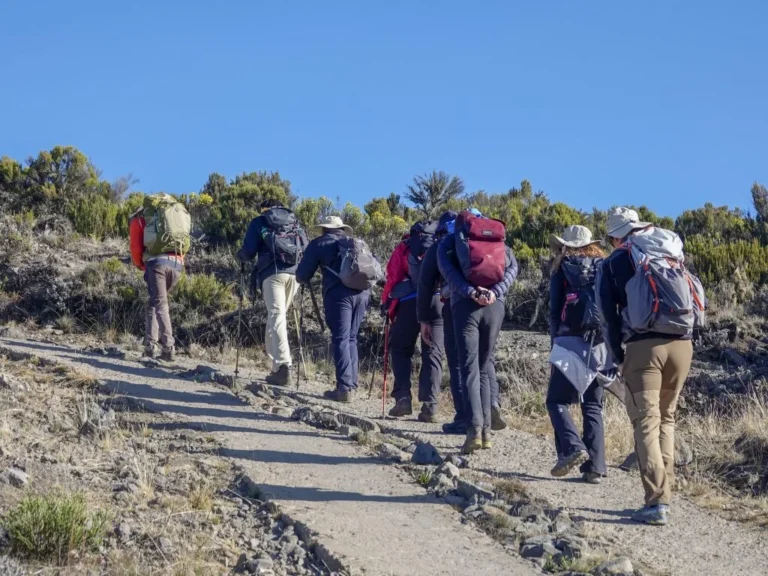
Late March Kilimanjaro – Rainy-Season Route Choices 2027
Late March Kilimanjaro 2027 – Rainy-Season Route Choices is explained with current 2027 planning, price, itinerary and booking information.
View package details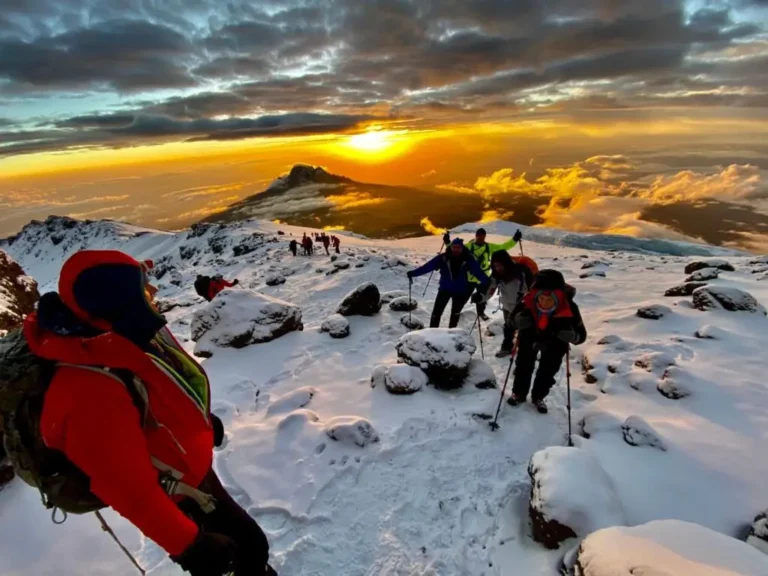
Kilimanjaro 1 March – Early Group Trek 2027
Kilimanjaro 1 March 2027 – Early March Group Trek is explained with current 2027 planning, price, itinerary and booking information.
View package details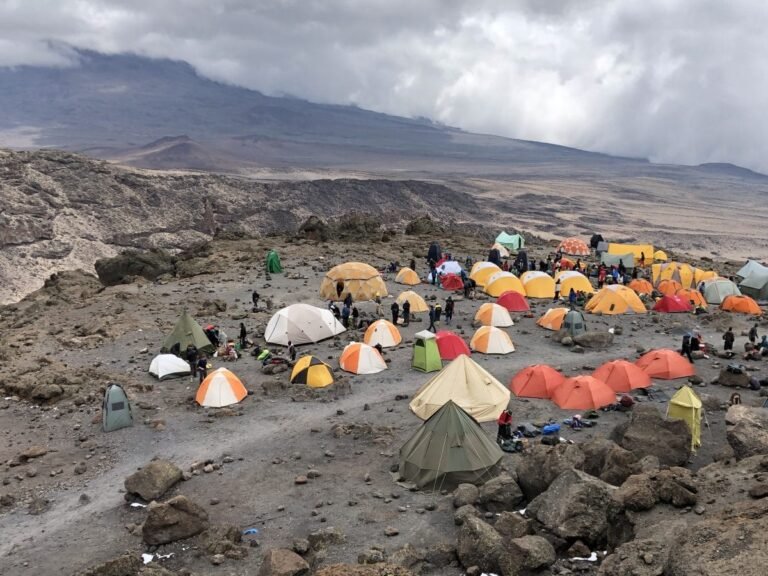
Kilimanjaro Climb March 2027 – Early-Month Groups Before The Long Rains Guide
Discover the unique advantages of climbing Kilimanjaro in early March 2027, just before the onset of the long rainy season. This guide covers weather expectations, route considerations, and...
View package details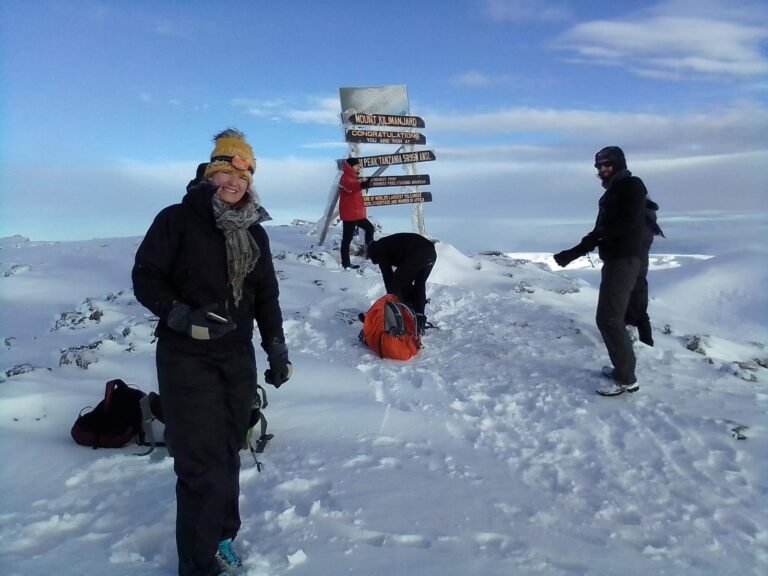
Kilimanjaro Late February : Last Dry-Season Groups Before March Rains 2027
Discover the unique opportunity to climb Kilimanjaro in late February 2027, capturing the last dry weather window before the arrival of the March rains. Plan your ascent during this...
View package details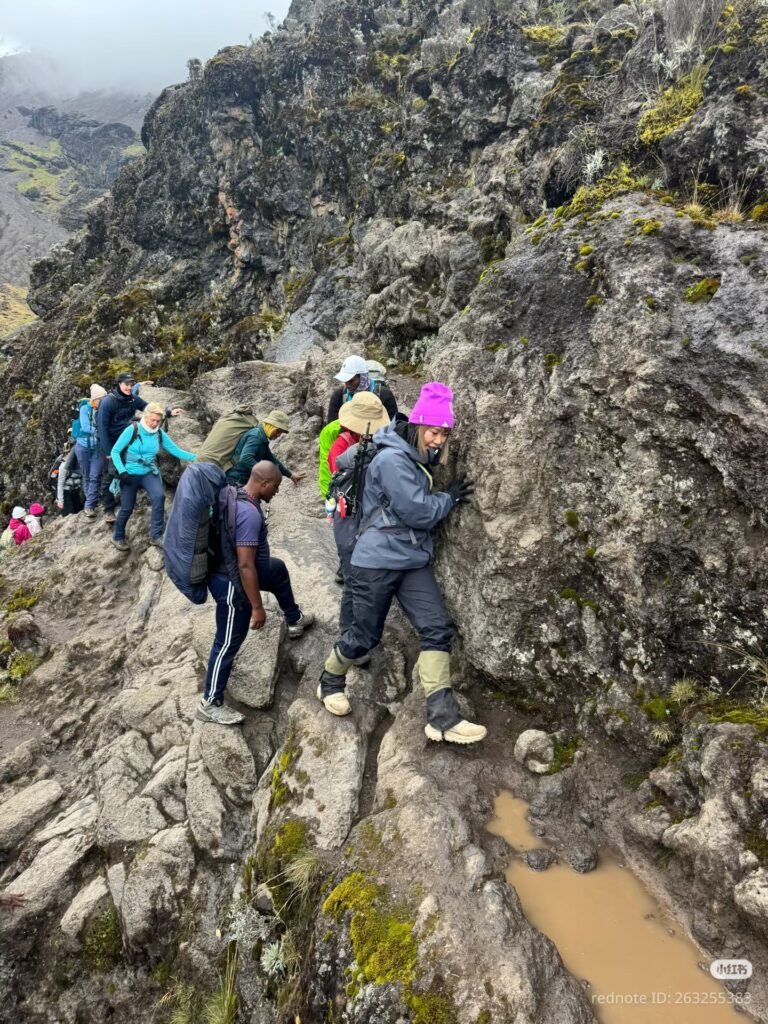
Kilimanjaro Early December : Quieter Climbs Before The Christmas Rush
Considering a Kilimanjaro climb in early December 2026? This period offers a unique window of opportunity for a less crowded experience on the mountain before the festive Christmas rush. It...
View package details
?? Kilimanjaro Early December, Group Joining, Acclimatization 2026-2027
→ Kilimanjaro early December, group joining, acclimatization. is explained with current 2026-2027 planning, price, itinerary and booking information.
View package details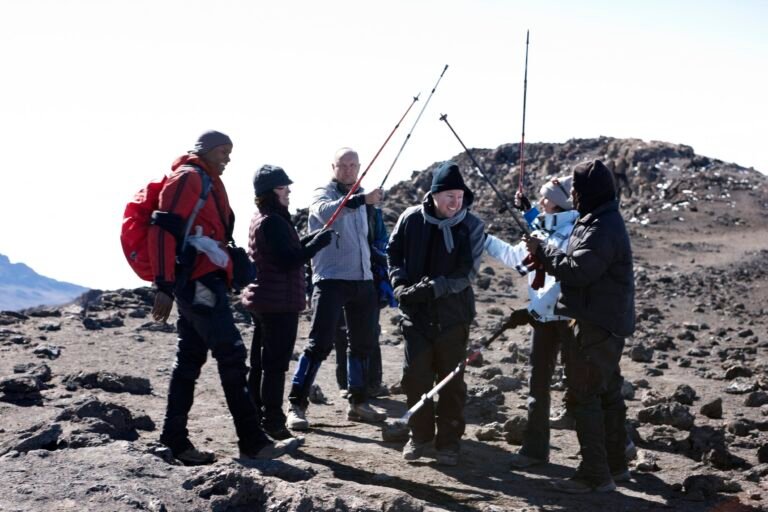
Kilimanjaro 26 November : Thanksgiving Week Group Trek 2026-2027
Plan your Kilimanjaro climb for the unique 26 November 2026 departure, coinciding with Thanksgiving week. This group trek offers a special opportunity to summit Africa's highest peak while...
View package details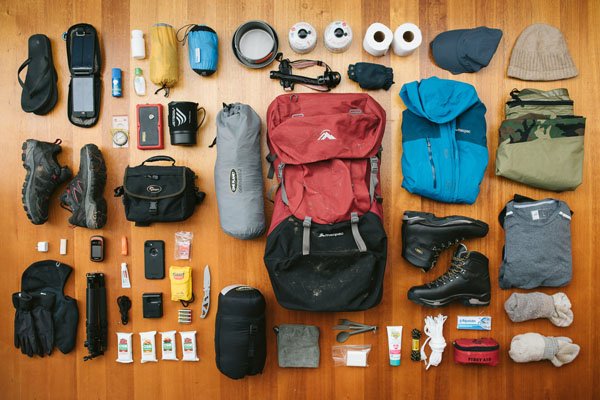
Thanksgiving Kilimanjaro Climb – November Holiday Trek 2026-2027
Thanksgiving Kilimanjaro Climb 2026 – November Holiday Trek is explained with current 2026-2027 planning, price, itinerary and booking information.
View package details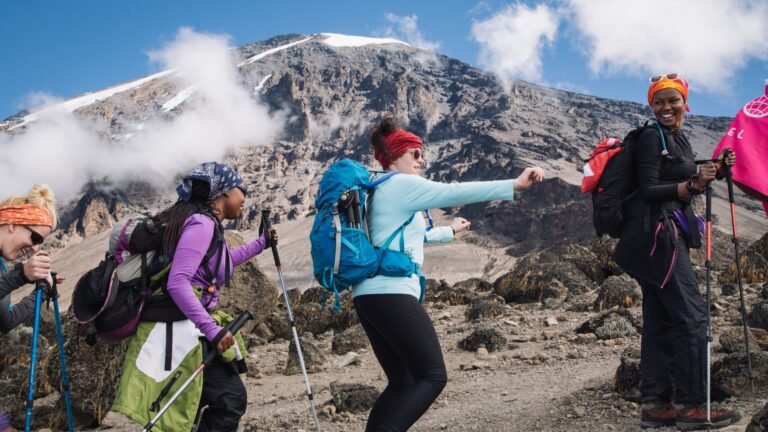
Kilimanjaro 1 May : Your Day Mountain Adventure Awaits 2027
start an unforgettable Kilimanjaro 1 May 2027 adventure. This guide details everything you need to know for a successful May Day climb, from route selection to essential preparation.
View package details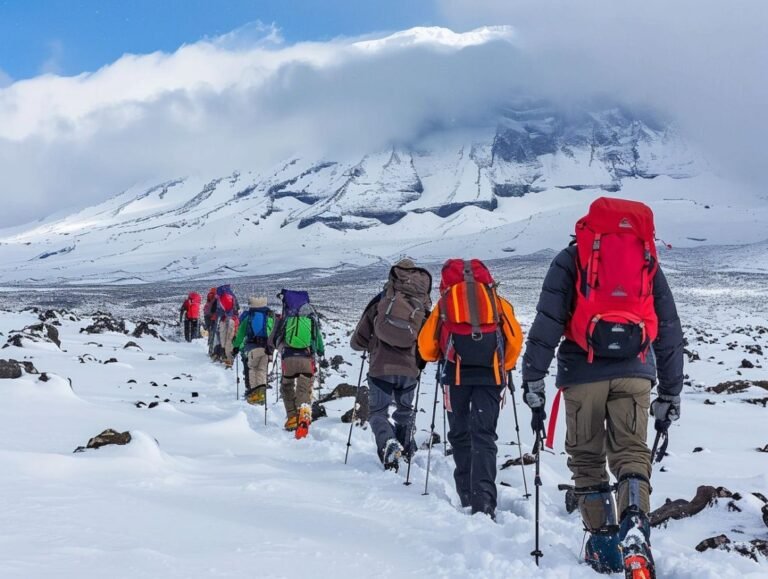
Kilimanjaro 21 August – Late Group Departure 2027
Kilimanjaro 21 August 2027 – Late August Group Departure is explained with current 2027 planning, price, itinerary and booking information.
View package detailsNo related package matches those filters. Clear one or more filters to see the other topic-matched options.



