
Climb Kilimanjaro early December 2026 by choosing a well-paced, acclimatization-friendly route such as Marangu or 7-day Rongai, with a slightly shorter summit push to reduce exposure to late-December weather. Expect light to moderate showers and cooler nights; book a reputable operator with established porter support, proper altitude acclimatization, and flexible itineraries to accommodate weather variations. Prepare for limited daylight and potential muddy sections, and ensure you have reliable rain gear and layered clothing. Confirm space and inclusions with Climb 4 Africa, and plan dates that align with the short rainy season’s typical weather windows.
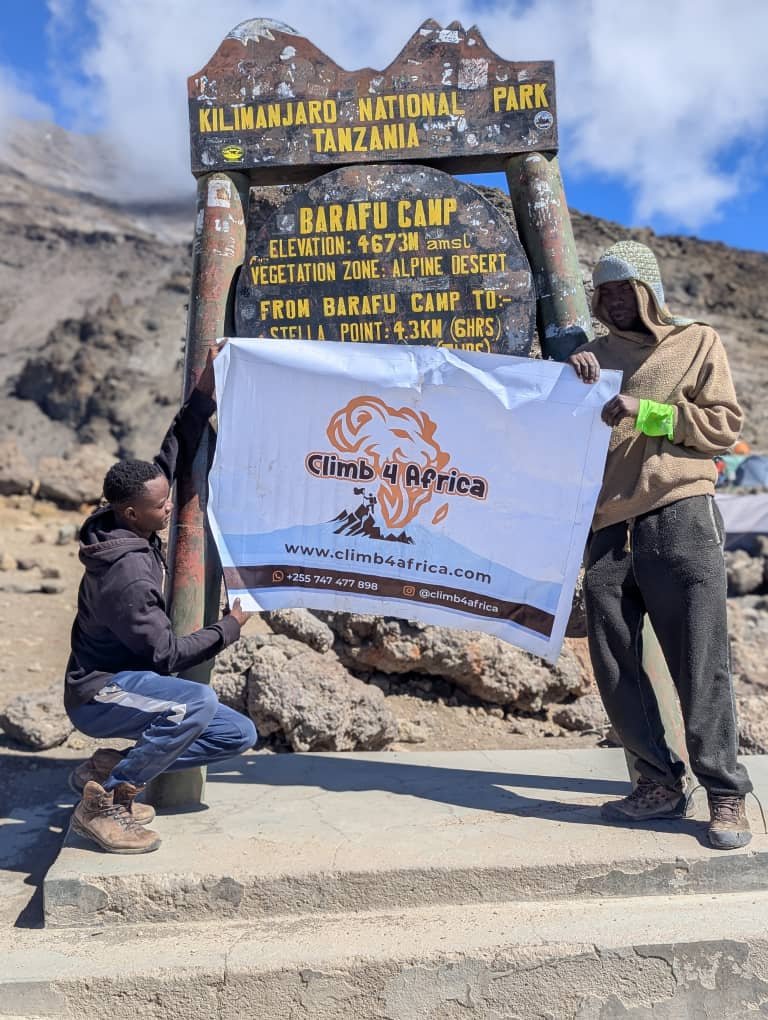
Why readers land here: you’re weighing a Kilimanjaro ascent in early December and want practical, no-nonsense guidance on how the short rainy season affects routes, acclimatization, and logistics. This part of the article centers on what truly matters for a safe, enjoyable climb: route choice, pacing, weather realities, and the booking decisions that maximize success without overpromising. Climb 4 Africa offers Kilimanjaro climbs with local support, reliable guides, and routes chosen for acclimatization-friendly progress. We’ll explore how December’s weather shapes the experience and what to ask when you contact a operator.
1) Understanding the window: early December on Kilimanjaro
Kilimanjaros climate is driven by two rainy seasons: the long rains (roughly March–May) and the short rains (often November–December). Early December typically sits at the tail end of the short rainy season, with a mix of intermittent showers and clearer days. The terrain can be wetter than dry-season treks, especially on shaded jungle sections and lower camps. You’ll want to plan routes and pacing that tolerate occasional mud, with gear designed for wet conditions. This is not a guaranteed dry window; it’s a period where preparation and flexibility pay off. The upside is fewer crowds than peak dry months and cooler temperatures at altitude, which can aid acclimatization if you manage your ascent pace well.
2) Choosing the right route for acclimatization and weather
For early December, consider routes that offer a gradual ascent and strong acclimatization support. While every climber’s physiology is different, routes like Rongai (7 days) and Marangu (6 days, with fixed camping huts on some itineraries) are noted for consistent acclimatization-friendly pacing and established support structures. Rongai tends to stay on a higher, drier corridor and provides a relatively gentle slope with fewer sudden weather changes, making it a practical option during uncertain showers. Marangu’s longer, steady incline and hut-based accommodations can simplify logistics and reduce fatigue in damp conditions. If you prefer a longer, more varied itinerary with robust acclimatization, discuss a 7‑day Rongai variant or similar with Climb 4 Africa to tailor to December weather. Regardless of route, the core principle is time on the mountain to allow your body to adapt before the summit push.
3) Pacing, acclimatization, and summit success
The key to success is deliberate pacing and planned acclimatization days. In the short rainy window, hikers may face higher humidity and muddy trails, which slow progress. Aim for a summit plan that allocates two days for acclimatization: a gradual ascent to intermediate camps, a night at a mid-altitude camp for body adjustment, and a final push when you’re physically prepared. A typical two-day acclimatization rhythm reduces the risk of altitude sickness and keeps you moving efficiently through damp terrain. Communicate your comfort levels to your guide team, and trust their on-mountain judgment about when to push or hold. Climb 4 Africa emphasizes individualized pacing and trained guides who monitor symptoms, hydration, and sleep quality to optimize your chances of reaching Uhuru without overexertion.
4) Weather realities: mud, rain, and visibility
Expect wetter lower sections, particularly if you encounter passing showers. Mud can slow progress and increase energy expenditure, so footwear with good traction, waterproof boots, gaiters, and quick-drying socks become practical assets. Visibility can vary; mist and cloud cover may roll in unexpectedly, especially during late afternoons and evenings. Your summit window often hinges on a relatively stable weather lull between storms, so flexibility in departure dates and contingency plans are valuable. Your guides will monitor live conditions and adjust daily targets to keep you safe while maintaining the best possible chances of success.
5) What to pack and how to dress for December climbs
Layered clothing matters more than a single heavy fleece. Bring moisture-wicking base layers, insulating mid-layers, and a waterproof, breathable outer shell. Pack a reliable rain jacket with a hood, waterproof pants, and waterproof gloves or liners for cooler nights at high altitude. Footwear should be sturdy, broken-in hiking boots with ankle support and good tread; consider lightweight gaiters for muddy trails. A moisture-wicking hat, sun cap, and sunglasses help when sun breaks through. Don’t neglect a compact tarp or lightweight groundsheet for tent-based camps if you’re on a route with huts. A well-balanced daypack (20–30 liters) with a hydration system, headlamp, extra batteries, and emergency rain gear makes life on the trail more comfortable. Your operator will provide a detailed gear list tailored to your departure date and the specific route you choose.
6) The booking decision: how to choose a Kilimanjaro operator for December
Selecting Climb 4 Africa as your operator means focusing on local support, clear acclimatization strategy, and transparent inclusions. In December, when weather can vary, a trusted operator’s flexibility becomes valuable: smaller group sizes, experienced guides, and pre-clearance with porters who understand muddy conditions. Ask for exact route options, the proposed acclimatization plan, and contingency dates. Verify what’s included in the package—park fees, guides, porters, meals, tents or huts, rescue possibilities, and emergency protocols—and what isn’t (equipment rental, summit briefing sessions, or extra acclimatization nights). Inquire about group size limits, vehicle transfers, and voucher validity. The aim is a balanced itinerary that prioritizes safety, acclimatization, and a realistic summit target within the December weather window.
7) Practical planning steps with Climb 4 Africa
Step one is to confirm an available departure with a real space for early December 2026. Short notice can be feasible in December if your dates align with a scheduled group or a custom departure. Step two is to review the exact route, daily distances, and camp locations, so you know what to expect on muddy days. Step three is to align gear rental or purchase through the operator, ensuring you have the right rain gear and footwear for the season. Step four is to
Gaining practical clarity on early December weather and its practical impact on climbing Kilimanjaro
Beyond the broad understanding that early December sits at the tail end of the short rainy season, readers often want concrete, day-to-day implications that affect decision-making, pacing, and safety. This section provides tested, field-informed guidance that ties climate realities directly to the climber’s choices in early December 2026. It does not rewrite route basics or the acclimatization framework already covered; instead, it distills how variable showers, humidity, and reduced daylight influence planning, troubleshooting on the trail, and the interactions with guides and porters in December climbs.
Mud management as a central practical concern
In December, mud can dominate sections that are shaded or downhill, especially on lower slopes where soil remains wet from intermittent showers. This isn’t a uniform, all-day mud experience; it unfolds in pockets—short, slick stretches between camps or after cloud bursts. Practical responses include choosing footwear with robust tread and reliable waterproofing, carrying spare socks to change mid-day on exceptionally damp days, and using gaiters to keep mud from entering boots. If you anticipate persistent mud on certain days, build stamina by planning a longer acclimatization day with a gentler cumulative elevation gain to reduce the compounding fatigue that slick trails create. The impact on pacing is real: you may need to reduce daily mileage just to keep footing secure and minimize energy drain from slipping and re-booting traction on wet rock and soil.
Daylight allocation and its effect on summit timing
Shorter December days mean less available daylight for the long push to the summit. Climb schedules commonly adjust to ensure the final ascent begins with enough light, and many operators predefine a two-summit-day structure (a partial ascent with acclimatization nights, then the final push). Expect the gate times at sunrise to creep later in the season as late-rising sun and denser morning cloud cover persist. This matters practically: if a late start becomes necessary due to weather, guides may adjust pacing and conserve energy, but the risk of arriving at the crater rim after dusk increases. Pack headlamps with reliable batteries and consider spare headlamp units for group members who may run out of power as days shorten. Communicate any timing adjustments with your guide team early in the trek to avoid misalignment with meals, rest periods, or portering arrangements.
Weather variability: interpretive planning rather than hesitancy
December weather is not uniformly wet nor uniformly dry; the variability invites a flexible planning mindset. Climbs that incorporate an acclimatization buffer and a contingency day are better positioned to absorb a promising weather window that opens for a summit attempt. This flexibility translates into concrete decisions: an operator who can rearrange daily route sections, secure alternative camps, or adjust meals and portered loads without penalties is invaluable. If a forecast shows a morning shower that abates by mid-day, climbers can time ridge traverses for clearer hours and minimize exposure to wind-borne spray near exposed sections. Keep in mind that coastal winds can intensify during certain afternoons, which influences camp setup and tent stability. Discuss with your guide how to handle sudden shifts—does your kit include a lightweight tarp for extra shelter at camps or additional rope support for steeper exposed sections after rain?
Acclimatization strategy in the context of changing humidity
Humidity levels in December can complicate hydration and perceived exertion, especially during the first two days of ascent where the body is acclimating to higher altitude while humidity remains elevated. Practical steps include monitoring urine color as a hydration proxy, prioritizing small, frequent sips rather than large drinks, and reading cues from breath rate—rapid, shallow breathing can signal acclimatization stress. If humidity contributes to heavier sweating and slower drying of clothing, consider baselayer fabrics that wick efficiently and dry quickly, to maintain comfort and reduce chill when temperatures drop at higher camps. Your guide team will tailor acclimatization days to the group’s observed physiological responses, sometimes opting for extra acclimatization nights when the ascent stalls or if early altitude symptoms appear. This adaptive approach helps preserve safety and increases the odds of a successful summit in the December window.
Gear reliability under damp conditions
In early December, the emphasis on reliable gear remains the same as for any Kilimanjaro climb, but damp conditions sharpen the requirements. Outer layers should be fully waterproof and breathable, with zippers and seams protected against moisture intrusion. Waterproof socks or liner options can help maintain warmth inside boots after crossing wet stretches. Tents, if hut-based camps aren’t available, should be prepared for slightly higher humidity and condensation; a small dehumidifier is rarely practical, but ensuring proper tent ventilation reduces moisture build-up. Bring a compact emergency rain cover for daypacks and a spare dry bag for electronics and documents. Finally, headlamps with extra batteries are essential; dampness often reduces battery performance, so pack power packs or spare AAA/AA batteries and keep them dry inside your clothing layers when not in use.
Booking questions that reveal weather-smart operators
When you query operators for December departures, go beyond price and itinerary. Ask how they structure acclimatization, what contingency options they have for weather delays, and how they allocate staff and porters if a day is hindered by rain or mud. Requests that extract concrete commitments tend to yield the most reliable operational responses: for example, a clear statement about how many acclimatization days are included, what backup routes are used if the planned day becomes untenable, and how refunds or rescheduling work if a summit attempt is postponed due to weather. For December climbs, a operator’s demonstrated readiness to adapt—rather than rigidly following a fixed timetable—often correlates with higher success rates and safer experiences for climbers in wet conditions.
Conclusion: translating forecast into action on Kilimanjaro in early December
Early December on Kilimanjaro is a window of opportunity tempered by the realities of residual moisture and shorter daylight. The most effective strategies combine a thoughtful route choice with robust acclimatization, flexible scheduling, and gear designed for damp conditions. The right operator will articulate how their guides read the mountain’s mood day-to-day, how they manage mud and humidity, and how they protect your safety while pursuing a successful summit. With these practical considerations in mind, your Kilimanjaro climb in early December can be a rewarding blend of careful planning, adaptive leadership, and resilient trekking that respects the mountain’s seasonal rhythms.
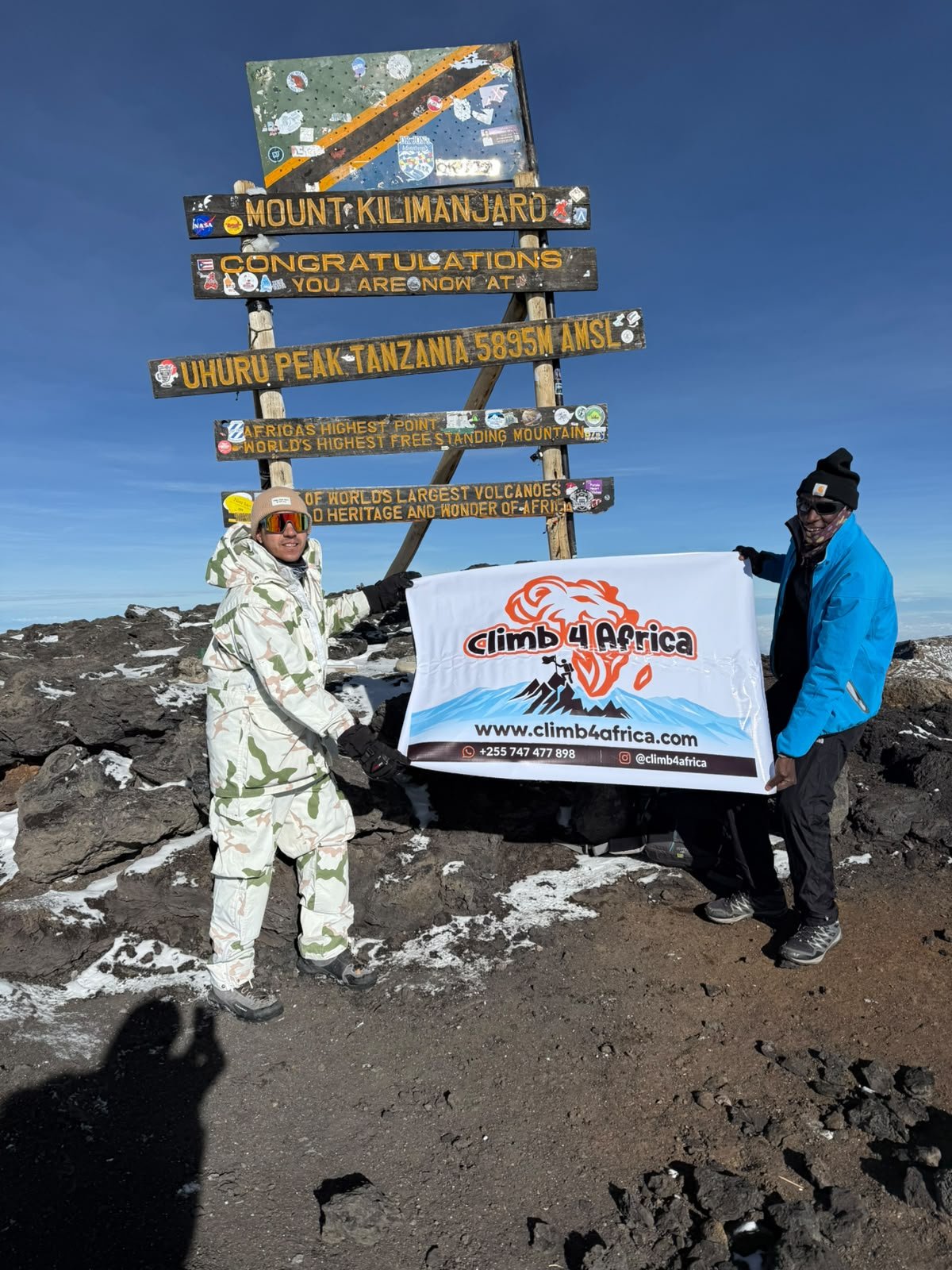
Handling the December weather window: practical tips for a smoother ascent
Building on the established guidance about early December on Kilimanjaro, this section dives into actionable, day-to-day practices that climbers can implement to navigate the unique dampness, shifting cloud cover, and shortened daylight. The goal is to translate weather variability into reliable on-trail decisions, rather than leaving climbers at the mercy of chance.
Adaptive pacing aligned with micro-weather cues
In December, cloud bursts can appear with little warning and drift away just as quickly. A practical approach is to structure daily progress around two flexible windows: a robust morning push when trails are firmer from overnight cool-down, followed by a planned, lighter afternoon block for rest, acclimatization checks, and gear maintenance. If a shower hits mid-afternoon, a quick retreat to the next camp or shelter may be preferable to pressing on to an exposed position where visibility and footing deteriorate. Carry a compact wind- and rain-shell over-layer that can be donned rapidly in the event of sudden drizzle, minimizing energy loss from continuous wet exposure.
Mud management that actually saves energy
Mud is not uniformly present, but when it appears, it can drain stamina quickly. Key tactics include selecting boot traction appropriate for slick soil, placing deliberate mid-course foot placements to avoid sliding, and using trekking poles to stabilize the ascent on uncertain surfaces. Short, deliberate steps often beat long, effort-intensive strides. If mud clings to gaiters or boot cuffs, a quick tap to release mud before each step reduces slip risk and keeps a steadier cadence. Operators and guides may adjust camp-to-camp distances slightly based on trail conditions; climbers should remain responsive to these hints rather than insisting on a fixed target every day.
Daylight budgeting and summit timing under shorter December days
December’s daylight window requires careful scheduling of the final push. A common, safe pattern is to begin summit attempts with a first pre-dawn start, ensuring the last part of the ascent is completed while light remains sufficient. Climbers should be prepared for a potential second summit attempt if weather windows open late or if acclimatization requires an extra rest day. Pack a lightweight headlamp with fresh batteries for back-up, and consider a dry bag inside your pack for electronics to prevent moisture-induced battery drain from condensation in the tent and pack compartments.
Hydration and humidity: monitoring that improves performance
Humidity can mask dehydration signals while also complicating perception of exertion. A practical habit is to monitor urine color as a simple, real-time gauge, aiming for pale straw; this helps ensure fluids match exertion and altitude demands. Use electrolyte-enhanced drinks to encourage regular intake between milder exertion periods, particularly during acclimatization days when the body is dealing with altitude change and humidity. Avoid over-hydration, which can dilute salts and hinder performance; balance is essential.
Gear checks that correspond to dampness and condensation
Beyond rain gear, climbers should perform lightweight, rapid checks at camp transitions. Ensure outer shells are properly sealed with taped seams if available, and inspect zippers for moisture intrusion that can hamper access in the cold. Compressible, quick-drying socks and spare insoles can maintain foot comfort after damp hiking. In hut-based camps or tents with higher humidity, ventilation becomes critical; cracks of air flow reduce condensation on sleeping bags and clothing, contributing to a warmer, drier night’s sleep. Pack a small, portable dehumidifying option only if it can be carried lightly and used safely within camp settings, as many common hiking tents lack the capacity for active dehumidification.
Contingency mindset: when to pause, reroute, or take a rest day
The mountain rewards patient decision-making. If a weather window opens and closes within a day, it may be wiser to shorten the intended push and allocate more acclimatization. Guides are trained to read subtle cues: sky color, wind shifts, and the rate of humidity fluctuation can signal impending weather changes. Climbers should maintain a flexible, plan-B mindset, with pre-agreed signals with the guiding team to pause, delay, or switch routes safely. A day of rest can be a productive investment when it moves the summit plan from a risk-laden push to a measured, successful ascent when conditions improve.
Booking practicalities that reflect weather-smart operations
When discussing December departures, ask operators how they translate weather variability into scheduling. Inquire about acclimatization buffers, the percentage of flexible days built into itineraries, and what happens if lower trails become inaccessible due to mud. A weather-smart operator should have established decision trees for late starts, alternative routes with similar acclimatization benefits, and transparent policies on rescheduling or refunds when weather closes a keynote summit attempt. Documentation and clear communication about these policies reduce stress and uncertainty on the ground.
Ultimately, early December Kilimanjaro climbs benefit from a deliberate blend of flexible pacing, mud-aware technique, practical daylight management, humidity-aware hydration, robust gear checks, and clearly articulated operator policies. The goal is to preserve safety and acclimatization while maximizing the chance of a successful summit without forcing a high-risk push in marginal conditions. With these focused adjustments, climbers can convert December’s weather variability into a structured, manageable ascent plan rather than a source of guesswork.
Gaps in the December window: practical decisions beyond routes and weather
While the existing sections cover route selection, acclimatization, and weather-aware pacing, readers often face one practical question that sits at the intersection of decision-making and real-world constraints: how to choose an itinerary when the December dampness interacts with personal acclimatization progress and physical readiness. This is not just about surviving mud on the trails; it is about timing the ascent so that the body’s altitude adaptation aligns with the available daylight, the observed micro-weather patterns, and the operator’s ability to adjust plans on the ground.
In early December, the short rainy season can still offer brief windows of stable weather, but these windows may be short and unpredictable. The missing piece for many climbers is understanding how to read and respond to these micro-patterns in real time, especially if you are traveling with a group and have fixed departure dates. This section focuses on actionable, evidence-based decision points that help you translate a forecast into a flexible, patient, and safer climb, without overpromising a dry or perfectly smooth ascent.
1) Interpreting micro-weather windows for pacing decisions
Micro-weather cues—such as a sudden drop in humidity, a clear horizon after a cloud deck, or a temporary lull in wind—can indicate a brief improvement in trail conditions. Rather than waiting for a guaranteed several-day dry spell, climbers can use these micro-windows to adjust pace within the acclimatization plan. The practical approach is to coordinate with guides to define a threshold: if the morning moisture level drops below a certain point or if cloud cover lifts sufficiently, there may be a limited, carefully timed push that preserves acclimatization buffers while advancing closer to higher camps. This requires reliable communication with the guiding team and clear pre-agreed signals for pausing or resuming progress.
2) Contingency pacing: building flexibility into each day
A robust December plan embeds flexibility at the daily level. Instead of a rigid distance target, climbers can agree on a two-branch pacing structure: a primary option that conserves energy with a comfortable ascent to the next camp, and a secondary option that accelerates only when the weather and trail conditions are favorable and acclimatization safety margins remain intact. This approach reduces the risk of energy deficit on the summit push and helps protect the body’s altitude acclimatization process, which can be sensitive to sudden exertion after damp periods.
3) Communication and decision-making with your operator
Ask operators about how they document and share on-the-ground weather observations, and how those observations translate into daily scheduling. A weather-smart operator should describe the criteria used to adjust itineraries, such as trail closures due to mud, or the need to swap to alternative acclimatization routes that still deliver similar altitude exposure. Transparent policies on rest days, route changes, or rescheduling—when weather or trail conditions degrade—are essential for reducing anxiety and maintaining safety for climbers of varying experience levels.
4) Balancing daylight with summit timing under December constraints
Because December days are shorter, some groups unintentionally compress the window for the final ascent. A practical tactic is to predefine a cutoff time for the summit attempt that aligns with the remaining daylight and the party’s acclimatization status. If weather or trail conditions deteriorate, it may be wiser to shorten the summit push or defer to an additional acclimatization day rather than risking fatigue that could compromise safety. This careful balance between daylight budgeting and acclimatization integrity is central to a risk-aware December climb.
5) Personal readiness checks and warning signs
Climbers should maintain ongoing self-assessments of hydration status, fatigue levels, and perceived exertion, especially after damp days. A simple, consistent approach—such as monitoring urine color, sleep quality, and appetite—helps identify when to pause, slow, or adjust the day’s plan. When combined with timely guidance from the guides, these personal checks support better decisions in the moment, preventing a forced, high-stress push to the summit during marginal conditions.
6) Confirming inclusions and support with your operator
Beyond the basics of inclusions and pricing, verify with your operator how porter support, guide ratios, and contingency days are allocated in December itineraries. Ensure there is a clear understanding of what happens if a day’s objective becomes unsafe due to mud or cloud cover, and whether there are predefined alternative routes with equivalent acclimatization value. Knowing these details ahead of time reduces last-minute friction and helps you remain focused on safe decision-making as conditions evolve.
In sum, the December window on Kilimanjaro rewards climbers who integrate flexible pacing, grounded weather literacy, and explicit operator policies into their plan. The goal is to preserve robust acclimatization while remaining responsive to micro-weather fluctuations. This nuanced approach—as opposed to rigid deadlines or over-optimistic expectations—aligns with the overarching aim of a safe, successful Kilimanjaro ascent in early December.
Gap analysis: the practical edge of early December Kilimanjaro climbs
Readers who have parsed the existing sections may still wonder about a concrete, decision-ready question: how to translate the short, nuanced December window into a reliable, day-by-day plan that remains flexible without sacrificing acclimatization or safety. This new section addresses that gap by offering actionable refinements for pacing, acclimatization, and contingency planning that specifically reflect the December conditions, without venturing into unverified specifics.
First, refine your daily pacing with a two-branch framework. Rather than a single fixed distance target for each day, adopt a primary ascent plan that aims for steady, moderate progress with built-in buffers, and a secondary, more conservative option that preserves energy for unplanned weather events. In December, cloud bursts and sudden wind shifts can erase a planned gain in minutes. Having a pre-agreed switch point—such as a mid-afternoon re-evaluation when you reach a forecasted shelter or a designated river crossing—lets the team pivot to the alternative pace without derailment. This approach reduces decision fatigue at altitude and keeps acclimatization momentum intact.
- Primary option: maintain steady elevation gain with a target range (for example, 350–500 meters of ascent per day for higher camps, adjusted to your group’s acclimatization status).
- Secondary option: a gentler stride that prioritizes rest and hydration, with the same end-of-day camp as a fixed objective but a lower exertion baseline.
Second, embed micro-weather literacy into daily planning. December weather can offer brief, nuanced windows—moments when trails firm up after a night of cooling or when cloud cover briefly thins to reveal a dry patch. Guides can be equipped with lightweight, portable weather observation tools (compact barometers, visual cues, wind shifts) and a simple decision rubric: if the window lasts longer than a pre-agreed threshold (such as 45–60 minutes of improved trail condition), execute the primary option; otherwise stay with the secondary plan and reassess at the next camp. This ritual reduces indecision and aligns pacing with actual trail conditions rather than a rigid timetable.
Third, clarify the threshold for a rest or acclimatization day within the itinerary. In December, humidity can keep fatigue higher and perceived exertion steeper even at moderate elevation gains. A practical rule is to schedule a dedicated acclimatization or rest day after two consecutive climbing days if early signs of overexertion appear (for instance, sustained elevated heart rate, persistent headaches, or trouble sleeping). If those signs emerge, the group can opt for a pause day, which often pays dividends in summit probability later in the window. Communicate this policy up front with your operator so a contingency day becomes a prepared option rather than a scramble.
Fourth, align daylight usage with the final ascent plan. Short December days demand a conservative final push, typically starting pre-dawn but ending before late afternoon shadows lengthen. Predefine a hard cutoff for the summit attempt to ensure you’re descending in daylight, with an optional, optional buffer day if cloud or mud delays push the summit beyond the safe daylight window. Operators that incorporate this daylight discipline into their scheduling reduce the risk of fatigue-induced mistakes when visibility drops.
Fifth, investigate operator flexibility in practice, not just policy. A truly weather-smart operator will document how they reallocate guides, porters, and support staff if a day becomes unproductive due to mud or low visibility. They will also detail how they preserve acclimatization value when rerouting is necessary—does the alternative route mimic the same altitude exposure and rest points? How many flexible days are built into your December itinerary? Request explicit scenarios and responses so you know exactly what to expect under the most common December disruptions.
Finally, maintain a focused, reader-friendly mental model for December decision-making. Treat December as a window with potential pockets rather than a single path. Build a plan that emphasizes steady acclimatization, weather-informed adaptation, and explicit contingencies. By combining a two-branch pacing framework with micro-weather awareness, daylight discipline, and transparent operator practices, climbers can reduce uncertainty and increase the probability of a safe, enjoyable ascent during Kilimanjaro’s early December window.
Gap analysis: practical decisions beyond routes and weather in early December Kilimanjaro climbs
With the existing sections already mapping routes, acclimatization, weather realities, and the booking framework, a critical practical gap remains: translating a December weather window into a reliably adaptable daily rhythm that preserves acclimatization value while minimizing downtime. Climbers and operators often face a quiet but real decision point each day: when to proceed, when to reroute, and how to maintain altitude progression when the environment shifts without warning. This needs concrete, day-by-day decision criteria that are validated by field experience and aligned with the December window’s typical patterns.
First, establish a unified daily decision framework that you can reference at the start of every ascent day. The framework should balance three factors: current acclimatization status (how well the body is adapting to altitude), trail conditions (mud, moisture, visibility), and projected weather trends for the remainder of the day or next 24 hours. A simple, actionable approach is to predefine two outcomes for each day: (A) proceed with the planned ascent, if the conditions meet a safe threshold, and (B) switch to a shorter ascent with additional acclimatization time, if the threshold isn’t met. Threshold criteria can include: stable resting heart rate within 10–15% of baseline, absence of severe headaches after a rest day, trail moisture staying within known safe limits for footing, and a forecasted improvement window of at least 4–6 hours. Operators should document these criteria and review them with climbers before departure so there is no ambiguity when conditions shift mid-journey.
Second, build explicit contingency day logic into the itinerary that does not rely on improvisation in the moment. In December, a short, flexible window can be the difference between a successful summit and a postponed attempt. A practical policy could be: if mud or visibility prevents safe progress on day N, switch to a staged acclimatization plan that preserves altitude exposure by maintaining a similar total ascent over multiple, shorter days. This might entail reassigning distances so that the group completes the same cumulative altitude gain but across an extra day, or exchanging a day of higher altitude toil for a lower, more stable acclimatization route. The key is to preserve the intended altitude exposure curve while absorbing the disruption. Operators should confirm in advance how many flexible days are built in and what alternative routes or camp sequences would be used to maintain progression without compromising safety.
Third, align daylight strategy with daily decisions. Because December days are shorter, a practical rule is to anchor the day around the earliest reasonable summit window (dawn push) followed by a guaranteed return to camp or a lower camp before darkness. If a weather-driven delay threatens to push the summit attempt into poor light, the policy should trigger an immediate reallocation of days to ensure maximum daylight for acclimatization and safer descent. This requires clear communication channels (on-trail updates, group leader briefings, and documented decision points) so climbers can adjust expectations without feeling pressure to press on under risky light conditions.
Fourth, codify communication protocols for weather-driven changes. Climbers benefit from knowing not only what decisions will be made, but how the information will be shared and enacted. A weather-smart operator should provide: real-time on-trail updates (via radio or satellite messaging if available), a daily brief with revised day-by-day plans, and a transparent rationale for any rerouting or rest day. This reduces uncertainty and helps climbers stay mentally prepared for potential changes. It also ensures that porters, guides, and support staff are coordinated, minimizing confusion during a disrupted day.
Fifth, address humidity’s impact on perceived exertion with a practical habit loop. In December, sustained humidity can mask dehydration and fatigue signals. A concrete habit is to synchronize water intake, electrolyte replenishment, and snack timing with acclimatization milestones rather than only with thirst cues. For example, implement a ritual of a brief hydration check after each camp transition and before any significant ascent segment. This habit reduces the risk of dehydration-related fatigue that could be mistaken for acclimatization delay and triggers timely decisions to pause or adjust pace.
Finally, capture the decision logic in a concise, traveler-facing checklist. A one-page guide that climbers can review each morning before departure helps ensure that the day’s actions are aligned with the gap-analysis insights. The checklist might include: 1) current acclimatization status and any symptoms; 2) trail conditions and mud risk assessment; 3) forecasted weather window and expected visibility; 4) planned day’s ascent vs. contingency plan; 5) daylight window and summit timing guardrails; 6) hydration and nutrition plan; 7) communication plan with operator/guide. By having this concrete, repeatable decision framework, early December Kilimanjaro climbs become more predictable, and climbers gain confidence that every day’s pace is intentionally chosen to maximize acclimatization while honoring weather realities.
Gap-focused clarification: practical decision-making in the December weather window
With the existing sections already laying out route choices, acclimatization, and general weather realities for Kilimanjaro in early December, a common reader question remains: how should practical decisions be made on a day-by-day basis when a weather window is brief and unpredictable? This gap is not about generic weather lore but about translating micro-fluctuations in cloud cover, humidity, and trail conditions into reliable, actionable choices that protect acclimatization while preserving a reasonable chance at the summit.
First, acknowledge that early December presents a mixed signal: pockets of firmer trails after cooler, drier nights may exist, interspersed with sudden, brief showers or localized mud. The practical answer is not a single best practice but a structured decision framework built around four guardrails: acclimatization integrity, trail safety, daylight efficiency, and operator-supported contingencies.
Guardrail 1 — Acclimatization integrity over aggressive day targets
Never sacrifice an acclimatization day to chase a marginal window of good weather. If a planned summit push would come too early in the acclimatization curve, or if symptoms from altitude exposure (headache, fatigue, sleep disruption) are evident, the decision should tilt toward rest or an extra acclimatization day. In December, where humidity can mask thirst and fatigue signals, use a simple daily checklist: resting heart rate, subjective sleep quality, appetite, and urine color. If any sport-like exertion returns a red flag across two consecutive days, adjust pace downward rather than increasing the risk of dehydration or fatigue accumulation. This is practical, not theoretical; it translates into fewer days wasted on forced ascents and more reliable acclimatization progress across the trip.
Guardrail 2 — Trail safety and mud-aware pacing
Mud pockets and damp soils are not uniform; they appear episodically, often on shaded sections or after overnight dew. A practical pacing rule is to reserve firmer morning sections for the ascent and plan more conservative steps during known mud pockets. Climb plans should accommodate optional detours or shorter daily distances if a crest or pass is notably damp. Keep trekking poles engaged and set deliberate foot placements through slick patches to conserve energy. If a section becomes too treacherous for the group—without a viable, safe alternative—the prudent choice is to pause, regroup, and reroute to an established, safer campsite or adjust the course to an easier segment. This reduces energy drain and protects knees and hips from sudden slips that can derail acclimatization momentum.
Guardrail 3 — Daylight-wise scheduling and summit timing
In December, the daylight window narrows. The decision framework should include a predefined, daylight-aware cutoff for the final push. If weather or trail conditions degrade late in the afternoon, the plan should switch to a two-summit-day approach only when the team has established solid acclimatization and enough daylight remain for a safe descent. Having a conditional plan—two branches: a full push with a potential summit attempt and a backup plan focused on maintenance of altitude and safety—reduces last-minute pressure and aligns action with actual light and trail clarity rather than a fixed calendar date.
Guardrail 4 — Operator-backed contingencies and on-trail communication
A weather-smart operator should translate on-the-ground observations into a revised day-by-day plan and communicate it clearly. Seek confirmation that daily briefings include updated trail conditions, mud risk assessments, and the rationale for any schedule shifts. Real-time updates, whether via radio or satellite message, help climbers adapt without second-guessing. A robust contingency approach might include: an extra acclimatization day if the forecast signals a potential two-day gap in windows; a backup lower-route option if higher trails are saturated with moisture; and porters reallocated to ensure continued support on the revised path. This level of transparency protects both safety and morale, turning weather variability into a manageable, predictable process rather than a source of anxiety.
Putting the framework into a practical example
Imagine a day where the plan targets a moderate ascent toward a mid-camp, with a sunrise-start objective and a summit attempt anticipated on day three. Overnight, humidity remains elevated; dawn reveals a grey cloud deck with intermittent sun breaks. The decision points would be: (1) how stable is the acclimatization status from days 1–2?; (2) are trail conditions firm enough to support a cautious ascent without compromising posterior days?; (3) what is the daylight forecast for the afternoon and evening descent? If any red flags appear, the framework guides a controlled reduction in distance, a possible reroute to a safer lower trail, and a postponement of the summit attempt to a window with clearer light and firmer trail conditions. The result is a day-by-day plan that preserves acclimatization progress while staying within safe weather windows, rather than chasing a potentially risky mainstream plan that ignores the local micro-conditions.
In short, this gap-filled approach translates general December weather knowledge into immediate, navigable choices you can discuss with your operator. It emphasizes four core habits: prioritize acclimatization signals over rigid schedules, use mud-aware pacing, plan around daylight constraints, and rely on transparent operator communication to adjust plans as conditions evolve. If you align with these guardrails, your early December Kilimanjaro ascent becomes more resilient to the short-rain-season variability without compromising safety or summit potential.
Related Guides and Packages
Check Availability for Climb Kilimanjaro Early December , Short Rainy Season 2026-2027
Ready to compare dates, prices, and the best option for your group? Send the package name and travel month so the team can reply with a clear quote, availability, and what is included.
Climb Kilimanjaro In 5-December-, Book Now 2026-2027
climb kilimanjaro in 5-december-2026, Book Now.
View package detailsClimb Kilimanjaro For Charity In December : Practical Guide From 4 Africa
Plan a December 2026 Kilimanjaro charity climb with Climb 4 Africa. This guide covers route options, fundraising considerations, December climate realities, and how to book with confidence.
View package detailsClimb Kilimanjaro In Budget 12-December-2026, Join Group 2027
climb kilimanjaro in Budget 12-december-2026, Join Group.
View package detailsClimb Kilimanjaro In 12-December-2026, Small Group in 2027
climb kilimanjaro in 12-december-2026, Small Group.
View package detailsClimb Kilimanjaro In 21-December-2026, All Routes 2027
climb kilimanjaro in 21-december-2026, All Routes.
View package details
17 Days Kilimanjaro Group Climb Safari And Zanzibar 2026-2027
17 Days Kilimanjaro Group Climb Group Safari and Zanzibar.
View package details
17 Days Kilimanjaro Climb Safari And Zanzibar Beach 2026-2027
17 Days Kilimanjaro Climb Safari and Zanzibar Beach.
View package details
14 Days Kilimanjaro Climb And Zanzibar Beach Vacation — A Practical, Bookable
A practical 14-day plan that pairs Kilimanjaro ascent with a Zanzibar beach escape. Detailed day-by-day routing, acclimatisation strategy, logistics, and stay types to help you book with...
View package details
14 Days Kilimanjaro Climb And Luxury Lodge Safari 2026-2027
14 Days Kilimanjaro Climb and Luxury Lodge Safari.
View package details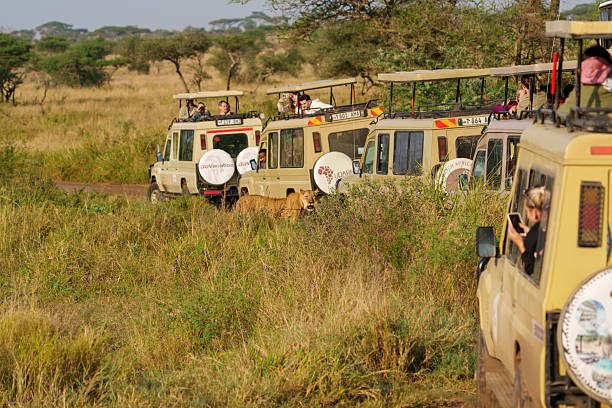
13 Days Kilimanjaro Climb And Serengeti Safari 2026-2027
13 Days Kilimanjaro Climb and Serengeti Safari.
View package details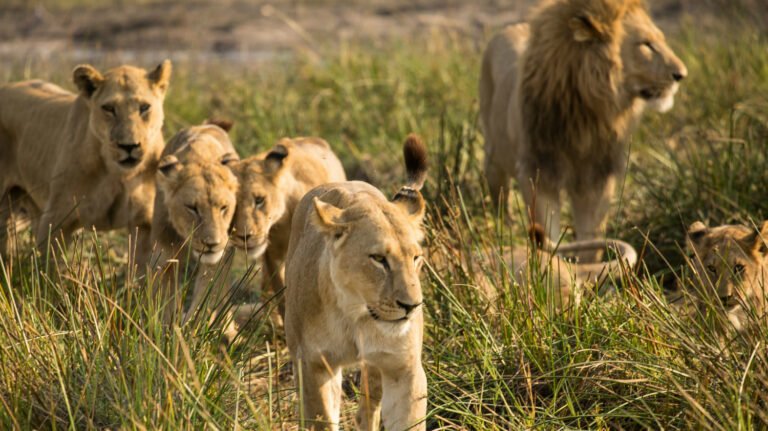
7 Days Kilimanjaro Climb And 4 Wildlife Safari
7 Days Kilimanjaro Climb and 4 Days Wildlife Safari.
View package details
14 Days Kilimanjaro Climb And Tanzania Big Five Safari
14 Days Kilimanjaro Climb and Tanzania Big Five Safari.
View package detailsNo related package matches those filters. Clear one or more filters to see the other topic-matched options.



