
The 17 Days Kilimanjaro Climb Safari and Zanzibar Beach plan starts with acclimatized ascent on Kilimanjaro via a safe route, followed by a wildlife-rich safari circuit in Tanzania, then a flight and a Zanzibar beach stay to unwind by the Indian Ocean. You’ll transfer between parks by road, with short internal flights where necessary, and split your days between trekking, game drives, and beach relaxations. Exact daily timings and hotel names depend on availability and group size, but the sequence is Kilimanjaro -> Safari -> Zanzibar, with practical buffers built in for rest days and travel time.
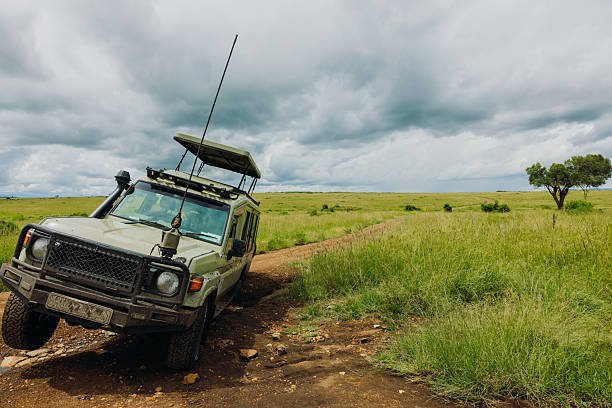
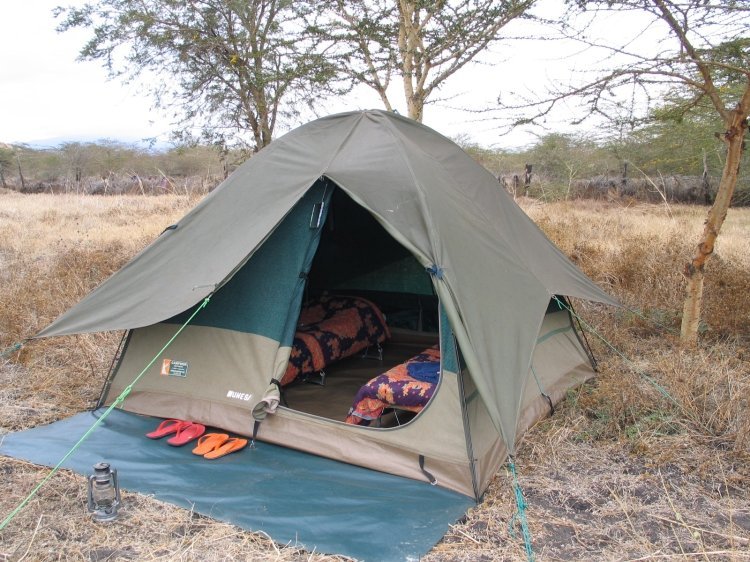
Planned sequence: Kilimanjaro first, then safari, then Zanzibar
This package centers the ascent as the core experience, then allocates time for a credible safari circuit, and ends with a relaxed Zanzibar beach segment. The exact route choice on Kilimanjaro (Machame, Lemosho, or others) is selected for acclimatization strength and fit with your overall pace. After summit logistics and a recovery day in Moshi or Arusha, you move into a multi-day safari that covers a flagship Tanzania ecosystem corridor, typically including Ngorongoro Crater and Serengeti or Tarangire depending on availability and gate operations. The Zanzibar portion follows a short domestic flight to a northern beach area or Stone Town gateway depending on tides, with a curated mix of beach time, water activities, and easy cultural excursions.
How the days are allocated (typical framework, not fixed)
Days 1–3: Arrival, briefing, and gear check; transfer to start point near Kilimanjaro. Day 1 is a practical arrival day with a light briefing and dinner in Moshi or Arusha. Days 2–7: Kilimanjaro ascent via the chosen route with acclimatization emphasis, including a gradual pace, proper altitude pacing, and designated rest mornings. Days 8–9: Descent and recovery, travel to Arusha or Moshi for a celebratory lodge night and safari briefing. Days 10–13: Primed safari sector — two to three game-drive days across two or three parks, with a flexible buffer for wildlife movement and seasonal road conditions. Days 14–16: Fly to Zanzibar, transfer to beach area or Stone Town, with at least two full days of beach time and optional spice tour, snorkeling, or cultural excursions. Day 17: Departure from Zanzibar.
Practical transfer logic and how many days per leg
The itinerary breaks into three practical sections: Kilimanjaro climb (typically 6–7 days on the mountain, plus arrival, briefing, and return travel), safari (3–4 days), and Zanzibar beach (4–5 days). Transfers between legs are planned to minimize backtracking: a road or light-air transfer from Kilimanjaro gateway to the safari corridor, then a domestic flight to Zanzibar. This keeps you moving efficiently while preserving acclimatization, rest days, and time on activities rather than in transit.
Route options on Kilimanjaro and acclimatization logic
Choice of route affects altitude profile, camping or hut nights, and overall pace. Machame and Lemosho tend to offer robust acclimatization windows when paired with a deliberate summit push. The plan favors routes with established rest days and a gradual climb to higher camps, balancing endurance with safety. Your guide team will tailor the daily distances, altitude gains, and jump-off points to your fitness, previous trekking history, and current health, with backup plans for bad weather or heavy crowds at routes’ pinch points.
Safari circuit: practical wildlife viewing without overpromising
On mainland Tanzania, you’re likely to encounter diverse habitats, from savanna to crater floors. The itinerary prioritizes two to three parks renowned for scenery and wildlife, such as Tarangire, Ngorongoro, and a Serengeti corridor, while acknowledging that wildlife sightings are unpredictable. Safari days start early, with vehicles configured for low impact and higher chances of animal interactions in open plains, riverine forests, and kopjes. Accommodation is chosen for location, shade, and ease of transfer to the next leg, not for guaranteed sightings.
Zanzibar beach options: where you land and why
After the safari, you’ll reach Zanzibar via short flight. The final beach phase can be Suli, Nungwi, or Kendwa depending on availability and tides, with Stone Town optional pre- or post- stay for cultural immersion. Beach days mix chill time with optional activities such as snorkeling, spice tours, or lazy days by the shore. Transfers are scheduled to maximize daylight arrivals and minimize red-eye travel. The exact area is chosen to balance good beaches, reasonable travel times from the airport, and available shore-side services.
Accommodations and daily rhythm
On Kilimanjaro, you’ll sleep in mountain huts or tents depending on route and package, with hot meals and hot water where available. In the safari circuit, lodges or camps are positioned to optimize light for game viewing and wildlife-friendly drives. Zanzibar nights typically sit in beachfront resorts or boutique lodges with direct beach access. Each segment leaves room for rest days and optional activities, allowing you to tailor the pace to fatigue, weather, or personal preference while maintaining the overall sequence.
Practical planning notes you’ll use when booking
– Confirm the Kilimanjaro route and acclimatization plan with your guide leader and ask for a step-down option if your previous treks were short or intense.
– Align safari parks with your fitness and photography goals; ask about vehicle allocation, park fees, and conservation contributions.
– Choose Zanzibar accommodation not only for beach quality but also for access to medical facilities, water activities, and shore-side dining.
– Inquire about domestic flights, baggage allowances, and transfer times to avoid bottlenecks between legs.
– Build in lighter days after summit and long travel to reduce fatigue; ask for a buffer day if your schedule allows.
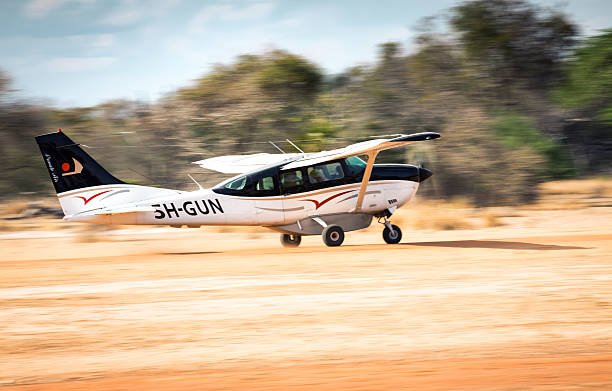
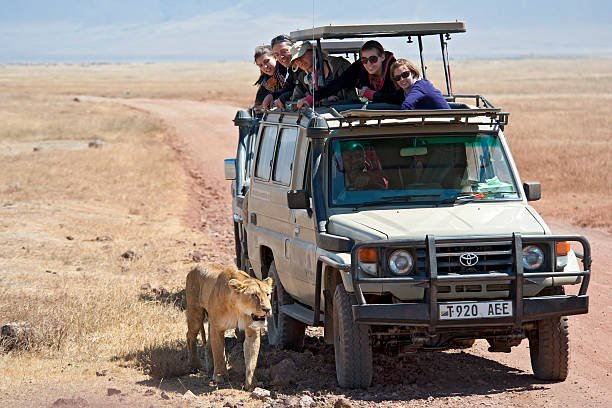
What you should know about timing and availability
Availability of routes, camps, and lodges is seasonal and subject to regulatory changes and park operations. The overall sequence remains Kilimanjaro climb -> mainland safari -> Zanzibar beach, but the specific route names, park order, and hotel selections will be confirmed during the booking process. Your operator will provide a detailed day-by-day plan with hotels, lodge names, and transfer times once you’re confirmed on a departure date.
Next steps: turning this into your exact plan
To move from concept to booked itinerary, you’ll confirm your preferred Kilimanjaro route and pace, your safari parks in priority order, and the Zanzibar beach area. Then your agent will align flights
Putting the 17-Day Sequence into a Concrete Booking Lens: How the Transfer Logic Becomes Real Prices and Timelines
You’ve seen the overall arc Kilimanjaro climb → mainland safari → Zanzibar beach. Now, this new passage drills down into what that means for a bookable plan, including the practical frictions and decisions that affect day counts, transfers, and lodging choices. The goal is to translate the high-level framework into a credible, checkable path you can request from a operator without assuming fixed dates or guaranteed sightings.
First, the connective tissue: how many days belong to each leg and how you move between them. The Kilimanjaro ascent typically occupies six to seven trekking days, plus a briefing day and travel day into Moshi or Arusha. The safari leg is three to four days on park-davored itineraries, including one long drive day that stitches two habitats together (for example Tarangire plus Ngorongoro, or Ngorongoro plus Serengeti corridor). The Zanzibar beach phase is four to five days, often split into a few beachfront nights and a single cultural or activity half-day, depending on tides and flight times. Exact allocations are not fixed; they are negotiated with the operator based on group pace, flight connections, and park operations. In practice, that means you should expect a proposed day-by-day sequence to be presented as a package with buffers, not as a rigid grid.
Second, the transfer logic—how you physically move from one leg to the next. The Kilimanjaro start is usually near Moshi or Arusha with a chartered transfer to the gate or starting camp. After summiting, most itineraries allow a recovery day in Moshi/Arusha, then a road transfer to a safari hub (often a drive of 2–4 hours depending on park entry points and traffic). The safari parks are commonly linked via a central lodge or camp region, designed to minimize redundant backtracking: for instance, a straight shot from the Ngorongoro area into a Serengeti gate, or Tarangire en route to central Serengeti airstrip. Some operators incorporate a domestic flight between safari and Zanzibar to trim overland time; if so, you’ll typically fly from Arusha to a domestic airport in Zanzibar or a nearby mainland airstrip before the beach transfer. Each transfer carries known practical constraints: baggage limits on domestic flights, vehicle capacity for game drives, and check-in windows at lodges. You’ll see these spelled out in the actual day-by-day plan you receive from your operator.
Third, accommodations and daily rhythm, directly shaping cost and experience. Kilimanjaro segments rely on mountain huts or camping tents, with hot meals and water typically provided at base camp or accompanying tents; huts are not individual hotel rooms, and sleeping arrangements reflect the route’s altitude and logistics. In the safari leg, accommodations are lodges or mobile camps designed for safari timing—early game drives are often preceded by a robust breakfast and a light, energizing lunch. The Zanzibar segment tends toward beachfront resorts or boutique lodges with straightforward beach access, sometimes with a pool, and occasionally a sunset dhow or spice-tour option. The daily rhythm is built around morning drives or treks, midday rests in shade or at the lodge, and afternoon game drives or beach activities, with occasional full rest days if fatigue or weather requires.
Fourth, the “bookable exactness” constraint: you should not be promised a fixed day-by-day lineup with guaranteed sightings or fixed hotel names. Operators routinely confirm a preferred route in Kilimanjaro (for acclimatization benefits) and a safari circuit in general terms (Ngorongoro + Serengeti corridor vs Tarangire + Serengeti). The precise park order, lodge names, and flight schedules are finalized only after you confirm departure and provide preferences on pace, altitude tolerance, and photography goals. This is not a red flag; it’s a normal part of responsible safari travel where seasonal conditions, park regulations, and group dynamics can shift the day-by-day plan. When you review proposals, you should see a clear two-layer outline: core, non-negotiable sequence (Kili climb, mainland safari, Zanzibar beach) and the adjustable day-by-day schedule that the operator finalizes after intake calls and availability checks.
Fifth, pricing and what to verify in quotes. Because the operator facts in your source document indicate no verified operator price or specific departure details, the new, bookable content should emphasize what to ask for rather than promise. Request a provisional itinerary that includes: the chosen Kilimanjaro route with acclimatization emphasis, the safari parks in the order proposed by the operator, the domestic flight segments (airlines, times, bag allowances), and the Zanzibar area with a preferred beach and type of accommodation. Ask for a detailed cost breakdown: permit and park fees, guide and vehicle rates, lodging tiers, and any intra-country transport surcharges. Expect that some components (hotel names, flight times) will be listed as placeholders until availability is confirmed. This transparency helps you compare options and avoid hidden surcharges later in the booking process.
Sixth, practical tips to move from concept to confirmation without overreliance on fixed data. – Request a version of the itinerary with two alternates for the safari leg (e.g., Serengeti-centric vs Tarangire-centric) to evaluate wildlife-photography goals; – Ask for a slower acclimatization option on Kilimanjaro if you have a prior ascent history or certificate of fitness, or bump a recovery day if fatigue signs appear; – Confirm the Zanzibar transfer timing so you’re not stranded at the airport with a long wait between domestic flight and beach transfer; – Inquire about weather-related activity windows during your travel month to avoid missing ideal beach conditions or best wildlife viewing times; – Ensure the plan includes buffers for flight delays, late arrivals at gates, and possible park entry changes due to weather or permit constraints.
Seventh, the decision framework you’ll use when reviewing a bookable draft from an operator. A solid draft will present three core bullets for the Kilimanjaro leg (route choice with acclimatization rationale, expected trek length, and summit-day pacing), three for the safari leg (park order rationale, typical drive lengths, and accommodation class), and three for the Zanzibar leg (beach area rationale, typical activity mix, and transfer timing). It should then attach a practical set of alternative options expressed as “if available” followed by a final day-by-day window once availability is confirmed. If the draft omits these elements or substitutes vague language, use it as a prompt to request specificity before committing to a date and price. This is how the reality of a bookable 17-day plan starts to feel concrete rather than aspirational.
Gaps and Practical Details: Booking Realities for a 17-Day Kilimanjaro-Safari-Zanzibar Adventure
Beyond the broad sequence and the logic of acclimatization, there remains a set of concrete, bookable details that travelers normally find only after engaging with an operator. This section adds a practical, decision-focused layer to help you translate the framework into a verifiable itinerary without overpromising on routes, parks, or hotel stays.
First, confirm the Kilimanjaro route in the context of acclimatization and pace as a binding element. Operators typically present two or three stable options that balance summit success with a realistic daily altitude gain. Request a provisional schedule that shows: the day-by-day ascent pace (including morning starts and summit push timing), the exact camp or hut nights, and the anticipated acclimatization rest day distribution. If your prior treks were shorter or more intense, insist on a step-down option that lengthens the trekking days or adds an extra acclimatization morning, and keep a backup plan for a later summit attempt within the same window.
Second, frame the safari leg not as a single universal experience but as a trip of two to three core park blocks with a clearly stated logic for order and drive distances. Ask the operator to present a preferred sequence (for example Tarangire, Ngorongoro, Serengeti corridor) with the rationale tied to road conditions and gate operations for your travel window. Request a detailed breakdown of typical drive times between camps, the expected vehicle type, and the number of guests per vehicle. Ensure the plan specifies what is included in each lodge or camp stay (meals, laundry, Wi-Fi, ranger fees) and what remains a potential add-on. This helps you assess true value and avoid hidden charges tied to “premium” vehicle allocations or shorter game-drive windows.
Third, align the Zanzibar beach segment with practical transfer timing and tide-aware activity planning. The long-standing challenge is syncing the domestic flight into a beach transfer that minimizes idle time at airports and ensures a smooth arrival at your chosen beach area. Request a version of the plan that shows the exact domestic flight times, the beach transfer arrival window, and a realistic buffer for delays. If possible, ask for a preferred window that places a first beach night within 24 hours of arrival in Zanzibar, with the next two to four days allocated to a mix of leisure, snorkeling or low-intensity water activities, and a gentle cultural stroll or spice farm visit. Clarify the possible beach-area options (for example a northern megalopolis-adjacent stretch versus a quieter east coast enclave) and the reasons those choices fit your pace, tastes, and travel rhythm.
Fourth, address the practical cost framework without speculation. Since the article already disclaims fixed prices, you should still obtain a structured cost map from the operator that excludes non-negotiable items (such as essential park fees and guide allowances) but lists most variable components: peak-season surcharges, within-country transport fees, domestic flight add-ons, and alternative lodging tiers. A transparent cost map helps you compare quotes without being blindsided by “included” features that aren’t truly included. If a draft includes placeholders for hotel names or flight times, insist on a provisional feasibility check that confirms the slots exist and that the operator will notify you promptly if availability shifts.
Fifth, explore alternate safari configurations as a real decision tool, even if you’re not committing to them initially. A workable operator should be able to supply two bona fide alternates for the safari leg—one Serengeti-centric and one Tarangire-centric, for example. These aren’t a marketing ploy; they reflect genuine park-gate operations and typical wildlife density windows within your travel month. Your task is to compare the expected drive lengths, typical dawn-to-dusk hours, and the likely lodge classes tied to each option. This helps you prioritize wildlife-photography goals, while keeping expectations grounded in what can reasonably be observed and scheduled given traffic and park rules.
Sixth, lock in the day-by-day rhythm only after you verify the non-negotiables: elevation-capable pacing on Kilimanjaro, confirmed safari parks in a feasible order, and the Zanzibar transfer timeline. A practical draft should include an outline such as: Kilimanjaro days (with start times and expected summit push window), safari days (including two-phased game drives per day where applicable and lion or elephant sighting caveats), and Zanzibar days (leisure blocks with optional excursions). If the draft omits any of these, use it as a prompt to request a revised, more granular version before you commit. This discipline helps prevent the common pitfall of a glossy arc that dissolves into vague logistics upon booking.
Seventh, plan for flexibility in a way that improves confidence rather than invites confusion. Build in at least one full buffer day in case of flight delays or adverse weather during the Kilimanjaro approach, plus one contingency in the Zanzibar portion for a late-arriving flight or a schedule-shifted transfer. Ask the operator to specify the conditions under which a delay would trigger re-sequencing of the days (for instance, a shift of a summit-day start by two hours or a change in a gate opening time). This helps you decide whether to preserve a fixed sequence or to accept a flexible, equalized day count across the three legs, keeping your fatigue and safety priorities front and center.
Finally, translate your booking criteria into a concrete decision rubric that you can carry into discussions with operators. The rubric might include: (1) Kilimanjaro route and acclimatization logic; (2) safari park order rationale, drive logistics, and lodge class; (3) Zanzibar transfer timing and beach-area rationale; (4) total duration and day-by-day flow with built-in buffers; (5) transparent cost elements and placeholder-notification commitments; (6) alternates for safari and optional pace adjustments for acclimatization. When operators present a draft that checks each box with explicit dates, times, and clear contingencies, you’ll be in a position to move from concept to confirmed booking with confidence rather than guesswork.
Gaps in the Booking Reality: What a Traveler Really Needs to Nail the 17-Day Kilimanjaro–Safari–Zanzibar Plan
With the sequence fixed in principle—Kilimanjaro climb, mainland safari, then Zanzibar beach—the practical booking layer reveals a set of concrete decisions that shape the final experience. This section pulls forward a few tightly scoped, bookable realities that travelers typically confront but may not be fully explicit in narrative itineraries. The aim is to surface actionable detail without introducing unverified prices, dates, or operator claims.
1) Confirming acclimatization-compatible Kilimanjaro routing early matters. The article emphasizes acclimatization windows, but in booking reality you must lock in the route and pace with your guide lead before committing to flights. A six- to seven-night Kilimanjaro climb will vary by route (Machame, Lemosho, Northern Circuit, etc.), but the critical factor for a successful summit is the pace at which you undertake altitude gain and rest days. Operators will typically propose a two-night acclimatization rhythm in the high camps combined with a negotiated summit push window. When you request a step-down option or a slower pace due to prior treks, ensure the plan specifies a defined acclimatization day count and a fallback option if weather narrows the window of a safe push to the summit.
2) Safari park order is often constrained by gate operations and vehicle logistics. In practice, the safari leg is not a flexible, random selection of parks. Booking reality involves a prioritization of two to three parks with a realistic sequence that aligns with permit allocations, park gate times, and the drive times between locations. For example, Ngorongoro Crater access depends on the crater floor opening times and vehicle limits, while the Serengeti or Tarangire components depend on seasonal migration corridors and road conditions. A concrete plan would specify a primary park in the first block after Kilimanjaro and a secondary park that provides complementary habitats, with contingency for park upgrades or substitutions if gates are closed or roads are impassable after heavy rain.
3) Zanzibar transfer timing hinges on domestic flight schedules and tide-friendly beach access. The Zanzibar segment is not a static beach stay. It requires alignment of domestic flight slots from Arusha or Kilimanjaro to Zanzibar International, then a transfer to either a northern beach belt (Nungwi/Somed for simple, family-friendly time) or a Stone Town–adjacent layout for cultural immersion. Availability and ocean-access conditions (especially for water activities and tidal constraints on beach access) can shift by day. A practical draft should include at least two backup beach options within the same area to hedge against domestic flight changes or high tides that restrict certain shoreline activities on specific dates.
4) Buffers are non-negotiable in a bookable plan, not a narrative afterthought. The article highlights the need for buffers, but a traveler should request explicit, day-by-day buffers in the firm itinerary. Realistic buffers include: (a) an extra full travel day inserted between Kilimanjaro return and the safari start to absorb flight delays or poor weather on the ascent, (b) a spare half-day between safari parks to accommodate late-game drives or park hold-ups, and (c) a post-safari bridge day before the Zanzibar flight in case of domestic schedule hiccups. These are not optional extras; they are essential to maintaining safety margins and ensuring you still reach the desired Zanzibar experience without rushing between components.
5) Costs and inclusions must be itemized for each leg, with transparent contingencies. The article notes that verified operator prices are not included, but the booking reality is that you will need a breakdown for each leg: Kilimanjaro permit and guide fees, porters or mule trains (if applicable), park fees for the safari, vehicle and guide rates, internal flight costs, and Zanzibar accommodation and transfer charges. Ask for a line-item budget that covers potential surcharges, seasonal fluctuations, and a clearly stated contingency fund. Do not proceed with a lump-sum quote that masks the variable elements that commonly shift between seasons or operator policies.
6) Documentation and gear confirmation are part of the upfront commitment. A bookable plan requires confirmation of required documents (visa on arrival or e-visa, passport validity, and any health prerequisites), plus a gear checklist tied to the chosen Kilimanjaro route. Some operators bundle gear rental with the package; others expect you to source gear independently. Ensure the contract clarifies what is included (sleeping systems, tents or hut accommodations, meals, hot water, headlamps) and what you must bring or rent on-site, with a clear rental policy for equipment failures or missing gear during the climb.
7) The “no guarantee of sightings” caveat should be explicit in the booking language. In safaris, wildlife sightings are inherently probabilistic. The booking reality is to anchor expectations on the likelihood of viewing certain habitats, not guaranteed animals. Ask operators to provide a candid description of typical wildlife activity, best times for viewing, and an explanation of how lodge location and drive times influence the chances of encountering the Big Five or other species. A clear plan will distinguish between the qualitative goals (ecology, scenery, photography) and quantitative promises (specific animal sightings).
In short, the missing concrete content a reader genuinely seeks is a callable, granular booking skeleton that can be filled with verified numbers, exact park orders, and fixed transfer timings. The section above aims to preview the critical decision points, so that when you sit down with an operator or a travel consultant, you can request the precise, defensible details that turn a compelling arc into a confirmed, bookable itinerary without falling into vague commitments or unverified claims.
Gaps in the Booking Reality: Clarifying the Day Structure Between Kilimanjaro, Safari, and Zanzibar
Readers who are assembling a concrete, bookable plan often confront a set of practical ambiguities that do not vanish with a high-level outline. This section drills down into the day-by-day sequencing that a real operator might present, while anchoring expectations in verifiable decision points instead of promises. The goal is to map how many days actually belong to each leg, what transfers happen, and where flexibility remains due to availability, park operations, or flight schedules.
First, the Kilimanjaro leg is not universally fixed to six or seven climbing days. Operators tailor the pace to acclimatization data, prior trekking experience, and group fitness. A common pattern is to allocate six trekking days when using Machame or Lemosho routes, but variations exist: a shorter pace with a built-in extra acclimatization day, or a longer sequence that staggers summit attempts with rest days. The booking reality is that the exact number of mountain days should be confirmed in the final contract, tied to the chosen route and the guide’s acclimatization plan. Expect a briefing that explicitly states: total mountain days, planned rest/morning acclimatization times, and a contingency buffer for altitude-related delays.
Secondly, the mainland safari segment hinges on park logistics, vehicle allocations, and gate openings. A practical three- to four-day safari is common, but the precise parks (Tarangire, Ngorongoro, Serengeti corridor, or a Ngorongoro-Serengeti pair) are contingent on seasonal access and permit availability. This means the safari days can shift by a day or two without altering the overarching arc. The booking reality is to demand a park-day matrix from the operator that lists: park(s) involved, typical drive times between lodges, and the sequence of gates or entrance points—plus a note on what constitutes “a full day” of game viewing (for example, wake-up time, morning drives, mid-day rest, and late-afternoon drives).
Third, the Zanzibar segment requires alignment around internal flights, transfer windows, and tides for certain activities. While many packages book 4–5 days on the island, the order of arrival (northern beaches versus Stone Town gateway) is often constrained by flight schedules and domestic carrier capacity. The result is that the Zanzibar portion might begin with a quick beach unwind, followed by a couple of activity days, or vice versa depending on the timing of the safari finish and the availability of internal flights. The booking reality is to insist on explicit flight numbers, departure times, and arrival transfers in the contract, plus a clearly stated plan for how tide-driven activities (e.g., snorkeling, water sports) are scheduled around those times.
Fourth, transfers between legs are rarely a transparent one-to-one water-tight sequence in the initial quote. Road transfers between Kilimanjaro’s exit point and Arusha or Moshi, charter flights to Serengeti or Tarangire, and the domestic flight onward to Zanzibar can introduce day-length variability. A robust plan includes a transfer calendar with designated windows, a backup plan for weather or air scheduling, and a defined policy for delay-induced adjustments (for example, moving a safari day or shifting a beach day forward by a single calendar day). The practical takeaway is to request a transfer blueprint that shows: origin–destination pairs, typical drive or flight durations, and the latest allowable arrival times to keep your connections intact without compressing critical acclimatization or rest periods.
Fifth, equipment, permits, and local regulations inject additional booking reality. Kilimanjaro permits, guide-to-porter ratios, and porter regulations vary by route and season; some packages bundle gear rental and porters, while others require you to source certain items yourself. Safari permits and park fees fluctuate with inflation and regulatory changes. On Zanzibar, hotel capacity and private beach villa allocations can vary with demand. The concrete advice is to obtain a line-item breakdown that includes: Kilimanjaro permit and guide fees, porter or mule-train costs if applicable, park entry fees, vehicle and guide rates for the safari, internal flight costs, and Zanzibar accommodation and transfer charges. A contingency fund for surcharges or seasonal adjustments should be defined explicitly in the contract, not tacitly assumed within a lump sum.
Finally, documentation and gear practice must be locked in early. Visa requirements, passport validity windows, yellow fever or other vaccination prerequisites, and health advisories can change. Gear lists should be route-specific, with clear expectations about what is provided (sleeping systems, tents, huts, meals, hot water, headlamps) versus what you must bring or rent. A bookable plan asks for confirmation of these elements in the final proposal, including rental policies for equipment failures or missing items during the climb. By anchoring these details upfront, you reduce the risk of mid-journey re-quotes or unanticipated charges that disrupt the rhythm of a carefully paced 17-day arc.
In practice, a complete booking skeleton should resemble the following compositional blocks in the operator’s final proposal: a Kilimanjaro route and acclimatization plan with attached day-by-day milestones and a clear summit window; a mainland safari section with a park-order matrix and daily drive schedules; and a Zanzibar segment with flight integration and a tide-conscious activity plan. Each block should contain explicit, defendable numbers or, at minimum, ranges tied to actual park operations and flight timetables, plus a clearly stated contingency plan. If your operator cannot provide this level of granularity, it is a signal to request, in writing, a revision that converts generalities into verifiable, bookable components before you commit.
Related Guides and Packages
Check Availability for 17 Days Kilimanjaro Climb Safari And Zanzibar Beach 2026-2027
Ready to compare dates, prices, and the best option for your group? Send the package name and travel month so the team can reply with a clear quote, availability, and what is included.
17 Days Kilimanjaro Group Climb Safari And Zanzibar 2026-2027
17 Days Kilimanjaro Group Climb Group Safari and Zanzibar.
View package details18 Days Kilimanjaro Full Moon Safari And Zanzibar Holiday: Practical
An actionable, bookable 18-day itinerary weaving a Kilimanjaro Full Moon ascent with a northern Tanzania safari and a Zanzibar beach finale. Practical transfers, timing, and non-guaranteed...
View package details
18 Days Kilimanjaro Trek Budget Safari And Zanzibar 2026-2027
18 Days Kilimanjaro Trek Budget Safari and Zanzibar.
View package details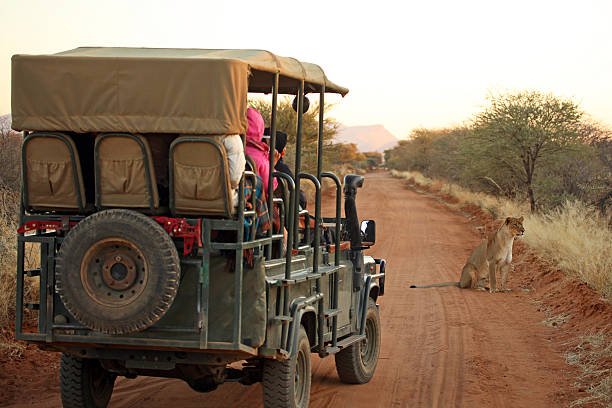
20 Days Ultimate Tanzania Kilimanjaro Safari And Beach 2026-2027
A complete 20-day, bookable Tanzania itinerary weaving Kilimanjaro ascent, northern safari circuits, and a Zanzibar-style beach finale with practical logistics and real-world pacing.
View package details
19 Days Kilimanjaro Trekking Safari And Zanzibar 2026-2027
19 Days Kilimanjaro Trekking Safari and Zanzibar.
View package details21 Days Tanzania Grand Adventure – Kilimanjaro Safari And Zanzibar 2026-2027
21 Days Tanzania Grand Adventure – Kilimanjaro Safari and Zanzibar.
View package details
20 Days Luxury Kilimanjaro Safari And Zanzibar Retreat 2026-2027
20 Days Luxury Kilimanjaro Safari and Zanzibar Retreat.
View package details
20 Days Northern Circuit Kilimanjaro Safari And Zanzibar 2026-2027
20 Days Northern Circuit Kilimanjaro Safari and Zanzibar.
View package details18 Days Kilimanjaro Safari And Zanzibar Holiday Package 2026-2027
18 Days Kilimanjaro Safari and Zanzibar Holiday Package.
View package details
16 Days Kilimanjaro Serengeti Safari And Zanzibar 2026-2027
16 Days Kilimanjaro Serengeti Safari and Zanzibar.
View package details15 Days Kilimanjaro Safari And Zanzibar Holiday 2026-2027
15 Days Kilimanjaro Safari and Zanzibar Holiday.
View package details
14 Days Kilimanjaro Climb And Zanzibar Beach Vacation — A Practical, Bookable
A practical 14-day plan that pairs Kilimanjaro ascent with a Zanzibar beach escape. Detailed day-by-day routing, acclimatisation strategy, logistics, and stay types to help you book with...
View package detailsNo related package matches those filters. Clear one or more filters to see the other topic-matched options.



