
Plan a 17-day journey starting with a guided Kilimanjaro climb in a supported group, then a mainland Tanzania safari across key parks, finishing with a Zanzibar beach extension. The sequence centers on proven transfer logistics, acclimation time, and practical lodging, without assuming fixed itineraries beyond essentials. Availability and exact departures must be confirmed with Climb 4 Africa; this outline explains typical routing, travel days, and choices you will need to make when booking.
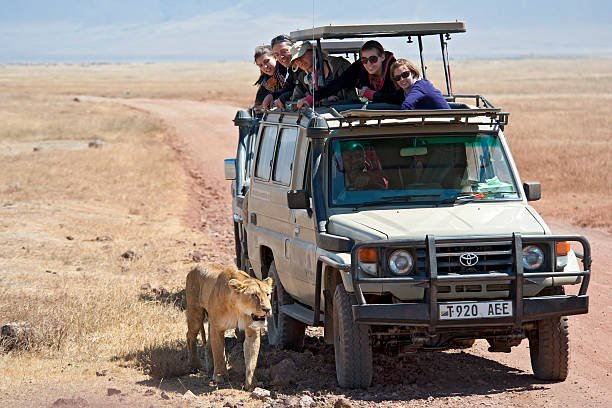

Introduction: how the 17 days are structured and what you will get
This program stitches three distinct experiences into one cohesive plan: a Kilimanjaro ascent with a trusted guide team, a multi-stop Tanzania safari by road, and a relaxed Zanzibar coastal break. The exact days and flight connections depend on group size, hotel availability, and the chosen departure window. What remains constant is the logical flow: acclimatization time before summit attempts, efficient overland transfers between parks, and a Zanzibar finale that respects tides and flight timing back to your home country.
Part A — Kilimanjaro Climb (Days 1–7 or 1–8, depending on route)
Arrival in Arusha or Moshi, followed by a transit briefing and gear check. The climb uses one of the well-established routes supported by porters, a lead guide, an assistant guide, and a cook. Expect a gradual ascent with planned rests and altitude acclimatization days. The exact route (Lemosho, Machame, or Umbwe variants) will be confirmed at booking and depends on group fitness, weather windows, and park permit allocations.
Key decisions you will face here:
- Route choice and acclimatization pattern: longer routes often enhance acclimation but add days; shorter routes reduce days but can affect comfort under altitude.
- Group size and pace: larger groups need careful pacing plans; smaller, more focused groups can maintain a steadier rhythm.
- Porter and support logistics: reliable portering improves comfort and safety; confirm baggage limits and what you carry daily.
Typical day-night rhythm on the mountain includes morning starts after a hearty breakfast, steady elevation gains with scheduled breaks, and camp arrival before dusk. Successful summit attempts are shaped by weather, acclimatization, and the pace agreed by your guide team. After summiting, you descend to a final mountain gate for a celebratory transfer to your lodge in Moshi or Arusha.
Part B — Mainland Tanzania Safari (Days 8–14 or 9–15)
From Kilimanjaro foothills you’ll transition to a tailored, wildlife-focused safari circuit designed to balance wildlife viewing with comfortable, reliable lodging. The typical sequence moves from the Amboseli-style plains and arid savanna corridors to more lush, game-rich habitats. The exact order of parks is adjusted to optimize driving times and the best chances for wildlife sightings, with the reality that sightings cannot be guaranteed—habits of wildlife, weather, and migratory patterns all influence outcomes.
Common park sequence options include:
- Ngorongoro Conservation Area as a core day for crater views and a different landscape, paired with a stop at Lake Manyara or Tarangire for varied wildlife and scenery.
- Serengeti North or Central depending on the season; the choice affects driving distances and the likelihood of seeing the big cats, herds, and predators.
- Selous or Ruaha as alternatives or supplements for a different terrain and fewer crowds, subject to road conditions and seasonal access.
Each camp or lodge on the route offers sunrise breaks, guided game drives, and scheduled transfers. The safari plan emphasizes practicality: long driving days if needed, predictable meal schedules, and wildlife-watching windows when animals are most active. Lodging tends to range from mid-range to comfortable luxury lodges with en-suite facilities, and sometimes elevated tented camps for a closer feel to the wilderness.
Part C — Zanzibar Beach Extension (Days 15–17 or 16–18)
After the safari, a domestic flight or a short transfer delivers you to one of Zanzibar’s beach destinations with prima facie options for relaxation and light water activities. This extension aims to offer a restful wind-down after the wildlife-filled days, with options for snorkeling, spice tours, or a relaxed dhow sunset cruise. Transfer timing should coordinate with your international departure; the exact order of activities and beach resort choice can be tailored to tides, flight times, and your pace.
Practical notes for Zanzibar:
- Beach area selection: north coast for calmer seas and long beaches; east coast for reef-protected snorkeling; south or central for quieter, less developed settings.
- Tide considerations: some water activities are tide-dependent; mornings often offer the best conditions for swimming and snorkeling near coral reefs.
- Meal plans and inclusions: many Zanzibar extensions include breakfast and some dinners; check if beach bungalows or resorts offer all-inclusive add-ons if you want a more hands-off finish.
Transfers and practical logistics between legs
The connective tissue of this itinerary is the transfer logic between Kilimanjaro, the safari circuit, and Zanzibar. Expect:
- A pre-dawn or early-morning flight from Arusha/Moshi to a safari airstrip, followed by a road transfer to the first lodge or camp.
- A mid-tour domestic flight from a Serengeti or Arusha airstrip to Zanzibar, with a short transfer to your beach resort.
- Simplified baggage handling: most operators advise light packing for the climb (with a daypack for summit day) and separate luggage allowance for safari and Zanzibar legs where flights impose limits.
Important planning choices include the order of the safari stops (which parks come first), whether to fly between certain legs or drive where feasible, and how to schedule the Zanzibar stay around your international departure. Each decision affects drive times, rest opportunities, and overall pacing.
Dates, departures, and group joining
Dates and departure availability depend on group size, park permit allocations, and lodge/hotel capacity. This means you will not see fixed numbers in advance; instead you will receive confirmed dates and seat availabilities once you contact Climb 4 Africa with your preferred window and party size. The recommended approach is to share your preferred month range, the number of travelers, and any special requirements (dietary, accessibility), then the operator can provide a verified schedule and a tailored quote
Gap-Discovery: Clarifying the Bookable Sequence Between Kilimanjaro, Safari, and Zanzibar
Readers often confront a core planning question in a 17-day Kilimanjaro–Safari–Zanzibar itinerary: how exactly do the three components connect in a bookable, realistic sequence when you are not yet committed to a fixed departure date or group? This section adds precise, reader-focused detail on the practical order, transfer assumptions, and how many days are allocated to each leg, without inventing fixed dates or prices. It preserves the stated structure and avoids promises about specific availability.
1) The bookable sequence and how days are allocated. In typical offerings, the Kilimanjaro climb is booked as Days 1–7 (or 1–8 for certain routes), followed by a mainland Tanzania safari occupying Days 8–14 (or 9–15), and then the Zanzibar beach extension occupying Days 15–17 (or 16–18). This cadence is not arbitrary: it reflects acclimatization needs, flight connections, and practical lodge/hotel check-in rhythms. The Kilimanjaro segment generally ends with a recovery day or a short transfer before the first safari airstrip transfer. The safari sequence then transitions by air to Zanzibar or a domestic flight to a Zanzibar-adjacent gateway, depending on the operator’s routing. The Zanzibar leg typically closes the trip, aligning with international flight schedules and tides for water-based activities. In other words: the three legs form a logical, bookable progression with explicit day blocks, but the exact days shown in literature are contingent on group size, route choice, permittance, and available accommodations at booking time.
2) Transfer logic and flight assumptions you should expect to see documented at booking. When you inquire with Climb 4 Africa or a partner operator, you should expect a clearly stated transfer plan that includes:
- Which legs begin with a domestic flight versus a road transfer (for example, Kilimanjaro climbers may fly from Arusha/Moshi to a safari airstrip such as Manyara, Serengeti, or Tarangire, then drive to the first safari lodge).
- Estimated drive times and potential contingencies for weather or traffic, especially between the Tanzania safari parks and the Zanzibar gateway.
- Which leg necessitates bag-split constraints (climb luggage vs. safari/Zanzibar luggage) and how to prepare light packing for the climb while ensuring luggage can be transferred separately for the safari and beach extensions within airline allowances.
- Notes on domestic connections: some operators arrange continuous connections with minimal layover, while others offer a one-night stay in a city lodge if the schedule requires a longer layover between legs.
3) Why the sequence matters for acclimatization and wildlife viewing planning. The Kilimanjaro ascent requires careful acclimatization days, which is why Days 1–7/8 are defined as a block. Pacing back down is followed by a shift to wildlife-rich habitats where the likelihood of seeing diverse fauna depends more on the time of year and park selection than on a single day-by-day promise. Readers should understand that the Safari leg is designed to balance wildlife opportunities with comfortable lodging, not to guarantee specific sightings. The Zanzibar extension then serves as a restorative cap, with tides and flight timings guiding day-by-day activity options rather than fixed schedules.
4) How to request a verified schedule. Because availability and exact departure dates depend on group size and permit allotments, readers are advised to contact Climb 4 Africa with your preferred window, party size, and any accessibility or dietary needs. A verified schedule will be provided only after they confirm the group’s composition and the chosen route for Kilimanjaro, followed by safari routing and Zanzibar bed counts. The exchange typically clarifies which days are set aside for acclimatization, which days involve flights versus overland transfers, and how many days are allocated to each leg in the confirmed itinerary.
5) Practical example of a bookable transfer pattern (illustrative only). While not presenting fixed dates or prices, an operator might outline a pattern such as: Day 1–7/8: Kilimanjaro climb. Day 8/9–14/15: overland drive to a Serengeti- or Tarangire-based safari circuit, with air transfers between clusters as needed. Day 15/16–17/18: domestic flight to Zanzibar for beach and water activities, with a final departure day aligned to international connections. The exact order and days are confirmed upon booking and depend on feasibility given park permits, lodge availability, and group size.
6) What this means for your planning. If you are comparing options, the critical decision points are: (a) your preferred Kilimanjaro route (and its acclimatization profile), (b) whether the safari leg emphasizes a loop across Tarangire–Ngorongoro–Serengeti or focuses on a Serengeti-centric route, and (c) your desired Zanzibar beach profile (calmer northern coast versus reef-safe eastern coast). Once you specify these, the operator can assemble a cohesive days-for-leg plan that aligns with flight windows and lodge capacities, and then provide a verified schedule rather than a speculative outline.
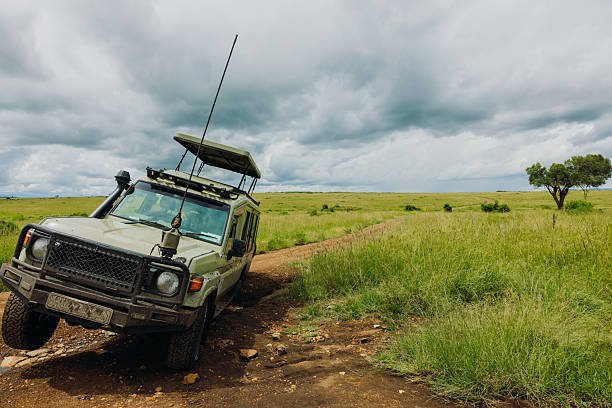

Gap-Discovery: Clarifying the Bookable Sequence for Kilimanjaro–Safari–Zanzibar
Readers often ask how the three components connect in a way that is truly bookable and practical, given the realities of flight availability, park permits, and lodge capacity. The most valuable clarification is a concrete, end-to-end sequence that a client can request, with explicit transfer logic and decision points, without assuming fixed departures. Below is a focused expansion that addresses those gaps with actionable details you can use when contacting Climb 4 Africa to assemble a verified schedule.
1) The core bookable sequence (logical flow, not a fixed calendar) — While the exact dates shift with group size and permits, the typical, bookable progression remains: Kilimanjaro climb (Days 1–7 or 1–8), overland or light-air transfer to a northern Tanzania safari circuit (Days 8–14 or 9–15), and a domestic flight to Zanzibar for beach time (Days 15–17 or 16–18). The key distinction: you are not booking fixed calendar days in advance; you are booking a sequence with clearly defined transfer windows, acclimatization buffers, and contingency margins that the operator will lock in once your party size and route are confirmed. Each leg remains modular, enabling adjustments for weather, permits, and flight slots without breaking the overall flow.
2) Transfer logic between legs (how you move safely and efficiently) — Transfer times hinge on two reliable variables: flight availability and park/airstrip access. A typical verified pattern might be: pre-dawn international group transfer to Kilimanjaro International Airport (JRO) for check-in, followed by a charter or scheduled domestic flight to an eastern or northern safari airstrip (e.g., Manyara or Serengeti corridor), then a road transfer to the first lodge. After the safari circuit, a domestic flight or short domestic transfer (often by light aircraft) delivers you to Zanzibar’s airport (ZNZ) for the beach extension. When booking, specify your preferred window and flexibility around a buffer day in case of weather delays; the operator will bundle the actual flight numbers, airstrips, and drive times into the verified schedule. This avoids the common pitfall of assuming a single fixed transfer day across all seasons and group sizes.
3) Acclimatization and block integrity (preserving high success without fatigue) — Acclimatization remains a hard constraint that shapes the day counts you see in the plan but is treated as a flexible, safety-driven buffer rather than a rigid timetable. For Kilimanjaro, the chosen route informs how many altitude days are included (often 2–3 acclimatization days within Days 1–7/8). The safari leg then benefits from a settled rhythm (early-morning game drives, midday rests, and afternoon wildlife opportunities). The Zanzibar extension edits in as a restorative wind-down that respects tides and flight timing rather than compressing activities into a dense schedule. When you request a verified schedule, ensure the operator validates the acclimatization nodes for the Kilimanjaro ascent and confirms that the safari camps or lodges can honor the staged arrival/departure windows that align with your inbound/outbound flights.
4) How to request a verified schedule (practical steps) — Ask Climb 4 Africa for a bespoke, confirmed sequence that includes: (a) chosen Kilimanjaro route with its acclimatization days; (b) the safari circuit (Tarangire, Ngorongoro, Serengeti or a Serengeti-centric variant) with lodges/camps and minimum stay days; (c) Zanzibar beachfront options with tide-aware activity planning; (d) explicit transfer legs by date ranges rather than fixed days; (e) contingency buffers for weather or flight delays. A verified schedule will specify exact transfer modes (air or road), the estimated times, and the internal sequencing that ties the three segments together into one bookable package. Do not accept a hypothetical calendar; insist on a schedule that is labeled as verified after your group composition and route selection are finalized.
5) What to verify in the booking exchange — To avoid misalignment, request these concrete confirmations before finalizing any contract: (1) Kilimanjaro route and acclimatization plan (including the number of days dedicated to acclimatization and the expected success metrics for summit attempts), (2) safari circuit routing with a clear list of parks, driving times, and lodge categories, (3) Zanzibar beach area choice and the anticipated pace of activities (water simplicity vs. snorkeling, tides, and potential sea conditions), (4) the exact sequence of transfers, with flight numbers or road-transfer milestones, and (5) the group size, room configurations, and dietary accommodations that influence lodging capacity, all tied to a confirmed timetable. Only after these elements are locked should you commit to dates or payments.
6) Practical example of a verified, bookable narrative (illustrative only, no dates) — Kilimanjaro climb: Day A–G with acclimatization days within the ascent window, followed by Day G+1 transfer to a northern Serengeti–Tarangire safari circuit via a scheduled domestic flight to a designated airstrip and a road transfer to the first lodge. Safari: Day S1–S6 include morning game drives, afternoon breaks, and a possible short transfer between lodges if required by permit allocations. Zanzibar: Day Z1 follows the safari, with a domestic flight to ZNZ, reef-safe coastal lodging, and a relaxed schedule of optional water activities aligned to tides and flight back. The actual dates, flight numbers, and lodge names are provided only in the verified schedule after group confirmation and route choice, ensuring no misalignment between flight connections and lodging capacity.
This gap-focused addendum thus preserves the integrity of a bookable plan while giving you a concrete mechanism to obtain a verified, cohesive itinerary. It keeps the emphasis on transfer logic, acclimatization, and practical pacing across three distinct experiences, ensuring you understand not just the destinations, but how the sequence is actually constructed to be bookable and reliable.
Gap-Discovery: Aligning the Kilimanjaro Climb with Safari and Zanzibar into a verifiably bookable sequence
Readers often ask how the three components—Kilimanjaro ascent, mainland Tanzania safari, and Zanzibar beach extension—fit together in a way that is concrete, verifiable, and bookable without assuming fixed dates. The missing piece is a detailed, end-to-end sequencing framework that translates ascent acclimatization windows, park permit allocations, flight schedules, and lodging capacities into a practical, adjustable timetable. This section offers a focused, bookable approach that does not claim fixed departures but shows how a group can move from a confirmed Kilimanjaro route into a subsequent safari circuit and then to Zanzibar in a single, coherent plan.
1) Establishing the non-negotiables for a verified sequence
- Confirmed Kilimanjaro route and acclimatization days: The chosen route (Lemosho, Machame, or Umbwe variants) must specify the number of acclimatization days and the planned pacing. This anchors the entire sequence because the summit window drives downstream flight connections and lodge availability in the safari segment.
- Domestic flight timing buffers: The transfer from Kilimanjaro to a safari airstrip requires a domestic flight, then a road transfer to the first lodge. A verified plan should include a flight time window with a reliable backup option on the same day or the following morning to accommodate weather or logistical delays.
- Safari circuit routing and lodge categories: The park sequence (e.g., Tarangire, Serengeti, Ngorongoro) and the expected drive times between lodges must be stated, with contingency days built in for permits or lodge occupancy fluctuations. Lodging categories (standard, mid-range, luxury) should align with group size and dietary needs and be reconcilable with the confirmed flight and transfer schedule.
- Zanzibar extension logistics: The Zanzibar segment relies on a domestic connection from the final safari airport or a same-day flight from Kilimanjaro if feasible. Tide-aware activities and flight back-to-home-country timing must be harmonized with the last-night accommodations in Zanzibar to avoid rushed departures.
2) A practical, bookable template (not a fixed calendar)
- Step 1: Kilimanjaro route confirmation (Day 1–7/8). Ensure acclimatization days are clearly identified and tied to the summit attempt window. The plan should explicitly state: route chosen, acclimatization days, estimated summit-day timing, and the expected rescue/evacuation contingencies.
- Step 2: Post-climb transfer window. A guaranteed buffer (typically 24–48 hours) between the summit and the first safari lodge transfer helps accommodate dehydration, altitude effects, and potential delays in obtaining flight clearances or permits.
- Step 3: Safari circuit sequencing with drive times. Present a preferred order of parks, typical driving windows (short vs. long drives), and the range of lodge categories available in each location. Include a note on lodge capacity sensitivity and how to adjust for group size changes without breaking the sequence.
- Step 4: Zanzibar handoff. Define the earliest feasible Zanzibar connection after completing the safari, considering tides and domestic flight schedules. Provide two optional flight paths (one early-in-the-day, one mid-day) to safeguard against overnight delays in Nairobi, Addis, or Dar es Salaam corridors.
3) Concrete checks to request during the booking exchange
- A single, verified end-to-end sequence: Kilimanjaro route with acclimatization, safari routing with park list and lodging categories, Zanzibar option and tide-aware activity plan, plus all transfer milestones with flight numbers or precise road-transfer checkpoints.
- Buffer periods explicitly stated at each transition (e.g., post-summit rest day, post-safari transfer day, optional mid-journey layovers) and a written policy for weather or permit-driven changes.
- Capacity alignment: confirm group size, room configurations (twin vs. double), and dietary accommodations that influence lodge selection and availability across all legs.
4) What “verifiable” looks like in practice
- Documentation: a single, consolidated itinerary document that includes the Kilimanjaro route name, acclimatization days, safari circuit order, park names, lodge names (if possible), and Zanzibar property alignment. Each section should reference the same group size and the same flight/transfer milestones.
- Change control: a published policy detailing who can modify the sequence, under what circumstances, and how changes are communicated. Any proposed change must be reconciled with the flight and permit calendars before it is released to travelers.
5) Reader takeaway
What you should leave with is a clearly explained, bookable sequence that can be verified with the operator prior to payment: a Kilimanjaro route with acclimatization, a safari circuit with a logical park order and lodge ladder, and a Zanzibar extension that is harmonized with the final safari finish and your homeward flight. No dates are implied here; rather, you gain a robust framework to request a fully verified timetable from Climb 4 Africa or your chosen operator, ensuring that every transfer, hotel capacity, and activity slot is aligned with the three-part journey.
Gap-Discovery: Concrete bookable sequencing constraints and practical verification tools
Readers nearing finalizing a 17-day Kilimanjaro–Safari–Zanzibar plan frequently need a concrete, bookable sequence that can be verified against real operator calendars. This section adds a focused, evidence-grounded discussion of the practical constraints that determine whether a proposed sequence is truly bookable, and it provides a framework for requesting and confirming specifics from Climb 4 Africa or comparable operators. The emphasis remains on verifiable logistics, not promotional details or speculative dates.
1) Kilimanjaro ascent window and acclimatization alignment. A bookable sequence requires explicit confirmation of climb-route selection (e.g., Lemosho, Machame, or Umbwe variants) with clearly stated acclimatization days. Operators typically allocate summit attempt nights after a sustained period of altitude acclimatization and rest days. To verify, request a route map that labels each acclimatization phase, the expected acclimatization days per stop, and how these align with a fixed safari start date. If a group prefers a longer acclimatization profile, the operator should present a fully specified itinerary that cannot be altered by weather alone without written notice and an adjusted transfer plan.
2) Safari circuit order and lodge ladder with live availability links. A verifiably bookable safari section must specify the park sequence, lodging tiers (e.g., mid-range to premium camps or lodges), and a realistic drive-time schedule between stops. The bookable plan should include a conditional buffer for weather, a clear policy for substitutions if a lodge is unavailable, and a mechanism to lock in room configurations (twin vs. double) at the time of booking. Request a draft calendar showing the exact days in each park and the corresponding lodge names or categories, with a note on any potential alternates tied to permit allocations.
3) Zanzibar extension timing tied to domestic flights and tides. The final leg should present two or three tide-aware activity blocks that are compatible with confirmed flight connections back home. A fully bookable version will specify the exact Zanzibar property, the transfer method from the safari finish, and the flight timing to the international gateway, including contingency options in case of flight delays. Seek a contingency plan that preserves the Zanzibar experience if the domestic connection is delayed, rather than a generic fallback that disrupts the entire sequence.
4) Transfer logistics with milestone-level precision. The sequence must document the origin and destination of each transfer, flight numbers or vehicle regimens, departure and arrival times, and the local time zone considerations for every step. A bookable itinerary should present a single, consolidated timeline that is compatible with airline schedules, park permit windows, and lodge check-in/out constraints. If a domestic flight is involved, the operator should supply a confirmed carrier, flight number, and seat allocation in writing as part of the end-to-end plan.
5) Buffer policies and change control. A truly bookable plan includes explicit buffer days at each transition: post-summit rest days, post-safari transfer days, and any optional layovers or weather-driven substitutions. The verification document should spell out who can authorize changes, the communication channel, and the required lead time for any sequence modification. This prevents mid-journey detours from becoming unworkable or unverified after payment.
6) Documentation and compatibility checks. The end-to-end itinerary must be a single document (or a tightly linked set of documents) that references the same group size, flight milestones, and lodge choices across all legs. A verifiable plan also includes a policy for how to handle partial changes without breaking the overall sequence—e.g., if a safari lodge closes for maintenance, the alternative must be pre-approved and listed with equivalent standards and transfer timing.
7) Practical example of a verification request to the operator. When you contact Climb 4 Africa or a comparable operator, attach a summarized request that includes: (a) preferred Kilimanjaro route with acclimatization days; (b) a park-by-park safari itinerary with exact lodges; (c) Zanzibar property and tide-safe activity plan; (d) explicit transfer milestones with flight numbers or road-transfer checkpoints; (e) buffer days and change-control policy; (f) a single, end-to-end timetable suitable for validation by a travel professional. The operator’s reply should be a fixed, checkable document rather than a set of assurances or a draft with placeholder dates.
8) Reader takeaway: practical verifiability. The most valuable gap-closure is a concrete, bookable sequence that you can hand to a booking agent for cross-checking against live availability. If any item remains uncertain—such as a specific lodge in a given park or a precise flight number—the operator should provide a concrete alternative with the same standard and a guaranteed window for confirmation before payment. This ensures the three-part journey remains coherent, achievable, and truly bookable while reflecting real-world constraints.
Explicit verification logic for end-to-end sequencing and contingencies
The core of a truly bookable Kilimanjaro–Safari–Zanzibar plan is not a fixed day-by-day script but a transparent verification framework that you can request from the operator and confirm against live calendars. This section adds a concrete, reviewer-facing workflow that you can use to pressure-test the end-to-end sequence before committing any funds. It avoids promising specific availability and instead focuses on the control points that must align for a single, coherent itinerary.
1) Establish a single, master timetable document. This document should include: (a) Kilimanjaro departure window with route choice and acclimatization days; (b) safari overland routing with park order, lodge families, and transfer times; (c) Zanzibar phase with flight connections, tide-aware activity windows, and hotel check-in/out slots. Each element must reference the same group size, the same field-proven transfer windows, and the same set of participating operators or subcontractors. The master timetable serves as the anchor for all verifications and must be the version that the operator confirms in writing to you, with version numbers and date stamps.
2) Demand live-availability checks for all components. For Kilimanjaro, request a current route slot, permit window, and porter-cook team assignment for the exact dates you propose. For the safari, require up-to-date lodge availability, vehicle rotation plans, and guide assignment per day. For Zanzibar, obtain a firm flight connection list (flight numbers and times) and hotel availability that aligns with the safari’s final day. The operator should be able to attach screen-grab calendar views or an exportable availability PDF that corresponds to your master timetable.
3) Require a fixed transfer matrix. A verifiable plan must include, for every transition: (i) transfer type (flight or road), (ii) departure and arrival airports or lodges, (iii) exact times with a tolerance window (for example ±60 minutes), and (iv) contingency options that preserve the overall sequence in case of delays (e.g., alternative flight numbers with equivalent timing and vehicle routes). Do not accept generic statements like “we will adjust as needed.” The matrix should show that a delay on Kilimanjaro does not cascade into a full rearrangement of the entire chain, but rather triggers predefined buffers or alternative, pre-approved options.
4) Build explicit buffer policies and change-control rules. Define how many buffer days exist between legs, who may authorize changes, and how late changes can be made before they trigger a documented adjustment to the master timetable. For example, a 24–48 hour window for domestic flight changes to Zanzibar, with a guaranteed alternative option of equal comfort and similar transfer times, should be written into the policy. Any change must be referenced to a particular line item in the master timetable and be reconciled with the latest availability snapshot.
5) Verify compatibility across all legs with a cross-check matrix. Create a side-by-side comparison that shows the Kilimanjaro route, safari lodges, and Zanzibar properties, ensuring the following alignments: (a) group size compatibility with lodge and guide availability; (b) identical or overlapping arrival/departure windows; (c) matching meal plans, activity windows, and tide-sensitive days on Zanzibar. If a lodge on safari closes for maintenance during your provisional dates, the plan should present a pre-approved, identical-standard alternative within the same transfer cadence.
6) Require a signed-off verification package. Before any payment, obtain from the operator a complete verification package that includes: (a) the master timetable with version number; (b) current availability attachments for Kilimanjaro, safari, and Zanzibar; (c) the transfer matrix; (d) the buffer/change-control policy; and (e) a contingency addendum listing approved substitutes with their own fixed timing windows. This package should be legally binding in the sense that it binds the operator to the stated sequence and timing or to pre-agreed alternatives if live conditions shift.
7) Include a risk-log with audit-ready notes. The plan should document known risks (permitting delays, weather-related adjustments, air-freight constraints, or lodge maintenance windows) and the operator’s proposed mitigation steps. Each risk entry should map to a concrete action in the master timetable, ensuring accountability and traceability if you need to negotiate or re-validate later.
8) Practical example of a verification request. When you contact Climb 4 Africa or another operator, ask for a formal verification draft that includes: (a) Kilimanjaro route and acclimatization plan, (b) park-by-park safari itinerary with exact lodges and transfer times, (c) Zanzibar itinerary with flight numbers and tide-appropriate activities, (d) a single end-to-end timetable, (e) a transfer-matrix with all flight and road segments, (f) buffer days and change-control policy, and (g) a signed-off version of the master timetable. Even if you do not finalize, the operator’s response should provide concrete data points you can compare against live calendars and a contact point for live adjustments.
9) Reader takeaway: tangible bookability. The most useful advancement for readers at this stage is not a promise of “availability,” but a documented, auditable sequence that can be cross-checked against live operator calendars. If any part of the sequence remains uncertified—such as a specific lodge’s calendar or a flight slot—the operator should supply a clearly defined alternative with the same standard of service and a guaranteed window for confirmation before payment. This approach transforms a promising itinerary into a verifiable, bookable plan that truly accommodates real-world constraints.
Related Guides and Packages
Check Availability for 17 Days Kilimanjaro Group Climb Safari And Zanzibar 2026-2027
Ready to compare dates, prices, and the best option for your group? Send the package name and travel month so the team can reply with a clear quote, availability, and what is included.
17 Days Kilimanjaro Climb Safari And Zanzibar Beach 2026-2027
17 Days Kilimanjaro Climb Safari and Zanzibar Beach.
View package details
18 Days Kilimanjaro Trek Budget Safari And Zanzibar 2026-2027
18 Days Kilimanjaro Trek Budget Safari and Zanzibar.
View package details
19 Days Kilimanjaro Trekking Safari And Zanzibar 2026-2027
19 Days Kilimanjaro Trekking Safari and Zanzibar.
View package details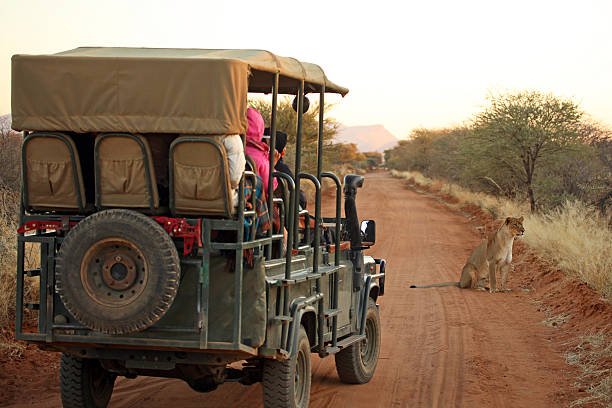
21 Days Tanzania Grand Adventure – Kilimanjaro Safari And Zanzibar 2026-2027
21 Days Tanzania Grand Adventure – Kilimanjaro Safari and Zanzibar.
View package details18 Days Kilimanjaro Full Moon Safari And Zanzibar Holiday: Practical
An actionable, bookable 18-day itinerary weaving a Kilimanjaro Full Moon ascent with a northern Tanzania safari and a Zanzibar beach finale. Practical transfers, timing, and non-guaranteed...
View package details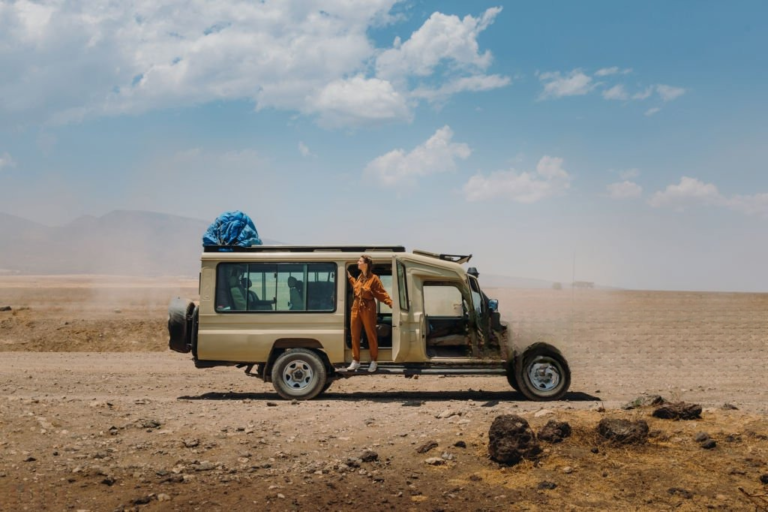
20 Days Luxury Kilimanjaro Safari And Zanzibar Retreat 2026-2027
20 Days Luxury Kilimanjaro Safari and Zanzibar Retreat.
View package details
20 Days Northern Circuit Kilimanjaro Safari And Zanzibar 2026-2027
20 Days Northern Circuit Kilimanjaro Safari and Zanzibar.
View package details18 Days Kilimanjaro Safari And Zanzibar Holiday Package 2026-2027
18 Days Kilimanjaro Safari and Zanzibar Holiday Package.
View package details
16 Days Kilimanjaro Serengeti Safari And Zanzibar 2026-2027
16 Days Kilimanjaro Serengeti Safari and Zanzibar.
View package details15 Days Kilimanjaro Safari And Zanzibar Holiday 2026-2027
15 Days Kilimanjaro Safari and Zanzibar Holiday.
View package details20 Days Ultimate Tanzania Kilimanjaro Safari And Beach 2026-2027
A complete 20-day, bookable Tanzania itinerary weaving Kilimanjaro ascent, northern safari circuits, and a Zanzibar-style beach finale with practical logistics and real-world pacing.
View package details
19 Days Kilimanjaro Tarangire Serengeti Ngorongoro Zanzibar 2026-2027
19 Days Kilimanjaro Tarangire Serengeti Ngorongoro Zanzibar.
View package detailsNo related package matches those filters. Clear one or more filters to see the other topic-matched options.



