
The 16 Days Kilimanjaro Serengeti Safari and Zanzibar itinerary starts with a Kilimanjaro ascent via the Northern Circuit, then opens into a staged mainland safari across key parks (Tarangire, Ngorongoro, Serengeti) with realistic driving times and acclimatization pauses, followed by a Zanzibar beach extension. Transfers between stages are organized as a practical sequence: climb day(s) first, then a safari block of 5–7 days, finishing with 3–5 days in Zanzibar. Exact day counts depend on flight timings and group pace, but the routing aims for steady ascent, wildlife opportunities, and relaxed beach time.


Overview of the route and how the days break down
This 16-day plan abuts three distinct experiences: Kilimanjaro climbing, mainland safari, and a Zanzibar coast finale. You’ll start with a pre-climb briefing and acclimatization days in Moshi, move into the Northern Circuit ascent routes on Kilimanjaro, descend to Arusha for a direct transfer toward Tarangire, Ngorongoro, and Serengeti, and finally connect to Zanzibar for a coastal unwind. The exact day division is flexible to flight schedules and group readiness, but the backbone follows: Kilimanjaro ascent, Northern Circuit safari, Zanzibar coastal stay. This structure keeps driving distances reasonable, respects acclimatization, and preserves mornings for game drives when wildlife is most active.
The Kilimanjaro segment: route, acclimatization, and practical options
Climbing Kilimanjaro on the Northern Circuit in a 4–6 day ascent provides a balance between altitude safety and a rewarding summit push. Typical options include a 6-day Lemosho-style ascent with longer acclimatization at Karanga and Barafu camps, or a 5-day route with a shorter acclimatization phase. Your day-to-day momentum generally looks like: arrive Moshi, drive to the gate, hike to first camps, acclimatization walks, final summit push in the early hours, descent to Girrut and Moshi/Arusha for the safari transfer.
Practical pacing tips:
– Prioritize acclimatization days and light days after long drives to the start point.
– Hydration and gradual altitude gain reduce fatigue and headaches.
– Pre-booked porters and a reliable guide team improve efficiency and safety.
– Consider a post-climb rest day in Moshi or Arusha before safari to reduce burnout.
Transition from Kilimanjaro to the Serengeti corridor: transfers and timing
Most groups finish Kilimanjaro in the morning or early afternoon and fly or drive to a safari hub such as Arusha or Manyara airstrip, then connect to a safari start point in the Tarangire or central Serengeti area. The transfer pattern typically looks like this: Kilimanjaro finish → brief rest in Moshi/Arusha → light flight or long drive to Tarangire or Ngorongoro boundary → first safari circuit begins with a short drive to lodges or camps. An early flight option to the Serengeti can save drive time but depends on weather and available seats.
Mainland safari sequence: parks, driving logic, and camp choices
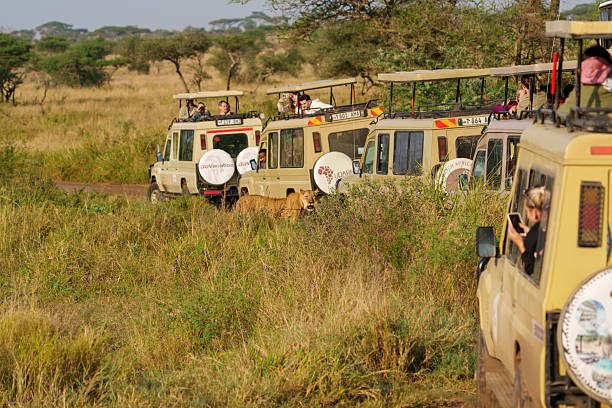
Day-by-day flow tends to follow a practical logic: Tarangire first for tree-dotted plains and elephants; Ngorongoro Crater floor for a compact wildlife concentration and spectacular scenery; then Serengeti central and/or north for wide-open savannahs and predator action. Driving times vary by gate and lodge location, but expect 2–4 hours between camps on most days, with longer filters when crossing boundaries or chasing wildlife hotspots. Lodges and camps are chosen for accessibility to gates, consistent game-viewing opportunities, and reliable hot water, meals, and guides. While wildlife sightings can never be guaranteed, early morning and late afternoon drives consistently yield the best opportunities.
Zanzibar extension: island transfers, beach zones, and pace
From the Serengeti or Arusha, you’ll fly to Zanzibar (usually to Stone Town or the east coast depending on flight schedules). The Zanzibar leg typically pairs a few nights on the east coast (Paje or Nungwi/Kendwa variants) with a few days of beach relaxation, snorkeling, spice tours, or a sunset dhow cruise. Transfers hinge on flight timing and local tides for water taxis at some coastal spots, but hotel-based transfers on the island are straightforward when booked as part of the same package. Beach choices influence the pace: east coast offers calmer seas and longer beach days; northern coastal zones enable quick access to reefs and water activities while still staying close to Stone Town for cultural excursions.
Practical planning decisions: pacing, costs, and inclusions to expect
What to expect in terms of pacing and pacing flexibility:
– The Kilimanjaro segment is the most physically demanding; plan for dry days and altitude rest.
– The safari block relies on early starts, with lodge-based evenings offering downtime and meals.
– The Zanzibar extension gives a softer end, with beach relaxation and optional water activities.
Booking decisions to consider:
– Group size and guide ratios affect pace and flexibility; smaller groups can offer more tailored days, while larger groups may require a fixed rhythm.
– Lodges and camps chosen for accessibility influence both wildlife viewing and comfort; some camps cluster near key gates, others are deeper inside the park zones for quieter wildlife windows.
– Internal flights save time but require flexibility around schedules; if you prefer ground transportation, budgets may shift due to fuel and time considerations.
Day-by-day sketch (illustrative, not fixed)
Illustrative outline (subject to flight schedules and group pace):
– Days 1–2: Moshi arrival, briefing, acclimatization day, gear check.
– Days 3–7/8: Kilimanjaro ascent via Northern Circuit; acclimatization days built in; summit attempt on the final ascent window.
– Day 8/9: Descend and transfer to Tarangire or Ngorongoro area; first safari drive.
– Days 9–11/12: Serengeti central or north circuit safari with multi-day stays in a mix of camps/lodges.
– Day 12/13: Flight to Zanzibar; transition day to beach area.
– Days 13–16: Zanzibar coast stay with possible excursions (stone town heritage, spice tour, snorkeling, or dhow cruise).

What you should confirm with Climb 4 Africa before booking
To ensure a smooth experience, confirm these practical details:
– Exact Kilimanjaro route choice and acclimatization schedule, with a clear
Internal Flight Coordination: Connecting the Mainland Safari to Zanzibar
Transferring from the Serengeti or Arusha to Zanzibar typically involves a short internal flight, usually operated by Air Tanzania or Precision Air, with departures from either Kilimanjaro International Airport (KIA) or Arusha Airport (ARK). The flight duration is approximately 45 to 60 minutes, and schedules are often aligned with the end of the safari block—typically on day 12 or 13 of the 16-day itinerary. This flight is critical for maintaining the planned pace, as it avoids over 12 hours of ground travel across Tanzanian roads, which would otherwise consume valuable beach time. Most operators, including Climb 4 Africa, book these flights in advance as part of the package, but it’s essential to confirm the departure time, airport terminal, and any baggage allowances (usually 15–20 kg checked, 5 kg carry-on).
Upon arrival at Zanzibar’s Abeid Amani Karume International Airport (ZNZ), located on the island’s west coast near Stone Town, the transfer to your beach accommodation is typically arranged via a private vehicle or shared shuttle. The drive to the east coast (Paje or Kizimkazi) takes about 45–60 minutes, while the northern coast (Nungwi or Kendwa) requires 1.5 to 2 hours due to the island’s geography. Travelers should expect road conditions to vary—some stretches are paved and well-maintained, while others are gravel or dirt, especially near remote beach areas. The transfer time and route are factored into the Zanzibar leg’s pacing, so a morning flight ensures arrival at your beach lodge by early afternoon, allowing for rest and a late afternoon orientation.
For travelers on the east coast (Paje), the transfer is more direct and typically includes a brief coastal drive through small villages and mangrove-lined roads. This area is favored for its calm, shallow waters and long stretches of white sand, ideal for swimming and relaxation. Northern coastal zones (Nungwi/Kendwa) offer more developed infrastructure, with resorts, dive shops, and easy access to reef snorkeling sites. However, the northern route passes through more populated areas and may involve slightly longer transfers, particularly if the flight is delayed. It’s important to confirm whether your Zanzibar accommodation is located near the airport (such as in Stone Town) or on a remote beach, as this affects the transfer logistics and timing.
Water taxi transfers are not standard for the main beach zones due to tidal constraints and limited docking infrastructure. Only in very isolated locations—such as some private island lodges or beach bungalows in the southern or northern extremes—might water taxis be used, and these are usually arranged separately. Most beach stays are accessible by road, and the final transfer is typically included in the package, but travelers should verify the pickup point at the airport and whether the driver will wait for delayed flights. Delays are common due to weather, air traffic, or technical issues, so allowing at least 1.5 hours buffer between flight arrival and lodge check-in is advisable.
When booking, clarify whether the Zanzibar extension includes airport transfers, internal flights, and all beach accommodation. Some operators bundle all these elements, while others charge extra for the flight or specific lodging types. Also, confirm the exact beach zone (east vs. north) and whether your accommodation is on a private stretch or shared with other guests, as this affects privacy and access to water activities. The flight connection is the linchpin between the safari and beach legs—without it, the entire sequence collapses into a long, exhausting ground journey. Ensuring that the flight is confirmed, included, and scheduled with buffer time is one of the most practical steps in finalizing this itinerary.
Unpacking the connectivity: how transfers and pacing actually lock the sequence together
Readers often ask how the Kilimanjaro ascent, the mainland safari, and the Zanzibar coast fit into a single, bookable itinerary without leaving gaps or forcing impossible travel days. The answer lies in a deliberately staged pacing that optimizes flight connections, minimizes backtracking, and aligns with animal movement patterns and local logistics. This section augments the existing framework by detailing the practical mechanics that make the route executable, including how transfer windows are chosen, how driving and flight legs are sequenced, and what a typical week looks like for a traveler who wants a steady rhythm rather than a sprint finish.
Synchronizing Kilimanjaro finish with safari start: why mornings matter
The Kilimanjaro descent is scheduled to yield a comfortable buffer before the safari begins, often landing travelers in the safari hub by mid‑afternoon of the same calendar day or the following morning, depending on flight schedules. This slack day is not wasted; it functions as essential acclimatization for any residual fatigue from the climb and as a practical window for the transfer operator to confirm onward connections. The main logic is to avoid red‑eye connections into Tarangire, Ngorongoro, or Serengeti starts, which would place travelers in unfamiliar camps after dark. When a morning arrival is impossible, operators typically arrange a short overnight in Moshi or Arusha to reset the pace and ensure an early start the next day for game viewing and long drives when required.
Transfers between Tarangire, Ngorongoro, and Serengeti: the real‑world driving logic
Driving distances in Tanzania are governed by road conditions, wildlife traffic, and the practicalities of lodge check‑ins. Tarangire is commonly approached first because its proximity to Moshi/Arusha reduces initial travel time and allows for a gradual shift in scenery—from riverine and acacia country to the more open plains of the Serengeti. Ngorongoro often follows as a practical “bottleneck” day, offering a climate‑controlled rest stop and a managed, short distance to the crater rim for a morning descent. The Serengeti segment in the北 or central corridor then becomes the core wildlife block, selected to optimize guide knowledge, vehicle availability, and camp access, given the time of year and the specific wildlife targets for the group. This order—Tarangire, Ngorongoro, Serengeti—appears repeatedly in bookable itineraries because it minimizes backtracking, balances driving times, and preserves the early‑morning wildlife window that is most productive for many species.
Bookable day counts and fixed vs. flexible days: what to expect
Within a 16‑day plan, the exact number of nights in each park and the number of safari days can shift with flight schedules and group pace. A typical booking would lock in 2–3 nights for Tarangire, 1–2 for Ngorongoro, and 3–5 for Serengeti, followed by a Zanzibar block of 3–5 days. While the article emphasizes a practical sequence rather than fixed dates, the bookable framework commonly adheres to: Kilimanjaro ascent (4–6 days depending on route and acclimatization), 5–7 days on the mainland safari, and 3–5 days in Zanzibar. This structure is designed to minimize backtracking and to align with standard charter or scheduled flight slots between parks and the Zanzibar gateway airports. If a group arrives in an alternative order or faces flight disruptions, operators typically adjust the camp rotations while preserving the overall balance of driving time and wildlife time on the ground.
Air connections and buffer times: how the Zanzibar flight fits in
The Zanzibar leg hinges on a reliable internal flight from a Serengeti or Arusha area airstrip to either Stone Town (SL) or the eastern beaches. The transfer logic favors morning or early afternoon departures to maximize beach time and minimize heat stress in transit. Operators commonly schedule a buffer of 2–4 hours between the safari finish and the Zanzibar flight, accounting for possible delays, check‑in procedures, and the time needed to clear domestic terminals. In practice, this means the final safari day is built with a lighter activity block and a predictable transfer window to the domestic terminal, ensuring that travelers reach their beach lodges by mid‑to‑late afternoon. If the Serengeti‑to‑Zanzibar flight is delayed, the local team often uses a contingency night in a near‑by lodge to preserve the Zanzibar pacing without crushing the rest day on the coast.
What should travelers verify about timing before booking
- Exact sequence of park visits and the number of nights per park, aligned with your flight slots.
- Inclusions for domestic flights (airfare, luggage allowances, and any weight restrictions that affect equipment such as photography gear).
- Hotel or lodge check‑in times in each camp and how late arrivals affect day‑of‑arrival game drives.
- Transfer point commitments: where drivers or guides will meet you, and what identification or documentation is required for domestic flights.
- contingency plans for weather or air traffic delays, including optional overnight stops and revised drive times.
By focusing on these connectivity details, travelers can enjoy a smoother experience where the day pace remains manageable, and the wildlife and coastline experiences are not sacrificed to transit hitches. The key is to treat the journey as a continuous block with built‑in transition days, rather than a sequence of separate adventures strung together.
Clarifying the sequence logistics for a bookable 16-day Kilimanjaro, Serengeti, and Zanzibar plan
Readers often ask for concrete, bookable sequencing details that bridge Kilimanjaro ascent days with the subsequent mainland safari and the Zanzibar coast finish. This section adds a precise read on how the calendar typically stacks, what is fixed versus flexible, and how to read the transfer windows so your booking truly reflects a practical, travel-ready flow.
Core sequencing assumption: Kilimanjaro first, then a mainland safari block, then a Zanzibar extension. The Kilimanjaro ascent is scheduled to finish with a buffer day or half-day for descent and transfer, followed by a domestic flight or road transfer to a safari hub (Tarangire, Ngorongoro, or Seronera area). The mainland safari block generally preserves 5–7 days of game-drive time distributed across Tarangire, Ngorongoro Crater, and Serengeti, with driving times calculated to minimize long daily transfers while allowing early-morning departures. The Zanzibar leg then commences with an internal flight to either Stone Town or the east coast gateway, timed to deliver a beach-stay cadence without making the finishing days feel rushed.
What is typically fixed in the bookable itinerary:
- Number of Kilimanjaro acclimatization days in Moshi before the climb (minimum two to three days are standard, with optional pre-pull day depending on client readiness).
- Length of the Kilimanjaro ascent window (commonly 5–6 days on the Northern Circuit family of routes, with an optimal acclimatization sequence built into the schedule).
- Number of safari nights allocated to Tarangire and Ngorongoro before Serengeti (often 2–3 nights in Tarangire, 1–2 in Ngorongoro, then 3–5 in Serengeti, adjustable by group pace and flight slots).
- Timing of the Zanzibar flight from the safari hub, typically a morning or early afternoon departure, depending on internal flight options and terminal processing times.
What remains flexible or contingency-based in the bookable plan:
- Exact park order within the mainland block can tweak—some groups begin with Tarangire, others with Ngorongoro, then Serengeti—solely to align with the most reliable flight connections and lodge availability on those dates.
- Buffer days adjacent to international/tourist flight days: if a Serengeti airstrip misses a connection, a one-night contingency stay near the airstrip is possible without altering the overall adventure arc or the Zanzibar cadence.
- Alternative end-beach options in Zanzibar (East Coast vs. Stone Town gateway) are chosen to align with the Zanzibar lodging inventory and tidier transfer times—this is reflected in your final flight out of Zanzibar, not in the core safari days.
To keep the sequence bookable and coherent, operators typically lock in the following pacing logic:
- Day 1–2: Moshi arrival, briefing, gear check, and acclimatization, with a rest day to adapt to altitude and time change before departure to Kilimanjaro gates.
- Days 3–7/8: Kilimanjaro ascent via Northern Circuit, including built-in acclimatization days at intermediate camps such as Karanga or Barafu depending on route specifics and group pace.
- Day 8/9: Descent from Kilimanjaro and transfer to a safari hub (Tarangire/Arusha or nearby airstrip) for the mainland safari start, with a light acclimatization day or a short afternoon game drive if time allows.
<Days 9–14/15: Mainland safari sequence across Tarangire, Ngorongoro, and Serengeti, emphasizing early starts and maximizing wildlife time while keeping driving distances reasonable given road conditions.
<Days 15–17/18: Zanzibar internal flight from Serengeti/Arusha region to Stone Town or eastern coast, followed by a beach-focused cadence with a balanced pace between activities and relaxation.
Practical booking notes to ensure a smooth sequence:
- Confirm the Kilimanjaro route and acclimatization rhythm with the operator, including the expected camp list and the intended highest altitude for your group, so you can anticipate the daily ascent pace and rest periods.
- Specify the safari hub start point in the booking—Tarangire, Ngorongoro, or Serengeti—so the transfer logistics (and vehicle type, guide pairing, and vehicle fuel planning) align with your flight timings and hotel check-in windows.
- Highlight the Zanzibar gateway preference early in the booking to secure the correct internal flight path and to ensure the coastal leg aligns with the global departure airport you want to target for your final international flight.
Overall, the strength of this bookable plan lies in its deliberate pacing: altitude acclimatization built into Kilimanjaro, a mainland safari block designed to minimize backtracking while maximizing wildlife time, and a Zanzibar tail that uses reliable domestic flight connections to preserve beach time and relaxation. If a group encounters a delay or shifts in flight slots, the model supports a controlled adjustment—keeping the core sequence intact while offering a manageable re-optimization of hotel stays, lodge rotations, and transfer windows.
Gap-focused addition: practical sequencing nuances for a bookable Kilimanjaro–Serengeti–Zanzibar plan
Even with the robust pacing described in the article, travelers commonly encounter a subtle but important question: how rigid is the sequence when flight schedules shift or park openings influence drive times? The following clarifies the most impactful sequencing decisions that genuinely affect a bookable plan, without inventing fixed dates or prices.
1) Core sequencing constraint: Kilimanjaro before safari, with a buffer before the first mainland game drive. The consistent backbone is: climb days first, then land-based safari. The descent day from Kilimanjaro often yields a practical buffer to absorb minor delays (flight cancellations, gear checktimes, or late arrivals). This buffer is intentionally included in the booking as a ‘slack day’ window—commonly a transfer day to Tarangire/Ngorongoro start points or a half-day drive option—so the safari sequence remains intact even if the summit ends slightly later than planned. Operators will typically convert any unused slack into a short acclimatization or a relaxed cultural excursion in Moshi or Arusha, rather than forcing a congested travel day.
2) Transfer timing between Kilimanjaro finish and safari start matters for lodge availability and vehicle assignment. The practical effect is that the ride from Moshi/Arusha to a safari hub should be scheduled with a late-afternoon arrival or an early-morning departure, depending on group pace and flight slots. If a group finishes Kilimanjaro earlier than expected, some operators opportunistically advance the safari start by a half-day, particularly when the destination is Tarangire or the Ngorongoro rim, where an afternoon game drive is still feasible. Conversely, if Kilimanjaro finishes late, the plan typically preserves a full rest day in Moshi and commences the safari the next morning to avoid rushed transitions and to maintain ethical driving hours for guides.
3) Safari hub choice can slightly shift the internal flight structure but should align with flight availability. It is common for groups to begin in Tarangire or Ngorongoro depending on the lodge network and the connecting domestic flights to Serengeti or Arusha. When Tarangire or Ngorongoro is the chosen launch point, the next day’s drive into Serengeti often leverages a practical wildlife corridor route: Tarangire to central Serengeti or Ngorongoro Crater rim to Serengeti’s southern or central sectors. This sequencing minimizes backtracking and keeps the Safari start aligned with flight windows to Zanzibar. If a group’s flight from Serengeti back toward Zanzibar is fixed, operators will constrain the Serengeti segment to end ahead of the Zanzibar connection, ensuring a clean finish at the airstrip with time buffers for check-in and security formalities.
4) Zanzibar transfer viability depends on the Serengeti/Arusha gateway and the domestic flight schedule. The Zanzibar leg hinges on a reliable intra-Tanzania flight from a Serengeti or Arusha node to Stone Town or the east coast. If the Serengeti window is tight (for example, a late-morning to early-afternoon wildlife drive), the plan may adjust to a mid-morning Serengeti departure to catch the afternoon Zanzibar connection. In some cases, travelers consolidate Serengeti-end days to reduce the risk of missing the Zanzibar flight, accepting a shorter final safari segment in Serengeti if that guarantees a smooth coastal finish. This is a deliberate trade-off: more time on Zanzibar means less guaranteed wildlife time in Serengeti, but it preserves the overall bookable sequence without forced overnight layovers in remote airstrips.
5) Day counts within each block are adjustable within a safe band rather than fixed, ensuring a feasible pace. The article notes typical ranges (2–3 nights Tarangire, 1–2 Ngorongoro, 3–5 Serengeti). In practice, a bookable plan keeps these ranges but allows a modest shift (±1 night per park) when flight times require. The critical guardrail is preserving a full day on Kilimanjaro’s ascent and a buffer day after descent, followed by a predictable safari rhythm that ends with Zanzibar. Any adjustment preserves the overall cadence: acclimatization-first, wildlife-forward days, then beach relaxation. The most frequent adjustment is consolidating Serengeti nights to align with an earlier internal flight to Zanzibar, or trading a Ngorongoro day for an extra Tarangire day when road conditions or wildlife sightings across the corridor favor a longer east–west loop rather than a straight south–north progression.
6) Inclusions and checklists that support this flexible sequencing. To keep the bookable plan resilient, ensure your booking notes explicitly include: (a) the Kilimanjaro route and acclimatization rhythm with highest camps and rest days; (b) the safari hub start point and the intended driving sequence; (c) the exact Zanzibar gateway (Stone Town vs east coast) and the anticipated internal flight path; (d) clearly stated buffer days and their purposes (rest, transfer, weather contingency). With these in place, the calendar can absorb changes without compromising the core order: climb first, then safari, then beach.
In short, the most valuable practical distinction for readers is recognizing where small flexibilities exist without breaking the bookable sequence. The knot to avoid is a forced backtrack or a rushed domestic connection that compresses a game-drive morning into airport security. By preserving a logical flow—Kilimanjaro first, followed by a phased mainland safari, then a Zanzibar departure—travelers gain a realistic, resilient itinerary that accommodates flight variability while still delivering the three distinct experiences that define the trip.
Gap-focused addition: practical sequencing nuances for a bookable Kilimanjaro–Serengeti–Zanzibar plan (practical clarifications for flight-led constraints)
Readers often encounter subtle sequencing questions once the broad route logic is accepted. This addition drills into concrete, bookable sequencing nuances that commonly cause confusion for a 16‑day Kilimanjaro–Serengeti–Zanzibar plan, focusing on real-world constraints like internal flight availability, park opening windows, and buffer days that preserve the integrity of the itinerary without forcing awkward backtracking.
1) Internal flight windows that drive nightly placement. In practice, the safari block is usually pegged to one or two main air connections that shuttle you from northern or central safari hubs into Zanzibar. The most robust bookable pattern fixes an inbound Serengeti/Ngorongoro sequence to precede a morning domestic flight to Zanzibar from a nearby airstrip (often KIA or ARK facility zone) on Day 6–9 of the safari block. This creates a predictable, buffer-friendly cadence: a full day of game drives, followed by an afternoon/evening transfer to the airstrip, and an early‑morning connection to Zanzibar after the safari chunk. Importantly, the schedule commonly requires an extra contingency night after a safari’s end, not to mention the possibility of a delayed Serengeti flight—this is where a buffer day pays off and avoids a rushed coastal transfer.
2) How many nights per park are truly adjustable in a bookable plan. The article emphasizes ranges (Tarangire 2–3, Ngorongoro 1–2, Serengeti 3–5). In practical terms, a bookable plan should present two stable anchor points: (a) a dedicated Kilimanjaro end-date buffer day, and (b) a fixed Zanzibar gateway day with flight timing aligned to the east coast or Stone Town itinerary. The safari nights can flex within the stated bands, but the days named for early game drives should remain intact. For example, if flight schedules push Serengeti departures earlier, you may shift one Serengeti night into Tarangire or Ngorongoro, maintaining the overall order while preserving mornings on the road for wildlife viewing when animals are most active.
3) Bridge days versus transfer days. A common friction point is distinguishing a true bridge day (rest, acclimatization, and travel-friendly downtime) from an obligatory transfer day (travel between lodges or parks). A well‑designed bookable plan creates at least one explicit bridge/rest day after Kilimanjaro before the safari block begins. This allows you to absorb altitude acclimatization, decompress from the climb, and then tackle the long drives or flights into Tarangire/Ngorongoro with a fresh schedule. Likewise, after the Serengeti arc and before Zanzibar, a lightweight bridge day reduces fatigue and accommodates potential flight delays, especially during the shifting local schedules for Air Tanzania or Precision Air operations.
4) The Zanzibar window: east coast vs Stone Town. The decision point between Stone Town gateway and east-coast gateways (Paje, Nungwi, Kendwa) should be settled before booking as part of the safari‑to‑Zanzibar handoff. A stable bookable sequence uses the Stone Town gateway if the internal Serengeti-to-Stone Town flight options align with early afternoon arrivals, enabling a smooth transfer to the east coast lodges the following morning. If the flight options favor arriving directly to the east coast, the itinerary should lock a dedicated transfer into a 2–3 night coastal block with a fixed order: relax, snorkel or spa, and a final day of easy travel back or departure via Zanzibar airport. Having this decision made in advance avoids mid‑trip re‑routing and protects your ability to hold exact lodge rooms and beach activities without forcing a hurried conclusion to the trip.
5) Ensuring acclimatization remains sacrosanct within a tight bookable window. The Kilimanjaro segment is the promoter of the itinerary’s pace. In a bookable plan, you must preserve the acclimatization rhythm with at least one dry day following the ascent’s finish before any long driving or flight segment occurs. If the group finishes Kilimanjaro in the early afternoon, the plan should include a landing-day buffer in Arusha or Moshi with a light program (briefing, gear check, rest, optional short city stroll) rather than collapsing immediately into a long transfer. This protects the integrity of the Kilimanjaro experience and helps prevent fatigue from undermining subsequent wildlife opportunities.
6) Contingency language that keeps the bookable sequence intact. Contracts or itineraries that are explicit about contingencies (flight delays, weather-related park closures, late arrivals) are more robust. A bookable 16‑day plan should include three guardrails: (i) a fixed Kilimanjaro exit day, (ii) a preferred Serengeti start window aligned to air schedules, and (iii) a Zanzibar departure window with a guaranteed last-night hotel or resort near the appropriate airport. The language should also specify what happens if a flight is delayed (for example, an extra Tarangire night rather than dropping a Serengeti drive) and how this reflows the rest of the sequence without creating a domino effect of missed drives or missed connections.
7) Communications with the operator to lock the sequence. The most critical practical step is to have the operator confirm the exact transfer points, flight numbers (domestic and international), and any luggage allowances or gear restrictions that affect the day-by-day flow. A bookable plan should request a written, itemized sequence that lists: Kilimanjaro start date, acclimatization days, final summit day, the safari hubs and drive-days across Tarangire/Ngorongoro/Serengeti, the intra‑Tanzania flight to Zanzibar, and the Zanzibar gateway with the final beach block. Once this sequence is confirmed in writing, your plan remains resilient even if minor timetable changes occur, because the core order stays intact.
8) Practical example readjustment when schedules shift. Suppose the Serengeti flight to Zanzibar is delayed by a half-day. A bookable plan with the guardrails described above would reallocate a Serengeti drive day into Tarangire and Ngorongoro before the shift, preserving a full safari experience while maintaining the Zanzibar connection. The same logic applies if Kilimanjaro finish spills into the window for a direct safari start; adjustments should maintain at least one rest day after the descent and ensure the safari block follows in a way that preserves morning game drives whenever possible.
This gap-focused lens does not reinvent the route; it clarifies how to lock a truly bookable sequence in a way that respects the physical realities of altitude, long drives, and domestic connections in Tanzania. By pre-defining anchor points, allowing measured flexibility within safe bands, and documenting contingency reflows with operator consent, you gain a practical, actionable plan that remains faithful to the three distinct experiences while avoiding the pitfalls of last-minute reconfigurations.
Related Guides and Packages
Check Availability for 16 Days Kilimanjaro Serengeti Safari And Zanzibar 2026-2027
Ready to compare dates, prices, and the best option for your group? Send the package name and travel month so the team can reply with a clear quote, availability, and what is included.
19 Days Kilimanjaro Tarangire Serengeti Ngorongoro Zanzibar 2026-2027
19 Days Kilimanjaro Tarangire Serengeti Ngorongoro Zanzibar.
View package details
21 Days Tanzania Grand Adventure – Kilimanjaro Safari And Zanzibar 2026-2027
21 Days Tanzania Grand Adventure – Kilimanjaro Safari and Zanzibar.
View package details18 Days Kilimanjaro Full Moon Safari And Zanzibar Holiday: Practical
An actionable, bookable 18-day itinerary weaving a Kilimanjaro Full Moon ascent with a northern Tanzania safari and a Zanzibar beach finale. Practical transfers, timing, and non-guaranteed...
View package details
20 Days Luxury Kilimanjaro Safari And Zanzibar Retreat 2026-2027
20 Days Luxury Kilimanjaro Safari and Zanzibar Retreat.
View package details
18 Days Kilimanjaro Trek Budget Safari And Zanzibar 2026-2027
18 Days Kilimanjaro Trek Budget Safari and Zanzibar.
View package details
17 Days Kilimanjaro Group Climb Safari And Zanzibar 2026-2027
17 Days Kilimanjaro Group Climb Group Safari and Zanzibar.
View package details
20 Days Northern Circuit Kilimanjaro Safari And Zanzibar 2026-2027
20 Days Northern Circuit Kilimanjaro Safari and Zanzibar.
View package details16 Days Marangu Route Serengeti Safari And Zanzibar 2026-2027
16 Days Marangu Route Serengeti Safari and Zanzibar.
View package details
19 Days Kilimanjaro Trekking Safari And Zanzibar 2026-2027
19 Days Kilimanjaro Trekking Safari and Zanzibar.
View package details18 Days Kilimanjaro Safari And Zanzibar Holiday Package 2026-2027
18 Days Kilimanjaro Safari and Zanzibar Holiday Package.
View package details17 Days Kilimanjaro Climb Safari And Zanzibar Beach 2026-2027
17 Days Kilimanjaro Climb Safari and Zanzibar Beach.
View package details15 Days Kilimanjaro Safari And Zanzibar Holiday 2026-2027
15 Days Kilimanjaro Safari and Zanzibar Holiday.
View package detailsNo related package matches those filters. Clear one or more filters to see the other topic-matched options.



