
This 3-day Serengeti safari from Zanzibar by flight starts with a domestic flight from Zanzibar to a mainland Serengeti airstrip, followed by a short road transfer to a central Serengeti camp or lodge for 2 nights. The itinerary balances flight efficiency with realistic safari time, avoiding fixed schedules that overpromise wildlife. You will know the flight-and-transfer sequence, where you stay, and the daily movement between different Serengeti zones; exact departure times and accommodation names must be confirmed at booking.

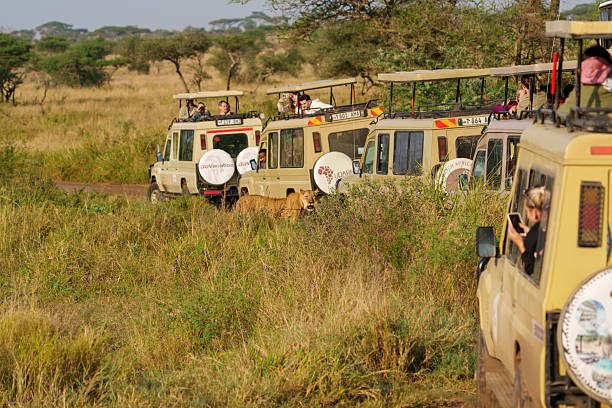
Day 1: Fly from Zanzibar to Serengeti and settle in
Your journey begins with a morning flight from Stone Town or near-town Zanzibar to a Serengeti airstrip (e.g., Kogatende or Klein’s Camp area commonly used by operators). The flight duration is typically around 1.5 to 2.5 hours, depending on connections and weather, with a scenic descent over savannah. Upon arrival, a brief meet-and-transfer by road leads to your base for the next two nights. The chosen lodge or camp will usually be near core wildlife plains, offering a flexible afternoon activity window rather than a fixed schedule. Expect a light arrival buffer, lunch on-site, and a first short safari drive that evening to introduce you to the terrain and fresh tracks.
Practical notes: your luggage will be restricted to a soft bag, with room for a day pack and camera gear. Check-in times align with the afternoon safari window, and you’ll want neutral-colored clothing, sunscreen, and a hat. Your driver-guide will outline the next two days’ possibilities based on current wildlife activity and park rules.
Day 2: Full Serengeti day-safari loop
Today centers on a full-day safari loop designed to maximize wildlife viewing opportunities while staying respectful of wildlife; exact routes depend on local guidance, road conditions, and the guide’s read of animal movement. A typical plan might travel from your camp toward central Serengeti plains, possibly venturing toward riverine areas or kopjes where predators and herbivores attract hope for sightings. Lunch is often served in a shaded picnic spot or at a designated lodge stop, with tea and coffee available during the drive. You’ll return to camp before dusk, with time for a refreshing sunset drink and dinner.
What to expect: this is a wildlife-rich environment where sightings are never guaranteed, but the guide will maximize potential by choosing migratory routes and feeding grounds known to attract animals during the season.
Day 3: Short morning safari and departure back to Zanzibar
On the final day, you’ll enjoy a shorter morning game drive to catch activity at dawn before departing. After your drive, you’ll transfer to the Serengeti airstrip for a scheduled flight back to Zanzibar or another Tanzania gateway, depending on your overall itinerary. If your plans include extra days on Zanzibar or another park, your guide can coordinate the handover with the next transfer.
Booking and planning notes: this 3-day option is designed to balance island access with mainland wildlife time, using a reliable flight-and-road connection. It avoids overpromising wildlife sightings and stays flexible around flight schedules and park timings. Transfers assume a single-stay base on the Serengeti plains; if you prefer a different area (e.g., near the kopjes or the river), it can be arranged but may alter drive times and time on safari.
Connection details: flights, transfers, and practicalities
The core of this itinerary is the flight from Zanzibar to a Serengeti airstrip, followed by a road transfer to a safari camp. The exact airstrip and camp location will be confirmed by your operator during booking. Typical considerations include:
- Flight leg: Zanzibar to Serengeti (one-way or round-trip depending on your overall plan). Expect a light meal or snacks on board, with checked baggage limits as per air carrier policy.
- Ground transfer: a short (often 30–90 minutes) drive from the airstrip to your camp, with a landscape that gradually shifts from coastal influence to vast savannah.
- Accommodation style: a mid-range to comfortable tented camp or lodge near dry season wildlife corridors, chosen for late-afternoon and morning safari access.
- Park rules: Tanzania National Parks permit the number of vehicles at sightings, and your guide will follow guidelines to minimize disruption while maximizing opportunities.
Important booking considerations: timing may vary by season, and flight departures can be subject to weather. Availability of specific airstrips and camps depends on the operator and current park access rules. Always confirm the exact flight times, airstrip, and camp name in your final itinerary before travel.
What you’ll gain and what to manage
Gain: a compact, bookable 3-day experience that links Zanzibar’s beaches with Serengeti plains via flight, reducing road travel and maximizing time on safaris. Manage expectations: wildlife is unpredictable; the plan emphasizes efficient routing, reputable guides, and responsible conduct.
Practical planning tips
– Exact flight schedules will be confirmed at booking; allow a small buffer for connections and luggage handling.
– Bring a compact, neutral-colored wardrobe suitable for warm days and cooler evenings in the Serengeti.
– Pack a reusable water bottle, camera with extra memory cards, and a light rain layer.
– Ensure your Tanzania visa and any necessary health documents are in order before travel.
– Check with Climb 4 Africa for current policy on child travelers, mobility needs, and any seasonal variations in route or camp availability.
Next steps
To proceed, confirm the preferred flight date window, number of travelers, and any accommodation class preferences. Your operator will lock in the Serengeti airstrip, camp, and exact day-by-day plan, then provide a detailed, bookable itinerary with flight numbers and transfer times.
Connecting the Dollower: The Air and Road Rhythm Between Zanzibar and Serengeti
The core appeal of a 3-day Serengeti safari from Zanzibar rests on the deliberate pacing between air and land. This section clarifies the practical sequence behind the scenes so readers can plan with confidence the flight timing, airstrip choices, and the road segments that stitch together the experience. While the existing outline references generic transfers, here we unpack how typical operators structure the day-to-day movements in a way that remains adaptable to seasonal conditions, wildlife activity, and local regulations.
Flight logistics are seldom identical for every departure, so expect variability in airstrip assignments. Common Serengeti landing points for 3-day itineraries include Kogatende, Klein’s Camp area, or nearby strips that feed into a central Serengeti camp by a short, scenic road transfer. The duration from Zanzibar (Stone Town area) to the Serengeti airstrip usually falls in the 1.5–2.5 hour window, but weather, air-traffic, and refueling stops can shift timing by up to an hour or more. Your operator will provide the final flight number, aircraft type (often small fixed-wing or turboprop), and the exact airstrip closer to departure. A practical tip: jot down the airstrip name and camp name in your travel notes because this is the anchor point for your first afternoon drive and the following day’s routes.
Ground transfers within the Serengeti are designed to minimize vehicle bunching at sightings and to respect park regulations that limit the number of vehicles around wildlife. Expect a door-to-dawn rhythm: a welcome transfer from airstrip to camp in the late morning or early afternoon, followed by a flexible safari window that begins after lunch. The afternoon drive is commonly tailored to the specific corridor your camp sits within—central plains for broad, long views; or riverine and kopje-adjacent routes for a different variety of feed and predators. The second day then extends into a full-day loop that weaves between preferred wildlife concentrations, with occasional long-holds at iconic vantage points where your guide can read the day’s animal movement, weather changes, and light conditions for photography. The final morning drive often aims to catch dawn activity near the edges of your camp before check-out and the return flight to Zanzibar or onward travel.
Costs and availability hinge on the chosen airstrip, the lodge or camp, and the season. Operators manage a combination of fixed routes and flexible contingencies, so you won’t be locked into a single path; instead, you’ll sign off on a plan that prioritizes current wildlife activity, park rules, and the practical realities of air and road transport. The implicit contract is a high-value safari with efficient travel time and a reliable, safety-conscious transfer sequence rather than a guaranteed sighting list. This is a crucial distinction for travelers who seek a compact, bookable experience that still respects the serendipitous nature of wildlife.
In practice, you’ll receive a detailed, bookable itinerary only after confirming the dates and party size. The document will specify: the Zanzibar flight window, the Serengeti airstrip, the camp (or lodge) name, and the day-by-day transfer plan. It will also outline any buffer times for luggage handling at the small airfields and the typical drive duration from airstrip to camp. With these clarified, you’ll have a clear sense of when to expect lunch, when your first afternoon safari begins, and how the procession of day two will unfold as you move from one Serengeti zone to another—without overpromising wildlife outcomes.

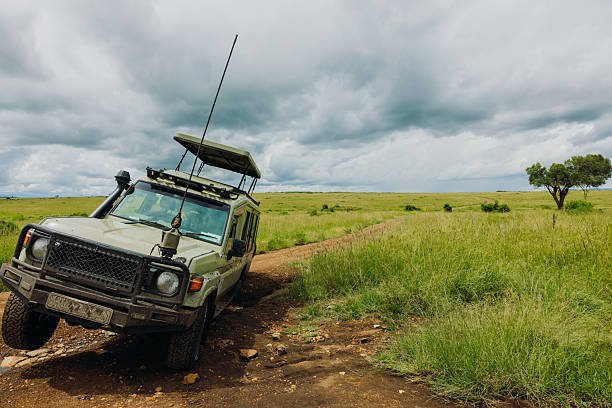
Gaps, practical sequencing, and a concrete example of the flight-then-land transfer rhythm
Readers often wonder how the 3-day plan handles the exact handoffs between air and land, especially when the Serengeti airstrip options vary by season and operator. This addition clarifies a plausible, booking-friendly sequence with concrete checkpoints that remain flexible in practice, without promising fixed wildlife outcomes. The focus is on the actual travel flow: when you land, how you transfer, where you stay, and how the days carve into safari opportunities while respecting park rules and wildlife safety.
Assuming a standard scenario commonly used by operators, you arrive in the Serengeti at a central airstrip such as Kogatende or Klein’s Camp-adjacent coordinates. The aircraft leg from Zanzibar typically lands mid-morning to early afternoon, depending on connections and weather. Your guide or lodge representative will meet you at the tarmac, gather your essentials, and lead you to a short road transfer that usually lasts 20 to 40 minutes, depending on the camp’s exact position and the prevailing track conditions. The objective of this transfer is to minimize overland time while allowing a first, light engagement with the landscape—often beginning with a view of riverine systems, kopjes, or the acacia savanna that characterize the area around a central Serengeti base.
Within the two-night stay, the logistics hinge on the camp’s preferred activity window. If you’re arriving after lunch, many camps offer a brief introductory drive in the late afternoon to ease you into animal activity at a manageable pace before dusk. If you arrive earlier in the day, there may be a chance for a relaxed lunch and a shorter introductory drive that same day. The guiding philosophy is to balance travel fatigue with opportunities to glimpse wildlife during the most favorable light, without committing to a rigid, all-day schedule that might overpromise what you can realistically experience in 3 days.
Two days of safari time are allocated to coordinating with the camp’s context: which plains or river corridors your base sits within, how far you can roam without compromising safety, and which locations are typically productive for the season. In practice, your second day often becomes the more extended, core safari experience. The vehicle is ready for a full-day loop that may begin soon after an early lunch, weather and wildlife activity permitting. Your guide will navigate toward regions with a history of reliable sightings for the current tenure—whether that’s broad central plains for long vistas and herds, or riverine zones that host schooling crocodiles and felines along the banks. The precise routes are fluid, chosen on the day in response to animal movement, light, and park traffic rules. This is why the itinerary uses a flexible approach: it maximizes useful safari time while avoiding pressure from fixed promises, and it respects the park’s rules about vehicle numbers around wildlife.
Finally, the final morning drive is designed to capture dawn activity near your camp site, with a smooth transition back to the airstrip for the onward flight. The drive concludes with a concise handoff: you return to the lodge, collect any checked luggage, and proceed to the Serengeti airstrip. The transfer times to the airstrip are typically short, but buffer periods are built into the booking to account for possible delays or weather-related detours. If you’re continuing to another safari or returning to Zanzibar, your operator will confirm the next air leg and ground transfer specifics in the final itinerary. This approach keeps you aligned with real-world constraints while preserving a sense of intentional travel that values time on safari over rigid scheduling.
To help travelers prepare for this rhythm, consider the following practical notes that complement the existing planning tips in the article: ensure your soft bag is within the airline’s specified limits, and bring a compact day pack with essentials—sun protection, a light layer for cooler mornings, a hat, a reusable bottle, and a camera with ample memory. Your guide will emphasize keeping noise to a minimum near wildlife and avoiding long stops in open, high-traffic areas. If you have photography goals, communicate this beforehand; a flexible plan often includes suggested stop points with enduring light, rather than fixed photo opportunities that may be unavailable on the day of travel.
In sum, this section outlines a plausible, bookable sequence that mirrors how operators typically orchestrate the air-to-land transition, the timing of arrival, and the flexible safari blocks that follow. The emphasis remains on a real, actionable flow rather than a guaranteed wildlife checklist, and it complements the existing sections by detailing how the day-to-day shifts are negotiated from booking to the moment you step off the Serengeti airstrip ready for your first game drive.
Clarifying the Flight-Then-Land Rhythm: A Practical, Booking-Oriented Gap
While the existing sections outline a workable sequence, readers often ask for a concrete, bookable snapshot that ties the implied sleep, safari blocks, and transfer moments into a single, reproducible flow. This is not a replacement for the day-by-day plan already described; instead, it completes the practical puzzle by detailing a single, realistic cradle-to-grave sequence that travel operators commonly turn into a final itinerary. The aim is to illuminate the exact touchpoints readers will encounter when they actually book this 3-day Serengeti safari from Zanzibar by flight, without asserting fixed hotels, flight numbers, or wildlife outcomes.
Concrete booking-friendly sequence: a plausible 3-day timeline
Assume a typical scenario with two nights in Serengeti near central wildlife plains, and a morning flight back to Zanzibar on Day 3. The following timeline reflects practical handoffs and common windows that operators use, while staying flexible about exact airstrips and camp names. This is intended to help readers anticipate how days flow in a real, bookable itinerary, not to promise a guaranteed wildlife sighting or a fixed schedule.
- Day 1 morning: Zanzibar outbound flight in the early to mid-morning window from Stone Town (Kisauni) to a Serengeti airstrip such as Kogatende or Klein’s Camp-adjacent strip, depending on operator routing and weather. In many cases, the flight is a single hop or one stop en route, with a total air time commonly around 1.5–2.5 hours before descending over savannah. Upon landing, a dedicated guide or driver meets you for a short transfer to your Serengeti camp or lodge. Check-in procedures align with a shared afternoon safari window, not a fixed schedule, and luggage is typically handled by the camp team at the airstrip drop-off.
- Day 1 afternoon/evening: Your first afternoon activity is a light introduction drive or a short safari loop near the camp. The emphasis is on flexible routes that respect wildlife in the region and avoid overloading vehicles during peak heat; you’ll be briefed about current wildlife activity and the plan for Day 2. Lodges often offer an orientation, a welcome drink, and a light meal timed to your arrival, with sunset silhouettes over the plains as a backdrop.
- Day 2 full day: A full-day safari loop begins from sunrise or just after dawn. The exact route depends on guides’ updates about animal movement, weather conditions, and park regulations on vehicle numbers. This day may include a picnic lunch in a designated, wildlife-friendly area or a lunch stop at a nomad-friendly camp clearing. The drive continues through central plains, riverine zones, or woodlands as guided by animal activity. You return to your camp in the late afternoon or early evening, with time to freshen up before a night-time or dusk wildlife viewing option if offered by the property.
- Day 3 morning: A brief final morning game drive is common to capture dawn activity and fresh tracks, followed by a transfer to the Serengeti airstrip for your flight back to Zanzibar or onward connections. Depending on flight schedules, you might have a light breakfast at the lodge before departure or a quick snack at the airstrip upon arrival. The return leg to Zanzibar typically takes roughly the same time as the outbound leg, with eventual arrival in Stone Town in the late afternoon or evening, subject to air-traffic and weather.
What this means for connections and pacing
This clarified sequence keeps the flight-and-transfer rhythm front and center, while allowing for the day-by-day flexibility that operators rely on. Key practicalities that travelers should expect and coordinate during booking include: the specific Serengeti airstrip used (which shifts with season and operator), the designated camp or lodge for the two Serengeti nights, and the window for each safari block (dawn, morning, late afternoon). Because lodge check-in times and airstrip arrival windows can vary, the final itinerary will align these touchpoints to minimize idle time while preserving a realistic pace for wildlife viewing and rest.
Why this matters for budgeting and decision-making
Readers planning this trip will benefit from understanding that the 3-day package is anchored by a flight leg and a land transfer, rather than a fixed, multi-location ground itinerary. Budget considerations should focus on the flight leg (airline fees for domestic Tanzania operations), the Serengeti camp or lodge rate for two nights (which may vary by location and season), and the vehicle-based safari experience (usually included in the camp rate or charged as part of a guided package). Because operators do not publish guaranteed wildlife sighting data, travelers should view the itinerary as a framework for efficient exploration rather than a promise of specific encounters.
Practical notes for travelers: sequencing and packing alignment
To synchronize with the described sequence, travelers should pre-emptively align packing and daily routines. Pack light but with versatility: a breathable, neutral wardrobe suitable for warm days and cooler dawns; a compact daypack; a hat and sunscreen; a reusable water bottle; and spare camera memory. Ensure soft luggage adheres to the operator’s limits, as checked baggage may be restricted on domestic Serengeti flights. If photography is a priority, inform the operator about timing preferences; guides can select viewing points that offer enduring light without guaranteeing specific wildlife positions. Finally, allocate a buffer day for weather-related delays or airstrip re-routings to maintain a smooth experience when transferring from air to land.
Unanswered Practical Gap: Managing Weather-Related Flight-Then-Land Transitions
One practical area readers often overlook in a tightly packed 3-day Serengeti itinerary is how weather and wind patterns can influence the flight-then-land rhythm, especially when the plan hinges on a morning Zanzibar departure and a same-day Serengeti arrival for an afternoon or early-evening safari block. This section dives into what readers should realistically expect and how to plan around it without creating artificial rigidity in the schedule.
In many seasonal windows, domestic Serengeti flights operate under a narrow set of constraints: limited daylight hours for the landing, potential delays due to cloud cover at higher elevations, and occasional airstrip adjustments driven by wildlife movements or temporary closures. The practical consequence is that even with a booked sequence, the exact times you step off the airborne leg and onto the road transfer can shift by 30 to 90 minutes from the originally stated window. Recognizing this helps you align expectations and coordinate with your operator so you’re not caught off guard by an earlier check-in block or a late-afternoon transfer that compresses your first evening safari.
To manage this, readers should consider two concrete safeguards that fit the bookable nature of the plan without overpromising exact times:
- Buffer alignment in the booking notes: When you confirm the Serengeti airstrip and lodge, explicitly request a built-in buffer for the first afternoon transfer. A typical, practical buffer is 60–90 minutes between touchdown and the lodge gate, enough to accommodate slow baggage handling, a short briefing, and a relaxed drive to the camp without rushing the first safari window.
- Flexible safari window signaling: Ask the guide or camp manager to communicate potential adjustments to the first evening activity (e.g., a short near-dawn-to-dusk loop that can swap a late-afternoon drive for an earlier sunset drive) if the arrival window shifts. This keeps wildlife viewing opportunities intact without creating a rigid, sprinting schedule.
Importantly, this is not about inventing new routing, but about building practical contingencies into the existing bookable rhythm. Your operator should still confirm the airstrip and camp in advance, and you should expect some variation in the exact timing of land transfers. The overarching structure—air from Zanzibar, quick land transfer to Serengeti camp, two nights, and a planned return—remains the backbone of the 3-day plan. The value here is in understanding and pre-arranging how to respond gracefully if delays occur, so the safari experience remains enjoyable rather than stressful.
From a traveler’s perspective, you can approach this by:
– Confirming a preferred two-hour arrival-to-camp window in your booking notes, with explicit mention of how to handle a late touchdown.
– Asking the operator for a preferred fallback in the afternoon: a short, observation-focused drive near the camp if a longer drive isn’t feasible, or a café-style briefing at the lodge with wildlife spotting from a common viewing deck while you await the next safari block.
Operational Gaps in the Flight-Then-Land Rhythm: A Booking-Ready Refinement
Despite the robust structure of a 3-day Serengeti safari from Zanzibar by flight, readers often confront practical ambiguities that can influence timing, pacing, and overall satisfaction. The strongest remaining gap centers on translating a bookable sequence into a reliably executable plan when real-world variables—especially flight schedules, airstrip proximity, and lodge check-in windows—shift day by day. This installment dives into concrete, booking-aware refinements that travelers can request or confirm with operators to preserve the intended flow without overcommitting to rigid timestamps.
1) Explicit transfer buffers tied to booking notes: Operators routinely aim to minimize idle time, but a 60–90 minute buffer between touchdown and camp gate is a practical safeguard. When you confirm the Serengeti airstrip and lodge, insert a note in the booking like: “Please reserve a 60–90 minute arrival buffer after landing to accommodate baggage handling, briefing, and road transfer to camp.” This yields a predictable first-afternoon window for your first safari without creating an artificial constraint on the day’s sunset drive. If your arrival is delayed, the buffer absorbs the shift and reduces stress for both you and the guide team.
2) Flexible activity windows communicated upfront: Instead of a fixed post-arrival itinerary, request a clearly labeled contingency plan: a primary afternoon safari block plus an optional fallback block. For example, “If touchdown occurs before 14:00, proceed with a light lunch followed by a 2–3 hour afternoon drive; if arrival is later, initiate a brief briefing and a shorter sunset drive or off-site wildlife-viewing from the lodge deck.” Clear signaling helps you align expectations with your guide and camp staff and preserves wildlife opportunities without racing against the clock.
3) Realistic handoff terminology in confirmations: Ask operators to specify the exact handoff language used in confirmations, such as “touchdown at Kogatende airstrip; land transfer to [camp name] gates by road; first safari window begins at [time]; if time shifts, guide will adjust within ±60 minutes.” When time is fluid, this language preserves your mental model of the day and minimizes miscommunication about what constitutes the official start of activities.
4) Ground-transport pacing aligned to wildlife peaks: The Serengeti’s wildlife activity often follows crepuscular rhythms, but road conditions and gate openings can change that equation. Request that the day-by-day plan indicates the preferred escort route with rationale (e.g., “preferred loop toward central plains to leverage late-afternoon light and recent spoor movements”). Operators can then adjust the actual route on the day with your guide while preserving the intended balance between flight recovery time and safari exposure.
5) Curbside packing and luggage handling clarity: The earlier sections mention soft bags and camera gear. Extend this by asking for a packing checklist tied to the specific airstrip and camp transfer: weight limits, number of bags allowed for the charter leg, and any extra handling constraints at the airstrip. A precise, operator-confirmed guideline reduces last-minute repacking and potential delays at gate checks.
6) Contingency lodging strategies when connections shift: Since exact lodge names and airstrips are confirmed at booking and can shift with seasonality, request a short list of backup camp options within the same zone that can accommodate you if the initial choice becomes unavailable due to weather, exact flight timing, or park regulations. This preserves the intended Serengeti experience without forcing a long reroute.
7) Documentation and contact workflow: Create a simple contact workflow for day-of adjustments: primary operator contact, local on-the-ground liaison, and camp manager. Share a one-page sheet with names, mobile numbers, and preferred communication channels. In practice, this makes pre-arranged contingency calls or WhatsApp messages straightforward when timing drifts, ensuring you remain informed without frantic search for a contact number.
This refined approach keeps the bookable rhythm intact while acknowledging the live reality of flights, gates, and wildlife. It is not about redesigning the route or inventing new daylight blocks; it is about pre-committing practical buffers and signaling options so that the Day 1 arrival does not cascade into a domino effect on Day 2 and Day 3.
Implementation tips for travelers: When you receive the final itinerary, review the day-by-day transitions and annotate any time windows that feel tight. If a late touchdown is possible, request explicit “redundant” drive time and an alternate short safari option. If you anticipate an early arrival, confirm whether a mid-afternoon break is permissible or if a shorter, closer diversion could be substituted without diminishing safari value.
By integrating these booking-ready refinements, the three-day plan remains faithful to its flight-then-land rhythm, while giving you practical tools to handle the variability inherent in remote wildlife safaris.
Booking-ready details that bridge flight timing and lodge logistics
While the core three-day rhythm hinges on a Zanzibar–Serengeti flight leg and a short land transfer, a practical booking-ready refinement is to translate that rhythm into concrete, checkable steps that stay stable across operator variations. This section adds precise, booking-focused guidance that readers can apply when they are finalizing arrangements, without altering the widely accurate flight-then-land sequence already outlined.
Flight leg specifics to confirm before committing:
- Airstrip choice and impact on drive time: Ask the operator for the exact Serengeti airstrip (for example, Klein’s Camp/Kogatende region) used for your flight segment. Confirm the corresponding lodge transfer time and road conditions for that corridor, as even short distances can vary with seasonal road maintenance or wildlife activity blocks.
- Aircraft type and seating limits: Domestic Tanzanian flights for Serengeti safaris are typically light aircraft with limited baggage capacity. Verify the maximum permitable luggage per traveler (soft bags recommended) and whether any extra charges apply for additional bags or camera gear. Confirm a dedicated travel date with a guaranteed seat, not a stand-by option when possible.
- Ground transfer timing windows: Operators often schedule land transfers to align with the tail end of the flight schedule and the first safari window. Request the earliest possible meeting time upon landing and a sanctioned buffer period at the airstrip in case of delays, with a contingency plan to switch to a short, nearby safari activity if the main drive is postponed.
Camp and rooming details that synchronize with arrival:
- Two-night stay rationale: The itinerary assumes two nights near core wildlife plains. Confirm the lodge or camp’s check-in window and whether a late-afternoon tea or light snack is offered if you arrive later in the day due to flight timing. If your arrival time shifts, discuss the option of rescheduling the first safari block to an earlier or later window rather than canceling it.
- Room type and bed arrangement: Confirm whether your room is set up as two twin beds or a king bed, especially important for groups with mixed ages or preferences. A blocked, adjoining-room option can ease family logistics without altering the core flow of day activities.
- In-camp facilities alignment: If the camp has a swimming pool, spa, or lounge areas, discuss whether a brief rest period between arrival and the first safari is acceptable within the day’s plan. Some travelers value a short cooldown to adjust to the altitude and heat; others prefer a continuous safari rhythm with minimal downtime.
Day-by-day sequencing checks to lock in at booking:
- Day 1 arrival buffer: Request a clearly stated arrival buffer (e.g., flight landing at 13:00, transfer to lodge by 14:30, with a 90-minute window before any evening activity). If your flight arrives earlier or later, have a predefined alternative activity or rest period that preserves the intended safari value.
- Day 2 safari block framing: Ask for a flexible full-day loop outline rather than a fixed route. Ensure the guide has the latitude to adjust based on wildlife movement, weather, and road conditions. Confirm that lunch is provided on the vehicle or at a designated wildlife-viewing spot, rather than a sit-down meal back at camp, if the schedule requires extended driving time.
- Day 3 departure options: Clarify whether you will return to Zanzibar on Day 3 or depart to another gateway. If a return flight is scheduled mid-morning, request a morning safari option that fits within a tight time frame or a compressed pre-departure drive that still delivers a meaningful wildlife experience within the available hours.
Back-end contingency planning for weather and operational shifts:
- Weather-related shifts: Ask for a formalized plan that describes what happens if the Serengeti airstrip is temporarily closed or if the inbound Zanzibar flight experiences a delay. Prefer a two-tier contingency: (a) a nearby alternate airstrip transfer within a reasonable drive, and (b) an alternative near-camp safari window that minimizes disruption to the core days.
- Communication protocol: Before travel, request a primary on-ground contact for day-of adjustments (guide supervisor or lodge manager) and a secondary contact (local operator desk). Establish preferred channels (WhatsApp, SMS, or phone) and include flight numbers, airstrip names, and vehicle details in a single, shareable document for quick reference.
Packing specifics tailored to the flight-then-land rhythm:
- Carry-on planning: In addition to a soft check bag, carry a compact daypack with a camera body, lenses, sunscreen, hat, and a light layer. Keep essential documents and valuables in the daypack for easy access during quick handoffs at airstrips.
- Gear protection and weight distribution: If you carry sensitive camera gear, pack it in a padded carry case within the soft bag. Place heavier items toward the wheels to reduce shifting during bumpy drives post-landing. Consider a moisture- and dust-protective cover for electronics when transitioning from air to road.
- Clothing strategy for quick transitions: Neutral tones for wildlife compatibility, layers for dawn and dusk temperatures, and a compact rain shell in case of showers. Shoes should be comfortable for both vehicle and light walking in uneven terrain.
Cost-visibility tips that stay within verified ranges:
- Flight-forward pricing: Focus budgeting on the Serengeti flight leg and the lodge transfer inclusive meal plan. Avoid assuming multi-location ground costs beyond the two-night Serengeti stay unless you explicitly plan to add a post-Serengeti extension or a Zanzibar beach day. Request a clear breakdown from the operator that lists flight, transfer, lodge, and meals as separate line items.
- Hidden fees and surcharges: Ask about park-entry fees, government taxes, and any permit surcharges that might apply to the flight leg or to the land transfer. Confirm whether meals, beverages, and activities outside standard safari drives are included or charged separately.
This booking-ready layer preserves the proven Day 1–Day 3 rhythm while giving readers a concrete, operator-aligned checklist to align exact flight numbers, airstrips, and lodge transfer times. It avoids promising fixed names or schedules, focusing instead on verifying the critical transition points that determine how smoothly the three days unfold.
Related Guides and Packages
Check Availability for 3 Days Serengeti Safari From Zanzibar By Flight: A Practical, Bookable
Ready to compare dates, prices, and the best option for your group? Send the package name and travel month so the team can reply with a clear quote, availability, and what is included.
3 Days Luxury Serengeti Fly-In Safari From Zanzibar: A Practical
A focused, bookable 3-day Serengeti fly-in safari that begins with a Zanzibar departure and lands you into the Serengeti for guided game drives, with practical transfer details and...
View package details5 Days Tarangire Serengeti And Ngorongoro Safari From Zanzibar: Mainland
Plan a practical 5-day safari that starts with a flight from Zanzibar to Moshi/Arusha, then tours Tarangire, Serengeti, and Ngorongoro in sequence. This guide outlines day-by-day logistics...
View package details
6 Days Serengeti Ngorongoro And Tarangire Safari From Zanzibar: A Bookable
Plan a 6-day wildlife circuit that links Zanzibar with Tanzania’s top parks—Tarangire, Serengeti, and Ngorongoro. Discover practical routing, transfers, and realistic safari opportunities...
View package details4 Days Serengeti And Ngorongoro Safari From Zanzibar: A Practical
Plan a focused 4-day combo: Zanzibar to mainland Tanzania, then Serengeti and Ngorongoro safari. Learn how days split between island relaxation and classic savannah game drives, with...
View package details16 Days Marangu Route Serengeti Safari And Zanzibar 2026-2027
16 Days Marangu Route Serengeti Safari and Zanzibar.
View package details16 Days Kilimanjaro Serengeti Safari And Zanzibar 2026-2027
16 Days Kilimanjaro Serengeti Safari and Zanzibar.
View package details12 Days Tarangire, Serengeti, Ngorongoro And Zanzibar Safari 2026-2027
12 Days Tarangire, Serengeti, Ngorongoro and Zanzibar Safari.
View package details
4 Days Tarangire Serengeti And Ngorongoro From Zanzibar 2026-2027
4 Days Tarangire Serengeti and Ngorongoro from Zanzibar.
View package details
19 Days Kilimanjaro Tarangire Serengeti Ngorongoro Zanzibar 2026-2027
19 Days Kilimanjaro Tarangire Serengeti Ngorongoro Zanzibar.
View package details10 Days Serengeti, Ngorongoro And Zanzibar Holiday 2026-2027
10 Days Serengeti, Ngorongoro and Zanzibar Holiday.
View package details
3 Days Nyerere Safari And Boat Experience From Zanzibar: Mainland To National
A practical, bookable 3-day sequence starting from Zanzibar: fly to the mainland, game drive in Nyerere National Park, river/boat safari, and a day on the coast for a Zanzibar boat...
View package details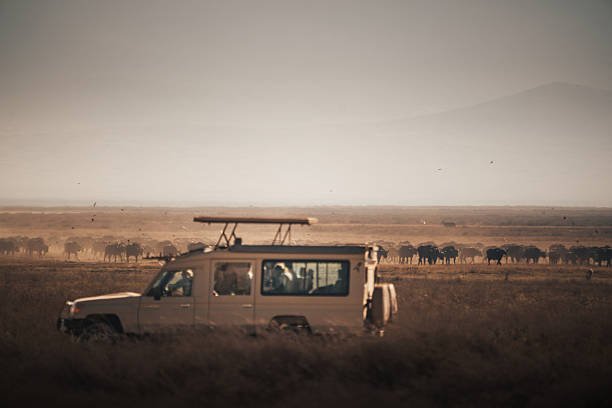
2 Days Tarangire and Ngorongoro Safari from Zanzibar: a practical, bookable
A practical, bookable 2-day safari itinerary starting from Zanzibar, linking Tarangire National Park and Ngorongoro Crater with sensible transfers, realistic drives, and grounded...
View package detailsNo related package matches those filters. Clear one or more filters to see the other topic-matched options.



