
For a 1 Day Mikumi National Park Fly-In Safari from Zanzibar, you’ll fly from Zanzibar to Mikumi (or nearby airstrip), transfer by road to Mikumi National Park for a concise game drive, then return to the airstrip and back to Zanzibar, keeping the schedule tight and focused on a single park ecosystem without promising specific wildlife sightings. Ground transfer times and flight legs vary by operator and weather; exact times and pricing must be confirmed at booking, and the plan should be treated as a single mainland micro-safari component connected to your Zanzibar stay.


How the day typically unfolds: the practical sequence
Time is the core constraint for a 1-day fly-in safari. The day usually begins with an early departure from Zanzibar (international or domestic airport) to Mikumi’s nearby airstrip. After landing, a private vehicle transfer—likely through a licensed Tanzanian operator—takes you to the park boundary. A focused morning game drive offers a short, well-paced glimpse of Mikumi’s savannah, acacia woodland, and diverse herbivores, with the chance to see predators if timing aligns. A mid-morning transfer back to the airstrip completes the cycle, followed by the return flight to Zanzibar. This structure minimizes road time but maximizes park exposure within a single day. Operators coordinate timing with flight viability and park entry rules, so the actual sequence may shift by a few hours depending on flight availability and weather.
Connection logistics: flights, transfers and timing
The essential linkage is Zanzibar Mikumi air access. In most itineraries, you’ll depart from Abeid Karume International Airport (ZNZ) or a scheduled domestic terminal in Zanzibar, fly to a Mikumi-adjacent airstrip (the exact strip depends on the charter operator and airstrip availability). Ground transfer to the park gate is usually 20–60 minutes, depending on gate location and traffic. A dawn flight from Zanzibar helps maximize park time, but availability, weather, and aircraft type can alter times. The return leg mirrors the outbound timing. Because these are private or semi-private arrangements, the exact flight times, airstrip names, and vehicle details are confirmed only after booking and are subject to change with operational conditions.
What you should expect on the ground: wildlife and accessibility
Mikumi offers a reliable, classic savannah landscape with broad clearings and herds that can be visible from a vehicle. A 1-day format emphasizes a single, well-paced drive rather than multiple legs or camp stays. While it’s common to encounter elephants, zebra, giraffe, and antelope, wildlife is inherently unpredictable; this plan does not guarantee sightings and explicitly communicates the trade-off of a shorter window versus a full multi-day safari. Your guide will tailor the drive to current conditions, looking for animal activity around water sources and feeding grounds while prioritizing safety and efficiency within park rules.
Accommodations and ground arrangements: what to expect
Because this is a single-day experience centered on Mikumi, accommodations in Mikumi itself are typically not part of the core plan unless you extend your trip. If you’re combining with Zanzibar, you’ll likely arrange a post-flight hotel stay in Zanzibar or a pre/post extension elsewhere in Tanzania. If an operator offers a packaged add-on for Mikumi overnight, it would include a basic lodge or camp option near the park gate and a dawn return to the airstrip for the next day’s travel. Clarify whether the package includes park entry fees, guide services, and vehicle arrangements, and confirm the type of vehicle (2- or 4-wheel drive) and whether a concession fee is included in the price.
Practical planning notes: when to book and how to price
Because this is a highly time-sensitive, bookable plan, you’ll want to secure a confirmed itinerary with flight times, gate access, and vehicle allocation before you finalize Zanzibar arrangements. Pricing for a 1-day Mikumi fly-in safari from Zanzibar is not publicly fixed here; it depends on aircraft type, charter or scheduled-service availability, park fees, and the level of ground service. In practice, expect a bundled quote to include private transport, a licensed guide, and park access for the day, with separate costs for flights and taxes. Availability is best checked with a specialist operator who can align the flight window with your Zanzibar schedule, ensuring the day’s logistics are coherent with your broader trip.
Booking tips: making the right choices for a single-day plan
- Choose a reputable operator that offers a fixed-day transfer window and clearly states flight times and vehicle arrangements to minimize day-of surprises.
- Ask about what is included in park fees and whether a concession fee is part of the package.
- Clarify whether a light refreshments pack or snack service is included for the drive and whether a boxed lunch is possible if the return flight is tight.
- Confirm what happens in case of weather disruptions and how flexible the schedule is for the return leg to Zanzibar.
Next steps: how to proceed with Climb 4 Africa
If you’re exploring a smooth Zanzibar-to-Mikumi micro-safari, contact Climb 4 Africa to align on flight options, park entry logistics, and the exact transfer sequence for your travel window in 2027. We can assess current flight availability, propose plausible Mikumi airstrips, and tailor the day to complement your Zanzibar stay without overloading the schedule. The aim is a practical, bookable plan that respects realistic ground time, safety, and the unique rhythm of Tanzania’s safari logistics.
Clarifying the day’s window: how timing constrains island-to-mainland transfers
One of the most practical gaps readers often have concerns the exact time windows that make a 1-day Mikumi fly-in feasible from Zanzibar. Because this is a tightly scheduled micro-safari, the day’s feasibility hinges on synchronizing several variable elements: flight availability, airstrip proximity to Mikumi, park entry gate hours, and the drive time from the airstrip to the park’s boundary and back. In reality, you should expect a sequence where a pre-dawn departure from ZNZ is aligned with a late-morning or mid-day arrival at a Mikumi-adjacent airstrip. The transfer from the airstrip to the park gate is then a short, vehicle-assisted leg that enables a compact but purposeful game-viewing window before returning to the airstrip for the onward flight back to Zanzibar. Operators typically publish a fixed day window for the overall transfer, but the exact clock times are contingent on weather, traffic at the airstrip, and the availability of the charter aircraft that day. This means your Zanzibar stay should be planned with built-in flexibility around the day’s start and end times. If you’re combining with a pre- or post-safari beach stay, ensure your Zanzibar hotel or airport transfer is able to accommodate a potential shift of a couple of hours either way without penalizing you for late arrivals or early departures.
Ground-feeding practicalities: vehicle choice, guide roles and safety protocols
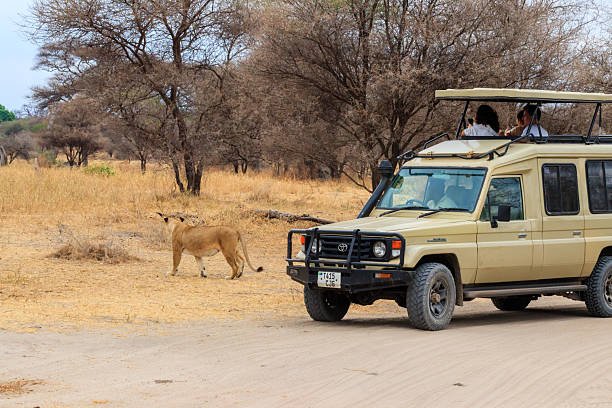
Because the core experience is a single, well-paced drive rather than multiple legs, the choice of vehicle and the role of your guide become more consequential. A typical Mikumi ground segment uses a capable 4×4 with open or semi-open sides to maximize sightlines while maintaining comfort on potentially uneven park tracks. Your guide does more than point out antelope and elephants; they manage the pace, read signs for approaching predators, and maintain a steady rhythm that reduces fatigue in a compressed day. Expect the guide to handle park-bundled regulatory tasks, such as ensuring you have the necessary park entry stamps or permits for that specific day and keeping to the established conservation rules within Mikumi’s concession boundaries. If the operator includes a private vehicle but not a dedicated guide, you may still benefit from a licensed guide provided as part of the package because a single-day drive requires local knowledge about animal behavior and road conditions that a general driver may not possess. Safety briefings typically cover seatbelt use, keeping limbs inside the vehicle, and how to react if a vehicle encounters a herd or a dangerous predator presence. These protocols are standard, but reiterating them at the start of the day helps ensure a smooth experience given the time pressure of a one-day plan.
What if weather disrupts the plan? Contingencies that actually help you
Weather is a recurring variable that can reshape a 1-day Mikumi fly-in’s timing. Unlike multi-day safaris where delays are absorbed, a single-day plan often requires a quick, clear reassessment. Operators commonly have a defined set of contingencies: if visibility or airstrip operations are compromised in the morning, the plan may shift to a later afternoon flight or, less commonly, a post-poned departure to the next viable window. In some instances, operators will adjust the ground-drive itinerary—shortening or extending certain segments—to preserve the essence of the experience without risking the return flight. If you encounter such weather-driven changes, the most reliable response is to lean into the revised plan as a unique micro-safari moment. The knowledge that a schedule can flex within the same day is important; do not expect a guaranteed, fixed sequence and always confirm the latest times with the operator the day before your flight. Operators often provide a succinct weather contingency note in their final confirmation, which should include backup airstrip options and a revised drive sequence if wind or rain affects road conditions.

Pairing with a Zanzibar stay: how many days to book and why it matters
The vertical alignment between Zanzibar and Mikumi is the heart of a successful 1-day fly-in package. For most travelers, the Zanzibar component absorbs the travel time to and from the airport, plus a buffer for beach relaxation or cultural experiences. The practical implication is that a typical itinerary might look like: a few days in Zanzibar for beach and historic stone-town experiences, then a selected morning in Zanzibar with an early transfer to the domestic terminal for your Mikumi flight, a single-day Mikumi loop, and a late return to Zanzibar. This structure means you should plan for at least 2–4 days in Zanzibar and 1 day dedicated to the Mikumi fly-in, depending on flight availability and how much time you want to allocate to shore-based activities on the island. If you’re considering a longer mainland extension after Mikumi, discuss it with your operator early to ensure onward logistics (such as a transfer to Arusha or Dar es Salaam for subsequent flights) align with your broader itinerary and are feasible within your visa or entry requirements. Your operator can help map a multi-leg plan that preserves the integrity of a single-day Mikumi experience while extending your Tanzanian adventure in a pragmatic, bookable sequence.
What “bookable” means in practice: confirming the core elements before you commit
Given the high variability of airstrip availability, flight times, and gate access, the single most valuable practical step is to secure a fixed-day transfer window and a confirmed sequence before you finalize your Zanzibar arrangements. In practical terms, this means having a written itinerary that specifies: the departure airport in Zanzibar, the exact Mikumi-adjacent airstrip, the ground transfer time to the park gate, the scheduled game-drive duration, the return transfer to the airstrip, and the precise return flight timing to Zanzibar. The package should clearly state what is included (private vehicle, licensed guide, park fees, and concession fees, if applicable) and what is not (extra meals, optional wildlife drives beyond the scheduled footprint, or any post-safari accommodations in Mikumi). Because the numbers and times can shift, ask for a contingency plan in writing—how the operator handles a delay, and what the alternative plan looks like if the return flight is forfeited due to weather or airstrip closure. A reliable operator will present you with a finalized, unambiguous day plan and then confirm any seasonal variations only as they become necessary, never as a promise of a fixed outcome that cannot be honored.
Glossary of micro-safari terms you’ll encounter
- Airstrip adjacency: the closest landing area to Mikumi’s gate, which can vary by operator.
- Concession fee: a park or reserve-specific charge that may be included or separate from the main package.
- Ground-handling window: the period allocated for the land-transfer to and from the airstrip and park gate within the day’s schedule.
- Vehicle footprint: the planned number of drive segments and road distances included in the day’s game drive.
- Weather contingency: pre-agreed adjustments to the plan in response to rain, wind, or airstrip closure.
Enhancing realism: practical examples of flight and ground timing for a single-day Mikumi fly-in from Zanzibar
To help readers translate the core concept of a 1-day Mikumi fly-in into tangible expectations, this section offers grounded, non-speculative illustrations of how flight timing, ground transfer windows, and park drive durations commonly play out in practice. The emphasis remains on a bookable sequence that is feasible within typical operator schedules and weather contingencies, without asserting fixed prices or guaranteed wildlife sightings.
Flight and airstrip logistics are at the heart of the plan. In many itineraries, the Zanzibar departure may be scheduled to land at a Mikumi-adjacent airstrip within a narrow morning window, often after dawn departure from ZNZ or from a domestic terminal. Operators coordinate with airstrip slots to maximize the chance of a timely park-entry window. The exact strip used can vary day by day and by operator, but the sequence typically preserves the morning arrival at the gate followed by a concise drive segment. If the airstrip is closer to the park boundary, the initial drive to the park gate can be shorter, sometimes around 20 minutes; if the strip is further away, it may approach 60 minutes. These transfer times are always contingent on air traffic, weather, and road conditions on the park’s access routes.
Ground arrangements reflect the single-Drive, single-wind concept of the itinerary. The vehicle is typically a reliable 4×4 equipped for open-vehicle viewing, with a licensed guide who knows Mikumi’s seasonally variable animal movements. The morning game drive is designed to be compact but informative, often lasting 2.5 to 3 hours, with a deliberate emphasis on breadth of habitat and the chance to observe species assemblages that are characteristic of Mikumi’s landscape—elephants moving through acacia woodlands, grazing herbivores in open grasslands, and occasional predators or their signs along watercourses. The guide’s role is to read animal behavior, maintain safety protocols, and offer concise interpretive notes; the vehicle’s positioning and pace are adjusted to maximize viewing opportunities while respecting park rules and the day’s time constraints.
Time management is the practical constraint within which decisions are made. After the morning drive, a mid-morning return to the airstrip is scheduled so that the return flight to Zanzibar remains within the designated time window. In real-world terms, a typical sequence might be: 07:00–07:30 arrival in Mikumi airstrip, 07:45–09:15 vehicle transfer and park gate entry, 09:15–11:45 game drive, 11:45–12:30 drive back to airstrip, 12:30–13:15 check-in and lunch at the airstrip facilities, 13:30–15:30 return flight to Zanzibar. The exact minutes will shift with flight availability and weather; the planning emphasis remains on ensuring that the round trip is executable within a single calendar day while allowing a practical buffer for unforeseen delays.
On the ground, the experience centers on the plausibility of animal encounters within Mikumi’s micro-safari footprint rather than promises of sightings. The drive is designed to encounter diverse habitat types—open savannah, mixed woodland, and riverine zones—where many common savannah species can be observed from a distance. The guide’s strategic approach includes respecting animal spacing, using quieter sections of the park when possible, and following safety protocols for vehicle-vehicle and vehicle-wildlife interactions. While the itinerary foregrounds efficient timing, it does not guarantee predator sightings or specific animal behavior; it instead aims to provide a compact, authentic glimpse of Mikumi’s biodiversity within the day’s constraints.
Operational contingencies are a practical reality for such a tight plan. If weather or airstrip conditions cause a delay, operators commonly implement predetermined adjustments that preserve the core sequence. Possible adjustments include shortening the ground drive by a safe margin and prioritizing the most representative habitats for the available daylight. In the event of a return-flight disruption, operators typically have a defined protocol for alternate arrangements that align with the traveler’s broader itinerary, such as rebooking a later flight window with minimal disruption to Zanzibar connections, or arranging a secure, temporary stay in a nearby facility if necessary. These contingency practices are a standard part of the booking confirmation and should be detailed in the written itinerary before travel.
For readers weighing the feasibility, a few practical checks can clarify expectations without over-committing to specifics. Confirm the exact Mikumi airstrip associated with your flight, the ground transfer window (start and end times), and the scheduled game-drive duration. Verify what park-entry fees are included in the package and whether concession fees are separate. Ask the operator how they handle delays and what your guaranteed transfer window looks like in writing. Finally, ensure your Zanzibar segment includes a clearly defined arrival and departure plan that aligns with the Mikumi schedule so that the entire day remains bookable and coherent within a single mainland micro-safari component.
In sum, this added passage is designed to illuminate the day’s practical rhythm from Zanzibar to Mikumi and back, emphasizing the decision points that readers experience when selecting a bookable, single-day Mikumi fly-in. It maintains fidelity to the article’s established tone and avoids promising outcomes beyond reasonable expectations while offering concrete, actionable details about timing, ground operations, and contingency planning.
Addressing the most practical question readers still ask: how to tailor a single-day Mikumi fly-in to your Zanzibar itinerary
Beyond the fixed sequence of departure, park transfer, and return, the most consequential detail for a bookable plan is how to align the island-to-mainland transfer with your broader Zanzibar stay. This section zeroes in on concrete decision points that readers routinely confront, offering precise, verifiable considerations without venturing into unconfirmed prices or dates.
First, confirm the exact Mikumi airstrip used by your operator. The Mikumi region is served by a small cluster of airstrips, and the charter you book may land at different strips depending on weather, aircraft type, and local coordination with the park gate. The critical implication is that the ground transfer time window is calculated from the specific strip to the park boundary, not from a generalized Mikumi location. In practice, you should obtain in writing: (1) the airstrip name, (2) the scheduled arrival time at that strip, and (3) the clock time when your vehicle will be waiting at the strip. This information anchors the rest of the day’s timing in a way that’s verifiable against your Zanzibar flight and gate access.
Second, define the ground transfer window with precision. A typical window might be 20–60 minutes from airstrip to park gate, but the actual window depends on the strip’s distance to the boundary, road conditions, and whether a short buffer is built in for wildlife hold-ups or gate queues. Request a concrete start and end time for the ground drive compatible with your travel window in Zanzibar. If your Zanzibar arrival is scheduled for early morning, ensure the plan specifies a latest permissible take-off time from the airstrip back to Zanzibar that still preserves a safe margin for the return flight and security checks. A written transfer window helps you avoid cascading delays that could push you into an unhelpful late-afternoon schedule.
Third, clarify park-entry and concession specifics as they apply to your exact plan. Some packages include park entry fees, while others separate them, and concession charges can vary by time of day or vehicle type. The practical outcome is that your ability to plan ground time—how long you can spend on the road, in specific habitats, and within safety briefing windows—depends on whether park fees are bundled and how they are billed. Ask for a breakdown of what is included in the price you see and confirm whether any unlisted fees would apply at the gate. This prevents surprise costs that could force a shorter-than-desired drive or the need to shorten the day’s itinerary.
Fourth, align the flight feasibility with weather contingencies in a principled way. Because the flight leg is the guarantor of the day’s integrity, you should verify: (a) the operator’s contingency rules for weather delays, (b) the maximum allowable deviation from the published schedule that still keeps your Zanzibar connections intact, and (c) any alternate landings or re-routing options that preserve the core sequence. A robust plan will specify an acceptable delay threshold (for example, a 90-minute window) and an explicit fallback that keeps the day coherent rather than collapsing it into an improvised, ad-hoc sequence.
Fifth, map the day against your Zanzibar stay’s anchor points. If your Zanzibar program includes a beach extension, ensure the flight and ground timings leave you with a clearly defined arrival and departure plan in Zanzibar that does not force you to backtrack or rush. For instance, if your Zanzibar hotel check-in is at 14:00 on a given day, confirm your Mikumi departure from the airstrip is timed to arrive in Zanzibar with a buffer before that check-in, or conversely, schedule the Zanzibar arrival to precede the Mikumi day with a comfortable layover that supports re-packing and transit. When both legs are explicitly aligned in your booking documents, the overall experience feels smooth rather than disjointed.
Finally, request a written, step-by-step itinerary that reflects the day as a single mainland micro-safari component within your Zanzibar plan. The document should reproduce the sequence in narrow time increments: airstrip arrival, ground transfer start, first briefing, game-drive segment, lunch or休 pause if included, return transfer to airstrip, and the flight back to Zanzibar. Having this level of detail in writing reduces ambiguity and lets you compare options across operators with confidence. It’s a practical guardrail against last-minute changes that could otherwise derail a carefully planned island-to-mainland experience.
With these targeted checks, you can evaluate a bookable Mikumi fly-in from Zanzibar with a lens that emphasizes reliability, clarity, and relevance to your broader itinerary. The aim is not to promise wildlife outcomes, but to certify that the day’s mechanics—from airstrip to park gate to return flight—are precisely defined and negotiable before you commit. This focus respects the article’s intent: a compact, authentic glimpse of Mikumi’s ecosystem that fits within a single mainland day while remaining fully compatible with a Zanzibar stay.
Unanswered practical question: aligning the Mikumi fly-in with a Zanzibar itinerary during shoulder travel windows
Readers who have secured a fixed Zanzibar stay often face a lingering question: how can a passengers’ precise mainland day be scheduled when Zanzibar’s flight options, weather patterns, and park access windows vary by day? The most valuable clarification centers on the practical, bookable constraints that determine whether a one-day Mikumi fly-in can be slotted into a given Zanzibar itinerary without creating excessive backtracking or missed connections. This section adds a concrete, reader-oriented lens to the day-by-day sequence, focusing on decisions you can verify before you ticket anything other than the core flights.
First, establish the anchor times that define your Zanzibar portion. Note the exact departure window from ZNZ or the domestic terminal to Mikumi-adjacent airstrips and the corresponding return window to Zanzibar. The critical detail is not the generic “early morning” or “late afternoon” but the operator-stated gates and airstrip slots, which fluctuate with air traffic control, weather, and the availability of the Mikumi airstrip. Your plan must map a single mainland drive window to each leg of the air transfer, ensuring that the ground transfer to the park gate occurs within a narrow, pre-agreed window after landing. If the operator cannot promise a ground transfer start within 30–60 minutes of touchdown, you risk compressing or elongating drives in a way that undermines the 1-day premise or your Zanzibar anchor.
Second, quantify the door-to-door time budget in a way that reads clearly on a booking document. A robust bookable plan will present: (a) airstrip arrival time, (b) ground transfer start time, (c) game-drive start time, (d) lunch or rest pause if included, (e) return transfer start time, and (f) return flight from Mikumi airstrip to Zanzibar. If any of these elements are not specified with exact time windows or are left to the operator’s discretion on the day, ask for a written guaranteed window. A valid plan will specify a maximum allowable delay for the ground transfer (for example, a 60-minute cushion) that still maintains your Zanzibar departure connection or arrival buffer before the next anchor point in your itinerary.
Third, confirm a concrete contingency pathway. Should weather or airstrip constraints push the Mikumi plan by more than a set threshold (for example, a 90-minute delay in landing or a 45-minute shift in departure), what is the alternate sequence? The best options preserve the single-day structure by swapping the order of the ground transfer and briefing, or by moving the drive to earlier in the day if feasible, while keeping the same total drive time and park exposure. Ensure the contingency details are written into the contract: what adjustments are allowed, who authorizes them, and how they impact Zanzibar timing. This prevents ad-hoc improvisation that can erode the 1-day premise rather than support it.
Fourth, map the connectivity to your Zanzibar beach or cultural-extension days. The aim is to avoid backtracking. If your Zanzibar plan ends with a beach stay, the Mikumi day should align with an arrival in Zanzibar that doesn’t require a night-time transfer or a rushed hotel check-in. The reverse holds as well: if you begin in Zanzibar, the Mikumi departure window should leave a comfortable buffer for the return to the airport, security checks, and your onward flight or hotel check-in. Operators who publish a clearly aligned, end-to-end sequence make it easier to validate the day within your broader plan rather than treating Mikumi as an isolated island-omission risk.
Finally, insist on a written, end-to-end itinerary that reproduces every critical time point in narrow increments. A well-structured document will include airstrip arrival, ground transfer start, first briefing, drive window, vehicle handover specifics (open vs closed-roof configuration, window size for birding or wildlife viewing), lunch breaks if included, return transfer start, and the Mikumi-to-Zanzibar return flight. This granular outline is your best guardrail against misalignment between island and mainland components. It also enables you to compare alternative operators on equivalent time schedules, rather than relying on vague promises or generic descriptors.
By foregrounding a single, verifiable mainland day with explicit time commitments and robust contingencies, readers can make confident decisions about integrating a 1-day Mikumi fly-in into a Zanzibar itinerary. The focus remains on the mechanics—the exact sequence, the guaranteed windows, and the fallback options—while maintaining the article’s emphasis on reliability, transparency, and practicality for a bookable, one-day experience.
Managing expectations: what a 1-day Mikumi fly-in cannot deliver and how to maximize value
Even with a tightly choreographed schedule, a 1-day Mikumi fly-in from Zanzibar cannot replicate the depth and breadth of a multi-day park safari. The core value rests in a precise, time-efficient snapshot of Mikumi’s landscape and wildlife activity, not in exhaustive sightings or the full breadth of the park’s ecosystems. To make the most of the day within its constraints, calibrate expectations around three practical realities: time, accessibility, and wildlife behavior variability.
Time: the day is a high-wire act of synchronized legs—air travel, ground transfer, a focused drive, and the return flight. Each segment has narrow margins for delay, and weather can compress or expand those margins quickly. Operators who publish fixed windows and pre-arranged handoffs tend to produce a more reliable flow than those offering flexible, untested commitments. When you book, request a written timetable that delineates the exact times for airstrip arrival, vehicle handover, the start of the drive, permissible stop points for observations, and the return transfer to the airstrip. If a contingency requires a detour, confirm who approves it and how the time balance is recalculated so you’re never left with an abrupt switch of plans on the day.
Accessibility and wildlife behavior: Mikumi’s openness is a plus for visibility, but it also means that rewarding sightings can hinge on luck, weather, and the vehicle’s proximity to the action. Choose a concession with vehicles that have uninterrupted viewing access and a guide trained to optimize sightlines within a short drive. A well-briefed guide will prioritize high-probability observation zones—water sources, grassland savannahs, and shade lines where animals tend to congregate—without overextending the drive time. Do not expect every drive to deliver marquee predators or large herds; the objective is to experience the park’s cadence and texture within the time allotted, and to leave with a clear sense of Mikumi’s ecological fabric as it operates on a single-day loop.
Practical steps to maximize value:
- Pre-arrival briefing: Request a concise, operator-provided checklist that explains the exact sequence, vehicle type (whether doors are open or closed for photography), and anticipated viewing windows. This helps set expectations with your Zanzibar extension and reduces on-day surprises.
- Camera readiness: Prepare your photography settings for quick, mobile wildlife bursts. A small telephoto lens, a fast shutter speed, and ready-to-grab memory cards save critical seconds when animals momentarily present themselves near the vehicle.
- In-vehicle comfort and safety: Confirm the vehicle’s configuration and the driver’s role in wildlife viewing etiquette. A semi-open vehicle or one with raised seating can enhance line of sight for a short drive, but safety must remain paramount—no abrupt stops in active animal zones, no dangling limbs outside windows, and strict adherence to park rules.
- Picnic or snack strategy: If a mid-drive stop is included, understand whether it’s a formal lunch break or a brief rest with water and snacks. In a single-day plan, even a short refreshment pause should be timed to minimize disruption to the driving window and ensure you return to the airstrip with ample time for the onward flight.
- Weather and wind considerations: Light rain can obscure wildlife viewing but sometimes improves animal concentration around water sources afterward. Have a clear fallback plan that preserves the day’s core structure—whether that means shortening a stop for safety or rescheduling a minor leg within the permissible contingency framework.
Ultimately, the value of a 1-day Mikumi fly-in rests on three attributes: a rock-solid, contractually defined timetable; a ground operator skilled at extracting meaningful sightings within a narrow window; and transparent communication about what is and isn’t guaranteed. By anchoring your expectations to these realities, you can approach the day with confidence, knowing you are participating in a carefully managed micro-safari that foregrounds efficiency, reliability, and the authentic experience of Mikumi’s wilderness in a compressed but meaningful format.
Related Guides and Packages
Check Availability for 1 Day Mikumi National Park Fly-In Safari From Zanzibar: Practical, Bookable
Ready to compare dates, prices, and the best option for your group? Send the package name and travel month so the team can reply with a clear quote, availability, and what is included.
2 Days Mikumi National Park Safari From Zanzibar: Practical, Bookable Route
A concise, bookable 2-day Mikumi safari from Zanzibar combining mainland park exploring with a Zanzibar connection. This guide explains the practical sequence, transfers, and where you’ll...
View package details1 Day Nyerere National Park Fly-In Safari From Zanzibar 2026-2027
1 Day Nyerere National Park Fly-In Safari from Zanzibar.
View package details
4 Days Nyerere And Mikumi Safari From Zanzibar 2026-2027
4 Days Nyerere and Mikumi Safari from Zanzibar.
View package details
Nov 30, – 1 Day Nyerere Fly-In Group Safari From Zanzibar 2027
Join our Nov 30, 2026, 1-Day Nyerere Fly-In Group Safari from Zanzibar. Experience the best of Nyerere National Park with efficient logistics. Book your spot today.
View package details3 Days Nyerere Safari And Boat Experience From Zanzibar: Mainland To National
A practical, bookable 3-day sequence starting from Zanzibar: fly to the mainland, game drive in Nyerere National Park, river/boat safari, and a day on the coast for a Zanzibar boat...
View package details
2 Days Nyerere Safari From Zanzibar With Boat Mainland Parks, Shared
Book a practical 2-day plan from Zanzibar to Nyerere National Park, including transfers, a mainland safari segment and a boat safari along the coast. Realistic pacing, accommodations and...
View package details
3 Days Luxury Serengeti Fly-In Safari From Zanzibar: A Practical
A focused, bookable 3-day Serengeti fly-in safari that begins with a Zanzibar departure and lands you into the Serengeti for guided game drives, with practical transfer details and...
View package details5 Days Tarangire Serengeti And Ngorongoro Safari From Zanzibar: Mainland
Plan a practical 5-day safari that starts with a flight from Zanzibar to Moshi/Arusha, then tours Tarangire, Serengeti, and Ngorongoro in sequence. This guide outlines day-by-day logistics...
View package details
3 Days Serengeti Safari From Zanzibar By Flight: A Practical, Bookable
A practical, bookable 3-day Serengeti safari from Zanzibar by flight, detailing how the island-to-mainland transfer works, and what to expect each day without overpromising wildlife.
View package details
12 Days Great Migration Photography Safari And Zanzibar 2026-2027
12 Days Great Migration Photography Safari and Zanzibar.
View package details9 Days Tanzania Budget Safari And Zanzibar Beach 2026-2027
9 Days Tanzania Budget Safari and Zanzibar Beach.
View package details11 Days Tanzania Migration Safari And Zanzibar Honeymoon 2026-2027
11 Days Tanzania Migration Safari and Zanzibar Honeymoon.
View package detailsNo related package matches those filters. Clear one or more filters to see the other topic-matched options.



