
Plan an 8-day Tanzania safari that starts in Tarangire, moves through the Serengeti and Ngorongoro Conservation Area, and finishes with a day in Arusha National Park. The route emphasizes realistic driving times, lodge-style accommodations, and practical wildlife-viewing opportunities, without promising specific sightings. Departure and price depend on dates and availability and should be confirmed with Climb 4 Africa. This package centers on the actual travel sequence, what you’ll do each day, and where you’ll stay along the way.

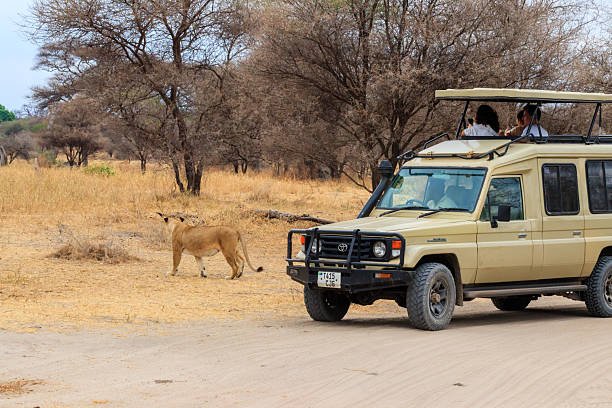
Day 1 — Arrival and Tarangire transfer
Your safari begins with arrival at Kilimanjaro International Airport or a domestic arrival point if you’re coming from Arusha. After a short briefing, you’ll transfer to Tarangire National Park for a half-day game drive in the late afternoon. The park’s iconic Baobolds and riverine landscapes provide an immediate sense of Tanzania’s wildlife rhythm. Overnight near Tarangire, typically at a lodge or tented camp with a veranda view of the park’s edge. Practical notes: expect a longer drive from Arusha to Tarangire if your arrival is late, and plan a relaxed first evening to adjust to the time zone and scenery.
Day 2 — Tarangire to central Serengeti (Long drive, scenic transition)
<pToday you’ll drive from Tarangire toward central Serengeti, with possible short game stops along the way. The journey showcases rolling African landscapes, fragmented acacia woodlands, and the first glimpses of Serengeti plains. Depending on the season, you might encounter herds moving between water sources. This day emphasizes safe, steady driving and efficient planning rather than chasing sightings. Overnight in the Serengeti ecosystem at a lodge or canvas camp that puts you within reach of open plains for morning light. Consider light packing: layers for cooler evenings and sun protection for mid-day drives.
Day 3 — Serengeti plains: morning game drive, afternoon leisure
<pWithin the Serengeti, the core experience lies in open plains and wide horizons. Your morning game drive targets plains wildlife and potential predators, while the afternoon offers a second drive or a relaxing session at camp. The emphasis is on consistent, non-intrusive wildlife viewing and the chance to notice the rhythms of the ecosystem—grazing ungulates, birdlife, and the occasional predator patrol. Evening at camp provides opportunities for storytelling around a campfire or a relaxed dinner setting with a view of the savannah.
Day 4 — Serengeti to Ngorongoro Conservation Area
<pAfter an early game drive, you’ll transition to Ngorongoro Conservation Area, where the diverse habitats create a different safari rhythm. The drive typically takes several hours, with chances to stop for scenic overlooks and short walks when permitted. Accommodation is usually lodge-style near the crater rim or inside the conservation area, offering spectacular night skies and a base for exploring the crater floor the next day. Plan for a relaxed pace today to avoid fatigue from long travel and to preserve energy for the crater excursion ahead.
Day 5 — Ngorongoro Crater floor or viewpoints
<pNgorongoro Crater is the highlight for many travelers, but the day’s key is flexibility. Depending on regulations and weather, you may descend to the crater floor for a full-day safari with potential wildlife concentrations around the lakes and grassy glades. Crater conditions vary, and wildlife sightings are influenced by season and luck rather than guarantees. After the descent, return to the lodge for dinner and reflection on the day’s landscapes—caldera walls, savannahs, and the quiet of wildlife-rich habitats from a high vantage point.
Day 6 — Ngorongoro to Arusha National Park base
<pDrive from Ngorongoro toward Arusha, then transfer into Arusha National Park for a lighter, more compact park experience. The park’s compact size makes it ideal for a day of quality sightings and close-up viewing of giraffes, buffalo, monkeys, elephants, and various bird species in a different eco-zone from the larger parks. Overnight near Arusha National Park or in a lodge on the park’s boundary, with easy access to the airport or next-day departure logistics.
Day 7 — Arusha National Park exploration and cultural options
<pThe seventh day centers on Arusha National Park’s accessible wildlife and scenic viewpoints. A morning canoe safari on a small lake, guided walks along the marshy edges, or a short vehicle circuit can be arranged depending on permissions and weather. The afternoon is flexible: you might opt for a cultural visit in a nearby Arusha town or a relaxed day at camp to reflect on the journey so far. This day is about balancing wildlife opportunities with comfortable pacing and clear travel logistics for the final leg home.
Day 8 — Departure or optional extensions
<pYour 8-day itinerary concludes with departure logistics. If your flight is later in the day, consider a relaxed breakfast at camp and a short transfer to Kilimanjaro International or a domestic airstrip. If your plans extend, you can add Zanzibar, a Kilimanjaro climb, or another Tanzania experience. Climb 4 Africa can tailor the final angles of your trip to align with flight times, visa requirements, and any post-safari arrangements you’d like to arrange in advance.
Practical planning notes to guide your booking
- Realistic pacing: Driving between Tarangire and Serengeti involves long daytime transfers; confirm vehicle readiness and rest stops with your operator.
- Accommodations: Lodge or tented camps are common; discuss preferred style, level of comfort, and included meals during booking.
- Wildlife expectations: There are no sighting guarantees; wildlife is not predictable, but guided drives maximize opportunities based on habitat and time of day.
- Seasonality: Migration patterns can influence northern Serengeti sightings; plan with a local expert to optimize timing.
- Logistics: Ensure park fees, transfer times, and flight connections are coordinated with your operator to minimize backtracking.


Why this sequence works for a practical, bookable plan
The route balances the wildlife-rich Tarangire with the vast Serengeti, then condenses into Ngorongoro’s unique crater environment and finally caps with Arusha National Park. This order minimizes backtracking and concentrates on driving efficiency while preserving time for wildlife viewing and meaningful rest periods.
Supplementary Practical Guidance: Logistics, Packing, and On-Ground Variations
To deepen the bookable integrity of the 8-day Tarangire–Serengeti–Ngorongoro–Arusha National Park itinerary, this section offers concrete, non-speculative details that travelers commonly encounter but are not fixed in the core day-by-day narrative. The emphasis is on actionable planning levers that operators and guests routinely synchronize to avoid delays, ensure comfort, and maximize the quality of wildlife viewing within each day’s constraints.
Vehicle configuration and comfort on long drives: On days 2 and 4–5, the transfer legs involve substantial road time. Confirm with your operator the type of vehicle used for the entire trip (7–9 seater high-clearance max 6 passengers is typical for adherence to comfort and safety). Ask for a fridge or insulated cooler for water, a charging port for devices, and a small second row for any traveler needing extra space. Ensure that the vehicle has a pop-up roof or strategically placed windows for optimal photographic access and unobstructed sightlines during the game drives and scenery stops.
Food and hydration during travel: Most camps and lodges provide breakfast before morning drives and a substantial lunch upon return. For longer drives between Tarangire and Serengeti, request a packed lunch or a mid-journey stop with fresh fruit, sandwiches, and hydration. If you have dietary restrictions, communicate them in advance and verify that the camp menus align with your needs. Having a personal water bottle and biodegradable snacks can be beneficial for late afternoon drives when heat is higher and thirst grows stronger.
Park entry times and permit management: Park fees and entrance times can fluctuate by season and authority updates. Your operator should secure pre-approval for multi-park passes and ensure that the vehicle is recorded for the correct entry times at Tarangire, Serengeti, Ngorongoro, and Arusha National Park. Confirm that a single-entry or multi-day permit approach suits your schedule, and ask about the possibility of a flexible day with a canopy of shade during mid-day rest periods if heat levels peak.
Wildlife-viewing etiquette and safety: While this guide avoids promising specific sightings, practical etiquette remains essential. Maintain a respectful distance from animals (as dictated by park rules), avoid sudden movements that could provoke wildlife, and switch off or silence noisy devices during drives. In Ngorongoro’s crater floor, where wildlife density can be high, pay attention to herd behavior near water sources and abide by ranger instructions about staying on designated tracks, especially near breeding or calving areas.
Local cultural interactions: On Day 7 or during optional excursions, guests sometimes engage with Maasai or Hadzabe communities. If you’re considering a cultural visit, coordinate with your operator about a respectful, time-limited experience that supports community livelihoods. Pre-arrange dress modestly, avoid photography without consent, and allocate time for questions that deepen understanding of daily life and conservation challenges in the region.
Weather and clothing strategy by segment: While Tanzania enjoys a tropical climate, elevated areas such as the Ngorongoro highlands can be cooler in the mornings and evenings. Pack layers: a light fleece or jacket for dawn drives, breathable shirts for mid-day heat, and a compact rain shell if the short rains occur. A wide-brim hat, UV sunglasses, and high-SPF sunscreen are recommended for protection on open plains. Footwear should be comfortable closed-toe shoes for walks or brief ground sessions, with sandals kept for camp downtime and travel days.
Aviation and internal flight considerations: If you’re adding extensions or returning from an alternate route, internal flights may require strict luggage limitations. Verify with your operator whether a soft-sided bag or duffel is preferred, and confirm weight allowances to avoid last-minute repacking at airstrips. Allow a buffer of 2–3 hours between a domestic flight and the final airport transfer to guard against delays caused by road traffic or park procedures.
Accommodations alignment with game-drive rhythm: The itinerary alternates between early morning drives and relaxed afternoons. When selecting lodges or tented camps, prioritize properties with private decks or lounge areas that overlook water sources or open plains—these views often become the most memorable backdrops for evening reflections and photographs. If you have mobility considerations, communicate your needs in advance to ensure accessible pathways and comfortable sleeping arrangements without compromising proximity to park gates.
Contingency planning for park closures or weather-related adjustments: In some seasons, road conditions or wildlife management policies can alter the typical drive pattern. Your operator should present a flexibility plan, including alternate game-drive slots, adjusted start times, or alternative viewpoints in the Ngorongoro Conservation Area should crater access be restricted on a given day. Having a backup plan for sightseeing or cultural experiences within Arusha National Park can help preserve the overall flow of the trip if a day’s core drive needs modification.
Documentation and health considerations: Ensure passports are valid for the duration of travel and that visa requirements are met well in advance. Keep digital copies of travel documents and a small medical kit with basic supplies. Depending on the season, consider vaccination reminders and malaria prophylaxis as advised by your healthcare professional. Carry a compact first-aid kit, including antiseptic wipes, bandages, and motion-sickness remedies for guests who are prone to car-related discomfort on long drives.
Communication and language: English is widely used in camps and with most operators, but you may encounter local guides who speak Kiswahili or Maasai languages. A phrase book or a simple translation app can enhance day-to-day interactions during village visits or when asking for directions at remote viewpoints. Your operator can arrange a bilingual guide if required for specific days or participants.
These practical considerations aim to subtly elevate the reliability and comfort of an 8-day itinerary that already prioritizes realistic pacing, efficient routing, and authentic wildlife experiences without overpromising sightings. They are designed to be actionable, verifiable through your operator, and adaptable to the realities of terrain and wildlife ecology in northern Tanzania.
Gap-Driven Enhancement: Practical Timing Gaps and Day-Specific Realities
Readers who start an eight-day Tarangire–Serengeti–Ngorongoro–Arusha National Park safari often wonder how strictly the daily sequence aligns with wildlife patterns, park rules, and edge-of-day logistics. The most valuable, bookable detail not yet fully unpacked is how to interpret time blocks on each day in a way that aligns with real-world park operations, gate opening hours, and typical vehicle encounter opportunities without promising specific wildlife appearances. This section provides concrete guidance on timing, pacing, and in-park movement that teams up with the existing itinerary without overpromising results.
1) Early starts and gate openings: what to expect and how to plan – In Tanzania’s northern circuit, many parks open gates around sunrise, roughly between 06:00 and 07:00 depending on location and season. A practical plan is to target a 06:30 start for full morning drives in Tarangire, Serengeti central zones, and Ngorongoro edges. This not only maximizes animal activity during crepuscular light but also aligns with cooler temperatures and better photographic conditions. If a lodge’s routine allows for a 05:45 wake-up call and a quick coffee before departure, that can yield 60–90 minutes of high-quality light in the first hour of the drive. Your operator should confirm gate times and ensure the vehicle is prepped with a dedicated water supply and a brimmed hat for the guide—these small details compound into a more comfortable morning rhythm without pressuring you into rushed game viewing.
2) Transit days: long drives with strategic pauses – Day 2’s long drive from Tarangire toward central Serengeti is a deliberate pacing choice. To make this practical, map out 2–3 short, permitted stop points for wildlife or scenic overlooks, typically 15–30 minutes each, that fit your vehicle’s fuel and comfort profile. The goal is to avoid fatigue while preserving opportunities for serendipitous sightings at water sources or savannah edge habitats. Your guide can coordinate with local rangers for optional, short, on-the-way detours when available. If weather or road conditions constrain the route, keep a fixed shooting window: a 60–90 minute uninterrupted block for a potential wildlife stand near a known waterhole or acacia woodland edge, followed by a planned lunch break at a designated rest area or camp. This creates predictable, bookable blocks rather than ad hoc detours that can erode time for the Serengeti’s core plains experiences later in the trip.
3) Serengeti timing: balancing two full drives with rest and reflection – On Days 3 and 4, the itinerary revolves around two prime driving windows: dawn–mid-morning (roughly 06:30–11:00) and late afternoon into dusk (roughly 15:30–18:30). A practical approach is to structure a 3.5–4 hour morning drive with a 15–30 minute mid-drive break for hydration and light snacks, followed by a 1–2 hour leisure interval at a camp or picnic site. This spacing helps avoid continuous engine noise and fatigue while preserving prime light for wildlife viewing and photography. The afternoon drive can then pick up around 16:00, with sunset opportunities toward 18:30–19:00, depending on the season. If a camp offers lounge decks overlooking the plains, use the post-drive hours for wildlife photography at the waterhole from the comfort of a vantage point—this reduces the need for long after-dusk road movement and keeps the day human-friendly in terms of fatigue management.
4) Ngorongoro’s crater access: permission, weather, and vehicle rules – Day 5’s crater descent hinges on crater floor access policies, which can shift with weather and conservation guidelines. A predictable plan is to book a descent window either in the early morning (before the crowds) or late morning after a circumnavigation drive along lake shores to scout for birdlife and grazing herds. The descent is typically timed with a guide and a licensed crater caretaker; ensure your driver knows the exact meeting point and the maximum time allowed on the crater floor per regulations. Short, planned drives along the crater rim viewpoints can supplement the day if the floor visit is abbreviated due to weather. This dual-structure day ensures you’re not left idle if crater access is restricted and keeps your itinerary compliant with park rules while maintaining the integrity of the day’s wildlife experience.
5) Arusha National Park: time efficiency within a compact footprint – Day 6’s transfer to Arusha National Park is a natural counterbalance to the Serengeti’s vast openness. Because the park is smaller and accessibility is higher, plan a morning canoe safari or a short walking loop around marsh margins, followed by a light vehicle circuit that targets close-up encounters with giraffe, buffalo, and primates. The key is to allocate ground time where visibility is best for the species you’re most likely to encounter, rather than chasing long miles. A 2–3 hour canoe segment in a sheltered lake area can yield tranquil wildlife sightings and provide a restful interlude before the afternoon vehicle drive to a final scenic viewpoint. Ensure you have a contingency plan for weather-related changes to water levels or canoes and a clear communication channel with your guide for any safety concerns at water margins.
6) Cultural integrations without compromising logistics – The itinerary’s optional cultural experiences around Arusha can be slotted into the late afternoon after park activities or on a day with lighter driving. A well-timed village visit or local craft market can occur after the Arusha National Park morning activities or before your transfer to the next camp, helping to balance the day and enrich the experience without consuming excessive driving time. Confirm with your operator which activities are officially permitted within your travel window and whether special permissions or respectful dress codes apply in village settings.
7) Flexibility as a feature, not a fallback – The single most practical editorial gap often concerns how to preserve the itinerary’s core sequence when wildlife conditions or weather disrupt planned drives. A robust plan should include a clearly labeled contingency day or half-day that can substitute for a neighboring day’s drive, with pre-arranged optional activities such as a guided nature walk in Ngorongoro or a sunrise hot-air balloon experience in Serengeti if and only if the operator confirms availability and safety. This kind of managed flexibility keeps the trip bookable and realistic without creating a sense that the schedule is fragile or overly rigid.
In sum, the added emphasis on realistic timing, gate openings, and short, well-structured drive blocks aligns with a practical, bookable eight-day itinerary. It respects park regulations, minimizes fatigue, and preserves opportunities for wildlife viewing where conditions are most predictable. This approach complements the existing content by translating day-by-day movements into tangible, actionable time blocks that a traveler can verify with their operator at booking and pre-departure. It remains true to the principle of presenting a concrete sequence rather than speculative outcomes, while acknowledging the natural variability of wildlife and weather in northern Tanzania.
Addressing a Practical Gap: Managing Time for Wildlife Variability on Days 3–5
One of the most common questions travelers have for this 8-day sequence is how to respond when wildlife activity is unpredictable, especially during the core Serengeti days. The itinerary often reads as if mornings are for game drives and afternoons for rest or lighter activities, but actual wildlife rhythms don’t follow a clock. The practical gap here is: how should a bookable traveler adapt daily plans when animals are quiet, or when weather disrupts a drive block, while preserving the overall sequence and minimizing fatigue?
To keep the plan concrete and bookable, operators commonly designate flexible windows within a day rather than rigidly fixed hours. For Day 3 in Serengeti, the morning game drive remains the anchor, but you and your guide should agree on a partial backup schedule before departure. This backup might include a shorter afternoon drive block, a guided nature walk near the lodge, or a sunlit wildlife-viewing session from elevated viewpoints. The key is to define what constitutes a productive fallback that does not require a dramatic reshuffle of the route. Ask your operator to confirm: which lodge or camp areas offer safe walking or canoeing options, and what time windows are permitted for activities after the morning drive.
In Day 4–5, when visitors frequently anticipate crater-adjacent wildlife concentrations or scenic vantage points, the practical planning gap becomes how to sequence flexibility without compromising park rules and safety. On Ngorongoro, permits for crater descent are regulated, so it’s essential to align expectations with the guide about possible alternative viewpoints or short walks if the descent is limited by weather or conservation rules. If the crater floor descent is postponed, your guide can pivot to a morning drive in the surrounding conservation area to search for high-probability species and to provide interpretive insights about the crater’s ecology and geology from accessible overlooks. This approach preserves the day’s educational and experiential value without promising a fixed wildlife checklist.
For Day 5, if you’re unable to descend or if vehicle access to certain crater rim viewpoints is restricted, the fallback should emphasize high-quality, small-scale wildlife encounters at nearby habitats—lakeside overlooks, grassy glades, or temporary water sources visible from the crater’s edge. Pre-arrange a plan with your guide to switch between crater-floor activities and rim-focused drives, ensuring that a credible alternate schedule exists. Your operator should offer a clear policy about weather-related shifts, including cut-off times for crater descents and how to reallocate a late-afternoon drive block to maximize sightings within safety guidelines.
These practical adjustments hinge on three concrete elements: pre-departure briefing, flexible vehicle logistics, and a shared vocabulary with your guide regarding what constitutes a successful override. In your bookings, request: 1) a written contingency framework outlining acceptable fallback activities for Days 3–5, 2) confirmation that your lodge or camp has accessible alternatives (walking paths, blended boat or canoe opportunities, or safe viewpoints) for the afternoons, and 3) a contact plan for weather-related updates so you can decide promptly whether to proceed with a drive, switch to a walk, or rest briefly before the next transition. With these guardrails, you preserve the integrity of the eight-day sequence while tailoring each day to real-world conditions.
Finally, embracing flexibility as a feature rather than a disruption helps maintain a bookable experience. If a morning game drive yields limited sightings, a well-structured backup plan ensures you still gain meaningful wildlife interactions and interpretive context. The practical reader takeaway is to embed explicit, verifiable alternatives into the day-by-day blocks and to confirm them with your operator before travel. This proactive approach minimizes the risk of a disrupted schedule snowballing into a fatigue-heavy experience and keeps the overall 8-day itinerary coherent and attainable.
Enhancing Day 3–5: Contingency, Adaptation, and Authenticity in Wildlife Encounters
Readers often wonder how a fixed eight-day sequence can accommodate the unpredictability of wildlife and weather, especially during the core Serengeti days (Day 3) through Ngorongoro (Day 5). This section provides a tightly scoped, bookable augmentation to the existing plan—focusing on practical, verifiable adjustments that do not alter the core geography or driving logic but enhance flexibility and learning value without promising specific sightings.
Key principle: the schedule remains intact, but the activities within each block are explicitly prepared to shift in response to real-time conditions. Your guide and operator should pre-approve and document these contingencies, ensuring you do not lose your place in the itinerary while maximizing meaningful wildlife observations and cultural context.
First, establish a predictable fallback framework. For Day 3 in the Serengeti plains, build a primary morning drive with a documented alternate block that begins at a fixed time if the first drive reaches a predetermined wildlife density threshold. The alternate block can switch to a conservation-area circuit or a walking-linked terrain exploration, depending on permissions and safety rules. This preserves your chance to engage with predator-prey dynamics or ungulate migrations without violating park regulations or safety norms.
Second, strengthen the crater-dairies on Day 5 by preparing parallel activity tracks that do not require crater-floor descent. In practice, arrange to accompany a rim-focused circuit that emphasizes geology, microhabitats, and birding around lakes and rims. If weather or access permits, your guide can substitute a short crater-floor descent window with a high-quality edge-viewing drive that concentrates on vantage points and ephemeral water sources. This dual-path approach keeps opportunities intact while respecting environmental safeguards.
Third, incorporate time-aware pacing adjustments that are fully pre-authorized. Propose a universal daily window: an early, mid-morning, and late-afternoon block. Each block contains a primary activity and a clearly defined, allowed alternative. Examples include: primary — open-plains drive; alternative — short woodland stroll with a guide, focusing on tracks, signs, and ecology-themed storytelling; primary — crater-edge drive; alternative — waterbird observation from a designated vantage; primary — short forest canopy walk (where permitted) or guided cultural interaction; alternative — rest period with wildlife interpretation in the vehicle. These options must be pre-approved, with safety and conservation guidelines explicitly stated in your booking documents.
Fourth, align logistics to reduce fatigue and maximize safety. If a long Serengeti transfer threatens late arrival for a sunset drive, pre-arrange a buffer day-block that converts a potential late drive into an afternoon rest, a guided lodge-centered educational activity, or a short, low-intensity park circuit near the accommodation. The objective is to avoid back-to-back peak-driving blocks while preserving the opportunity to observe wildlife responses to diurnal shifts and habitat changes.
Fifth, document and practice communication protocols. Before travel, establish a simple signaling plan with your guide for weather shifts, road conditions, or unexpected closures. A shared, pre-sent written contingency timetable should include: 1) trigger times for switching between primary and alternate activities, 2) a menu of permitted alternate activities by day, 3) contact channels for weather or park authority updates, and 4) a clearly defined opt-out clause if safety constraints escalate. This transparency ensures both sides can adapt quickly without compromising the itinerary’s structure.
Finally, integrate a learning lens into the contingency design. Use the alternate blocks to focus on habitat ecology, animal behavior cues, and landscape interpretation. For example, during the Serengeti alternates, ask to highlight how seasonal water availability shapes predator strategies or how termite mounds influence herbivore movement corridors. In Ngorongoro’s rim-adjacent blocks, emphasize geologic history, crater-edge microhabitats, and the interplay between shelter vegetation and wildlife distribution. These targeted educational threads enrich the experience without promising specific wildlife outcomes.
In short, the most valuable addition to the current eight-day framework is a clearly pre-approved, documented set of day-specific contingency options that preserve the sequence while expanding real-world adaptability. By codifying alternate activities, pacing, and communication, you turn potential disruptions into purposeful, bookable moments of discovery that align with the itinerary’s practical spirit and the realities of Tanzania’s iconic ecosystems.
Enhancing Day 3–5: Contingency, Adaptation, and Authenticity in Wildlife Encounters — A Reader-Driven Gap-Fill
Strategically, Day 3–5 anchor the safari on Serengeti plains and Ngorongoro’s crater ecosystem, where wildlife activity is highly variable and weather patterns can reshape drive timings. A practical gap many travelers encounter is how to preserve booking integrity while accommodating wildlife unpredictability without oversteering the itinerary into an unbookable or unsafe regime. This section adds focused, bookable detail that can slot directly into the existing framework, clarifying how to structure contingency blocks that are both actionable and aligned with park rules and safety considerations.
1) Pre-approved optional blocks anchored to daylight shifts. Within the core days, have two clearly defined alternates per day that do not require long additional drives or risky transitions. For Day 3 in Serengeti central, for example, two pre-approved blocks could be: a) a late-morning rest period followed by a short, qualitative wildlife-interpretation circuit near the camp’s access road; or b) a guided lodge-centered educational talk focusing on predator-prey dynamics and Maasai ecological knowledge, conducted in the camp’s common area or a designated overlook. These blocks should be limited in duration (90–120 minutes) and designed to keep guests within safe boundaries, avoiding fatigue while enhancing interpretive value.
2) Clear trigger and opt-out criteria. Each contingency block should have a simple, documented trigger—such as “if the morning drive returns with low animal activity and a late sunrise, activate Block A: interpretive circuit”—and an opt-out clause if weather or park authorities suspend activities. These triggers should be pre-shared in the booking documents as part of a concise contingency timetable. Having written triggers reduces on-site confusion and ensures guides and guests operate from the same plan without needing improvisation under pressure.
3) Kinesthetic and sensory-aligned alternatives. To maintain engagement when sightings are sparse, offer options that emphasize habitat interpretation and animal signs rather than steady visual confirmation. Examples include tracking animal traces along a short, permitted walking loop with a trained guide (where allowed), focusing on spoor, droppings, and feeding signs; or a photographic interpretive session at a safe overlook that teaches exposure, light, and composition while discussing animal behavior cues observed from the vehicle in prior drives.
4) Safety-first pacing logic. The planned blocks should consider fatigue risk, heat, and road conditions. For Days 4 and 5, where crater-side travel and potentially challenging road surfaces appear, pre-approve a buffer day-block concept: if the morning crater descent is delayed or weather closes crater access, convert the planned afternoon crater rim drive into a shorter, scenic loop near the rim that still offers wildlife opportunities and stunning vistas without adding excessive driving time. This preserves pace and reduces the risk of late returns or fatigue impacting safety on the following day’s activities.
5) Educational threads tailored to distinct habitats. Each contingency block should include a learning objective that matches the day’s habitat context. In Ngorongoro’s rim-adjacent blocks (Day 5), emphasize geological history, crater-edge microhabitats, and the relationship between shelter vegetation and wildlife distribution. In Arusha National Park-adjacent blocks (Day 6–7), center on forest-edge dynamics, birding opportunities, and Maasai cultural perspectives on landscape management—threads that deepen the experience without promising particular wildlife outcomes.
6) Booking and communications alignment. Ensure contingency blocks are explicitly described in the final itinerary version sent to travelers, with which blocks are optional, expected durations, and any additional costs or included services. If a client requests flexibility due to personal pace or health considerations, the contingency framework should readily accommodate alternative blocks while staying within the operator’s safety and conservation guidelines. A standardized, pre-sent PDF addendum can facilitate this alignment prior to travel.
7) Measurement of value beyond sightings. The practical value of these gaps lies not in guaranteeing animals in view but in delivering meaningful learning moments, less fatigue, and more comfortable transitions between zones of different ecological emphasis. Travelers gain confidence that the itinerary can absorb reality without collapsing into a rigid schedule that overlooks wildlife variability. This approach maintains the bookable integrity of the eight-day plan while acknowledging the fundamental unpredictability of wild Africa.
8) Example integration snippet for Day 3 (Serengeti plains). If morning drive yields limited activity and the sun rises late, activate Block A: a 90-minute interpretive circuit along the camp’s habitual service path, focusing on termite activity, grassland bird behavior, and antelope grazing patterns. If weather or heat becomes a concern, switch to Block B: a sheltered, indoor educational session with wildlife-ecology visuals and Q&A, led by the guide or a guest naturalist. In either case, the afternoon remains flexible to accommodate a short optional vehicle circuit or a rest period before the sunset Dusk Drive, ensuring a balanced day that respects conservation guidelines and traveler comfort.
9) Documentation and accountability. The contingency plan should include a short checklist for guides: verify permit allowances for short walks, confirm vehicle capacities for block-based activities, and ensure all participants understand the safety rules for any walking segments. Travelers benefit from a concise reference card in their hand luggage listing trigger conditions, blocks, and contact channels for updates.
10) Outcomes and expectations. The purpose of these enhancements is not to alter the classic sequence but to provide tested, bookable alternatives that respond to wildlife variability and weather pragmatics. By embedding a structured, pre-approved set of day-specific contingencies, the itinerary remains robust, adaptable, and experience-rich—safeguarding both the integrity of the eight-day framework and the quality of the guest experience on Days 3–5.
Related Guides and Packages
Check Availability for 8 Days Tarangire Serengeti Ngorongoro And Arusha National Park Safari
Ready to compare dates, prices, and the best option for your group? Send the package name and travel month so the team can reply with a clear quote, availability, and what is included.
5 Days Tarangire Serengeti And Ngorongoro Safari From Zanzibar: Mainland
Plan a practical 5-day safari that starts with a flight from Zanzibar to Moshi/Arusha, then tours Tarangire, Serengeti, and Ngorongoro in sequence. This guide outlines day-by-day logistics...
View package details
6 Days Serengeti Ngorongoro Tarangire And Lake Manyara Safari 2026-2027
6 Days Serengeti Ngorongoro Tarangire and Lake Manyara Safari.
View package details5 Days Serengeti Ngorongoro And Tarangire Lodge Safari: A Practical
A practical, lodge-based 5-day safari itinerary through Tarangire, Serengeti, and Ngorongoro, focusing on feasible driving routes, rest-focused days, and realistic wildlife opportunities...
View package details5 Days Tarangire Serengeti Ngorongoro And Lake Manyara Safari 2026-2027
5 Days Tarangire Serengeti Ngorongoro and Lake Manyara Safari.
View package details
4 Days Tarangire Serengeti And Ngorongoro Safari: A Practical 4-Day
A practical 4-day journey through Tarangire, Serengeti, and Ngorongoro, designed for efficient travel planning, realistic game-viewing chances, and comfortable stays. This plan emphasizes...
View package details
6 Days Serengeti Ngorongoro And Tarangire Safari From Zanzibar: A Bookable
Plan a 6-day wildlife circuit that links Zanzibar with Tanzania’s top parks—Tarangire, Serengeti, and Ngorongoro. Discover practical routing, transfers, and realistic safari opportunities...
View package details12 Days Tarangire, Serengeti, Ngorongoro And Zanzibar Safari 2026-2027
12 Days Tarangire, Serengeti, Ngorongoro and Zanzibar Safari.
View package details
4 Days Tarangire Serengeti And Ngorongoro From Zanzibar 2026-2027
4 Days Tarangire Serengeti and Ngorongoro from Zanzibar.
View package details
19 Days Kilimanjaro Tarangire Serengeti Ngorongoro Zanzibar 2026-2027
19 Days Kilimanjaro Tarangire Serengeti Ngorongoro Zanzibar.
View package details
8 Days Kilimanjaro Lemosho Trek And 4 Serengeti Ngorongoro Safari
8 Days Kilimanjaro Lemosho Trek and 4 Days Serengeti Ngorongoro Safari.
View package details
6 Days Serengeti Ngorongoro And Lake Natron Safari: A Practical, Route-Driven
A route-driven 6-day Tanzania safari focusing on the Serengeti, Ngorongoro Crater, and Lake Natron. Practical day-by-day sequence, driving logistics, and realistic safari opportunities.
View package details5 Days Tarangire Ngorongoro And Lake Eyasi Safari 2026-2027
5 Days Tarangire Ngorongoro and Lake Eyasi Safari.
View package detailsNo related package matches those filters. Clear one or more filters to see the other topic-matched options.



