
This 5-day lodge safari follows a practical sequence: Tarangire in the first leg for morning and afternoon game drives, then a transfer to central Serengeti for several days of lodge-based wildlife experiences, and a final day at Ngorongoro Crater with a descent into the crater rim area. Exact route, lodge choices, and daily activities depend on your departure date, current park rules, and availability; costs and departures require confirmation with the operator. The plan emphasizes feasible driving times, lodge comfort, and realistic wildlife opportunities rather than guaranteed sightings.
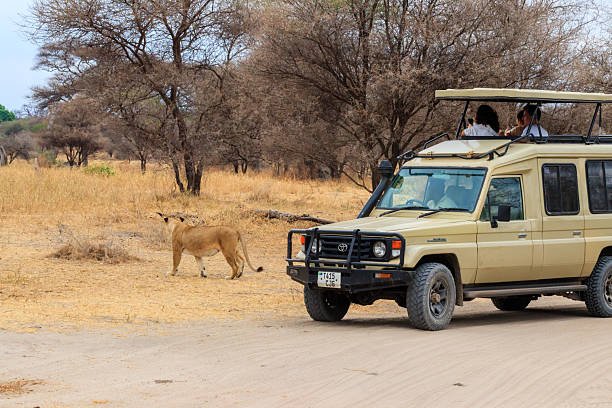
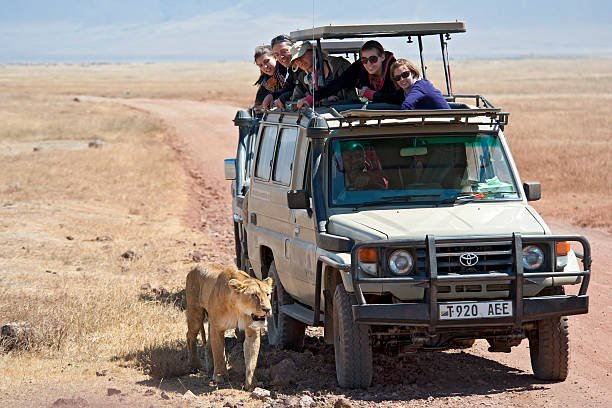
Day 1 — Tarangire National Park: arrival and short exploration
Arrive at Kilimanjaro International Airport and drive toward Tarangire, where the afternoon light often highlights elephant herds and long-necked acacia trees. The day prioritizes a relaxed start: a late-morning departure after safari briefing, a two- to three-hour drive with a wildlife-focused first game drive toward a lodge near Tarangire River or valley viewpoints. Evening at a comfortable lodge with fixed-dining options and family-friendly lounge areas. No promises of sightings, but the chance of elephants, gazelles, and perhaps giraffes is reasonable given typical Tarangire patterns. If you arrive late, your transfer can be arranged for the next morning’s first light game drive.
Day 2 — Tarangire to central Serengeti: scenic transfer and afternoon game drive
The morning starts with sunrise views near the lodge, followed by a vehicle briefing and a prepared breakfast. You’ll depart Tarangire for a longer overland transfer toward the central Serengeti, with potentially a mid-massage rest stop depending on the driving plan and road conditions. Arrival at a Serengeti lodge in the afternoon sets up a first short game drive in a nearby area, offering opportunities to observe common Serengeti plains species. Evening at your lodge includes dinner and a briefing about the next two days’ drives. The transfer times vary with road conditions and park access rules, so plan for a full day of travel with scenic sightings en route rather than a fixed arrival time.
Days 3–4 — Central Serengeti: full lodge-based wildlife experiences
Two full days centered in a Serengeti lodge location. Each day includes early-morning and late-afternoon game drives with a midday break at the lodge. The safari pattern concentrates on known migratory corridors, river edges, and kopje viewpoints where wildlife aggregates commonly occur. The schedule balances drive time (to maximize viewing potential) with rest, meals, and the comfort of a lodge setting. While sightings are never guaranteed, you’ll experience the rhythms of Serengeti life—herds moving, predators occasionally passing through, and a strong sense of the vast plains. Lodge options here typically include comfortable rooms, dining terraces, and local-guided insights, with some lodges offering shared vs. private vehicle arrangements. Your day can adapt to weather and animal activity, always prioritizing safety and sustainable wildlife viewing.
Day 5 — Ngorongoro Crater: ascent, crater floor, and departure
This final day transitions toward Ngorongoro. You’ll transfer in the morning to the Ngorongoro area, with a descent into the crater floor planned for a guided safari on the crater rim and inside the caldera. Crater activity varies, and while many guests hope for a classic Big Five encounter, the day’s value lies in the dramatic landscapes, herds near the Lerai Forest, and the chance of close-up elephants and grazing herbivores with a protected, high-altitude environment. After a crater-floor drive, you’ll return to your departure point or onward arrangements. The timing depends on your flight or transfer schedule, with drive times adjusted to ensure a comfortable connection back to Kilimanjaro or other destinations.
Logistics that shape your plan
Vehicle and crew: expect a private or small-group safari vehicle with a licensed guide. Lodges are chosen for location, comfort, and access to wildlife-rich areas while aiming to minimize long drives between camps. Driving distances in Tanzania can be long and variable; the plan favors realistic transfers, daylight driving, and time for safe, comfortable safari experiences. Park rules, access, and conservation considerations influence daily activities rather than fixed timings, so your daily schedule can flex with conditions on the ground.
Practical decisions: what to book and what to expect
Booking this lodge-focused sequence involves confirming a few essentials: lodging preferences (mid-range vs. premium rooms), whether you prefer a private guide and vehicle, and the preferred start date. Availability and current park regulations affect itineraries and can shift drives or lodge choices. Costs, departures, and specific lodge names require operator confirmation, and prices shouldn’t be assumed without a current quote. The route described aims to maximize comfortable travel, predictable driving times, and meaningful wildlife experiences within a lodge-based framework.
Next steps: how to lock this in with Climb 4 Africa
Reach out to Climb 4 Africa with your preferred departure window, lodge comfort level, and whether you want a private guide. They’ll tailor the exact lodge list, confirm transfer timings, and provide a provisional day-by-day plan aligned with current park access, road conditions, and availability. This approach keeps the safari practical, flexible, and comfortable, without promising sightings or fixed timings that depend on unpredictable wildlife patterns.
Day 3 — Central Serengeti: lodge-based wildlife experiences in the heart of the plains
With the long drive behind you, Day 3 settles into a steady rhythm of lodge-based comfort and focused wildlife exploration. The Central Serengeti sits at the nexus of major migratory corridors, but the day’s value comes from planned, repeatable game-viewing windows rather than chasing a single peak sighting. The morning starts with a wake-up call at pre-dawn, followed by a short briefing at the lodge lounge. Your vehicle is ready and waiting to head to a nearby kopje or river edge where the first light can illuminate acacia silhouettes and grazing herds. A typical route for the morning concentrates on river-adjacent plains where zebra, wildebeest, and gazelle feed along the edge of the Lerai Forest drainage, while predators such as cheetah and leopard are often present on termite-mileages of rocky outcrops.
Mid-morning rests at the lodge provide a chance to refresh, refuel, and review light-scattering wildlife activity from the previous drive. Guides use these breaks to interpret tracks or fresh signs found along the last drive, and to discuss potential targets for the afternoon session—e.g., a known crossing point on a seasonal river, a dense kopje with sightings of rock hyrax, or the riverbank where crocodiles thermoregulate. The emphasis in this segment is consistency: a predictable schedule that maximizes daylight time in areas with reliable access and good-viewing opportunities, rather than chasing rare, unpredictable events.
Afternoon game drives typically focus on the central Serengeti’s east–west corridor near the Seronera area. Your guide will aim to position the vehicle for open plains vistas, aligning with the sun’s arc to minimize glare and keep animals in favorable viewing angles. Expect to encounter large herds dotted across the grassy savanna, with occasional river-edge concentrations that draw predators into view as dusk approaches. The lodge’s central location allows a controlled pace, and you may return to the property for a sundowner on a raised deck, followed by dinner in a dining room that often opens onto wildlife-friendly landscapes beyond the hedge.
Evenings in Central Serengeti can be cool after sunset, so packing a light layer is practical. If your itinerary includes a longer stay here, your guide may suggest a brief night drive on some nights—subject to park rules and local regulations—as a way to observe nocturnal species that are otherwise hidden by daytime heat. These experiences are designed to complement daytime sightings, not replace them, and availability is contingent on park policy at the time of your travel.
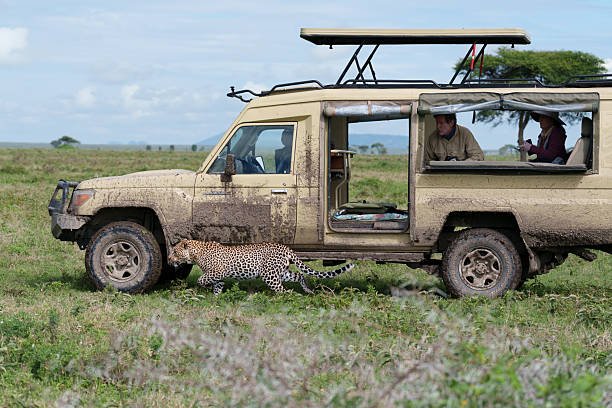
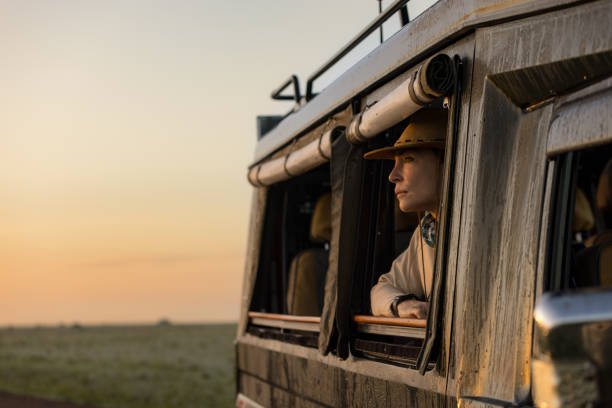
Day 4 — Central Serengeti: continued discovery and a closer look at key habitats
Day 4 deepens the Central Serengeti experience by revisiting favorite habitats and adding a deliberate focus on the riverine systems and kopje viewpoints that funnel diverse wildlife through predictable routes. The dawn patrol again begins with a climate-appropriate wake-up, coffee, and a light breakfast to fuel an early departure. This day’s route often threads along the Seronera and Rもし river valleys, where the density of herbivores tends to invite a corresponding density of avian life—hornbills, secretary birds, and grassland birds frequently punctuate the horizon, offering color and motion against the open savanna.
A planned highlight is a longer stop near a known kopje cluster, where the elevated rock outcrops give your guide a vantage point to scan for predators in ambush positions. The midday break back at the lodge includes a shaded veranda or poolside area where you can observe plains dynamics from a comfortable chair, aided by an interpretive briefing from your guide about tracks, signs, and the ecological relationships shaping this landscape. In the afternoon, another game-drive loop may head toward the southern edge of the central area, where riverine thickets and acacia belts create micro-habitats that attract different species than the more open plains. This balanced approach—two longer drives with lodge downtime—aims to deliver breadth of wildlife opportunities while maintaining a sustainable pace.
Evenings often feature a casual, informal dinner setting with opportunities to discuss the day’s sightings with fellow travelers and your guide. If you’re visiting during a migratory window, your guide will adjust the day’s plan to align with barometric warmth and animal movement, staying mindful of park regulations and the need to minimize vehicle activity in sensitive areas. The goal remains the same: meaningful wildlife experiences anchored by comfortable lodge-based respite and predictable driving patterns that respect local conditions.
Day 5 — Ngorongoro Crater: ascent, crater floor, and departure considerations
The final day transitions toward Ngorongoro, with an early departure from Serengeti to reach the crater rim before dawn. The drive climbs through highland scenery, and upon arrival you descend into the crater floor for a guided safari that emphasizes scenery, landscape geology, and the unique density of life around Lerai Forest and water sources. The crater environment is a contained ecosystem with seasonal patterns that influence animal concentrations; your guide will describe how rainfall, herbivore migrations on the crater rim, and water availability shape the day’s opportunities rather than promising a guaranteed wildlife event.
On the crater floor, the emphasis remains educational and observational: identify tracks along the grassy plains, note how species interact at the water edges, and observe the large herbivores that sustain predators in this enclosed habitat. The view from the crater rim offers dramatic panoramas of the caldera’s steep walls and the surrounding savanna. After the descent, a structured crater-floor circuit gives you a chance to observe hippos along the Mgunjo River, endemic birds, and occasional prides that exploit the crater’s resource-rich environment. The timing of this day is typically arranged to preserve travel time back to Kilimanjaro or to connect with outbound flights, with flexibility built into the plan to accommodate park rules and safety considerations.
As your lodge-based journey nears its end, you’ll coordinate with Climb 4 Africa to finalize transfer timings and confirm any post-safari arrangements. The emphasis remains on practical, comfortable, and wildlife-rich experiences, rather than fixed sightings or rushed transitions. Your departure may be coordinated directly from Kilimanjaro Airport or from a domestic airstrip you’ve been using for the safari, depending on your overall travel logistics and the operator’s arrangements.
Practical considerations for Days 3–5: a concise check-in
– Route continuity: The central Serengeti stay leverages a lodge-based base with repeated, planned drives within a defined footprint to maximize wildlife viewing potential while keeping transfer times reasonable. Your guide will use a mix of open plains drives and river-adjacent circuits to optimize sightings and hour-by-hour comfort.
– Lodge stability: With a lodge-centered plan, room types, dining arrangements, and shared lounge areas are selected to balance comfort and accessibility to wildlife-viewing areas. Confirm with your operator whether your room category meets your expectations and whether a private vehicle is included for all drives or reserved for part of the day.
– Wildlife opportunities: The plan avoids promising fixed sightings and emphasizes habitat-based opportunities. If a specific predator or herd concentration is a priority, raise this with your guide and operator in advance so they can tailor drive timing within park regulations.
– Timing flexibility: Park rules and seasonal road conditions can affect daily timing. Your operator should offer contingency options (e.g., alternative drives, adjusted start times) to keep days enjoyable without compromising safety or conservation guidelines.
Unanswered question and practical gap: how the central Serengeti lodge bases influence wildlife viewing without promising sightings
Readers arriving at the central Serengeti phase of a 5-day lodge safari often wonder how the choice of lodge location, ease of access to key habitats, and the lodging pattern itself translate into reliable wildlife viewing opportunities. The article so far outlines a lodge-based rhythm but stops short of detailing how specific lodge placements interact with the Serengeti’s dynamic ecosystem. This section addresses that gap with concrete, traveler-focused guidance that helps you assess what to expect from a lodge-centered stay, without offering guarantees about wildlife presence.
First, consider the geography. Central Serengeti towns itself around the Seronera area and other kopje-dotted plains where large herds of herbivores may concentrate near riverine systems and the seasonal dispersal zones. A lodge with a footprint that allows morning and late-afternoon drives to pivot between open plains and river-edge circuits provides the most balanced exposure, because wildlife tends to move along predictable routes in response to water, grazing patterns, and predator pressure. Ask your operator for a map or a rough drive plan that shows alternating routes between plains drives and riverine circuits within a defined radius from the lodge. The aim isn’t to chase every animal, but to position your vehicle in lanes and vantage points where animal activity is most likely to be observed within park regulations and road conditions that can shift by season.
Second, lodge placement affects drive timing and flexibility. A lodge that sits near the heart of migratory corridors or closer to reliable water sources can shorten transfer times between drives, allowing more efficient use of the early-morning and late-afternoon windows when animal activity is typically strongest. In practice, expect a rhythm: a crisp dawn departure from the lodge into a planned plains circuit, a mid-morning return to rest and refreshments, followed by a second session that leans toward river-adjacent tracks or kopje viewpoints. Your guide will adapt the exact route to live conditions—weather, road quality, and the momentary behavior of wildlife—while staying within park rules. Clarify with your operator the likelihood of a third drive option on peak wildlife days, and whether a mid-day break can be extended if a particular sighting opportunity or a scenic landscape view demands longer observation time from the vehicle.
Third, the lodge’s architecture and floor plans can subtly shape your experience. A lodge that offers elevated decks, close-serried viewpoints, or easy access points to morning patrols can enhance the sense of immersion without adding driving time. However, this does not change the fundamental proposition: wildlife sightings are a function of habitat patterns, weather, and animal movements that are not guaranteed on any given day. If a lodge layout emphasizes comfort and vistas over wildlife access, you may still maximize a day by coordinating with your guide to request a stay or pick-up points that favor early departures or sunset drives to adjacent habitats. Ask for a flexible drive plan that allows you to extend a session when the wildlife activity appears promising rather than rigidly sticking to a preset schedule.
Fourth, the central Serengeti’s seasons can tilt which habitats hold more wildlife at different times. Riverine zones often attract concentrations during dry periods, while open plains can find migratory behavior during the wet season. When booking, request a candid briefing about how your lodge’s typical drive rotations align with current seasonal patterns. A well-coordinated plan will include both the plains and the river circuits across the two daily drives, maximizing opportunities to observe predator-prey interactions in the context of habitat, rather than promising sightings outright. This approach preserves authenticity and aligns with the article’s emphasis on habitat-based opportunities over fixed expectations.
Fifth, practical questions to resolve with your operator before confirming a lodge in central Serengeti:
- What is the lodge’s typical proximity to plains-view vs river-edge drives within your defined Serengeti footprint?
- Are there flexible drive options on high-wildlife-potential days, and how are those communicated to guests?
- How does the guide schedule balance early-morning and late-afternoon drives with midday rest, and can that rest period be extended if wildlife activity is high outside the lodge’s grounds?
- What safety and conservation guidelines govern vehicle spacing, viewing distances, and noise levels at the selected lodge?
- Can you preview a sample day-by-day drive plan that demonstrates how routes might shift between habitats while remaining logistically feasible from the lodge base?
In short, the central Serengeti lodge phase thrives when the plan emphasizes habitat variety, flexible drive timing, and transparent communication about how the lodge’s location translates into practical wildlife opportunities. The booking process should prioritize a balance between comfort and the practical realities of the ecosystem, ensuring you are informed about how the daily drives are designed to work with nature rather than promising specific sightings. This clarity helps you approach Days 3–4 with realistic expectations and a framework to enjoy the landscapes, behaviors, and scenes that Serengeti habitats regularly offer, even when a particular animal is not in view.
Gap-discovery: central Serengeti lodge bases and how they shape your day-to-day wildlife viewing without promising sightings
Beyond the broad strokes of a lodge-based stay in the central Serengeti, travelers often wonder how the exact location of a base within the Serengeti ecosystem translates into real-world daily wildlife opportunities. This section clarifies the practical implications of lodge positioning, drive routing, and habitat access, helping you assess what to expect during Days 3–4 without venturing into guarantees.
1) The geography of your lodge footprint matters. In the central Serengeti, even a few kilometers can shift which habitats you can easily reach within the two daily drives. A lodge perched closer to the acacia savanna plains offers faster access to wide-open areas where herbivores congregate and predators exploit edge conditions during dawn and dusk. A property nearer riverine corridors, on the other hand, reduces commute times to channels that attract wildlife during dry spells and can teams up with kopjes (rock outcrops) as strategic vantage points. These differences influence how a guide tasks your morning and afternoon drives, especially when wildlife activity clusters around known water sources or migratory paths.
2) Habitat rotation is a practical driver, not a marketing line. Most lodge-based Serengeti experiences structure drives to emphasize two complementary habitat themes: plains-focused circuits and riverine or kopje-adjacent routes. Your guide may rotate between these themes to maximize potential encounters, but the schedule will remain adaptable. If the plains are quiet at dawn, a pivot toward a river edge with fresh tracks or recent crossings can offer a different wildlife rhythm. Conversely, strong predator activity by a kopje group can prompt extended sessions with a higher likelihood of sighting behavior patterns such as feeding frenzies or strategic ambushes.
3) Drive pacing and midday rest are intrinsically linked to habitat accessibility. The central Serengeti climate and road networks create natural windows for exploration. Lodges provide shaded lounges and poolside viewing areas during midday rest, but the choice of base can subtly steer how much time you allocate to longer hot-weather drives when the wildlife is most dynamic in cooler hours. If a lodge sits near a broad plain, expect efficient longer routes that maximize open-area visibility. If you are based closer to a river line, expect shorter, more focused sessions around water and edge habitats, with potential for cooler, low-noise drives that emphasize birdlife and smaller mammals in addition to big cats and ungulates.
4) Vehicle access and road quality influence weekly planning. The Serengeti road network is robust in peak seasons but can vary with weather and maintenance. A lodge with well-maintained access tracks may offer more predictable morning routes and safer late-afternoon turnaround points, enabling your guide to optimize light conditions and animal silhouettes against the horizon. If the base relies on rougher feeder tracks, you may experience occasional slower progress, but you can also encounter more intimate encounters with less-disrupted wildlife behavior in quieter corners of the reserve.
5) The human element: guide breadth and local knowledge. A key, often overlooked, factor is the experience pool of the lodge’s guiding team. A lodge that regularly rotates staff or collaborates with regional guides can present diverse route options that respond to daily wildlife dynamics. This variety helps avoid repetitive patterns that could dull the experience if wildlife cycles do not align with a static routine. When you book, ask how guides communicate daily route shifts, how they assess animal activity, and how flexible the schedule is on days when signs point toward a particular habitat advantage.
6) Practical tips to align expectations with lodge placement:
- Ask for a rough map showing your lodge footprint and typical drive ranges to plains, kopjes, and river edges. A visual cue helps you understand potential morning and afternoon routes without promising specific sightings.
- Request disclosure of the lodge’s standard two-drive pattern and any seasonal adjustments. Knowing whether the plan leans toward plains drives or riverine work can help you plan photography and rest times.
- Inquire about flexibility allowances. A good operator should allow small, deliberate detours if animal activity concentrates in a particular area, provided safety and logistics permit.
- Clarify what constitutes safe waiting periods for predator activity. Some sits may require observing certain distances or noise controls to protect wildlife, which can affect drive duration and timing.
By focusing on these practical aspects of central Serengeti lodge bases, you gain a grounded understanding of how Days 3–4 unfold beyond the aspirational idea of “moving through habitats.” The emphasis remains on authentic experiences—habitat-driven opportunities, adaptable routing, and the interplay between lodge location and wildlife movements—without promising specific animals in view. This approach preserves the ecological nuance of Serengeti viewing and aligns with the broader philosophy of this 5-day lodge itinerary: a realistic, habitat-aware journey rather than a guaranteed wildlife checklist.
Gap-discovery: central Serengeti lodge bases and how they shape daily wildlife viewing without promising sightings — a practical deep-dive
Readers arriving at Days 3–4 of the Serengeti portion often ask why two seemingly similar lodge-based days can feel markedly different in wildlife experience. The answer lies in the nuanced, location-specific realities of the central Serengeti: where a lodge sits relative to migratory corridors, kopjes, river systems, and seasonal wildlife concentrations, and how a lodge’s operational patterns translate into daily driving routes and drive times. This section unpacks those practical factors with concrete, bookable-context details you can discuss with your operator when finalizing arrangements.
1) The lodge footprint and daily drive geometry
A lodge’s “footprint” refers to the geographic spread of its grounds and, more critically, the adjacent access roads and gates that guide game drives. A base positioned near a major kopje cluster or at a river bend typically offers quicker access to predictable wildlife nodes during dawn and dusk windows. Conversely, a lodge tucked farther from known water courses may require longer initial drives to reach productive plains or riverine edges, potentially spreading the day across broader terrain. When reviewing options, request a rough map that shows your lodge footprint in relation to plains edges, river lines, and prominent kopje outlines. This helps you anticipate the likely drive radius for early-morning shoots and late-afternoon silhouettes rather than relying on abstract promises of sightings.
2) Habitat diversity within a lodge’s immediate surroundings
Central Serengeti habitats are not monolithic. A single lodge may gate you into highly productive areas one month and a different corridor the next, depending on riparian flush, dry-season river draw, or seasonal migrations. Drive plans often rotate between riverine tracks, open plains routes, and rocky outcrops to balance wildlife opportunities and road maintenance realities. If you’re sensitive to the rhythm of habitat shifts, ask how the lodge coordinates with its guide team on daily route selection and whether a standard two-drive pattern is the default or subject to on-the-ground adjustments. A flexible plan that permits short detours toward a denser predator-prey interaction at dawn or a concentration of herbivores along a river bend can meaningfully affect daily outcomes without guaranteeing anything.
3) Timing and light: how schedules model opportunities
Dawn and late-afternoon drives remain the prime windows for wildlife activity, but the exact timing of departures can tilt the balance between a quiet morning and a dramatic encounter. Lodges that stagger departures by 15–30 minutes to align with light quality or animal movement cues can materially influence what you see, especially around water sources and kopjes where animals gather. If your plan includes a midday lodge break, clarify how the midday rest is structured (lounges, poolside, or safari-themed cuisine) and whether a late-afternoon refresher drive is offered to reposition for the last light—both practical details that shape your day’s finish without implying sightings.
4) Guide teams: experience breadth and movement patterns
The human element matters as much as the geography. Some lodges rotate guides or actively pair guests with multiple guides across Days 3–4, creating a broader set of route options and interpretive approaches. A lodge with access to regional guides can tailor routes to animal activity signals from previous days or current sightings without overcommitting to a single, fixed itinerary. Prior to booking, ask about guide rotation policies, how often route plans are adjusted in response to activity, and how quickly the team can respond to late-breaking wildlife behavior cues. The conversational arc with your guide—how they discuss route changes, safety considerations, and photography timings—often shapes your perception of Day 3–4 more than any map would predict.
5) Vehicle logistics and occupancy: space to breathe on the plains
A small-group or private vehicle with a skilled driver-guide can access narrower tracks and riverbanks more efficiently, but vehicle spacing matters when wildlife concentrates. If a lodge operates with a higher vehicle density, you might experience longer waits at a watering hole or more limited viewing angles at a given moment. Conversely, a leaner vehicle plan could offer more intimate moments but may require careful scheduling to avoid over-dodging important sightings. Bring the conversation to occupancy policies: how many guests per vehicle, how many vehicles are typically allocated to a lodge day, and how the operator manages potential bottlenecks near prized habitats like kopjes or river crossings. This background helps you gauge the practical tempo of Days 3–4 without assuming a guaranteed outcome.
6) Seasonal variability and its impact on everyday routes
Even within the central Serengeti, seasonal rainfall patterns can shift the most productive corridors. A dry-season focus on plains routes near riverheads might give way to kopje-centered drives when vegetation dries and predators reposition. Ask for historical notes about typical seasonal shifts for the lodge you’re considering, and how flexible their planning is during shoulder periods between peak migration and quiet months. Lodges that maintain adaptive route libraries—prepped for quick changes in response to wildlife behavior signals—offer a practical edge for Days 3–4.
7) Realistic expectations for Day 3–4: tying logistics to observation, not promises
The undercurrent of this gap-discovery approach is that successful wildlife viewing depends on a fusion of place, timing, and chance. A lodge’s proximity to key habitats, the operational flexibility of guides, and the day’s light and weather all contribute to the flow of the day. By understanding these levers, you can frame Day 3–4 as a habitat-driven exploration rather than a checklist of species. If a guide encounters a concentrated wildlife moment—such as a river edge congregation or a predator-prey interaction—know that the plan is poised to capitalize on it, not guarantee it. Having a clear set of expectations about how routes can shift, how long drives last, and how a mid-day break might re-balance the day helps you stay present in the experience without disappointment should sightings be quieter than hoped.
This focused lens on lodge placement, habitat access, and human factors gives readers a practical, bookable perspective on Days 3–4 that complements the broader arc of the 5-day lodge safari. It preserves the ecological nuance of Serengeti viewing while keeping expectations anchored in actual logistics and habitat dynamics rather than promises of specific animals in view.
Related Guides and Packages
Check Availability for 5 Days Serengeti Ngorongoro And Tarangire Lodge Safari: A Practical
Ready to compare dates, prices, and the best option for your group? Send the package name and travel month so the team can reply with a clear quote, availability, and what is included.
6 Days Serengeti Ngorongoro Tarangire And Lake Manyara Safari 2026-2027
6 Days Serengeti Ngorongoro Tarangire and Lake Manyara Safari.
View package details5 Days Tarangire Serengeti Ngorongoro And Lake Manyara Safari 2026-2027
5 Days Tarangire Serengeti Ngorongoro and Lake Manyara Safari.
View package details4 Days Tarangire Serengeti And Ngorongoro Safari: A Practical 4-Day
A practical 4-day journey through Tarangire, Serengeti, and Ngorongoro, designed for efficient travel planning, realistic game-viewing chances, and comfortable stays. This plan emphasizes...
View package details6 Days Serengeti Ngorongoro And Tarangire Safari From Zanzibar: A Bookable
Plan a 6-day wildlife circuit that links Zanzibar with Tanzania’s top parks—Tarangire, Serengeti, and Ngorongoro. Discover practical routing, transfers, and realistic safari opportunities...
View package details
5 Days Tarangire Serengeti And Ngorongoro Safari From Zanzibar: Mainland
Plan a practical 5-day safari that starts with a flight from Zanzibar to Moshi/Arusha, then tours Tarangire, Serengeti, and Ngorongoro in sequence. This guide outlines day-by-day logistics...
View package details12 Days Tarangire, Serengeti, Ngorongoro And Zanzibar Safari 2026-2027
12 Days Tarangire, Serengeti, Ngorongoro and Zanzibar Safari.
View package details
4 Days Tarangire Serengeti And Ngorongoro From Zanzibar 2026-2027
4 Days Tarangire Serengeti and Ngorongoro from Zanzibar.
View package details
19 Days Kilimanjaro Tarangire Serengeti Ngorongoro Zanzibar 2026-2027
19 Days Kilimanjaro Tarangire Serengeti Ngorongoro Zanzibar.
View package details
6 Days Serengeti Ngorongoro And Lake Natron Safari: A Practical, Route-Driven
A route-driven 6-day Tanzania safari focusing on the Serengeti, Ngorongoro Crater, and Lake Natron. Practical day-by-day sequence, driving logistics, and realistic safari opportunities.
View package details5 Days Tarangire Ngorongoro And Lake Eyasi Safari 2026-2027
5 Days Tarangire Ngorongoro and Lake Eyasi Safari.
View package details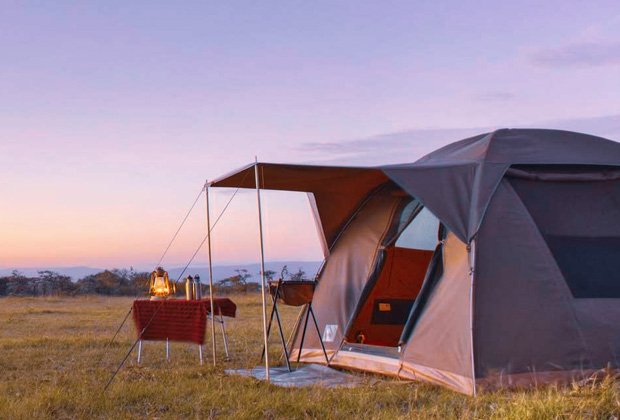
4 Days Serengeti and Ngorongoro Camping Safari
A practical 4-day camping itinerary linking Serengeti and Ngorongoro with realistic driving routes, campsites, and safari opportunities.
View package details4 Days Serengeti And Ngorongoro Safari From Zanzibar: A Practical
Plan a focused 4-day combo: Zanzibar to mainland Tanzania, then Serengeti and Ngorongoro safari. Learn how days split between island relaxation and classic savannah game drives, with...
View package detailsNo related package matches those filters. Clear one or more filters to see the other topic-matched options.



