
4 Days Serengeti and Ngorongoro Safari from Zanzibar is a bookable, two-leg itinerary: fly or transfer from Zanzibar to Arusha or Moshi, join a guided 2–3 days on the mainland covering Ngorongoro Crater and Serengeti, then return to Zanzibar or depart from Kilimanjaro/Arusha. The plan centers the travel sequence, realistic driving distances, and practical accommodations, without promising sightings. Exact flights, schedules, and hotel names depend on availability and the chosen operator, and must be confirmed during booking.

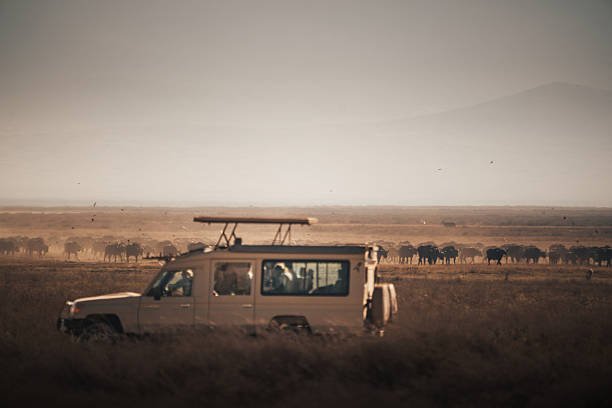
Overview of the two-leg journey
This 4‑day package blends a short Zanzibar chapter with a mainland safari spine. Expect a couple of hours of transfer time between the island and the safari heartland, plus two full days of game-viewing in Serengeti and Ngorongoro. The exact split between Zanzibar and the mainland portion is flexible in practice, but a typical arrangement is: Day 1 travel from Zanzibar to Arusha or Moshi, Day 2–3 Ngorongoro Crater and central Serengeti region, Day 4 Serengeti–Ngorongoro transfer and final departure from Kilimanjaro International or Arusha. The plan emphasizes realistic safari opportunities rather than guaranteed sightings.
Day 1: Zanzibar to the Tanzania mainland transfer
How you connect from Zanzibar to the mainland matters for timing and comfort. Most operators arrange a morning or early-afternoon flight from Zanzibar to Kilimanjaro International Airport (JRO) or to Arusha’s airport (ARK). A private transfer or short road drive from the arrival airport to a pre-arranged lodge gives you a clean handoff into the safari rhythm. If you’re staying near Stone Town or a beach resort, you’ll typically repackage safari gear and check in for the mainland leg before the afternoon light fades. The emphasis is on smooth transitions and predictable arrival times to avoid rushing into the first safari day.
Day 2: Ngorongoro Crater – gateway to the Rift Valley
From the departure point on the edge of the crater, a morning descent into Ngorongoro yields one of Africa’s richest wildlife concentrations. Your driver-guide will lead you along the crater rim roads, with chances to spot lion, elephant, zebra, wildebeest, and occasionally rhino in season. A picnic lunch or lodge-based dining is common, with an afternoon en route to central Serengeti lodges or camps. Driving here is largely straightforward, with short but sometimes bumpy sections depending on weather. The structure is a realistic, not a guaranteed, wildlife day, with time-balanced drives and breaks to manage fatigue and maximize alertness for animal activity.
Day 3: Serengeti National Park – core savannah experiences
Early starts pay off in the Serengeti. You’ll traverse a core section of the park, moving between kopjes, plains, and riverine zones depending on your safari camp’s location. Your driver-guide will adapt to animal movements, aiming to maximize opportunities while keeping within park guidelines and driving times. A typical day includes a morning game drive, a relaxed midday break at a lodge or picnic site, and a late-afternoon/early-evening drive when animal activity often peaks. It’s a reality that sightings cannot be guaranteed; the value comes from the landscape, potential interactions with elephants or grazing herbivores, and the expert guidance you receive between drives.
Day 4: Serengeti to Ngorongoro or Arusha transfer, then onward to Zanzibar
On the final day, you’ll consolidate the mainland experience with a measured transfer route back toward Arusha or Kilimanjaro Airport. Depending on flight times, you might have a final short morning game drive or a relaxed breakfast at camp, followed by a road transfer to the airport. If your return from Zanzibar is evening-bound, your itinerary accommodates the necessary buffer for domestic flights and security checks. The objective is a coherent, low-stress transition that respects safari rhythms while aligning with your departure plans.
Practical planning decisions you’ll face
- Flight vs. overland transfer to the mainland: Flights shorten travel time but require scheduling precision; overland options add scenery but longer drives.
- Accommodation type: Lodges near Ngorongoro and Serengeti vary in price and location; your choice influences morning drive timing and animal density exposure.
- Park fees and conservation contributions: These are standard across Tanzania parks and are typically indicated by the operator at booking, not guaranteed as inclusions on every page.
- Seasonal factors: Great migrations can influence where herds gather; the itinerary remains flexible to accommodate weather and road conditions.
What this plan does and does not promise
The 4-day Serengeti and Ngorongoro Safari from Zanzibar prioritizes a realistic sequence, practical transfers, and meaningful wildlife experiences within a compact frame. It does not guarantee sightings or specific animal encounters. It does, however, offer a clearly defined route with connected logistics, vetted accommodations, and a travel rhythm designed for comfortable pacing between island time and savannah adventure.
Booking considerations with Climb 4 Africa
Climb 4 Africa is a Kilimanjaro expert and Tanzania travel specialist. For this package, expect tailored flight coordination from Zanzibar, licensed guides with park experience, and a range of lodging options aligned to your budget and comfort level. Availability, exact flight times, and hotel selections are confirmed at booking; prices and inclusions vary by season and group size. If you’re curious about alternative splits (e.g., 2 days Zanzibar, 2 days mainland) or different park sequences, discuss your priorities with the travel consultant during inquiry.
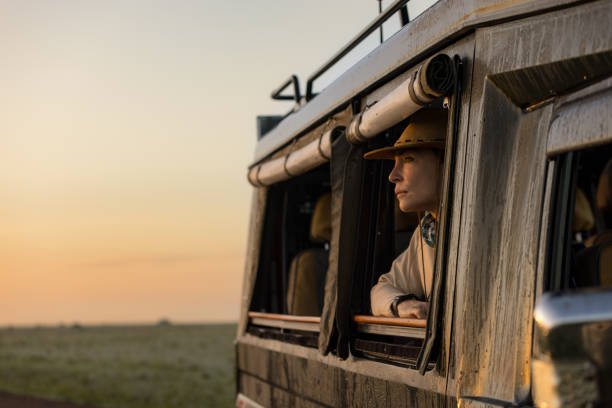

Next steps: how to proceed
To move forward, share your preferred travel window, party size, and any must-have accommodations or transfer preferences. Your operator will propose a concrete set of flights, drive routes, lodge names, and daily timings to align with your arrival and departure. Keep flexible buffers for domestic flight changes and possible weather-related adjustments, and you’ll have a smooth, bookable plan that blends Zanzibar downtime with a focused mainland safari experience.
Day 2–3 on the Mainland: What actually happens between Ngorongoro and Serengeti stay logistics
Reading the outline of a 4‑day Zanzibar–Tanzania mainland safari, many travelers want concrete, day‑by‑day clarity about where you’ll be, when you’ll drive, and what you’ll experience beyond the broad promises of “game drives” and “core savannah.” This section adds a practical, booking‑level lens to Days 2 and 3, detailing the most common mainland sequence that operators propose for a 2–3 day spine, including the practical transitions between Ngorongoro Crater and Serengeti reserves, typical drive times, and the kinds of lodge or camp settings that consistently align with this pattern. It does not fix a single hotel list or a guaranteed animal count; it explains the rhythm you’re most likely to encounter when you confirm a 4‑day package via a reputable Tanzania operator.
Common mainland sequence (typical, not guaranteed): Ngorongoro Crater morning descent, followed by a late‑morning transfer west or northwest toward central Serengeti lodge or tented camp, with a first afternoon or optional sunset game drive in a nearby ecosystem. The next day, a full day of game viewing usually centers on a relatively compact corridor that connects the Ngorongoro highlands into the Serengeti plains. Expect a dawn wake‑up call, quick coffee, and a short drive to a gate or access point, after which vehicles move to the park’s core savannah zones. It’s this continuous thread—early starts, short drives between parks, and a focus on maximizing morning wildlife activity—that characterizes the mainland spine for most 4‑day Zanzibar itineraries.
Driving practicality and route choices matter as much as the camp type. In practice, two default patterns emerge: a Ngorongoro–Serengeti arc that stays closer to the central Serengeti ecosystem, maximizing grassland and kopje vantage points; or a Ngorongoro–Western Corridor route that reaches the Seronera or Kusini areas depending on seasonal wildlife movements. The choice hinges on traffic conditions, road quality, and current wildlife concentrations, all of which shift with rain, migratory activity, and park management priorities. Operators commonly preselect a route based on your travel window and the lodge’s location within the park boundary; this is why confirming the exact camp name and its geographic sector happens closer to booking, not before you’ve locked in your mainland dates.
What to expect in terms of daily rhythm on Days 2–3: a wake‑up window typically between 05:30 and 06:30, a light breakfast at the camp, and a first game drive that may last around three to four hours, depending on animal sightings and park rules. Mid‑morning tea or a mid‑drive break is common in cooler, shaded spots, followed by a long, winding driveway to a lunch site—often a shaded seating area at a scenic bend, or a picnic spot near a Kopje with a panoramic view. After lunch, vehicles may resume another two to three hours of game drives, interspersed with occasional wildlife photography stops and brief rest periods. Dusk returns you to camp in time for sunset views from your verandah or a shared lounge, with dinner served shortly after. If you’re staying in a lodge with a central location rather than a mobile or seasonal camp, the routine can skew shorter drives and more time around a single waterhole or river corridor, because the lodge’s nearby trails reduce travel time between wildlife concentrations and rest facilities.
Knowledge you’ll want for planning and packing: Days 2–3 are as dependent on weather and road conditions as on wildlife cycles. In the rainy season, roads may be muddier and travel times longer, but vegetation is lusher and animals can cluster around available water sources. In the dry season, the landscape is more open, and animals concentrate around remaining waterholes, which can yield dramatic, predictable sightings near riverine channels or kopjes. Pack for multiple micro‑climates: early mornings are cool, afternoons can be warm, and vehicle interiors can get dusty. Your guide will offer a quick briefing on how to light pack, camera setup, and staying hydrated during long drives.
Accommodation typology for Days 2–3: Mainland stays are usually lodge‑ or tented camp–style, with a strong emphasis on boundary safety and wildlife visibility. A central lodge in Ngorongoro or close to the Serengeti entry points can offer predictable logistics and shared facilities, while a mobile or semi‑permanent camp in a Serengeti ecosystem provides closer proximity to prime savannah habitats and often more intimate small‑group experiences. Regardless of the exact property, expect en suite facilities, a dining area with open‑air or indoor seating, and a balcony or viewing deck where you can watch wildlife at dawn or dusk without leaving your room’s vicinity. If you’re a family or first‑time safari guest, a lodge with predictable service, a reliable water supply, and accessible dining options tends to improve comfort during long days in the field.
Day 3: Serengeti National Park – core savannah experiences (typical outline)
The Serengeti portion of the mainland spine aims to place you in zones with high wildlife density and classic savannah scenery. The core day usually unfolds with a morning drive focused on the northern or central Serengeti plains, depending on the park’s seasonal wildlife map and the operator’s schedule. Your vehicle will travel between kopjes, grassy flats, and riverine edges where herbivores feed and predators patrol. A key practical note: the Serengeti’s vastness means you’ll rarely cover the entire park in a single day. Guides optimize a segment of the ecosystem that aligns with recent animal movements and the transfer timing to Ngorongoro on Day 4 or the following morning.
Typical activities include: following lion prides along a riverbed, observing cheetahs created by long sightlines across open savannah, and encountering elephant herds near acacia woodland patches. Birdlife and smaller mammals punctuate the drive, providing a richer context for the larger predators and herbivores. The best‑case safari moment in Day 3 is often a strategic location where a river bend or seasonal marsh concentrates multiple species within sighting distance of the vehicle, enabling a compelling multi‑species photo sequence without long stares into the distance. Your guide will balance patience with the need to keep schedule integrity for the Day 4 transfer back toward Arusha or Kilimanjaro airport.
What you should know about fees and timing on Day 3: Park entry and vehicle fees apply per person and per day, and your operator typically handles these in advance; your actual bill is settled during booking with a clear breakdown. If you’re joining a small‑group itinerary, you’ll rarely exceed six guests per vehicle, which improves animal viewing opportunities and reduces voice congestion in the field. If you have a mobility constraint or require a high‑comfort vehicle with more space, flag this early so the operator can arrange a suitable vehicle class and seating arrangement for Day 3’s drive profile.
Ending Day 3 with an eye on Day 4: As the afternoon drives wind down, plans for the following morning usually revolve around a transfer back toward Ngorongoro or the Arusha area. The exact timing hinges on your departure airport and flight schedules, so you’ll often wrap up with a farewell game drive or a relaxed meal at camp before packing for the next leg. If your plan includes returning to Zanzibar from Kilimanjaro or Arusha, Day 4 will begin with a transfer toward your departure point, followed by a domestic flight or overland drive, depending on the chosen option and air availability.
Frequently asked practical questions about the day-by-day sequence and the mainland link
Readers which this bookable plan serves often want a sharpened understanding of how the Zanzibar chapter and the mainland safari connect in practice. This section adds a tightly focused, booking-relevant clarification that sits alongside the existing day labels without replicating earlier content. It stays grounded in verifiable logistics rather than generic travel advice, and it avoids promising wildlife encounters beyond what the day-to-day schedule can reasonably imply.
How is the Zanzibar-to-mainland transition timed within the itinerary? The transition is staged to minimize idle time and maximize the first mainland safari window. In typical configurations, travelers depart Zanzibar in the morning or early afternoon, fly to the mainland (to either Kilimanjaro International Airport or Arusha’s airport), and transfer to a lodge or camp near Ngorongoro or the Serengeti corridor. Depending on flight availability, you may arrive with a short buffer before a late-afternoon orientation drive or an early dinner followed by a briefing at the lodge. The exact timing hinges on the chosen operator’s flight schedule and the land transfer partner’s routing that day.
Which exact mainland locations are included, and how do they relate to the day labels? The plan centers Ngorongoro Crater and a central or northern Serengeti zone as the primary mainland blocks. Day 2 is typically devoted to Ngorongoro Crater with a descent into the crater floor and a circular rim drive to maximize sightings along the famous viewpoints. Day 3 concentrates on Serengeti core savannah areas, often starting in the plains or kopje-dotted regions depending on seasonal movement patterns. Day 4 consolidates the return transfer toward Arusha or Kilimanjaro, with timing aligned to flight schedules. These choices are subject to availability and park logistics on the day, not fixed in stone before booking.
What if flight times shift or are delayed? Operators commonly build a small buffer into the day structure to accommodate flight changes. If delays occur, the vehicle and guide maintain flexibility to adjust the morning schedule, sometimes moving a later start, shortening a short lunch window, or reorganizing the afternoon drive in a nearby area. In all cases, the transfer plan prioritizes a safe, comfortable pace and adherence to park entry rules and gate opening times. If a flight loss is possible, the operator will propose alternative connections or a revised land route, but such changes depend on the operator’s network and current local conditions.
Are accommodations constrained by the day’s location? Yes. Lodges near Ngorongoro and Serengeti vary by distance to gates, gate opening times, and the typical drive distance to the day’s game-viewing zones. A Ngorongoro-based lodge generally positions you for an early descent and breakfast schedules that align with crater access. Serengeti-based camps or lodges are chosen to minimize long first drives on Day 3 while allowing access to preferred zonas. For guests with mobility considerations, operators can request higher-vehicle clearance, extra space, and a more gradual drive plan between camps.
What should I expect in terms of costs on the mainland days? Park entry fees and vehicle charges are standard, with per-person rates set by the park authorities. Operators typically collect these as part of the booking package and settle the official receipts on-site where required. While the article avoids fixed prices, you should anticipate a per-vehicle consolidated charge for daily park access, plus the customary activities cost element tied to the guided drives. Any additional experiences—such as a bush breakfast or a sunset stop—will depend on the specific camp’s offerings and the guide’s approval within park rules.
How do I handle luggage and gear for the mainland days? Zanzibar-to-mainland transfers are designed to accommodate standard safari gear: a small soft-sided bag for the vehicle, a light daypack for water and cameras, and a separate suitcase for hotel lobby storage if needed. Flights within Tanzania typically have a baggage allowance that the operator will confirm in the final itinerary. Camps on the mainland prefer minimal luggage to ease vehicle loading and to respect park regulations regarding vehicle space. If you anticipate a longer stay or different lodgings, your guide will coordinate with the lodge to arrange storing options or a temporary overflow arrangement.
What if I want to adjust the balance between Ngorongoro and Serengeti time? Flexibility exists but is constrained by availability and park logistics. The most common plan backbones are a Ngorongoro-descent day plus a Serengeti day, followed by a transfer-back day. If you request more Serengeti coverage, the operator may shift Day 2 toward a Ngorongoro-Serengeti combined sequence or adjust Day 4 timing with an earlier or later departure from the Serengeti. Any adjustment should be discussed during booking so flight connections and gate schedules can be aligned accordingly.
What documentation do I need for the Zanzibar-to-mainland leg? A valid passport is required, with any necessary visas or transit documents verified before departure. If you’re transferring from a resort on Zanzibar to the mainland, you may encounter domestic flight check-in procedures and security checks that require a passport and the visa-stamp page. If you have special travel documents or unaccompanied minor considerations, notify the operator in advance so they can arrange appropriate support or consent forms if needed.
In short, this addition to the article clarifies the practical edges of moving from Zanzibar into the two-leg safari spine, with attention to timing, location logic, and the realities of park access and local operations. The emphasis remains on a feasible, bookable sequence that prioritizes logistics, safety, and the intended balance of experiences over any guaranteed wildlife outcomes.
Clarifying the mainland–island transition: what to expect for a smooth Zanzibar–To–Mainland handoff
A reader often asks how the Zanzibar chapter actually funnels into the 2–3 days on the mainland, and what happens if flight times drift or a resort day is extended. This section zooms in on the concrete, bookable transition elements that are critical to planning but frequently underdefined in generic itineraries. It aligns expectations with the practical realities of the Zanzibar-to-mainland leg and lays out the decision points you’ll encounter when finalizing a booked plan.
First, the core assumption is that your Zanzibar segment concludes with a domestic flight to Tanzania’s mainland gateway—most commonly Kilimanjaro International (JRO) or Arusha (ARK). The flight is typically scheduled in the morning or early afternoon to optimize arrival before the day’s late-afternoon wildlife drives begin. Your operator coordinates this flight alongside ground transfers, so the pair of flights and road legs become a single, coherent flow rather than two separate trips. If your Zanzibar stay ends with a resort transfer, you’ll transfer luggage and safari gear to the mainland-bound courier or nanny vehicle, ensuring your daypack remains with you for airport procedures and the first game drive preparations once you land.
Upon landing, a pre-arranged transfer company—often the same operator coordinating your safari—takes you to a chosen mainland lodging. The drive from the airport to the lodge is framed by two realities: park gate timing and the daylight available for your first afternoon in the field. In Ngorongoro and central Serengeti configurations, that first mainland afternoon is commonly spent in a short orientation drive around the lodge’s immediate surroundings and neighbors, plus an optional sunset or twilight stop if terrain permissions and your guide’s plan permit it. The goal isn’t to race through a to-do list, but to align your body clock and readiness with the wildlife activity patterns you’ll pursue in the two days that follow.
What if a flight is delayed or a domestic flight is canceled? Operators build a buffer into the day-by-day plan but the practical effect is that your arrival window may shift the afternoon program by an hour or two. If a delay cascades, the guide team will adjust the following day’s drive schedule to maximize early-morning animal movements—this is a routine mobility adjustment rather than a disruption to the overall spine of the itinerary. The critical takeaway is that the mainland portion operates on a predictable cadence: settle in at the lodge, with a light orientation drive or a short riverine stroll if permitted, followed by a first full game drive at dawn the next day. You’ll know the general timing at booking, and the exact hands-on schedule will be reaffirmed in your final itinerary after flight confirmations.
Second, gear and luggage logistics at the transition are straightforward but worth detailing. Zanzibar-to-mainland transfers are designed for compact, efficient packing: a single soft-sided bag (15–20 kg/33–44 lb) plus a daypack for essentials, camera gear, water, and a light jacket. The mainland lodge or camp often has storage space for excess luggage if you’re combining multiple nights in the Serengeti with Ngorongoro stays or if your Zanzibar accommodations offer a resort extension. Your guide will confirm baggage allowances for all internal flights in advance, since some domestic services have stricter limits than international legs. Pack with a focus on climate versatility: light cottons and breathable fabrics for midday heat, a fleece or jacket for dawn chill, and a reliable hat and sunscreen for sun exposure during long drives.
Third, the connection between land-based drives and the flight elements is anchored by park rules and park access. Ngorongoro Crater access requires descending from the crater rim into the caldera, which is a time-sensitive window governed by daylight, road conditions, and the guide’s permit constraints. Serengeti game drives rely on a mix of movement opportunities and vehicle density limits within conservation rules. Your day-by-day plan will reflect a balance between these logistics and the flight/transfer times you’ve booked. In practice, the mainland days are structured to maximize early daylight hours in areas with high wildlife density while preserving the ability to return to camp for meals and rest before late-afternoon drives or early morning starts depending on the exact itinerary style you’ve chosen.
Finally, a practical note on substitutions and flexibility. If you’re traveling in high season and your operator has to switch lodges or alter a drive route due to weather or wildlife concentrations, you’ll generally be notified by the guide team well in advance of the change window. Such adjustments are designed to preserve the overall day count and the spirit of a two-leg journey—two nights on the mainland plus the Zanzibar element—without forcing a redraw of your core logistics. The emphasis remains on clear sequencing: Zanzibar arrival and transfer to a mainland base, two intensive mainland days balanced by dawn-to-dusk game-viewing potential, and a courteous, timely return transfer to Kilimanjaro or Arusha for onward travel. This approach keeps you aligned with the bookable nature of the plan while respecting the variability inherent to wildlife sightings and transport schedules.
Gaps and practical refinements: clarifying the handoff between Zanzibar and the mainland
Since the article centers on a bookable sequence that blends a Zanzibar start with a mainland safari spine, readers inevitably seek concrete clarity on how the island chapter funnels into the two mainland days without ambiguity. This newly added section focuses on a single, essential question that consistently surfaces in inquiries: exactly how many nights on the mainland are dedicated to Ngorongoro Crater and Serengeti, and what governs the transition timing from the Zanzibar chapter to the first mainland drive?
In most bookable iterations aligned with this plan, the mainland component comprises two nights in a Serengeti–Ngorongoro corridor, plus the logistics to reach Kilimanjaro International Airport (JRO) or Arusha (ARK) for onward travel. The sequence typically unfolds as follows: after a morning or early-afternoon flight from Zanzibar to the chosen mainland gateway, guests transfer to a lodge or camp oriented to the crater rim or northern Serengeti gateways. The actual night count sits squarely on the plan’s backbone: two full days of guided game-viewing and related park activities on the mainland, capped by a departure day that aligns with the chosen international or domestic flight. This structure preserves the two-leg concept while avoiding imprecise promises about where exactly you will stay each night or which exact drive routes will be used, since those are contingent on availability and the operational choices of the tour partner.
To minimize confusion and set clear expectations, consider these practical anchors that consistently influence the handoff:
- Time buffering: In practice, your schedule typically includes a window on the arrival day for transfer to your mainland base, with a compromise between avoiding long waits and ensuring the first afternoon or morning game drive remains feasible. If a late arrival occurs, the first mainland activity may shift to a sunset drive or a morning game drive the following day, depending on park rules and your operator’s risk-management approach.
- Vehicle and guide allocation: The two mainland days rely on a single guide or a paired-guide arrangement within a small fleet. Your lodge or camp will coordinate a core group, with backup itineraries available in case of crowding or seasonal road conditions. This means that the exact drive order (which zone you visit first) can vary, but the overarching aim is to maximize opportunities for visibility in the most accessible habitats given dawn-to-dusk windows.
- Accommodation logic: Mainland lodging selections are typically clustered near Ngorongoro or central Serengeti gateways to balance drive times and meal schedules. If your Zanzibar stay extends with a resort-based beach add-on, the mainland nights are planned as a compact, high-yield spine rather than a rotating chain of hotels across a wide geographic spread. The emphasis remains on predictable handoffs, not on reinventing the entire lodging map on short notice.
- Flight specifics: Internal flights (Zanzibar to JRO/ARK) carry their own baggage rules and timing constraints. Your operator will confirm luggage allowances and any restrictions well before departure. Pack light and consider using airline-approved bags to avoid last‑minute complications at the check-in desk, particularly with soft-sided luggage that must fit into limited overhead or hold space on small aircraft.
When you’re reading the day-by-day sections that follow, use these lens clues: which day marks the first full mainland drive, what is the likely base camp for that night, and how does the transfer timing to the first drive slot into the dawn-to-dusk rhythm? The aim is a clean, repeatable pattern: Zanzibar arrival, mainland handoff, two solid days of wildlife-focused journeys, and a measured return to the airport for onward travel. If any operator offers a different distribution of nights (for example, a single night on the mainland or three full days in the Serengeti without a Ngorongoro stop), treat that as a variant of the same core framework rather than a replacement for the kit of essential steps outlined here.
Finally, note the non-guarantee clause that governs all bookable wildlife itineraries. Sighting probabilities, animal movements, and even weather can alter the day’s plan. This addition clarifies that the written itinerary is a sequence built to maximize reliable logistics and typical wildlife-density opportunities while preserving the two-leg structure. It does not promise specific animals on specific days, nor does it fix every hotel, flight, or drive route in advance; those details are finalized during booking with your chosen operator, after you’ve confirmed your preferred travel window and party size. This transparency supports informed decisions and realistic expectations as you prepare for a compact, action-rich Tanzania experience that respects both island and mainland realities.
Related Guides and Packages
Check Availability for 4 Days Serengeti And Ngorongoro Safari From Zanzibar: A Practical
Ready to compare dates, prices, and the best option for your group? Send the package name and travel month so the team can reply with a clear quote, availability, and what is included.
6 Days Serengeti Ngorongoro And Tarangire Safari From Zanzibar: A Bookable
Plan a 6-day wildlife circuit that links Zanzibar with Tanzania’s top parks—Tarangire, Serengeti, and Ngorongoro. Discover practical routing, transfers, and realistic safari opportunities...
View package details5 Days Tarangire Serengeti And Ngorongoro Safari From Zanzibar: Mainland
Plan a practical 5-day safari that starts with a flight from Zanzibar to Moshi/Arusha, then tours Tarangire, Serengeti, and Ngorongoro in sequence. This guide outlines day-by-day logistics...
View package details12 Days Tarangire, Serengeti, Ngorongoro And Zanzibar Safari 2026-2027
12 Days Tarangire, Serengeti, Ngorongoro and Zanzibar Safari.
View package details
4 Days Tarangire Serengeti And Ngorongoro From Zanzibar 2026-2027
4 Days Tarangire Serengeti and Ngorongoro from Zanzibar.
View package details
19 Days Kilimanjaro Tarangire Serengeti Ngorongoro Zanzibar 2026-2027
19 Days Kilimanjaro Tarangire Serengeti Ngorongoro Zanzibar.
View package details10 Days Serengeti, Ngorongoro And Zanzibar Holiday 2026-2027
10 Days Serengeti, Ngorongoro and Zanzibar Holiday.
View package details3 Days Luxury Serengeti Fly-In Safari From Zanzibar: A Practical
A focused, bookable 3-day Serengeti fly-in safari that begins with a Zanzibar departure and lands you into the Serengeti for guided game drives, with practical transfer details and...
View package details
3 Days Serengeti Safari From Zanzibar By Flight: A Practical, Bookable
A practical, bookable 3-day Serengeti safari from Zanzibar by flight, detailing how the island-to-mainland transfer works, and what to expect each day without overpromising wildlife.
View package details2 Days Tarangire and Ngorongoro Safari from Zanzibar: a practical, bookable
A practical, bookable 2-day safari itinerary starting from Zanzibar, linking Tarangire National Park and Ngorongoro Crater with sensible transfers, realistic drives, and grounded...
View package details16 Days Marangu Route Serengeti Safari And Zanzibar 2026-2027
16 Days Marangu Route Serengeti Safari and Zanzibar.
View package details16 Days Kilimanjaro Serengeti Safari And Zanzibar 2026-2027
16 Days Kilimanjaro Serengeti Safari and Zanzibar.
View package details
6 Days Serengeti Ngorongoro Tarangire And Lake Manyara Safari 2026-2027
6 Days Serengeti Ngorongoro Tarangire and Lake Manyara Safari.
View package detailsNo related package matches those filters. Clear one or more filters to see the other topic-matched options.



