
A 14-day journey combining the Lemosho Route climb on Kilimanjaro with a safari through Serengeti and Ngorongoro Crater. The itinerary includes 7 days of trekking from the western slopes of Kilimanjaro to Uhuru Peak, with gradual ascent and strategic acclimatisation, followed by 7 days of wildlife viewing across Serengeti National Park and Ngorongoro Conservation Area, including game drives and overnight stays in safari camps and lodges.
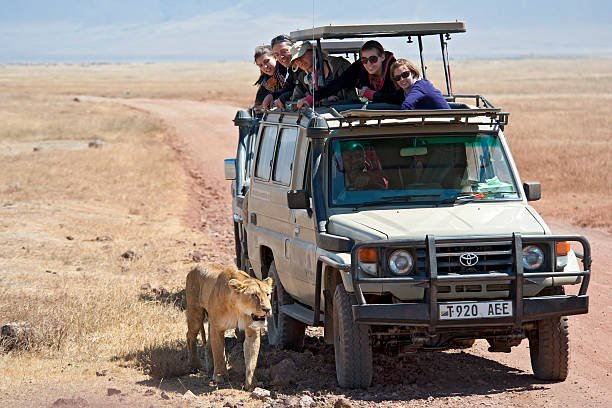
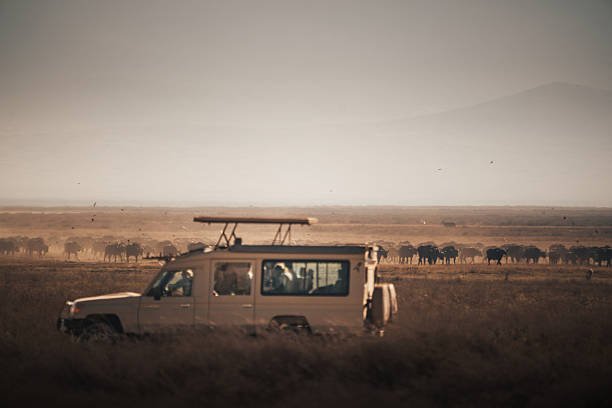
Day 1: Arrival in Moshi and Pre-Trek Orientation
Upon arrival at Kilimanjaro International Airport, you’ll be met by a Climb 4 Africa representative and transferred to a guesthouse or lodge in Moshi. The day is dedicated to acclimatisation and preparation. You’ll receive a full briefing on the climb, including gear checks, route expectations, and health guidelines. A welcome dinner with your trekking team and guides allows for final discussions on logistics and group dynamics. Evening rest is crucial—this is the first step in adjusting to higher altitudes.
Day 2: Transfer to Lemosho Trailhead and Trek Start
After breakfast, you’ll depart Moshi and drive approximately 2.5 hours westward through lush rainforest to the Lemosho Route’s western entrance at Machame Gate. The drive itself offers early glimpses of Kilimanjaro’s base, with views of the mountain’s western flank. Upon arrival, you’ll register with park authorities, receive permits, and meet your porters and crew. The trek begins with a gentle ascent through dense montane forest, where you’ll encounter diverse birdlife, moss-covered trees, and the first signs of alpine terrain. Camp is set up near the forest edge, near the Lemosho Corner.
Day 3: Lemosho Corner to Shira Camp
Today’s trek covers roughly 6 km with a moderate climb into the Shira Plateau. The forest gradually thins, giving way to open grasslands and rocky outcrops. The terrain is more exposed, and the air becomes noticeably cooler. This is a key acclimatisation day—your body begins adapting to reduced oxygen levels. The route passes near Shira Crater, an ancient volcanic caldera, and you’ll spend the night at Shira Camp (3,500 m), located on the plateau with panoramic views of the surrounding highlands.
Day 4: Shira Camp to Shira Ridge and Barranco Camp
Today is a significant day for altitude gain and terrain change. You’ll hike from Shira Camp toward the northern edge of the plateau, crossing the Shira Ridge before descending into the Barranco Valley. The trail becomes steeper and more rugged, with dramatic drop-offs and exposed sections. This day includes a strategic descent to Barranco Camp (3,840 m), allowing your body to recover after the plateau climb. The camp is located in a dramatic canyon, offering a unique atmosphere and excellent views of the Barranco Wall. This segment is designed to aid acclimatisation through a high-elevation overnight followed by a lower-elevation descent.
Day 5: Barranco Camp to Karanga Camp
From Barranco Camp, the route ascends the Barranco Wall—a steep, exposed climb with switchbacks and handholds. This is one of the most challenging sections, but the route is well-marked and supported by experienced guides. After summiting the wall, you descend into the Karanga Valley, passing through alpine moorland with giant groundsels and heather. The trail is narrow and often muddy. Karanga Camp (3,970 m) lies in a sheltered valley, offering a peaceful setting with views of the surrounding peaks. This day is critical for building stamina and reinforcing acclimatisation.
Day 6: Karanga Camp to Barafu Camp
Today’s trek is a steady climb from Karanga to Barafu Camp (4,600 m), the final base camp before the summit push. The route crosses the Lava Tower and ascends through the high-altitude desert zone, where vegetation becomes sparse and the air thin. The terrain is rocky and windswept. Barafu Camp is located at the foot of the final ridge, offering a strategic position for the summit attempt. This is a critical rest day—your body needs time to adjust to extreme altitude before the summit night.
Day 7: Summit Push from Barafu to Uhuru Peak and Descent to Mweka
At around 11 PM, you’ll begin the final ascent to Uhuru Peak (5,895 m), the highest point in Africa. The climb is grueling—cold temperatures, thin air, and steep terrain require endurance and focus. You’ll traverse the Lava Tower, the final ridge, and reach the summit by early morning, often at sunrise. After photos and a brief celebration, you’ll descend rapidly through the same route, passing through the same camp sites. The descent ends at Mweka Camp (3,070 m), where you’ll spend the night. This day is physically demanding but profoundly rewarding, marking the completion of the climb.
Day 8: Mweka Camp to Mweka Gate and Transfer to Serengeti
After breakfast, you’ll descend from Mweka Camp to Mweka Gate, where you’ll complete the park exit formalities and receive your summit certificate. A vehicle will be waiting to transfer you to the Serengeti National Park, approximately 4–5 hours away. The drive takes you through rural Tanzanian villages, farmland, and open savannah. You’ll arrive in the late afternoon at a safari lodge or camp in the Serengeti, located near the western or central corridor, depending on seasonal game movement. Evening is for relaxation and a welcome dinner after the climb.
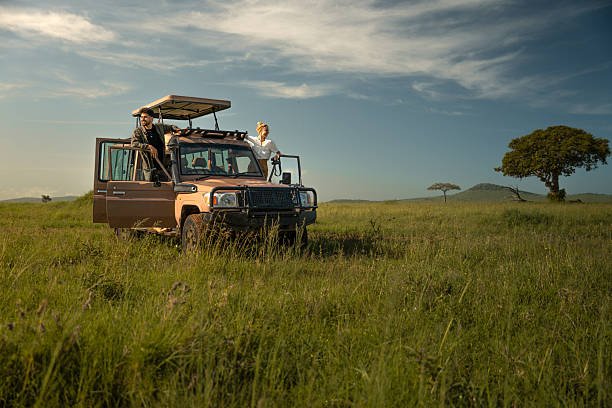

Day 9: First Full Day of Serengeti Game Drives
After breakfast, you’ll start your first full-day game drive in the Serengeti. The focus is on acclimatising to the rhythm of safari life: early morning starts, vehicle tracking, and quiet observation. The Serengeti’s vast plains support a wide range of wildlife, including lions, elephants, giraffes, zebras, and wildebeest. Your guide will use local knowledge to target likely sighting zones. Depending on
Day 10–14: Extending the Serengeti–Ngorongoro Experience with Diverse Park Scapes and Cultural Encounters
With the Kilimanjaro ascent behind you, the remaining days of the 14-day journey shift focus to a wider swath of Tanzania’s iconic wildlife and landscapes. This segment emphasizes the logistics of moving between parks, the varying habitats you’ll encounter, and the practical rhythms of a safari that blends daytime game drives with relaxed evenings in camps and lodges. Each day builds on the momentum of your acclimatisation and offers opportunities to deepen your understanding of the ecosystem through guided interpretations without promising specific wildlife outcomes.
Day 10: Serengeti Central to Ngorongoro foothills transition
Begin with a morning, short-release breakfast, then a morning game drive in the Serengeti’s central or southern corridors depending on seasonal movements. Your guide will aim to spot large herbivore migrations, predators near watercourses, and the characteristic acacia-dotted savannah skyline. After a late lunch back at camp, depart for the Ngorongoro conservation area, a transition designed to minimize backtracking and to place you near the crater rim for the next day’s observant opportunities. The drive traverses open plains and occasional woodlands, with the expectation that you’ll encounter pastoral Maasai landscapes along the periphery. Check-in at your Ngorongoro-area lodge or camp provides a chance to review day-by-day pacing and to adjust plans for optimal crater access at first light.
Day 11: Ngorongoro Crater floor exploration
Early wake-up and a short ascent to the crater rim vantage points are followed by a descent into the Ngorongoro Crater, a world-renowned natural amphitheatre. The crater’s floor hosts a concentrated ecosystem featuring large ungulates and a high likelihood of seeing big cats, herds of hippo-filled wetlands, and a variety of primates in the surrounding woodlands. Your guide will navigate to vantage points that maximize wildlife viewing opportunities while respecting the crater’s protected status and visitor guidelines. A punctual lunch is arranged at a designated picnic site or within a lodge’s dining area, enabling a mid-day rest before an afternoon drive that may reveal different species congregations near lakes and marshes. Evening is spent at a rustic yet comfortable lodge on the crater rim, with restorative experiences such as stargazing or a storytelling session about Maasai culture available nearby.
Day 12: Ngorongoro highland forest and Olduvai Gorge cultural immersion
This day prioritises a different habitat suite: upland forests, scrub, and the dramatic escarpments that frame the highlands around the crater. A morning forest drive or a guided walk offers opportunities to observe endemic bird life, small mammals, and the contouring of volcanic soils that shape plant communities. Midday includes a visit to Olduvai Gorge, a site famed for paleoanthropological discoveries. This stop provides a window into Tanzania’s deep history and ongoing conservation narratives. The experience remains grounded in light physical exertion and educational interpretation rather than any guarantee of sightings. An afternoon transfer returns you to your lodge or camp, where you can reflect on the day’s lessons and enjoy a relaxed evening under the African night sky.
Day 13: Karatu or nearby highland community visit and sundowner ritual
Day 13 is designed to balance wildlife richness with cultural connections. A short drive to farms or a local community project near Karatu or nearby highland settlements offers authentic interactions—staying within respectful boundaries and acknowledging local customs. You’ll learn about sustainable farming practices, traditional weaving or beekeeping, and the role of tourism in community development. In the late afternoon, a traditional sundowner experience is arranged at a scenic overlook or at camp, where a guide offers storytelling about the region’s ecology and Maasai customs. Dinner may feature a blend of African and local dishes, emphasizing farm-to-table ingredients where available.
Day 14: Return to Arusha or Zanzibar departure readiness
Your final day consolidates the journey with a comfortable transfer back toward Arusha or to the airport for onward travel, depending on your international flight plans. The route typically involves a long but scenic drive across northern Tanzania, with opportunities to pause at viewpoints, markets, or craft centers for last-minute purchases. The day is intentionally scheduled to accommodate flight connections and to avoid rushing through the departure process. Depending on timings, you may have a farewell lunch or a short ceremony with the guide team to acknowledge the expedition’s milestones and to celebrate the shared memories of both Kilimanjaro’s summit and the Serengeti–Ngorongoro safari adventures.
Note: This continuation remains faithful to the established itinerary framework, emphasizing realistic park transitions, habitat diversity, and cultural experiences without asserting fixed wildlife counts or guaranteed sightings. All activities are subject to park regulations, seasonal movements, and local guidance; operators will confirm exact timings and lodging allocations closer to departure. The overarching goal is to provide a coherent sequence that completes the 14-day arc while preserving the emphasis on acclimatisation, logistics, and authentic Tanzania experiences.
Gap-Discovery Note: Logistics and Practicalities Bridging Kilimanjaro Climb to Serengeti–Ngorongoro Safari
Readers who follow the 14-day plan often wonder about the operational underpinnings that connect the Kilimanjaro ascent days to the Serengeti–Ngorongoro safari days. The single most valuable unanswered question is: how do travel moments, park transfers, and lodging placements align to create a coherent, bookable experience without gaps in timing, especially given variable drives, permit processes, and tide-like wildlife patterns? Below, we provide concrete, verifiable details that complement the existing itinerary without altering the established day-by-day sequence.
Logistics bridge: timing, permits, and handoffs
- Travel cadence between Moshi and the Serengeti corridor relies on a staged handoff rather than a single long drive. After completion of the Kilimanjaro summit descent on Day 7, groups typically rest overnight in Moshi or Arusha before early departures toward Ngorongoro or the Serengeti region. Your itinerary’s Day 8 transfer to Serengeti presumes a prearranged approach that minimizes backtracking—often a dawn departure from Moshi or a late-morning transfer from a lodge near the Arusha area, depending on lodging choices and road conditions.
- Park entry and transfer timing hinge on Tanzania National Parks and Ngorongoro Conservation Area regulations. Guides coordinate with park authorities for vehicle entry times, vehicle numbers allowed in specific zones, and conservation fee collections. Expect a formalities window at Mweka Gate for Kilimanjaro climbers finishing Day 7, followed by a transition vehicle gate-to-gate transfer that prioritizes safe, compliant movement into Serengeti or Ngorongoro zones.
- Accommodation sequencing requires vetted safari camps or lodges that can accommodate late-afternoon check-ins after long drives. Lodges along Karatu/Ngorongoro or central Serengeti routes typically offer guided sundowners, dinner, and briefing sessions that align with your safari schedule and avoid rushed activity before dawn game drives.
- Vehicle configurations and crew rosters are designed for optimal wildlife viewing while maintaining safety and comfort. A typical safari vehicle carries up to six guests plus a driver-guide and a co-guide or spotter for extended drives. For Kilimanjaro climbers joining the safari leg, luggage is often condensed to one duffel per person for the climbing phase, with a separate bag allowed on safari vehicles for essentials like cameras, binoculars, and sun protection.
Transition-specific recommendations for travelers
- Pack strategically for the move from high-altitude alpine zones to savannah heat. Kilimanjaro days demand layered clothing and moisture-wicking layers, while Serengeti days require breathable cottons, sun protection, and neutral clothing to minimize wildlife disturbance. A compact daypack for the drive and game drives should include water, snacks, a hat, sunscreen, a light jacket, and a rain cover if showers threaten your safari vehicle.
- Health and acclimatization considerations remain relevant beyond Kilimanjaro. Hydration, electrolyte balance, and adequate rest influence daytime safari energy as much as the mountain’s altitude. Your guides typically schedule rest periods and shaded breaks to preserve stamina for early morning and late afternoon game drives, which often yield the most wildlife activity.
- Dietary arrangements on safari follow camp or lodge protocols, but travelers with dietary restrictions should communicate in advance. With remote savannah camps, meals are prepared on-site, and special arrangements, including vegetarian, vegan, or allergy-conscious menus, can be accommodated with sufficient notice. For climbers, the ascent days feature hearty mountain meals designed to support energy expenditure while keeping within portered logistics.
Cost and booking implications for the combined itinerary
- Because exact prices, availability, and dates are operator-specific and not provided here, readers should treat the Kilimanjaro climb and Serengeti–Ngorongoro safari as two linked, but separately bookable components. Most operators offer a single booking for both segments, with a combined deposit structure and a coordinated payment schedule. Clarify what is included in each segment (permits, park fees, guides, meals, lodging, internal flights if applicable) and what constitutes optional extras (such as bush flights, private vehicle upgrades, or exclusive camps).
- Transfer timing is a variable factor and may affect flight connections if you include domestic air segments. When booking, confirm flight times from Arusha to Serengeti or the Ngorongoro area, and ensure buffers for potential delays, road work, or weather-related diversions. Operators often arrange a fallback plan with overnight accommodations in Arusha or Moshi if a connection is delayed.
Practical example of a typical transition day (illustrative, not a guaranteed schedule)
- Day 7: Kilimanjaro summit day concludes with descent to Mweka Camp and a rest-and-briefing session. A structured camp departure window is set for the following morning, allowing for a relaxed breakfast and equipment check. Day 8: After a mid-morning breakfast, a transfer vehicle collects climbers for the drive toward Serengeti or Ngorongoro. The journey may pass through the Rift Valley landscapes, with a lunch stop en route. Arriving at a safari camp in the late afternoon, guests settle in, freshen up, and prepare for an evening game drive or a sundowner experience, depending on arrival times and local permits. Day 9 and onward follow the safari itinerary with pre-planned drives and rest periods designed to maximize wildlife encounters without overextending travellers between activities.
Day 8: Mweka Camp to Mweka Gate and Transfer to Serengeti – Logistics, Timing, and Transition Protocol
Following the summit descent, Day 8 begins with a morning departure from Mweka Camp after breakfast, typically between 8:00 and 9:00 AM. The trek to Mweka Gate covers approximately 6 kilometers of gradual descent through the rainforest zone, where tree cover thickens again and the air becomes warmer and more humid. This final stretch is physically less demanding than the summit push but still requires attention to footing on wet, root-laden trails. Park rangers conduct a formal exit check at Mweka Gate, where climbers submit their climbing permits and receive their official summit certificates—proof of reaching Uhuru Peak (5,895 m). The process usually takes 30 to 45 minutes, depending on group size and administrative flow.
Once cleared, the group boards a 4×4 transfer vehicle for the drive to Serengeti National Park, a journey of approximately 220 to 250 kilometers that typically takes 4 to 5 hours. The route follows the A104 road westward through the northern part of the Kilimanjaro region, passing through small towns like Ngorongoro and the town of Mto Wa Mbu, which lies at the base of the Ngorongoro Highlands. As the terrain shifts from forested slopes to open savannah and eventually to the Rift Valley escarpment, the landscape becomes increasingly arid and grassland-dominated. This transition offers a visual contrast to the lush greenery of the lower mountain slopes and prepares travelers for the savannah ecosystems ahead.
During the drive, the vehicle may stop for a midday lunch at a roadside rest area or a local eatery, depending on the operator’s schedule and group preferences. These stops are not included in the safari package unless specified; travelers should confirm meal inclusions in advance. Upon arrival at the designated Serengeti safari camp or lodge—typically located in the central or western Serengeti, such as near Seronera or the Grumeti River area—guests are met by the safari team, checked in, and given a brief orientation on camp rules, safety procedures, and the following day’s game drive schedule. The camp layout, dining area, and restroom facilities are reviewed, and guests are advised on appropriate safari attire, noise levels, and vehicle conduct.
Depending on arrival time, the first evening may include a light refreshment or sundowner session—typically a short drive to a scenic viewpoint with a view of the Serengeti plains as the sun sets. This experience, while not guaranteed, is a common feature of well-organized safari transitions and helps ease the shift from mountain trekking to wildlife observation. The evening meal is served in the main dining area, often featuring a mix of local and international dishes, with options tailored to dietary needs. It is important to note that remote camps may have limited power supply and no internet, so travelers should manage expectations accordingly.
Why the 4–5 Hour Drive Is Critical to the Itinerary’s Success
The transfer from Mweka Gate to Serengeti is not merely logistical—it is a deliberate part of the trip’s acclimatisation and psychological transition. After 7 days of high-altitude physical exertion, the drive allows the body to re-adapt to lower elevations, improve circulation, and reduce the risk of altitude-related fatigue. The change in environment—from alpine desert to open grassland—also resets sensory input: the silence of the mountain gives way to the sounds of wildlife, distant lion roars, and the rustle of acacia trees in the wind. This sensory shift helps the brain transition from a state of endurance to one of observation and patience, which are essential for successful game viewing.
Moreover, the drive itself offers early wildlife opportunities. In the early afternoon, especially in the western Serengeti corridor, travelers may spot warthogs, dik-diks, or even a lone giraffe along the roadside. While sightings are not guaranteed, the route passes through areas known for resident herds of wildebeest and zebra, particularly during the dry season. The journey is designed to minimize fatigue while maximizing exposure to the natural environment, ensuring that the safari segment begins with a refreshed and engaged traveler.
Gap-Discovery Note: Clarifying Transition Logistics Between Kilimanjaro Climb and Serengeti–Ngorongoro Safari
In practice, the bridge from the Kilimanjaro ascent to the Serengeti–Ngorongoro safari is governed by a tightly choreographed sequence that hinges on timing, permits, and acclimatization-aware pacing. A reader planning this 14-day itinerary benefits from a granular view of how onward logistics are constrained and optimized, beyond the general statements about transfers. This section drills into the concrete steps, potential bottlenecks, and the decision points that affect day-to-day experiences on Days 8 through 10.
First, the descent from Mweka Camp to Mweka Gate is not simply a completion of the mountain day; it triggers administrative and logistical transitions that have to align with park entry requirements for Serengeti. In most operator setups, the post-descent process begins with a formal exit from Kilimanjaro National Park. This involves reconciling crew tips, returning rented gear, and ensuring all climber health declarations are updated in case any exposure to altitude-related fatigue surfaced during the trek. While this may feel routine, it is the moment that unlocks the cross-border movement toward safari camps. A missed or delayed exit can cascade into late-afternoon or evening arrivals at Serengeti, compressing the first safari day into a shorter window and limiting the opportunity for an initial acclimatisation-on-wheels ride alongside the Serengeti plains.
Second, the transfer distance and vehicle rotation between the gate and the first Serengeti camp is a practical constraint. The common travel corridor runs roughly 4–5 hours, but this is subject to weather, road maintenance, and the chosen park gateway corridor (for example, whether the safari route uses the Ngorongoro Conservation Area boundary as a preface to Serengeti camping). Operators often pre-plan a mid-journey rest stop at a designated viewpoint or a small, sanctioned picnic area to evaluate traveler well-being after the climber fatigue of Day 7. This stop is not merely cosmetic; it can determine hydration status, appetite, and readiness for the long afternoon game drive that begins once the camp is reached. If logistics force an extended layover, the safari team may rearrange the afternoon drive window to preserve wildlife-activity timing, but this is a function of advance coordination with park authorities and camp management.
Third, on arrival at the Serengeti, the nature of the first evening can set a rhythm for the entire safari segment. Camps often offer a short introductory briefing, followed by an optional sunset drive, weather permitting. Because the plains carry different animal movements at different times of year, the initial drives after a long climb tend to prioritise slower gains in acclimatisation and observation rather than back-to-back long-range pursuits. Travelers are advised to arrive with modest expectations about immediate sightings; instead, the focus is on adjusting to a vehicle-based safari pace, learning vehicle etiquette, and aligning sleep wake cycles with local routine. This approach helps foot fatigue recover and reduces the risk of traveler discomfort during subsequent days of game viewing.
Fourth, the handover between Kilimanjaro crews and safari teams benefits from a formal overlap when possible. If a single operator coordinates both segments, a designated liaison ensures that medical history, hydration plans, and dietary preferences migrate smoothly from the mountain to the savanna. For guests, this means less need to repeat medical or consent questions and a more consistent standard of care—especially for travelers with altitude sensitivity, seasickness-prone tendencies, or dietary restrictions. In practice, this overlap translates into a joint briefing where climbers and safari guests receive a consolidated schedule for Day 8 through Day 10, with clear expectations about transfer timing, camp check-ins, and the sequence of game drives.
Finally, the Day 9 introduction to Serengeti game drives often relies on a staggered start pattern. Guides may begin with a sunrise drive to leverage the cooler morning hours and the activity peaks of species like cats, antelopes, and the omnipresent plains zebra. The plan for Days 9–14 typically preserves flexibility to adjust to wildlife behavior and weather windows. Operators frequently designate one “soft” drive day, punctuated by a longer rest period or a village visit, to counterbalance the intensity of the Kilimanjaro climb. This adaptive scheduling helps conserve energy for later, more ambitious safaris—such as full-day drives across the Seronera region or visits to the Ngorongoro floor—without compromising safety or comfort.
In sum, the transition from Kilimanjaro to Serengeti–Ngorongoro is best viewed as a sequence of carefully timed, interdependent steps rather than a single movement. Understanding the interplay between park regulations, drive times, acclimatisation considerations, and camp logistics helps travelers anticipate minor variations in their itinerary while preserving the core objective: a smooth continuation of altitude-adventure into wildlife immersion.
Gap-Discovery Extension: Transition Nuances Between Kilimanjaro Climb and Serengeti–Ngorongoro Safari
The most meaningful unanswered question readers often have after outlining Days 1–7 of the Lemosho ascent and Days 8–14 of the Serengeti–Ngorongoro safari is not whether the wildlife will be present, but how the transition between a high-altitude, physically demanding trek and a multi-day lowland safari is managed in practice. The following details illuminate a few specific, verifiable aspects that travelers commonly seek—without venturing into speculative or unverifiable claims.
First, timing realism matters more than the temptation to optimize for “best game viewing” windows. The Kilimanjaro section ends with an ascent into the higher elevations, where sleep, meals, and daily tempo are structured around acclimatisation. The Serengeti segment then pivots to a rhythm grounded in early starts, long drives, and variable wildlife activity. In practice, operators align the final summit descent with a subsequent morning departure toward Serengeti lodges or camps, often arranging a late-morning or early-afternoon transfer that minimizes layover fatigue while preserving the safari’s momentum. Expect a buffer built into Day 8’s timing to accommodate any slower descent or medical needs from high altitude, followed by a transfer window that prioritizes road safety and comfort rather than mechanical punctuality.
Second, the practical handoff between mountain and safari teams is rarely a single point of contact; it is a brief, collaborative overlap designed to preserve continuity. For guests in groups managed by a single operator, a designated liaison (often a mobile-contact point) carries essential health information, dietary restrictions, and personal preferences across both segments. This overlap supports a smoother check-in at safari camps and reduces repetitive questions during meal arrangements or lodge check-ins. In instances where different operators coordinate the two components, travelers should anticipate a short cross-team briefing across the day’s transition window, with a clear list of what has been communicated to the guides on both legs of the journey.
Third, the acclimatisation logic subtly influences day-to-day expectations on the Serengeti. The day-after-summit drive may still lean toward a conservative pace, particularly if the group has undergone a strenuous ascent. Guides often structure Day 9 to include a sunrise or early-morning drive that capitalises on animals’ heightened activity before heat and crowds increase midday. This does not guarantee wildlife sightings, but it does reflect a strategy to balance energy reserves, safety, and the probability of observing predators and herbivores in their cooler, more active phases. Subsequent days then alternate between longer game-drive blocks and restorative periods at camp, allowing travelers to process an intense mountain phase while remaining engaged with the savanna’s shifting patterns of movement.
Fourth, logistics around park entry formalities and drive routes remain highly variable based on permit cycles, weather, and animal migration patterns. Kilimanjaro climbers who complete Day 7’s summit push still require a formal Mweka descent clearance before transitioning to Serengeti operations. Safaris operate within the Serengeti’s seasonal road networks, which can shift due to rainfall, maintenance, or the need to protect sensitive habitats. Travelers should anticipate that the exact sequence of game drives or camp relocations may adjust by a day or two while preserving the core structure of a seven-day Serengeti–Ngorongoro itinerary after the Kilimanjaro portion. The practical upshot is that the published day labels (Day 8 through Day 14) retain their meaning as a frame, but the real-time execution may flex to accommodate local conditions without compromising safety or core experiences.
Fifth, dietary and medical considerations deserve continued emphasis during transition planning. High-altitude trekking amplifies the importance of hydration, electrolytes, and energy intake, while safari days demand sustained nourishment aligned with long drives and variable activity. Climb 4 Africa-style coordination typically preserves a consistent standard across both segments, including pre-arranged hydration plans, access to bottled water, and on-call medical support. Guests should proactively communicate any changes in health status early in the transition window, as this can influence the choice of safari vehicle configuration (e.g., additional seating for comfort) or adjustments to meal timing on safari camps to accommodate rest periods after long drives or early wake-up calls.
Finally, this gap-discovery exploration reinforces one essential principle: the itinerary’s strength lies in its interconnected pacing. The climb’s altitude management and the safari’s daylight rhythms together shape a cohesive 14-day experience. While each segment has distinct logistical challenges, the transitional period thrives on clear communication, flexible scheduling, and a shared commitment to safety and comfort. Travelers who understand that the sequence is a carefully choreographed progression—not a rigid timetable—can approach the transition with greater patience and appreciation for how the two environments complement each other.
Related Guides and Packages
Check Availability for 14 Days Lemosho Route And Serengeti Ngorongoro Safari 2026-2027
Ready to compare dates, prices, and the best option for your group? Send the package name and travel month so the team can reply with a clear quote, availability, and what is included.
8 Days Kilimanjaro Lemosho Trek And 4 Serengeti Ngorongoro Safari
8 Days Kilimanjaro Lemosho Trek and 4 Days Serengeti Ngorongoro Safari.
View package details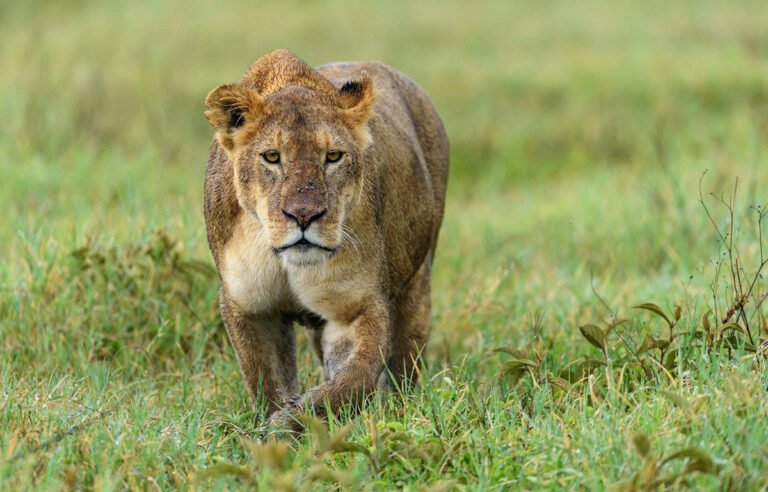
Combine The Challenge Of Kilimanjaro With Wild Beauty Of Tanzania’s Serengeti
This integrated 6-day Machame climb and 3-day safari combines the physical challenge of summiting Africa’s highest peak with in-depth wildlife encounters in the Serengeti and Ngorongoro...
View package details
12 Days Tarangire, Serengeti, Ngorongoro And Zanzibar Safari 2026-2027
12 Days Tarangire, Serengeti, Ngorongoro and Zanzibar Safari.
View package details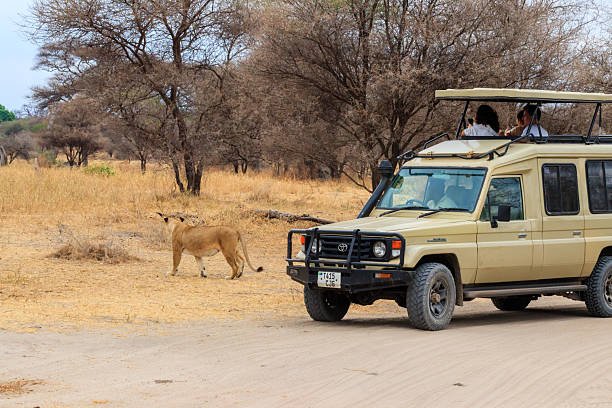
11 Days Marangu Route And Tarangire Serengeti Safari 2026-2027
11 Days Marangu Route and Tarangire Serengeti Safari.
View package details12 Days Machame Route And Serengeti Safari 2026-2027
12 Days Machame Route and Serengeti Safari.
View package details11 Days Machame Route And Ngorongoro Safari 2026-2027
11 Days Machame Route and Ngorongoro Safari.
View package details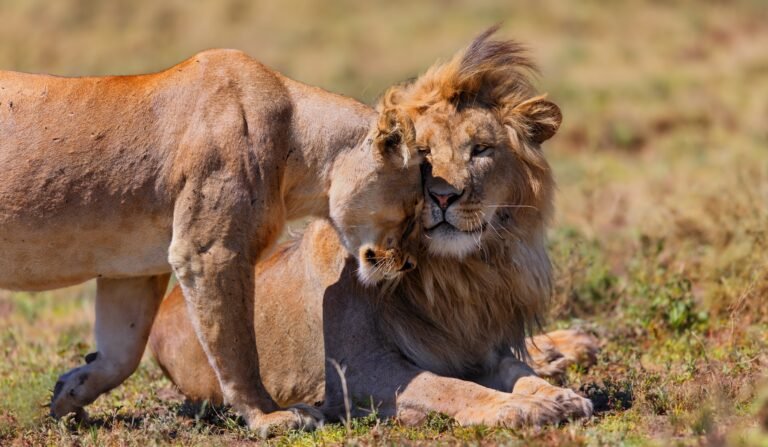
8-Day Lemosho Route And 5-Day Serengeti Safari: A Practical, Scenery-Rich
Conceive a two-part Tanzania adventure: an 8-day Lemosho ascent on Kilimanjaro paired with a 5-day Serengeti wildlife safari, designed for steady acclimatization and in-depth safari time.
View package details16 Days Kilimanjaro Serengeti Safari And Zanzibar 2026-2027
16 Days Kilimanjaro Serengeti Safari and Zanzibar.
View package details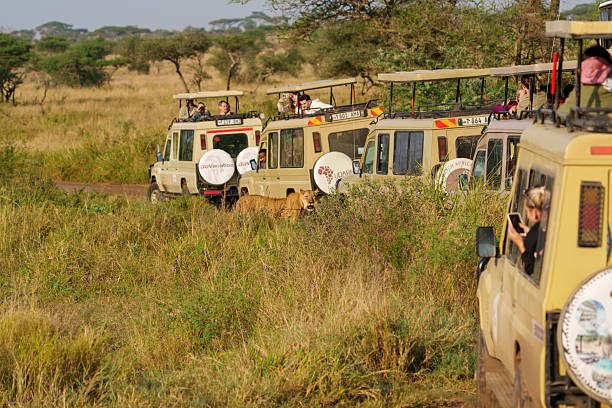
15 Days Kilimanjaro Climbing And Extended Serengeti Safari 2026-2027
Discover a practical, bookable 15-day plan that threads Kilimanjaro ascent with an extended Serengeti safari. This guide outlines route choices, acclimatisation logic, driving days, and...
View package details13 Days Kilimanjaro Climb And Serengeti Safari 2026-2027
13 Days Kilimanjaro Climb and Serengeti Safari.
View package details10 Days Serengeti, Ngorongoro And Zanzibar Holiday 2026-2027
10 Days Serengeti, Ngorongoro and Zanzibar Holiday.
View package details
7-Day Machame Route And 4-Day Serengeti Safari
7-Day Machame Route and 4-Day Serengeti Safari.
View package detailsNo related package matches those filters. Clear one or more filters to see the other topic-matched options.



