
The 7-Day Machame Route and 4-Day Serengeti Safari is a two-part Tanzania itinerary: first a guided Kilimanjaro ascent via the Machame (Whiskey) Route, then a compact wildlife safari across the Serengeti with transfers between Moshi/Arusha and the park. You’ll hike through rainforest and moorland up to Kilimanjaro’s summit zone, then transition to a classic big‑game safari with game drives, migratory wildlife viewing, and comfortable camps or lodges. This combination emphasizes steady pacing, informed guide support, and flexible planning to fit a 11–12 day window if you extend routes.
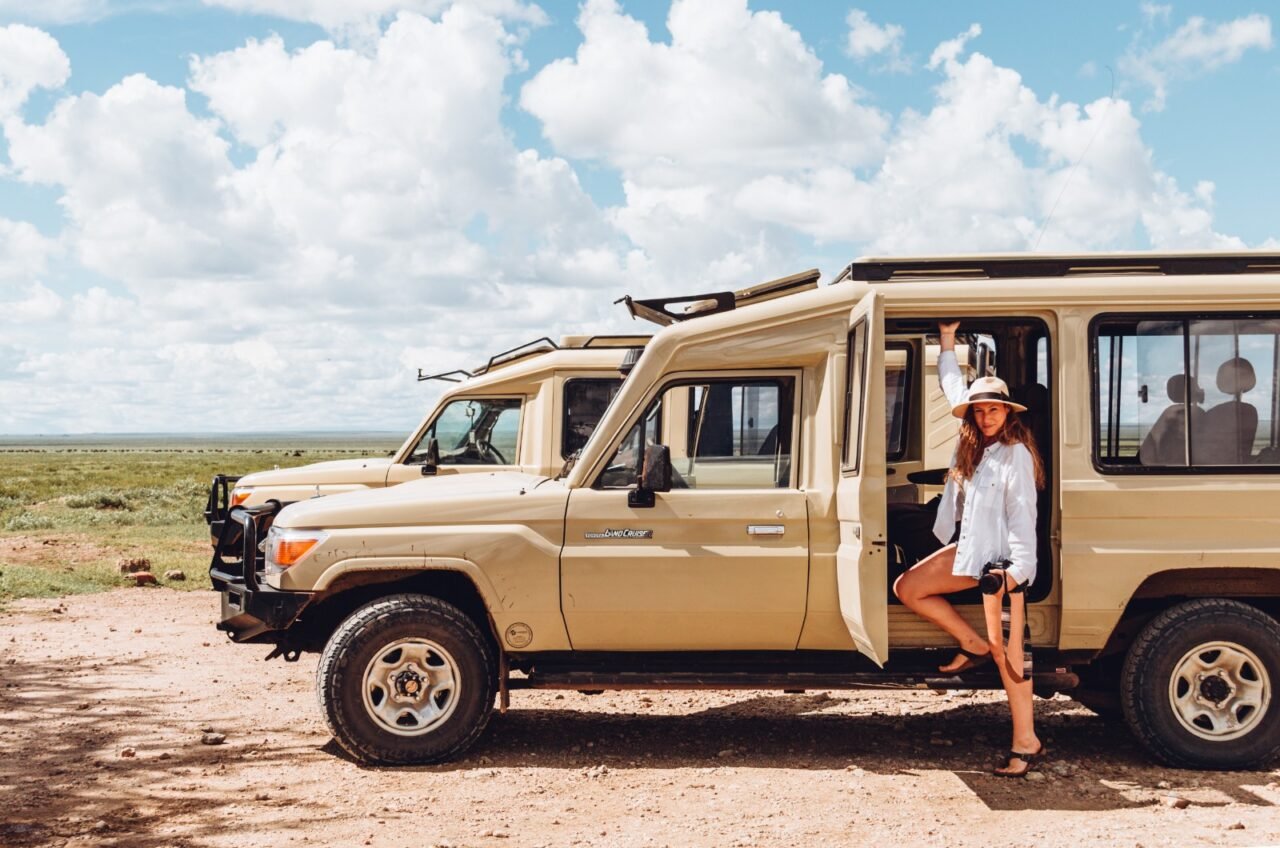
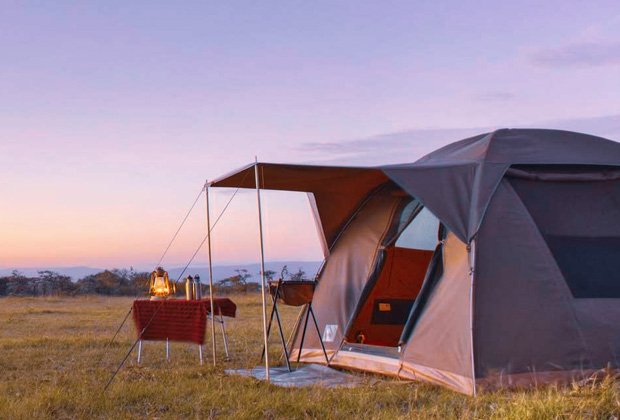
Understanding the blend: why this pairing makes sense
Climb 4 Africa’s approach pairs two iconic experiences in a way that respects both the mountains and the savannah. The Machame Route is known for its scenic variety and relatively steady acclimatization profile, which can help many trekkers reach the summit with proper pacing and rest days. Following Kilimanjaro, Serengeti safaris are a natural extension—earth-toned landscapes, vast skies, and a rhythm of dawn to dusk wildlife viewing that feels almost cinematic. The practical takeaway is to allow enough rest between the trek and the flight/drive to safari country, avoiding fatigue and ensuring you enter the Serengeti with energy for early-morning drives.
Key planning decisions you’ll face
To make this work well, consider these choice points before booking:
- Timing and seasons: Kilimanjaro’s dry seasons generally align with good safari conditions, but each season offers different wildlife and weather experiences. A well-timed window often pairs best with Serengeti calving and migration patterns, depending on your priorities.
- Acclimatization time: Machame’s altitude gain requires careful pacing. A typical 7-day itinerary includes a sequence that progressively elevates while allowing for rest, a critical factor for summit success.
- Transfers and logistics: Plan how you’ll move from the Kilimanjaro end to the Serengeti side—flight or overland transfer, domestic arrangements, and how long you’ll need for check-ins and safaris after the climb.
- Accommodation style: On Kilimanjaro, your camp or huts will be simple and functional; on safari, you’ll likely choose between permanent lodge comfort and more rustic bush camps. Each option changes what you pack and how you pace days.
- Group size and pace: Group dynamics shape daily hiking pace and safari drives. A small group often translates to more flexibility while a larger group may require smoother scheduling.
Draft day-by-day outline you could expect
Important: actual itineraries vary by operator and group. A representative structure might look like this when you book with Climb 4 Africa:
- <strongDays 1–2: Arrival in Tanzania, acclimatization briefing, gear check, and transfer to the Machame gate. Start trekking through rainforest with a comfortable initial elevation gain.
- Day 3: Higher moorland terrain with views; steady ascent and a focus on hydration and rest. Evening camp with familiar rhythms of altitude-friendly meals.
- Day 4: Summit approach in the early morning window. Descent to a mid-elevation camp to aid adaptation and recover for the following day.
- Day 5: Second acclimatization and final ascent push; reach the summit at dawn, celebrate briefly, and descend to a lower camp for rest.
- Day 6: Descent from Kilimanjaro, followed by travel to the safari base (often Arusha or a fly‑in lodge). Briefing and an evening welcome on safari grounds.
- Days 7–10: Serengeti safari phase with morning and afternoon game drives, opportunities to witness predator-prey interactions, and relaxed evenings at lodge or camp accommodations.
What you’ll carry and how to pack for both worlds
Starting with Kilimanjaro, you’ll want a layered system: a lightweight base layer, insulating mid-layer, a wind- and waterproof outer layer, and robust hiking boots. Your safari kit shifts toward lighter, breathable clothing suitable for hot days and cooler early mornings, plus a compact camera and binoculars. A single, versatile rucksack is essential, along with a daypack for wake-up treks or early game drives. Your guide will advise on what’s provided by the lodge or camp and what to bring from home or rent locally.
Safety, health, and acclimatization emphasis
Altitude safety matters on Kilimanjaro. Expect a structured acclimatization plan, guided by a licensed trek leader who monitors symptoms and adjusts pace. Hydration, rest, and gradual ascent are not optional extras but core strategies. On safari, safety protocols cover wildlife distances, vehicle etiquette, and respect for local communities and habitats. Your operator should equip you with a pre-trip briefing and in-country support that stays with you from arrival to departure.
Booking considerations with Climb 4 Africa
When you’re ready to book this pairing, consider how flexible you want your dates to be, the level of comfort you prefer, and whether you want a fixed group or a private arrangement. Climb 4 Africa emphasizes practical local support, reliable guides, and a balanced itinerary that keeps both the mountain and the savannah accessible and enjoyable. Availability can shift with peak seasons, so it’s wise to discuss alternative dates or concessions with a local specialist who can tailor the sequence to your needs.
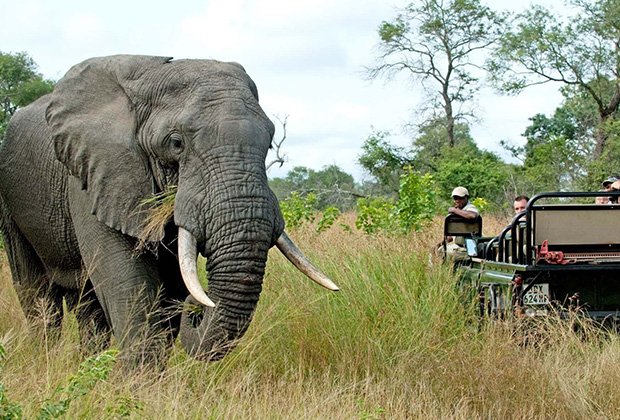
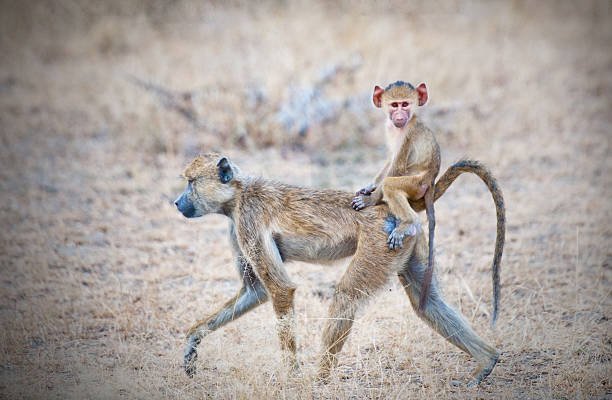
What these two experiences deliver together
The combined experience offers a high-contrast, high-satisfaction journey: the physical challenge of Kilimanjaro followed by the expansive wildlife theater of the Serengeti. It’s a test of endurance and a celebration of wildlife, with logistics managed to minimize stress and maximize time on the ground exploring. Consider how you want to frame the end of the trip—some travelers end with a relaxing Zanzibar extension or a final day of beach time to unwind after safaris and climbs.
Next steps and practicalities
To move from idea to booking, have a candid chat with your Tanzania travel partner about your fitness, altitude experience, and any medical considerations. They can outline a concrete day-by
Addressing a Practical Gap: Afterglow and Transition—Maximizing Recovery and Momentum Between Kilimanjaro and Serengeti
One practical question travelers often bring to this pairing is how to bridge the physical and mental shift from high-altitude trekking to a high-energy safari without losing momentum or energy. The key is deliberate recovery, smart pacing, and a few strategic habits that protect altitude-readiness while priming you for the Serengeti’s early starts and long drives.
First, regard Kilimanjaro as the training leg and Serengeti as the performance phase. Even with careful acclimatization on the mountain, fatigue can linger. Plan for a modest buffer day or two between the summit push and the first Serengeti game drive if your schedule allows. This rest period can be used for gentle activity—light stretching, a pool refresh, a spa visit, or a relaxed stroll through Moshi or Arusha markets. The goal is to prevent stiffness and maintain circulation without taxing your system.
Second, align your daily rhythms with the new environment. Serengeti mornings begin with early wake-ups for sunrise drives, so keeping a slightly earlier sleep schedule during the safari portion helps. If your body has acclimatized to rising with dawn for Kilimanjaro, you’ll likely translate that ease into the safari’s early starts. Bring a compact, high-energy snack kit for the drive—nuts, dried fruit, and energy bars—so you can maintain steady blood sugar between sightings and keep alert without relying solely on caffeinated drinks.
Third, hydration remains essential. The mountain experience often emphasizes hydration as part of altitude safety, but Serengeti days, heat, and dry air can still dehydrate you quickly. Maintain a steady intake of water and electrolyte solutions, and monitor urine color as a simple gauge. If you have any lingering altitude symptoms, communicate early with your guide; a minor adjustment to safari pacing can prevent fatigue from morphing into irritability or reduced concentration on wildlife viewing.
Fourth, gear balance matters. The transition from heavy layers and insulated boots on Kilimanjaro to lighter, breathable safari attire should be deliberate. Pack a compact daypack with weather-appropriate layers, sun protection, and a lightweight jacket for cool early mornings in the Serengeti. Consider carrying a compact camera case or a small bag that accommodates a longer lens, since Serengeti wildlife often appears at unexpected distances and light conditions demand flexibility.
Fifth, set a wildlife-viewing strategy that respects both your energy and the land. Serengeti drives reward patience and quiet observation. Discuss with your guide the balance between longer, relaxed drives and short, focused sessions for specific wildlife moments. A rested traveler perceives behaviors, movements, and interactions with sharper attention, yielding richer photographs and memories without feeling fatigued or overwhelmed by the day’s pace.
Finally, reflect on the sequence itself. The Kilimanjaro climb is memorable for the meditative pace, the change of scenery, and the community of fellow trekkers. The Serengeti safari follows with a different rhythm—one of anticipation, discovery, and the immediacy of wildlife in action. This contrast is why travelers often describe the pairing as a complete arc: you begin with a personal endurance challenge and conclude with in-depth natural theater. Framing your mindset around this arc helps you remain present throughout the journey, appreciating each section for its unique gifts.
Bridge Between High and Wide: Maintaining Momentum Through the Transition
Readers often wonder how to sustain energy, focus, and enthusiasm on the day-to-day realities that come with moving from a high-altitude trek to an expansive Serengeti safari. The most practical gap to address is the sequence management—how to optimize recovery, adapt to new rhythms, and translate the discipline learned on Kilimanjaro into the savannah environment without losing the sense of purpose that drew you to this pairing in the first place.
First, acknowledge the body’s shifting tempo. Kilimanjaro rewards a deliberate, stepwise ascent with built-in rest and acclimatization windows. After you descend from summit night, your legs and lungs still carry the memory of altitude—the breathing may feel easier, yet fatigue can linger in subtle ways. In the Serengeti, the pace shifts to a daylight-centered cycle: early wakeups, vehicle transit, and long periods of alert observation under a hot sun. This is not a contradiction but a continuation of controlled energy management, where the same discipline—hydration, steady fueling, and mindful pacing—prepares you for wildlife moments that arrive with surprising speed.
Second, translate your packing discipline into a gear philosophy that serves both environments. On Kilimanjaro, you learned to layer for variable temperatures and to protect extremities from cold and wind. In the Serengeti, the priority moves toward sun protection, breathable fabrics, and flexibility. A single daypack that can switch from a compact, insulating layer to a lighter shirt without becoming a burden is worth its weight in the field. Include a small, quick-access pouch for sunscreen, insect repellent, a compact hat, and a lightweight scarf that can shield your neck during long drives or early-morning chill.
Third, leverage the cognitive reset that comes with a change of scenery. The Serengeti’s vast horizons can recalibrate mental energy. Rather than treating each wildlife sighting as a potential highlight, frame the day around a few deliberate observation goals—watch for predator-prey dynamics at dawn, note interactions within a herd, and capture behaviors that reflect seasonal changes. This approach reduces decision fatigue and enhances the quality of your photographs and memories without forcing you to rush or overextend yourself between drives.
Fourth, integrate hydration and nutrition as a smooth thread through both experiences. Altitude safety on Kilimanjaro underscores frequent hydration and small, steady meals. Serengeti days demand the same steadiness but with a different flavor profile: lighter snacks that travel well in heat, such as mixed nuts, dried fruit, and energy chews, paired with water and electrolyte beverages. A practical tactic is to pair a morning safari coffee or tea with a preserved snack in a dedicated pocket of your daypack so you’re ready to respond to wildlife activity without interrupting the drive or missing moments.
Fifth, plan the post-ascend transition as a formal part of your itinerary, not an afterthought. Build a deliberate buffer between Kilimanjaro’s official finish and the Serengeti’s first game drive—whether through an extra rest day, a light activity such as a cultural visit near Moshi, or a gentle acclimatization day that includes a relaxed forest walk. This buffer helps you reset your energy ledger, consolidates hydration habits, and prevents fatigue from spilling into the safari days. Your guide team can tailor this window, ensuring it respects travel logistics while honoring your recovery needs.
Finally, cultivate a mindset that honors the arc of the journey. The Kilimanjaro segment is a test of endurance, camaraderie, and personal resolve. The Serengeti segment is a test of observation, patience, and awe in a different register. By approaching each transitional moment with a practical recovery plan, you maintain momentum without sacrificing safety or enjoyment. This continuity—energy management, adaptable packing, cognitive resets, and deliberate pacing—creates a smooth narrative from summit to savannah, letting you carry the lessons learned in one landscape into the next with confidence and clarity.
Bridging the Experience: Practical Transitional Nuances for a smooth Summit-to-Savannah Flow
Many travelers underestimate how the emotional and physical cadence of Kilimanjaro shifts when you step into Serengeti wisdom. A thoughtful transition hinges less on grand gestures and more on micro-rituals that preserve momentum, protect energy reserves, and keep you present for both landscapes. This section offers concrete, non-redundant refinements to your plan, drawn from field-tested insights and traveler feedback that align with the article’s established guidance while avoiding generic checklists.
Energy budgeting across the two environments: Kilimanjaro’s ascent rewards steady power through days that blend movement with rest, but Serengeti days demand alertness for hours on end in a heat-accustomed climate. Before you depart Moshi or Arusha, translate your daily energy target into a practical ledger: allocate a fixed calorie intake per 24-hour window and pair it with hydration milestones that rise with exertion. On Kilimanjaro, a morning coffee should be accompanied by a small, steady snack; on Serengeti days, prepare a quick-access nibble that travels well and sustains you through a long drive or a dawn patrol. Having a predictable energy rhythm helps minimize post-trek fatigue and reduces the risk of “safari slump.”
Hydration habits as a constant thread: The transition between high altitude and savannah heat amplifies dehydration risk. Treat hydration as a constant, not a response to thirst. A simple discipline is to drink a small glass of water with every guide-led briefing, with a secondary, larger intake after each game drive window. Integrate electrolytes into your routine, especially on Serengeti mornings when early hours mix with dry air and caffeine. A modest, repeatable routine—water, electrolyte, then snack—builds reliability into your day and supports cognitive sharpness for wildlife observations.
Recovery science in practice: Recovery isn’t only about rest days; it’s about micro-recoveries that rebuild neuromuscular and mental stamina. After Kilimanjaro, include light mobility work in the lodge or camp lounge: ankle circles, hip openers, and gentle overhead reach sequences for 5–7 minutes. These moves can be done discreetly, require no equipment, and begin the reset process before your Serengeti drives. If energy allows, a short walk in a nearby trail or forested area can further re-establish airflow and circadian rhythm alignment, easing the transition from the mountain clock to the safari tempo.
Adaptation of pace to wildlife activity windows: Serengeti drives hinge on crepuscular and dawn moments when animals are most active. Translating Kilimanjaro’s pace into safari tempo means recognizing your own recovery signals—if you feel tightened up or glassy-eyed after a summit, grant a shorter, more deliberate drive window. Communicate with your guide team about pacing preferences: a minimal but meaningful alternation between longer, slower drives and shorter, sharper observation blocks can yield higher-quality sightings and reduce fatigue. The goal is to alternate intensity without interrupting the essential rhythm of early mornings and golden-hour photography.
Gear harmonization for the two worlds: Exchange between climates occurs not only in air but in equipment readiness. Keep your daypack and camera easily adaptable: a lightweight, quick-access layer for safari mornings that you can fold into a larger jacket for chilly summit descents. A compact rain shell or windproof layer should live in both contexts, with camouflage or earthtones that suit both environments. Assign specific pockets for hydration, snacks, and a compact microfiber towel, ensuring you’re ready to respond to wildlife activity without rummaging through bags during a drive or a trek. Simplicity in gear reduces cognitive load and keeps you focused on the landscapes, not the logistics.
Mindset anchoring across landscapes: The shift from a controlled, route-driven ascent to expansive, unbounded wildlife theater can destabilize focus if not anchored. Create a mental anchor you can reuse across both experiences: a simple probing question for observers—“What is this animal communicating with its posture, and how might its environment shape its choices?”—and apply it consistently. This keeps your attention calibrated to behavior rather than merely ticking off sightings. It also transforms routine drives into opportunities for storytelling, which heightens engagement without exhausting you cognitively.
Contingency planning that respects both atmospheres: Weather and wildlife unpredictable moments can ripple across both legs of the journey. Build a joint contingency plan with your guide team that accounts for common hiccups—delayed departures, soggy trails, or extended wildlife stops—so you aren’t scrambling between camps or flights. Agree on a shared signal for when a drive or a walk should shorten to preserve energy, and maintain a polite but firm expectation for a safe, sustainable pace. This approach reduces stress and preserves the sense of wonder that characterizes both Kilimanjaro and Serengeti experiences.
Ultimately, the most valuable bridge between Kilimanjaro and Serengeti is a deliberate, data-informed approach to energy, hydration, recovery, and pacing. By embedding micro-rituals into daily routines and maintaining clear communication with guides and companions, you maximize your ability to savor both landscapes—without forfeiting performance in either arena. The transition becomes a smooth continuation of the adventure rather than a disruptive pause, letting you carry momentum and curiosity from summit to savannah with intention and ease.
Related Guides and Packages
Check Availability for 7-Day Machame Route And 4-Day Serengeti Safari
Ready to compare dates, prices, and the best option for your group? Send the package name and travel month so the team can reply with a clear quote, availability, and what is included.
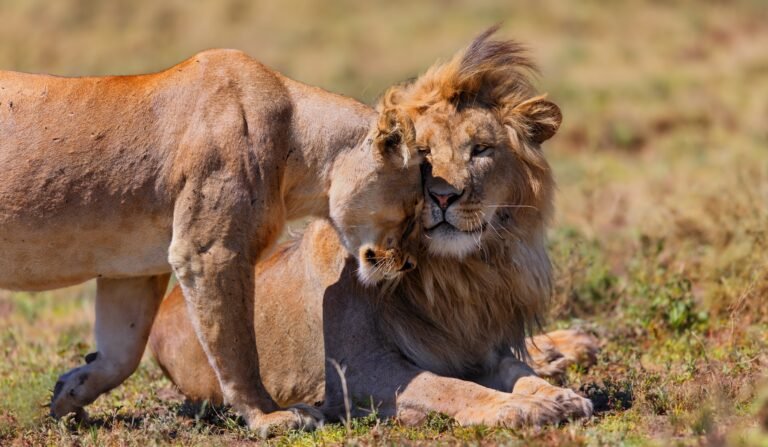
8-Day Lemosho Route And 5-Day Serengeti Safari: A Practical, Scenery-Rich
Conceive a two-part Tanzania adventure: an 8-day Lemosho ascent on Kilimanjaro paired with a 5-day Serengeti wildlife safari, designed for steady acclimatization and in-depth safari time.
View package details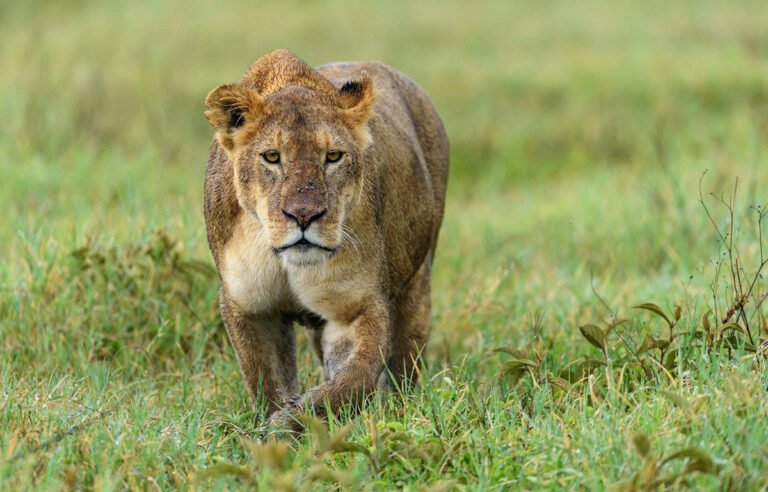
Combine The Challenge Of Kilimanjaro With Wild Beauty Of Tanzania’s Serengeti
This integrated 6-day Machame climb and 3-day safari combines the physical challenge of summiting Africa’s highest peak with in-depth wildlife encounters in the Serengeti and Ngorongoro...
View package details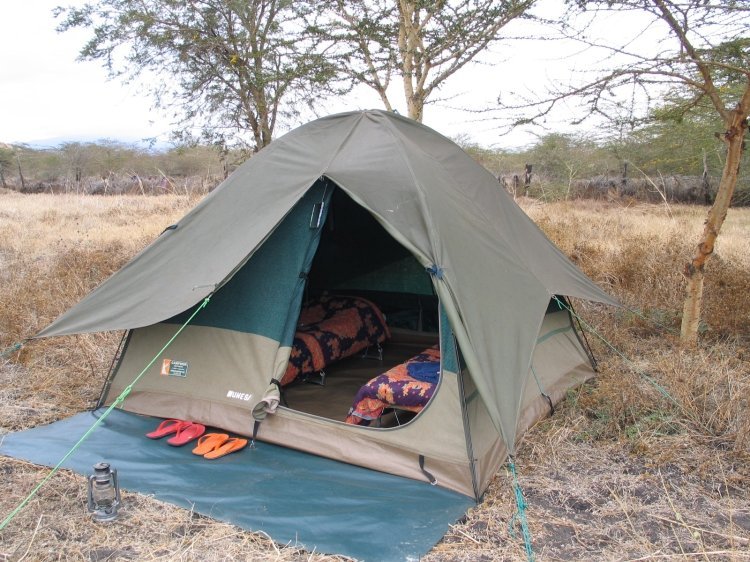
8 Days Kilimanjaro Lemosho Trek And 4 Serengeti Ngorongoro Safari
8 Days Kilimanjaro Lemosho Trek and 4 Days Serengeti Ngorongoro Safari.
View package details8 Days Kilimanjaro Climb And 4 Serengeti Safari
8 Days Kilimanjaro Climb and 4 Days Serengeti Safari.
View package details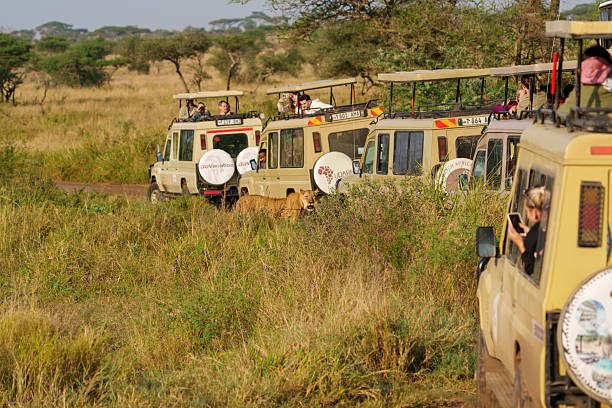
13 Days Kilimanjaro Climb And Serengeti Safari 2026-2027
13 Days Kilimanjaro Climb and Serengeti Safari.
View package details
Kigali To Serengeti Flights: Prices & Safari Connections
A practical guide to connecting your Rwanda gorilla trekking with a Serengeti safari, focusing on flight routes, transit logistics, and expert booking advice.
View package details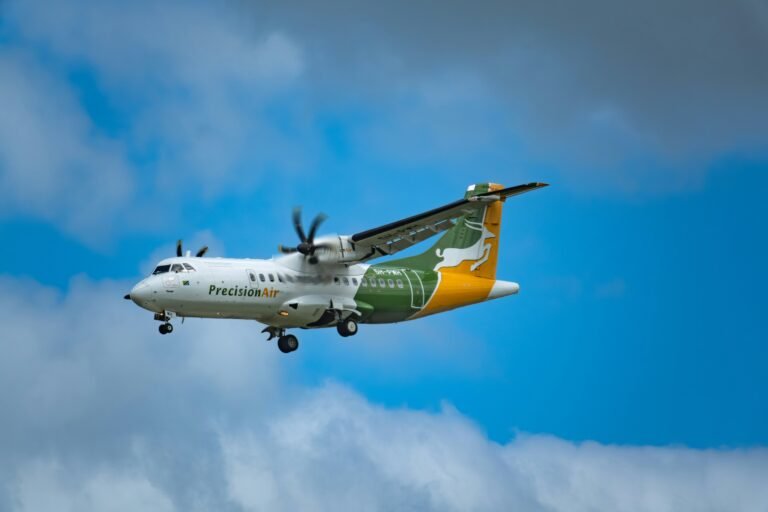
Kilimanjaro Climb And Serengeti Safari: Flight & Transfer Planning
Kilimanjaro Climb and Serengeti Safari: Flight & Transfer Planning.
View package details11 Days Serengeti Safari And Kendwa Beach Escape 2026-2027
11 Days Serengeti Safari and Kendwa Beach Escape.
View package details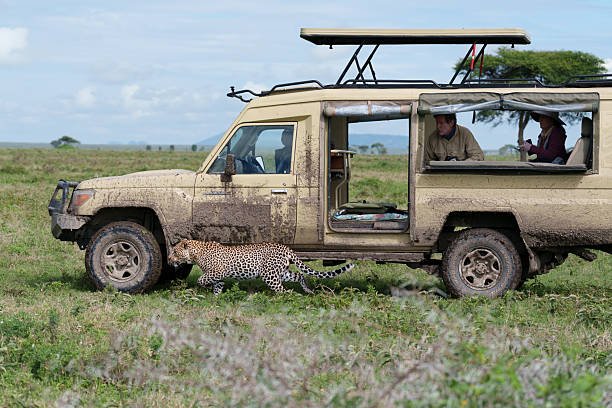
12 Days Tarangire, Serengeti, Ngorongoro And Zanzibar Safari 2026-2027
12 Days Tarangire, Serengeti, Ngorongoro and Zanzibar Safari.
View package details7-Day Machame Route And 3-Day Big Five Safari
7-Day Machame Route and 3-Day Big Five Safari.
View package detailsCan I Join A New Year Serengeti Safari In Dec ? -2028 2027-2028
Can I Join a New Year Serengeti Safari in Dec 2026?
View package details
Nairobi To Serengeti Safari By Flight: Prices & Travel Options
A practical guide to navigating the logistics of flying from Nairobi to the Serengeti, including transit requirements, airport choices, and cost considerations for your 2027 safari.
View package detailsNo related package matches those filters. Clear one or more filters to see the other topic-matched options.



