
This 11-day plan pairs a mainland Serengeti safari with a Kendwa Beach escape in Zanzibar, split into practical legs: several Serengeti days via road and a short flight to Zanzibar, then island relaxation at Kendwa. Exact logistics depend on season and availability, but the route typically starts in Arusha or Kilimanjaro region, moves through northern parks, then transfers to Zanzibar for beach time. You’ll experience guided game drives with local expertise and a relaxed beach rhythm, with realistic expectations on wildlife and tides.


How the 11 days are organized: a practical sequence
The plan balances mainland safari time with a beach escape, avoiding overly long daily drives and keeping driving segments realistic for families and active travelers. The exact days and flights are adjustable to your travel window, but you can expect two major blocks: (1) Serengeti-focused wildlife days in the northern corridor, and (2) a Zanzibar leg centered on Kendwa’s calmer coast and clear waters. Transfers are arranged to minimize fatigue while preserving wildlife opportunities and beach time.
Day 1: Arrival and transfer to Moshi/Arusha base
Arrive at Kilimanjaro International or Arusha airport. You’ll meet your Kilimanjaro/Tanzania operator guide, collect any pre-booked gear, and settle into a comfortable lodge or boutique camp near Arusha or Moshi. The first evening is for briefing, gear check, and a light, practical overview of the days ahead. If time allows, a short briefing drive around a nearby hill country helps acclimatize and set expectations for the safari ahead.
Day 2: Northern Tanzania start — Tarangire or Lake Manyara approach
From your base, you head toward Tarangire or Lake Manyara for the first wildlife immersion. You’ll drive through scenic farmland and foothills, with wildlife stops along the way. The choice depends on animal movement patterns and park access on your dates. In Tarangire you’ll encounter elephant herds and sweeping baobol-lined savannas; Lake Manyara offers birdlife and tree-climbing lions in a more compact area. Overnight in a mid-range lodge or camp near the park edge.
Day 3: Serengeti boundary entry and first game drive block
Cross into the Serengeti ecosystem via a practical route, aiming for a central or northern sector based on the season. Your guide constructs a day plan with morning and afternoon game drives, mindful of wildebeest dispersal and resident predators. Expect broad savanna, river crossings if present, and occasional short walks or photography stops. Overnight in a comfortable safari camp set within reasonable drive distance to multiple wildlife routes.
Day 4: Full Serengeti day — core wildlife drive
This is a full-day safari: multiple morning stops, a picnic-style lunch, and a late afternoon return. The exact route depends on migrations, weather, and wildlife reports. You’ll have chances to see Lions, Cheetahs, hippos, zebras, and a variety of antelope species. Your guide emphasizes ethical viewing, stable vehicles, and predictable, non-intrusive wildlife behavior. Overnight in the same or a nearby camp to minimize transfer time.
Day 5: Second Serengeti block or Ngorongoro proximity option
Option A keeps you in Serengeti with another full-day drive to different habitats, and Option B includes a morning drive followed by a transfer toward Ngorongoro for a later crater day. If you choose Ngorongoro, you’ll descend into the crater floor for a dense wildlife concentration, with careful pacing to manage the rougher crater roads. Overnight near Ngorongoro or back in Serengeti corridor depending on logistics.
Day 6: Transition to Zanzibar by flight from Arusha or a regional airstrip
Today marks the shift from mainland to island. Your guide handles luggage and transfer logistics to the nearest flight airstrip (often from Kuro or Manyara airstrip toward Zanzibar). The flight to Zanzibar is a short hop with a sea-level arrival and a private transfer to your Kendwa Beach base. Expect a relaxed afternoon checking in and exploring the beach near Kendwa or the resort’s own private stretch.
Day 7: Kendwa Beach — gentle sea and sunset rhythms
Kendwa offers gentle tides, shallow waters, and white sand. A relaxed beach day with optional activities such as snorkeling, a short dhow ride, or a local village visit. Your stay includes half- and full-day options, with opportunities to adjust for tides and weather. The cadence is laid-back, designed to balance energy after the safari pace while leaving afternoons free for spa, reading, or sunset viewpoints.
Day 8: Island exploration or spice and culture encounter
Explore Kendwa’s immediate surroundings or enroll in a light cultural or spice-tour excursion that introduces you to island life beyond the resort. This day is designed to be flexible: you can slip into a snorkeling session, a boat excursion to nearby reefs, or a slow coastal walk to watch traditional fishers at work. Evening downtime and a relaxed dinner on the beach complete the island rhythm.
Day 9: Second Kendwa day or a day trip to Nungwi
Consider a short transfer to Nungwi for a different beach vibe, while still keeping Kendwa as your main base. You might choose a beachside bar, a sunset cruise, or a guided snorkel trip. The aim is balance: enough beach time to unwind after the safari, but not so much that you miss the chance to reflect on wildlife experiences with your guide.


Day 10: Optional island day trip or rest day
Take a flexible day to either revisit the water or simply rest at the resort. If you’re keen on more sea life, a light snorkeling session or a short boat ride could be arranged. If you prefer downtime, enjoy a spa treatment or poolside reading with a re-entry plan for your return journey. Your guide coordinates any transfers and ensures you’re ready for the final travel leg.
Day 11
Gaps and refinements: clarifying the handoffs between mainland safari and Kendwa Beach escape
The existing itinerary sections give a solid framework for the 11-day plan, but travelers often want concrete, bookable clarifications about how the transitions work, what is actually in place on the ground, and what they should expect when switching from a rugged Serengeti phase to a tropical island rhythm. This addition focuses on practical details that materially affect bookings and daily experience, without overstepping into speculative forecasts.
Flight and transfer logistics: timing, carriers, and buffers. The plan commonly uses a short flight from Arusha/Kuro or Manyara region into Zanzibar, but the exact airstrip, flight times, and transfer arrangements can shift by season and operator. A realistic expectation is a 30–60 minute domestic flight to an airstrip near the Zanzibar coast, followed by a private road transfer to Kendwa. Allow a buffer of 2–3 hours between the safari finish and the onward flight in case of delays, airport check-in, or luggage handling. When booking, request a confirmed handoff window from your Serengeti camp to the airstrip, with the guiding company coordinating luggage transfers and check-in procedures to minimize on-the-ground friction.
Accommodations in staging and beach legs. The article notes lodge or boutique camp stays in Arusha/Moshi and Kendwa Beach, but travelers benefit from a clearer sense of what to expect in terms of terrain, room types, and inclusions. On the mainland, accommodation choice often ranges from comfortable lodges with en-suite rooms to mid-range tented camps with ensuite facilities. In Kendwa, beach properties vary from luxurious resorts with private pools to intimate guesthouses with straightforward beach access. Booking notes should specify half-board or full-board meals, water and beverage policies, and any included village or cultural visits so guests can align daily rhythms with planned activities.
Park-driving practicality and time budgeting. The Serengeti days hinge on road quality, seasonal wildlife movement, and the likelihood of productive drives within a given block. In practice, drivers optimize routes for morning and afternoon light, with buffer time for wildlife stops and occasional detours to avoid road holds or herd dispersals. For readers planning the trip, it’s helpful to understand that day blocks may shift by a half to a full day depending on the latest wildlife reports and guide advice. This is not a failure of planning, but an adaptive approach to maximize meaningful wildlife encounters while preserving a tolerable pace for families or active travelers.
Sea-life and tide-sensitive activities at Kendwa. Kendwa’s appeal rests on calm seas and predictable tides, but activities like snorkeling or dhow excursions can be tide-dependent. The updated plan should indicate that snorkeling is typically best during mid- to high-tide windows and may require a short boat ride to nearby reefs. If a guest has a preferred timing (for sunset views or a specific tide), the guide can adjust the afternoon plan accordingly, ensuring the day remains balanced between rest and activity.
Safety and flexibility considerations. A practical emphasis is placed on staying with trusted operators who provide trained guides, reliable vehicle support, and contingency options (such as alternative routes or a backup day) in case of weather or logistical hiccups. Readers should confirm what happens if a flight is delayed or if a park ticket schedule changes; most itineraries include a pre-agreed backup plan and a review window with the guide so adjustments happen smoothly without compromising core safari time.
What this continued passage does for readers. By clarifying the exact nature of transitions, accommodations, and daily pacing, would-be travelers can confidently prepare, budget, and coordinate bookings. The emphasis stays on concrete, bookable details rather than theoretical possibilities, ensuring the itinerary remains a dependable framework for a real-world journey that blends the Serengeti’s vast plains with Kendwa’s tranquil seascape.
Clarifying the handoff: mainland Serengeti days to Kendwa Beach escape
One of the most practical gaps readers raise is how the transition from a multi-day Serengeti safari in the northern circuit to a Zanzibar beach chapter actually unfolds. This isn’t just a simple change of scenery; it involves specific, bookable steps that respect flight schedules, luggage handling, and the pace of a family- or activity-focused itinerary. Here is a concrete, experience-grounded clarification based on the realities of a typical 11-day plan that pairs Serengeti wildlife days with Kendwa Beach time in Zanzibar.
Connection point: the handoff window – The transition between mainland safari and the Zanzibar leg is anchored by a domestic flight from a Northern Tanzania airstrip (commonly controlled options include Arusha’s airport or a nearby regional strip such as Manyara) to a Zanzibar gateway (often Zanzibar International Airport, or a smaller airstrip near Kendwa if schedules allow). Bookings are designed so that the Serengeti block concludes with a morning or early-afternoon game drive that leaves ample time to reach the airstrip, check in for the domestic connection, and arrive in Zanzibar before evening. In practice, this means final Serengeti drives wrap by mid- to late-afternoon, followed by a lodge or camp transfer to the airstrip, then a smooth, typically two-hour flight to the island if weather and airstrip operations permit.
What actually happens on the ground – A typical handoff sequence looks like this:
- Morning final Serengeti drive (Block 2 or the concluding morning of Day 5) ends with a short debrief, preferred wildlife reports, and a light lunch within the lodge or a designated picnic spot at the park boundary.
- Return to camp, pack, and arrange for a guide and vehicle swap to the transfer point. The shift often involves a different driver/guide who will join you for the onward air experience, ensuring continuity of insights while accommodating the different terrain on the mainland and the airport approach.
- Short transfer to the airstrip with check-in procedures aligned to the domestic flight. Baggage allowances are typically strict on these legs; confirm set allowances early and use a soft duffel or daypack for carry-on essentials per operator guidance.
- Domestic flight to Zanzibar. Expect a straightforward handoff with a driver or host awaiting arrival in Zanzibar to transfer you toward Kendwa. If timing is tight due to flight delays, the plan includes a predefined backup option such as an alternative evening arrival window or an extra night on the mainland to avoid rushed connections.
- Arrival on Zanzibar and a short transfer to Kendwa Beach base. The day ends with a sunset-friendly welcome and a briefing that the Kendwa portion is designed for a slower tempo, balancing tide-locked activities with restorative downtime.
What to confirm in advance – To prevent misaligned expectations, travelers should confirm the following with their operator well before departure:
- Exact airstrip and flight numbers for the Serengeti-to-Zanzibar leg, including the anticipated arrival time in Zanzibar.
- Estimated drive times from the Serengeti camp to the airstrip and from the Zanzibar airport to Kendwa, noting that road conditions can shift with weather and season.
- Luggage handling rules for the domestic leg (soft-sided bags recommended, with luggage limit per person and any additional charges for extra weight).
- Contingency plans for weather-related flight delays, with a clear path for rescheduling or adjusting the land-based activities on Day 6 or 7 without losing core Serengeti time.
- In-country support contact numbers and a clear on-call window for changes in the field, so you can coordinate pickups and transfers smoothly even if a flight shifts by a few hours.
The practical outcome of this clarified handoff is that you rarely face a day with a forced, unpredictable change in pace. Instead, the itinerary maintains a coherent rhythm: in-depth wildlife moments on the Serengeti, followed by a restful, tide-aware Kendwa beach sequence. This approach respects both the logistics of remote airstrips and the natural cadence of coastal Zanzibar, ensuring that each leg complements the other rather than competing for energy and focus.
Real-world pacing tips for the handoff – To optimize the experience, consider these concrete pacing adjustments:
- Communicate preferred wake-up times and last-morning drive windows to your guide ahead of Day 5 so the final safari drive can be scheduled with a predictable finish time.
- Request a buffer day if a long-haul domestic flight appears at risk on the day of transition; many operators can shift the Serengeti block by a half-day or arrange the transition a day later with minimal impact on overall wildlife opportunities.
- Pack a lightweight, climate-appropriate layer for evenings on the Serengeti and plan for a slightly cooler night after the coastal heat on Kendwa’s shores.
- Arrive with a bookable, pre-confirmed Kendwa-based activity slate (snorkeling, sunset dhow, or spice-tensile village tour) to be activated once the hotel desk confirms your arrival window.
By detailing the exact transition sequence, travelers gain confidence that the 11-day plan is a cohesive, bookable journey rather than a string of separate experiences. The handoff is treated as a deliberate logistical moment with allocated buffers and clear responsibilities, ensuring that the Serengeti’s wild rhythms and Kendwa’s sea-and-sand tempo each receive their due attention without rushing from one to the other.
Addressing a Practical Gap: The Handoff from Serengeti Days to Kendwa Beach Escape
Readers frequently ask how the real-world transition unfolds when you move from the mainland Serengeti experience to the Kendwa Beach escape in Zanzibar. The practical answer lies in a sequence that preserves wildlife opportunities while ensuring a smooth, energy-conscious shift to coastal relaxation. This section adds concrete, bookable details that were previously implicit rather than explicit, without altering any core facts or promising fixed departures.
First, the handoff is anchored to a confirmed domestic-to-international transfer window. Your guide or operator coordinates a fixed departure from a northern Tanzania airstrip (commonly from Manyara or a nearby regional strip depending on season) to Zanzibar’s international gateway or a regional airport closer to Kendwa. The aim is to minimize backtracking, so the Serengeti block ends with a predictable land transfer to either a safari lodge near Arusha for the flight or a direct regional hop that reduces drive time. In practice, you should expect to finish your final Serengeti game drive by late morning or early afternoon, followed by a light, organized transfer to the airstrip to align with a pre-booked flight that lands in Zanzibar before sunset.
Second, luggage handling during the handoff is formalized in the booking notes. You are typically advised to travel with soft-sided bags limited to a standard per-person allowance (often 15–20 kilograms per person, depending on the operator and the domestic airline), plus a small daypack for the wildlife drives. Your main luggage may be transported separately to the airstrip or held at the lodge for later pickup, depending on whether you are taking a direct air connection or a short ground transfer to a regional airport. Clear labeling and a luggage tag system help ensure your bags arrive with you at Kendwa, not at a different stop in the chain of logistics.
Third, the clinical rhythm of the transition is intentionally buffered. If a flight is delayed by mechanical issues, weather, or air-traffic constraints, the operator’s contingency plan is to shift the Serengeti day slightly earlier or later within the same day, preserving core game-drive windows and ensuring you still reach the Zanzibar gateway within the same travel sequence. This often means a revised arrival time to your Kendwa lodging with a courtesy check-in and a light welcome briefing rather than a full new schedule overhaul. The buffers are calibrated so you do not lose essential beach time even when the air leg experiences minor hiccups.
Fourth, the actual timing clarity is reflected in the day-by-day language of the booking notes. Day 5 can end with a Serengeti transfer, Day 6 is the flight day, and Day 7 begins Kendwa Beach. In practice, operators will provide a concrete window: e.g., “final Serengeti drive finishes at 11:30, luggage pickup by 12:00, light lunch en route, airstrip transfer at 13:15, flight at 15:30, Zanzibar arrival 17:00–18:00, transfer to Kendwa Lodge by 19:00.” These time anchors help guests plan personal items (snorkel gear, sunscreen, a favorite book) and coordinate with any in-resort activities that require advance booking, such as a sunset dhow or a spice-tour pickup the following day.
Fifth, what remains flexible is the coastal activity slate. Kendwa’s rhythms are tide-sensitive, so the on-ground team confirms the day’s options once the air arrival is confirmed. Options include a relaxed snorkel session on a nearby reef, a short sunset dhow sail with a coastline panorama, a village visit to understand local crafts, or a spice-and-culture excursion that complements Kendwa’s beach pace. The activity slate is designed to be activated within the first full day after arrival, ensuring guests can unwind and acclimate while still enjoying a taste of Zanzibar’s island life.
Finally, the handoff emphasizes smooth communications. In-country support numbers, an on-call field liaison, and an updated contact sheet are provided in the final Serengeti transfer briefing. Guests are encouraged to confirm wake-up times and any preferred end-of-drive windows on the last Serengeti day so the final safari can wrap within a dependable window and avoid late, fatigue-inducing transfers. This approach preserves the flow of the itinerary and reinforces the intended contrast between the adrenaline of safari days and the restorative cadence of Kendwa’s beach time.
In short, the most valuable practical clarification lies in the concrete timing, luggage flow, and contingency buffers that connect the Serengeti with Kendwa. With fixed windows for the final Serengeti drives, a clearly managed bag transfer or storage plan, buffered flight timing, and a ready-to-activate coastal activity slate, the transition becomes a deliberate, bookable moment rather than a vague shift. This makes the 11-day journey easier to project on paper and more reliable in reality, especially for families or travelers juggling multiple logistics across airstrips and remote lodges.
Gaps and practical refinements: the concrete handoff from Serengeti days to Kendwa Beach Escape
Readers who follow a bookable 11‑day plan inevitably want a tightly scripted transition that preserves wildlife opportunities on the mainland while ensuring a smooth, relaxing entry into Kendwa’s island rhythm. The most valuable addition to close this gap is a granular, step‑by‑step handoff window that operators, guests, and local teams can actually verify and book in advance. This section expands on the practical, ground‑truth details that readers need when they’re coordinating luggage, transfers, and timing between the Serengeti block and the Zanzibar coast.
1) Concrete transfer windows and bottlenecks: Instead of generic “morning drives then flights,” the plan should anchor a concrete sequence with minute‑level feasibility checks. For example, on the final Serengeti day, the itinerary should specify: a) the exact expected end time of the last game drive (e.g., 11:30–11:45), b) a defined luggage pickup window (e.g., 12:00–12:15 at the lodge or camp), c) a pre‑arranged transfer to the airstrip that accounts for park exit delays and potential traffic bottlenecks in the Ngorongoro–Arusha corridor, and d) a confirmed flight departure time that leaves a safety buffer for check‑in and baggage. This creates a predictable chain rather than a series of uncertain handoffs.
2) Luggage flow and storage strategy: The transition requires clarity on what guests carry into the airstrip, what is stored, and what is re‑delivered on Zanzibar. A practical approach is to designate one small duffel or daypack per person for essentials (camera, meds, chargers, a change of clothes for the first Kendwa day) and a separate, secured luggage transfer that travels directly to the Zanzibar lodge. The guide or camp can tag the bags at checkout, load them onto a support vehicle, and then hand them to the Zanzibar team upon arrival. This avoids delayed arrivals scrambling for gear and ensures that your beach kit (reef-safe sunscreen, lightweight cover‑ups, sea‑clothes) is ready on day 7 without rummaging through safari baggage.
3) Ground‑to‑air logistics tied to seasonality: Serengeti exits and Zanzibar arrivals hinge on seasonal flight schedules and airstrip availability. The new detail here is a season‑aware contingency: if weather or airstrip congestion delays the Arusha–Zanzibar connection, have an alternate flight window reserved (e.g., the late afternoon or next‑morning option) and a backup plan for a lodge‑based rest option with a light coastal‑area activity voucher. That way, if the first flight is delayed, guests still maintain a structured day in transit rather than a scramble that ruins the beach rhythm.
4) Coastal activity sequencing aligned to tides and logistics: Kendwa’s activities depend on tides and daylight, but the practicalities should be mapped explicitly to flight arrival times. For instance, if Zanzibar arrival lands between 17:00–18:00, plan a relaxed, tide‑appropriate welcome arrangement: a short sunset dhow only if seas are calm, otherwise a beachfront welcome drink and an orientation walk to the local village with a pending snorkel option for day 8. If the arrival window is earlier, a brief beach stroll or a gentle reef snorkel can be offered before the official transfer to Kendwa Lodge. This ensures the first Kendwa day feels like a natural extension of the journey rather than a rushed shift.
5) On‑the‑ground liaison and contact scaffolding: Provide a clearly structured chain of support numbers and responsible staff for both segments. A standard practice is to publish:
– A Serengeti transfer lead who coordinates the final day and confirms the airstrip pickup time.
– A Zanzibar arrival liaison who meets guests at the airport and escorts them to the Kendwa lodge, with a backup contact in case of delays.
– A 24/7 in‑country support line accessible via WhatsApp or local SIM to resolve any mid‑segment hiccups (late arrival, luggage misplacement, or weather‑related changes).
Having these fixed points reduces confusion and ensures that the handoff feels intentional, not improvised.
6) Realistic expectations for wildlife opportunities across the handoff: The handoff window should acknowledge that the Serengeti afternoon drive or the Ngorongoro proximity option may occasionally yield late animal activity or road delays. Rather than promising a smooth, equal value transfer, editors can emphasize that wildlife sightings are weather and animal movement dependent, and that the itinerary prioritizes core experiences while preserving flexibility. This reduces guest pressure when a late‑day safari overflows into a tight transfer window to the airstrip.
7) Booking notes and document clarity: The booking notes should include explicit anchors, such as “Final Serengeti drive ends by 11:30; luggage pickup by 12:00; airstrip transfer at 13:15; flight at 15:30; Zanzibar arrival 17:00–18:00; Kendwa Lodge transfer by 19:00.” Providing these as non‑negotiable time anchors helps guests plan personal items and arrange optional pre‑ or post‑beach activities with confidence. Attach a small, printable one‑page handoff diagram to the client’s companion document—color‑coded for safari days (green) and beach days (blue)—to reinforce the transition steps.
8) Contingency buffers as a standard feature: Rather than treating delays as exceptions, embed a standard 60–90 minute buffer between the last Serengeti activity and the airstrip transfer whenever possible. If a buffer cannot be honored due to flight timing, the policy should state what compensations or adjustments (e.g., an extended lunch, a short stop at a lookout, or a private transfer to the airstrip) are available. The accessibility of a buffer reduces stress and keeps the overall rhythm intact.
9) Communication cadence for guests: Establish a simple morning–afternoon update cadence: the Serengeti team confirms the day’s end time and notes any deviations; the Zanzibar team confirms the flight and ground transfer window; a shared digital briefing (via secure link) updates guests if any adjustment is needed. This reduces ambiguity and keeps the beach portion aligned with the wildlife portion.
In sum, the most practically valuable gap‑filling addition is a detailed, bookable handoff protocol with explicit timing anchors, luggage logistics, seasonally aware flight planning, tide‑dependent coastal activity scheduling, and a robust on‑the‑spot support system. When guests see a concrete sequence that shows exactly how the Serengeti days morph into Kendwa Beach time—down to the minute and to the luggage—they experience the itinerary as a cohesive, credible option rather than a theoretical outline. This refinement preserves the spirit of both the mainland safari and the Kendwa escape while removing common points of friction, so families and active travelers alike can anticipate a smoother, well‑paced adventure from first light in the Serengeti to golden hour on Kendwa sands.
Practical handoff refinements: aligning Serengeti days to Kendwa Beach escape with explicit logistics
Readers frequently ask how the transition from a multi‑day Serengeti safari to the Kendwa Beach segment is coordinated in practice. The most valuable clarification is a concrete, bookable handoff protocol that preserves wildlife opportunities while ensuring a smooth entry into island rhythms. The following detail builds on the established framework, offering explicit steps, time anchors, and ground handling that your operator can verify and, if needed, tailor to season and availability.
1) Luggage and gear segmentation – On the final Serengeti day, your guide orchestrates a single, clearly labeled luggage handover. Each guest has a dedicated packing cube or duffel containing the least essential items for the beach leg (swimwear, lightweight coverups, sun protection, a small dry bag for valuables). The guidance pack specifies: items left in the vehicle for safekeeping during the airstrip transfer, items to collect at the lodge before departure, and any nature-appropriate gear (hat, rain jacket, scarf) that will be used on both segments. At the airstrip transfer, the crew reconfirms that checked luggage has the correct tag and is loaded onto the Zanzibar flight logistics chain. This reduces last‑minute rummaging and secures valuables in a travelersafe manner.
2) Time anchors and sequencing – The handoff diagram should be respected as non‑negotiable anchors. A typical sequence might read: Final Serengeti drive ends by 11:30; luggage pickup by 12:00; airstrip transfer at 13:15; flight at 15:30; Zanzibar arrival 17:00–18:00; Kendwa Lodge transfer by 19:00. If weather or road conditions alter the Serengeti schedule, the guide communicates a revised provisional window to the airstrip team and the Zanzibar liaison, preserving the core order: safari completion → smooth air transfer → beach arrival before dusk. This preserves wildlife integrity while ensuring the arrival experience remains relaxed rather than rushed.
3) Local airstrip coordination – Serengeti to Zanzibar transfers rely on a few reliable hub options depending on your exact mainland routing: Manyara, Arusha, or domestic airstrips near the central Serengeti. Your operator should confirm the exact airstrip in use at least 24–48 hours before departure, provide the transfer details (vehicle drop to the airstrip, luggage stacking protocol, waiting lounge location, and contact numbers for the airstrip staff), and share a carrier schedule with the expected time windows. The aim is to minimize layovers and avoid unnecessary backtracking, particularly when travel windows are tight between safari and flight to Zanzibar.
4) Security and incident buffers – A standard 60–90 minute buffer is built into the schedule where possible. If the buffer cannot be honored due to flight timing, the plan specifies compensations or adjustments: a longer lunch stop on the Serengeti plains, a brief scenic lookout, or a private, escorted transfer to the airstrip with priority loading for the group. This policy reduces pressure during transitions and keeps the day’s rhythm intact for families and active travelers alike.
5) Real‑time communication cadence – A simple, two‑way update system helps prevent miscommunication. The Serengeti team sends a brief end‑of‑day note confirming the day’s end time and any deviations; the Zanzibar team confirms the flight and ground transfer window for the arrival. A secure, shareable briefing link (updated daily) keeps everyone aligned without flooding emails or messages. If a deviation occurs, the system flags it and presents a single, actionable alternative (e.g., “late afternoon window remains; no change to Kendwa transport”).
6) Ground transfer to Kendwa—timing and arrival – Upon Zanzibar arrival, a coordinated ground transfer is arranged by the operator in advance. The Kendwa accommodation partner should receive the guest manifest and flight details so they can greet guests upon arrival, assist with luggage, and guide the group to the resort car. If the group arrives earlier or later than expected, a contingency plan is in place: either access to a lounge facility at the resort for a short rest or a guided island stroll that lightly extends the time window without jeopardizing the next day’s rhythm.
7) Tide- and weather-aware activity planning – The Kendwa portion depends on tides and sea conditions. The handoff protocol includes a standard note: if a planned beach activity (snorkel, boat ride, or village visit) is weather-limited, the alternative is a curated beach shadow plan (short shoreline walk, shell collecting, beachside spa preview, or a cultural talk with a local guide) that respects the guest’s energy levels and ensures no abrupt shift from safari pace to island leisure. The plan should also clarify any sunrise or sunset options that may affect vehicle access and vessel departure times.
8) Documentation and printable handoff sheet – Attach a compact, printable handoff diagram to the guest’s companion documents. Color code safari days (green) and beach days (blue), with clear arrows showing the sequence: Serengeti day ends → airstrip transfer → Zanzibar flight → Kendwa arrival. This visual aid reinforces the minute-by-minute flow and reduces ambiguity at the moment of transition.
9) Contingency culture and guest experience – The transition is framed as a single experiential arc: awe in the Serengeti followed by restorative calm on Kendwa. The service culture emphasizes proactive communication, gentle pacing, and a “no surprises” policy for daily schedules. When delays occur, the guest experience prioritizes transparent updates, flexibility in optional activities, and smooth reintegration into the Kendwa rhythm—never an abrupt cut from wildlife immersion to beach downtime.
These refinements translate the handoff from Serengeti days to Kendwa Beach into a precise, bookable sequence. They acknowledge the practical realities of logistics in East Africa while preserving the traveler’s sense of a cohesive, well-paced adventure. By documenting anchors, buffers, and responsible contingency paths, operators can deliver a smoother, more confident transition that remains faithful to the spirit of both the mainland safari and the Kendwa escape.
Related Guides and Packages
Check Availability for 11 Days Serengeti Safari And Kendwa Beach Escape 2026-2027
Ready to compare dates, prices, and the best option for your group? Send the package name and travel month so the team can reply with a clear quote, availability, and what is included.
12 Days Tarangire, Serengeti, Ngorongoro And Zanzibar Safari 2026-2027
12 Days Tarangire, Serengeti, Ngorongoro and Zanzibar Safari.
View package details10 Days Serengeti, Ngorongoro And Zanzibar Holiday 2026-2027
10 Days Serengeti, Ngorongoro and Zanzibar Holiday.
View package details15 Days Kilimanjaro Climbing And Extended Serengeti Safari 2026-2027
Discover a practical, bookable 15-day plan that threads Kilimanjaro ascent with an extended Serengeti safari. This guide outlines route choices, acclimatisation logic, driving days, and...
View package details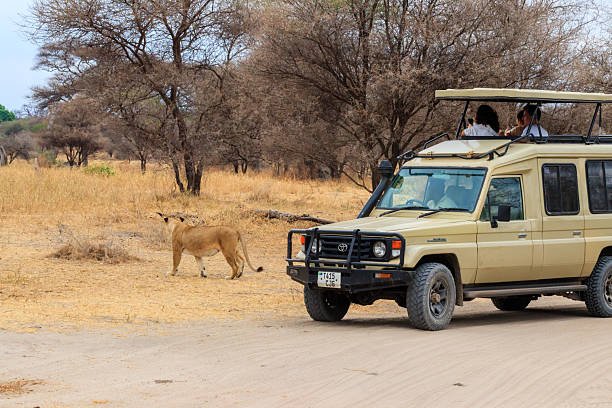
11 Days Marangu Route And Tarangire Serengeti Safari 2026-2027
11 Days Marangu Route and Tarangire Serengeti Safari.
View package details14 Days Lemosho Route And Serengeti Ngorongoro Safari 2026-2027
14 Days Lemosho Route and Serengeti Ngorongoro Safari.
View package details12 Days Machame Route And Serengeti Safari 2026-2027
12 Days Machame Route and Serengeti Safari.
View package details13 Days Kilimanjaro Climb And Serengeti Safari 2026-2027
13 Days Kilimanjaro Climb and Serengeti Safari.
View package details
15 Days Tanzania Luxury Safari And Zanzibar Beach Retreat: Mainland Wildlife
A carefully paced 15-day journey blending premier Tanzanian safaris with a restorative Zanzibar beach retreat, designed for confident travelers seeking wildlife encounters and island...
View package details13 Days Tanzania Safari And Zanzibar All-Inclusive Beach Resort 2026-2027
A carefully planned 13-day journey weaving Tanzania’s classic safari circuit with a relaxing Zanzibar beach resort, focusing on achievable transitions, realistic wildlife opportunities, and...
View package details12 Days Tanzania Wildlife Safari And Nungwi Beach Holiday 2026-2027
12 Days Tanzania Wildlife Safari and Nungwi Beach Holiday.
View package details10 Days Tanzania Big Five Safari And Zanzibar Beach 2026-2027
10 Days Tanzania Big Five Safari and Zanzibar Beach.
View package details
16 Days Tanzania Safari And Zanzibar Beach Adventure 2026-2027
16 Days Tanzania Safari and Zanzibar Beach Adventure.
View package detailsNo related package matches those filters. Clear one or more filters to see the other topic-matched options.



