
This 13-day Tanzania Safari and Zanzibar All-Inclusive Beach Resort itinerary pairs a practical mainland route (Selous or Mikumi to Serengeti or Ngorongoro) with a supported Zanzibar beach stay. You’ll have guided game drives, moderate transfers by road and domestic flight where appropriate, and inclusive resort time on the coast. Exact hotels and flights depend on availability; booking requires confirmation of departure dates, flight connections, and park fees. This plan outlines a grounded sequence and what to expect on each leg, without promising specific sightings or fixed hotel names.

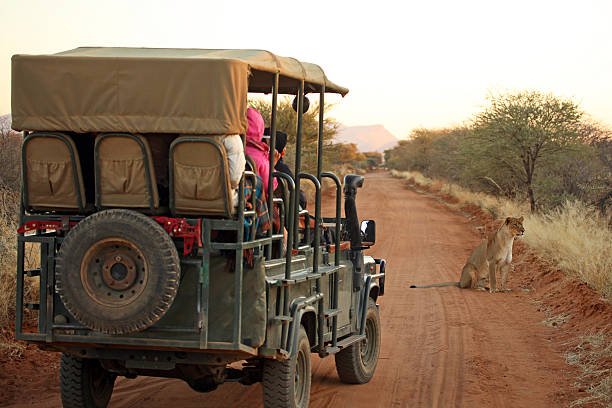
How the 13 days are split: safari mainland first, then island time
The common structure follows a mainland safari of about 8–9 days, then a domestic flight to a Zanzibar island base for 4–5 days of beach time. This split keeps travel time practical and lets you experience Tanzania’s wildlife pulse before switching to a relaxing shore-based experience. Exact day counts for each leg depend on flight availability and park access windows, but the day-by-day plan below shows a coherent sequence with realistic transitions and logistics.
Day 1–2: Arrival and Arusha area or initial wildlife briefing
Arrive Kilimanjaro International or Arusha at an arrival window that suits the onward drive or flight. Transfer to a comfortable lodge or camp near Arusha for your first night. The focus is a gentle acclimatization, a short briefing on safari etiquette, and optional late-afternoon orientation drive to set expectations for the days ahead. Meals are included where possible in your package, with a light pre-safari briefing to review packing lists, vehicle etiquette, and wildlife behavior basics.
Day 3–4: Classic northern circuit introduction (Ngorongoro or Tarangire)
From Arusha, you’ll drive into either Tarangire or Ngorongoro on day three, using a wildlife-rich route that minimizes backtracking. Expect open plains, riverine habitats, and notable elephant and predator activity to set the tone—though sightings can vary. Accommodations chosen for comfort, with included meals and guided game drives full of practical wildlife viewing tips. This phase builds a sense of pace and vehicle comfort, not guarantees of specific animals.
Day 5–6: East Serengeti or Central Serengeti corridor
Continuing into the Serengeti, you’ll follow a practical route that aligns with park logistics and seasonal conditions. You’ll have another day of morning and afternoon game drives, with a mid-day rest in a lodge or tented camp. The emphasis is on the safari rhythm: moving between camps, covering different wildlife zones, and balancing driving times with comfort. Transfers between camps are arranged to minimize long drives and maximize wildlife observation windows.
Day 7–8: Flight to Zanzibar and coast transfer
From Serengeti or Ngorongoro, a scheduled domestic flight carries you to Zanzibar. Upon arrival, a shared or private transfer takes you to your all-inclusive beach base. The connection is designed to keep travel days efficient yet relaxed, with time to settle in and orient around the resort amenities, spa options, and beach activities. The exact resort and transfer details depend on availability and the chosen package, but the flow is consistently integrated with your safari sequence.
Day 9–12: Zanzibar beach resort stay
The Zanzibar portion focuses on rest and light excursions alongside resort-based amenities. You’ll have inclusive meals, beach access, and optional activities such as spice tours, dhow sails, snorkeling, or cultural visits, depending on the resort’s program. Time on the island is framed by tides and marine access; you’ll coordinate water-based activities with local guidance and seasonal conditions. The goal is a balanced rhythm: active mornings or early beach time, followed by leisure afternoons and a comfortable return to the resort for dinner.
Day 13: Departure
Morning at leisure at the coast, followed by a transfer to the airport for your international or domestic connection. If your flight schedule allows, you can squeeze a final walk along the beach or a short local market visit before departure. The day is kept flexible to accommodate flight timing and any last-minute logistics, with typical check-out windows aligned to your transfer window.
Key practicalities you should know before booking
Transfers: The mainland-to-island handover typically uses a domestic flight or a combination of flight and road transfer. The sequence is designed to minimize backtracking and maximize usable safari and beach time. The exact flight times, airline, and check-in procedures will be confirmed after you finalize dates and hotel choices.
Accommodations: Expect two distinct styles—rugged-but-comfortable safari camps or lodges in the national parks, and a stylish, all-inclusive beach resort on Zanzibar. Both legs include meals and guided activities as per the package, with possible variations by season and availability. Each night’s stay aligns with driving or flight segments to reduce hours in transit.
Wildlife: This plan presents realistic safari opportunities, not guarantees. Wildlife movements depend on weather, water sources, and seasonal shifts. Your guide will optimize routes for sightings while prioritizing comfort and safety. If a specific reserve is preferred, discuss it early as it can affect the day-by-day sequence.
Beach preferences: Zanzibar offers several coastlines—Nungwi, Kendwa, Michamvi, and more. The all-inclusive option generally includes resort-style dining and some excursions; the exact location will be chosen based on availability and sea conditions. Tides can influence snorkeling and dhow experiences, so activity timing is guided by local advice.
What makes this structure practical for a first-time planner
Balancing a robust safari with a restorative beach stay requires careful pacing. This plan staggers long drives with flight days, uses widely connected routes, and anchors the island segment with a predictable, comfortable resort platform. You get a clear sequence to discuss with Climb 4 Africa: which parks to prioritize, how many days on the mainland you want, and which Zanzibar beach option aligns with your travel preferences and budget.
Next steps: how to proceed with booking
To move from plan to booking, confirm your preferred travel window, the number of travelers, and any special interests (birding, photography, family-friendly activities). Your operator will propose specific lodge or camp options, domestic flight schedules, and a final cost based on current availability. This framework keeps the conversation focused on pragmatic choices, realistic travel flow, and an achievable balance between wildlife experiences and coastal relaxation.
Day 4–6: mainland safari continuation and transition toward the Serengeti corridor
With the initial acclimation behind you, days 4 through 6 are designed to deepen the mainland safari experience while setting up a practical transition to the Serengeti corridor. This segment emphasizes a coherent route that minimizes backtracking and respects typical wildlife movement patterns, without guaranteeing specific sightings. Exact schedules will depend on park regulations, seasonal river flows, and the chosen concession network.
<strongDay 4: Arusha or Ngorongoro foothills to Tarangire-Ngorongoro border area. The morning departs from your first lodge near Arusha or on the outskirts of the Ngorongoro conservation area. You follow a route that threads through pastoral landscapes toward Tarangire’s famed riverine habitats. Afternoon game viewing focuses on elephant herds, baobabs, and a variety of antelope species along the Tarangire ecosystem edge. Evening is spent at a rustic but comfortable camp that blends with the savanna, offering practical wrappings for an upcoming Serengeti crossing.
<strongDay 5: Tarangire to central Serengeti corridor. After an early breakfast, you complete the transfer to the Serengeti’s central corridor, a leg chosen to balance travel time with potential wildlife density. En route, you may pause for a short rest stop and light lunch, then resume into the heart of Serengeti country. Afternoon and sunset drives concentrate on grassy plains, with a focus on plains-dwelling herbivores and their predators. The goal is steady, high-quality sightings opportunities rather than a rush through back-to-back drives.
<strongDay 6: Central Serengeti core and migration-adjacent areas. This day centers on a full safari rhythm: a morning drive into open plains with the chance to witness nomadic herds and riverine crossings typical of the central Serengeti. A mid-day return to camp for a break is common, followed by an optional late-afternoon drive that capitalizes on golden-hour lighting for photography. The guiding priorities emphasize safety, route flexibility, and responsible wildlife viewing, keeping expectations realistic about movements that vary with the season.
Day 7–8: flight to Zanzibar and coast transfer—preparation for island time
Day 7 marks the transition from the mainland to the island section. A scheduled domestic flight departs from a Serengeti region or a nearby airstrip to Zanzibar, with check-in and boarding procedures coordinated by your lodge or camp staff. Upon arrival, a pre-arranged transfer takes you to the all-inclusive beach base that forms the anchor of your Zanzibar stay. The remainder of day 7 is typically set aside for settling in, orientation at the resort, and an optional, light coastal activity such as a sunset dhow sail if offered by the resort. The goal is to arrive relaxed and prepared for the slower pace of island life.
<strongDay 8: Zanzibar coast arrival and beach-resort orientation. The morning may begin with a scenic transfer from the airport to the resort, a welcome briefing, and a review of the resort’s all-inclusive program. Depending on the property, you can choose from a gentle beach walk, introductory snorkeling in protected bays, or a cultural activity arranged by the resort’s partnerships. The day is designed to establish a restorative rhythm after the safari, with meals and amenities clearly outlined by the resort team.
Day 9–12: Zanzibar beach resort stay—hands-off relaxation with curated options
The Zanzibar phase centers on a comfortable, all-inclusive beach experience that prioritizes rest and flexible activities aligned with tides and sea conditions. Each day includes meals at the resort and access to on-site facilities such as pools, spa options, or water-sport equipment where available. Optional activities are typically bookable through the resort and local partners, and may include:
- Spice tours to nearby farms to explore Zanzibar’s famed spice heritage, with considerations for walking surfaces and accessibility.
- Sunset dhow sailing along the coast, offering a gentle glide along the shoreline with panoramic views.
- Half-day snorkeling excursions to nearby reefs or protected coves, taking into account sea conditions and safety guidelines.
- Cultural visits to Stone Town or coastal villages, focusing on history, local crafts, and food experiences rather than high-intensity itineraries.
Important considerations for this phase include tide-informed activity timing, marine wildlife awareness during snorkeling, and seaspray precautions when choosing open-water experiences. If you have dietary restrictions or specific hobbies (photography, birding, or family-friendly activities), communicate these early so the resort can tailor suggestions within their inclusive framework.
Day 13: Departure and final reflections
The final day begins with a leisurely morning at the coast, allowing for a wrap-up stroll on the beach or a last dip in the pool. Your transfer to the international or domestic flight hub is scheduled to align with your departure time. If your itinerary permits, you may opt for a brief stop at a local market or a short cultural encounter on the way to the airport. The day remains flexible to accommodate flight times and any onward connections; the overarching intention is a smooth, stress-free end to your Tanzania adventure.
Accommodations and practicalities on this plan
Accommodations alternate between two archetypes: rugged, intimate safari camps or lodges within protected reserves, and a high-comfort, all-inclusive beach resort on Zanzibar. The mainland stays focus on practical proximity to parks, reasonable driving times, and sunrise/sunset drive windows that maximize wildlife observation opportunities while maintaining traveler comfort. The Zanzibar base prioritizes consistent service, inclusive meals, and structured but flexible activity options that align with your pace and preferences.
Transfers between components are designed to minimize backtracking. The mainland-to-island handover usually relies on a domestic flight that paths you toward the Zanzibar coastline with a comfortable transfer to your resort. Flight times and check-in procedures are finalized upon confirming travel dates and lodge choices, and may shift due to seasonal schedules or operational considerations.
Key decision points readers should confirm before booking
- Preferred mainland parks or corridor priorities (Tarangire, Ngorongoro Crater, Serengeti core, or migration-focused corridors).
- Desired pace: longer game-drive blocks vs. more downtime at the coast.
- Resort stochastic: which Zanzibar coast option (Nungwi, Kendwa, Michamvi, or others) aligns with tide timings and desired activities.
- Flight routing and dates: ensure compatibility with park fees, domestic flight availability, and international connections.
- Dietary, accessibility, and family considerations to tailor lodging and activity choices.
As with any multi-leg itinerary, operators will confirm names of lodges or camps, exact domestic flight schedules, and current park entry fees closer to booking. This continuation intentionally avoids fixed commitments, prioritizing a clear, practical flow that can be adapted to real-time availability and seasonal conditions.


Day 2–3: tension between arrival acclimation and landfall pacing
To ground readers in the practicality of the schedule, this section clarifies how the transition from arrival to early game drives typically unfolds without overpromising sightings. Upon arrival and after a comfortable night near Arusha, many operators structure the following morning as a gentle briefing and optional short city or lodge-grounds walk to help guests acclimate to the climate, time zone, and vehicle etiquette. By mid-morning, guests may transition to the first safari vehicle for a light, introductory drive that emphasizes easy wildlife interactions around the periphery of the park-adjacent landscapes. This approach reduces fatigue and builds confidence for the longer drives ahead, while still allowing time for packing checks, camera preparation, and briefings on safety protocols, stewardship of wildlife, and responsible photography practices.
Practical notes for Day 2–3:
- Flight connectivity matters: ensure any inbound flight to Kilimanjaro or Arusha arrives with enough buffer to reach the lodge before dusk, especially in peak travel windows when roads can slow due to weather or traffic.
- Vehicle etiquette and spacing: expect a small, consistent group with 1–2 guides per vehicle. Early warm-up drives prioritize close views of common antelope, birds, and forest-edge activities before moving to more expansive terrain the following days.
- Acclimation routines: enjoy a light afternoon tea or coffee, and plan for a sunset welcome briefing that explains the expected pace, how many hours are typically spent in the vehicle, and the timing of morning vs. afternoon drives in the coming days.
Day 10–12: Zanzibar beach resort stay—hands-off relaxation with curated options
Day 10 marks a steadying rhythm where guests calibrate to the resort’s all-inclusive framework. Breakfast is usually served with a sea-facing view, and the day can include private or small-group experiences such as a guided dhow sail at tidal windows, a half-day cultural visit, or a spa retreat blended with sun and sea. The plan supports a balance between structured activities and generous downtime, ensuring you can savor meals, pool time, and direct access to beach facilities without feeling rushed.
Day 11 offers a repeatable mix: a leisurely morning, followed by an optional excursion that aligns with tide times and weather. Options might include snorkeling at nearby reefs, a snorkel-and-sun hands-on tour with local guides, or a relaxed cycling or nature-walk program inside a coastal reserve. The intention is flexibility—guests can opt in or out of activities with the knowledge that the resort can accommodate changes due to sea conditions or personal preferences.
Day 12 provides a gentle close to the Zanzibar segment. Many guests choose a final spa treatment, a sunset dhow cruise, or a last-taste culinary outing that highlights spice and seafood traditions. The day remains focused on comfort, connection with the island, and simple reflections on the journey, with departure logistics pre-arranged to suit individual flight times the following day.
Day 6–7: Mainland to Serengeti corridor—refining the route and practical logistics
With the acclimation window complete, Day 6 tightens the mainland itinerary into a practical Serengeti preface, prioritizing a coordinated drive toward the Serengeti corridor rather than drifting into a secondary park. The day typically begins with an early briefing over coffee, followed by a 2–3 hour game drive that spotlights the transition habitat between highlands and savanna: acacia woodlands, riverine pockets, and open plains where predators intermittently patrol. After a late-morning scoping drive, a mid-day rest at a lodge or camp is common, allowing guests to rehydrate, review the day’s sightings, and prepare for an afternoon push toward the corridor region.
Day 7 then marks the formal shift: a comfortable transfer from the chosen mainland base to a Serengeti airstrip, followed by a scheduled light aircraft flight to a central Serengeti or east Serengeti airfield depending on park logistics and permit availability. The transfer minimizes backtracking and aims to arrive at a new camp or lodge in the late afternoon or early evening. Ground staff will meet you upon arrival, transfer you to your new base, and provide a fresh orientation that mirrors the pace and expectations of the Serengeti ecosystem—where wildlife density and behavior can change with the landscape and season. The afternoon game drive on Day 7 typically centers on a first survey of core Serengeti habitats, with a focus on wide-grass plains, kopjes, and the likelihood of elephant and cheetah sightings in established territory corridors.
Key decision points for this phase include confirming the preferred Serengeti sector (northwest corridor for migration prospects, central Seronera for year-round predators and resident herbivores, or a mix leveraging adjacent private concessions). Your operator will align flight schedules, park entry fees, and camp availability to your group size and the season, but you should anticipate that weather and airstrip constraints can adjust the exact times of arrival and drive blocks. This is also the point where some guests opt for a night under canvas closer to a productive wildlife area, while others favor a comfortable lodge with predictable service and a shorter first drive. Either choice should preserve the essential rhythm of a morning and an afternoon game drive, with a mid-day rest in open-air or shaded spaces, depending on the accommodation style.
Day 8: Serengeti immersion—core habitats and flexible safari blocks
Day 8 is designed as a core Serengeti day that balances horizon-wide views with intimate encounters. Depending on the camp’s location, your program may include a sunrise drive that sweeps across the plains as fog lifts and wildlife becomes more active. Species focus commonly includes large herbivores—thomson’s gazelle, zebra, wildebeest—alongside predators like lions and possibly African wild dogs in territories with stable packs. A mid-morning break at a scenic kopje or a picnic site offers a quiet moment to absorb the scale of the Serengeti and to review potential migration cues without committing to a full-day pace.
Afternoon activities are often flexible to tide/night conditions and could involve a second short drive aimed at positions where the guide hopes to observe predator-prey interactions within the core plains. If your itinerary aligns with a migration window, your guide will tailor the afternoon route to maximize chances of key sightings without creating a rushed timetable. Regardless of sightings, this day emphasizes consistent wildlife engagement, the distinct rhythm of Serengeti light, and the sense of vastness that defines this ecosystem.
Transition considerations for Day 8 include confirming onward logistics toward Zanzibar—whether the plan retains a straight flight from the Serengeti airstrip to Zanzibar or requires a backup routing via a different regional hub. If a late flight is available, a short final drive can lead to a preferred sunset vantage point before departure, but this should never compromise the timing of check-in and the domestic connection. The overarching objective is to maintain a balance between quality game-viewing time and the efficiency needed to reach the coast with relaxed pace for beach time to follow.
Common questions that surface from logistics and pacing gaps
Readers frequently ask how the sequence handles sudden schedule shifts, such as an earlier-than-expected flight or a late-arriving international connection. The plan assumes domestic flight times and road transfers are coordinated by your operator, but in practice you should expect one or two adjustable blocks. For instance, a morning game drive on Day 4 could be swapped with an afternoon drive on Day 3 if airstrip availability requires it, while preserving your overall balance between safari time and rest periods. Clarifying this flexibility in advance helps prevent disjointed days and keeps the rhythm intact.
Another practical concern is the exact handover from the mainland to Zanzibar. The itinerary notes a domestic flight and transfer to a beach base, but the value of having a contingency option (such as a later flight or a same-day connection via a different airstrip) becomes clear only when you encounter weather or schedule constraints. Operators typically reserve a small time cushion for these transitions, ensuring you don’t lose a full beach day due to a late arrival. If your group includes family members or guests with limited mobility, request a pre-arranged, door-to-door transfer package that minimizes long airport waits and multiple checkpoints.
On the mainland, the choice between Tarangire vs Ngorongoro as a first major park is often driven by seasonal wildlife movement and road conditions. While the article presents a balanced alternative, readers frequently want a decision guide that translates seasonality into concrete expectations: are the tree-dotched Ngorongoro craters best in the dry season for dramatic viewpoints, or does Tarangire’s elephant concentrations shine during the shoulder months? The key is to align with your priorities—intense predator activity vs. large herds and scenic landscapes—while recognizing that weather can still alter drive times and visibility, even within a well-planned route.
Is the Zanzibar beach time truly all-inclusive? In practice, resort programs vary: some include select excursions (spice tours, dhow sails) and a fixed meal plan, while others offer more à la carte options. If you explicitly want certain activities, confirm their inclusions and any capped quotas or seasonal constraints (for example, tidal windows for dhow sails or cultural visits in the spice gardens). This minimizes surprises and ensures your beach portion matches your expectations for downtime and gentle exploration.
Finally, the plan’s “no fixed hotel names” approach is designed to keep pricing flexible, but it also means you should be prepared for mid-range to premium accommodations that fit the described formats (comfortable lodges near parks and a high-comfort Zanzibar resort). When you request proposals, ask for three to five concrete options aligned to your group size, accessibility needs, and preferred ambiance (intimate camp vs. larger lodge) so you can directly compare values, not just stars.
Clarifying the mainland-to-island transfer logic and practical timing for a smooth Zanzibar transition
One practical gap readers frequently encounter is understanding how the mainland safari cadence lines up with the Zanzibar beach segment in real-world terms. The key detail is that the 13-day plan intentionally buffers the transition with a domestically scheduled flight and a coast transfer that respects both park logistics and resort check-in windows. This means you should expect, on typical itineraries, a morning or early-afternoon departure from a Serengeti–Ngorongoro area airstrip, followed by a domestic connection to Zanzibar that lands in time for a sunset arrival at the coast base. The exact times depend on flight connections and the day’s weather, but operators generally aim for a same-day arrival so you don’t lose a beach day. If weather or logistics push the connection, most packages include a built-in half-day cushion or an optional extension of the wildlife portion by a half-day extension at a nearby camp before the flight, designed to preserve beach time without compromising safari momentum.
To plan effectively, travelers should ask their operator for three concrete flight options that align with the Serengeti’s current flight schedule and the Zanzibar hotel check-in policy. A typical, feasible sequence might look like this: a dawn or mid-morning game drive ends, followed by a swift exit from the camp to the airstrip, a 15–40 minute domestic flight to a hub such as Arusha or Dar es Salaam depending on the route, then a longer connection to Zanzibar’s international airport or regional airstrip, and finally a transfer to the coast resort. In practice, many itineraries consolidate transfers into a single orderly process with a shared shuttle service arranged by the lodge, reducing the number of stops and minimizing airport delays. The objective is to deliver a smooth handover from plains to palm-fringed beaches while preserving your first moments on the coast for leisure rather than logistics.
Another commonly overlooked detail is the park-to-airstrip distance variability. In the northern circuit, the Serengeti’s central and eastern corridors can place airstrip transfers at different lengths compared with Ngorongoro’s crater region. The planning solution is a flexible, operator-managed schedule that anticipates buffer time and avoids forced early wake-ups on your final safari day. If your group includes children or travelers with limited mobility, request door-to-door transfers and priority security processing, which many operators provide as a standard add-on in mid-range to premium packages. This approach reduces fatigue and ensures a more comfortable transition from safari to beach.
Island activity expectations and the all-inclusive concept in practice
On Zanzibar, the all-inclusive label covers more than meals; it often includes a curated mix of beach activities, spa options, and light excursions aligned to tides and weather. Read the fine print closely: some properties bundle certain excursions—such as spice tours, cultural visits to Stone Town, or dhow sails—within the package, while others offer these as add-ons. If you know you want a specific experience (for example, a spice farm visit at a particular time of day or a private sunset dhow), flag this early and request guaranteed slots or a dedicated guide. Seasonal constraints, such as tidal windows for dhow sails or limited access to Stone Town during religious or public events, can influence availability. By confirming inclusions and caps ahead of time, you minimize the risk of disappointments and align the island experiences with your pacing needs during the beach segment.
In terms of pacing, many guests find the Zanzibar portion best enjoyed with a balance of relaxed days and a small selection of light, low-impact activities. A typical beach-day rhythm might include an all-inclusive breakfast, a mid-morning pool or beach time, and an optional afternoon activity such as a short spice-taste walk, a local market visit, or a guided reef snorkel if the resort offers one. For large groups or families, request staggered activity slots so quieter mornings precede busier afternoons, preserving space for downtime between excursions. This prevents beach fatigue and maintains enthusiasm for both rest and gentle exploration.
Ensuring consistency across wildly different lodging styles
The itinerary’s “no fixed hotel names” approach is designed to preserve pricing flexibility, but it also means guests should verify the implied levels of comfort for each leg. Mainland accommodations typically emphasize proximity to parks, climate tolerance, and practical safari amenities—think reliable lighting, en-suite bathrooms, and adequate vehicle access. In Zanzibar, the all-inclusive beach resorts vary from boutique, tucked-away properties to larger, resort-scale facilities with expansive reef-access options. When you request proposals, ask for three to five concrete options that fit your group’s mobility needs, preferred ambiance, and operational constraints (for example, the ability to accommodate a late-arriving flight, or an early check-out time on the final day). A side-by-side comparison across three to five options helps you gauge value beyond star ratings, such as the availability of private transfers, the quality of meals, and the inclusivity of activities or excursions.
What if I need to adjust days due to flight constraints or interests?
Given the reliance on domestic flights and weather variability, the plan accommodates patient adjustments with minimal impact on overall timing. If a Serengeti flight is delayed, operators commonly re-sequence the day with a later game-drive block or switch to a nearby, equally accessible area to preserve the safari rhythm. On the Zanzibar side, if a flight lands later than planned, many resorts offer a flexible dinner window and a reschedulable activity slot the following day. The common denominator across these contingencies is clear communication with your operator and resort. Confirm, in writing, the preferred fallback options (for example, “Option A: push beachfront day by 1, Option B: swap to a morning drive on the following day”) so you’re prepared rather than surprised.
Finally, the plan’s emphasis on a coherent sequence remains the anchor: the mainland block aims to deliver reliable wildlife experiences within efficient travel windows, then the Zanzibar block provides restorative coastal time without sacrificing the overall value of the trip. You’ll retain the decision leverage by requesting explicit itineraries that map day-by-day transitions, flight segments, and resort check-in cues. This level of detail helps ensure your 13 days stay tightly coordinated, transparent, and free of avoidable gaps.
Related Guides and Packages
Check Availability for 13 Days Tanzania Safari And Zanzibar All-Inclusive Beach Resort 2026-2027
Ready to compare dates, prices, and the best option for your group? Send the package name and travel month so the team can reply with a clear quote, availability, and what is included.
15 Days Tanzania Luxury Safari And Zanzibar Beach Retreat: Mainland Wildlife
A carefully paced 15-day journey blending premier Tanzanian safaris with a restorative Zanzibar beach retreat, designed for confident travelers seeking wildlife encounters and island...
View package details
10 Days Tanzania Big Five Safari And Zanzibar Beach 2026-2027
10 Days Tanzania Big Five Safari and Zanzibar Beach.
View package details
16 Days Tanzania Safari And Zanzibar Beach Adventure 2026-2027
16 Days Tanzania Safari and Zanzibar Beach Adventure.
View package details14 Days Tanzania Safari And Zanzibar Beach Tour: Mainland Wildlife, Islands
Plan a smooth 14-day Tanzania adventure that layers a classic mainland safari with a relaxing Zanzibar beach finale. This practical route outlines day-by-day movements, transfer ideas, and...
View package details12 Days Tanzania Safari And Zanzibar Beach Vacation 2026-2027
12 Days Tanzania Safari and Zanzibar Beach Vacation.
View package details10 Days Tanzania Safari And Zanzibar Beach Package 2026-2027
10 Days Tanzania Safari and Zanzibar Beach Package.
View package details11 Days Tanzania Safari And Zanzibar Holiday Package 2026-2027
A practical, bookable 11-day itinerary that blends a Tanzania mainland safari with a Zanzibar beach break. Day-by-day flow, logistics, and realistic activity expectations.
View package details7 Days Tanzania Safari And Zanzibar Beach Holiday 2026-2027
7 Days Tanzania Safari and Zanzibar Beach Holiday.
View package details10 Days Tanzania Bush And Beach Holiday Package 2026-2027
A practical, bookable 10-day itinerary blending Tanzania’s iconic safari hotspots with a relaxing beach extension in Zanzibar, designed for straightforward planning and local support.
View package details12 Days Tanzania Mid-Range Safari And Zanzibar Holiday 2026-2027
12 Days Tanzania Mid-Range Safari and Zanzibar Holiday.
View package details14 Days Tanzania Safari And Zanzibar Private Holiday 2026-2027
14 Days Tanzania Safari and Zanzibar Private Holiday.
View package details15 Days Tanzania Safari And Zanzibar Luxury Holiday 2026-2027
15 Days Tanzania Safari and Zanzibar Luxury Holiday.
View package detailsNo related package matches those filters. Clear one or more filters to see the other topic-matched options.



